Tactical Lynchpin for Each of the 32 World Cup Nations in Brazil
In a tactical sense, the interesting thing about international football is the fact managers are presented with a fixed pool of players.
If there’s a weakness, they have to play someone out of position or solve the problem through a clever tactical plan—they can't just go out and sign someone else.
This means a side's key player isn't always their best player. Often, the key player is someone playing a distinctive role, someone forced to adapt to a position he is not familiar with, or someone who provides a unique quality compared to the rest of the squad.
Here, then, is the key player for each of the 32 competing nations at this summer's World Cup.
Algeria: Sofiane Feghouli
1 of 32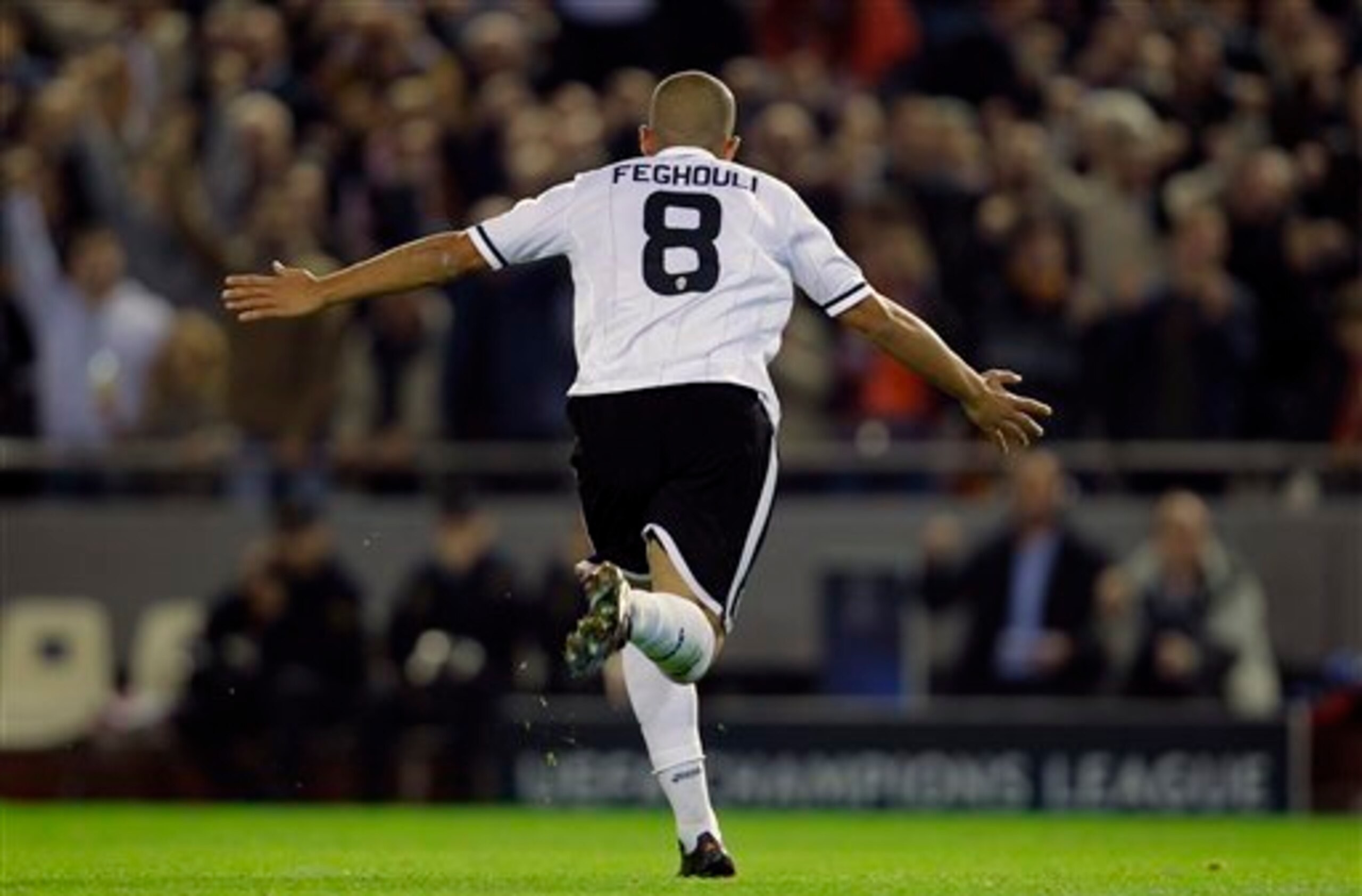
A consistently impressive performer for Valencia over the past couple of seasons, Feghouli has impressed at club level with his boundless energy, his counter-attacking threat and his ability to make late runs into the opposition's penalty area.
Playing alongside talented midfielders, others take charge of creativity.
At international level, however, Feghouli plays a more refined role, underlined by the fact he wears No. 8 for his club but No. 10 for Algeria.
He's charged with directing Algeria's play and providing a link between a functional midfield and the two forwards, left-sided Al Arabi Soudani and striker Islam Slimani.
For Algeria to succeed, Feghouli must play well.
Argentina: Angel Di Maria
2 of 32
He might not be Argentina's star attraction, but Di Maria is vital to Alejandro Sabella's side because he performs an unusual, specific and extremely tiring task—connecting midfield and attack with constant bursts of speed.
Sabella favours a 4-3-3 system with Leo Messi, Gonzalo Higuain and Sergio Aguero up front, which creates two problems—the possibility for Argentina to be "broken" between midfield and attack, and the huge defensive responsibility placed upon the other seven players.
Di Maria covers both bases, charging forward in possession before knocking quick balls behind the opposition defence, then scampering back to protect the left side of his defence. In this system, he's irreplaceable.
Australia: Mile Jedinak
3 of 32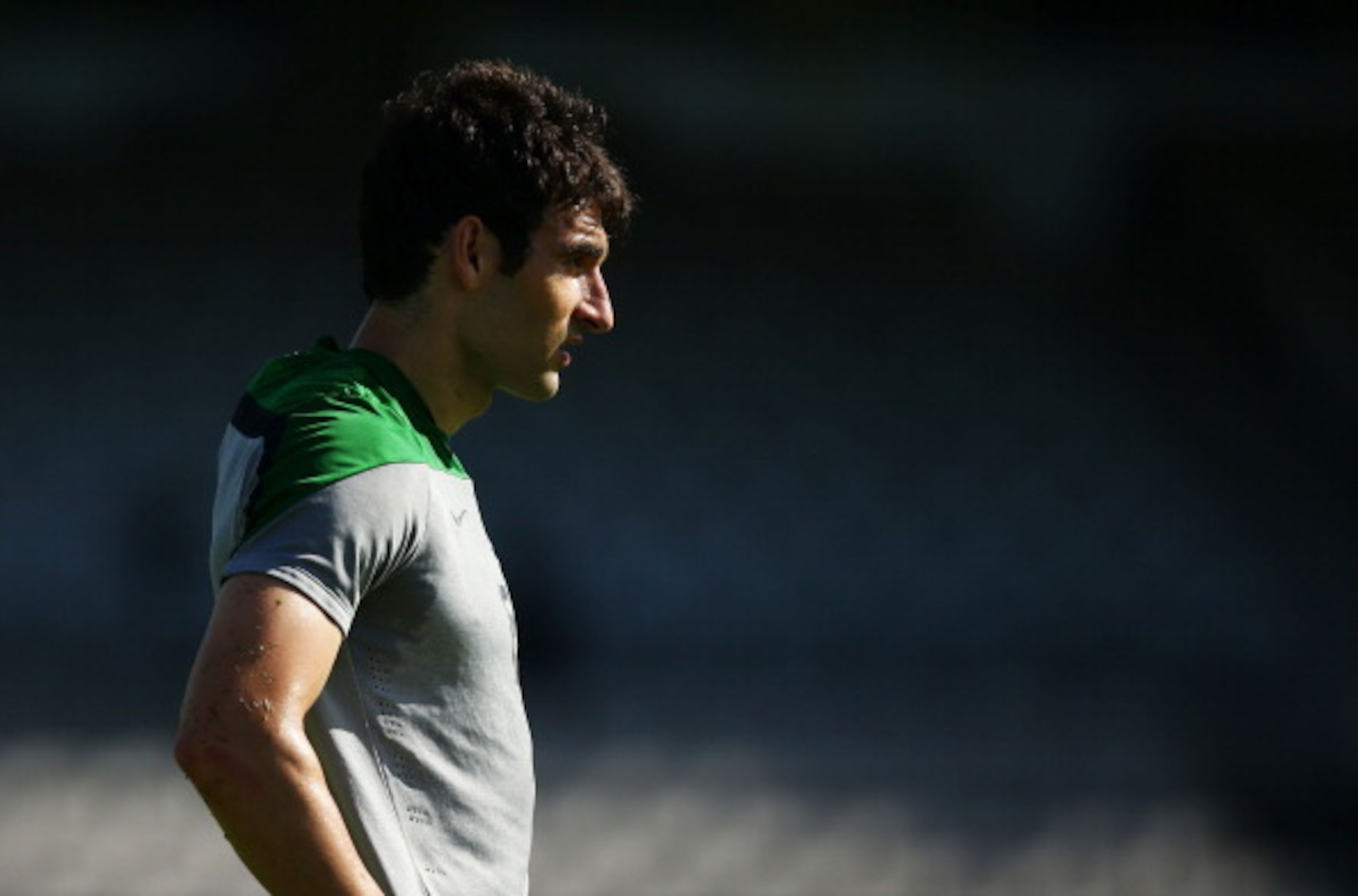
By the end of Crystal Palace's remarkable campaign, there were various star performers—but until the Tony Pulis-inspired turnaround became evident, when Palace were relegation dead certs, only Jedinak was impressing.
He'll have to draw upon that experience this summer because his international side are in a similar position.
Arguably the side least likely to qualify from their group, Australia must compensate for their lack of true technical quality with sheer energy, hoping they can cause problems with their stamina and work rate.
Jedinak epitomises this, and having led the Premier League in terms of both tackles and interceptions last season, he is a one-man ball-winning machine.

Belgium: Jan Vertonghen
4 of 32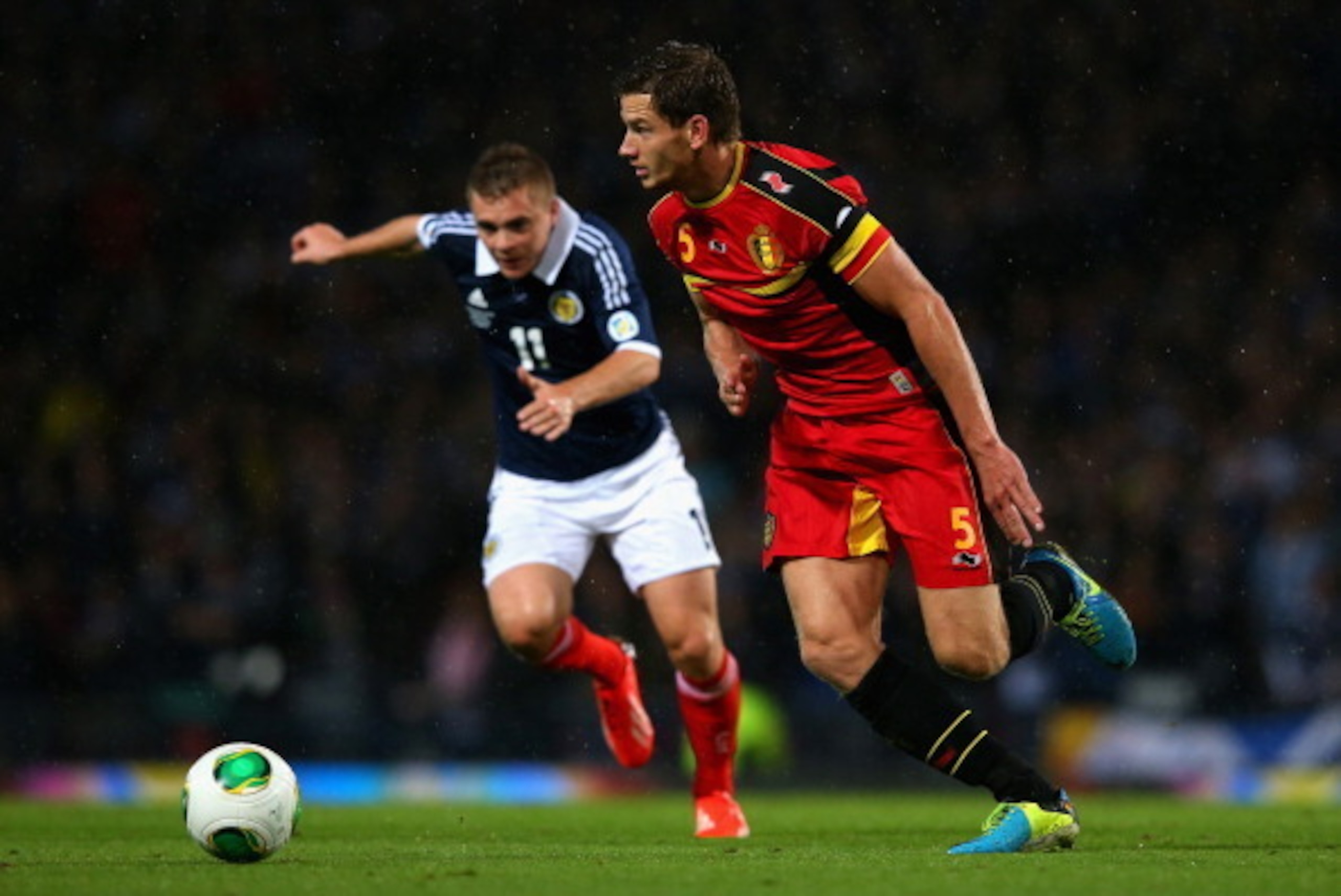
Belgium have a plethora of talented individuals, but the major area of weakness is their complete lack of full-backs.
Instead, they're forced to deploy centre-backs out of position in wide areas, and therefore a large part of their success will be about how those players adapt.
Toby Alderweireld is likely to play a solid, unspectacular right-back role, but Vertonghen has the potential to be more adventurous on the left.
He has great technical quality on the ball and is happy pushing forward to attack, which is crucial, as it allows Eden Hazard inside into goalscoring positions.
Bosnia: Muhamed Besic
5 of 32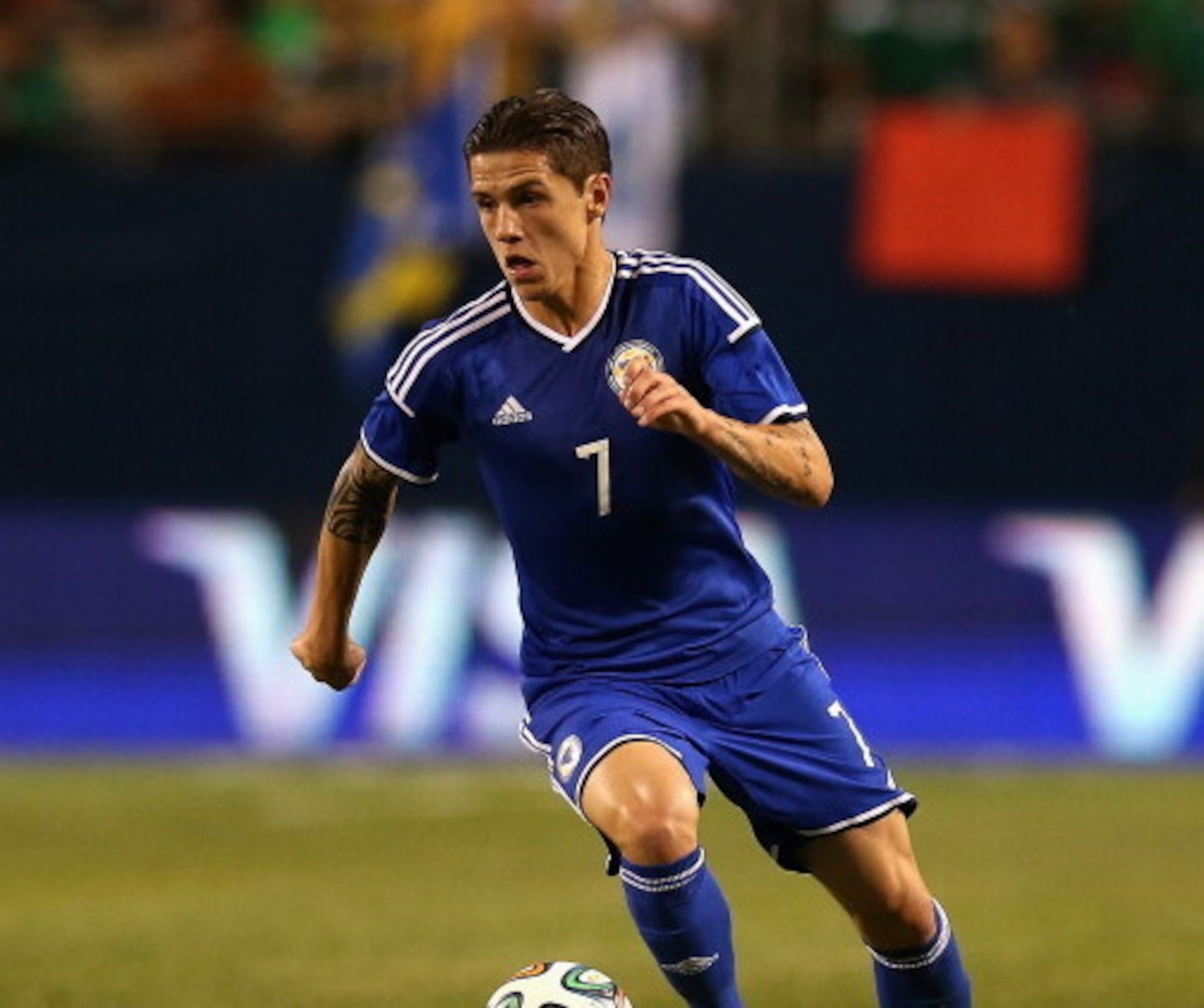
Throughout qualification, Bosnia played an extremely attack-minded side, with coach Safet Susic insisting he wanted to play as many of his attackers as possible. He didn’t call upon a recognised holding midfielder, and either the creative Haris Medunjanin or converted full-back Sejad Salihovic seemed likely to protect the defence in Brazil.
But having boasted about Bosnia’s fearlessness, Susic has suddenly become more cautious and now appears set to play 21-year-old Muhamed Besic deep in midfield. Besic played no part in qualifying, has only nine caps and very minimal experience in big matches. It’s a big risk, but Besic's role in an otherwise attack-minded midfield is absolutely pivotal.
Brazil: Oscar
6 of 32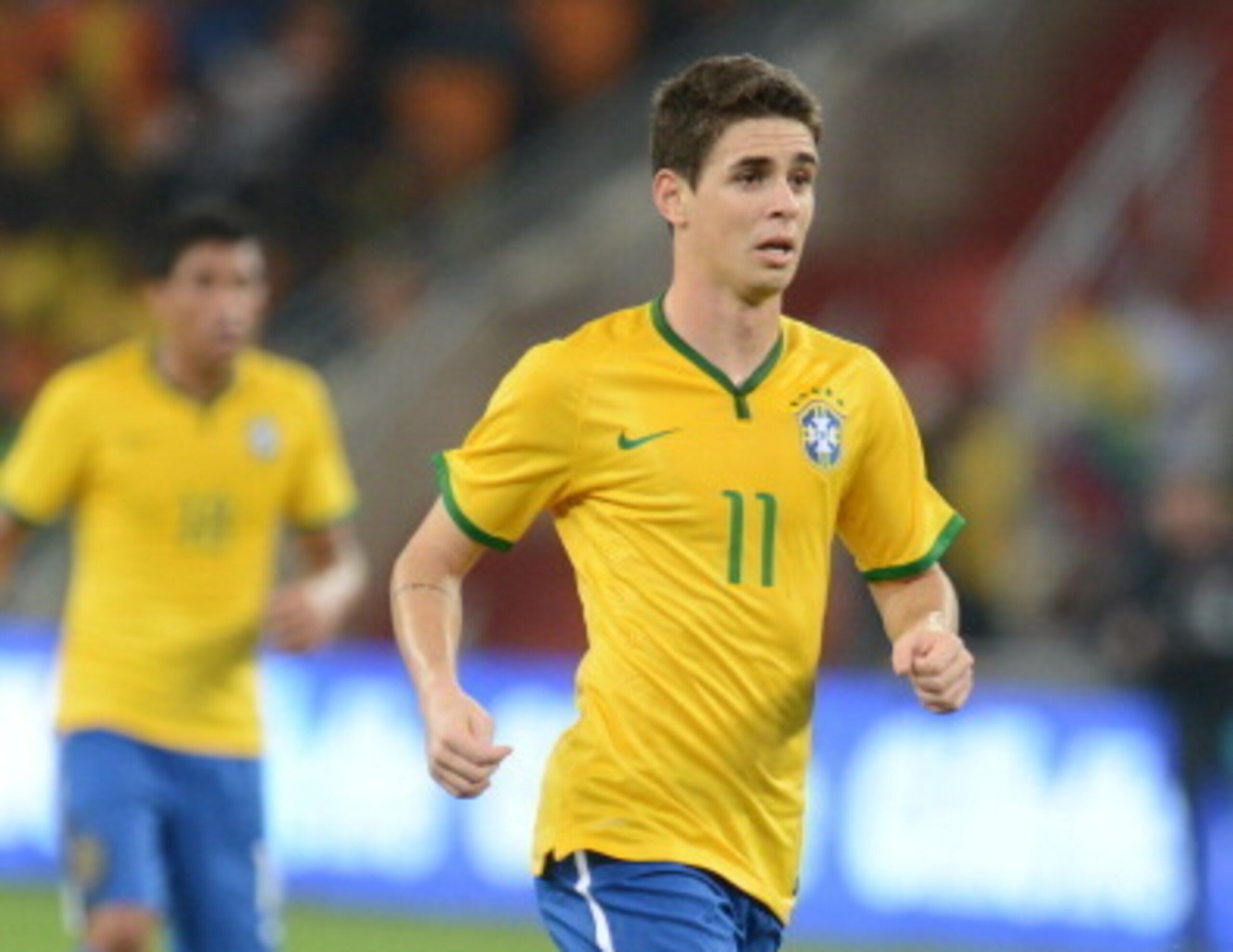
His form has dipped at club level, but for Brazil, Oscar has consistently been excellent, particularly since Felipe Luiz Scolari took charge for a second time.
He's slightly unusual for a South American playmaker—quick with his movements and extremely tactically disciplined, and he's perfect for this counter-attacking Brazilian side.
While Brazil's No. 10s are usually the star attraction, Oscar's major job is to facilitate the attacking moves of others.
He drifts laterally to allow either Neymar or Hulk to cut inside and shoot without sacrificing the side's overall width, and his clever darts can open up space for Paulinho's bursts into attack, too.
Oscar can star himself—nine goals in 31 caps is a great record for a midfielder—but he's more about bringing the best out of others.
Cameroon: Alex Song
7 of 32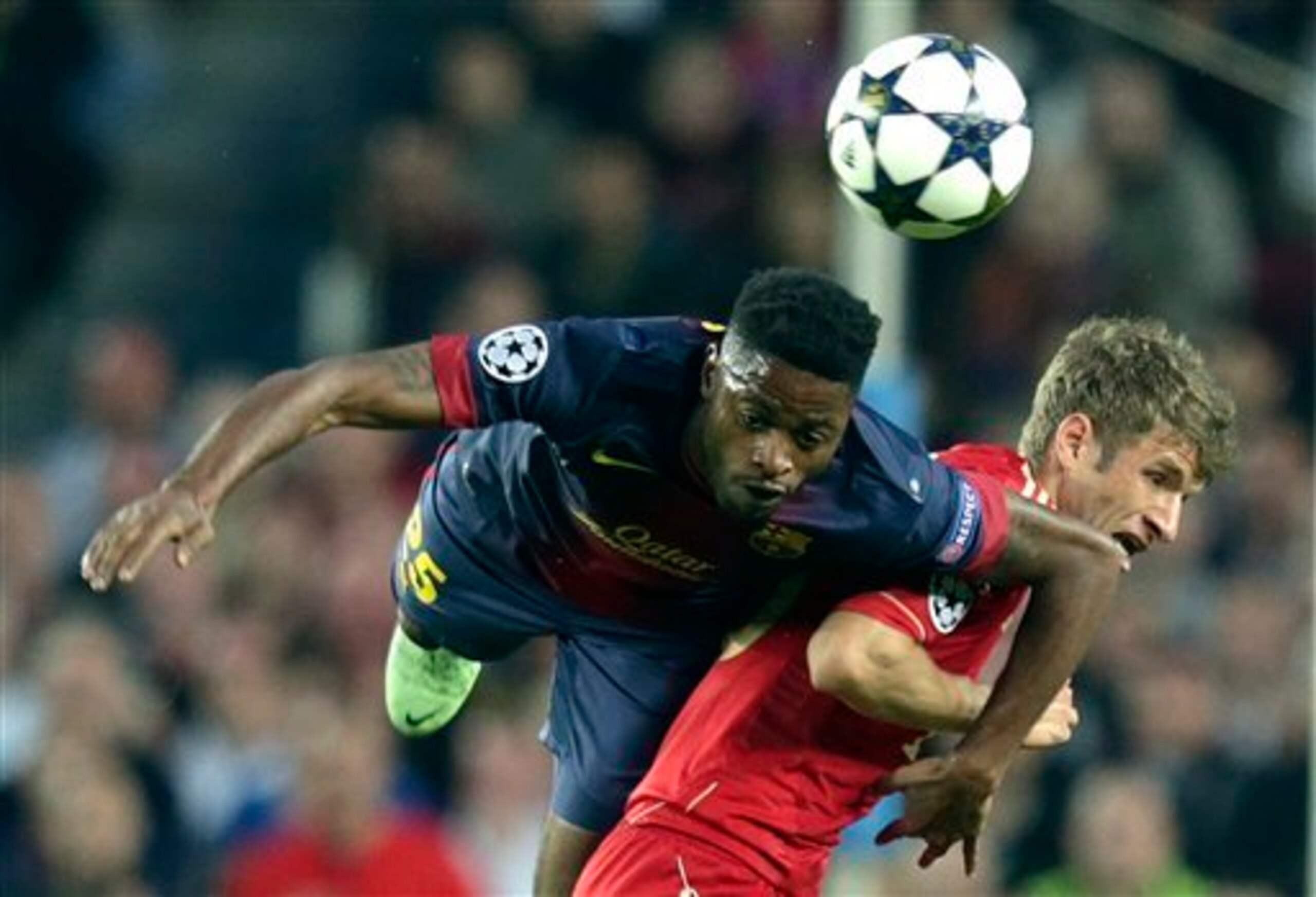
On the pitch, Song plays a more cultured role than he's accustomed to at club level, breaking forward from midfield to provide clever passes for the attacking players.
He's the Song who topped Arsenal's assist charts in his final campaign in London, rather than the Song who played as a pure destroyer.
Cameroon need to find the right position for him, though.
It's not yet clear whether he'll start at the base of a midfield triangle or alongside Eyong Enoh—Cameroon have used both formats in the warm-up games—but they need to maximise Song's impact.
Chile: Arturo Vidal
8 of 32
In a way, Arturo Vidal is the best footballer in the world. Not the actual best footballer—that's Lionel Messi or Cristiano Ronaldo—but the best all-rounder.
Vidal is tremendously energetic; he can play in defence, midfield or attack. He's fast, strong, good in the air; he can pass intelligently, is a feisty tackler and scores goals. Often, he does all these things in the same game.
Chile are the most attack-minded side at this tournament and Vidal's dynamism will be crucial.
Whether fielded as the No. 10, his best position in this side, or in a slightly deeper role, he epitomises the energetic, high-energy, heavy-pressing style Jorge Sampaoli orders.
Colombia: Juan Cuadrado
9 of 32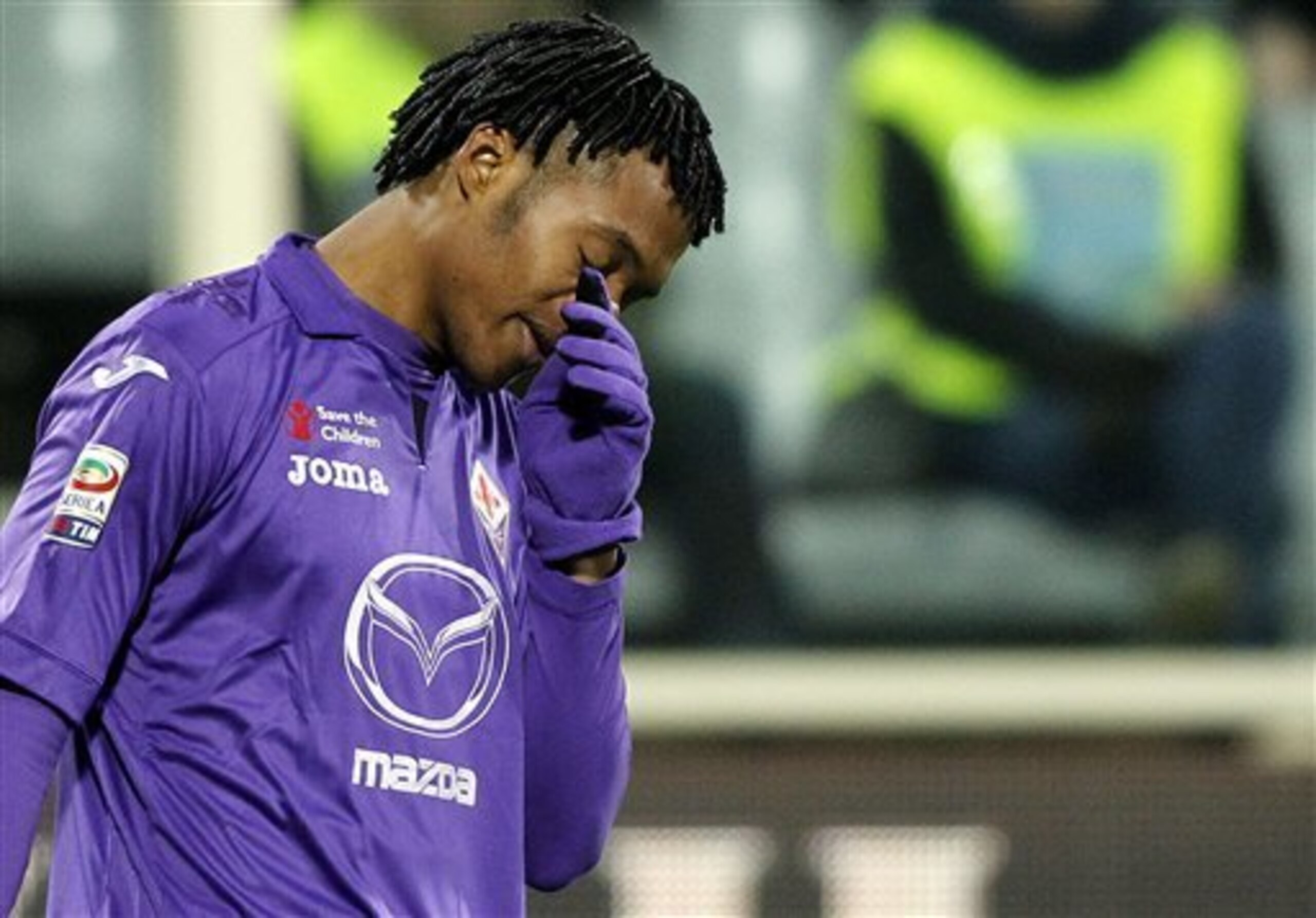
In the absence of Radamel Falcao and Edwin Valencia, Colombia are in a peculiar situation. They have three strikers, Carlos Bacca, Jackson Martinez and Teofilo Gutierrez, who all do roughly the same job. Two of them will start.
They also have two central midfielders, Carlos Sanchez and Fredy Guarin, who are tenacious rather than creative, and therefore they need some variety from the flanks.
James Rodriguez should drift inside from the left, but right-sided Juan Cuadrado might be even more crucial. A brilliantly tricky, direct and ruthless old-school winger, he's playing against some very attack-minded left-backs in the group stage.
Both Greece's Jose Holebas and Japan's Yuto Nagatomo will allow him space to break into, and Cuadrado should shine.
Costa Rica: Keylor Navas
10 of 32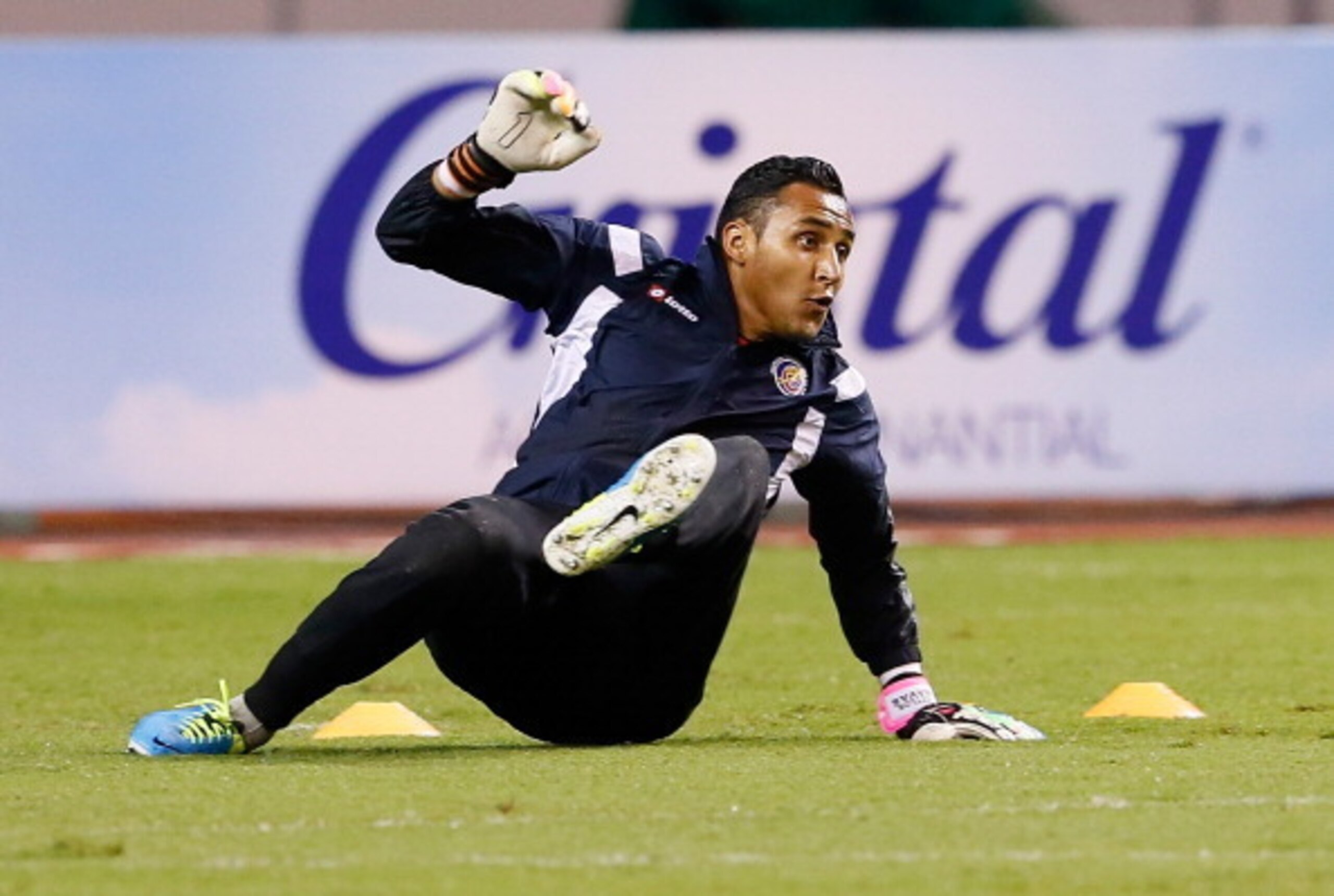
Costa Rica would have been one of the most cautious, defensive-minded sides at this World Cup regardless of their draw, but in the hugely difficult Group D—against three previous winners of the competition—they will shut up shop and play on the counter-attack.
Even in qualification, one of Costa Rica's weaknesses was their tendency to invite too much pressure—they are vulnerable in the channels while the centre-backs aren't particularly effective at clearing crosses.
Luckily, they have a brilliant, all-action goalkeeper. Navas has become highly rated at Levante over the last couple of seasons, and while not the tallest, he possesses a great spring that might be needed when dealing with both crosses and shots.
Croatia: Darijo Srna
11 of 32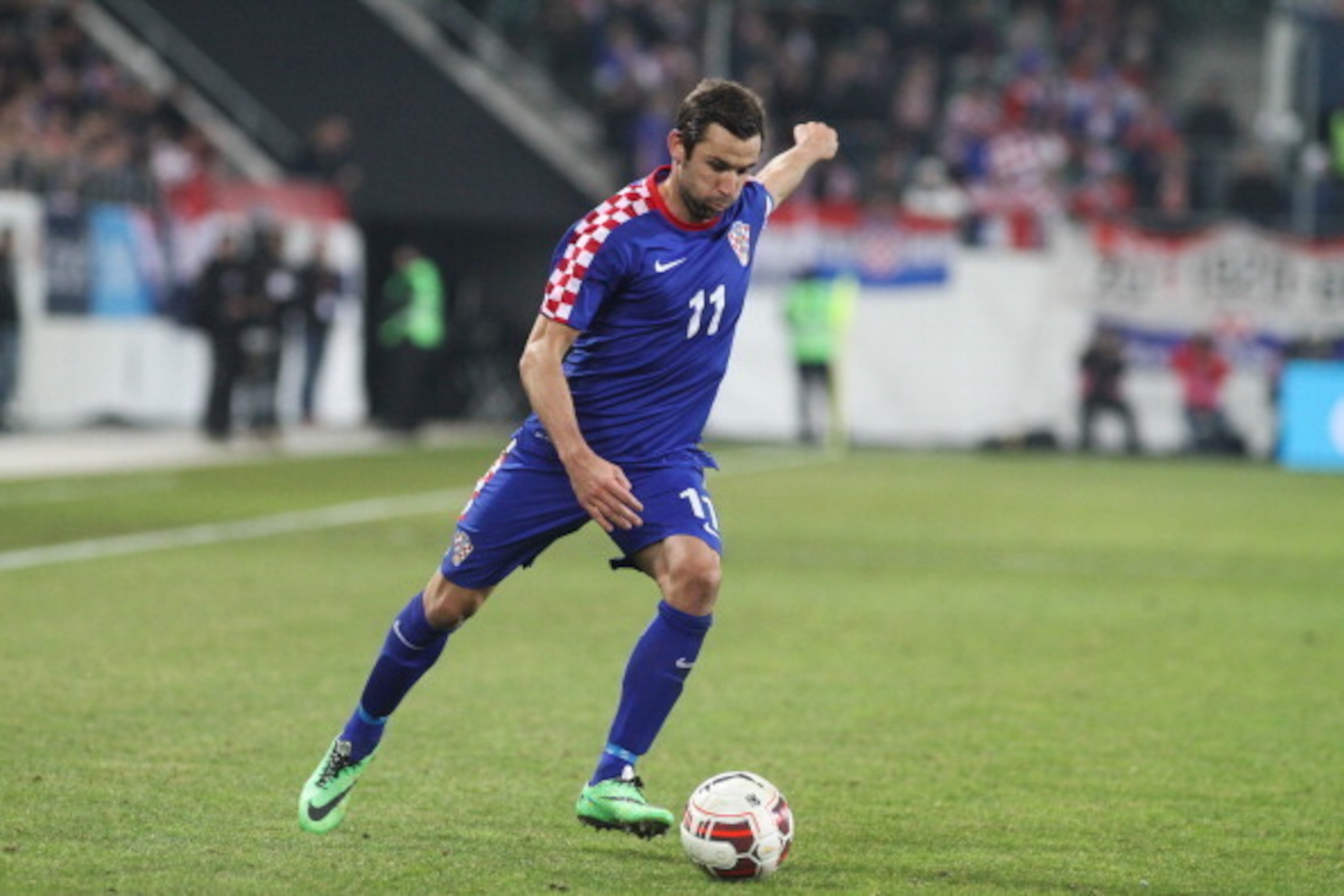
Stylistically, Croatia are comparable to Spain. They have a variety of brilliant technical central midfielders—Luka Modric, Ivan Rakitic, Mateo Kovacic, Niko Kranjcar—and therefore are capable of controlling matches.
They also boast a fine striker, Mario Mandzukic, even if he's suspended for the opener, so finishing shouldn't be a problem.
But they sometimes lack pace and directness, and this means veteran right-back Srna, who captains the side, is their key man.
He's a reliable defender but is forever charging up the touchline to get himself into good crossing positions and therefore, despite all the creativity from midfield, could act as Mandzukic's chief supplier.
Ecuador: Christian Noboa
12 of 32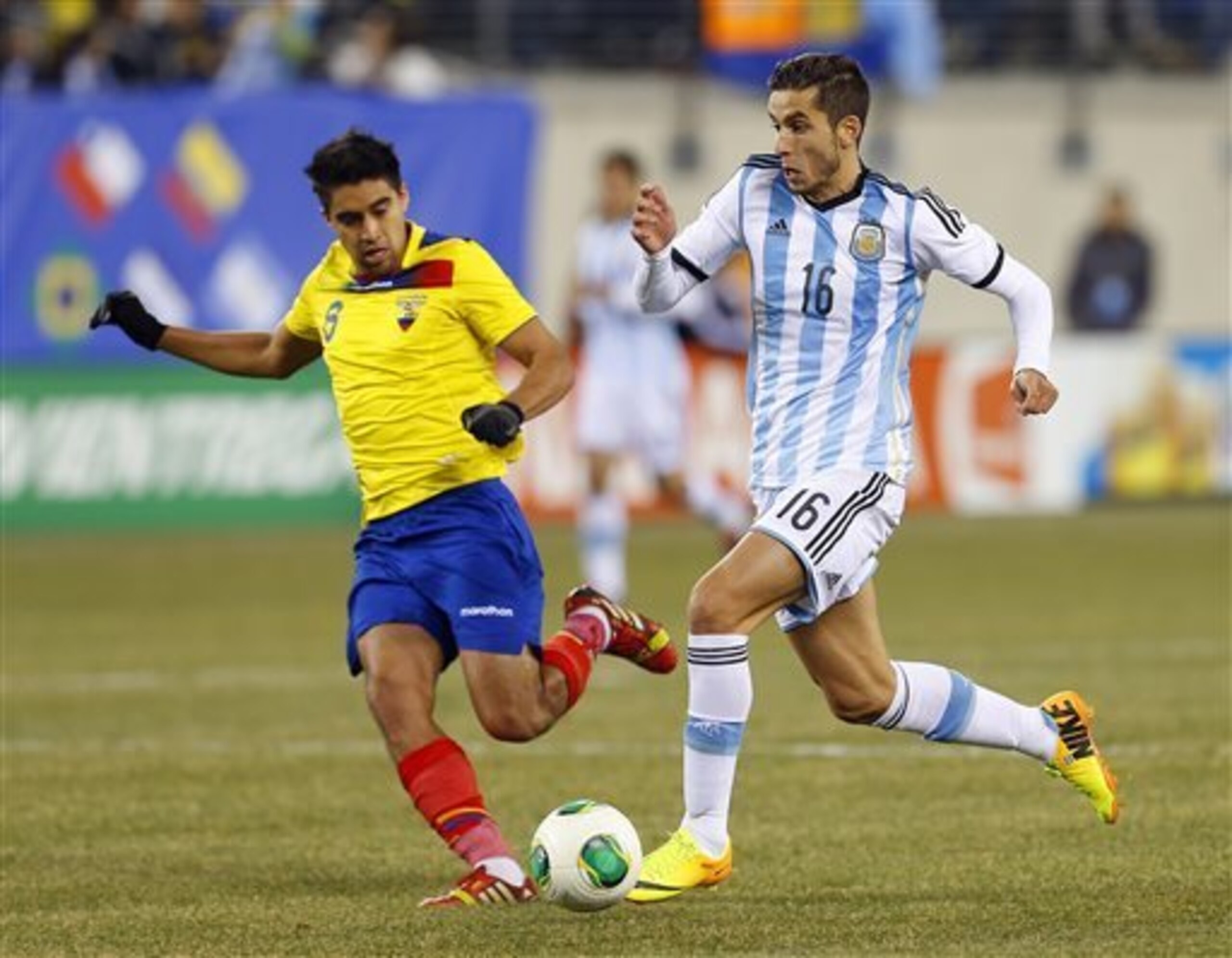
Ecuador's main strength is their pace and energy down the flanks, with two attacking full-backs in Juan Carlos Paredes and Walter Ayovi, plus direct wingers in Antonio Valencia and Jefferson Montero.
But the fact they possess so much quality out wide means the key player is actually elsewhere, and Noboa is the one Ecuadorian capable of commanding the midfield zone and spreading the play intelligently to the flanks.
Ecuador can otherwise be too frantic and rushed in their play, but Noboa brings an air of calm without disrupting the overall game plan.
England: Jordan Henderson
13 of 32
He might be a peculiar suggestion for this status, considering he's not even guaranteed to be in the starting XI, but few other players could have such a transformative impact upon Roy Hodgson's side.
Henderson is fresh from a superb campaign at Liverpool (where it can be argued his suspension late in the season was a major reason they failed to win the title), providing relentless bursts to carry the ball forward from midfield and to connect the midfield and attack.
He developed a fine relationship with Steven Gerrard, set to replicate his Liverpool-style holding role for the national side, and therefore seems the perfect man to ensure England don't suffer from their age-old problem—being overrun in midfield.
France: Mathieu Valbuena
14 of 32
When Didier Deschamps was appointed Marseille manager in 2009, he immediately attempted to sell Valbuena, believing he wasn't compatible with Deschamps' preferred 4-3-3 formation.
Five years later, Valbuena is his key player—in a 4-3-3 formation.
Valbuena interprets the role in an interesting way, drifting laterally to provide both right-sided width and a proper creative threat from between the lines.
On his day he's absolutely superb, a magician of a footballer capable of being both reliable and incisive with his passing, working excellently in tandem with a centre-forward.
Ahead of a powerful midfield lacking an outright creator, Valbuena is pivotal.
Germany: Toni Kroos
15 of 32
With Germany's strength in depth in the attacking midfield positions, Kroos is likely to be fielded in a deeper role.
His first campaign under Pep Guardiola at Bayern Munich was arguably a slight disappointment, but for Germany he can step up and lead this side.
Bastian Schweinsteiger has never completely comfortable dictating play and providing physicality. And with Ilkay Gundogan, Sven and Lars Bender out and Sami Khedira not 100 percent fit, Kroos is required for his physicality in addition to his creativity.
Imposing in possession and intelligent in a positional sense, it might be the more functional version of Kroos we see at the World Cup, but Germany have enough silky playmakers to justify this.
Ghana: Kwadwo Asamoah
16 of 32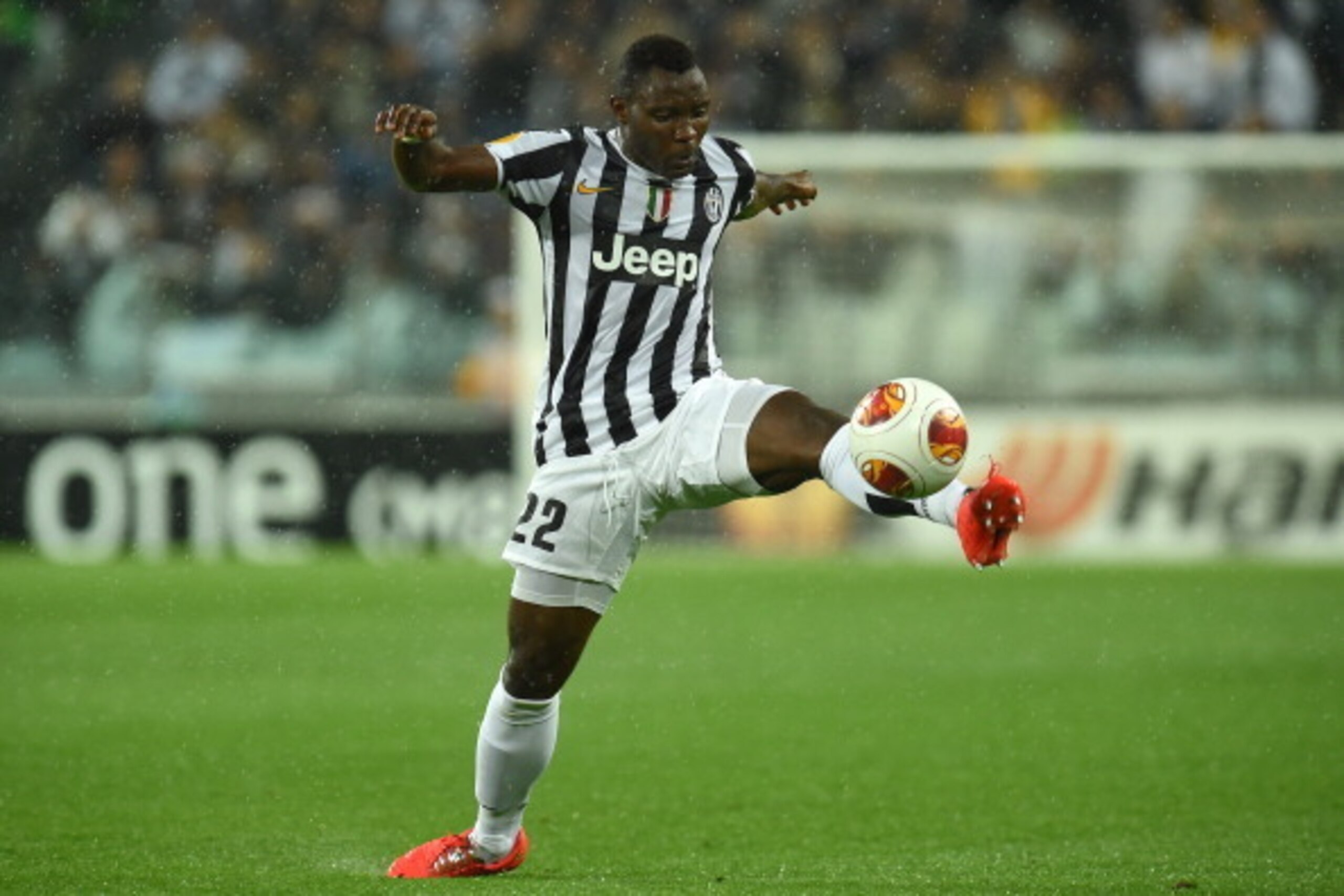
A team full of tactically disciplined and physically impressive footballers, Ghana are accustomed to playing on the counter-attack but can struggle when attempting to break down inferior opposition.
Their plan A will suffice against Germany and Portugal, but in the opening game against USA they must start strongly and break down a resilient opposition.
Asamoah started as a playmaker and is now more of a wing-back at Juventus, but for the national team, he retains the guile and technical quality of his younger years.
Capable of throwing a stepover before playing a clever pass into the box, it's that ingenuity rather than his pure stamina that Ghana need this summer.
Greece: Dimitris Salpingidis
17 of 32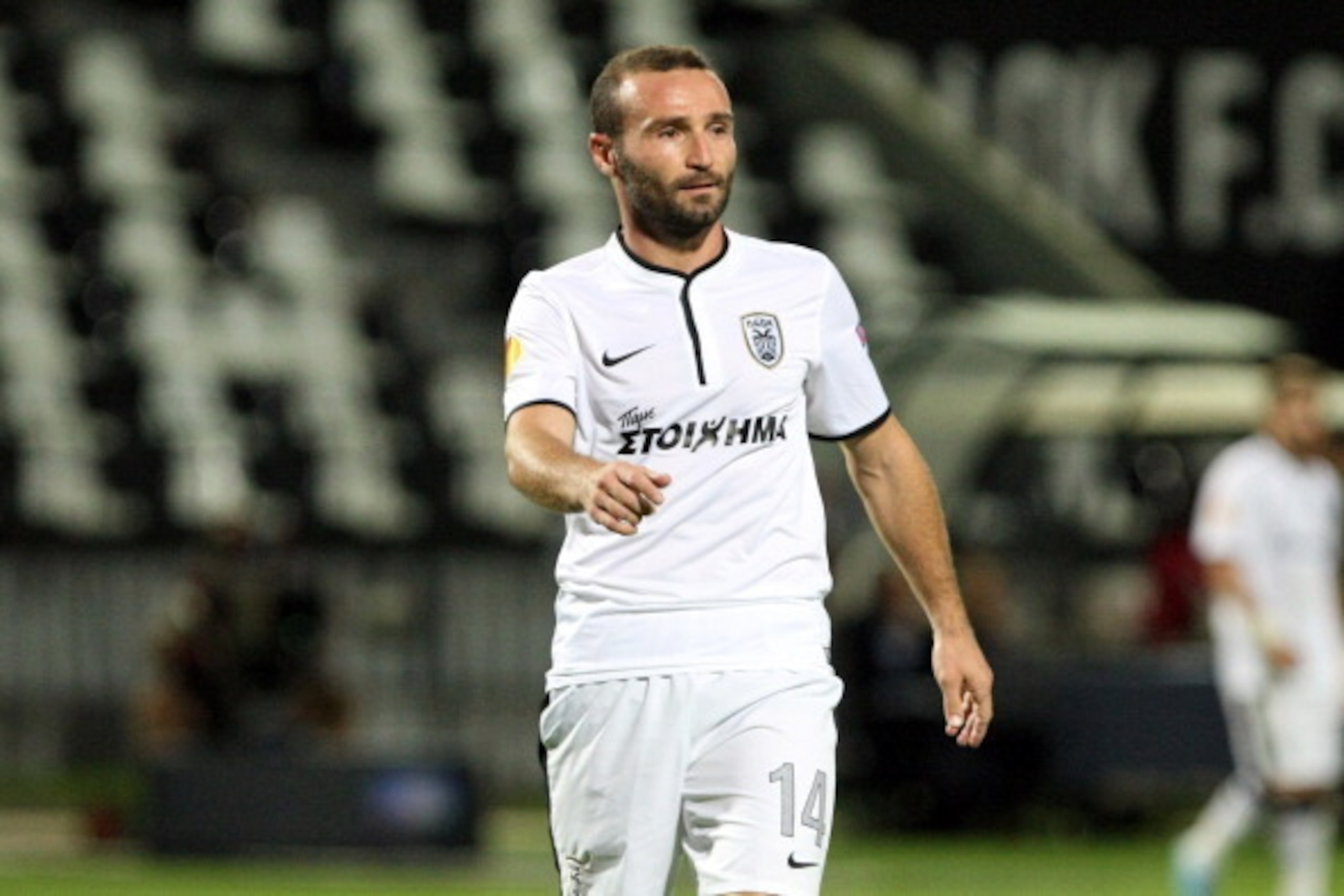
This is a solid, unspectacular Greece side that lacks both genuine creativity and mobility in attacking positions.
The former problem seems unsolvable, while the latter will probably be addressed mainly from the bench, as Fernando Santos is excellent at making substitutions.
Until then, though, right-sided forward Salpingidis will be crucial. He's playing up front in a trio comprising Giorgos Samaras, who plays a bizarre, static hold-up role on the left, and Kostas Mitroglou, whose fitness levels are anyone's guess following a half-season without game time at Fulham.
Salpingidis isn't prolific, but he's mobile, energetic and capable of providing a spark—something Greece really don't have elsewhere.
Netherlands: Daley Blind
18 of 32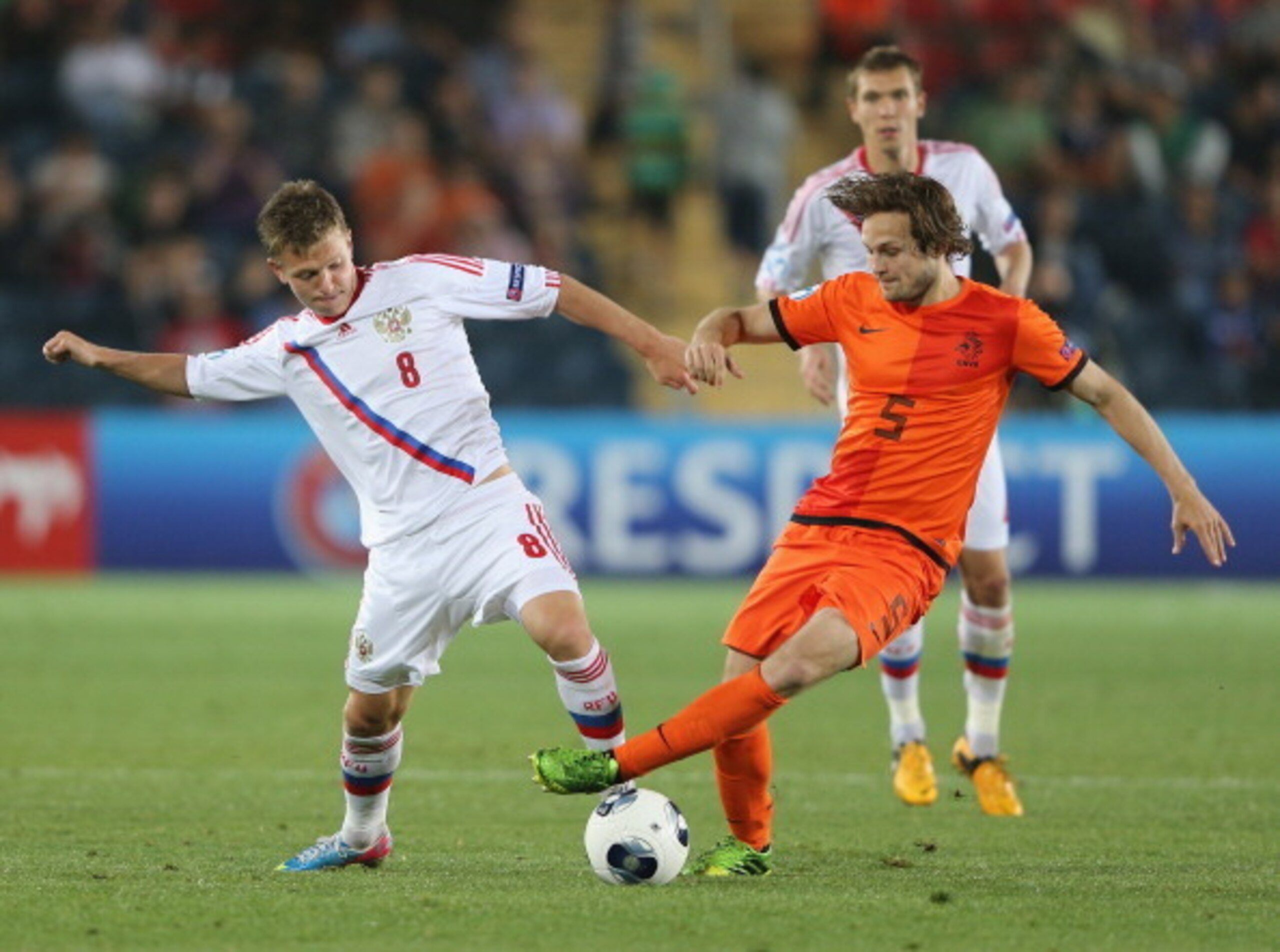
Daley Blind is an extraordinarily gifted footballer. Capable of playing left-back and in the centre of midfield, both problem positions for the Netherlands, Louis van Gaal probably wishes he could field the Ajax youngster in both roles.
Van Gaal looks set to field a three-man defence, and therefore Blind could be fielded in a wing-back role. This might suit him perfectly—he can demonstrate his defensive ability but also his good passing range.
Alternatively, he can play centrally and offer more guile than Nigel de Jong and Jonathan de Guzman.
Honduras: Carlo Costly
19 of 32
Honduras are probably the weakest side at this competition, and it's difficult to pinpoint any particular player as being crucial to their chance of success.
But Costly seems the best choice, considering his fine international goalscoring record.
An unconventional, awkward forward capable of playing up front alone or in a strike partnership, Costly gives coach Luis Fernando Suarez tactical options.
Honduras won't create much more than half-chances, so Costly has to despatch them coolly.
Iran: Javad Nekounam
20 of 32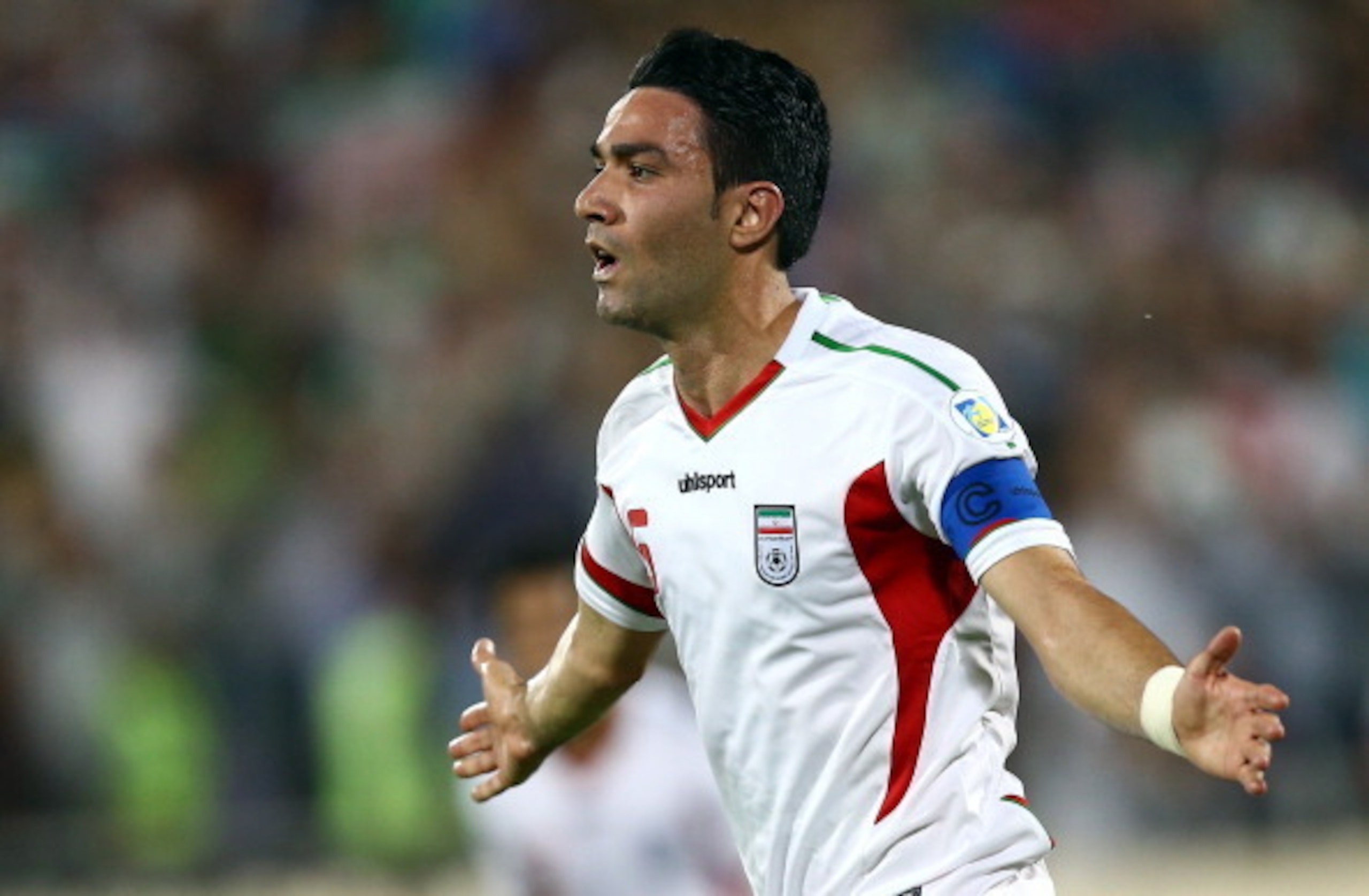
Iran are an extremely defensive-minded side, although they also possess individual talent in the final third. But unquestionably the zone featuring most intelligence is in the centre of midfield.
Nekounam is the captain of the side and the man given licence to do as he pleases—drop deep and collect the ball from the centre-backs or sprint forward to join the attackers and offer a goalscoring threat.
His midfield partner, Andranik Teymourian, essentially plays a covering role and reacts to wherever Nekounam positions himself, doing the opposite.
With such great responsibility on his shoulders, Nekounam must deliver.
Italy: Mario Balotelli
21 of 32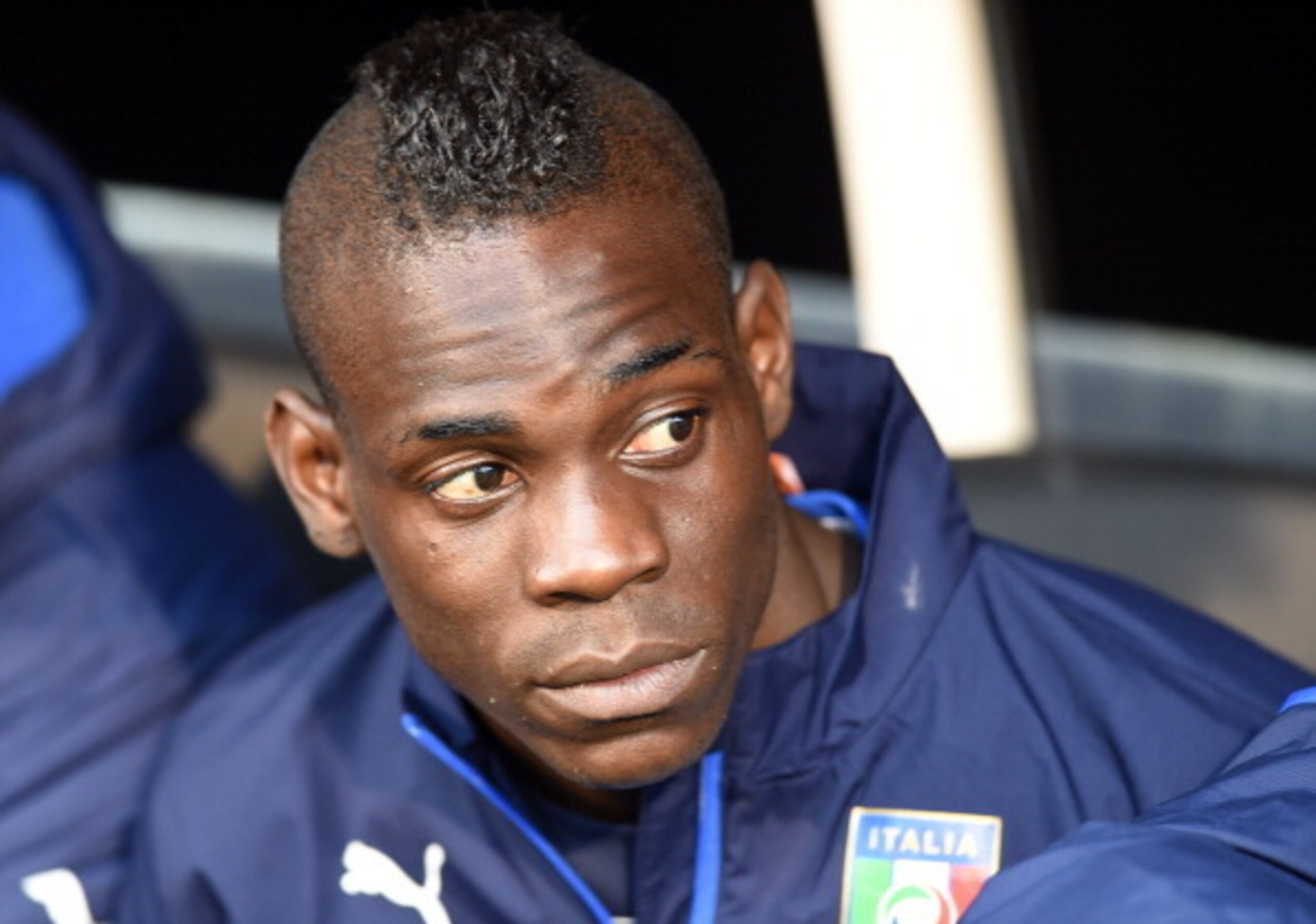
Italy are a mess in the final third. In qualification, Cesare Prandelli used 11 different players in his front trio, and none started more than four matches.
Furthermore, three of the five attackers in his current 23-man squad—Alessio Cerci, Antonio Cassano and Ciro Immobile—didn't start any games at all in the qualifiers.
Prandelli seems set to use a 4-3-2-1 formation, but the players behind the main striker could be very functional, rather than the creators we're accustomed to from Italy.
This means it's basically all about Balotelli. He's infuriating and inconsistent but incredibly talented. At his best he can be the tournament's best player, at his worst he could cost Italy—he's the definition of a key player.
Ivory Coast: Gervinho
22 of 32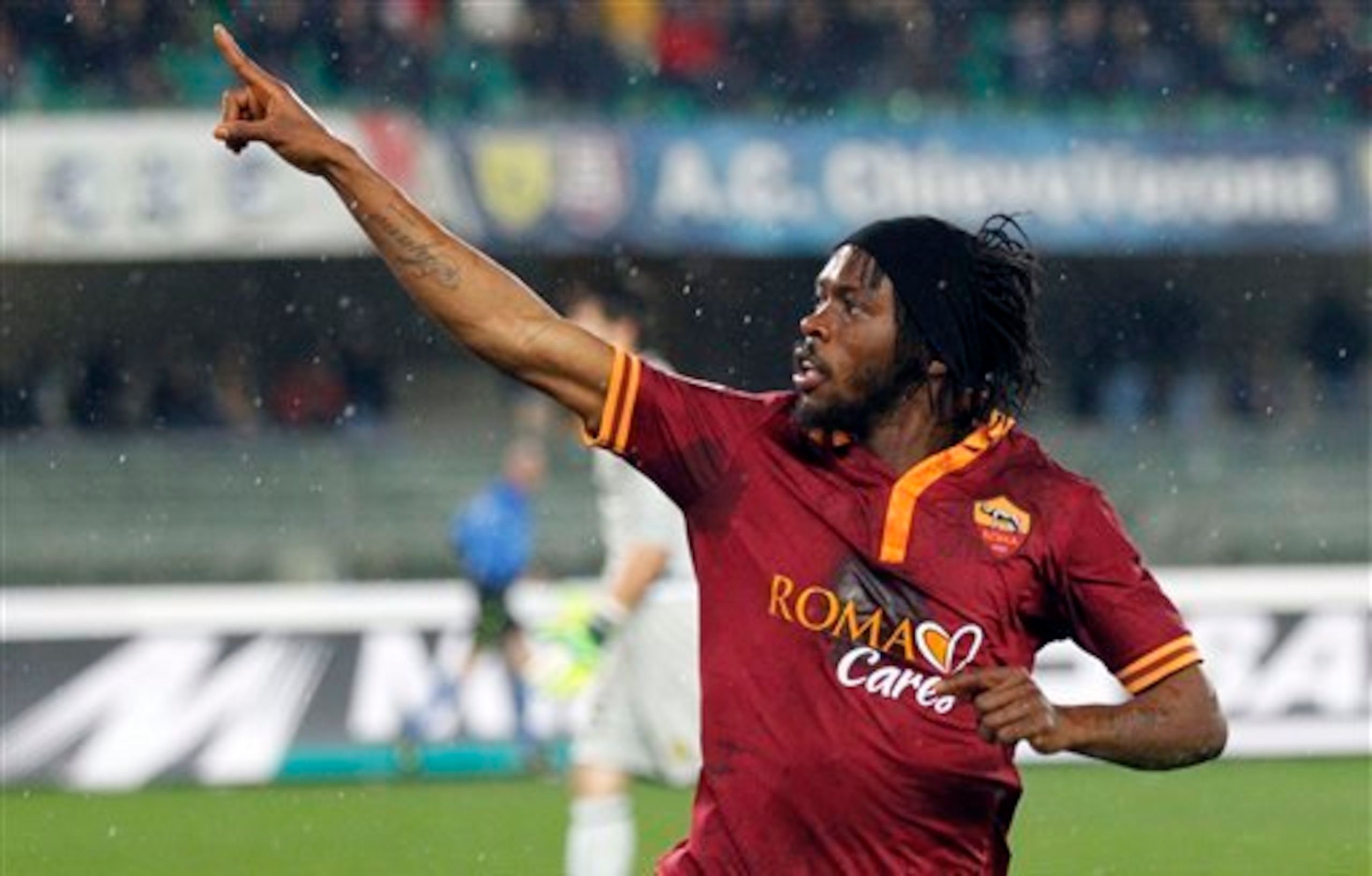
He became a figure of fun in England, but Gervinho enjoyed a superb debut campaign at Roma, demonstrating irresistible dribbling skills and a consistent end product, the type of thing the Ivory Coast have lacked at previous tournaments.
They have always possessed the aerial ability of Didier Drogba and the midfield power of Yaya Toure, plus some experienced and dependable defenders.
But true flair has been lacking, and while Gervinho never guarantees a good performance, he's the man capable of lifting the side to the next level.
If Gervinho is at his best, they'll qualify for the second round with ease.
Japan: Shinji Okazaki
23 of 32
Japan boast tremendous technical quality in the centre of midfield, with Makoto Hasebe and Yasuhito Endo controlling matches from deep, then Keisuke Honda and Shinji Kagawa providing the outright creativity in the final third.
What they really lack, however, is a reliable finisher, someone who will ensure they win games, rather than simply dominating them.
Okazaki could be that man. His international goalscoring record has always been decent—he's currently on 38 in 73—but many of these matches have been against inferior sides.
More pertinent is the fact he hit 15 Bundesliga goals for Mainz this season, a huge turnaround having managed just 10 in his previous two-and-a-half Bundesliga seasons combined.
Capable of playing from the right or up front, he should get plenty of goalscoring chances.
Mexico: Hector Herrera
24 of 32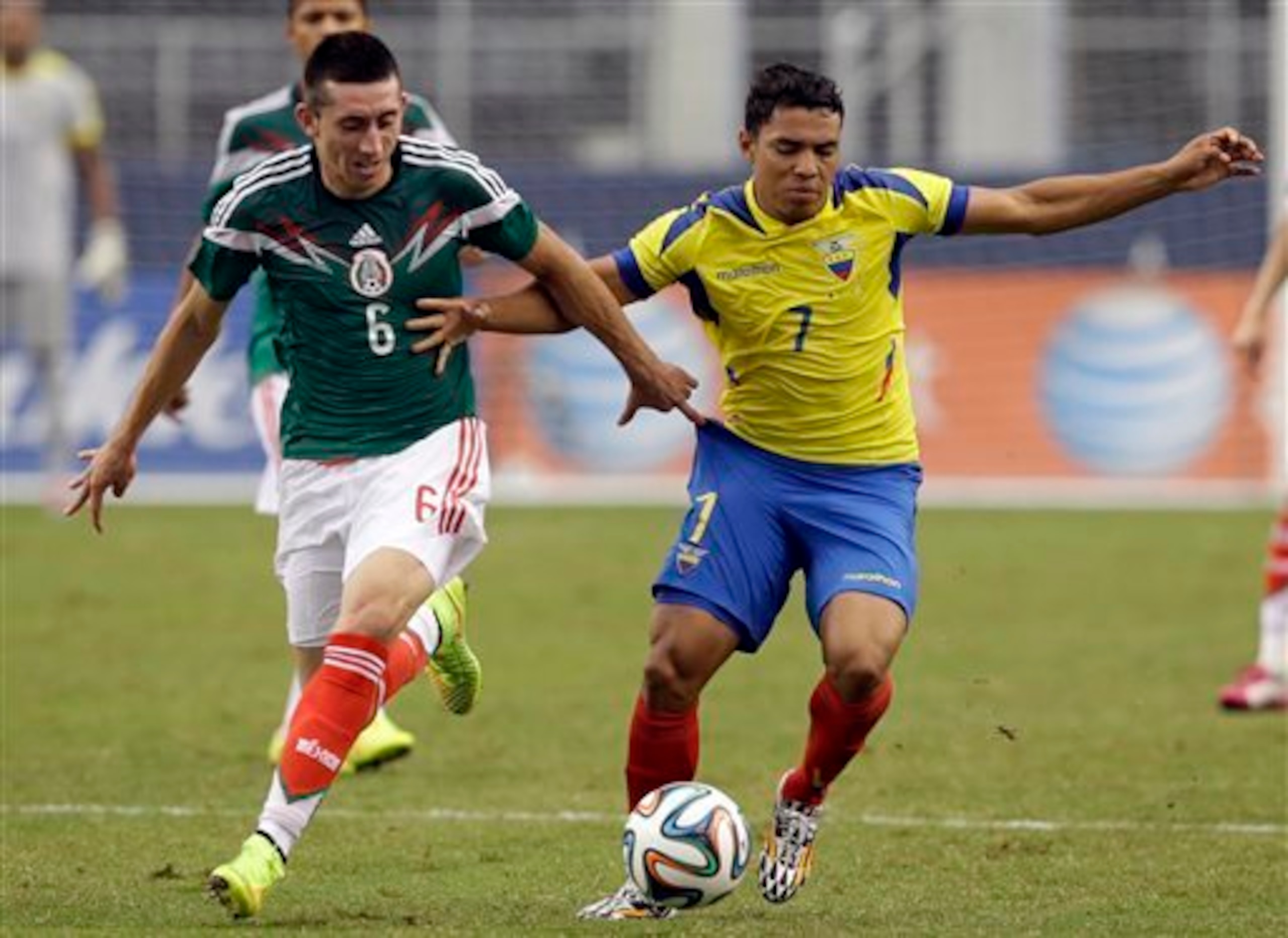
Mexico are one of the most unpredictable sides at this tournament, following a hugely problematic qualifying campaign.
But on paper they're a good side with technical quality and physical power.
What they need is a central midfielder to dominate matches and dictate play, in the manner the wonderful Gerardo Torrado did at previous World Cups. That man could be Hector Herrera.
Fresh from a decent first campaign at Porto, the 24-year-old only has 10 caps but seems set to develop into a true all-round box-to-box midfielder, capable of breaking up opposition moves and storming forward into attack.
He also boasts great authority in possession and could be the man to put Mexico on the front foot, which is always when they're best.
Nigeria: Ahmed Musa
25 of 32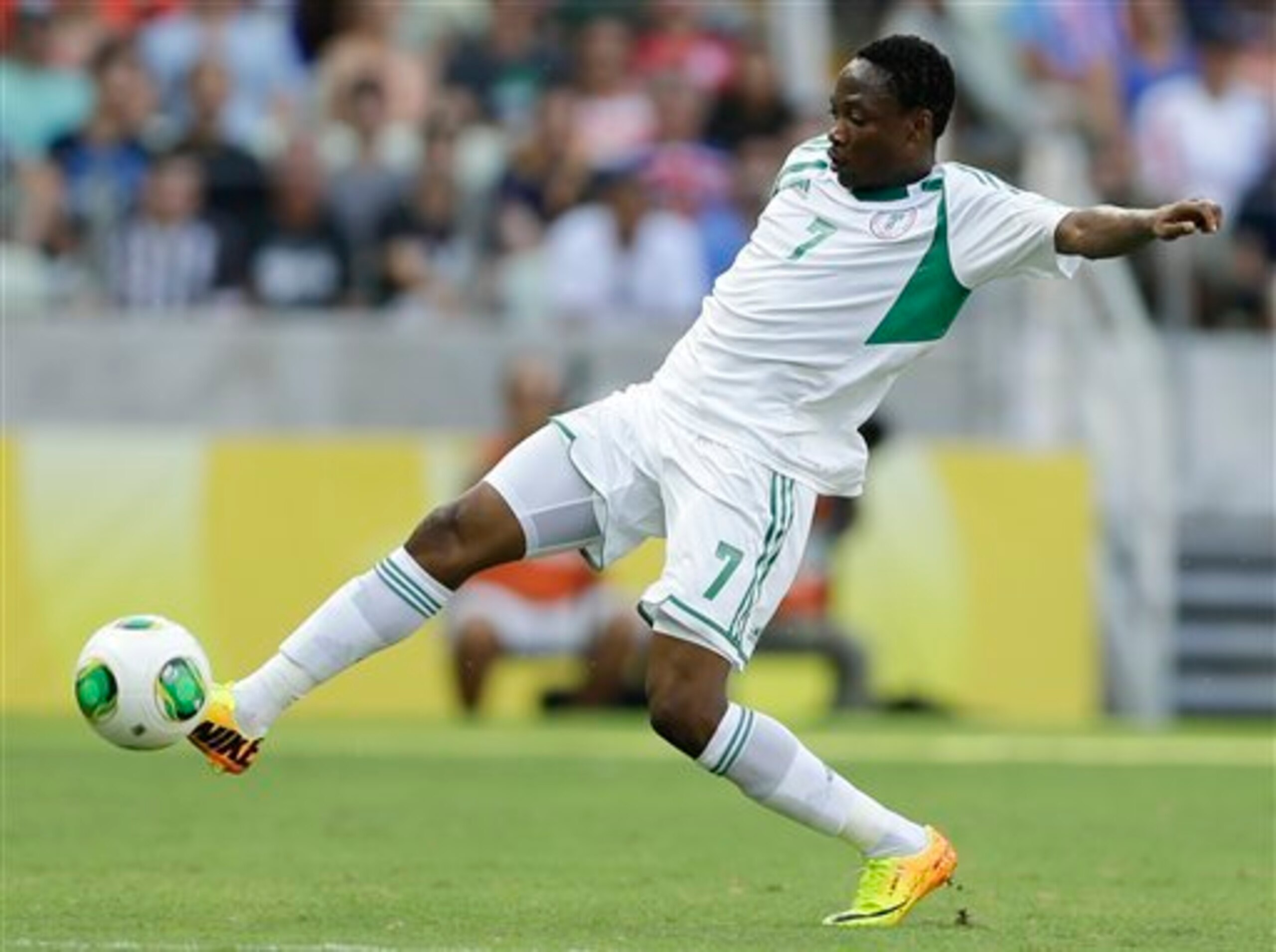
This Nigerian side lack a genuine midfield creator, although Jon Obi Mikel plays a more proactive role than we're accustomed to seeing with Chelsea.
Still, it's mainly about deep defending before quick counter-attacking down the flanks, and therefore wide duo Victor Moses and Ahmed Musa will be crucial at transitions.
While Moses tends to drift inside more, Musa is a genuine speedster.
One of the quickest players at this tournament, his acceleration is incredible, and he's developed his game in the past couple of years, offering more consistent product at the end of his runs.
He could thrive against Argentina and Bosnia, sides that leave themselves open to counter-attacks.
Portugal: Cristiano Ronaldo
26 of 32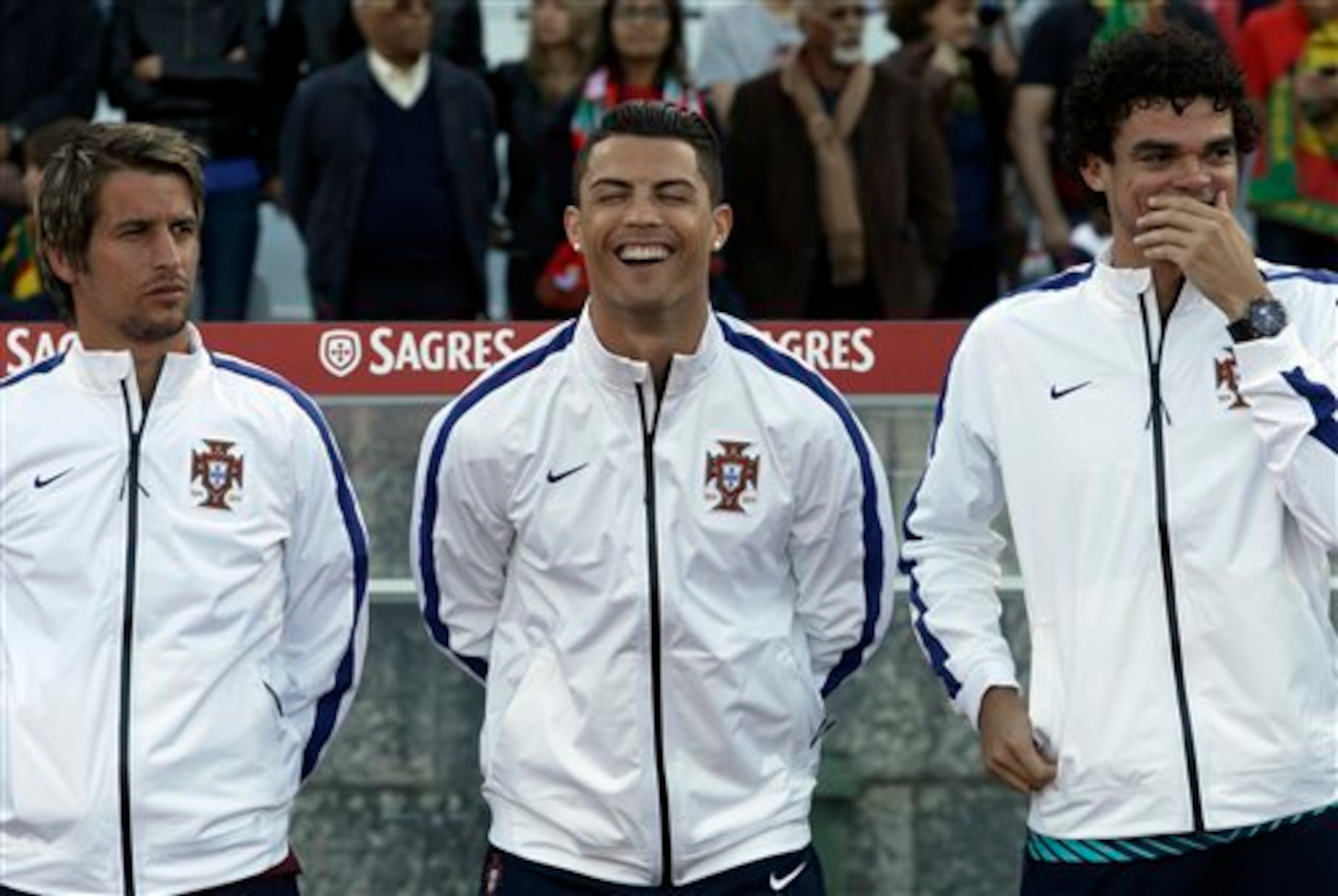
Sometimes, the key player is simply the best player.
Ronaldo has grown accustomed to having to compensate for Portugal's lack of a prolific striker, and since the last World Cup and the international retirement of Deco, he's been playing in a team without a classic No. 10, too.
But now he's also playing in a side where the winger on the opposite flank, Nani, has underperformed over the past couple of seasons. Therefore, this is truly a one-man attack.
As Ronaldo showed in the play-off against Sweden, where he scored all four goals in a 4-2 aggregate win, he's more than capable of leading his side to victory.
Russia: Aleksandr Kerzhakov
27 of 32
He was widely criticised for his poor finishing at Euro 2012, but Kerzhakov's movement in that tournament was superb, and his intelligent running is vital for opening up space for others on the counter-attack.
Manager Fabio Capello always likes selfless forwards rather than pure finishers, and that means Kerzhakov seems a better option than Alexander Kokorin, the new great attacking hope for Russia.
Besides, Kokorin might start from the flank, and he could thrive thanks to Kerzhakov's clever lateral darts, drawing defenders out of position.
Kerzhakov doesn't always receive individual praise, but Russia are always better with him in the side.
South Korea: Son Heung-Min
28 of 32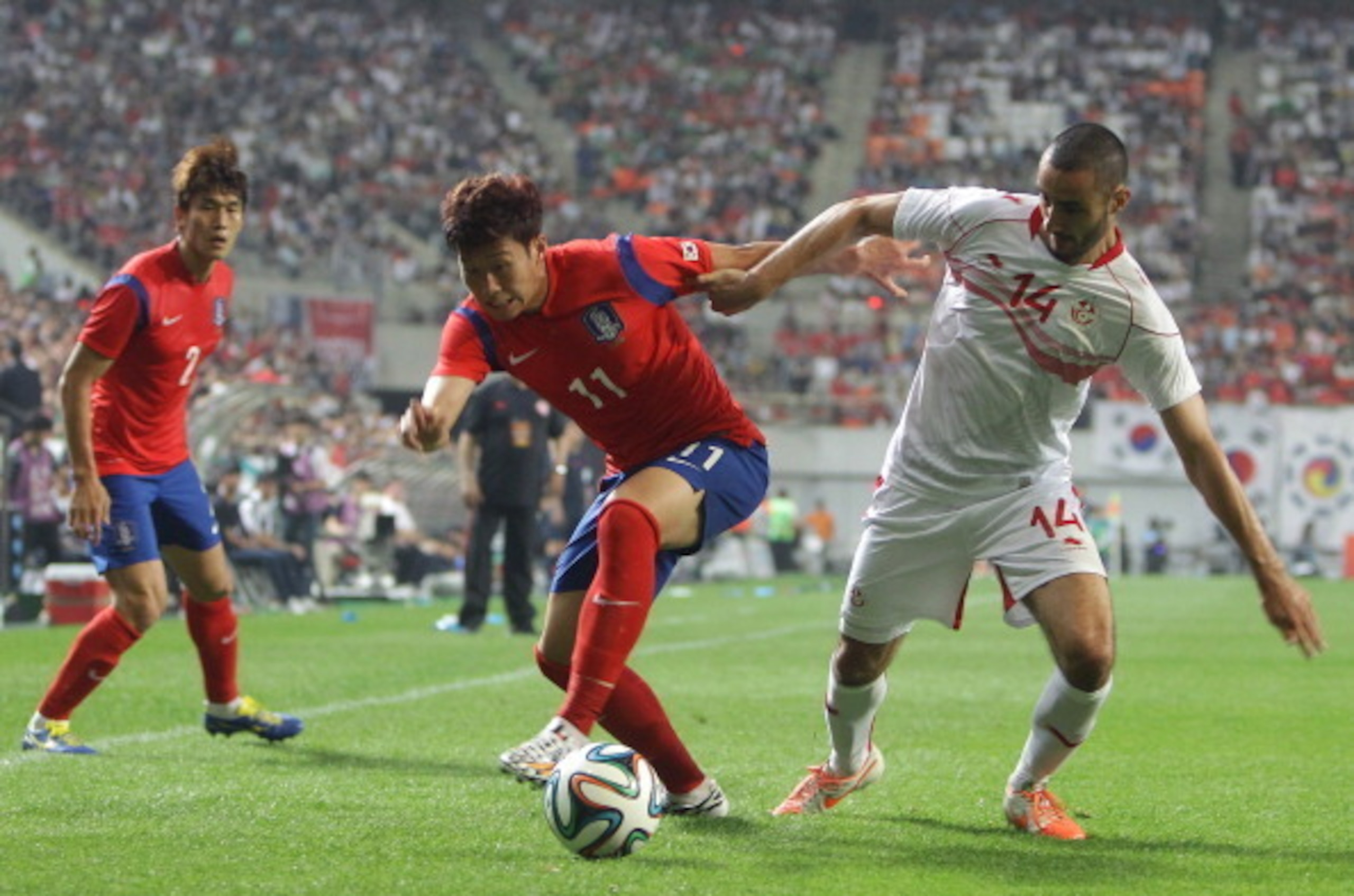
While Son is yet to sparkle at the international level, some of his performances for Bayer Leverkusen this season have been exceptional.
Starting from the left and cutting inside into goalscoring positions, his goal threat will be absolutely crucial considering Korea appear likely to field Park Chu-young, who rarely tests opposition goalkeepers, as their main striker.
Although there is good technical quality from the midfield, it's tough to see where else Korea's goals come from, and therefore Son is the difference between profligacy and a decent, effective side.
Spain: Pedro Rodriguez
29 of 32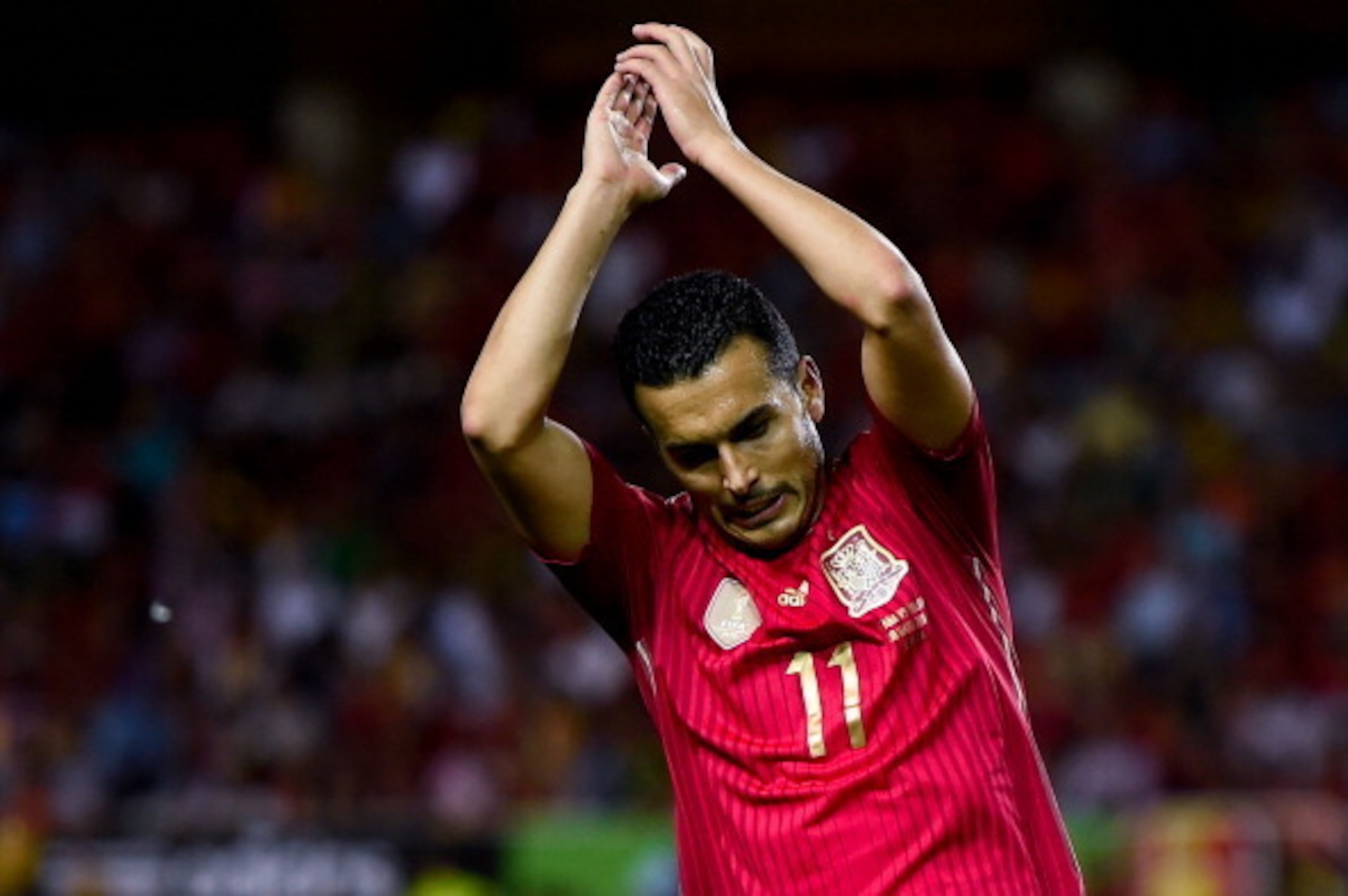
Spain have so many talented, technical midfielders that it's difficult to consider any of them their key player—if one underperforms, another usually steps up and provides the invention.
Spain have fewer players who offer directness. Left-back Jordi Alba is one, newcomer Diego Costa another.
But it's Pedro Rodriguez who is the perfect "system player"—he's never the most talented in his side, but he positions himself correctly, makes intelligent runs and gets into goalscoring positions.
He's not even guaranteed to start, but Pedro has arguably been Spain's best player over the last two years, scoring 12 goals since Euro 2012.
He should force his way into the side as a wide option, especially with Jesus Navas injured, and might complete the team as he did so effectively four years ago.
Switzerland: Josip Drmic
30 of 32
A newcomer to the Swiss side, Drmic enjoyed a fine campaign at Nuremberg and is the lively, mobile attacking threat this side was crying out for.
While they boast a solid spine to the side, attack-minded full-backs and direct wide players, there was a genuine worry about the lack of quality up front where Drmic could solve the problem.
He won't contribute much in terms of link-up or hold-up play, but he'll make clever darts beyond the opposition defence into the channels and is a fine finisher.
This Switzerland side should make the second round, and Drmic could be one of the revelations of the tournament.
United States: Michael Bradley
31 of 32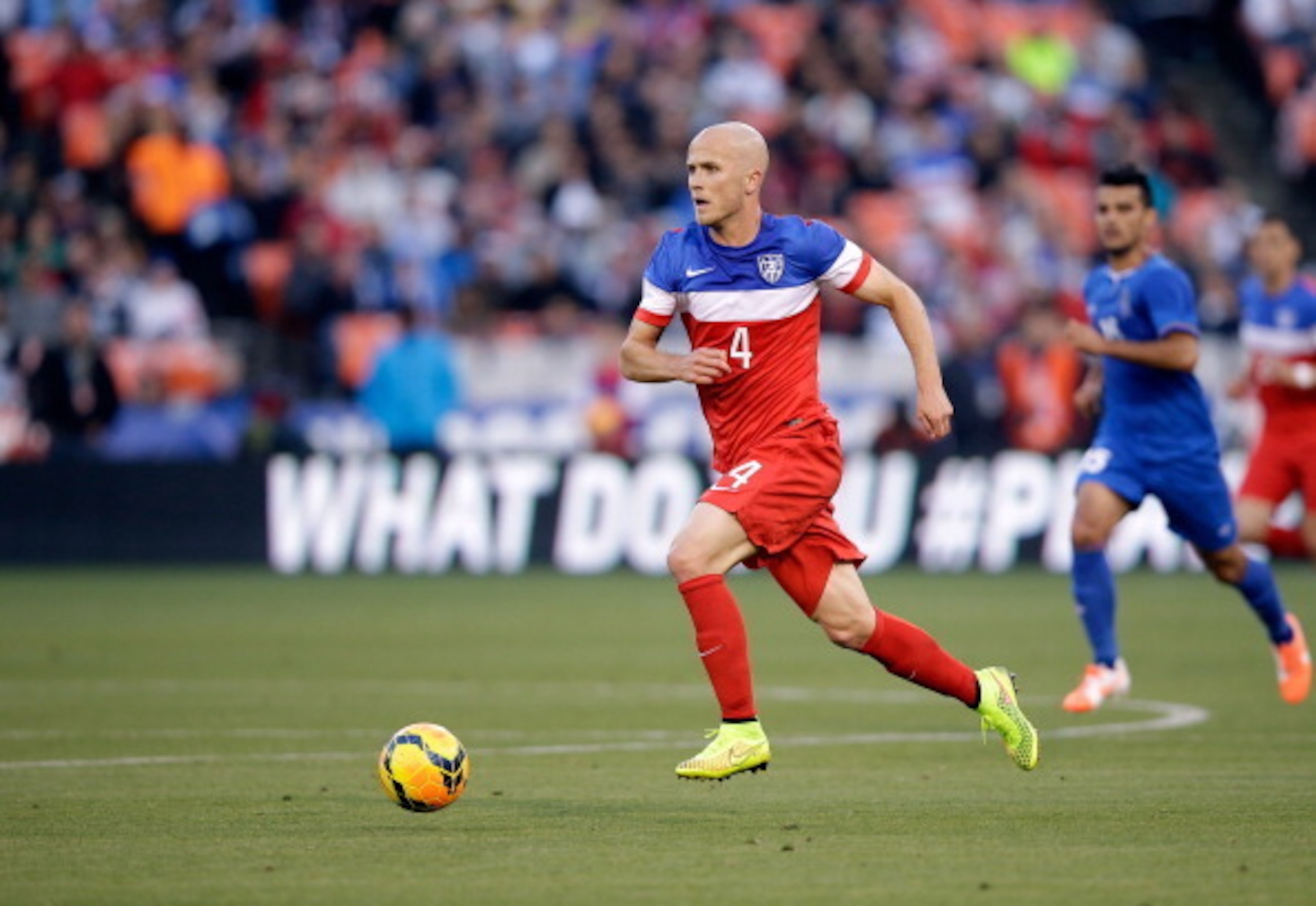
In warm-up matches, Jurgen Klinsmann's system seems to be a cross between a 4-4-1-1 and a diamond midfield, with Jermaine Jones sitting very deep in front of the defence and Michael Bradley pushed forward into a rampaging, all-action attacking midfield role.
With probable wide midfielders Graham Zusi and Alejandro Bedoya likeable but not particularly efficient, it feels like Bradley has a huge role in starting attacks and breaking forward into the box.
Previously seen as primarily a physical player, Bradley's technical play has improved significantly since the previous World Cup, and he's now capable of clever passes.
If he fails to perform, it's tough to imagine the U.S. getting anywhere near a victory.
Uruguay: Edinson Cavani
32 of 32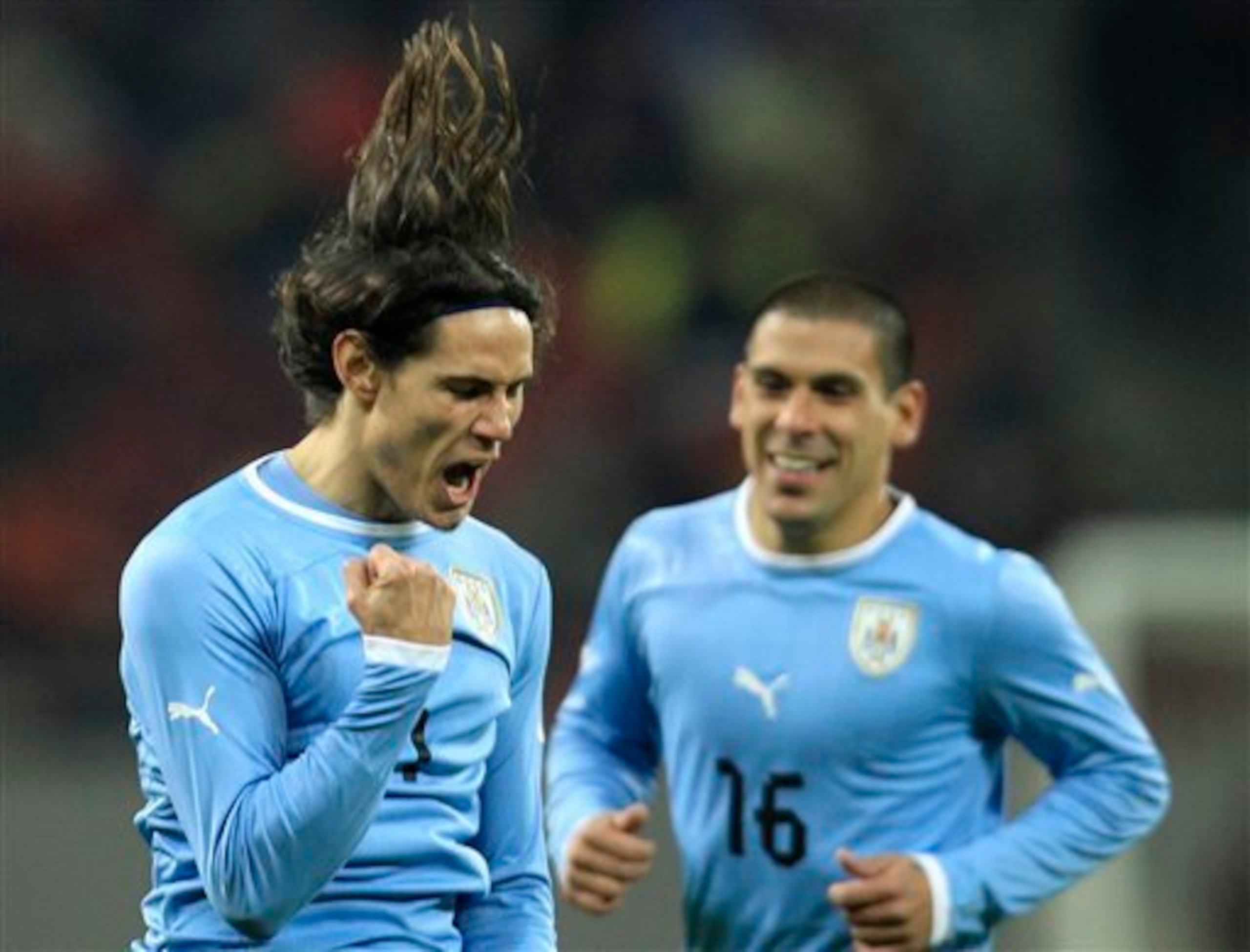
Uruguay are a peculiar and slightly underwhelming side, broken into two sections.
There's a solid back line and an extremely functional, efficient but somewhat joyless midfield, then two of the best forwards in the world in Luis Suarez and Edinson Cavani.
Both would prefer to play as the main striker, but that role is handed to Suarez because of his superior goalscoring return.
That makes Cavani the crucial player, however, because he's charged with darting back and forth between midfield and attack, supplying Suarez and desperately sprinting forward in the hope of a return pass.
Suarez guarantees a goal threat, but Cavani's role is more difficult, and if he's quiet, the system falls down.