Everything You Need to Know About the 2014 World Cup Group Stage Draw
After 26 months of qualifying matches around the world, we finally know which 31 nations will join hosts Brazil at the 2014 World Cup.
The tournament may be six months away, but a nation's hopes can be buoyed with optimism or tragically dashed at a crucial FIFA event in a few weeks time: The World Cup draw.
Here's everything you need to know about the big day...
When is it?
The draw will take place on Friday, Dec. 6th, 2013, at 1 p.m. local time (4 p.m. GMT; 11 a.m. ET).
Where is it?
The balls will be pulled in the Costa do Sauipe resort in the state of Bahia, which sits on the Atlantic coast of Brazil. Conveniently for those in attendance, Costa do Sauipe is a luxury holiday resort, and the event will take place in a specially constructed draw hall big enough to house Sepp Blatter's delusions of grandeur.
Who will be in attendance?
The draw will be conducted by FIFA Secretary General Jérôme Valcke. The balls will be picked out by former World Cup winners from the eight nations who have won the 19 tournaments to date. According to The Metro, these will include Cafu, Fabio Cannavaro, Mario Kempes, Lothar Matthaus, Zinedine Zidane and 1966 legend Sir Geoff Hurst (who might even bring his friend Ronald).
There will also be 1,300 guests—including delegates from each of the 31 visiting nations—and 2,000 media representatives, most of whom will be wishing they would hurry up and draw the balls as they watch endless dance tributes, unnecessary interviews, superfluous fluff and tiresome highlight reels.
How is the draw organised?
Thirty-one qualifying nations and hosts Brazil will be drawn into eight groups of four teams.
There are four teams from the AFC, five from CAF, four from CONCACAF, six from CONMEBOL and 13 from UEFA.
To avoid the very best teams being lumped together at the start, however, the 32 competitors are not simply drawn and placed into groups one after the other. They are initially placed in pots.
How do the pots work?
The pots have two purposes: They separate out the top eight seeded teams and help ensure that teams from the same confederations are separated as much as possible.
There are four pots, each containing eight nations. Each pot is drawn in order, so that its teams end up in different groups. So, once Pot 1 is drawn, each group will have its first member. And it will, in all likelihood, be the biggest shark in its respective tank.
Pot 1 is for the seeded teams. This is based on the October 2013 FIFA rankings, therefore Pot 1 will contain the following:
- Brazil (ranked 11th)
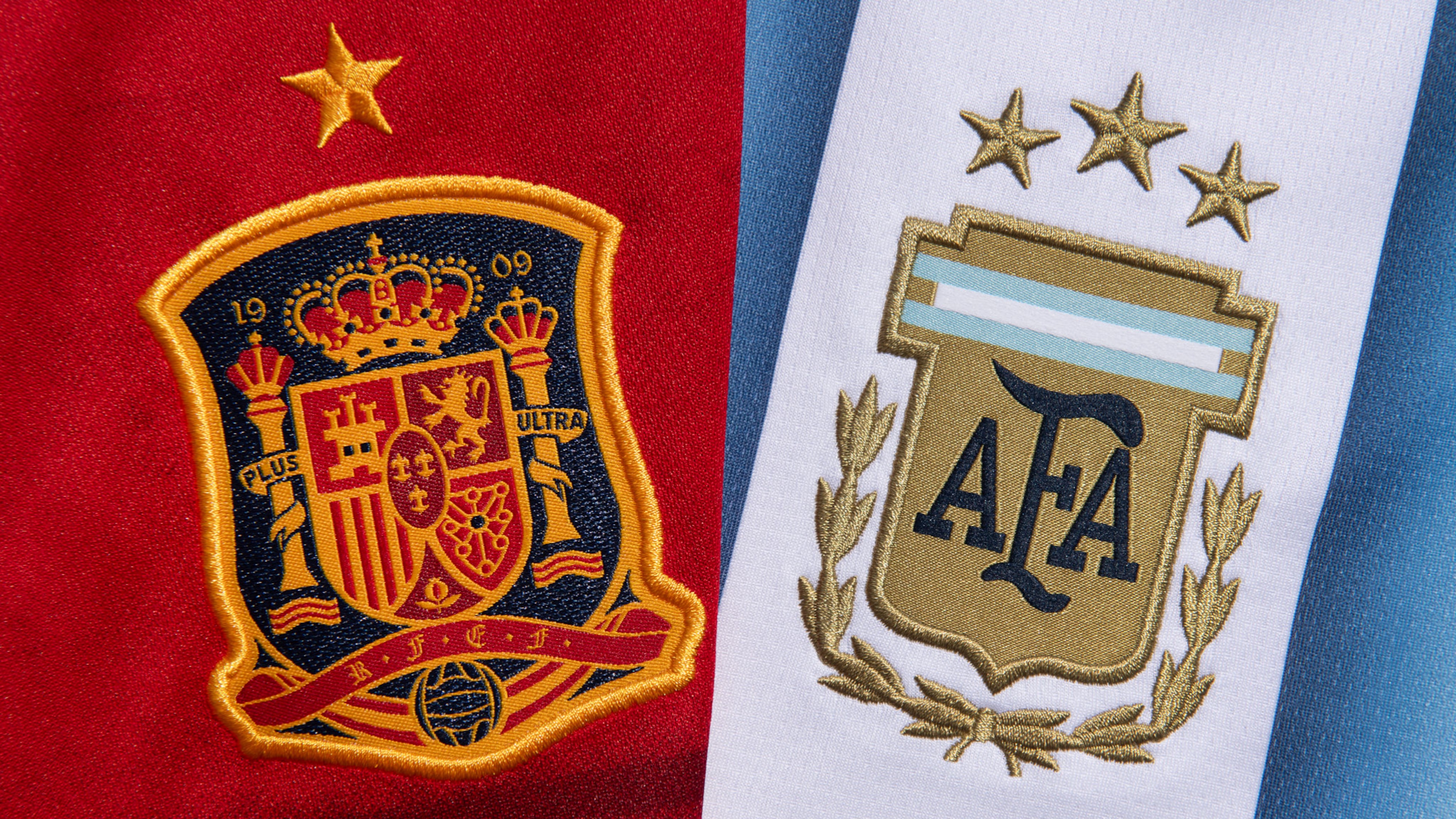
- Spain (1st)
- Germany (2nd)
- Argentina (3rd)
- Colombia (4th)
- Belgium (5th)
- Uruguay (6th)
- Switzerland (7th)
The other three pots are split by region in a yet-to-be-specified manner that will help separate teams from the same confederation. A maximum of two UEFA teams will be allowed in each group.
Here's how the pots might look:
As a random example, here is how those teams may look when they are drawn:
In this example, England appear to have a relatively satisfactory route to the last 16. Here is an excellent draw simulator that you can play around with...and panic yourself into believing your chosen nation will be thrown into a group of death.
How important is the draw to a team's chances of progressing?
It is very important. In fact, recent research by ESPN's Soccer Power Index found that 27 of the 32 qualifying teams could see their odds of progressing to the Round of 16 change by over 50 percentage points based on the draw.
England, for example, have been given an 88.7 percent chance of progressing in a "best-case scenario" with favourable teams. In the "worst-case scenario," their chances are slashed to 34.5 percent.
The USMNT's chances are judged to vary from a healthy 73.1 percent to a lowly 19.2 percent.
See the rest of the projections here.
What else will happen on draw day?
Unfortunately, there is much more to the draw show than just deciding which teams are placed in which groups.
FIFA have promised a "whole host of Brazil's diverse visual and acoustic treats." That includes, but is not limited to, Sao Paulo rapper Emicida, Bahia's Afro-Brazilian percussion group Olodum (whom you may recognise from Michael Jackson's "They Don't Care About Us" music video) and iconic Carneval singer Margareth Menezes.
Also providing a distraction to the whole reason you are watching the draw will be Fuleco the Armadillo, the official 2014 World Cup mascot.
How long does the whole process take?
FIFA says the show will last 90 minutes, but the actual process of picking the balls will take 35 minutes. So you can comfortably sit out at least the first 45 minutes of the show.
How do I watch it?
The draw will be broadcast live in 193 countries and streamed online by FIFA. In the UK, the BBC are devoting a two-hour time slot to the draw, while Eurosport should take the FIFA feed without the Anglo-centric commentary. In the U.S., it will be shown by Fox.
Where can I get instant analysis of reaction to the draw, while debating its outcome with my peers from all over the world?
That'll be Bleacher Report.

.jpg?w=3840 "Kickers Talk Proposed New Rule")


.jpg?w=3840 "Must-See NFL Offseason Moves ✍️")
.jpg?w=3840 "Aiyuk Rips NFLPA 😶")