Complete Timeline of Miami NCAA Saga
Gaining a complete understanding of what has happened between the University of Miami and the NCAA benefits a far-wider audience than Hurricane fans and those with mere regional interest.
Though the NCAA's mishandling of the Miami case may seem intriguing and perhaps entertaining now, in the long term it may prove to be a key turning point in the history of the relationship between institutional athletics and the body which is charged with governing them.
Indeed, you have to wonder once the flood gates have been opened on questioning the NCAA’s authority, practices and viability—all natural reactions to the shocking revelations of the Miami case—what will ultimately become of the central power in intercollegiate athletics government.
TOP NEWS
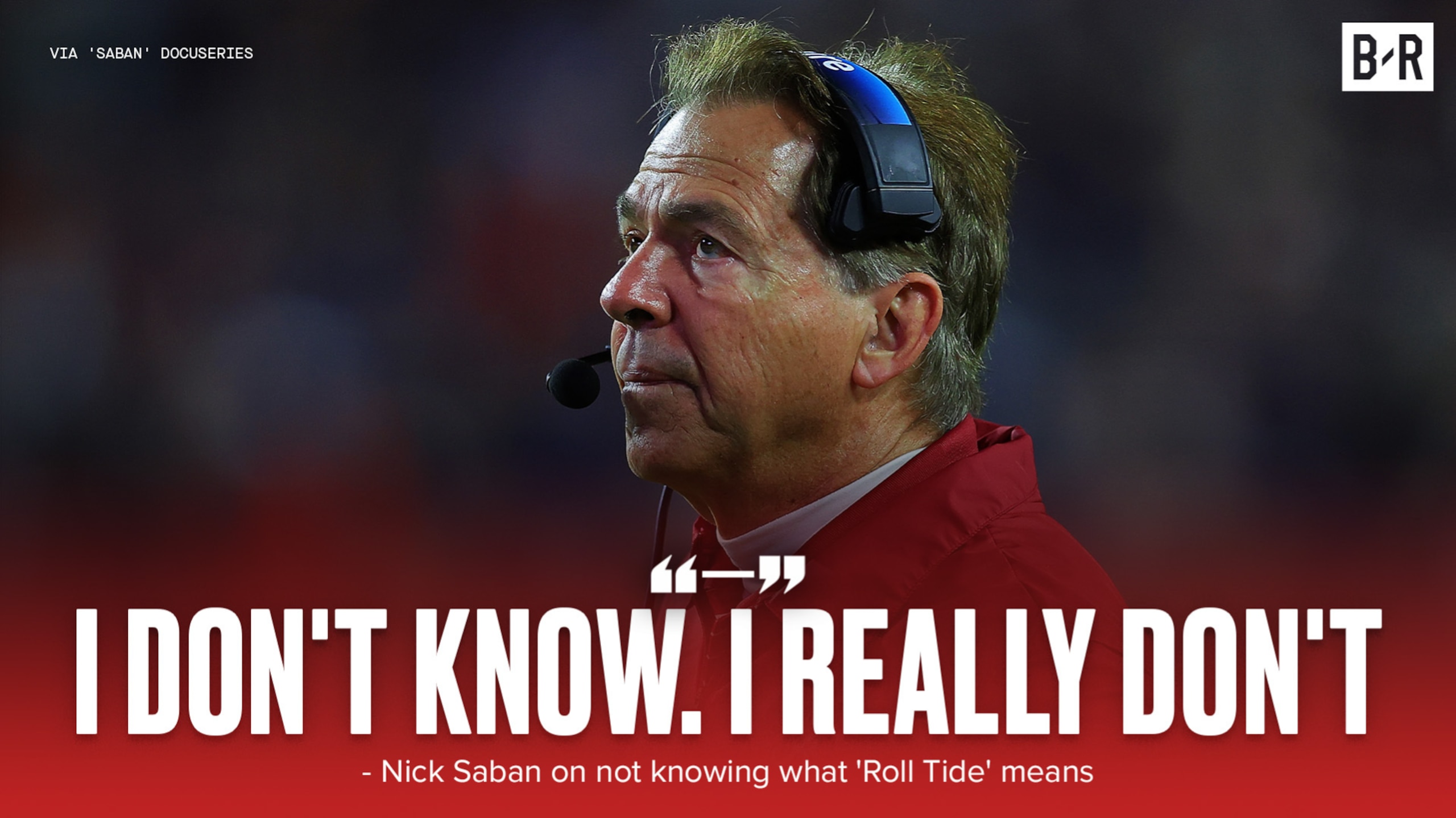
Saban's 'Roll Tide' Confession
Latest Georgia-Bama Weather Update 🌧️
Never-Before-Seen Vid of Saban Benching Hurts 🎥
And this is what makes a clear understanding of the case of Miami versus the NCAA crucial to anyone with a real interest in college sports.
To provide a point of reference on the debacle following is a complete timeline of what has happened since we first heard the name Nevin Shapiro right up until this month’s NCAA response to Miami’s motion for dismissal.
The bulk of the information provided here comes from the Miami Herald’s comprehensive summary of the 52-page report issued by the external review committee that was charged with investigating the NCAA’s enforcement arm earlier this year.
All other sources are credited as noted.
April 21, 2010: The Ponzi Scheme
Per the South Florida Business Journal, Miami booster Nevin Shapiro is charged with “orchestrating a 900-million dollar Ponzi scheme” which leads to his arrest and finally forces the university to limit Shapiro’s activities with the Hurricanes' athletic programs.
February 2011: First Contact with the NCAA
Shapiro emails NCAA Associate Director of Enforcement Rich Johanningmeier contending he’s provided “improper benefits” to Miami athletes since 2001.
According to the Miami Herald (again, our main source here), the NCAA purchases Shapiro—who is in prison for his Ponzi scheme activities— a cell phone and spends the princely sum of $8,200 to stay in contact with him.
April 2011: NCAA Retains Maria Elena Perez
Maria Elena Perez, Shapiro’s attorney, gets officially involved in the investigation when the NCAA requests documentation that she initially says she cannot provide.
Subsequently, Perez changes her story and states that she can make available the documents at a retainable rate of “$575 per hour.”
The beginning of this relationship between the NCAA enforcement arm and Perez is significant because it is the foundation on which the situation will ultimately spin out of control.
August 2011: Mark Emmert and Donna Shalala Get Involved
Six months after communication begins with Shapiro, the NCAA staffers handling the case purportedly tell President Mark Emmert— for the first time—that there is an ongoing case with Miami.
This timing fact is incredible on a number of levels, not the least that Miami is a high-profile program in a major conference fielding successful teams in a number of sports.
This event coincides with the NCAA’s Rich Johanningmeier and Ameen Najjar (who is in charge of the investigation) serving Miami President Donna Shalala with a notice of inquiry.
August 16, 2011: The Yahoo!Sports Report is Released
After rumors that something big is brewing in south Florida, Yahoo!Sports.com unleashes its bombshell report on Shapiro, Miami and the NCAA.
The close proximity of Emmert’s initial debriefing on the scandal and the release of Yahoo's report beg further scrutiny.
August 30, 2011: Eight Hurricanes Suspended
As per an article posted on ESPN.com, after 14 days of rumors, the NCAA hands down eight suspensions of varying lengths to Miami players who “accepted extra benefits from former booster Nevin Shapiro.”
Among the notable players missing games at the beginning of 2011 were QB Jacory Harris, safety Ray Ray Armstrong and TE Dyron Dye.
September-October 2011: NCAA Gets Back in Bed with Maria Elena Perez
After initially making contact and working with Perez in April, the NCAA buys into a wild plan by Perez to make a power play on witnesses in Shapiro’s bankruptcy trial in order to conjure up the testimony necessary to bring down the University of Miami.
Perez requests $20,000 for her services, and after a month of wrangling through the NCAA, the scheme is actually approved by the enforcement folks despite the fact that the legal arm of the NCAA goes on record as rejecting the plan.
November 20, 2011: Miami Takes a Bullet
Miami self-imposes a bowl ban for the 2011 season that per an ESPN.com article it views as “’necessary’ in response to an ongoing NCAA investigation into the university’s compliance practices.”
The Hurricanes are 6-5 when they make the announcement, and though they are technically bowl eligible, they ultimately finish 2011 6-6 after losing the finale at home against Boston College 24-17.
It’s ironic that as Miami shoots itself in the foot the NCAA is contriving with Shapiro’s lawyer, illegally, to try and screw the Hurricanes via testimony gained in bankruptcy court.
December 2011: The Plot Thickens
NCAA enforcement staff member Ameen Najjar—who has been the lead investigator since the beginning of the case—works hand-in-hand with attorney Maria Elena Perez to help prepare questions for the key witnesses in the Shapiro bankruptcy case.
The questions are aimed at “exploring areas” that, again per the Miami Herald’s summary of the external committee’s report, “focused on identifying student athletes who may have received prohibited entertainment and gifts from Shapiro.”
Again, this is testimony destined for an actual court of law for a bankruptcy case.
December 2011-July 2012: The Check is in the Mail
Again, as per our main source, Maria Elena Perez bills the NCAA for four-separate occasions for court-related expenses totaling $8,467.
What’s key here is that the invoices make the open, negotiated and on-going relationship between Perez (Shapiro’s attorney) and the NCAA crystal clear.
May 2012: Exodus
As per the Herald’s comprehensive summary, Rich Johanningmeier retires from the NCAA while the lead investigator on the Miami case, Ameer Najjar, is fired. Stephanie Hannah is now in charge of the case.
Aug. 2, 2012: The Bill Cometh
Maria Elena Perez (remember, she’s Nevin Shapiro’s attorney who has been working for the NCAA in bankruptcy court) sends the NCAA a bill for $57,115.
Again, the money trail here is clear evidence of the dubious relationship.
August–September 2012: The Bill Goeth
The NCAA initially pays Perez $10,500 which draws the attention of the NCAA’s legal staff, the same folks which initially recommended that the enforcement arm not retain the attorney back when they asked for legal advice in October of 2011.
Even though all associations with Perez are finally ended, the NCAA writes a final check to her for $18,000.
October 2012: Evidence Revoked
The NCAA opts to “remove evidence derived directly or indirectly from the Perez depositions” in its investigations into Miami’s case based not on NCAA law but on the “criminal law concept of ‘tainted fruits.’”
This is a clear admission on the part of the NCAA of a serious and perhaps criminal wrongdoing.
Though this creates a compelling scenario, it’s also a bit confusing.
Indeed, the NCAA’s actions wouldn’t stand up in state or federal court but they would be permissible within the NCAA bylaws?
What we’re left with, if nothing else, is a gauge for the severity of the problems facing the governing body that is the NCAA.
November 19, 2012: Miami Takes Another Bullet
Almost a year to the date after its first self-imposed bowl ban, Miami shoots itself in the foot again this time costing itself not only a postseason game but a shot at a first-ever ACC title.
When the Hurricanes announce their self-assessed penalty this time around, they are 6-5 and in position to play in the ACC title game for the first time since they joined the conference in 2004.
What’s ironic, again, is while Miami continues to operate under the guise of “damage control,” the NCAA is imploding and only a month away from admitting the epic mismanagement of its case against the university.
January 2013: The NCAA Fesses Up
The NCAA finally informs Miami of its relationship with Maria Elena Perez and of its ruling to revoke the evidence “derived directly or indirectly from the Perez depositions.”
This results in the NCAA hiring the external committee to review the NCAA enforcement arm and this report, released in February, is the basis for the Miami Herald’s summary we’ve used as our main source.
January 23, 2013: The Rest of the World Finds Out
After wondering what was taking so long with the Miami investigation, the sports world was finally treated to the first reports of the NCAA’s blunders in the proceedings.
ESPN.com was one of many news sources to break the story which may go down in history as being the beginning of the end of the NCAA as we know it.
February 2013: Miami Finally Gets Served
After acknowledging its own “missteps” in the case (as per an article on SI.com) and firing its Vice President of Enforcement Julie Lach, the NCAA finally serves Miami with a notice of allegations on Feb. 20, 2013.
According to a report by USAToday.com, the allegations accused the university of the dreaded and ominous “lack of institutional control.”
Miami now has 90 days from the date of the notice to respond to the NCAA.
March 2013: Miami Fights Back
According to the Miami Herald, the university addressed a “dismissal motion” on March 29, 2013 to the NCAA’s Committee on Infractions regarding the Shapiro case.
The motion included seven key points of contention (or alleged “improper acts” on the part of the NCAA) regarding the handling of the case and was drafted by university counsel Mike Glazier.
Basically, the motion calls for the case to be thrown out by the NCAA due to “numerous procedural issues that have arisen in this case due exclusively to improper conduct by the enforcement staff.”
April 2013: Another NCAA Enforcement Leadership Hit
Just recently the exodus from the enforcement arm of the NCAA continued with the Director of enforcement David Didion resigning his post to take a compliance role at Auburn.
April 2013: The NCAA Responds to the Motion to Dismiss
The most recent news item in the case of Miami versus the NCAA comes in the form of a jab on the part of the NCAA in response to the Hurricanes' motion for dismissal from late March.
According to a piece on CBSSports.com, interim NCAA Vice President of Enforcement Jonathan F. Duncan signed a statement which included the following.
"Overall, the enforcement staff believes that the institution is again grasping at straws in an attempt to disqualify members of the enforcement team with the most knowledge about the case…[the NCAA enforcement staff] believes that the majority of the parties’ assertions in their motions to dismiss are largely based on assumptions, false accusations, misleading statements and meritless claims.
"