Featured Columnist
With the NFL Draft approaching, much talk has centered on whether teams can find the next Tom Brady (2000-sixth Round, Patriots) or Terrell Davis (1995-sixth Round, Broncos).
While finding a franchise quarterback or running back that late in the draft is certainly a bonus, taking players like Brady and Davis from major schools with low round picks is not especially risky.
What has often helped teams turn a good draft into a franchise changing draft has been the ability to find the small school “Diamonds in the Rough.”
NFL history is full of small school (defined here as schools not part of the Football Bowl Subdivision) players who have been selected early in the NFL Draft.
Though they may have escaped the attention of major college coaches coming out of high school, players such as Walter Payton, Jerry Rice, Gene Upshaw, Mel Blount, Calvin Hill, Joe Greene and Steve McNair did not escape pro scouts and were selected in the top rounds of the NFL Draft.
However, NFL Draft history is also full of players from small schools who fell to the lower rounds (fourth round or later) before proving to be a late round “gem.”
Players such as John Stallworth, Charles Haley, Shannon Sharpe and Bob Hayes are examples of late round draft selections from smaller schools that went on to help their teams earn championships.
After analyzing every NFL Draft since 1936, this list includes my analysis of the 30 Best Late Round “Gems” from Small Schools.
A couple quick things:
1.This is not intended to be a list of the 30 best small school players of all time as that is a list for another day. This list includes only small school players selected from the fourth round on of the NFL or AFL draft.
I did not include early round selections because by the time it came to draft day, their value had already been exposed and they were no longer “Diamonds in the Rough.” I also did not include undrafted free agents because this list is focused on players who were drafted.
2. My rankings are not based solely on player ability as I also considered where in the draft the player was chosen as well as the obscurity of their alma mater. In other words, if abilities were similar, I considered someone selected in the 17th round out of a Division III school more of a gem than someone chosen in the fourth or fifth round from a Division I-AA (Football Championship Subdivision) school.
3. You will notice that a majority of the players on the list are from drafts prior to 1994. The number of small school players selected in the lower rounds has dramatically declined since the draft went from 12 to seven rounds.
That also accounts for why there has been an increase in the number of small school free agents making the Pro Bowl in recent years. Prior to 1994 those players would have been worthy of a low round pick, but now are signed as free agents.
4. Narrowing this list down to 30 was amazingly difficult. I originally had more than 130 players on my list who met the qualifications and had solid NFL careers.
Among the players who met the qualifications, but didn’t make the top 30 are: Lemar Parrish, Ken Riley, Willie Galimore, Rickey Young, Brandon Jacobs, Lyle Alzado, Ron Bolton, Bryce Paup, Jethro Pugh, Terrence McGee, Marques Colton, Tony Canadeo, and Ben Coates.
5. You may wonder why Joe Horn and Lou Creekmur are not included. Though Horn was selected in the draft and played at Itawamba Junior College, he was drafted immediately after having spent a year in the Canadian Football Leage, so I felt that disqualified him from this list as he received exposure in the CFL.
Creekmur was chosen by the Eagles in the 24th round of the 1948 draft, but returned to school and was later selected in the second round of a special draft.
6. I welcome your comments and opinions.
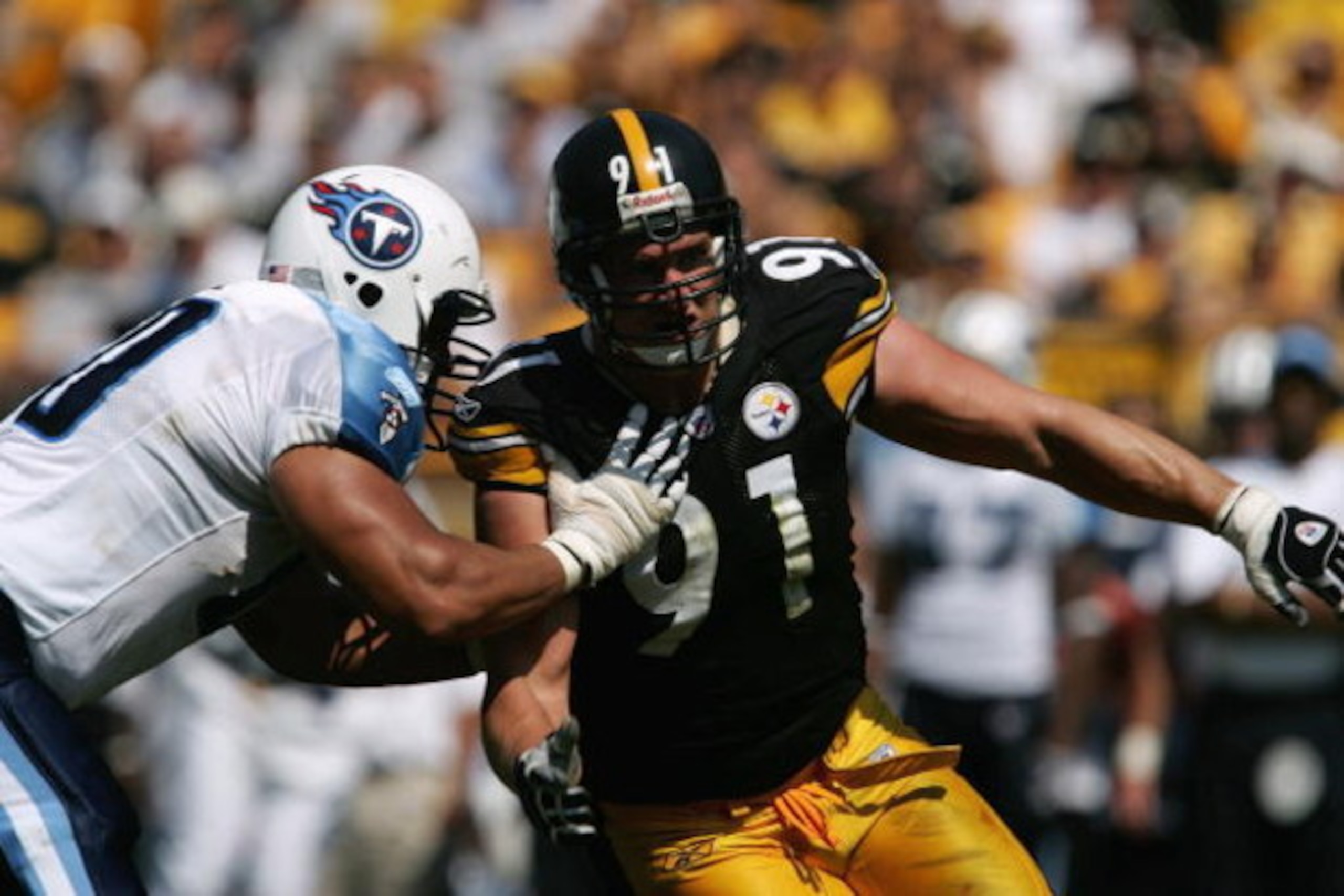
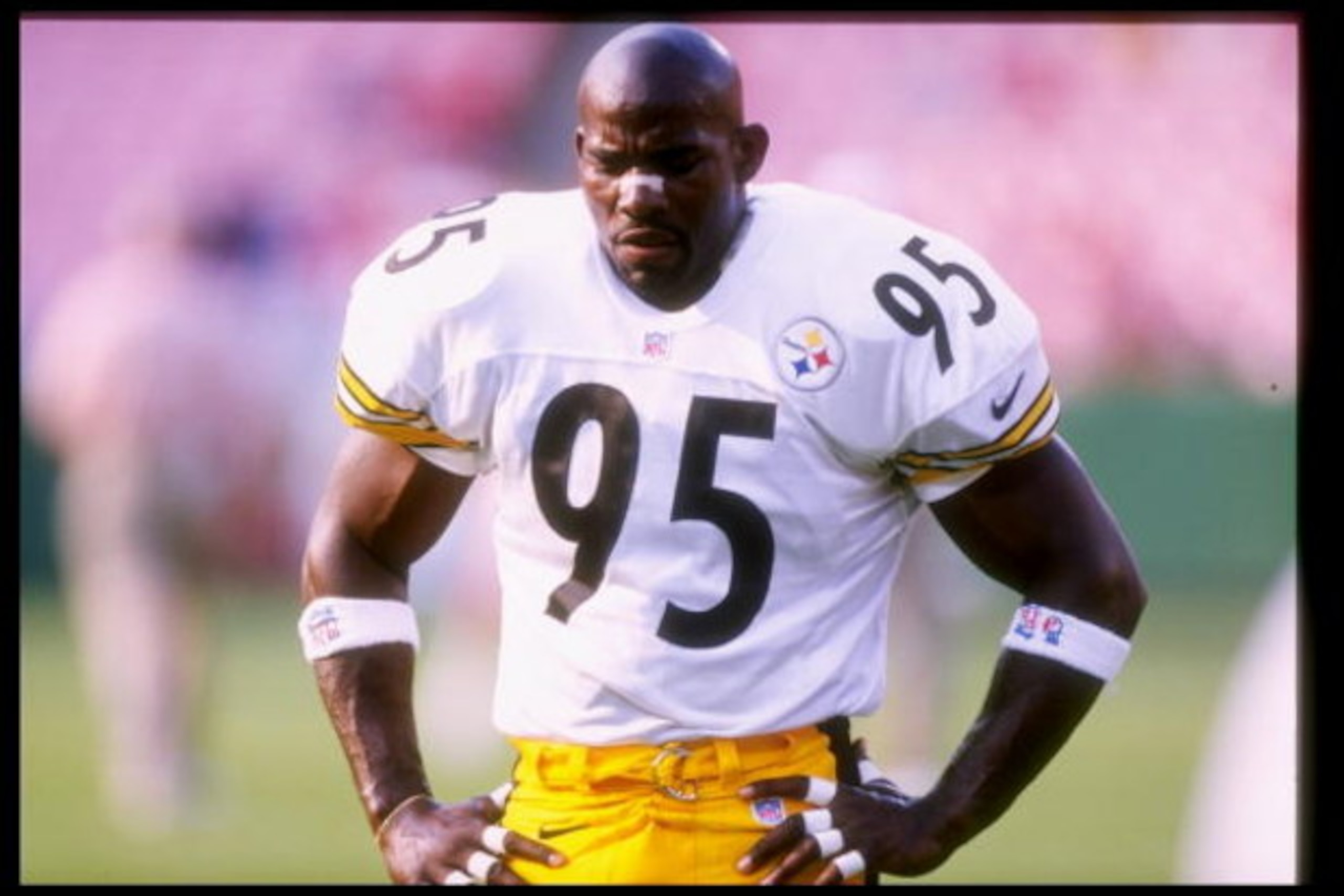
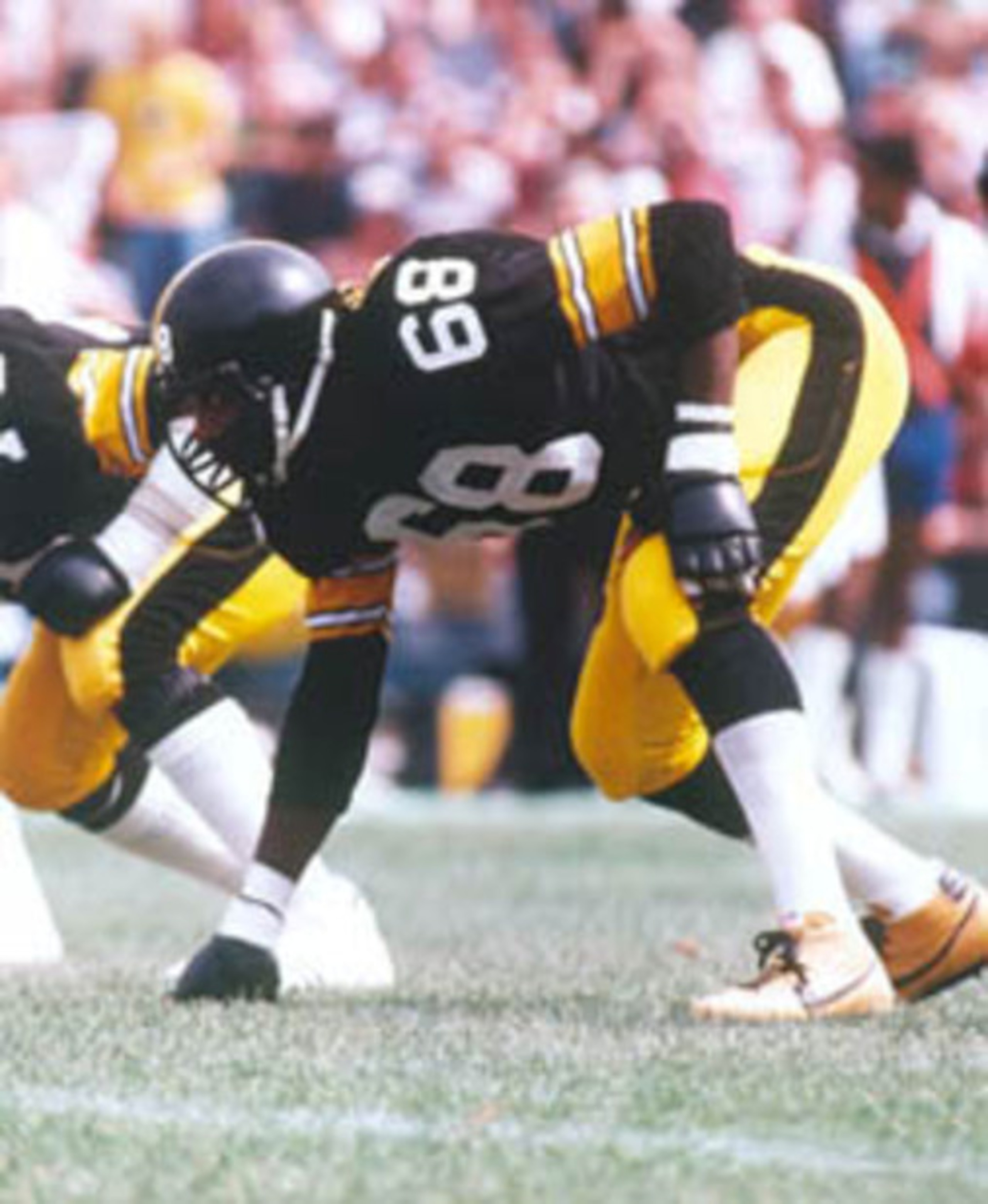
The latest in a long line of defensive players for the Pittsburgh Steelers who hail from small schools, Aaron Smith has been a consistent starter for the squad since being selected in the fourth round of the 1999 draft.
He has started on two Super Bowl Champion teams and has earned one trip to the Pro Bowl.
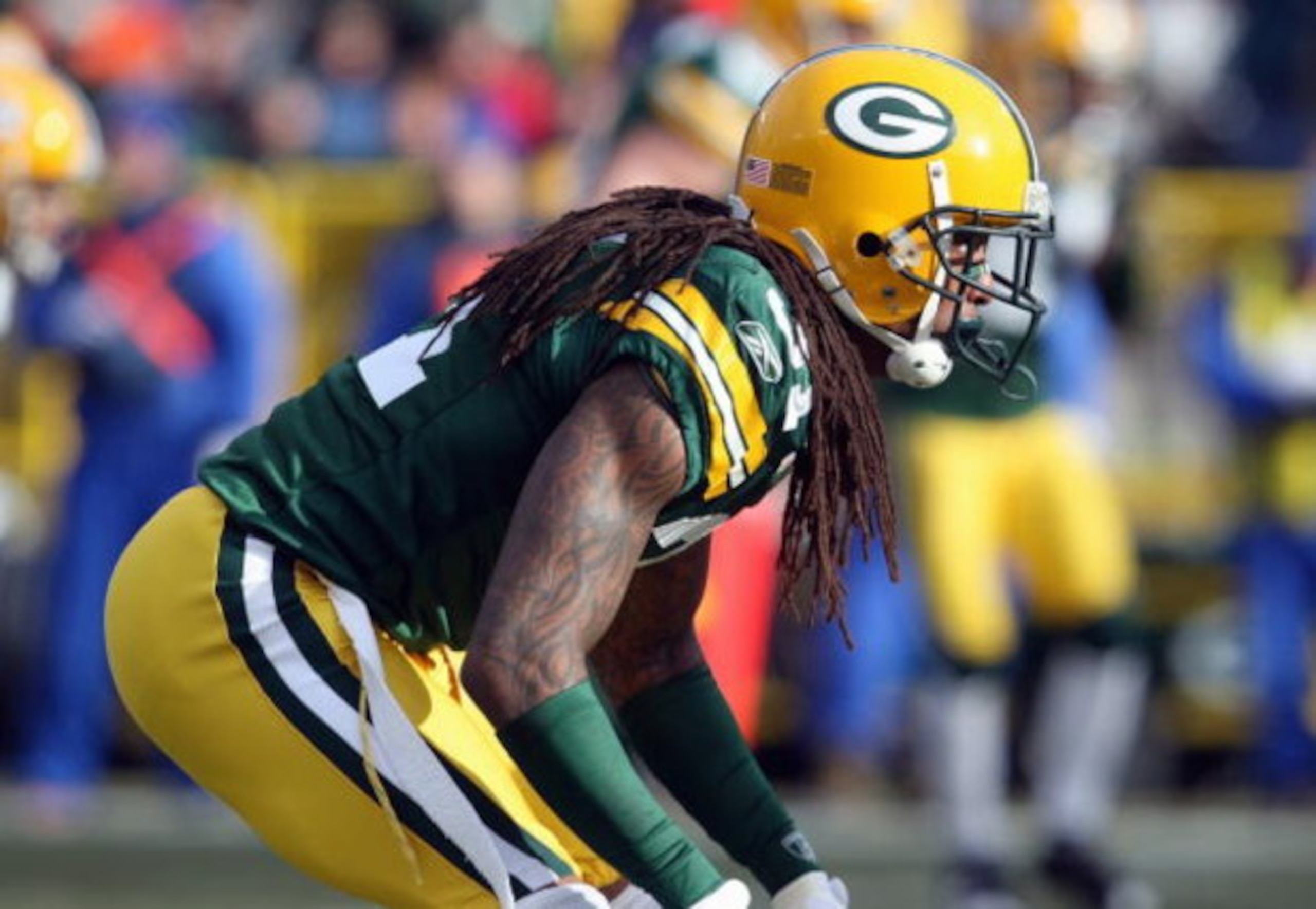
Originally drafted in the sixth round of the 1997 draft by Tampa Bay, Al Harris has enjoyed a tremendous career as a defensive back for Philadelphia and Green Bay. A two-time Pro Bowl selection, Harris has 19 career interceptions.
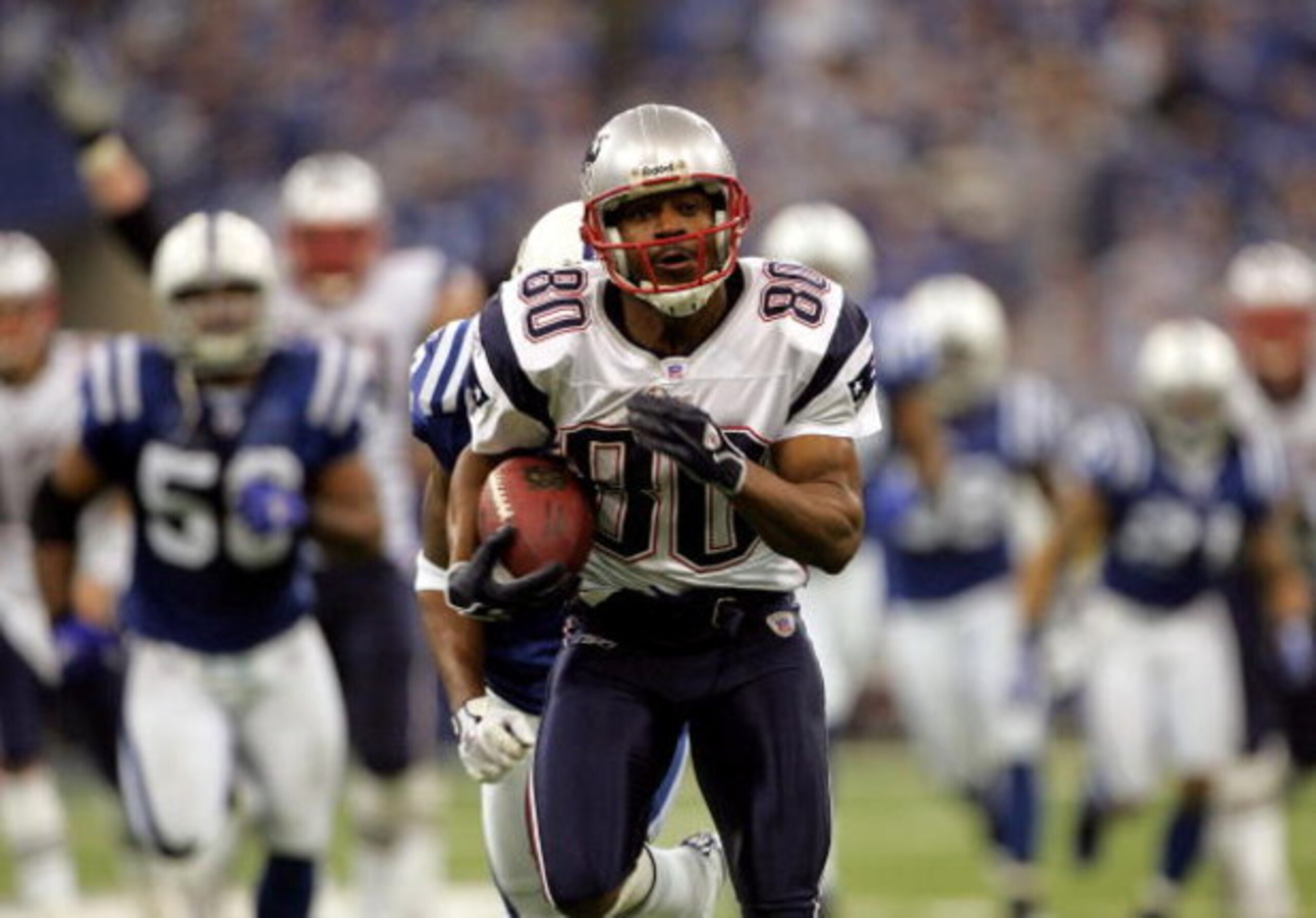
Playing at Marshall when they were a I-AA powerhouse, Troy Brown was selected by the Patriots in the eighth round of the 1993 draft. He emerged as one of the leading receivers in team history with 557 receptions and 6,366 yards receiving.
A true team player, in 2004 he moved to defensive back due to injuries and helped lead the Patriots to their third Super Bowl win in four seasons.
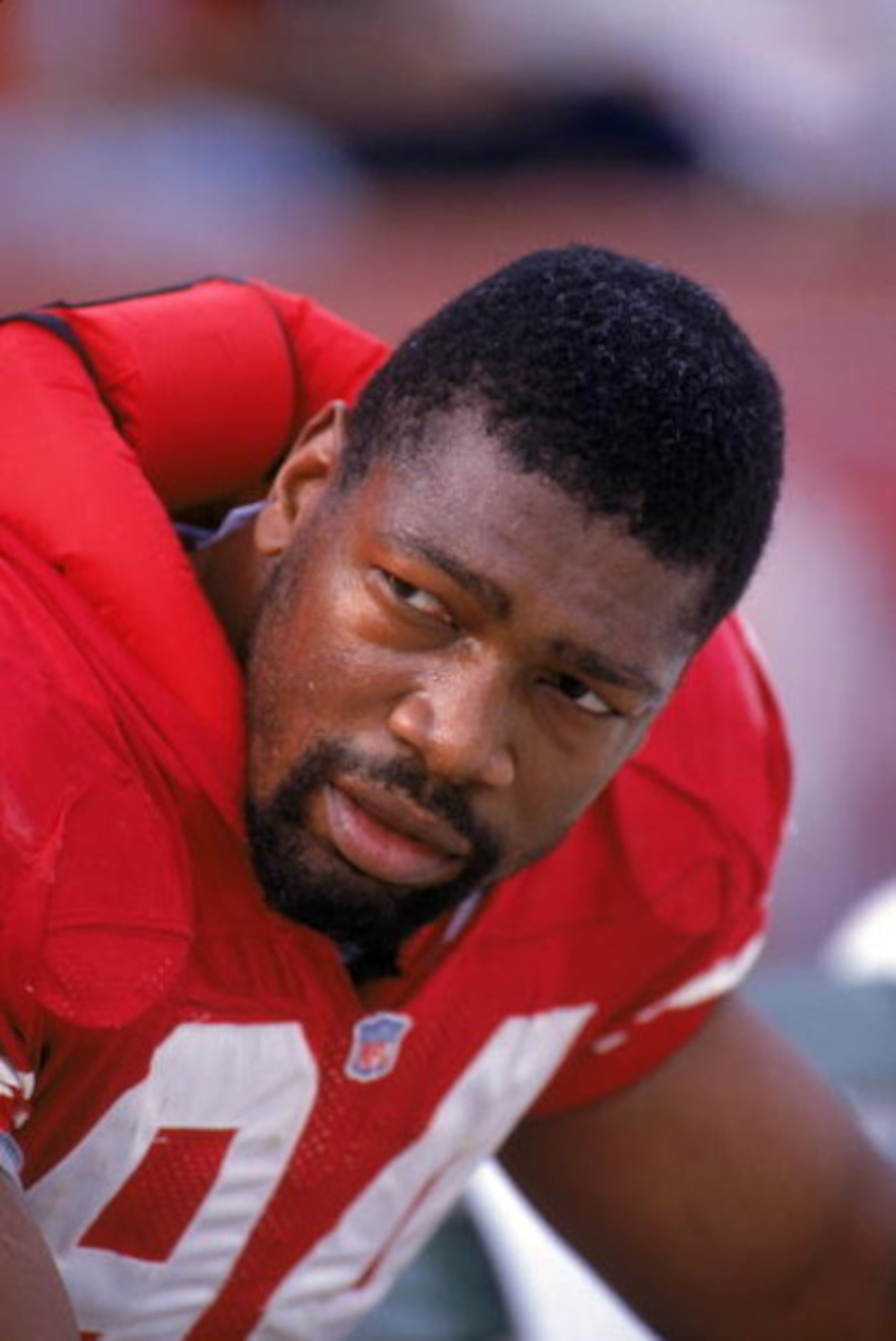
Originally chosen in the fourth round of the 1986 draft out of I-AA James Madison University as a linebacker, Charles Haley emerged as one of the leading pass rushing defensive ends of his era.
Haley also holds the distinction of being the only player in NFL history to play on five Super Bowl winning teams. He helped the 49ers to two crowns and later won three rings with the Cowboys.
The 150th selection of the 1987 draft out of Division II Fort Valley State, Greg Lloyd was a five-time Pro Bowl selection for the Pittsburgh Steelers. He finished his 11-year career with 54.5 sacks, 16 fumble recoveries and 11 interceptions.
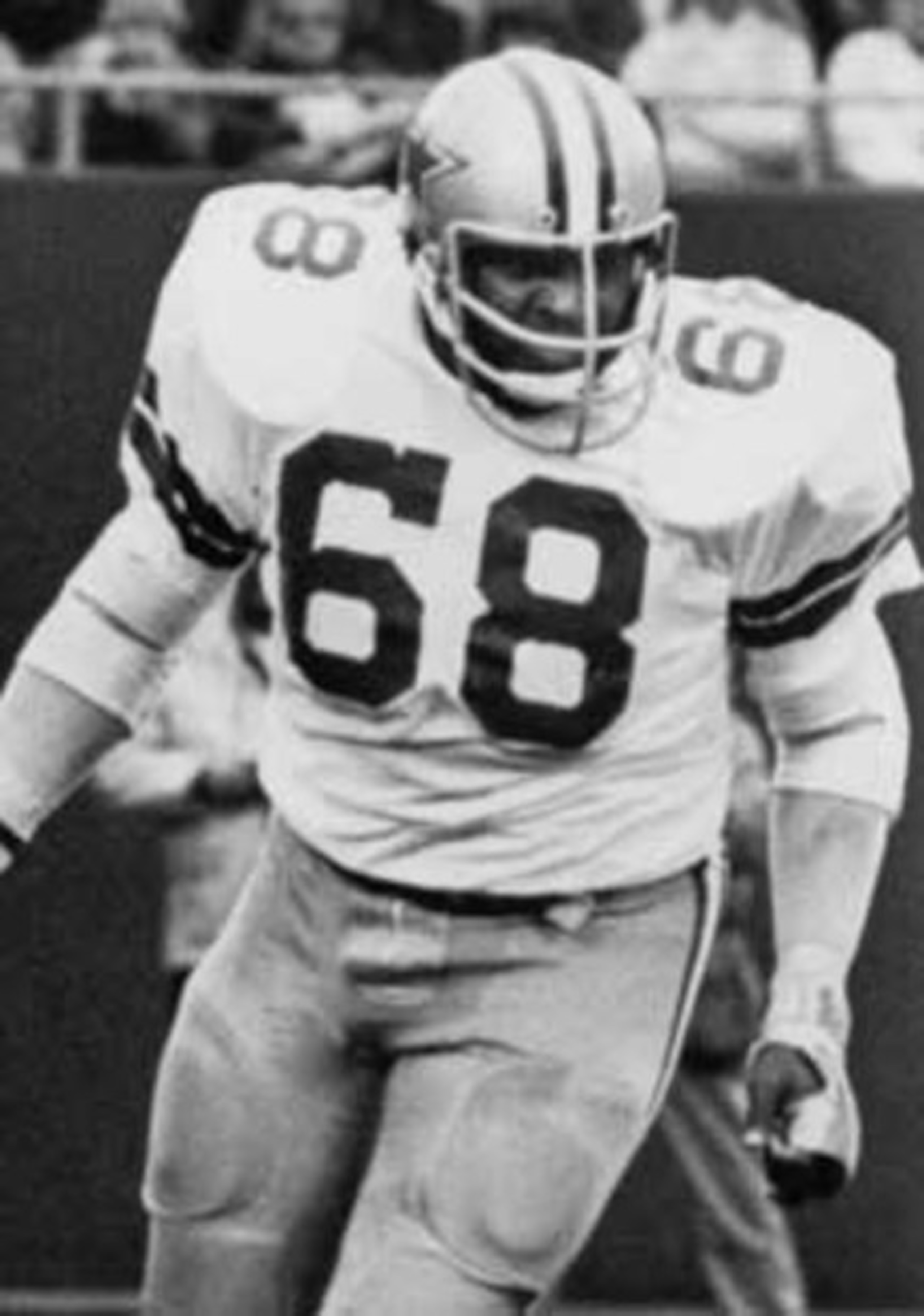
The 330th player selected in the 1975 draft by the Dallas Cowboys, Herbert Scott spent 10 seasons as a rock on the offensive line for the Cowboys.
A three-time Pro Bowl and two-time All-Pro selection, Scott helped Dallas to appearances in three Super Bowls and six NFC Championship games.
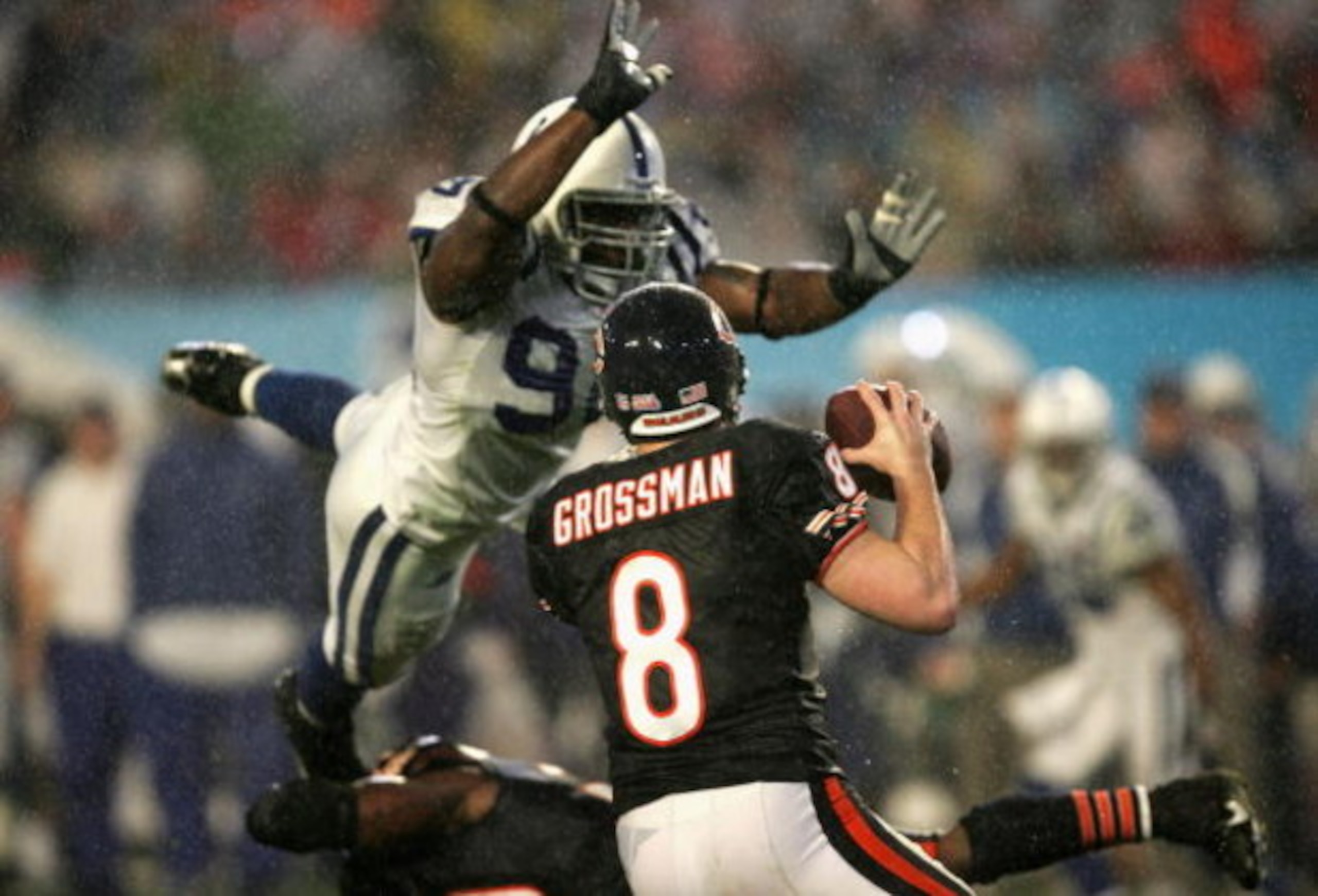
Since being selected out of Alabama A&M in the fifth round of the 2003 draft, Robert Mathis has been a key defensive performer for the Indianapolis Colts. He has registered 53.5 career sacks and forced 30 fumbles. In 2006 Mathis helped the Colts to a Super Bowl title and last season he posted 11.5 sacks while earning his first trip to the Pro Bowl.
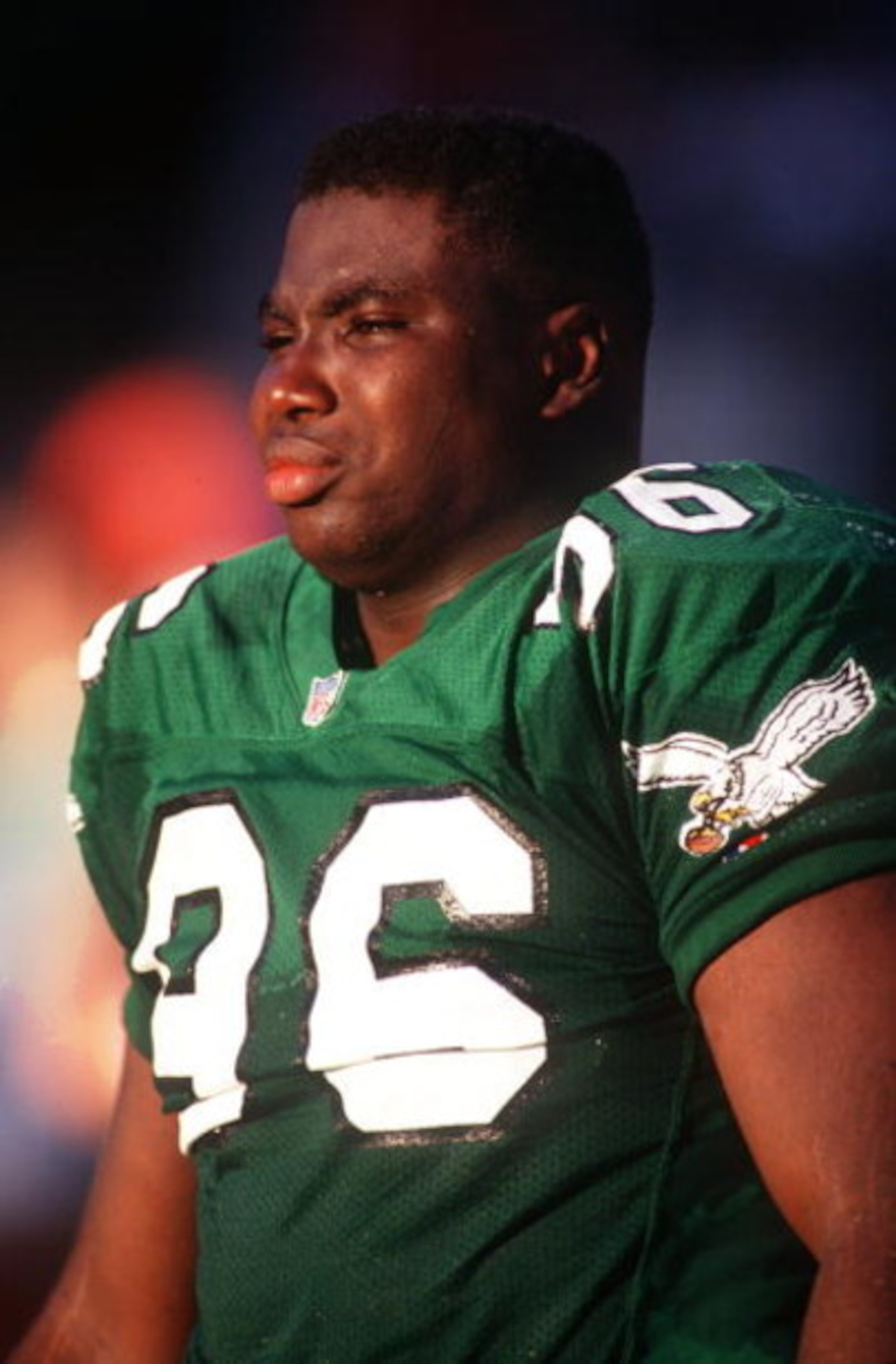
Selected by the Eagles with the 233rd pick in the 1986 draft out of Western Carolina University, Clyde Simmons did not miss a single game during his 15 year NFL career.
He was part of the dominant Philadelphia defensive line of the late 1980s –also including Reggie White, Jerome Brown and Mike Pitts– and was a two-time Pro Bowl selection. He finished his career with 121.5 sacks and also scored five defensive touchdowns.
One of the tallest receivers in NFL history at 6-foot-8, Harold Carmichael was a seventh round pick by the Eagles in 1971 out of Southern University.
He caught 590 passes for 8,985 yards and 85 touchdowns during his career and was a four-time Pro Bowl selection.
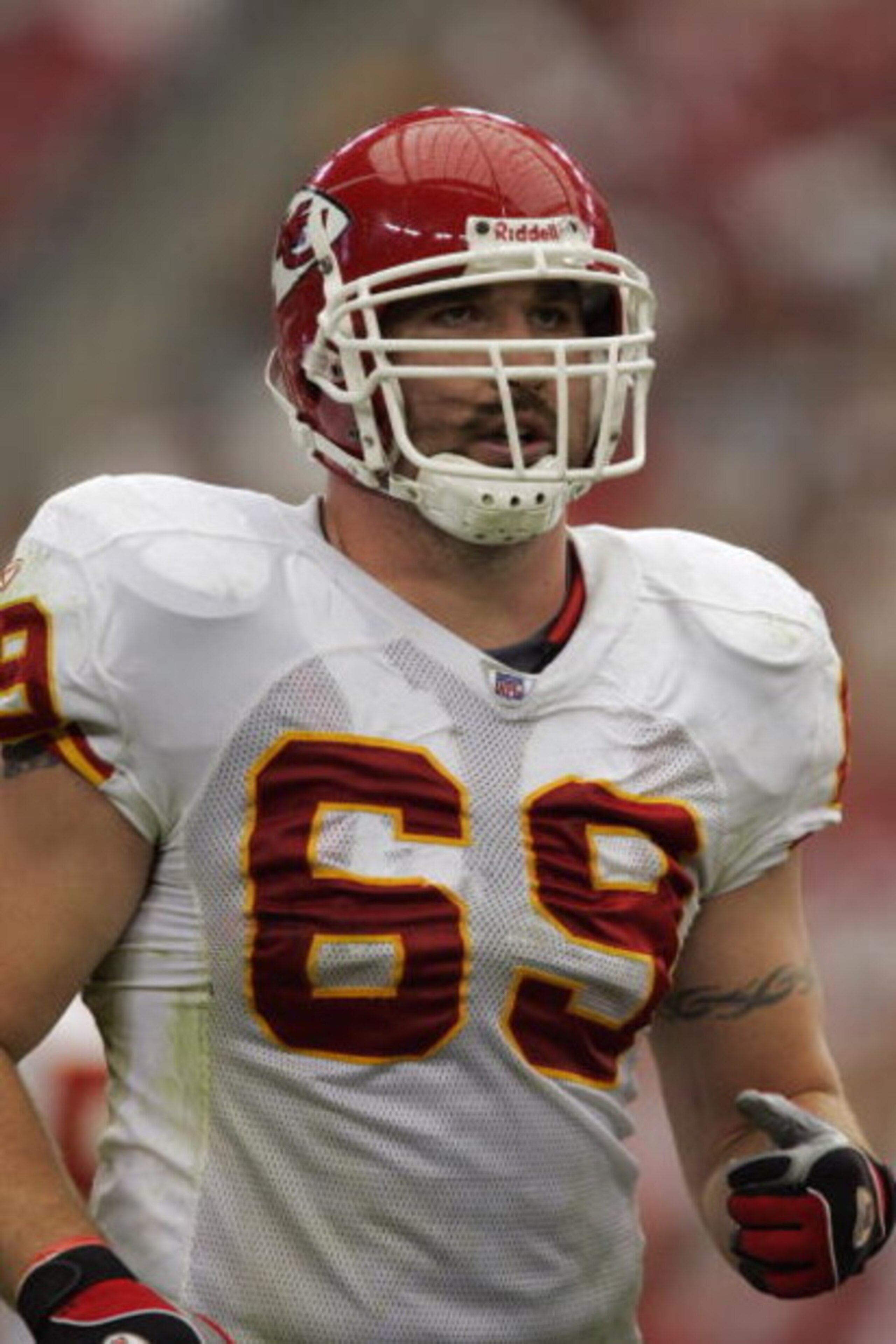
In five seasons since being selected by the Kansas City Chiefs in the fourth round of the 2004 draft out of Idaho State, Jared Allen has established himself as one of the top pass rushers in the NFL.
A Pro Bowl selection and All-Pro in each of the last two seasons, Allen has registered 30 sacks in the last two years and 57.5 for his career. He was traded to the Minnesota Vikings prior to the 2008 season.
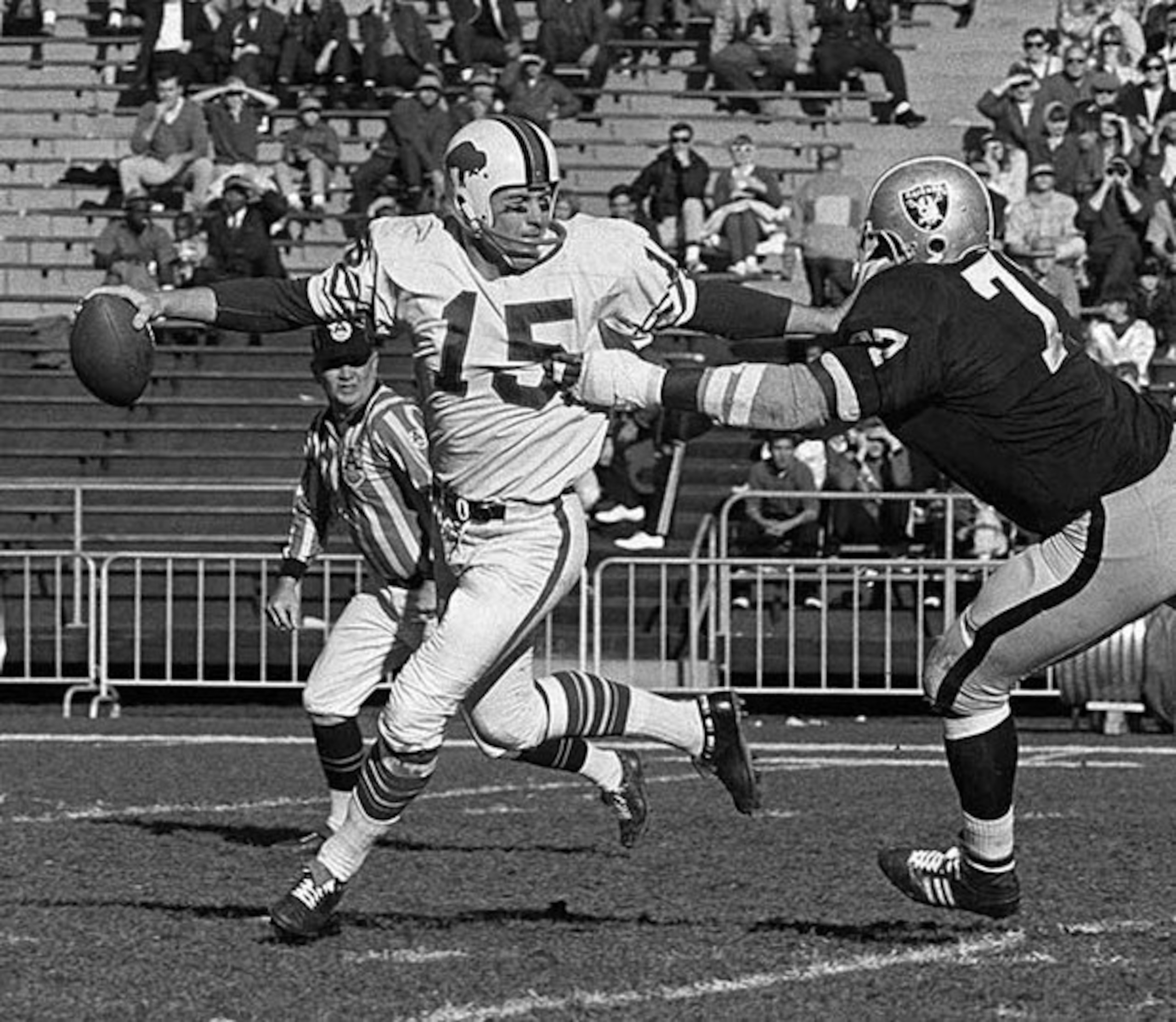
Originally drafted by the Detroit Lions in the 17th round of the 1957 draft, Jack Kemp never played for the Lions and only played in four NFL games for the Pittsburgh Steelers before eventually having his career rejuvenated by the AFL.
He twice led the Chargers into the AFL Championship game and then won two titles as quarterback of the Buffalo Bills. The future Vice Presidential candidate passed for 21,218 yards during his 10-year career.
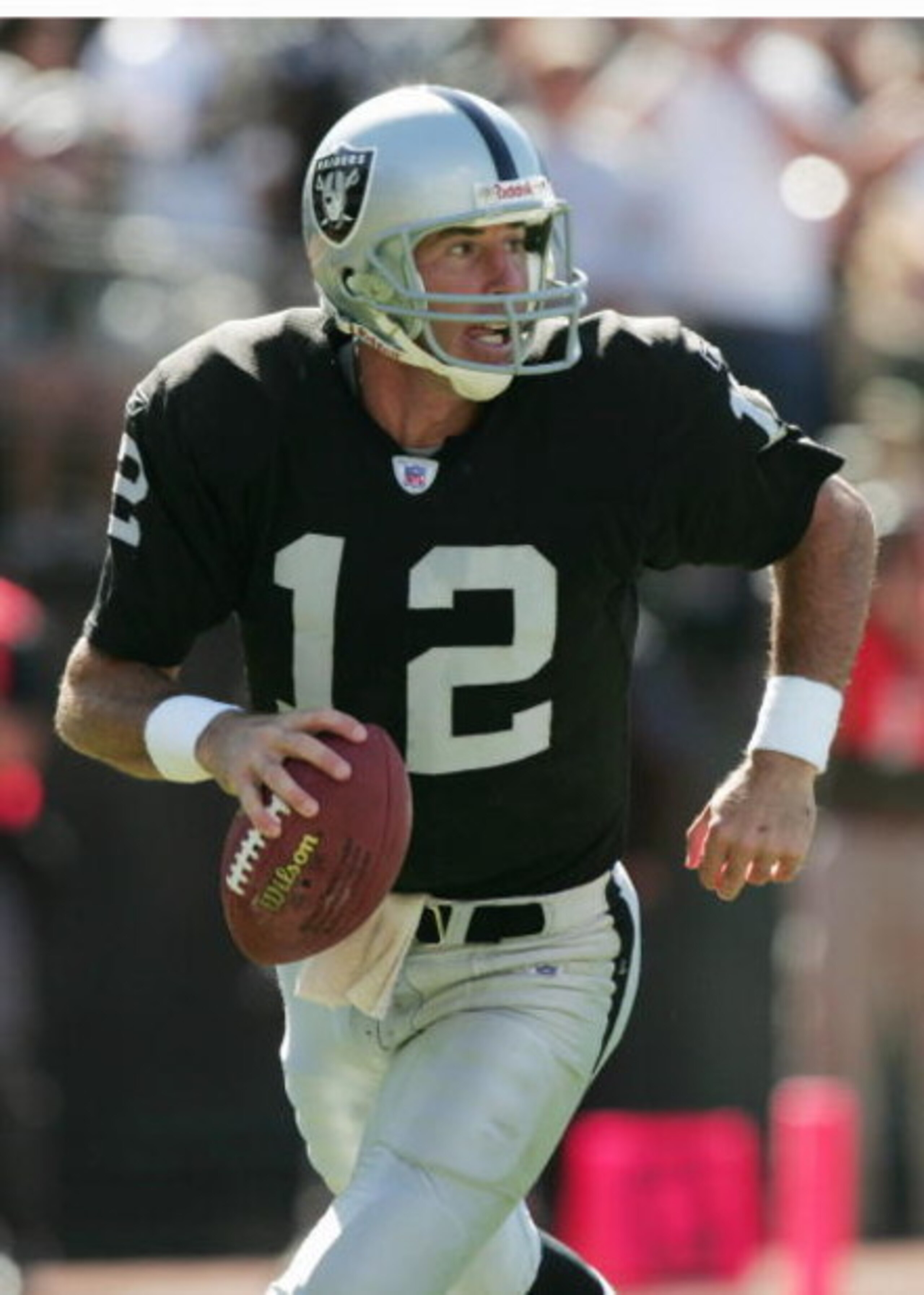
Originally drafted by New England in the fourth round of the 1987 draft, Rich Gannon spent 17 seasons in the NFL playing for four teams.
His greatest success came in six seasons with the Oakland Raiders as he was a four-time Pro Bowl selection and led the Raiders to a spot in Super Bowl XXXVII.
He was the NFL MVP in 2002 when he passed for 4,689 yards and 26 touchdowns.
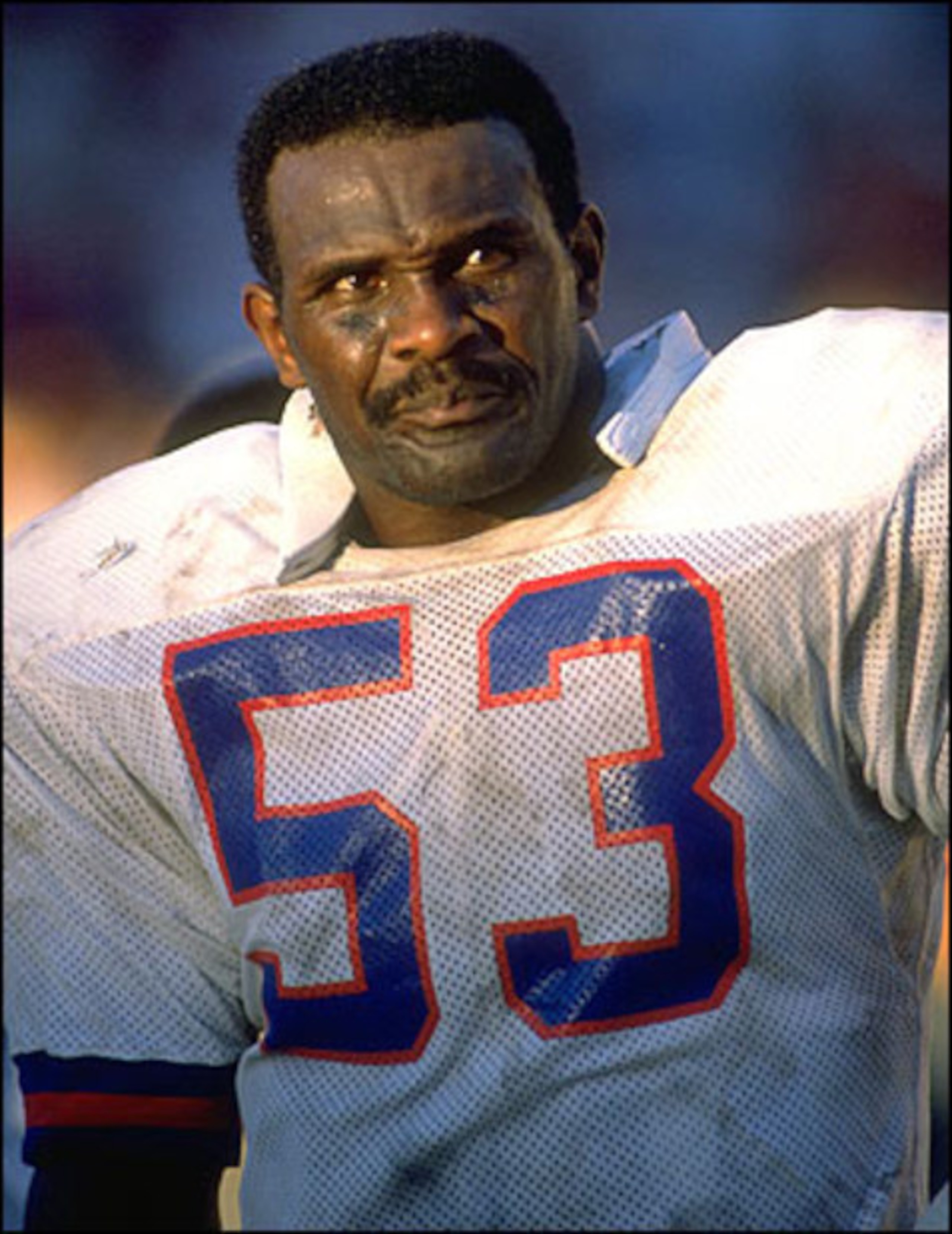
A fourth round pick of the New York Giants out of South Carolina State, Harry Carson spent 13 seasons anchoring the middle of the defense for the Giants. A nine-time Pro Bowl selection, Carson helped lead the Giants to victory in Super Bowl XXI.
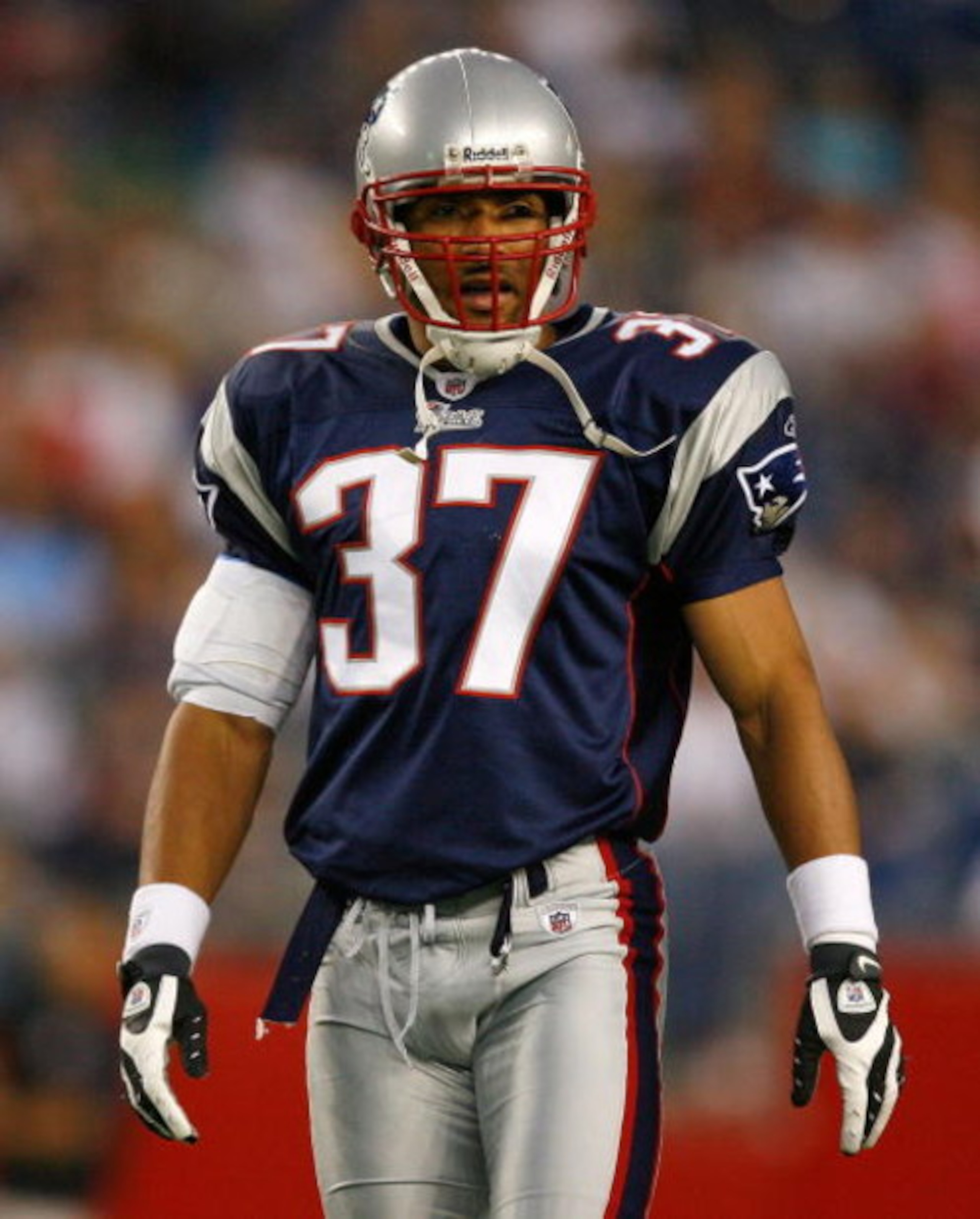
Rodney Harrison has spent 15 seasons in the NFL since being drafted in the fifth round of the 1994 draft out of Western Illinois.
Harrison played in the Super Bowl during his initial season with the Chargers and spent nine seasons with San Diego before being signed as a free agent by the New England Patriots in 2003.
He has been part of three Super Bowl teams in New England and is a three-time Pro Bowl selection. He has 34 career interceptions and 30.5 career sacks.
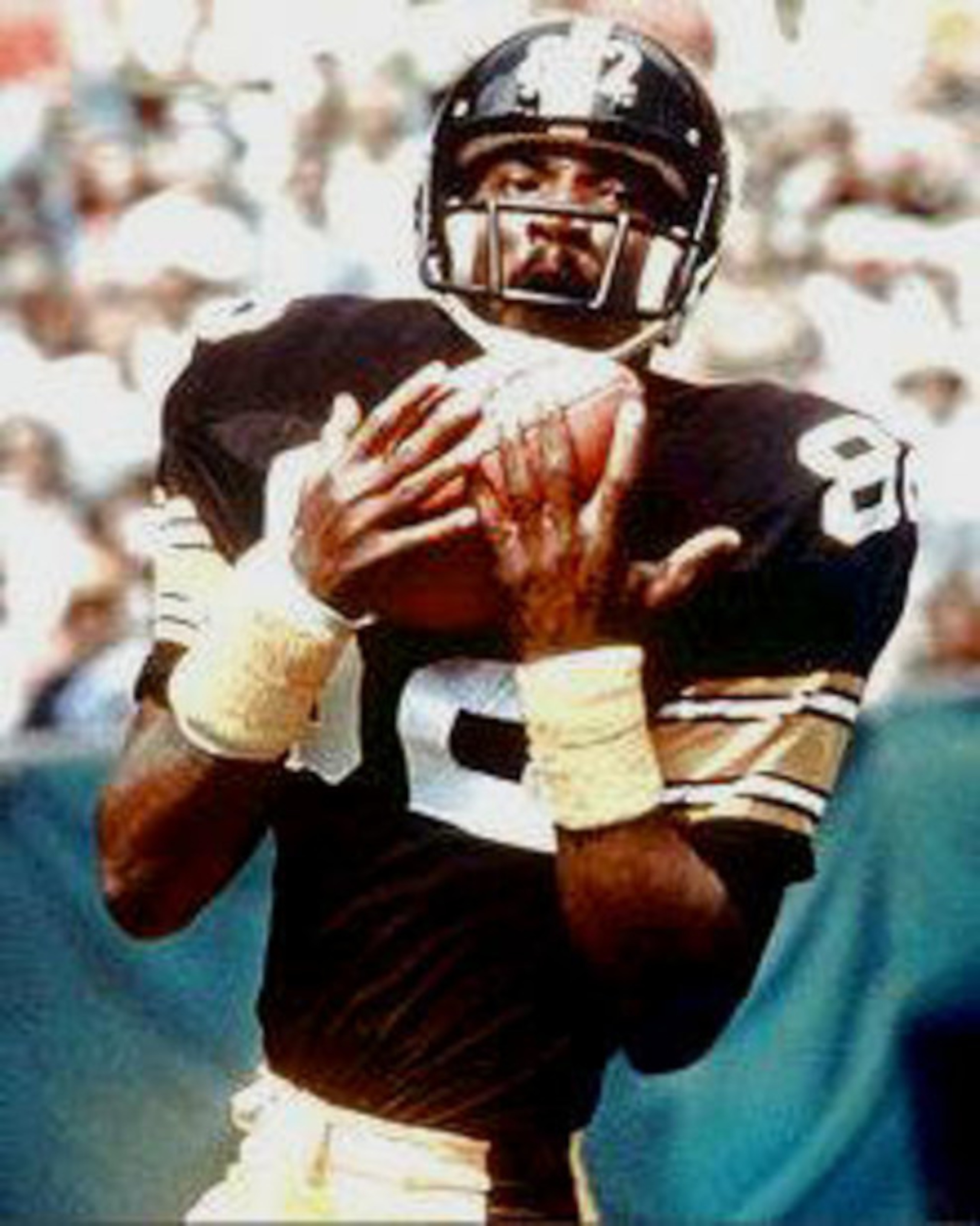
Selected by the Pittsburgh Steelers with the 82nd pick in the 1974 draft out of Alabama A&M, John Stallworth proved to be one of four future Hall of Fame players chosen by the Steelers in unquestionably the best single draft in NFL history.
Stallworth soon emerged from first round pick Lynn Swann’s shadow to become the top receiver on the team. He caught 537 passes for 8,723 yards and was a four-time Pro Bowl selection. He was inducted into the Hall of Fame in 2002.
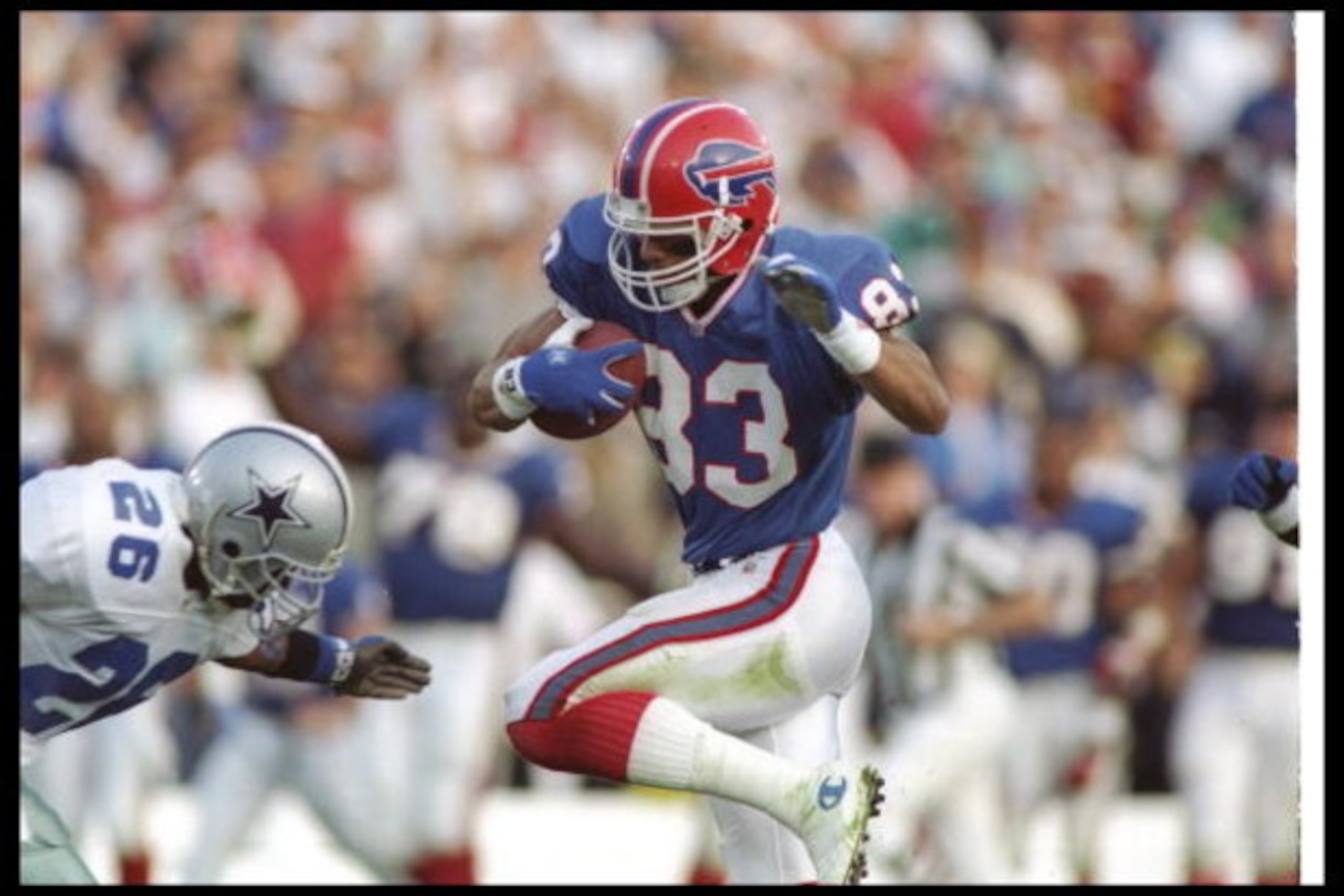
When Buffalo used a fourth round pick in the 1985 draft to select a wide receiver from Division II Kutztown University they had little inkling that Andre Reed would develop into one of the best receivers in NFL history.
A seven-time Pro Bowl selection, Reed still ranks sixth in NFL history with 951 career receptions. He was a key member of four Super Bowl squads.
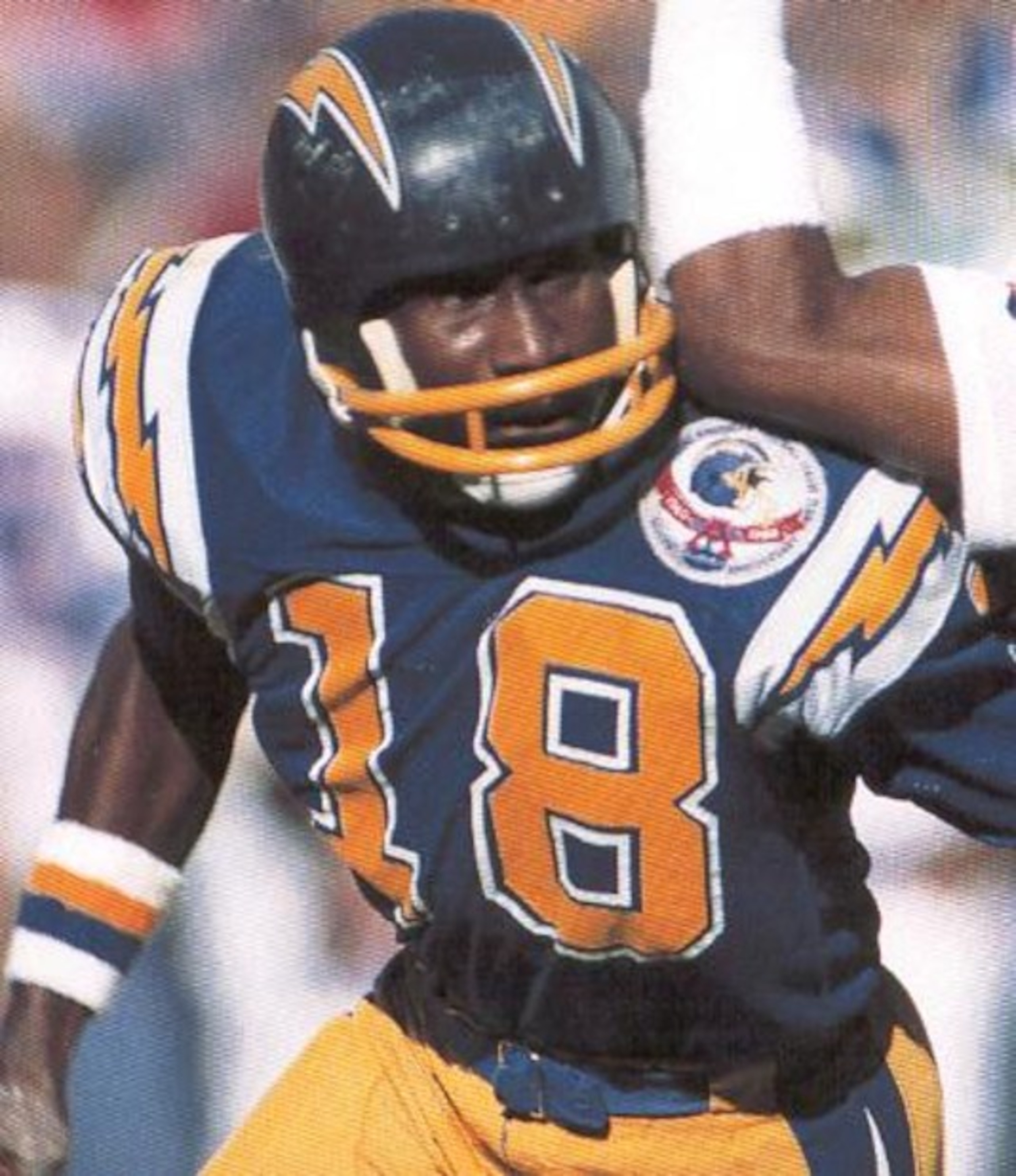
Chosen with the 93rd pick in the 1969 draft out of Grambling State, Charlie Joiner went on to play 18 seasons in the NFL and retire as the career leader in receptions with 750.
After playing for the Oilers and Bengals, he found his niche in San Diego catching passes from HOF quarterback Dan Fouts. Joiner was named to the Hall of Fame in 1996.
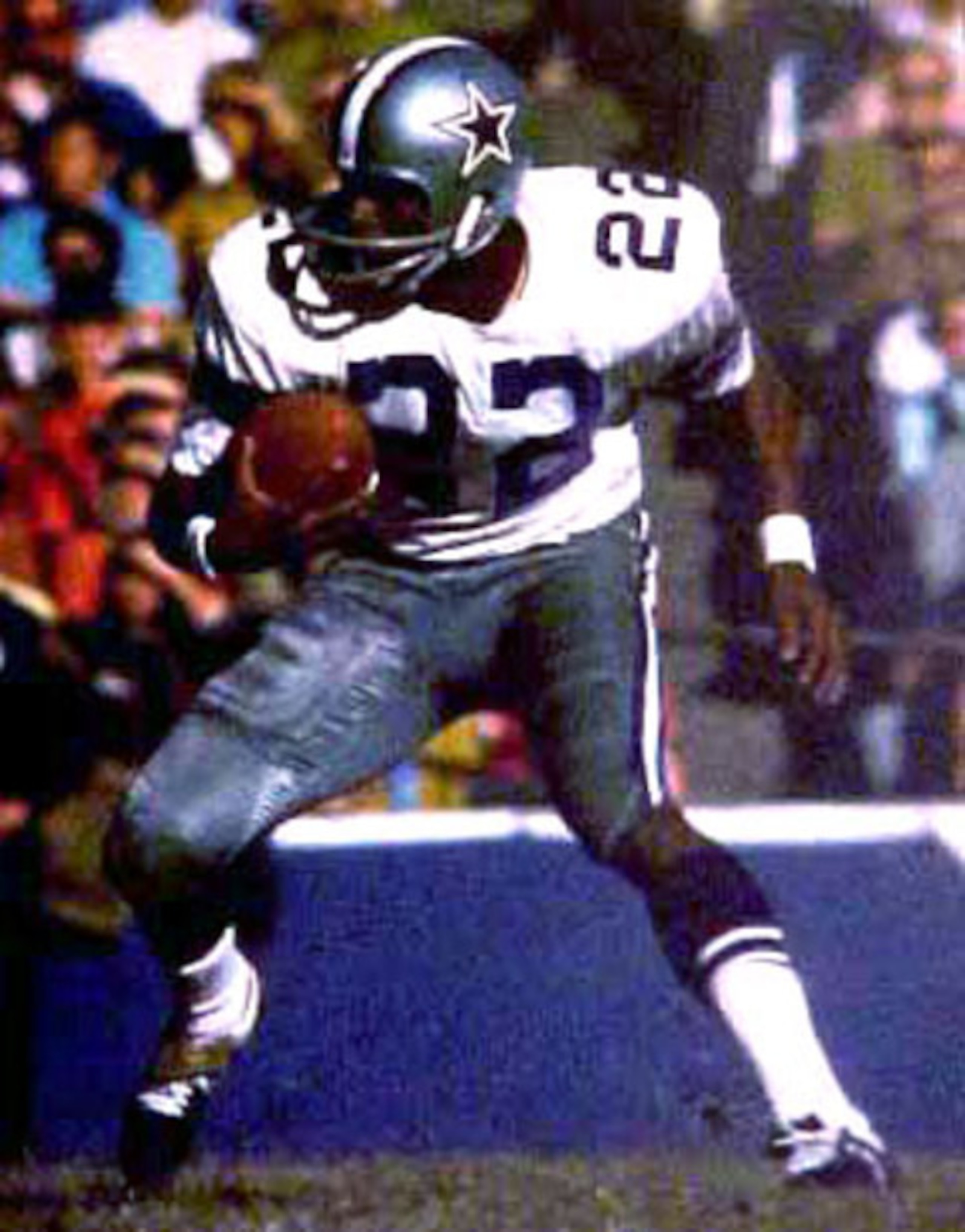
Selected as a “Future” pick by Dallas in 1964, Bob Hayes went on that fall to win two Olympic Gold Medals and earn recognition as the “World’s Fastest Human.”
A running back at Florida A&M, he became a game-breaking wide receiver for the Cowboys and was a three-time Pro Bowl selection. He caught 371 passes in his career, including 71 touchdowns, and averaged 20 yards per catch. He was selected to the Pro Football Hall of Fame in 2009.
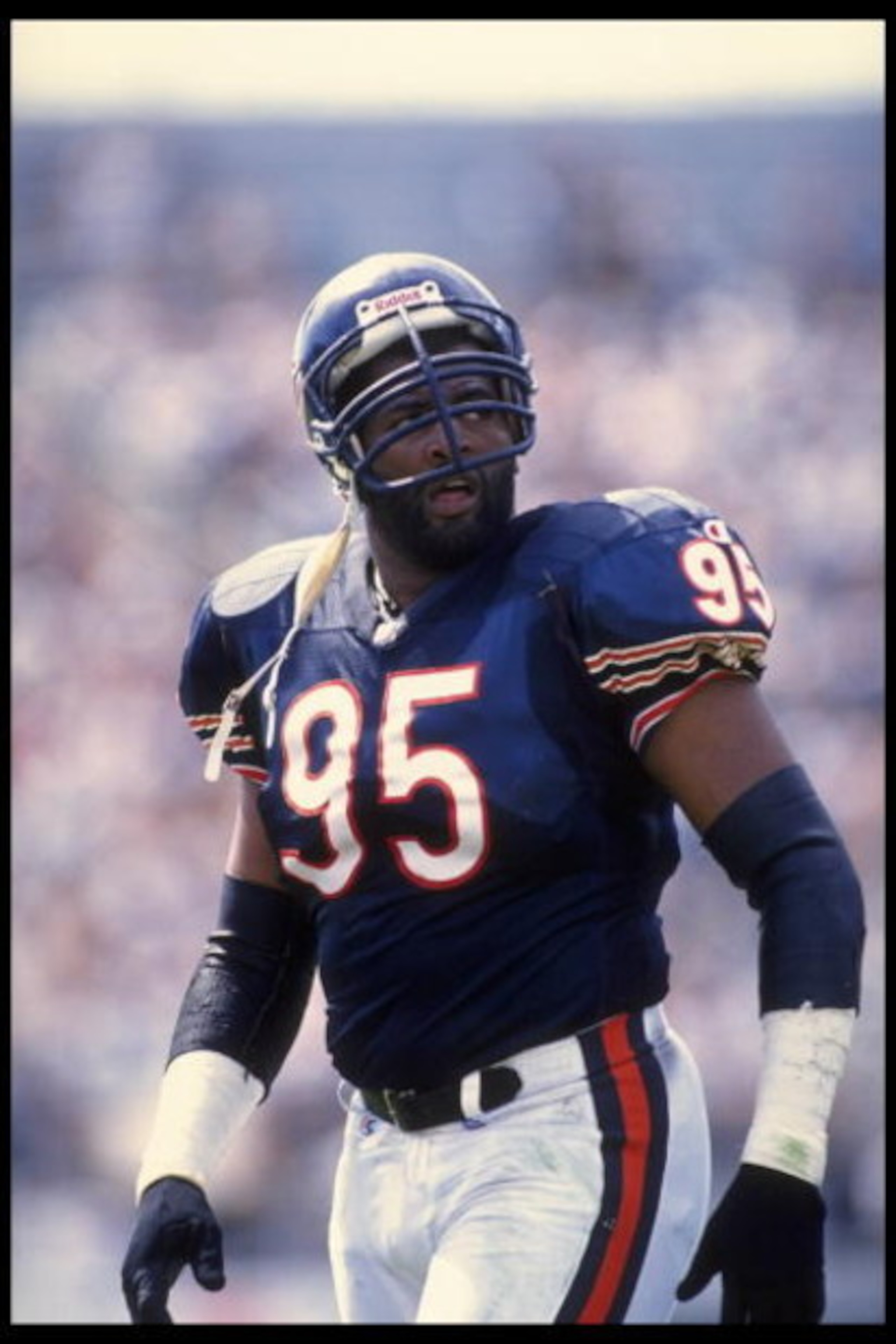
Following in the footsteps of fellow Tennessee State defensive linemen Ed “Too Tall” Jones, Claude Humphrey, Will Wynn and Cleveland Elam who all enjoyed solid NFL careers, Richard Dent was selected by the Chicago Bears with the 203rd pick of the 1983 draft.
By 1985 he had developed into one of the top rush ends in the NFL and was named the MVP of Super Bowl XX. Dent completed his career with 137.5 sacks and has been a finalist for induction into the Hall of Fame five times.
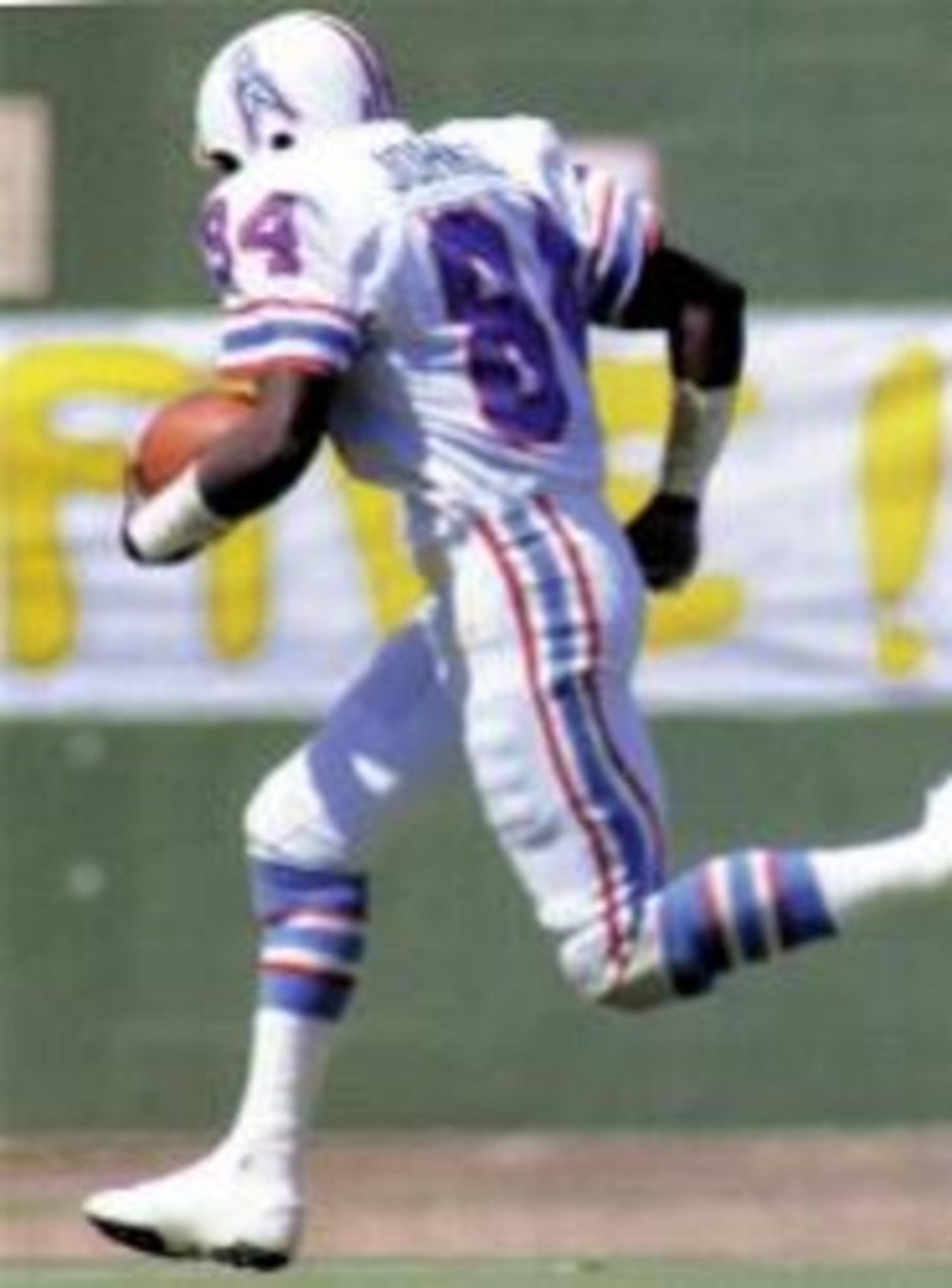
It is doubtful that the Houston Oilers knew exactly what they were getting when they selected a common named wide receiver from Division III Widener University with the 365th pick in the 1974 draft.
Billy “White Shoes” Johnson proved to be anything but common. A game-breaking player who became well recognized for his trademark shoes and end zone dances, Johnson gained more than 6,200 yards returning kicks and punts during his career and also caught 337 passes for 4,211 yards.
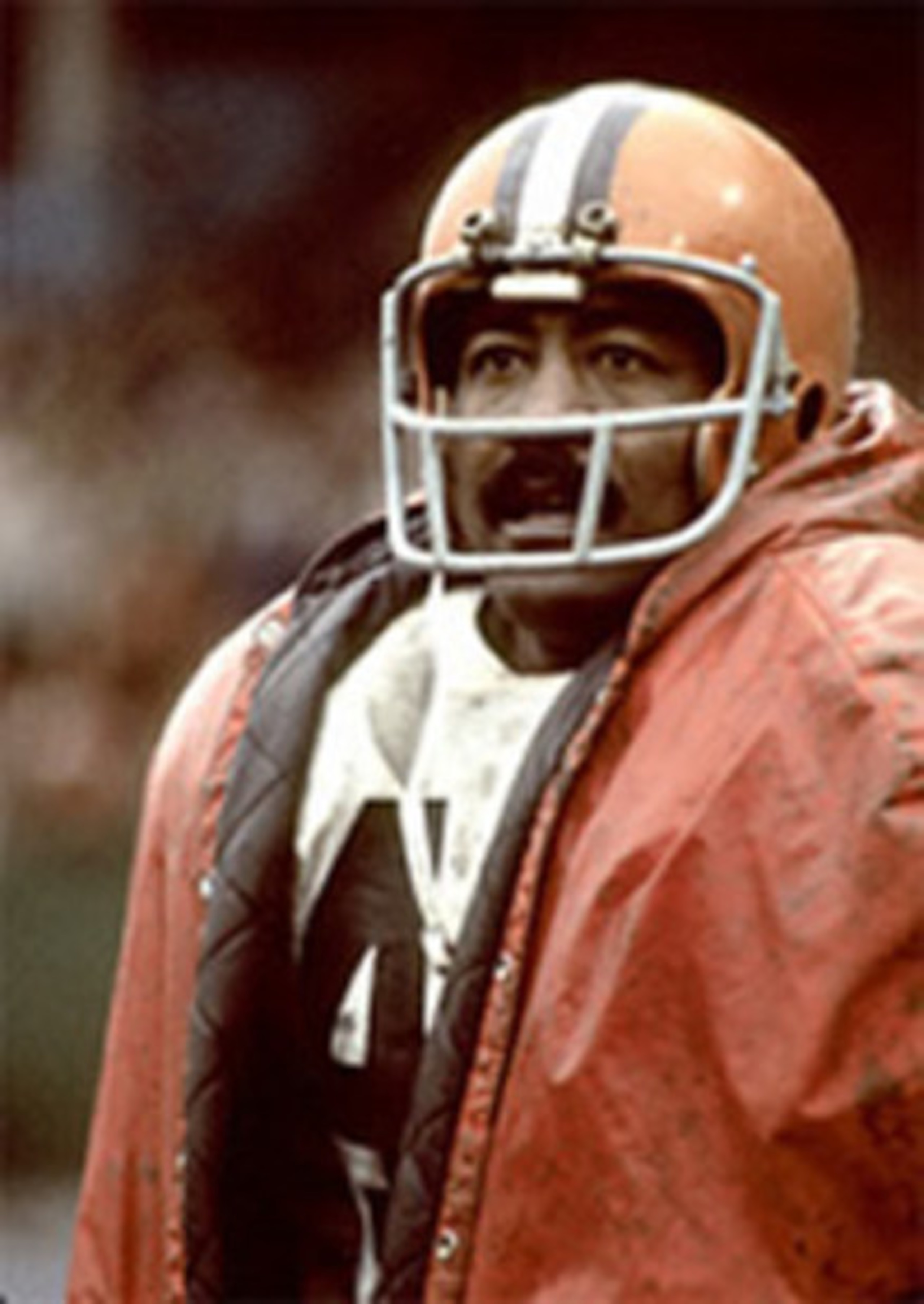
Few players have had larger shoes to fill than when Leroy Kelly replaced Jim Brown in the Cleveland backfield. He was successful enough to earn his own bust in the Hall of Fame.
Kelly twice led the NFL in rushing and gained 7,274 yards and rushed for 74 touchdowns while earning Pro Bowl recognition six times.
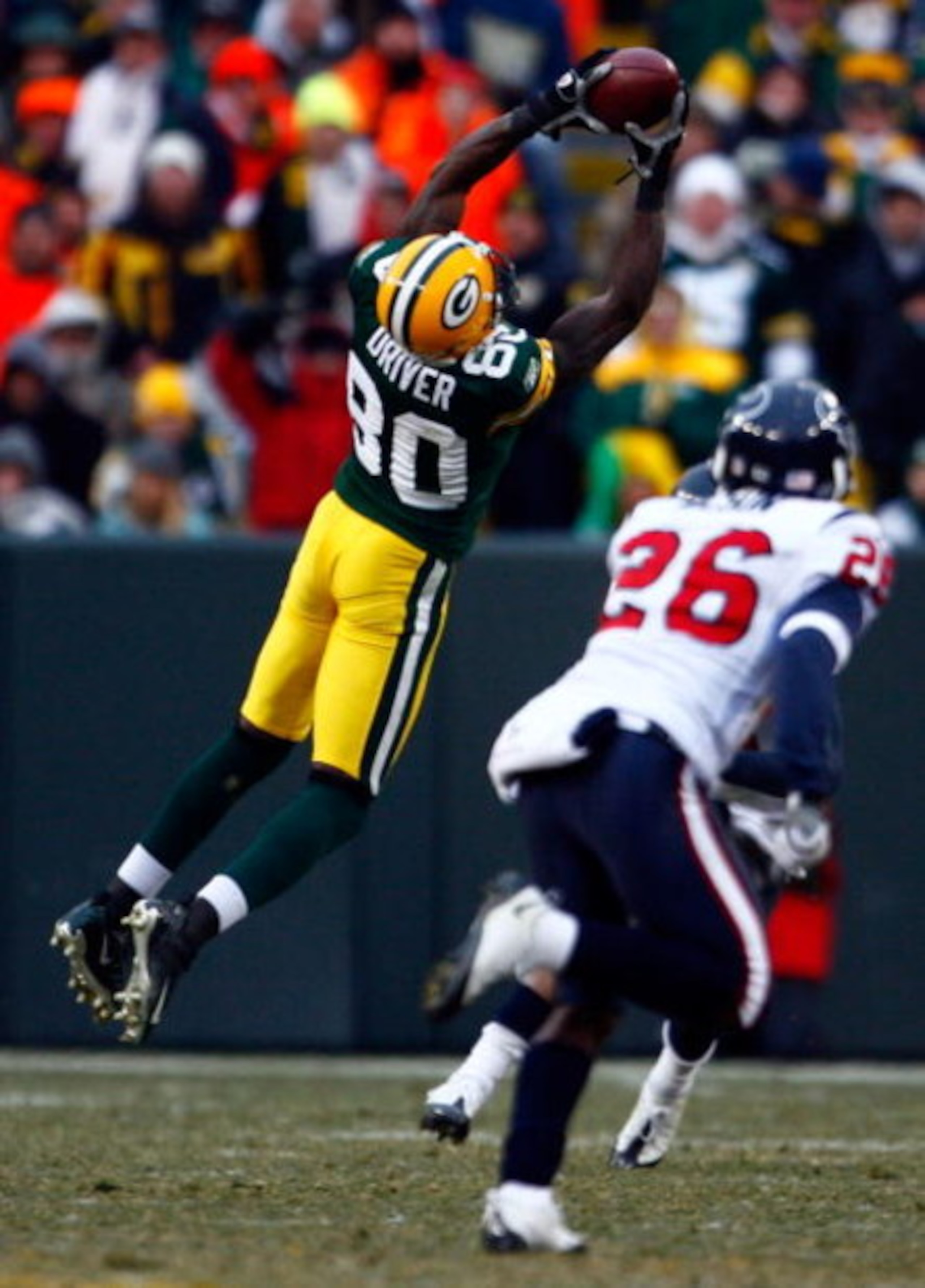
Selected by Green Bay in the final round of the 1999 draft out of Alcorn State, Donald Driver has gained more than 1,000 yards receiving in six of the last seven seasons.
A three-time Pro Bowl selection, he has 577 career receptions for 7,989 yards.
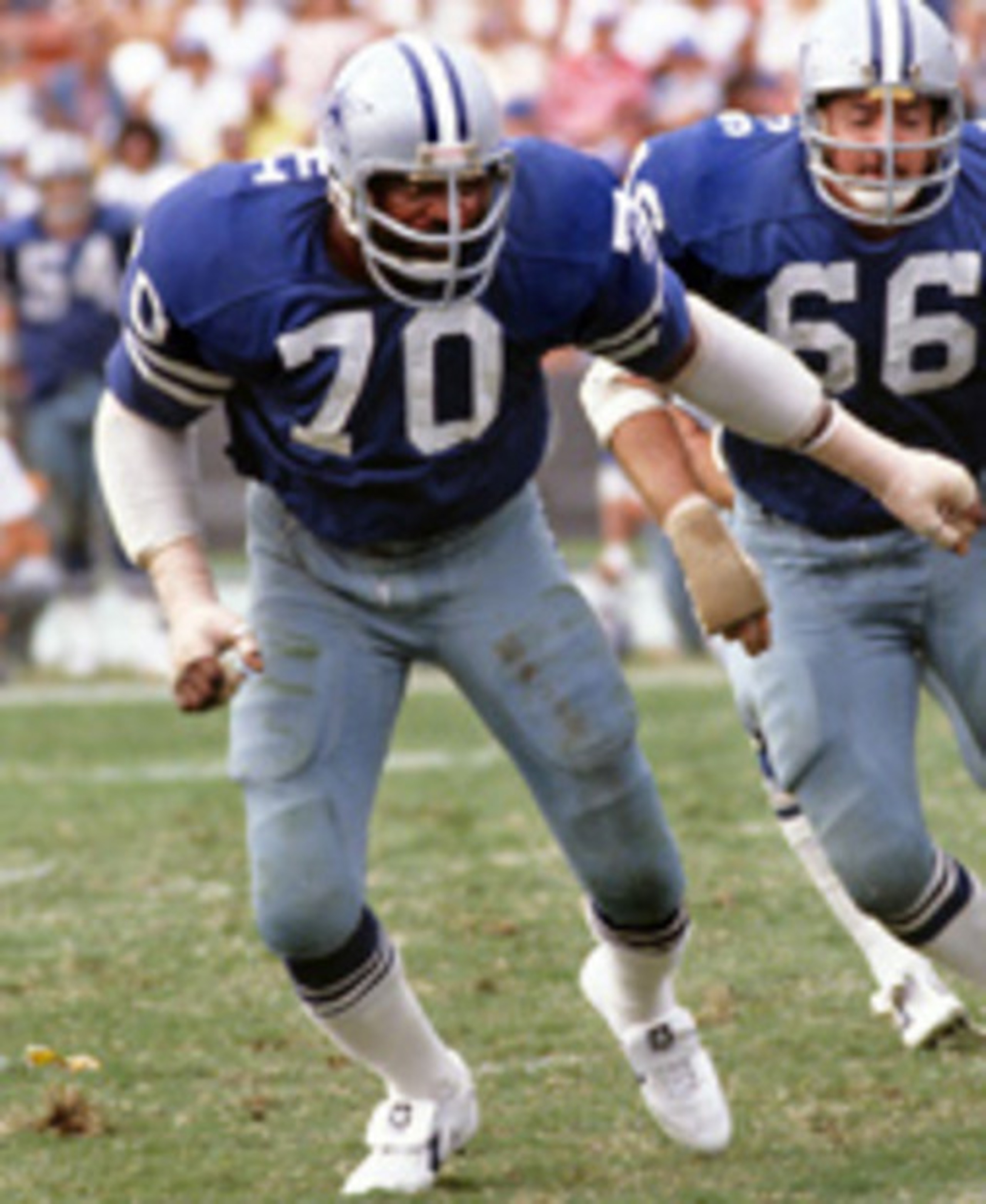
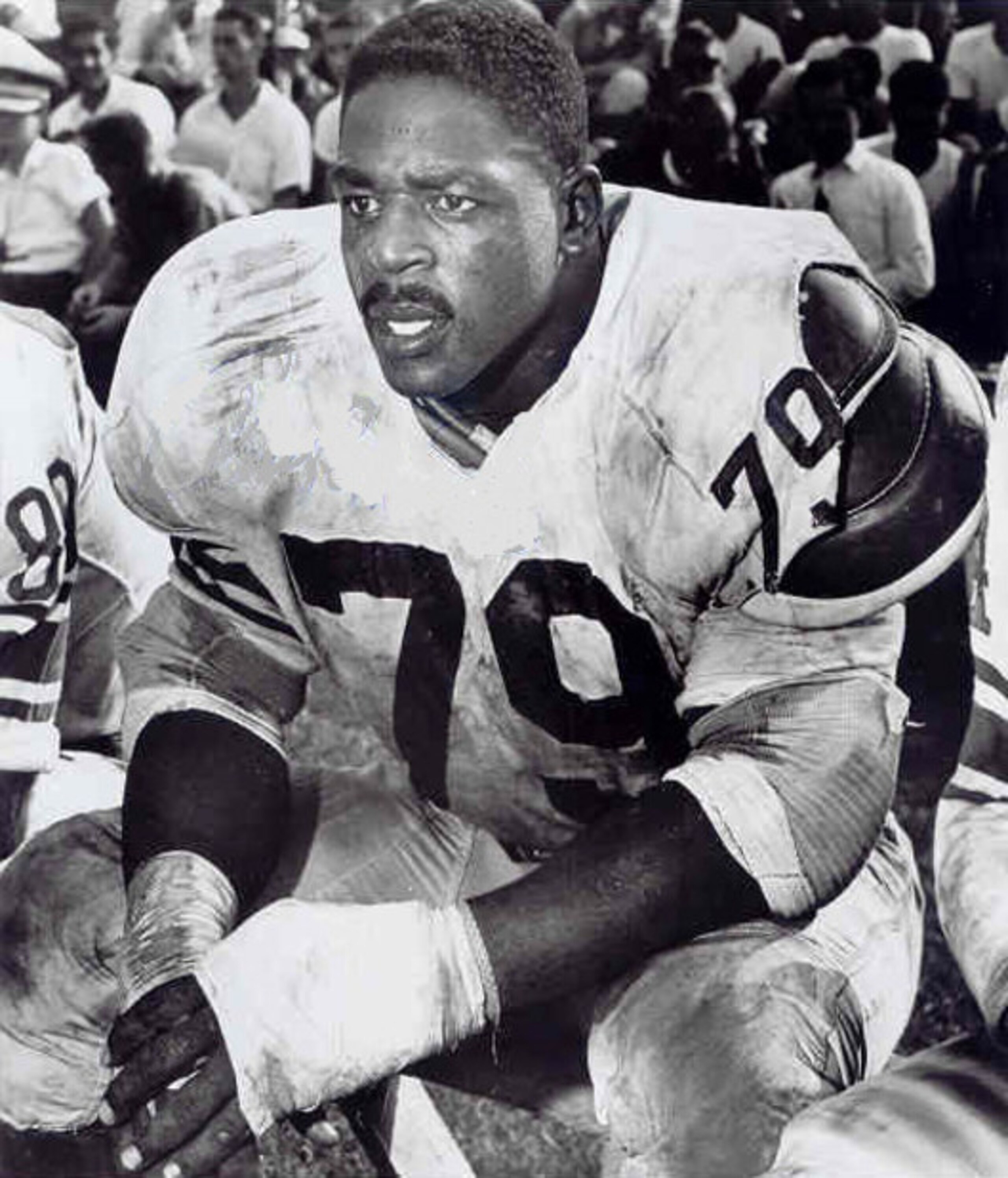
Chosen by Dallas with the 182nd pick of the 1967 draft out of Fort Valley State, Rayfield Wright went on to earn six trips to the Pro Bowl and first team All-Pro honors three times.
He was part of Dallas squads that reached five Super Bowls in the 1970s.
In the same draft in which they selected defensive tackle Joe Greene with the fourth overall pick, the Pittsburgh Steelers used the 238th selection to choose defensive end L.C. Greenwood.
The duo would help propel the Steel Curtain defense to four Super Bowl titles. Greenwood was a six-time Pro Bowl selection and two-time All-Pro.
Though he was not selected in the 1953 draft until the 27th round (321st pick) from Morgan State, Roosevelt Brown’s power and athletic ability earned him a starting position at offensive tackle as a rookie and he spent 13 seasons as the anchor of the offensive line for the Giants.
He was selected to the Pro Bowl nine times and earned All-Pro honors eight times. In 1975 he became only the second player elected to the Hall of Fame solely as an offensive lineman.
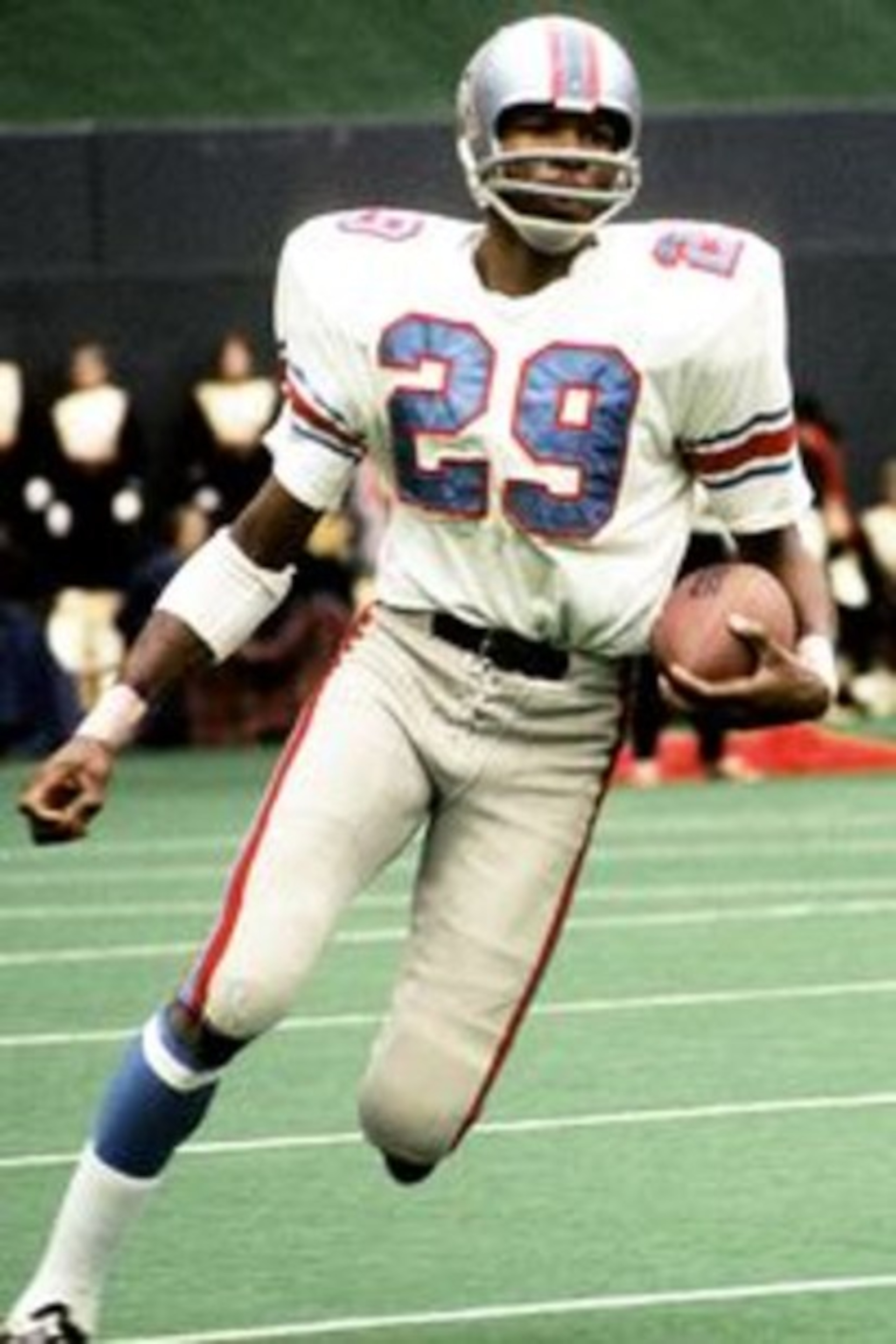
A ninth-round selection of the Houston Oilers in the 1967 draft, Ken Houston went on to become one of the greatest safeties in NFL history. In six seasons with Houston and eight with the Washington Redskins, he played in 12 Pro Bowls and intercepted 49 passes.
He ranks sixth all-time with 12 non-offensive touchdowns and was inducted into the Hall of Fame in 1986.
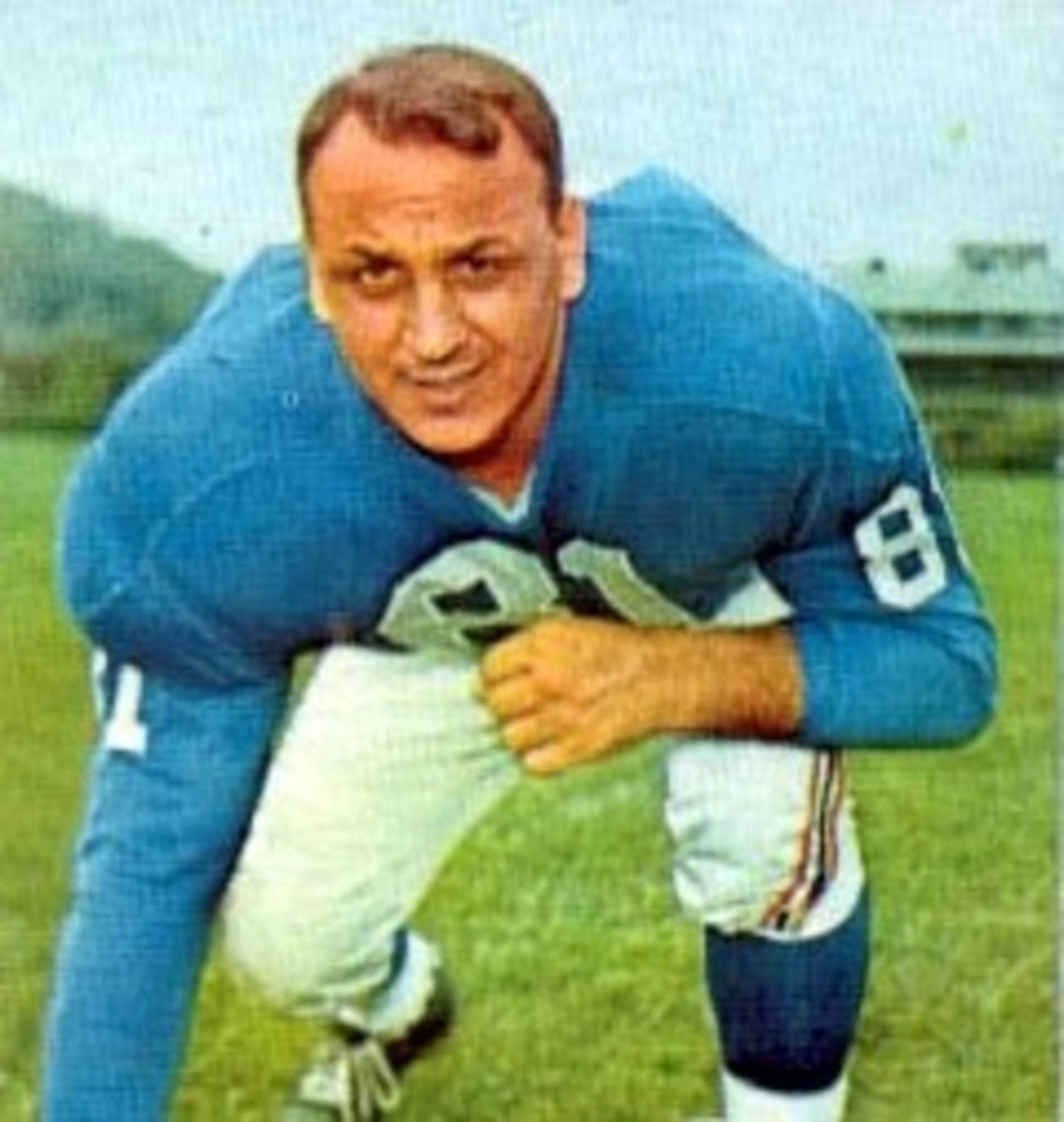
The Los Angeles Rams made Andy Robustelli the 228th player chosen in the 1951 draft out of tiny Arnold College (now the University of Bridgeport) in Connecticut.
The future Hall of Famer spent five seasons with the Rams before being traded to the New York Giants (for a first round pick), where he played with distinction for nine seasons.
Robustelli was a seven-time Pro Bowl selection and earned first team All-Pro six times. He was selected to the Hall of Fame in 1971.
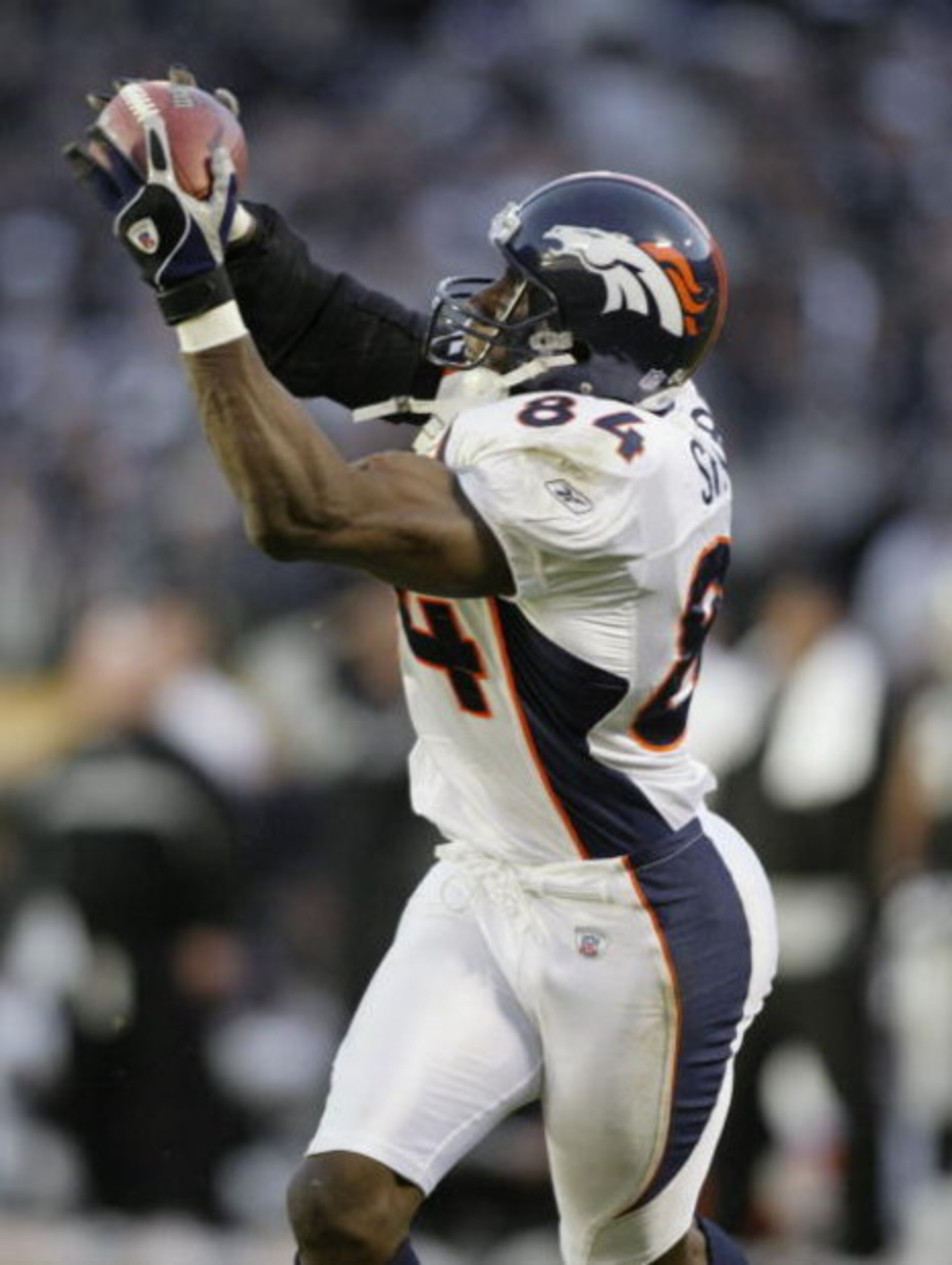
Despite having a brother already enjoying success in the NFL, Shannon Sharpe wasn’t chosen in the 1990 draft until the seventh round by Denver. He went on to become one of the most prolific tight ends in NFL history.
At the time of his retirement, his 815 catches and 10,060 yards were the most ever for a tight end. Sharpe played on three Super Bowl Champion teams and was an eight-time Pro Bowl selection.
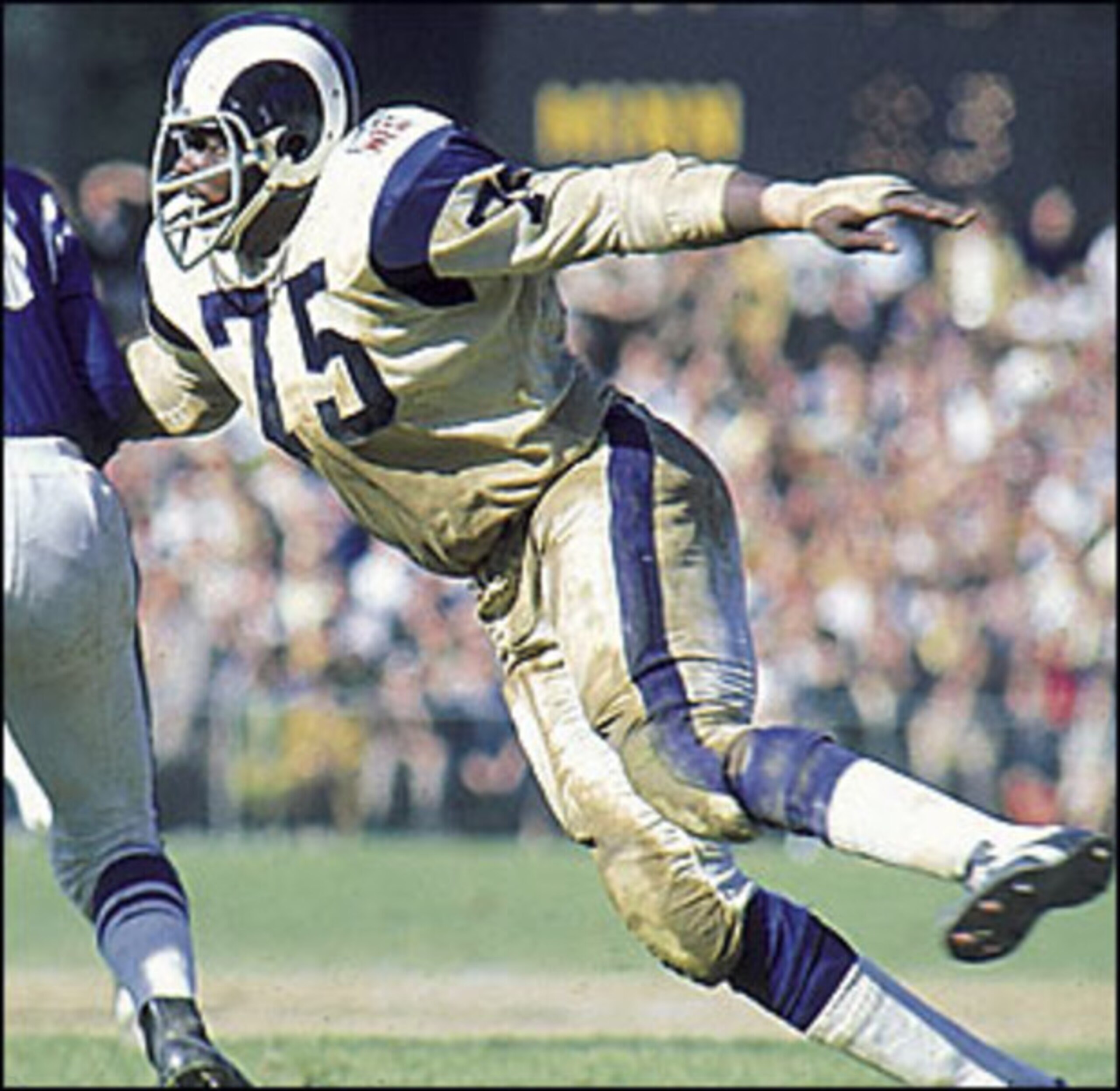
Deacon Jones is a great illustration that no matter how far off the path a player may be, if he has the ability to play in the NFL, some scout will find him.
Jones played at South Carolina State and Mississippi Vocational College (now Mississippi Valley State) before being selected by the Los Angeles Rams in the 14th round of the NFL draft.
Jones went on to become one of the best pass rushers in NFL history. He was an eight-time Pro Bowl selection and earned first team All-Pro honors five times. Jones was inducted into the Hall of Fame in 1980.
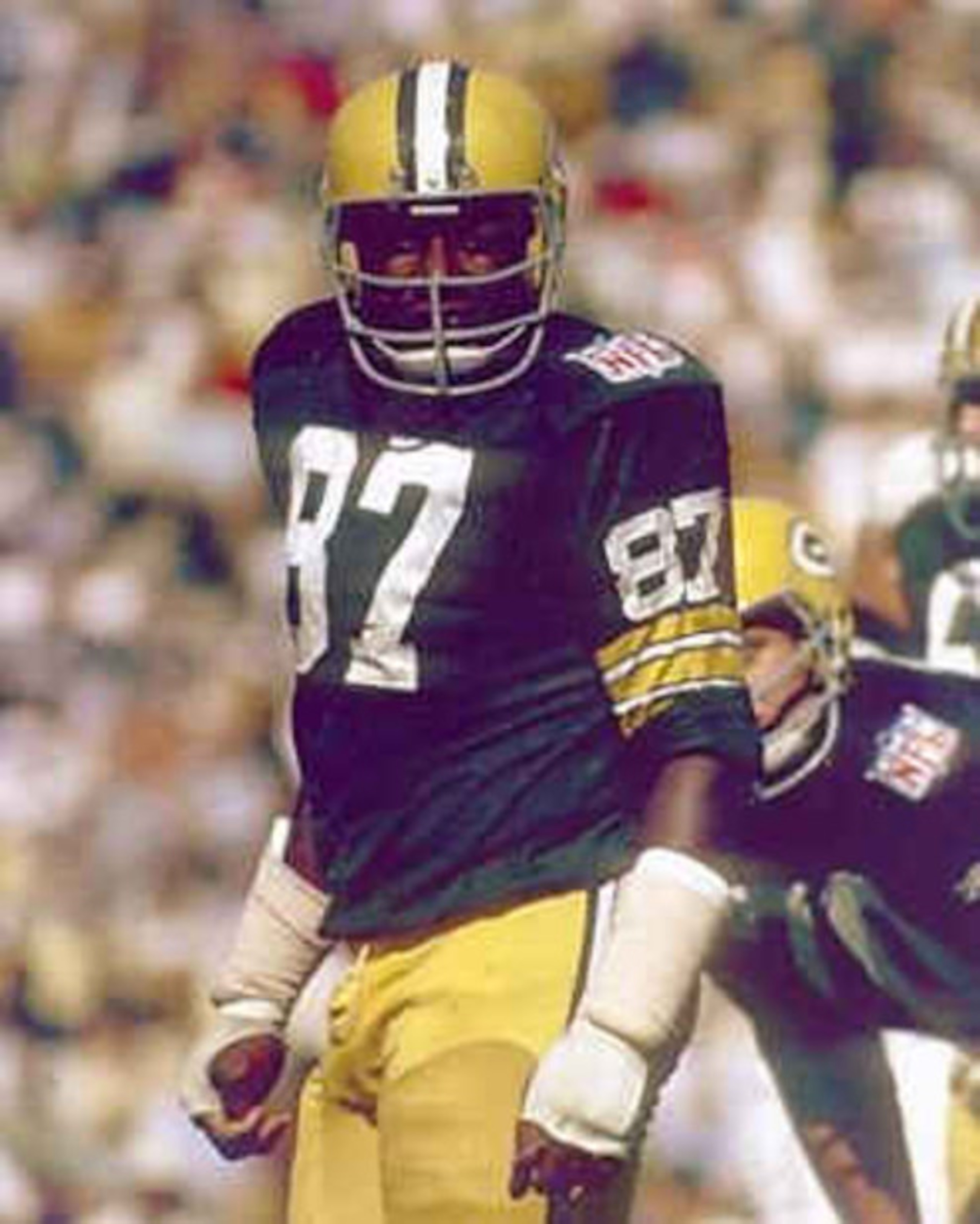
Grambling State head coach Eddie Robinson had not yet cemented the school’s reputation as a factory for future NFL talent when the Cleveland Browns selected Willie Davis in the 15th round of the 1956 draft.
After playing football for two years in the Army, Davis joined the Browns in 1958 and spent two seasons there before being traded to Green Bay.
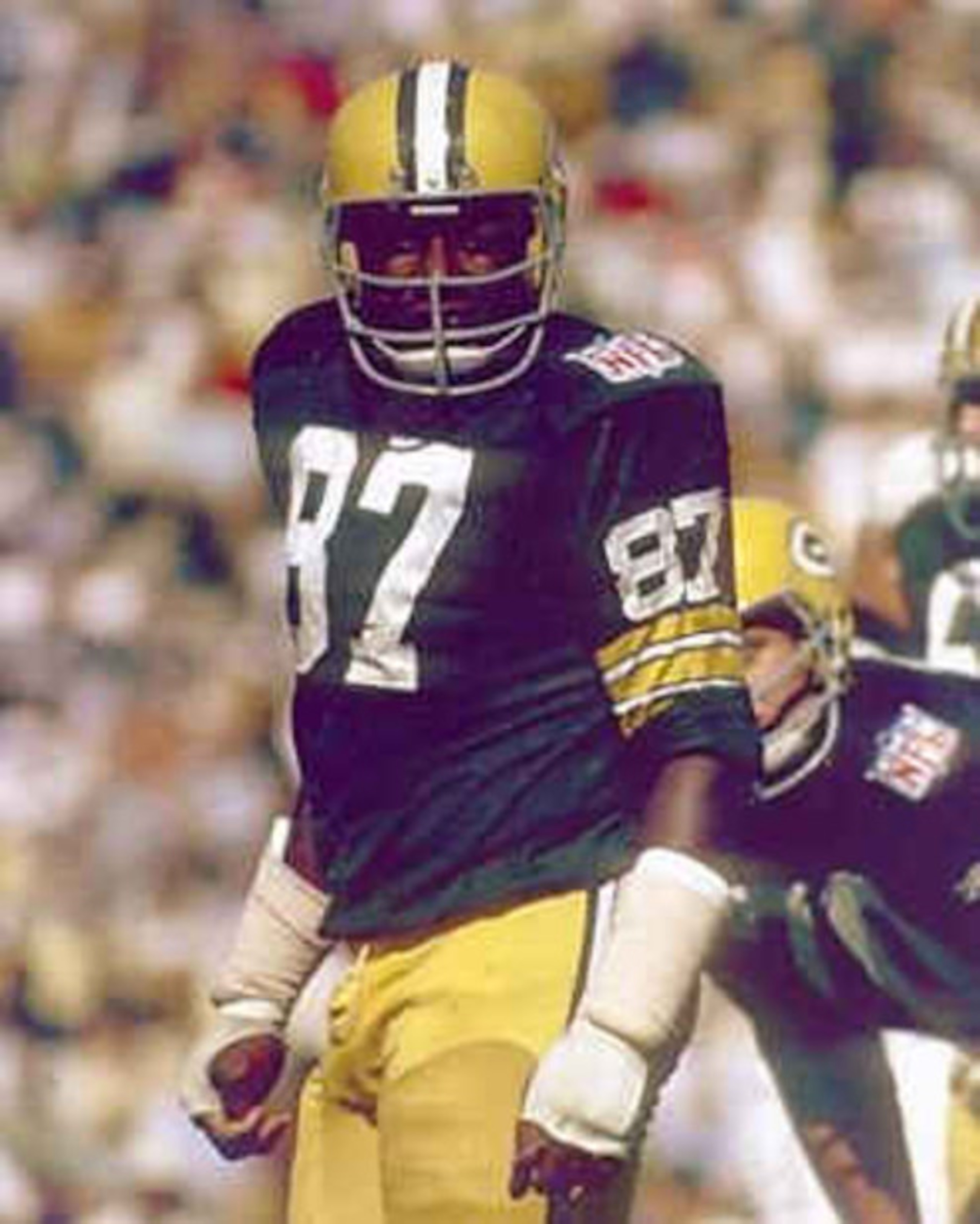
His arrival coincided with the beginning of the Packer dynasty and he played on five championship teams in 10 seasons. A five time All-Pro, he was selected to the Hall of Fame in 1981.
If you liked this, check out the next slideshow:
We're going to send you the most entertaining Green Bay Packers articles, videos, and podcasts from around the web.
You are now subscribed to the Green Bay Packers newsletter.
Share the Green Bay Packers newsletter.
You are now subscribed to the Green Bay Packers newsletter.
Share the Green Bay Packers newsletter with contacts from .
You are now subscribed to the Green Bay Packers newsletter.
Share the Green Bay Packers newsletter with contacts from .
Your invitations have been sent.
Do you want to subscribe to more newsletters?
Green Bay Packers
NFL
2,388
reads
2
comments
0
likes
Bar Refaeli Is EASILY The Hottest Part Of The 2010 Sport Illustrated Swimsuit Issue
From Popoholic
These X-Games Hotties Put The 'X' In SeX
From COED Magazine
Marissa Miller & Olivia Munn Playing Touch Football? Yes, Please!
From Made Man
Let's Hope Hank Baskett Can Hang On To Kendra Wilkinson Better Than He Can A Football
From Holy Taco
Boobs And Sports Go Together Quite Nicely
From Cracked
Do you want to share your Bleacher Report activity on Facebook?
We'd like to send you the most entertaining Green Bay Packers articles, videos, and podcasts from around the web.
You must register in order for that functionality to work!

2 Comments
Loading more comments...
This comment and all replies have been deleted This comment has been deleted Undo delete