Why NHL Playoff Violence Will Help League's Mainstream Appeal
The violence and physical play of the NHL playoffs helps the league's mainstream appeal because fans love to watch players beat each other up during intense playoff action.
With a ton of physical games throughout the first round combined with every game being broadcast live in the United States on the networks of NBC, the playoff ratings are going through the roof.
Via CBS Sports:


"For the first time, each first-round game is being broadcast nationally and it's paying off for NBC. The opening two nights produced some of the best ratings hockey has seen in 10 years. Overall, viewership in the States was up 34 percent on the first two nights.
"
People who don't know the game of hockey too well will watch the playoffs because they know the intensity and violence is heightened, compared to the regular season.
However, the NHL hurts its mainstream appeal when they fail to properly discipline players who cross the line between being very physical and dirty.
Fans want to see their team play with an edge, but when players get away with dangerous hits that aren't allowed, the sport seems more barbaric than physical.
The league has to send a message to its players that illegal hits won't be tolerated, and actions that break rules will be suspended if necessary. But the NHL and league disciplinarian Brendan Shanahan have done a terrible job this year at being consistent in their rulings.
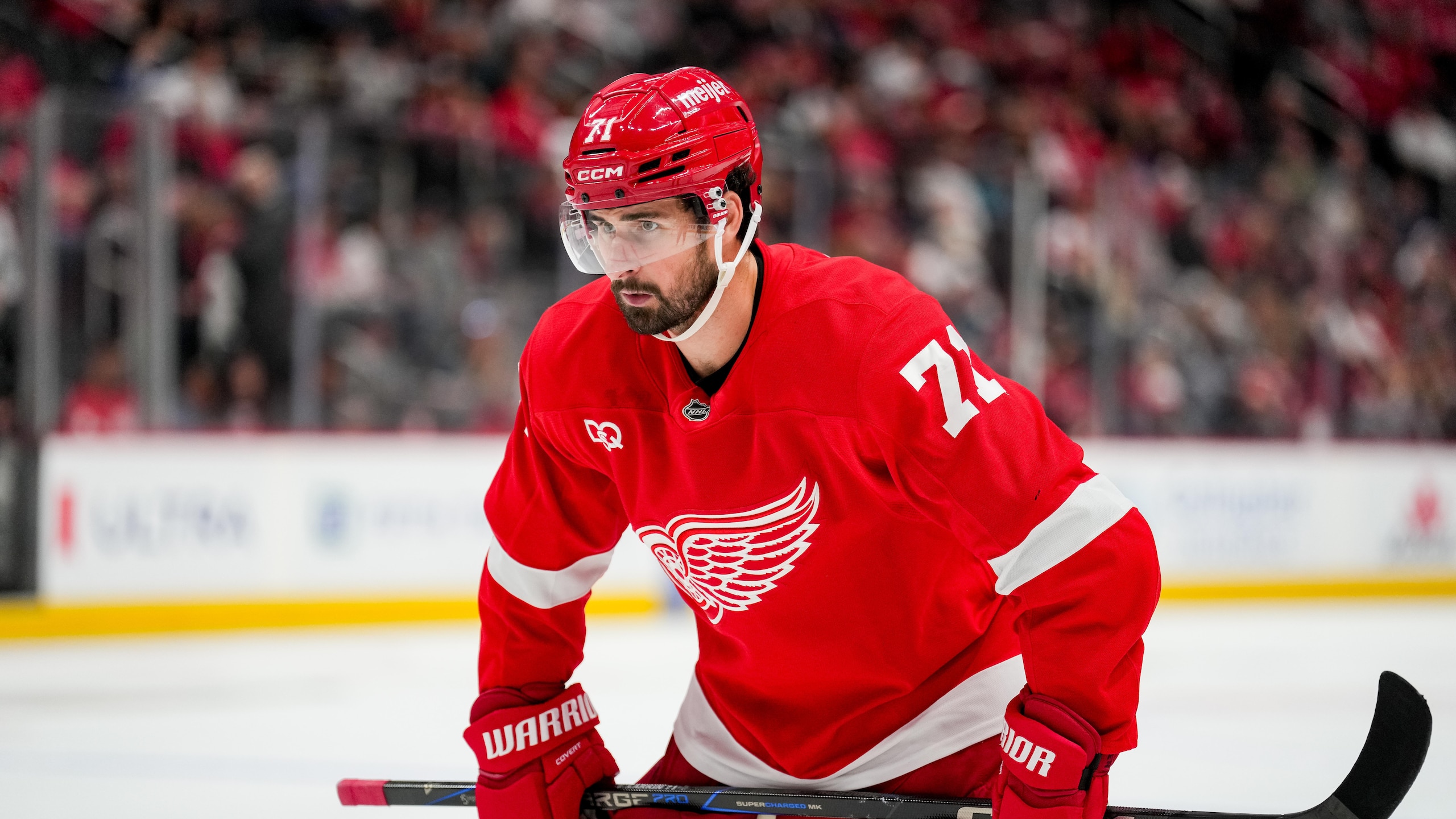
Last week, Nashville Predators defenseman Shea Weber took a swipe at Detroit Red Wings forward Henrik Zetterberg's head. Then, Weber took the back of Zetterberg's head and drove it into the glass, like something you would find in the WWE.
The NHL only fined Weber for this play, and no suspension was given. The league wants the playoffs to be physical because violence sells tickets, gets people talking about the sport and drives up TV ratings. But when actions like Weber's aren't punished when they make the game more dangerous than it already is, fans start to wonder what's going on.
The league says it's trying to make the game safer and taking action against head shots. Still, Weber wasn't suspended even though he tried to injure one of the sport's best players by driving his head into the glass.
ESPN's Scott Burnside made a great point on Twitter on the day of the Weber ruling, saying:
"League continues to talk about player safety but fails to prove they are serious about it. Failure to suspend Weber shameful.
— Scott Burnside (@ESPN_Burnside) April 12, 2012"
The NHL has to punish reckless play when players put their opponents in danger of getting seriously hurt. You cannot prevent injuries in a violent sport like hockey, but you can prevent some of them by making players understand that illegal hits won't be tolerated and will result in suspension.
If players know they can get away with being physical, even if they go over the edge and not be suspended, then what's to stop coaches from sending out goons? The Toronto Star's Damien Cox points out via Twitter:
"The question is, why wouldn't you send out a goon to take out other team's best player? What's the downside? League won't touch you.
— Damien Cox (@DamoSpin) April 15, 2012"
The NHL is at its best when players show amazing competitive fire and passion. Big hits and players going hard at each other is exciting and makes the game fun to play, too.
The NHL helps its mainstream appeal with the violence that happens as a result of the playoffs because of what's at stake.
The first period of the Pittsburgh Penguins-Philadelphia Flyers Game 3 on Sunday afternoon was one of the most exciting 20-minute sequences in all of sports this season. There were six goals, multiple fights and some cheap shots.
The NHL needs to punish the cheap shots, like Arron Asham's on Braydon Schenn, but nothing else in that first period crossed the line. The game was physical and exciting, but as long as the NHL punishes players like Asham who take the violence too far, fans will appreciate the intensity of the players.
Fans love to see players getting "jacked up" and they enjoy players fighting in spirited bouts. The intensity and violence of the NHL makes for great theater, and it's why causal hockey fans come out of the woodwork once the calendar changes to April, May and June.
Playoff violence helps the NHL's mainstream appeal, but the league has to ensure that it doesn't get out of hand. To do that, hockey operations and Shanahan must suspend players who cross the line.
At the end of the day, the NHL, like the NFL, is a business. Violence sells and that's not going to change. For that reason, the violence of the NHL playoffs is only going to help the sport.
Nicholas Goss is a Boston Bruins Featured Columnist for Bleacher Report and has covered the team firsthand throughout the season. He was also the organization's on-site reporter for the 2011 Stanley Cup Final in Boston.
-(1).jpg?w=2560 "Bleacher Report")

.jpg?w=2560 "B/R's Expert Week 7 NFL Picks 🔮")
.jpg?w=2560 "LaMelo Claps Back at Lonzo 🤣")