B/R CFB 250: Top 20 Safeties
Bleacher Report's CFB 250 is an annual ranking of the best players in college football, regardless of NFL potential. Through interviews with B/R experts Matt Miller, Michael Felder, Barrett Sallee and Adam Kramer, authors Brian Leigh and Brian Pedersen have studied, ranked and graded the top athletes in the country, narrowed that list to 250 and sorted by position. Today, we present the Top Safeties.
Other CFB 250 Positions
Three of the top five safeties return from last year's CFB 250, but only one returns at the same position.
Last year's No. 2 safety, Jalen Ramsey of Florida State, has returned to his former position at cornerback, while last year's No. 3 safety, Su'a Cravens of USC, has moved full-time to linebacker.
Those movements deplete the position and turn a strong year of safeties into a dubious one. Only one of last year's top 10 players returns to patrol centerfield. There is talent and potential to replace those lost players, but a lot of it is young and hard to count on.
The players on this list will have to grow up, and fast.
But before we dig into that, a disclaimer: The safeties who follow were graded as college prospects, not as NFL prospects.
Targeted skills such as run defense are important at both levels, but there is a difference between a college run defense and professional run defense. If a safety can set the edge and make plays in the SEC or the Big 12, it doesn't matter if he can set the edge and make plays in the NFC North—at least not here.
This is all about college performance.
Note: If two players finished with the same grade, a subjective call was made based on whom we would rather have on our team right now. Also, all recruiting info refers to the 247Sports composite rankings.
20-17. Gerry, Barnett, Kindred, Adams
1 of 14
20. Nate Gerry, Nebraska
Ball Skills: 21/25; Tackling: 22/25; Run Defense: 19/25; Pass Coverage: 19/25.
Nate Gerry moved to safety last season after starting his career at linebacker. The move paid immediate dividends, as Gerry started every game and posted great stats across the board: 88 tackles, five interceptions, 4.5 tackles for loss, four pass breakups and two forced fumbles. He still needs to work on coverage but has the size (6'2", 205 lbs) to check tight ends and is still just a true junior. He'll be looked to as a leader on a veteran Blackshirts defense.
19. Dante Barnett, Kansas State
Ball Skills: 20/25; Tackling: 21/25; Run Defense: 20/25; Pass Coverage: 20/25.
Dante Barnett is a rock at the back of Kansas State's secondary. He finished last season with 77 tackles, three interceptions and eight pass breakups and rarely committed an error. He'll need to become an even bigger star in 2015 for a Wildcats defense that lost Jonathan Truman, Randall Evans and Ryan Mueller.
18. Derrick Kindred, TCU
Ball Skills: 21/25; Tackling: 21/25; Run Defense: 20/25; Pass Coverage: 20/25.
Derrick Kindred is the best and most experienced player in TCU's secondary. Based on recent history, that's a great thing to be. This year he'll assume a bigger a leadership role to account for losing Sam Carter and Chris Hackett. But based on what he showed as a junior, when he recorded 79 tackles, four interceptions and five pass breakups, he is ready for the challenge.
17. Jamal Adams, LSU
Ball Skills: 20/25; Tackling: 21/25; Run Defense: 21/25; Pass Coverage: 20/25.
Jamal Adams saw meaningful playing time as a freshman last season. It says a lot when a kid straight from high school cracks Les Miles and John Chavis' lineup, but Adams was too good not to play. His flopping made enemies among SEC opponents, but not as much as his tackling range and playmaking. He finished the year with 66 tackles and five pass breakups and should improve across the board—despite losing Chavis—as a sophomore.
16-13. Parks, Lucas, Hilton, Edwards
2 of 14
16. Will Parks, Arizona
Ball Skills: 21/25; Tackling: 21/25; Run Defense: 20/25; Pass Coverage: 20/25.
Will Parks flies under the radar on a defense that is all about Scooby Wright. Even his former safety partner, Jared Tevis, earned more praise and distinction last season. But those who watch the Pac-12 closely know that Parks is a special player in his own right. He plays the "Spur" in Arizona's defense to perfection and has the size (6'1", 194 lbs) and hips to fill multiple roles.
15. Mike Hilton, Ole Miss
Ball Skills: 20/25; Tackling: 21/25; Run Defense: 21/25; Pass Coverage: 21/25.
Mike Hilton does a little bit of everything. He obviously lacks ideal height (5'9", 184 lbs), but so did former teammate Senquez Golson, who last year finished as our No. 1 cornerback. Hilton plays bigger than his size and can hold his own at safety or slot cornerback. He led Ole Miss with 71 tackles last season.
14. Jordan Lucas, Penn State
Ball Skills: 21/25; Tackling: 20/25; Run Defense: 21/25; Pass Coverage: 22/25.
Jordan Lucas spent the past two years at cornerback but will now replace Adrian Amos at safety. He has the size (6'0", 199 lbs) to handle the position switch, but more importantly, he also has the attitude. His game exudes the good type of arrogance—the type that defines so many of the best defensive backs. Do not underestimate his willingness to come down and hit people.
13. DeVon Edwards, Duke
Ball Skills: 21/25; Tackling: 23/25; Run Defense: 20/25; Pass Coverage: 20/25.
His partner in crime ranks even higher on the list, but DeVon Edwards deserves credit, too. He's built more like a slot corner than a safety (5'9", 180 lbs) but has outstanding range in coverage and as a tackler. He finished last season with 133 total tackles, 77 of which were solo, along with nine pass breakups and five forced fumbles. He sometimes gets burned going for the big play instead of the safe one, but he forces enough of those big plays to justify it.
12. Derwin James, Florida State
3 of 14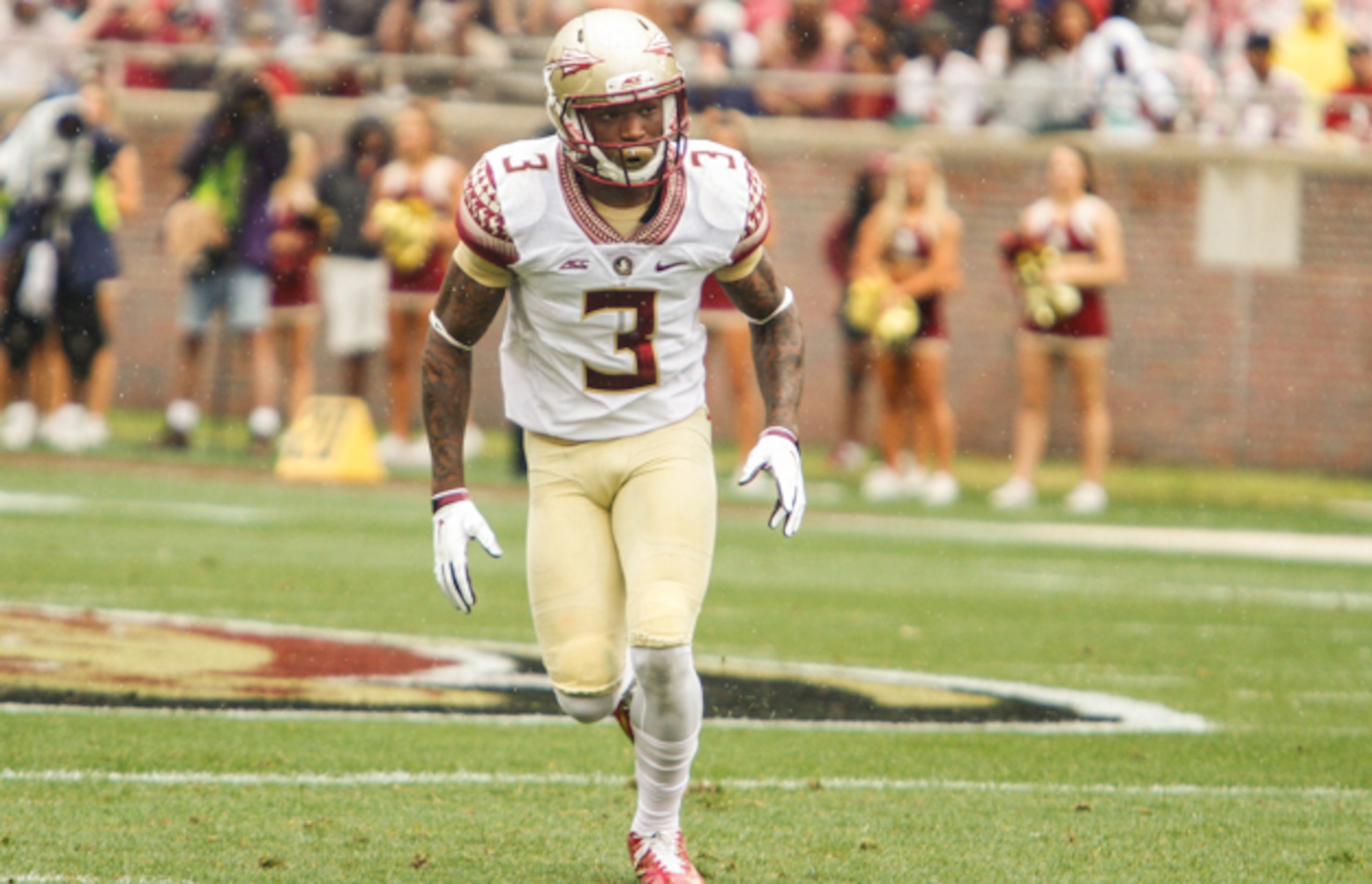
B/R Expert Scouting
"He's gonna be a superstar. Florida State will end up playing six defensive backs on a large percentage of plays, and part of that will be to keep Derwin James on the field. It's a matter of whether he fits better at the 'Star' spot or one of the safety spots. But either way, he's staying on the field."
—Michael Felder
Ball Skills
James is the type of player whom opponents have to circle on every play. If not, they run the risk of turning the ball over in multiple ways. Seven-on-seven is not the best way to judge recruits, but James was so good roaming center field that it can't go unmentioned. He followed that up with a strong showing in spring camp and an interception in Florida State's spring game.
Tackling
James has the frame (6'3", 212 lbs) to tackle larger opponents and the speed (4.50-second 40-yard dash) to make plays on the edge. He'll have to adjust to the size of college athletes, but enrolling early gave him a head start. Bleacher Report recruiting analyst Tyler Donohue listed "sure tackler in the open field" as one of the positives on James' scouting report.
Run Defense
James is an aggressive run defender who likes to get downhill and hit people. If he adapts as quickly to the college game as we expect, he will finish the year with an even higher grade. Consider this a conservative assessment, since we don't know for sure if he can execute his run fits and stay disciplined under FBS conditions. He's a smart player in general, so we're optimistic he can pick things up, but a 22 or higher seemed excessive.
Pass Coverage
Coverage is where James still needs work. In high school, he could coast off his athleticism and paper over minor mistakes, but that won't fly at the FBS level. Florida State has the benefit of secondary depth and can use James where he already covers well (the intermediate portion of the field), but he still needs to hone his man coverage and earn live reps patrolling the deep third.
Overall
One of two true freshman on our overall Top 150, James has all the tools to be special. Rivals.com national recruiting director Mike Farrell said he has "as high a ceiling as any safety that I've ever seen in my 15 years covering high school football," per Corey Clark of the Tallahassee Democrat. That is lofty praise, but it's not necessarily hyperbolic. Based on what James showed in spring ball, neither is this high preseason ranking.


11. Tony Conner, Ole Miss
4 of 14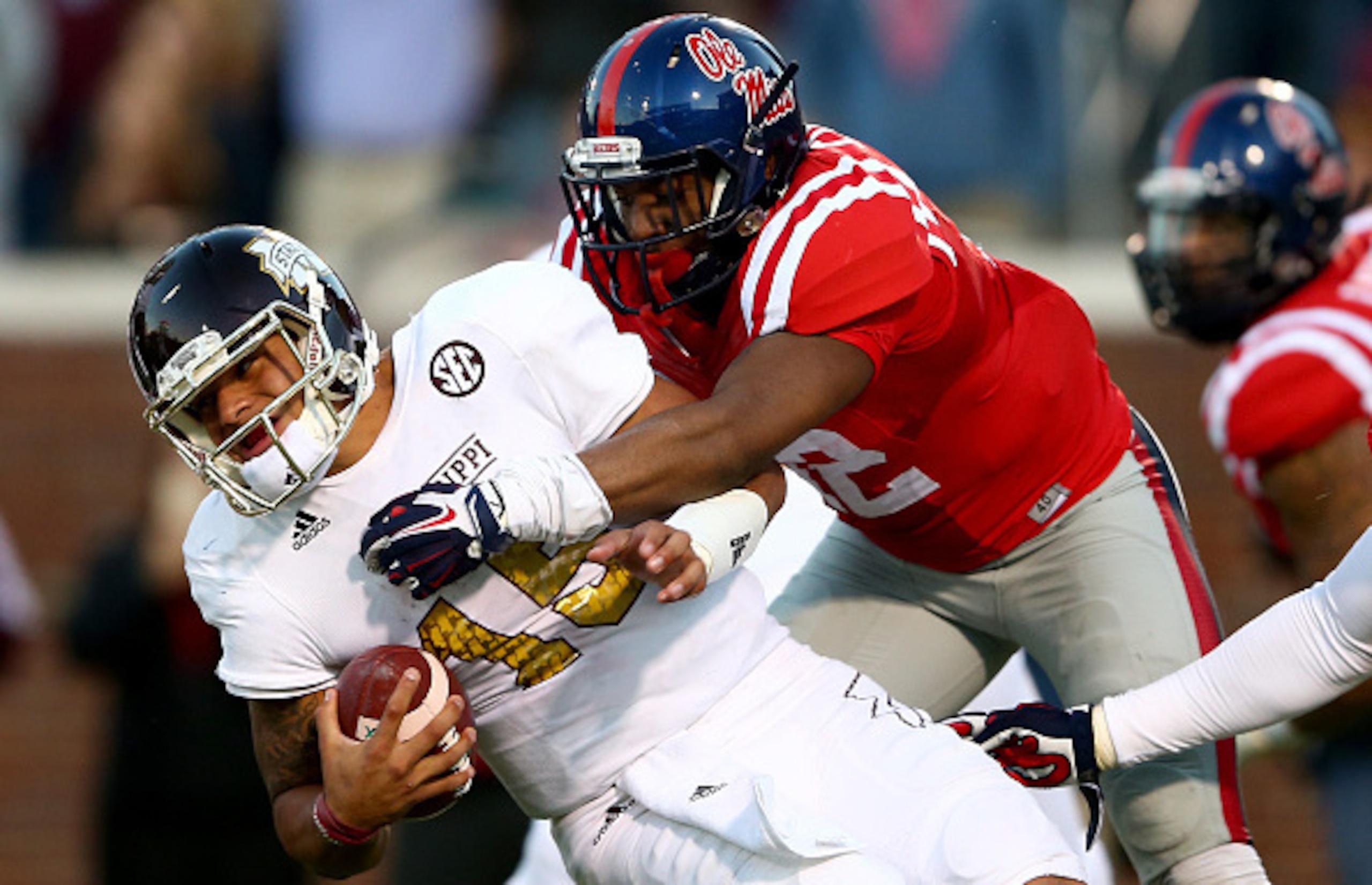
B/R Expert Scouting
"Tony is a fierce competitor. I mean, this dude hits you hard. For a team like Ole Miss that uses a bunch of different hybrid guys all over the place, he's the perfect weapon to have."
—Barrett Sallee
Ball Skills
Conner intercepted a pass in the first game of his freshman year against Vanderbilt and the first game of his sophomore year against Boise State. Unfortunately, those are the only two interceptions of his career. He's quick and anticipates routes but plays the man more often than the ball. Still…good luck in Week 1, Tennessee-Martin.
Tackling
Conner recorded 66 tackles as a freshman and 69 as a sophomore. He can pass for an undersized linebacker (6'0", 215 lbs) and plays that role in certain packages. His speed off the hash and willingness to get low and hit makes him one of the country's most feared tacklers.
Run Defense
No matter his position, Conner understands his role in run defense. He is willing and able to funnel runs inside, play the hammer for his teammates or fill gaps on his own and make plays. Ole Miss finished last season with the No. 3 run defense in the country, according to Football Outsiders' S&P+ ratings, and Conner was one of the team's best and most versatile weapons.
Pass Coverage
Conner can check tight ends and running backs in man coverage. He has the physical tools to be a solid zone defender, too, but as of now he gets caught staring in the backfield or playing overly aggressive in pursuit. If he allows the game to come to him, he can take the next step in coverage. He is only a true junior, so there's no reason to fret about his development.
Overall
Conner was a big part of Ole Miss' 2013 recruiting class, although his name was buried under Robert Nkemdiche, Laremy Tunsil and Laquon Treadwell. The presence of his classmates has overshadowed him in Oxford, too, but it's about time someone noticed his contributions. He lacks ideal size for a safety and may be viewed in NFL circles as a "tweener," but he's already been a heck of a college player and still has room to grow.
10. Budda Baker, Washington
5 of 14
B/R Expert Scouting
"I love this kid. I know it's extremely high praise, but this guy, if he focuses on playing on the back end, has some really crazy abilities like [Seattle Seahawks safety] Earl Thomas."
—Michael Felder
Ball Skills
Baker recorded one interception and six pass breakups as a true freshman. He was an immediate contributor in Washington's secondary because of his speed and ball skills. Felder compared him to Earl Thomas because of his rare innate ability to fly around the field and make plays. If he refines that ability into better production—something we expect will happen—this grade is too low.
Tackling
Baker recorded 80 total tackles, 58 of which were solo, last season. His speed off the edge and in the middle of the field in coverage allows him to track players down and finish plays. Despite his smaller frame (5'10", 178 lbs) and inexperience, he also didn't miss many tackles.
Run Defense
Baker is still learning where he fits in a run defense. He doesn't have the frame to plug holes and gets lost in the forest of 300-pounders when he plays near the line of scrimmage. He's useful at the second and third levels, where his speed prevents medium gains from becoming long gains and long gains from becoming touchdowns. He just needs to improve his impact at the first level.
Pass Coverage
Baker is solid in coverage and has the potential to get even better. He has quick feet and fluid hips to play man coverage on slot receivers, but his higher ceiling lies in deep-zone. His instincts and speed patrolling center field were miles ahead of the curve for a freshman. If Washington allows him to develop instead of confusing his role with other jobs, he could turn into something special.
Overall
Baker is an active ball of energy and the best single reason to watch Washington games. He's raw and still in the process of understanding his strengths and weaknesses, but the tools for an elite safety are there. He was overshadowed last season on a defense with four legitimate megastars (Danny Shelton, Shaq Thompson, Hau'oli Kikaha and Marcus Peters), but he's now the main attraction. Don't rule out an All-Pac-12 season.
9. Michael Caputo, Wisconsin
6 of 14
B/R Expert Scouting
"Love this kid. To me, he's a prototype strong safety. He comes down in the box, hits you, you feel it and then you don't want him to hit you again."
—Michael Felder
Ball Skills
Caputo isn't much of a playmaker. In 40 career games (27 starts) he's recorded just one interception, and it came against Western Illinois. Interceptions are not the only part of ball skills, and Caputo did show well with six pass breakups last season. Still, this is an area of weakness.
Tackling
Caputo led Wisconsin and finished No. 9 in the Big Ten with 106 tackles last season. He's aggressive in pursuit, quick around the corner and takes sharp angles to track players down. He demonstrates good pad level and has the size (6'1", 206 lbs) and strength to wrestle bigger opponents to the ground…or at least to wrap them up and wait for company.
Run Defense
Wisconsin likes to bring Caputo forward and deploy him like an extra linebacker. He's a smart, physical run defender who diagnoses plays in the backfield and sifts through the wash to reach his target. He works well with his teammates so that when one takes on a block to free the other, the other is well-positioned to finish the play.
Pass Coverage
For a player better known as an "in the box" safety, Caputo fares well in coverage. He is fast enough to patrol center field and can come forward and hang with with tight ends. He doesn't read quarterbacks' eyes and goad them into turnovers, but you'll rarely find him out of position.
Overall
Caputo flies under the radar as another anonymous helmet on Wisconsin's anonymous defense. But while it's true that the Badgers' whole is greater than the sum of their parts, it's not as if those parts can't be stars. Caputo is a name that should probably be more recognizable. If you don't get the memo in 2015, you'll get it when he's playing on Sundays.
8. Jabrill Peppers, Michigan
7 of 14
B/R Expert Scouting
"I love that he's at safety. They tried him [last season] at corner, but he's not good there. We talked about him in preseason videos, and I just never felt comfortable saying, 'I think he's a star at cornerback.' But now that he's at safety? Yeah. I think Jabrill Peppers is a star."
—Michael Felder
Ball Skills
Peppers is a freak athlete whom Michigan will use in all three phases. He was a track star in high school and can play offense (running back or wide receiver) and return kicks and punts. He should theoretically play the ball well in coverage, but we can't grade him higher since he's never proven as much at the FBS level. Still, we'd be surprised if he struggles.
Tackling
Peppers likes to come down and hit people. He has adequate size (6'1", 205 lbs) and is a missile once he has momentum. His speed should make him a dangerous tackler in space, which Michigan needs after losing inside linebacker Jake Ryan (112 tackles last season) to the NFL.
Run Defense
Consider this grade a work in progress. Peppers has the physical tools of a great run defender, but we can't know for sure about his mental tools. Michigan will use him in a variety of roles, and when allowed to play on instinct we have no doubt he'll play well. He can pump this up to a 22 or 23 if he takes to Jim Harbaugh's coaching and does the dirty work (taking on defenders, funneling plays inside, etc.) that leads to stout run defense.
Pass Coverage
Peppers is not a natural cornerback, which is why Harbaugh's regime moved him to safety. But the fact the previous coaching staff was willing to try him at corner says a lot about his upside in coverage. The technique isn't there yet, but Peppers has the size, speed and smoothness to eventually keep up with anyone. He might be more of a rover than a lockdown guy—at least for the time being—but he has the athletic gifts to make that work.
Overall
Peppers appeared in three games last season before taking a medical redshirt. He was the No. 3 overall recruit in the 2014 class but had to sit and watch while the two players ranked ahead of him (Leonard Fournette and Myles Garrett) and three of the four players directly behind him (Cameron Robinson, Quin Blanding and Adoree' Jackson) flourished. But there's a reason Peppers ranked so high in the first place, and the arrival of Harbaugh and coordinator D.J. Durkin (via Florida) might be just what the doctor ordered. Expect him to be a focal point—if not the focal point—of Michigan's 2015 defense.
7. Darian Thompson, Boise State
8 of 14
B/R Expert Scouting
"He's a projected top-50 pick on preseason lists from scouts. His ability to play single-high safety with the instincts to locate and attack the ball makes him valuable."
—Matt Miller
Ball Skills
Thompson is the most productive safety in college football. His seven interceptions were tied for No. 3 in the country last season and rank No. 1 among returning players. He had four interceptions the previous season and three as a freshman in 2012. You can't afford to throw in his direction.
Tackling
Thompson posted 71 total tackles, 50 of which were solo, last season. He has closing speed to make plays in space and rarely lets a ball-carrier slip away. He started his career as a bit lean but has beefed up now to 6'2", 212 pounds, which gives him a chance against power backs and tight ends.
Run Defense
Although he does his best work in space, Thompson also makes plays in the box. He is unafraid to throw his size around and create a mess near the line of scrimmage. He doesn't diagnose runs as well as the best run defenders in the country, but he's good enough to earn passing marks. His two 10-tackle games last season came against San Diego State and Arizona, two of the strongest run offenses Boise State faced.
Pass Coverage
Thompson has the length, range and instincts to excel in zone coverage. He plays single-high safety and is trusted to gain proper depth, read the quarterback's eyes and blanket the intended area. He is fluid and tall enough to cover tight ends and outside receivers, too. No one will confuse him with a cornerback, but he gets the job done in man coverage.
Overall
Few college players force as many negative plays as Thompson. He added five tackles for loss to last year's seven interceptions, so it's not as though he's one-dimensional, either. Like all great Boise State defenders, he won't become a household name until draft season; that's just how the hype machine works. But don't think any less of him because of it.
6. Deon Bush, Miami
9 of 14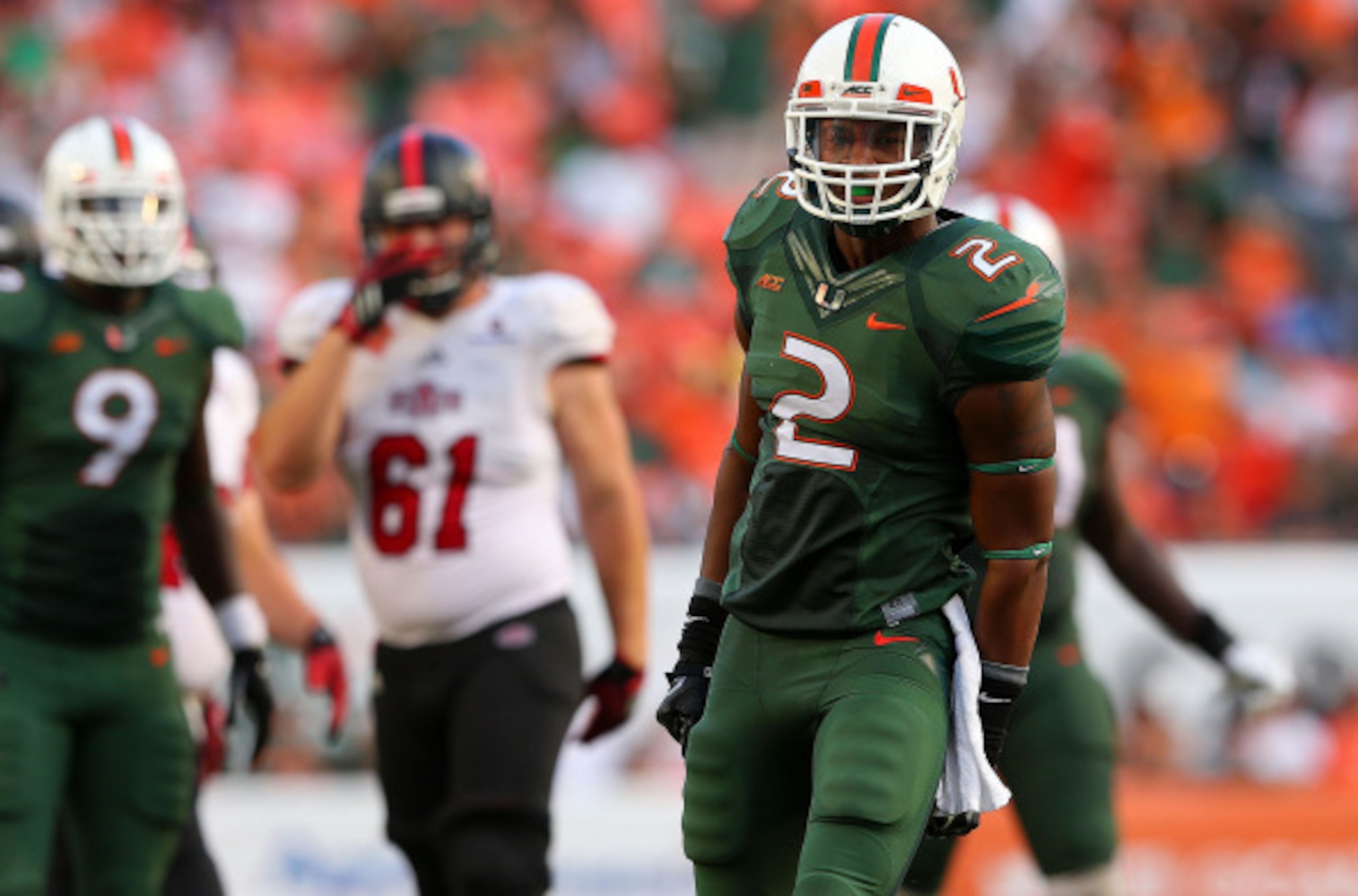
B/R Expert Scouting
"This guy just—everybody loves him. Scouts always seem to be mentioning his name. He hasn't really been tested a lot, so I think he’s a big potential player. But the size-weight-speed are obviously off the charts."
—Matt Miller
Ball Skills
Bush recorded two interceptions and three pass breakups last season. Importantly, he also finished one off the national lead with five forced fumbles. You'd like to see him jump more routes and get his hands on more deep passes, but you can't deny his nose for the football. He's pesky enough to cause problems.
Tackling
Bush recorded 53 tackles last season. He has the frame (6'1", 205 lbs) and range to be an otherworldly tackler but hasn't put all the pieces together. He sometimes takes poor angles and doesn't always wrap up to finish plays. His raw tools earn him passing marks, but he should still be so much better.
Run Defense
Miami gave up 300-plus rushing yards to Nebraska and Georgia Tech—two of the best rushing offenses in the country—but was otherwise OK on the ground. Its two worst performances besides those came against Virginia (43 carries for 195 yards) and Pittsburgh (47 carries for 226 yards). It's not a coincidence that Bush missed most or all of those games with injury. He's a physical specimen in the box and the keystone of Miami's run defense.
Pass Coverage
Bush combines strong reps with poor reps in pass coverage. Sometimes he flashes fluid hips and great acceleration to accompany his long, lean frame; other times he looks lost guessing routes and trips over his own feet. It's a high-upside crapshoot Miami fans are willing to play. Al Golden said he'll line Bush up at cornerback this season, per Barry Jackson of the Miami Herald, and hopefully those reps will get him over the hump in coverage.
Overall
Bush is the most important player on Miami's defense, as he has been since last season. The Hurricanes are a completely different team without him, which speaks well to his presence and leadership. What's scary about Bush is that he's productive while still being raw. There's a whole other level he could potentially raise his game to, but he's fine even if he stays where he is.
5. Jalen Mills, LSU
10 of 14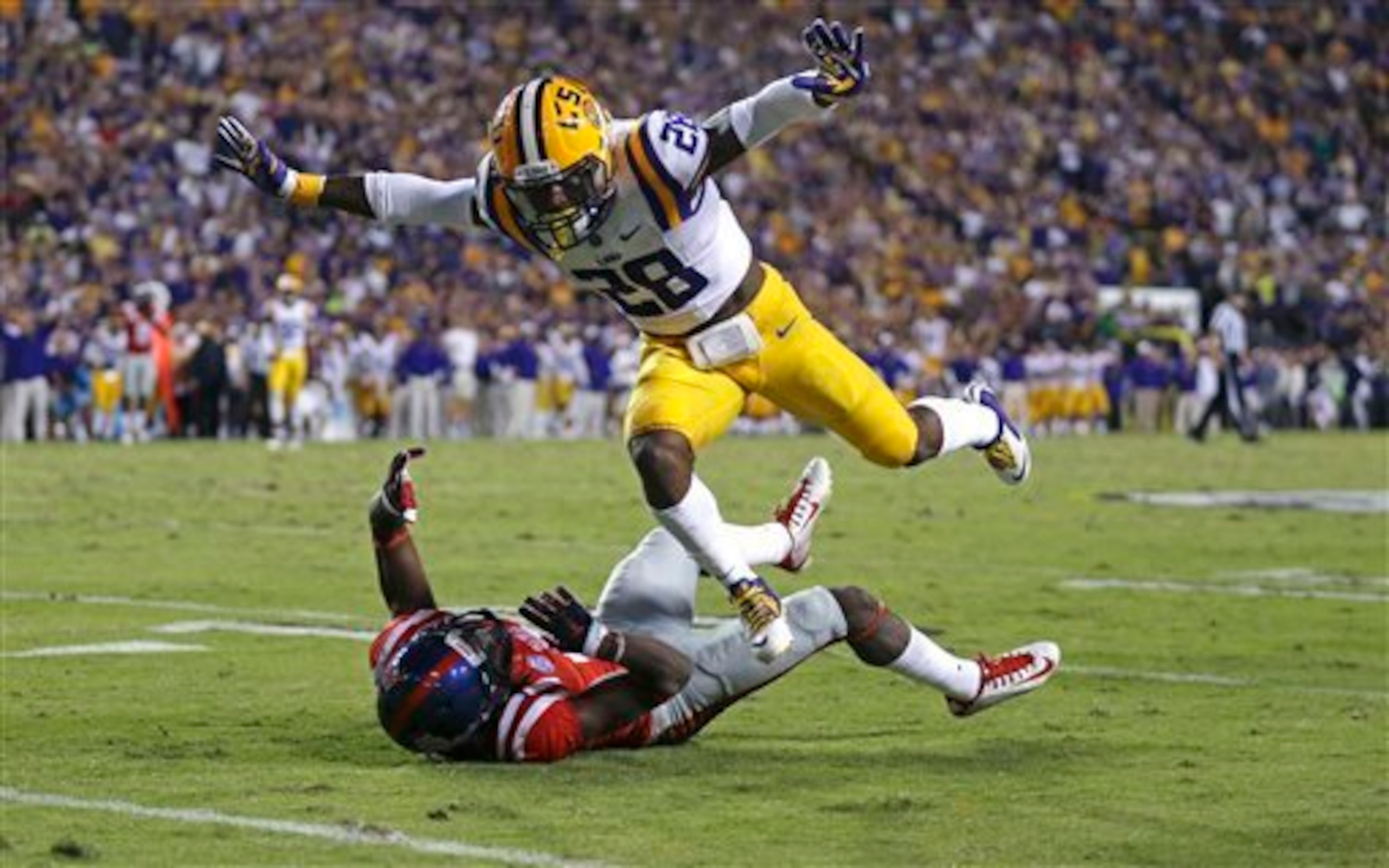
B/R Expert Scouting
"[New defensive coordinator] Kevin Steele puts a ton of responsibility on his safeties. Jalen Mills and the way he's moved around his whole career—I think he's gonna help with that. He understands what offenses are trying to do."
—Barrett Sallee
Ball Skills
Mills recorded an interception against Wisconsin last season—his first game at safety after two years at cornerback—but had zero the rest of the year. He has good hands and still posted five pass breakups, so it's not as if the ball skills didn't translate, but he was definitely more active at cornerback. Keep a close eye on how he attacks the ball this season.
Tackling
Mills improved his tackling throughout last season and ended the year on a hot streak. He tied his season high with seven tackles against Texas A&M and then surpassed it with eight tackles in the Music City Bowl. He has the frame (6'0", 196 lbs) and speed to make plays in space; he just needed time to adjust to playing safety. If he capitalizes on how he ended last season with a strong, productive offseason, he could easily improve this grade in 2015.
Run Defense
Although he's thinner than previous LSU safeties, Mills plays with their signature attitude. He gets amped up in big environments and is willing to sacrifice his body as a hammer player. He may not make all of the tackles, but he makes a lot of the plays that lead to the tackles.
Pass Coverage
Here is where Mills stands out. His background as a cornerback precedes him—he started 26 games as an underclassman at a school known as "DB U"—and it allows him to line up all over the place. He can handle the deep third in single-high looks, read quarterbacks' eyes in shallow zone and play man on the outside or in the slot. He's the best coverage safety in America.
Overall
The transition from cornerback to safety wasn't always smooth, but Mills thrived once he got the hang of it. More importantly, he opened the door for LSU to keep as many talented defensive backs on the field as possible. He is the rock of the Tigers secondary and the leader of their defense as a whole. With John Chavis gone to College Station, that last part is especially important.
4. Vonn Bell, Ohio State
11 of 14
B/R Expert Scouting
"He knows what he's looking at, which I think is a huge plus for safeties. There are a lot of guys who can run like him, a lot of fluid athletes like him—but a lot of them don't know what they're looking at."
—Michael Felder
Ball Skills
Bell is the best playmaker on Ohio State's loaded back seven. His six interceptions were tied for the Big Ten lead last season and included a three-game streak against Michigan, Wisconsin and Alabama. He previously flashed his ball skills with a leaping red-zone pick against Clemson in the 2014 Orange Bowl. Considering he made that play as a freshman and then improved across the board as a sophomore, it's scary to think how good he might be as a junior.
Tackling
Bell recorded 92 tackles last season. He never posted 10 in a single game but landed consistently between six and nine. His eight solo tackles in the Sugar Bowl against Alabama stood out as one of the major keys to victory. His speed on the perimeter makes him a tackling threat from sideline to sideline.
Run Defense
Anything Bell lacks in size (5'11", 205 lbs), he makes up for in run-defense instincts. He diagnoses plays in the backfield and decides on a smart course of action. Many of his tackles come in space, but he has also shown a willingness to come down and compete near the line of scrimmage. Although he is built like a free safety, he has the attitude and motor of a strong safety.
Pass Coverage
Coverage is Bell's weakest area, which says a lot because it's not a "weakness," per se. He has the fluid hips and quick feet to develop into a great cover safety but still needs to work on the mental aspects—things like not playing overly aggressive. He already fares well covering the middle of the field on underneath routes and should only improve in that area.
Overall
Bell was a 5-star recruit in the 2013 class, showed flashes of brilliance as a freshman and then burst onto the scene as a sophomore. That is a familiar progression for blue-chip recruits under head coach Urban Meyer, which is why so many kids want to play for him. Meyer and co-defensive coordinator Chris Ash, who arrived in Columbus last offseason, have done wonders for Bell's development and are reaping the rewards of their coaching. Bell played his best at the end of last season and will likely be a first-round draft pick.
3. Karl Joseph, West Virginia
12 of 14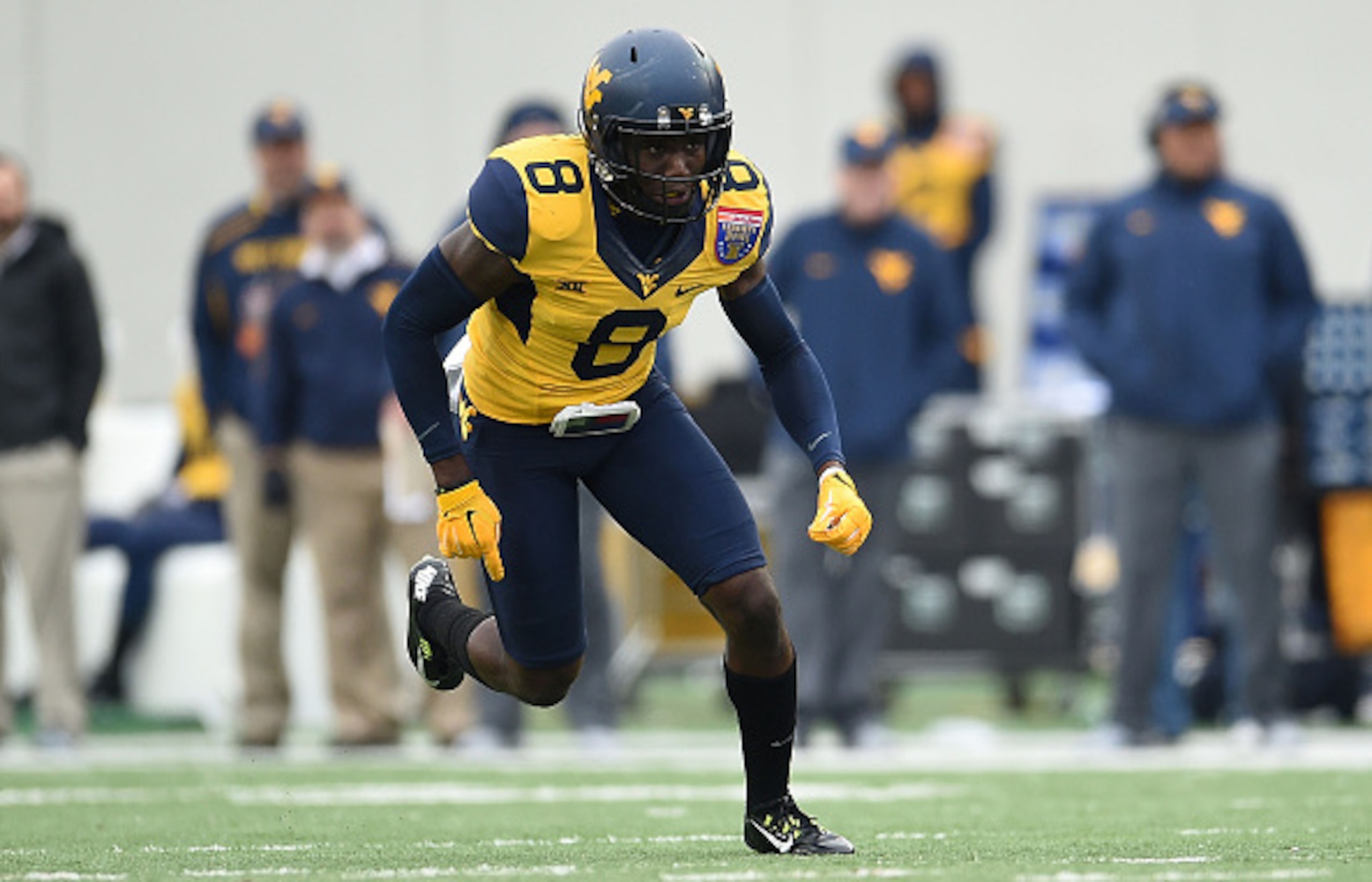
B/R Expert Scouting
"He reminds me of [former Louisville safety] Calvin Pryor. No, I don't want him being my full-time deep safety, but I'd like to have him out there because he will separate his man from the football."
—Michael Felder
Ball Skills
Joseph has recorded four interceptions and 13 pass breakups in three seasons. Those are modest numbers, but his impact is hard to quantify because his biggest asset—enforcing the middle of the field—does not show up on the box score. Receivers will sometimes get alligator arms when they see Joseph barreling toward them. Those don't "count" as breakups…but they are.
Tackling
Joseph recorded 90 tackles last season, 68 in 2013 and a team-leading 102 in 2012. He sheds blocks from smaller players and uses his compact frame (5'11", 197 lbs) to lay people out. He doesn't always demonstrate proper tackling form, which can get him into trouble when he looks for the big hit. But he improved in that regard last season after a down year in 2013, so it's hard to hold that against him moving forward.
Run Defense
Despite posting high tackle numbers, Joseph does his best work in passive run support. He is an unselfish player who runs into (and sometimes through) opposing blockers to free up his teammates to make plays. He loves to get downhill and has actively changed the ethos of West Virginia football. After years of being teased for their softness, the Mountaineers ranked No. 17 in the country last season in run defense, according to Football Outsiders' S&P+ ratings.
Pass Coverage
Here is where Joseph needs work. He's quicker than most people realize, but technique issues have led to occasional coverage lapses. He needs to show better footwork and make smoother transitions with his hips. The speed is there for him to recover from those lapses—as well as to patrol the deep third—but he shouldn't be playing catch-up so frequently.
Overall
Joseph is a pure strong safety who plays bigger than his size. Mike Huguenin of NFL.com named him the most physical player in college football before the upcoming season and the biggest hitter in college football before the previous one. But it's more than just big hits that land Joseph so high on this list. He's slowly turned a Dana Holgorsen team into a defensive juggernaut with offensive questions, which frankly seemed impossible at one time.
2. Jeremy Cash, Duke
13 of 14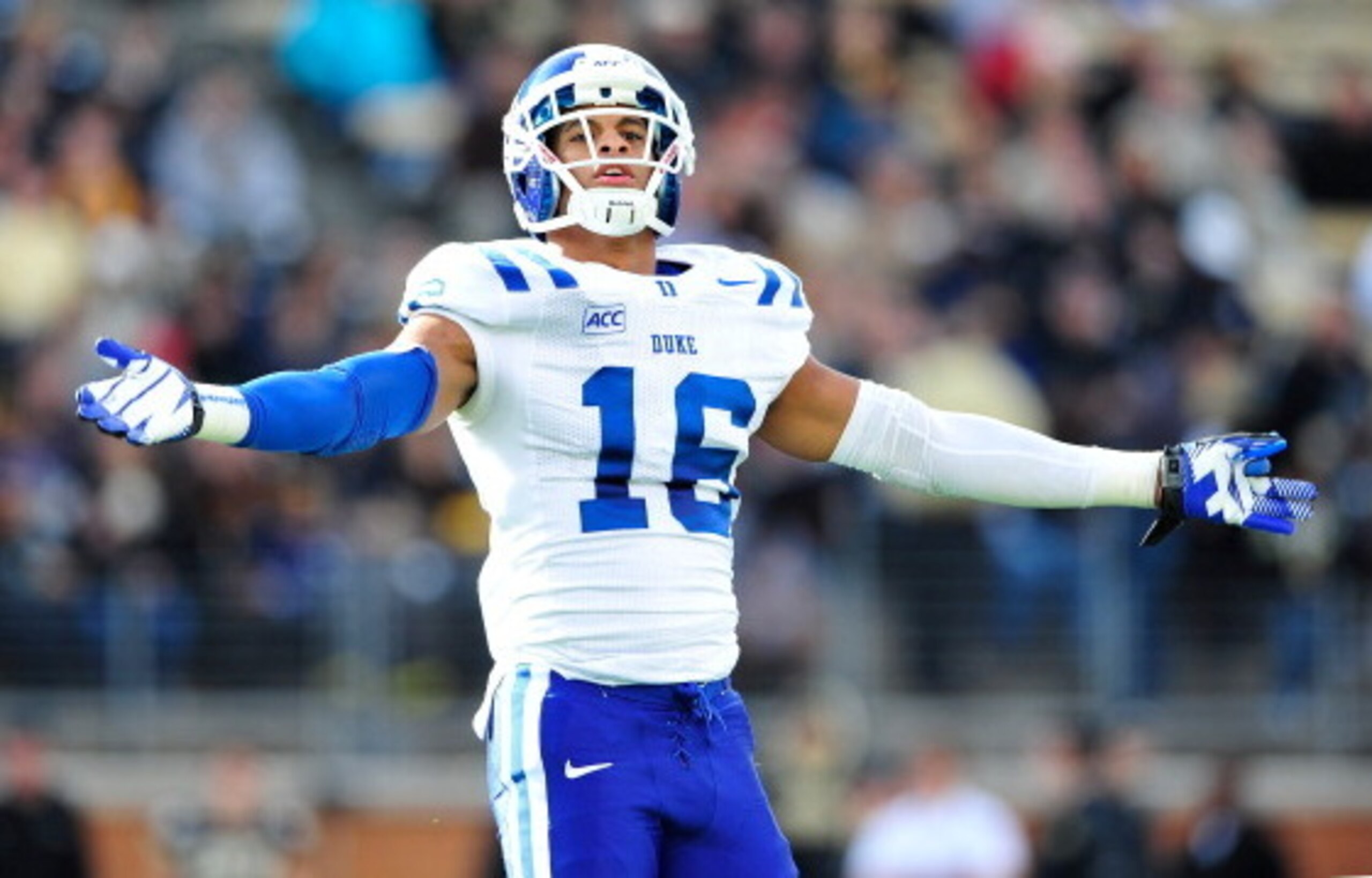
B/R Expert Scouting
"I like him. He's obviously more athletic than [former Duke safety] Walt Canty, but I think they're the same type of player. He knows where he's supposed to be, and he likes to put his hat on the football."
—Michael Felder
Ball Skills
Cash recorded two interceptions and seven pass breakups last season. The prior year he recorded four of each. Those are solid numbers for an in-the-box safety who's proven he has the ball skills to make plays and create turnovers. He's also forced six fumbles the past two seasons.
Tackling
Last year Cash had 111 tackles. The previous year he had 121. His two-season total of 232 stacks up with that of any college defender. He's not as fast as some of the country's other high-volume tacklers, but he sheds blocks in the hole and loves to come down and hit people. He has a nose for the football and does his best work near (or behind) the line of scrimmage.
Run Defense
Cash is an unselfish run defender who, in addition to making tackles for himself, is willing to crash the edge and funnel plays inside. He's part of the reason former teammate David Helton, an inside linebacker, led the ACC in tackles the past two seasons. There is obvious room for improvement after Duke ranked No. 108 in the country in run defense, according to Football Outsiders' S&P+ ratings. But that had more to do with the defensive line than anything.
Pass Coverage
Duke relies on Cash for sound coverage. Teammate DeVon Edwards has better instincts and ball skills and is at his best roaming the field, which only works because Cash makes smart reads behind him. He's too big (6'2", 210 lbs) and stiff to cover the best slot receivers in man coverage, but that size allows him to check most tight ends.
Overall
Cash started his career at Ohio State but transferred after his freshman season. Can you imagine how good the Buckeyes would be if he'd stayed? Alas, he made the trip down to Durham, where he's become something of a legend en route to helping Duke win 19 games in two years. He may not have a national championship, but it's hard to say he made the wrong choice.
1. Quin Blanding, Virginia
14 of 14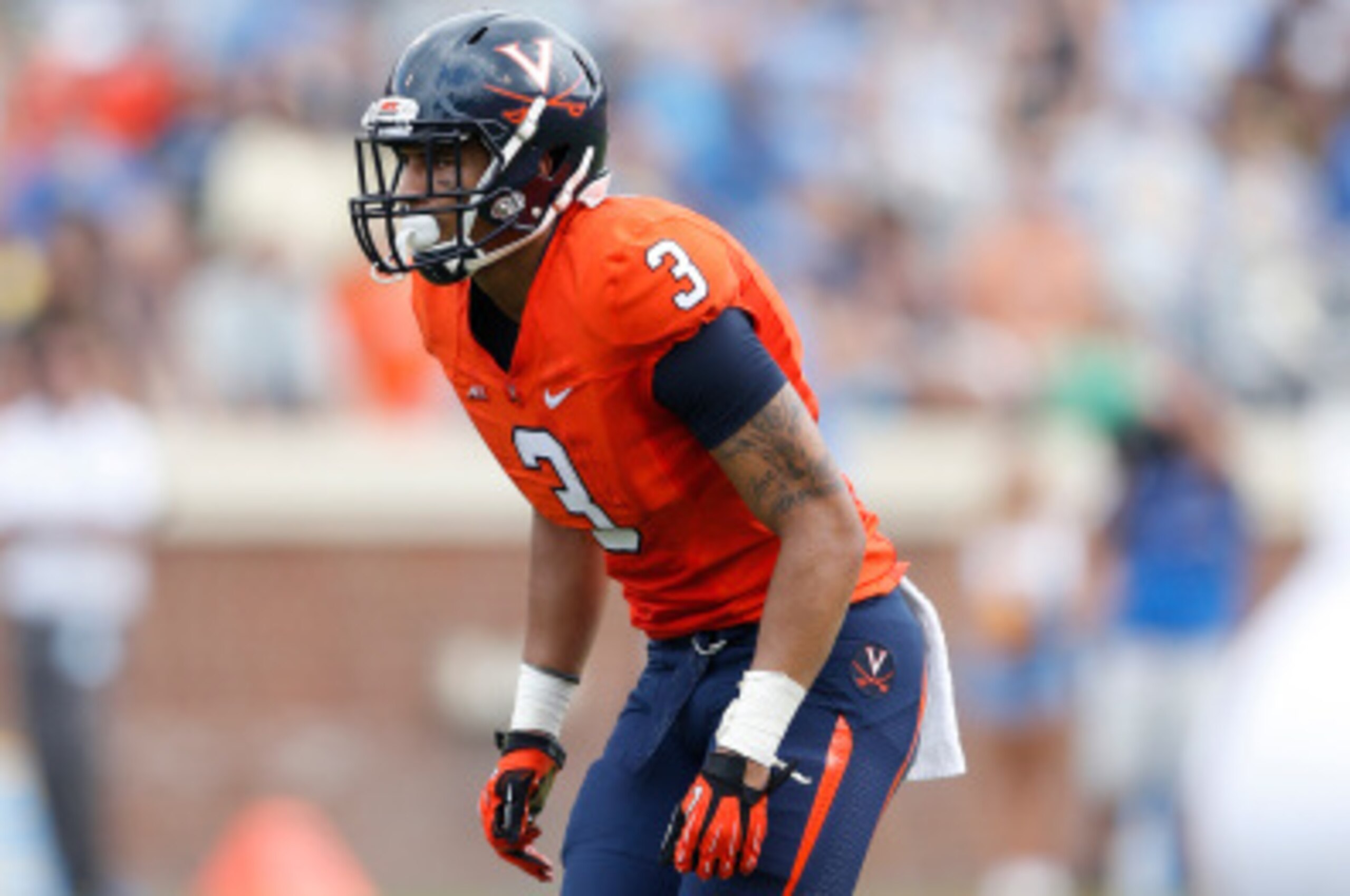
B/R Expert Scouting
"This kid is fast. Really great closing speed. And I think he can play both safety positions, which is a huge plus. He gets to the edge, he's physical, he gets off blocks. Honestly, he just does everything."
—Michael Felder
Ball Skills
Blanding recorded three interceptions and six pass breakups last season. Granted, one and two of those, respectively, came in Week 2 against Richmond, but he also intercepted a pair of CFB 250 quarterbacks, Marquise Williams of North Carolina and Brad Kaaya of Miami. He tracks the ball well in the air and has the length and coordination to make a play on it.
Tackling
No safety in college football tackles better than Blanding. Not many linebackers do, either. He posted 123 tackles as a true freshman, including five games with 13 or more. His range running from sideline to sideline allows him to make plays all over the field, and his size (6'2", 205 lbs) allows him to wrangle bigger running backs and tight ends in addition to wide receivers.
Run Defense
Blanding knows where he fits in the run game and makes an impact beyond the box score. His presence forces offensive coordinators and running backs to adjust their game plans and account for him at all times. Virginia finished No. 9 in the country last year in run defense, according to Football Outsiders' S&P+ ratings. Blanding played a big role in getting it there.
Pass Coverage
The weakest part of Blanding's game is pass coverage. He doesn't struggle on the back end per se, but there were times last year in which he looked like a real true freshman. He has range and understands his marks in zone coverage but needs to refine his man-to-man technique. The tools are there for him to make quick improvements; he just needs to blend the pieces together.
Overall
Pass coverage is the weakest part of Blanding's game, but he's still ahead of where a player his age (19 years old) should be. And the rest of his game is honestly NFL-ready. He was the No. 6 overall recruit in the 2014 class, and yet he somehow greatly exceeded expectations. If they had to redo those rankings after one year, Blanding would make a strong case for No. 1.
_0.png?w=2560)


.jpg?w=2560 "Injury-stricken Seahawks signing veteran RB")
.jpg?w=2560 "2 NFL Officials Suspended")
.jpg?w=2560 "Viral Rams Coach Vid 🖕")



.jpg?w=2560 "Mahomes' Wife Trolls Kubiak 💀")