Paranoia, Fraud and the Recruiting Implications of Full Cost of Attendance
DESTIN, Fla. — Be careful what you wish for, because you just might get it.
Five years ago the idea of full cost of attendance stipends for student-athletes seemed like a great idea. Why not give scholarship athletes a few thousand bucks to cover the ancillary costs like travel, meals, laundry and other expenses associated with attending college away from home?
Fast-forward to 2015, the age of autonomy of the Power Five conferences, and the implementation of full cost of attendance is much more complicated than originally anticipated.

| Tennessee | $5,666 |
| Auburn | $5,586 |
| Mississippi State | $5,126 |
| Ole Miss | $4,500 |
| South Carolina | $4,151 |
| Arkansas | $4,002 |
| Missouri | $3,664 |
| Florida | $3,320 |
| LSU | $3,096 |
| Alabama | $2,892 |
| Vanderbilt | $2,780 |
| Texas A&M | $2,706 |
| Georgia | $2,598 |
| Kentucky | $2,284 |
The United States Department of Education has a formula that spits out the full cost of attendance figure for each school. As it stands right now, schools in the SEC will pay anywhere from $2,284 (Kentucky) per year to $5,666 per year (Tennessee) based on numbers examined by the Chronicle of Higher Education.
You'd think that, since the figure is required to be reported to the government, it would temper any paranoia that exists among coaches that schools are cooking the books to pay more to players.
Wrong.
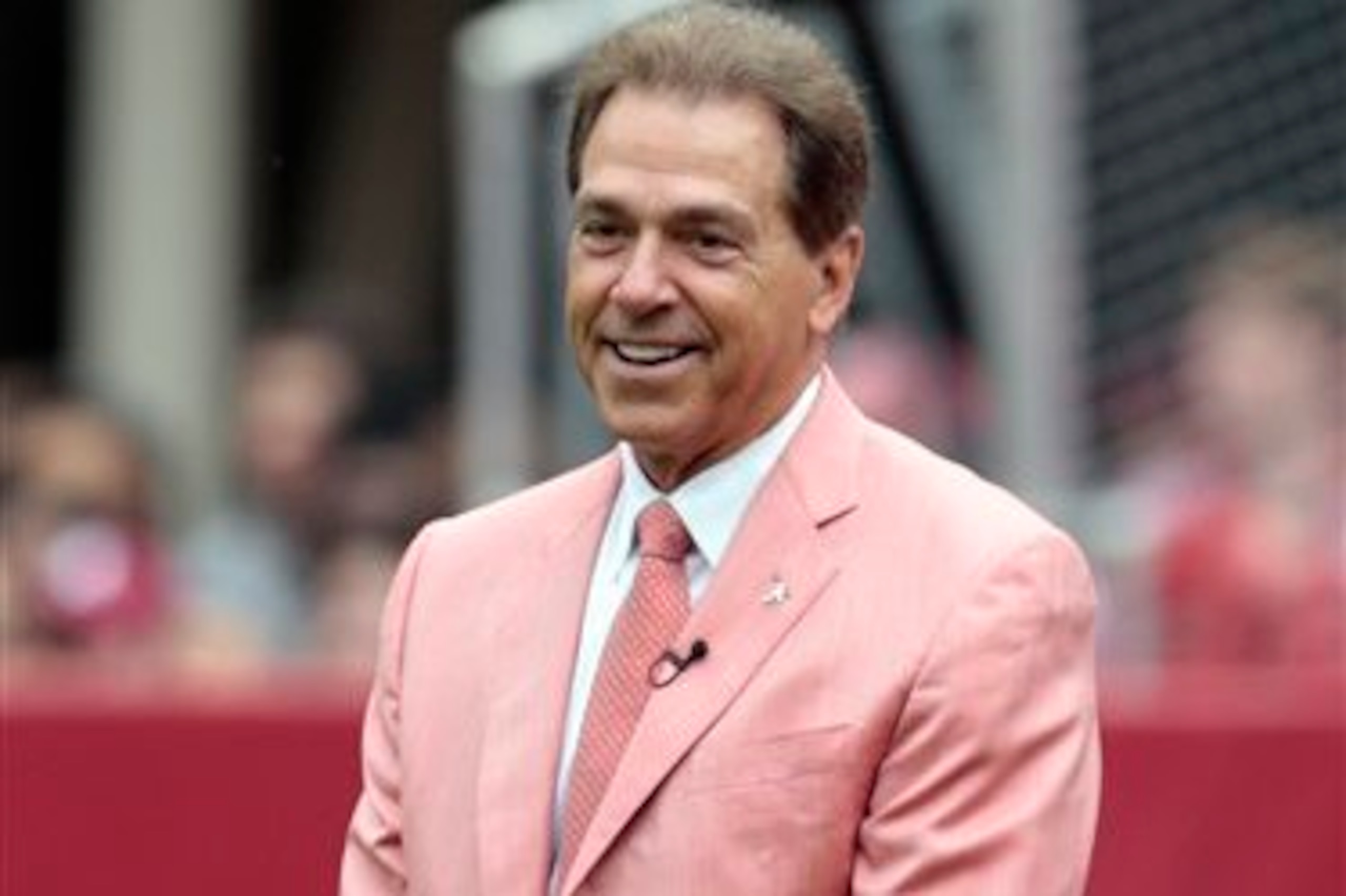
"You can't create a system that really can almost promote fraud," Alabama head coach Nick Saban said on Tuesday at SEC spring meetings at the SanDestin Hilton. "Even in the NFL, they have a salary cap. When we don't have a cap that makes it equal for everybody, it really goes against everything we've tried to do in the NCAA that we've tried to do for parity."
Except that fraud is impossible in this case.
"There's going to be some disparity there," said Florida athletics director Jeremy Foley. "I'm not sure that's easily fixed. At the end of the day, it is what it is and is still a positive step for student athletes. To me, that's not going to be the determining factor of why a young man or woman is going to pick a school."
Not yet, anyway.
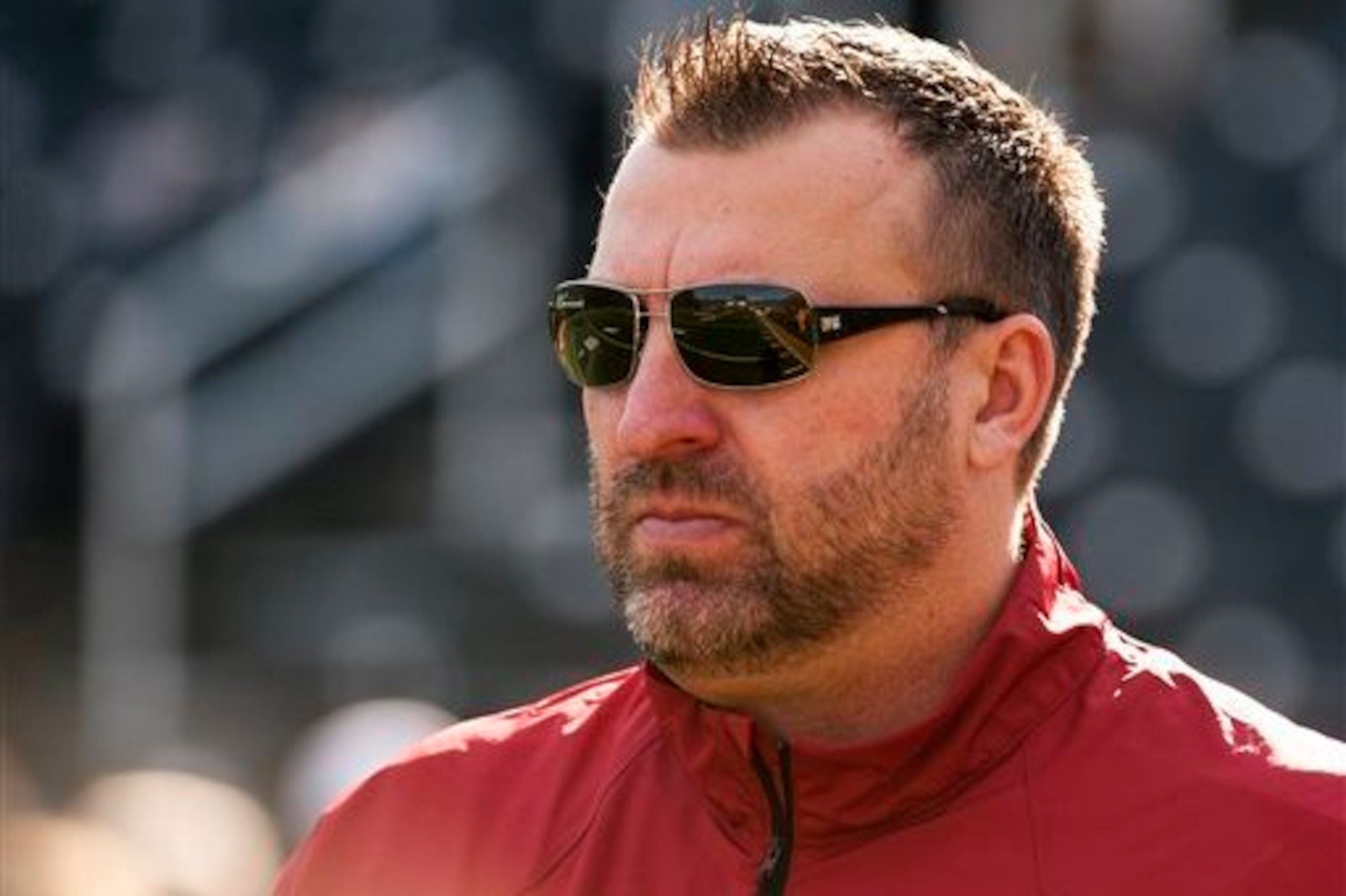
"I've been in recruiting for 20 years, and I know that it will definitely be used," Arkansas head coach Bret Bielema said. "I know at Arkansas, we're on the higher end (of the pay scale) than some of our competition. In recruiting, if it's not equal, it's really not fair. You're always going to use an advantage."
This is the new reality of college football.
You can bet your bottom, top and middle dollars that a $3,000 per year difference for a scholarship that could run five or even six years if a player receives a medical hardship will be brought up during this recruiting cycle.
After all, the $15,000 to $18,000 more that Tennessee can offer over Kentucky over a player's career is pretty significant.
So far, however, it hasn't come up as much as anticipated on the recruiting trail.
"We haven't had a lot of that yet," Saban said. "I know some people are promoting it in recruiting, but we have not done that."
Why not?
Full cost of attendance is still in the infancy stages of being implemented, and recent signees were as in the dark as everybody else as to how this really would work.
Coaches know that it will come up soon, and coaches low on the cost of attendance pay scale have their responses ready to go.
"I would say that it's an equal number and that the final spending money [the prospect] will have in Baton Rouge, Louisiana, will spend exactly the same as it would at some other school," LSU head coach Les Miles said. "That [disparity], in fact, is inconsequential."
SEC spring meetings have peeled back the curtain a little bit to reveal a new landscape that, while a positive step forward for player welfare, is also one that is going to be ripe with paranoia and new recruiting tools that pit high-paying schools versus the ones that can't pay as much.
The genie is out of the bottle and can't be put back in.
If only college football's power brokers have called it something other than "full cost of attendance" when the idea was floated five years ago, the sport might not be in this new-age mess.
Since there's no flux capacitor available in 2015, varying figures is just something that college football programs are going to have to deal with.
For better or for worse.
Quotes were obtained firsthand unless otherwise noted. All stats are courtesy of CFBStats.com unless otherwise noted, and all recruiting information is courtesy of 247Sports' composite rankings.
Barrett Sallee is the lead SEC college football writer and college football video analyst for Bleacher Report, as well as a host on Bleacher Report Radio on Sirius 93, XM 208.
Follow Barrett on Twitter @BarrettSallee.

.JPEG?w=2560 "Marshawn Reveals Scary Stat 🚗")
.jpg?w=2560 "Harbaugh Would Get CFB Buzz")



.jpg?w=2560 "Vrabel Denies Rift With Maye")