
College Football 2011: The 50 Most Lackluster Fan Bases
The definition for “lackluster” is “lacking in vitality, force, or conviction; uninspired.”
In terms of college football fan bases, “lackluster” is defined by a group of followers who as a whole lack the conviction and fervor of other programs.
One somewhat objective way to identify groups of fans that are less enthusiastic and supportive than others is home attendance numbers.
In analyzing these statistics, total attendance itself isn’t a fair gauge because obviously some schools have bigger facilities, larger student bodies and are located in more populous areas.
In all fairness, the ratio of home attendance to stadium capacity is a reasonably good indicator of the dedication level of a group of supporters (throwing out teams who play in facilities overmatched for their fan bases such as Temple who plays in Lincoln Financial Field and Tulane who plays in the Superdome).
It’s pretty simple; supportive, dedicated, hard core fans show up at the home games, right?
And, these fans usually show up regardless of how bad the team is. Case in point, in 2010 teams like Michigan, Houston, Georgia, Minnesota and Tennessee had close to 100 percent attendance at home games regardless of subpar seasons.
Now, you could argue that fans (even though they flock to games in droves) who throw batteries while intoxicated, violently harass opposing fans, start riots and are lewd aren’t “good” fans but you can’t say that they are “lackluster” fans.
The following slideshow identifies the 50 most lackluster fan bases in college football; these are the programs with the least overall support (at least recently) from a fan standpoint.
50. Missouri
1 of 50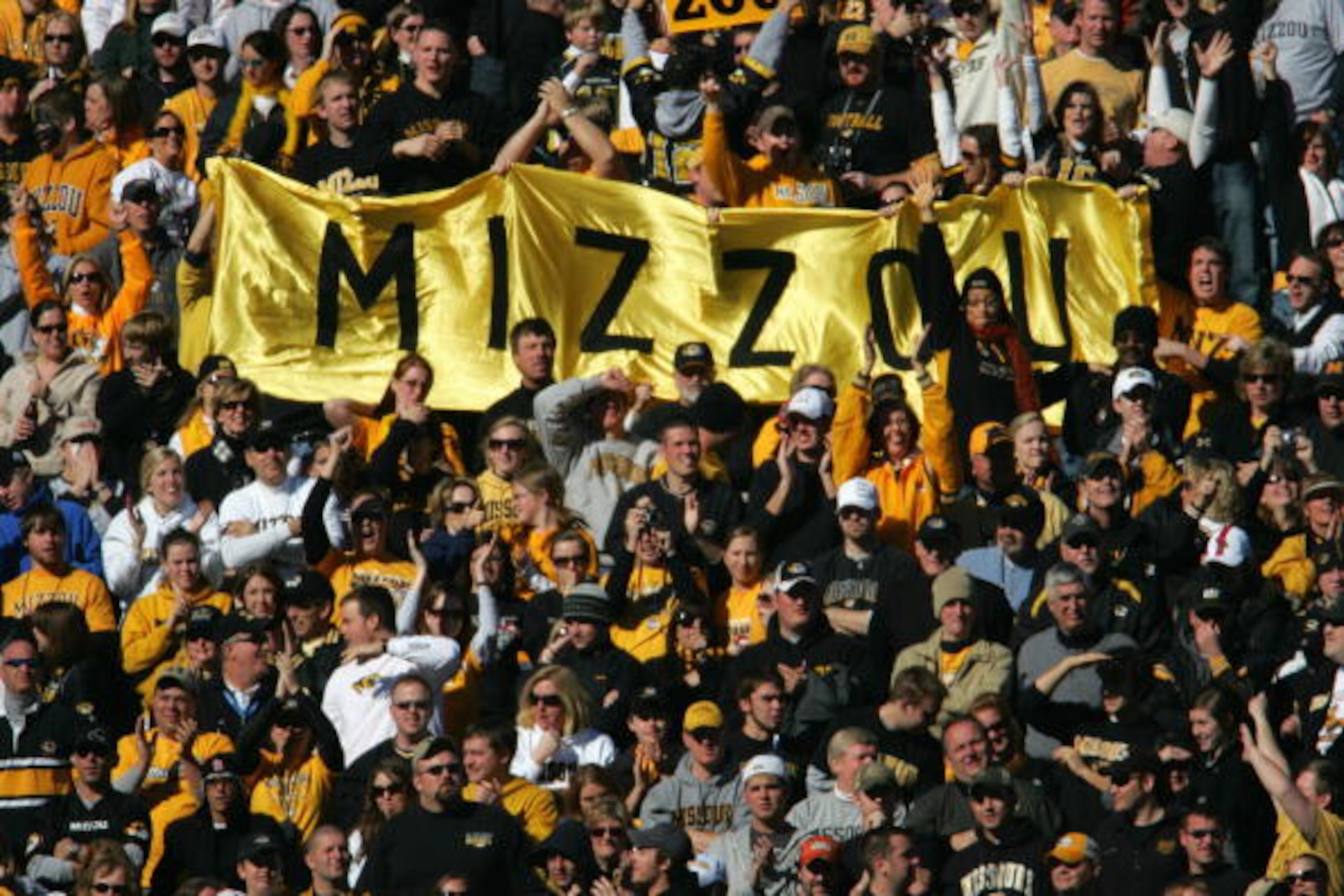
The Missouri Tigers have finished in the Top 25 three of the past four seasons but they continue to be unable to fill the seats to capacity at Faurot Field.
In fact their average attendance dropped from 64,120 in 2009 to 61,540 in 2010. And this is a team that improved their record from 8-5 to 10-3 over the same time period.
Additionally, the University of Missouri is not a small school, enrollment is right around 32,000.
At the end of the day it may be that Tiger fans prefer big games to those of less significance.
Case in point: in 2010 Faurot Field was overfilled by 2000 fans for the Nebraska game while it was under filled by more than 6000 when struggling Colorado came to town.
49. USC
2 of 50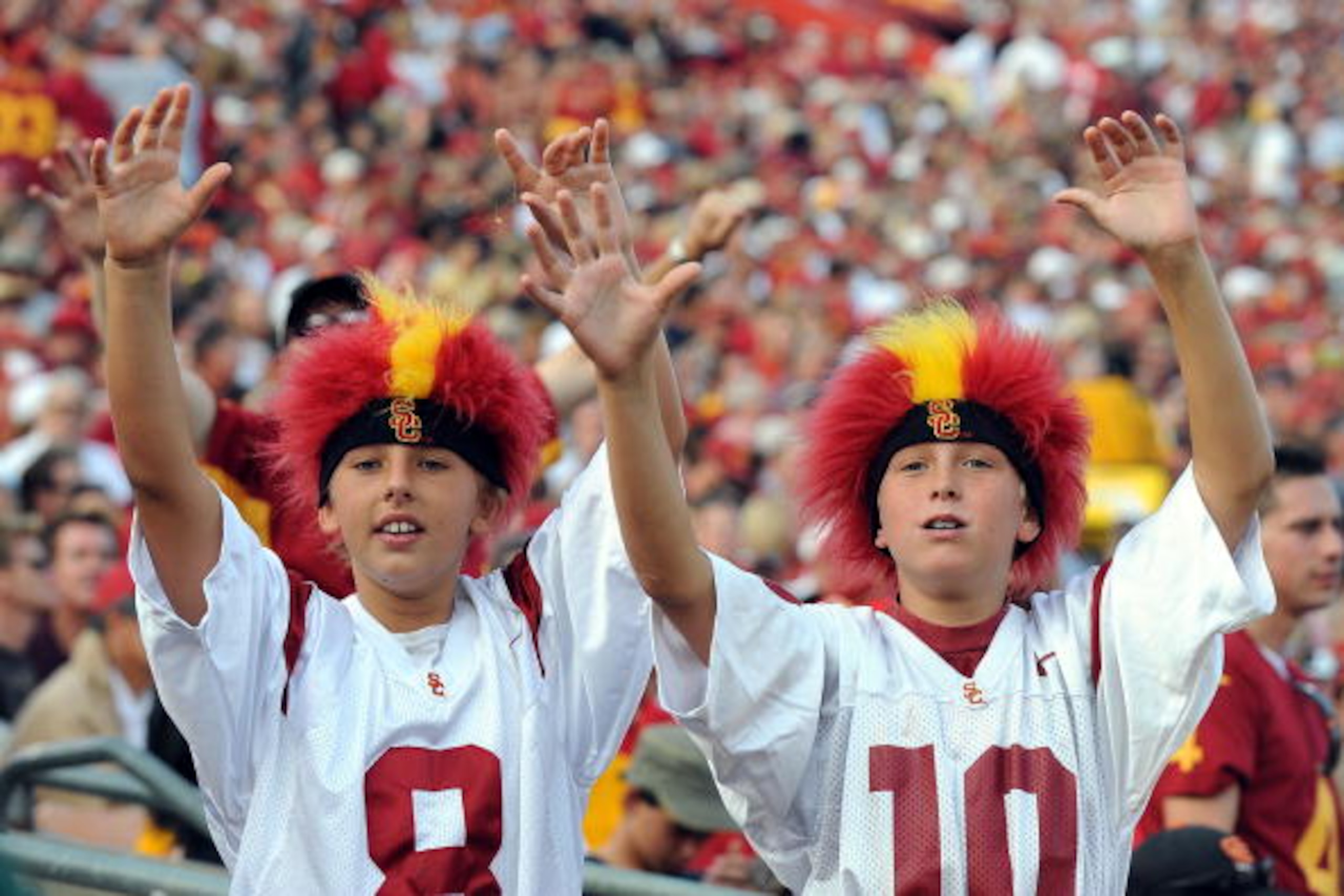
There is no arguing the fact that USC is a storied football program, rich with history and teeming with talent and success.
But, that said, the Trojans don’t fill the LA Coliseum. True, the Coliseum is massive and seats 93,607 but the fact that USC averaged only 79,907 fans at home games in 2010 is shocking.
Was it an off year? Definitely. But, the same could be said of Michigan who averaged over 111,000 fans at home games last season (in a stadium that holds 106,000) and Tennessee who averaged over 99,000 at home (in a venue that has a capacity of 102,000).
A program like USC ought to be able to fill the seats week in and week out.
48. Indiana
3 of 50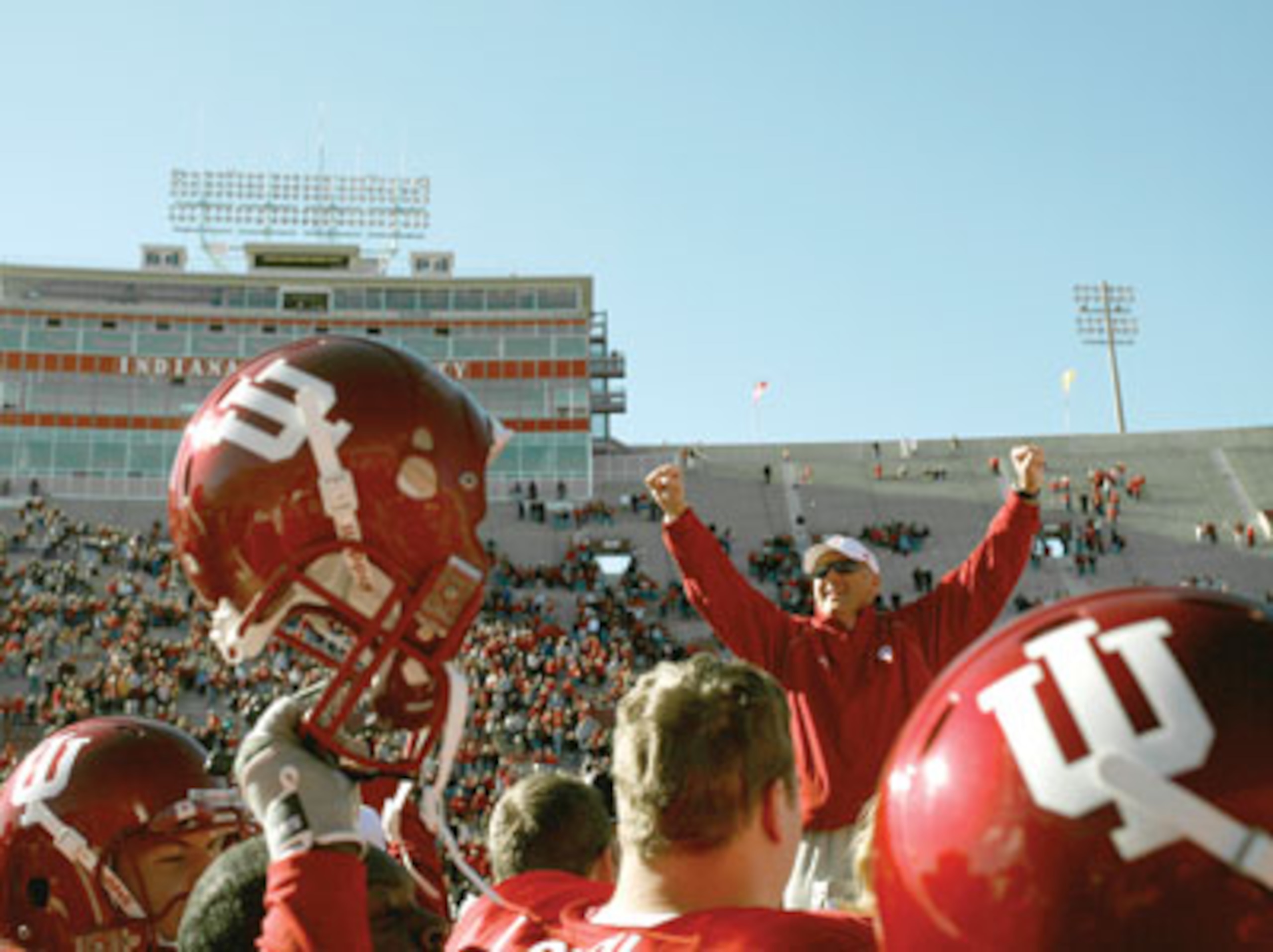
The Hoosiers have obviously not been a beacon of football hope for quite some time. In fact, Indiana has only posted one winning season in the past 15 years.
Still, Indiana’s home attendance ratio is the third lowest in the Big Ten and much of the crowd at each game at Memorial Stadium comes from the opposing Big Ten fan bases that travel well to Bloomington’s relatively central location.
Truly, Hoosier fans need a product to show up for, but, teams struggling teams like Minnesota still tout a 98 percent fill rate at home while Indiana lags way behind.


47. Oklahoma State
4 of 50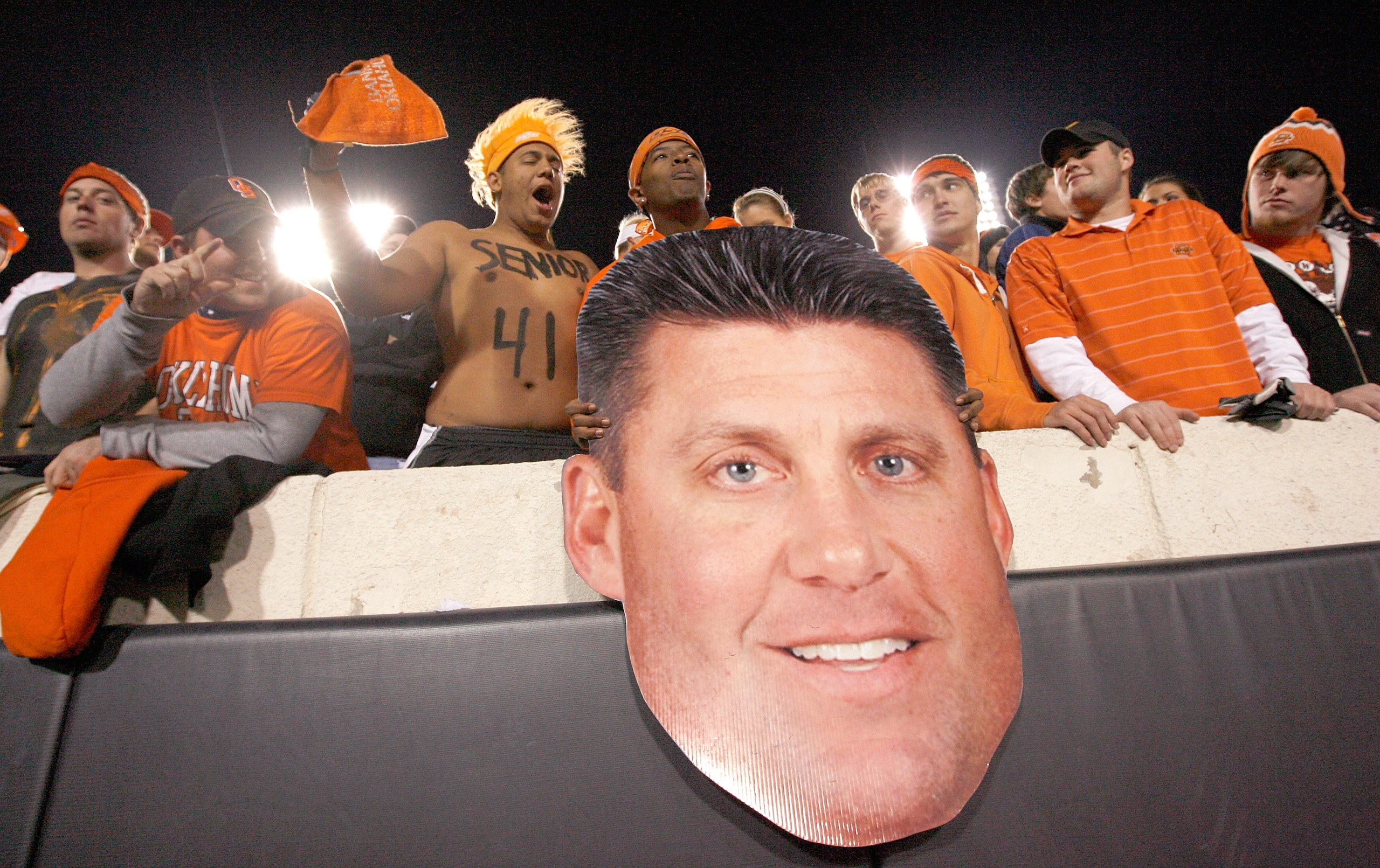
The Cowboys 11-2 run in 2010 was nothing short of thrilling which is why their 84.69 percent home attendance ratio is a surprise.
How can you not come closer to filling the seats when you are on a winning streak?
And, it’s not that Oklahoma State fans are only showing up for the “big ones”. Yes, in a stadium that holds 60,000 fans only 55,935 showed up for the Nebraska game and a mere 51,164 were on hand for the season finale vs. Oklahoma.
Seriously?
46. Georgia Tech
5 of 50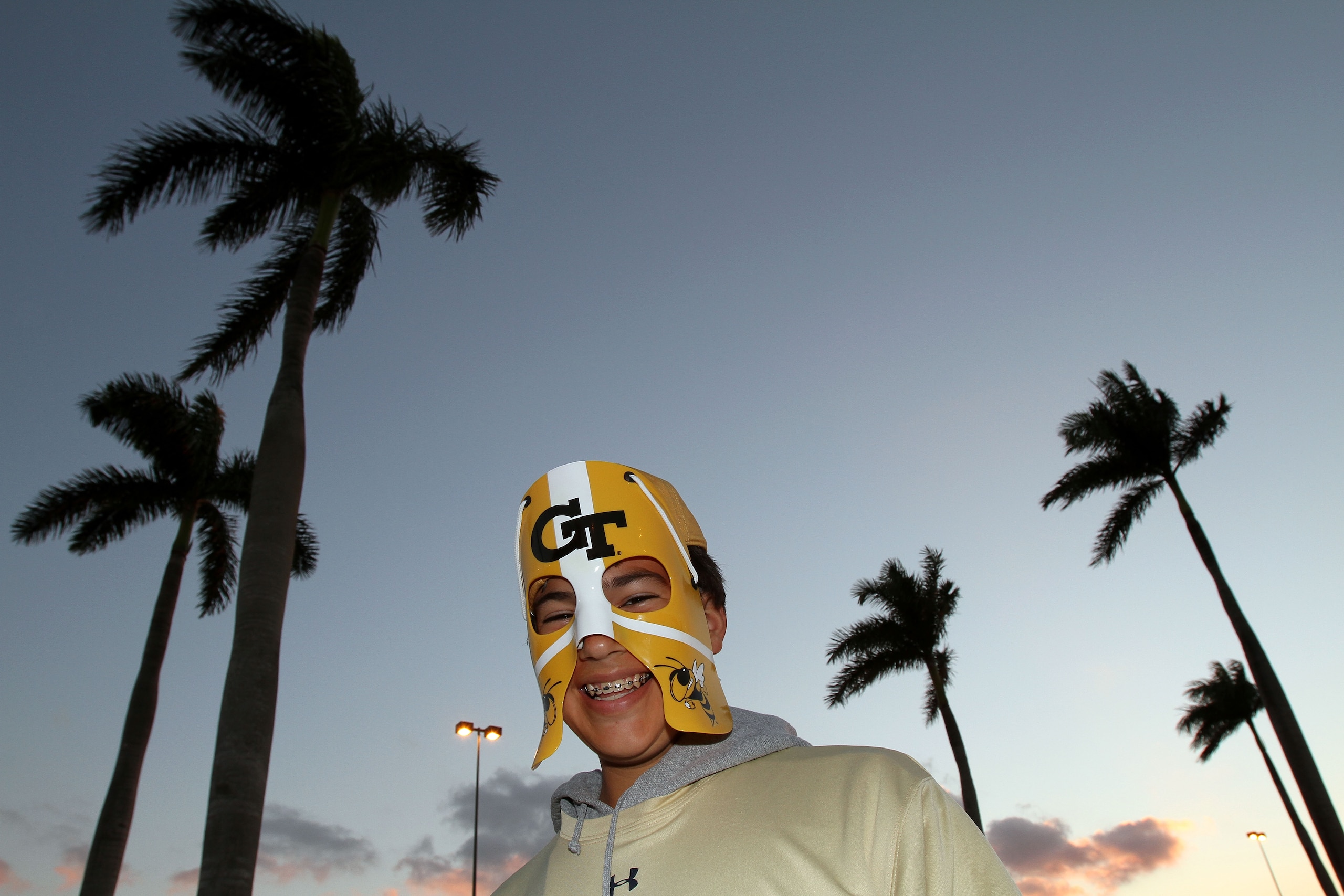
The Yellow Jackets experienced their worst record in the Paul Johnson era in 2010 and their attendance dropped accordingly.
Georgia Tech filled Bobby Dodd to over capacity in the conference home opener against North Carolina but by the time Miami (FL) came to town in November only 47,000 people showed up.
Overall, the Yellow Jackets had the third lowest home attendance ratio in the ACC last season.
45. Syracuse
6 of 50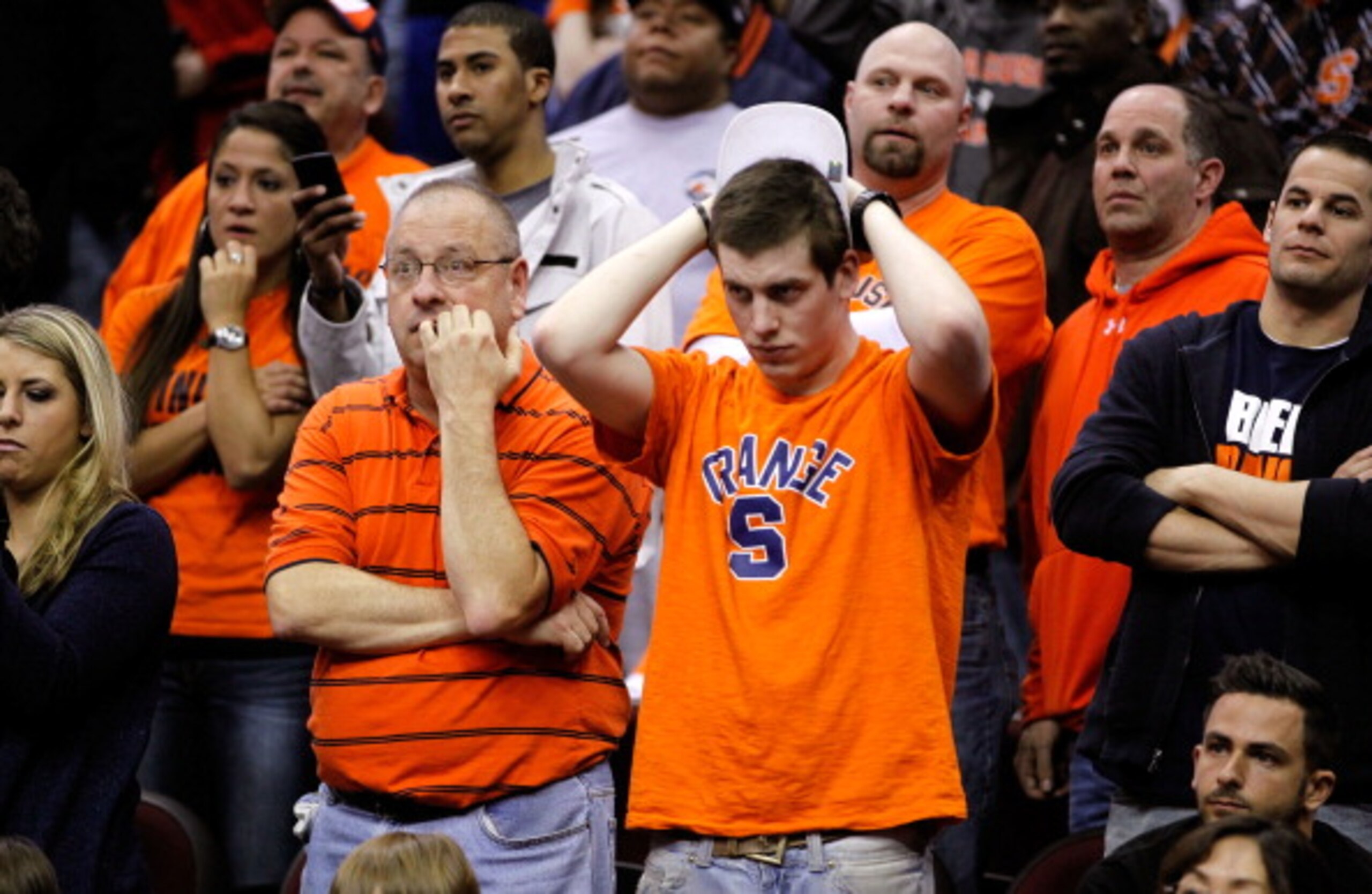
Before last season got underway not many folks had Syracuse going bowling in 2010 but by the time the dust settled the ‘Cuse went 8-5 including a narrow victory over Kansas State in the Pinstripe Bowl.
Regardless, even down the stretch, the Carrier Dome was not full in 2010. In fact, the Orange averaged around 40,000 fans in a facility that holds close to 50,000 and these numbers also held true through the last three home games of the season (all losses).
Maybe that explains why Syracuse went 2-4 at home last season, the only two wins at home being against Colgate and Maine.
44. Baylor
7 of 50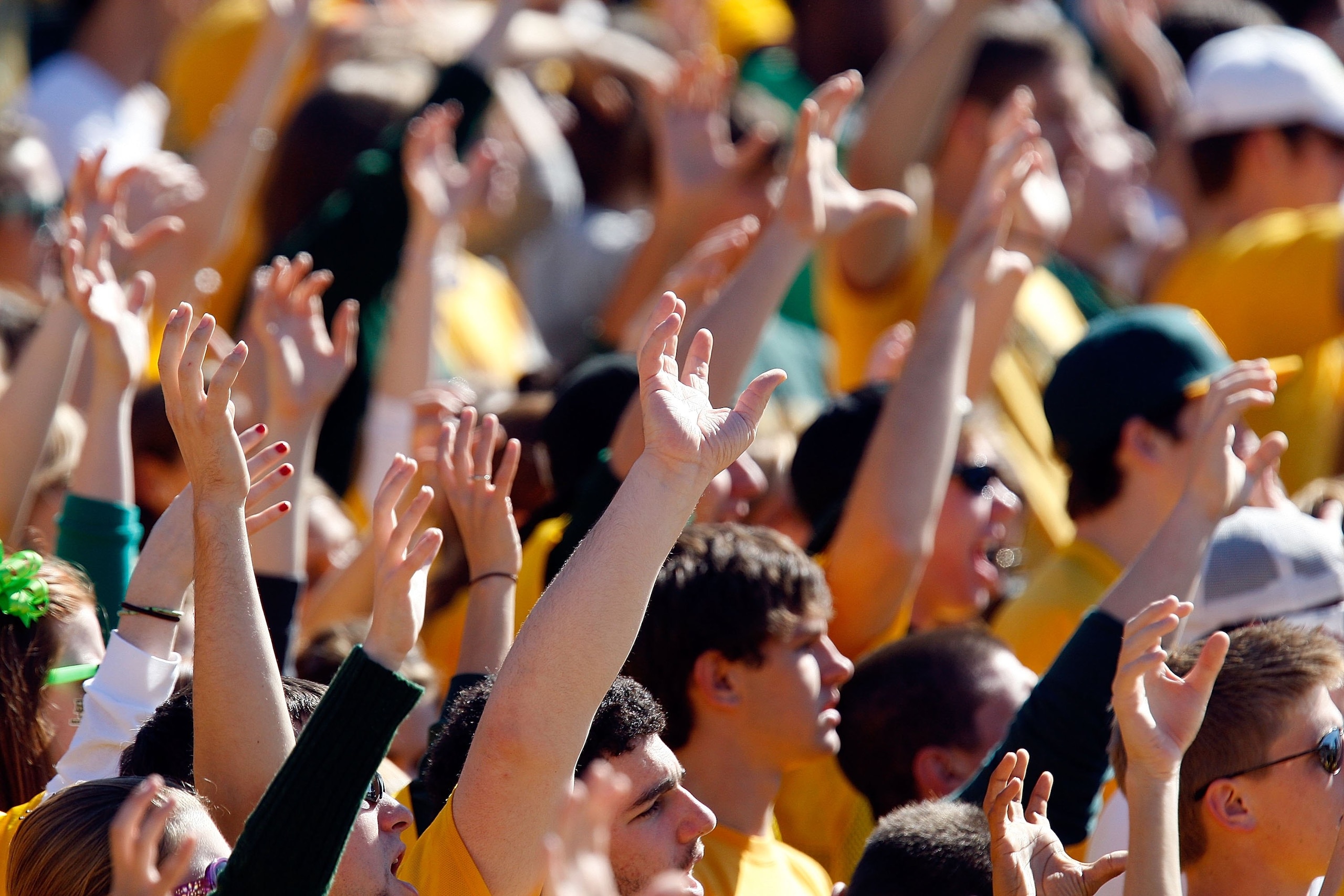
Prior to 2010 the Baylor Bears hadn’t been to a bowl game since 1994 and they hadn’t posted a winning record in 15 years.
Even though Baylor was finally flooded with enough win to end an historic drought, Bear fans didn’t quite flood Floyd Casey Stadium in Waco, Texas.
Baylor’s average home attendance in 2010 was 40,043, this in a facility that seats 50,000 folks.
Come on man.
43. Stanford
8 of 50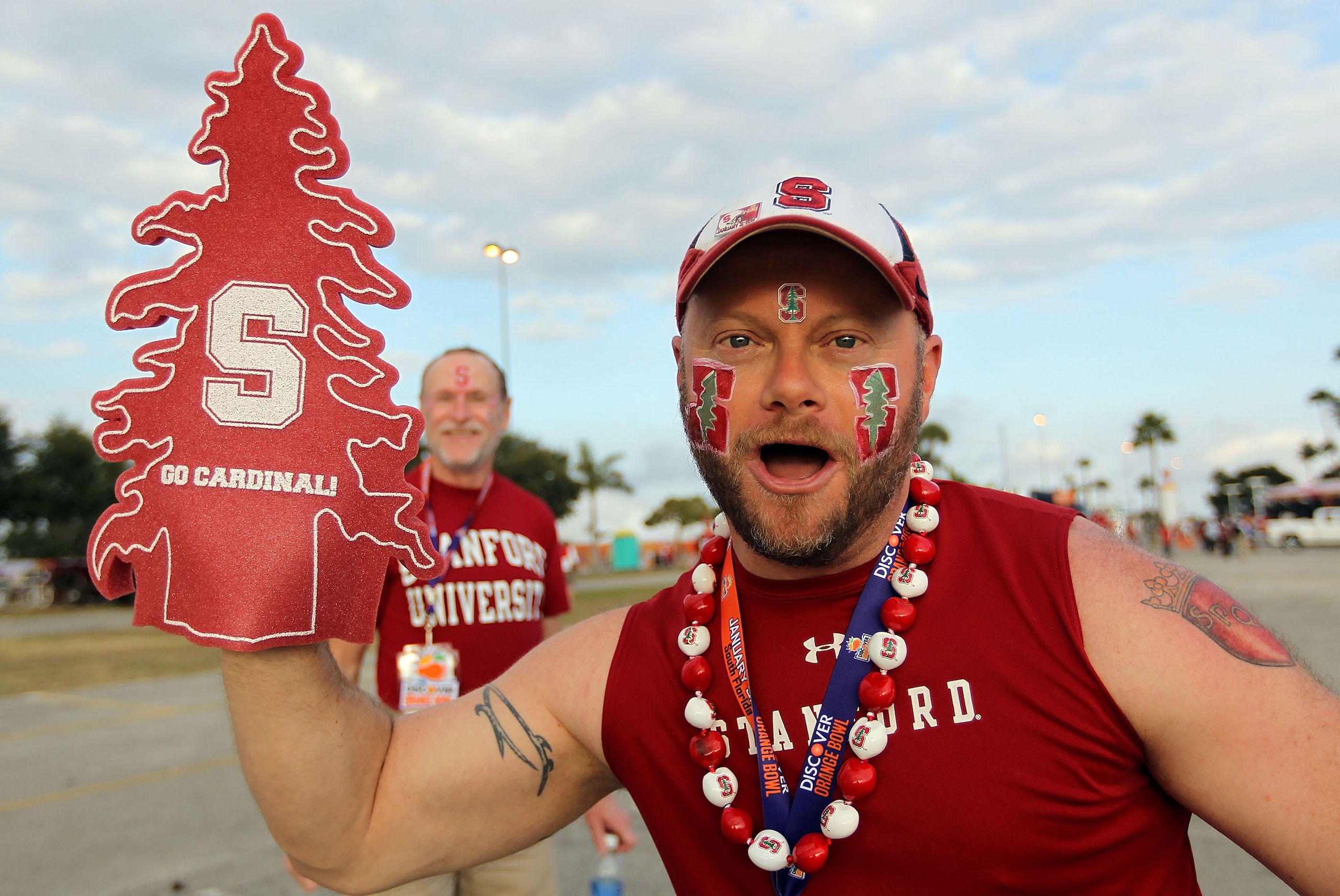
Andrew Luck, Jim Harbaugh, the Orange Bowl, the most wins in program history, one half away from a place in the national title game; 2010 was a dream season any way you slice it.
But still, the Cardinal did not fill the seats, yes; the followers of that dancing tree did not come to see their team play gloriously in the California sun.
Stanford Stadium holds 50,000 fans and the 2010 average home attendance was 40,042.
How bad was it? Well, those are almost the exact figures at Baylor.
The moral of this story: you can be too smart for your own good.
42. California
9 of 50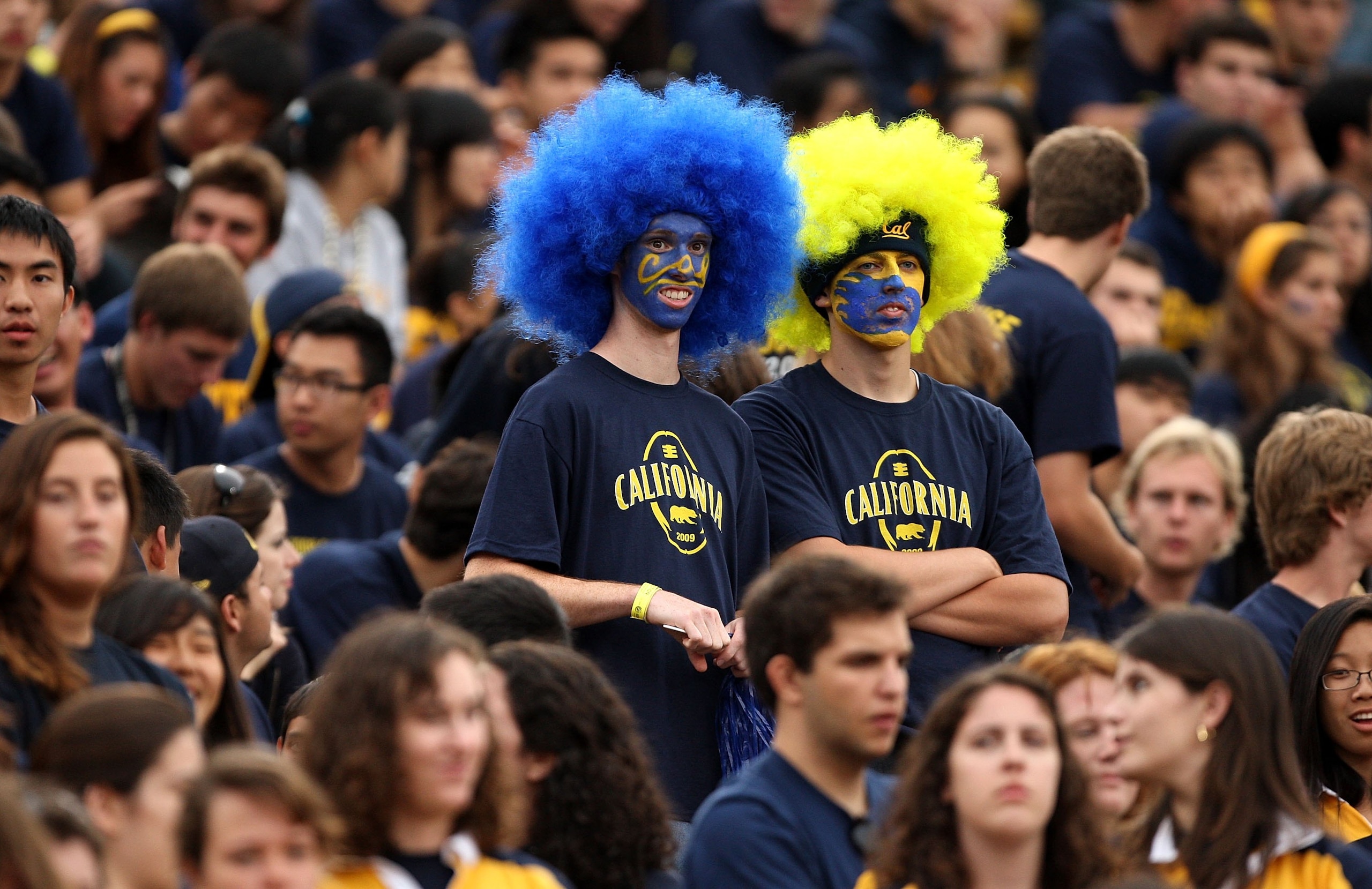
California Memorial Stadium is quite big even by “large school” standards, it seats 72,516 and serves a somewhat middle of the road enrollment of close to 40,000.
Cal averaged 58,000 fans at its home contests in 2010 which at first glance doesn’t seem like that big of a deal especially for a team that suffered a disappointing 5-7 mark.
But, even the biggest game of the year (the “BIG GAME”) versus Stanford couldn’t fill the seats, only 67,000 people showed up and these teams are cross-town rivals.
Again, many a bad team filled the seats in 2010, Cal wasn’t one of them.
41. Northwestern
10 of 50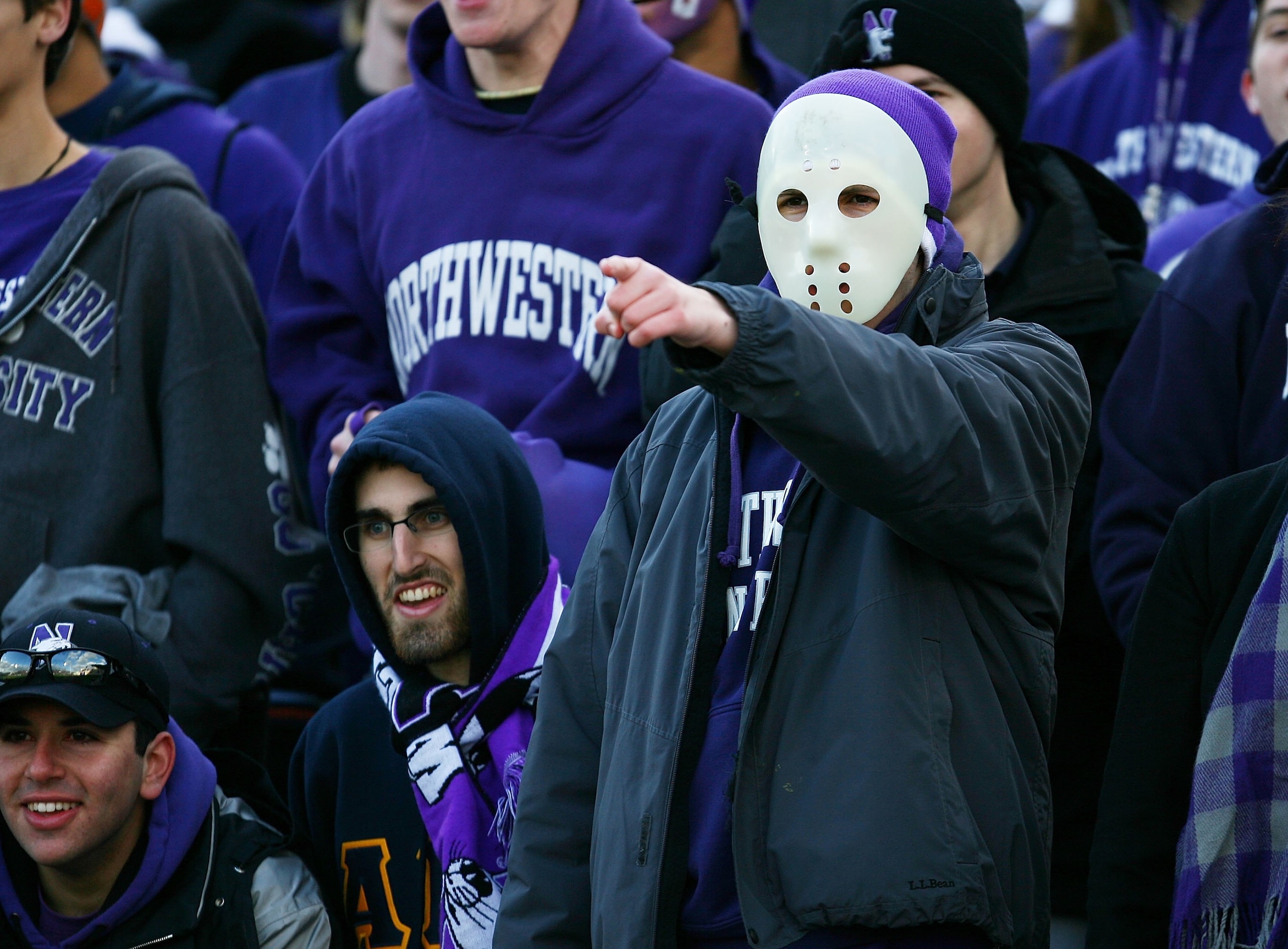
Until QB Dan Persa suffered a season-ending injury Northwestern had a real opportunity to do something big in 2010.
But, even before Persa went down, Wildcat fans weren’t exactly beating down the doors at Ryan Field.
In fact when undefeated Northwestern hosted Purdue on October 9 only 33,847 fans were in a stadium that seats just over 47,000 people, not exactly the “purple people eater” feeling you might have hoped for.
40. Purdue
11 of 50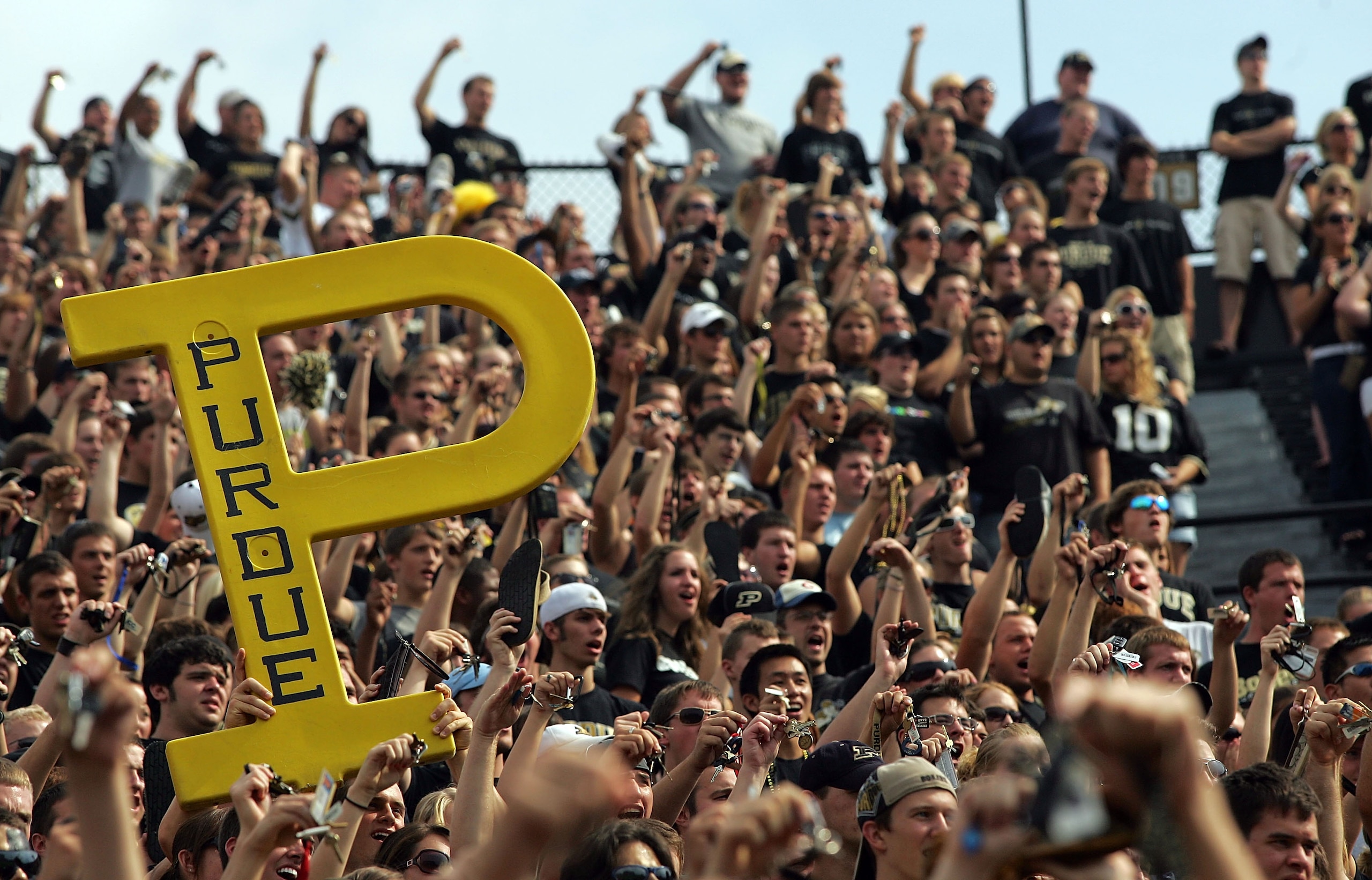
Not shockingly Purdue had the worst home attendance ratio among Big Ten teams in 2010. On average the Boilermakers only filled the stadium to 76 percent capacity on game days.
It certainly doesn’t help matters when you lose six straight games to close out your season.
39. Maryland
12 of 50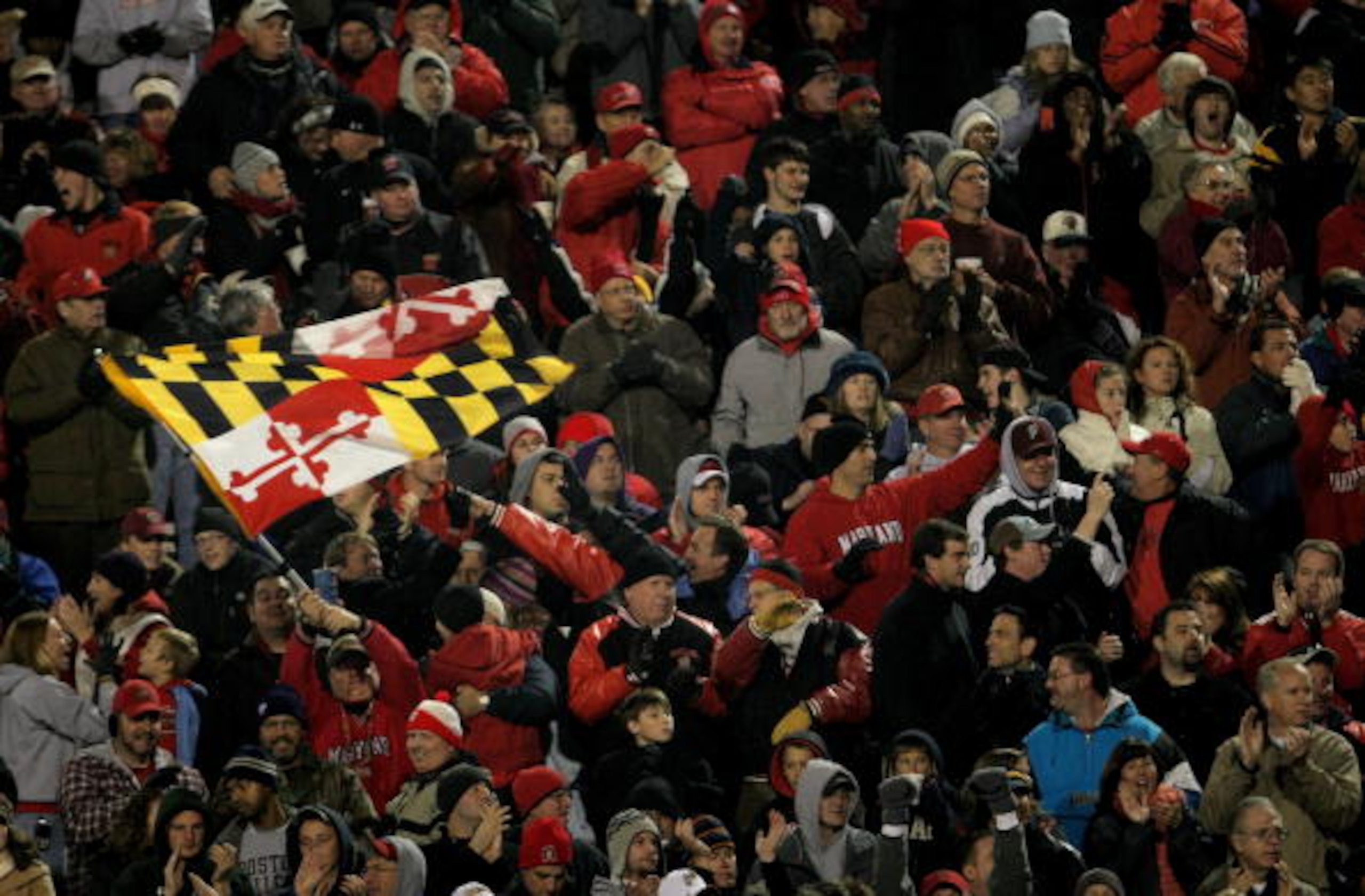
The Terrapins went 9-4 in 2010 which matched their best performance since 2006; still one of the big discussions in College Park, Maryland was how to entice fans to show up for the home games.
How big was the issue?
Well, Byrd Stadium seats 51,500 and Maryland’s average home attendance for 2010 was 39,168.
The University’s geographic location means it suffers from a wide array of entertainment competition but still, this is major college football!
38. Northern Illinois
13 of 50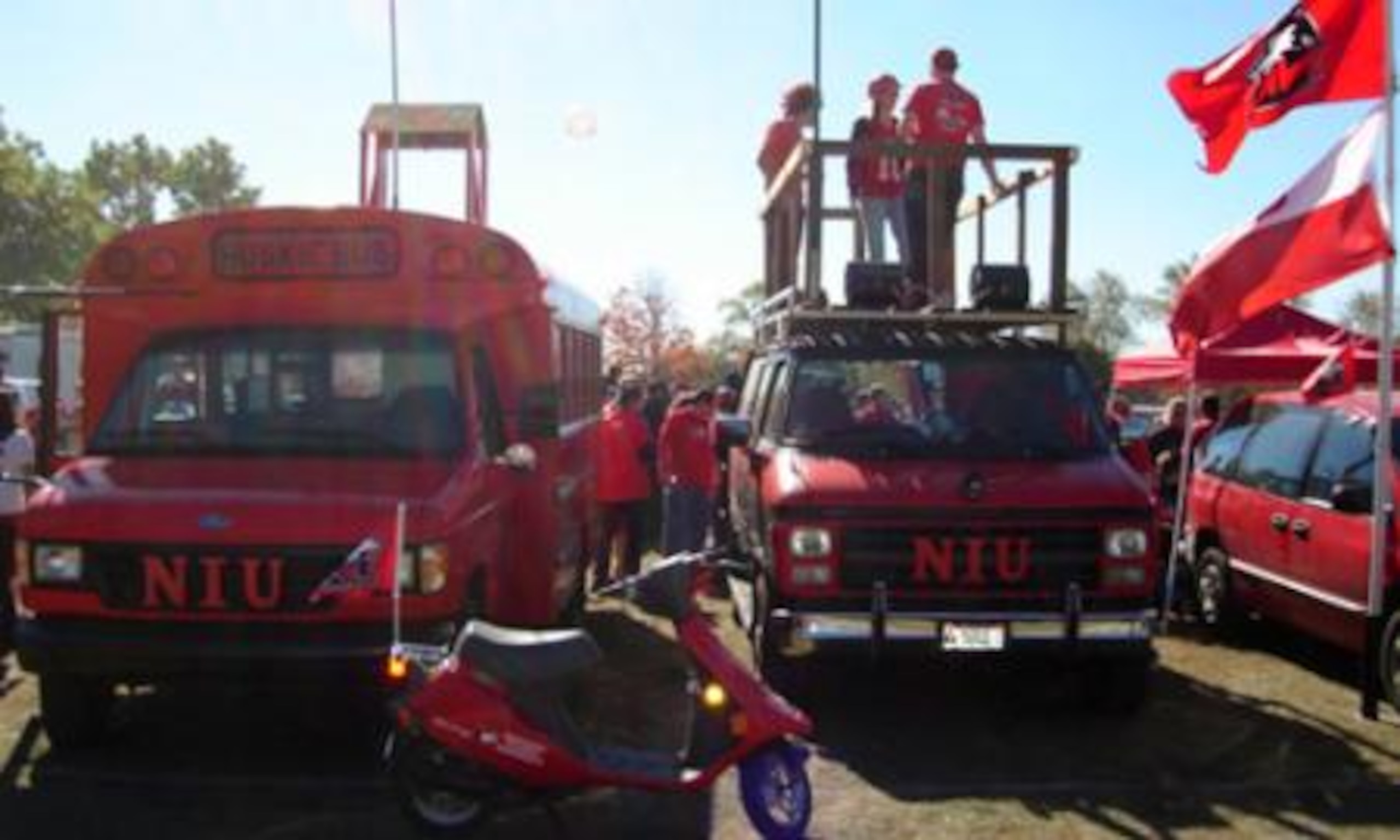
Northern Illinois went 11-3 in 2010, they won the West Division of the MAC and stomped Fresno State in the Humanitarian Bowl.
This marks the best record the Huskies have achieved since starting a football team back in 1899.
Still, even with this unprecedented success Northern Illinois only averaged 17,760 fans in a home venue that seats 24,000.
37. Virginia
14 of 50
The Cavaliers still have a long way to go to return to the relative success they enjoyed in the early 2000’s but fan support still wanes.
A 4-8 record certainly doesn’t boost season ticket sales but even when the 2010 campaign was fresh (with a new coach) and hope at higher levels the 2-1 Cavaliers hosted the conference home opener against Florida State only 47,000 fans turned out in a facility that seats 61,500 folks.
That number was a high water mark for what turned out to be a season that statistically disappointed in a wide array of categories.
36. Toledo
15 of 50
Toledo posted its best record since 2005 this past season and narrowly lost to FIU in the Little Caesars Pizza Bowl.
Despite this upswing in performance the Rockets only managed a home average of 19,333 fans per game in the Glass Bowl which seats just over 26,000.
Notably, Toledo hosted MAC foe Central Michigan in the season finale in front of a crowd of just over 12,000.
This alarming number may be due to the fact that the game was played the day after Thanksgiving when presumably much of the student body had gone home.
35. SMU
16 of 50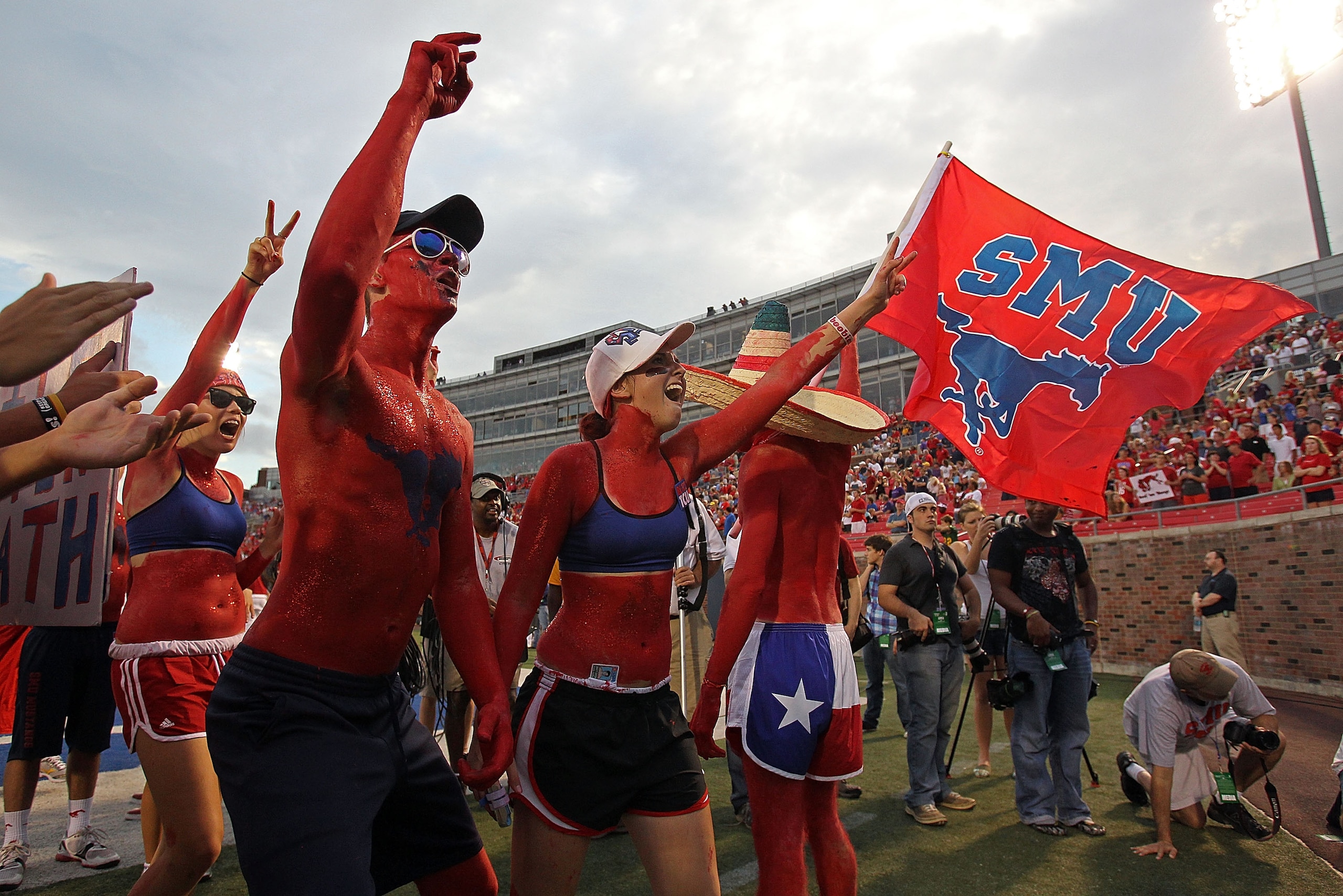
The Southern Methodist football program has still not completely rebounded from the death penalty inflicted in the late 1980’s.
That said, in 2009 and 2010 the Mustangs appeared in consecutive bowl games for the first time since 1983 and 1984.
Fans will no doubt continue to attend games more regularly as wins increase but even with the improvements over the past two seasons the average attendance in Dallas is 23,515 in a facility that holds 32,000.
34. Marshall
17 of 50
The Thundering Herd continues to search for a way to repeat the success they experienced in 2001 and 2002 when they had back-to-back 11-2 seasons.
Marshall fans must be waiting on the same revival as only an average of 27,046 attended home games at Joan C. Edwards Stadium which holds 38,000.
Case in point, only 23,000 fans were on hand for the conference opener against UCF, that means 40 percent of the seats were empty.
33. Florida International
18 of 50
It’s hard to accuse a fan base of being “lackluster” when they are following a program that has only been fielding a football team for 10 years.
Still, 2010 was the year at FIU; the first winning record, the first conference title, the first bowl appearance and the first bowl victory.
Apparently, it will take a bit longer for fans to fill smallish FIU stadium in Miami; it holds 23,500 and the average home attendance in 2010 was only 16,545.
Interestingly, it was a Thanksgiving weekend game against Arkansas State that earned FIU bowl eligibility and its first ever winning record; only 14,588 were on hand to witness history.
32. Utah State
19 of 50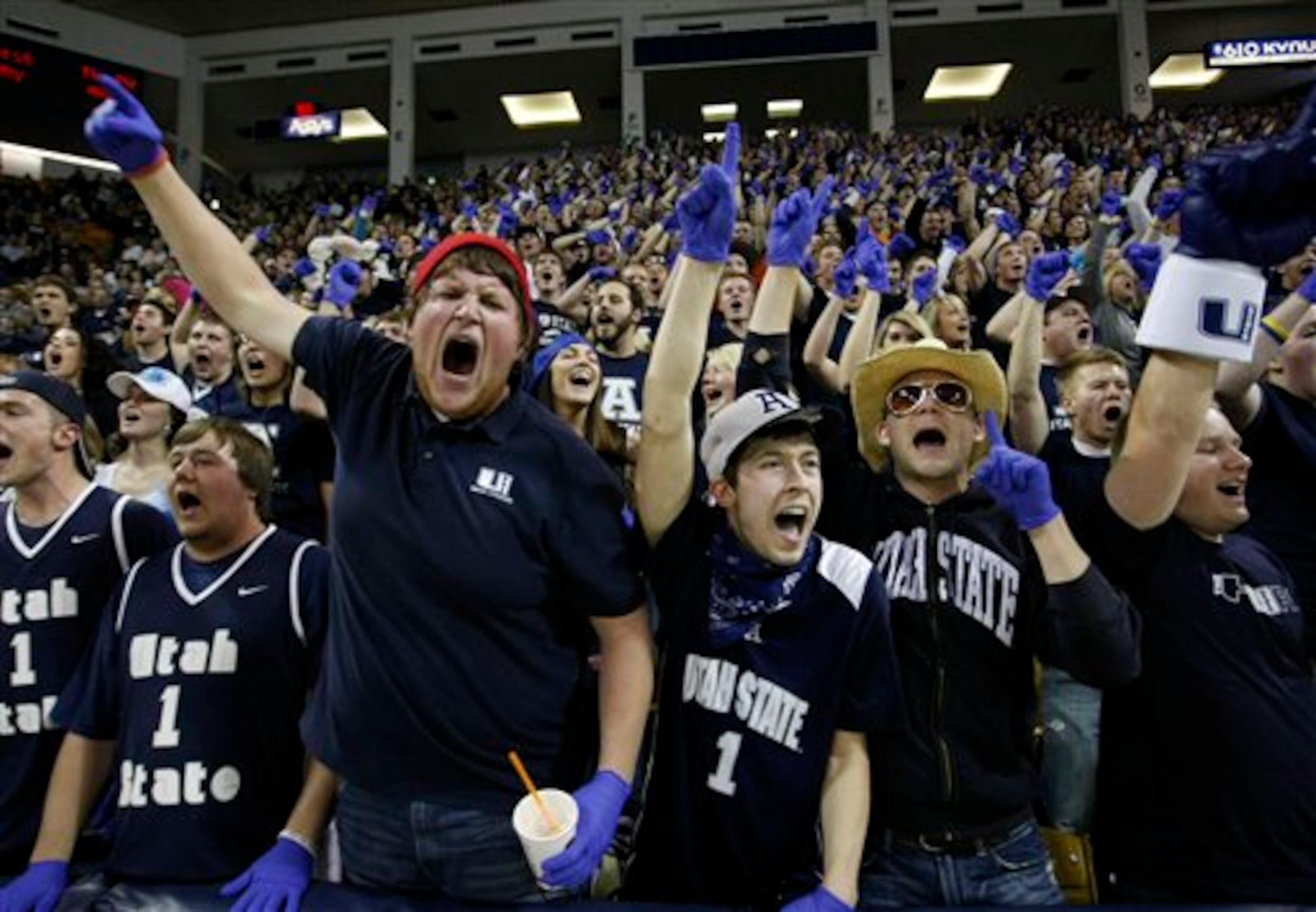
The Utah State Aggies are another fan base that in reality it’s hard to point the finger at.
Utah State hasn’t enjoyed a winning football season since they went 6-5 in 1996, they are 1-4 all-time in bowl play and they are 17-54 since 2005.
This more than explains why only an average of 17,878 showed up to home games in 2010.
At the end of the day, perhaps almost 18,000 per game should be considered an achievement rather than a failure.
31. Washington State
20 of 50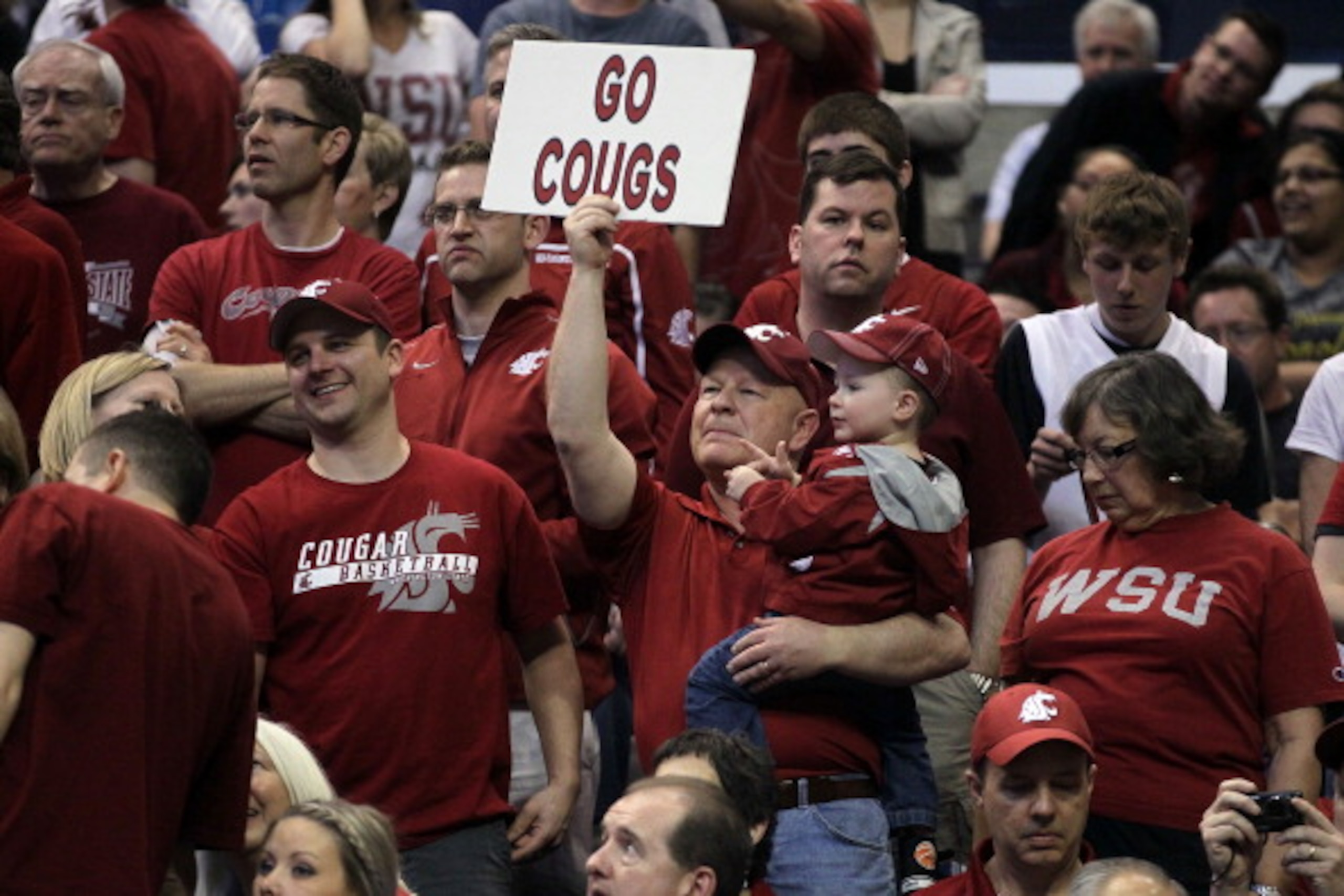
Though it’s easy to picture Cougar fans suffering through year after year of ugly play in reality Washington State enjoyed three consecutive 10-win seasons as recently as only seven years ago.
Since the end of this golden era the Cougars have gone 25-58 and are only 5-37 in the Paul Wulff era.
Still, it’s a Pac-10 school hosting premier opponents in one of the smallest venues among BCS-AQ schools.
Martin Stadium holds just over 35,000 fans and the Cougars averaged 24,532 fans in 2010.
No matter how you slice it, it’s hard to blame fans who have seen five wins in three years for not showing up. Especially given the fact that someone from this group shows up with a Washington State flag every Saturday morning wherever ESPN Game Day goes on the air.
30. Louisiana-Monroe
21 of 50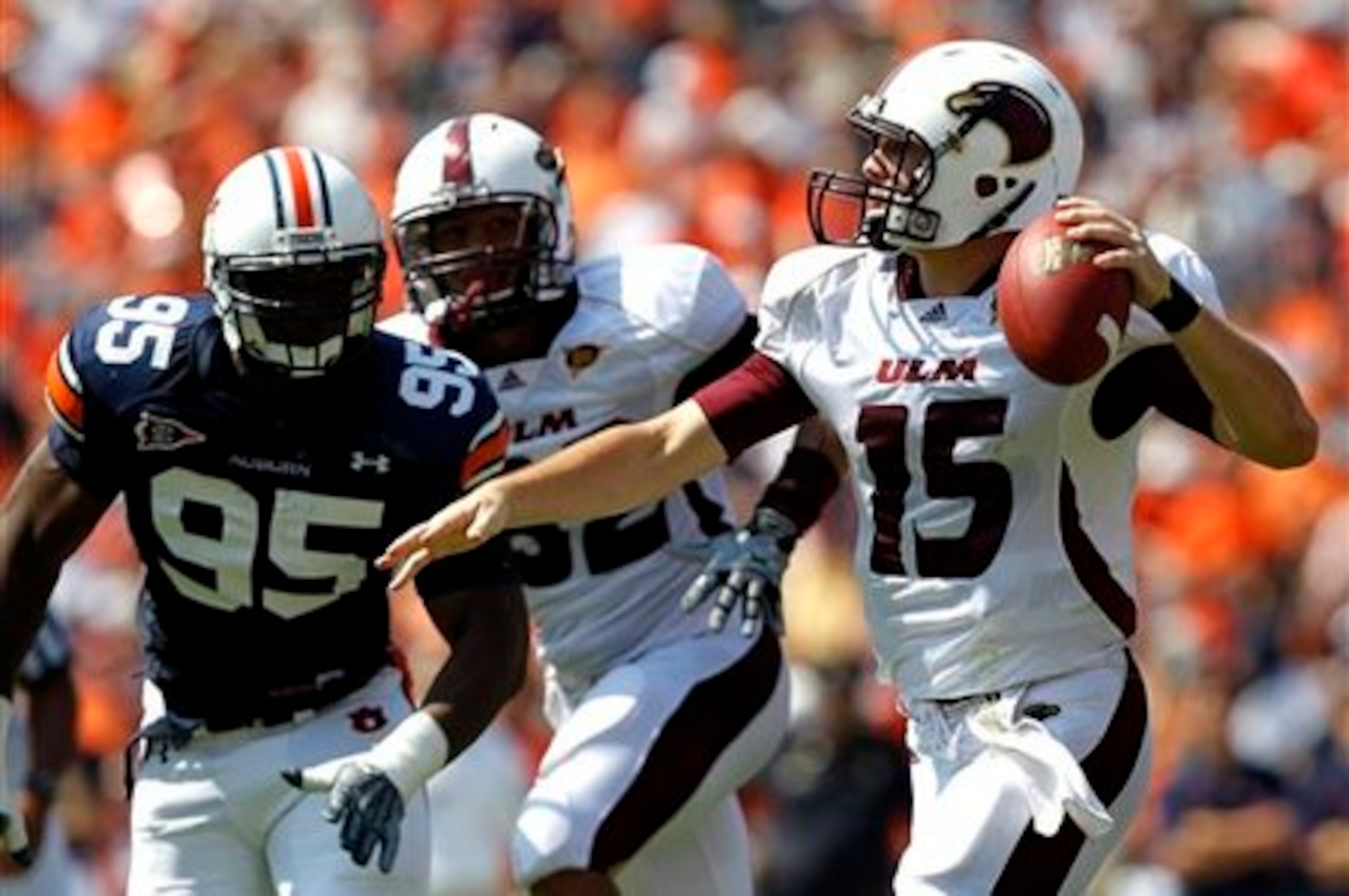
Hailing from the Sun Belt conference the Warhawks have hovered around the .500 mark since 2004.
Louisiana-Monroe has never played in a bowl game and it remains to be seen if second year coach Todd Berry can take the program to the next level.
Regardless, the Warhawks are not a dismal football program but they are a smaller school in a smaller town in a state with one huge college football team (that said Monroe is in North Louisiana while LSU is located in the south).
Malone Stadium holds 30,427 and Louisiana-Monroe averaged just fewer than 21,000 fans per game in 2010, that’s a 68.8 percent fill rate (among the 30 worst in the nation).
29. Miami (FL)
22 of 50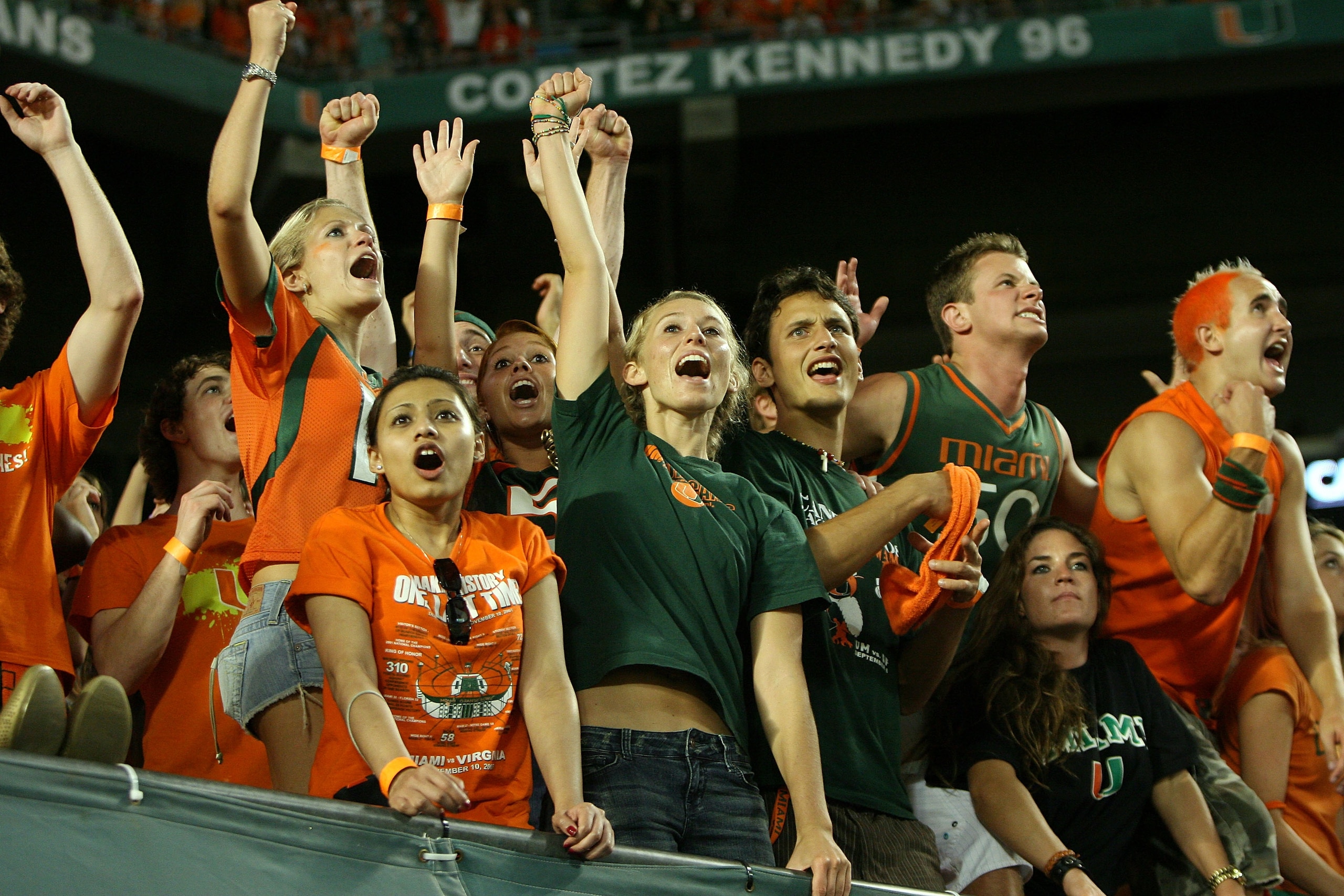
Oh the “U”...say it isn’t so.
Tell us you can fill your stadium with your dedicated, riled up fans, tell us that your fill rate is better than 70 percent and please say you aren’t the most successful football program this high on the list.
Unfortunately it’s all true the five-time national champion Hurricanes only filled their home field to a 68.7 percent capacity rate in 2010.
That means only an average of 52,575 fans showed up to Sun Life Stadium which seats 76,500.
Again, compared to programs with large facilities that fill every seat regardless of success rates (i.e. Georgia, South Carolina, Texas A&M, etc.) Miami falls far short of the mark.
How short?
Well, when the 7-4 Hurricanes hosted the ranked Virginia Tech Hokies last November 20 (not a holiday weekend) only 40,000 fans showed up.
The stadium was almost half empty.
28. Central Michigan
23 of 50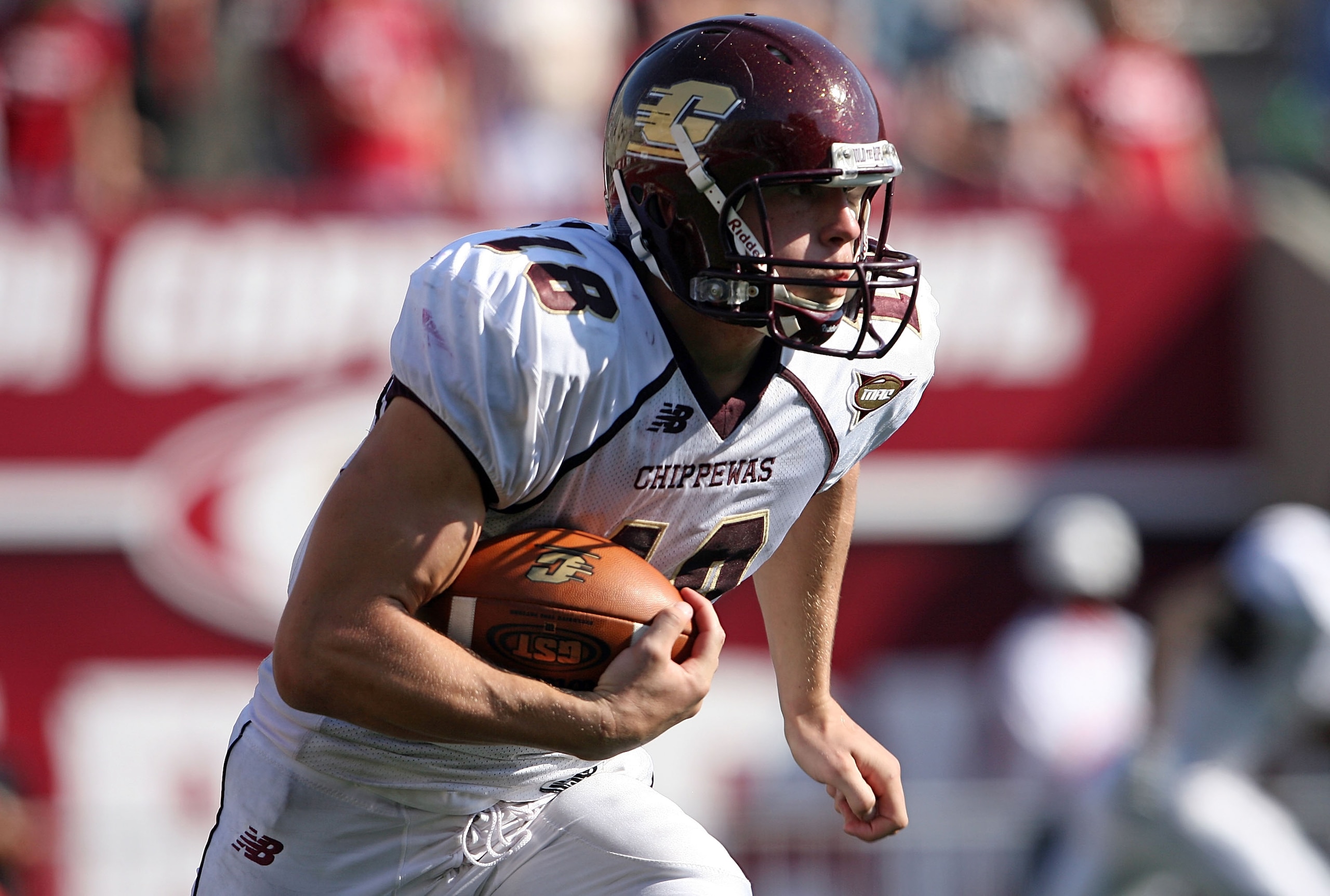
More than just a training ground for upward moving coaches, the Chippewa’s have earned a 41-26 record over the past five years. Of note, this includes a disappointing 3-9 finish in 2010.
This record includes three MAC championships and four bowl appearances.
In short, Central Michigan is not a bad football program that has suffered years of disappointments and despair.
Despite all this, Central Michigan averaged only 20,448 fans in 2010 in a stadium that holds 30,199. That equals an average of 33 percent empty seats at all home games.
27. Western Kentucky
24 of 50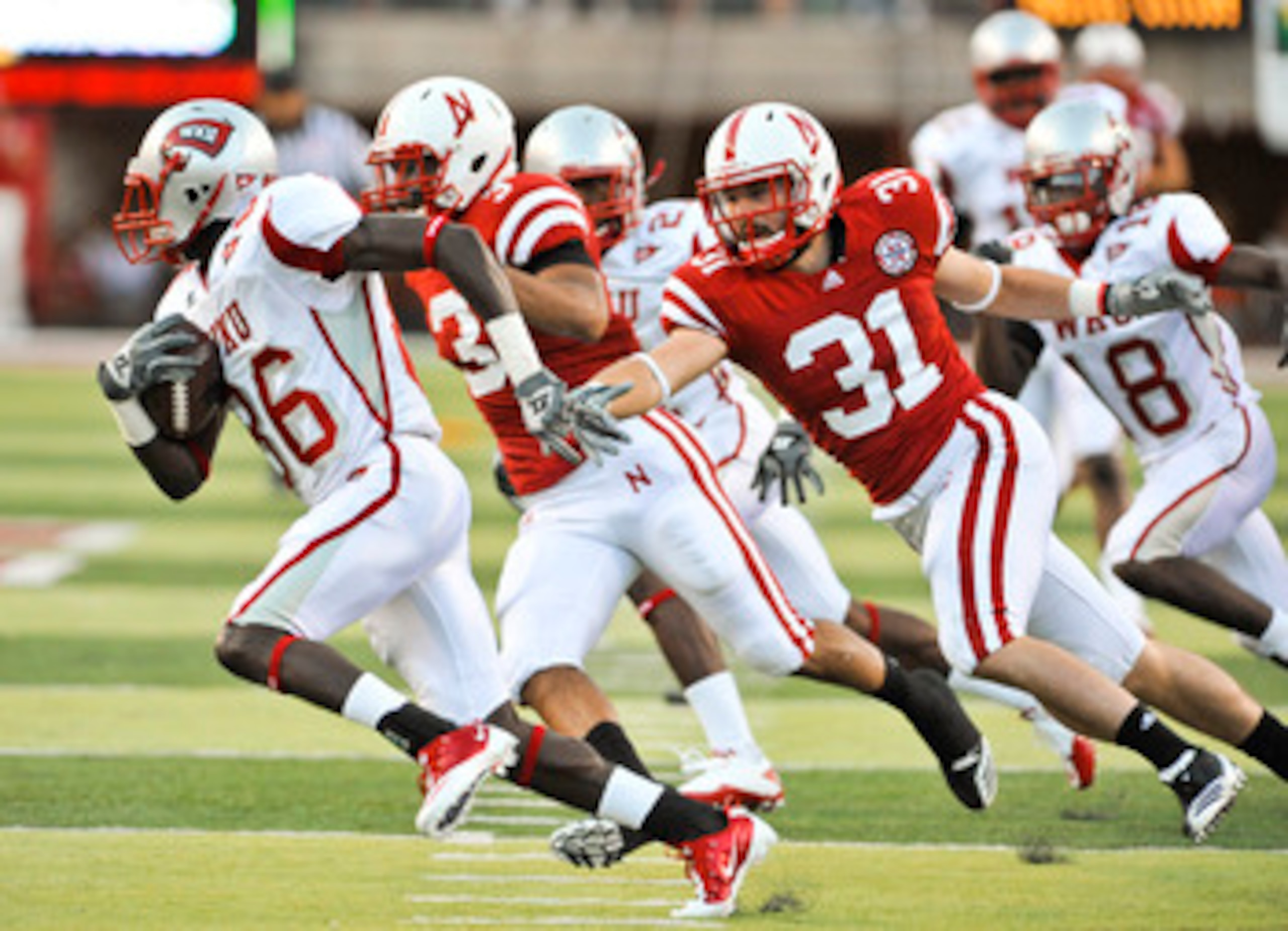
The Hilltoppers only joined the ranks of the FBS in 2009 when they moved up to what we formerly called Division 1-A football.
Since their reclassification they have understandably struggled to a 2-22 record with both wins coming in the 2010 season.
Western Kentucky plays its home games at LT Smith Stadium in Bowling Green, Kentucky which has a capacity of only 22,000.
Hopefully the Hilltoppers, under WKU alumnus Willie Taggart’s guidance, can improve both their win/loss record and their average of 14,577 fans per home game.
26. UCLA
25 of 50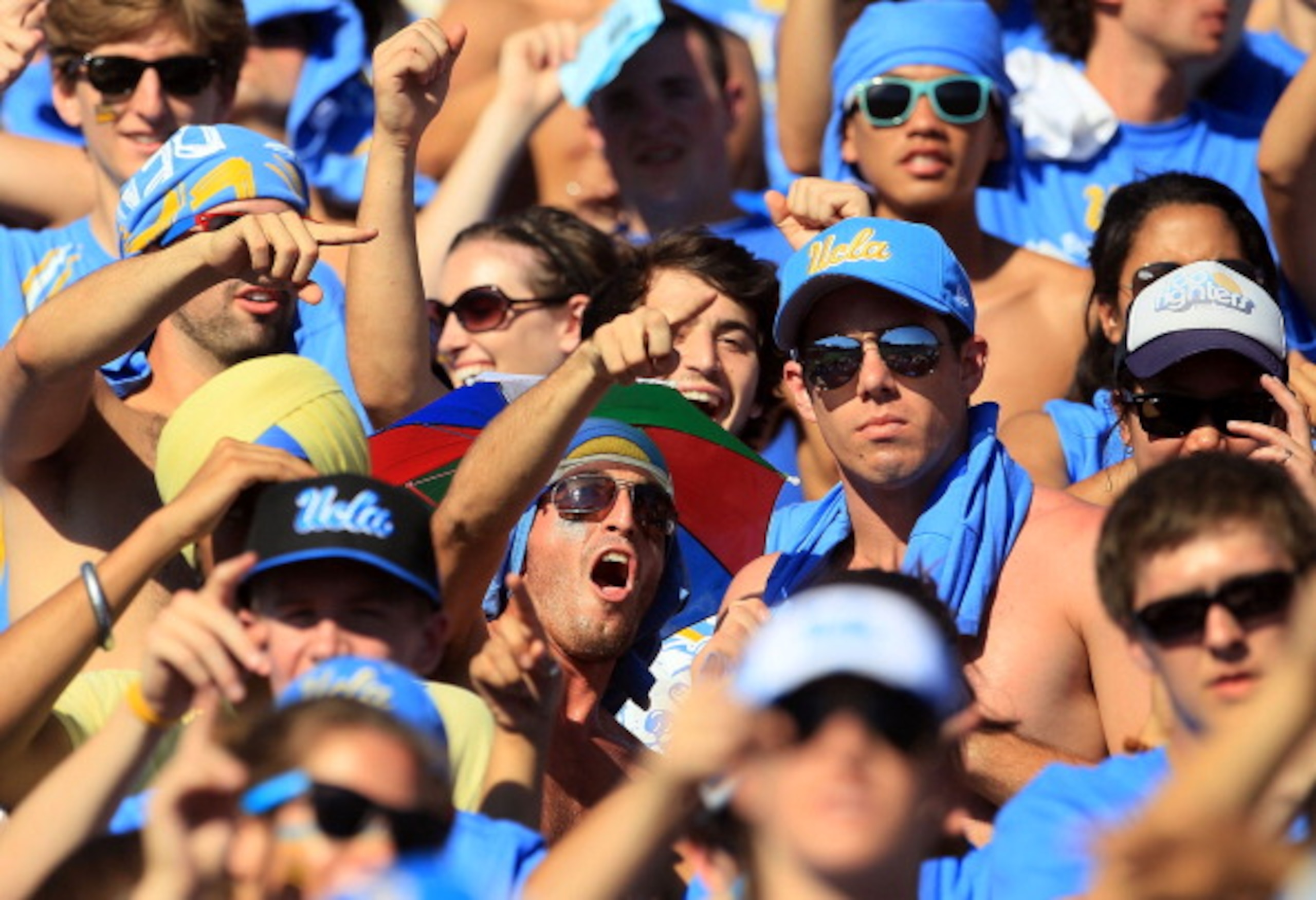
You could make a solid argument that UCLA plays in too large of a stadium to fill regularly. Indeed, the Rose Bowl is massive with a seating capacity of 91,136.
But the Bruins represent a school with an enrollment close to 40,000 students located in one of the biggest cities in the nation.
Yes, they have struggled over the past five years and haven’t been to the Rose Bowl since 1999.
But, the Bruins 2010 average home fill rate is only 66.25 percent which is the second lowest nationally among BCS-AQ schools.
Is it unfair to expect that UCLA fill its huge stadium?
That remains up for debate, but, regardless it’s hard to believe that a program like UCLA has 33 percent of its seats empty on game day.
25. Arizona State
26 of 50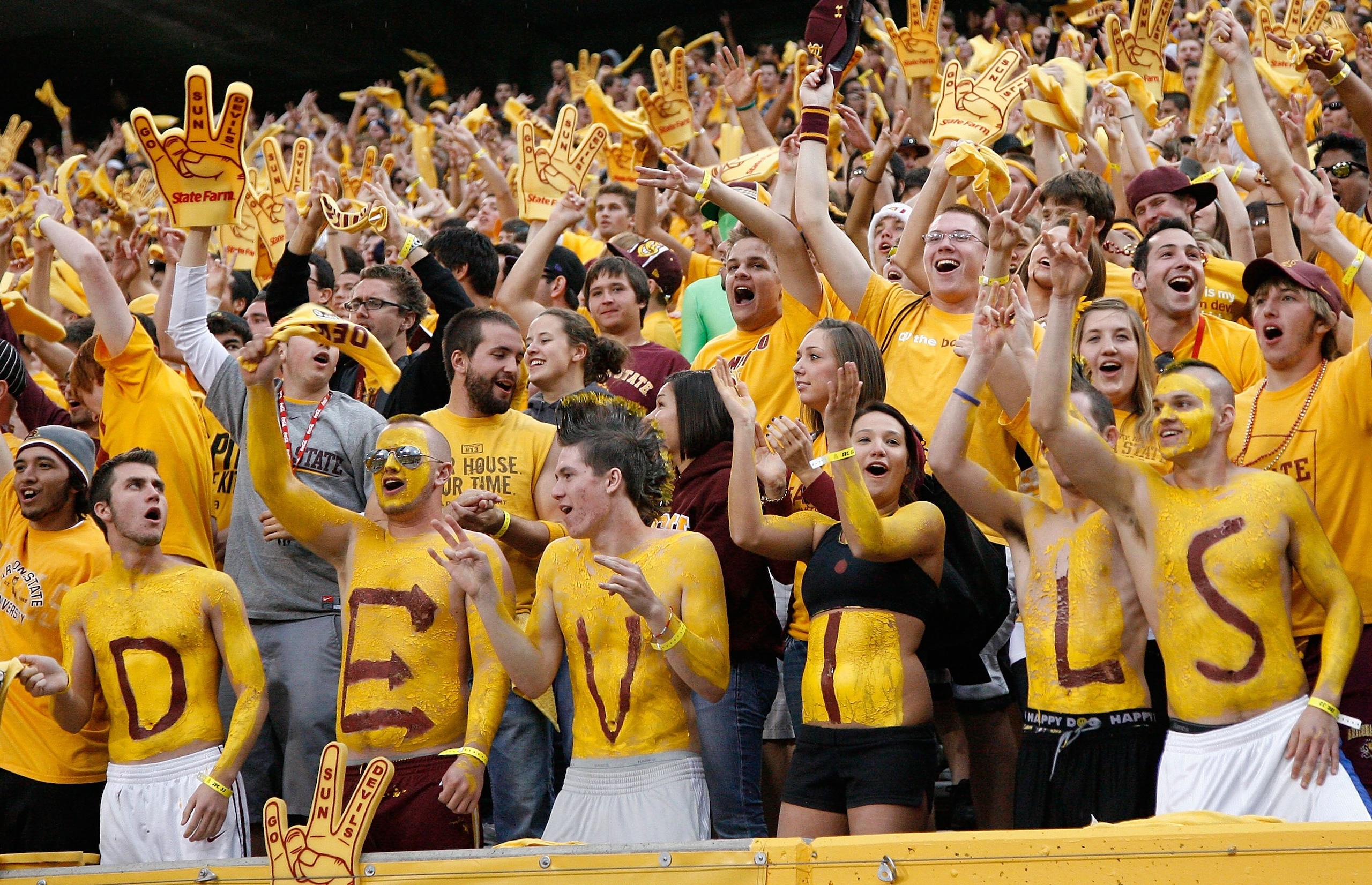
The Sun Devils carry the distinction of the BCS-AQ school with the lowest home stadium fill rate for 2010.
Yes, the Sun Devils struggled in 2010 and they haven’t had a winning season since they went 10-3 in 2007.
That said Arizona State only averaged 47,943 fans at its home contests in 2010; that’s fewer people in the seats than Minnesota, East Carolina, Louisville, Illinois, Kentucky and Washington.
Wow.
24. Nevada
27 of 50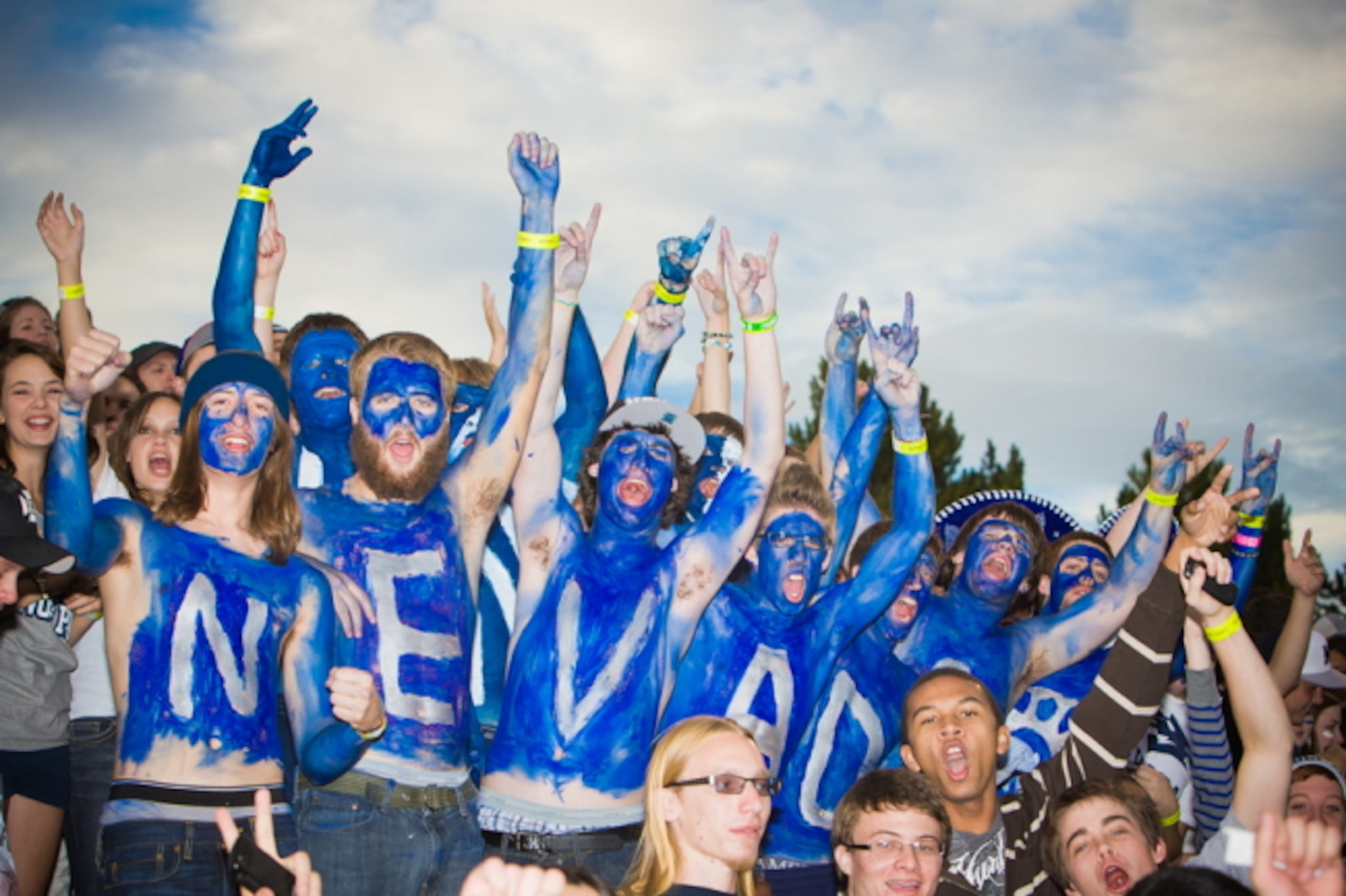
The Wolf Pack went 13-1 in 2010, ultimately falling just six points short of being perfect.
Despite their best ever performance and their only postseason AP ranking (No. 11) in program history Nevada struggled in getting folks to Mackay Stadium in Reno.
Mackay seats close to 30,000 folks and the Wolf Pack averaged fewer than 20,000 fans per home game, and this figure includes a capacity crowd for the epic game against Boise State.
23. Colorado State
28 of 50
The Rams are only 6-18 since 2009 which certainly doesn’t help season ticket sales.
Still, this is a team that played in and won a bowl game in 2008.
Colorado State averaged only 22,400 fans in Hughes Stadium which holds 34,400 people.
Of note, when the 1-3 Rams opened up MWC play in 2010 by hosting No. 4 ranked TCU on October 2 only 22,000 fans were on hand.
22. Kent State
29 of 50
The Golden Flashes haven’t experienced a winning season since 1987 when they went 7-4 and they haven’t been to a bowl game since they lost to Tampa (FL) in the 1972 Tangerine Bowl.
And so we now understand completely why an average of only 16,152 fans showed up for home games at Dix Stadium in 2010.
21. Miami (OH)
30 of 50
Prior to the 2010 season the Red Hawks were picked to finish last in the MAC East division; in fact Athlon Sport’s Preview Magazine predicted Miami would only win one game.
In reality the Red Hawks won the East and finished the season 10-4 including a bowl victory over Middle Tennessee.
Despite all the unexpected success Miami struggled putting fans in the stands; the Red Hawks averaged only 15,519 in home attendance. Yager Stadium holds just under 25,000 people which nets a 63.9 percent fill rate, the No. 21 lowest mark in the nation.
Were Red Hawk fans not ready for the magical run of their football team and did they begin to arrive as things got better in Oxford?
Well, only 13,000 fans were on hand at the season finale versus Temple.
20. Wyoming
31 of 50
Though the Cowboys struggled to a 3-9 finish in 2010, Wyoming went 7-6 in 2009 and won their bowl game over Fresno State.
Still, War Memorial had, on average, 35 percent of its seats empty in 2010, and remember, the Mountain West conference is due to become BCS automatic qualifiers in the near future.
19. Louisiana Tech
32 of 50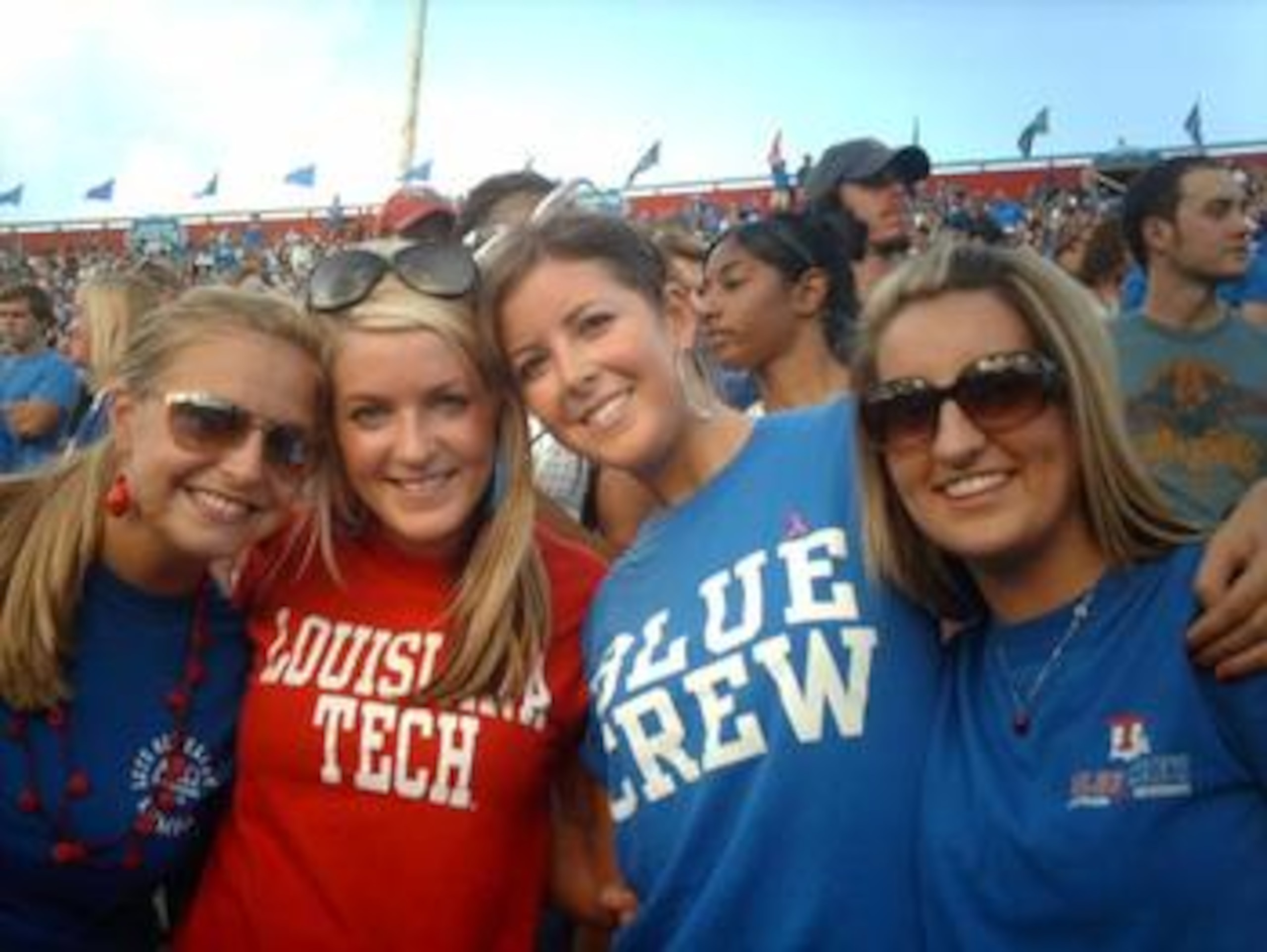
Louisiana Tech certainly isn’t a huge school, and Ruston is by no means a big town, but regardless the Bulldogs only drew 19,485 fans to home games in 2010.
But, let’s define “not huge” and “not big” before we accuse the Bulldogs fans of being dismissive of the world’s greatest team sport: Tech has an enrollment of just under 12,000 students and the population of Ruston is just over 20,000 (including those enrolled at La Tech).
18. Troy
33 of 50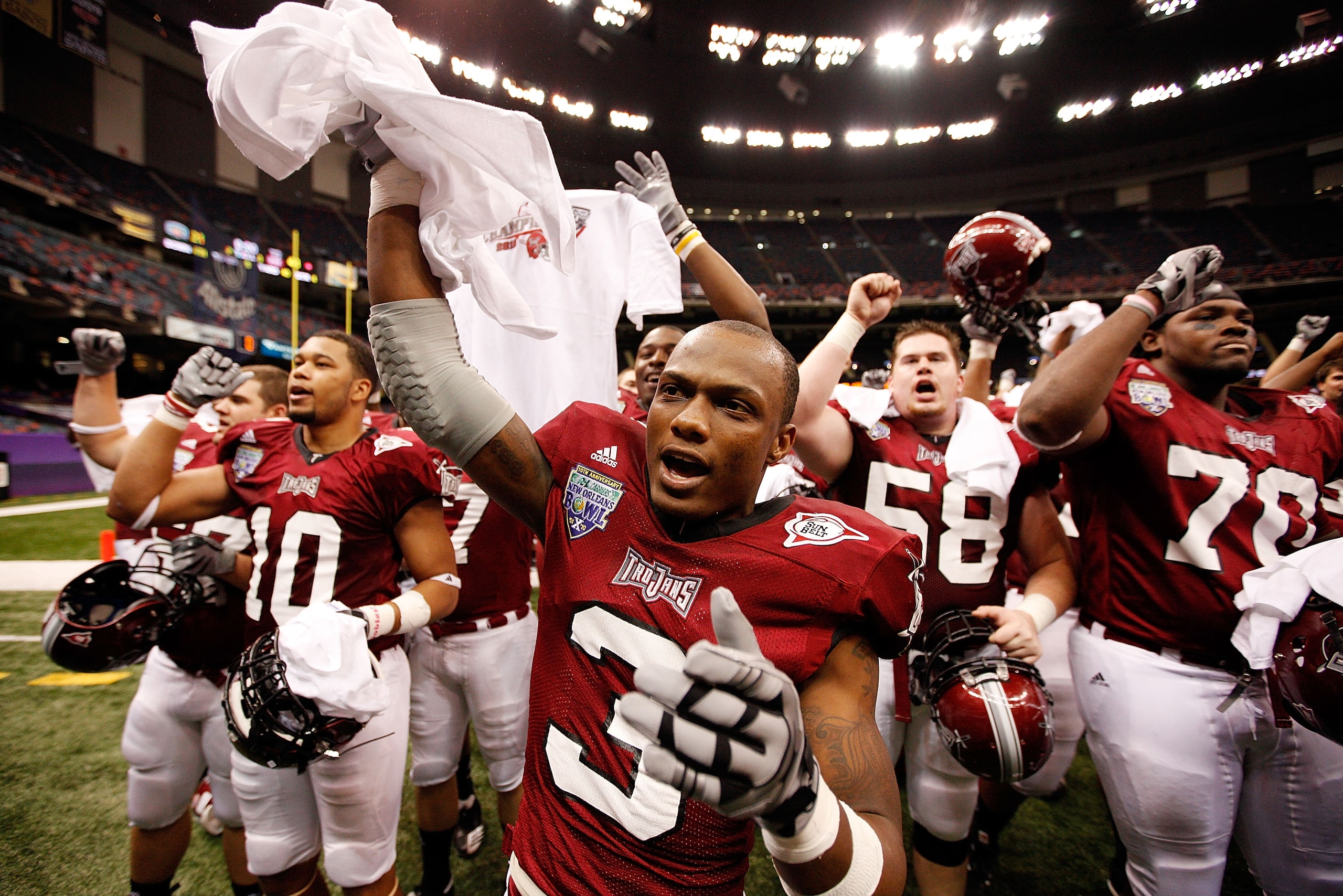
The Troy Trojans are a very good football team. How good? Well, Troy has won at least a piece of the Sun Belt conference title for the past five consecutive seasons.
Regardless of the continued success, the Trojans had great difficulty filling Movie Gallery Stadium (in Troy, Alabama) in 2010.
On average, Troy had 18,947 fans on hand for each home game last season, this in a facility that seats 30,000.
17. Middle Tennessee State
34 of 50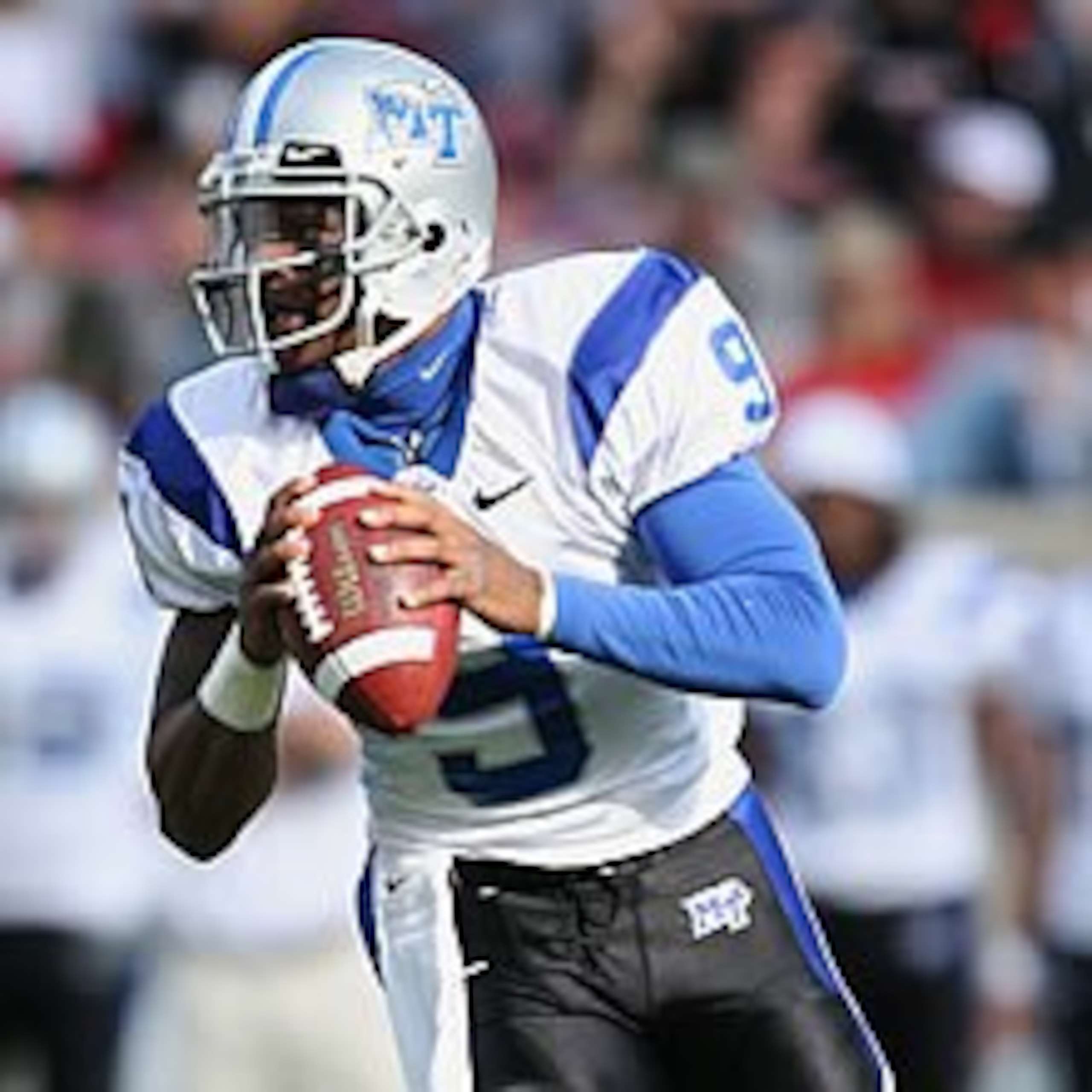
The Blue Raiders have been bowl bound for the past two consecutive seasons, quite an accomplishment for a team that has three total bowl appearances in its 10 seasons as a Division 1-A team.
Still Middle Tennessee has the No. 17 lowest home stadium fill rate in 2010 averaging 39 percent empty seats in Johnny “Red” Floyd Stadium.
16. North Texas
35 of 50
Denton, Texas, home of North Texas, has a population of 636,000 people and almost 35,000 students attend UNT making it shockingly the fourth largest university in the state of Texas.
Even with an impressive fan base to draw from, the Mean Green have been less than successful on the gridiron amassing a dismal 13-59 record since 2005.
This may explain why the Mean Green only averaged 17,718 fans at home games in 2010 (at Fouts Field which holds 30,000 people), but you have to believe that if North Texas could ever find success they would easily fill the stands located just north of Dallas.
15. Tulsa
36 of 50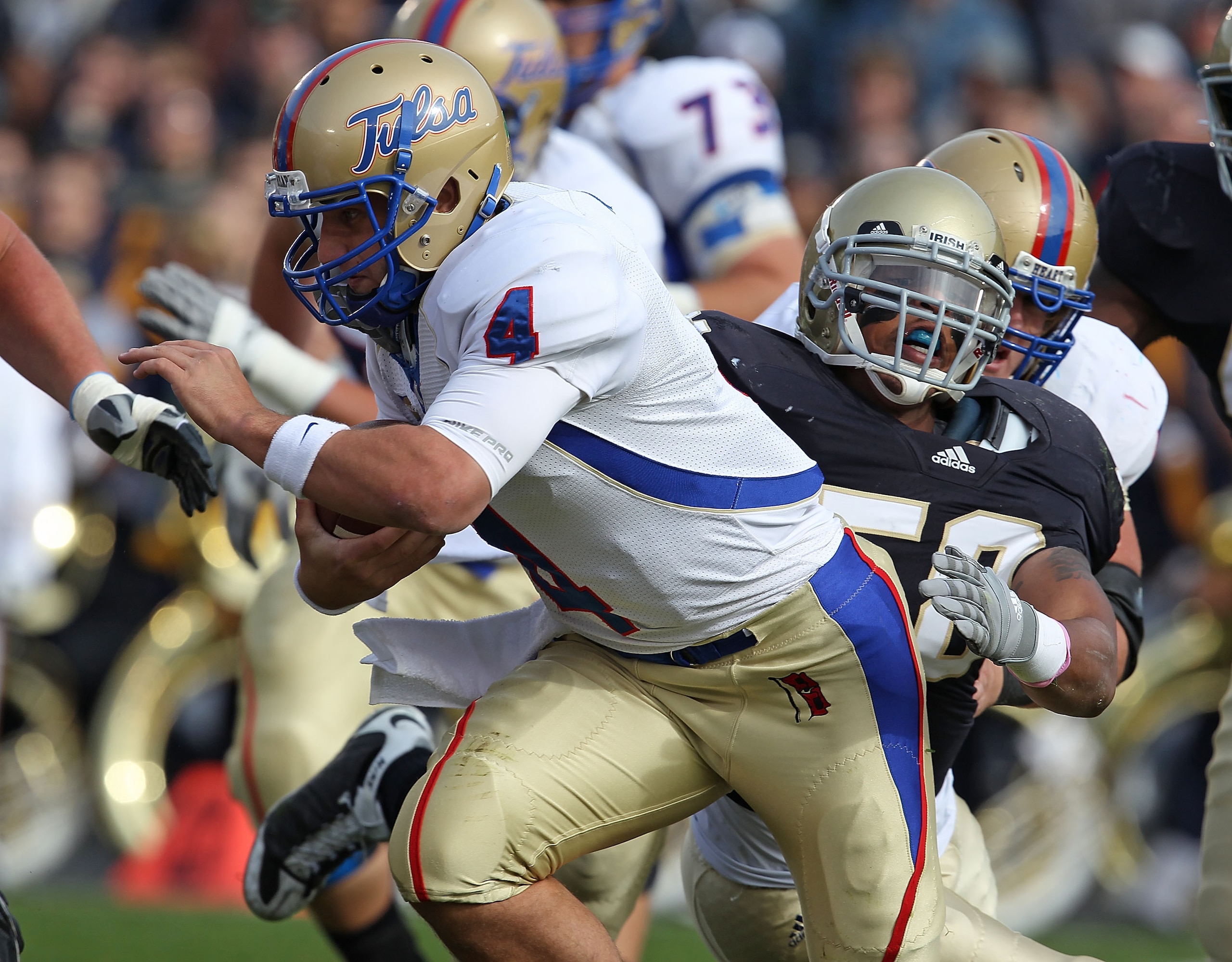
Even though the state of Oklahoma claims the University of Oklahoma, Oklahoma State and Tulsa among its Division I institutions of learning, really the “Sooner State” remains a bit of a one horse town.
And really, Tulsa is in the worst position in Oklahoma as far as drawing a fan base; it’s located relatively close to Norman and Stillwater and regardless of how good they play it’s hard to get too excited when you’ve got, at minimum, one national title contender each year.
This makes 2010’s attendance figures easier to swallow for the Golden Hurricane who finished at a 10-3 mark and were ranked in the final AP poll for the first time since 1991.
Tulsa averaged only 20,379 fans at home contests last season, this at Skelly Field which has a capacity of over 35,000.
14. UTEP
37 of 50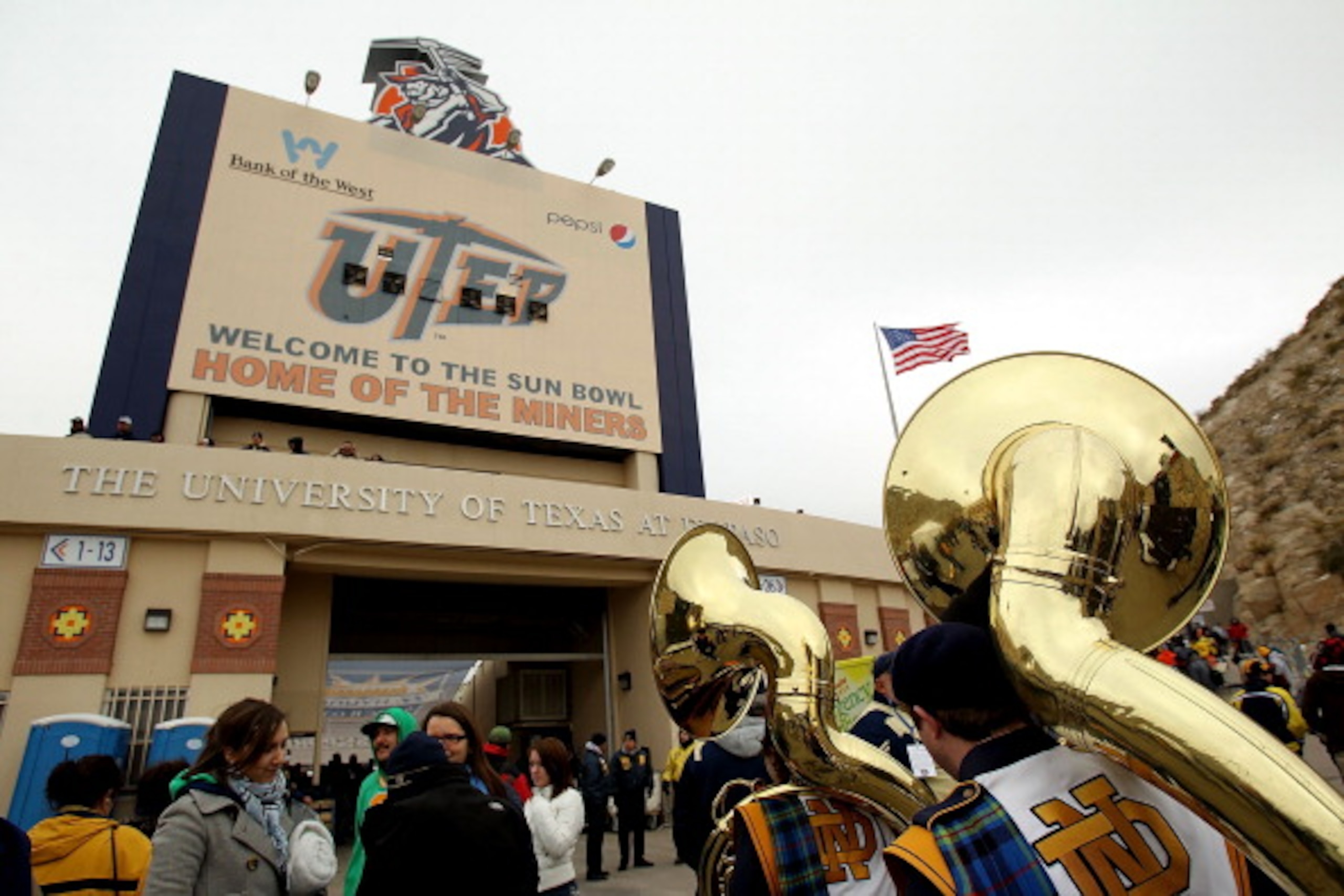
The Miners are another program that could reasonably argue that they play in too big of a stadium for their fan base.
Sun Bowl Stadium holds 51,500 people, UTEP’s enrollment is approximately 22,000 and El Paso has over 700,000 residents.
Should the Miners expect that more than 29,350 fans attend their home contests? Given the size of the city the point could be argued either way. Still, it is interesting that a full 40,000 fans were on hand for the 2010 conference home opener versus New Mexico State.
13. Arkansas State
38 of 50
The Red Wolves are another program that has struggled to reach the .500 mark in recent years.
Arkansas State has only made one bowl appearance since they moved up to Division 1-A football in 2001 and even managed to capture a co-Sun Belt crown the same year (2005).
That said Arkansas State averaged 17,394 fans per home game in 2010, this in a venue that seats just fewer than 31,000.
The net result is that 44 percent of the seats at Indian Stadium sat empty in 2010, the No. 13 highest mark nationally.
12. Bowling Green
39 of 50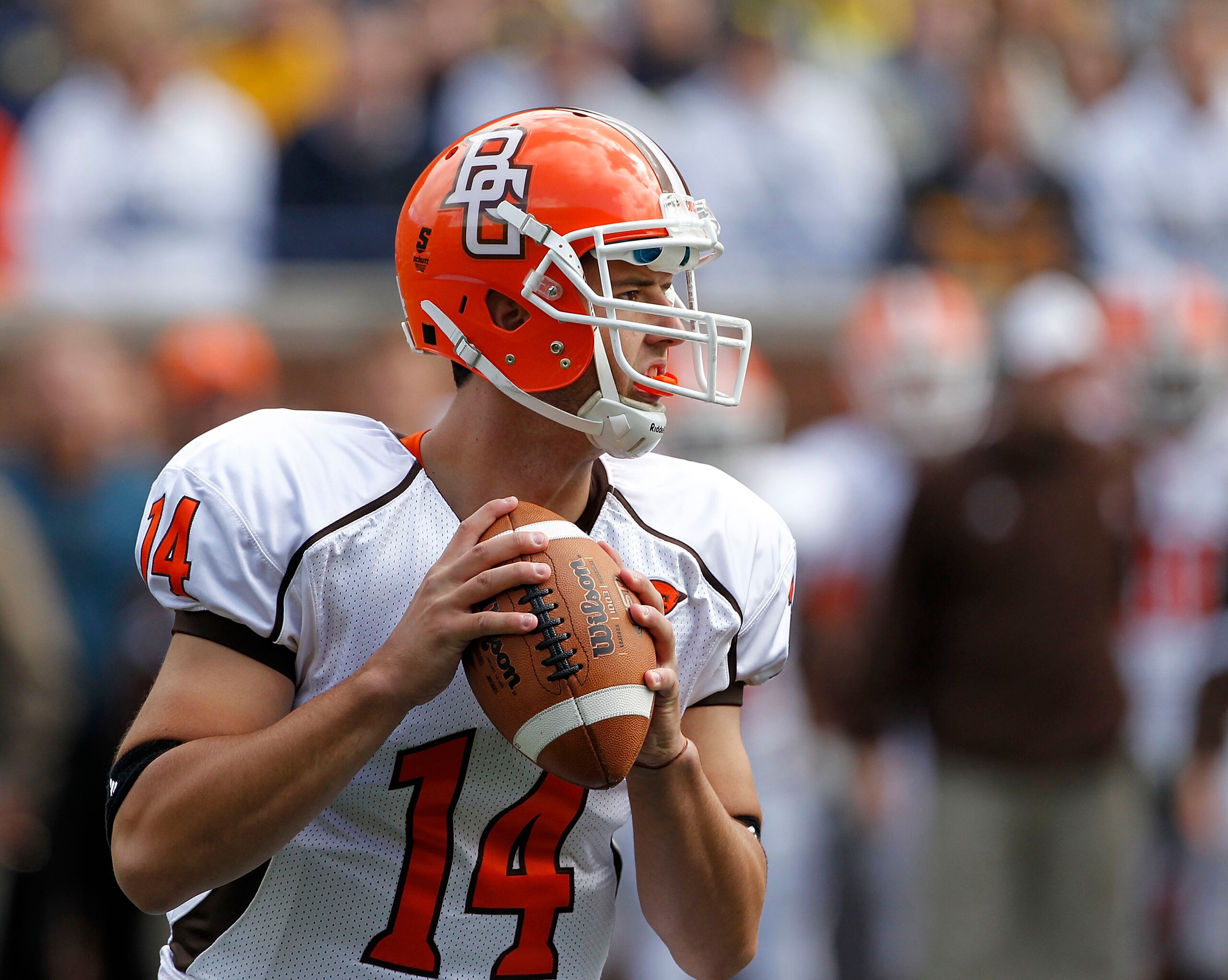
After enjoying two consecutive bowl appearances in 2008 and 2009 the Falcons only won two games in 2010.
Still, Bowling Green (located in Bowling Green, Ohio) managed only 13,306 fans per home game last season.
That’s the fifth lowest average number of fans to attend home games in the nation.
Ouch.
11. Louisiana-Lafayette
40 of 50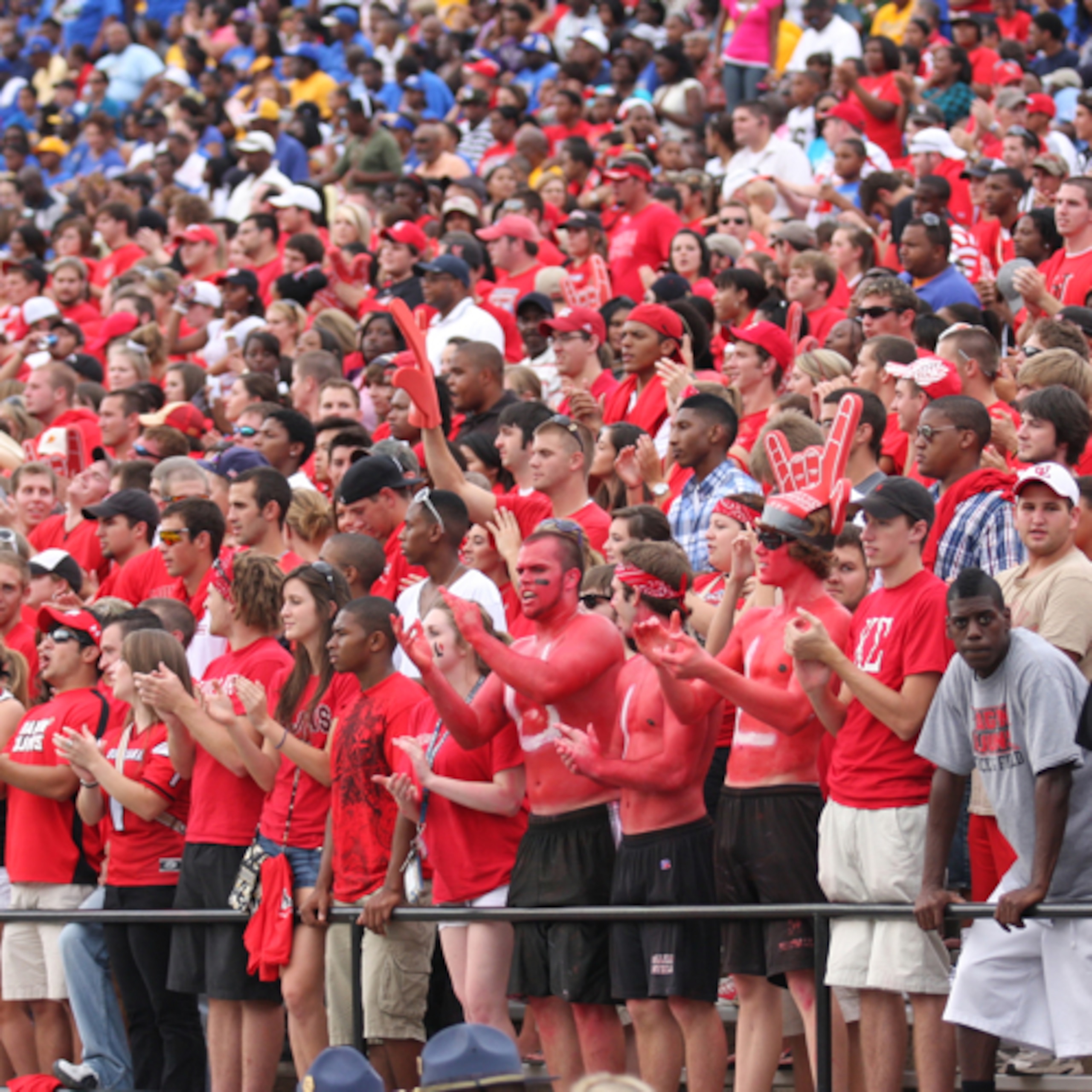
Two huge factors contribute to why the Rajin’ Cajuns had 44 percent of their home seats empty in 2010.
First, UL Lafayette has long struggled to stay just under the .500 mark, yes, they haven’t been bowl bound since they lost to Tennessee State in the 1970 Grantland Rice Bowl.
Secondly, and maybe even more significantly, Lafayette is only a mere 58 miles from Baton Rouge which just so happens to be the home of liquor infused, football crazed, Les Miles-ville LSU.
10. UNLV
41 of 50
The Rebels have suffered through 10 losing seasons since they last managed eight wins back in 2000, in fact it’s been so bad that five of these seasons produced only two wins each.
UNLV is a team that has played poorly and who plays in a relatively big stadium; Sam Boyd Stadium seats 36,800.
These are both reasonable explanations for a 56 percent home fill rate in 2010, but UNLV is another program that would seem to have limitless possibilities for an enthusiastic fan base if they could only start winning.
9. Rice
42 of 50
Rice Stadium in Houston, Texas actually hosted Super Bowl VIII in 1974 when the Miami Dolphins triumphed over the Minnesota Vikings.
Back then the stadium on Rice’s campus seated 70,000 people and since then the capacity has been reduced to its current capacity of 47,000.
Even with the reductions it could be reasonably argued that Rice plays in a stadium that is in reality too big to support its program and its fan base (with the exception of when the Owls host Texas, a game that is moved to nearby Reliant Stadium to maximize financial interests).
Still, Rice only fills about 54 percent of seats at home games but the average number of fans 25,571 is impressive for a school a school with a total enrollment of just over 7000 students.
At the end of the day many of the fans on hand for Rice games are opposing fans or sports enthusiasts from one of the largest cities in the country; Rice is hardly a hot bed for football fanatics.
8. New Mexico
43 of 50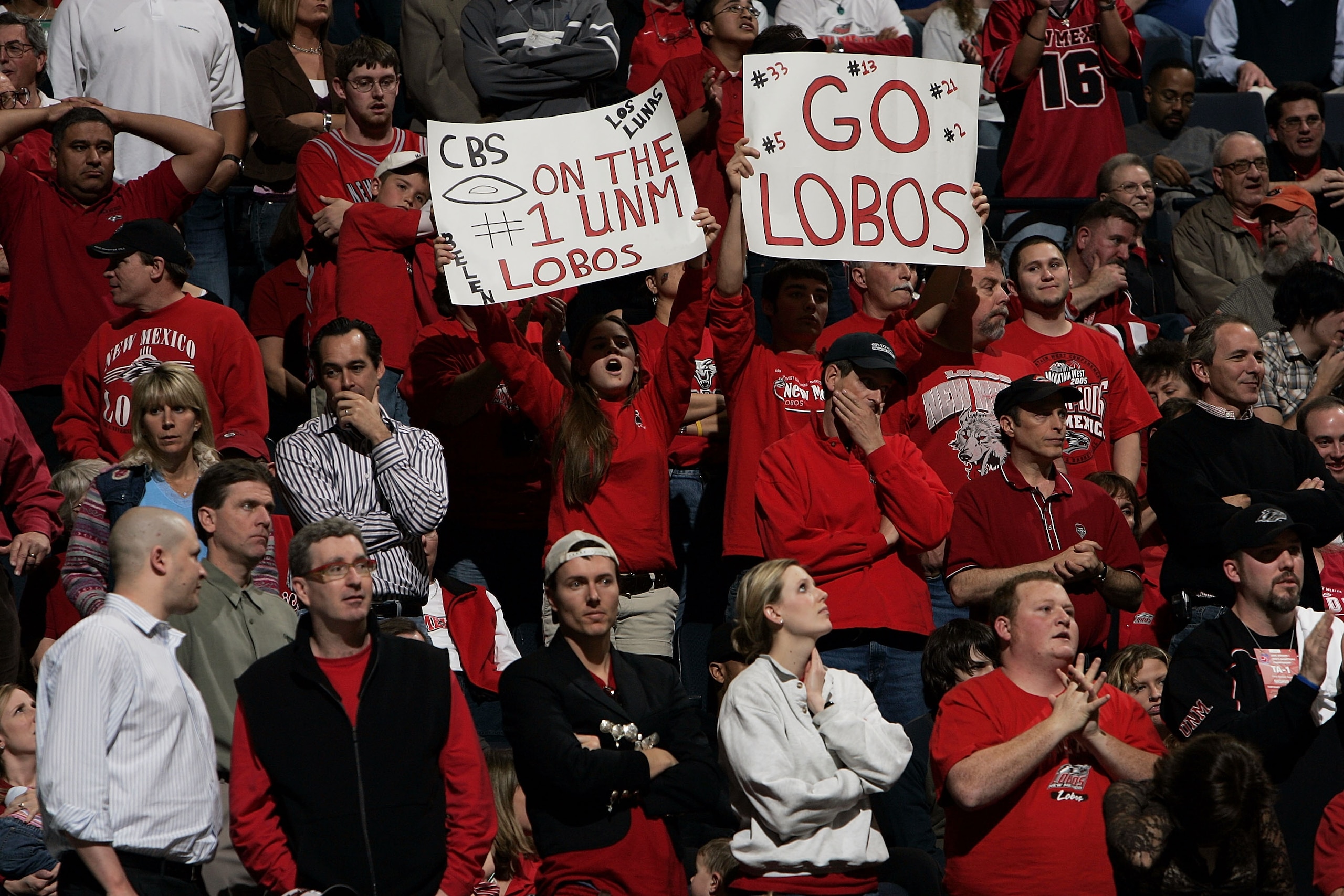
You can hardly blame Lobo fans for not showing up to their home games. Two wins in two years, 22 losses and a coach that is too expensive to fire but too controversial and inspiring to follow.
The average 20,888 fans that showed up each week at University Stadium in Albuquerque in 2010 may be the most loyal fans in college football.
I sincerely hope, in the name that all that is good, that someone fixes their football program for them, soon.
7. Eastern Michigan
44 of 50
The last time the Eagles won more than six football games in a season was 1989; in fact they have only won a total of 14 games since 2005.
It’s just not hard to figure out why people don’t flock to Rynearson Stadium in Ypsilanti. Crap, I can’t even spell either of those words much less find them on my GPS.
6. San Jose State
45 of 50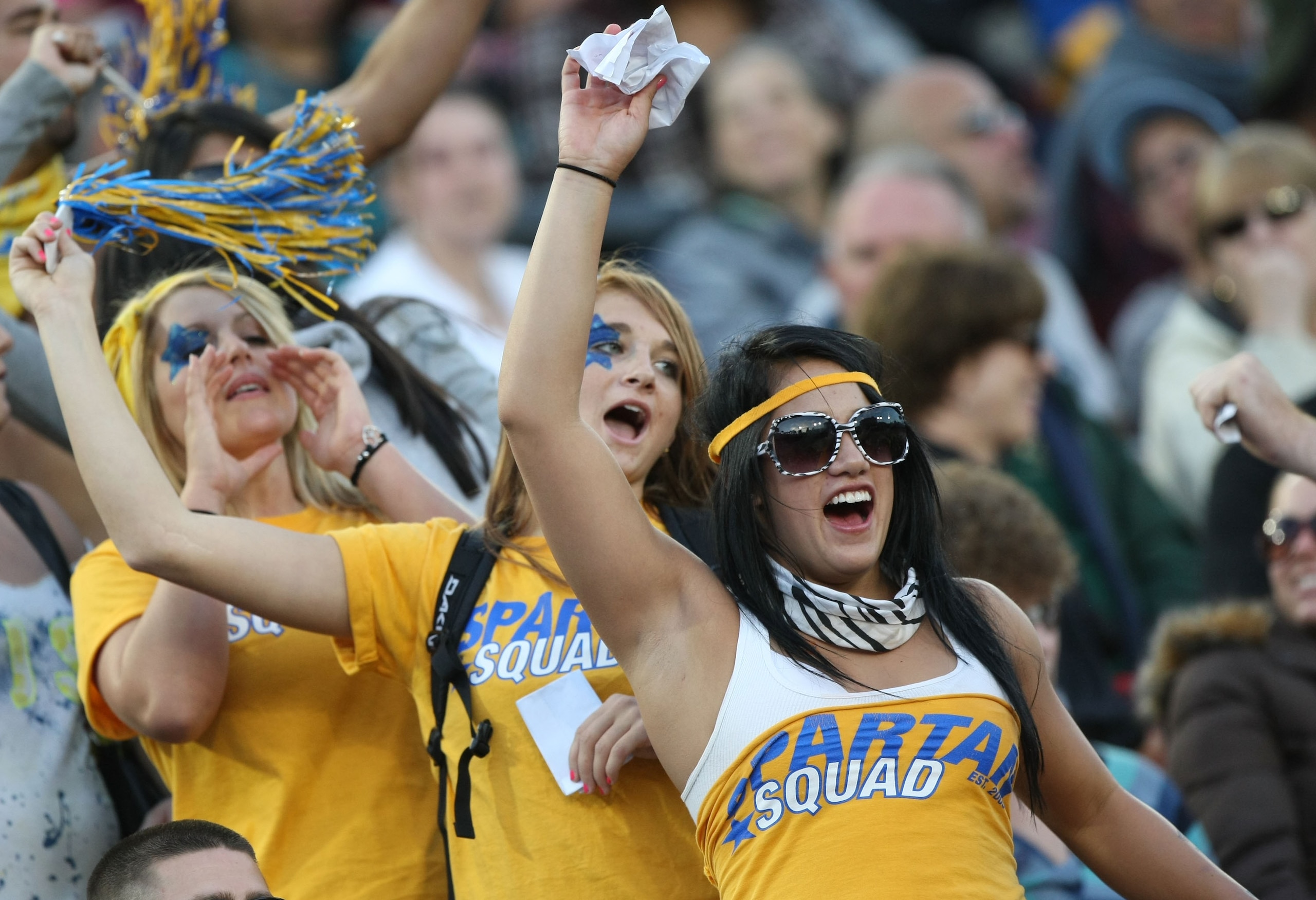
The West Coast Spartans have only managed three wins in the past two seasons. Previously, San Jose State had relative success from 2006-2008 when they earned their only bowl bid since 1990.
Even though the Spartans have struggled their average home attendance in 2010 of 14,474 is among the five lowest in the nation.
5. Western Michigan
46 of 50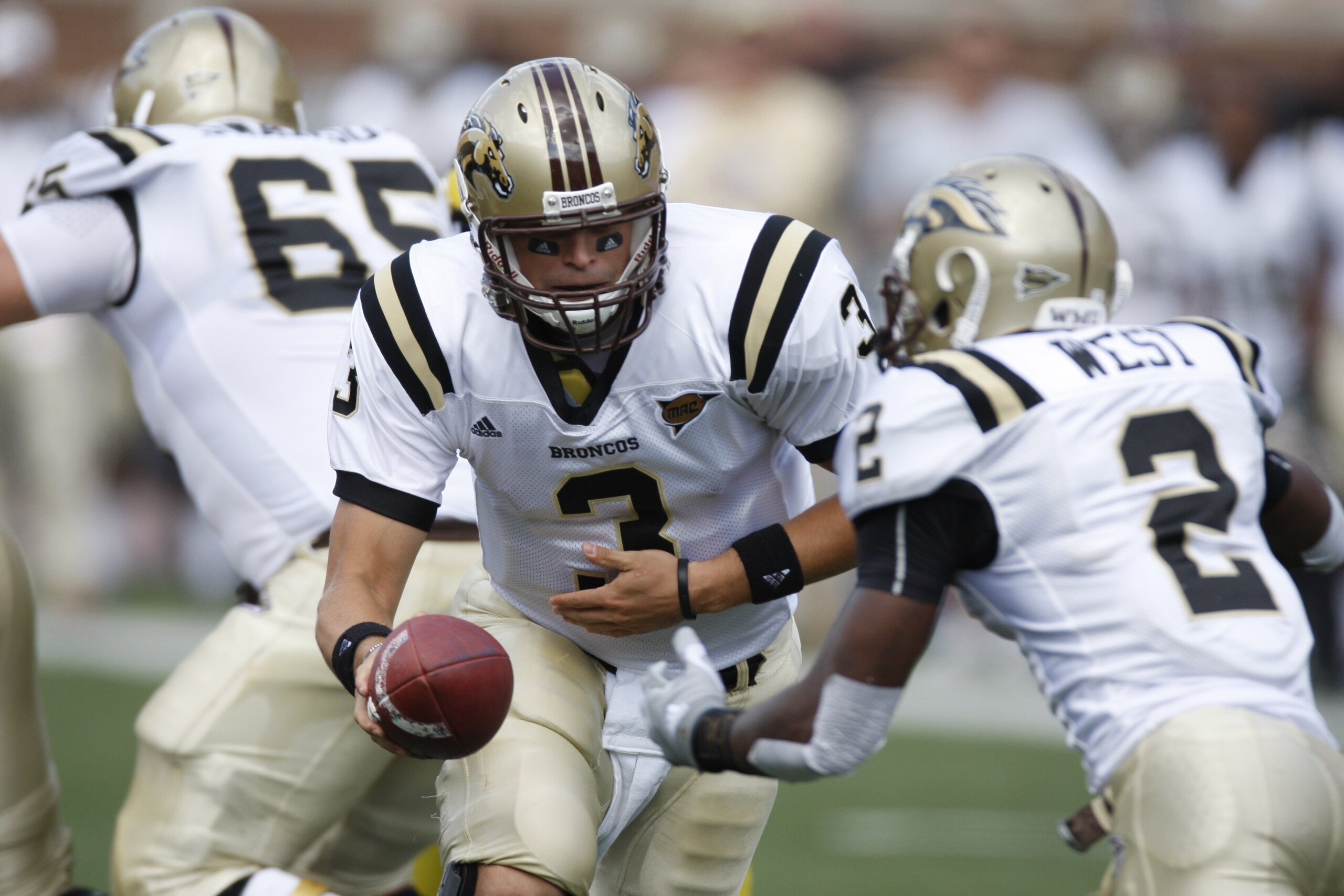
The Broncos have gone 40-32 since 2005, by far the best record among teams that have an average attendance of less than 15,000 fans per game.
Waldo Stadium holds 30,000 fans, but 53 percent of these seats were empty in 2010.
Too few Broncos are enjoying the trifling triumphs of their football program.
4. Buffalo
47 of 50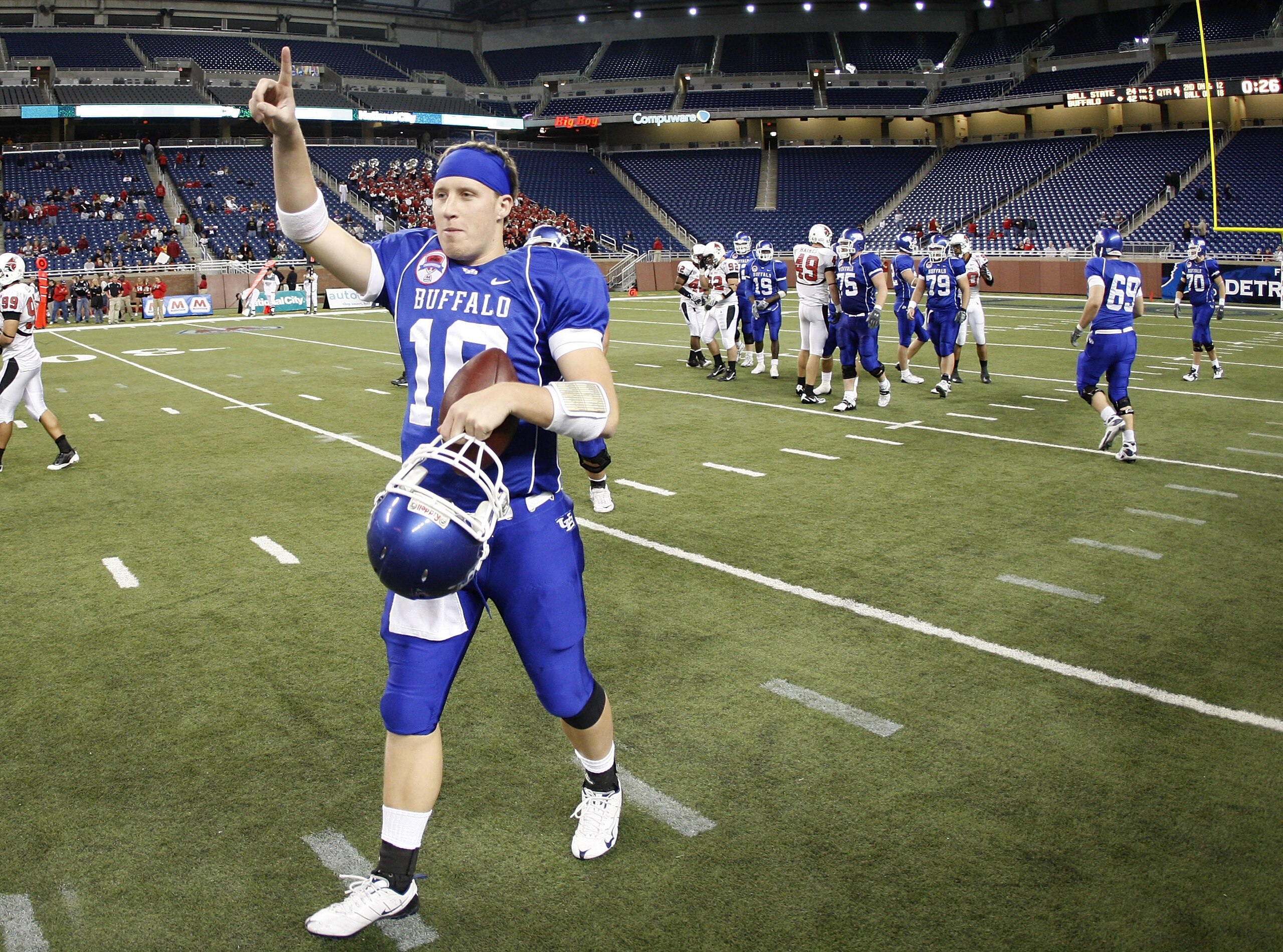
The Bulls tasted relative success under Turner Gill who spent 2010 as the head man at Kansas while Buffalo suffered a 2-10 record under first-year head coach Jeff Quinn.
Any way you slice it, or try to explain it an average home attendance of 12,981 is not good.
3. New Mexico State
48 of 50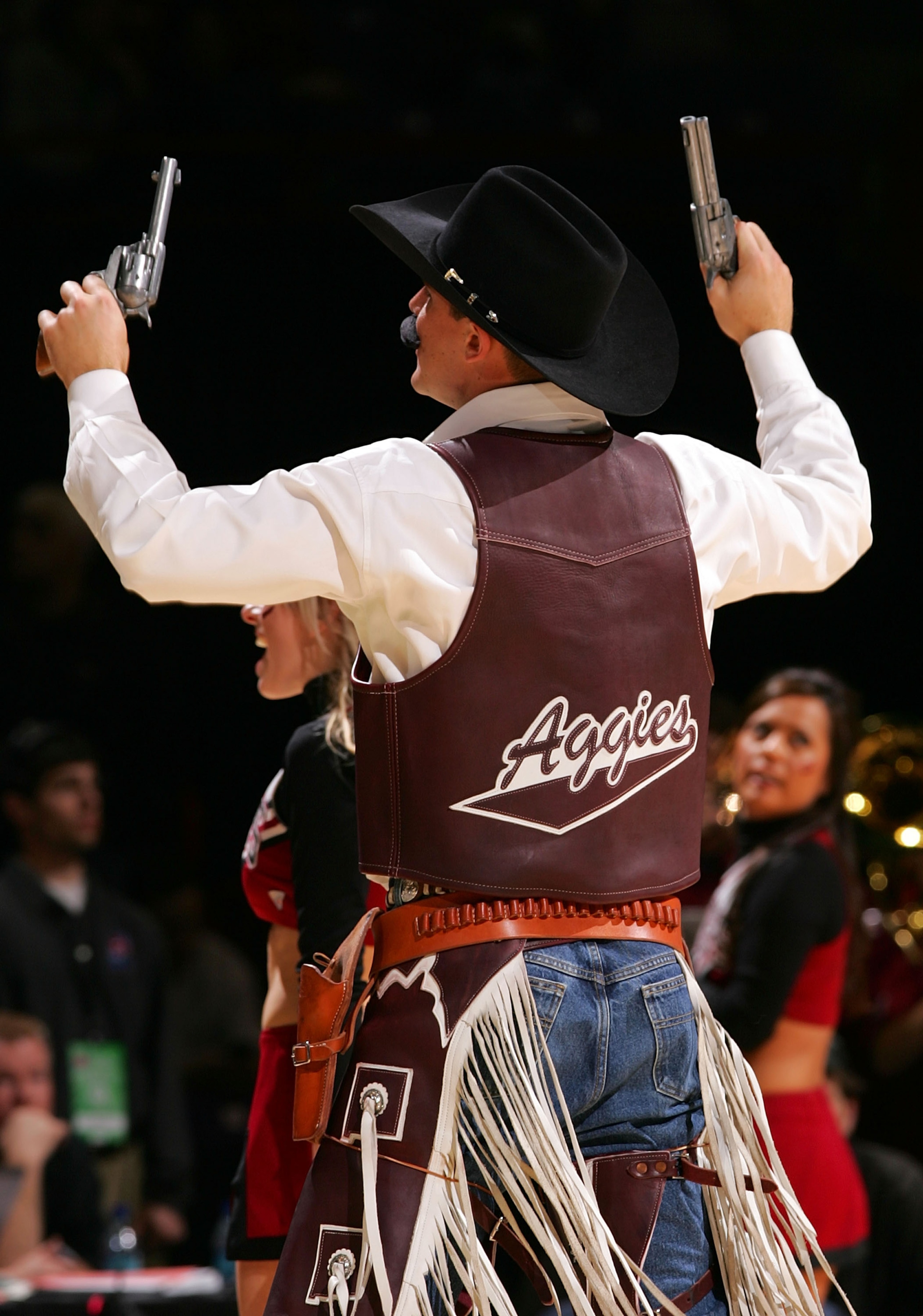
New Mexico State’s Aggie Memorial Stadium is relatively large with a capacity of 40,000. The edifice is made even harder to fill by a team that has won only 16 total games since 2005.
You can’t blame Aggie fans for leaving 60 percent of their seats empty, given they are dealing with a team that hasn’t been to a bowl game since the 1960 Sun Bowl.
2. Ball State
49 of 50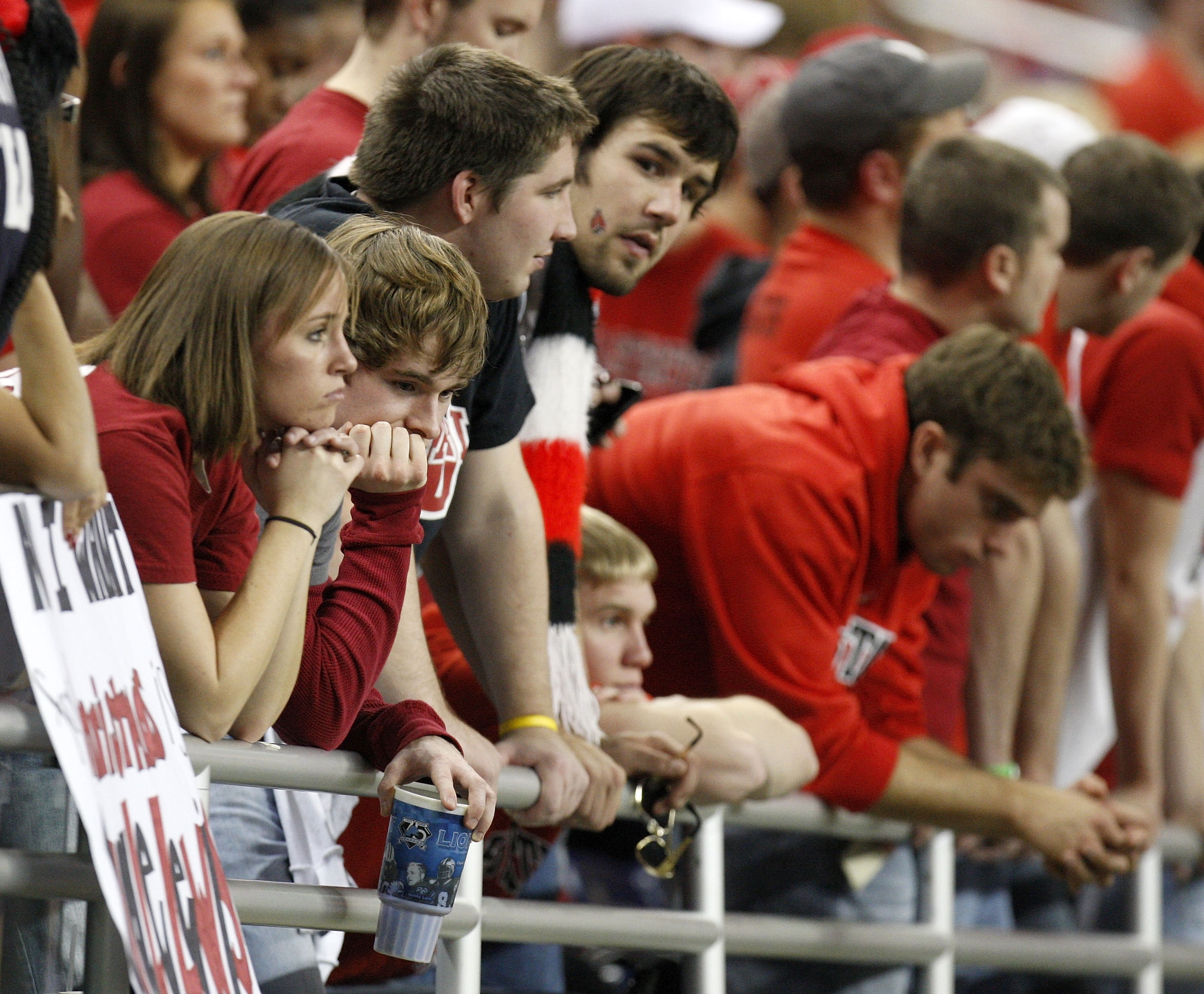
It’s hard to believe that the Cardinals (who have won just six games in the past two seasons) are the same program that won twelve games as recently as 2008 (when Brady Hoke was the coach).
Yes, the same program that earned bowl bids in both 2008 and 2009 only had an average of 8,947 fans at their home games in 2010. This is the lowest number in the country.
Sure, this was not a good team last season, but only 11,000 people showed up for the home conference opener, and this is before things got really ugly.
1. Akron
50 of 50
The Akron Zips hold the honor of having the lowest average ratio of fans at home games in 2010. The Zips venue, InfoCision Stadium-Summa Field holds 30,000 people and Akron only averaged only 10,185 fans per home game.
This means that only 34 percent of the stadium was full, or, 66 percent was totally void of a fan base.
Akron actually enjoyed a 3,040 average per game increase from 2008 when they hosted 14,342 fans per game to 2009 when they welcomed 17,342 fans per game.
Yes, the Zips only managed one win in 2010, but what would have happened if more fans would have showed up?
Poor Zippy the Kangaroo, he’s a strange mascot with a visible pouch, working a very small crowd.

.jpg?w=2560 "Most Important 2027 NFL Free Agents")


.jpg?w=2560 "Grading SmackDown 🔠")


_0.jpg?w=2560 "WWE x AAA Triplemanía 34 Night 1 📝")
.jpg?w=2560 "Lions Clear $35.6M in Cap Space")