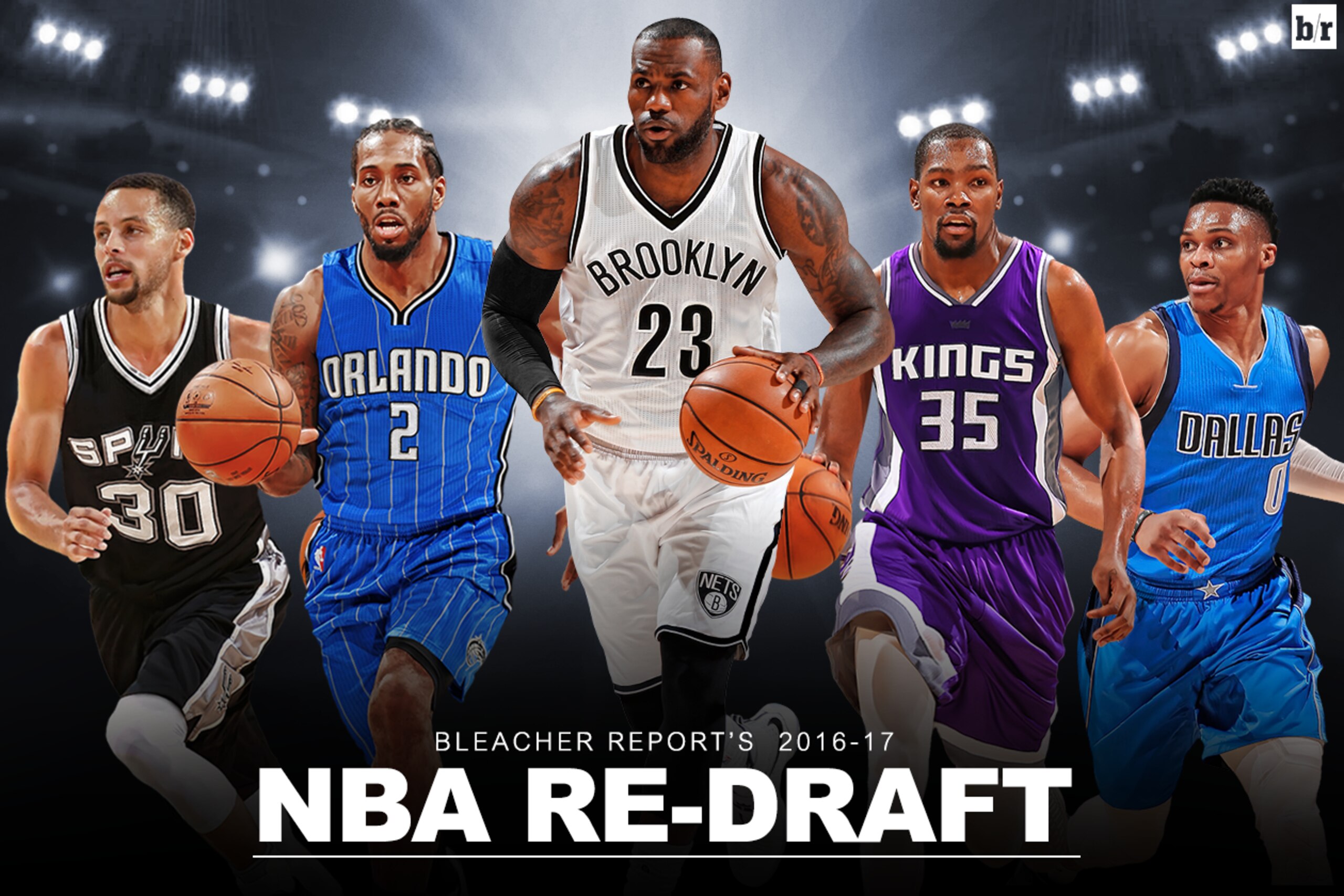

Bleacher Report's Ultimate 2016-17 NBA Re-Draft: 1st-Round Results
Stephen Curry still plays for one of the NBA's Western Conference superpowers, but it's not the one you might expect. LeBron James is taking his talents to...the Brooklyn Nets? Kevin Durant and Russell Westbrook are still splitting up, but neither is playing for the Oklahoma City Thunder.
These are the types of things that happen when a select group of 11 NBA writers and editors get together for Bleacher Report's fifth annual NBA Re-Draft—a creative, subjective and democratic way to rank the league's premier talents (players and coaches) from best to worst.
Starting from scratch and dispersing the league's talent across 30 teams to create a landscape flush with parity, these basketball minds drafted 13-man squads—12 players and a coach—for a magical 2016-17 season where injuries are suddenly healed before the first game.
Today, you'll see a full breakdown of this year's first-round picks.
Other articles detail:
- Every team's full roster, complete with analysis from those who worked together as general managers.
- NBA 2K17-inspired projections plus our voted-upon results.
Special thanks to Bleacher Report's Andy Bailey, Jacob Bourne, Joel Cordes, Dan Favale, Adam Fromal, Grant Hughes, David Kenyon, Alec Nathan, Kelly Scaletta, Greg Swartz and Jonathan Wasserman for their participation.
The Process
1 of 31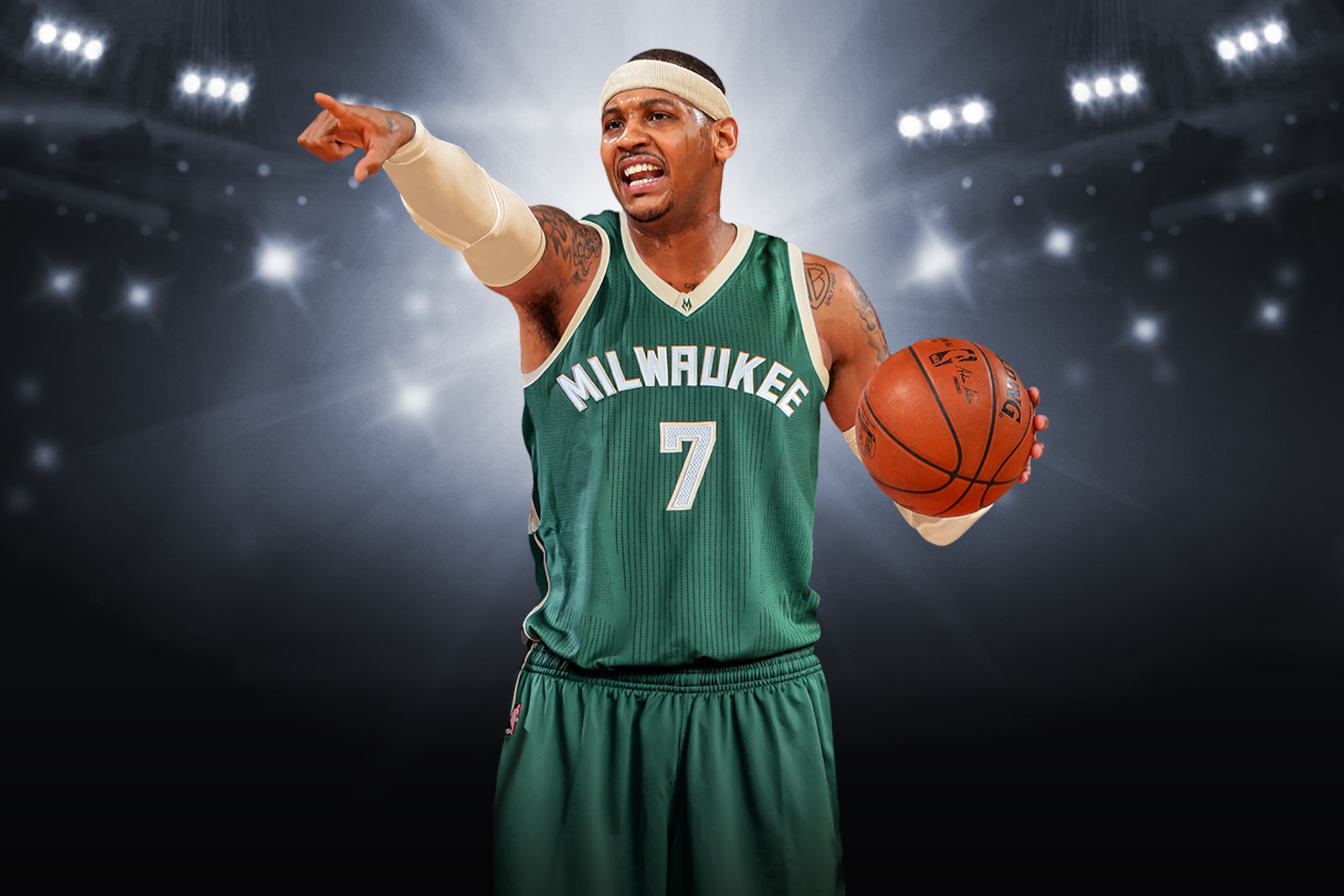
For the second straight season, we've streamlined to 11 participants (10 GMs plus a backup), with the order set so every GM gets to pick for each of the NBA's 30 teams at least once.
As a result, no one was biased toward any one organization, and everyone sought to make each squad as strong as possible in that moment's pick.
The 13 rounds proceeded in a snake format with the first round proceeding in randomized order, meaning the draft order snakes back and forth to allow for a more even playing field. Thus, the 30th team in the first round chose first in the second round, and the order of franchises was determined randomly.
Now, some rules:
- GMs were only concerned with the 2016-17 season, so how these players develop in the future is irrelevant. A player is only as good as he'll be during this upcoming campaign.
- Team fit did matter, especially when thinking about the coach. The players selected should be able to work well together, and playing styles should not clash.
- Injuries are automatically healed for the start of the season. However, injury-prone players do remain injury-prone. For example, this means Chris Bosh is still eligible to play.
- GMs could form whatever type of team they wanted. If someone wanted five centers in his starting lineup—well, then, that was his prerogative.
- Players and coaches were only eligible if they were on a 2016-17 NBA roster. Foreign players, collegiate athletes, retired stars and coaches without current NBA contracts were not available for selection.
Feel free to check out the 2015, 2014, 2013 and 2012 versions to further refamiliarize yourself.
1. Stephen Curry, San Antonio Spurs
2 of 31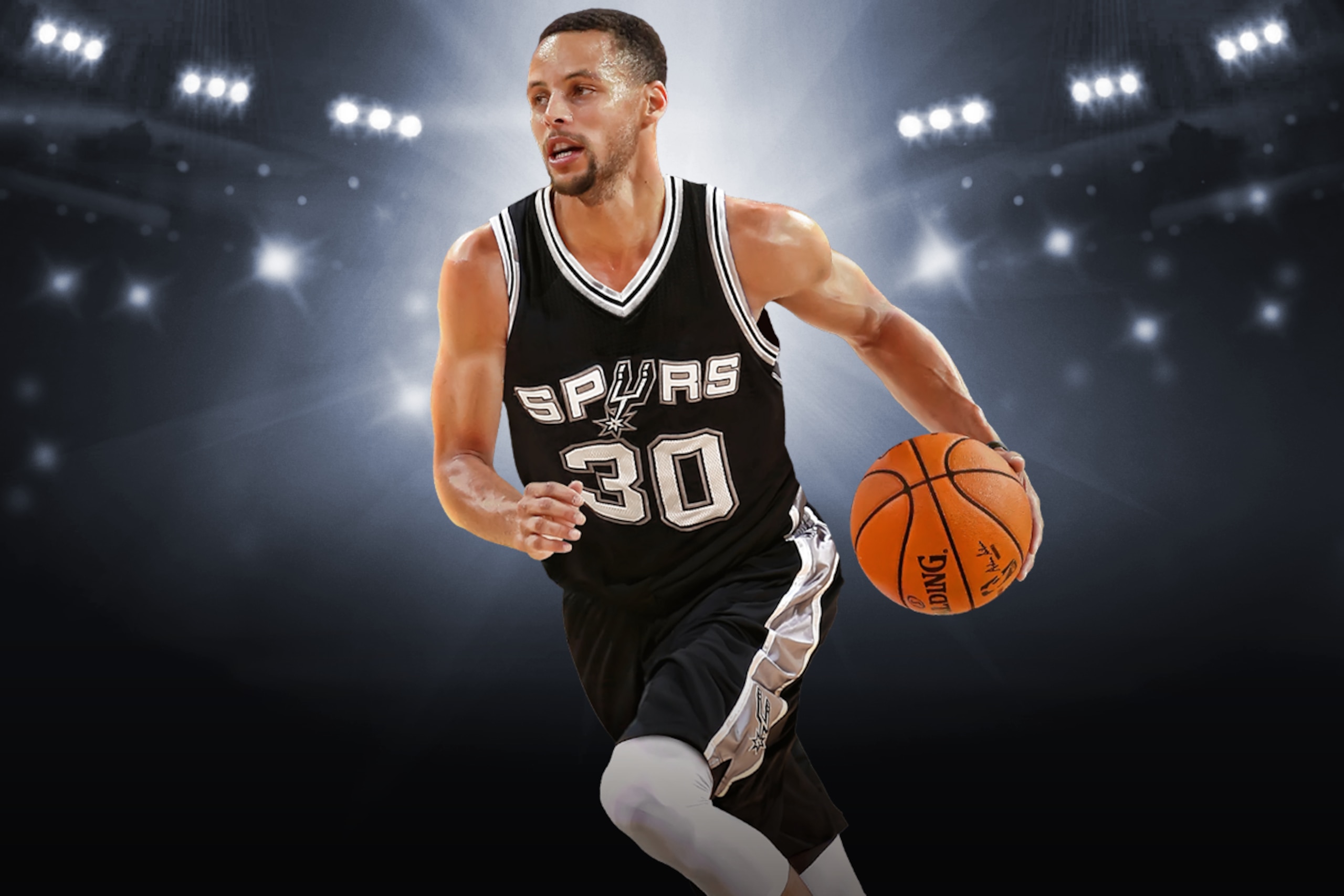
There's only one best player in the NBA, and his name is Wardell Stephen Curry II.
There is no one better to start your franchise with than a back-to-back MVP who led the league in scoring, steals and free-throw percentage via unlimited range, ridiculous handles, unparalleled creativity and a newly etched chip on his shoulder.
The substance behind his statistics is astounding.
Lest anyone think he's just a shooter, consider that Curry was 10th in defensive win shares (4.1) last year, which was reflected in his team's incredible defensive rating (101.2, second in the league) when he was on the floor compared to its dismal mark (109.6, 28th) when he sat.
He was also second in net rating (plus-18.3) and registered just the 11th individual season in NBA history with a player efficiency rating over 31.
Write-up provided by Jacob Bourne.
2. LeBron James, Brooklyn Nets
3 of 31
With Steph off the board, LeBron James was a no-brainer at No. 2.
Not only is LeBron coming off a dominant postseason run that culminated in a stunning upset of the Golden State Warriors, but he's one of the most statistically dominant players in league history.
Just consider: LeBron is already the NBA's all-time leader with nine seasons averaging at least 25 points, seven rebounds and six assists. The second-ranked player on that list is Oscar Robertson, who posted six such seasons. And then there's Michael Jordan, who recorded just one season above that high statistical threshold.
With James penciled in, postseason contention should be a lock, and you can't discount title aspirations for the Brooklyn Nets.
Write-up provided by Alec Nathan.


3. Russell Westbrook, Dallas Mavericks
4 of 31
Russell Westbrook will explode this year and emerge as the league's third most valuable player behind Curry and James. Now at age 27, he's entering his prime years, and he's already coming off a pretty strong season.
Were it not for Curry, Westbrook's 2015-16 numbers would have received even more national recognition. Few players have ever been capable of averaging 23.5 points, 7.8 rebounds, 10.4 assists and 2.0 steals while shooting 45.4 percent from the field, but this point guard sometimes made those contributions look...easy.
A leader and tremendous competitor at the league's toughest position, Westbrook is the ideal talent for the Dallas Mavericks to build around. He'll single-handedly carry his team to a playoff berth.
Write-up assisted by Jonathan Wasserman.
4. Kawhi Leonard, Orlando Magic
5 of 31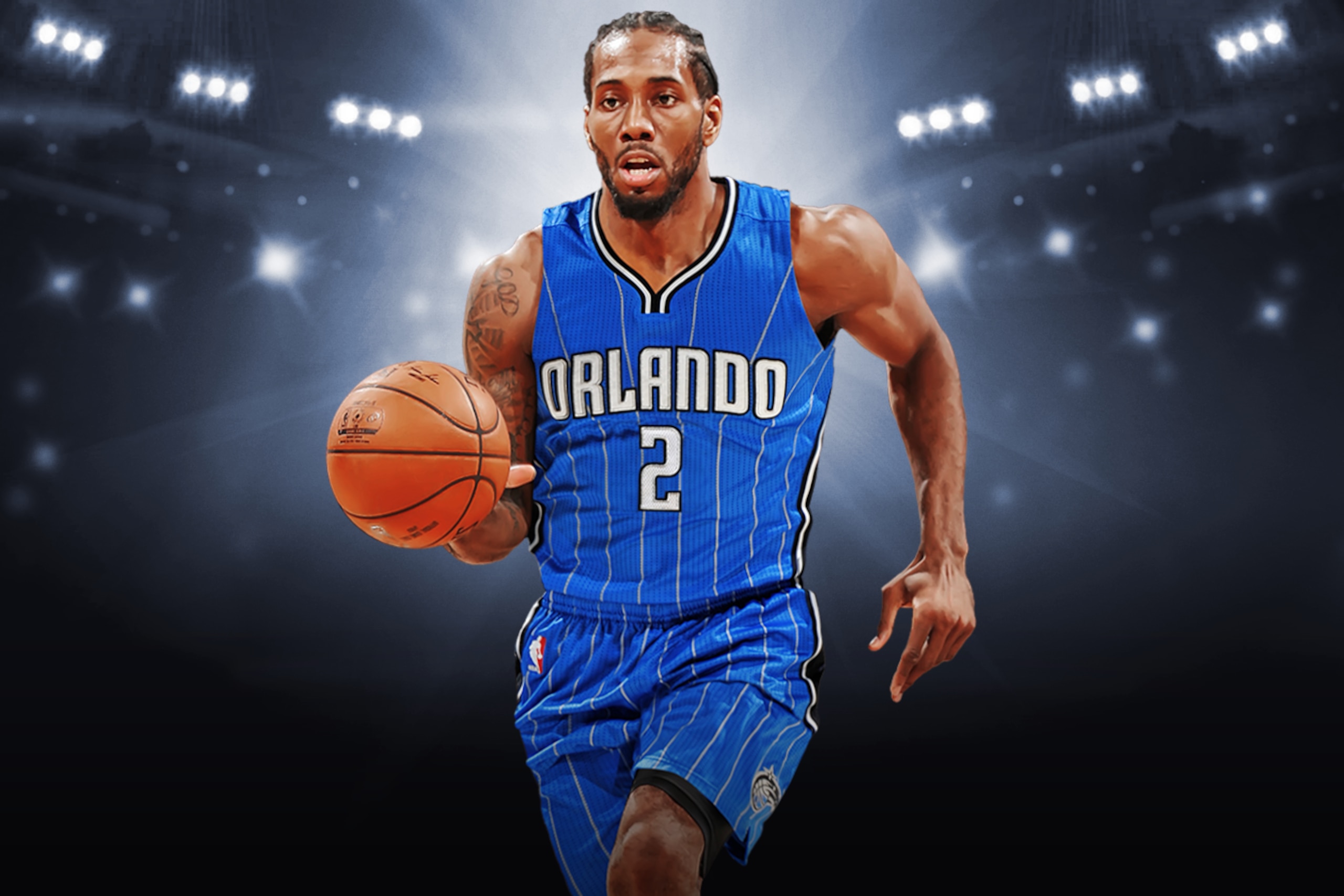
The question here is obvious: Why take Kawhi Leonard over Kevin Durant?
While it may seem silly, there are a few reasons: Defense does indeed win championships, and there isn't a better place to start than the two-time defending Defensive Player of the Year.
Second, defense isn't all Leonard does anymore. Last season, his true shooting percentage (.616) was less than two points below Durant's (.634), his offensive rebounding percentage (4.7) more than doubled Durant's (2.0), and his turnover percentage (7.8) was just over half of Durant's (13.5).
He's not as far behind on that end as you think.
And finally, Leonard already has the championship pedigree and pearls of Popovichian wisdom to impart to his teammates.
Write-up provided by Andy Bailey.
5. Kevin Durant, Sacramento Kings
6 of 31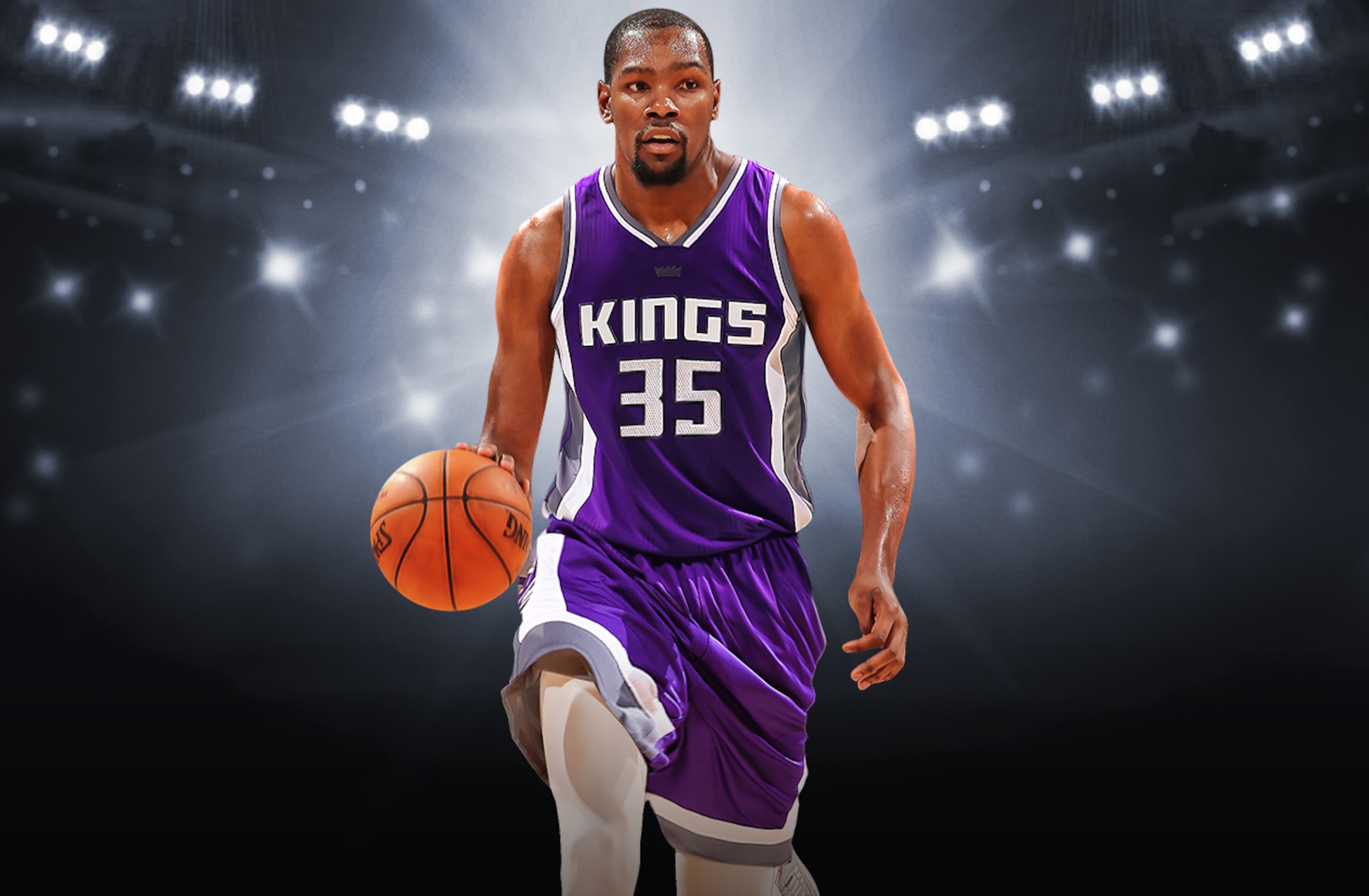
Is there really a need to justify taking Durant at No. 5?
If this were a future-focused draft in which we were making decisions based on the consequences three, four and five years down the line, maybe you don’t take him in the top five.
But this exercise is about the here and now, and Durant, despite abandoning the Thunder in real life for the fast-tracked Golden State Warriors, remains one of the three to five best players in the league—a 6'9" 7-foot(ish) 50-40-90 machine with the vision of a point guard and, on many nights, the ceiling of an All-Defensive second-team staple.
I have no regrets. To the contrary, it should be Mr. Wasserman, who valued Westbrook over Durant at No. 3, who is left lamenting his own top-five decision.
Write-up provided by Dan Favale.
6. Anthony Davis, New York Knicks
7 of 31
The future of NBA big men, Anthony Davis is already extraordinary on both ends of the floor.
The 23-year-old is a three-time All-Star who has been named to All-Rookie, All-Defense and All-NBA teams. Since 2000, Davis has joined Shaquille O'Neal, Kevin Garnett, Tim Duncan and Elton Brand as the only players to average at least 24 points, 10 rebounds and two blocks in a season.
Davis also recently added the three-ball to complement his mid-range and post game.
A terror for opponents on defense, he's already led the league in blocks per game twice and is a perennial Defensive Player of the Year candidate.
Write-up provided by Greg Swartz.
7. Paul George, Phoenix Suns
8 of 31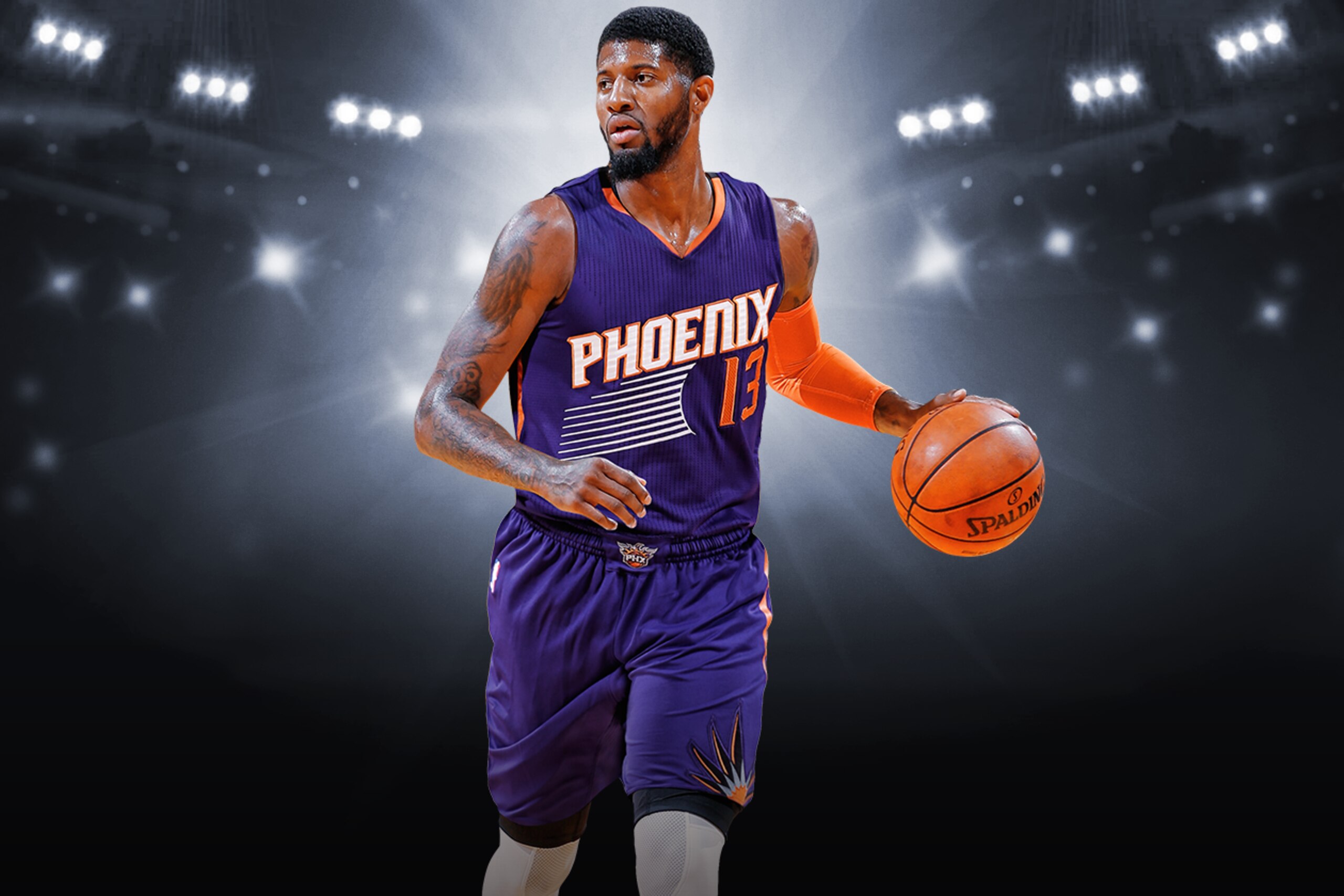
The only wings in the NBA better than Paul George? James, Leonard and Durant.
All three were off the board by No. 7 overall.
Durability isn't a concern with George, which is what you want from a franchise player. Yes, his nauseating-to-watch injury clouds recent history, but during four healthy seasons between 2011 and 2016, George missed a total of six games.
The 26-year-old registered or tied career-high marks all over the stat sheet in 2015-16, including points (23.1), assists (4.1), steals (1.9) true shooting percentage (.557) and player efficiency rating (20.9) last season. Turnovers are a minor concern, but he's an elite two-way player.
George was initially selected with the intent of his playing small forward. The outcome of the re-draft brought a different outlook, but we'll get to that later.
Write-up provided by David Kenyon.
8. Karl-Anthony Towns, Los Angeles Clippers
9 of 31
Do I really need to defend taking the best big man prospect in a generation?
I guess I probably do, since I picked him ahead of James Harden, Draymond Green, Jimmy Butler and Chris Paul, among many others. Karl-Anthony Towns at No. 8 overall is a forward-looking pick, and I made it by asking myself a simple question: Would I be surprised if Towns wasn't considered one of the NBA's 10 best players at the end of the 2016-17 season?
The answer was yes, and that set my floor. It meant he shouldn’t slip past 10th.
It's even possible that Towns will become the unquestioned best big in the league this year, and you can effectively build any kind of team you want around him: big, small, space-based, post-up based, pick-and-roll based...
You can be confident he'll not only fit in with whoever else you select, but that he'll thrive.
Write-up provided by Grant Hughes.
9. Draymond Green, Golden State Warriors
10 of 31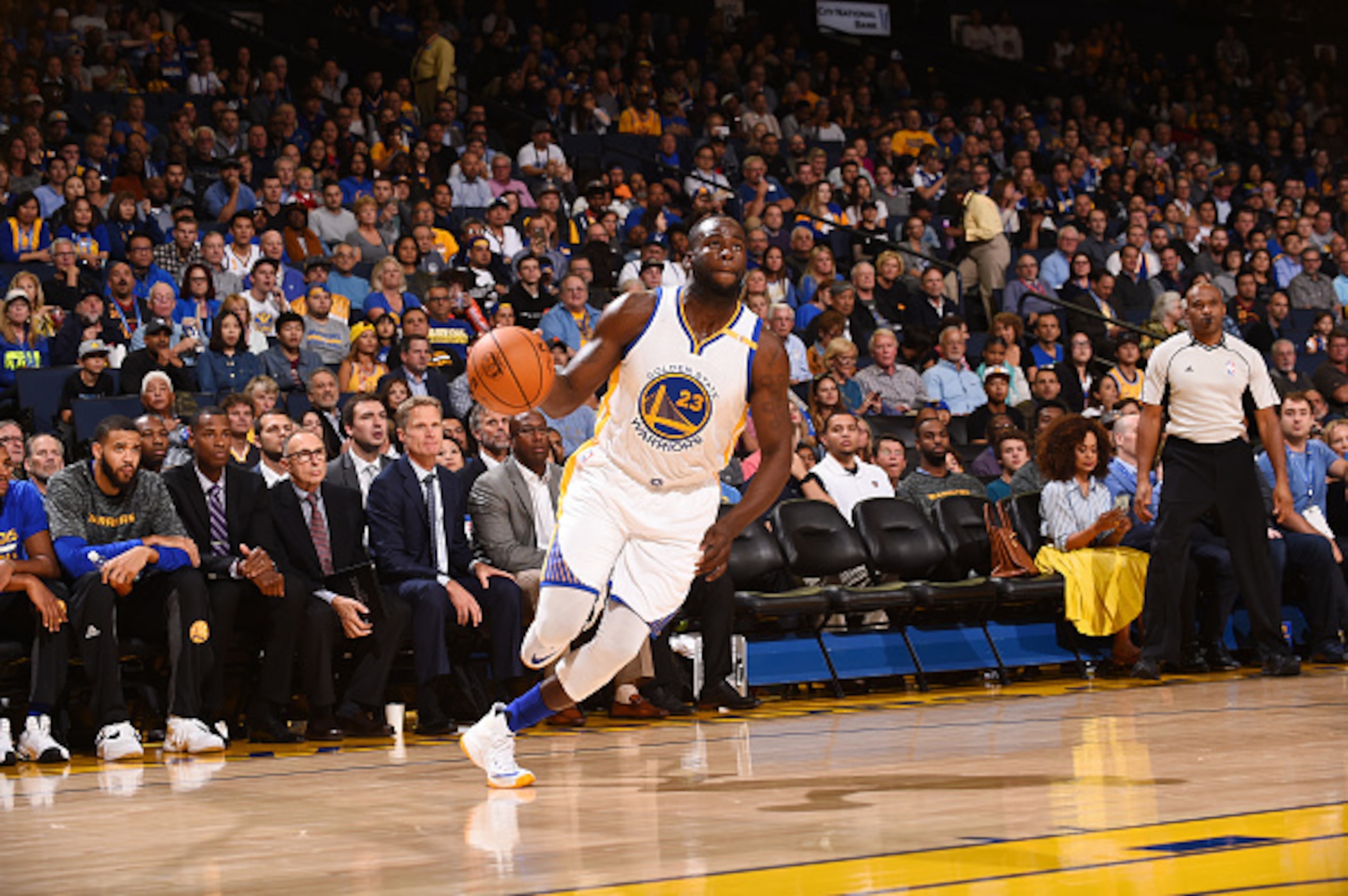
At this time last year, drafting Draymond Green in the first round was roundly panned (including by me), despite his being an NBA champion: "There's no way he can be a team's best player, is there?" we said.
Fast forward, and Green has unequivocally proved he can be both a (all-time historic) team's motor, as well as its heart and soul.
But can this do-it-all forward be a team's No. 1 option? Was he worth taking in the top 10?
He's so good defensively and at filling in all the other gaps on both ends while also being a stellar leader that I bet hard on him essentially lifting up whoever was drafted next.
Few NBA players can have that kind of effect. There's no question anymore with Green.
Write-up provided by Joel C. Cordes.
10. James Harden, Los Angeles Lakers
11 of 31
It's stunning that James Harden fell to No. 10 in the first place.
It was a no-brainer to take him there: He averaged 29.0 points, 6.1 rebounds and 7.5 assists per game last year. He also led the league in total points for the second straight season.
And I know some people think, "That's great, but what about defense?"
According to NBA.com, there were only four players in the league who were the closest defender on more attempts than Harden last year. I'm not arguing he's a great defender (opponents shot 2.2 percent better than their season averages on those shots). But that does challenge the lazy-defender narrative.
And no one has done more to carry his team's offense the past three years.
Write-up provided by Kelly Scaletta.
11. DeMarcus Cousins, Detroit Pistons
12 of 31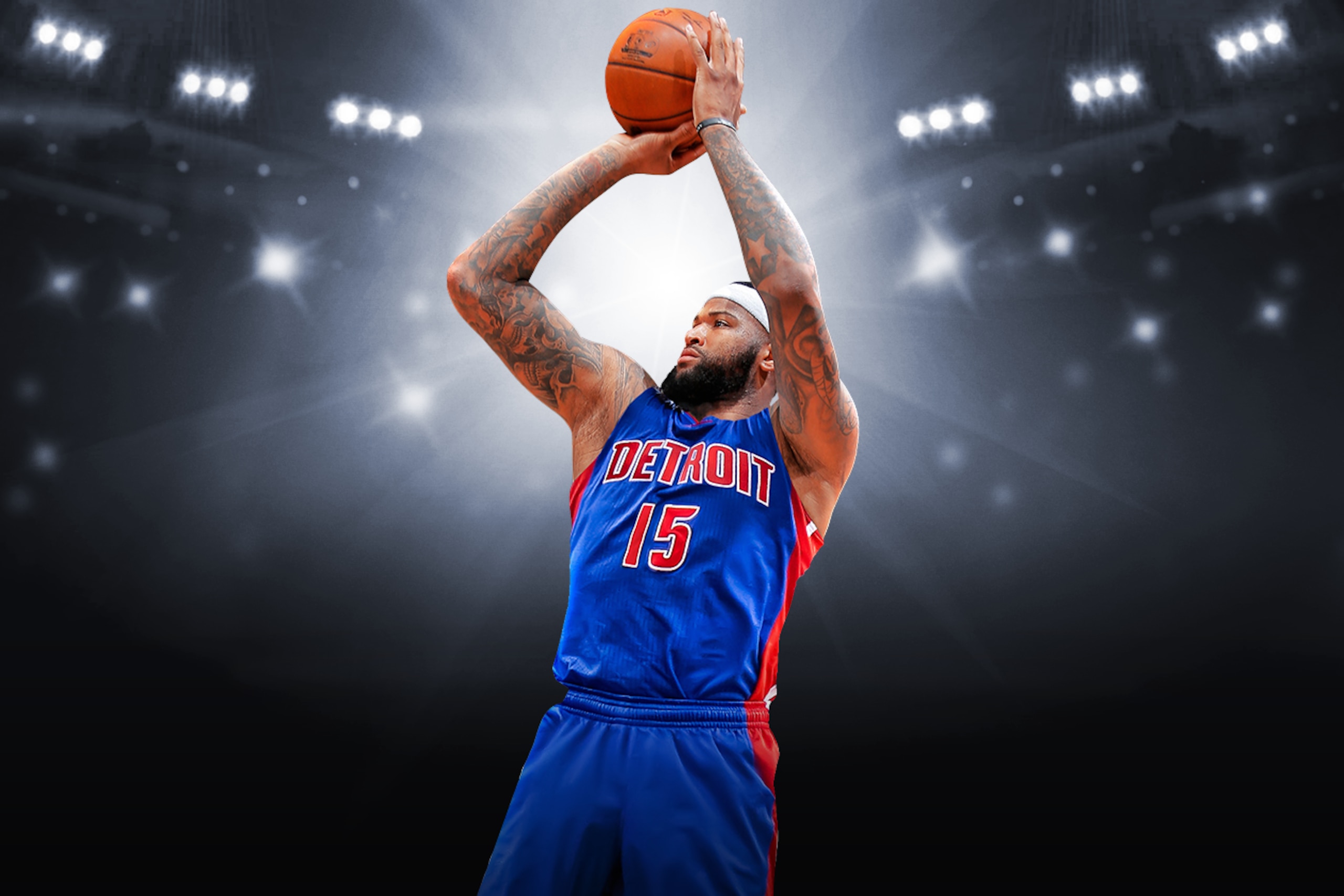
There are only three players in the history of the NBA who have averaged 26.0 points, 11.0 rebounds, 3.0 assists and 1.5 steals per game in a single season: Hakeem Olajuwon, Karl Malone and DeMarcus Cousins.
The first two are Hall of Famers. Boogie's got a shot to be one too.
He's that good, even though he's stepped on his own toes with a long history of tantrums. He is far from the only one to blame for his low winning percentage through six NBA seasons. With the right coach, culture and system around him, Cousins is one of the best choices in the whole league to start a franchise.
He could have been selected without a flinch four picks earlier.
Write-up provided by Jacob Bourne.
12. Paul Millsap, Indiana Pacers
13 of 31
Paul Millsap has long been regarded as one of the league's most underappreciated players, but his production was jaw-dropping last season.
Averages of 17.1 points, 9.0 rebounds, 1.8 steals and 1.7 blocks made Millsap the only player to post those marks on a nightly basis, and he repeatedly flashed his versatility by flustering opponents with tremendous defensive instincts on the perimeter and in the paint.
As a result, Millsap earned All-Defensive second-team honors for the first time in his career. Also, consider that Millsap and Cousins were the only players last season to tally at least three assists per game while scoring 17 points and grabbing nine rebounds a night.
It's hard not to look at the real-life Atlanta Hawks cornerstone as one of the league's most dominant two-way players.
Write-up provided by Alec Nathan.
13. Jimmy Butler, Cleveland Cavaliers
14 of 31
Butler returns as a more mature, experienced veteran following the 2016 Rio Olympics.
One of the top two-way players and most complete scorers in the league, he's ready to put a team on his back and emerge as its franchise player. This should be Butler's best season yet at 27 years old.
Sharpie him into the 2016-17 All-Star Game, especially if he can replicate last year's stats—20.9 points, 5.3 rebounds and 4.8 assists while shooting 45.4 percent from the field. Plus, let's not give up hope that he improves upon those numbers while surrounded with more complementary talent and playing in a role that suits his talents perfectly.
Write-up assisted by Jonathan Wasserman.
14. Chris Paul, Charlotte Hornets
15 of 31
I was surprised Paul was still available at No. 14 for his old team, the Hornets.
If you're going to build a team for one season, one of the top five to 10 point guards of all time, barely past his prime, is a good place to start.
During 2015-16, his age-30 season, Paul averaged 19.5 points, 10 assists and 2.1 steals while shooting 37.1 percent from three. No other player in NBA history has posted those numbers for an entire season.
You can even drop the three-point-percentage qualifier to 35, and Paul’s still the only player on the list (only difference is that he's on it three times).
Write-up provided by Andy Bailey.
15. Kyle Lowry, Utah Jazz
16 of 31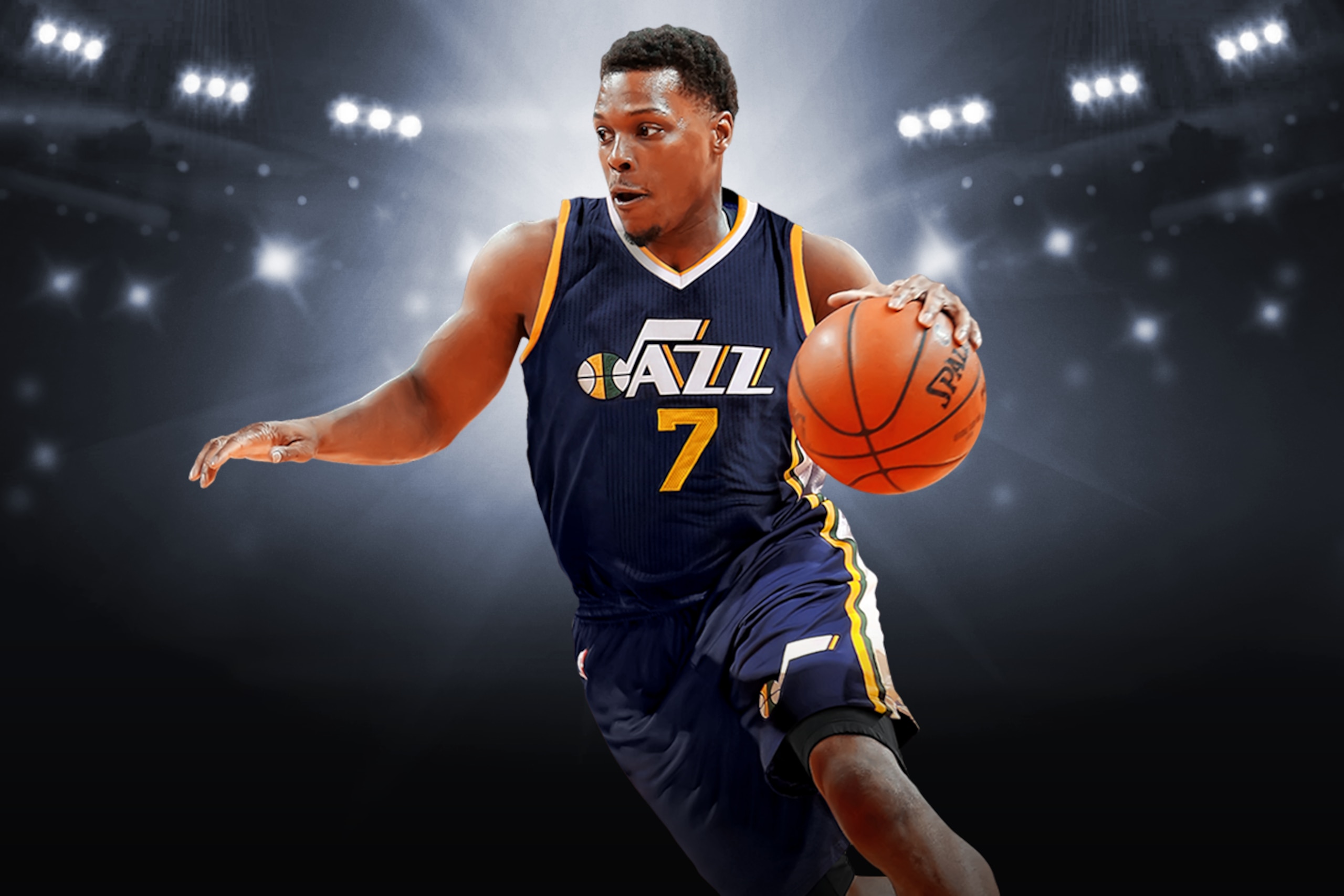
If you're building a team that's supposed to contend for a playoff spot immediately, there are not five point guards you should take before Kyle Lowry.
This is not hyperbole; Lowry remains underrated. He is an offensive chameleon who can play on or off the ball and a defensive bulldog who rarely receives the recognition he deserves.
Lowry, to that end, proved more pivotal to his team's statistical survival last season than both Kyrie Irving and John Wall, both of whom are more commonly referred to as the best point guards in the (real-life) Eastern Conference. Lowry also ranked fourth in NBA Math's total points added among point guards for 2015-16, trailing only Curry, Westbrook and Paul.
So if you're wondering whether taking him at No. 15, as the fourth overall point guard, was a reach, you're free to stop.
It wasn't.
Write-up provided by Dan Favale.
16. Blake Griffin, Memphis Grizzlies
17 of 31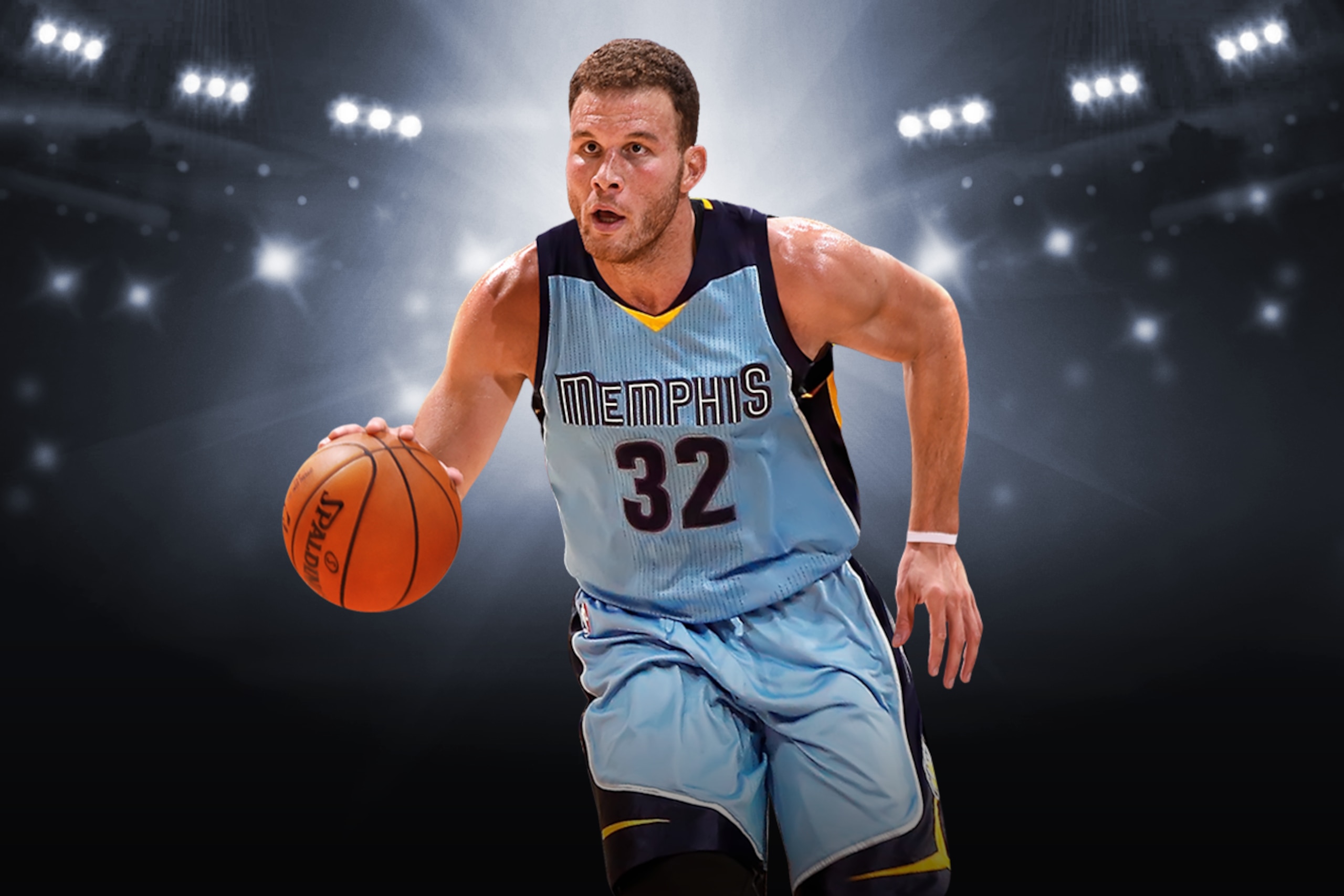
Blake Griffin has quietly become one of the most versatile offensive players in the NBA.
While still able to throw down posterizing dunks, he's now more of a threat passing the ball as well. Only Green averaged more assists than Griffin's 4.9 from the power forward or center position last season, and only he and Durant put up at least 21 points, eight rebounds and four assists overall.
As he enters the prime of his career at age 27, Griffin can carry a team with his shooting, passing, rebounding and ever-improving defensive game.
Write-up provided by Greg Swartz.
17. Damian Lillard, Philadelphia 76ers
18 of 31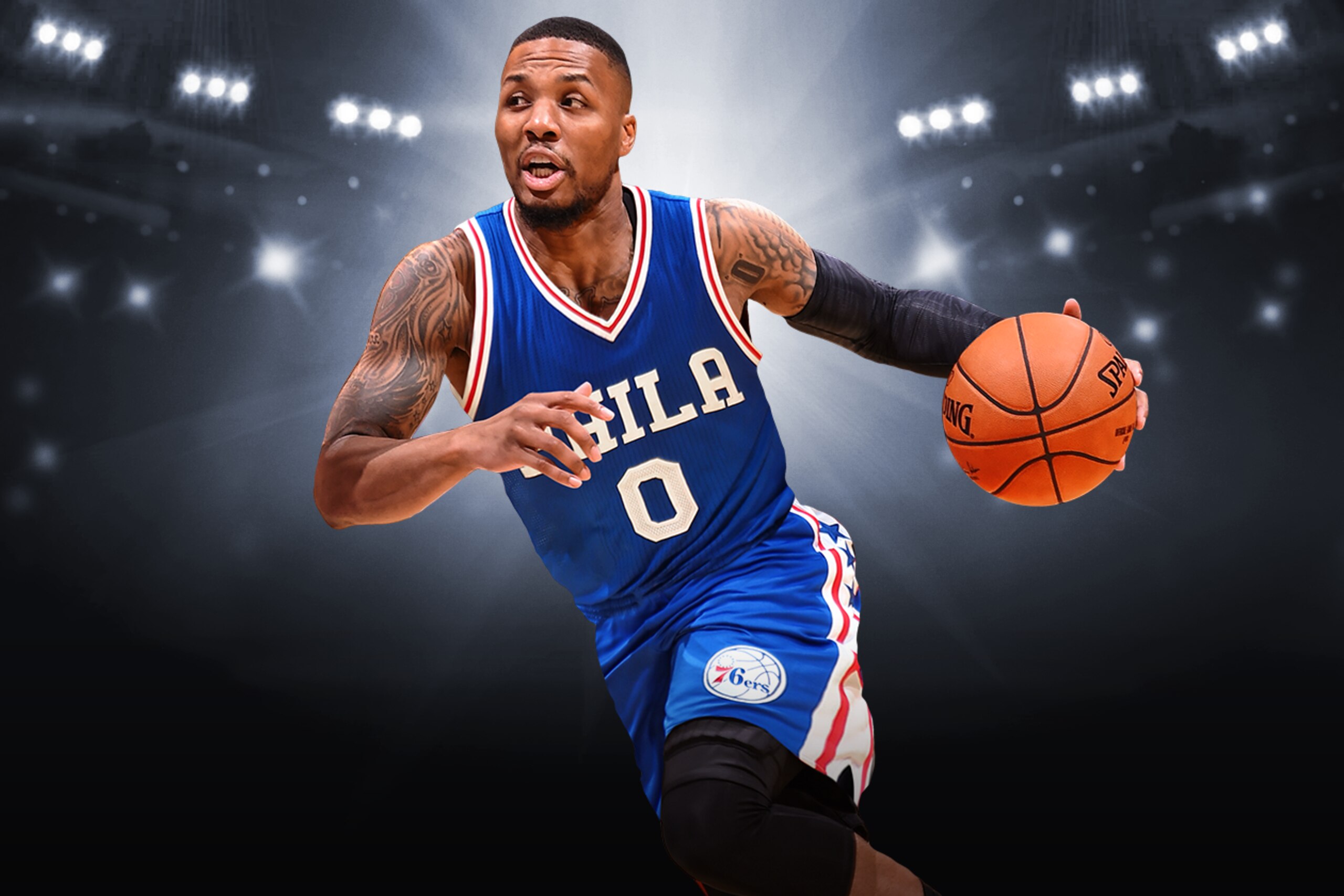
Damian Lillard was the best point guard remaining on the board at No. 17 overall.
Without question, Wall is a better defender, and Irving is a more creative bucket-getter. But Lillard brings enormous offensive value to his team. Of the three in 2015-16, Lillard recorded the highest percentage of points per isolation attempt, drive, spot-up shot and possession as the pick-and-roll ball-handler. He also posted the best true shooting percentage.
All three are elite players; no team would complain about building a roster around Lillard, Wall or Irving.
But Lillard—who played the biggest role in Portland's eliminating the Clippers and playing five tough games against the Warriors during the 2016 playoffs—has proved he's an offensive superstar who can carry a team to unexpected heights.
Write-up provided by David Kenyon.
18. John Wall, Boston Celtics
19 of 31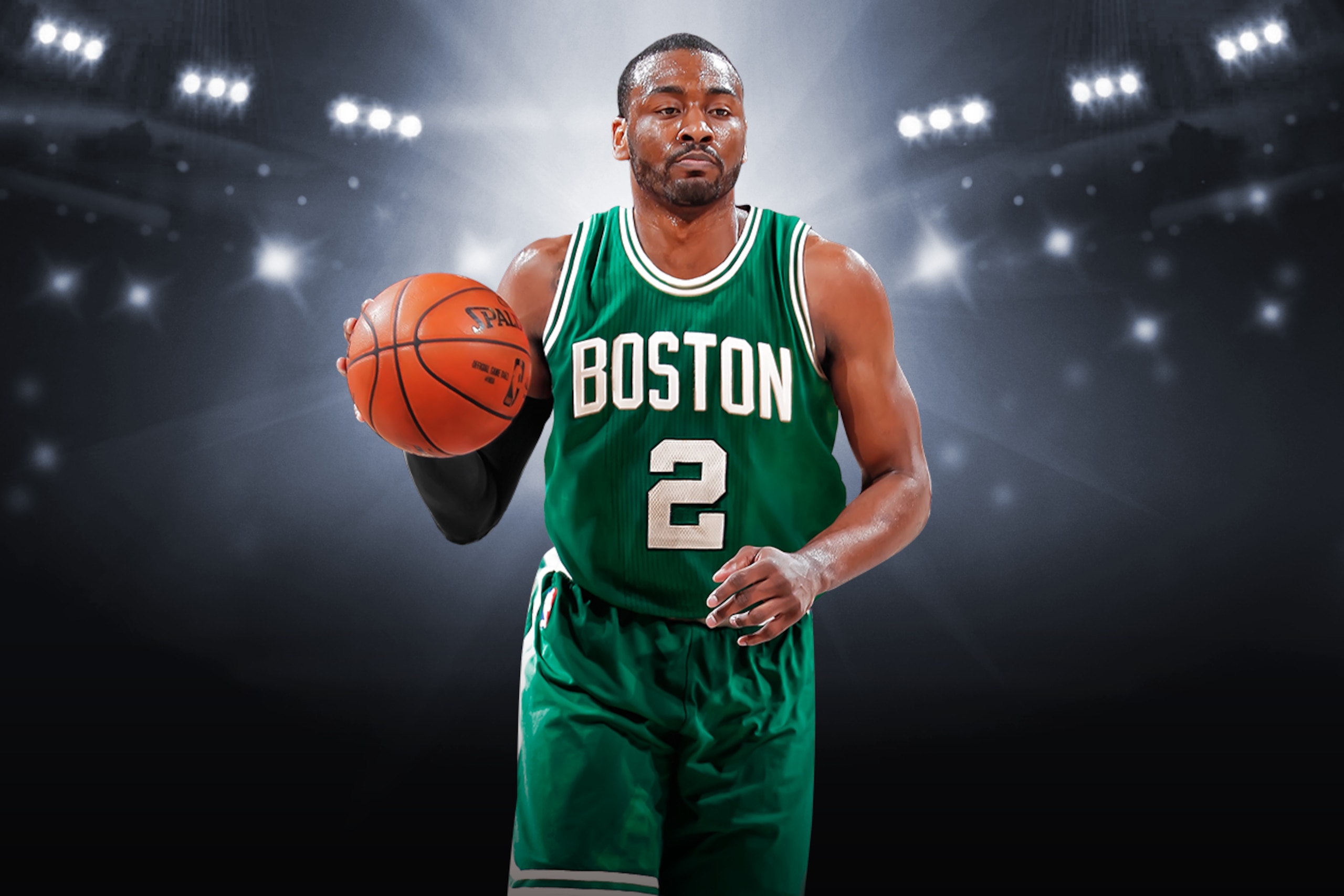
I'm not in love with Wall, but I got a little concerned about the top-end point guards flying off the board ahead of him. Curry, Westbrook, Paul, Lowry and Lillard were all gone. While Irving is a great second option, I didn't like the idea of his playing an alpha role. I also wasn't comfortable with someone such as Kemba Walker as my first-rounder and floor leader. I realize how silly that sounds after Walker led his team to a playoff berth last year while Wall stayed home.
And I'll be honest: I forgot about Mike Conley, who went at the start of the second round.
All the same, I like Wall as a first-round selection because he's a well-established facilitator who always seems to be among the league leaders in corner threes created. You can trust him to guard both backcourt positions, and his open-court speed is a good first step toward building an uptempo attack.
Write-up provided by Grant Hughes.
19. Giannis Antetokounmpo, Houston Rockets
20 of 31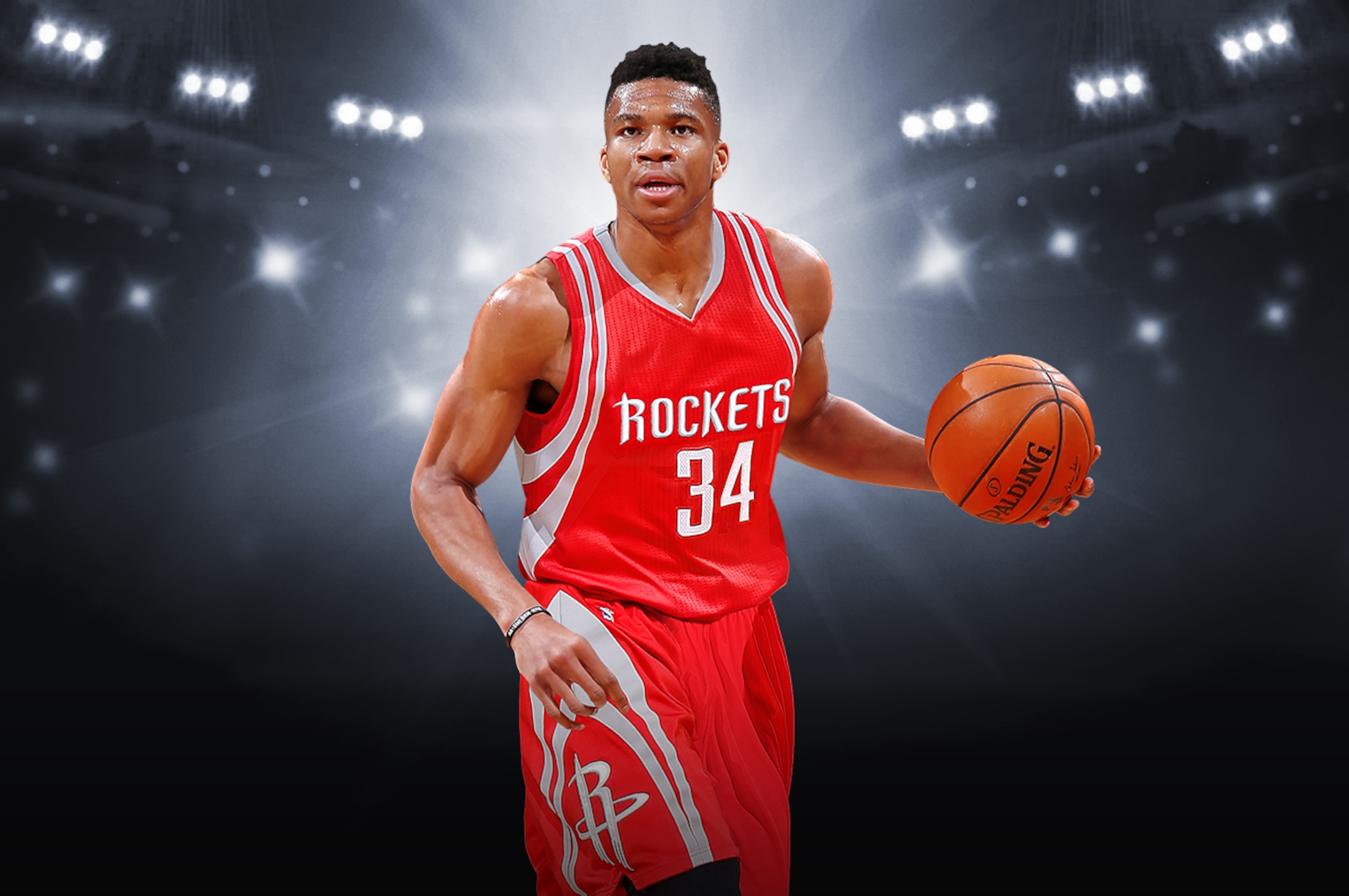
Whether you're a casual NBA fan or a basketball mad scientist named Jason Kidd, you get it: Giannis Antetokounmpo is legit.
And not only can he play either forward spot or point guard (if you're feeling wild enough), but this 6'11" pterodactyl guards all five positions and can cover the court in what seems like a single bound.
He's not a lockdown defender yet, a No. 1 offensive option or even a competent shooter. But he's more than proved himself the foundation to be any, or even all, of those things in the near future.
Like Green, drafting Antetokounmpo is about grabbing a unique, rising talent who will individually check so many boxes that the next picks on the roster merely need to do one or two things exceptionally well.
The Greek Freak essentially increases a team's margin for error in an exponential way.
Write-up provided by Joel C. Cordes.
20. LaMarcus Aldridge, Washington Wizards
21 of 31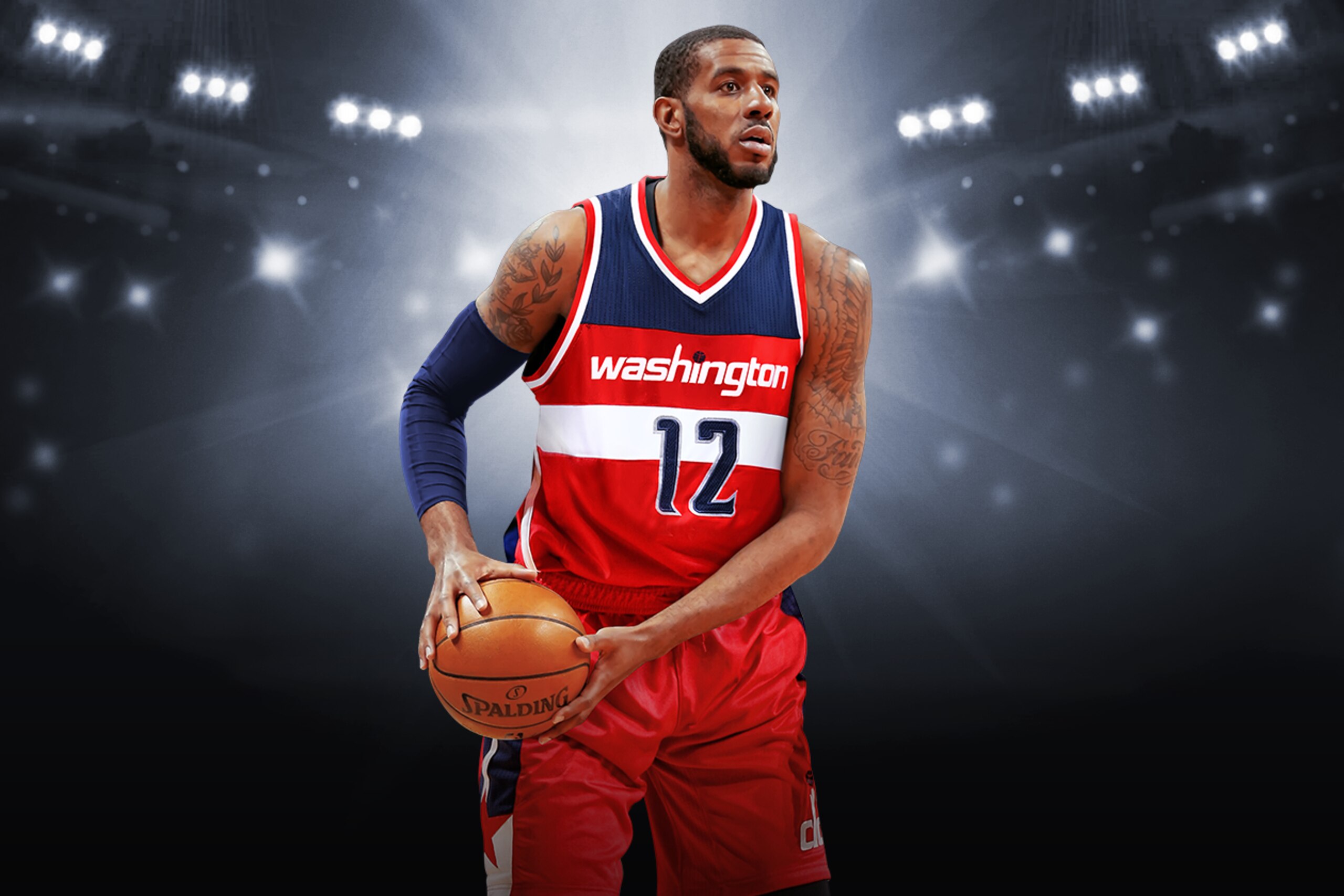
LaMarcus Aldridge started slowly, but he reminded us of what made him such a hot free-agent target, averaging 19.9 points, 8.9 boards and 1.6 assists in 32.3 minutes after the All-Star break last season.
And contrary to the idea that the defense would suffer, the San Antonio Spurs went out and played historically great on that end.
He has a solid enough jumper that he can hit on the pick-and-pop (42.7 percent) while being strong enough and long enough to put it in the bucket on the pick-and-roll (70.4 percent at the rim).
He's complete, and that makes him a good player to build around.
Write-up provided by Kelly Scaletta.
21. Carmelo Anthony, Milwaukee Bucks
22 of 31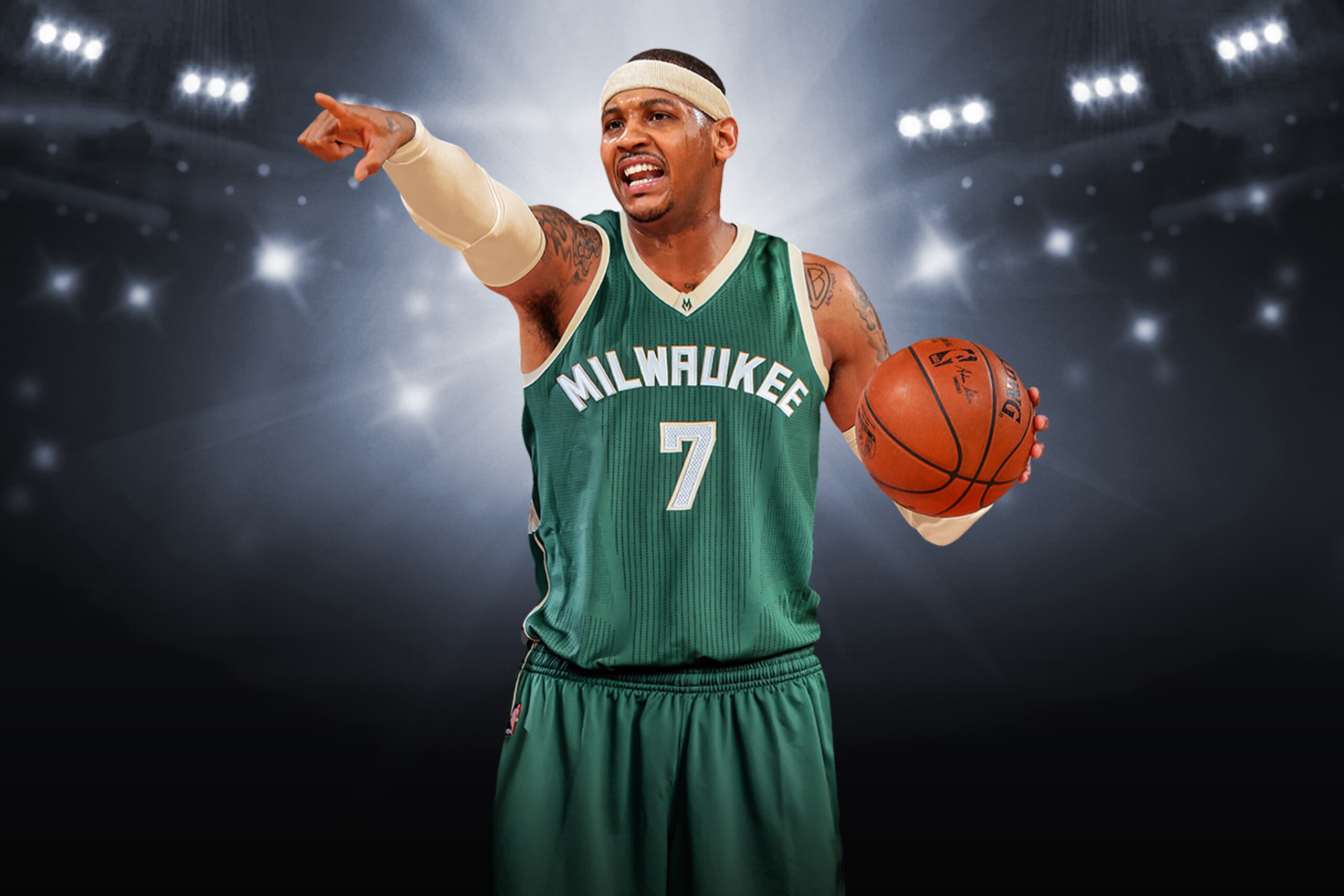
Here we have a superstar whose rebounds per 36 minutes (7.9), assists per 36 minutes (4.3) and defensive rebound percentage (19.5) hit career highs in 2015-16.
It's a great sign when an aging player known only for scoring is still improving other facets of his game late in his career.
And while Carmelo Anthony's points are starting to dip, he still managed to stay in the top 15 of the points-per-game leaderboard at age 31 last year with 21.8 per contest. When you find that kind of value available at the 21st pick, it's not a hard choice.
Also, he would look great in the Bucks' green-and-cream uniforms.
Write-up provided by Jacob Bourne.
22. Kyrie Irving, Minnesota Timberwolves
23 of 31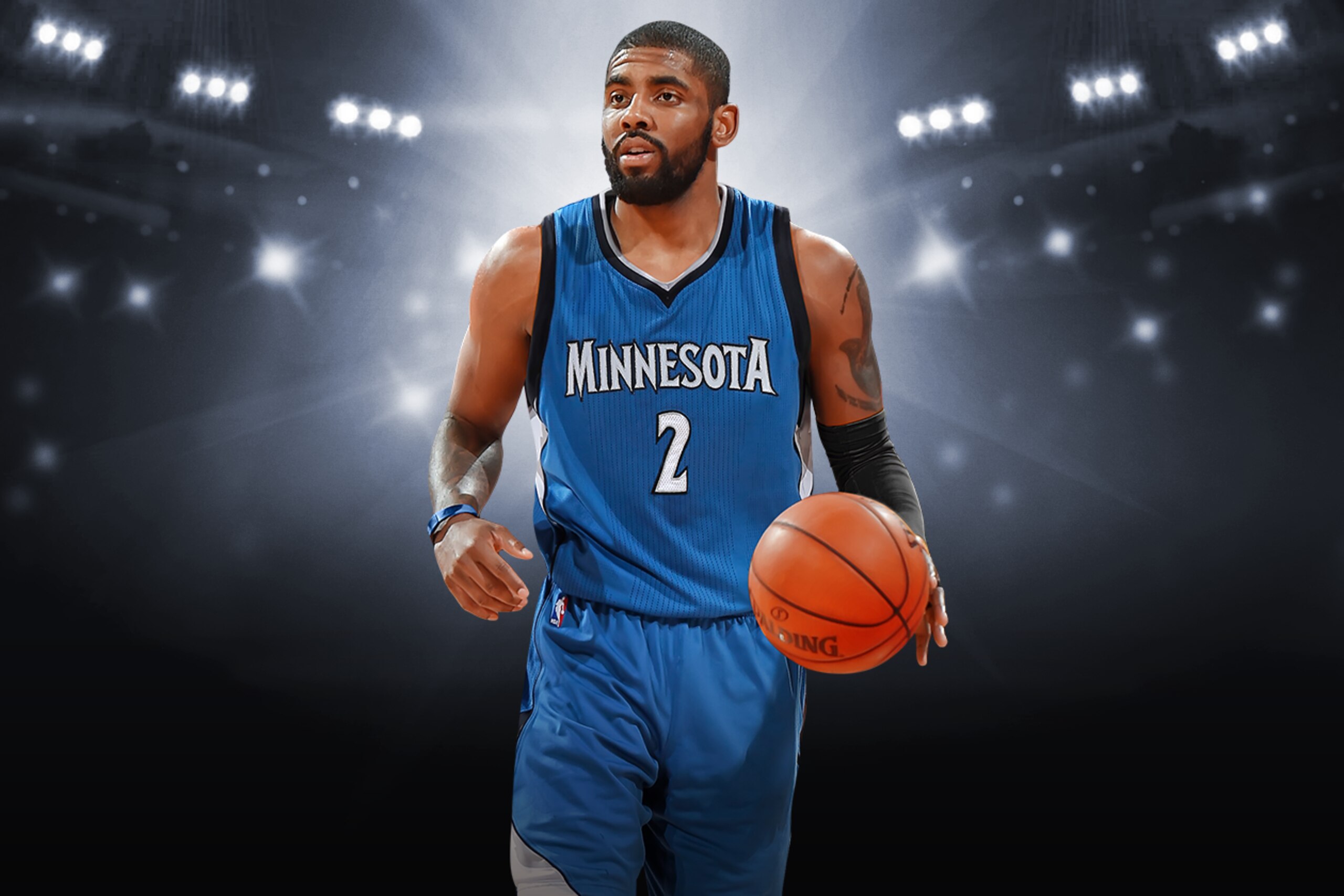
Irving isn't a point guard by colloquial standards, but as the 2016 postseason proved, that's just fine.
A lethal scorer with a knack for crafty finishes around the rim, Irving flashed exceptional on-ball scoring prowess during the Cavaliers' historic 2016 NBA Finals run. To wit: Irving shot 43.9 percent on all pull-up attempts and 37.1 percent on pull-up threes over the course of 21 playoff games. By comparison, Curry shot 42.4 percent on all pull-ups and 41.4 percent on pull-ups from beyond the arc during the same stretch.
However, Irving doesn't need the ball in his hands to be effective. Although he's able to create separation from defenders thanks to his lethal handle in a way few players can, his catch-and-shoot stylings were ridiculous in the playoffs. He knocked down 54.0 percent of his catch-and-shoot attempts and 57.1 percent of those same shots from distance.
Get Kyrie the ball, and watch him go to work.
Write-up provided by Alec Nathan.
23. DeMar DeRozan, Atlanta Hawks
24 of 31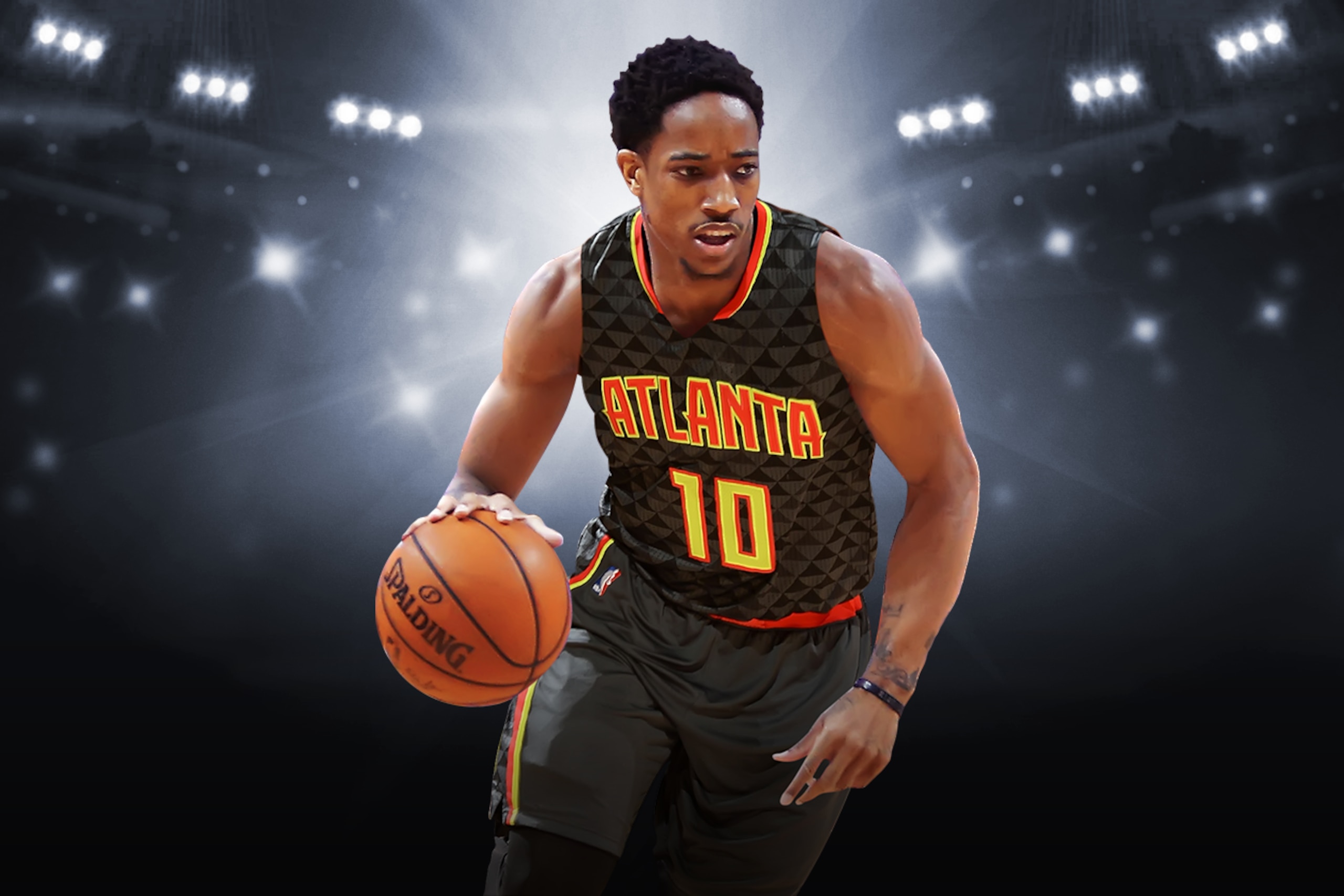
Coming off his best year as a pro (23.5 points per game), DeMar DeRozan is one of few scorers you can consistently bank on for 20-plus points every night.
Klay Thompson was available at No. 23, but DeRozan has established himself as more of a go-to shot creator. He required assists on only 25.2 percent of his two-pointers and 83 percent of his triples, whereas Thompson needed dimes on 72.5 and 92 percent, respectively.
Look for DeRozan to build on last year's career-best 33.8 percent three-point mark. Doing so could mean we're looking at a 25-points-per-game scorer.
Write-up assisted by Jonathan Wasserman.
24. Al Horford, Oklahoma City Thunder
25 of 31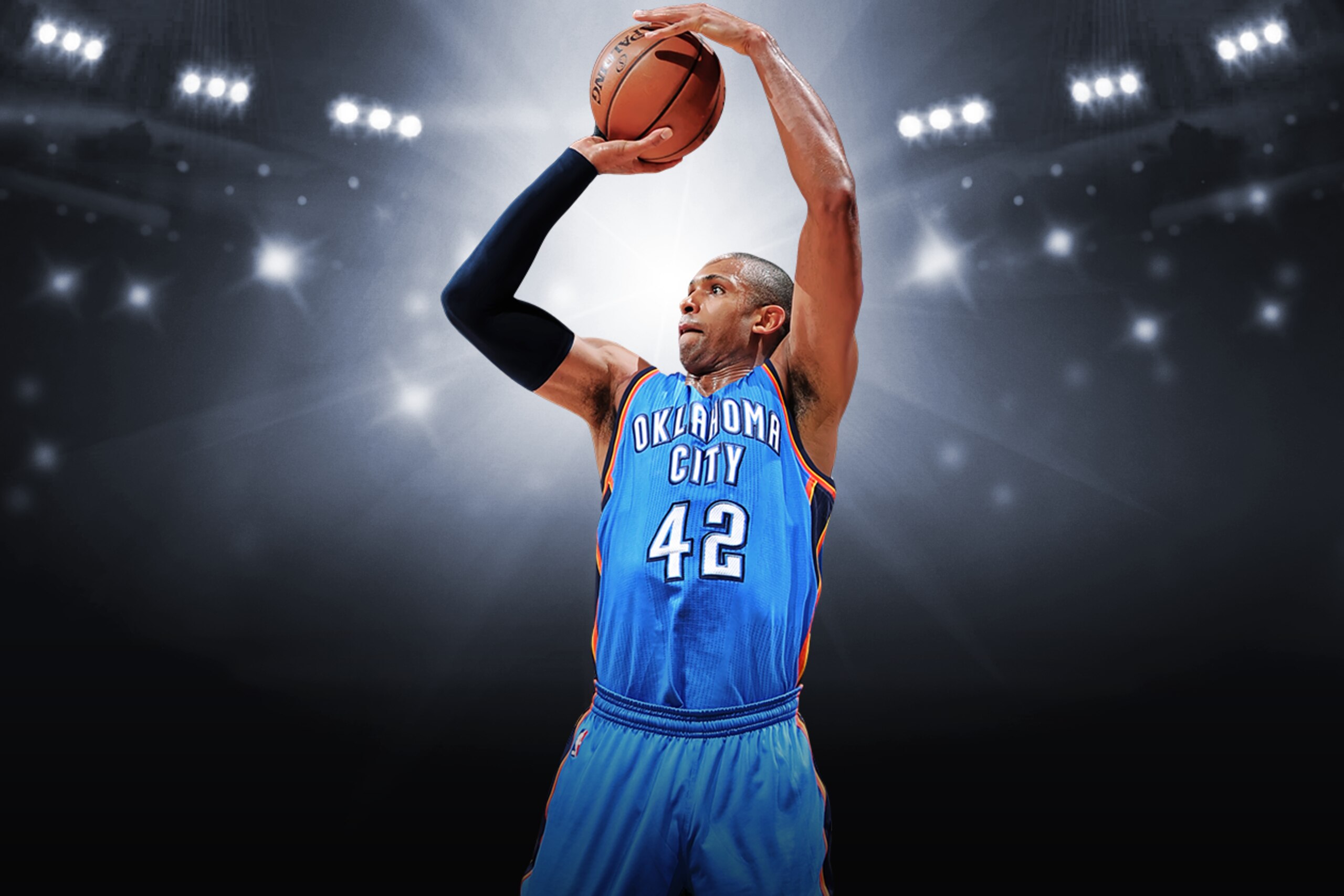
In a lot of ways, Al Horford is the precursor to the coming basketball revolution led by Karl-Anthony Towns and Kristaps Porzingis.
He possesses the skills of a guard/wing in a legitimate center's body (6'10", 245 lbs).
For his career, he averages 4.3 assists and 1.3 steals per 100 possessions. And last season, he added three-point volume, taking 3.1 treys per game and hitting them at a clip just below league average (34.4 percent). And oh, he still does big man things too.
There's no sacrificing rim protection and rebounding when you play this oversized three-and-D specialist.
Write-up provided by Andy Bailey.
25. Klay Thompson, Denver Nuggets
26 of 31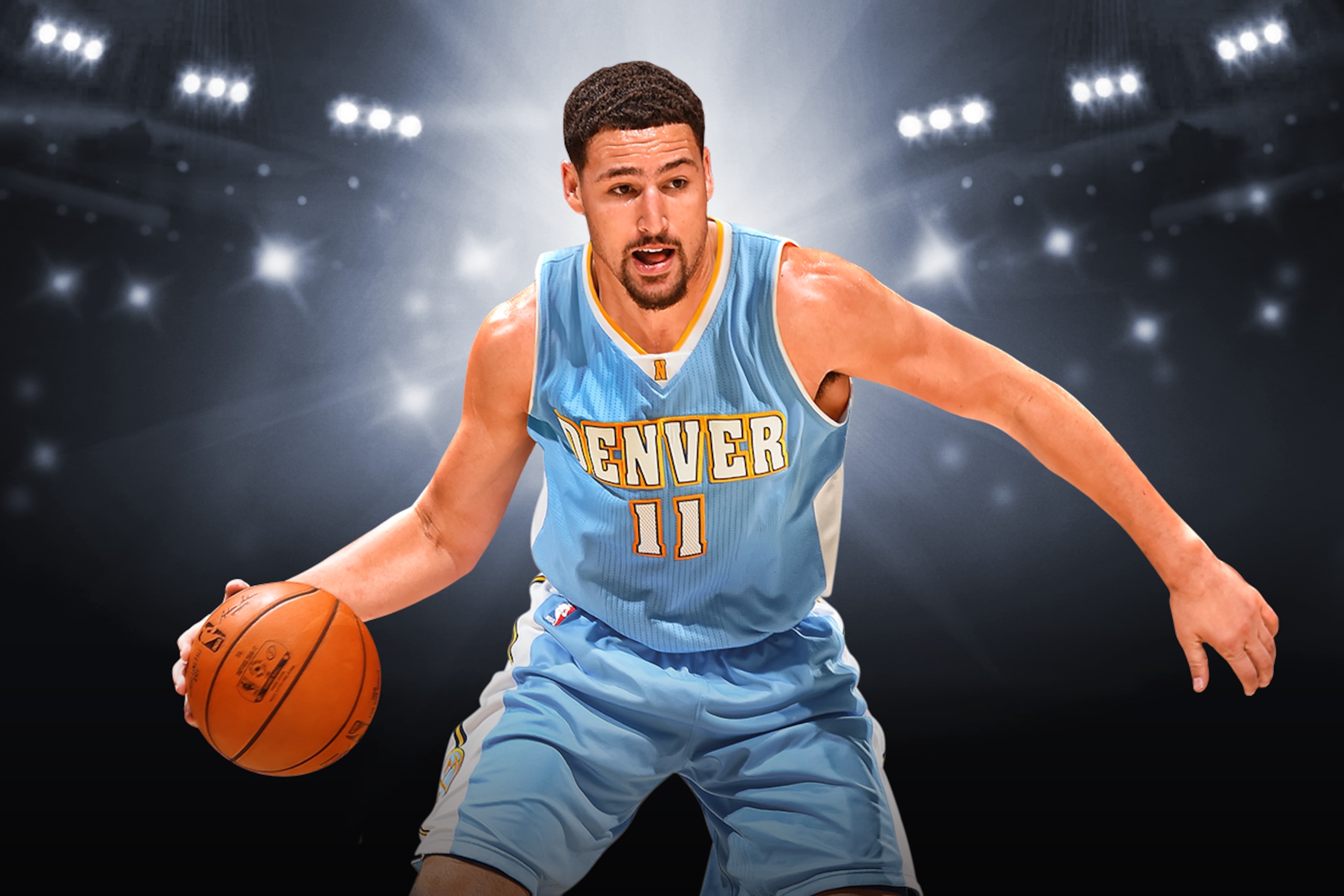
I was, admittedly, a tad uncertain about this pick. It's difficult to envision how Thompson would perform as the alpha, without Curry or Green. But that hesitation was quickly extinguished for two reasons.
First, the league is trafficking in versatile wings who can defend multiple positions, shoot threes and handle the ball. Thompson does all that. Secondly, and most importantly, his offensive game transcends the presence of accompanying superstars.
Peruse all the different play types, and you'll find Thompson checking in as one of the most efficient scorers of multiple categories. Thompson's shooting percentages barely suffered without Curry on the floor last year; his three-point efficiency actually climbed. His numbers also improved whenever Green stepped off the court.
All this is too overwhelming to be an accident. Thompson is a top-25, perhaps top-20, player who happens to live beside top-10 names. I picked him right where he belonged.
Write-up provided by Dan Favale.
26. Kevin Love, Portland Trail Blazers
27 of 31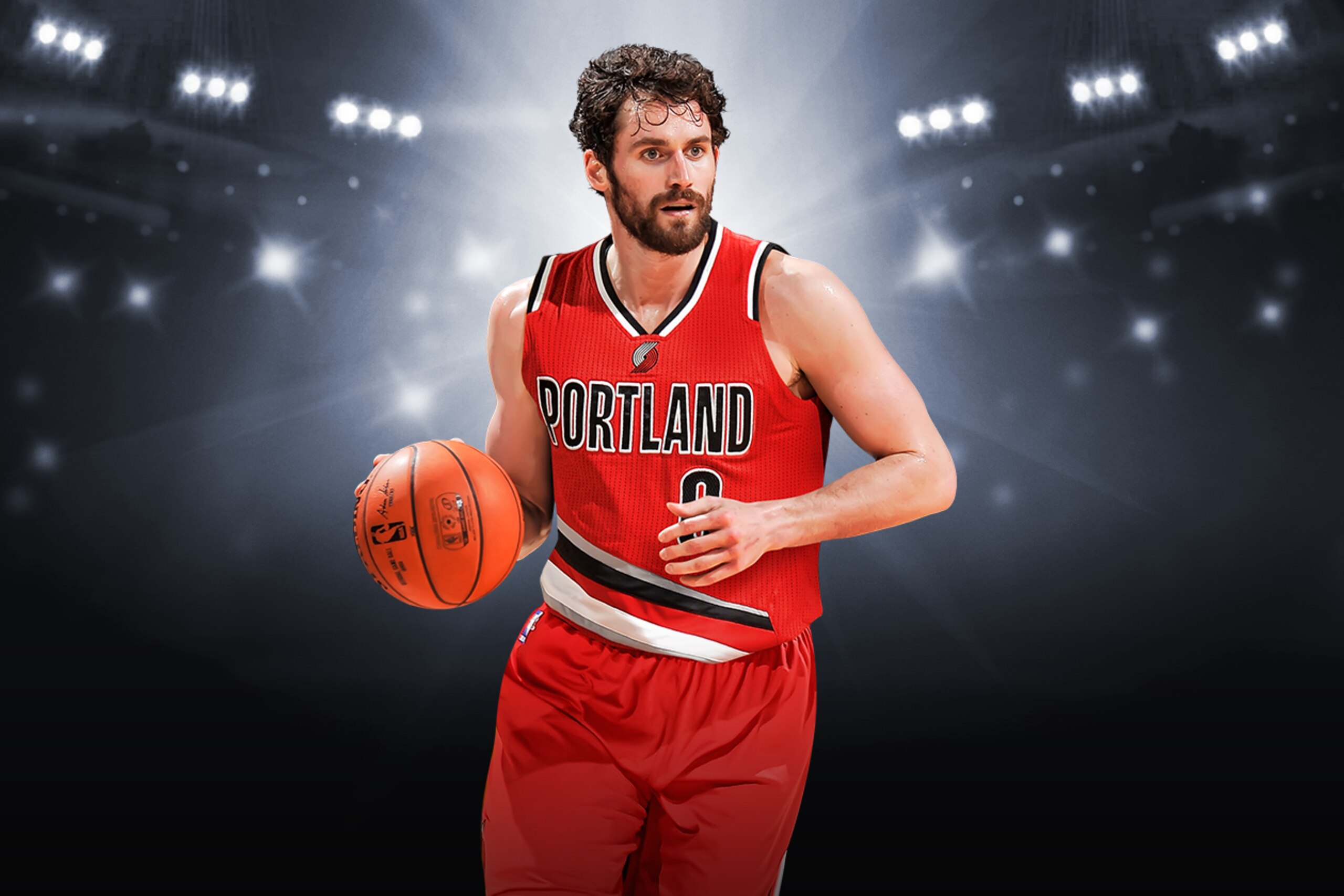
Don't let his recent backseat role in Cleveland fool you—Kevin Love is still one of the most offensively gifted players in the NBA today.
Love mixes an elite rebounding efficiency with a diverse offense role. He can play the pick-and-pop, step out for a three or battle in the paint.
In fact, few in history can match his ability to both rebound and shoot the three-ball: No one else has averaged over 18 points, 11 rebounds and one three-pointer per game for his career.
His footwork against Curry in the closing minutes of the NBA Finals helps prove he can defend as needed, too.
Write-up provided by Greg Swartz.
27. Andre Drummond, New Orleans Pelicans
28 of 31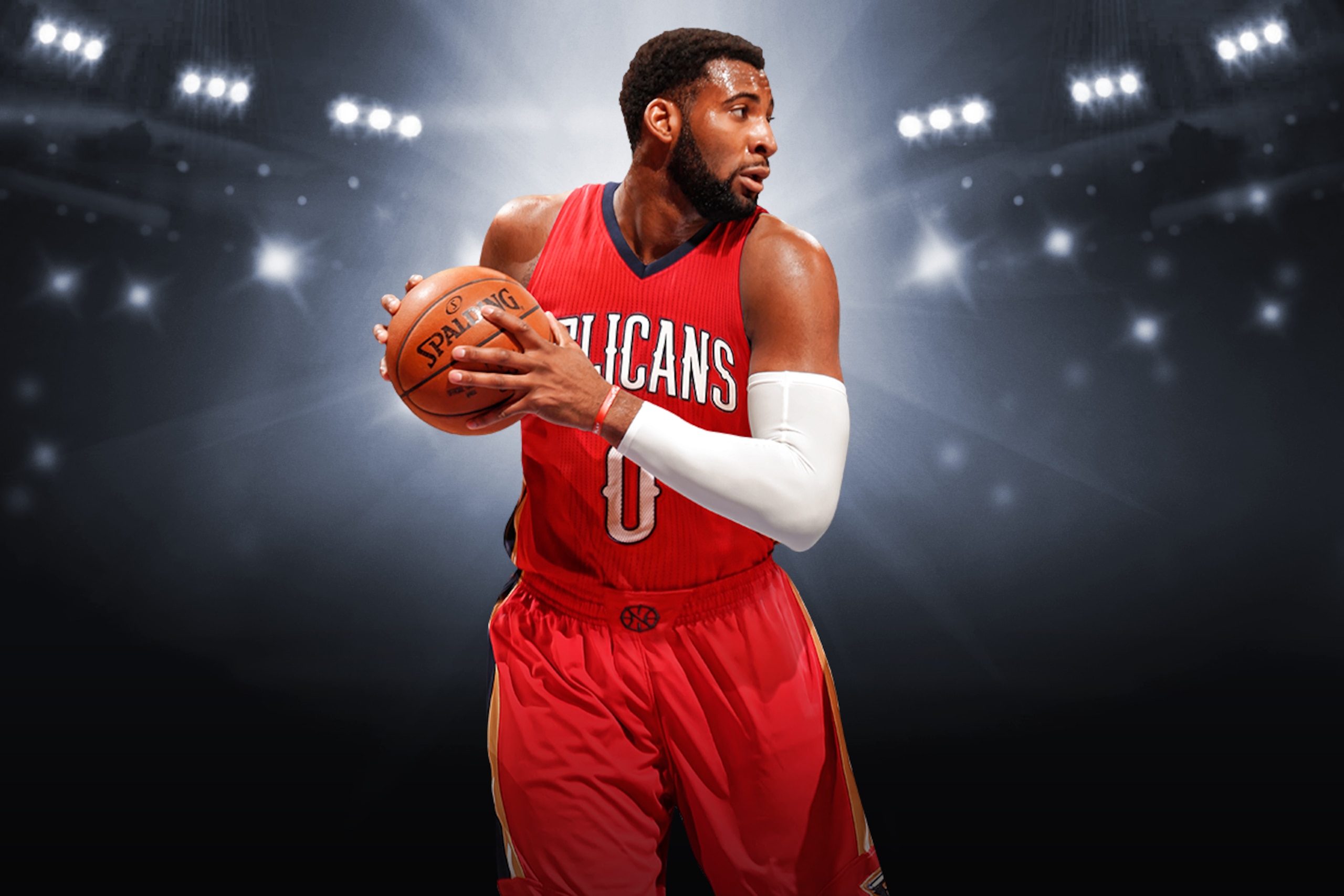
After 26 picks, every young, championship-caliber guard had been selected. Instead of scrambling too early for the next tier, New Orleans could build inside-out with Andre Drummond as the focal point.
The 23-year-old is an absolute force on the glass, evidenced by his league-high 14.8 rebounds per game in 2015-16. Drummond also posted the NBA's sixth-best defensive rating (98.0), though he needs to improve both at protecting the rim and at stopping roll men.
Offensively, it's fair to say Drummond is a work in progress outside the post—and, of course, at the free-throw line (38 percent for his career). Nevertheless, he's still a decent threat without the ball.
He's far from a perfect player, but Drummond is two years away from his prime and should only continue to improve with more NBA experience.
Write-up provided by David Kenyon.
28. DeAndre Jordan, Miami Heat
29 of 31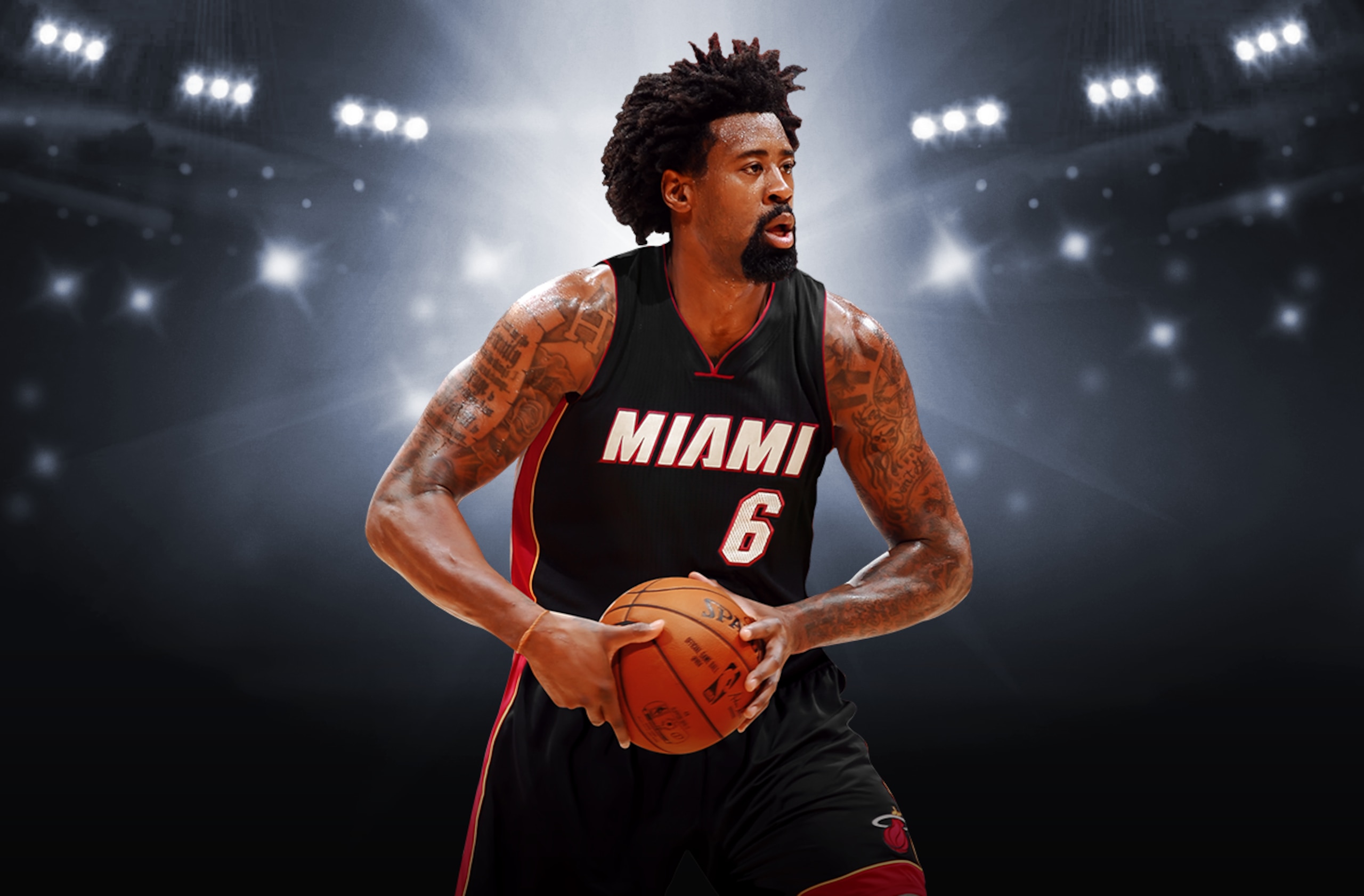
DeAndre Jordan's dominant play during stretches for Team USA during this draft probably had something to do with this pick, but I can still defend it objectively.
He had the second-best real plus-minus among centers left on the board, and there's something to be said for getting certain two-way production from a first-rounder—even one this late.
Jordan never gets enough credit for his offense, as his rolls to the lane open up critical perimeter looks. There aren't many better lob threats in the game, and DJ is also a force on the offensive glass. His defense might be a little overrated. But he's one of the best rebounders out there, and he deters plenty of shots inside.
You could make a case for Hassan Whiteside, Derrick Favors or Rudy Gobert instead (all were on the board), but Jordan has a longer track record, and you can be sure he'll contribute on both ends.
Write-up provided by Grant Hughes.
29. Gordon Hayward, Chicago Bulls
30 of 31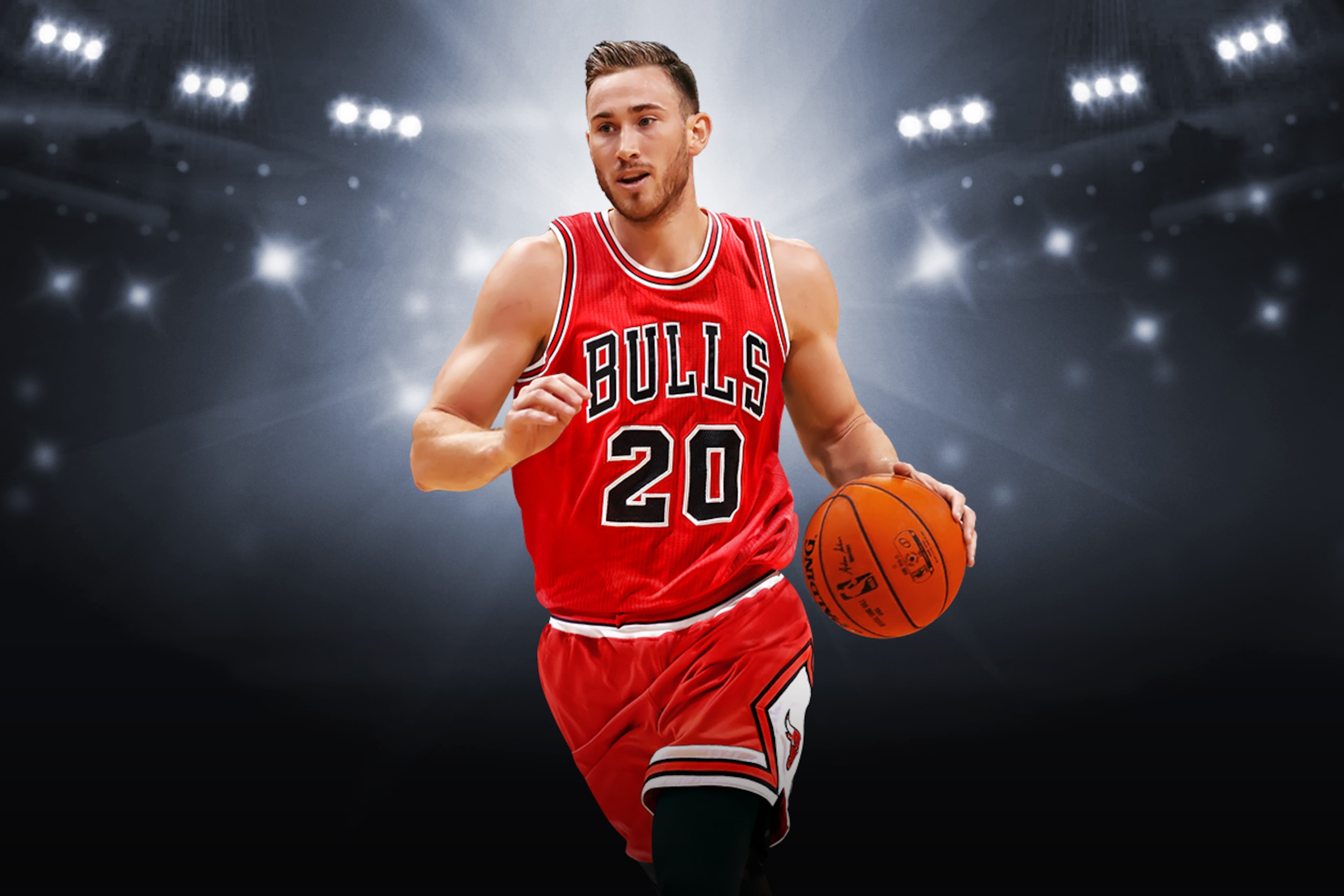
Like my other two first-rounders (Green and Antetokounmpo), I viewed Gordon Hayward as something more than the pick itself.
Here's a guy who is not a No. 1 scorer every night (though he comes the closest of the trio), isn't an elite defender and maybe shouldn't be the best player on his own roster.
But he just does so many things at a plenty-good level: His shooting, passing, defense and heady sense of the game allow more specialized players to thrive around him. He's shown no ego when it comes to delivering the ball to the hot hand, nor any hesitation with the rock when it's his night.
You can (rightfully?) question his leading-man credentials all you want, but Hayward is the rare player who will make every cast member around him better without requiring a disproportionate amount of help.
Sounds like a first-round pick to me, especially so late in the round.
Write-up provided by Joel C. Cordes.
30. Hassan Whiteside, Toronto Raptors
31 of 31
With the last pick in the first round, I wanted to grab someone who could be a top-10 player, even if that involved a bit of a gamble.
Whiteside filled the bill.
He is an absolute beast around the rim, shooting 77.7 percent on 386 attempts within three feet of the basket in 2015-16. He's a naysayer on the other end. Last season, he averaged a league-leading 3.7 blocks per game.
Whiteside does the things he does really well, but he's also flawed: He doesn't pass a lick. To put things in perspective, he has more than 10 times as many blocks (407) as assists (36) for his career. Manute Bol is the only other player in history who can make that peculiar claim while appearing in at least 50 games.
You have to put the right team around Whiteside, but with him, you don’t have to worry about the most important part of the court.
Write-up provided by Kelly Scaletta.
Advanced stats courtesy of NBA.com and Basketball-Reference.com.

.jpg?w=2560 "Report: NFL to End Pro Bowl 🚨")
.jpg?w=2560 "Consensus Mock Draft 📋")
.jpg?w=2560 "Goodell Explains Pro Bowl Decision")
.jpg?w=2560 "Biggest Draft Risers 📈")