College Football: Life's Not Fair, Pay Players More Who Generate More Money
One of the hot topics in current college sports is whether or not athletes should be paid or further compensated via scholarship restructuring for their on-field services.
This ever popular discussion is back in the limelight at least partially due to the rash of NCAA violations that highlight the fact that a presumably large number of athletes are using unsavory means to acquire additional money while their play generates untold millions; a bounty they don’t directly share in.
Straight out payment of players and/or supplementing scholarships to cover additional expenses is a treacherous scheme at best and brings up obvious questions of who, how much and the very real issue of fairness.
TOP NEWS

Lane Kiffin taunted by Ole Miss players
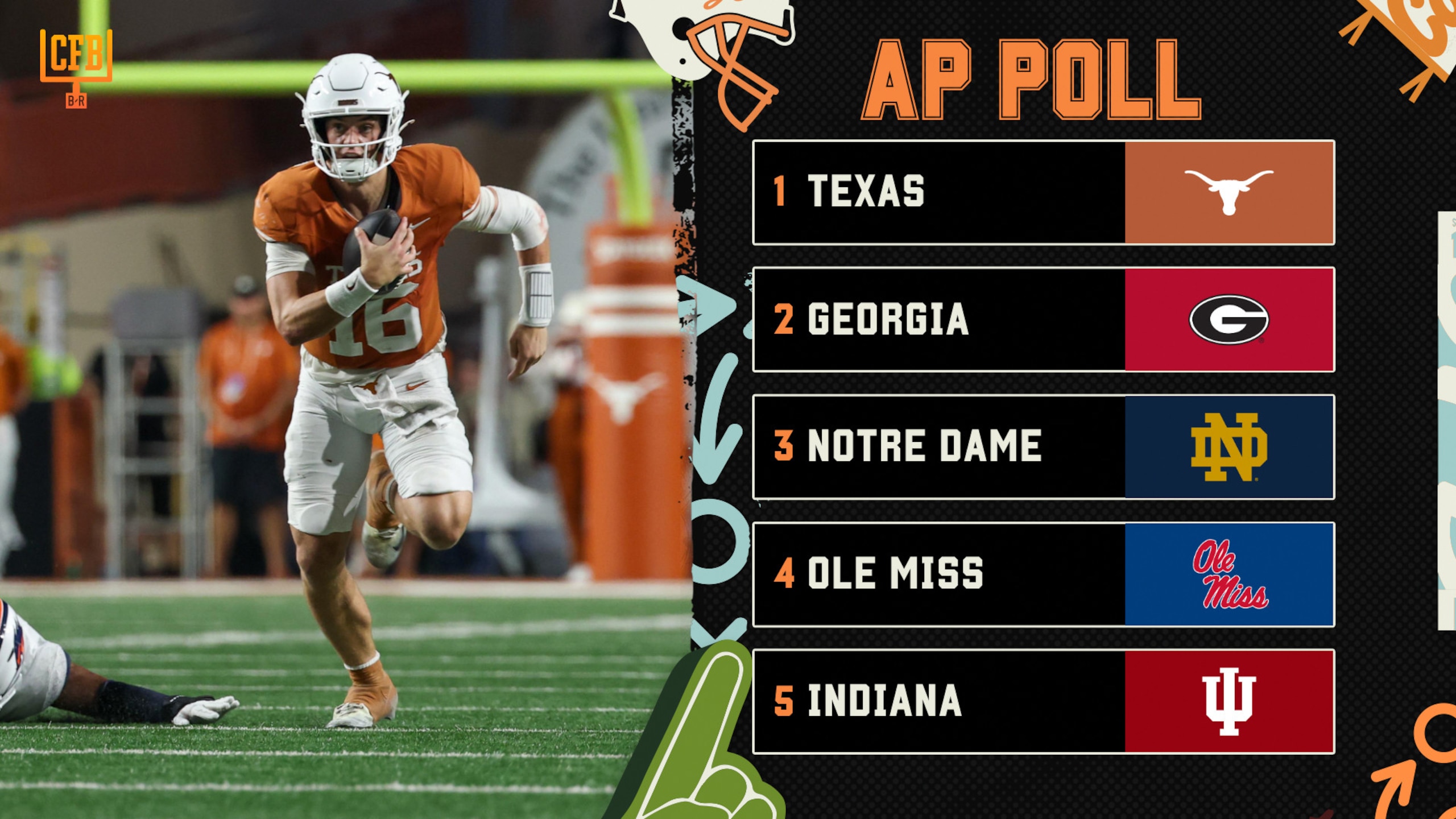
Week 3 CFB AP Top 25 Poll

Top 8 Overreactions after Week 3 🏈
Some schools simply can’t afford to pay their student athletes (across the board) and doing so has the very real potential of bankrupting an entire athletic program.
USC can obviously afford generosity that Northern Illinois cannot, an issue that is greatly exasperated when you consider the argument that further compensating one student athlete means paying them all (regardless of the sport).
Yes, if you pay the football players then the bowling team and track and field deserve the same treatment, right?
Perhaps this is precisely where the entire discussion needs to be reanalyzed and redirected therefore producing a viable solution (but not avoiding huge controversy).
Here’s the alternative argument; why pay student athletes (beyond a full scholarship at their given institution) who don’t generate money above and beyond the operating costs of their sport?
Why treat a soccer player and a football or basketball player exactly the same when in truth they are simply not?
Yes, they are both student athletes but one sport produces zero income for the athletics program and the university while the other produces enough money to fund the entire athletics department (and possibly turn a huge profit).
To further illustrate, if you employ two sales people and one has a better territory than the other, making one capable of generating loads more cash, would you pay them the same amount just because it is “fair?”
Indeed, in the name of “equity” would they be paid the same amount in commissions when one generates millions of dollars while the other produces only thousands?
No, because in this “real world” example the two would be paid based on what they brought in (the “eat what you kill” mentality).
So, in the case of college athletics, (which, when it comes down to money is very “real world”) should all players be “compensated” the same way?
Well, no, because, when considering this very simplified approach, they too should ultimately be paid based on what they bring in.
Perhaps the ultimate solution is to share the income with student athletes in mega money sports (which they actually produce on the field or on the court) in a way that actually works to encourage continued participation, promotes graduation and does not alienate and distinguish between the different sports while on campus (i.e. the football team is not rolling around in Louis Vuitton while the volleyball team is sporting Target brands).
It’s simple; set up a fund for players in cash rich sports and reward these players when they leave the school based on a formula that takes into account the following variables; revenue of the specific sport and team, years of participation, a clean record (i.e. staying out of trouble) and a healthy bonus for graduation.
Under this scheme, all student athletes would still be “paid” via a full ride scholarship (an invaluable commodity that should include adequate housing and food allowances) while those who luck out (or earn through blood, sweat and tears) by playing a wildly popular, money laden sport would (finally) be duly compensated for their efforts once they finish the job.
Is it completely fair and equitable?
No, probably not, but what other aspect of real life is really fair?
Is it fair that I’m a teacher while you are a doctor?
Is it fair that my sister is a flight attendant while yours married a rich dude?
Is it fair that my son can run a four-four forty while your kid is really good at the cello?
Is it fair that my boss drives a Mercedes while I’m still making payments on a Ford Fiesta?
Is it fair that you were born with athletic gifts while I am good at painting?
Hey, life’s not fair!
And so, let us further compensate only the student athlete that generates the extra cash, because that’s the way life works (and yes, it sucks).



.jpg?w=2560 "WWE Raw Live Grades 🔠")
.jpg?w=2560 "Dart Believed to Have Sprained MCL")
.jpg?w=2560 "Rams troll Giants on social media")

.png?w=2560 "Davante's MONSTER MNF 🤯")