NCAA Strength Of Schedule: Ranking Blindfolded
 I love debating schedule strength. Yeah, that's pretty lame, but I can't fight it any longer.
And while a subjective ranking based on my biased perspective would generate tons of discussion and name calling, it really has no purpose beyond that.
So instead, I've decided to come up with a way to rank the top 25 schedules using nothing but numbers. No opinion whatsoever, at least not from me. Figuratively blindfolded while at my computer.
But before you skip down to the rankings, please allow me to answer a few questions:
1.) Why only 25 teams?
Because this is the accepted number for all college football rankings. We love 25. Hate 26. And plus, ranking all 119 FBS schools would take just long enough for me to become very depressed about how I spend my time.
2.) So how did you pick this group if you didn't rank them all?
Good question. I began with the preseason rankings from Lindy's power poll (look over on the right once you get there).
I would have used Athlon's, but they seem to have already incorporated strength of schedule and moved Georgia down because of it. Using theirs would have somehow screwed this up. Our streams would have crossed.
Basically, the use of this poll is the only source of opinion built into the rankings. I had to start somewhere.
In order for this to work, we all have to collectively agree that Lindy's has at least put the best teams within a few spots of where you and I would have them. If we can agree on that, we're good.
Don't see your team on here? Don't worry. This is just a starting point.
3.) So how does the formula work?
Teams receive points based on the following situations, and the overall goal is to have the lowest total value:
- You get a point for the ranking of the teams you play. Play Ohio State? Get three points. Play Auburn? You get 13. Remember, this comes from Lindy's ranking.
- If you play an unranked team who was in a bowl game last year, you get 44 points. This is the mean average ranking of teams left who played in bowls, but are not ranked by Lindy's.
- If you play an unranked team who did not go to a bowl last year, you get 91 points. Same rationale as above.
- You get to subtract four points for playing ranked teams on the road.
- You get to subtract four points every time you play ranked teams back to back (bye weeks in between cancel your bonus).
- And finally, you subtract eight points if you have to play a conference championship game. My assumption was that you would likely play someone in the top 16, and the average ranking would be about eight.
4.) What if I don't like your formula?
Remind yourself that it doesn't really matter, as long as it's consistent for every team. Or cry about it. Whatever.
Obviously averaging the rankings hurt some teams and help others. Teams like South Carolina count against you for 91 points because they didn't play in a bowl last year, though we all can probably agree that they'll be in the 20 - 30 range this year.
But, on the other hand, you don't get penalized as much for playing cellar dwellers like Florida International and Western Kentucky. It's designed to balance itself out.
Enough with the background information. On to the rankings.
25. BYU - Has zero preseason ranked teams on its schedule.
24. Fresno St. - Wisconsin and UCLA provide only "tests."
23. Wake Forest - Rough patch of Clemson, Maryland, Miami all in a row.
22. Texas Tech - This could get tougher if Nebraska and Texas A&M shape up.
21. Missouri - Shocked to see this come in so low, but no Oklahoma unless they meet in the B12 CG.
20. Oklahoma - Texas and Kansas back to back. Texas Tech late. Not much else. See above.
19. Pitt - Skewed by so many average bowl teams from last year. Notre Dame and Cincy are wild cards.
18. Arizona St. - Georgia, at Cal, at USC, UCLA, and at Arizona. Don't be shocked if three of those are losses.
17. Illinois - Missouri early, Ohio State late, and a lot of solid comp in the middle. Oh, and a Rose Bowlseye on your back.
16. Oregon - Seven straight before an open date. Boise St., and games at USC, ASU, Cal, and Oregon St. 2007 was probably your year.
15. USF - Kansas, Pitt, and WVU should be huge. Four more '07 bowl teams.
14. Clemson - Open with Alabama. Close with South Carolina. Solid ACC center with late date in Tallahassee, plus championship game.
13. Wisconsin - Strange one at Fresno St. Then at Mich, OSU, Penn St., at Iowa, and Illinois. In order. Athletic director deserves a cheese basket.
12. USC - At Virginia, OSU two weeks later, and a back-to-back with Oregon and ASU. Cal, Notre Dame (?), and Neu-C-L-A. Somehow 11 more are tougher.
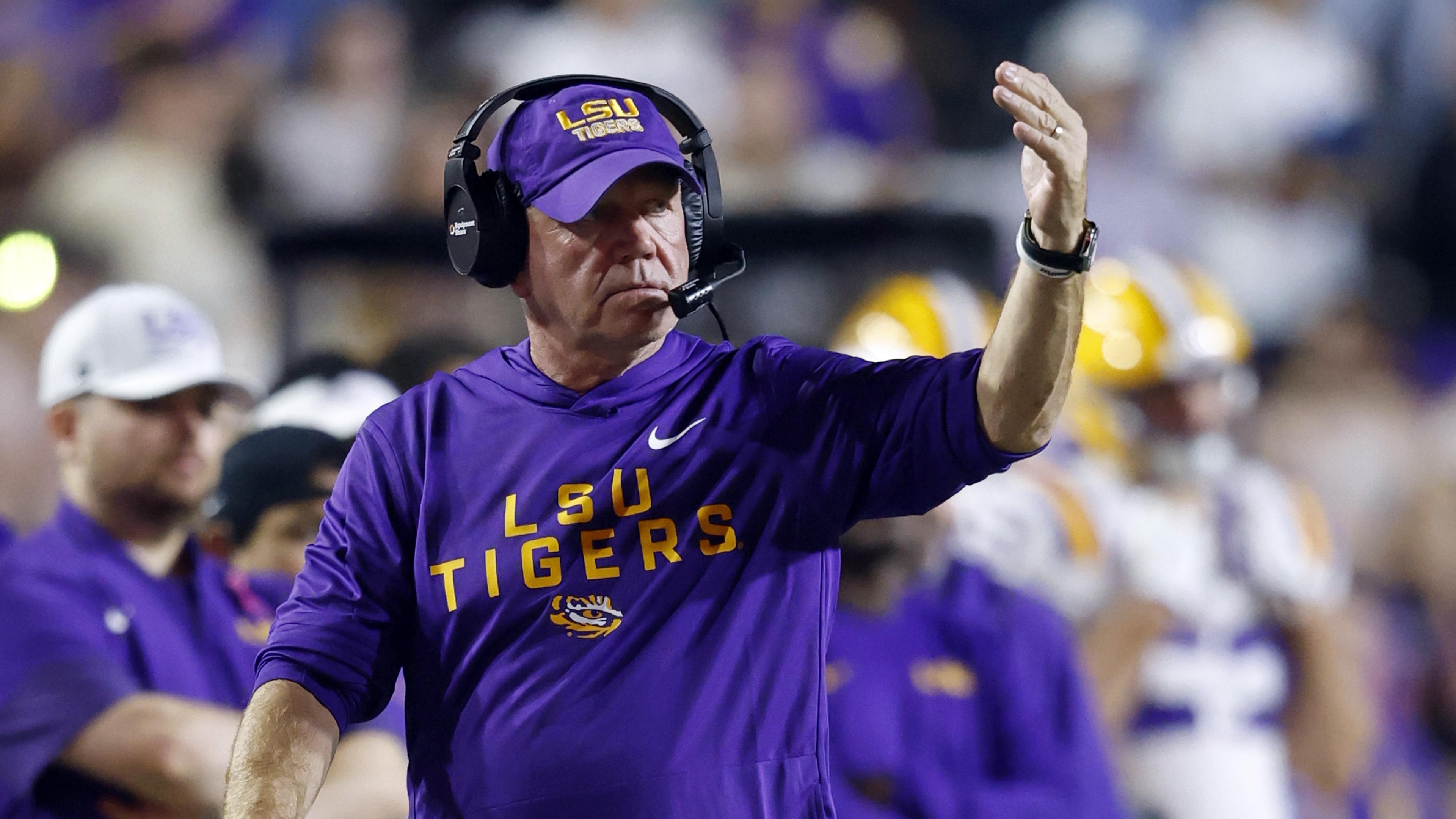
11. LSU - Creampuff start, brutal from there. At Auburn, Florida, South Carolina, and Arky. Home games against Georgia and Alabama. Two losses won't cut it this year.
10. OSU - Trip to LA early to most likely make/break the season. At Wiscy and Illinois. Home dates with Penn St. and the Michigan Wolveneers.
9. West Virginia - At Colorado on a Thursday Night. Does any road team like a Thursday night game? Auburn at home, with Louisville, Pitt, and South Florida to finish.
8. Florida - Hawaii and Miami early in the typical 'tuneup' games. At Tennessee and Arkansas. LSU and SC at home. Against Georgia, in Jacksonville, for control of the universe. Finish up at FSU and an SEC CG birth, or look at the season as a failure. Sounds like fun.
7. Kansas - At South Florida early. Every powerhouse B12 team imaginable. A hopeful championship game berth to prove last season wasn't a fluke? Not likely. Pop in your March Madness DVD if things start going south.
6. Florida St. - Biggest shocker to see their schedule this high. Though after eating a few cupcakes while the suspended players rest, it becomes a who's who of 2007 bowl teams with some big names sprinkled in. Miami will improve. VT is always a problem. Clemson feels it's their year. So does Florida. Plus a championship game if you make it through all of that. Dadgummit.
5. Tennessee - The pendulum will likely swing the other way this year for Phil and Co. Squeaking out game after game in '07, this year brings a trip to UCLA, Florida early, at Auburn, at Georgia, who might be looking for some revenge, and late tilts with Alabama and South Carolina.
4. Texas - Arkansas early. A Colorado team that has to improve. All of the big boys in OU, Missouri, Kansas, TTech, A&M, plus a death match against one of them all over again if they want to play in the Orange Bowl.
3. Auburn - Southern Miss, LSU, Tennessee, and a Thursday night trip to West Virginia to chase Noel Devine around the field. Georgia three weeks later. Take a breath. Go to Alabama. Leave no one behind.
2. Alabama - Clemson to open things up in Atlanta. The worst road schedule I've seen requiring trips to Arkansas, Georgia, Tennessee, and LSU. Auburn at home for dessert. This is not the kind of schedule you want your young kids hanging their title hopes on. Figure things out this year. Kick the door down in '09
1. Georgia - Far and away the most difficult schedule on paper in 2008. The only team to play six ranked opponents (per Lindy's), with two separate sets of back-to-back meetings with ranked teams. Fly to Arizona St. Bama a week later. Fly to LSU. Florida a week later. Mix in some Tennessee, South Carolina, Auburn, and Georgia Tech for additional flavor. Dawg fans had better hope Mark Richt has three or four new pre-game stunts up his sleeve.
Remember, this was the result of a formula used for all teams equally. Aside from the wisecracks, there was no opinion on my part.
Tomorrow I will try to explain some of the oddities and correct for teams that I see making major improvements and declines in 2008. That, and we'll see if there's a way to mash it all together and select the two teams who should be booking rooms for a January trip to Miami.