

Winners and Losers from College Football Bowl Season
The biggest and most obvious winners of the 2016 college football bowl season were Alabama and Clemson, but even the less meaningful bowl games were loaded with winners and losers.
It may seem silly to publish this list with the national championship still a week away, but that thing is in its own category, independent of the other 41 games we've been soaking up for the vast majority of the last 16 days.
If it makes you feel any better, we did make sure to include some slides on the play-in games for the national championship, even though those games were about as exciting to watch as the Snapchat videos your friends were posting on New Year's Eve.
Winners and losers from college football's bowl season come in all shapes and sizes. There are individual players and entire conferences on both sides of the fence. Some games were packed to the brim with drama. Others were barely worth watching in the middle of the work day. (I said barely! They were still worth watching!)
If you missed any of the action or simply want to relive the holiday season spent watching football, here is our list of the biggest winners and losers.
Winner: Orange Bowl Ending
1 of 18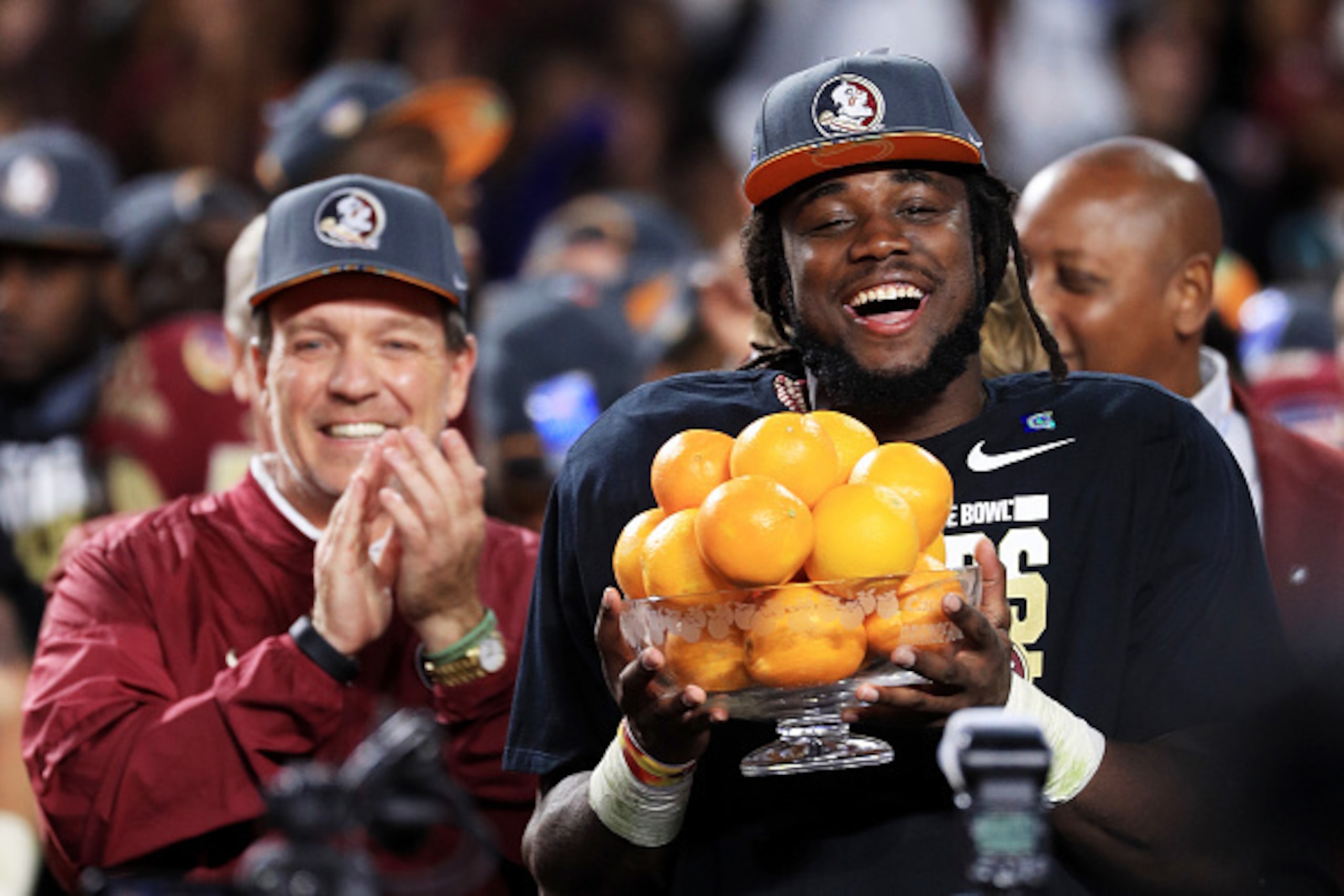
The College Football Playoff semifinals almost put us all to sleep before midnight on New Year's Eve, but perhaps that's because the Orange Bowl used up all of the drama one night earlier.
Early on, it looked like Florida State was going to blow out Michigan. The Seminoles found the end zone on their opening drive and added a 92-yard touchdown before the end of the first quarter. They maintained a two-possession lead until late in the third quarter—when things started going bonkers.
The Wolverines finally scored their first touchdown of the game on a pick-six and looked to be in good position to get the ball back with a chance to take the lead when Florida State was facing a 3rd-and-22 on its own 13-yard line on the following drive. But Dalvin Cook took an innocent-looking draw play to get a couple of yards back before punting and turned it into a 71-yard scamper, setting the Seminoles up to reclaim a double-digit lead.
The wildest sequence of the game came after Michigan scored back-to-back touchdowns to take a three-point lead. Freshman Keith Gavin caught the ensuing kickoff and was told by senior Kermit Whitfield to take a touchback, but he ignored that advice (and Whitfield's visible frustration) to return it all the way to the Michigan 34. And if that wasn't enough, after Florida State scored the go-ahead TD, the extra-point attempt was blocked and returned for two points by Josh Metellus.
The end result was a 33-32 win for Florida State, but it was a circuitous route to get there. There were crazier fourth quarters during the regular season, but the final 16 minutes of the Orange Bowl were the battiest of bowl season.
Loser: College Football Playoff Semifinals
2 of 18
Ratings for the College Football Playoff semifinals were significantly better than last year's because A) New Year's Eve was on a Saturday instead of a Thursday, and B) Clemson vs. Ohio State was supposed to be the best game of the entire bowl season.
Unfortunately, 6 percent more people tuned in this year for what turned out to be a pair of snoozefests.
Washington made things a little interesting early on against Alabama, scoring the first touchdown of the game shortly after forcing a Crimson Tide three-and-out. From that point forward, though, the Huskies gained a grand total of 123 yards in 12 drives. They never got back into the red zone and didn't get into Alabama territory again until the final two minutes of the game—on a drive that ended with their third turnover of the afternoon.
Outside of a few monstrous runs by Bo Scarbrough, Alabama's offense wasn't much better. The sophomore running back gained 180 of the team's 326 total yards in what was otherwise an uneventful defensive tussle that ended with the Crimson Tide ahead 24-7.
Ohio State followed suit in getting shut out by Clemson. The Buckeyes nearly finished the game with more punts (seven) than first downs (nine) while committing multiple turnovers (three) for just the second time all season. Outside of Curtis Samuel (67 rushing yards; nine receptions for 43 yards), Ohio State barely crossed the line of scrimmage.
And were it not for a few acrobatic interceptions by Gareon Conley and Malik Hooker, this might have been even uglier. Clemson cruised to a 31-0 win, setting up what will hopefully be a more entertaining championship game than the semifinals were. Considering the losing teams were outscored 55-0 before Washington's touchdown, that's a low bar to hurdle.
Winner: Quinton Flowers, South Florida
3 of 18
We spent most of the season talking about a dual-threat quarterback, and there was a distant runner-up to Lamar Jackson who didn't get anywhere near the respect he deserved. South Florida never quite broke into the Top 25 polls, so Quinton Flowers flew egregiously below the national radar all year long.
The junior QB for the Bulls finished the regular season averaging 216.3 passing yards and 117.7 rushing yards per game, accounting for 42 total touchdowns (more than 46 entire teams scored this year)—24 passing and 18 rushing. He never went head-to-head with Jackson, but at least Flowers led his team to a share of a division title and an 11-2 record.
By midway through the second quarter of the Birmingham Bowl, Flowers had already run for three touchdowns against South Carolina. He finished the day with 366 all-purpose yards and five touchdowns, including the game-winning 25-yard strike on the first play of overtime. The defense struggled to contain the Gamecocks, but Flowers propelled the Bulls to a 46-39 victory.
It was his fifth game of the season with multiple rushing and passing TDs. Jackson only had four such performances and failed to account for a single touchdown in his bowl game.
I am not attempting to make some crazy claim that Flowers should have won the Heisman Trophy, but it's a little outrageous that the AAC's Offensive Player of the Year is a relative unknown at the national level. Assuming he comes back for his senior season, perhaps that will change next year.


Loser: Famous Idaho Defense
4 of 18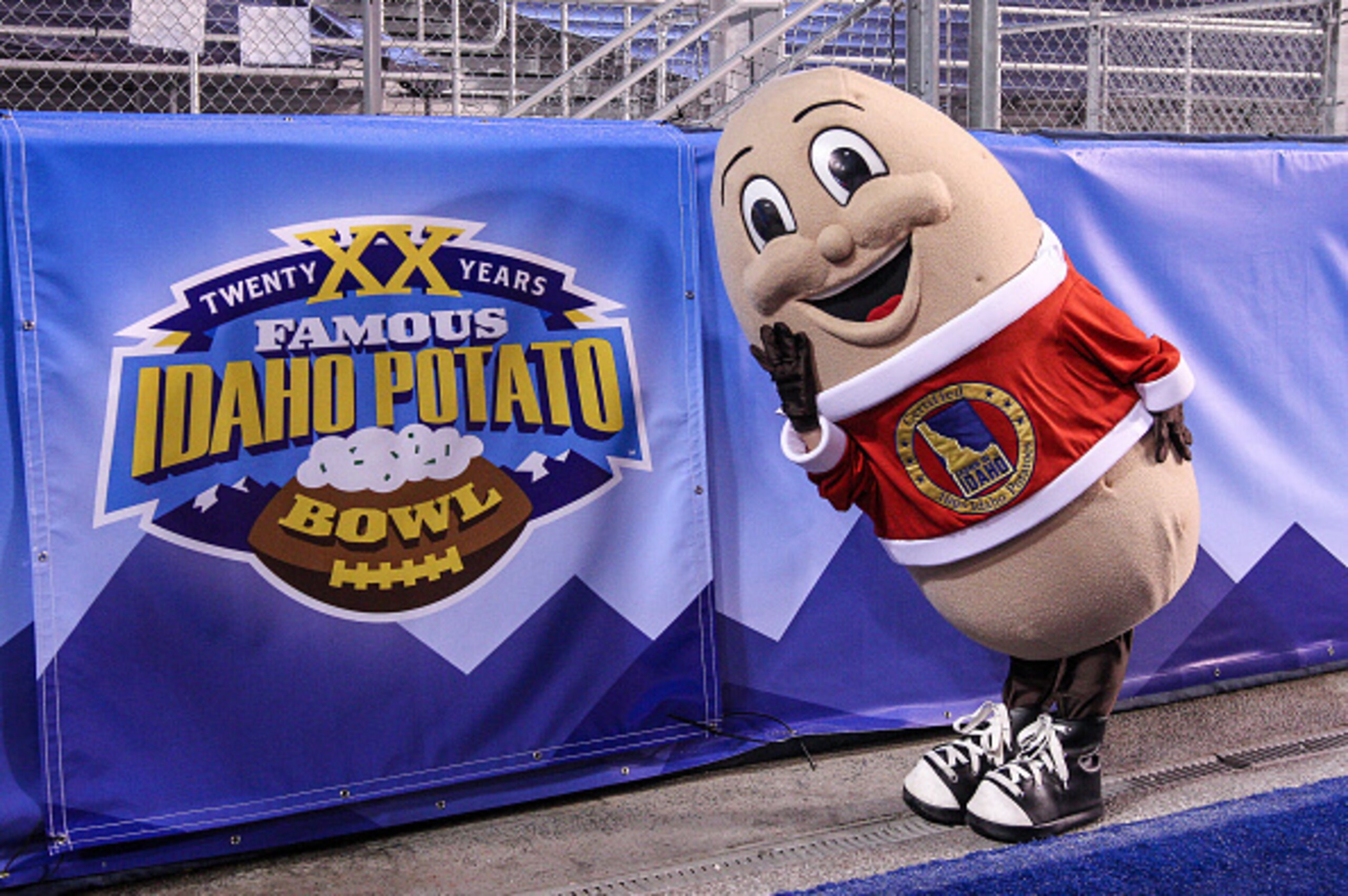
The opening quarter of the Famous Idaho Potato Bowl was painfully uneventful. There were six total punts—five of them on three-and-outs—as the Rams and Vandals combined for 95 yards on 33 plays. Bettors who banged the under at a line of 65, per OddsShark, were already starting to think about what other last-minute Christmas gifts bets they could get.
But then the defenses decided to take the rest of the day off.
The teams combined to score touchdowns on 16 of the next 24 drives (excluding the final one-play drive of the first half). A far cry from those three-and-outs, seven of the 16 touchdowns came on drives of three plays or fewer.
After that lackluster first quarter, they gained 1,111 yards en route to 111 points. And they really kicked things up a notch in the final frame, scoring 56 points in the fourth quarter alone. Olabisi Johnson set a Colorado State single-game record with 265 receiving yards and two TDs in the 61-50 losing effort.
Idaho had a pair of less impressive defensive efforts earlier in the season against Washington and Washington State, but this was a new low for Colorado State. The Rams had not given up more than 50 points in a game since a 63-13 loss to Boise State in October 2011.
Winner: KD Cannon, Baylor
5 of 18
At this point, it's more surprising when KD Cannon doesn't have a big day.
Baylor sputtered to the finish line, losing its final six games of the regular season, but not because of a lack of effort from Cannon. He had 33 receptions for 429 yards and five touchdowns in the team's final four games. The Bears simply didn't do anything to help themselves out on defense.
Cannon missed some time early in the season while nursing a groin injury, which kept him from coming anywhere close to the top of the leaderboard for receiving yards. However, he was one of 13 wide receivers to average at least 100 yards per game thanks in large part to his performance in the Cactus Bowl against Boise State.
Baylor's junior set a new career high in both receptions and yards, hauling in 14 catches for 226 yards and a pair of scores. And, frankly, he could have done so much more. Cannon had 182 of those yards by halftime before the Bears committed themselves to the run game to keep the clock moving in their 31-12 victory.
Following the monster performance against the Broncos, Cannon declared for the NFL draft, where B/R's Matt Miller has him projected as a fourth-round pick.
Loser: Mid-December Discussion Points
6 of 18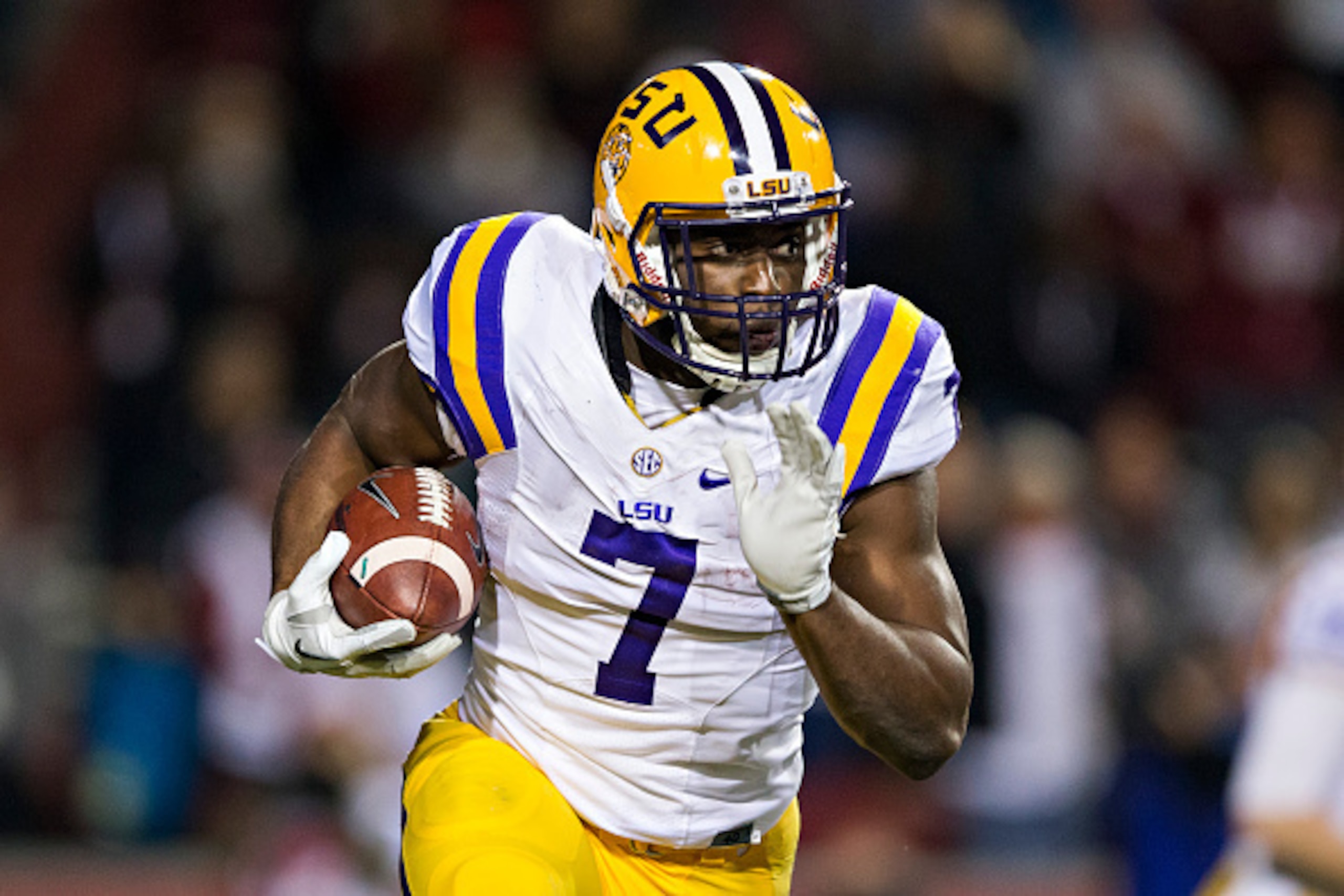
Outside of the annual obsession with the coaching carousel and the Heisman ceremony, a pair of big stories dominated the airwaves in the two-week gap between conference championship weekend and the start of bowl season: Minnesota's boycott and the decisions by Christian McCaffrey and Leonard Fournette to sit out their games to prepare for the NFL draft.
In the end, those narratives couldn't have mattered less.
Minnesota's players decided to end their boycott long before the Holiday Bowl began. Instead, it looked like Washington State was the team that had been preparing to not play a game. The Cougars put forth their worst offensive effort of the season, scoring just 12 points and gaining 303 yards—compared to their regular-season averages of 38.2 and 483.7, respectively. Minnesota wasn't great on offense, but its 17 points were enough for the win.
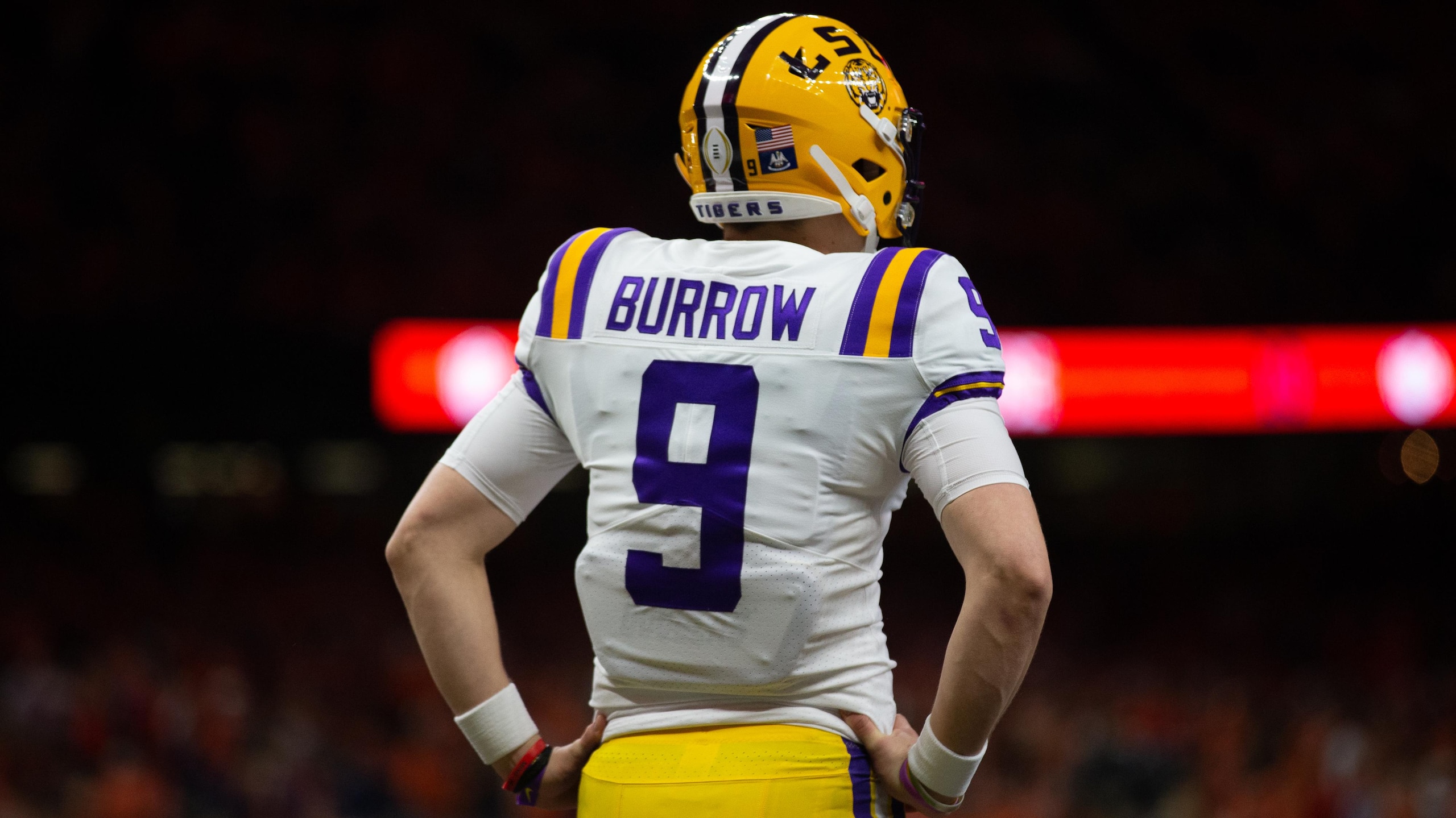
Stanford and LSU didn't miss their star running backs, either.
With help from three Mitch Trubisky turnovers, the Cardinal eked out a 25-23 win over the Tar Heels. They were the furthest thing from elite on offense without McCaffrey, but they did just enough to get the job done. And LSU's defense clamped down on Louisville and Lamar Jackson for a 29-9 win in the Citrus Bowl. With Derrius Guice at their disposal, though, the Tigers looked just fine without Fournette.
Here's hoping you didn't focus too much on those mid-December stories when making your picks for bowl season.
Winner: Justin Jackson, Northwestern
7 of 18
Justin Jackson was the straw that stirred Northwestern's drink this season. When he ran for at least 91 yards, the Wildcats averaged 34.9 points and went 7-1—with the only loss coming by a one-point margin to Western Michigan. When he was held to 90 yards or fewer, though, they were 0-5 and averaged 11.8 points per game.
Needless to say, getting him involved early and often in the Pinstripe Bowl was a must.
Thus, when he ripped off a 68-yard run late in the first quarter in the process of accounting for 96 rushing yards on one possession, Northwestern was in business.
The Pittsburgh Panthers simply had no answer for Jackson. He finished the game with a career-high 224 rushing yards and three touchdowns while Pitt's entire team—which includes James Conner, mind you—ran for just 169 yards. Were it not for a pair of turnovers committed in plus territory, Northwestern might have scored enough to put this one away by halftime.
In the end, though, it was defense that sealed the win for the Wildcats. After taking a 28-24 lead midway through the fourth quarter, they forced turnovers on three consecutive Pittsburgh possessions to eke out a 31-24 win—the program's second bowl victory since 1948.
Loser: Pac-12 South Champ
8 of 18
Since adding Colorado and Utah and splitting into the Pac-12 North and South six years ago, things have not gone well for the South champs.
In both 2011 and 2012, UCLA won the division before losing the Pac-12 title game and proceeding to lose to a middling major-conference foe in a bowl game. In 2013, Arizona State's seven-game winning streak ended with two consecutive blowout losses to end the year. Arizona was annihilated in the 2014 Pac-12 title game by Oregon before losing to Boise State in the Fiesta Bowl. And last year, USC won the South before consecutive losses to Stanford and Wisconsin.
Colorado was hoping to end that streak this year. Instead, the Buffaloes made the curse look even worse.
After getting slaughtered by Washington in the Pac-12 title game by a 41-10 margin, the Buffs were almost shut out by Oklahoma State in the Alamo Bowl, finally getting on the board late in the fourth quarter of their 38-8 loss.
They moved the ball better against the Cowboys than they did against the Huskies, but it didn't do them much good. Six drives went for at least 20 yards, but they amounted to one touchdown, one missed field goal, two failed fourth-down conversions, a punt and a pick.
Between the conference championships and bowl games, the Pac-12 South champ is now 0-12 with an average margin of defeat of 18 points per game.
Winner: Army's Revenge
9 of 18
In a rarely seen quirk of bowl scheduling, the Heart of Dallas Bowl was a rematch from an earlier game.
Back in late October, Army committed an almost unthinkable seven turnovers against North Texas—three fumbles and four interceptions. The Black Knights ran for 302 yards, but they repeatedly shot themselves in the foot en route to a 35-18 loss.
This time around, they were more cautious with the ball, turning it over just once on a muffed punt. Rather than risk another four-interception fiasco, Army only attempted four passes in the entire game. Instead, Ahmad Bradshaw and company put the triple-option to good use, rushing for 480 yards and six touchdowns.
Six different Black Knights ran for at least 36 yards, with five of them accounting for at least one touchdown. They ran the ball on 32 of the first 33 plays, scoring touchdowns on each of their first four drives.
But they failed on three consecutive two-point conversion attempts and struggled to move the ball late in the game, letting North Texas hang around just long enough to force overtime. Once there, though, they were able to seal the 38-31 win with a three-yard rushing touchdown on 4th-and-goal.
Army finished the season with 4,414 rushing yards and 46 touchdowns, which was good for top-four in the nation in both categories. Even though North Texas had already faced Army and knew what was coming, there was nothing the Mean Green could do to stifle its rush assault.
Loser: Arkansas Razorbacks
10 of 18
No team was more hit or miss from one week to the next than Arkansas. After starting 3-0, the Razorbacks alternated losses and wins for their next nine games.
When they showed up, they were good enough to beat Florida, TCU and Ole Miss. When they didn't, they were bad enough to lose to Missouri and to get completely blown out by Texas A&M and LSU.
Early on in the Belk Bowl, it looked like they were going to keep that oscillating streak alive. They lost to Missouri in the final game of the regular season and had jumped out to a 24-0 lead on Virginia Tech in less than 20 minutes. Junior QB Austin Allen was tearing the Hokies to shreds.
However, Bad Arkansas came to play in the second half.
The Razorbacks were outscored 35-0 after the intermission. They managed just three first downs in the second half while committing three turnovers—each of which led directly to a Hokies touchdown as they repeatedly set up VT in plus territory.
It wasn't a happy ending for Arkansas, but it was a fitting one.
Winner: Atlantic Coast Conference
11 of 18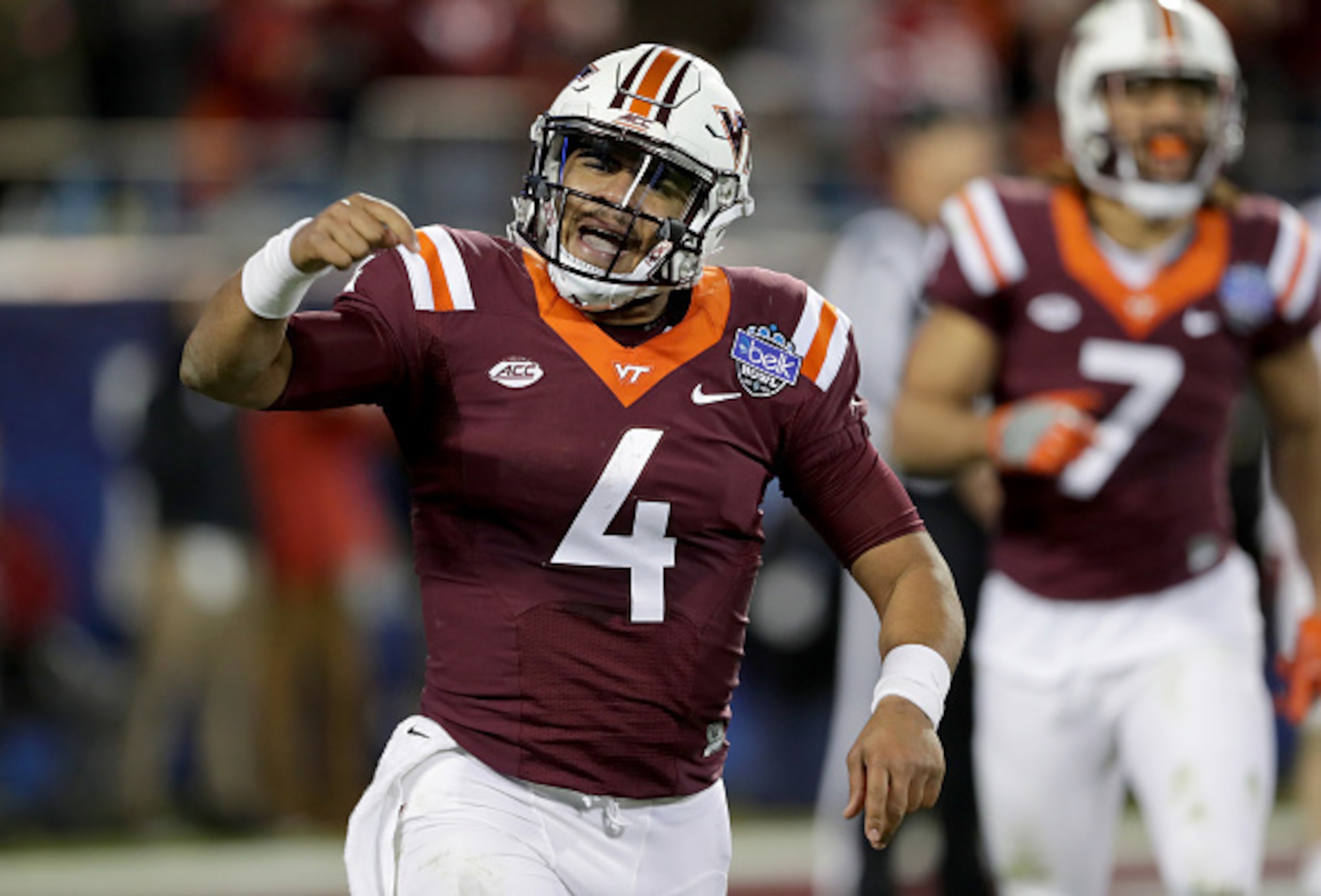
No conference was more impressive during bowl season than the ACC.
Clemson made the biggest statement, routing Ohio State in the CFP semifinals. Deshaun Watson was solid, accounting for three total touchdowns. But it was just an average game for the Heisman runner-up. Rather, it was Clemson's defense that put on a show in the 31-0 shutout. Transplant that defense from Phoenix to Tampa, Florida, and the Tigers could absolutely beat Alabama next Monday.
Elsewhere, Virginia Tech, North Carolina State and Georgia Tech each beat SEC opponents by multiple-possession margins. Miami comfortably took care of business against West Virginia. And Florida State survived a sensational Orange Bowl for a one-point win over Michigan.
All in all, the ACC went 8-3 (with the national championship pending). If North Carolina and Pittsburgh could have avoided late turnovers in one-possession losses to Stanford and Northwestern, respectively, the league feasibly could have gone 10-1. The only bad loss was Louisville getting smoked by LSU, and that was to be expected based on how poorly the Cardinals played late in the season.
College football usually belongs to the SEC. The Big Ten dominated the 2016 regular season. But there's no denying that the ACC was king for the past two-plus weeks.
Loser: Mid-American Conference
12 of 18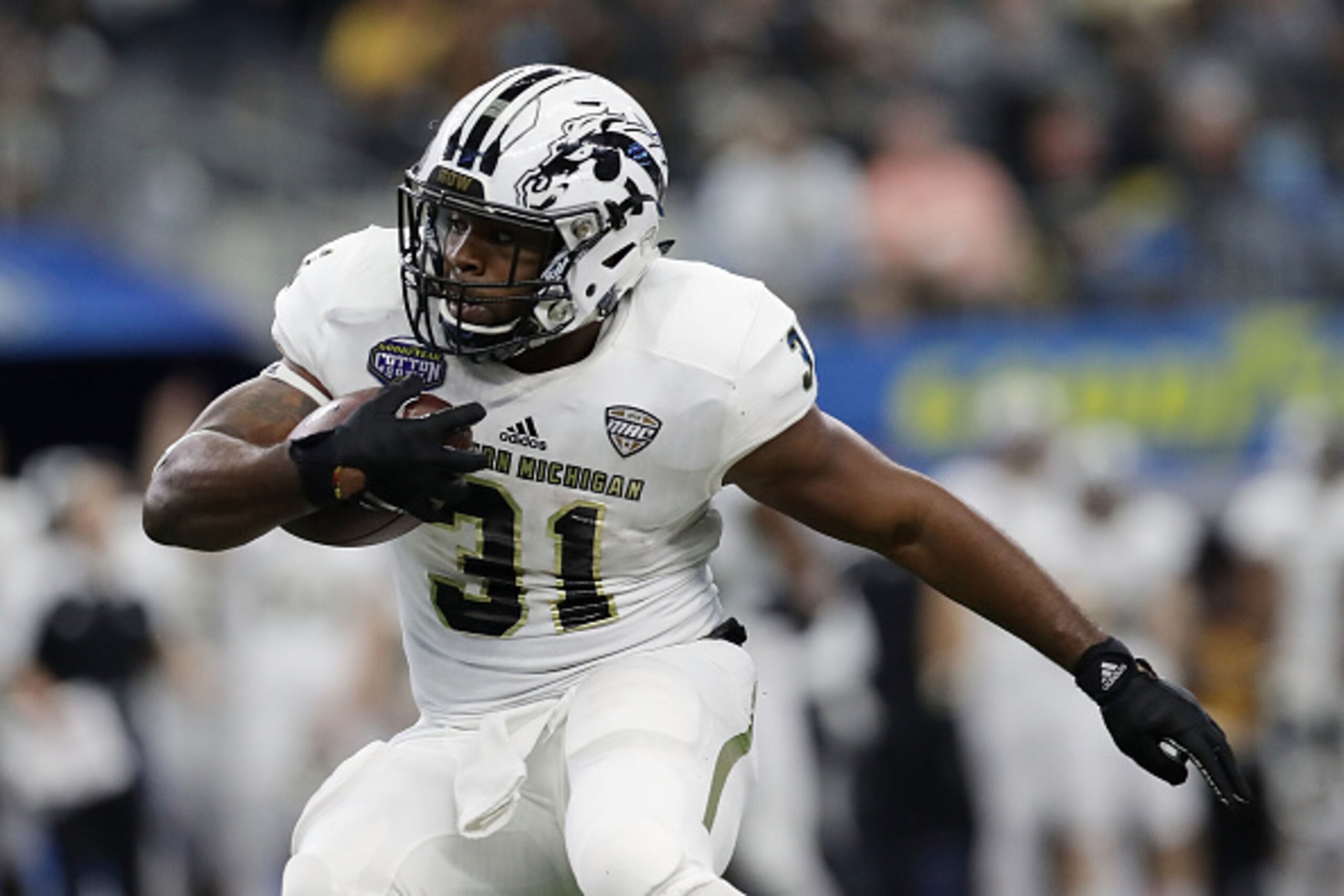
Between Western Michigan going 13-0 and Central Michigan upsetting Oklahoma State on one of the most ridiculous finishes in recent years, #MACtion received way more regular-season national attention than it usually does. And with help from Miami (Ohio) bouncing back from an 0-6 start to win its final six games of the season, the league was represented in six bowl games this year.
How they fared in those games is another story.
Most of them were nail-biters. Ohio lost by five to Troy. Eastern Michigan fell to Old Dominion by a four-point margin. Appalachian State clipped Toledo by a field goal. And Miami lost by one to Mississippi State when its game-winning 37-yard field-goal attempt was blocked with five seconds remaining. One tipped ball here or there, and the MAC could have gone 4-0 in those games instead of 0-4.
But a loss is a loss is a loss, and Central Michigan did everything in its power to skew the MAC's average margin of defeat in its 45-point blowout at the hands of Tulsa. As a result, when Western Michigan took the field for the Cotton Bowl, either the Broncos were going to put the finishing touches on an undefeated season or they were going to put the cherry on the Mid-American Conference's winless bowl sundae.
They went the latter route, allowing Wisconsin to shred them on the ground to the tune of a 14-0 lead before spending the next 48 minutes unable to row the boat against the current. Stud receiver Corey Davis finally got going in the second half, but unfortunately for the Broncos, so did Badgers tight end Troy Fumagalli.
Western Michigan fell to 13-1 as the MAC dropped to 0-6 in bowl season.
Winner: Senior Running Backs in Swan-Song Games
13 of 18
Quite a few quality running backs went out with a bang.
Utah's Joe Williams retired back in September, but he returned to action a month later and better than ever. He averaged nearly 185 yards over the final six games of the regular season before amassing 222 rushing yards (and 56 receiving yards) in Utah's 26-24 win over Indiana. Williams was responsible for 59.1 percent of the team's total yards and had 11 gains of at least 11 yards.
A different Williams for a different school in the same state also ran for more than 200 yards. Jamaal Williams accounted for 67.3 percent of BYU's total yards, rushing for 210 yards and a score in the 24-21 victory over Wyoming. If he wasn't moving the ball, neither were the Cougars. But he did just enough to lead them to their seventh bowl win in 11 years.
Western Kentucky's Anthony Wales also had one heck of a going-away party. The Hilltopper set career highs in both rushing and receiving yards, running for 245 and three scores and going for 84 through the air. Defense was never expected to make much of an impact in the Boca Raton Bowl, but Wales put on a show all the same in the 51-31 win over Memphis.
Last, and anything other than least, San Diego State's Donnel Pumphrey set the FBS record for career rushing with 115 yards and a score in a 34-10 win over Houston. Pumphrey jumped eight yards ahead of Ron Dayne, finishing his career with 6,405 yards.
Loser: Houston Cougars Offense
14 of 18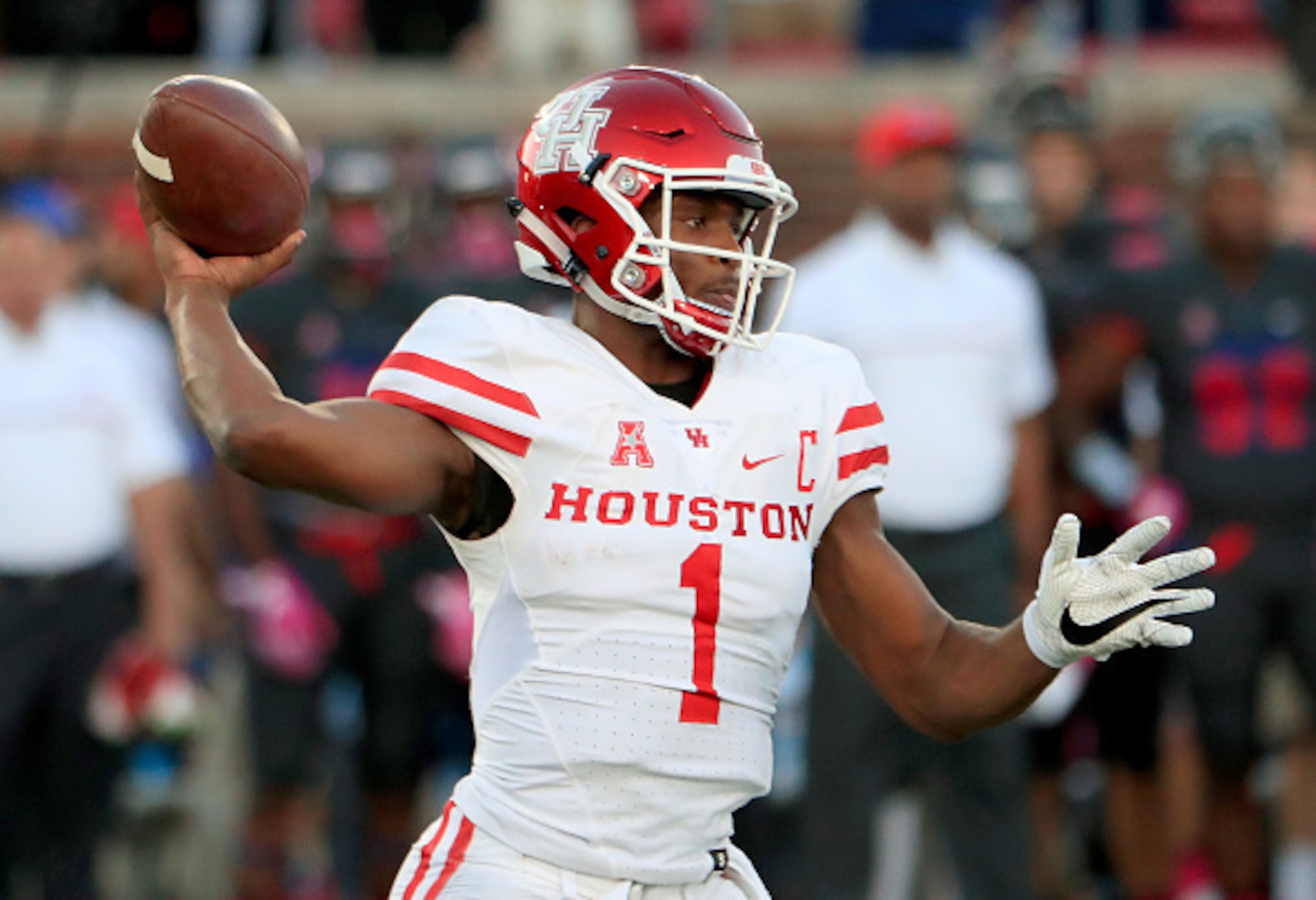
For all the fuss about which highly projected draft picks were hurting their teams by opting not to play, it was a head coach leaving his team in the lurch that seemed to have the biggest impact on the outcome of a game.
With former head coach Tom Herman busy getting his office in order in Austin, Texas, Houston looked almost helpless on offense against San Diego State. The Cougars had a couple of quality drives early in the game to take a 10-0 lead, but they were outscored 34-0 the rest of the way while SDSU's Donnel Pumphrey set the FBS record for career rushing yards.
Senior QB Greg Ward Jr. scored Houston's only touchdown of the game on a two-yard run, but he was sacked seven times and finished the game with 22 carries for zero total yards. The rest of the rushing attack wasn't any better, as Duke Catalon, Brandon Wilson and Keith Corbin combined for 25 yards on 19 carries. San Diego State did have one of the better rush defenses in the country this season; however, this was a downright dismal effort from Houston.
The air attack also suffered. Ward completed 73.5 percent of his passes for 229 yards, but his only touchdown of the day went the wrong way on one of his four interceptions.
In terms of points, total yards and yards per play, it was Houston's most anemic performance since August 2014.
Winner: Christian McCaffrey and Leonard Fournette
15 of 18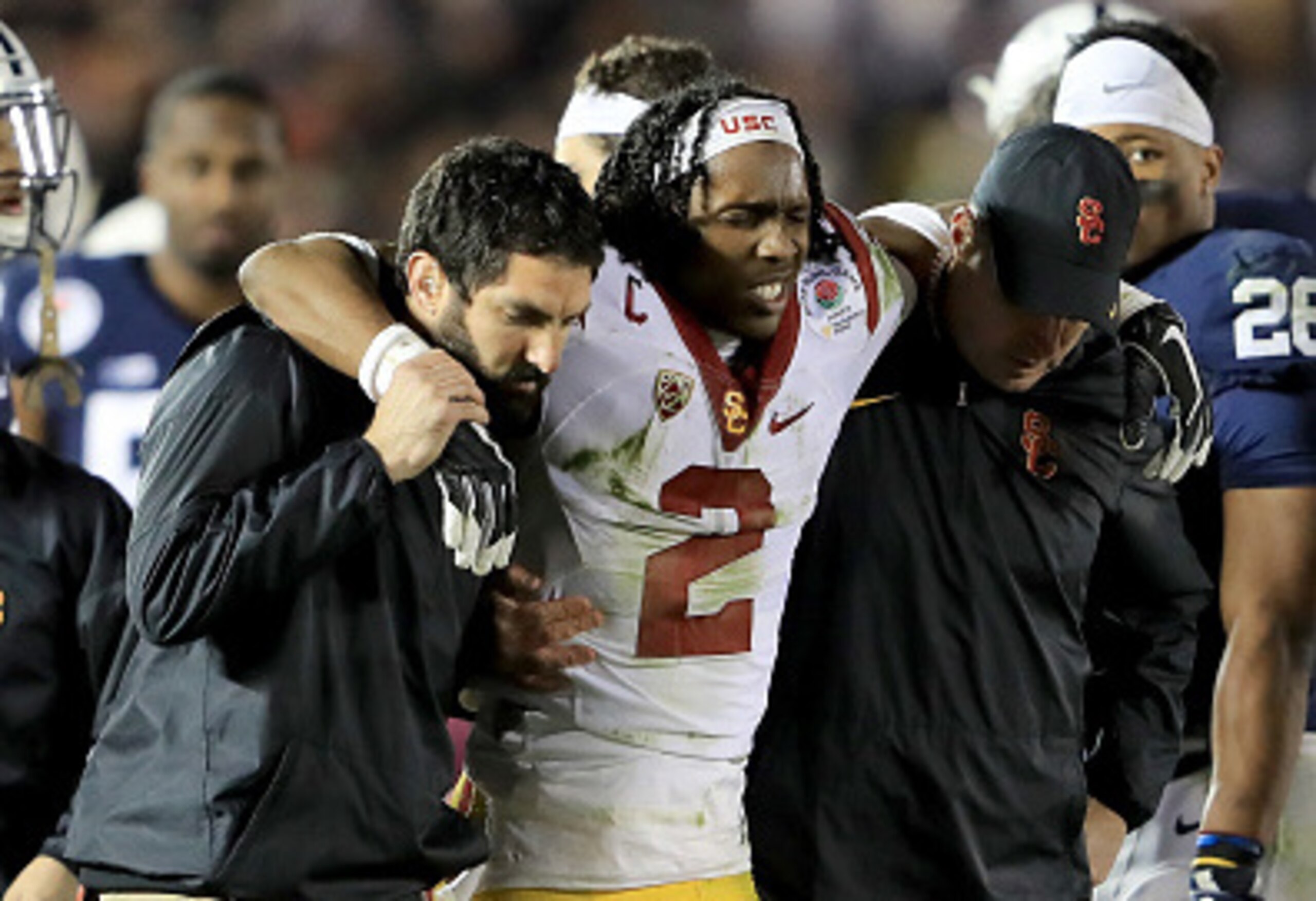
Three of the most exciting sporting events of the past few weeks were the Orange, Sun and Rose Bowls.
We previously covered the Orange Bowl in this slideshow, but if you need another reminder, it was a back-and-forth affair between Michigan and Florida State that included blocked extra points, absurdly long third-down conversions and ill-advised kickoff returns that worked out swimmingly.
The Sun Bowl was a tight one throughout, with Stanford eking out a win over North Carolina when the Tar Heels failed on a two-point conversion attempt in the final minute. And USC and Penn State delivered one of the most incredible Rose Bowls in history.
But when the confetti ceased firing and the fields cleared, what mattered the most wasn't who won or lost, but who was injured and how badly.
Stanford's Keller Chryst and Michigan's Jake Butt each suffered a torn ACL. Chryst still has a year of eligibility remaining and was likely going to return anyway. Butt, though, is a senior who likely would have been a second- or third-round draft pick. We'll have to wait and see where he lands.
And it's too soon to know the severity of the injury Adoree' Jackson suffered in the Rose Bowl, but lower legs aren't supposed to bend the way his did. B/R's Matt Miller had Jackson projected as a late second-round pick on the morning of the Rose Bowl, but injury reports in the next few days may compromise that status.
Meanwhile, Christian McCaffrey and Leonard Fournette drew some scorn for a few days before taking it easy in a game that ultimately didn't matter for their respective futures and look like the smart ones for it.
Injuries can happen at any time, but given the serious injuries that did occur less than two weeks after a lengthy and heated debate over whether players should be allowed to skip bowls, it's natural to assume the trend that McCaffrey and Fournette started will only grow in volume in subsequent seasons.
Loser: Perry Hills, Maryland
16 of 18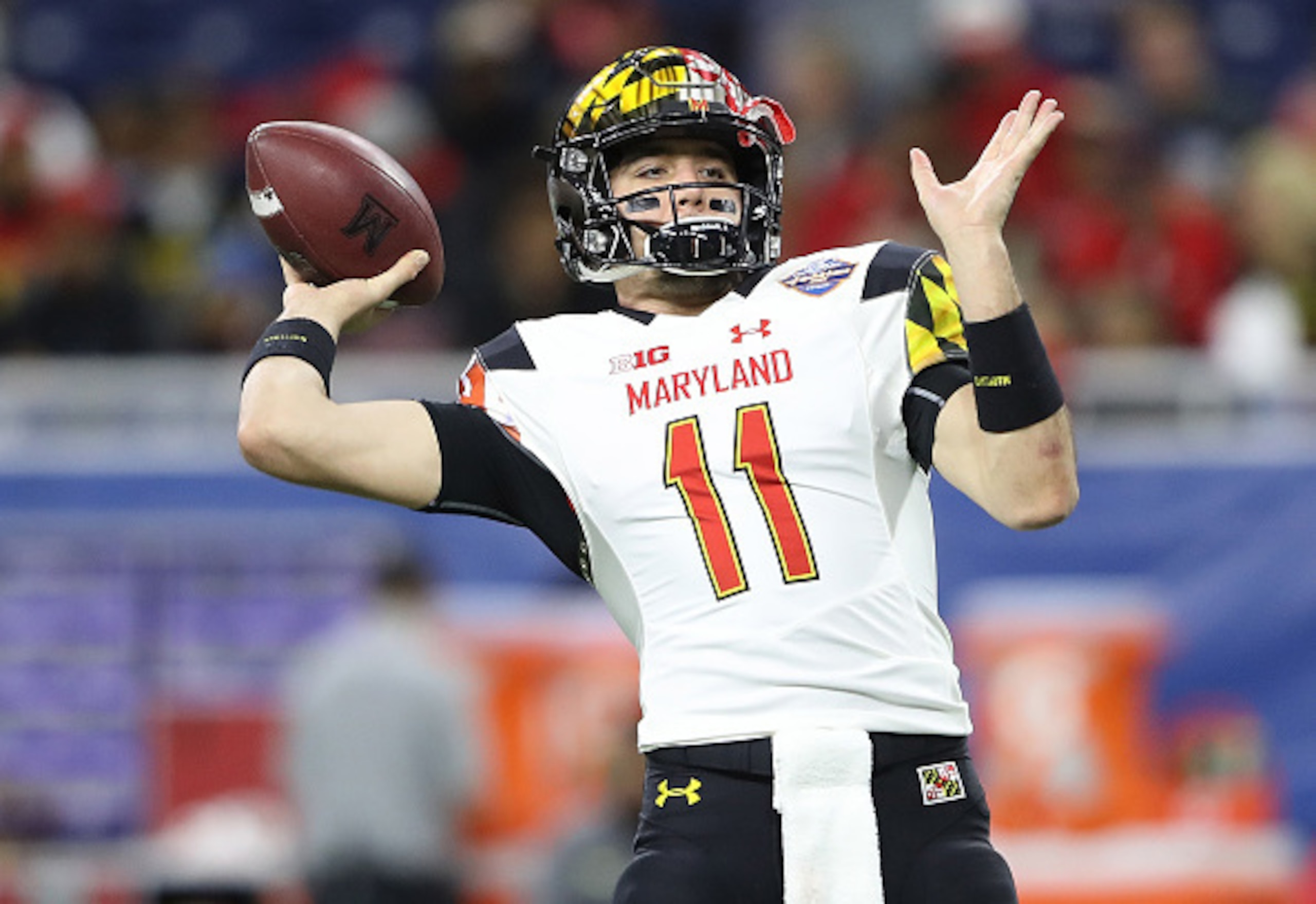
I usually try to avoid listing individual players as losers in these slideshows, but Perry Hills' performance in the Quick Lane Bowl left me with no other option.
As a passer, Hills completed only 42.9 percent of his 35 attempts, including a brutal interception late in the first half. He had a pair of nice touchdown passes early in the third quarter, but the Terps were already down by 23 at that time because Hills was 5-of-14 for 51 yards with two fumbles and a pick through their first 11 drives.
He was even worse as a rusher, taking eight sacks in the process of losing 41 yards on the ground. Hills fumbled four times, three of which were recovered by Boston College. The first fumble recovery set BC up for a field goal, as it was recovered inside Maryland's 20. The second one was returned for a touchdown. And the third one was lost on the BC 1-yard line, abruptly ending a nine-play drive that started at the BC 17.
The senior's butter fingers directly cost Maryland at least 17 points in the 36-30 loss. And when his play and leadership were needed the most, he was 1-of-9 through the air for no yards and had two carries for minus-eight yards over his final 12 snaps of the game.
How Maryland managed to score 30 points with a quarterback with a rating of 1.9 is equal parts mystery and miracle.
Winner: Sam Darnold, USC
17 of 18
In college basketball, color commentators will often say during the NCAA tournament that freshmen are basically sophomores by the time they get to the postseason based on the amount of experience they gained over the prior few months.
Well, redshirt freshman QB Sam Darnold looked more like a fifth-year senior in the Rose Bowl, carving up Penn State's secondary for 453 yards and five touchdowns.
And the scary thing is he only got better as the pressure mounted. Unless you count his spike with less than 10 seconds remaining, Darnold was 10-of-11 for 135 yards and a score in the fourth quarter as the Trojans orchestrated a 14-point comeback to win 52-49.
Ignore the first month of the season, and there might not have been a better quarterback in college football this year.
No, I haven't forgotten about Deshaun Watson, Baker Mayfield or Lamar Jackson. That's just how good Darnold was. Dating back to Oct. 1, he averaged 300 yards, 3.2 touchdowns and 0.9 interceptions per game while completing 67.3 percent of his passes.
There's a reason USC finished the season on a nine-game winning streak, and his name is Darnold. If Deontay Burnett plays anywhere near as well next year as he did in the Rose Bowl (13 receptions, 164 yards, three touchdowns), the Trojans just might be the team to beat.
Loser: Big Ten East
18 of 18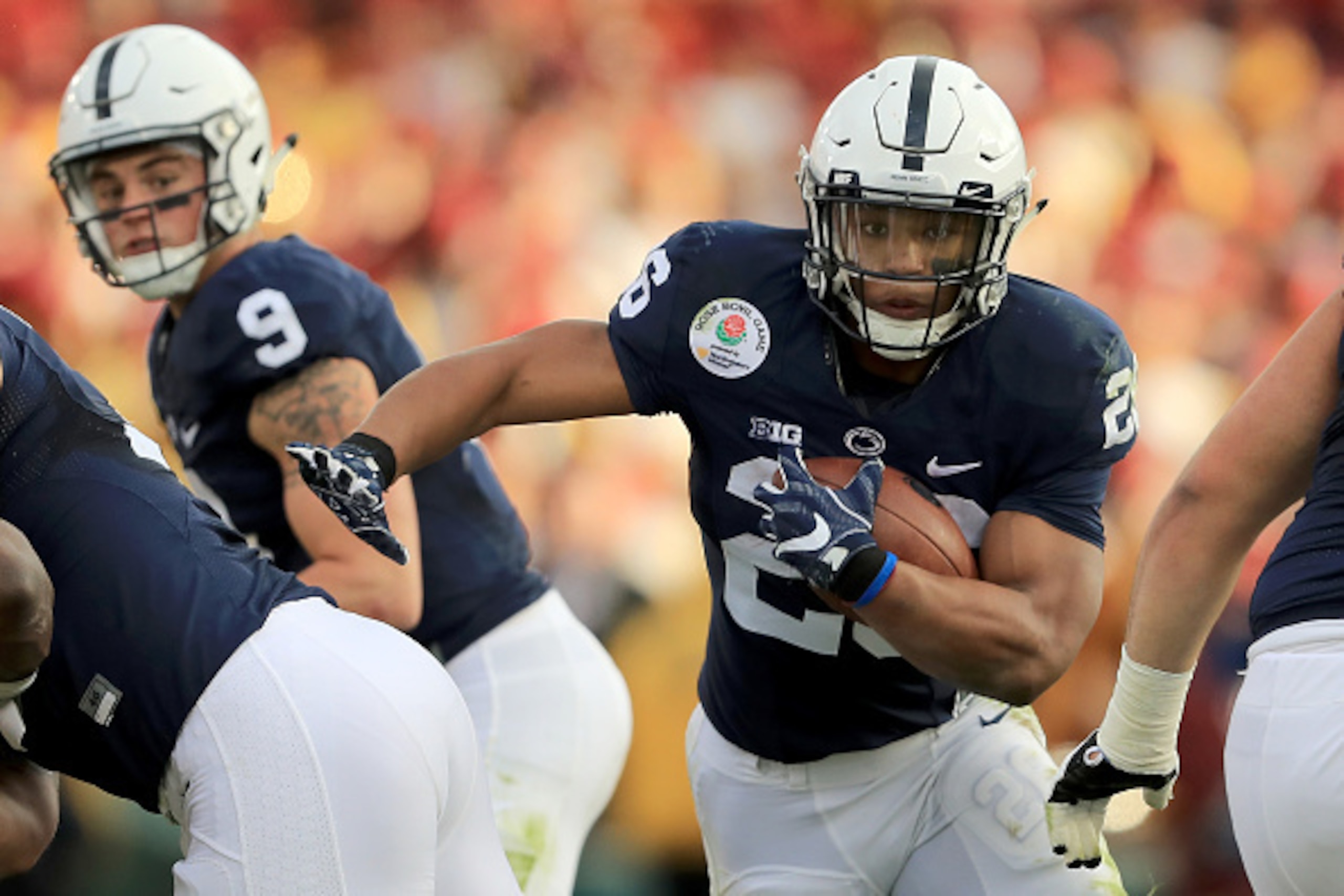
The SEC West is usually the best division in college football, but there's no question that distinction belonged to the Big Ten East this year. Penn State, Ohio State and Michigan each had legitimate cases to be included in the College Football Playoff. And despite playing three of their 12 games against those teams, Indiana and Maryland each managed to become bowl-eligible as well.
Once bowl season began, though, the Big Ten East turned into a punching bag.
Aside from the MAC—in which both the East and West divisions failed to win a game—every other division in college football produced at least one bowl winner. In fact, each of the other eight divisions to send at least five teams to a bowl game came home with at least two wins.
But Penn State, Ohio State, Michigan, Indiana and Maryland went a combined 0-5.
Four of those five games came right down to the wire, but that almost makes their winless record even more egregious, doesn't it? If any group of teams in the country ought to have been prepared to win a coin-flip type of game, it was the Big Ten East. Instead, these five teams repeatedly had not quite enough to get the job done.
As Tom Fornelli of CBS Sports noted on Twitter, the Big Ten was put at quite the geographical disadvantage in most of its games. Penn State, Indiana and Michigan losing by a combined six points in what amounted to road games is hardly an unforgivable offense. But until they start playing bowl games in Chicago and Cleveland, that's always going to be the case for this league. It doesn't excuse the fact that the division was unable to win a single game.

.jpg?w=2560 "Lawrence to Retire After 2026")
.jpg?w=2560 "James Pearce Jr. Suspended 8 Games")
.jpg?w=2560 "Vea Sends Bucs Message")
.jpg?w=2560 "Commanders Fan Trolls Dak 😂")
.jpg?w=2560 "Breaking News")