
B/R NBA 200: Ranking the Top Centers of 2014-15 Season
Historically, centers have dominated the NBA.
That's not quite true in 2014-15, due to the prominence of small ball and three-heavy schemes, but quite a few big men nevertheless thrive in the modern-day Association all the same. These are the biggest guys on the court, the ones who anchor defenses by protecting the rim and contribute points via ferocious slam dunks.
Of course, some do far more than that.
Al Horford and Marc Gasol are versatile stars for the Atlanta Hawks and Memphis Grizzlies, respectively. DeAndre Jordan submitted one of the greatest rebounding seasons in recent memory. DeMarcus Cousins couldn't be stopped from posting big scoring performances.
And there are still plenty more. After all, the center position, even if it's not nearly as dominant at the top as it's been in previous decades, contributed more players to the top 200 than any other.
Now, it's time to put the league's best true 5s into a definitive order.
The NBA 200 metric identifies the players who performed best during the 2014-15 season. Potential doesn't matter, and neither does reputation. It's all about what happened this season, and this season only. All positions are graded using the same criteria (though rim protection was added into the equation for bigger positions), but the categories are weighted differently to reflect changing roles, with max scores in parentheses:
- Scoring (20)
- Non-Scoring Offense: Facilitating (5) and Off-Ball Offense (10)
- Defense: On-Ball (10), Off-Ball (15) and Rim Protection (15)
- Rebounding (15)
- Intangibles: Conduct (5) and Durability (5)
For a full explanation of how these scores were determined, go here. And do note these aren't your father's classification schemes for each position. Players' spots were determined by how much time they spent at each position throughout the season, largely based on data from 82games.com and Basketball-Reference.com, and we're expanding the traditional five to include four combo positions.
In the case of ties, we determined order in subjective fashion by ranking the more coveted player in the higher spot. That was done by a voting committee comprised of myself, two National NBA Featured Columnists (Grant Hughes and Dan Favale), two Associate NBA Editors (Ethan Norof and Joel Cordes) and an NBA Quality Editor (Jacob Bourne).
Note: All statistics come from Basketball-Reference.com unless otherwise indicated. In order to qualify for the rankings, players must have suited up in 20 games through March 10, the date of data collection.
Point Guard Rankings can be found here.
Combo Guard Rankings can be found here.
Shooting Guard Rankings can be found here.
Swingman Rankings can be found here.
Small Forward Rankings can be found here.
Combo Forward Rankings can be found here.
Power Forward Rankings can be found here.
Combo Big Rankings can be found here.
38. Kelly Olynyk, Boston Celtics
1 of 38
Scoring
The 2014-15 season was a mixed bag for this sophomore member of the Boston Celtics. On one hand, Kelly Olynyk started taking more triples, worked his way to the charity stripe with increased frequency and developed a stronger proficiency for creating his own looks. On the other, he struggled to hit a respectable percentage of his deep tries and uncharacteristically struggled from the free-throw line, both of which dampened his rising level of efficiency and overall scoring prowess.
Non-Scoring Offense
Olynyk is already a dangerous enough offensive player that he draws a moderate amount of attention when he doesn't have the ball in his hands. Figuring out his three-point stroke would do wonders here, though, as would becoming an even more skilled passer.
Defense
Some defensive metrics are kind to the Gonzaga product, who did have a positive defensive box plus/minus and actually saw the C's fare better when he was on the floor. But our grading scale is not as generous, largely because Olynyk was one of the worst on-ball defenders scouted at any position.
Rebounding
Plummeting per-minute numbers don't bode well for a young center. Olynyk does a nice job rebounding through traffic, but he's not involved enough on the glass to be anything special in this category.
Intangibles
The only major injury Olynyk suffered during his second season was a sprained right ankle in late January. Unfortunately, it was so severely sprained that it knocked him out of action until the beginning of March.
Overall
Olynyk is clearly making strides in the right direction, but fundamental flaws in his game prevent him from looking like much more than a middling big man. When his three-point stroke is more reliable, he's more active on the glass and his on-ball defense catches up to his off-ball work and rim protection, he'll rocket up these rankings.
37. Tiago Splitter, San Antonio Spurs
2 of 38
Scoring
Tiago Splitter isn't a volume scorer for the San Antonio Spurs, but he doesn't have to be in order for that offense to thrive. He's not called upon to create his shot often, and he thrives in a role that lets him hit bunnies around the rim and pick up trash on second-chance opportunities. There's value in that, but it's not going to result in a stellar category score.
Non-Scoring Offense
A tough screener who can finish plays when he rolls to the basket, Splitter is a bit threatening off the ball. However, it's still his passing that looks better here, as he's quite comfortable operating in Gregg Popovich's system and racks up smaller assist totals as a result.
Defense
Injuries limited Splitter's lateral quickness this year, and that showed up on the defensive end quite frequently. He struggled in all three categories that we're looking at here, failing to make a huge impact as an on-ball, off-ball or rim-protecting defender.
Rebounding
This was Splitter's worst rebounding season as a professional, as he failed to top his previous career-worst mark of 9.3 boards per 36 minutes. Though he was often in the right position, or at least in close enough vicinity to a grab a missed shot, he converted a low percentage of his opportunities throughout the year, which was likely the result—once more—of his injury-diminished energy levels.
Intangibles
Splitter had to spend much of the year cursing his calves, as he kept missing time due to their fragile nature. And even when he did play—especially during the middle of the campaign—he seemed to be operating at far less than 100 percent, to the point that he sometimes ceded playing time to Aron Baynes.
Overall
Normally, Splitter is going to end up much higher in the rankings. Those balky calves cost him plenty of production, and not just in terms of missed games. He wasn't nearly as effective on defense or the boards as he typically is, and his scoring ability stagnated as well.
36. Jusuf Nurkic, Denver Nuggets
3 of 38
Scoring
Jusuf Nurkic clearly wants to be a great scorer, to the point that he tries to loft up far too many shots at this stage of his young career. He's not there yet. There are bits and pieces coming together, like his sweeping jump hook and touch around the basket, but far too many aspects of his scoring game need plenty of work.
Non-Scoring Offense
This is a major struggle for the young man from Bosnia and Herzegovina. Not only does he flit around the half-court set without scaring anyone, but his passing chops are decidedly lackluster, as he nearly recorded twice as many turnovers as assists this season.
Defense
Take Nurkic away from the basket, and he struggles on the defensive end. Put him right near it, and he thrives as a rim-protecting stud. While heavily involved in the proceedings, he held opponents to 48.5 percent shooting at the basket, earning an elite score in that facet.
Rebounding
At 6'11" and with a tough mentality, Nurkic should be a strong rebounder. And he was during his rookie season, feeding off contact and racking up plenty of opportunities to feast on the glass.
Intangibles
A sprained right ankle kept Nurkic out for about half a month in late February and early March, but he remained quite healthy throughout the season. It also helped that he appeared to lose some of his baby fat, slimming down and showing stronger levels of conditioning as the year went on.
Overall
Nurkic has the mentality of a star. He's unafraid of just about any matchup, to the point that he's willing to talk some trash after he makes a good play against a more established center. But his game doesn't exactly scream stardom at this stage of his career, and it won't until he becomes much more consistent on the offensive end.
35. Kevin Seraphin, Washington Wizards
4 of 38
Scoring
Kevin Seraphin still doesn't score often, but his per-game average (6.6) is hiding his actual improvement. While maintaining his efficiency levels, the fifth-year pro took more mid-range looks and was quite good at them. Beyond that, he continued to gain comfort at creating his own shots rather than relying on constant feeds from the rest of the Washington Wizards.
Non-Scoring Offense
This big man still doesn't register as a catch-and-shoot threat from deep mid-range zones, which makes it easier for his opponent to cheat off and keep a guard from penetrating into the lane. But it's his passing that truly holds him back, as he preferred to remain quite uninvolved on offense when he wasn't scoring.
Defense
For the first time in his career, Seraphin used his long arms and athleticism advantageously on the defensive end. Remaining disciplined has always been an issue, and it was again when he was guarding someone without possession. But some fantastic work around the basket and adequate ability in on-ball situations made up for that massive negative.
Rebounding
This is where that 6'9" frame hurts him rather significantly. The big man from French Guiana struggles to create many chances on the glass, as he's often more content to drift around outside of the paint and get out in transition. He should have the athletic tools necessary to dominate here, but that just doesn't happen.
Intangibles
There's nothing to complain about here. A brief bout with the flu and a minor sprained ankle both knocked him out of the lineup in February, but neither kept him sidelined for a significant period of time.
Overall
Seraphin flew under the radar for much of the year, as he doesn't provide many glamorous contributions. But between his deadly mid-range game, his athleticism and his work protecting the rim from the opposition's constant assaults, he was surprisingly valuable to the Wizards in some areas. And lest we forget, this center is still only 25 years old, even if it feels like he's been around for much longer.
34. Meyers Leonard, Portland Trail Blazers
5 of 38
Scoring
Say hello to the newest member of the 50/40/90 club. Meyers Leonard was able to maintain remarkable levels of efficiency from all over the court, though he didn't exactly take many shots. During the average contest, he barely even lofted up two triples and a single shot from the free-throw line, taking on a small offensive role off the Portland Trail Blazers bench.
Non-Scoring Offense
If only Leonard knew how to pass. He was a tremendous off-ball presence who was capable of spacing out the court and setting tough screens for his teammates, but he was a liability if the ball was in his hands and he wasn't looking to shoot. His passer rating was one of the NBA's lowest, regardless of position.
Defense
Ask Leonard to guard a man in isolation or in the post, and he's entirely overmatched. Put him in an off-ball scenario, and he's at least decent. Leave him protecting the rim, and he's dominant.
Rebounding
Even with a 7'1" frame at his disposal, Leonard was a liability on the glass. He seemed afraid of too much contact during his sophomore season, rarely fighting for the rebound in traffic and preferring to take advantage of easy box-out situations or uncontested boards when compiling his thoroughly mediocre numbers.
Intangibles
A problematic left shoulder held Leonard out for a brief stretch as the calendar flipped over to January, but that's the only major injury he suffered during his second professional go-round. Otherwise, his durability was solid, and his conduct spotless.
Overall
Leonard, still just 23 years old, appears to have a high ceiling, even if he's still plodding away in a minor role for Rip City. He may not have taken many shots this year, but he still put up that 50/40/90 split, indicating that he can be a stretchy big man with skills from all over the court. And while he was a horrific defender outside the paint, he was a dominant rim-protecting presence, which gives him even more value.
33. Kosta Koufos, Memphis Grizzlies
6 of 38
Scoring
Kosta Koufos is quite uninvolved in the Memphis Grizzlies offense, occasionally completing plays right around the rim after he collects an offensive rebound or gets a feed from one of his teammates. To his credit, he's aware of his own limitations, and his ability to avoid taking bad shots does help him out here.
Non-Scoring Offense
Self-awareness prevails in this area as well. Devoid of any ability to make tough passes or space out the court, Koufos thrives as a strong and smart screener who understands how to position his body at all times. Given his limitations, it would be easy for opponents to play five-on-four, but his knack for well-timed movement prevents that from happening.
Defense
Why do you think such a putrid offensive player gets minutes on a competitive team? He can sometimes be caught flat-footed when guarding a stretch big who's roaming around the perimeter, but his work in on-ball situations and as the last line of defense is admirable. He'll never record too many blocks or steals, but he doesn't have to in order to remain impactful.
Rebounding
Ultimately limited by his meager playing time, Koufos is a slightly above-average rebounder. He's undeterred by other bodies around him, and he's aggressive on the glass. He just doesn't record all that many opportunities because he spends a significant amount of time on the bench.
Intangibles
Koufos missed one game because of the flu, and that was back in the middle of November. The rest of the season he was quite healthy.
Overall
This 26-year-old 7-footer is never going to be a star or a starter on an above-average team. His offense is far too limited for that, as he's forced to rely on strong positioning just to avoid being a liability. But Koufos is a consistent presence who thrives on the defensive end, and that has allowed him to remain a key part of the Memphis Grizzlies rotation, minimizing the point-preventing drop-off when Marc Gasol goes to the bench.
32. Anderson Varejao, Cleveland Cavaliers
7 of 38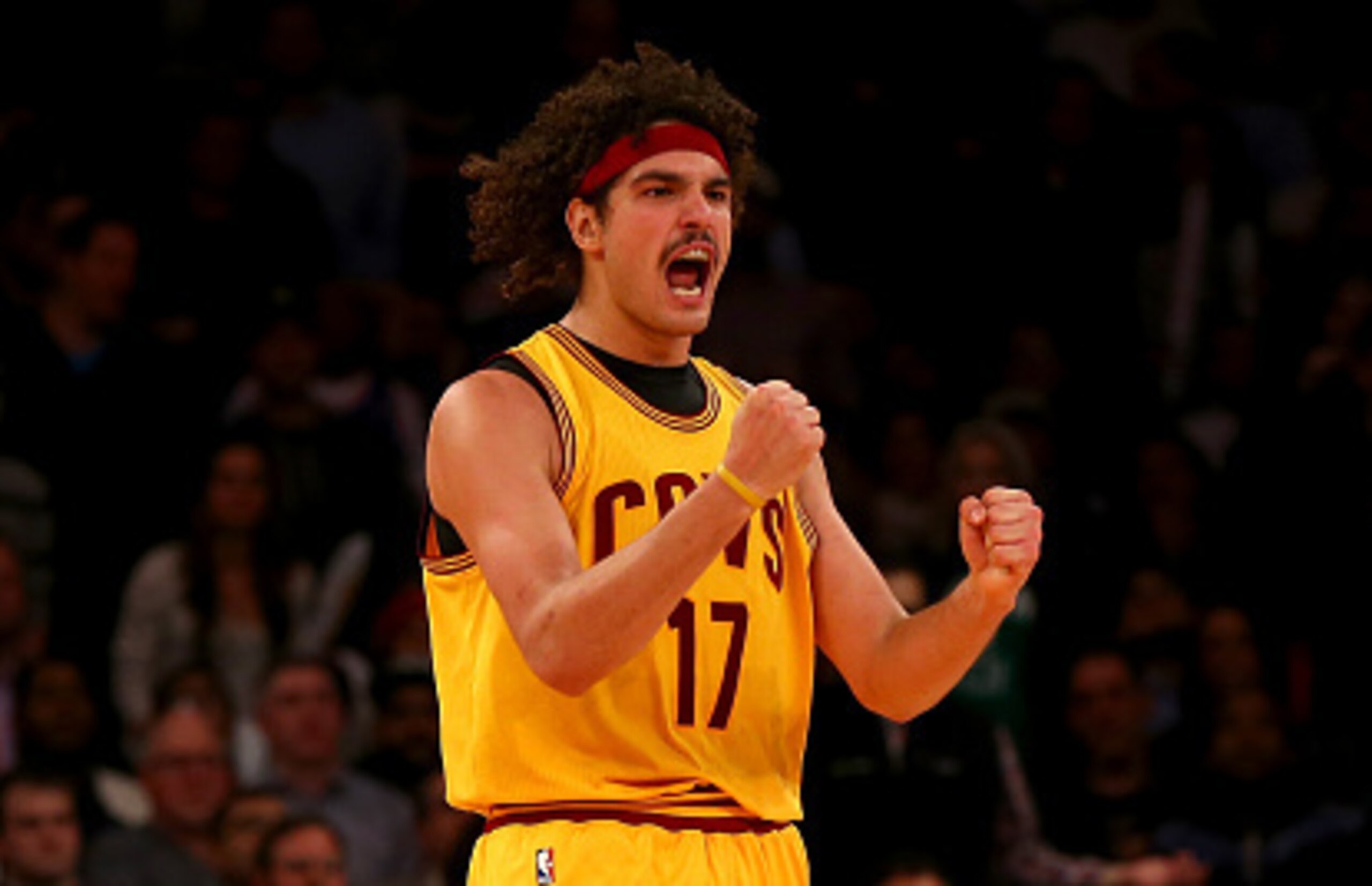
Scoring
Anderson Varejao certainly wasn't going to score many points alongside LeBron James, Kyrie Irving and Kevin Love. And he didn't while healthy, though he still impressed as a scorer by maintaining sky-high shooting percentages and playing to his strengths. Volume scorers aren't the only ones rewarded here, especially at center.
Non-Scoring Offense
Though the floppy-haired big man doesn't space the court, he sets screens that free up his teammates both on and off the ball, and he's a constant threat to roll to the hoop before using his strong hands to finish the play. There's value in that, even if it's limited.
Defense
True to form, Varejao struggled mightily when he was asked to serve as the last line for the Cleveland Cavaliers. He can be a strong on-ball defender at times, and he's adept at disrupting passing lanes while holding spot-up shooters in check, but he's porous right around the basket. Standing at 6'10" with limited athleticism makes changing that rather difficult.
Rebounding
During the three seasons prior, Varejao averaged 13.2 rebounds per 36 minutes, and he never dipped below the 12.6 he recorded in 2013-14. But this year, the Brazilian big man averaged just 9.6 boards during the same stretch, declining rather significantly and failing to maintain what was once one of his primary strengths.
Intangibles
Always an injury-prone center, Varejao lived up to his reputation in 2014-15, this time cutting his season short with a torn Achilles that limited him to only 26 games played—six more than was necessary at the March 10 cutoff. Sadly, this was actually the second-most contests he's suited up in during any of the last four campaigns.
Overall
Before he went down, Varejao was essentially a role player for the Cavaliers. He used his tough screens and efficient but limited scoring while trying to make a defensive impact in areas away from the rim. The 32-year-old just can't stay healthy, though, and that's making it increasingly hard to think he's anything but far past his prime.
31. Chris Kaman, Portland Trail Blazers
8 of 38
Scoring
Chris Kaman can still put the ball in the basket with plenty of creative moves that showcase his touch and craftiness around the hoop. The problem is that the Portland Trail Blazers don't call upon him often, which prevents him from getting into any sort of rhythm. Twenty-point games from this big man are a relic of the past, even if he's consistently going to provide quality scoring production with his limited attempts.
Non-Scoring Offense
It's a bit strange that such a skilled scorer was never able to develop a knack for distributing. This year, the Blazers big recorded far more turnovers than assists, though many of his cough-ups were admittedly because he lost control of his dribble or had the rock thieved away from him, not because he was trying to make a pass he couldn't.
Defense
A fairly immobile defender at this stage of his career, Kaman was more than serviceable only when he was guarding the rim. He timed his contests quite well when he wasn't asked to move much, and that worked nicely in Terry Stotts' defensive schemes—ones that consistently leave bigs alone in the middle. However, no other part of his point-preventing profile was particularly passable this season.
Rebounding
From a per-minute perspective, 2014-15 was actually the best rebounding year of this 33-year-old's lengthy NBA career (12.5 per 36 minutes). It just came while he was playing 18.9 minutes during his average outing, which limits the impact he can have on the glass, despite his undying willingness to stave off contact in pursuit of a loose ball.
Intangibles
Kaman avoided any major injuries, though a litany of smaller ones—a back injury, a sprained ankle, a strained right shoulder and a thumb problem—pushed him to the brink of losing a durability point.
Overall
Quite obviously past his athletic prime, Kaman is still a skilled big man who can provide quality production in the right system. He's a deft finisher around the basket who can ambidextrously put the ball through the twine in a limited role, and he was solid when asked to protect the rim. Unfortunately, that's about where the major positives dry up.
30. Nikola Pekovic, Minnesota Timberwolves
9 of 38
Scoring
To his credit, Nikola Pekovic creates a solid amount of his own looks for a paint-bound big man, relying on brute force to bully his way past his opponents and finish around the rim. His aggressive playing style also lends itself to plenty of opportunities at the free-throw line, where he converted at an 83.7 percent clip. However, Pekovic was less involved in the Minnesota Timberwolves offense than he had been in the past, and he struggled his way through massive shooting slumps for much of the season.
Non-Scoring Offense
Pekovic sets screens you'd rather not run through. He may well be the strongest player in the NBA, and that helps him create plenty of space for his teammates, who have to enjoy plays that involve the big guy opening things up for them. Just don't expect him to spread out a defense with his shooting or passing.
Defense
Thoroughly mediocre or worse in just about every defensive area, it's hard to find positives for this Montenegrin center. He was solid against players foolish enough to post him up, for example, but that also rarely happened because the scouting reports so obviously had the opposition attack in just about any other way.
Rebounding
Interestingly, Pekovic's rebounding numbers didn't skyrocket once Kevin Love left for the Cleveland Cavaliers. Even without such a dominant glass-eater stealing boards away from him, his numbers merely stagnated—admittedly at an impressive level.
Intangibles
First, a sprained right wrist kept him out for a shocking amount of time—he began sitting out on Nov. 19 and returned on Jan. 21. Second, an ankle injury hindered him for a short stretch in early March. Then, he sprained his ankle so severely that he was ruled out indefinitely and needed debridement surgery for his Achilles. The result? A season in which he played only 31 games and a future that is uncertain, especially with the Timberwolves holding the No. 1 overall pick in this June's draft and two elite bigs at the top of most draft boards.
Overall
Even if Pekovic recovers fully from his debridement surgery, the Timberwolves have to be kicking themselves for giving him a five-year, $60 million deal in the summer of 2013. It's looking like he'll be playing with an albatross of a contract, as he's failed to improve on the defensive end and is slipping on offense when healthy.
29. Jordan Hill, Los Angeles Lakers
10 of 38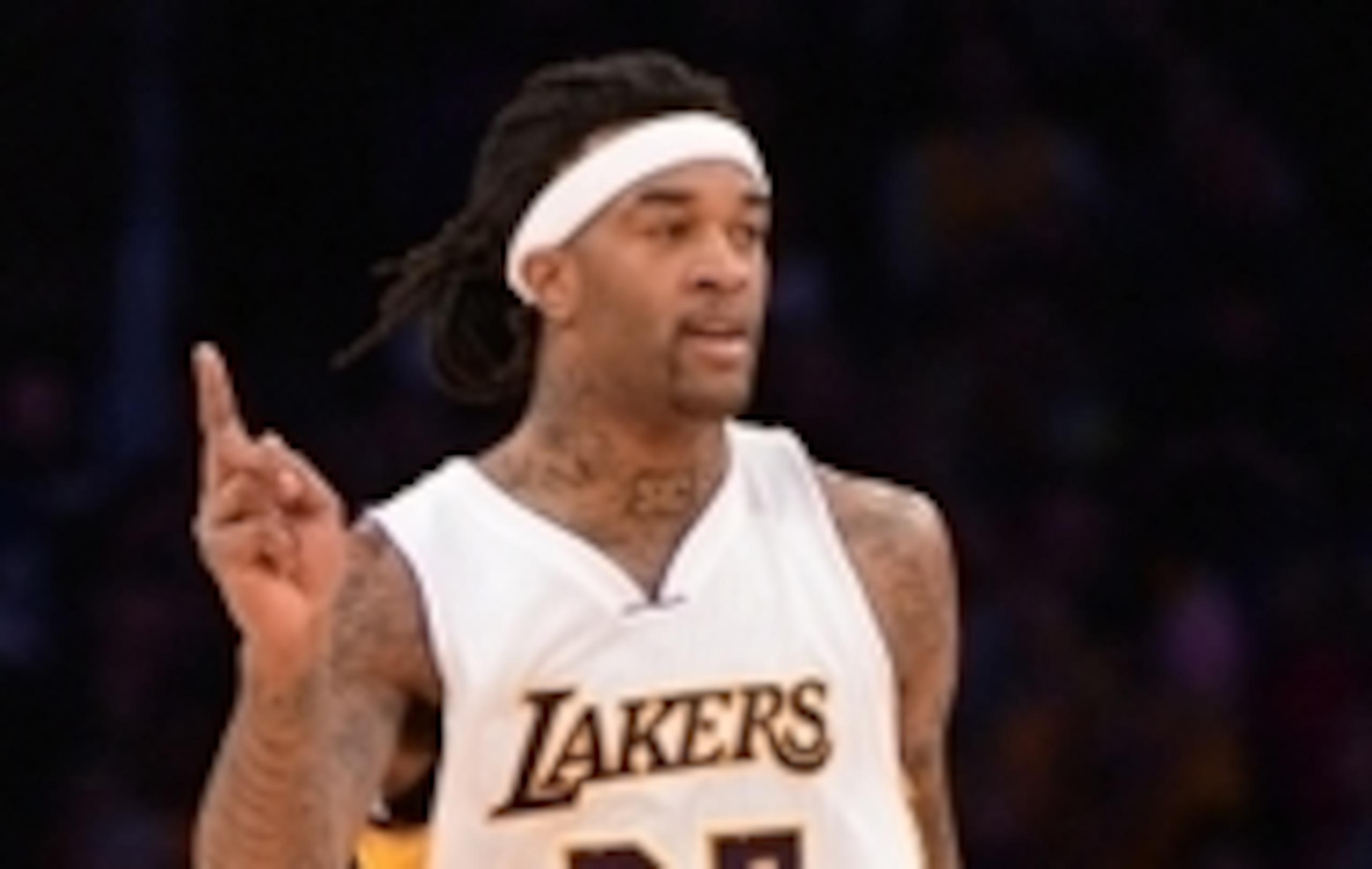
Scoring
Jordan Hill isn't much of a floor-spacing threat, but he tried to be during the 2014-15 season, taking an inordinately large number of attempts from between 16 feet and the three-point arc despite hitting them at a 39.5 percent clip. Nevertheless, Hill's work around the basket, ability to get off shots without requiring an assist and relatively heavy involvement for the Los Angeles Lakers earn him credit here.
Non-Scoring Offense
Not exactly an off-ball threat, Hill actually fares better as a passer than he does in that first subsection of this category. And for a player who piled up more turnovers than assists, that's not exactly a good thing.
Defense
It's hard to figure out what Hill was worst at on the defensive end. He struggled mightily when asked to protect the paint for the Lake Show, but it's not like he was any better when guarding someone without possession or trying to stop a post-up play against him on the blocks. He just hemorrhaged points all the way around.
Rebounding
Though Hill took a step back on the offensive glass after being granted so much more responsibility and more minutes, he was still a high-quality rebounder. Not many players who spent less than 30 minutes on the court during a typical night were able to snag nearly 3.5 contested boards per game, but Hill was one of them.
Intangibles
An injured hip flexor was problematic for Hill throughout much of February, but that was the only black mark on his scorecard. He remained healthy throughout the rest of the season and didn't draw any negative headlines.
Overall
On a better team, Hill would be an asset. He's miscast as a top player on a talent-devoid Lakers bunch, but his ability to crash the boards with ferocity and score in a variety of ways would look quite nice if he was a complementary piece. If all goes according to plan in Tinseltown, that's the type of role he'll be filling next year after a strong offseason.
28. Marreese Speights, Golden State Warriors
11 of 38
Scoring
The Golden State Warriors' offensive schemes kept Marreese Speights from coming off the bench and creating too many of his own looks, but they didn't prevent him from showcasing some scoring value. Speights can make nearly any shot in a half-court set—maybe not consistently—and he's never afraid to take any of them. Plus, he's always aggressive and works his way to the stripe quite often in his limited minutes.
Non-Scoring Offense
Speights' desire to serve as a gunner makes it tough for defenses to cover everyone, as they have to pay attention to him when he's on the floor. Give him too much space, and he's going to rise and fire. His passing, however, doesn't inspire the same number of goosebumps.
Defense
Never a high-quality defender, Speights didn't exactly do much to change that reputation during his second run-through with the Warriors. He was atrocious in on-ball situations and often gambled too much in off-ball ones. But his saving grace was his strong work in rim protection, as his timing deterred many a shot.
Rebounding
As a slightly undersized big, Speights (6'10", 255 lbs) is already at a disadvantage on the glass. But that's exaggerated because he plays on a team with a number of plus rebounders at smaller positions, and it doesn't help that he spends a lot of time outside of the paint.
Intangibles
No injuries hold Speights back here, but pleading guilty to reckless driving and receiving a one-game suspension doesn't exactly help him in the conduct department.
Overall
Speights was quite valuable as a sixth man for the Warriors, coming off the pine and providing immediate bursts of offensive contributions while relying on his teammates to negate his defensive inadequacies. He couldn't keep up his torrid pace from the beginning of the year, but he remained a vital part of Golden State's historic success levels.
27. Steven Adams, Oklahoma City Thunder
12 of 38
Scoring
Not only does Steven Adams rarely find himself heavily involved in the Oklahoma City Thunder offense, topping out at just 16 points this season, but he also eschews any looks that don't come in or around the restricted area. He's highly efficient and aggressive from those zones, but the combination of his limitations and his putridity at the free-throw stripe restricts the impact he can have in this area.
Non-Scoring Offense
It would help if Adams could make tough passes to cutters or space out the floor from the 5. Instead, his impact in this category largely stems from his work as a roll man and his ability to set brutalizing screens that leave other players trying to figure out which arena they're playing in.
Defense
Adams is a strong rim-protecting presence who isn't afraid of matching up against offensively talented bigs in on-ball situations. However, he's undisciplined when his man doesn't have possession, struggling immensely to make the proper rotations when providing help and failing to deter spot-up jumpers from finding the bottom of the net.
Rebounding
If you're surprised that Adams records plenty of contested rebounds, you shouldn't be. His love for contact doesn't just disappear in a poof when a shot goes up—if anything, it's strengthened, based on the number of times he tries to fight through traffic and grab the loose ball.
Intangibles
Does Adams' penchant for physical play sometimes border on dirty? Sure, and he's a master of getting under the opposition's skin. But that doesn't exactly hurt the Thunder. More problematic was his fractured right hand during the middle of the season.
Overall
Adams remains a brutally physical presence in the Thunder frontcourt. He's a solid rebounder who can protect the rim well and play strong on-ball defense while providing easy points around the basket, but he's still not exactly an asset in the finesse departments. Still only 21 years old, he has plenty of time to develop that part of his game.
26. Alex Len, Phoenix Suns
13 of 38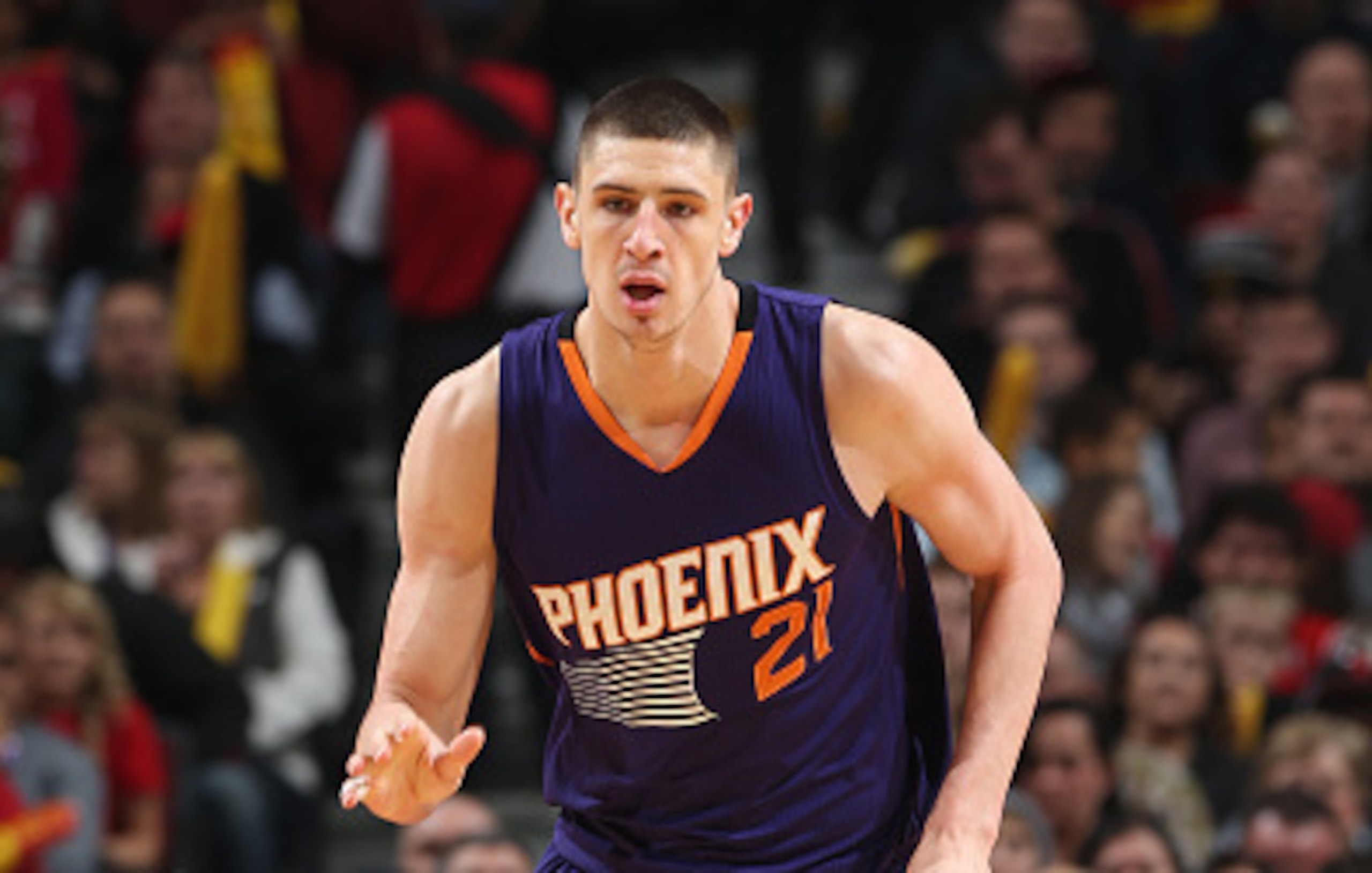
Scoring
Alex Len is an efficient scorer in small doses when he sticks to his bread and butter—shots from around the hoop that let him use his back-to-the-basket moves to create space. However, he doesn't get to the charity stripe often and unsuccessfully tried to take more mid-range jumpers during his sophomore season. When his shooting stroke comes around, he'll have a chance to become more valuable in this department.
Non-Scoring Offense
This isn't exactly a strength for the young big man. On the season, he actually managed to record more than twice as many turnovers as assists, which is particularly problematic because such a sizable portion of his cough-ups resulted from bad passes.
Defense
Kudos to Len for massively improving his defense in just one calendar year. He thrived when asked to protect the rim, going against nearly eight attempts per game (despite his relatively limited minutes) and still holding the opposition to under 50 percent shooting. Len isn't a particularly mobile defender, which is part of the reason he spends so much time right around the basket, but he's making the best of his physical talents.
Rebounding
Here's another area where the Maryland product kept getting better. He actually took a slight step backward on the offensive glass—based on his per-minute numbers, not his per-game marks—but his massive improvement on the defensive boards more than made up for the decline.
Intangibles
A fractured right pinky plagued him during the offseason, though it didn't have much impact during the regular season. Unfortunately, sprained ankles and a fractured nose did.
Overall
Len still has his work cut out for him if he hopes to live up to his lofty draft positioning. After all, the Phoenix Suns took him at No. 5 in 2013. That said, the 21-year-old center is moving closer to doing so, as his offensive game expands and he becomes a much better defender and rebounder.
25. John Henson, Milwaukee Bucks
14 of 38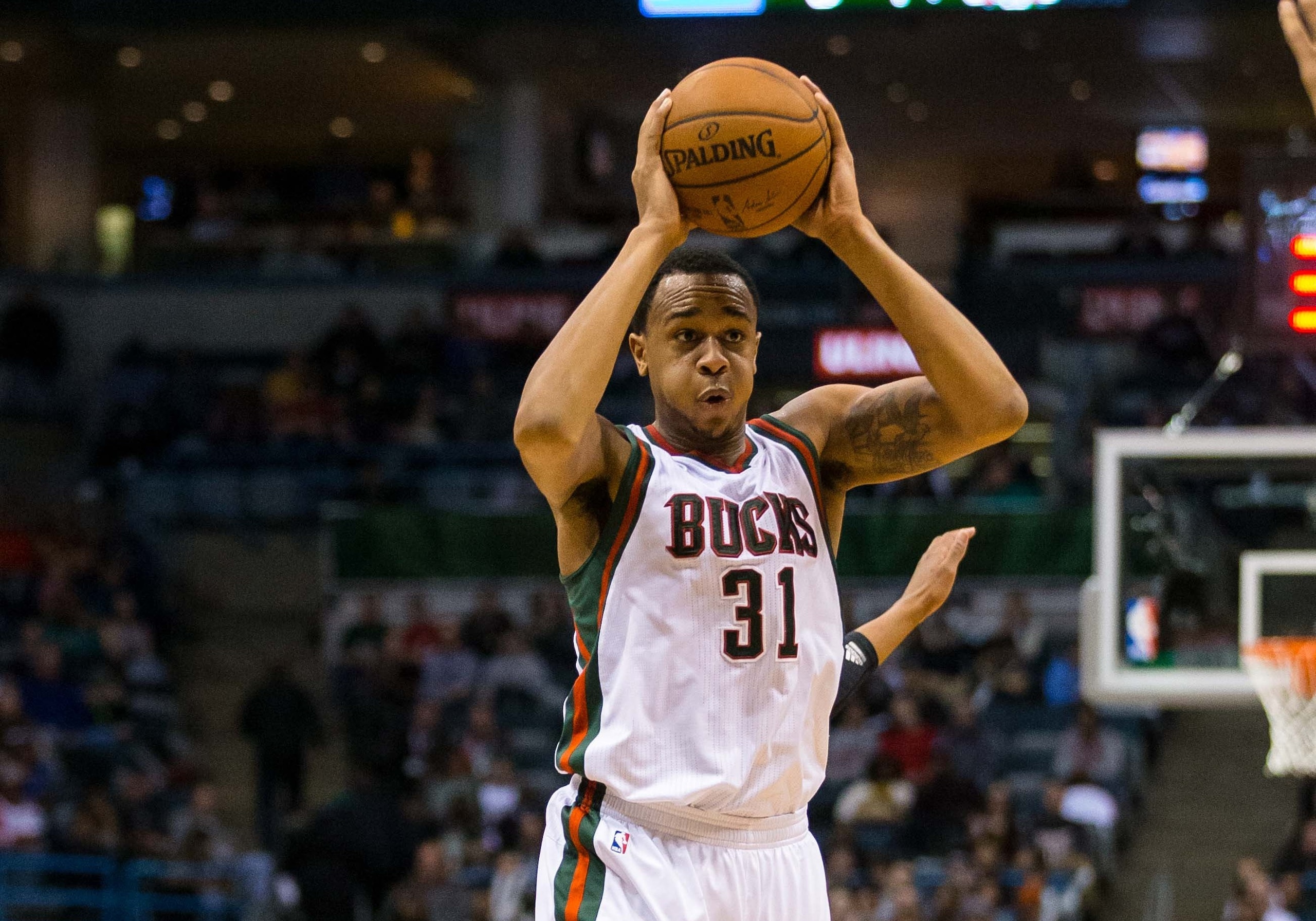
Scoring
John Henson has the tools necessary to be a more well-rounded scorer, but the Milwaukee Bucks have pigeonholed him into a specific role. He's not asked to take mid-range jumpers but instead to focus his efforts right around the basket. This former Tar Heel is effective in that area, but he could be doing more.
Non-Scoring Offense
Again, Henson could be more dangerous. But because the Bucks don't feature him, except right around the basket, defenses can often help off this big, especially when he's waiting on the weak side for the possession to transpire.
Defense
With his long arms, athleticism and timing, Henson is quite the impactful defender. His only real weakness comes off the ball, as his rotations aren't always perfect, and he cheats away from his man too often. But that's only a minor flaw, as he's tremendous at guarding players with possession, can switch onto smaller assignments and thrives as the last man between the opposition and the basket.
Rebounding
Henson has consistently declined on the glass, and not just because he's receiving less playing time. On a per-minute basis, he's trending in the wrong direction as well, thanks primarily to some inadequacies after the other team misses a shot. He needs to improve his positioning and box-out skills, as he allows smaller players to squirm around him far too often.
Intangibles
A sprained left foot kept Henson on the bench from Nov. 26 until the same day in December. With a full month taken away from him, it was rather tough for his durability to earn a 5-of-5 score.
Overall
Henson is now three seasons deep in his NBA career, but it still feels like he has so much untapped potential. He's always shown signs of developing into a deadly mid-range shooter, but that hasn't happened yet, partially because Jason Kidd was so hesitant to let him do anything from outside the paint. But even as he filled a role that was too small, Henson proved to be a decent offensive threat who thrived on the point-preventing end.
24. Enes Kanter, Oklahoma City Thunder
15 of 38
Scoring
Whether he was filling a more minor role for the Utah Jazz or thriving in the injury-depleted lineup of the Oklahoma City Thunder, Enes Kanter continued to prove that he can score from all areas of the court. His three-point stroke and jumper from deep two-point range still need some touch-up work, but it's not like he's a huge liability. And that's already a sign of major improvement for this young man who just turned 23 on May 20.
Non-Scoring Offense
Until Kanter figures out how to distribute the ball effectively to his teammates, knock down triples and hit catch-and-shoot jumpers from outside the paint with some sort of consistency, he's not going to be nearly as valuable when working without the ball.
Defense
It's not pretty here. Kanter occasionally jumped a passing lane or made a proper rotation, but he was mostly atrocious on the defensive end of the floor. He was undisciplined in just about every area imaginable, misplaced as the last line of defense and generally responsible for some steep point-preventing declines when he was on the court.
Rebounding
With the Jazz, he was a strong rebounder. But with the Thunder, Kanter was flat-out dominant on the glass, especially when he was allowed to attack the offensive boards and create second-chance opportunities rather than running back to prevent a transition score. He has the physical profile and mentality of a big man who will serve as a fantastic rebounder for years to come.
Intangibles
Was Kanter fined by the NBA for throwing his mouthpiece into the stands back in December? Sure, but that's hardly going to cost him a conduct point here. In fact, he's only losing a single tick for durability, as ankle trouble and a thigh contusion knocked him out of the lineup just often enough to be noticeable.
Overall
Hardly a two-way player, Kanter is an asset on a team that can surround him with quality perimeter defenders who will lessen the need for a rim-protecting presence at the 5. In that situation, his rebounding and offensive ability are truly able to shine. But if he's going to be relied upon for defensive work, his value plummets.
23. Tyler Zeller, Boston Celtics
16 of 38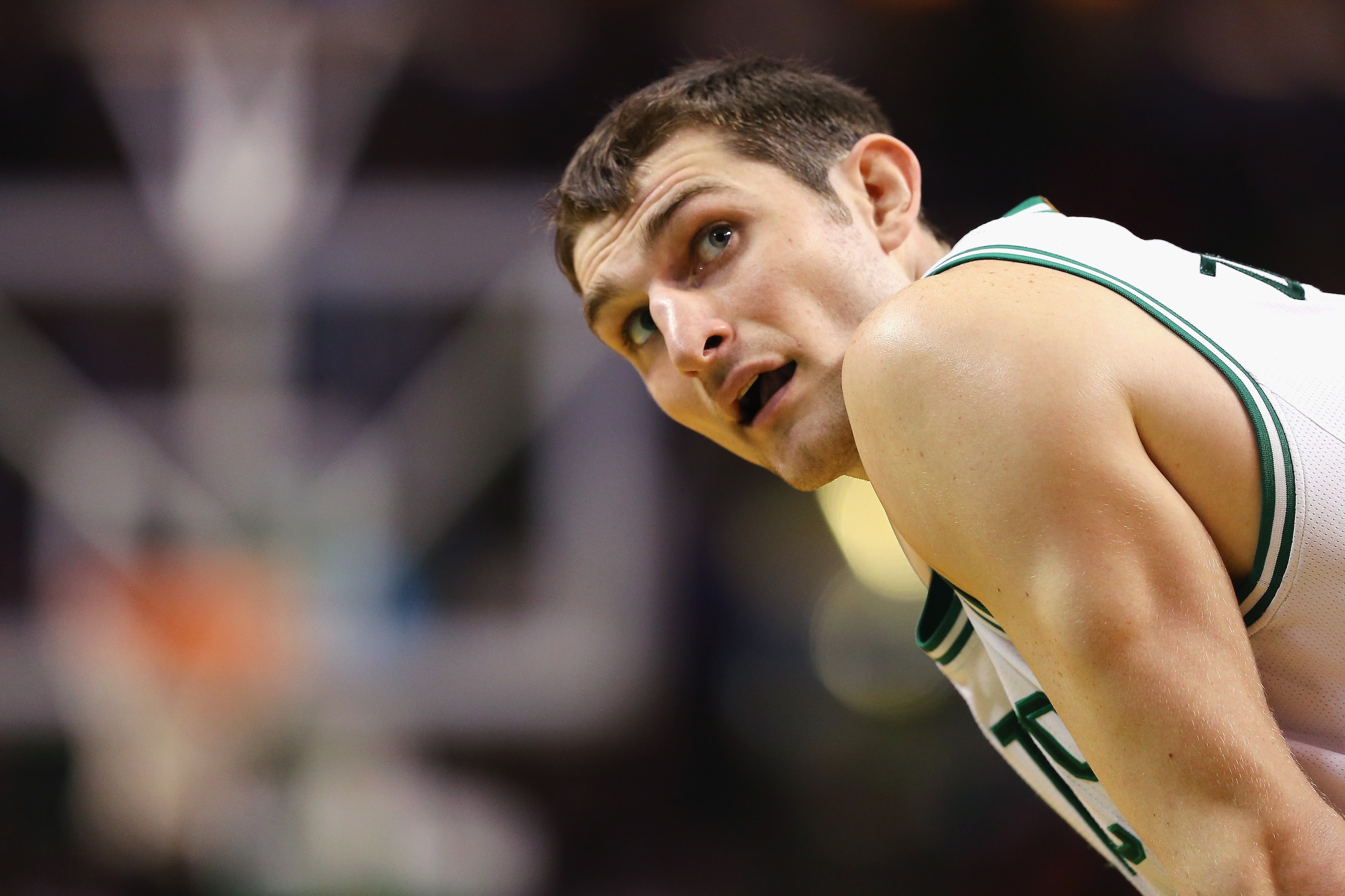
Scoring
Tyler Zeller was finally given more of a chance to be a featured offensive player upon joining the Boston Celtics in 2014-15. Whether he was taking mid-range jumpers or going to work with post moves around the basket, no area inside the arc really held him back. Shot-creating ability and his overall lack of scoring opportunities were issues, but even they were up from his previous two professional seasons.
Non-Scoring Offense
Not only did Zeller make well over 50 percent of his shots from between 10 and 16 feet, but he also made nearly half of his looks from between 16 feet and the three-point arc. Granted, he wasn't heavily involved from those areas, but his mid-range prowess at least spread out defenses and left them compromised in other areas.
Defense
Zeller is a liability when he has to get up on the balls off his feet and stick with more versatile players. But if he's allowed to protect the rim and meander around on the baseline, he can make a positive impact, as he did throughout his first season in Beantown.
Rebounding
Although he's a 7-footer, Zeller is hardly an imposing physical presence. He's always relied more on finesse than sheer physicality, and that hasn't allowed him to thrive after shots go up in the big leagues. For the third season in a row, he averaged fewer than 10 rebounds per 36 minutes, despite the C's producing many rebounding chances during the typical game.
Intangibles
There's nothing to complain about here, as Zeller kept a clean state for both conduct and durability throughout the season.
Overall
If he received enough playing time, Zeller might be a double-double threat who protects the rim on the defensive end. Then again, he may also lose some of his effectiveness, given that natural trade-off between volume and efficiency. But right now, he is a strong per-minute scoring option who can make at least a limited impact in other areas, thus leaving little doubt that he belongs in an NBA rotation.
22. Jonas Valanciunas, Toronto Raptors
17 of 38
Scoring
Has Jonas Valanciunas stopped improving as a scorer? Yes and no. He's regressed from mid-range zones, looking off those shots more often and connecting at lower clips, but he's getting better when operating on the blocks and is taking on slightly more responsibility for the Toronto Raptors. It's a mixed bag for this third-year center.
Non-Scoring Offense
At this point, defenders know that Valanciunas isn't going to be involved in the proceedings if he's not going to work from inside the paint. And that's problematic for the Raptors at times, since it places even more responsibility on the shoulders of their talented guards.
Defense
Valanciunas can often serve as a turnstile on the defensive end, but his one redeeming quality is that he's quite good at protecting the rim—which seems to be a theme for slow-footed centers without much of a knack for working outside the paint. It's not easy to face eight shots per game at the basket and still keep the opposition below 47 percent shooting, but that's exactly what this Lithuanian big man did.
Rebounding
If Valanciunas improved significantly in any area, it was this one. His per-game numbers didn't exactly go up—they actually went down by 0.1—but he spent less time on the floor and made a fairly substantial jump on a per-possession basis. Why? Because he gained more comfort on both ends of the court while improving when his opportunities were contested.
Intangibles
For the second season in a row, he hit the 80-games-played milestone. Technically, his work during the 2013-14 season is irrelevant here, but it makes his durability all the more impressive—if only anecdotally.
Overall
Valanciunas hasn't improved all that much on the offensive end, as the absence of an improved jumper has lessened the impact of his strides in the post. But he's working hard to get better at defense and keeps trending up on the boards, which has made him a solid starting center for one of the better teams in the Eastern Conference. Still, he has a lot of work left to do if he hopes to realize his potential.
21. Brook Lopez, Brooklyn Nets
18 of 38
Scoring
Until the end of the regular season, Brook Lopez was neither as aggressive as we've seen in years past (averaging only 4.7 free-throw attempts per 36 minutes) or as efficient. He was healthy for most of the year, but he knew that he was taking on a smaller role with the Brooklyn Nets. While he did make the most of it prior to his late-season breakout, it still didn't allow him the same impact he's made in previous campaigns.
Non-Scoring Offense
It's a bit stunning that a center with this much offensive talent, especially one who relies on a finesse game in the scoring column, can't pass to save his life. But such is the case for this Lopez twin who didn't just record more turnovers than assists in 2014-15—he coughed the ball up over twice as many times.
Defense
During the last two years, it seemed as if Lopez was making some strides on the defensive end, becoming a strong rim-protecting big who overcame his lack of mobility. But that wasn't the case this year, as he struggled everywhere except right around the basket. The 7-footer from Stanford still produced solid numbers at the rim, but this time, that's where the positives ended. And rather definitively, at that.
Rebounding
Without expending as much of his energy in other situations, Lopez was finally free to use it on the glass. No longer was he too much of a liability after a shot went up, as he readily attacked the boards and used his size to haul in contested rebounds. He was particularly effective on the offensive glass, almost as if he knew that not waiting for a poorly thrown entry pass was his best chance of getting his hands on the rock while he was in position to score.
Intangibles
At the beginning of the season, a sprained right ankle and foot caused everyone to hold their breath, as Lopez has experienced so much previous trouble with his lower extremities. But the biggest problem this year was actually his lower back, which kept him out of the Brooklyn lineup for much of December.
Overall
Were we only looking at the end of the season, Lopez would fare much better. During the second half, he broke out in a big way, becoming a valuable scorer and rebounder for Brooklyn as he increased his impact enough to look more tempting on the open market. Unfortunately for the big man, the whole year matters, and he struggled mightily for lengthy portions of it, even temporarily losing his starting job to Mason Plumlee.
20. Gorgui Dieng, Minnesota Timberwolves
19 of 38
Scoring
Gorgui Dieng isn't exactly a score-first player, but he does two things that help boost his scorer rating, even with his limited involvement for the Minnesota Timberwolves. First, he rarely takes bad shots, shooting over 50 percent from the field even as he works to expand his range. Second, he gets to the charity stripe quite often, and he converts the freebies at an impressive clip.
Non-Scoring Offense
It's worth noting that Dieng is a solid roll man with a knack for setting hard screens that open up chances for his teammates. But he's even more impressive as a distributor, often making more than the simple kick-out passes to guys on the perimeter. This former Louisville standout doesn't really rack up assists, but he creates plenty of assist opportunities and would have more dimes if he were playing alongside more talented shooters.
Defense
Dieng can struggle when left alone, whether he's guarding someone in the post, working against a stretchier big in isolation or protecting the rim as the last line of defense. However, he has the tools necessary to change that in the future. Right now, it's his off-ball work that still allows him to emerge as an above-average player on an admittedly porous team.
Rebounding
Not only does Dieng produce plenty of rebounding chances for himself, but he grabs a solid percentage of them, especially since so many are of the contested variety. Even though he plays just 30 minutes per game, the Senegalese center is one of the relatively few players who routinely grab at least four contested boards.
Intangibles
Dieng was poised to earn all five durability points as we headed into the stretch run of the season, but a concussion knocked him out of the lineup right at the end of March, which prevented him from earning the perfect score.
Overall
Though the Minnesota Timberwolves were only slightly better with him on the court, Dieng has proved that he's the team's center of the future—unless an even more promising one falls into their lap (like with the No. 1 pick in the 2015 NBA draft), in which case he'll be transitioned to power forward. With two more seasons remaining on his rookie deal (assuming the Wolves pick up his cheap team option for 2016-17), Dieng is already productive and has plenty of upside on both ends of the floor.
19. Roy Hibbert, Indiana Pacers
20 of 38
Scoring
Sometimes, it seems as if Roy Hibbert would have trouble converting his jump hooks and post-up attempts if the circumference of the rim were doubled. He's simply not made to score the basketball, though he's saved a bit here because so many of his makes do come after he goes to work in isolation, not because he's making easy shots off feeds from teammates.
Non-Scoring Offense
Though Hibbert isn't much of a scorer and doesn't scare defenses when he settles into mid-range zones, he's a decent screener who uses his size to his advantage. Plus, he's not a terrible liability in the passing game. He's not involved, to be sure, but at least he manages to minimize his mistakes for an Indiana Pacers offense that always seems to need improvement.
Defense
This remains Hibbert's clear-cut forte. In just about every situation, he's quite good at preventing points, especially when he's allowed to remain near the rim and swat away or deter shots from smaller opponents. However, he has one distinct weakness: Defenders can lure him out of the paint before putting him on skates or leaving him open to quick bursts to the hoop.
Rebounding
Hibbert isn't nearly as bad on the glass as he looked during the 2013-14 stretch run, but he's still not particularly good, either. You'd think that a 7'2" player would be able to record at least three contested rebounds during his average outing. But with Hibbert, that's not the case.
Intangibles
Between a sprained left ankle and a troublesome elbow, Hibbert couldn't keep a clean bill of health this season. But after last year was filled with dysfunction during the second half of the campaign, that wasn't the case in 2014-15, and there's no reason for a lost conduct point.
Overall
At this stage of his career, Hibbert is still very much a specialist. Fortunately, his specialty is protecting the rim, and that's quite valuable from a 7-footer who lines up at the 5. But if Hibbert is going to justify his albatross-like max contract or opt out and get a similar deal, he'll have to make some serious strides in the scoring game, as he was woefully incompetent during some prolonged stretches.
18. Omer Asik, New Orleans Pelicans
21 of 38
Scoring
Omer Asik is good for two things in the scoring game: finishing lobs around the basket and collecting missed shots/lost balls before putting them back up for an easy two points. Ask him to do anything else, whether it's shoot a jumper or go to the charity stripe, and you're requesting trouble.
Non-Scoring Offense
The same types of limitations come into play here as well. Asik isn't going to be a floor-spacing center or a player who can serve as an offensive hub while showing off his passing chops. He just goes about his business setting screens and rolling to the basket. At least he's quite good at those facets of the game.
Defense
His work off the ball holds him back the most. He's so eager to spend time protecting the rim—which he does quite well—that he can stray too far from his mark, leaving the New Orleans Pelicans susceptible to some mid-range jumpers.
Rebounding
Remarkably consistent on the glass year in and year out, Asik can make an impact in just about any situation. Offensive or defensive boards? Doesn't matter. Contested or uncontested opportunities? See the previous answer.
Intangibles
Though injuries have gotten the best of this Turkish center in years past, that wasn't the case during his first season by the bayou. Blows to his back and calves nearly pushed him down a point for durability, but he played in just enough games to maintain perfection.
Overall
Asik is very much a role player, but he's a good one, especially because he shows such a strong understanding of what exactly that role is composed of. If he can take just a few bunnies during his average outing while dominating on the glass and swatting shots away from the rim—or at least altering their angles—it will always be considered a good day's work.
17. Robin Lopez, Portland Trail Blazers
22 of 38
Scoring
Robin Lopez, much like so many other defense-first centers, is a limited scorer who prefers to take and make only the easy shots around the basket. But unlike other players who fit that type of profile, he can actually knock down shots from the charity stripe, which helps boost his already impressive levels of efficiency and makes his overall scoring work look even stronger.
Non-Scoring Offense
Although Lopez doesn't space out the floor much, he's not a total liability on offense for the same reason as many others: He can set screens, finish plays as a roll man and position himself well for offensive rebounds. He's also a decent passer, though he'll never be called anything more than that adjective.
Defense
If you ask him to work against someone on the blocks or stray outside the paint, he'll be good, not great. But if he's permitted to hover around the basket and do his best to keep the opposition from making close shots, he'll thrive. It's as simple as that.
Rebounding
Not many players end up recording more contested boards than uncontested ones, but that's Lopez for you. He's never afraid of contact, and he seems to seek it out on some plays, eagerly awaiting an opportunity to put someone on his back and ensure that it's even easier to grab a rebound.
Intangibles
Only one injury knocked this typically durable Lopez twin out of the Portland Trail Blazers lineup, but it was a substantial one. A broken right hand suffered in December kept him in street clothes until February, preventing him from recording a third straight season with 82 games played.
Overall
Lopez is a bit more talented than your typical defense-first center. He's still quite good at rebounding, but he can also provide some steady offensive production, contributing in small spurts but never sacrificing his efficiency. It's not something that often gets discussed unless the opposite is true, but a point-preventing big man who can stay on the court at the end of the game without becoming a free-throw liability is quite valuable.
16. Nerlens Noel, Philadelphia 76ers
23 of 38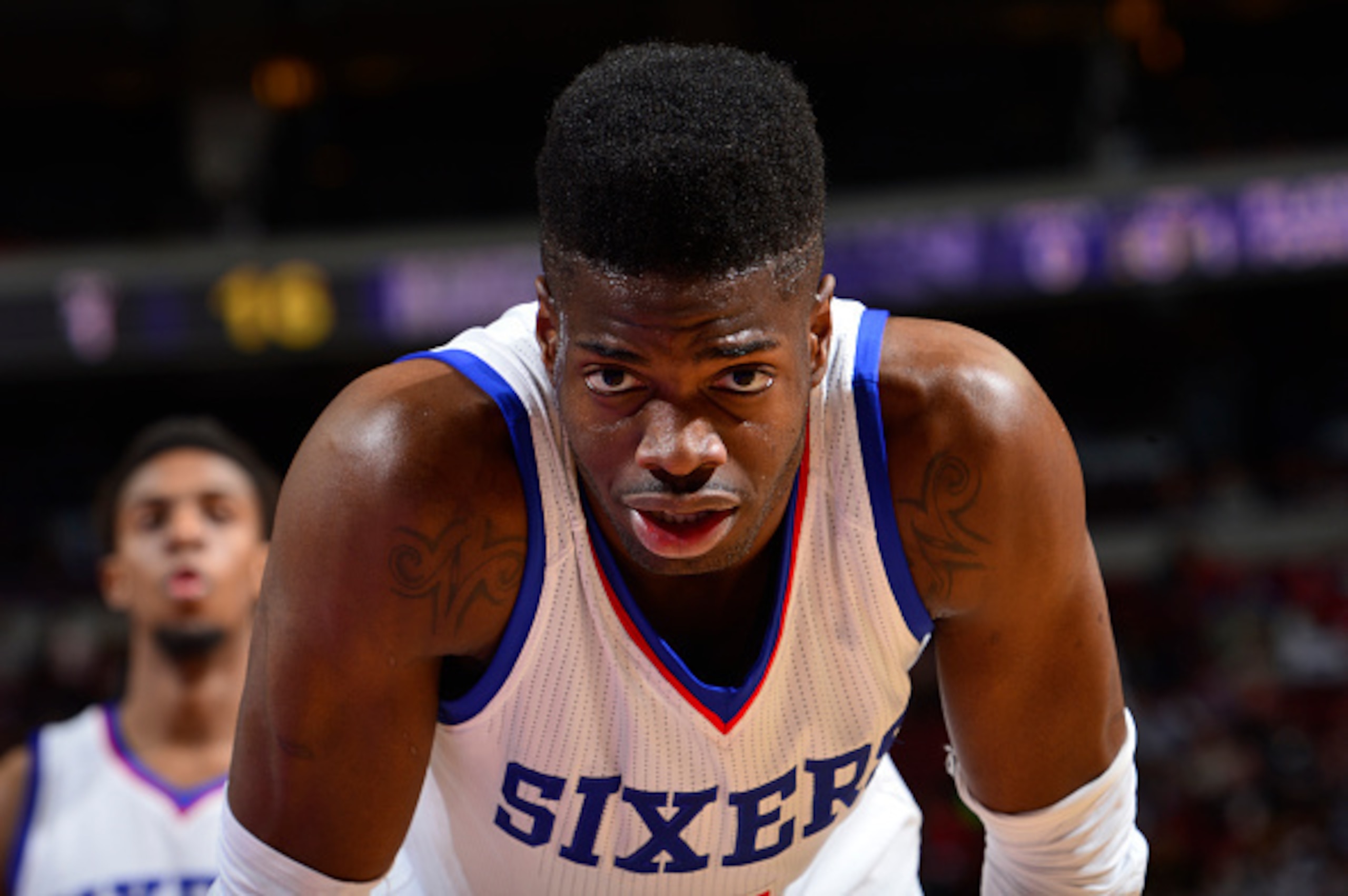
Scoring
At least there are many positive signs. Toward the end of his rookie campaign, Nerlens Noel started showing off some stretchiness by knocking down a few mid-range jumpers, and his form looked significantly improved. That will help him out quite substantially throughout his career, especially since we're only such a short way into it.
Non-Scoring Offense
If there's any place where Noel can make improvement, it's here. His passing is mediocre, and that's on his good nights. His screens aren't entirely impactful, and he's sometimes late to his spots. His jumper isn't consistent enough to threaten a defense into giving him the time of day. Across the board, there's plenty of room for this flat-topped center to get better.
Defense
Even at just 21 years old, Noel is already a tremendous last line of defense, and his development is the primary reason the Philadelphia 76ers went from putrid to solid on the point-preventing end. He's by no means perfect in other areas, however, and that's what still holds him back from looking like a Defensive Player of the Year candidate. But don't be surprised when he gets there as early as his sophomore season, so long as he improves when guarding roll men.
Rebounding
Eventually, Noel will learn how to pick his spots more advantageously, which will allow him to leak out in transition during certain situations, as well as get back to stop the opposition from breaking for an easy score. Now, he's too aggressive, creating plenty of chances that see him close to the ball but fighting for it on the wrong side of an unbreachable box-out.
Intangibles
Though Noel suffered through many injuries during his rookie season—a sprained left ankle, a hip flexor injury, an upper respiratory infection and a sprained right ankle—none were significant enough to knock him out of action for an extended period of time.
Overall
Noel is going to be a stud, as he improved throughout his true rookie season, developing into a fearsome defensive presence both on and off the ball, as well as a scoring threat who could put the ball through the hoop in many ways. He still has a long way to go in his quest to move up the NBA hierarchy, but this is an awfully good start for a first-year big.
15. Hassan Whiteside, Miami Heat
24 of 38
Scoring
The Miami Heat didn't rely on Hassan Whiteside heavily as a scoring threat, but he excelled whenever the ball wound up in his hands—whether through an entry pass from a guard, on an alley-oop lob or after he corralled an offensive rebound. This breakout player was efficient with his possessions and displayed a deft touch in many situations, but it'll take more involvement to receive a higher score in the future.
Non-Scoring Offense
Though he can thrive as a roll man, defenses are prepared for that and have an easier time guarding Whiteside in the flow of their traditional schemes because he's so unthreatening in every other area. In particular, passing saw No. 21 struggle. His passer rating narrowly edged out Dewayne Dedmon's as the worst at any position. Incredibly, he recorded fewer assists (six) than any other player in NBA history who logged more than 1,000 minutes.
Defense
Whiteside was a revelation for the Heat on the defensive end, protecting the rim quite nicely. He was not, however, without weakness. Awfully hesitant to leave the paint and get away from his best area, Whiteside struggled against bigs who could function as dominant spot-up shooters, even if they were only doing so on deep two-pointers.
Rebounding
If Whiteside spent more time on the floor, he'd earn the perfect 15. It's as simple as that during a season that saw him average double-digit rebounds while playing only 23.8 minutes in his average outing.
Intangibles
Character concerns were one of the reasons that Whiteside had trouble finding NBA opportunities earlier in his career, and they flared up again here. Whether it was his ill-advised tackling of Alex Len or his other boneheaded plays, he was quite frustrating during his breakout season. It also didn't help that injuries to his hands, ankles, knees and toes held him out of the lineup when he wasn't suspended a game for elbowing Kelly Olynyk.
Overall
Talk about an out-of-nowhere breakout. Whiteside was waived by the Memphis Grizzlies before the start of this season, hadn't played an NBA game since appearing in 18 contests for the Sacramento Kings in 2011-12 and bounced between the D-League and the Association before bursting onto the scene. And boy did he burst, throwing up monstrous lines and record-setting triple-doubles when he was healthy. But there's still plenty of room for improvement, between his conduct, health, scoring involvement and horrific passing.
14. Timofey Mozgov, Cleveland Cavaliers
25 of 38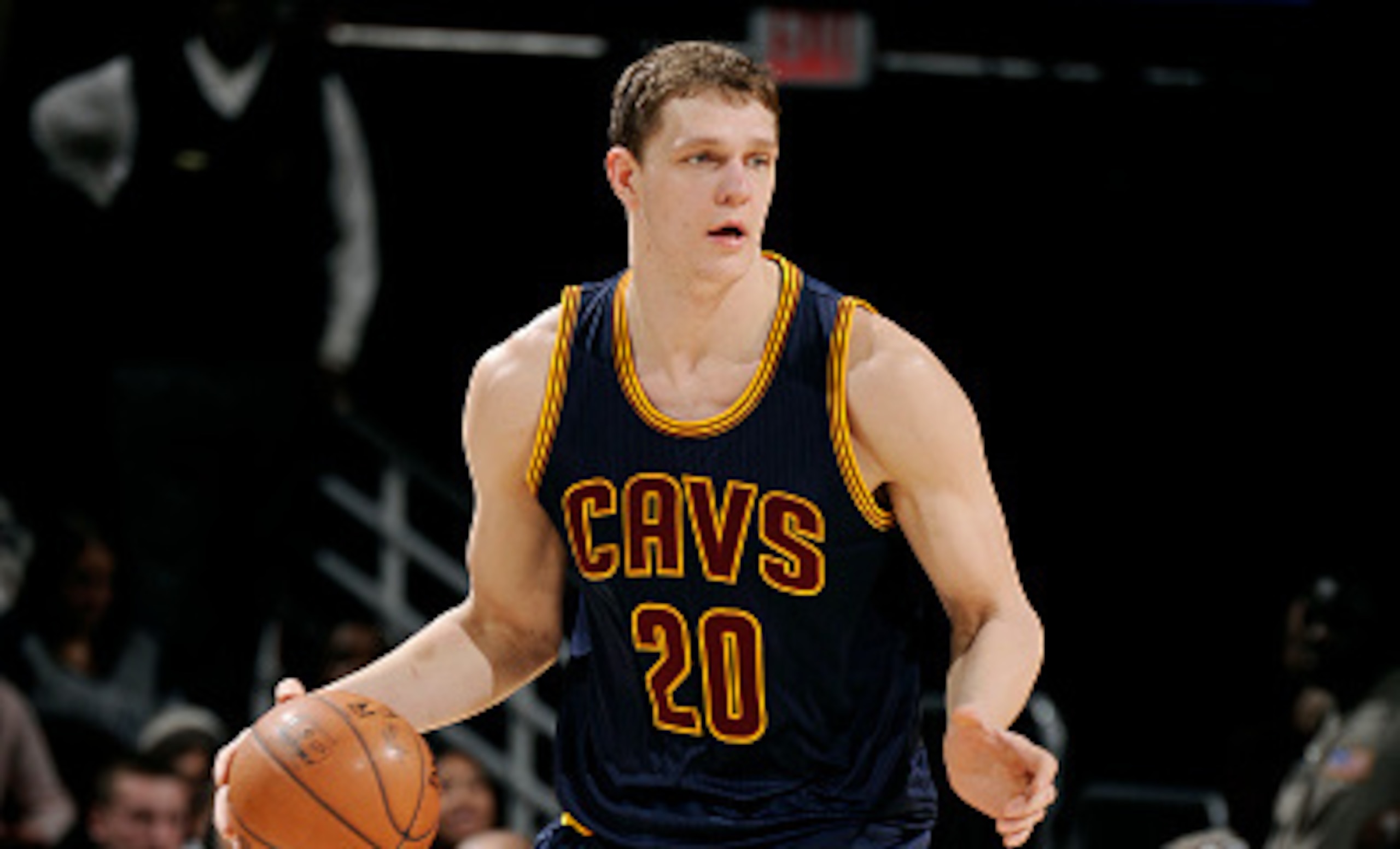
Scoring
Does Timofey Mozgov create many looks for himself? Nope. Does he shoot threes? That's a negative. Does he get to the free-throw line frequently? Not at all. Does he score in volume? Nyet. But Mozgov was efficient, especially after he joined the Cleveland Cavaliers, and he makes many of his shots from the charity stripe.
Non-Scoring Offense
Mozgov is a strong screener, but that's about all he has going for him in this category. Even though Brian Shaw urged him to try changing this in the Mile High City, he never became much of a floor-spacing threat, and he's a lackluster distributor at best.
Defense
A godsend for the Cavs, Mozgov could actually protect the rim quite well after he was traded to Northeast Ohio. He wasn't particularly strong on or off the ball, but Cleveland didn't often need him to be a plus player when he wasn't guarding the paint and serving as a last line of defense.
Rebounding
At 7'1", he should have a distinct advantage on the glass, but he can sometimes get pushed out of position when he fails to establish a strong center of gravity. He creates plenty of rebounding chances per game and grabs a decent number of contested boards, but the latter stat should see him post much more impressive marks.
Intangibles
How could you possibly complain about Mozgov's conduct? He's just a giant teddy bear with a penchant for wearing his jersey backward in commercials.
Overall
He was a beloved figure in the Denver organization, but the Cavaliers needed him even more. Once the eventual No. 2 seed in the Eastern Conference acquired him, he filled a role that was perfect for his skill set—providing nice defense around the rim while occasionally contributing on offense in efficient fashion. Mozgov is anything but glamorous, though that doesn't prevent him from making a big impact.
13. Andrew Bogut, Golden State Warriors
26 of 38
Scoring
The Aussie center tends to make the shots he takes right around the hoop, but that's one of the few positives about his scoring profile. Andrew Bogut rarely lofts up attempts from outside the paint, struggles at the free-throw line and isn't heavily involved in the Golden State Warriors' offensive schemes.
Non-Scoring Offense
It's only floor-spacing ability that truly holds Bogut back in this category, but that's a big deal in the modern-day NBA. He's a brilliant—and sometimes dirty—screener who makes a big impact with his massive frame, and he's one of the more creative passers at his position. Not all of his passes result in assists, but they're nearly all spectacular.
Defense
Why do you think he is such an important piece for the Warriors? He's not too mobile on the perimeter and can get run right to the bench by stretchier bigs, but his work in the paint is fantastic. Whether he's helping off his man, coming through with a weak-side block or hedging and recovering on a pick-and-roll set, Bogut thrives when he's preventing points.
Rebounding
It's that pesky playing time again, as Bogut spent more minutes on the bench than on the court during the 2014-15 campaign. A smart rebounder who converts an impressive number of his chances, the Australian big man thrives when a shot goes up. He just isn't quite involved enough to stand out anymore, though that's admittedly no fault of his own.
Intangibles
Is Bogut allowed to stay healthy? This year, he missed nearly a month with a troublesome right knee, and he also lost time for various reasons during the rest of the season. It's that first injury that's most problematic to his durability score, though.
Overall
The Warriors wouldn't have enjoyed such a historic season without trotting out Bogut at the center position. Thanks to his creative passing, brilliant work as a screening big and knack for protecting the rim during his limited playing time, he elevated the ceiling of the Western Conference's best team, even without making much of a dent in the scoring column.
12. Marcin Gortat, Washington Wizards
27 of 38
Scoring
Though Marcin Gortat wasn't too heavily involved in the Washington Wizards offense, he thrived as an efficient roll man who could throw down some Polish Hammers whenever he got near the rim. In fact, Gortat nearly set a new career high in dunks, recording 58 and falling just two shy of the personal mark he established in 2010-11.
Non-Scoring Offense
Gortat's ability to set physical screens and terrify defenses with his knack for rolling into the paint helps him out. But unfortunately for this D.C.-based big man, passing matters here too. He could capably kick the ball out to the perimeter, but that was about it. There were no high-low passes from one big to another unless he was on the receiving end, and he rarely found flashing cutters.
Defense
The 31-year-old was fine when getting into passing lanes and helping off his man. But if he was left alone in isolation, asked to defend a back-to-the-basket stalwart or guard the rim with no one there to aid him, that was far more problematic.
Rebounding
Gortat grabs plenty of rebounds. He creates and converts a high percentage of his chances on the glass, which resulted in him averaging double-digit rebounds per 36 minutes for the second year in a row. However, he's not great when other players are fighting with him for the loose ball. He tallied far fewer contested boards than a man with his size and strength should record.
Intangibles
Though I was tempted to give him a one-point hit for shearing off his mohawk, that wouldn't be fair. The only true black mark on his 2014-15 resume is a $5,000 fine for flopping, but that's not enough to cost him a conduct point.
Overall
How did Gortat justify signing a five-year, $60 million extension with the Wizards over the summer? He went out and submitted a remarkably similar campaign to the one he'd produced in 2013-14, but while spending less time on the court. Gortat's defense slipped slightly, but he made up for it with his efficient bursts of scoring production, which allowed him to retain his value.
11. Tyson Chandler, Dallas Mavericks
28 of 38
Scoring
When has Tyson Chandler ever been a volume scorer? He's filling the same role he always has—thriving on offensive rebounds that lead to putbacks when he's not rolling to the basket and throwing down a vicious slam, one complete with a slight hang on the rim that ends just before he'd receive a technical foul.
Non-Scoring Offense
Chandler's screens and rolls can only do so much for him. Though he's quite effective when serving in that capacity, his inability to serve as an off-ball threat or do much in the passing game is more than he can overcome in this category. For the 14th season in a row, he recorded more turnovers than assists. Note: Chandler has been in the NBA for 14 seasons.
Defense
Less mobile than he's been in previous years, Chandler had trouble in situations that required movement, though only relative to his former greatness. He was occasionally late in his rotations from the weak side, leading to ill-timed and futile contests around the rim. Plus, spot-up shooters could give him fits when they had quick releases. At least he was an absolute monster in on-ball situations, showing no mercy to those who tried to post up.
Rebounding
Were it not for the presence of a historically great rebounder, Tyson Chandler would be getting a perfect score. But since DeAndre Jordan was a god among mortals on the boards this season, the Dallas Mavericks center and all of his contested boards will have to settle for receiving the No. 2 score at his position.
Intangibles
It seemed reasonable to expect troublesome durability from Chandler, especially since he qualified as an aging big man (32) coming off a campaign filled with back trouble. However, he played in all but seven of Dallas' regular-season outings, fighting through back spasms in December, as well as a sprained left ankle and strained hip later in the year.
Overall
Though his playing style didn't change after making the transition from the New York Knicks to the Dallas Mavericks, Chandler appeared rejuvenated for much of the season. He attacked the rim ferociously on his rolls and worked to overcome his diminished lateral quickness with sheer intensity on the defensive end. His days of serving as a star are certainly over, but that's not going to keep him from having a celestial impact in short bursts.
10. Al Jefferson, Charlotte Hornets
29 of 38
Scoring
When Al Jefferson sets up on the left block—make no mistake about it: that space on the court belongs to him—he's awfully difficult to stop, thanks to a dizzying array of post moves and touch shots with both hands. But even while remaining effective from his primary area, the big man was less involved than he's been in years, and that prevented him from standing out as one of the true premier scorers at his position.
Non-Scoring Offense
If Jefferson is feeling it, entire defensive schemes revolve around pushing him away from his favorite spot on the court. That's one unique way to have an impact off the ball, but it's what Jefferson has been doing for years. The biggest issue here comes from his passing, as he's a capable distributor but hardly functions as a frontcourt playmaker for the Charlotte Hornets.
Defense
He has never been a particularly strong defender, but Steve Clifford's teachings have at least milked some positive production out of him. Now, he's about average in most facets of the point-preventing game, whether he's guarding a man with possession, rotating and helping off his charge or serving as the last line of defense.
Rebounding
This was only the second time in Jefferson's career that he failed to record double-digit rebounds per 36 minutes, though he only missed by 0.1. That, along with the fact that he strangely had trouble recording contested boards, doesn't exactly curry favor for him.
Intangibles
Only health works against Jefferson here. A strained adductor muscle in his left groin kept the center out of action for a few weeks at the end of 2014, but that was by no means the only injury. Even before a sore right knee in early April knocked him out for the rest of the season, he dealt with a strained right knee and an irksome calf malady.
Overall
You know what you're going to get from Jefferson. He's no longer an explosive source of points or rebounds but instead a consistent producer whose specialty—working from the left block—is so lethal that defenses know it's coming and still can't stop it. Mere adequacy on defense was enough for him to remain a valuable contributor to the former Bobcats, even if he regressed slightly in his strongest areas.
9. Joakim Noah, Chicago Bulls
30 of 38
Scoring
Joakim Noah really just isn't a scorer. It's not his game. The bun-boasting big man is always looking to pass before he calls his own number, though he's adept at getting his shots off when he does drive to the hoop and fights off the reaches of a defender.
Non-Scoring Offense
The strengths? Rolling to the hoop, setting beautiful screens and displaying passing skills that should embarrass just about every other center in the game. He's almost uniquely capable of serving as a point center in Tom Thibodeau's offensive schemes. The weaknesses? Well, don't ask him to space the floor all that often.
Defense
Normally, Noah is a strong Defensive Player of the Year candidate, making a huge impact for his Bulls in just about every area. He can protect the rim on one possession and then switch onto a smaller perimeter player if he needs to. But due to some nagging injuries, the former Gator struggled around the basket, was late on some of his rotations and failed to elevate quickly enough to contest every shot he faced.
Rebounding
Noah didn't decline on the boards as much as it might appear if you look solely at his per-game numbers; he just spent less time on the floor. He still grabbed plenty of missed shots, didn't care if he had to box someone out and exert energy, was always involved and genuinely thrived off making a rebounding impact.
Intangibles
In November, he dealt with an illness and an eye abrasion. In December, a sprained right ankle. In January, the ankle problems flared up again. Then, in March and April, he had to work through recurring knee problems.
Overall
Noah never seemed to be playing at full strength. Even when he was in the lineup, he was dealing with some lingering nuisance that left him unable to make the same impact he has in years past. A less-than-100 percent Noah is still a great center, but without submitting his name in the Defensive Player of the Year conversation or scoring at respectable levels, he was unable to remain in contention for the top spot at his position.
8. Rudy Gobert, Utah Jazz
31 of 38
Scoring
Rudy Gobert might be quite limited in the half-court set, bursting to the hoop on rolls and clearing out if he doesn't get a lob thrown up in his direction. He also can't make free throws with any sort of efficiency, connecting on just 62.3 percent of them during his breakout season—that was still a marked improvement from his 49.2 percent clip as a rookie. But the French phenom is remarkably self-aware, and shooting 60.4 percent from the field is a great way to partially overcome lackluster per-game numbers.
Non-Scoring Offense
At this stage of his career, Gobert still tends to clog up the paint when he's on the court. Defenses don't have to respect his jumper at all, and that prevents him from spacing out the court. Throw in some adequate but unspectacular passing skills, and it's obvious which area needs to see the most improvement from this 22-year-old center.
Defense
During the second half of the season, Gobert was the best defender in the NBA. He was a force to be reckoned with—and then some—around the rim. His long arms engulfed everything that came in his general vicinity, even if he wore out a bit during the final games of the campaign. Once he gets a bit more comfortable rotating and recovering to stretchier bigs, he'll be a perennial Defensive Player of the Year front-runner.
Rebounding
If we were only grading the post-All-Star-break portion of the year, Gobert would fare even better. After all, he averaged a ridiculous 13.4 rebounds after the Utah Jazz returned from the brief recess, even posting three outings with at least 20 boards.
Intangibles
There's not even a tiny blemish to gripe about. Gobert's conduct was squeaky clean all season long, whether he was starting or coming off the bench. He also played in all 82 games.
Overall
Talk about a breakout. During the second half of the season, Gobert became one of the very best centers in basketball, rendering Enes Kanter completely expendable thanks to his improved offense and remarkable point-preventing skills. It was just about impossible to score on this lanky big man right around the basket, and it seems almost certain that he's going to spend years as a dominant defensive presence who contributes a respectable number of points and thrives on the glass.
7. Andre Drummond, Detroit Pistons
32 of 38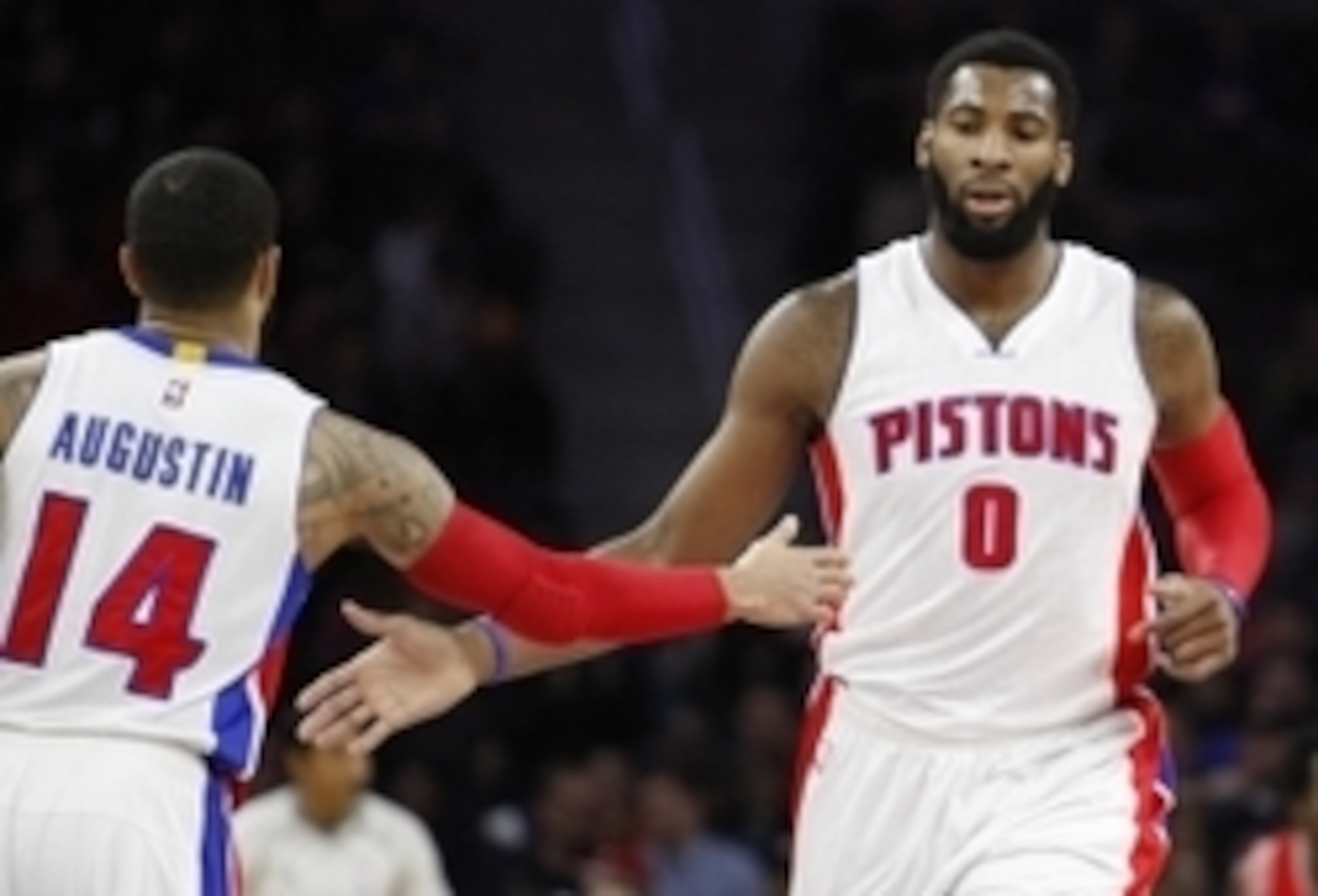
Scoring
Andre Drummond is by no means a polished product on the offensive end, but he's starting to discover some scoring touch around the basket. That said, he still spent much of the season serving as less than a secondary scoring option, and free-throw shooting continues to trouble him. When you're only hitting 38.9 percent of your tries from the charity stripe, going to the line 4.5 times per game is problematic.
Non-Scoring Offense
Drummond may set hard screens. He also forces defenders to get early rebounding position to keep him off the glass. But he can't space the court or pass with any sort of consistency. He turned the ball more than twice as many times as he recorded assists during his third professional go-round. Even more troubling was how it came without too much offensive involvement.
Defense
Improvement is the key here, as Drummond is beginning to gain some discipline on the less glamorous end. He was a great protector of the rim all year, and his rotations are starting to become timelier. Smart offensive players can throw him off balance or create just enough space to get off an easy shot that he can't alter, but that might not be true for much longer.
Rebounding
Most any other season, he would have received a perfect score here. He's a tremendous rebounder, especially when he's going over other players on the offensive glass to create second-chance opportunities. But even given his unabashed dominance and the league's second-best rebounder rating, regardless of position, he was just that far behind DeAndre Jordan.
Intangibles
Playing 82 games in an NBA season, as Drummond did, is not an easy task. It's even tougher still when you're a big man who takes a beating whenever you step onto the floor.
Overall
Drummond began to showcase some substantial offensive improvement late in the season, but his full body of work is impressive regardless. The 21-year-old center is getting better on both ends of the floor, and he's already a durable player who flat-out dominates on the glass. If he can ever figure out his free-throw stroke, he's going to have a serious chance to become the best true center in basketball. Frankly, he may get there even if he continues throwing up bricks at the stripe.
6. Nikola Vucevic, Orlando Magic
33 of 38
Scoring
There are few situations in which Nikola Vucevic can't score, thanks to his growing number of post moves, a strong mid-range jumper and his ability to put the ball on the floor against any type of defender. The next step of this 7-footer's development will involve taking and making some three-point attempts—he went 2-of-6 from downtown this season—but it's not as if he needs any massive improvement to fare well as a frontcourt scorer.
Non-Scoring Offense
Vucevic developed a potent mid-range jumper this season, but he's far deadlier when he begins with the ball in his hands. He has plenty of room for improvement as an off-ball threat, and the same is true of his passing, since he often misses the mark when trying to hit players who are spotting up on the perimeter, forcing them to adjust to his feed and taking precious time away before the contest comes.
Defense
Though he did improve throughout the season—especially when James Borrego replaced Jacque Vaughn as the Orlando Magic head coach—Vucevic shouldn't brag about his defensive abilities. He's not particularly mobile, and his timing is often slightly delayed as he figures out how he should react to the play that's developing.
Rebounding
Vucevic doesn't explode for 20-rebound games quite as often as some of the other best glass-eaters in the league—his only such contest was a season-opening 23-board performance—but he's consistent. While he could stand to grab a few more contested rebounds, that's about the only gripe about his game after a shot goes up.
Intangibles
Back spasms limited Vucevic at the beginning of the season, and a sprained ankle kept him out briefly in early March. But even combined, they weren't enough to force him out of more than eight games, so he just barely avoids losing a durability point.
Overall
Was this the season that Vucevic became more than an underrated center who was beloved by fantasy basketball owners all over the world? He's not exactly providing meaningless production as he throws up double-doubles, and he should function as a centerpiece of the Magic rebuild, despite the prominence of other young players.
5. Dwight Howard, Houston Rockets
34 of 38
Scoring
Even without developing new post moves or showcasing his pre-injury explosiveness from the blocks, Dwight Howard still excelled as a roll man and scorer right around the basket, so long as he wasn't fouled and sent to the charity stripe. It's a shame that he hasn't developed more over the years, but that's irrelevant to his score here.
Non-Scoring Offense
Howard is a brutal screener who thrives in the roll game, to the degree that it's almost pointless to complain about his lack of floor-spacing ability. The Houston Rockets are still a better offensive team with him on the court, and it's because defenses have to do a lot to deny him the ball right around the hoop. Plus, it helps that his passing isn't as atrocious as that of his positional counterparts.
Defense
At the beginning of the season, Howard had to take more time to gather himself before exploding up to contest a shot around the rim. That changed, but not until the end of the regular season, and at that point, it was too late for his defensive score. This Houston center was still a game-changing presence who thrived as the last line of defense and when rolling with other bigs, but he wasn't the transcendent defender he had been when healthy.
Rebounding
In previous years—sensing a theme?—Howard was fully capable of averaging more than five contested boards per game, but he was more hesitant to go up in traffic this season. That was understandable, given his fragile state and the seemingly never-ending stream of injuries, but it didn't help him stand out as one of the game's best rebounders in 2014-15.
Intangibles
It's all about injuries here, even if Howard still rubs many fans the wrong way and was fined $15,000 in January for shoving Kevin Garnett. Between dealing with the flu and his trouble with both his right knee and right ankle, he missed an awful lot of time.
Overall
This was not vintage Howard. But in a way, that's a compliment to the Rockets big man, because he was still darn good when he was healthy. Despite playing through the injuries and clearly operating at less than 100 percent for much of the year, he would have graded out with 85 of the possible 100 points if he'd stayed on the court all season.
4. DeAndre Jordan, Los Angeles Clippers
35 of 38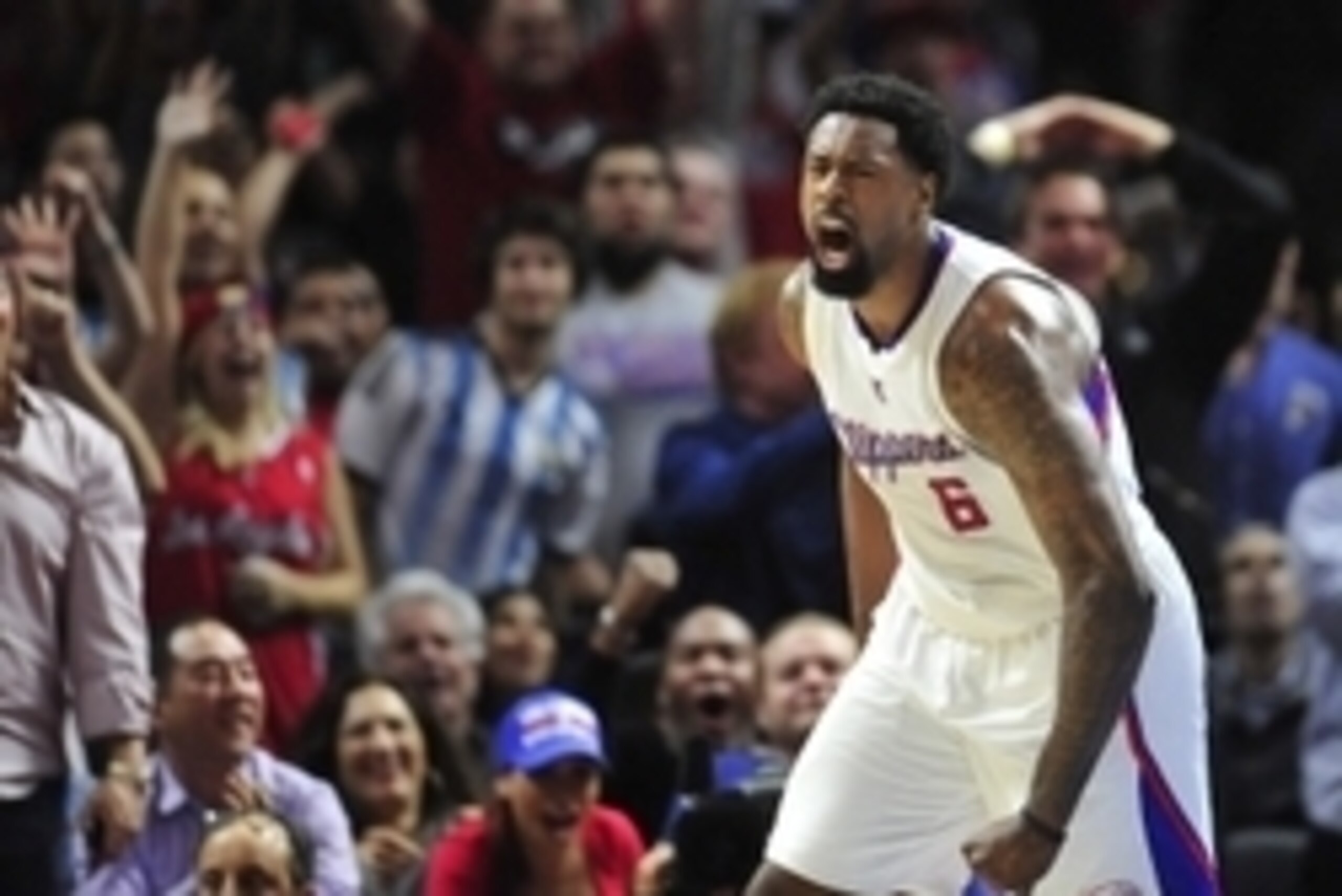
Scoring
Efficiency helps. DeAndre Jordan is by no means a volume scorer, and his performances at the free-throw line are uninspiring. However, no player in the league is better at ensuring that all of his shots come from right at the rim, and as a result, Jordan shot a staggering 71 percent from the field. Throughout all of NBA history, Wilt Chamberlain's 72.7 percent in 1972-73 is the only one to beat that mark.
Non-Scoring Offense
Passing? Jordan isn't going to do much of it, unless he's kicking the ball out to reset the play after a failed post-up situation. Spacing? Hah. Rolling? Now we're talking, as the athletic center is one of the best pick-and-roll finishers in the Association.
Defense
Jordan may not be a legitimate Defensive Player of the Year candidate, but that doesn't mean he's anything less than excellent on the point-preventing end. He's fantastic at deterring post-up shooters and roll men. He's quite adept at dealing with stretchier bigs and using his springs to contest mid-range jumpers. But his weakness comes right at the rim, where his vicious rejections have masked some occasionally porous defense and poorly timed rotations.
Rebounding
Easily the best rebounder in basketball, Jordan was a flat-out monster whenever a shot went up and failed to find the twine. Whether he was crashing the offensive or defensive boards, he just inhaled rebounds, and it didn't matter who was in his way en route to his league-high 15 rebounds per game. Rebounder rating, our basis for these scores, essentially shows that at the time of our data collection (March 10), Jordan would have grabbed nearly 12 boards per game if every opportunity was contested. No other player in the league finished in double digits.
Intangibles
It's almost inconceivable that a 7-footer who spends so much time above the rim can play nearly 35 minutes per game and suit up in every single contest. In many ways, Jordan deserves a 6-of-5 for his durability this season, though that's against our rules.
Overall
If any player could dominate a game without scoring this season, it would be Jordan. Of course, he still provided plenty of efficient points for the Clippers, but his knack for dominating the rebounding column and anchoring the LAC defense made him far more valuable in other areas. His rise when Blake Griffin was recovering from his staph infection was no mere fluke, as he proved after the return of his frontcourt mate.
3. Al Horford, Atlanta Hawks
36 of 38
Scoring
Al Horford's mid-range jumper looks awkward, with his elbow cocked out to the side as he releases. But it works, and it was one of the deadliest weapons the Atlanta Hawks had at their disposal throughout the best regular season in franchise history. Though the big man didn't score many more than 15 points during his average outing, he didn't need to in the pass-happy offense Mike Budenholzer employed.
Non-Scoring Offense
Horford is a brilliant passer who is capable of serving as a hub in the Hawks' schemes as he hits backdoor cutters and open shooters. That's his primary strength in this category, but it's not as if he's a shabby floor-spacing option. The only issue is that his range doesn't often extend beyond the three-point arc, even if he more than doubled his career triples total this season.
Defense
An underrated defender because he's undersized at 6'10", 250 pounds, Horford makes a far bigger impact than his frame would indicate. He's not a rim-protecting stud, but his lateral quickness and anticipation skills allow him to thrive outside the paint and on the blocks. All season long, posting up against this center was an ill-advised idea.
Rebounding
Horford has never posted gaudy figures on the glass, but he didn't need to this season, especially because the Hawks system asked players to sprint back in transition rather than attempt to create second-chance opportunities. Between that and the limited number of contested rebounds, this was the weakest part of his game.
Intangibles
There were no more pectoral tears this season. Horford did sit out six games, but those largely stemmed from Budenholzer attempting to keep his star player as healthy as possible in advance of the playoffs, holding him out of the lineup solely for rest-related purposes.
Overall
Horford was the linchpin for the No. 1 seed in the Eastern Conference, excelling in just about every area while functioning as the glorified glue guy. Normally, that's a role reserved for a lesser player, but this star center did whatever his team needed, even if that meant sacrificing his level of production in more glamorous areas.
2. Marc Gasol, Memphis Grizzlies
37 of 38
Scoring
Marc Gasol was more involved in the scoring game than he's ever been in his impressive NBA career, but he still wasn't one of the best point-producing players at his position. Why? Even with the heavier volume, the Spanish 7-footer didn't create an inordinate number of his own looks and failed to make half of his shots from the field, all without a three-point stroke to boost his efficiency.
Non-Scoring Offense
This is where Gasol truly thrives, as the crafty big man is still one of the leaders of the no-stats All-Stars. He's a brilliant passer who can make nearly any feed in the book, especially when he's relying on a keen understanding of his teammates' locations. But beyond that, he's a capable shooter and terrific screener. All that's missing is that three-point ability.
Defense
It seems as if Gasol always knows exactly where he needs to be. His rotations are as close to flawless as you'll see, and he's quite good at diagnosing action before the opposing players even begin to move. Holding him back was some iffy work protecting the rim, as he was prone to allowing a few easy finishes and couldn't deter attempts quite as well as he could in his Defensive Player of the Year days.
Rebounding
Gasol has to play many of his minutes alongside Zach Randolph, so that works against him on the glass. So too does the fact that the Memphis Grizzlies don't provide an inordinate number of opportunities for rebounds. But that can't completely mask his relative inadequacy when other players are in the vicinity, as that's when it's most apparent that this Gasol brother is a good rebounder but not a great one.
Intangibles
Complaining about Gasol's conduct would be foolish. Just injuries are capable of hurting him here, but the only time he missed a game was in the middle of March, when David Joerger decided to give him a rest day.
Overall
Gasol doesn't provide the glamorous per-game numbers boasted by some of the Association's biggest stars, but he makes a huge impact for the Grizzlies. He can do almost everything on the court, whether he's feeding the rock to his teammates and hitting them right between the numbers, doing the scoring by himself, pulling down rebounds or living up to the grit-and-grind mentality on Beale Street with some fantastic defense.
1. DeMarcus Cousins, Sacramento Kings
38 of 38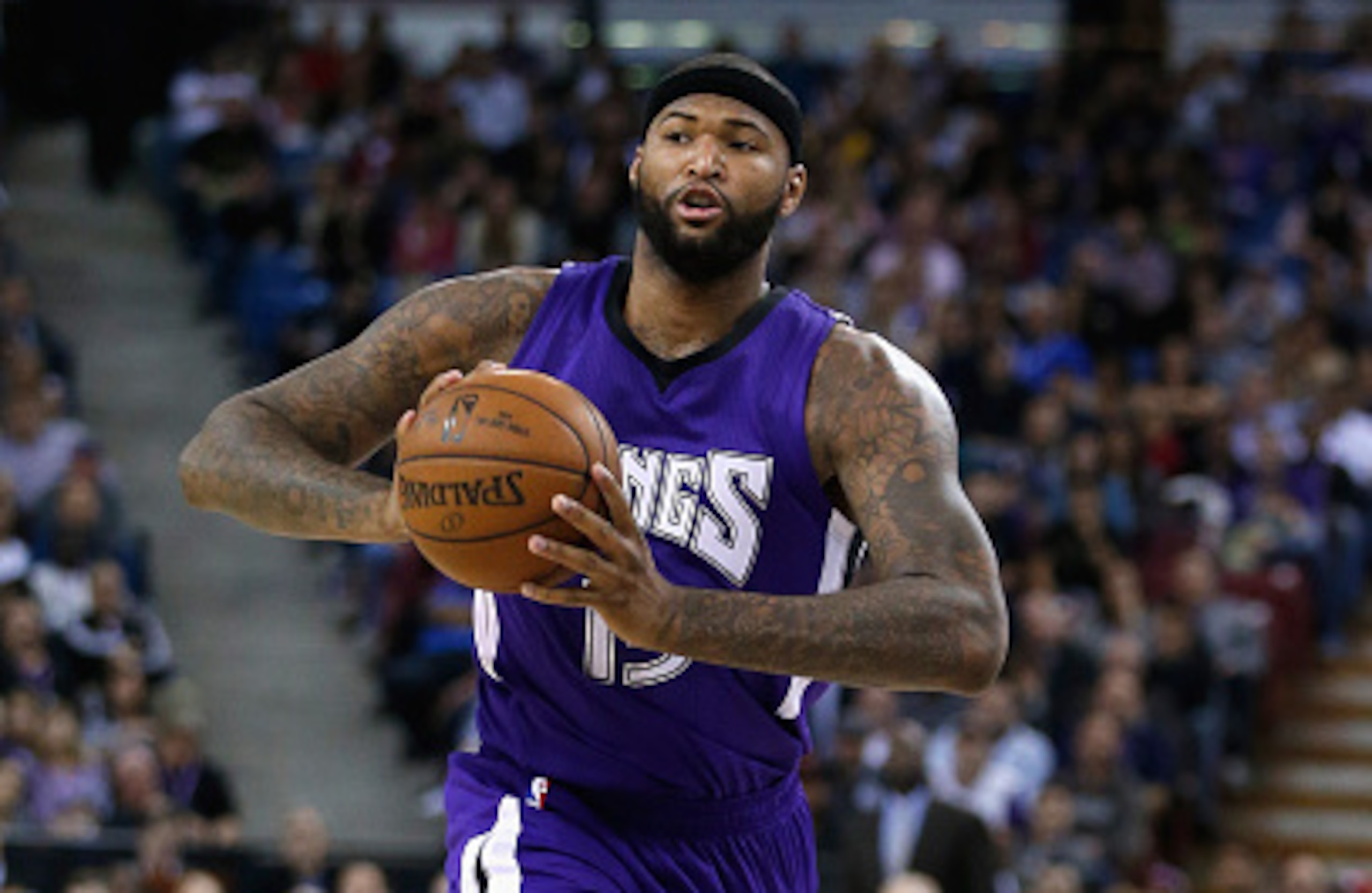
Scoring
On one hand, DeMarcus Cousins shoots a low percentage from the field for a center and doesn't space the court out beyond the three-point arc. However, he averaged more than nine trips to the charity stripe and converted at a 78.2 percent clip, so it's tough to complain about his overall scoring efficiency. Cousins is simply the most unstoppable player at his position, thanks to a unique combination of brutalizing power and dazzling finesse.
Non-Scoring Offense
As if a defense is going to neglect Cousins when he's working without the ball. He's quite comfortable drilling catch-and-shoot jumpers from mid-range zones, and he's a constant threat to crash into the paint. Plus, he's a gifted passer who's actually capable of serving as a point center when the Sacramento Kings want to use a non-traditional lineup.
Defense
Cousins should have received more credit for his improved defense, as he was fearsome when motivated and healthy. Unfortunately, that wasn't the case for the duration of his fifth professional season, especially while the Kings were playing musical chairs with the coaching staff. Cousins can have trouble in one-on-one situations, whether he's being worked against in isolation or in the post, but he's a competent rim protector who reads passing lanes quite well.
Rebounding
Though he's a strong offensive rebounder, Cousins' true strength comes on the other end. When the opposing team puts up a shot, he's going to grab the carom if it doesn't fall through the net, so long as he's in close proximity to the hoop. It doesn't matter if he's fighting air or a whole host of enemies.
Intangibles
Both durability and conduct were issues for Cousins. For the former, he dealt with viral meningitis, bad ankles, a sore calf and a hurt foot. For the latter, he spent too many possessions pouting, making boneheaded decisions that led to technicals and pouting some more. To be fair, his behavior was better this season, but Sacramento's choice to fire Mike Malone, who got along swimmingly with his star center, seemed to exacerbate previous above-the-neck issues.
Overall
When Cousins has his head screwed on straight, he's one of the most dominant bigs the NBA has produced in years. Not only is he an improving defender who eats rebounds for breakfast, lunch and dinner, but he's a gifted passer and an unstoppable scoring threat. The only player who can corral Cousins is, well, Cousins.
Note: All statistics come from Basketball-Reference.com or NBA.com unless otherwise indicated. In order to qualify for the rankings, players must have suited up in 20 games through March 10, the date of data collection.

.jpg?w=2560 "Grading Tonight's SmackDown 🔠")
.jpg?w=2560 "Rush Named Week 2 Starter")


.jpg?w=2560 "Joey Porter Jr. Trade Fits 🧩")