
B/R NBA 200: Ranking the Top Shooting Guards of 2014-15 Season
Remember when the shooting guard position was weak?
It still is, but at least there are some legitimate new stars at the position to go along with the declining veterans. Even with Kobe Bryant tearing his rotator cuff and Dwyane Wade attempting to stave off Father Time, Klay Thompson and James Harden held down the fort.
Plus, we can't forget about the up-and-comers, as guys like Bradley Beal are continuing to make their marks.
Of the five traditional positions—point guards, shooting guards, small forwards, power forwards and centers—this is still the weakest of the bunch. But that doesn't mean it's devoid of high-quality players and exciting new faces. Nothing could be further from the truth.
Now, we have to put the league's best shooting guards in a definitive order.
The NBA 200 metric identifies the players who performed best during the 2014-15 season. Potential doesn't matter, and neither does reputation. It's all about what happened this season, and this season only. All positions are graded using the same criteria (though rim protection was added into the equation for bigger positions), but the categories are weighted differently to reflect changing roles, with max scores in parentheses:
- Scoring (25)
- Non-Scoring Offense: Facilitating (10) and Off-Ball Offense (10)
- Defense: On-Ball (20) and Off-Ball (20)
- Rebounding (5)
- Intangibles: Conduct (5) and Durability (5)
For a full explanation of how these scores were determined, go here. And do note these aren't your father's classification schemes for each position. Players' spots were determined by how much time they spent at each position throughout the season, largely based on data from 82games.com and Basketball-Reference.com, and we're expanding the traditional five to include four combo positions.
In the case of ties, the order is determined in subjective fashion by ranking the more coveted player in the higher spot. That was done by a voting committee comprised of myself, two National NBA Featured Columnists (Grant Hughes and Dan Favale), two Associate NBA Editors (Ethan Norof and Joel Cordes) and an NBA Quality Editor (Jacob Bourne).
Note: All statistics come from Basketball-Reference.com unless otherwise indicated. In order to qualify for the rankings, players must have suited up in 20 games through March 10, the date of data collection.
Point Guard Rankings can be found here.
Combo Guard Rankings can be found here.
25. Elijah Millsap, Utah Jazz
1 of 25
Scoring
With the exception of scrappy follow-up buckets, Elijah Millsap just can't score. Throughout the portion of the season he spent in the big leagues, he struggled to hit even one-third of his looks from downtown, and his field-goal percentage on shots within the arc was just .358. Simply put, this Millsap brother was one of the worst scorers in the league at any position.
Non-Scoring Offense
There's no reason for defenders to fear this shooting guard when he doesn't have the ball in his hands (or when he does, for that matter). And as a distributor, he doesn't deserve much more credit. Recording more turnovers than assists out of the backcourt is a recipe for disaster.
Defense
Millsap, despite his recent entry into the NBA, already registers as one of the league's best defensive players. In fact, he's one of only six players to come in a point shy of perfection in this category. When you watch him play, he's an intense and motivated clone of Tony Allen, guarding his man with the same ferocity and unbridled confidence. Only a slight lack of activity when he's working off the ball holds him back on some nights.
Rebounding
Given the effort levels he shows on defense, it's easy to expect Millsap to thrive on the glass. But that's not the case, as he converts a solid percentage of his chances but fails to involve himself that often once a shot is lofted up. Unlike his sibling, Paul Millsap, he doesn't have the excuse of being undersized, either. Not with a 6'6" frame while lining up at the 2.
Intangibles
A tremendous effort/hustle/glue guy, Millsap doesn't do anything to frustrate his teammates on the court. Off the court, he's kept a clean record, and injuries haven't plagued him during his age-27 rookie season.
Overall
There's always a place in the league for a player who goes to work with such enthusiasm on the defensive end. Millsap knows that tool is what got him out of D-League purgatory, and he's doing his best to prove it to everyone he's matched up against. But still, it should be rather telling that his overall grade is so low despite being tied for the highest point-preventing grade of any player in the B/R NBA 200.
24. C.J. Miles, Indiana Pacers
2 of 25
Scoring
Somebody had to score for the Indiana Pacers this year, and C.J. Miles was often one of the top options. That's not a particularly good thing for the hard-nosed franchise, but it did allow Miles to let fly more frequently than he has in years and create some of his own shots. Now, if only he could finish plays from mid-range zones...
Non-Scoring Offense
Miles was a decent off-ball threat for the Pacers, as he could both hit catch-and-shoot jumpers and burst to the basket while waiting for a pass. But his passing was absolutely atrocious. Though he didn't turn the ball over more often than he recorded an assist, it was close, and he only missed out on that ignominious achievement because he rarely had the ball in his hands.
Defense
It's a mixed bag for Miles, as he can look like a great defender in some areas (guarding players coming off screens, sticking with a ball-handler in a pick-and-roll) while struggling mightily in others (isolation, guarding players who receive a handoff). He's also aided by the strength of the defenders around him, as they wiped away some of his mistakes.
Rebounding
On a team that has so many rebounding opportunities—due both to poor shooting and great defensive work—Miles is awfully uninvolved after a shot hits the rim. He doesn't venture in among the trees particularly often, and it's not like he's darting to the baseline to pick up long caroms.
Intangibles
Though Miles didn't deal with any significant injuries, he was no stranger to minor maladies that knocked him out of action for a single game. Throughout the year, he dealt with migraines, illness, a strained right calf and injuries to his knee, groin and foot.
Overall
Thanks to the many injuries those on the Indiana roster suffered, Miles was thrust into a role that was too large for his talents. He did a decent job trying to fit in with his defense-first teammates and provided a nice scoring boost when his shot was falling, but he still belongs in a more minor role.
23. Rodney Stuckey, Indiana Pacers
3 of 25
Scoring
Every once in awhile, Rodney Stuckey managed to explode in the points column, most notably when he dropped 34 (on 13-of-19 shooting from the field) against the Orlando Magic on March 10. But Stuckey, even with a solid three-point stroke, struggled to remain consistently efficient in a large offensive role, and he had a harder time working his way to the stripe than he has in the past.
Non-Scoring Offense
Not only is Stuckey an imposing presence when he's working without the ball, thanks to his penchant for finding nothing but the bottom of the net in catch-and-shoot situations, but he's a capable distributor. Early in his career, this Eastern Washington product lined up as a point guard, and you can still tell when he goes into 1-guard mode.
Defense
Asking Stuckey to play defense just wasn't going to work. Porous and intentionally uninvolved across the board, this shooting guard was particularly inept when asked to slow spot-up shooters. He cheated off his man far too often, and teams quickly figured out they could take advantage of his lack of awareness.
Rebounding
Though Stuckey didn't generate too many rebounding opportunities during his average outing, he converted quite a few of them. Displaying some strong hands that allowed him to hold onto the ball in traffic, he was able to record a respectable number of boards each game (3.5), no matter how many players were around him. The overall volume, though, doesn't stand out in any way.
Intangibles
An injury to Stuckey's left foot kept him out of the lineup at the beginning of the year, though he'd stay pretty healthy throughout the rest of the season. Random issues with his groin and left calf hindered him, but not enough to dock a second point for durability.
Overall
Stuckey isn't exactly an ideal top scoring option, as he's far better serving as a spark off the bench. But that's the situation that Indiana's injuries often forced him into, and he performed fairly well at times. Unfortunately, that was only on the offensive end, as his defense didn't exactly fit in with the point-preventing stylings of the Pacers.
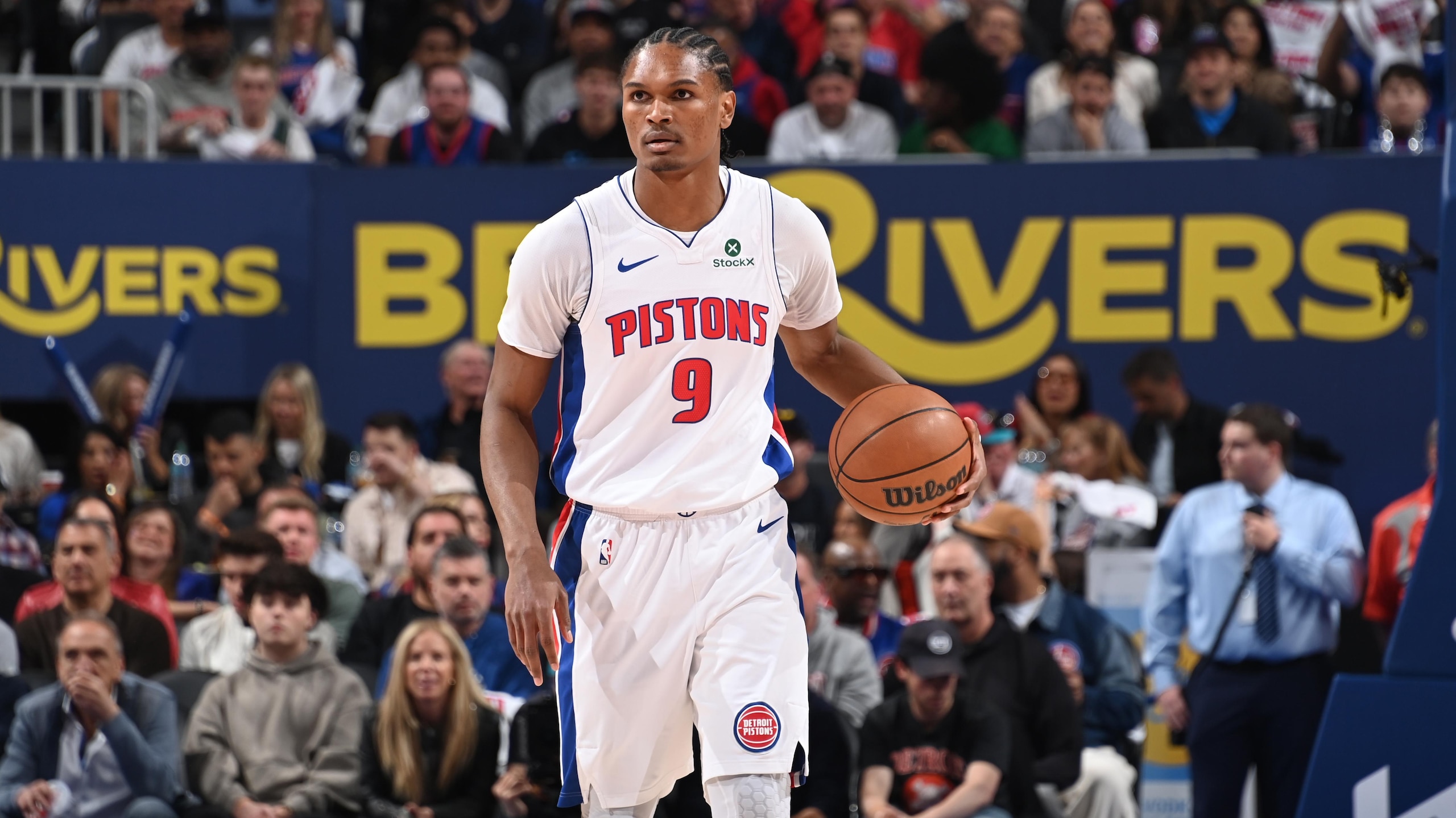
22. Kevin Martin, Minnesota Timberwolves
4 of 25
Scoring
Scoring remains a huge strength of Kevin Martin's, as he's able to put up gaudy totals while maintaining his elite levels of efficiency. Though the 2-guard no longer gets to the stripe as often as he did in his prime, he still converted 88.1 percent of his freebies and remains one of the better three-point marksmen in a featured NBA role. All while scoring exactly 20 points per game.
Non-Scoring Offense
Thanks to his potent work as a sniper, Martin draws a lot of attention off the ball. But while he fares quite well in that subsection of this category, the same simply isn't true for his distributing. Martin is just as likely to turn the rock over as he is to record an assist, and most possessions that see him dribble end either in a shot or an ineffective reset pass.
Defense
Martin wasn't a strong defender in his prime. Now, at 32 years old, he's one of the worst point-preventing players in the league. Far too often, his strategy seems to be nothing more than hoping his man misses the inevitably open look.
Rebounding
Somewhat unexpectedly, Martin turned the clocks back quite a few years with his work on the glass, rebounding more effectively than he has since leaving the Sacramento Kings midway through the 2009-10 season. He doesn't venture into traffic much, but he does have a nose for beating other players to loose balls after a missed shot goes up, hits the rim and falls down.
Intangibles
A broken right wrist kept Martin out for much of the season, and that doesn't do wonders for his durability score. Fortunately, that's the only major issue in this category.
Overall
Martin is very much a specialist now. He's a tremendous scorer, but that's only one aspect of the game—there's so much more that goes into how those points are recorded than just the shooting that gives a player credit for scoring them. Martin has one of the league's largest disparities between the oft-misleading points-per-game stat and his overall value, thanks to abhorrent defense and a lack of impact in most every other area.
21. Langston Galloway, New York Knicks
5 of 25
Scoring
Obviously, Langston Galloway has plenty of work left to do as a scorer. But playing on a New York Knicks squad nearly devoid of established offensive talent, he routinely shrugged off defensive attention and put up respectable point totals, averaging 11.8 per game. There's something to be said for that, even if he relied heavily on his three-point stroke when trying to compensate for his lack of consistency inside the arc and relative inability to work his way to the charity stripe.
Non-Scoring Offense
Off-ball offense and facilitating are the two components here, and Galloway is thoroughly mediocre in both areas. He draws some defensive attention because he can rain in some three-point attempts when left open, though he doesn't hit often enough or cut well enough to earn high praise. The same is true of his passing, as he posts solid assist-to-turnover ratios on a nightly basis but isn't involved enough to be anything special.
Defense
On the ball, Galloway is an adequate defender who can hold his own in basic situations. But the complexities of NBA offenses are often lost on him, especially when he's asked to stick with a shooter in an off-ball situation. Plenty of wing players who love using screens to open up space likely salivated over an upcoming matchup with Galloway.
Rebounding
Finally, we have an area that saw this 23-year-old rookie shine. His per-game (4.2) and per-minute (4.7 per 36) marks may not seem like something to boast about, but Galloway does a fantastic job creating chances and converting contested boards. That's not entirely common for a young backcourt player.
Intangibles
Since Galloway was called up to the big leagues, he's kept a remarkably clean slate. There are no conduct issues to speak of, nor did he suffer any physical issues that would taint his durability.
Overall
What happens to an NBA dream deferred? Does it dry up like a raisin in the sun? Not for Langston Galloway, who went undrafted out of Saint Joseph's this summer, played in the D-League with the Westchester Knicks and then parlayed a series of 10-day contracts into a long-term deal with the NBA affiliate. His dream of playing at the sport's highest level may have been delayed, but it's working out nicely these days.
20. Kentavious Caldwell-Pope, Detroit Pistons
6 of 25
Scoring
Kentavious Caldwell-Pope has a gunner's mentality and can often get into trouble when he gets too trigger-happy. But he also benefits from his days serving as a one-man offense for the Georgia Bulldogs, as he's used to receiving more defensive attention than he's currently allotted. Significantly more dangerous as a sophomore scorer than a rookie one, he should only keep getting more comfortable in professional sets with the Detroit Pistons.
Non-Scoring Offense
Defenses do have to respect Caldwell-Pope's quick release from the perimeter in catch-and-shoot situations, but they don't have to worry about his passing chops. He's a virtual non-factor as a distributor, typically struggling to record more assists than turnovers in any one game.
Defense
When focused, this young 2-guard can be a tenacious on-ball defender. He was solid in both isolation and pick-and-roll settings, though he didn't have much of a clue when trying to stop post-up plays. It's off the ball where he has the most trouble, as he lost sight of his man far too often to help Stan Van Gundy form a you-know-what wall.
Rebounding
Caldwell-Pope earns a respectable number of rebounding opportunities and converts a similarly respectable number of them. However, the vast majority of his successful boards are of the uncontested variety, and few 2-guards who played such heavy minutes were less equipped to grab missed shots with another player in the general vicinity.
Intangibles
No issues here, as Caldwell-Pope was a model of health and good behavior throughout his second professional campaign.
Overall
Caldwell-Pope still has plenty of room left for further development, as he's not a particularly skilled passer and serves as an inconsistent defender who's not even that great at preventing points on his best nights. But he has the confidence of a go-to scorer, and that can end up being quite valuable if he continues to progress. And lest we forget, his sophomore season was significantly more impressive than his first stint in the NBA.
19. K.J. McDaniels, Houston Rockets
7 of 25
Scoring
Even when he received heavy run with the Philadelphia 76ers, a team that desperately needed scoring options, K.J. McDaniels didn't contribute much in the points column. He averaged only 9.2 points per game, couldn't even join the not-so-exclusive 40/30/80 club in any of the three categories and relied heavily on teammates to produce his long-range looks. With the Houston Rockets, he wasn't much better, though that's partly due to Kevin McHale gluing him to the bench.
Non-Scoring Offense
Though McDaniels could use his athleticism to cut to the basket quite nicely, he was nearly incapable of making a positive impact as a spot-up shooter or distributor. Not only did he record well more turnovers than assists, but that also remains true even if we give him credit for his secondary dimes and passes that led to free-throw attempts.
Defense
This is where the rookie out of Clemson truly shined, as he was a menace all over the court when the opposition had possession. McDaniels would fly out of nowhere to swat a shot into oblivion, asserting himself as one of the best rejection artists in any NBA backcourt, and he was quite good on the ball as well. Though he didn't finish the season with the Sixers, only Nerlens Noel and Furkan Aldemir had better defensive box plus/minuses on that roster.
Rebounding
You shouldn't be surprised that such an athletic 2-guard with undying reserves of energy contributed quite often on the glass. He averaged 5.3 boards per 36 minutes during his first professional season, and he was one of the very best at his position when it came to hauling in contested rebounds.
Intangibles
McDaniels was a mainstay on the Houston bench during the second half of the season, but that's not because he annoyed the coaching staff or was unable to play. He simply fell out of a more talented rotation and wasn't afforded as many chances to shine while the Rockets were in the hunt for a top playoff seed.
Overall
Don't let McDaniels' benching throw you off. It was simply harder to earn playing time in Houston while joining the roster midway through the season. This rookie 2-guard was still an impactful defensive player whose energy levels alone will guarantee that his preseason bet on himself (declining the typical team-friendly contract that second-round picks sign and opting to hit restricted free agency this summer instead) pays off in a big way.
18. Jodie Meeks, Detroit Pistons
8 of 25
Scoring
Jodie Meeks may have seen both the efficiency and volume of his scoring output drop after leaving his featured role with the Los Angeles Lakers, one he enjoyed so much in 2013-14. However, he's still such a consistent shooter at the charity stripe (.906 free-throw percentage) and a threatening presence from the outside that he managed to somewhat salvage an otherwise lackluster season in the points column.
Non-Scoring Offense
Even during a year in which he saw his three-point percentage drop from .401 to .349, Meeks remains a terrifying off-ball presence, one who garners constant defensive attention. The threat of him catching fire is enough to ensure that he constantly has a man marking him, even if he doesn't necessarily feel the need to remain all the way up in Meeks' jersey anymore.
Defense
Though his off-ball work is rather weak, Meeks continued what he started last year: developing as a point-preventing on-ball defender. In a bit of a surprising twist, the shooting guard was actually one of the league's better stoppers in isolation sets and when guarding the ball-handler in a pick-and-roll. Granted, there's a small-sample-size effect here, but Meeks did shine when thrust into those situations.
Rebounding
More so than ever before, Meeks acted as though he was allergic to rebounding. Rather than contribute further to his glass-eating hay fever, let's just move on.
Intangibles
Back issues prevented Meeks from making his debut with the Detroit Pistons until Dec. 12. By the time he'd opened his season with 12 points in a road win over the Phoenix Suns, Detroit's record had already plummeted to a putrid 3-19.
Overall
Would the Pistons have been able to make the playoffs if Meeks were healthy from the start of the year? Perhaps, though his on-court performances don't offer all that much hope. Maybe if he were playing like he did in his last season with the Lake Show, but not without some serious improvements from beyond the arc.
17. Ben McLemore, Sacramento Kings
9 of 25
Scoring
After a remarkably disappointing rookie season, Ben McLemore improved from literally every major shooting zone as a second-year player. The most substantial jumps came when the Kansas product was finishing around the rim or hitting touch shots from within 10 feet of the basket, though the latter could still use quite a bit more work. Perhaps the Sacramento Kings' decision to draft Nik Stauskas lit a fire under McLemore's scoring ability.
Non-Scoring Offense
Scoring in multiple ways off the ball always helps draw defensive attention. McLemore could both hit occasional triples and use his speed and athleticism to cut to the hoop before finishing a play at the rim. Now, if only he could figure out how to record more assists than turnovers—a problem that also plagued him during his one season in Lawrence.
Defense
Not only was McLemore much more competent on the defensive end during his second professional season, but he was also more involved. Perhaps he felt a bit of urgency about his quickly sinking career, because he made a concerted effort off the ball and settled into his on-ball stance rather nicely. Improvements across the board should buy him more time when trying to justify his lofty draft stock.
Rebounding
Considering McLemore was a rebounding asset while at Kansas and had a decent rookie season on the boards, his inability to make much of an impact after a shot went up was rather disappointing this year. The 6'5" 2-guard is far too athletic to snare barely more than a contested rebound every other game.
Intangibles
You won't find any holes here. Not only did McLemore keep his head up amid the turmoil the Kings waded through in 2014-15, but he also stayed healthy all the while.
Overall
Improvement, improvement, improvement. McLemore has a long road left while trying to justify the No. 7 pick the Kings used on him in 2013, but he's at least traveling down it instead of treading water or moving in the wrong direction, as he did throughout his rookie season. He progressed almost across the board this year, only failing to build upon his rebounding work during his second professional season.
16. Lou Williams, Toronto Raptors
10 of 25
Scoring
Though Lou Williams declined after his torrid start to the season, he still did one thing quite well throughout his Sixth Man of the Year campaign: coming off the bench and creating his own looks. Williams only required assists on 55.9 percent of his shots from three-point territory, and that number dropped to 28.3 for his two-point attempts. He may not be particularly efficient, but his volume of shots and ability to find the bottom of the net off the bounce both elevate his standing as a scorer.
Non-Scoring Offense
Many players who create their own looks don't also excel as spot-up shooters. That wasn't the case for Williams, who spent much of the season near the top of the leaderboard for that play type, finishing with 1.1 points per possession. Unfortunately, his history running the point didn't translate to this season, as he was so focused on shooting that he often seemed to forget he was even allowed to pass.
Defense
Occasionally active when marking someone who was working to free himself for a spot-up look, Williams was one of the worst backcourt defenders in the NBA when left alone or asked to handle even the most routine plays. He was tortured in isolation, leading to opponents seeking out ways to leave him on an island, and he often made the wrong decisions as soon as a second player entered the equation to set a screen.
Rebounding
At 6'2" and with only 175 pounds on his frame, Williams probably shouldn't be expected to make many contributions on the glass. And he didn't.
Intangibles
Only a minor ankle injury in February held Williams back. Otherwise, he was doing his thing for the Toronto Raptors all season long, never complaining about his role off the bench when the starters were healthy and always seeking out ways to contribute—so long as they involved scoring.
Overall
Talk about serving as a specialist. Williams was a complete non-factor when his shot wasn't falling, as he failed to make an impact on the glass and was often a major liability on the defensive end of the floor. It may seem as if he was more valuable—even winning Sixth Man of the Year—but we're not in the habit of inordinately recording scorers who don't do anything else.
15. Jamal Crawford, Los Angeles Clippers
11 of 25
Scoring
It's hard to tell that Jamal Crawford, scorer supreme, is now 35 years old. With his flashy dribbling skills and ability to connect on pull-up jumpers, he plays quite similarly to the younger version of himself, except he also has some savvy veteran tricks to employ as well. Crawford did struggle with his shot at times this year, knocking down only 39.6 percent of his looks from the field, but at least he could hit his freebies.
Non-Scoring Offense
Though he's still quite adept at minimizing turnovers—especially given how frequently he uses dangerous dribbling strategies—Crawford doesn't feed his teammates enough for that to matter all that much here. He's still getting the vast majority of his points in the category for his work off the ball, as his reputation alone ensures that defenders respect him on the wings.
Defense
Crawford has been a negative on the defensive end during every season of his lengthy NBA career. He's remarkably porous in just about every situation, and it sometimes appears as if the Los Angeles Clippers are trying to defend five players with just four men when he's on the court.
Rebounding
This guard has misleadingly low per-game numbers on the glass, averaging just 1.9 caroms. He's by no means a huge contributor after a shot goes up, but he deserves some credit for converting a ridiculously high percentage of his opportunities. It's not his fault that DeAndre Jordan eats up so many boards when he's on the court.
Intangibles
In early March, Crawford suffered a right calf contusion that knocked him out of the lineup for the stretch run. Would a younger version of this guard have been able to recover faster? That's hard to say, but missing so many games for such an injury isn't a good look for Crawford's durability.
Overall
Crawford is quite valuable to the Clippers, but that doesn't help him grade out any higher. We're not giving extra points to him as a player because the LAC front office failed to assemble a roster with more capable ball-handlers, and there's no Jordan to account for all of his defensive lapses here, as there is in real life. He's a commodity in the right situation (which he's in), but that doesn't make him an enduringly effective star at his position.
14. Courtney Lee, Memphis Grizzlies
12 of 25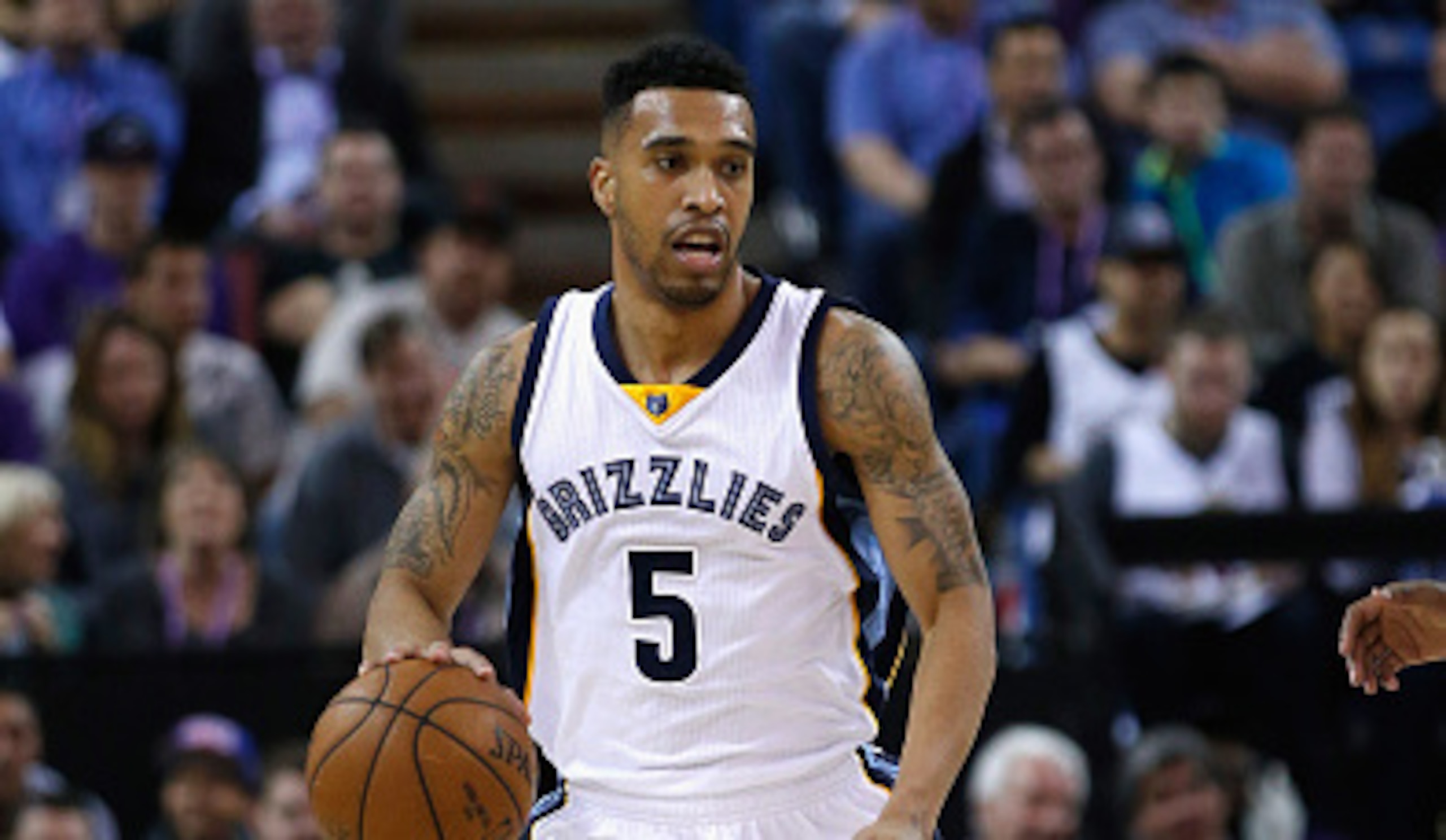
Scoring
Courtney Lee may not be a volume scorer, but he's far more valuable than his typical output (10.1 points per game) would indicate. That's because he does so much of his damage from beyond the arc, hitting over 40 percent of his looks for the first time in the last three seasons. Add in only the occasional miss at the stripe, and Lee's efficiency levels are quite impressive.
Non-Scoring Offense
Though Lee is incredibly deadly from beyond the arc, defenses can still neglect him on occasion. After all, Dave Joerger's system asks for the Memphis Grizzlies to focus on pounding the paint rather than doing damage from the outside, and that depresses the number of opportunities that Lee receives on any given night.
Defense
One of the few relatively weak defenders on the Grizz, Lee is a decent on-ball stopper who often finds himself caught in limbo when his man doesn't have possession of the rock. He gambles a bit too much, finds himself unable to recover in time to contest and is easily thrown off course by players who use screens to their advantage.
Rebounding
To his credit, Lee grabs a high percentage of the rebounding opportunities he's in position to snag. However, those are often few and far between, as he darts around the perimeter and rarely ventures in among the trees.
Intangibles
Between a concussion in early November, a bout with the flu later that month and a sprained right hand in late March, Lee was on the verge of losing a point for his questionable durability. But ultimately, his track record gave him the benefit of the doubt, especially since he soldiered his way to relatively quick returns from all three maladies.
Overall
Lee could probably thrive in a bigger role with a less competitive team, but he's performing quite admirably with the Grizzlies. Serving as one of the rare floor-spacing options on Beale Street, he's been able to drill three-pointers left and right while conserving energy for other areas of the game. If the 29-year-old 2-guard is going to take the next step, though, he'll have to use that energy to be more active on the defensive end.
13. J.R. Smith, Cleveland Cavaliers
13 of 25
Scoring
It's amazing what playing for a competitive team can do for J.R. Smith's focus. Case in point, his performance at the charity stripe was a tale of two seasons. With the New York Knicks, the 2-guard converted those shots—the most isolated, mental ones in basketball—at a 69.2 percent clip. With the Cleveland Cavaliers, he finished at 81.8 percent.
Non-Scoring Offense
Though Smith is a potent off-ball threat who can punish a negligent defense with his long-range bombs, he's often sold a bit short as a distributor. Despite his widespread reputation as a gunner, this veteran minimizes his turnovers and racks up a respectable amount of assists during his average outing, especially when you factor in secondary dimes.
Defense
Focus comes into play here as well, since Smith can function as a lockdown defender for a few possessions and then drift off into space on the next. Spot-up shooters thrived against this guard, who often left gaps far too large between himself and his man, but his physical gifts still allowed him to shine in some other areas.
Rebounding
Though not nearly as effective on the glass as he was during his true athletic prime, Smith manages to chase down plenty of long caroms before starting the fast break in the other direction. Thing is, he's far more hesitant to venture into the paint after a shot goes up, which has been the case over the last few seasons as well.
Intangibles
Smith was locked-in and motivated with the Cavaliers, but he wasn't always healthy during the Knicks portion of his campaign. Not only did a foot injury keep him out for the majority of December, but he also dealt with flu symptoms at the very beginning of the month. Lucky for him, we're only judging the regular season, so his backhanded blow to Jae Crowder during Game 4 of Cleveland's first-round sweep of the Boston Celtics, one that resulted in a two-game suspension, doesn't count against him.
Overall
It's amazing how much a situation can affect a player. The ever-mercurial Smith was poised to submit another forgettable campaign with the Knicks before a midseason swap sent him to the Cavaliers. All of a sudden, his game improved substantially, as he finally started to show more passion and smarts both on and off the court.
12. Eric Gordon
14 of 25
Scoring
When Eric Gordon is feeling it, he can rain in three-pointers from all over the court. However, his scoring prowess didn't exactly travel with him when he stepped inside the arc. For the first time in his career, he struggled to hit even 40 percent of his two-point looks, finishing with at a putrid 38 percent. At least he knew he should spend most of his time downtown and made the best of his primary talent.
Non-Scoring Offense
Gordon had to be the constant subject of defensive attention, a status earned with his 44.8 percent clip from three-point range. But this shooting guard also excelled when he was functioning as a distributor, displaying a nice knack for finding the open man and rarely losing the ball to a bad pass.
Defense
If you left Gordon on the ball, he could hold his own in some situations. He was quite adept in isolation and when tracking ball-handlers through screens. However, he was horribly incompetent off the ball, routinely losing sight of his mark or drifting too far away from him. The result was a plethora of open jumpers.
Rebounding
Gordon's per-game rebounding numbers (2.6) are already low, but they're still misleadingly high. He was one of the worst in the league at corralling boards with other players in his vicinity, he played heavy minutes and he was on a team that produced quite a few opportunities during the average outing.
Intangibles
There's no need to complain about this 2-guard's conduct, but his health is another story entirely—just as has always been the case. Gordon was limited to just 61 games in 2014-15, thanks to a torn labrum that kept him out for the end of November, all of December and the beginning of January.
Overall
Gordon's contract still looks like an albatross, as he's failed to live up to the superstar status he once hinted at briefly, but that's not to say he's a useless player. Few things could be further from the truth, as his remarkably accurate three-point shooting made him into a useful offensive commodity by the bayou, especially in a version of the Association that prioritizes spacing so heavily.
11. Tony Allen, Memphis Grizzlies
15 of 25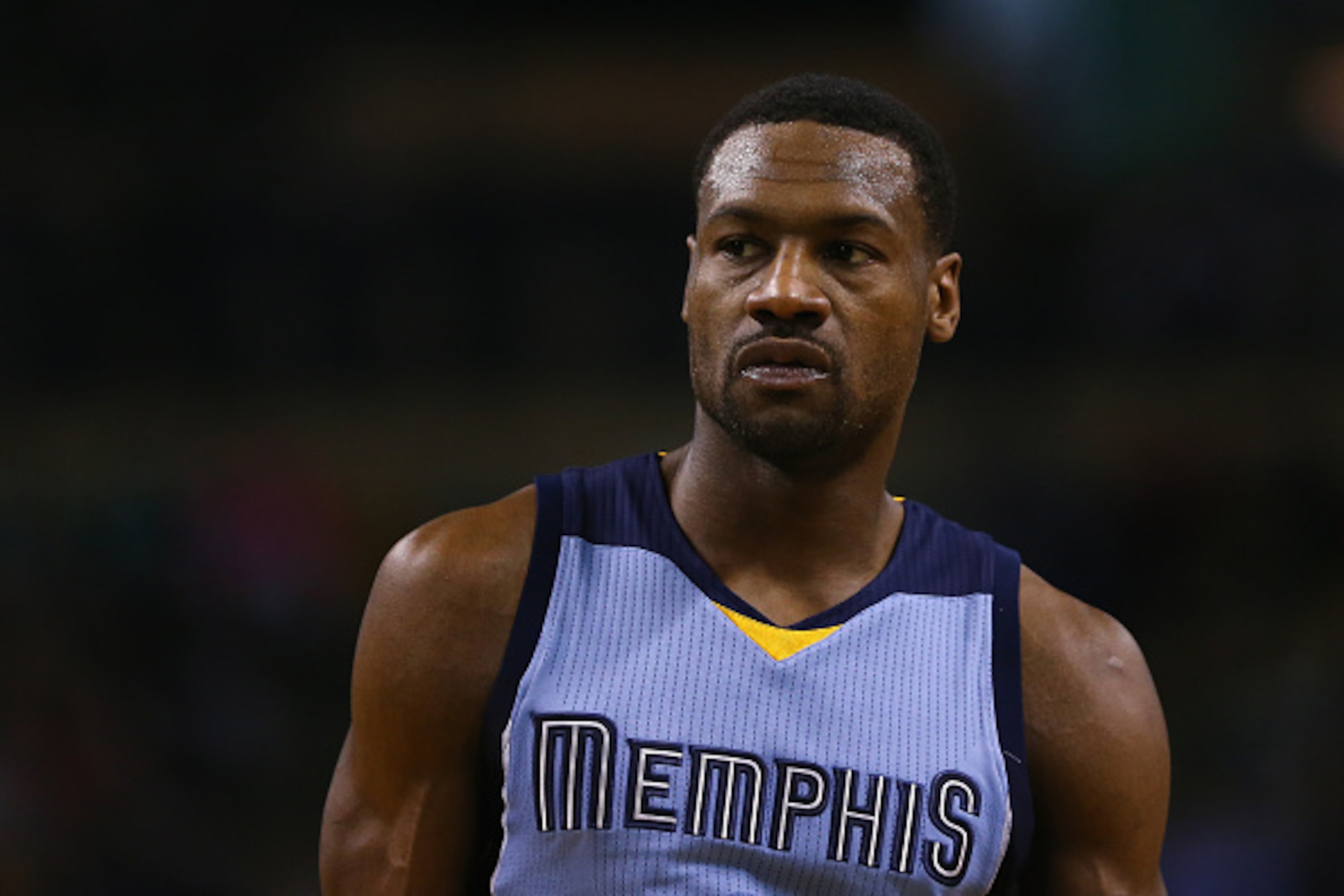
Scoring
Tony Allen isn't a strong scorer, and he knows it. That's what allows him to put together a bad, but not awful, score in this category, as he rarely tries to do too much for the Memphis Grizzlies. Still, it would be nice to see him find a bit more success at the charity stripe, especially since he likes to attack the basket so much.
Non-Scoring Offense
It's not pretty. Allen isn't much of an off-ball threat, occasionally converting on a cut when the defense isn't paying attention. He also can't make much of an impact with his passing skills—or lack thereof. For a shooting guard, it's never a good thing to have twice as many goose eggs in the assist column as games with at least three dimes.
Defense
One of six players at any position to receive a 39-of-40 in this category, Allen is an immaculate defender. He knows this is his bread and butter, and he savors every second that he gets to spend locking down the league's best, often switching onto the toughest wing assignment. Here, he's losing a single point for his off-ball work, as he was caught up in a few too many screens while tracking his man. Perfection on the less glamorous end is rather tough to achieve, even for the Grindfather.
Rebounding
Allen's gritty mentality extends to the glass, where he's always looking to make an impact. Despite his 6'4" frame, which puts him at a size disadvantage against many shooting guards and nearly everyone at the bigger positions, Allen still did a better job than any other 2 at hauling in contested boards.
Intangibles
An altercation at practice got Allen suspended for one game in March, but that's not going to force this shooting guard into losing a conduct point, especially without any lingering concerns. That's just the intensity he's known for, as he's always going to give 100 percent and expect the same from his teammates. It's health that holds him back here, as he dealt with the flu, an eye injury and troublesome ankles throughout the season.
Overall
At 33 years old, Allen should be starting to decline. But his defense remains quite impressive, even as he failed to get much serious consideration for Defensive Player of the Year. Remember, games are won by scoring more points, but defense is still half the battle.
10. J.J. Redick, Los Angeles Clippers
16 of 25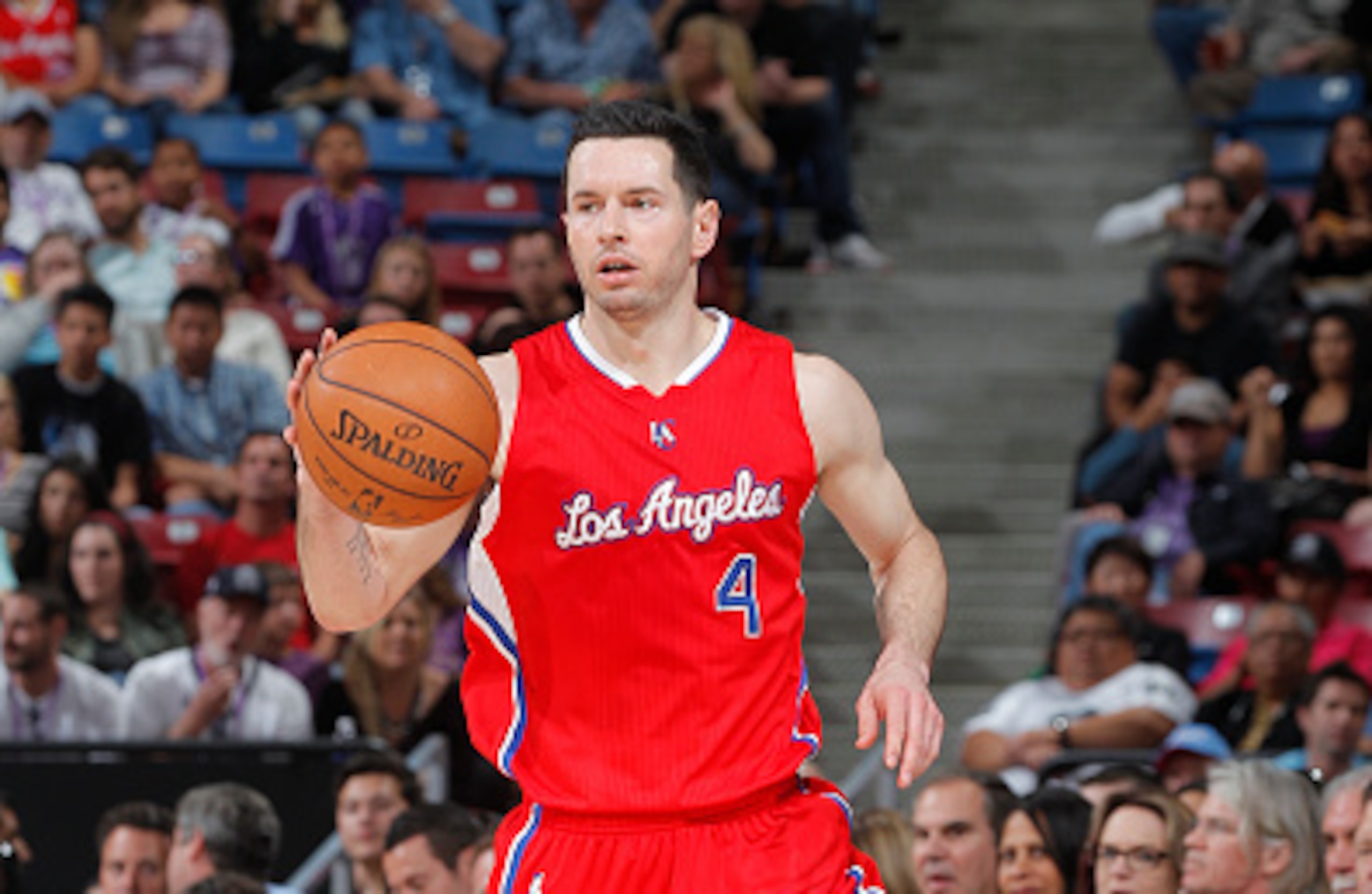
Scoring
Not only did J.J. Redick score more often than he ever has since leaving behind Mike Krzyzewski and the Duke Blue Devils, but he also did so in the most efficient fashion of his professional career. His previous highs in points per game (15.2) and true shooting percentage (.606) both went down—or up, depending on how you look at it—in 2014-15, as he averaged 16.4 points with a .622 true shooting percentage.
Non-Scoring Offense
It isn't particularly easy to earn a flawless score for off-ball offense, but Redick does exactly that. He's one of the sport's premier marksmen and has no trouble freeing himself from the defense. Covering him is no easy task, though it gets easier if he ends up with the ball and is turned into a lackluster passer.
Defense
Redick is by no means a standout defender, but he's not always a liability, either. He did some solid work off the ball throughout the year, remaining highly active and doing what he could to compensate for his limited physical gifts by learning how to read passing lanes and disrupt set plays.
Rebounding
Let's just put it this way: The area beyond the arc is Redick's territory, not the painted portion right around the hoop where so many rebounding opportunities fall.
Intangibles
Redick was right on the cusp of losing a durability point, as he missed a handful of games in January and February with recurring back spasms. But he was otherwise healthy and spent a lot of time on the Staples Center floor, so he retains perfection here.
Overall
Though he'll never achieve NBA superstardom like he enjoyed in Durham, Redick is becoming a rock-solid professional player. He's continued to improve throughout his career, learning how to read defenses with more speed. He's not a star, but his floor-spacing ways are still rather indispensable to the Clippers.
9. Manu Ginobili, San Antonio Spurs
17 of 25
Scoring
The 37-year-old shooting guard hasn't been this ineffective as a scorer since his rookie go-round. Not only did Manu Ginobili average fewer points per game (10.5) than he has in the last dozen years, but he did so without attacking the basket as often while shooting less efficiently than ever before—save his 2003-04 campaign with the San Antonio Spurs, when he posted the worst true shooting percentage of his career.
Non-Scoring Offense
Don't leave Ginobili open, even when he's struggling with his shot. He has a certain knack for converting spot-up jumpers in big moments, and his body control and creativity allow him to see lanes that lead to easy buckets quite often. Throw in his continued craftiness as a distributor, and you can see why he fares so well in this category.
Defense
This has never been the area in which Ginobili shines, but he reached—arguably—a new low in his career with his lackluster work on the defensive end. On the ball, he was fine. Off it, he constantly watched the action unfold, oblivious to the man he was supposed to be guarding.
Rebounding
Ginobili's per-minute rebounding rate stopped trending in the wrong direction after three years of aggression, but it didn't go up by much. He's still only grabbing 4.7 boards per 36 minutes. And though he's still able to convert a solid percentage of the opportunities afforded to him, his age-diminished levels of energy don't allow him to work his way into traffic and pull down a contested try all that frequently anymore.
Intangibles
Conduct issues aren't ever going to be a problem for Ginobili, who's a consummate professional through and through. He may flop sometimes, but that's more grating to the opponent than detrimental to his own team. Injuries are the problem here, as a balky back headlined a litany of minor maladies throughout his age-37 season.
Overall
Even though he's quite clearly starting to decline, Ginobili's craftiness allows him to remain quite the useful commodity off Gregg Popovich's bench. He's a timely scorer and distributor rather than one who can be counted on for 30-plus minutes per game, and he has to be hidden on defense by the San Antonio system far more often. And all the same, he's respected by defenses, especially during the most important parts of both individual games and seasons as a whole.
8. Arron Afflalo, Portland Trail Blazers
18 of 25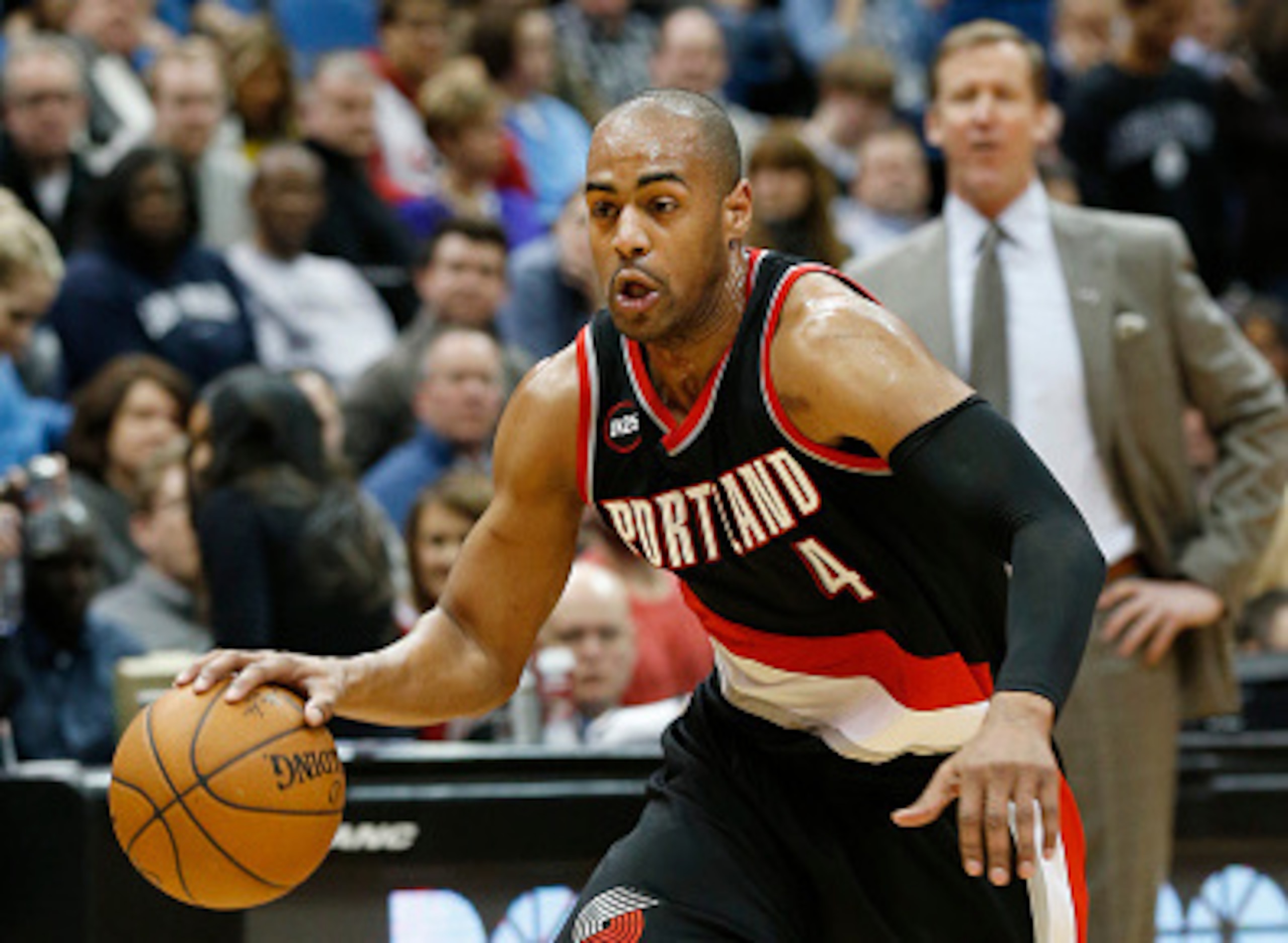
Scoring
Arron Afflalo wasn't a good schematic fit with Brian Shaw's Denver Nuggets, and that prevented him from showcasing what he'd learned as a No. 1 option with the Orlando Magic one year earlier. Still, he remained a steady contributor who could make threes one trip down the floor before posting up and using his patented turnaround jumper against a suspecting-but-unable-to-stop-him guard on the next.
Non-Scoring Offense
As an off-ball threat, Afflalo is deadly. Not only is he a competent spot-up shooter and cutter, but defenders can't give him too much space for fear that he'll work his way closer to the paint and settle into his post-up stance, ready to go to work from his most comfortable area. At least they don't have to worry about his passing, since Afflalo rarely makes an impact there and averaged just 1.7 assists.
Defense
Two things work heavily in Afflalo's favor on the defensive end. First, he's quite good at cheating off his man and recovering in time to contest a shot, thus drastically lowering the percentages of the players shooting against him in spot-up situations. Second, he spends a lot of time reading schemes and looking for ways to insert himself in a trap or passing lane, which ups his level of involvement.
Rebounding
Few players who spend this much time on the court have more trouble piling up contested rebounds. And in Afflalo's case, "piling up" doesn't really apply, as he struggles to earn even one every other game.
Intangibles
Regardless of whether Afflalo was unhappy while with the Denver Nuggets, he did his job and exerted consistent levels of effort on the court. The same was true with the Portland Trail Blazers, though there were far more reasons for contentment there.
Overall
Afflalo was a fringe All-Star while serving as the go-to scorer with the Magic in 2013-14, but he failed to capture lighting in a bottle twice. With a smaller role—and while spending much of the season in a scheme that didn't fit his talents—he regressed significantly but still remained a valuable 2-guard who could space the court, score out of the post and contribute on the less glamorous end.
7. Bradley Beal, Washington Wizards
19 of 25
Scoring
Bradley Beal may have taken a step backward from his sophomore season, but he's still one of the more potent three-point marksmen in the Association. In all of NBA history, only four players have lofted up at least four shots per game from beyond the arc and connected on at least 38 percent of them during each of their first three campaigns: Ben Gordon, Stephen Curry, Klay Thompson and now Beal.
Non-Scoring Offense
As you may have gathered from the previous section, it's not a good idea to leave Beal open. Ever. At least defenses can take solace in the fact that he's a thoroughly mediocre passer, rarely getting too heavily involved in the offensive flow when he's not shooting the rock.
Defense
Beal, while a competent off-ball defender, is still overmatched when asked to slow down the league's better 2s. He struggled in isolation settings throughout the year, and pick-and-rolls gave him some trouble, just as they have throughout his other seasons in the Association. There's plenty of potential in this area, but there's also a lot of work left to be done.
Rebounding
Kudos to Beal for being willing to venture in among the power forwards and centers, go up strong and come away with an impressive number of contested boards. He didn't let contact scare him during his third go-round out of Florida. And based on the results, he shouldn't.
Intangibles
At this point, we have to be worried about Beal's long-term durability. He's now fought through his third stress-related injury, and that's in addition to the fractured left wrist that pushed back his season debut until a Nov. 19 contest with the Dallas Mavericks.
Overall
It's hard to tell if the Washington Wizards should be pleased with their investment quite yet. While Beal is a floor-spacing wizard—something that's increasingly valuable in the modern NBA—he hasn't progressed much in other areas and now has some serious injury concerns attached to him. If he can stay healthy for a full season, perhaps they'll feel much better about the seemingly inevitable long-term deal he'll sign soon enough.
6. Kobe Bryant, Los Angeles Lakers
20 of 25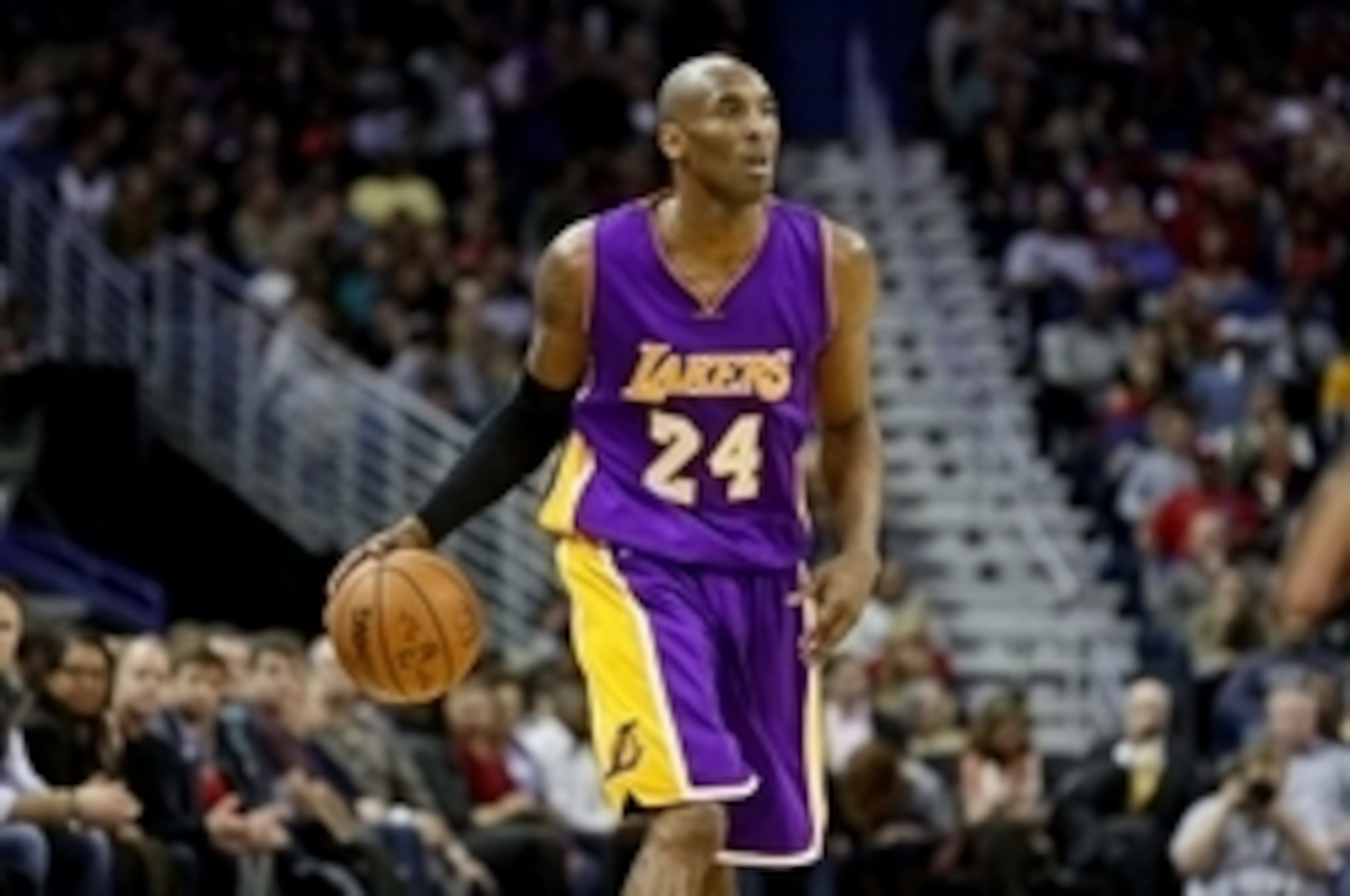
Scoring
Did Kobe Bryant struggle with his shot throughout the 2014-15 campaign? Yes, but he also worked his way to the free-throw line and converted quite frequently. On top of that, he created a ridiculous number of his own shots due to the Los Angeles Lakers' often-inept offense. Despite a field-goal percentage that finished at .373, Bryant still had the No. 6 scorer rating among the 47 qualified shooting guards analyzed for these rankings.
Non-Scoring Offense
It's getting a bit easier to leave Bryant open on the perimeter, as his three-point stroke is inconsistent, and injuries have diminished his athleticism to the point where he's not always going to punish a misplaced defender with a well-timed cut. However, his passing is superb. Turnovers can be an issue, but Bryant is quite adept at finding the open man, especially when he draws an ill-advised double team.
Defense
While it's become trendy to bash Bryant for his defensive shortcomings, the truth is that he's not altogether terrible. Sure, he gets caught ball-watching far too often, but a motivated Bryant in an on-ball situation can still allow for flashbacks to his prime days, when he was earning legitimate All-Defense selections. Despite all the criticism, he still allowed only 0.79 points per possession to pick-and-roll ball-handlers this year, just as one example of his overhyped and overblown shortcomings.
Rebounding
If you were just watching Bryant go up for boards after a missed shot, you'd have no idea he was playing out the twilight of his legendary career. After all, he recorded more rebounds per 36 minutes (5.9) than he has in any season but the 2002-03 campaign, when he pulled in an even six.
Intangibles
Take a wild guess why Bryant is losing points here. One season after recovering from his Achilles rupture and a subsequent knee injury that limited him to six games played (leaving him ineligible for last year's NBA 200), he suited up only 35 times before a torn rotator cuff knocked him out for the remainder of the year.
Overall
Was Bryant the superstar he's been in the past? Not exactly, as diminished defensive production and inefficient shooting numbers kept him from making too large an impact for the Purple and Gold. However, had he remained healthy and seen his production remain at the same level, he'd have graded out with a 78 and had a chance to move up one more spot at his position. The current version of Bryant is a lesser player than he was in his prime (obviously), but it's not as if he's a liability on the court. Far from it.
5. Monta Ellis, Dallas Mavericks
21 of 25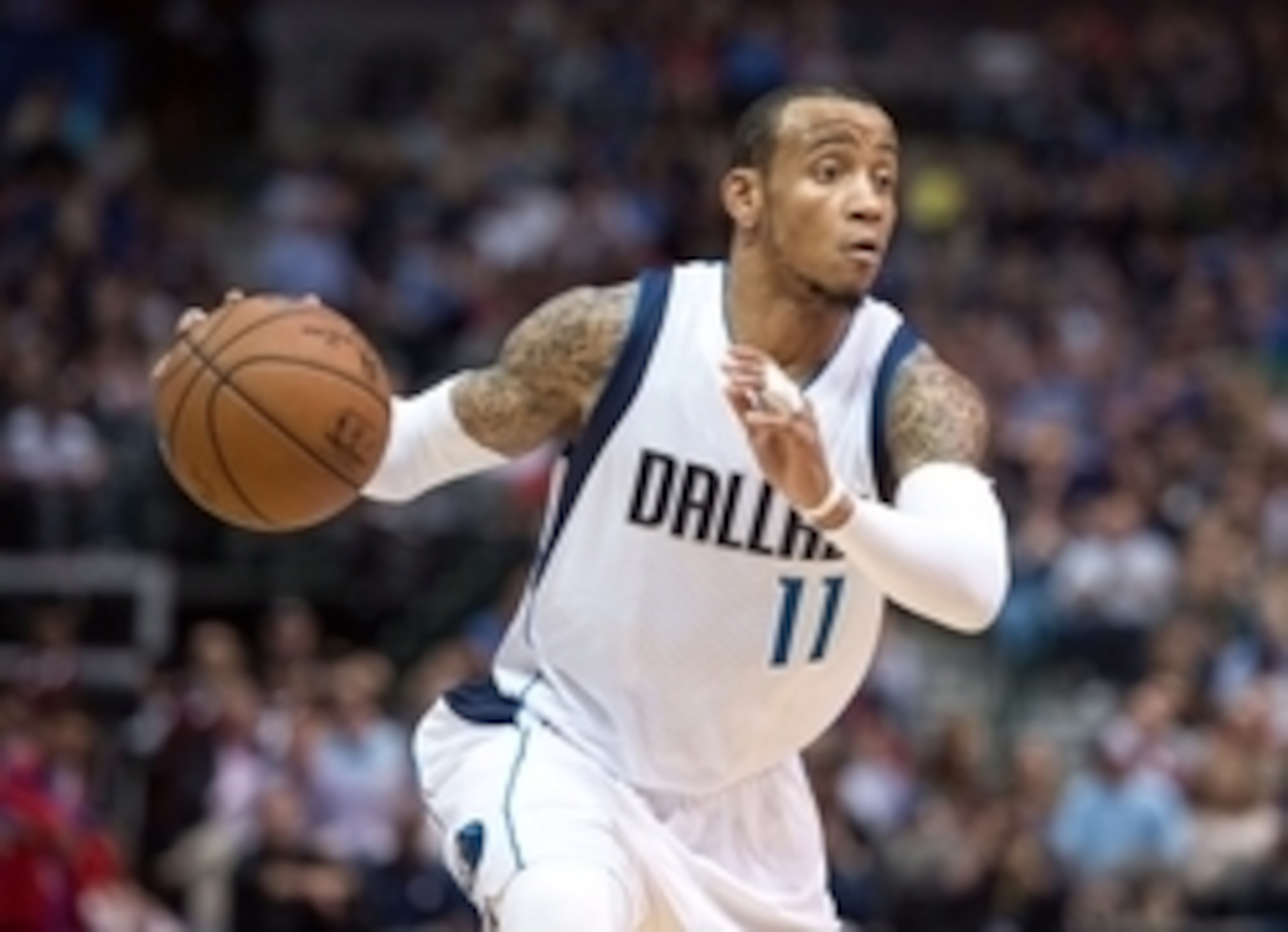
Scoring
Though it would be nice if Monta Ellis could develop a three-point stroke that actually worked on a consistent basis, it's still hard to poke too many holes in his scoring output. After all, the Dallas Mavericks still rely upon him rather heavily, as he thrives in late-game situations and does a great job creating shots for himself around the basket. He's playing in the wrong era and hasn't been able to adjust, but he's still making it work.
Non-Scoring Offense
Ellis is more of a cutting threat than a spot-up shooting one. And he's even deadlier still with the ball in his hands, as he's able to keep his head up while driving and hit the open man on the perimeter. This was actually his worst distributing season since 2008-09, and he still emerged as one of the better dime-droppers at his position, averaging 4.1 assists.
Defense
Never known as a stopper, Ellis didn't do much this year to sway that general line of thought. He was merely adequate in most point-preventing settings, though it's worth noting that he excelled when an opposing guard tried to get around him in a pick-and-roll situation. Of course, playing with Tyson Chandler behind him might help as well.
Rebounding
This was strange. Ellis had never before averaged fewer than 3.1 rebounds per 36 minutes, and even that mark—produced in 2010-11, his last full season with the Golden State Warriors—seemed like an aberration. But this year, he struggled his way to a 36-minute average of 2.5, even while playing fewer minutes.
Intangibles
Though Ellis' attitude was questionable at times late in the season, particularly as he struggled to mesh with Rajon Rondo in the Dallas backcourt, there's no real reason to dock him more than one point for his conduct. Nor is there any reason to question his durability, as he was a model of good health throughout the season.
Overall
Ellis is by no means a perfect player, but he's a valuable one for the Mavericks. Especially now that he's displaying more effort on the defensive end, Dallas can live with his poor shooting nights and wait for the next big offensive explosion. Because with Ellis, one is always coming, whether it's achieved by scoring, passing or some combination of the two.
4. Wesley Matthews, Portland Trail Blazers
22 of 25
Scoring
When you're this good from beyond the arc, you're going to fare well as a scorer. Wesley Matthews was averaging 7.4 attempts per game from downtown and connecting at a 38.9 percent clip when he went down for the season with a torn left Achilles, and that puts him in rarefied air. Over the last 10 years, there have only been 12 instances of a player attempting more than seven triples per game in a qualified season; just eight been more efficient than this Portland Trail Blazers 2-guard.
Non-Scoring Offense
The only thing holding Matthews back here is a lack of passing chops, which isn't particularly unusual for a shooter who thrives off the ball. This Rip City shooting guard did manage to record more assists than turnovers, but he assisted just 10.8 percent of his teammates' made shots when he was on the court.
Defense
Matthews lived up to his three-and-D label by thriving both on and off the ball during the 2014-15 season. Going against this 2-guard in a one-on-one situation usually didn't turn out very well for whoever was foolish enough to make that decision.
Rebounding
Just as has been the case for much of his career, Matthews was quite average on the glass. He rarely made a huge impact on the boards, topping out at eight on four separate occasions. But he also rarely laid on egg, going without a single rebound in only two of his 60 appearances.
Intangibles
Is Rip City ever going to get a prolonged break from the pesky clutches of the injury imp? Matthews was the victim this season, tearing his Achilles during a March 5 contest against the Dallas Mavericks. He hadn't missed a game prior to the injury, but it still limited him to only 60 appearances.
Overall
Portland was significantly better on both ends of the court when Matthews played in 2014-15, and that's largely because he's the best example we have of a true three-and-D wing player. The 2-guard thrives as a spot-up marksman, but he's equally adept at shutting down the opposition, both on and off the ball. In a league that values spacing more than ever before, it's only appropriate that Matthews is shooting his way up the rankings, even with his season-ending injury factored in.
3. Dwyane Wade, Miami Heat
23 of 25
Scoring
Dwyane Wade wasn't able to remain quite as efficient without LeBron James—and for a portion of the season, Chris Bosh—drawing away defensive attention, but he still submitted yet another excellent scoring campaign. Thanks to his savvy veteran tricks, he remains fantastic at creating space and converting, maintaining high levels of volume and efficiency even as he continues to avoid hoisting up outside shots.
Non-Scoring Offense
Is Wade a deadly spot-up shooter who's going to stretch out defenses on a regular basis? Nope, but he's still quite good at finding cutting lanes and attacking them, even if his athletic slashing doesn't appear to be as explosive as it was in his pre-knee-problems prime. That said, his passing skills haven't diminished much. Though turnovers were often an issue, Wade dished out dimes at a higher rate than he has since 2009-10.
Defense
Though Wade is no longer a standout stopper, he's still an above-average defender when he puts his mind to it. Not only was he quite good in isolation settings, but he was among the league's best qualified players when sticking with pick-and-roll ball-handlers. Basically, Wade was nearly always impressive when directly involved in the action, but he didn't try to stick his nose into as many plays as he has in years past.
Rebounding
Wade may have grabbed the fewest rebounds per game of his career (3.5), but he also spent less time on the court than ever before and played for a Miami Heat squad that had very few team rebounding opportunities during the average contest. In that context, his work on the glass looks a lot better, especially because he was one of the best 2-guards at pulling down boards in traffic.
Intangibles
Conduct has never been an issue for Wade, and it likely won't be in the future. Durability, however, paints a different picture. This season, he dealt with yet another laundry list of injuries that kept him out for short stretches: hamstring troubles (on three separate occasions), a bruised right knee, a hip injury and a left knee contusion.
Overall
Wade is no longer vintage Wade. Resulting from so many years of stress on his joints, he's changed his playing style to rely more on his smarts than his sheer athleticism, and he's also taken more plays off on the defensive end. That doesn't mean he's washed up, though. Nothing could be further from the truth, as Wade was still a high-quality contributor for the Heat and an unmitigated superstar for some stretches of his age-33 season.
2. Klay Thompson, Golden State Warriors
24 of 25
Scoring
Hello, breakout. Klay Thompson no longer had to rely on his teammates for setup passes with such frequency, nor was he as limited to contributing from beyond the arc. His ability to work into the lane and score improved drastically, and that, coupled with his incredible work as a three-point marksman, allowed him to function as not just one of the league's best scoring shooting guards, but as one of the league's best scorers regardless of position. Thirty-seven points in a quarter, anyone?
Non-Scoring Offense
Thompson is a Splash Brother. Defenses aren't going to leave him open on the perimeter at any point in the proceedings. Unlike last year, though, Thompson was significantly more dangerous as a distributor, keeping his head up as he handled the ball more and often finding open players as the defense sucked in around him.
Defense
On the ball, Thompson is absolutely phenomenal, and his ability to guard dangerous wing players is a major reason that the Golden State Warriors were so adept at preventing points. However, the 25-year-old shooting guard can still be a bit sloppy when guarding someone without possession, as he's particularly prone to giving up buckets against spot-up shooters and marksmen curling off screens.
Rebounding
Despite playing on a team that produced plenty of rebounding opportunities by virtue of its incredible defense, Thompson didn't truly stand out on the glass. He was slightly better than mediocre most nights and will only improve substantially when he makes a more concerted effort to attack the boards.
Intangibles
What exactly would you complain about here? Always going to work with the right attitude? Never taking possessions off? Staying almost completely healthy, save for a hand injury in early November and a sprained ankle in late March?
Overall
Thompson was unquestionably one of this season's biggest breakout stars. A bit overrated in the past, as he relied on his teammates to help with nearly all of his scoring and couldn't contribute much else on the offensive end, that all changed in 2014-15. He blossomed into an unquestioned two-way stud who could contribute in any way the Warriors needed, so long as they didn't require great work on the glass.
1. James Harden, Houston Rockets
25 of 25
Scoring
The standard-setter for shooting guards, James Harden spent much of the season pacing the league in scoring, even if he ultimately ceded the scoring title to Russell Westbrook. And why wouldn't he reign supreme in this category? Thanks to his penchant for drawing contact and finishing plays at the rim, draining three-pointers and finding creative ways to finish plays around the basket, he was virtually unstoppable, even while serving as a de facto one-man offense for the Houston Rockets in Dwight Howard's absence.
Non-Scoring Offense
The offensive perfection continues. Harden was embarrassingly far ahead of everyone else at his position when it came to passing the rock, as he routinely posted double-digit assists and finished the year with a 34.6 assist percentage. Those are insane numbers for a 2-guard, especially when he's also the constant subject of defensive attention while working without the ball.
Defense
Harden was rightfully criticized for his defensive—how do we put this politely?—disappearances during the 2013-14 season, but that narrative didn't hold true in the follow-up campaign. Though the bearded 2-guard was prone to charging past spot-up shooters and letting them have easy paths to the lane, he made a concerted effort throughout the year and didn't need to be hidden at all times. Harden isn't—and won't ever be—a defensive star, but he actually spent the year serving as an asset, not a liability.
Rebounding
Posting the No. 3 rebounder rating at his position, behind only Kobe Bryant and Tony Allen, Harden was quite strong on the glass this year. It was rather easily his best rebounding season yet, especially because he was more involved on the defensive end, thus bringing him closer to the basket and putting him in position to end a possession before starting the ensuing fast break.
Intangibles
Though he was suspended by the league one game for kicking LeBron James in the groin, that was more of an aberration than anything else. He's on the verge of losing a conduct point, but let's also give him credit for keeping a level head in spite of A) the weight of his beard, B) the sheer levels of public scrutiny and C) the immense number of fouls he deals with on a daily basis.
Overall
For whatever reason, Harden still inspires way too much undeserved criticism. He spends a lot of time baiting officials, but it works and makes him one of the league's most dangerous—and consistent—offensive players. He actually plays defense now, though he's found it unnecessarily hard to shed his sieve-like reputation. But above all else, the one thing no one should be arguing about now is that Harden is going to spend the next few years, and potentially more, in the thick of the MVP conversation.

.jpg?w=2560 "Grading Tonight's SmackDown 🔠")
.jpg?w=2560 "Rush Named Week 2 Starter")


.jpg?w=2560 "Joey Porter Jr. Trade Fits 🧩")