B/R NBA 200: Ranking the Top Power Forwards of 2014-15 Season
Even with some players traditionally thought of as power forwards actually qualifying as combo forwards (Draymond Green, Tobias Harris) or combo bigs (Anthony Davis, Tim Duncan, Chris Bosh, Pau Gasol and many more), this was still a stacked position.
Plenty of 4s snuck in at the tail end of the NBA 200, whether due to their offensive skills, defensive specialization or overall versatility, and the top is just loaded with star power.
Between Blake Griffin, LaMarcus Aldridge, Paul Millsap, Serge Ibaka and others, there are plenty of possibilities for the premier spots. Plus, what's happened with stars like Kevin Love and Dirk Nowitzki, who are still unquestionably high-level players but clearly declined since last year?
Now, between those prominent players, the underrated stars not yet mentioned and everyone else, we have to put the league's best power forwards in a definitive order.
The NBA 200 metric identifies the players who performed best during the 2014-15 season. Potential doesn't matter, and neither does reputation. It's all about what happened this season and this season only. All positions are graded using the same criteria (though rim protection was added into the equation for bigger positions), but the categories are weighted differently to reflect changing roles, with max scores in parentheses:
- Scoring (20)
- Non-Scoring Offense: Facilitating (5) and Off-Ball Offense (10)
- Defense: On-Ball (15), Off-Ball (15) and Rim Protection (10)
- Rebounding (15)
- Intangibles: Conduct (5) and Durability (5)
For a full explanation of how these scores were determined, go here. And do note these aren't your father's classification schemes for each position. Players' spots were determined by how much time they spent at each position throughout the season, largely based on data from 82games.com and Basketball-Reference.com, and we're expanding the traditional five to include four combo positions.
In the case of ties, the order is determined in subjective fashion by ranking the more coveted player in the higher spot. That was done by a voting committee comprised of myself, two National NBA Featured Columnists (Grant Hughes and Dan Favale), two Associate NBA Editors (Ethan Norof and Joel Cordes) and an NBA Quality Editor (Jacob Bourne).
Note: All statistics come from Basketball-Reference.com unless otherwise indicated. In order to qualify for the rankings, players must have suited up in 20 games through March 10, the date of data collection.
Point Guard Rankings can be found here.
Combo Guard Rankings can be found here.
Shooting Guard Rankings can be found here.
Swingman Rankings can be found here.
Small Forward Rankings can be found here.
Combo Forward Rankings can be found here.
27. Carlos Boozer, Los Angeles Lakers
1 of 27
Scoring
When Byron Scott let Carlos Boozer spend significant minutes on the court for the Los Angeles Lakers, he proved he could still use that high-arcing jumper to score from every short mid-range zone imaginable. However, he uncharacteristically struggled when he was back near the three-point arc, and free throws (62.7 percent) gave him some trouble.
Non-Scoring Offense
Boozer is no longer a frightening presence. His screens aren't as strong as they were in his prime, and he still can't pass to save his life. Struggling to average even a pair of assists per 36 minutes is highly problematic for a player at any position, especially when they specialize in producing offense.
Defense
Boozer doesn't play defense. Therefore, we'll take a similar route and avoid writing about it.
Rebounding
Over the years, Boozer has remained a solid rebounder, even if his per-game numbers don't necessarily reflect that this year. Of course, that's due to declining playing time with the Lakers, not a shriveling set of skills. That's reflected in his work on the glass when another player is in position to grab a rebound, as his numbers for contested boards are still quite good.
Intangibles
Boozer has seemed unhappy about his role in the past, but that wasn't the case during the 2014-15 season, as he was basically resigned to playing a smaller part in the Lakers' extremely limited levels of success. He also stayed rather healthy, only suffering through illness and a November shoulder injury, neither of which kept him out for long.
Overall
Remember when Boozer was an All-Star? His last such honor came back in 2008, which now seems like an eternity ago. After all, Boozer has been declining for a while, and his playing time did the same during his first season with the Lakers. Even though he's only 33 years old, boasting the same bald-head-and-beard combination, he's not even close to the player he was in his prime.
26. Ersan Ilyasova, Milwaukee Bucks
2 of 27
Scoring
Ersan Ilyasova has rediscovered his shooting stroke, allowing him to remain somewhat valuable as a scorer, even though he doesn't create many of his own looks and struggles to post points in volume. During the 2013-14 season, the Turkish forward took 2.4 three-pointers per game and hit just 28.2 percent of them. But this year, he was even more involved and saw his efficiency from deep rise 10 percentage points (38.9).
Non-Scoring Offense
Though his floor-stretching ability is keeping him alive in this category, nothing else looks particularly strong. Ilyasova is a hesitant screener whose work in pick-and-roll/pop situations doesn't do much to free up his teammates. He's not a deft cutter. And he certainly doesn't thrive as a distributor.
Defense
On a Milwaukee Bucks team that thrived on the defensive end, Ilyasova didn't exactly stand out in a good way. He simply doesn't have the length necessary to measure up against his long-armed teammates, nor does he possess a lockdown defensive mentality. He fared rather well protecting the rim, but he was in trouble as soon as he strayed out of the paint.
Rebounding
Though Ilyasova converted a respectable percentage of his chances on the glass, he actively avoided contact. Throw one bigger defender into the mix, and it was much less likely that he'd be able to pull down a contested board, especially if he wasn't starting out in perfect box-out position.
Intangibles
First, a fractured nose kept Ilyasova out for the majority of December. After he returned, he dealt with a concussion, a groin injury and then a brief spat with illness. The cumulative impact was rather significant, keeping him out of nearly 30 games.
Overall
Ilyasova certainly doesn't seem like the versatile future star of years past. There are no longer double-doubles popping up with extreme frequency, and he remains woefully inadequate on the defensive end—except when protecting the basket from close range. But fortunately for the Turkish forward, his returned shooting stroke salvaged some semblance of value, allowing him to continue receiving steady minutes when healthy.
25. Mirza Teletovic, Brooklyn Nets
3 of 27
Scoring
More than half of Mirza Teletovic's shots this season came from outside the three-point arc. But despite the heavy focus, he wasn't particularly deadly from the perimeter, hitting on only 32.1 percent of his attempts and receiving assists on 98.4 percent of his makes. That's not a strong combination for our scoring metric, especially when three-point shooting is the primary skill in his arsenal.
Non-Scoring Offense
A floor-stretching threat because of his penchant for catch-and-shoot jumpers, Teletovic desperately needs to become more skilled in the passing department if he's going to improve here. During the 2014-15 season, his third at the NBA level, he recorded seven more turnovers than assists in his 40 appearances.
Defense
Teletovic is a mess when guarding someone with possession, but he's fairly decent with weak-side help at the rim and working passing lanes off the ball. His block and steal numbers might not reflect that, but the 29-year-old was occasionally disruptive and didn't always get torched while guarding spot-up players.
Rebounding
The Brooklyn Nets make Teletovic's rebounding numbers look slightly more impressive, as they're a team that doesn't get too many chances on the glass during the average game. In that context, this power forward grabs a higher percentage of the available opportunities, though he still struggles a bit in crowded situations.
Intangibles
After he was diagnosed with bilateral pulmonary embolus midway through January, Teletovic was forced to sit out and recover for the rest of the regular season. That's really the only negative here, and it's hard to blame the big man for prioritizing his immediate and long-term health. It turned out to be a great decision, as he was unexpectedly able to return and log a few minutes during Brooklyn's first-round playoff series against the Atlanta Hawks.
Overall
Though Teletovic didn't find as much success from downtown as he has in the past, improvements in other facets made him more of an asset for the struggling Nets. His work protecting the rim was solid, and the same can be said about his rebounding. He's still a three-point specialist, but at least Teletovic can make minor contributions in other areas now.
24. Joel Freeland, Portland Trail Blazers
4 of 27
Scoring
Don't expect Joel Freeland to score if he's not cleaning up garbage right around the rim or knocking down the occasional mid-range jumper at the end of the shot clock, particularly those that come along the baseline. Of the 48 qualified power forwards (not just the 27 who made the NBA 200 and are featured here), Reggie Evans is the only one who failed to receive seven of the 20 possible points. How's that for perspective?
Non-Scoring Offense
Freeland is a horrific passer who often functions as a black hole when he's given the ball, but at least he can set some darn good screens. Using his 225-pound frame advantageously, he can open up space for his teammates and then find some success rolling to the basket for an easy finish.
Defense
It's no coincidence that the Portland Trail Blazers allowed around five fewer points per 100 possessions when Freeland was on the court. He was arguably the team's best frontcourt defender whenever he was fully healthy, thriving when he was asked to protect the rim and faring quite well in most other situations. The lone exception was on post-up plays, where he often required help from the weak side to ensure he wasn't befuddled too much.
Rebounding
Freeland has improved as a per-minute rebounder during each season of his career, and this was no exception. He's held back here more by playing time than his specific set of skills, as he can only do so much damage when he's spending well under 15 minutes per game on the floor.
Intangibles
Injuries reared their ugly head for this British big man. A one-game suspension for head-butting an opponent, coupled with a shoulder injury that kept him out for nearly two full months, isn't going to result in a strong score.
Overall
Though Freeland doesn't spend much time on the court, he sticks to what he's good at. Whenever Terry Stotts calls out his number, he's going to provide a nice boost for Rip City with his work on the glass, his physical defensive play—especially right around the basket—and his tough screens. Self-awareness is a skill, and Freeland has it.
23. James Johnson, Toronto Raptors
5 of 27
Scoring
While James Johnson couldn't knock down jumpers with any sort of consistency this season, he was more than capable of putting the ball on the floor and attacking the basket. That's where the vast majority of his limited offense came from, as he could use his physicality and aggression to open up chances for himself right around the hoop before finishing the play successfully.
Non-Scoring Offense
Johnson doesn't do much as a spot-up shooter or facilitator, but he's an adept cutter who—again—has that sterling combination of physicality and aggression that allows him to finish plays around the basket. The Toronto Raptors didn't run many sets for Johnson, and defenses could often forget about him, but he made them pay on some of those occasions.
Defense
A tough-nosed defender who knows that preventing points is his primary calling card, Johnson's only major weakness came when he was asked to protect the rim. At 6'9", he has the requisite size to play power forward, but it was a fairly new position for him, and he was often rather porous right around the hoop.
Rebounding
Tenacity can only get you so far. In Johnson's case, it got him a slightly above-average mark, as he constantly attacked the glass whenever he was on the court. More controlled motions could help him improve, as could boxing out with more frequency, but he was at least adequate.
Intangibles
A right hamstring injury works against Johnson, but most of his missed games came because he inexplicably fell out of favor with head coach Dwane Casey. Nothing else is causing him to lose an intangibles point this season.
Overall
Would Johnson have fared better if Casey didn't suddenly start keeping him on the bench during the middle of the season? Probably, as that stretch of inactivity kept him from building on his early-season momentum, which had seen him become a more dangerous contributor on the offensive end.
22. Channing Frye, Orlando Magic
6 of 27
Scoring
Talk about serving as a three-point specialist. More than two of every three attempts from the field (71 percent) came beyond the arc for Channing Frye during his first season with the Orlando Magic. He was quite good in that area, but a lack of ability to do nearly anything else—or thrive from downtown in anything beyond a catch-and-shoot situation—ultimately limits him.
Non-Scoring Offense
Frye was fantastic as an off-ball threat, forcing defenses to pay attention to him at all times—especially given the complete lack of floor-spacing options on the Orlando roster. His passing paled in comparison. But then again, it paled in comparison to most things.
Defense
Never a particularly strong defender, Frye's biggest issue came when he was asked to protect the rim. He was extremely out of position on many occasions, failing to keep his marks below 50 percent shooting and struggling to involve himself in the proceedings too often.
Rebounding
At 6'11" and with more than 250 pounds of meat on his bones, Frye should be a better rebounder. But this was his worst season on the glass in quite some time, and the saving grace is playing for an Orlando squad that produced few opportunities.
Intangibles
There's not much to complain about here, as Frye is a consummate professional who knows that he's going to be serving as a veteran presence in the locker room. A sprained left knee delayed his debut with his new team, but he stayed quite healthy throughout the rest of the year.
Overall
Frye's first season with the Magic really didn't go as planned. Though his three-point stroke was perfectly fine, every other part of his game declined rather significantly. Without the ability to display any sort of offensive versatility as he struggled to play interior defense, it was tough to make use of his floor-stretching abilities all that often.
21. Nikola Mirotic, Chicago Bulls
7 of 27
Scoring
Though Nikola Mirotic's fourth-quarter scoring during the second half of the season pushed him into the Rookie of the Year race, we're looking at the total efforts of his first campaign. And those still aren't all that impressive, as he struggled to average double figures and had to fight to keep his field-goal percentage and three-point percentage above 40 and 30, respectively. His craftiness shines through, but there's so much room for improvement.
Non-Scoring Offense
Mirotic is a remarkably skilled offensive player who can hit catch-and-shoot jumpers or display some crafty cuts to the basket. It's not a good idea to forget where he is at any point in the game, even if his shots aren't falling. However, his level of skill doesn't extend to the distributing game, as Mirotic routinely put up more turnovers than assists on a given night.
Defense
This was the biggest struggle for Mirotic, who was out of his element whenever the Chicago Bulls had to play defense. If he was asked to protect the rim, that was problematic. And the same was true if he was left in isolation or fruitlessly attempting to prevent post-up scores.
Rebounding
Thanks to some fantastic spatial awareness, Mirotic excelled as a per-minute rebounder, sneaking past other players to establish solid positioning on the glass. Given how little time he spent on the floor, it was pretty impressive that he was able to squirm his way to so many easy boards.
Intangibles
What could we possibly complain about? Mirotic stayed healthy all year and remained on his best behavior from start to finish, even when Tom Thibodeau was resistant to the idea of playing time.
Overall
Mirotic submitted his name as a secondary candidate for Rookie of the Year, but that was largely due to a burst of scoring around and after the All-Star break. The overall package was less stellar, and that applies to the rest of his scoring throughout the season, as well as his whole game. Until he improves defensively, it's going to be harder to maximize his crafty scoring abilities and ball-handling prowess out of the frontcourt. Also worth noting is the March 10 cut-off for our data collection and grading. Without the full second half of the season coming into play, Mirotic ranks far lower than his level at the end of his rookie season would dictate.
20. Kenneth Faried, Denver Nuggets
8 of 27
Scoring
Kenneth Faried played away from his strengths throughout what was supposed to be his breakout season. He unsuccessfully tried stretching his range out beyond the three-point arc and was too quick to fire away from deep mid-range zones rather than waiting to attack the basket. Frankly, he just looked uncomfortable as a scorer for the vast majority of the season.
Non-Scoring Offense
When he attacks the rim, Faried is dangerous off the ball. He's an athletic cutter who understands timing. But as a passer and floor-spacing shooter, he doesn't exactly stand out. Both facets of the game give him significant amounts of trouble, despite his attempts to prove otherwise.
Defense
Playing Faried against stretch 4s may have given head coach Brian Shaw nightmares before the Nuggets fired him. He's not a particularly quick or smart defender, and he often makes poor decisions when closing out on spot-up shooters—charging too quickly and getting blown by or straying too far away from them in the first place.
Rebounding
The NCAA's modern-era leading rebounder is obviously going to be strong on the boards. This season basically saw him stagnate on the glass, which is by no means a bad thing. After all, he's a monster in traffic who seeks out the ball like his life depends on successfully corralling the board. But occasionally, he can be a bit too aggressive, attempting to insert himself in a rebounding chance that he has no business being around.
Intangibles
Though Faried clearly didn't get along with his former coach, there were no huge problems. He had the occasional locker room spat or argument on the sidelines, but nothing that was significantly detrimental to the long-term prospects of the Nuggets.
Overall
What a disastrous season for Faried, who completely failed to build upon his breakthrough at the FIBA Basketball World Cup or justify his massive contract extension. He remained quite poor on the defensive end and wasn't able to improve as a scorer, instead taking steps in the opposite direction. A lot of that stemmed from complete discomfort under the tutelage and instructions of Shaw, however, so don't rule out a post-hype breakout next year, especially if his improvements at the end of the campaign hold true.
19. Kyle O'Quinn, Orlando Magic
9 of 27
Scoring
Though Kyle O'Quinn tried to expand his range well outside the paint, that still wasn't his primary method of scoring during his third professional season. He was at his best right around the basket, just as always. But no matter where he was shooting from, the Norfolk State product wasn't highly involved in the Orlando Magic's offensive affairs.
Non-Scoring Offense
When cutting or setting screens, O'Quinn had value. But when he was doing anything else that falls into this category, the opposite was often true—even if he did improve as a catch-and-shoot threat from between 16 and 23 feet.
Defense
O'Quinn could sometimes be fooled in the post, but his overall defensive profile was quite strong. After all, preventing points is the primary reason that he spent time on the floor, as he could get into passing lanes and still protect the rim quite nicely. And given the limited number of minutes he received for Orlando, he was heavily involved around the basket.
Rebounding
After averaging at least 11 rebounds per 36 minutes during each of his first two professional seasons, O'Quinn regressed (8.7). He hovered around nine for most of the year, though that was partially due to the Magic not producing too many rebounding chances as a whole. Now, he just needs to get back on track in traffic.
Intangibles
After debuting against the New Orleans Pelicans on opening day, Kyle O'Quinn rolled his ankle and was unable to suit up for quite some time. The next time he played was nearly a full month later, and he'd already missed 15 games. Fortunately, he remained healthy for the rest of the season, even if he fell out of the rotation for parts of the year.
Overall
O'Quinn's offensive profile isn't exactly a strong one, even though he improved his shooting from outside the paint. But he's a strong rebounder and an adept defender, giving him two tools that should allow him to find a bigger role in the future. The Magic may have too many young pieces to spend major minutes on this big man, but he deserves them elsewhere and should get some long looks as a free agent this summer.
18. Patrick Patterson, Toronto Raptors
10 of 27
Scoring
Patrick Patterson is by no means one of the top options for the Toronto Raptors, and that's the No. 1 thing depressing his value in this category. When his number is called, however rare that may be, he usually responds rather nicely, as he can knock down shots from the perimeter and go to work creating some of his own looks.
Non-Scoring Offense
Between his shooting ability and knack for setting solid screens, Patterson is an offensive asset even when he's not looking for his own shot. Defenders are usually going to know where he is on the court, granting him a decent amount of gravitational pull for a tertiary option in the frontcourt.
Defense
Defense can often be problematic for Patterson, whose numbers are misleadingly strong in some metrics because he refuses to spend much time protecting the hoop. That's his biggest weakness, though he's really not much better when being worked in the post by a back-to-the-basket standout.
Rebounding
Patterson's aversion for spending time around the basket goes away when a shot is lofted up. He seems to genuinely enjoy chasing down caroms and boxing out bigger players, allowing him to grab a remarkably high percentage of his admittedly limited rebounding chances.
Intangibles
Brief trouble with his left knee kept Patterson out for a single game near the end of February, but the power forward quickly returned to the lineup. That was the only injury worth noting, which speaks volumes about his overall durability.
Overall
Patterson has become a versatile commodity, able to score on the interior, space out the defense with his perimeter shooting ability and contribute in less noteworthy activities as well. Now 26 years old and five seasons removed from the University of Kentucky, he's created a nice, defense-less niche for himself. It's a pursuit that's only been aided by Patterson finally finding some continuity, as this was the first time in three years that he hasn't been traded.
17. Harrison Barnes, Golden State Warriors
11 of 27
Scoring
It may seem weird to see Harrison Barnes listed at power forward, but he spent over 85 percent of his minutes there, per Basketball-Reference.com, and 82games.com confirms that it was, by far, his primary position. While he was there, the former UNC standout didn't receive an inordinate number of scoring opportunities, but he capitalized on the ones he was granted. Freed by Steve Kerr's system, he was far more efficient than in either of his first two seasons in the Bay Area.
Non-Scoring Offense
Just as was the case during his time at Chapel Hill, Barnes' lone weakness in this area came as a distributor. He had no trouble serving as a cutter or spot-up marksman, but passing remains a relatively foreign concept. For whatever reason, Barnes has just never had great vision with the ball.
Defense
Especially compared to the many great defenders on the Golden State Warriors roster, Barnes didn't exactly thrive on the point-preventing end of the floor. He was atrocious protecting the rim—largely because he and his 6'8" frame were playing out of position—and his solid work both on and off the ball weren't able to make up for the negatives.
Rebounding
Though Barnes' size, or lack thereof, worked against him on the defensive end, it didn't hinder him on the glass. Knowing that he wasn't going to be heavily involved on offense, this forward willingly expended plenty of energy after a shot went up, trying to get into position as soon as possible. It worked pretty nicely, even if he converted a low percentage of his many rebounding chances.
Intangibles
Some players would complain about coming into the NBA with such a remarkable pedigree and then failing to earn a featured role three seasons in. But the ever-professional Barnes certainly isn't one of them, and it certainly didn't hurt that he still had a key job on a historically excellent team.
Overall
Barnes is a bit disadvantaged by the Warriors' propensity to use him at the 4 in small-ball lineups, as that means our scoring system places more importance on rim protection than he would presumably prefer. But even with that working against him, Barnes impressed in his minor role, excelling in many areas and showing that he could eventually be even more heavily involved on a great team.
16. Ryan Anderson, New Orleans Pelicans
12 of 27
Scoring
Ryan Anderson had far more trouble scoring this season than he has in the past, and that's due primarily to a three-point stroke that was awfully awry. After shooting over 40 percent from downtown last year, Anderson's efficiency fell by more than six percentage points, which is highly problematic for a player who relies so much on his deep looks. At least he can still knock down shots from all over the court, even developing some semblance of the patented Dirk Nowitzki flamingo fadeaway.
Non-Scoring Offense
As if a defense is going to neglect to cover Anderson. Whenever he's on the floor, he changes how the opposition guards the New Orleans Pelicans, even when not finding the bottom of the net. It's passing that holds him back, as Monty Williams was—quite reasonably, I should add—awfully hesitant to call plays that involved a tough feed from Anderson.
Defense
This has never been a strong suit for the 6'10" big man, and that didn't change during his third season by the bayou. Not only was protecting the rim an enormous struggle from start to finish, but Anderson was routinely abused in the post and tortured in isolation. His saving grace was involvement off the ball, as he disrupted driving lanes and recovered fairly well against spot-up shooters.
Rebounding
Anderson still hasn't been able to rekindle the magic he experienced on the glass during his time with Orlando. But he remains an above-average rebounder, one who thrives with players around him and grabs nearly as many contested boards as uncontested ones.
Intangibles
Heading into the stretch run, Anderson had only experienced minor injuries: ankle and elbow problems, primarily. But his right knee kept him out for the end of February and all of March, and that spells trouble.
Overall
Anderson's shot was off during his age-26 season, but he still managed to remain a valuable commodity. Players who can stretch the floor are so vital to modern offenses, and defenses had to anticipate him doing exactly that, even as he found more rim than twine. Throw in some strong work on the boards and off-ball defensive involvement, and you still have a bona fide NBA starter—just one who came off the bench for New Orleans.
15. Boris Diaw, San Antonio Spurs
13 of 27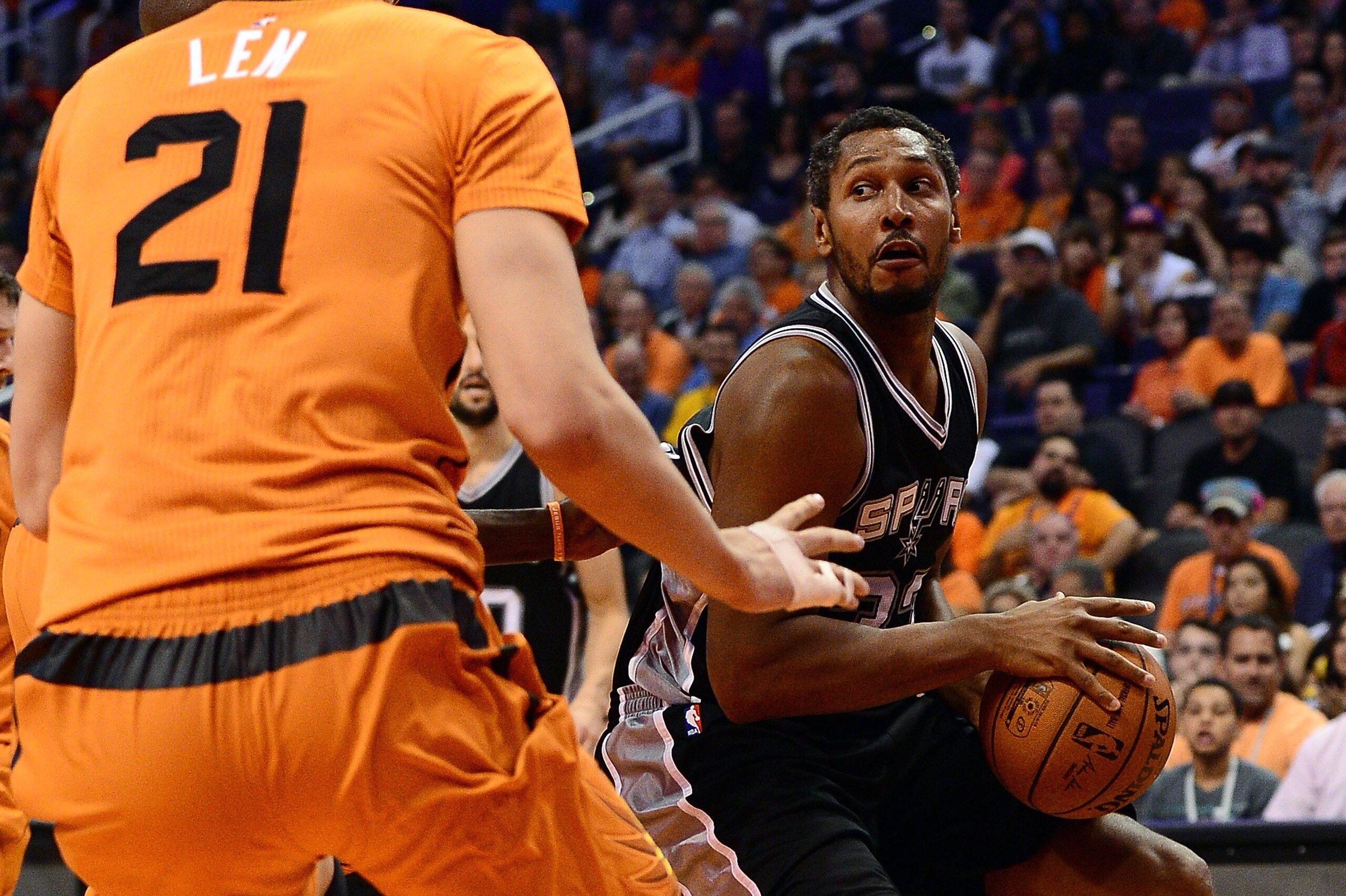
Scoring
Did age—or a busy offseason—finally catch up to Boris Diaw? Always known for his versatility and effectiveness from virtually every area of the court, the French big man struggled mightily throughout the year. Not only did his scoring average drop without a significant decline in playing time, but he failed to hit many shots from most anywhere.
Non-Scoring Offense
Even if he couldn't score as much or as efficiently, which also hurt his off-ball spacing, Diaw remained one of the league's better passing 4s. This is a guy who can often serve as a de facto point forward, and that was no different in 2014-15. Though his assists didn't come too frequently, he was always involved in plays and helped boost his teammates' shooting percentages with his on-target feeds.
Defense
Though Diaw can inexplicably use his slow-footed ways to lock down stars like LeBron James, his overall body of work during the regular season isn't too strong. As is the case for many power forwards without elite levels of athleticism, it's because he struggles protecting the rim, which is generally one of the responsibilities of a player at the 4.
Rebounding
Few big men were worse at hauling in contested boards during the 2014-15 campaign. Diaw averaged right around 1.5 throughout the year, which was better than only a handful of players at his position, many of whom spent far less time on the court. He's still effective in small doses and has a terrific knack for reading bounces before the ball and rim make contact, but he's by no means a perfect rebounder.
Intangibles
The only blemish on Diaw's game log was a Christmas Day illness that knocked him out for just a single game. There's still no telling if it was the result of too much red wine.
Overall
Diaw had trouble following up his brilliant performance in last year's playoffs, but that's pretty understandable for the veteran power forward. And even still, he remained a versatile asset for the San Antonio Spurs, dazzling with his passing savvy and making an impact even when the shots weren't falling. He may never again reach the level he hit in 2014, but that's totally fine.
14. Josh Smith, Houston Rockets
14 of 27
Scoring
Is Josh Smith ever going to stop shooting triples? Probably not, if this trend keeps up. After hitting on just 24.3 percent of his attempts before the Detroit Pistons waived him in late December, he connected on 33 percent of them with the Houston Rockets. Without playing to his strengths more, it's awfully tough for Smith to stand out in a fairly limited role.
Non-Scoring Offense
Defenses aren't exactly going to worry about Smith on the perimeter. In fact, teams even planned to leave him open and make him beat them with his jumper throughout the season, though that happened less frequently in Houston. At least he continues to be an adept passer who can keep his head up and find teammates when he does choose to attack the hoop.
Defense
In Smith's prime, he was a havoc-wreaking defender who patrolled all areas of the half-court set, stealing balls from unsuspecting players and terrifying everyone with his penchant for humiliating rejections. He doesn't have quite so much energy anymore, but he's still quite good in just about every defensive area.
Rebounding
A 6'9" frame and plenty of athleticism helps Smith thrive on the boards. He's not particularly efficient with his chances, but he racks up plenty of them, doing so for both the Pistons and Rockets. Beyond that, he doesn't seem to care much if there are other players fighting for the loose ball, as his contested stats are excellent.
Intangibles
It takes a certain level of unawareness to be so blissfully ignorant of proper playing style that you get waived by a team midway through the season, despite playing on a big and recently inked contract. To his credit, Smith rebounded nicely with the Rockets, but he was hardly a dream teammate during the first stage of this season.
Overall
Prior to a stellar series against the Los Angeles Clippers (which doesn't come in to play in these rankings), Smith seemed like one of the players who did the least with the most. Believe it or not, he's still only 29 years old, and he's only a few seasons removed from a time when he was constantly on the lists of biggest All-Star snubs. The talent and athleticism are still there, but his mental game is so horridly behind where it should be that he's become more of a punchline than a talented player. It's going to take a lot of time to salvage his reputation now, though these playoffs are certainly putting him on the right track.
13. Thaddeus Young, Brooklyn Nets
15 of 27
Scoring
Thaddeus Young's floor-stretching abilities didn't suddenly disappear when he left the Philadelphia 76ers behind. He wasn't able to find as much success with the Minnesota Timberwolves, but his stroke showed up again when he was traded to the Brooklyn Nets and allowed to play for a head coach that actually enjoyed having his players loft up triples.
Non-Scoring Offense
Young is good, but not great, in most relevant categories here—with the lone exception of his screen-setting abilities. He's a capable distributor who's not going to spend much time chasing triple-doubles. He's a decent three-point marksman who will keep a defense on its toes without terrifying it. He's a strong cutter who's even better in transition.
Defense
Please don't ever ask Young to protect the rim. It's a fruitless exercise, as he was barely able to hold the opposition below 60 percent shooting whenever he was actually asked to be the last line of defense.
Rebounding
Young is a tremendously smart rebounder, able to read bounces and anticipate locations before anything actually comes to fruition. That's why, despite often playing on the perimeter, he's able to scrape together some impressive performances on the glass, even if he's rarely seen boxing out bigger players one possession after another.
Intangibles
A professional through and through, Young didn't complain when he was sent to the Wolves, nor did he when he was traded to the Nets. The only significant time he missed all year was in November, when he was tending to personal affairs after the unfortunate passing of his mother.
Overall
Young is back in a role that fits him rather well. He can act as a homing missile in transition while doing all the little things in the half-court set. Ideally, a team can use him on defense in a way that doesn't require him to hover right around the rim, as that would only add to his offensive skills.
12. Amir Johnson, Toronto Raptors
16 of 27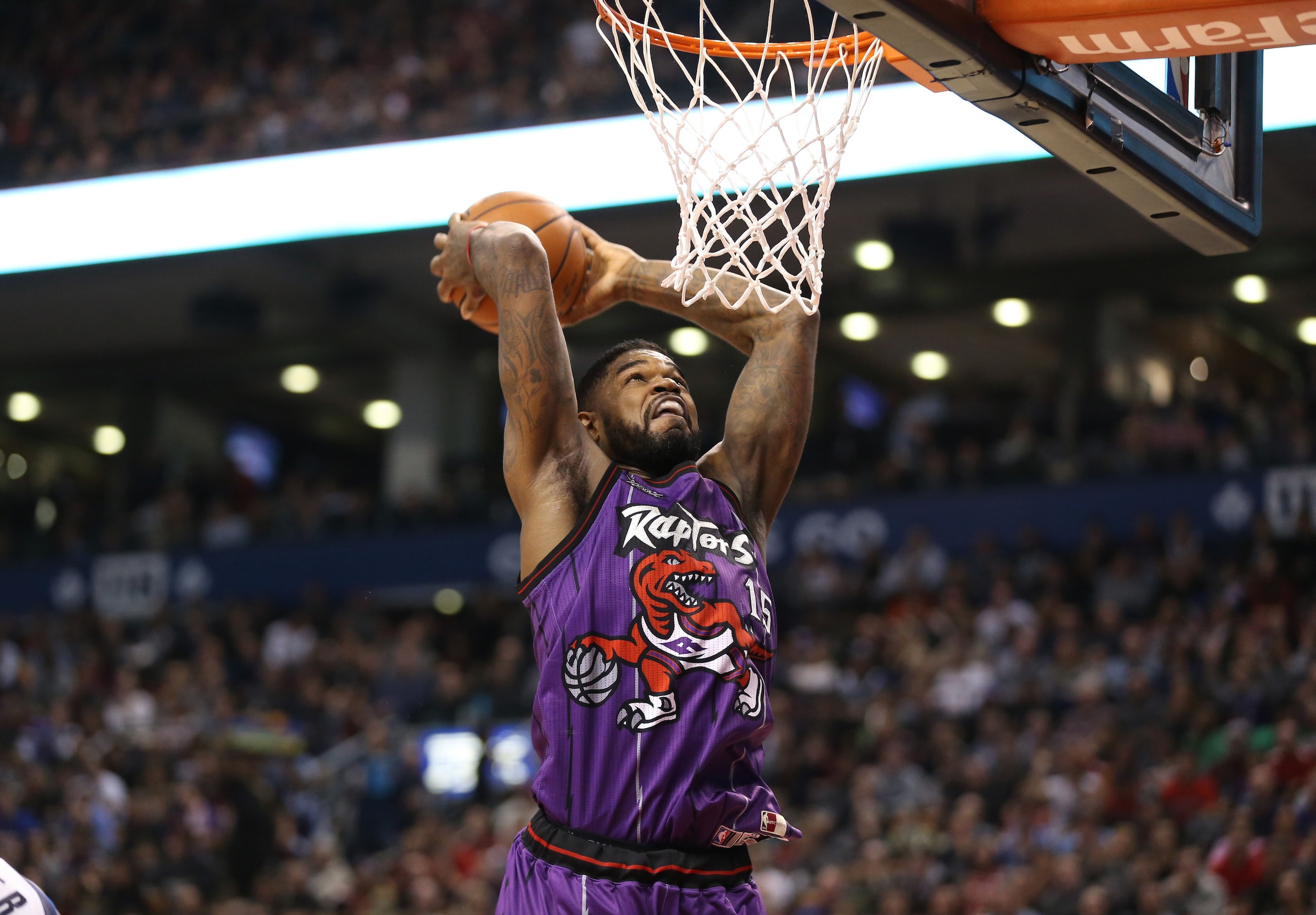
Scoring
Is there a zone Amir Johnson actually struggles from? He shot over 40 percent from downtown (admittedly on very few attempts), nearly 48 percent on his jumpers from 16 to 23 feet and was scorching hot around the basket. The only true weakness is on the jumpers that fall just outside the paint. Well, that and not being heavily involved in the offensive proceedings for the Toronto Raptors.
Non-Scoring Offense
A hard screener who shoots mid-range jumpers rather well in catch-and-shoot situations, Johnson isn't your typical off-ball threat. But he's effective all the same, even if his style is a bit unorthodox and doesn't lend itself to highlights or big-time lines in box scores. It's the passing that holds him back most.
Defense
Just as always, Johnson was a slightly above-average defender for the Raptors. His biggest weakness came when he was working in the post, as he fell for quick fakes a bit too easily. Allowing nearly a point per possession against back-to-the-basket players isn't a positive for anyone, much less a physical big.
Rebounding
Johnson's work on the offensive glass is always stellar, and this season was no exception. If he played more than 30 minutes per game and maintained his effectiveness after a Raptor missed a shot, he'd likely rank among the league leaders, thanks to his knack for bullying his way into late position or crashing from the outside as soon as a shot goes up.
Intangibles
A sprained ankle late in the year kept Johnson out for a prolonged stretch, but he played in barely enough games to retain the perfect durability score. Between that and a clean conduct slate, he's going 10-of-10 here.
Overall
Johnson is perennially undervalued, simply because he's not a volume scorer. Nevertheless, he's a great rebounder and solid defender who spends the year challenging for the NBA's best shooting percentages. This big man never takes shots that he's not confident in, and that hasn't changed as he works on slightly expanding his range.
11. Taj Gibson, Chicago Bulls
17 of 27
Scoring
On a team with more potent scoring options—an improved Jimmy Butler, as well as the additions of both Pau Gasol and Nikola Mirotic—there wasn't a need to turn to Taj Gibson very often. Even though his levels of efficiency actually rose following last year's breakout campaign, he didn't score nearly often enough to stand out in this category.
Non-Scoring Offense
At this point, it's safe to assume that Gibson isn't suddenly going to develop into a passing threat. Just as has been the case during each and every season of his professional career, he recorded more turnovers than assists. At least it was close this year?
Defense
This is still Gibson's calling card, as he's a terrific pick-and-roll defender who ends up excelling in just about every conceivable area. He's especially deadly on the ball, as it's remarkably tough to score against him in either post-ups or isolation. But there's still room for Gibson to improve, and that will come either right at the rim or when he's darting out to cover spot-up shooters.
Rebounding
One of the few players in the league who played major minutes and recorded more contested rebounds than uncontested ones, Gibson was an absolute force on the glass. It's pretty clear that it doesn't matter who's in his way; if he wants to get a rebound that's close to him, he's going to.
Intangibles
Gibson's ankles gave him trouble throughout the year. Though he's been quite durable in the past, that simply wasn't the case in 2014-15, as he missed exactly 20 games.
Overall
After breaking out in a big way during the 2013-14 campaign, Gibson failed to build upon his success. His defense remained superb, but the Bulls simply didn't have to rely on him as much after acquiring both Gasol and Mirotic. His offense took a step in the wrong direction as a result, and it's pretty tough to become a star without a two-way game.
10. Markieff Morris, Phoenix Suns
18 of 27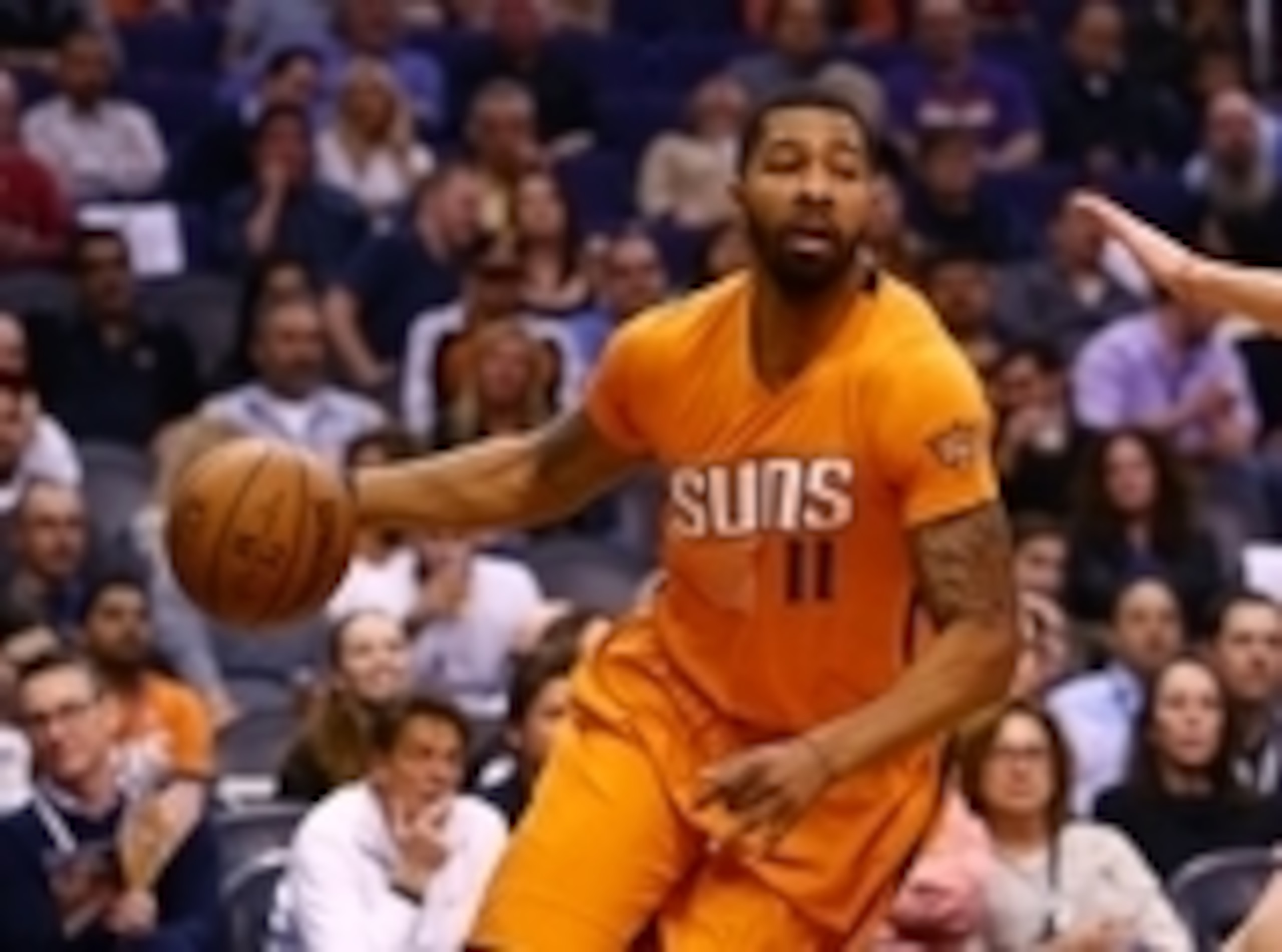
Scoring
Markieff Morris continues to shine as a secondary scorer because he can put up points in so many ways. Whether he's dropping in shots right around the basket, throwing up mid-range attempts that he creates for himself or serving as a catch-and-shoot player off Eric Bledsoe's aggressive drives to the basket, he simply knows how to put the ball in the basket.
Non-Scoring Offense
Offensive versatility doesn't extend into the passing game for this twin forward, though he may be a savvy off-ball scorer. He did have three seven-assist games scattered throughout the season, but it's more troubling that he went 20 minutes without a single dime on nine separate occasions.
Defense
Morris is merely mediocre in most areas. Whether he's guarding someone with possession, working to help out his teammates but not straying too far from his mark, chasing a stretch 4 through screens or protecting the rim, he's serviceable. He's just not nearly as good as others in any one area.
Rebounding
It would be nice if this Morris twin showed a bit more aggression on the offensive glass. He's quick to run back as soon as a shot goes up, which is partially due to his typical positioning away from the hoop. But his defensive numbers are fine, and it's only the ability to create second opportunities that holds him back here.
Intangibles
Innocent until proven guilty prevails here, despite the Morris twins having allegedly assaulting a man earlier this season. That's the major concern here, as durability certainly wasn't one.
Overall
Transitioning from his role as a super sub into a full-time gig as a starter didn't really throw off this Morris twin much. His efficiency dropped a bit, but he was still able to produce offense in volume while remaining beneficial in plenty of other areas. Even if his name was no longer bandied about in award conversations, as it was for Sixth Man of the Year in 2013-14, it's tough to complain about his overall development.
9. David West, Indiana Pacers
19 of 27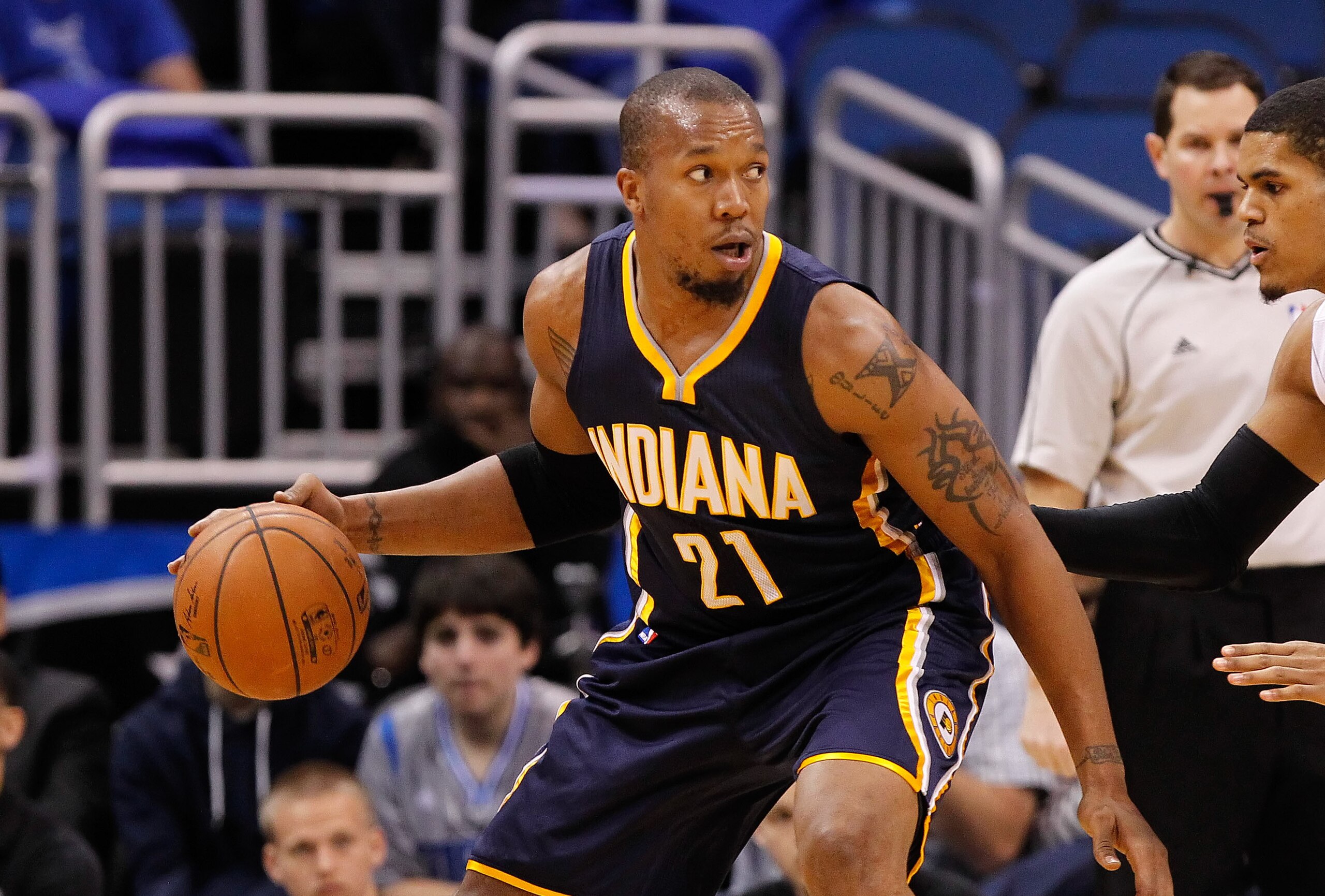
Scoring
The last time David West failed to average a dozen points per game, he was in his second NBA season, playing for the New Orleans Hornets and coming off the bench for much of the year. Obviously, a lot has changed since then. The 34-year-old is no longer asked to be a primary scoring option, as he's better served in a smaller role that can see him showcase his hard-nosed game from two-point zones.
Non-Scoring Offense
If you play against West, you're going to wake up with a bruised chest. Not just because he'll back you down, but because he sets devastatingly hard screens when he's not spotting up for quick mid-range jumpers. Additionally, he's a deft passer who rarely makes mistakes with the ball.
Defense
Though West is no longer able to protect the rim like he could in his athletic prime, he's a dominant stopper whenever he's not serving in that role. The big man still has the lateral quickness and defensive mentality to hang with any type of player, whether they're testing his speed out on the perimeter or his toughness closer to the basket.
Rebounding
For the second year in a row, West was less active on the offensive glass than he's been in previous years, but the overall rebounding profile was still strong. Much to the surprise of no one, he hauled in a high percentage of his individual rebounding opportunities and didn't decline when asked to grab a contested board.
Intangibles
A tremendous leader both on and off the court, West was only going to lose points here if he couldn't stay healthy. And he couldn't, missing nearly a month with a sprained ankle suffered at the very beginning of the season.
Overall
West is no longer a star. That much is abundantly clear, even if he hasn't lost his never-say-die mentality. Though he's still capable of providing glamorous production on both ends of the floor, West is increasingly willing to do all the little things, whether he's freeing teammates with off-ball screens or providing help defense in the blink of an eye. He's most assuredly a power forward you'd still want in your foxhole.
8. Dirk Nowitzki, Dallas Mavericks
20 of 27
Scoring
This was rather easily Dirk Nowitzki's worst scoring season in over a decade. Not just because of his declining per-game marks, but because his efficiency waned from all areas of the court. And beyond that, he created his shot with less frequency, requiring assists on well over 60 percent of his makes from two-point range for the first time since 2003-04.
Non-Scoring Offense
Defenses still aren't going to let Nowitzki roam unchecked. There's always a threat of him heating up, and there's no way he's going to be neglected while trying to find the right spot on the perimeter. Even during a down season, he's still such a threatening presence that he received the only 10-of-10 score for off-ball offense among all power forwards.
Defense
Nowitzki has never been a particularly strong defender, but he actually performed admirably in some areas during his age-36 season. Yes, I'm talking about his work around the rim. Though he wasn't too heavily involved, Nowitzki kept opponents' shooting percentage right around 50 percent throughout the season, and that was enough for him to impress in our rim-protecting metric.
Rebounding
The German 7-footer hasn't been a stud on the glass in years, so why was that going to change in this post-prime season? Nowitzki spends a lot of time on the perimeter, which depresses the number of opportunities for rebounds he receives during any given game. But at least he's pretty good at grabbing boards when he's in the vicinity of a missed shot.
Intangibles
Have you ever heard a negative headline about Nowitzki? I didn't think so.
Overall
The future Hall of Famer may be one of the 20 best players in the history of the NBA, but he's clearly in the tail end of his career. For the first time, he failed to defy Father Time night in and night out, suffering through slipping shooting percentages and struggling to make a major impact when his shot was off. And still, he put together yet another impressive season, finishing well within the top 10 at a deep position. That alone should speak volumes.
7. Kevin Love, Cleveland Cavaliers
21 of 27
Scoring
It took a while for Kevin Love to adjust to his new teammates. Rather than serving as the No. 1 option, as he did throughout the last few years with the Minnesota Timberwolves, he was playing third fiddle to LeBron James and Kyrie Irving. But after an early-season slump, Love started to figure out how to handle declining touches in the post and ended up with at least a solid scoring season.
Non-Scoring Offense
Passing is the only weakness here, and that's largely a function of his role on the team. Love was an adept distributor during his time in Minnesota, but he didn't handle the rock often enough to rack up gaudy assist totals during the 2014-15 campaign.
Defense
Even though he had to expend less energy on offense, Love didn't exactly make major defensive strides. He was quite porous in most areas, especially struggling when he was working off the ball, as he'd get caught watching the proceedings and give up either an easy jumper or deep positioning for a post play. And once the ball was in the post, he still wasn't very good at the whole defense thing.
Rebounding
When Love gets a player on his back, that player ain't grabbing the rebound. His lower body is way too strong, and he understands exactly how to get position when a shot goes up, even if he begins the play on the perimeter. And this was during a slight down season on the glass.
Intangibles
Love may not have been in the featured role he was accustomed to, but he still went about his business in a professional manner and tried to adapt. All the while, he stayed fairly healthy, as his recurring back injury didn't quite force him out of enough games to see a point docked. A Kelly Olynyk-caused shoulder surgery knocked him out of the playoff proceedings, but that doesn't factor into our analysis.
Overall
It's a bit strange to see Love, a 26-year-old star just entering into his athletic prime, declining so much. But this was a new experience for him, and it'll all be worth it if the Cleveland Cavaliers manage to win a title. Plus, as we've seen from Chris Bosh in the past, early struggles don't necessarily rule out a return to prominence in coming seasons, as Love should be even more comfortable next to James and Irving next year—assuming he chooses to return to Northeast Ohio for another go-round.
6. Zach Randolph, Memphis Grizzlies
22 of 27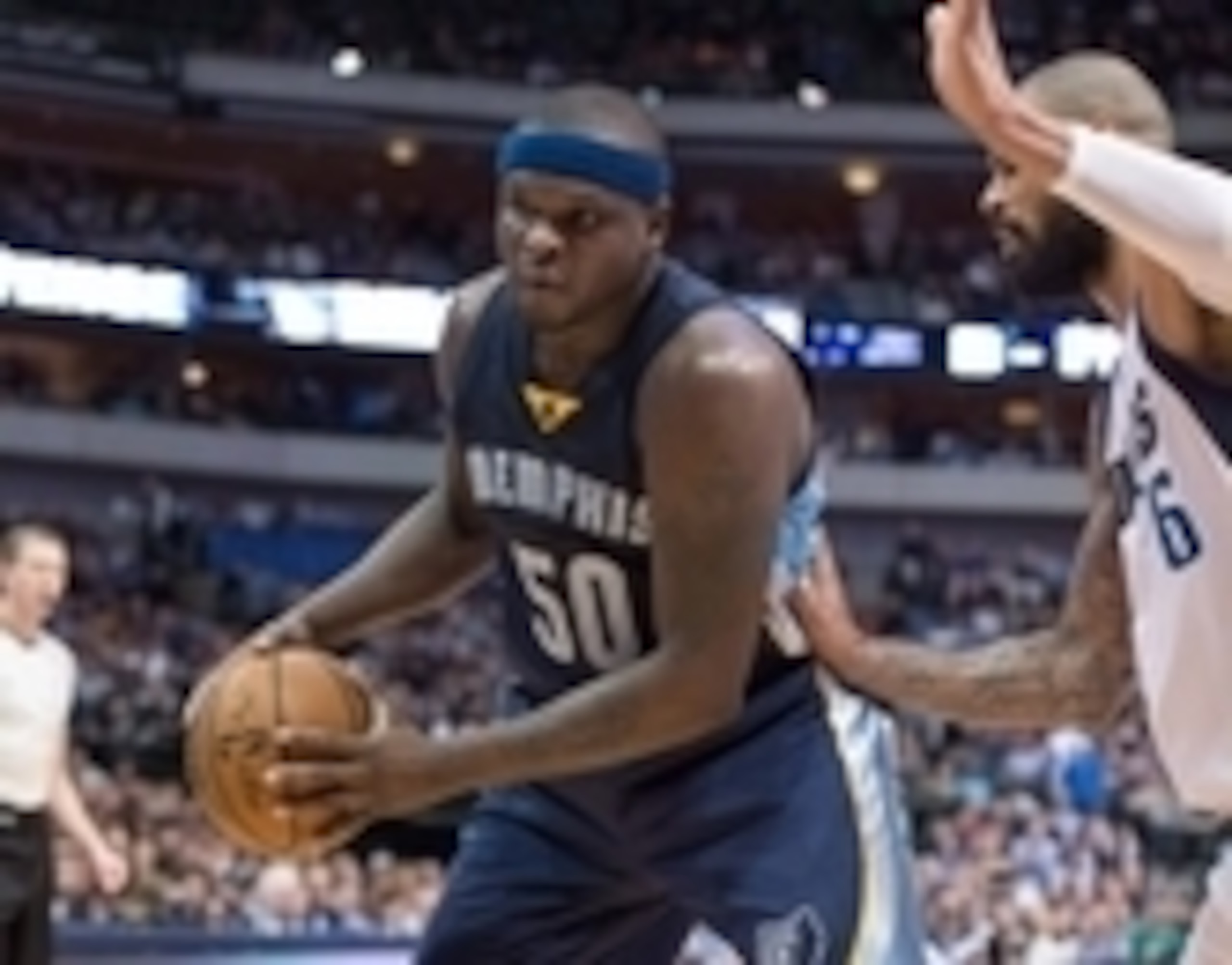
Scoring
Though he tried expanding his range at various points throughout the season, Zach Randolph was still best when sticking to his bread and butter. Bread: dazzling with his post moves from the blocks. Butter: going after offensive rebounds and then sticking the putback attempts.
Non-Scoring Offense
Randolph isn't a floor-spacing option, but he's a big, immovable body. As he should, he sets plenty of brutal screens that open things up for his teammates. Unfortunately, his passing skills are still pretty nonexistent, as he had trouble outdoing his turnover numbers with his assists.
Defense
Even if he doesn't have the athletic tools necessary to be a great defender—it's hard to protect the rim when it's tough to slide a piece of paper under your vertical leap—Randolph is a smart one. He knows when to jump into passing lanes, and he understands positioning in just about every situation imaginable.
Rebounding
Randolph is a force to be reckoned with on the glass, even while playing for a Memphis Grizzlies squad that produces an average number of rebounding opportunities during a typical game. He creates an insane number of chances for himself, and no player at his position is even close to matching his work in the contested department.
Intangibles
A right knee injury shortly before Christmas knocked Randolph out of the lineup for nearly three weeks, and that's obviously not a good thing for his durability. At least it was the only major negative during the 2014-15 season.
Overall
Randolph is the same player he's been for years—a smart, physical, chippy and passionate big man who's going to score out of the post and dominate on the glass. Expecting him to become a dominant defender, a dynamic distributor or a floor-spacing phenom is ill-advised at this point, but the Grizzlies are surely more than happy with what they're already getting from this 33-year-old veteran.
5. Derrick Favors, Utah Jazz
23 of 27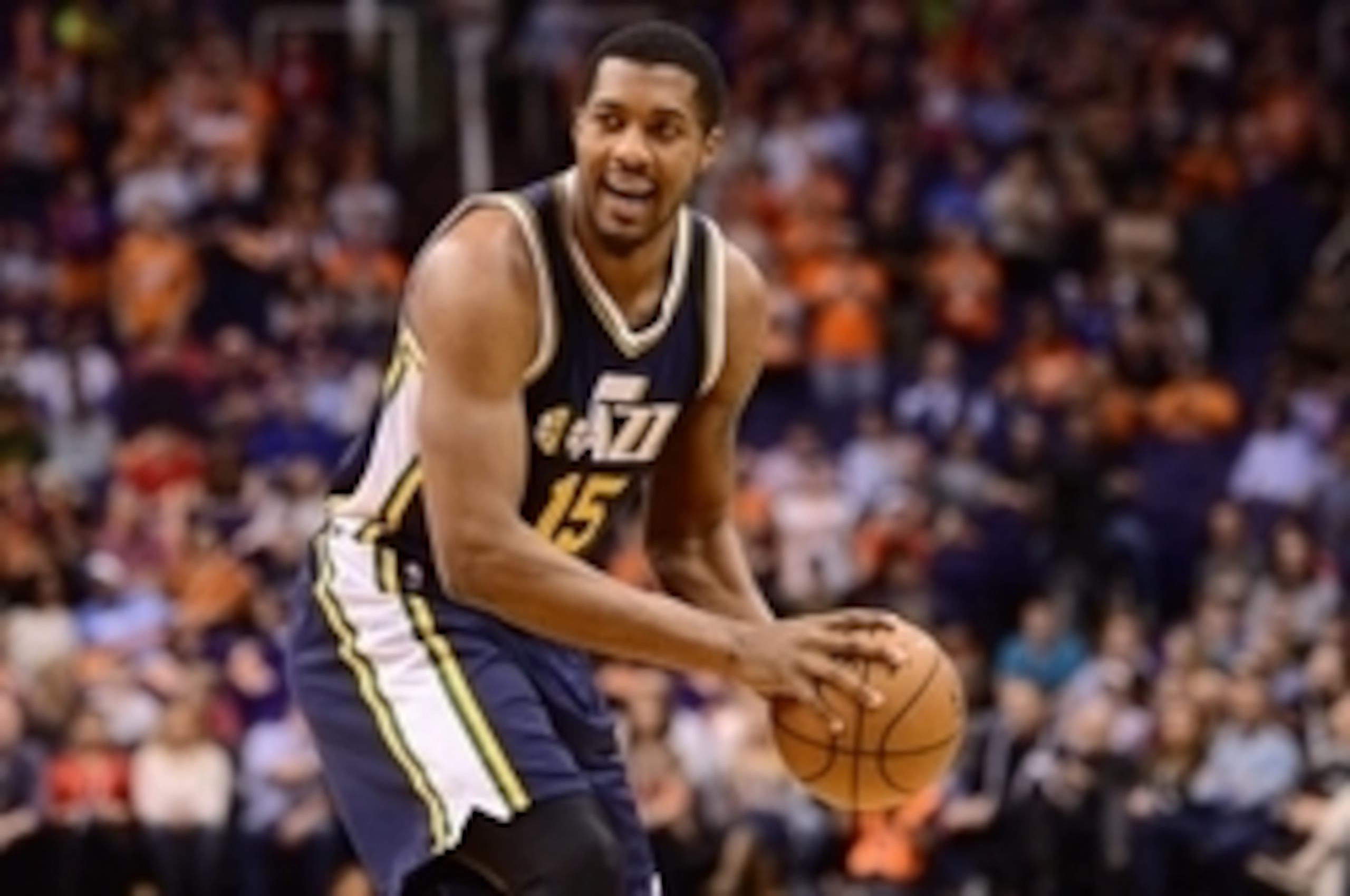
Scoring
Derrick Favors flew below the radar all year as a scorer, and that's largely because he was so consistently good without being truly great. Though he only broke the 30-point barrier once—32 against the Phoenix Suns at the very beginning of the season—and rarely scored even 25, he averaged 16 points per game in highly efficient fashion. Thriving as a roll man and scoring out of the post might not earn national recognition, but it certainly helped the Utah Jazz.
Non-Scoring Offense
Favors isn't much of a floor-spacing threat, but he's a tremendous roller who can finish around the rim, and he sets great screens that free up his teammates. Getting over half the available points for off-ball offense isn't an easy task for a power forward who took only slightly more than 10 percent of his shots from beyond 16 feet, but that's exactly what this Georgia Tech product did.
Defense
Good luck finding a major weakness here. Favors was one of the better rim-protecting presences at his position, and he fared quite nicely both on and off the ball. There were some occasional mental lapses against spot-up shooters—as Favors preferred to work on the interior and hedged over there—but his biggest issue came when he found himself in an isolation setting, which didn't happen all that often.
Rebounding
In terms of per-minute numbers, this was actually Favors' worst season on the NBA glass, and he was still quite good, hauling in nearly 10 boards per 36 minutes. Beyond that, he was one of the league's few power forwards capable of grabbing four contested boards in a typical game, as he thrived off physical play and spent a lot of time right around the basket.
Intangibles
Favors played in just enough games to avoid losing a point, though back spasms, the flu and a sprained right ankle almost pushed him down to 9-of-10 here.
Overall
One of the most underrated players in the league, Favors deserved to be getting attention all year long. His name simply wasn't mentioned alongside Gordon Hayward and Rudy Gobert for much of the season, but he thrived in relative obscurity. He's a tremendous asset on both ends who can become a true household name if he adds some jump-shooting range and frees up the paint.
4. Serge Ibaka, Oklahoma City Thunder
24 of 27
Scoring
Throughout the first five years of his career, Serge Ibaka took a total of 123 three-point attempts in the regular season. This year, he took 205 before he was lost to injury, and he hit them at a 37.6 percent clip. Adding that into his offensive arsenal meant that he was an even more valuable scorer, even if he yet again failed to up his per-game average while stars were missing from the Oklahoma City Thunder lineup.
Non-Scoring Offense
If only Ibaka could pass. His ability to serve as an off-ball threat was better than ever this year, thanks to the aforementioned development of his three-point stroke, but he couldn't distribute the rock out to his teammates with any sort of accuracy. Not once did he record more than three assists in a game, and he only managed to do that on three separate occasions.
Defense
Only one power forward received a perfect 10-of-10 for his rim-protecting work, and that would be this Congolese big man. After all, he held opponents to 40.8 percent shooting right at the basket, a number that came while he faced 9.3 shots per game in the closest zone. Only Andrew Bogut, Roy Hibbert and Rudy Gobert graded out higher at any position.
Rebounding
Another strong player when rebounds are contested, Ibaka struggles most as a volume glass-eater, and that's largely because of his role on the Thunder. He's often asked to spread out the defense, which prevents him from earning easier offensive rebound opportunities, and his versatility on defense sometimes pulls him away from the hoop as well.
Intangibles
Ibaka stayed quite healthy throughout much of the year—a rarity in OKC this season—but only until the middle of March. At that point, he was shut down to have surgery on his sore right knee, knocking him out for the remainder of the campaign with only 64 games played.
Overall
For years, the Thunder have presumably hoped that Ibaka would blossom into a go-to offensive player, but that seems just about hopeless now. He's developed, but only because he's expanded his range, not because he's added to his role or level of responsibility as a scorer. Even still, it's hard to complain about a yearly Defensive Player of the Year candidate gaining some three-point ability at the 4.
3. Paul Millsap, Atlanta Hawks
25 of 27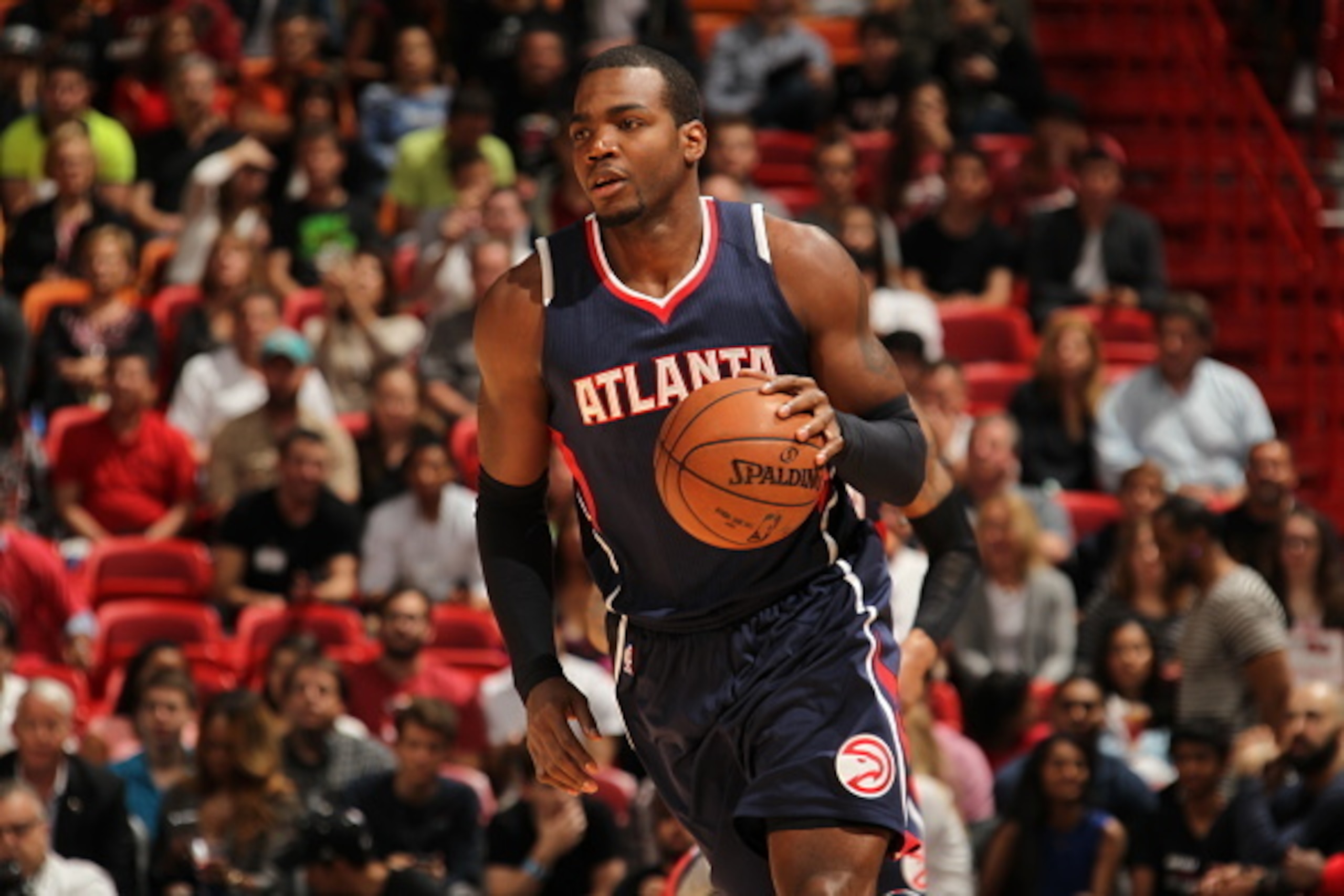
Scoring
Paul Millsap might not be a 20-point scorer for the balanced Atlanta Hawks, but he doesn't need to put up gaudy totals in order to thrive. He can score from just about any area of the half-court set, whether he's spacing out a defense with his distance shooting, attacking on the baseline or using his devastating pump fake to free up space.
Non-Scoring Offense
The versatility continues. Millsap isn't a strong enough outside shooter to truly thrive as an off-ball threat, but he makes up for it with his impressive passing. While keeping his mistakes under control, Millsap was more than capable of making just about any feed that Mike Budenholzer's offense required—entry passes, swings into the corners or tough bounce passes to cutters.
Defense
Millsap is a smart defender, but his undersized nature can sometimes hold him back, both when he's defending the post and attempting to protect the rim. It's worth noting that he's not terrible in either area, but those are two of his biggest weaknesses on the less glamorous end.
Rebounding
Though he's short of stature, Millsap has long arms that make up for his height disadvantage. That shows up quite nicely on the glass, where he plays far bigger than most 6'8" players. This power forward is extremely aggressive when going for rebounds, to the point that he could probably stand to leak out in transition a bit more often, rather than going for boards he doesn't really have a chance at.
Intangibles
A sprained right shoulder near the end of the season almost pushed Millsap into the 9-of-10 category, but it's important to remember that a handful of his missed games came because Budenholzer was keeping him fresh after the Hawks had locked up the No. 1 slot in the Eastern Conference.
Overall
Millsap was the glue guy for the Hawks throughout the 2014-15 campaign, but he was also so much more. What couldn't this guy do? Though he has limited upside on any given night, he can also do whatever Budenholzer asks of him, especially on the offensive end of the court. And somehow, defenders still haven't caught on to the deception of his lethal pump fake from the perimeter.
2. Blake Griffin, Los Angeles Clippers
26 of 27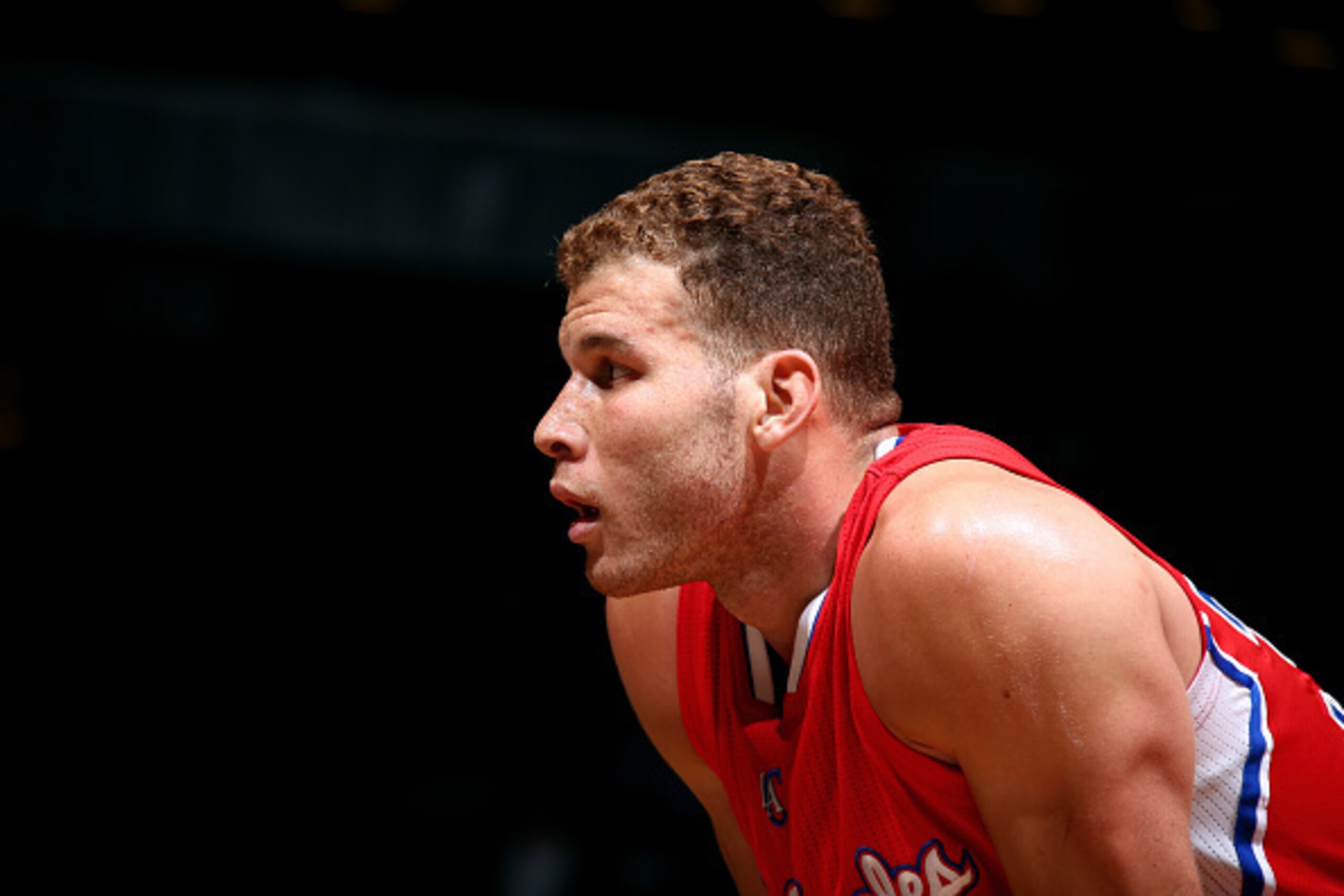
Scoring
Blake Griffin spent much of the season proving that he could thrive as a mid-range marksman. And though he didn't devote nearly as much of his time to attacking the basket, it worked for him. Despite taking so many more shots from these ranges, Griffin hovered right around 40 percent from both 10 to 16 feet and between 16 feet and the three-point arc. Those are solid numbers for a player who seems to add new tools each year.
Non-Scoring Offense
The addition of a potent mid-range stroke has made Griffin even tougher for defenses to cover when he's not working with the ball. Now, they have to worry about the athletic cuts that result in thunderous slams and him spacing the court. Beyond that, he's the best passing 4 in the game, averaging so many assists that some uniformed fans looking only at box scores may think he runs the point some games.
Defense
Griffin isn't a true defensive asset, but he's slowly—and somewhat quietly—improving on that end of the floor. Rim protection is still a problem that often plagues him, but he's an intelligent enough player to find passing lanes, and his discipline in the post is only getting better.
Rebounding
Though he's continued to decline since his stellar rookie rebounding season, Griffin is still a solid player on the boards. After all, his numbers are depressed by two important pieces of context. First, the Clippers as a whole don't produce many rebounding chances, so his work is even better. Second, DeAndre Jordan exists and spends a lot of time eating boards next to Griffin.
Intangibles
Griffin's penchant for flopping and whining is annoying to the opposition and ultimately beneficial to the Clippers, unsavory as that may seem. It's only his health that forces him to lose points here, as surgery to fix a staph infection in his elbow knocked him out of the lineup for 15 games.
Overall
In 2013-14, Griffin was a top-10 player in the Association. He took a slight step backward this year, but that was largely due to injuries and the emergence of Jordan. Even though he started expanding his range—which will give him plenty of long-term benefits as his athleticism starts to decline—and became a better basketball player, he had a worse season. Still, it seems highly probable that Griffin will leave no doubt about his status as the league's best power forward in the future. Had he received a perfect durability score and maintained the rest of his numbers, he'd already be there.
1. LaMarcus Aldridge, Portland Trail Blazers
27 of 27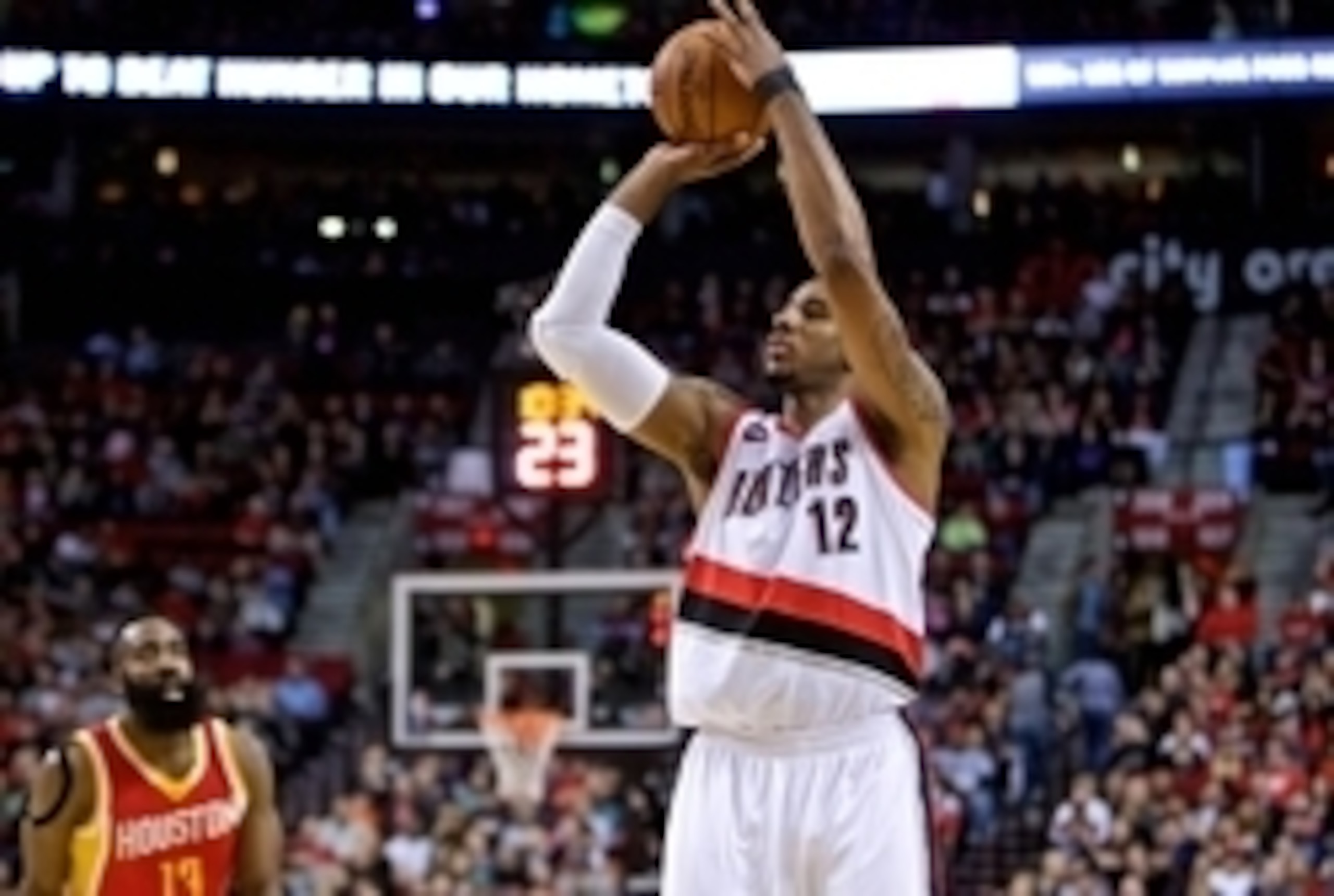
Scoring
The master of mid-range masterpieces, this power forward torched plenty of mediocre defenders this season—and plenty of more talented ones, for that matter. LaMarcus Aldridge's premier talent was on full display once again in 2014-15, as his high-release jumper is just about unblockable. This is a power forward who can score in plenty of ways, and only his low percentages, as well as some reliance on others to create shots for him, holds him back.
Non-Scoring Offense
Aldridge does everything you could want in a big man when he's working without the ball, except he doesn't stretch the floor all the way out beyond the arc too often. He's a tough screener, a player who must be monitored all over the floor and an athletic roll man. Unfortunately, he's not much of a passer, preferring to contribute with his scoring above all else.
Defense
The Portland Trail Blazers love to leave one big isolated in the paint so that they can shut down the perimeter, and Aldridge has given them reason to feel secure when he's the lone man in the middle. He's not a true defensive stalwart by any stretch of the imagination, but he's smart and more than able to hold his own in most situations.
Rebounding
Aldridge is well on his way to proving that his success on the glass in 2012-13 was anything but a fluke. Terry Stotts' willingness to leave him alone on the interior means that he received many more opportunities to end possessions, and he capitalized on those quite often.
Intangibles
Kudos to Aldridge for choosing to stay on the court instead of going under the knife when he tore a ligament in his thumb. His willingness to play through pain gets him arbitrary bonus points that don't actually count for much here. Still, it's irrefutable that he missed more than a handful of games, even if that decision paid off quite nicely.
Overall
Asserting himself as the top player at his position, Aldridge put together a fantastic all-around season. It's almost impossible to pick out one thing he didn't do well, even if you're digging into nitty-gritty details like his ability to fight off pain or loft up triples with some semblance of frequency for the first time in his career. He's every bit a franchise player, and he's still only 29 years old.

.jpg?w=2560 "Grading Tonight's SmackDown 🔠")
.jpg?w=2560 "Rush Named Week 2 Starter")


.jpg?w=2560 "Joey Porter Jr. Trade Fits 🧩")