

In Honor of Independence Day, Every NBA Team's Mount Rushmore
Independence Day is about throwing off the chains of colonial control, irresponsible use of fireworks and overeating—in some order.
It is also about celebrating America's forefathers (USA!, USA!, USA!, etc.), including four dead white dudes on Mount Rushmore: George Washington, Thomas Jefferson, Theodore Roosevelt and Abraham Lincoln. If giant faces carved into rocks are any indication, they are the four most important figures in American history.
A deeper look would probably reveal that statement to be reductive, but we're not here to scrutinize the complicated history of a nation.
And so, having sufficiently preambled our way to this point, let's ask: Which four figures would be on each NBA team's individual Mount Rushmore? Who has made the biggest impact, scored the most points or otherwise mattered most in the historical myth-making of each organization?
Players will get priority, but coaches, executives and anyone else who made a major difference can sneak in under exceptional circumstances. Organizations that moved can pull from any of their former homes.
Please read (and set off roman candles) responsibly.
Atlanta Hawks
1 of 30
Dominique Wilkins, Lennie Wilkens, Bob Pettit, Lou Hudson
If there's an actual monument of your likeness already commissioned and built by the franchise in question, you're automatically a strong favorite for one of these four spots.
In addition to being the Atlanta Hawks' all-time leading scorer, best-known star and most iconic figure, Wilkins has a statute. Case closed.
Lenny Wilkens doubles up by ranking fourth all-time on the Hawks' assist list and adding to his contributions as a player by winning the second-most games in team history as a coach. From the sideline, Wilkens also amassed the highest winning percentage (.572) of any coach who presided over at least five seasons, while reaching the playoffs six times—second-most in franchise history.
You've got to go back a ways for Pettit, who spent all of his 11-year career with the St. Louis Hawks and made the All-Star game every season and never averaged fewer than 20.4 points per game from 1954-55 to 1964-65.
Hudson is probably the least familiar of this trio, but the 6'5" guard played the sixth-most games and scored the third-most points in franchise history. He also made six straight All-Star teams from 1969-1974. Only Wilkins and Pettit made more consecutive appearances.
Boston Celtics
2 of 30
Bill Russell, John Havlicek, Larry Bird, Paul Pierce
There's no getting this right—not for a Boston Celtics franchise more steeped in history and laden with lore than any other in the NBA.
You could carve out eight spots instead of four and still wind up with egregious snubs.
So, knowing that, and accepting that there's no way to properly acknowledge everyone who deserves recognition here, we wind up with Russell, Havlicek, Bird and Pierce.
Recency makes Pierce stand out as perhaps the least deserving, but he ranks third in games and minutes, second in points and first in threes made. Just because he didn't play 50 years ago against seven other teams composed of chain-smoking amateurs doesn't mean he's disqualified.
Red Auerbach's name is on the court, and Bob Cousy is a legend. Kevin McHale was unstoppable. Sam Jones, Robert Parish, Dave Cowens—all great. Nobody's denying that. It's just tough to argue any were better than Pierce.
Bird doesn't need an explanation. He's a deity, perhaps one of the dozen greatest players in history. And Havlicek is the franchise's all-time leader in games, minutes and points.
Russell won a million (OK, 11) championships and is so synonymous with success on the highest level that he still hands out the Finals MVP trophy every year. Also, he would still kick your ass. Just ask him.
Brooklyn Nets
3 of 30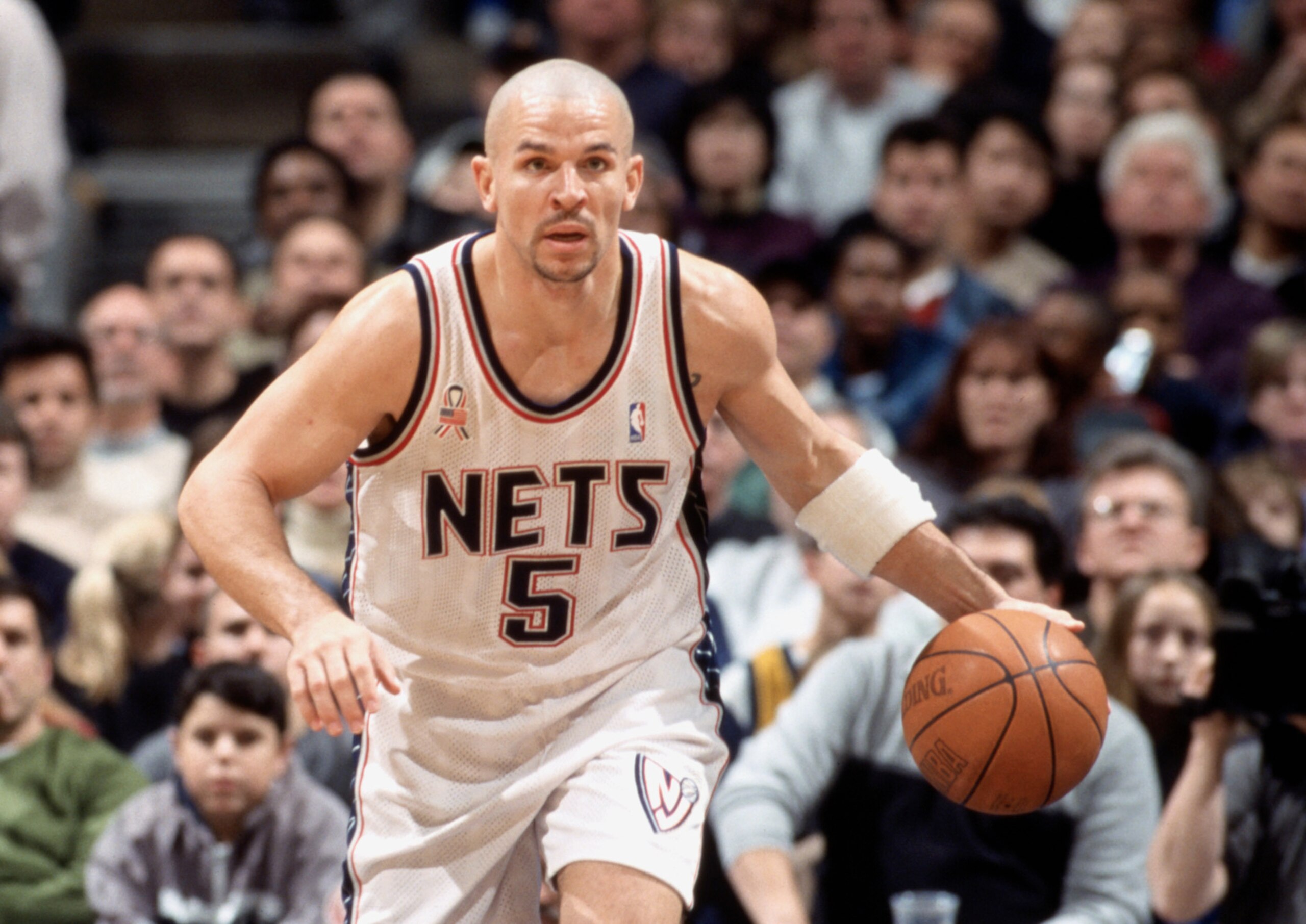
Jason Kidd, Julius Erving, Brook Lopez, Drazen Petrovic
Kidd led the Nets (then of New Jersey) to a couple of NBA Finals in the early 2000s and tops the franchise leaderboard in assists, steals and three-point field goals. He also checks in fifth in points, which says a lot about the slim pickings for this organization.
We have to go back to the ABA days and pull in Erving from the New York Nets to add a little historical oomph to this group. Dr. J only played three seasons(1973-74 to 1975-76) with the organization, but he won league MVP each year and collected two ABA titles. The franchise hasn't enjoyed anything close to that level of success since.
Lopez, remarkably, is second in games played and first in points.
Petrovic, like Erving, didn't spend all that much time with the team. But his final three seasons in the league were all in New Jersey, and though he's best remembered as a tragic figure, gone in the midst of his prime, it's hard to look past his truly elite perimeter shooting (in an era before anyone valued it like we do today) in the early 1990s.
Petrovic was beloved, and no one should quibble with including him here over all-time games played leader Buck Williams or disappointing top pick Derrick Coleman.
Charlotte Hornets
4 of 30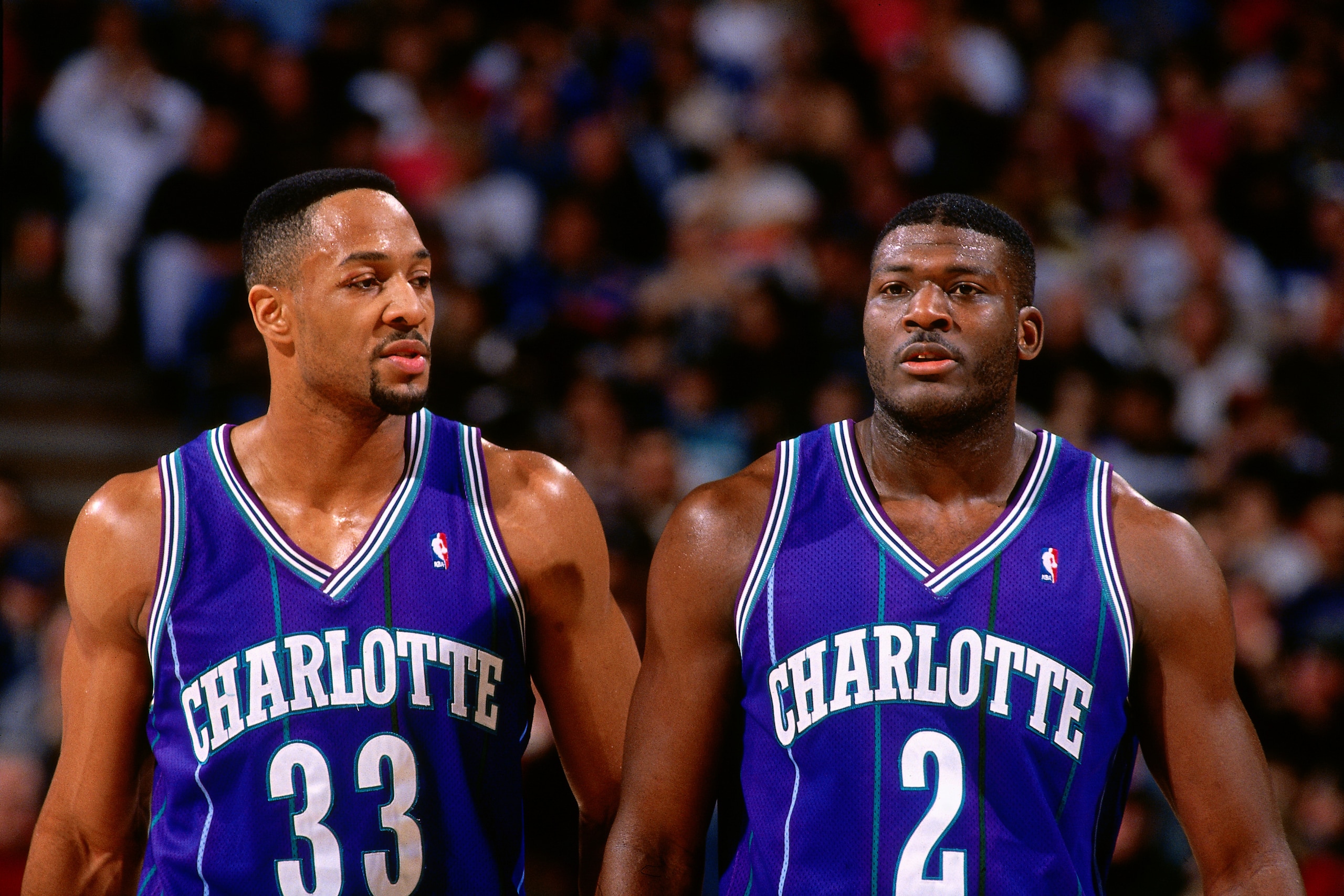
Alonzo Mourning, Larry Johnson, Muggsy Bogues, Dell Curry
The first three are a package deal, a trio of exciting and imperfect talents that helped the expansion Charlotte Hornets achieve something few new entries into the NBA manage to do.
They made the Hornets immediately cool.
Bogues was the relatable pint-sized point guard, darting in and out of the trees at 5'3". He remains the franchise leader in steals and assists with 5,557 dimes that more than doubles that of the second-place helper, Raymond Felton.
He fed Mourning and Johnson, back-to-back draftees that gave the organization a rugged, athletic identity. Mourning only spent three seasons in Charlotte, but he still owns the most iconic shot in franchise history.
Johnson was felled by back troubles but the top overall pick in the 1991 draft put Charlotte on the map with a big-time ad campaign that taught everyone about the power of React Juice.
Curry hit more threes than anyone in the team's history and still maintains a presence with the organization as its TV color commentator. He also fathered a two-time MVP, which doesn't have a lot to do with the Hornets, but should count for something on his personal scorecard.
Apologies to Glen Rice and Vlade Divac, two important figures who didn't quite make it.
Chicago Bulls
5 of 30
Michael Jordan, Scottie Pippen, Phil Jackson, Bob Love
Jordan needs no justification. He'd be one of the four faces on an all-time NBA Mount Rushmore. He might even be on one for professional American sports as a whole. He is perhaps the greatest player we've ever seen, and is definitely the standard against which all current greats are judged.
He, like Wilkins with the Hawks, passes the statue test. The difference is that Jordan was still playing games and winning championships when his bronze likeness went up outside the United Center in 1994.
Six rings, 32,292 points and worldwide recognition as one of single most competitively obsessive humans in memory: That'll do.
Pippen and Jackson were there for all six titles with MJ, and it's possible that ring count wouldn't be what it is without both. Jackson managed the egos and organized the talent brilliantly, which is easy to forget in light of his recent missteps as an executive.
Pippen makes this list because he's one of the most terrifying defenders of all time, a perfect do-it-all glue guy and a genuine star who subjugated his game behind Jordan's. He was smooth and ferocious all at once.
You couldn't bring the ball up against him, you couldn't throw post entry passes without him stealing them and you couldn't be an Eastern Conference big man without him dunking on your head in the playoffs.
Love is the franchise's third-leading scorer, and he narrowly edges out Jerry Sloan here, though Sloan played more games and helped define the Bulls of the 1970s as a brutally physical force. With three All-Star nods and a leadership role on teams that reached the conference finals in 1974 and 1975, Love deserves recognition.
Cleveland Cavaliers
6 of 30LeBron James, LeBron James, LeBron James, LeBron James
Sorry, Austin Carr.
Apologies to you as well, Mark Price.
But let's be serious. James is the only employee of the Cleveland Cavaliers who has ever mattered in any significant way.
He leads the franchise in practically everything: points, assists, steals, made threes, minutes and wins.
Cleveland has 22 playoff series wins in its entire history. James is responsible for 18 of them. He brought the team its only title, remains its only MVP and is still adding to a career that, if it ended today, would rank among the half-dozen best in league history.
James is the Cavaliers. All the proof we need resides in an examination of the sad state they were before he got there and after he left in 2010.
Bonus: We can get this kid to MC the unveiling of James' quad-faced Mount Rushmore.
Dallas Mavericks
7 of 30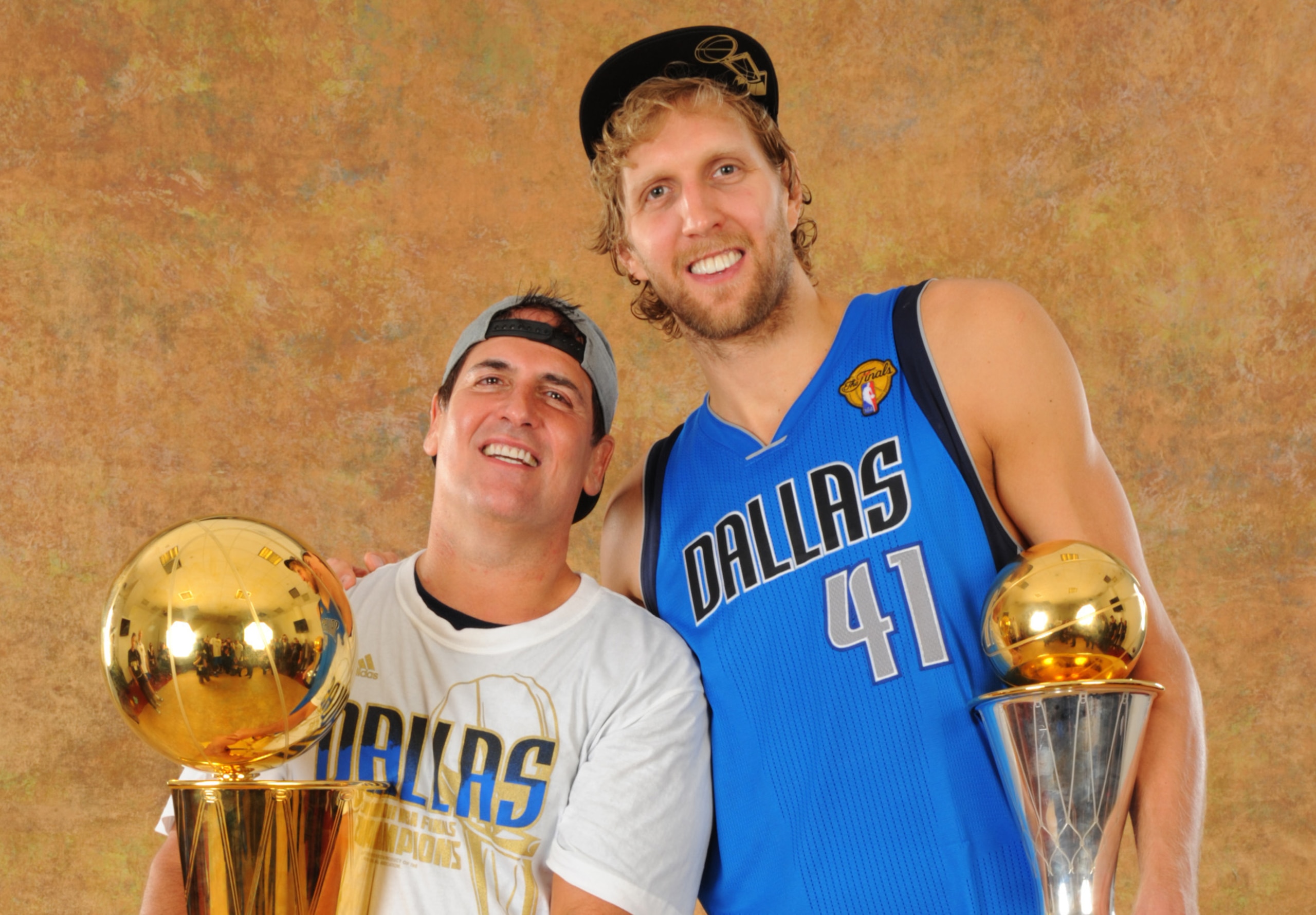
Dirk Nowitzki, Mark Cuban, Rolando Blackman, Mark Aguirre
The Dallas Mavericks had just six winnings seasons and six playoff berths from 1980 to 2000, when Cuban bought the team.
In his first full year as owner, 2000-01, the Mavs won 53 games and reached the playoffs. That began a stretch of 12 consecutive postseason trips, and in all, Dallas has been a playoff team in 15 of the 17 seasons since Cuban took charge.
There have been several factors at work during that protracted run, not the least of which has been the Hall of Fame excellence of Dirk Nowitzki, the franchise's greatest player ever and leader in games, minutes, points, rebounds and wins. Nowitzki is the organization's only MVP and is most responsible for its only championship.
But Cuban's arrival was so obviously the organizational turning point that he belongs on a pedestal nearly as high as Dirk's.
Blackmon and Aguirre are the franchise's second and third-leading scorers, though their combined total exceeds Nowitzki's individual record by only a few hundred points.
Aguirre represents the organization's only non-Cuban/Nowitzki period of respectability. He was a three-time All-Star during a five-year stretch of playoff appearances from 1983-1987.
Blackman, a four-time All-Star, was effectively Aguirre's sidekick during that same span. He played nearly 300 more games in Dallas than Aguirre did, but averaged 5.4 fewer points per game than Aguirre's franchise-best average of 24.6 (which exceeds Nowitzki's 21.7).
Denver Nuggets
8 of 30
Alex English, Carmelo Anthony, Dan Issel, David Thompson
It feels appropriate that we're populating the Denver Nuggets' Mount Rushmore with the franchise's top four scorers.
If this organization is known for one thing, it's piling up points.
English logged 10-and-a-half seasons with the Nuggets, including eight straight years of at least 25 points per game. His peak coincided with an almost unfathomably fast-paced and bucket-hungry era of Nuggets basketball. Starting with his first full season in Denver, 1980-81, the Nugs never ranked lower than fourth in the league in scoring until he left for Dallas in 1990.
They checked in at No. 1 six times during English's career.
Anthony led Denver to the playoffs in each of his seven seasons there, and he still ranks third on the team's all-time scoring list. He was the key to ending an ugly postseason drought that lasted from 1995 until 2003.
Issel and Thompson made several playoff trips together in the late '70s and early 80's, and Issel's status gets a bit of a boost from two separate three-year stints as head coach.
Detroit Pistons
9 of 30
Isiah Thomas, Bill Laimbeer, Joe Dumars, Ben Wallace
Though he wasn't ever the best player on a title team, Dumars might be the most deserving Mount Rushmore entry.
In addition to winning rings with the Bad Boy Detroit Pistons in 1989 and 1990 (he was Finals MVP in that first trip), Dumars also built the team that made six consecutive conference finals from 2002-03 to 2007-08. He earned Executive of the Year honors in 2003, and the Pistons won the third title in franchise history the next season.
Dumars is directly responsible for all three rings in Detroit. You can't say that about anyone else on this list.
Thomas and Laimbeer speak for themselves. The former's talent propelled the Pistons to back-to-back titles, while the latter's filthy, elbow-throwing lack of sportsmanship defined an era. Laimbeer is also Detroit's all-time leading rebounder, but let's not shy away from the real reason he mattered: He was terrifyingly dirty.
Wallace rounds out the final spot as the lone representative of the most recent successful period in franchise history. He won three Defensive Player of the Year awards and led the NBA in defensive box plus-minus five times in his first six years with the Pistons.
There are also cases to be made for Dave Bing, Bob Lanier, Chuck Daly and Chauncey Billups.
Golden State Warriors
10 of 30
Rick Barry, Wilt Chamberlain, Chris Mullin, Stephen Curry
Barry was the best player on the 1975 championship team which, for 40 years, represented an organizational pinnacle. He's still a fixture at every important team celebration and holds special distinction for shaming a sold-out arena in owner Joe Lacob's defense.
History has vindicated both Barry and Lacob on that one.
Chamberlain remains the Warriors' all-time leading scorer, despite logging just five-and-a-half seasons with the Philadelphia and San Francisco teams before departing for the Sixers. He scored 100 points in a game once. True story.
Mullin is here because of his iconic crewcut, the fact that he's still the all-time leader in games played for the Warriors and five straight All-Star seasons in which he scored at least 25 points per game and hit over 50 percent of his shots.
Curry, well...he's the present and future. A two-time MVP with two rings, the richest deal in league history and several more good years ahead of him.
It hurts to leave off Nate Thurmond and Al Attles. And excluding Steve Kerr, who instituted the culture of success the Warriors are currently riding toward a dynasty, may go down as a massive oversight. Remember, Curry and this ownership group were in place for a few years before Kerr took over from Mark Jackson and elevated the organization to where it is now.
Houston Rockets
11 of 30
Hakeem Olajuwon, Rudy Tomjanovich, Calvin Murphy, Elvin Hayes
Olajuwon and Tomjanovich are forever joined as two-time champions in Houston, but Tomjanovich's legacy goes beyond his tenure as coach and unforgettable "heart of a champion" speech.
His 768 games and 13,383 points as a player are both third in Rockets history.
Olajuwon will have to settle for being a 12-time All-Star, two-time Finals MVP, 1993-94 regular-season MVP, two-time defensive player of the year and the Rockets' leader in games, minutes, points, rebounds, steals and blocks.
He's even third in assists.
No one's post game was prettier. No big man has ever had more balletic footwork. A true generational superstar, Dream is one of the few big men from past eras who'd still dominate today.
Murphy made just one All-Star team, but he played his entire 13-year career with the Rockets—including one season, his first, when the franchise was still in San Diego. He ranks first in assists while checking in at No. 2 in several other categories: games, points, steals and made field goals.
Hayes edges out Moses Malone for a coupe of reasons, the first being one more season (seven) than Malone (six) played with the organization. The bruising big man led the league in scoring as a rookie, then led it in rebounding in his second year—both with the San Diego Rockets. He logged four All-Star seasons before leaving as a 26-year-old, then returned to play out the final three years of his career in Houston.
Even if they were only bookends, both of Hayes' stints were meaningful. The Rockets drafted Olajuwon just a few weeks after Hayes played his last game for them in 1984.
Indiana Pacers
12 of 30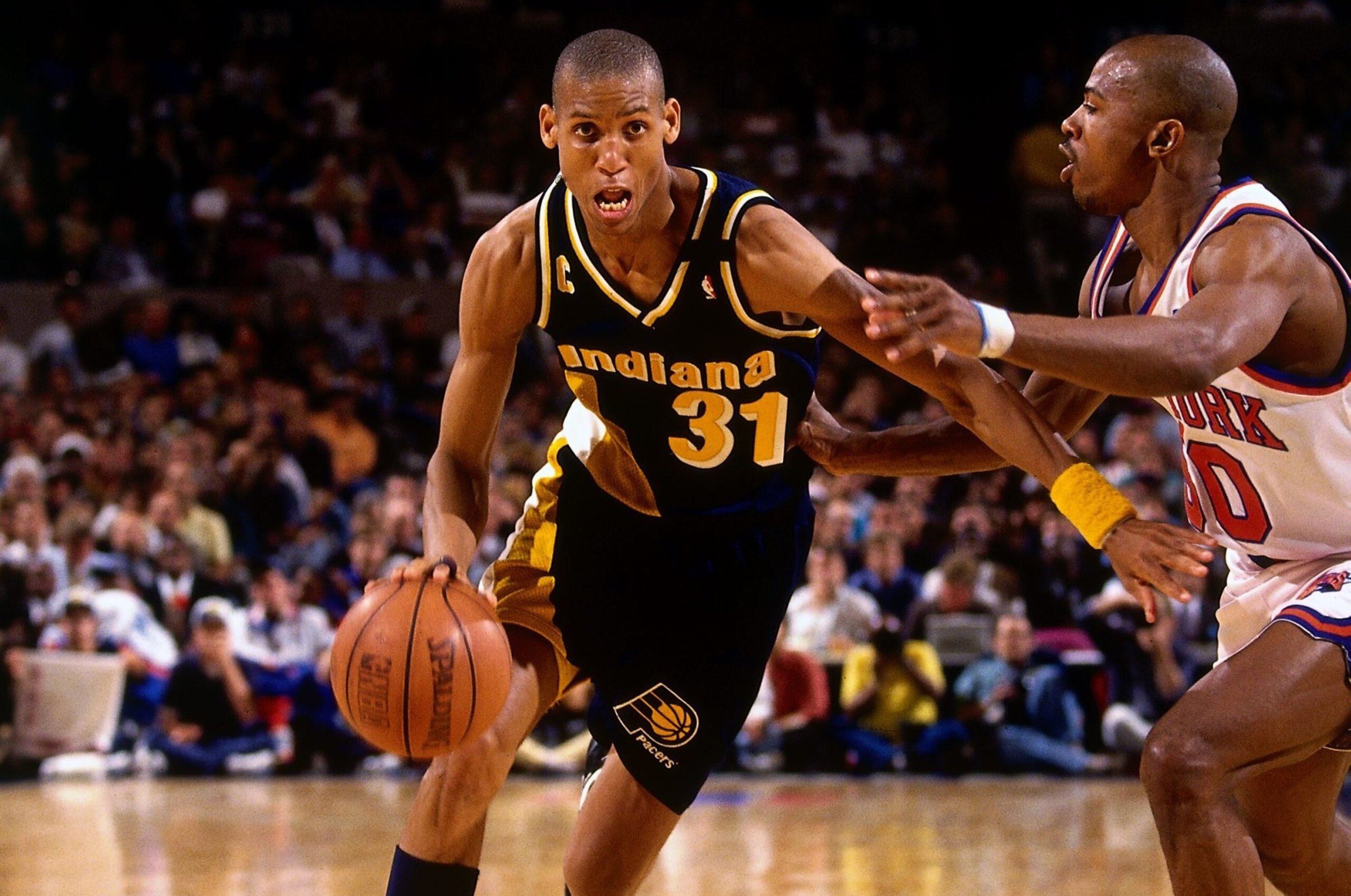
Reggie Miller, Roger Brown, George McGinnis, Larry Bird
Miller is the no-brainer—the franchise leader in most offensive categories who punctuated his career (played entirely in Indiana) with indelible moments.
Eight points, nine seconds.
The choke sign.
The weird, corkscrew celebration.
Miller has more career points with Indy than Rik Smits and Billy Knight (Nos. 2 and 3 on the list) combined.
Next, we have to give a nod to the Pacers' ABA days. That's where we get Roger Brown and George McGinnis, who rank fourth and seventh in points scored. Brown was a four-time All-Star in eight seasons with Indiana, while McGinnis pulled a Hayes by starting out with several All-Star seasons with Indy, leading the league in scoring with an average of 29.8 points in 1974-75, then departing. Like Hayes with the Rockets, though, McGinnis returned to close out his career with Indy in the early 80s.
Brown helped Indiana secure three ABA titles; McGinnis was there for two.
The last spot goes to Bird, who never played for the Pacers but owns a .687 winning percentage in three seasons as head coach from 1997-2000, took the team to its only NBA Finals appearance, and then presided over several successful seasons as an executive.
Apologies to Smits, Mark Jackson and Vern Fleming.
Los Angeles Clippers
13 of 30
Chris Paul, Blake Griffin, Bob McAdoo, Randy Smith
Sometimes tabbing current players to fill spots on a list like this feels like recency bias at work.
But Paul and Griffin are the main reasons for the Los Angeles Clippers' most successful stretch, with Paul, now departed for Houston, standing out as the true catalyst.
In each of CP3's six years with the Clips, the team won at least 60 percent of its games. That didn't happen once in the preceding 41 seasons. Griffin was there for that entire run, and he'll be the focal point now that Paul is gone. With his new deal in place, it's a safe bet Griffin will wind up leading the franchise in most meaningful statistical categories—health permitting.
DeAndre Jordan was a tough omission. He's played more games with the Clippers than anyone but Smith, and he ranks first in rebounds and blocks.
But Paul and Griffin have been more impactful during Jordan's tenure, and both Smith (the all-time leader in games played and points) and McAdoo warrant greater recognition. Though McAdoo spent just four full seasons with the Buffalo Braves, he led the league in scoring three times in that stretch and won the 1974-75 MVP award.
He's the only Clipper to earn either of those distinctions.
Los Angeles Lakers
14 of 30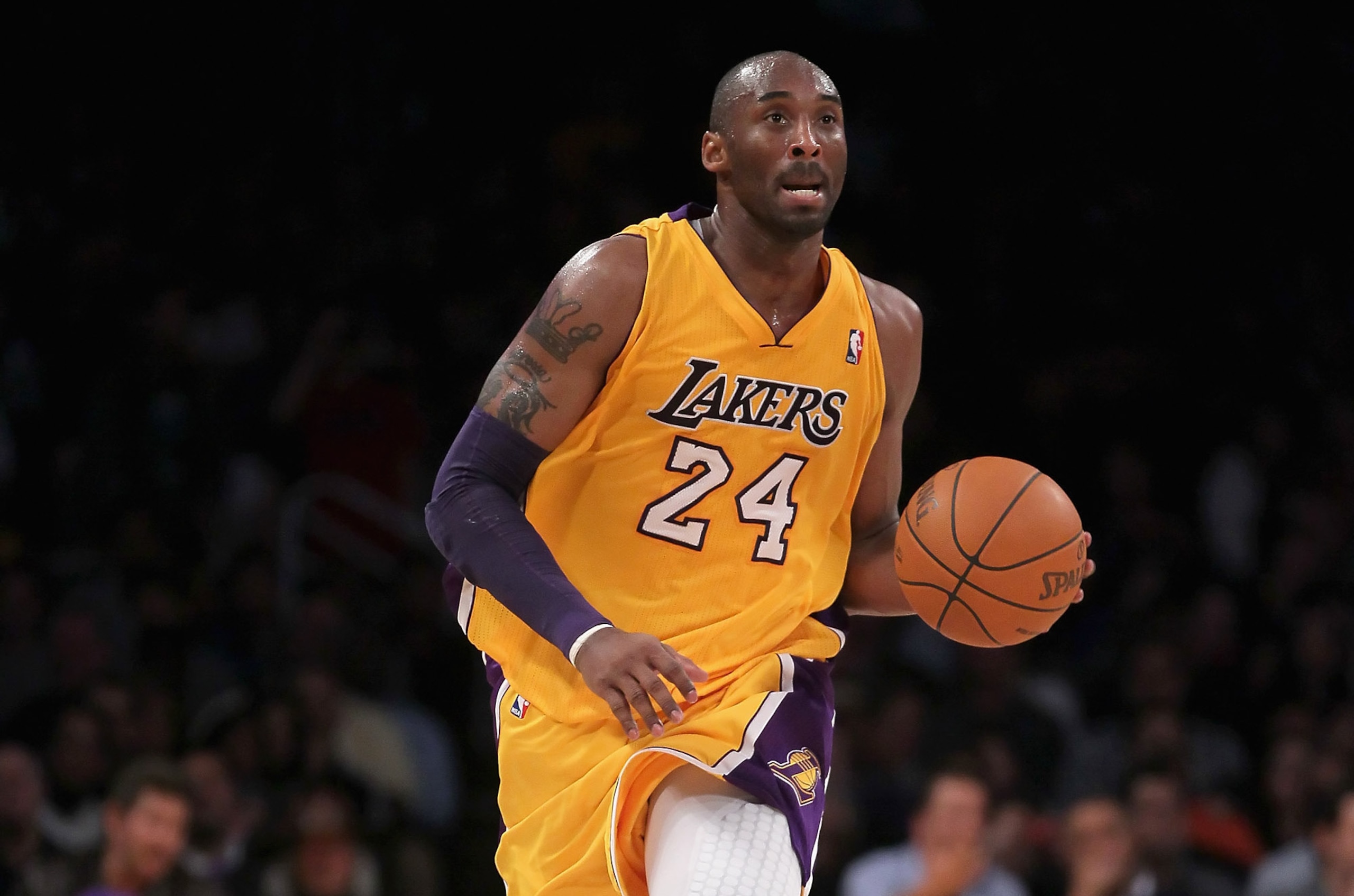
Magic Johnson, Kareem Abdul-Jabbar, Kobe Bryant, Jerry West
Like the Celtics, the Los Angeles Lakers have enough greats to populate several Mount Rushmores. Their second tier—which, offhand, would include George Mikan, Elgin Baylor, Shaquille O'Neal and James Worthy—has more statistical and historical significance than most other teams can muster from their top four.
Johnson is the franchise leader in assists, flashed unparalleled positional versatility in an era when that wasn't a thing yet and typified the style of the exceptionally successful Showtime era. He took the torch from Abdul-Jabbar, who won five rings in L.A., scored at least 20 points per game for 11 straight years and won three MVPs with the Lakers (adding to the trio he earned with the Bucks before that).
West made the Finals nine times, won a Finals MVP on the losing team and finally broke through to win a ring in 1972. He made 14 All-Star games, helped lure free agents as a top executive after his playing career was done and is the friggin' logo of the league.
Bryant is the franchise's leader in games, minutes, points, makes, misses, steals, fouls...you name it. The end of his career was a disservice to the greatness of the years that came before it, but history will wash all that away and leave us with more pleasant memories of Bryant—a modern superstar who spent his entire 20-year career with one organization.
Seriously, this is ridiculous. Baylor made 11 All-Star games and won an MVP...and he's not on the Lakers' monument.
Memphis Grizzlies
15 of 30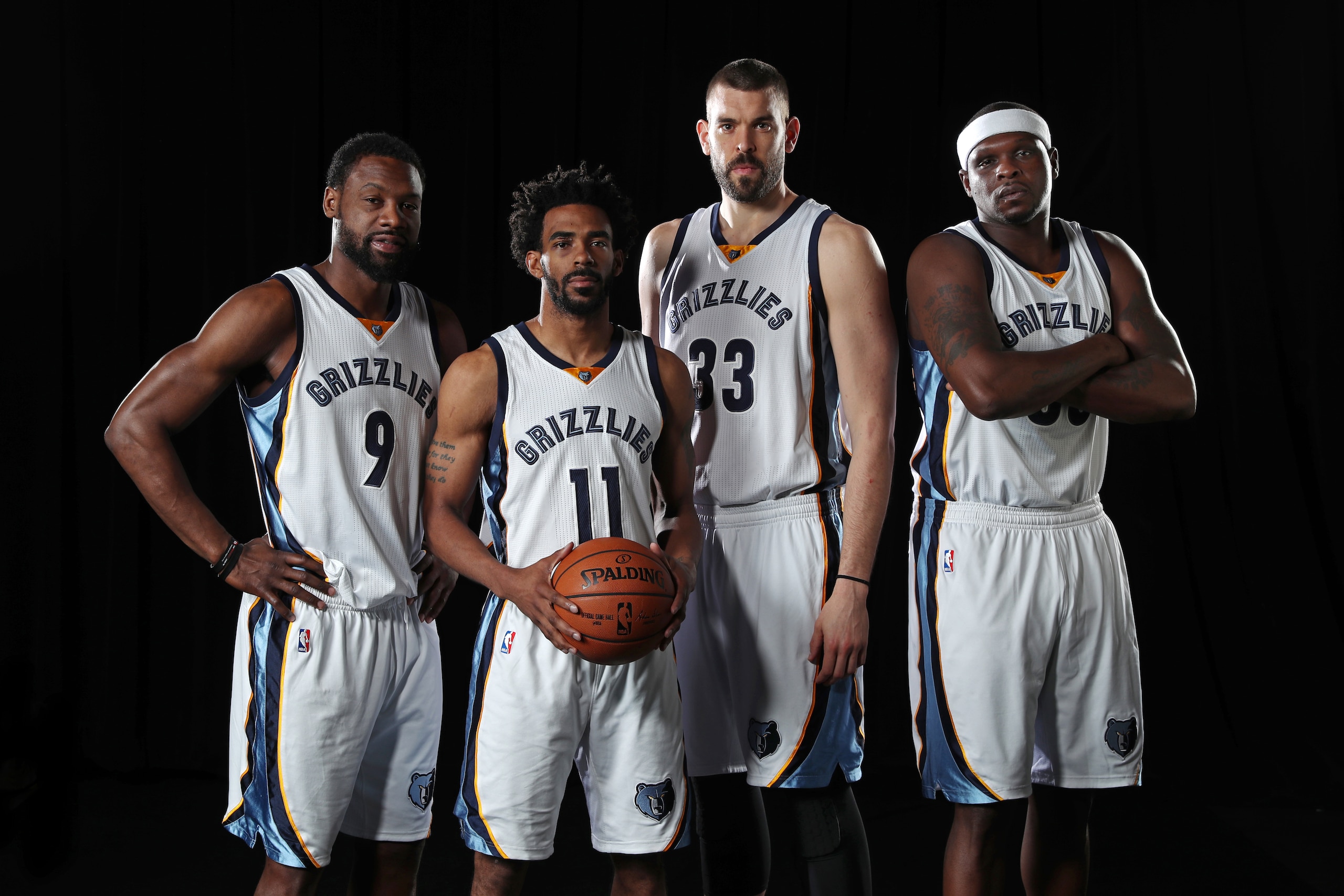
Mike Conley, Marc Gasol, Pau Gasol, Tony Allen/Zach Randolph
Barring something totally unexpected, Conley will probably finish his career as the greatest player to never make an All-Star team. It should be somewhat consoling that he'll also be remembered as one of the two best Memphis Grizzlies in the organization's short history.
He and Gasol are joined together, and you could make the case that the big man has meant more to the team during his tenure. But there's no argument against putting anyone ahead of either of them. They've carried the Grizz to seven straight postseasons and rank first and second in games played with the franchise.
Allen and Randolph are also inseparable, but in a different way. Both are emblematic of the grimy style Memphis has favored over the last few seasons, and it's too difficult to choose one over the other. So we're breaking the rules and splitting the fourth face. Each gets half.
Pau Gasol was the Rookie of the Year in 2001-02 and, believe it or not, has still played more games for the Grizzlies than he has for any other team. He ranks fifth in games played, third in rebounds and fourth in points.
Rudy Gay was a tough omission, and let's not forget Shaeef Abdur-Rahim, who averaged 20.8 points in five seasons during the Vancouver era.
Miami Heat
16 of 30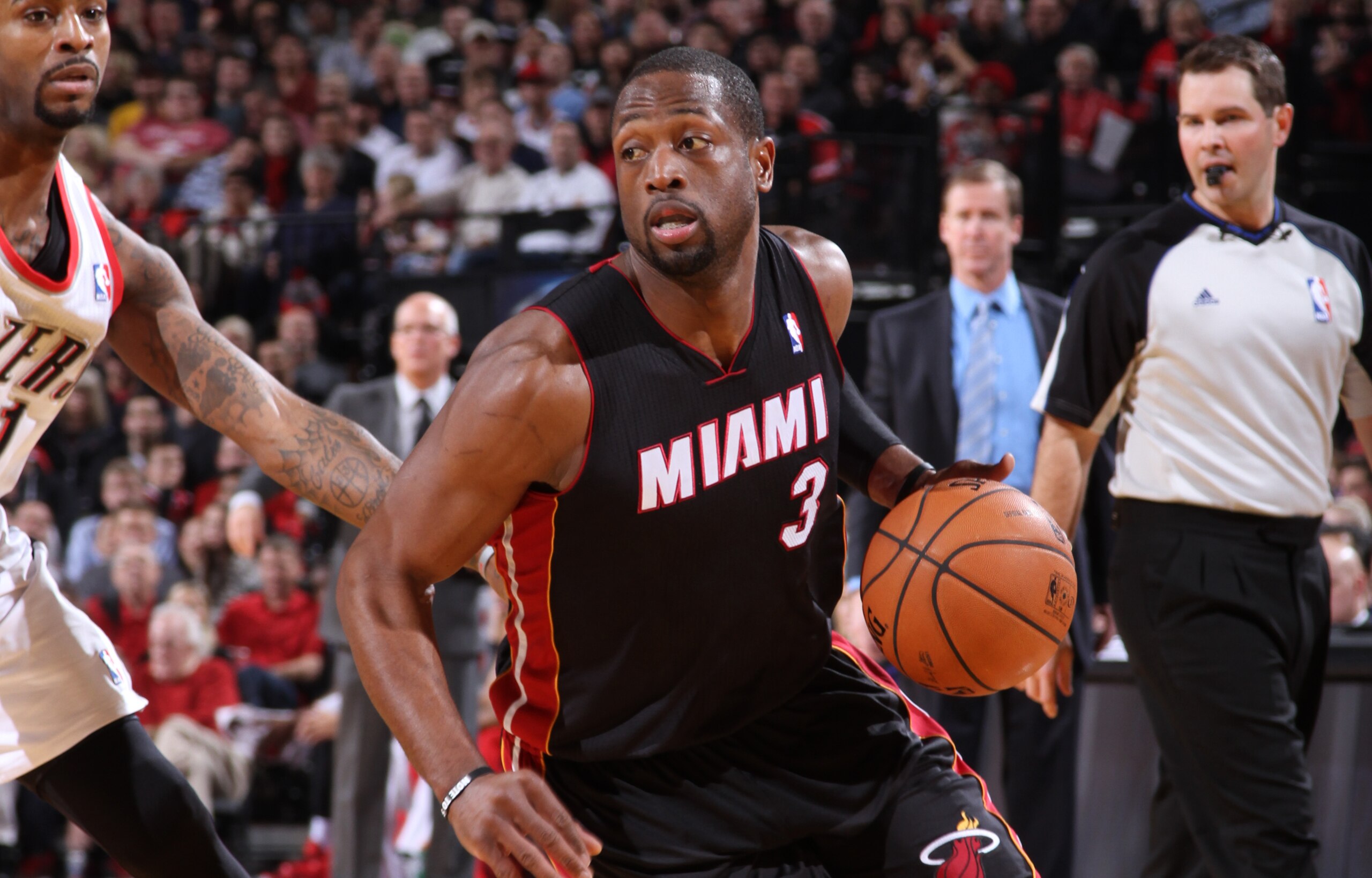
Dwyane Wade, LeBron James, Pat Riley, Alonzo Mourning
Wade is the easy selection here, as he won rings in both of the Heat's two separate successful eras—grabbing one way back in 2006 and two more after James and Chris Bosh showed up.
He's the all-time leader in games and points, and nobody has more playoff wins. In fact, D-Wade has more points in a Heat uniform than Mourning and Glen Rice combined...and those two check in as the team's second and third all-time leading scorers.
James ends up on his second team's Mount Rushmore because the Big Three era doesn't happen without him.
And you could make the case that none of Miami's championships—with James or before him—come without Riley, who helped build rosters and even snaked the head coaching gig from Stan Van Gundy to hoist Miami's first title over a decade ago.
Mourning beats Udonis Haslem for the final spot, despite Haslem topping him (and everyone else) in rebounds. Despite playing 237 fewer games than Haslem, Zo scored about 3,000 more points and, most notably, blows away the field with 1,625 career blocks in Miami.
His toughness defined the Heat of late 1990s.
Milwaukee Bucks
17 of 30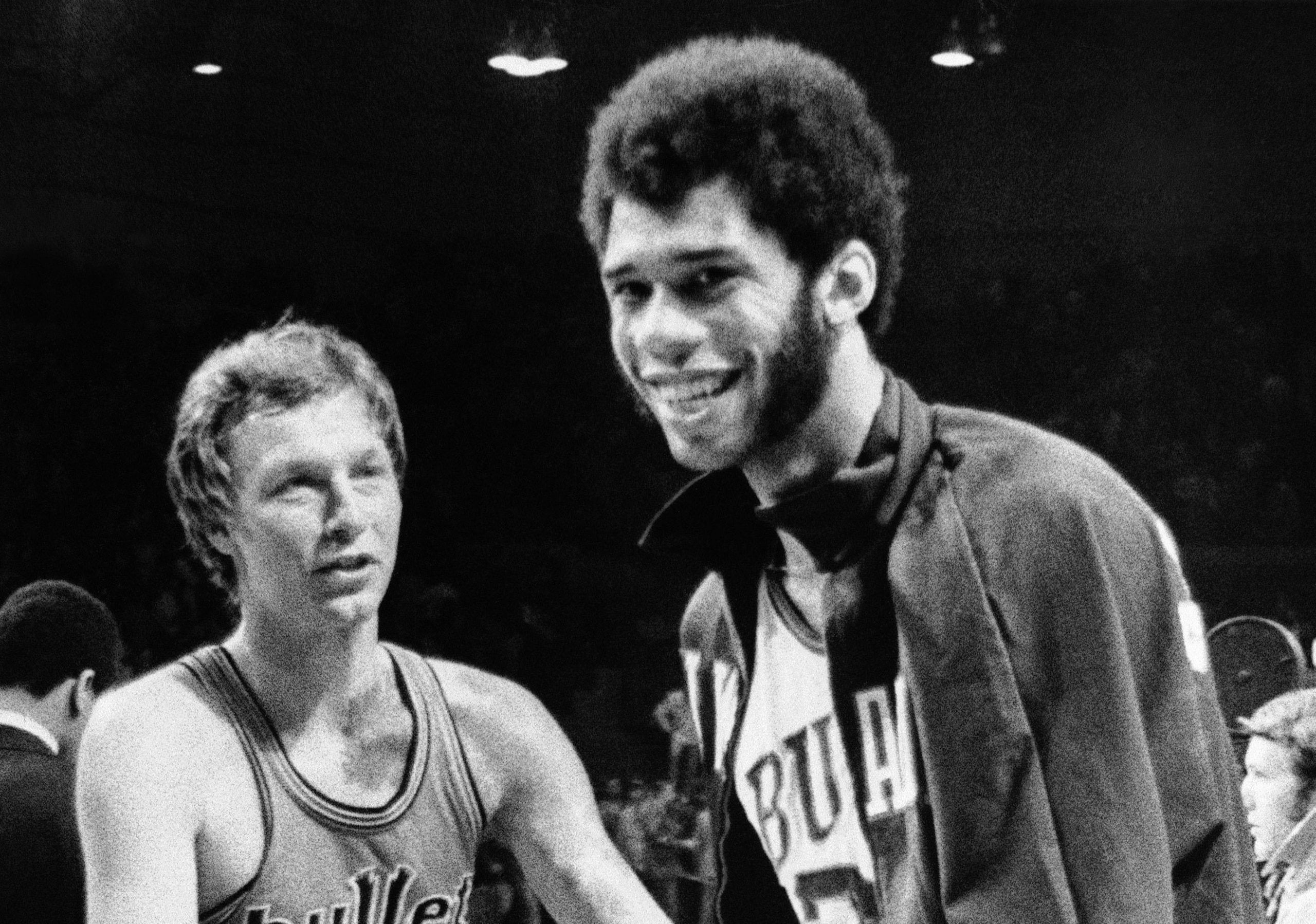
Kareem Abdul-Jabbar, Sidney Moncrief, Bob Dandridge, Marques Johnson
Abdul-Jabbar, who spent his first two years with the Bucks as Lew Alcindor, won Rookie of the Year, three MVPs and a ring. Even with a relatively short stint with the team, it's going to be a long time before anyone touches his place as the greatest player in Milwaukee history.
Moncrief is a distant second, which says more about how dominant Abdul-Jabbar was than anything else. A five-time All-NBA selection, Moncrief averaged 16.7 points, 5.0 rebounds and 3.9 assists in 10 seasons with the Bucks. Most notably, he also earned two Defensive Player of the Year awards.
The drop from those two is significant, but Bob Dandridge and Marques Johnson round out the quartet. Rugged rebounders (only Abdul-Jabbar grabbed more boards) and good enough scorers to rank in the top six of the Bucks' all-time list, Dandridge held down the 70s before handing the team to Johnson and Moncrief in the next decade.
Oscar Robertson's omission might surprise some, but he only spent the final four years of his career with Milwaukee.
If this list seems underwhelming, that's because it is.
Think of it as an opportunity for Giannis Antetokounmpo to pretty easily wind up as the second-greatest Buck of all time.
Minnesota Timberwolves
18 of 30
Kevin Garnett, Flip Saunders
There will be chances for others to join Garnett and Saunders on the Minnesota Timberwolves' Mount Rushmore, but we're breaking with the four-person requirement again here because nobody else in this organization's history has done enough to belong on the level these two figures occupy.
Garnett was the Wolves for a dozen seasons (he added two more at the end of his career) and leads the team in games and minutes as well as all five major counting categories: points, rebounds, assists, steals and blocks.
Sure, he won his ring with the Celtics, but you can't take away his 2003-04 MVP in Minnesota.
And let's not gloss over him leading the Timberwolves on eight straight playoff trips with top sidekicks like Sam Cassell, Latrell Sprewell and Wally Szczerbiak. That was heroic stuff in a brutally competitive era of Western Conference bigs.
Saunders' 427 wins dwarf the totals of every other Timberwolves coach. Rick Adelman is second with a paltry 97 victories, and Saunders stands alone as the only Wolves coach to own a lifetime winning percentage above .500. He also helped set the foundation for the current era as president of basketball operations from 2013-15.
His death in 2016 was a devastating blow to the organization, but he left the team in promising shape and will be remembered as a beacon of success for a franchise that, to this point, has been otherwise defined by failure.
New Orleans Pelicans
19 of 30
David West, Chris Paul, Anthony Davis, P.J. Brown
Just to keep it clear, these New Orleans Pelicans are the ones that came into existence in 2002-03 as the New Orleans Hornets. The ones that moved to Oklahoma City for a couple of seasons before returning to New Orleans and rebranding.
The Pelicans have made the playoffs six times in their 15-year existence but won only a single series in 2008. They won 56 games that year, led by West and Paul.
West remains the franchise's leading scorer, owning 8,690 points to Paul's 7,936. Paul, of course, leads in assists and steals, and he has the organization's only significant individual player honor: the 2006 Rookie of the Year award.
Davis will quickly become the best player in the team's history. Already the leader in blocks, he'll catch West in points and rebounds halfway through the 2017-18 season.
P.J. Brown is here because he ranks third in games, third in rebounds and sixth in points—which, meh.
The Pels haven't been around very long, so they get a pass for having an uninspiring fourth.
New York Knicks
20 of 30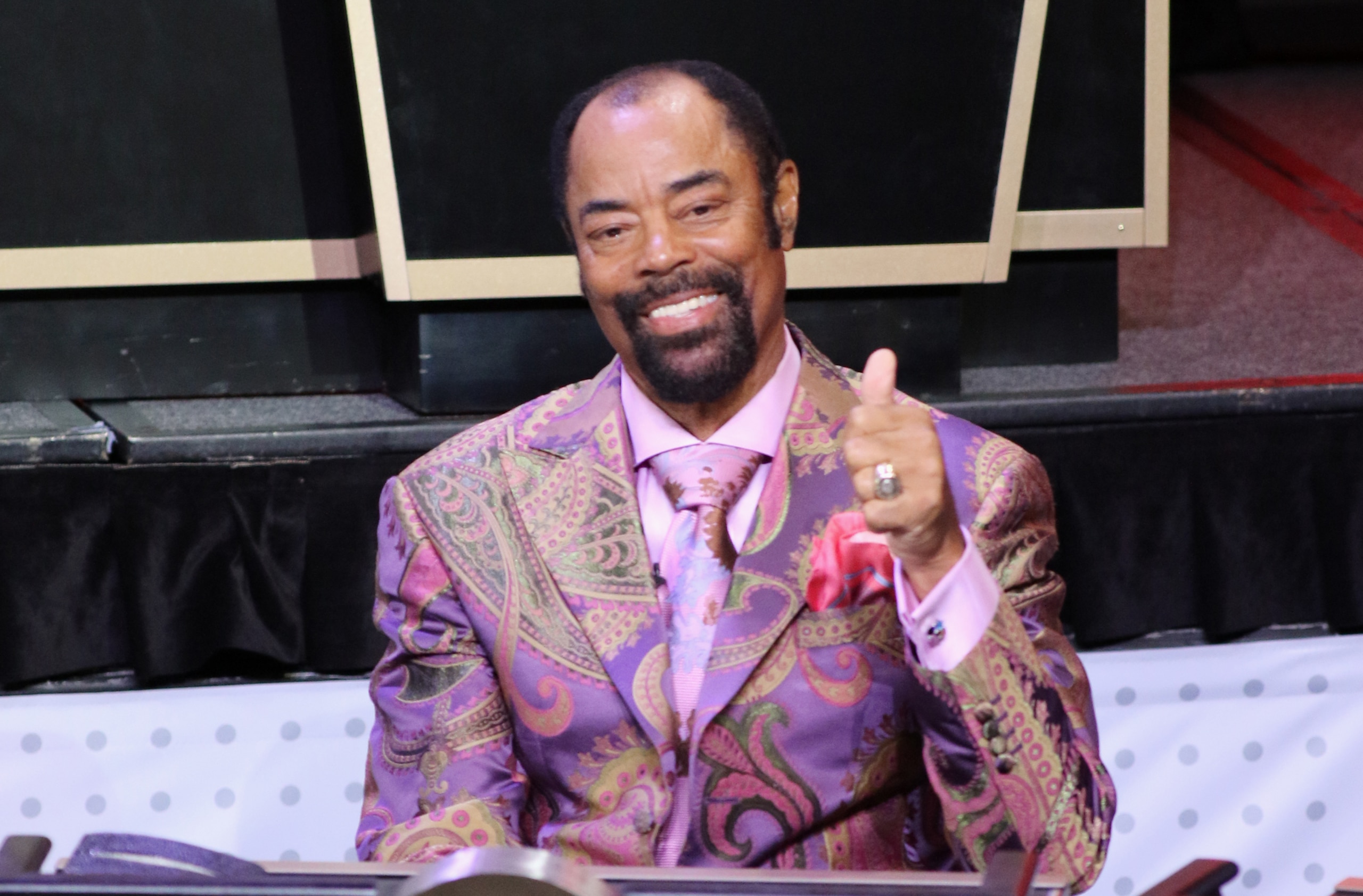
Patrick Ewing, Bernard King, Walt Frazier, Willis Reed
King is probably the most controversial pick here, as he beats out Bill Bradley, Dave DeBusschere and Earl Monroe. But although he only played four seasons with New York, King's contributions were of high enough quality to cancel out the lack of quantity.
His 32.9 points per game in 1984-85 led the league, and no Knicks player has ever topped that average in a season. King also broke the 50-point barrier twice and blew up for 60 on Christmas.
The other three are icons, with Ewing perhaps falling short of Frazier and Reed—two indispensable figures on New York's only championship teams in 1970 and 1973.
Frazier's color commentary and kaleidoscopic suits continue to make him an important figure.
Ewing's case depends on long stretches of success (but no rings) and a spot atop many of the Knicks' statistical leaderboards.
No New York player has ever logged more total minutes than Ewing, who also owns the top spot in scoring, rebounding and blocked shots. Rookie of the Year 1985-86, the big man was the key piece of a Knicks team that made the playoffs 14 years in a row.
Oklahoma City Thunder
21 of 30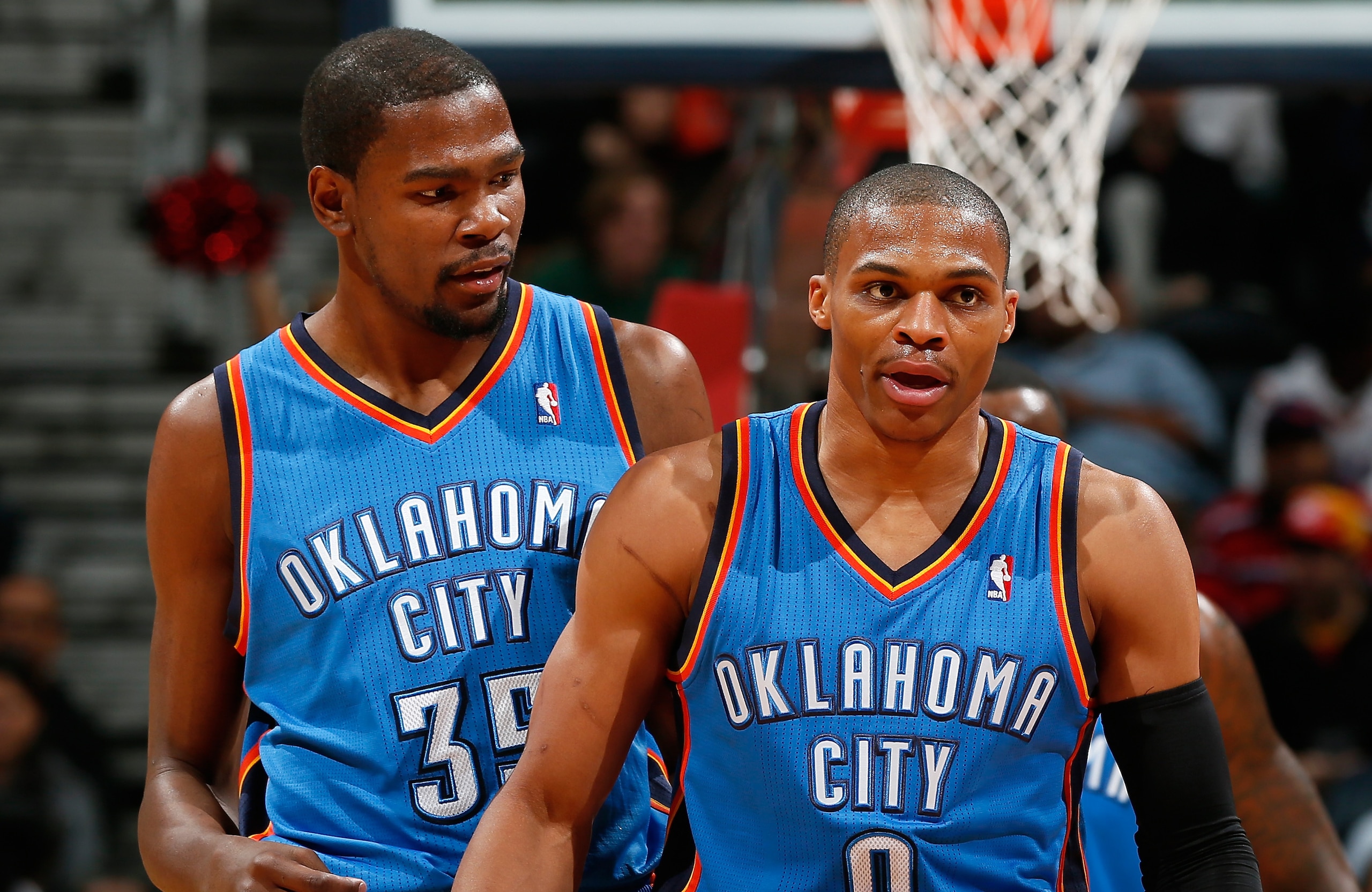
Gary Payton, Lenny Wilkens, Russell Westbrook, Kevin Durant
Payton is the franchise's all-time leader in games played and points, and he led the Sonics to the Finals in 1996—when he also won Defensive Player of the Year.
Durant and Westbrook drove the Oklahoma City Thunder's most recent deep playoff run, taking the team to the Finals in 2012. They're also the organization's only MVPs.
Wilkens might surprise some, especially after he appeared on the Hawks' Mount Rushmore. But his resume in Seattle includes 11 years as coach punctuated by the team's only title in 1979, plus three seasons as an All-Star player.
Honorable mentions go out to Jack Sikma, Dennis Johnson and Shawn Kemp.
Orlando Magic
22 of 30
Shaquille O'Neal, Dwight Howard, Anfernee Hardaway, Tracy McGrady
Shaq and Penny made the Magic relevant by taking the young franchise to the Finals in its sixth year of existence and falling short of a dynasty because of ego (O'Neal) and injury (Hardaway).
Howard should have won MVP over Derrick Rose in 2011, and he spent a half-decade as the game's most dominant defensive player. He was the biggest factor on a Magic squad that reached the Finals in 2009, and he ranks first on franchise list in points, rebounds and, get this, made free throws.
Nick Anderson gets short shrift here, as he's the Magic's leader in games played and ranks second in total points. But the most enduring memory from his career involved missed clutch free throws. McGrady's four-year tenure is on the short side, but it featured enough highs—leading the league in scoring and box plus-minus in 2002-03 and 2003-04—to get him in over Anderson.
In Orlando, McGrady was in the discussion as being, perhaps, the best player in the league.
It also doesn't hurt that T-Mac, despite so few games, scored more points for Orlando than everyone but Howard and Anderson.
Philadelphia 76ers
23 of 30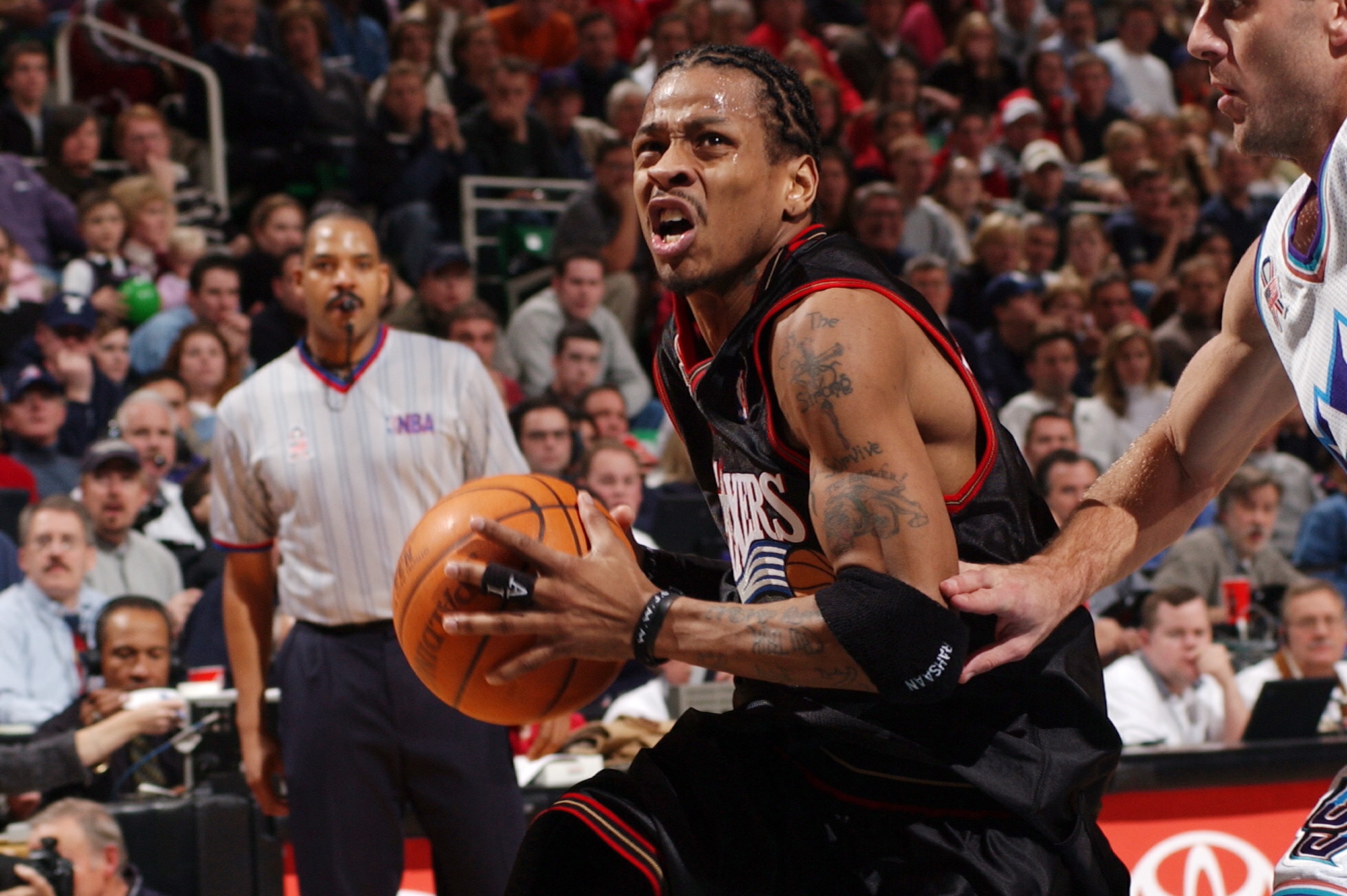
Julius Erving, Wilt Chamberlain, Moses Malone, Allen Iverson
The first three guys on Philly's Mount Rushmore won rings and MVP awards with the 76ers, which makes them no-questions-asked inclusions.
Picking Iverson over Hal Greer, a 10-time All-Star who remains the Sixers' all-time leading scorer, was difficult. Taking him over Charles Barkley, whose average Player Efficiency Rating of 25.3 in eight seasons with the 76ers trumps Iverson's 21.5 in 12 seasons, was even tougher.
But Iverson meant something special to fans across the league, and particularly in Philadelphia. His defiance and will resonated. He led the league in scoring four times, despite a reckless, attacking style that subjected his slight frame to nightly punishment.
Iverson played as if he were as physically dominant and indestructible as Barkley actually was, and he took the Sixers to the Finals—something Barkley never did.
Iverson was also better at talkin' 'bout practice.
Phoenix Suns
24 of 30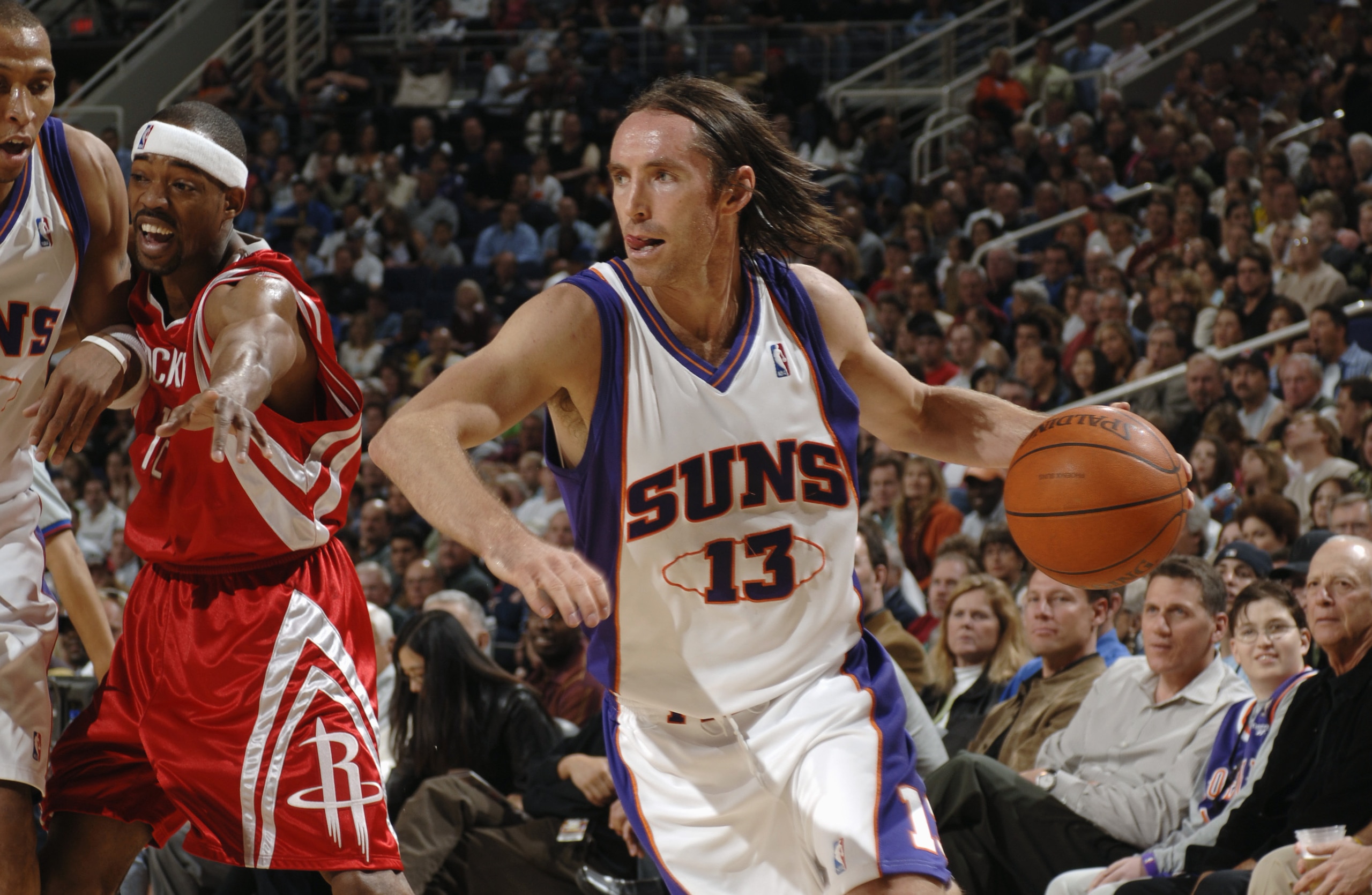
Steve Nash, Kevin Johnson, Charles Barkley, Mike D'Antoni
Barkley gets his due here. His four seasons in Phoenix included four All-Star appearance, and though he wasn't as efficient as he was with the 76ers, he still averaged 23.4 points, 11.5 rebounds and 4.4 assists in 280 games.
Most importantly, he was MVP in 1992-93 when he took the Suns to just their second Finals in franchise history.
Nash and D'Antoni are a package deal, as both revamped Phoenix's identity and ushered in one of the most enjoyable (and successful) eras in the organization's history. Nash won back-to-back MVP awards and ranks first in assists and made three-pointers. And he put together a three-year stretch of 177 wins from 2004-05 to 2006-07.
D'Antoni installed the style that maximized Nash and jolted the NBA forward, sparking the modern small-ball, pace-and-space thinking we see today. The sport wouldn't look like it does right now if not for him.
That D'Antoni won his second Coach of the Year award this season, a dozen years after his first one with the Suns, speaks to the value of his impact.
Johnson rounds out the group, ranking third in points and second in assists. Extra credit for having one of the best dunks of all time.
Portland Trail Blazers
25 of 30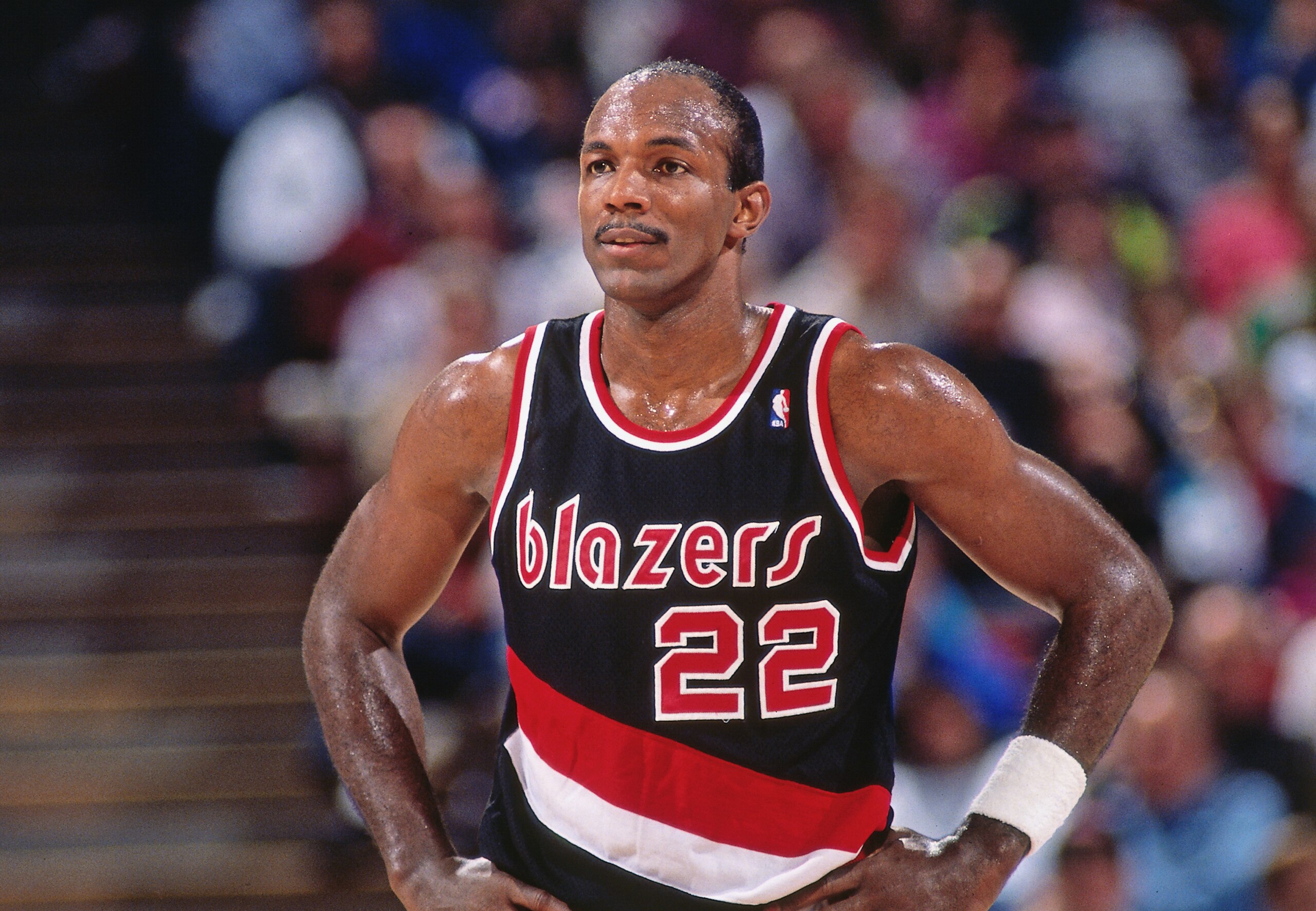
Clyde Drexler, Bill Walton, Jack Ramsay, Terry Porter
Four figures who earned their distinction four different ways.
Drexler is the iconic scorer, the soaring alpha who battled and lost against Isiah Thomas and Michael Jordan in Portland's two most recent visits to the Finals. He is the franchise leader in games, points and steals—an eight-time All-Star for the Blazers who averaged more than 25 points per game in three different seasons.
Walton's contributions were narrower but perhaps more significant. He led the 1977 Blazers to the only championship in the team's history and won Finals MVP that year. He then secured the league MVP the following season. Foot injuries derailed his career and cost him three entire seasons in what should have been his prime.
Porter is the mainstay, the all-time leader in assists who also scored over 11,000 points in 10 years with the Blazers. He and Jerome Kersey were key supporters on Drexler's best teams.
Ramsay coached the 1977 title team, stayed on through 1986 and made the playoffs in nine of his 10 seasons at the helm.
LaMarcus Aldridge and Maurice Lucas were also in consideration.
Sacramento Kings
26 of 30
Jerry Lucas, Oscar Robertson, Mitch Richmond, Chris Webber
You have to jump from Cincinnati to Kansas City to Sacramento for this franchise, but the journey's worth it.
Lucas came into the league in 1963-64 and was an immediate All-Star. He logged six-and-a-half seasons in Cincy and averaged 19.6 points and 19.1 rebounds per game. It was a different era, to be sure, as rebounds were more readily available due to low field-goal percentages and a faster pace. But Lucas' achievements got him into the Hall of Fame, and they mark him as the first great King in the team's history.
You already know about Robertson.
He averaged a triple-double in 1961-62, earned an MVP in 1963-64 and led the league in scoring and assists in 1967-68. We might play another 100 seasons before we see a Kings player as good as he was.
Richmond was a sort of franchise stopgap, perhaps one of the game's more overrated players. But he still made six straight All-Star games and served as one of the only bright spots in the early and mid-1990s. He's third on the Kings' scoring list.
Finally, Webber finishes off the group. Something of a stand-in for the early-2000s crew that included Vlade Divac, Mike Bibby and Peja Stojakovic, C-Webb helped the Kings matter again after years of insignificance. He was the key piece of a Rick Adelman offense that resulted in aesthetically joyful basketball and a stretch of four straight seasons in which the Kings advanced to at least the second round of the playoffs.
San Antonio Spurs
27 of 30
George Gervin, David Robinson, Tim Duncan, Gregg Popovich
A bridge back to the team's ABA days, Gervin led the league in scoring four times. If you count his ABA points, he actually has an edge on Duncan as the Spurs' all-time leading scorer.
All Robinson did in his Spurs career was win Rookie of the Year, Defensive Player of the Year, Most Valuable Player and a scoring title in 10 All-Star seasons. He needed Duncan to win his rings, but it's not like the Admiral was falling apart at the end. In that 1998-99 season, he averaged 15.8 points, 10.0 rebounds, 2.4 blocks and 2.1 assists on 50.9 percent shooting.
In a lot of ways, you could say he kicked off San Antonio's decades-long trend of total unselfishness.
We've already hit Duncan tangentially, mostly because it's difficult to talk about any kind of success in this organization without attributing or comparing it to him.
Duncan is one of the greatest defensive players of all time, twice an MVP, perhaps the single least selfish superstar in history, a five-time champion and a three-time Finals MVP. He's conservatively one of the 15 or so best players of all time...so, yeah, he belongs as one of the four Spurs on this monument.
Popovich has presided over 20 years of incomparable success. His no-nonsense approach and willingness to tailor his team's style to the talent on hand are just a couple of reasons he's on the short list of the best coaches we've ever seen in any sport.
Of course, in keeping with the theme here, he'd probably credit all of his success to Duncan. And he wouldn't be totally wrong.
It's physically uncomfortable to omit Tony Parker and Manu Ginobili, but hopefully the collective ego-less spirit of San Antonio basketball means they don't mind individual slights.
Toronto Raptors
28 of 30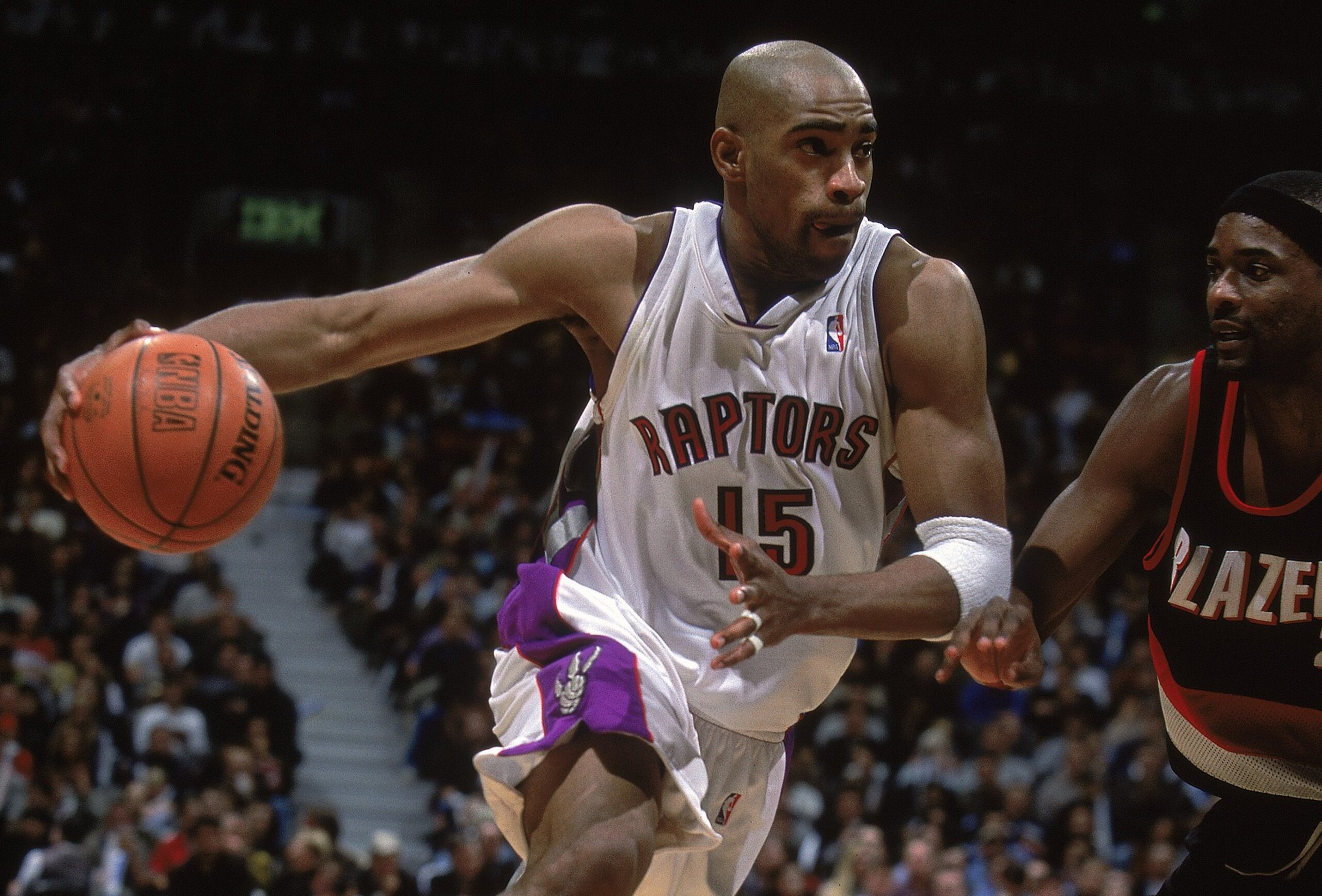
Vince Carter, Chris Bosh, Kyle Lowry, DeMar DeRozan
Expansion teams always have a guy who suddenly legitimizes them, and we've acknowledged several—Garnett, O'Neal, Mourning—so far. But it's hard to think of someone who drew intense interest as quickly as Carter did for the Toronto Raptors.
The greatest dunker the league has ever seen, Carter created daily highlights almost two decades before anyone knew what Vine (RIP) was. He spent six-and-a-half seasons in Toronto and at 23.4 points per game, he still holds the highest scoring average in franchise history.
Not only that, but he also led the Raps to three consecutive playoff trips.
Bosh will probably be best remembered for his time in Miami, but he actually spent the majority of his career with the Raptors and averaged 20.2 points per game with five All-Star seasons. He led Toronto in scoring until DeRozan passed him last year, but he's still tops in rebounds and blocks.
Lowry doesn't have the volume, but he's been the team's best player during its most successful era. The Raptors missed the playoffs in 2012-13 when he arrived but have made it every season since. As measured by value over replacement player (VORP), Lowry has been the seventh-best player in the NBA since 2012-13.
Utah Jazz
29 of 30
John Stockton, Karl Malone, Pete Maravich, Adrian Dantley
The best pick-and-roll combo the game has ever seen, Stockton and Malone lead the Jazz in almost every meaningful statistical category.
Shout out to Mark Eaton for holding down blocks, though.
Stockton and Malone were together in Utah from 1985-86 until 2002-03, and they made the playoffs every year.
Every. Single. Year.
The Jazz never went all the way, but during the Stockton-Malone era, they were as good as a team could be without winning a ring.
Malone is the NBA's second leading scorer, and Stockton has more assists than anyone. Joke all you want about the official scorer in Salt Lake City goosing the numbers, that's still a remarkable achievement.
Maravich is a mythic, almost magical figure who stands out in contrast to the blue-collar simplicity we attach to Stockton and Malone. He was a three-time All-Star with the Jazz, partially in New Orleans, and he led the league in scoring in 1976-77.
If nothing else, it'll be nice to have his flair alongside Stockton and Malone's stodgier images.
As a member of the Jazz, Adrian Dantley led the league in scoring twice and made the All-Star game six times in his seven seasons. He barely makes the cut over Jerry Sloan, who we probably don't credit often enough for Utah's prolonged playoff run. He took the Jazz to the postseason in 19 of his 23 seasons and amassed a 62.3 winning percentage.
Washington Wizards
30 of 30
Elvin Hayes, Gus Johnson, Wes Unseld, John Wall
Hayes averaged 21.3 points and 12.7 rebounds in nine seasons for the Bullets, made six All-NBA teams and helped his club win the title as a 32-year-old in 1978. He and Unseld, who did all of the dirty work and effectively pioneered the outlet pass, were as formidable a frontcourt tandem as any we've seen.
Unseld played his entire career with Washington and won the Finals MVP when the Bullets secured that 1978 title. He, like Hayes, is a Hall of Famer.
It seems unlikely anyone will touch his franchise high 13,769 rebounds.
Gus Johnson is easier to forget, having played mostly in the early and mid-1960s. He's also in the Hall, made four All-NBA teams and helped give the Bullets a foothold in the league during the early days in Baltimore—before Earl Monroe, Unseld and Hayes showed up.
There'll surely be cries for Monroe, a two-time All-Star who started his career with the Bullets. But he spent the majority of his time with the Knicks. Wall has already been with the franchise longer, made twice as many All-Star games and has the distinction of being his team's best player.
You couldn't say that for Monroe.
Stats courtesy of Basketball Reference or NBA.com.

.jpg?w=2560 "Cards Finalizing MHJ Trade")
.jpg?w=2560 "Bears May Trade for Mack")
.jpg?w=2560 "Hurricane May Affect NFL Games")

.jpg?w=2560 "Trent Grisham Landing Spots 📍")