Power Ranking All 30 NBA Head Coaches Heading into 2015-16 Training Camp
The importance of a good NBA coach can be hard to decipher. And the line separating mediocre ones from the elites isn't always the easiest to quantify.
The job itself is often an all-guts, no-glory profession. Coaches are easy scapegoats when problems arise, and they're equally easy to overlook when it's time to dish out credit.
Good coaches can't win without good players. But having a sharp mind in the premier sideline seat can make a roster stronger than it would be on its own.
As all 30 teams break for training camp in preparation for the 2015-16 campaign, it's as good a time as any to take stock of the league's coaching ranks.
Every coach—save for the two first-timers—has been evaluated based on past performance, ability to meet or exceed expectations, adaptability to different styles or emerging trends, motivational skills and any other strength or weakness they've displayed.
Wins and losses play a part here, but the process is far more important than the actual result. Longevity can be a bonus, too, (small sample sizes aren't the easiest to trust), but having skills that work in today's league trumps having success five or 10 years back.
First-Year Coaches
1 of 29
Billy Donovan, Oklahoma City Thunder
Billy Donovan should savor this free pass. It could take years before he's given another.
His resume alone is reason for optimism. During his 19 seasons at the University of Florida, he compiled a 467-186 record (.715 winning percentage) and captured two national titles.
With the Oklahoma City Thunder looking for someone to spark them in a way former coach Scott Brooks never could, Donovan seems to have the necessary tools for the task. His staff features several proven NBA minds, including former head coaches Monty Williams and Mo Cheeks. On the court, Donovan has at least three intriguing options at all five positions.
The chance for top-level success is both evident and obvious. But the clock is already ticking.
OKC needs him to deliver on that potential now. There is no time to waste with free agency threatening to poach this roster in 2016 (Kevin Durant) and 2017 (Russell Westbrook, Serge Ibaka).
Fred Hoiberg, Chicago Bulls
First-year Chicago Bulls coach Fred Hoiberg is shouldering his own set of championship-level expectations. But it remains to be seen whether he actually has a roster built to deliver on those dreams.
The Bulls were good under Hoiberg's predecessor, Tom Thibodeau, but this team hasn't done anything great in a while. Chicago went 112-36 from 2010-12, but that was with healthy versions of Derrick Rose and Joakim Noah, plus a slew of players who no longer call the Windy City home.
Hoiberg inherits a roster that helped produce 50 wins and a second-round trip last season. Taking the next step will require one of two things: getting Rose and Noah back to their pre-injury levels or rapidly developing Chicago's young prospects (or maybe both).
Judging by Hoiberg's successful stint at Iowa State, the Bulls should prioritize pace and find new levels of potency with their offense. But they can't afford any slippage at the opposite side, which was never the skipper's strength in college.
28. Derek Fisher, New York Knicks
2 of 29
There's only so much information to take from Derek Fisher's debut season on the New York Knicks' sideline.
Their roster underwhelmed at the start of the 2014-15 campaign. Once the season tipped off, the Knicks lost Carmelo Anthony to knee surgery and shipped out Amar'e Stoudemire, J.R. Smith and Iman Shumpert. By year's end, Fisher was rolling out a starting lineup of Langston Galloway, Tim Hardaway Jr., Lance Thomas, Jason Smith and Cole Aldrich.
That might not be the only step in the recipe for a 65-loss season, but it's definitely a key ingredient. Fisher often lacked the talent needed to gain any traction on the hardwood—or make a definitive assessment on his coaching acumen.
But whatever we know about Fisher the coach at this point isn't good.
The Knicks committed 14 shot-clock violations immediately after a timeout before the All-Star break alone, according to Chris Herring of the Wall Street Journal. They still had a healthy-ish Anthony then, and yet they posted a mark that would have led the league for the entire season. That's a problem with preparation and direction, two of the areas where coaches make the biggest imprint.
Fisher has a deeper, healthier roster this time around. If this season looks anything like the last one, he could make a quick appearance on the hot seat.
27. Byron Scott, Los Angeles Lakers
3 of 29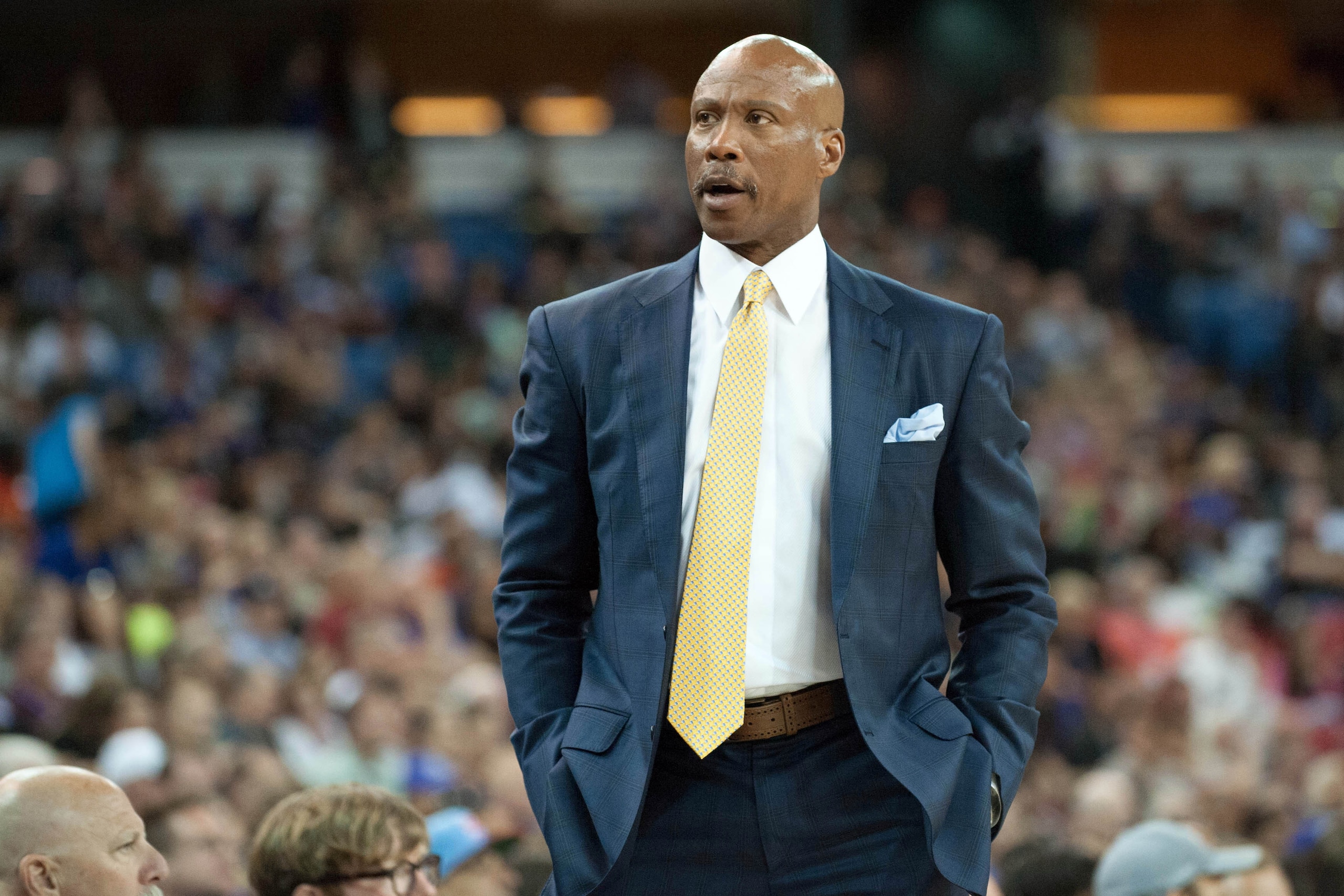
Byron Scott starred for the Los Angeles Lakers in a different era. Unfortunately, he coaches like he's stuck in that time period.
He's not a fan of analytics. Actually, to borrow his words, he doesn't "believe" in them, per Bill Oram of the Orange County Register. Analytics, of course, are numbers and not opinions, so it's not a matter of believing or not. It's whether a coach chooses to fully utilize the data at his disposal.
Scott doesn't. And it's hard to think the Lakers don't pay a price because of that.
Numbers tell teams to shoot the long ball, and those who did won big last season. The top eight teams in three-point makes all qualified for the playoffs, including each of the four conference finalists. The Lakers were 25th in made threes, tied for 23rd in offensive efficiency and 27th in wins. They did, however, lead the league in mid-range attempts, the game's least efficient shots.
Advanced statistics could have helped Scott identify the source of leaks in his 29th-rated defense. Or pointed to the fact that trotting out a then 36-year-old Kobe Bryant, along with his 37.3 field-goal goal percentage, for 34.5 minutes per game might not have been the best idea—especially when the Lakers fared 7.3 points better per 100 possessions without him.
26. Flip Saunders, Minnesota Timberwolves
4 of 29
Flip Saunders' last playoff victory came two coaching stops and eight seasons ago. He's posted a 67-196 record over three-plus campaigns since with the Minnesota Timberwolves and Washington Wizards.
Like several candidates near the bottom of these rankings, Saunders' biggest issue has been his inability to modernize his offensive game plan. He has publicly proclaimed his love for the long ball, but his track record tells a different tale.
"It doesn't matter whether he likes them or not, his teams have not shot them," wrote A Wolf Among Wolves' Steve McPherson. "Here are where his teams have ranked in terms of three-pointers attempted for his entire coaching career: 28th, 25th, 22nd, 27th, 28th, 25th, 21st, 27th, 27th, 21st..., 10th..., 19th, 22nd, 24th..., 27th, 20th and last season, 30th."
That's not a model for sustainable success in today's NBA.
The Wolves suffered a league-worst 66 losses last season. They also ranked dead last in both three-point makes and attempts, 25th in percentage and 26th in offensive efficiency.
Minnesota's roster is light on marksmen, but it will stay that way if these young players aren't given a chance to find their long-range rhythm. Saunders' offense has never allowed that. However, it's worth watching to see whether that will change under interim coach Sam Mitchell (a former Coach of the Year), who's keeping Saunders' seat warm while he focuses on his battle with cancer.
25. Randy Wittman, Washington Wizards
5 of 29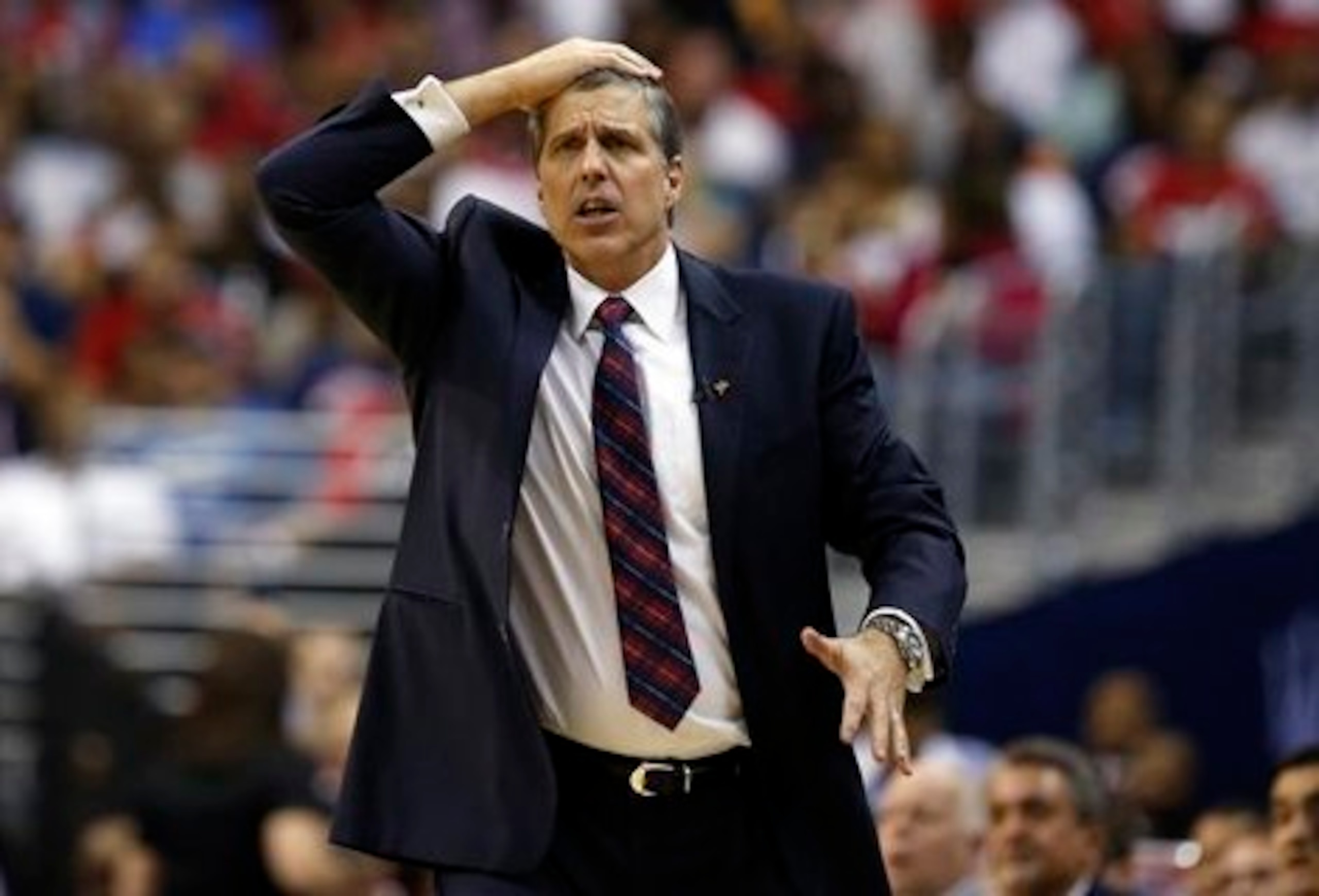
Randy Wittman has steered the Washington Wizards to the conference semifinals in each of the past two seasons, but it's hard to tell how much of that success happens because—as opposed to in spite—of him.
Here's what we know about Wittman. Even with these two playoff runs, his career winning percentage still sits below .400 (.394, 237-635). His offensive sets shun perimeter looks in favor of inefficient long twos. He's had trouble finding the "right" side of a clipboard. His substitution patterns seem to lack rhyme and reason—at least those deemed socially acceptable in 2015.
The Wizards had six different players shoot above 37 percent from downtown last season. They finished with the fourth-fewest three-point attempts. Wittman started a pair of accelerators in the backcourt with John Wall and Bradley Beal. This group plodded along at the 16th-fastest speed.
Wittman finally showed some progressive thinking during the postseason. He moved away from traditional lineups and deployed Paul Pierce as a lethal stretch 4. Washington's added three-point threat gave Wall and Beal extra room to attack. The Wizards upped their offensive output by 1.5 points per 100 possessions from the regular season.
But that playoff surge wasn't enough to pull Wittman out of the cellar. It never should have taken him that long to see the benefits of giving Wall more room to operate. Even when he did, he was slow to embrace change. Washington had the top three-point percentage of the playoffs (by far), but it still attempted the fifth-fewest threes.
With Pierce out of the District, Wittman needs to find a new stretch forward and better utilize that weapon.
24. Steve Clifford, Charlotte Hornets
6 of 29
The Charlotte Hornets' team-wide execution trouble extended well beyond head coach Steve Clifford's reach last season. Injuries and inconsistencies plagued virtually the entire roster, and Charlotte's hopes to build off a surprise 2014 playoff berth wasted away amid a 49-loss nightmare.
You can't put that all on Clifford. But you can question his approach in trying to right the ship.
He simplified his offensive strategy to an almost elementary level. He tasked Kemba Walker with almost all of the playmaking and Al Jefferson with the scoring duties. Ball control was stressed to the point of avoiding anything close to a risky play, and defensive rebounding trumped the potential for transition offense.
To a degree, Clifford coached to the limitations of his roster. The Hornets were starved for outside shooting—a clear motivator in nearly all of their offseason maneuvers—and they were woefully short on creative, disciplined ball-handlers.
But their vanilla offense was far too easy to hold down. Clifford's inability to find spacing left Jefferson overwhelmed on the interior. The commitment to the defensive glass eliminated the possibility of finding the point-blank scoring chances this half-court attack also failed to create.
23. Brett Brown, Philadelphia 76ers
7 of 29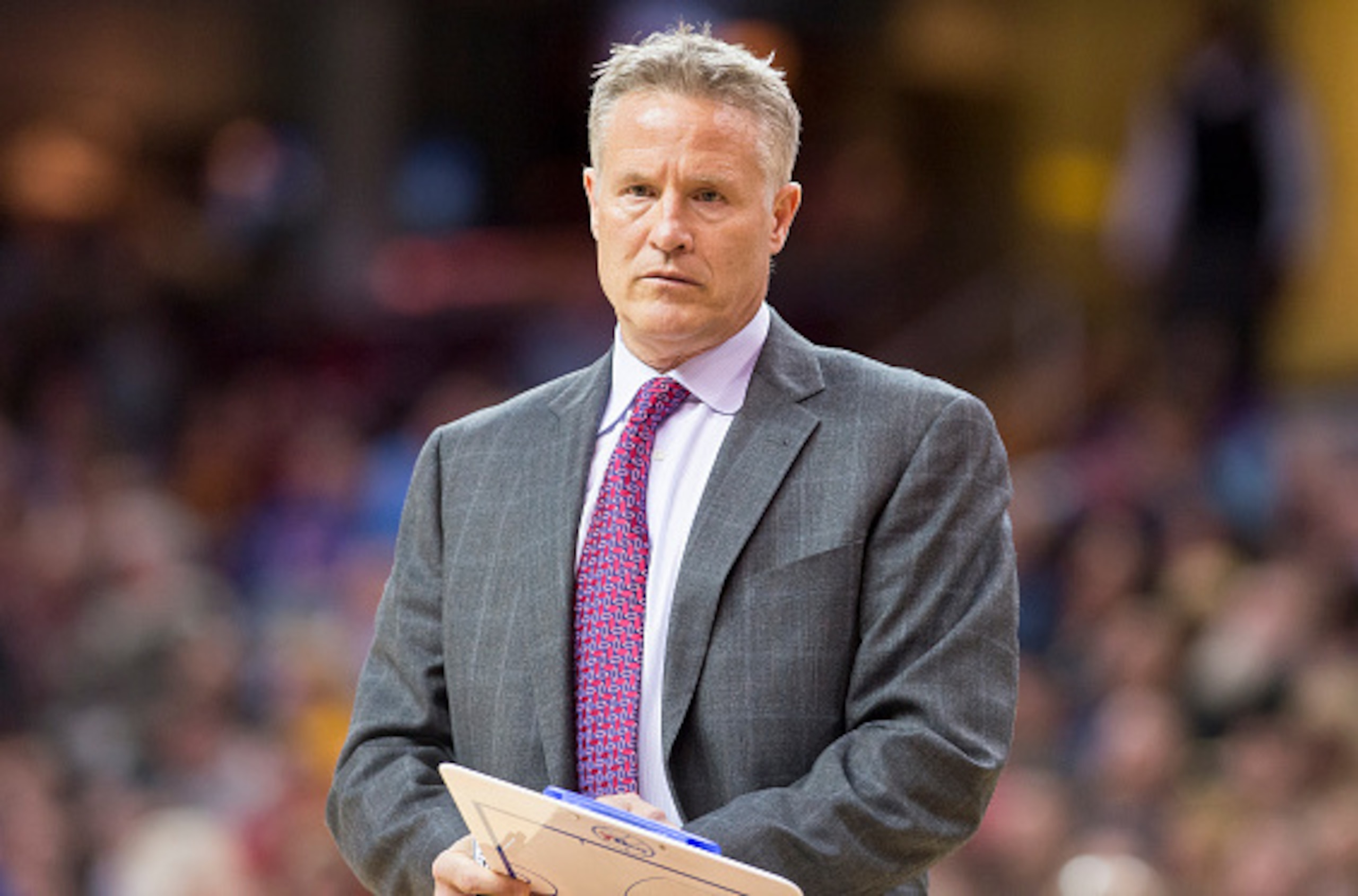
Brett Brown doesn't share a grading rubric with his peers. He doesn't have the same resources, expectations or goals.
During his two seasons on the Philadelphia 76ers' sideline, he has overseen an extensive demolition project. Save for some asset collection, this franchise hasn't reached the rebuilding portion of its plan. Losses can be wins if they lead to the drafting of young talent that cements the Sixers as perennial contenders.
But that's all years down the road (at least). Brown's immediate objectives center on player development and establishing an identity. It's too early to tell how the former is going, but the latter seems to be coming along, as Philly has distinguished itself a bit with tenacious defense and aggressive (albeit erratic) offense.
Brown looks like the right man for this job. The mountain of losses hasn't driven him crazy, and his players fight hard every time they step inside the lines.
Still, it's anyone's guess how Brown would fare with an actual NBA roster at his disposal. His career 37-127 coaching record makes it impossible to move him any higher up the list, but the progress he's made in a tough situation keeps him outside of the basement.
22. Scott Skiles, Orlando Magic
8 of 29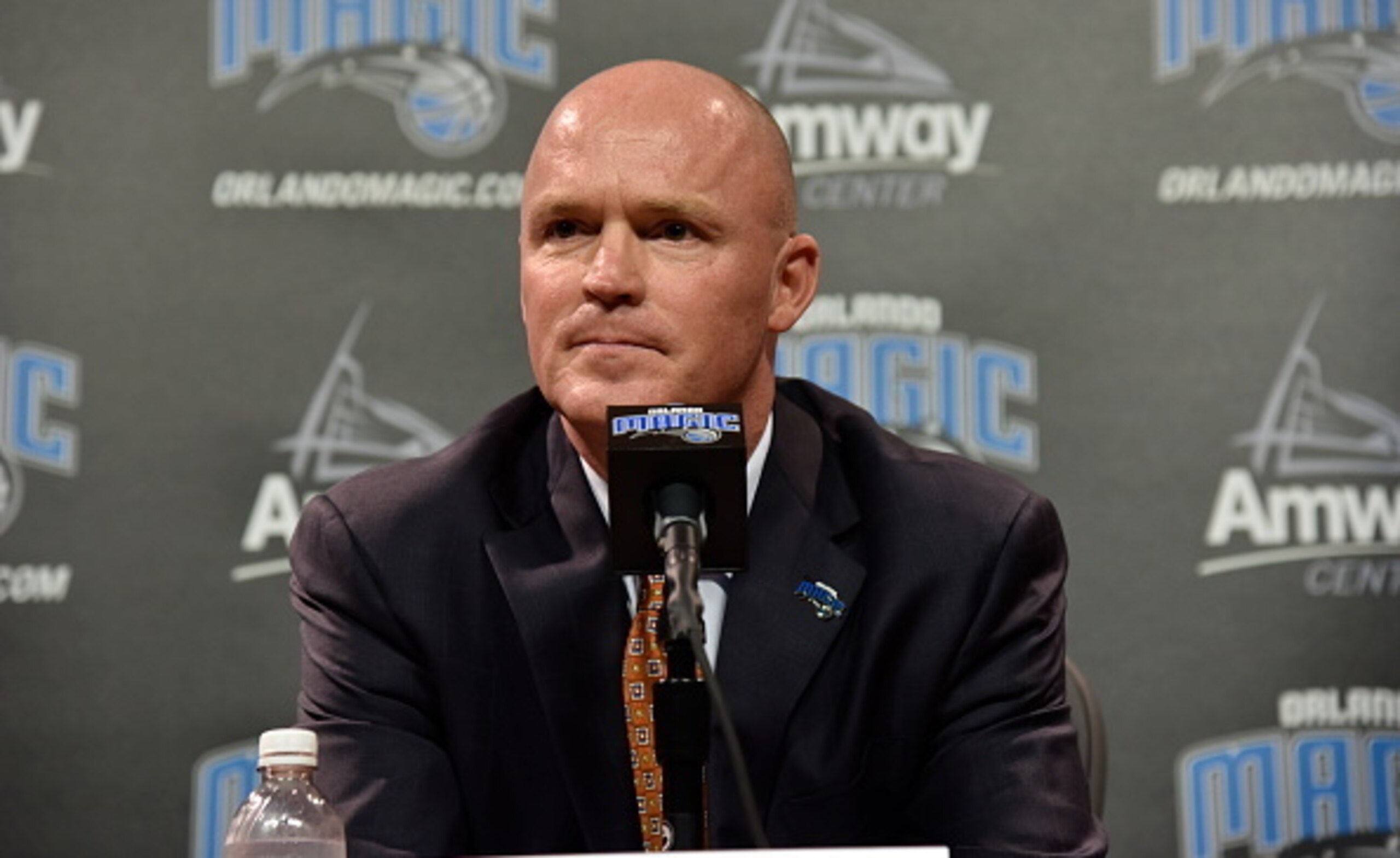
It made sense when the Orlando Magic handed Scott Skiles their coaching reins this summer. His greatest strengths aligned perfectly with their biggest needs: developing young teams and building powerful defenses.
"Our young roster will benefit greatly from Scott's extensive head coaching experience and commitment to teaching smart, physical, unselfish basketball," general manager Rob Hennigan said after Skiles' hire in May, per Magic.com's John Denton. "We believe in Scott's ability to establish a culture of winning habits and accountability that will help guide our team in a positive direction."
Skiles' resume is the reason for that belief. At his three previous head coaching stops (Phoenix, Chicago and Milwaukee), he produced at least one playoff berth within his first two seasons. And his clubs always defend. During his eight full seasons as coach, his teams have had six top-10 rankings in defensive efficiency (including five among the top four).
But judging by his history, his style isn't built to last. His intensity can lose its luster over time, and he's failed to build off the early success his teams have enjoyed.
Given the talent Orlando has assembled, some defensive discipline could be more than enough to push this team into playoff contention. If the Magic are hoping for more than that, they should have studied his track record a little more closely.
21. Lionel Hollins, Brooklyn Nets
9 of 29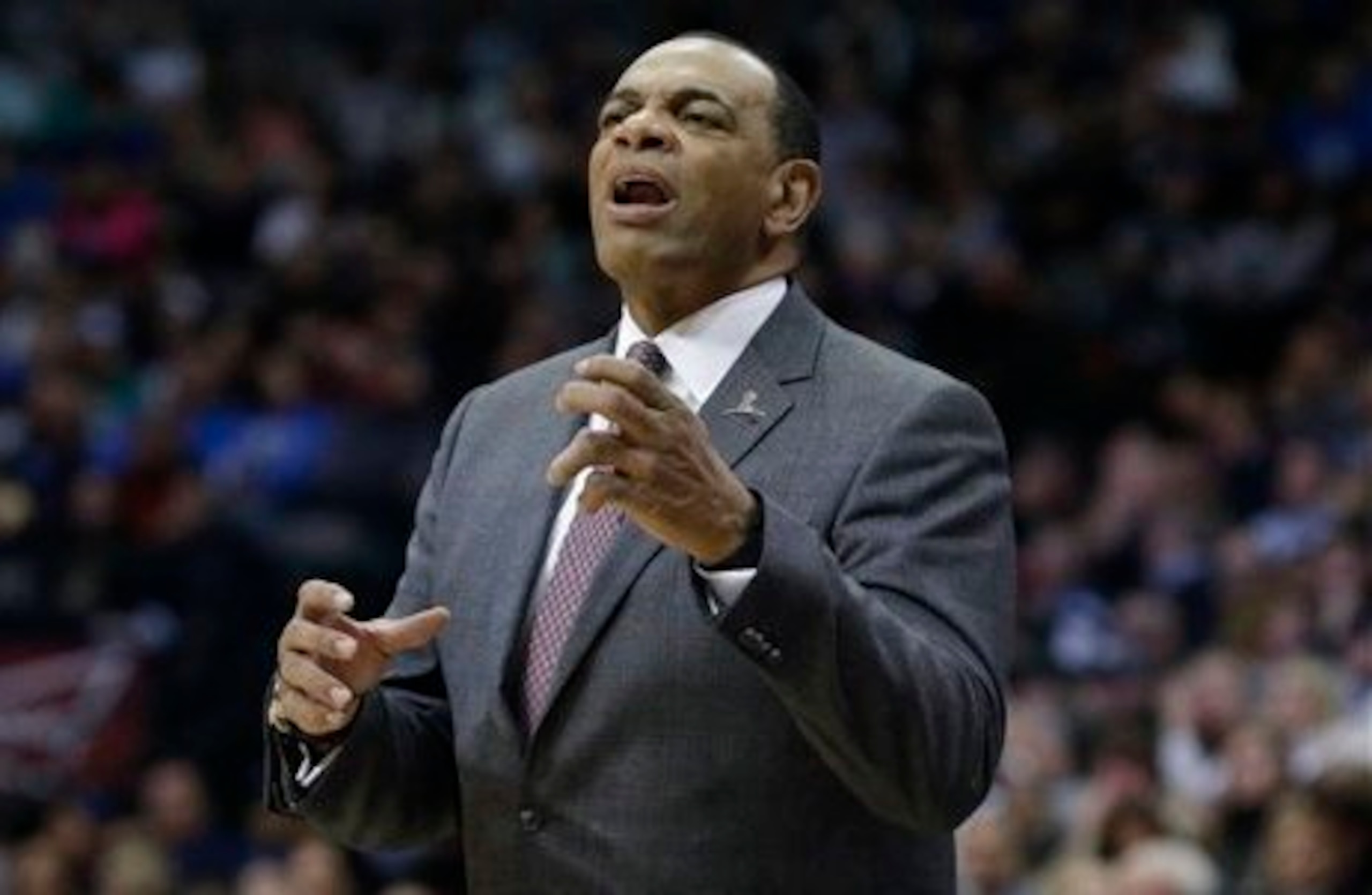
Lionel Hollins' debut season with the Brooklyn Nets was somehow pretty forgettable.
Despite having an $88.4 million payroll (not counting luxury tax), per Basketball Insiders, and a Big Apple address, the Nets battled with obscurity. They needed a late-season surge just to scrape out 38 wins and claim the East's No. 8 seed. Their savior, Brook Lopez, opened the year with a starting gig, lost it for nearly three months, then recovered it in time to carry Brooklyn to the NBA's version of a participation trophy.
The Nets were bland—a common style of Hollins' clubs, though one that worked better when he had Marc Gasol, Mike Conley and Zach Randolph in Memphis. Brooklyn played at the seventh-slowest speed and held subpar offensive and defensive efficiency rankings.
Hollins isn't an analytics guy. His reluctance to embrace that side of the game reportedly drove a wedge between him and Grizzlies officials, according to Yahoo Sports' Adrian Wojnarowski. More recently, Hollins told reporters he pays attention to advanced stats, via Tim Bontemps of the New York Post, but admitted he doesn't always heed their advice.
That's how Jarrett Jack and Deron Williams logged 661 minutes together despite the team posting a minus-10.3 net rating during their shared floor time. Or why Lopez and Mason Plumlee saw 373 minutes in the same frontcourt while the Nets posted a grisly minus-13.7.
Acknowledging stats is one thing; using them to create an on-court impact is quite another.
20. David Blatt, Cleveland Cavaliers
10 of 29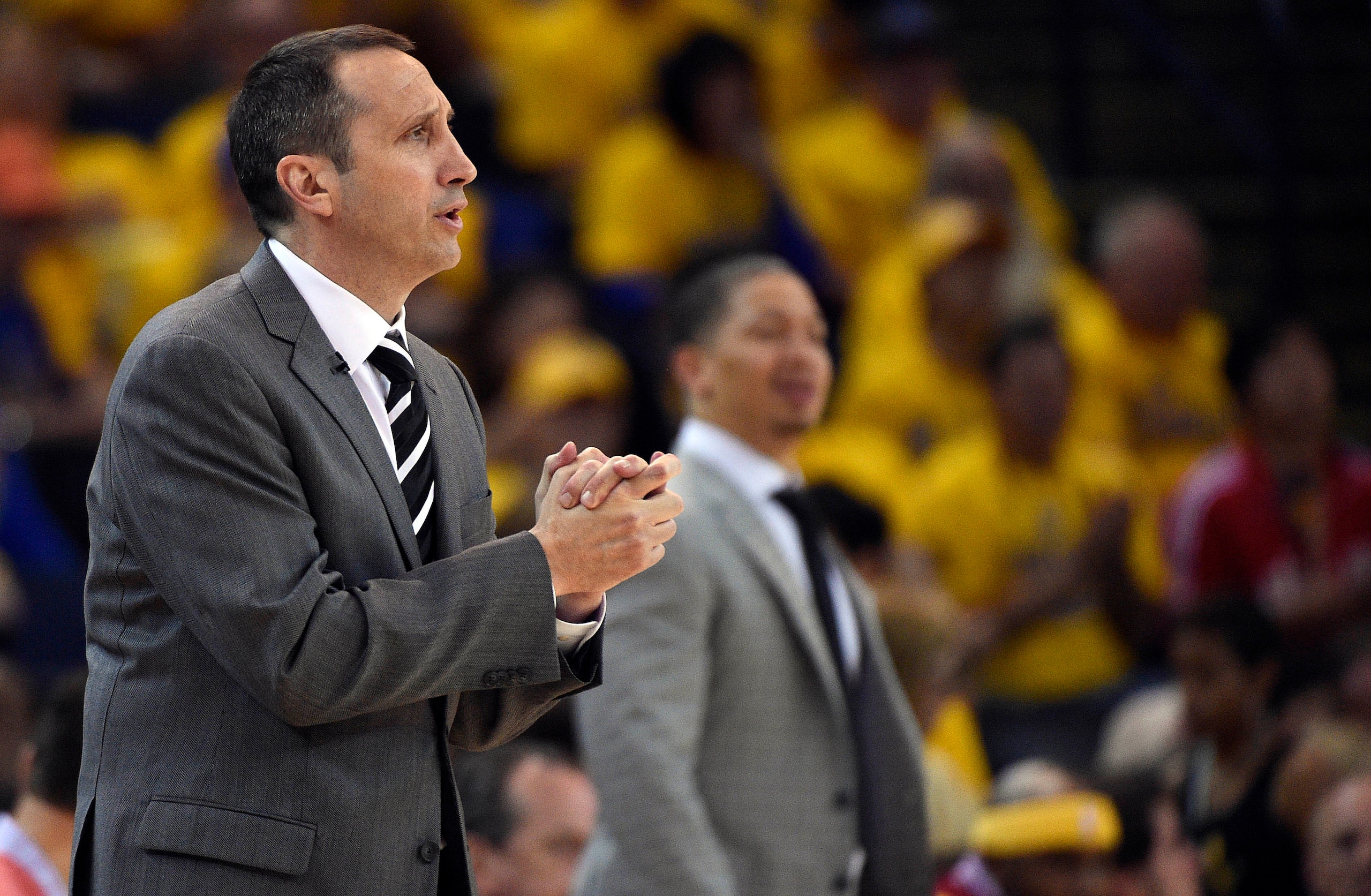
If wins and losses were the only measures of coaching success, then David Blatt aced his first NBA test. The Cleveland Cavaliers were missing three opening-night starters by season's end and still finished just two victories shy of the franchise's first world title.
But Cleveland's star-studded roster deserves the most credit for that run. LeBron James, Kyrie Irving and Kevin Love met several obstacles during their first season together, and that trio still produced 63.4 points, 18.9 rebounds and 14.8 assists a night.
Blatt's biggest challenge, one could argue, was simply staying out of the way. And even that was a struggle, at times. He never found the right role for Love. Blatt narrowly missed some potentially egregious blunders, calling for a late-game timeout he didn't have and asking James to inbound the ball instead of shoot what wound up being a game-winner.
"I had a lot to learn," Blatt said at media day, via ESPN.com's Brian Windhorst. "I didn't always realize just how much I had to learn about the game here and the ways of the game here."
Blatt is admittedly in a tight spot. He's an easy scapegoat if things go sour, and he'll struggle for credit if the Cavs steamroll through the East. But this ranking feels right based on his turbulent first trip through NBA waters.
19. Jeff Hornacek, Phoenix Suns
11 of 29
To date, Jeff Hornacek's dual-playmaker system has netted the Phoenix Suns 87 wins against 77 losses. But the returns on its effectiveness aren't nearly as cut and dry.
Hornacek found beautiful harmony (along with 48 victories) when he split the setup duties between Eric Bledsoe and Goran Dragic during his first year on the job. But last season's addition of Isaiah Thomas put too many hands in the pot, and Hornacek couldn't bring his three initiators together. The Suns got rid of two (Thomas and Dragic), but Hornacek couldn't recreate the magic with Bledsoe and Brandon Knight.
The 2014-15 iteration of the Suns never resembled a playoff team. Their minus-0.5 net efficiency rating ranked 19th overall. Hornacek enacted a controversial policy to bench any player who received a technical foul for arguing with an official, and his club still racked up the violations at a maddening rate. There was some obvious dissension within their ranks.
Phoenix has to make significant progress and do it in short order. Its biggest offseason addition was 32-year-old Tyson Chandler. Morris is already 26, Bledsoe will turn it in December and Knight is bearing down on his 24th birthday. The Suns certainly aren't old, but they're not young enough to accept multiple campaigns falling short of the postseason.
This is the final guaranteed season on Hornacek's contract. He has to prove himself worthy of an extension either for his ability to win now, player development skills or, ideally, a combination of both.
18. Michael Malone, Denver Nuggets
12 of 29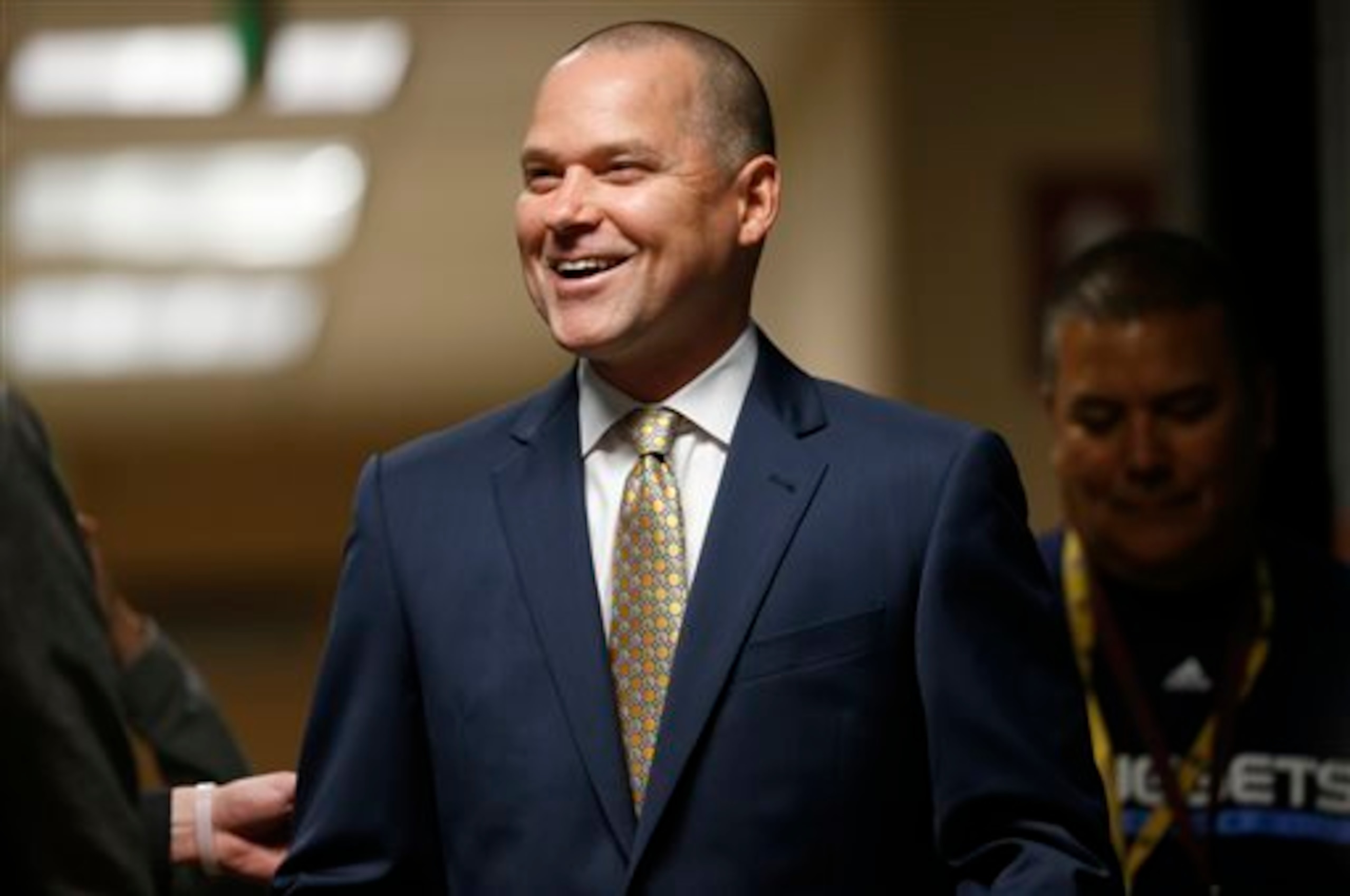
New Denver Nuggets coach Michael Malone is a perfect example of the process yielding more truths than the actual results.
The season-plus he spent in Sacramento looked like a flop. He inherited a 28-win team and transformed it into...a 28-win team. His second year lasted all of 24 games before he was axed amid a span of seven losses in nine games.
But there were signs of improvement everywhere. In 2012-13, the year before Malone took over, the Kings surrendered 108.6 points per 100 possessions (29th). Before receiving his walking papers, he had trimmed that number to 104.2 (tied for 17th).
He connected with short-fused star DeMarcus Cousins and pulled some transcendent play out of him. Before the big man was lost to a bad case of viral meningitis, he was averaging 23.5 points on 51.2 percent shooting and 12.6 rebounds. The Kings, 9-6 when he went down, were on pace for 49 wins.
Malone can coach. Before heading the Kings, he helped right the defensive ships in Golden State and New Orleans as an assistant. The Nuggets need their own overhaul; they were 26th in defensive efficiency last season. But their offense needs a boost too (21st), and Malone must provide two-way balance to climb the league's coaching ladder.
17. Dwane Casey, Toronto Raptors
13 of 29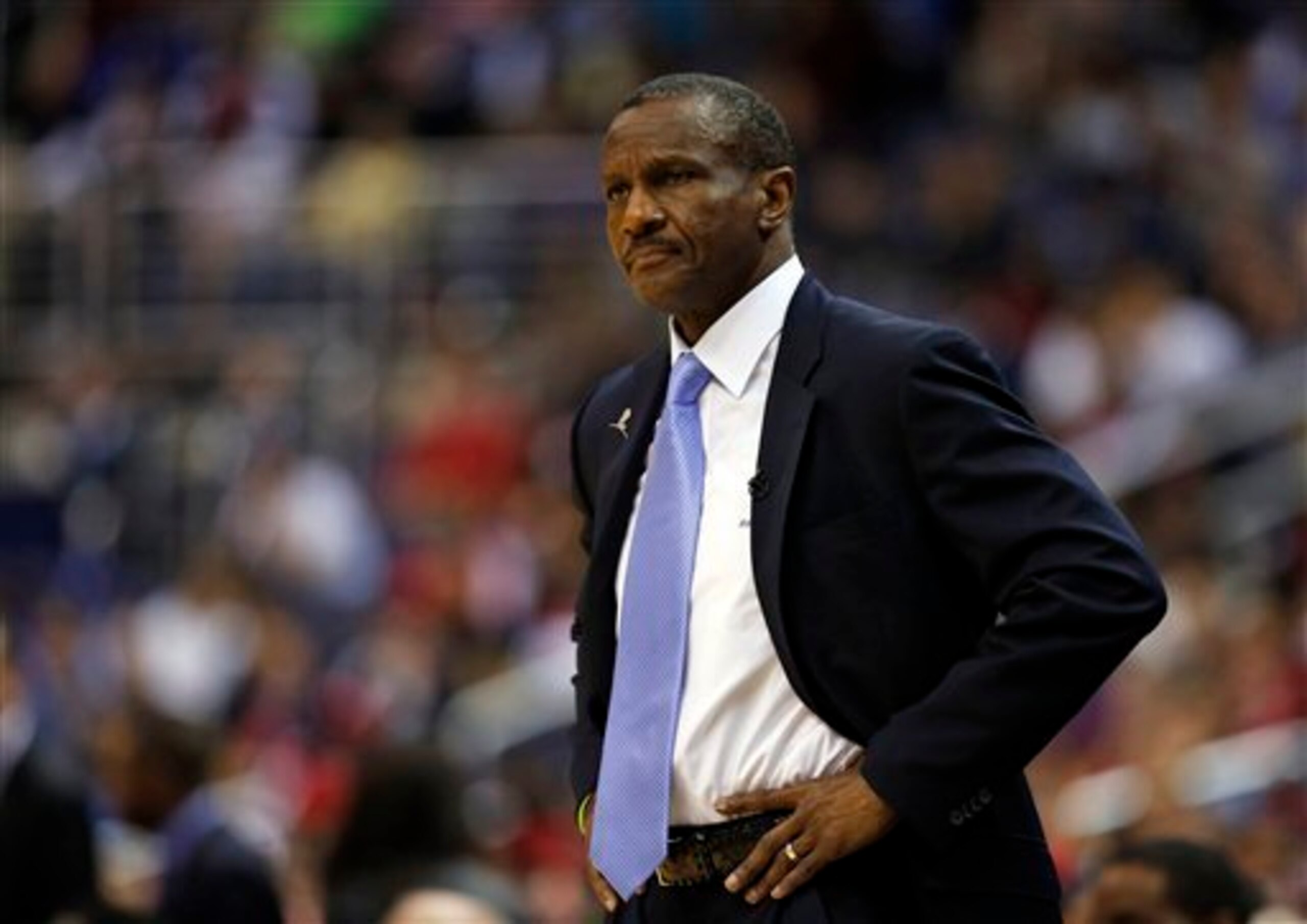
The Toronto Raptors are so much better now than when they hired head coach Dwane Casey in 2011.
During their first 16 years of existence, they captured a single Atlantic Division title. They have taken home two over Casey's first four seasons on the job. They've also twice set a franchise record for wins, first 48 in 2013-14 and then 49 the following year.
He's a great communicator, and his players understand what's expected of them. But his resume isn't quite as strong as it seems.
The Raptors survived off point production alone last season, which has never been Casey's specialty. Their third-ranked attack subsisted on inefficient isolations for DeMar DeRozan, Kyle Lowry and Lou Williams. Toronto's defense was a disaster (23rd overall), and that area is supposed to be Casey's strength.
The team has done some good under Casey's watch, but the fanbase is right to want more. Both of the Raptors' playoff runs have fallen apart in the opening round, and the few prospects he's had have flashed few signs of growth. Toronto had an active offseason, and if that doesn't produce on-court improvements, Casey's seat could get uncomfortably warm.
16. George Karl, Sacramento Kings
14 of 29
If coaching came down to strategizing alone, George Karl would hurdle up this list.
He's a brilliant offensive mind. Nearly every team he touches turns to point-producing gold, and what's most incredible about that is the malleability of that gift. Everyone has a vision of Karl's teams running opponents off the floor in Denver, but his Ray Allen-Glenn Robinson-Sam Cassell Milwaukee Bucks teams played at a controlled pace and still shredded defenses.
Two-way balance has often proved elusive for him, but he's found success nevertheless. He is one of only six coaches with at least 1,100 career wins, and he has the fourth-best winning percentage in that exclusive group (.596).
But the personality-management portion of his profession has always been a pesky obstacle. As Yahoo Sports' Marc J. Spears wrote in February, Karl "has a strong personality and has been known to sometimes conflict with front offices and not always see eye to eye with players."
Karl has only coached the Sacramento Kings since February, but he's almost made it a point to validate Spears' take. Karl has already butted heads with his best player, DeMarcus Cousins, and upset some members of the front office.
Some might argue that winning makes Karl worth the trouble, but that would be easier to buy if his playoff resume looked a little better: 80-105 record, two series wins since 2002.
15. Alvin Gentry, New Orleans Pelicans
15 of 29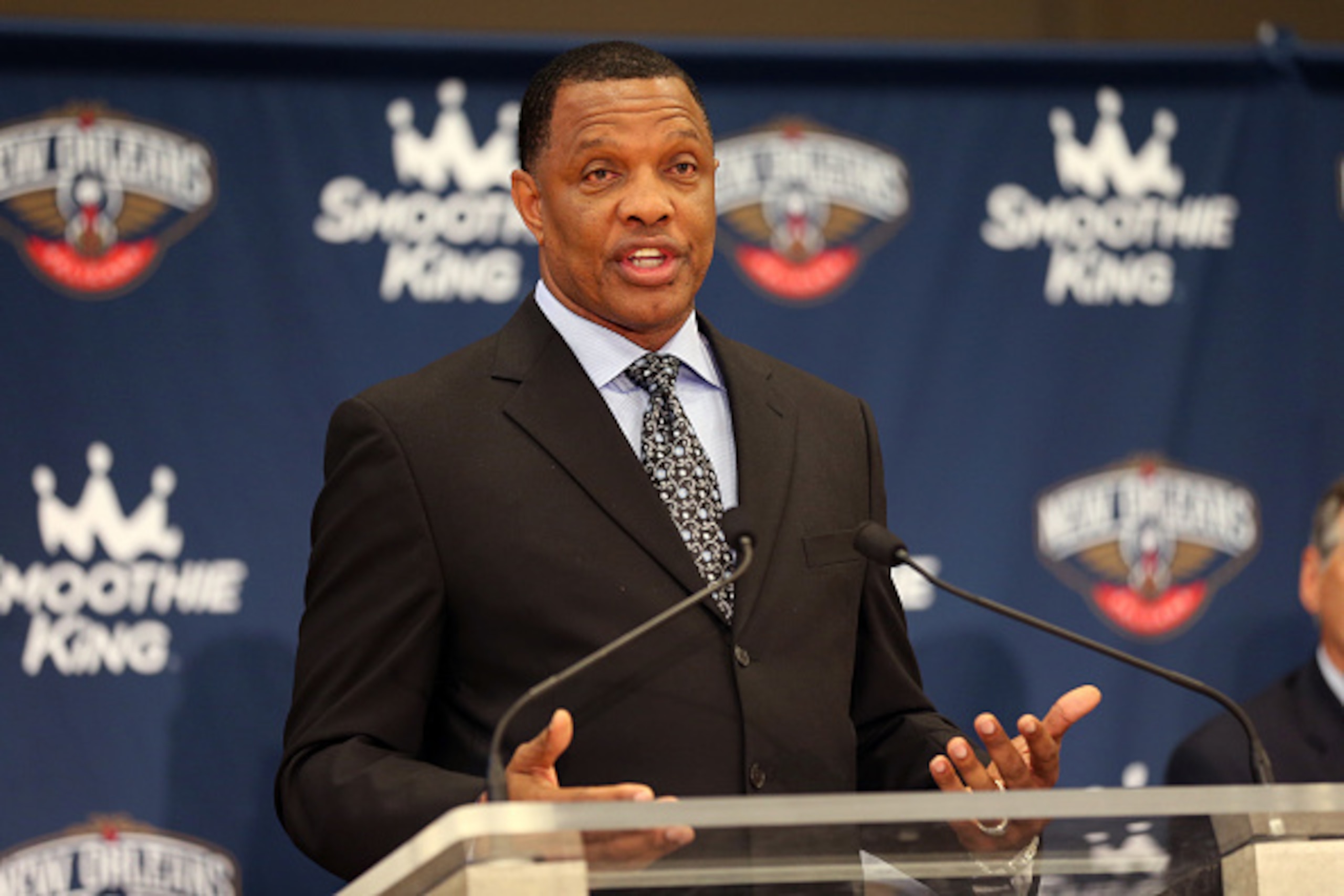
First-year New Orleans Pelicans coach Alvin Gentry's track record paints him as perfectly average. Over parts of 12 seasons as a head coach, he's compiled a 335-370 mark (.475 winning percentage).
But his reputation doesn't hold him in the light of mediocrity. He is widely praised as an offensive genius, both for what he's accomplished in a leading role and as an assistant. His 2009-10 Suns team posted the fourth-highest offensive rating in the Basketball-Reference.com database (115.3). The past two seasons he's helped build elite attacks with the Clippers and Warriors.
"The man's a great offensive mind who inspired us to kind of dig deep in our skill sets to expand our offense," Stephen Curry said, per Bay Area News Group's Jeff Faraudo. "New Orleans made a great hire to get them to another level."
Gentry's first, second and third priorities should be maximizing Anthony Davis' freakish potential. Operation "Unleash the Brow" has already seen Davis bulk up his frame and expand his offensive range. The soaring star should have more responsibilities, more touches and, ultimately, more production this season.
But there are other issues for Gentry to address. He has to solve the perimeter puzzle that is the Jrue Holiday-Eric Gordon-Tyreke Evans trio, then work with lead assistant Darren Erman on fixing the Pelicans' 22nd-ranked defense.
14. Kevin McHale, Houston Rockets
16 of 29
It's hard to tell whether Kevin McHale has elevated the Houston Rockets during his four seasons on the sideline.
Their winning percentage has climbed each of the past three years, but their talent base has grown along the way. With star-gazing general manager Daryl Morey delivering a pair of heavy hitters (James Harden and Dwight Howard), Houston has transformed from playoff hopeful to full-fledged contender.
McHale deserves some of that credit. He elicits tremendous effort from his players, which is a major reason why the Rockets rolled to 56 wins despite having Howard, Patrick Beverley and Terrence Jones all miss at least 25 contests. They tightened their defense and made their first Western Conference Finals appearance in nearly two decades.
But McHale failed to build a functional offense without Harden. Houston averaged 14 fewer points per 100 possessions when he wasn't playing. Its defense also collapsed at the worst time, holding the fifth-worst efficiency rating in the postseason.
The Rockets are built to win now. The pieces appear in place to do just that, but only if McHale can hold his defense together, make his offense less Harden-dependent and masterfully manage the point guard rotation with Beverley and newcomer Ty Lawson.
13. Stan Van Gundy, Detroit Pistons
17 of 29
It took some time before executive Stan Van Gundy could morph the Detroit Pistons into the type of team coach Stan Van Gundy prefers. Truth be told, the roster might not be there yet, but it's certainly more conducive now to the four-out system he ran to great success in Orlando.
Van Gundy's first season in Motown was one of housekeeping. He had to tear down the oversized frontcourt he inherited to give Andre Drummond room to breathe underneath. Waiving Josh Smith and letting Greg Monroe walk in free agency should help balance the floor, provided stretch forwards Ersan Ilyasova, Marcus Morris and Anthony Tolliver provide enough perimeter shooting.
"Van Gundy appears to be on the right track," wrote NBA.com's Shaun Powell. "He's a good coach and so far hasn't made a grave mistake as a general manager. It's his time, and this is his team."
Van Gundy is a sharp enough coach to ascend these rankings quickly. Last season was the first losing campaign of his career. He even owns a winning postseason record (48-39) and has coached in three different Eastern Conference Finals.
But he has to make up for lost time after last season's blunder. The Pistons might not have looked playoff good, but they didn't seem 50-loss bad, either. He couldn't mesh his system with that roster and will enter this campaign without excuses, as his players all appear to fit his vision.
12. Quin Snyder, Utah Jazz
18 of 29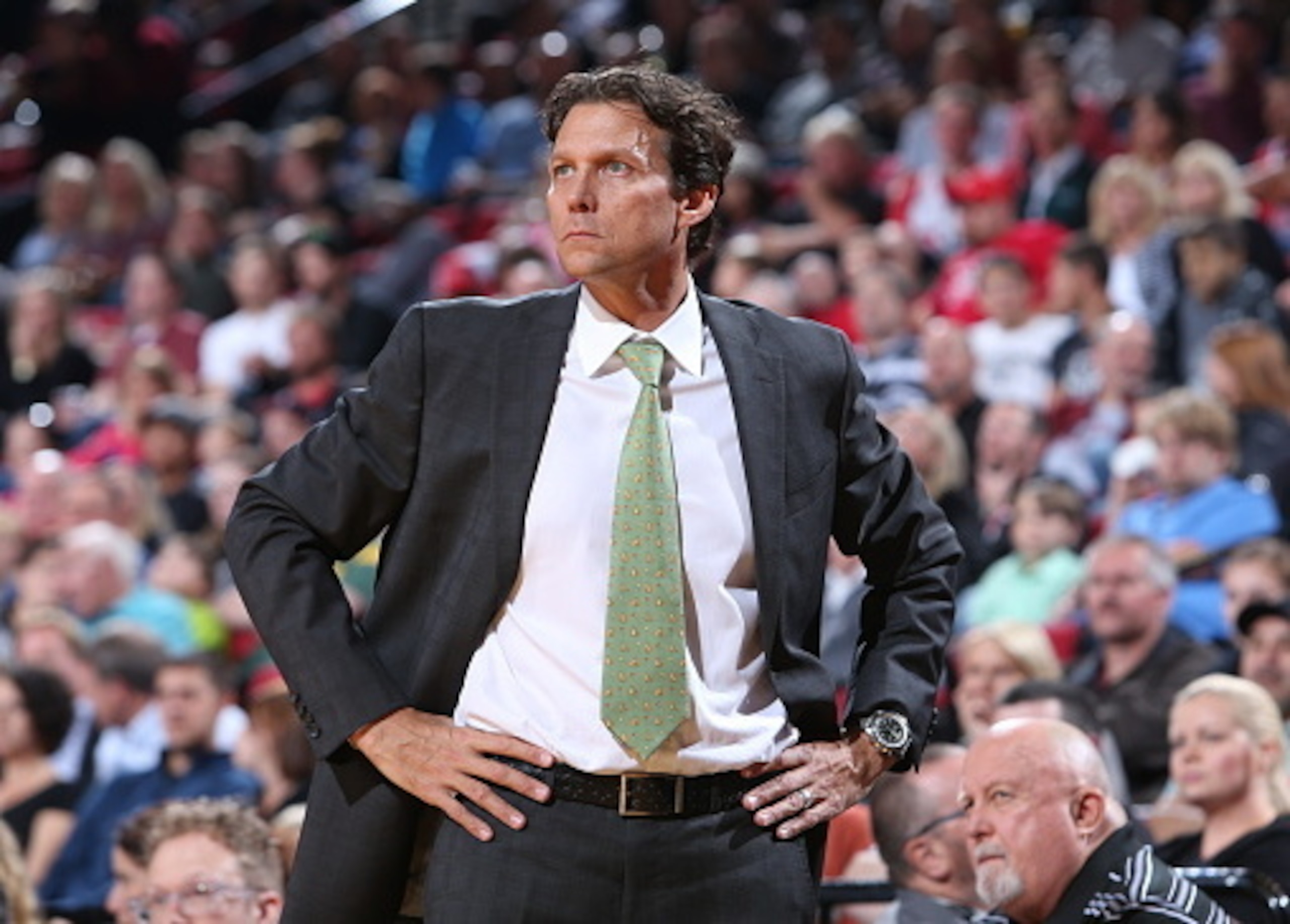
Do the Utah Jazz look like playoff participants? The obvious answer is no, right? Their roster lacks star power, and it's so incredibly young.
And yet, postseason contention doesn't seem optimistic enough with the strings coach Quin Snyder pulled down the stretch. After trading Enes Kanter and promoting Rudy Gobert to the starting five, the Jazz burst out of the All-Star break with 11 wins in 13 games.
They cooled off a bit late but still held a 19-10 mark after intermission. More impressively, they had the league's stingiest defense and fourth-best net efficiency rating over that stretch.
"I don't think people realize how intelligent he is," Hawks All-Star forward Paul Millsap said in July 2014, via Kurt Kragthorpe of the Salt Lake Tribune. "His basketball IQ is on a different level."
Snyder will have to lean on those smarts as he deals with the loss of highly touted prospect Dante Exum (torn ACL). For the Jazz to crack the West's loaded playoff field, they'll have to be special again on defense and far more productive at the other end. And they won't sneak up on anyone; the public might be snoozing on Salt Lake's finest, but the league isn't making the same mistake.
11. Terry Stotts, Portland Trail Blazers
19 of 29
Terry Stotts has shattered the Portland Trail Blazers' expectations. And I can say that with confidence despite not knowing where his bar was set.
The Blazers were in a dark place when Stotts took over in 2012. Injuries had forced potential saviors Brandon Roy and Greg Oden off the floor. Portland's playoff door seemed closed and bolted shut for the near future, at least.
But Stotts helped to break down that barrier. He helped create tremendous chemistry in the opening group, and the quintet of LaMarcus Aldridge, Damian Lillard, Wesley Matthews, Nicolas Batum and Robin Lopez became one of the NBA's premier starting groups. The Blazers won 54 games in 2013-14 and, despite a few injury blows, another 51 last season.
However, that number could plummet this year. Four of Portland's starters are gone, with Lillard as the lone holdover. The Blazers suddenly find themselves entrenched in a youth movement, and Stotts could have trouble guiding them out. Even with those last two playoff runs, his career coaching record is a forgettable 253-276. Take those campaigns out, and his winning percentage sinks to .405.
10. Dave Joerger, Memphis Grizzlies
20 of 29
Adaptability is a tremendous trait for any coach to have, and Dave Joerger displayed plenty of it during his first two seasons as head coach of the Memphis Grizzlies.
When he first grabbed the reins in 2013, he preached the importance of pace and space. It took all of a few weeks to discover that the grit-and-grind crew worked best in the mud.
But to Joerger's credit, he molded his strategy to fit his personnel. The Grizzlies methodically operated at the fifth-slowest speed and clawed their way to 55 wins. They even put a scare into the eventual champion Warriors during their second-round battle, before Memphis' offensive woes derailed its upset bid.
Joerger sounds fully ingrained in the slugfest style, but the Grizzlies aren't missing any grittiness.
They need their coach to realize his vision of better offensive execution. Their attack still isn't at the level of a true contender (13th in efficiency), and Joerger must mold Marc Gasol into the offensive force he can be (20.1 points per game through December) but hasn't been on a nightly basis (15.8 after).
9. Erik Spoelstra, Miami Heat
21 of 29
No coach encountered more adversity last season than Miami Heat frontman Erik Spoelstra.
The hits started over the summer when LeBron left South Beach for the friendly confines of Ohio. The blows never really stopped coming after that. Chris Bosh was limited to 44 games after blood clots were discovered on his lung. Dwyane Wade spent his usual 20 contests on the injury report.
The rotation became a revolving door, and Spoelstra eventually rolled out a franchise-record 31 different starting lineups, according to Joseph Goodman of AL.com.
But that's all in the past. The Heat should have a fully loaded starting five now, plus a rebuilt bench behind them. President of basketball operations Pat Riley sees "all of the elements of a championship team," per Ira Winderman of the Sun Sentinel. In other words, Spoelstra is under the spotlight.
The coach has four consecutive NBA Finals berths and two world titles on his resume. But all of that success came with a generational trio of James, Bosh and Wade. This is Spoelstra's chance to show he can make the same kind of noise without the planet's best player on his side.
8. Jason Kidd, Milwaukee Bucks
22 of 29
It'd be a stretch to say Jason Kidd made a seamless transition from player to coach.
Had this list come out 18 months ago, Kidd might have brought up the caboose. His first season on the sideline, spent in Brooklyn, included both a public falling out with then-assistant Lawrence Frank and a six-figure fine for intentionally spilling a soda to stop the clock when he didn't have a timeout. Perception of his coaching acumen couldn't have been lower.
But Kidd traversed those clunky moments and never looked rattled. In fact, he's done a masterful job in the face of adverse conditions.
During his lone season in Brooklyn, he lost Brook Lopez after 17 games to a broken foot and got one of the least productive campaigns of Deron Williams' career. The Nets, who lost 14 of their first 19 games, finished with a 44-38 mark and promptly dispatched the third-seeded Raptors.
Last season, he took over the 15-win Milwaukee Bucks. He lost the No. 2 pick Jabari Parker to a torn ACL after only 25 games. Milwaukee's starting center, Larry Sanders, made 27 appearances before walking away from his NBA career. Brandon Knight, the team's top scorer, was shipped out at the deadline for the lanky but incredibly raw Michael Carter-Williams.
Those Bucks went 41-41—they were 30-23 before the point guard swap—and jumped from 29th to second in defensive efficiency. Milwaukee fans should be drooling over what Kidd can do now that Parker is healthy, Greg Monroe has arrived and the rest of this roster has grown another year wiser.
7. Frank Vogel, Indiana Pacers
23 of 29
Before Frank Vogel took over on an interim basis in 2010-11, the Indiana Pacers were mired in a four-year playoff drought.
The long-time assistant helped snap that dry spell, then perpetually pushed the Pacers further up the Eastern Conference pecking order. During his first three full seasons, Indiana went 147-82, the second-best mark in the East and fifth best overall. The Pacers made back-to-back runs to the conference finals in 2013 and 2014.
Vogel missed the playoff party for the first time last season, but he didn't go down without a fight. Despite missing All-Star swingman Paul George for all but six games (broken leg), the Pacers only missed the postseason by virtue of losing a tiebreaker to the eighth-seeded Nets.
"The NBA is a long season. It's a war of attrition at times, and sometimes you can bottom-out," former Pacers forward David West said in April, per Vigilant Sports' Scott Agness. "He just hasn't allowed us to do that."
The Pacers fight hard for Vogel, and they'll need that energy to carry them through the upcoming transition. Gone are the defense-first mantras and three of the starters from those contenders of yesteryear. Indiana is out to get smaller, faster and more offensively potent, and it's on Vogel to prove he can still win with a dramatically different style.
6. Brad Stevens, Boston Celtics
24 of 29
The Boston Celtics long viewed Brad Stevens as a potential coaching hire. But they haven't made life easier on their 38-year-old signal-caller since bringing him on board in 2013.
Stevens' starting five for his first game in 2013-14 featured just one current Celtic, Avery Bradley. President of basketball operations Danny Ainge has been aggressively retooling his roster these past few seasons, clearing all the remnants of the 2008 title team and preparing for the next championship run. The Celtics had 19 different players in the 2013-14 campaign, then 22 this past season.
It's been chaos around Stevens—and he's somehow managed to create harmony. While Ainge was busy collecting what he could for Rajon Rondo and Jeff Green last season, Stevens was turning a 57-loss team into a feisty 40-win playoff participant.
"He's a terrific coach," Celtics former skipper Doc Rivers said of his successor, via ESPN.com's Chris Forsberg. "He runs terrific stuff. And I thought this year, after all the trades, you could see he had a group of guys that believed in him and you can see the difference in their play."
Ainge is still searching for a star, and he may well continue rotating pieces until he finds one. But Stevens has emerged as an elite coach without the help of stability. It's frightening to think what he'll do once Ainge submits his finished product.
5. Doc Rivers, Los Angeles Clippers
25 of 29
Doc Rivers knows what makes NBA players go. He was part of that fraternity for 13 seasons.
He understands how to bring (and hold) a locker room together, and he's used the Ubuntu philosophy rally cry to unite his players in pursuit of a common goal. He's also a sharp tactical mind who can create open looks at a moment's notice or suffocate an opposing offense.
He has had the fortune of coaching really good players, but he played an active role in helping them find success. Kevin Garnett called Rivers "one of the closest influences I've had in this league," via Tim Bontemps of the New York Post. The Los Angeles Clippers have set a franchise record for wins under Rivers' guidance (57 in 2013-14).
He won a ring during his nine-year stint with the Celtics, and he's kept the Clippers among the league leaders in victories and efficiency (plus-6.9 last season, second overall). He's also coming off his most productive offseason as an executive, having acquired the likes of Paul Pierce, Lance Stephenson and Josh Smith, among others.
But the basketball world is waiting for Rivers to lift the Clippers from very good to great. If this roster stays healthy, he'll be expected to orchestrate that rise sooner rather than later.
4. Mike Budenholzer, Atlanta Hawks
26 of 29
Mike Budenholzer isn't unique for trying to mirror the San Antonio Spurs' style. What sets apart the Atlanta Hawks head coach is the success he's found as a result.
Atlanta has become Alamo City East. The Hawks soared to a franchise-best 60 wins last season, and their rise was intrinsically tied to their egalitarian approach.
Everything about the organization valued the team over individuals. No one monopolized the spotlight; all five Atlanta starters were named January's Eastern Conference Players of the Month, and four of them suited up at the All-Star Game. The Hawks assisted on an NBA-high 67.6 percent of their field goals.
There's a synergy between Budenholzer's philosophy and in-game strategy.
"There's this really fine line that some coaches don't try to walk," Hawks sniper Kyle Korver told ESPN.com's Kevin Arnovitz. "I feel like every coach is either really good at X's and O's or a really good personality manager, and there aren't many coaches who know how to walk the middle. Bud? I've never seen a coach at any level who does it better than him."
Budenholzer broke out in a big way last season, rolling to the Eastern Conference Finals and earning Coach of the Year honors. But he needs to show he can sustain that level of success, which will be no small task with DeMarre Carroll's two-way talents removed from the starting lineup.
3. Steve Kerr, Golden State Warriors
27 of 29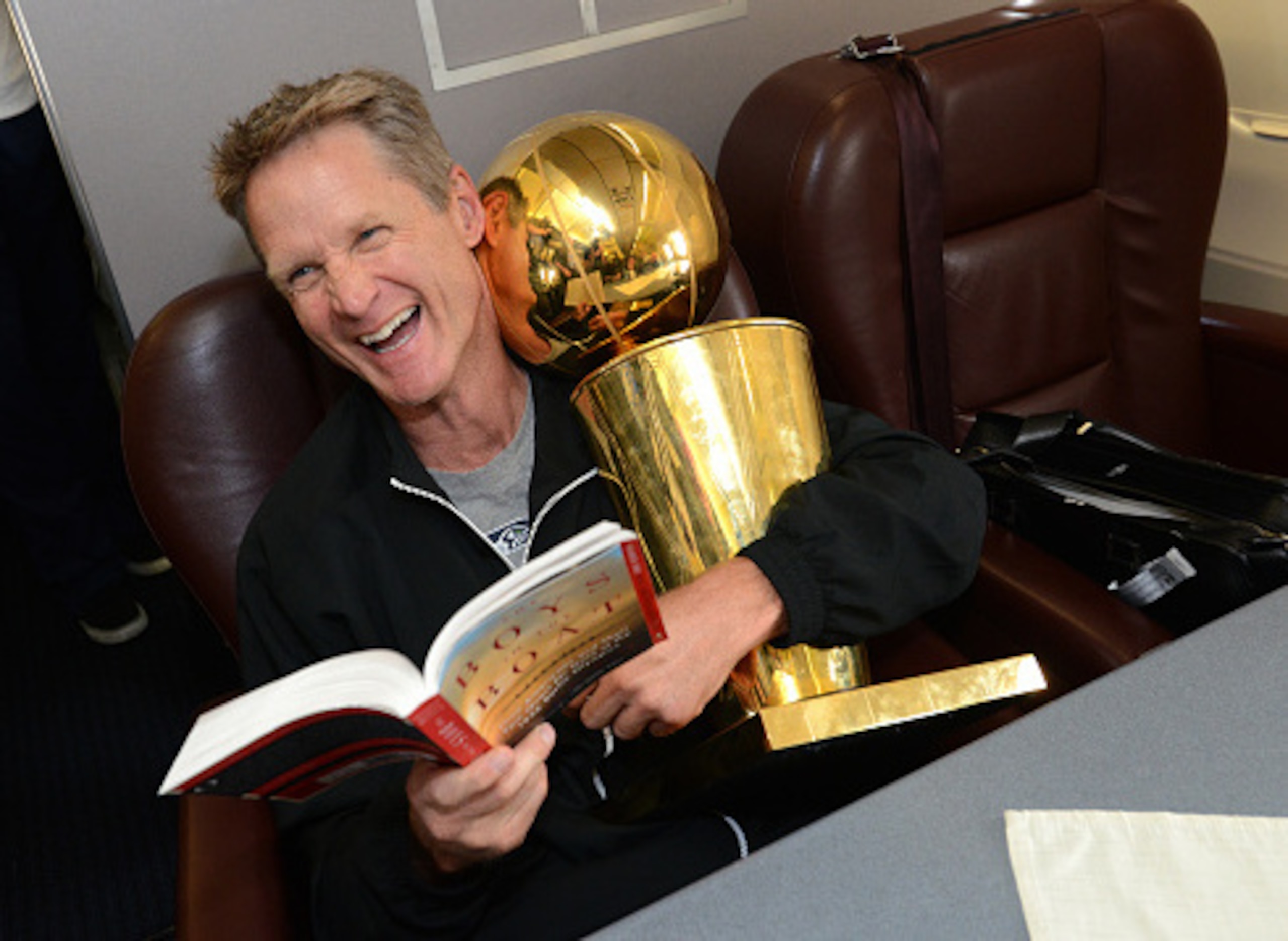
Steve Kerr did nothing to deny himself a top-two spot on these rankings.
His debut run with the Golden State Warriors was every bit as impressive as possible. The Warriors tied for the sixth-most wins in NBA history (67), led the league in field-goal percentage (47.8) and field-goal percentage against (42.8) and captured their first title since 1975.
"That's at least one reason the Warriors maintained their high-level cool for eight months: Their leader refused to let the pressure knock him or his players off-stride," wrote Scott Ostler of the San Francisco Chronicle. "Kerr makes everything look easy. It's a talent, a gift."
Credit Kerr for recognizing a good gig when he saw it; remember how close he came to overseeing the Knicks' dumpster fire? And credit him for making the position even better by surrounding himself with a loaded assistant staff, headlined by Gentry and Ron Adams.
Kerr had plenty of assistance during his dream season, but he was far more than a fortunate bystander. He commanded control of a locker room that strongly supported his predecessor (Mark Jackson), got a pair of former All-Stars to accept supplementary roles (Andre Iguodala and David Lee) and helped the team make significant strides on both sides of the ball.
But an ideal campaign is still only one season. Kerr's sophomore act should highlight exactly what kind of coach he is.
2. Rick Carlisle, Dallas Mavericks
28 of 29
Rick Carlisle is a coaching genius.
His tactical mind is razor sharp. His minute-to-minute adjustments can alter the outcomes of games or playoff series. He routinely makes the absolute most of what he has, whether that's building a title team out of Dirk Nowitzki, Tyson Chandler and an aging Dallas Mavericks core or proving to be a perennially prickly playoff matchup.
Carlisle has won, and won big, everywhere he's been. In 13 years on an NBA sideline, he's had just one losing year (2006-07, when his Indiana Pacers went 35-47 after engineering an eight-player trade that January). He has coached three teams—the Pacers, Pistons and Mavericks—and taken each of them to the conference finals, breaking through to win the 2011 title with Dallas.
And he can win with whatever he's given. He has made the Mavericks an offensive machine (fifth in efficiency last season), but his Pistons teams pounded opponents into submission at the defensive end (fourth in defensive rating, 2002-03).
Because he's constantly competing for a playoff spot, he can be reluctant to let young prospects loose. If there's any mark against him, that's probably it.
His longevity and consistency both vault him into this lofty ranking. But he happens to share those strengths with the top coach on our list, who's been setting NBA standards in those areas and a few others.
1. Gregg Popovich, San Antonio Spurs
29 of 29
Was there ever any doubt who would occupy this spot?
Gregg Popovich is easily the best coach of his era, perhaps across all sports. The San Antonio Spurs have been absurdly dominant during his reign. They've had 16 consecutive 50-win seasons, and that streak was only disrupted by the 1998-99 lockout (they were on pace for 60.7 victories that year).
"There's not many marriages that last 16 years," ESPN analyst and former NBA coach Jeff Van Gundy told NBA.com's Fran Blinebury. "Think about working that closely together in a relationship, under that pressure and scrutiny and still enjoying each other's company. What they've done is sustained greatness."
Popovich has steered the Spurs to five world titles, winning with dominant defense, explosive offense or, more often than not, a combination of both. He has balanced every ego he's had, successfully sold roles to all types of players, slowed the aging process by masterfully managing minutes and implemented a fundamentally sound system that has been mimicked (though never duplicated) around the league.
"I believe he's the best NBA coach of all-time," CBS Sports' Matt Moore wrote last September. "Phil Jackson has the hardware. Gregg Popovich has 15 years of legitimate contention, five titles and is a three-time Coach of the Year. He's got the resume over Jackson and the competition level over [Red] Auerbach."
Unless otherwise noted, statistics used courtesy of Basketball-Reference.com and NBA.com.
.jpg?w=2560 "Biggest NFL Contract Decisions 📋")
.jpg?w=2560 "Grading SummerSlam Night 1 🔠")