NBA's Cap Boom Creating Salary Imbalance That Won't Even Out Anytime Soon
When the NBA's salary cap explodes over the 2016 offseason, and again in 2017, the financial landscape it leaves behind won't make much sense.
It's the unavoidable reality attached to a $20 million bump in spending power. The league's salary cap is expected to reach $89 million in 2016, and $107 million in 2017, up from $70 million this season.
Player salaries will rise in result, but initially, only those due to explore free agency in either of the next two summers will reap the benefits. That, in turn, will give way to a temporary yet extensive window of salary imbalance.
TOP NEWS
39-Year-Old Takes Down McClung

Accounting Intern Wins Dunkman

Sneaky Trade Candidates to Watch 👀
Freshly minted deals will seem like gross overpays. Older pacts won't carry the same lucrative flair.
Over time, as preceding contracts expire, the dichotomy between new and old agreements will diminish.
For now, and for the foreseeable future, the NBA is left adjusting not only to an immediate increase in cash flow but also the radical state of the paying field that comes with it.
Immediate Effects
The mere knowledge that this shift was coming shaped the way players and teams approached 2015 free agency, as well as the number and values of rookie-scale extensions handed out ahead of the Nov. 2 deadline.
Most of the players who signed long-term contracts aimed for paydays that could at least stack up against those of the next two seasons. And if teams wanted those commitments instantly, rather than later or not at all, they obliged.
Every deal, after all, needed to be viewed through a 2016 lens, leaving the league with a bunch of immediate pay-scale disparities:
- DeMarre Carroll ($13.5 million), a career role player, is now the Toronto Raptors' highest-paid player.
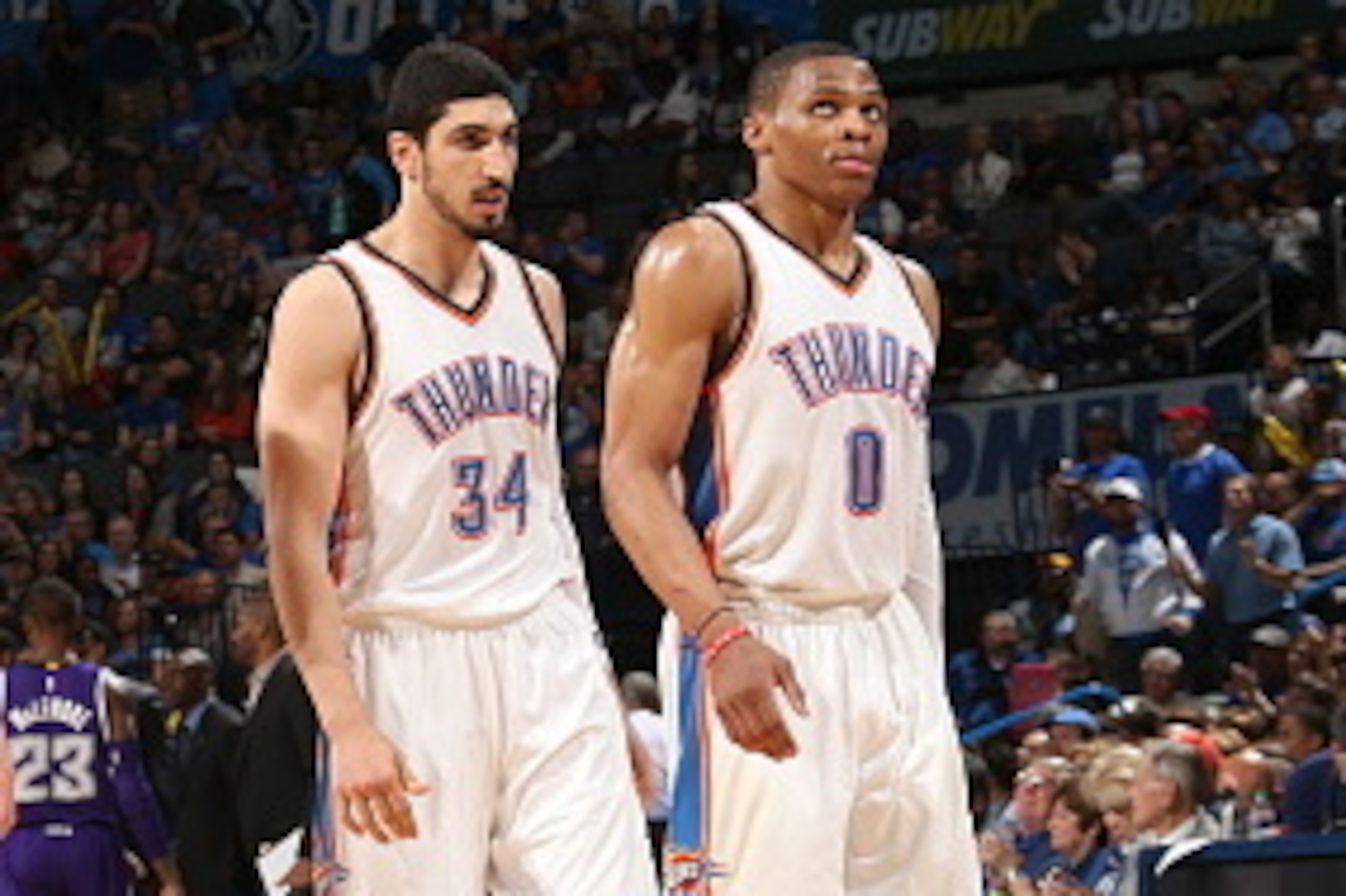
- Enes Kanter of the Oklahoma City Thunder ($16.4 million), one of the worst defenders in the league, is earning nearly $4.2 million more than Serge Ibaka ($12.3 million) this season; Kanter is also bringing home roughly $250,000 less than Russell Westbrook ($16.7 million).
- Tobias Harris ($16 million), now in the first year of his rookie-scale extension with the Orlando Magic, is making more than James Harden ($15.8 million), who is in the third year of his deal with the Houston Rockets.
- Wesley Matthews' salary jumped to $16.4 million with the Dallas Mavericks, more than double his 2014-15 earnings ($7.2 million), even though he was recovering from a torn Achilles.
- Tristan Thompson ($14.3 million) is making almost as much as Cleveland Cavaliers teammate and All-Star Kyrie Irving ($14.7 million).
Some of these anomalies—and the list goes on—will end up being just one- or two-year deviations from the mean.
Carroll won't remain Toronto's highest-paid player for long. Jonas Valanciunas' $64 million extension will kick in next season, and DeMar DeRozan, an All-Star, has the option of reaching unrestricted free agency this summer. Ibaka will be up for a new contract in 2017, so the amount of time he spends cashing smaller checks than Kanter will be limited.
Still, brief or not, these irregularities are going to become standard over the next couple of seasons—in part because of the increasing cap itself, but mostly because the projected bumps create a two-year window in which there's more available cash than talent.
A Pivotal 2016
Tom Ziller put this summer's expected frenzy in perspective for SB Nation:
"The league's projections peg the 2016-17 team salary cap at a record $89 million thanks to the new TV deal. Assuming that all player and team options for 2016-17 are rejected, every team in the NBA is currently under the projected salary cap by at least $11 million. There are three teams that could free up more than $60 million in cap space without making any additional trades or cuts.
"
Recently signed extensions (Jeremy Lamb with the Charlotte Hornets, Terrence Ross with the Raptors, etc.) will eat into those projections, as Ziller also noted. So too will any team options that are eventually exercised.
But there is still going to be gobs of cash for the taking. And only some of that coin will be divvied up among the Association's superstars, because, well, there are so few available superstars.
LeBron James won't be leaving the Cavaliers, and Dwyane Wade won't be abandoning the Miami Heat. Sorry, pipe-dreamers.
Maybe Dwight Howard will opt out of his contract with the Rockets, in which case teams will be free to pay for the services of an injury-saddled big man on the wrong side of 30.
Oklahoma City's Kevin Durant and the Atlanta Hawks' Al Horford are basically it. Depending on the day, the Memphis Grizzlies' Mike Conley will be granted entry into this exclusive club. The rest of the money will need to be allocated elsewhere, funneled into second- and third-tier talent.
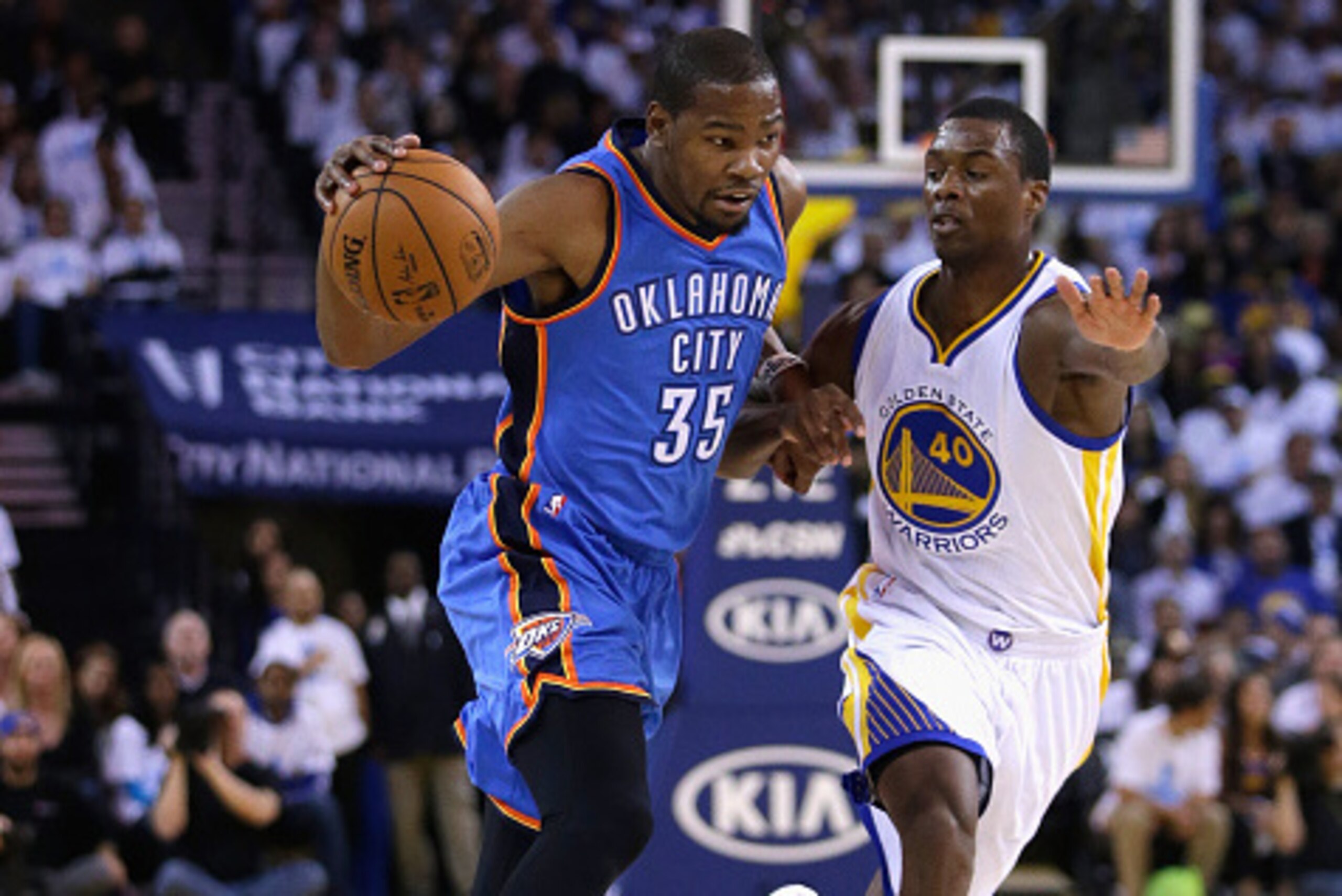
Are you ready for a world, even one with a short shelf life, in which Harrison Barnes is the Golden State Warriors' highest-paid player?
He turned down a four-year, $64 million extension, according to ESPN.com's Ethan Sherwood Strauss. If his gamble pans out, the restricted-free-agent-to-be will grab a starting salary that towers over the $16.7 million Klay Thompson, Golden State's current salary leader, is owed next season.
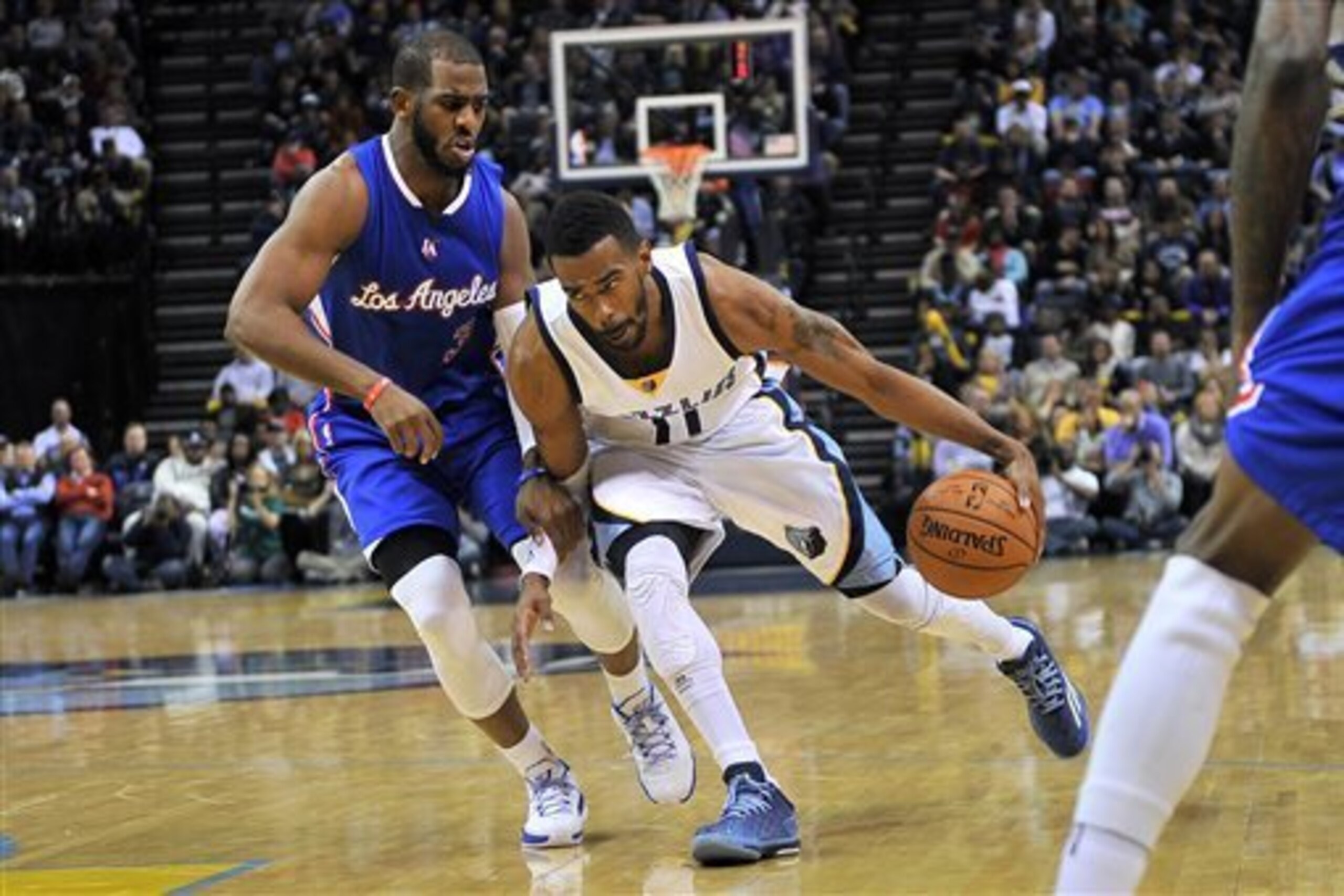
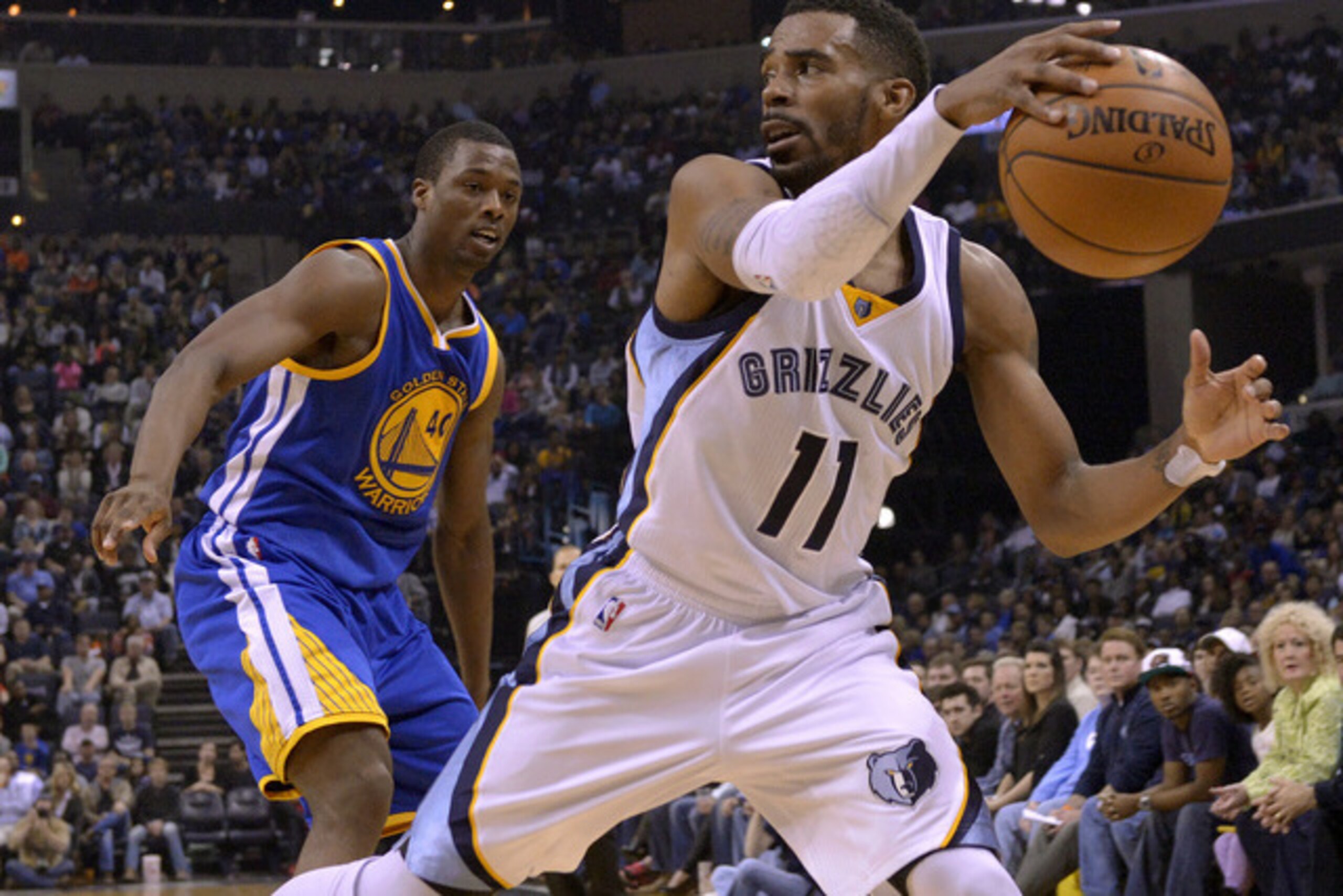
How about a world in which Conley is the league's most handsomely compensated point guard?
As a nine-year veteran—who has, perhaps wrongfully, never made an All-Star appearance—Conley will be eligible for a starting salary north of the $22.9 million the Los Angeles Clippers will pay Chris Paul in 2016-17.
Festus Ezeli, another restricted free agent, could generate offers that pay him more next season than patented superstars such as teammate Stephen Curry ($12.1 million) and Ibaka ($12.4 million).
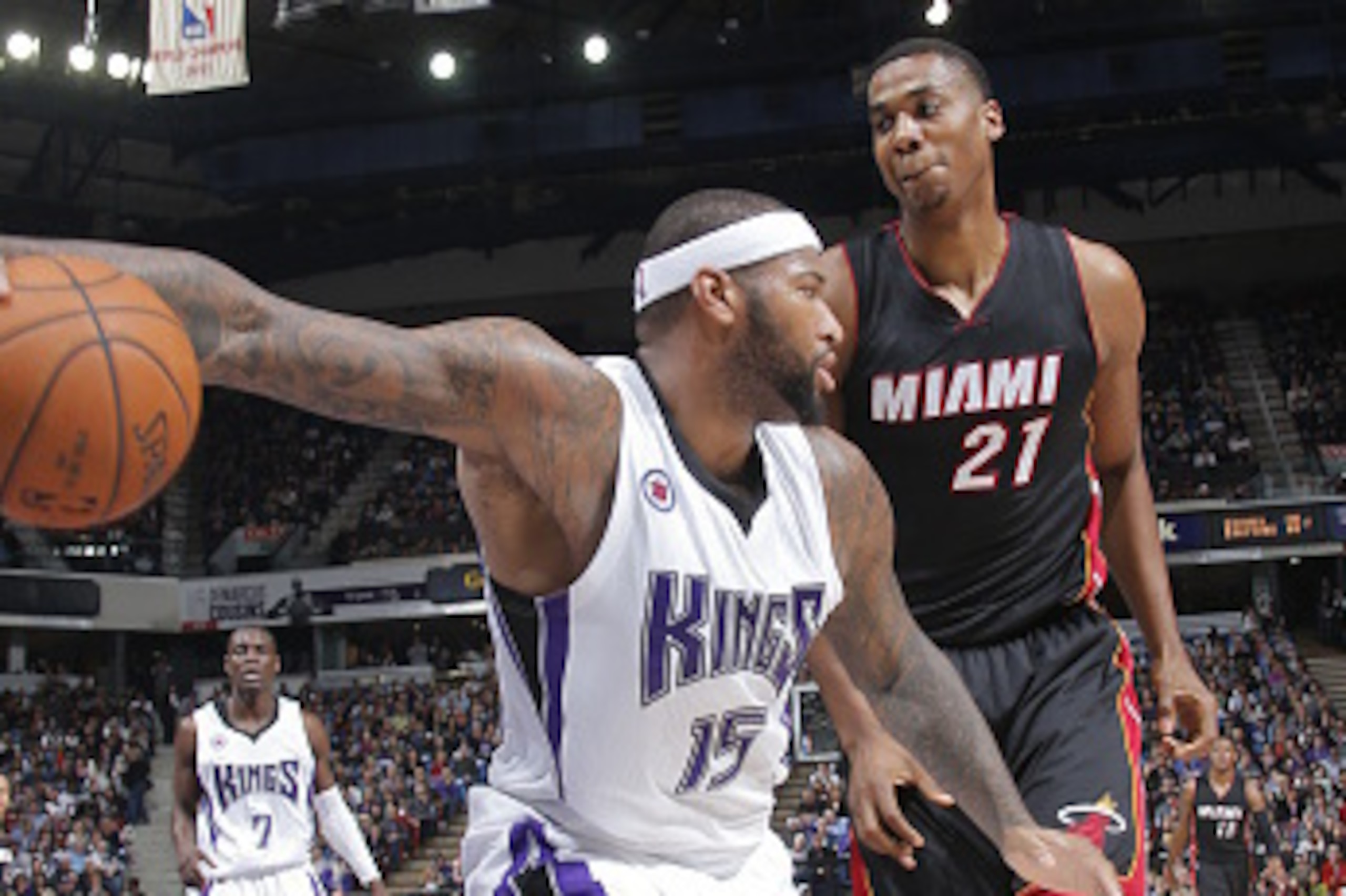
Hassan Whiteside may command a higher salary from the Heat than DeMarcus Cousins does from the Sacramento Kings ($16 million).
Nicolas Batum has a chance to extract more out of the Hornets than Draymond Green is getting from the Warriors ($15.3 million), Jimmy Butler ($17.6 million) from the Chicago Bulls and Kawhi Leonard from the San Antonio Spurs ($17.6 million).
Jordan Clarkson (restricted) might get Stephen Curry money from the Los Angeles Lakers or another team.
There's almost no limit to the pay-stub absurdities that can and will invade the 2016-17 campaign.
And while market deficiencies have always been a part of free agency—Curry's four-year, $44 million extension in 2012 will go down as one of the biggest bargains in league history—the volume in which they now can and will exist is beyond unprecedented.
Long-Term Ripples
Many of these resulting salary-cap discrepancies will be ignored. More money means higher salaries. It happens. And it's only temporary.
Curry will have a chance to purchase his own country in 2017. Ditto for Westbrook. Paul can opt out of his deal in 2018 and once again dwarf Conley's salary.
Other inconsistencies are in line to last much longer following a summer that was not at all the risk-riddled affair it was supposed to be.
Superstars like LaMarcus Aldridge, Marc Gasol, DeAndre Jordan and Kevin Love didn't sign short-term pacts and position themselves for free agency again in 2016 or 2017. They took the long-term security, putting pen to paper on old-school max deals.
Those contracts are going to look like steals. The same can be said for someone like Irving, who signed a five-year extension in 2014 instead of going the short-term route and capitalizing on the cap boom before 2019 (player option).
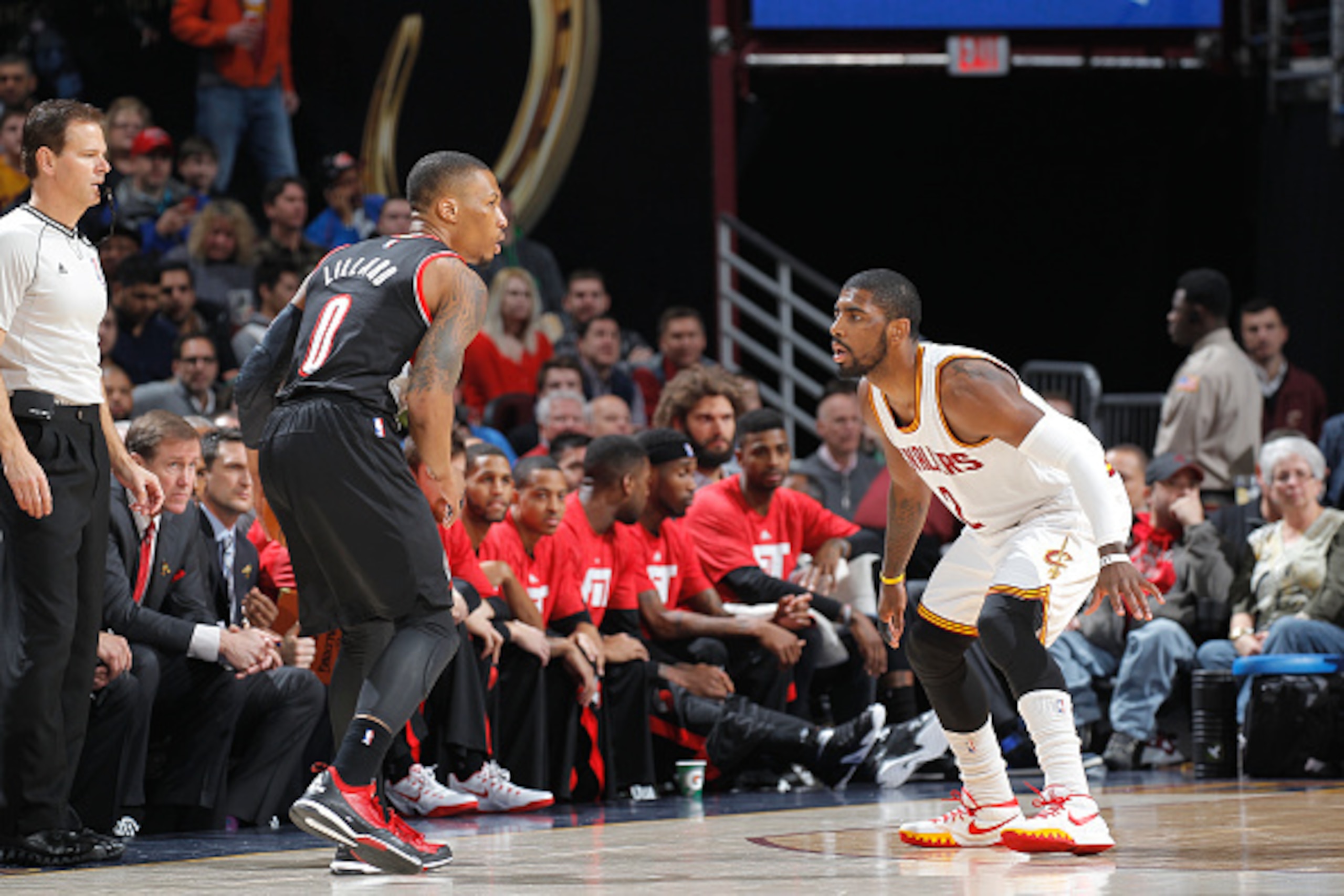
Damian Lillard, who was drafted a year after Irving, will earn $20.9 million when the first year of his extension with the Portland Trail Blazers takes effect in 2016-17. By that point, Irving will be in the second year of his deal, making just $17.6 million.
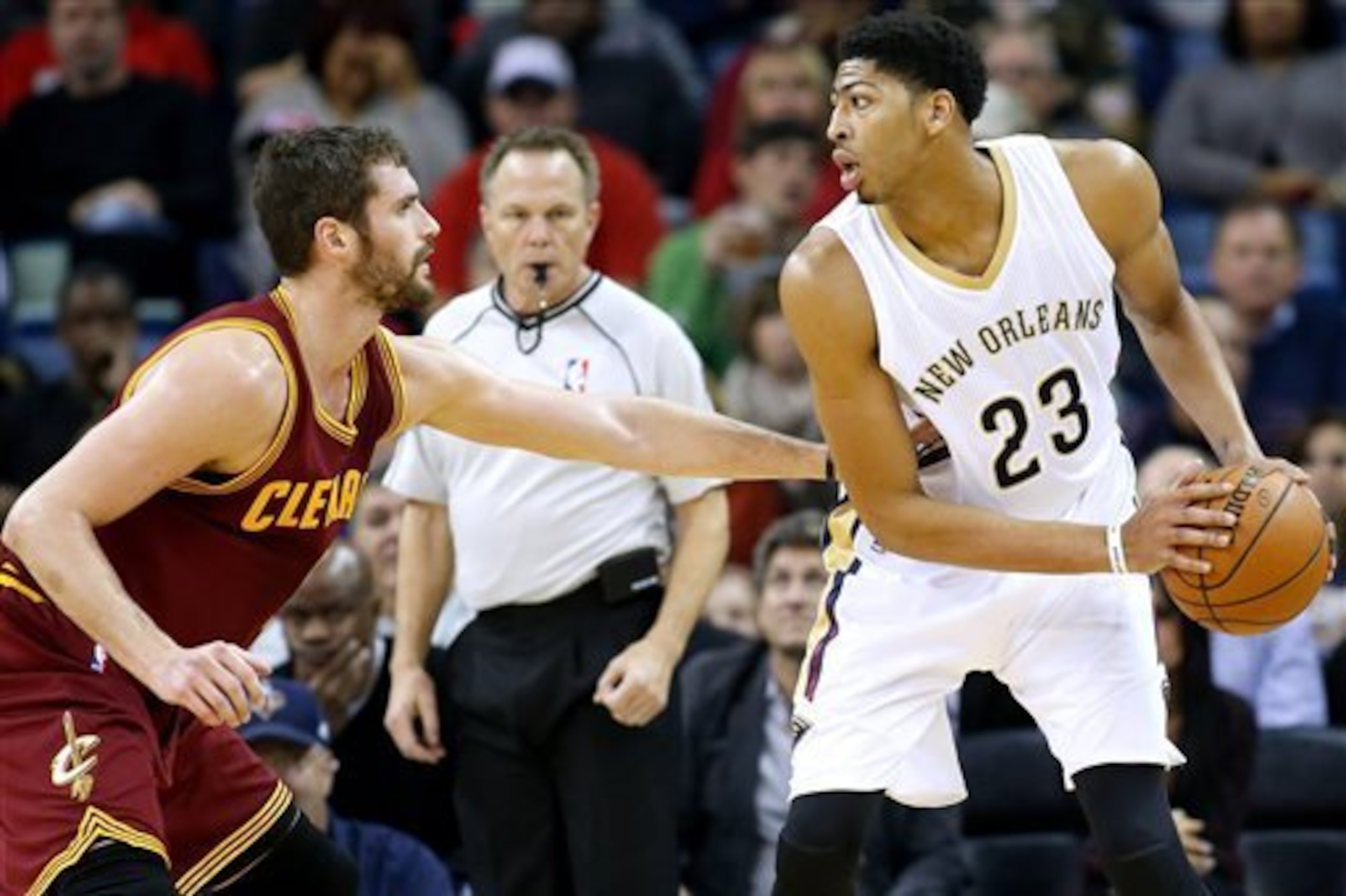
Anthony Davis will be netting almost as much from the New Orleans Pelicans in 2016-17 ($20.9 million) in his fifth season, as Gasol ($21.2 million) and Love ($21.2 million) will be from the Grizzlies and Cavaliers, respectively.
All three will eclipse the $25 million threshold in 2019-20, assuming they don't opt out of their current deals. The difference: Davis will do so at the age of 26, as an eight-year veteran, while Gasol and Love will be NBA geriatrics entering their 12th seasons.
This is much easier to process when talking about Davis, a present-day megastar and future all-time great. But it's more mind-numbing in other instances.
Denver Nuggets rookie Emmanuel Mudiay and Lakers neophyte D'Angelo Russell will be eligible for extensions that pay them more in 2019-20 than Irving, then a nine-year veteran, is scheduled to make ($21.3 million).
Bradley Beal will in all likelihood be earning more than fellow shooting guards Butler, Harden and Thompson for at least two seasons, though possibly more, after inking a new contract with the Washington Wizards this summer.
And for a league that has long been set up to pay players more later in their careers, the idea that less established talent, even if only for a few years, will be pacing its new financial order represents quite a shakeup.
Competitive Repercussions
More complicated still, the market for newer contracts is compounded by the stock teams are placing in the forthcoming salary-cap jump.
As former Brooklyn Nets assistant general manager Bobby Marks put it:
At least 18 teams are positioned to enjoy max space this summer, according to CBS Sports' Ken Berger, and that number should climb.
So it won't just be bare-boned squads that have the wiggle room to dole out huge paydays. Playoff hopefuls and ready-made contenders will be right there with them.
And we have the Spurs to largely thank for that.
They started something last season when they delayed Leonard's max extension, allowing him to enter restricted free agency. The move cheapened his cap hit leading into July, helping them forge the flexibility needed to sign Aldridge. Then, since they owned Leonard's Bird rights, the Spurs were able to go over the salary cap and re-sign him.

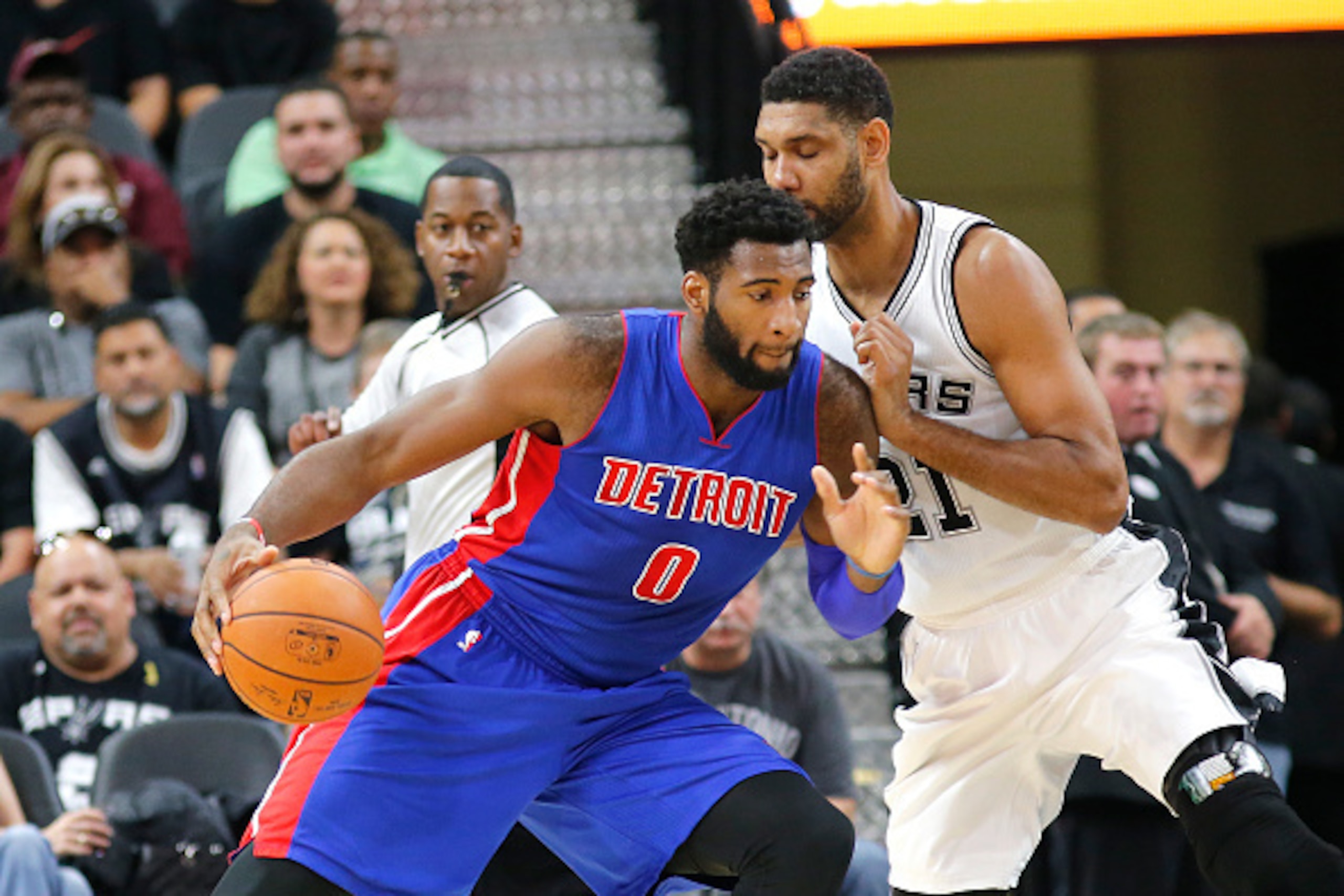
More teams have followed suit in preparation for Durant's foray into free agency. The Wizards decided against signing Beal to an extension ahead of the Nov. 2 deadline. The Detroit Pistons did the same with Andre Drummond—with the blessing of the behemoth himself, no less.
"As much as Andre wants to be here, he desperately wants to win and wants to be part of a contender and wants us to have the flexibility to continue to add people to this team," Pistons coach and president Stan Van Gundy said, per Berger. "He has a great relationship with Tom [Gores, the Pistons owner]—a very open, honest, trusting relationship. They spend a lot of time talking about this."
Instead of counting against Detroit's books for more than $20 million next season, Drummond's hit will be worth around $8.2 million until he signs a new deal. And, as Marks pointed out, that difference of $12 million goes a long way:
Although the Pistons don't figure to enter the Durant discussion, they can. If they don't, they get to flood the market earlier than the teams that are, slinging gaudy deals that drum up the values of mid-end free agents. Think New Orleans' Ryan Anderson, Houston's Donatas Motiejunas (restricted), Dallas' Chandler Parsons (player option), etc.
Good teams' manufacturing, and then flaunting, significant spending power will only add to the salary imbalance.
Great teams' doing the same will threaten to send shock waves through the NBA's competitive equilibrium.
There is even a scenario in which the Warriors, already one of the best teams ever, become offseason aggressors without tearing apart their core. Letting Barnes and Ezeli reach restricted free agency was the first step; waiving the non-guaranteed deals of Shaun Livingston and Jason Thompson, while passing on the qualifying offers for Ian Clark and James McAdoo, would be the second:
| Klay Thompson | $16,663,575 |
| Draymond Green | $15,330,435 |
| Andrew Bogut | $12,681,081 |
| Andre Iguodala | $11,131,368 |
| Stephen Curry | $12,112,359 |
| Harrison Barnes | $9,683,495 (Cap hold until new deal) |
| Festus Ezeli | $5,021,870 (Cap hold until new deal) |
| Kevon Looney | $1,182,840 |
| Total | $83,807,023 |
After factoring in the necessary number of minimum cap holds (four), the Warriors would be left with marginal flexibility. But any maneuverability for a team this good is scary.
Besides, Golden State would be one Andrew Bogut or Andre Iguodala salary dump away from becoming major free-agent players—and a dual-salary dump away from entering the Durant conversation.
Change Is Coming, Be Ready
This stuff matters. For now, it's mostly a string of theories cobbled together. But eventually, some of it will come to fruition. For all the contracts and moves that will make sense, there will be ones that don't.
Temporary overpays. Long-term underpays. Brief windows of opportunity that allow for bad teams to become good; for good teams to become great; and for great teams to get even better.
That's the real impact of the NBA's fast-approaching salary-cap boon, the one already starting to leave its mark: a new order through disorder.
Salary information via Basketball Insiders and Basketball-Reference.com.
Dan Favale covers the NBA for Bleacher Report. Follow him on Twitter, @danfavale.


.jpg?w=2560 "York Responded to Ad on Prostitution Site Before Arrest")

.jpg?w=2560 "Players with Shocking Career Earnings 😳")
.jpg?w=2560 "NFL Panic Meter for Every Fanbase's Anxiety Levels")