Metrics 101: NBA Teams with the Biggest Turnaround Potential This Offseason
Every NBA team that finished in the lottery following the 2017-18 campaign has one thing in common.
Whether they're watching the playoffs unfold from the comforts of their couches or turning off the television and prepping for the next go-round, they're all trying to escape from the bottom portion of the standings. Turnarounds are coveted, even if they're filled with nothing but small steps instead of Philadelphia 76ers-sized quantum leaps.
But what leads to a turnaround?
Today, we're doing away with subjectivity and turning to four factors indicative of teams on the rise: draft picks, youth, cap space and positive regression. Here's how we're managing each of them objectively:
- Draft capital is determined by Tankathon's calculations, which rewards teams for having both a high volume of picks and selections near the top of the proceedings.
- Youth is the average age of the 2017-18 roster members, since we can't yet determine which players will be returning and departing during the offseason.
- Cap space stems from Spotrac's calculation of practical cap space, which looks at teams' spending power if they renounce all cap holds.
- Positive regression is the difference between actual record and expected record per Pythagorean Wins, which are based solely on points scored and allowed. The theory goes that discrepancies are largely luck-based, and those who underachieved should have an easier time elevating their win totals in the future based on the underlying metrics.
To standardize between four numbers that operate on drastically different scales, we found the Z-scores in each category and summed them to find a team's turnaround score. Said figure is all that matters in this analysis, though subjectivity can tell us which squads have more or less growing power than the marks might initially indicate.
Honorable Mentions
1 of 13
These two lottery squads had positive scores indicative of upcoming turnarounds, but they fell shy of the featured spots.
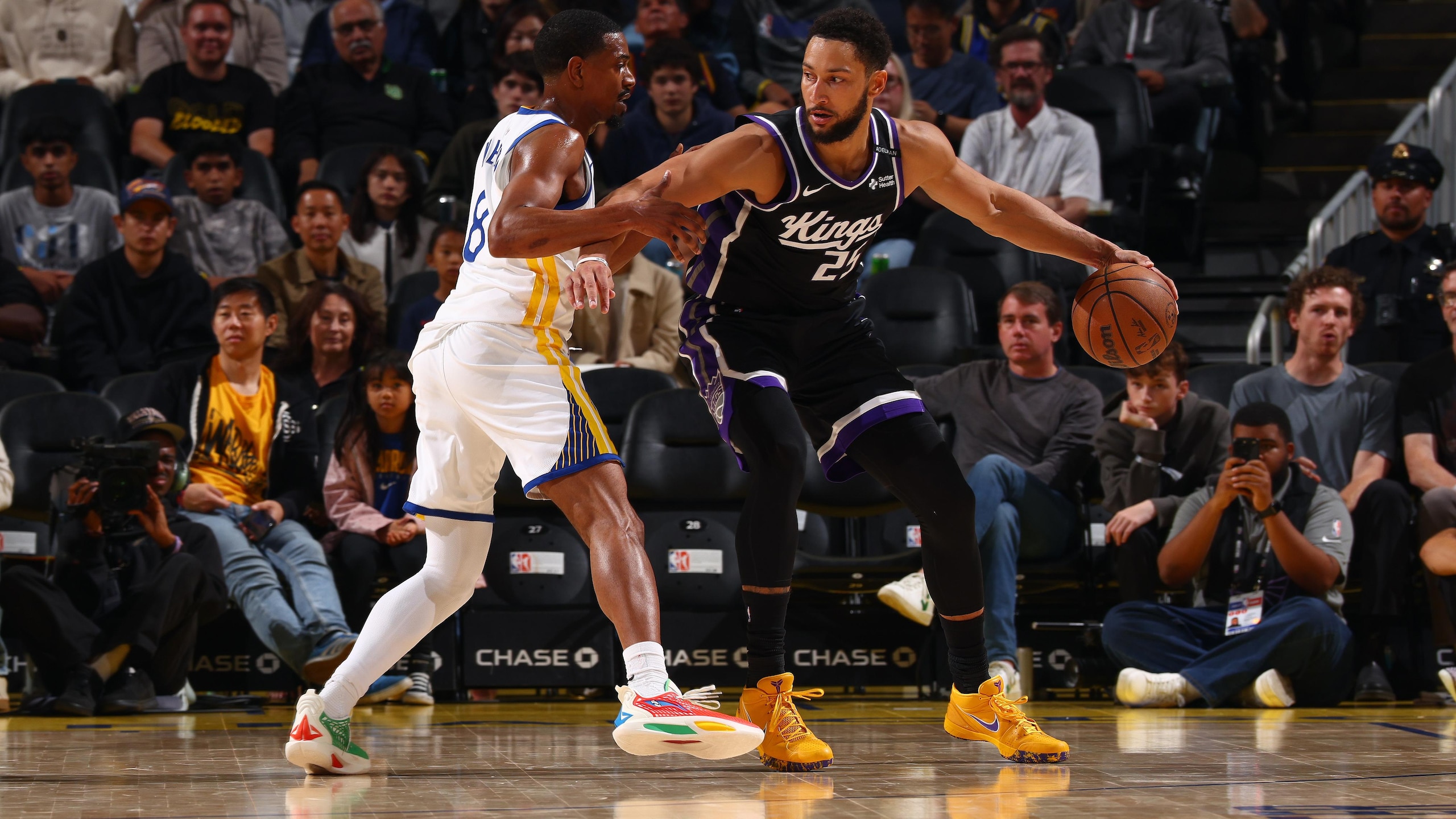
Sacramento Kings: 0.566
Led by De'Aaron Fox, Bogdan Bogdanovic and the other youngsters who received a chance to learn on the fly during the 2017-18 campaign, the Sacramento Kings do have some hope for the future. The roster is still largely cutting its teeth at the NBA level, the front office has plenty of money to play with this summer (if it can lure any big-name players to Sacramento) and it figures to have a solid chance at landing top-tier talents in the 2018 NBA draft with picks early in both rounds.
But the Kings are also the rare contender for top lottery odds that actually overachieved. Pythagorean Wins indicate they won four more games than they should have this past season, which only makes it tougher to project a major jump in 2018-19.
Denver Nuggets: 0.19
The Denver Nuggets were tantalizingly close to making the playoffs in the brutal Western Conference, dropping an overtime contest to the Minnesota Timberwolves on the final day of the regular season in what amounted to a de facto play-in game. Nevertheless, they would've been the No. 6 seed in the Eastern Conference and finished the year with the league's No. 14 net rating (0.8), which left them sandwiched between the Cleveland Cavaliers (1.0) and Milwaukee Bucks (0.7).
Denver doesn't need a turnaround. And yet, it might still be getting one with positive draft capital (the 14th-best lottery odds and two second-rounders) and a youthful core. Lest we forget, the up-and-coming triumvirate comprised of Nikola Jokic (23 years old), Jamal Murray (21) and Gary Harris (23) is still moving toward its best days.
(Very) Honorable Mentions
2 of 13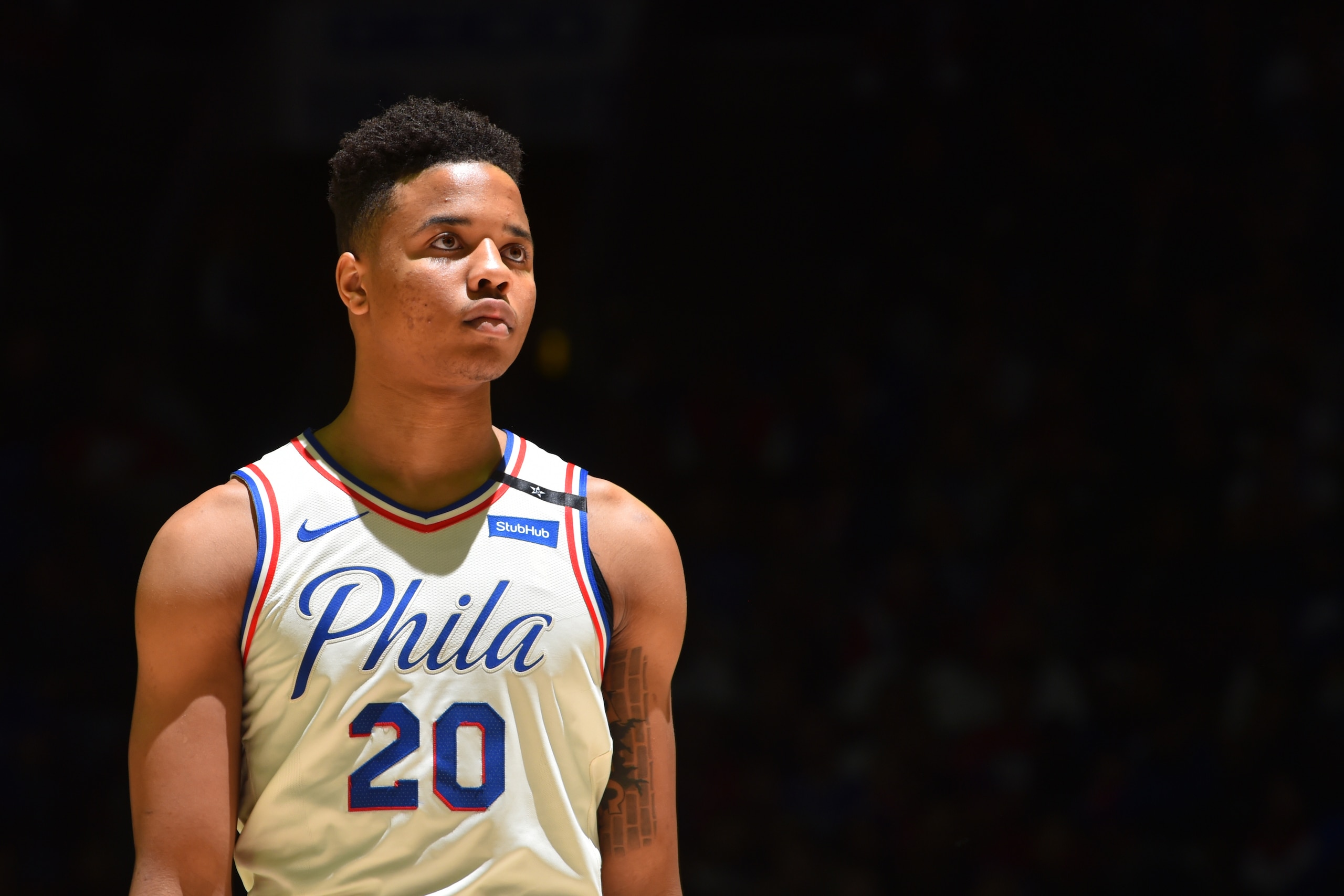
These two squads had positive scores indicative of upcoming growth, but they were deemed ineligible because it's hard to experience a "turnaround" when you're already competing in the playoffs.
Philadelphia 76ers: 3.038
Yes, the Philadelphia 76ers may be thinking about the possibility of a berth in the NBA Finals. According to FiveThirtyEight's projection models, the Houston Rockets are currently the lone team to possess a better chance at holding up this year's Larry O'Brien Trophy.
But the Sixers are going to get even better next year.
Only the top four teams featured here had better total scores than Philly's, as these youthful Sixers fare well across the board. Pythagorean Wins pegged them for a 53-29 record, and they have more practical cap space than anyone other than the Los Angeles Lakers and the Chicago Bulls, clearing the way for free-agency pursuits of LeBron James or Paul George. They boast one of the league's youngest cores, led by Ben Simmons (21), Joel Embiid (24), Dario Saric (24) and, if he rediscovers his shooting stroke, Markelle Fultz (19).
As if that isn't enough, the projected Nos. 10, 26, 38, 39, 56 and 60 picks in the upcoming draft give the Sixers more capital than all but four other organizations.
If everything breaks right, Philadelphia is primed to become a dynasty.
Utah Jazz: 1.152
How can you not be excited about the continued growth of a team featuring Rudy Gobert (25) and Donovan Mitchell (21)? What about when those Utah Jazz also boast enough cap space either to bring back the key parts of their core or pursue external options?
And perhaps best of all, this organization is bound for some positive regression.
Though Utah doesn't have much to get excited about come draft season, it should revel in the fact that its 48-34 record masked how talented it was. According to Pythagorean Wins, the Jazz performed like a 53-win team throughout 2017-18, and the best should be yet to come in the second year of the Mitchell Era.
Dishonorable Mentions
3 of 13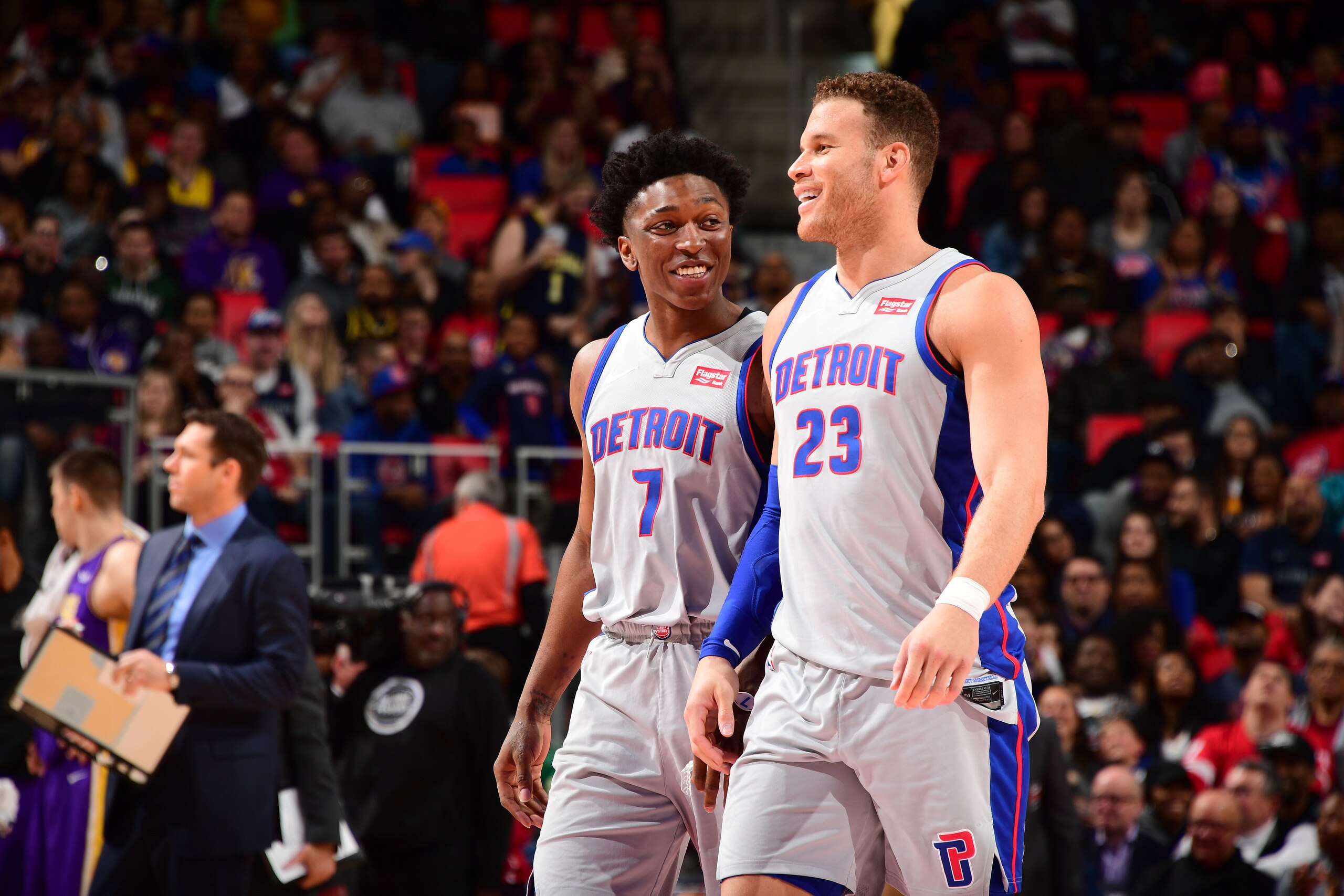
These two lottery squads had negative scores indicative of upcoming struggles in their attempted turnarounds.
Detroit Pistons: minus-0.941
The bad news? The Detroit Pistons don't have any draft capital to speak of in 2018, as they'll need to wait for 41 players to come off the board before it's finally their turn at the podium. They also don't have any cap flexibility going into the offseason, which forces them to focus solely on internal improvement.
The good news? Detroit has plenty of young players at its disposal and is only a breakout from someone like Luke Kennard away from getting back into the playoff picture. Plus, its point differential was more indicative of a .500 team than a 39-43 outfit, which offers hope of natural improvement in the face of roster stagnation.
The best news? This analysis doesn't account for in-season changes, so it undersells how large an impact an offseason of work could have on the chemistry of the Andre Drummond-Blake Griffin frontcourt. If those two mesh seamlessly, the Eastern Conference will have another upper-tier team.
Los Angeles Clippers: minus-0.292
Questions abound for the Los Angeles Clippers.
Even with Lou Williams signed to a team-friendly deal, how is this franchise going to improve? What happens if DeAndre Jordan opts out of his contract and seeks a new location to jumpstart the next stage of his career? Where is upside coming from for a franchise that has so much money tied up in incumbent players and precious few young talents with untapped potential?
The Clippers technically have a higher score than the Pistons (and sit at No. 15 overall). But that's almost entirely because they have a chance to make some semblance of noise during the draft, thanks to two picks in the back half of the lottery.
10. Charlotte Hornets: 0.746
4 of 13
Draft Capital Z-Score: 0.052
Age Z-Score: minus-0.094
Practical Cap Space Z-Score: minus-0.864
Underachievement Z-Score: 1.652
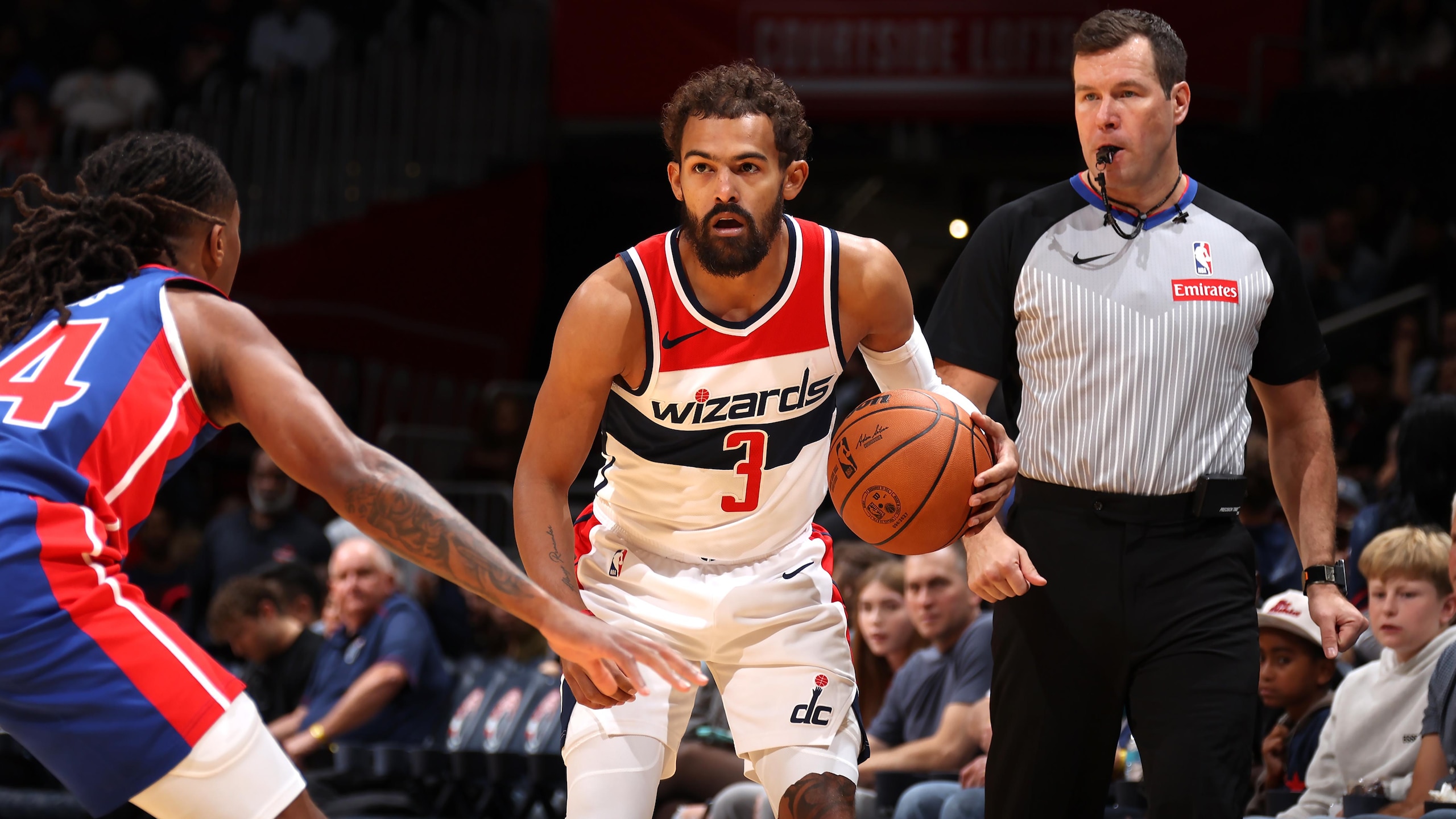
The Charlotte Hornets might seem like a strange turnaround candidate at first blush.
Though players such as Malik Monk, Jeremy Lamb and Cody Zeller still have untapped potential, the Hornets don't lay claim to a particularly youthful roster. Barring miracle trades of Dwight Howard and Nicolas Batum's contract (or a blockbuster deal involving franchise centerpiece Kemba Walker), they won't have the cap space necessary to make much noise in free agency. With only a late lottery pick and a second selection falling at No. 55, they'd need luck to find a star in the draft.
Oh, and they're searching for a new head coach after axing Steve Clifford.
But the Hornets are due for a turnaround simply because they underachieved so massively during the 2017-18 season. Only the Dallas Mavericks had a bigger discrepancy between actual and expected wins. Even if they play exactly the same way going forward, they should make substantial strides and re-insert themselves into the Eastern Conference playoff race.
Charlotte's margin, per Pythagorean Wins, was indicative of a 42-40 squad—tied with the Miami Heat for the seventh-best expected mark in the NBA's weaker half. But the actual record fell six games shy of those statistical hopes, marking the third straight season in which the Hornets have underachieved and the second in which they've done so by exactly a half-dozen contests.
Break that trend, and a turnaround occurs almost organically.
9. New York Knicks: 1.231
5 of 13
Draft Capital Z-Score: 0.415
Age Z-Score: 0.09
Practical Cap Space Z-Score: minus-0.091
Underachievement Z-Score: 0.817
So much depends on Kristaps Porzingis.
Though the New York Knicks can reasonably hope for improvement from youngsters such as Frank Ntilikina while looking to land a superstar near the top of the 2018 NBA draft, they'll be a competitive organization with the Latvian 7-footer leading the charge.
He's already that good.
When Porzingis went down with a torn ACL early in a February 6 loss to the Milwaukee Bucks, the Knicks were a somewhat respectable 23-32. They hadn't yet suffered through the late-season losing streak that would push them closer toward the bottom of the Eastern Conference standings. And thanks to other minor injuries and struggles when the franchise centerpiece was on the bench, even that is misleading.
Because of his shot-making prowess and rim-protecting skills, Porzingis changed the proceedings when he was on the floor. Whereas the Knicks could only muster a minus-7.0 net rating when he was glued to the pine, they outstripped their adversaries by 0.1 points per 100 possessions with him leading the charge.
Of course, a slight problem could still exist.
"I've been told everything from December to him being out for the [2018-19] season, so I don't know what to expect on that," Madison Square Garden executive chairman James Dolan recently said about the 22-year-old, per Larry Brooks of the New York Post. "But we can't just sit on our ass while he's away. We need to develop a team and then integrate him into it when he comes back."
If Porzingis is sidelined for most or all of the 2018-19 season, the Knicks' turnaround hopes are likely toast.
8. Brooklyn Nets: 1.829
6 of 13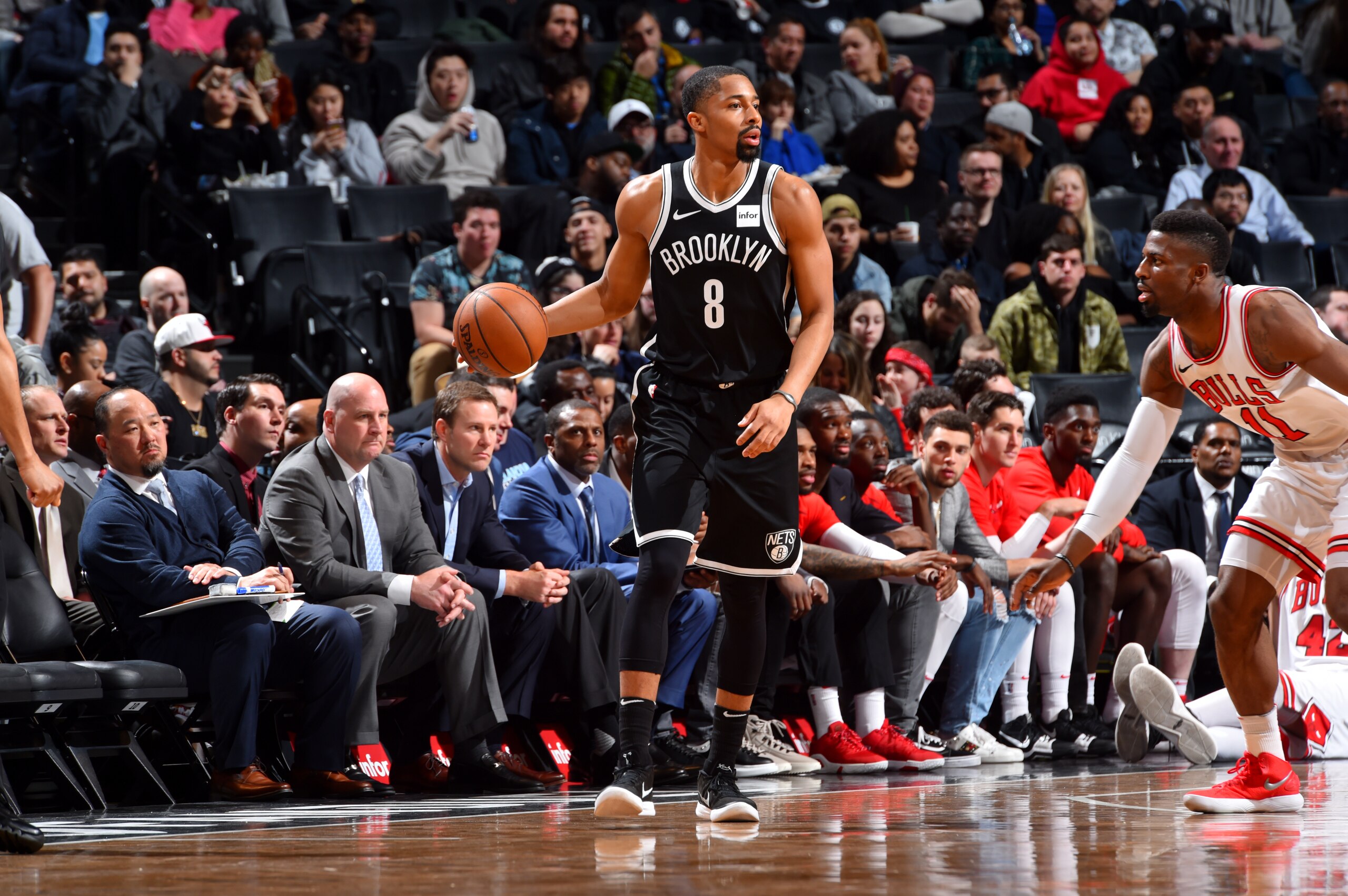
Draft Capital Z-Score: minus-0.461
Age Z-Score: 0.826
Practical Cap Space Z-Score: 0.647
Underachievement Z-Score: 0.817
The Brooklyn Nets almost have everything going for them.
Helmed by promising head coach Kenny Atkinson, this outfit already has a number of long-term plays. Breakout guard Spencer Dinwiddie and D'Angelo Russell still comprise the backcourt of the future, while Rondae Hollis-Jefferson and Jarrett Allen offer plenty of upside at bigger positions. Even someone like Joe Harris could be around when the Nets are ready to plunge back into the playoff picture.
Moreover, they should naturally get better as they learn how to win and make good on the underlying numbers that hint at a more promising future. If the savvy front office keeps using its cap space adantageously—as it has in previous offseasons by accepting albatross deals with sweeteners to get its hands on more talent—that future gets brighter still.
But one team-building element still holds Brooklyn back, and the current brain trust can blame the previous regime. Thanks to the ill-advised trades that once netted big-name acquisitions such as Kevin Garnett and Paul Pierce, this franchise isn't yet done giving away draft picks.
Though it does have a pair of second-round selections, it won't land its first incoming rookie (barring future trades) until the No. 29 pick of the 2018 NBA draft. Bleacher Report's Jonathan Wasserman has the Nets selecting Shake Milton with their top choice in his latest mock draft, and they can't reasonably expect a first-year player occupying that tier to suddenly vault them into contention.
7. Memphis Grizzlies: 2.089
7 of 13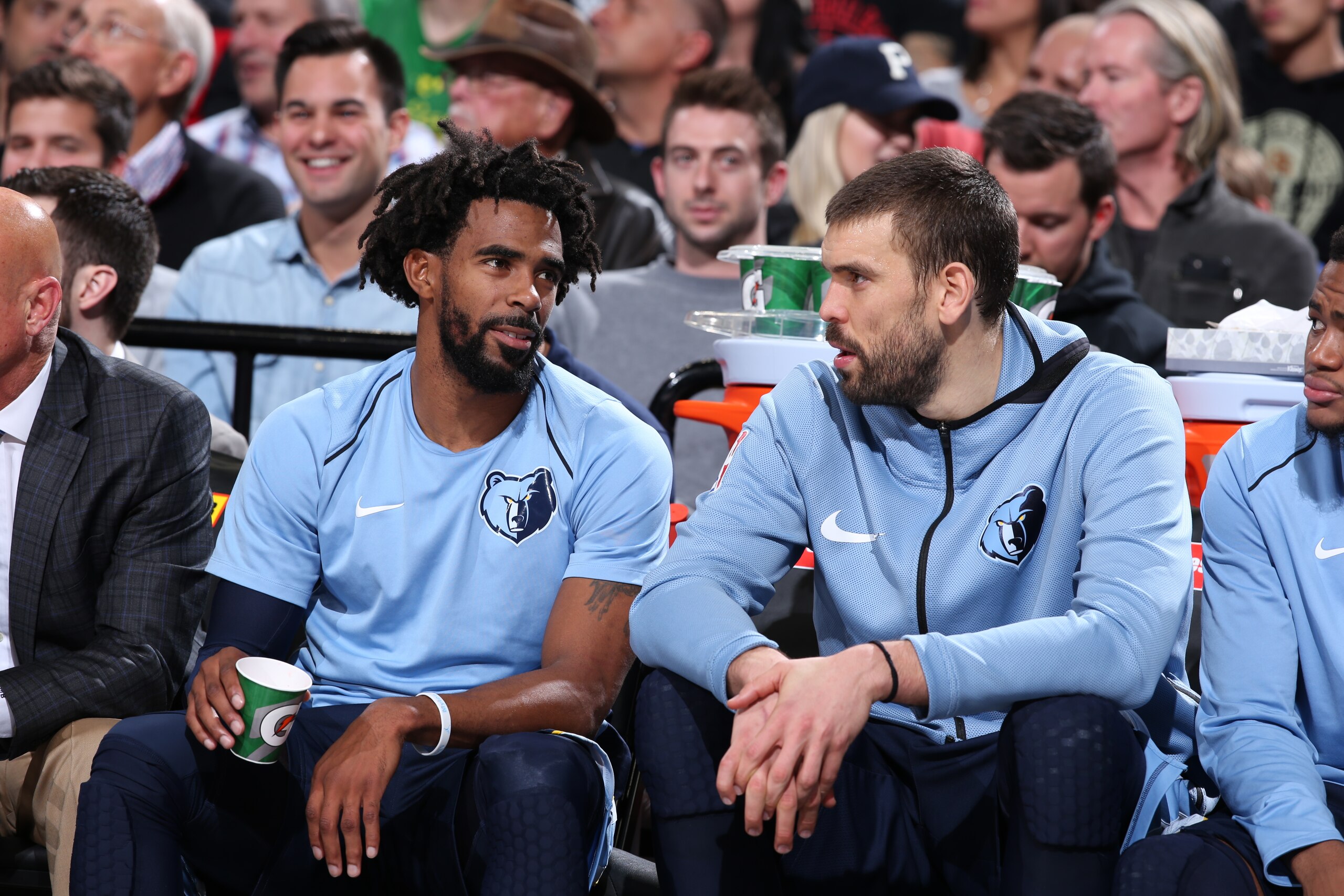
Draft Capital Z-Score: 1.301
Age Z-Score: 0.274
Practical Cap Space Z-Score: minus-0.303
Underachievement Z-Score: 0.817
The Memphis Grizzlies should have more turnaround potential than this analysis might indicate.
They aren't getting any younger, and many of the Grizzlies' pieces still cutting their teeth at the NBA level have limited upside. When Dillon Brooks is your young player with the highest hopes of growth into stardom, you're operating with a capped ceiling.
Cap space won't help them, either. Thanks to ginormous contracts owed to players such as Mike Conley, Marc Gasol and Chandler Parsons, Memphis won't be making any free-agency splashes this summer. Instead, the best it can hope for is to lure back Tyreke Evans with a mid-level exception.
But Memphis is still poised to make significant strides, and not just because it has the second-best lottery odds and should be a favorite to wind up with either Luka Doncic or DeAndre Ayton.
Conley remains the team's best player, despite the trials and tribulations that plagued him this season. Even before he was shut down with a balky heel, he was struggling to find his shot and looked a step slow on defense. He barely resembled the star who occupied the Beale Street backcourt in previous campaigns.
And yet, you shouldn't be concerned.
We're only one year removed from the 30-year-old floor general averaging 20.5 points, 6.3 assists and 3.5 rebounds while slashing 46.0/40.8/85.9 in what should've been an All-Star season. He couldn't have undergone such a drastic decline in just one calendar year, and regaining health should allow him to lead this squad back toward a far more respectable record.
While the Gasol-Conley tandem should no longer terrify opponents like it once did, that doesn't mean it's ineffective.
6. Chicago Bulls: 2.853
8 of 13
Draft Capital Z-Score: 1.017
Age Z-Score: 1.256
Practical Cap Space Z-Score: 1.713
Underachievement Z-Score: minus-1.133
The Chicago Bulls had no business going 27-55, but that's a natural byproduct of the tanking environment in the modern NBA.
Players and coaches don't want to lose games. They're doing everything they can to emerge victorious and further their growth, even if their front offices are simultaneously making decisions that stack the odds against them. That's how a team devoid of top-level talent can wind up sixth in the lottery after winning four more games than their Pythagorean record would have implied.
Only the Cleveland Cavaliers had a discrepancy pointing toward more overachievement.
But despite starting with a higher baseline, the Bulls are in prime position to keep trending back toward .500. Even if they didn't add anyone new and kept rolling with their incumbent pieces, they'd be in fine shape with a healthy Zach LaVine, a sophomore version of Lauri Markkanen, a more experienced Kris Dunn at the point and a host of usable role players such as David Nwaba, Robin Lopez and Justin Holiday.
Of course, Chicago won't go into 2018-19 with an identical roster.
Though luring marquee free agents to the Windy City will be a challenge for the long-time front office combination of Gar Forman and John Paxson, the Bulls do have the luxury of owning more practical cap space than any team other than the Los Angeles Lakers. Couple that with the projected Nos. 6 and 22 picks in a loaded 2018 draft class, and improvement seems almost guaranteed.
Markannen's upside alone offers a promising future for this (briefly) downtrodden team. But the coming years shouldn't have to revolve around just one sharpshooting big.
5. Orlando Magic: 2.982
9 of 13
Draft Capital Z-Score: 1.068
Age Z-Score: 0.519
Practical Cap Space Z-Score: 0.578
Underachievement Z-Score: 0.817
The Orlando Magic are one of only three NBA franchises with positive scores in each of our four categories, joining the Philadelphia 76ers (who placed just ahead of them) and our No. 1 finisher in that exclusive club. But that may oversell the trajectory of this organization.
For evidence, just read what ESPN.com's Kevin Pelton wrote about the Magic while teaming up with Bobby Marks to rank them No. 26 in their future power rankings:
"Six years removed from their last playoff appearance, the Magic appear no closer to putting together a core that can return to contention. After trading Elfrid Payton at the deadline, Orlando will likely be looking to draft another point guard of the future. And the one above-average player the Magic have on the roster, Aaron Gordon, figures to get expensive as a restricted free agent this summer.
"None of this can be blamed on Orlando's well-regarded front office, led by president of basketball operations Jeff Weltman and GM John Hammond, who arrived in the Magic Kingdom last summer. But it's going to take them time to rebuild the roster. Because nearly every key player save Gordon is under long-term contract, the Magic don't even have much salary flexibility. So Orlando will have to do what it hasn't done since Dwight Howard: Draft and develop a star player."
What if the Magic are forced to match a max salary for Gordon, who hasn't yet proved capable of carrying a squad to consistent success? What if his price rises high enough that Orlando balks and lets him flee to another organization?
This team has some semblance of cap space and a young roster. It projects to slot in at No. 5 in the first round of the upcoming draft. It's due for positive regression if it keeps performing at a similar level.
And yet, it still has far more questions than answers.
4. Dallas Mavericks: 3.88
10 of 13
Draft Capital Z-Score: 1.206
Age Z-Score: minus-0.769
Practical Cap Space Z-Score: 0.955
Underachievement Z-Score: 2.488
The Dallas Mavericks' ability to lose games with such frequency in 2017-18 was nothing short of remarkable.
Despite a shifting rotation that tried to utilize young, inexperienced contributors—and even while operating without an injured Seth Curry for the entirety of the campaign—they weren't entirely overmatched on either end of the floor. Instead, they ranked No. 23 in offensive rating throughout the regular season while finishing No. 18 in the defensive counterpart.
The corresponding minus-3.3 net rating isn't what you'd expect from a squad that wound up 24-58. Pythagorean Wins suggest Dallas' play was indicative of a 33-49 record, making them the league's biggest underachievers with room to spare (the Charlotte Hornets' six-game variance was the second-largest).
So long as their key pieces return for 2018-19, the Mavericks should naturally be better. And that's saying nothing of their ability to add another veteran into the mix with their cap space, their projected Nos. 3, 34 and 54 picks in the draft or the improvement they can expect from a top-tier up-and-coming prospect such as Dennis Smith Jr.
Dallas should enter the offseason with contracts in place for Smith, Harrison Barnes, Wesley Matthews (unless he reverses course and declines his $18.6 million option), Dirk Nowitzki (barring retirement), Dwight Powell, J.J. Barea, Dorian Finney-Smith and Maxi Kleber.
That's already a far better start than most rebuilding teams enjoy when beginning their climb back up the standings.
3. Phoenix Suns: 3.993
11 of 13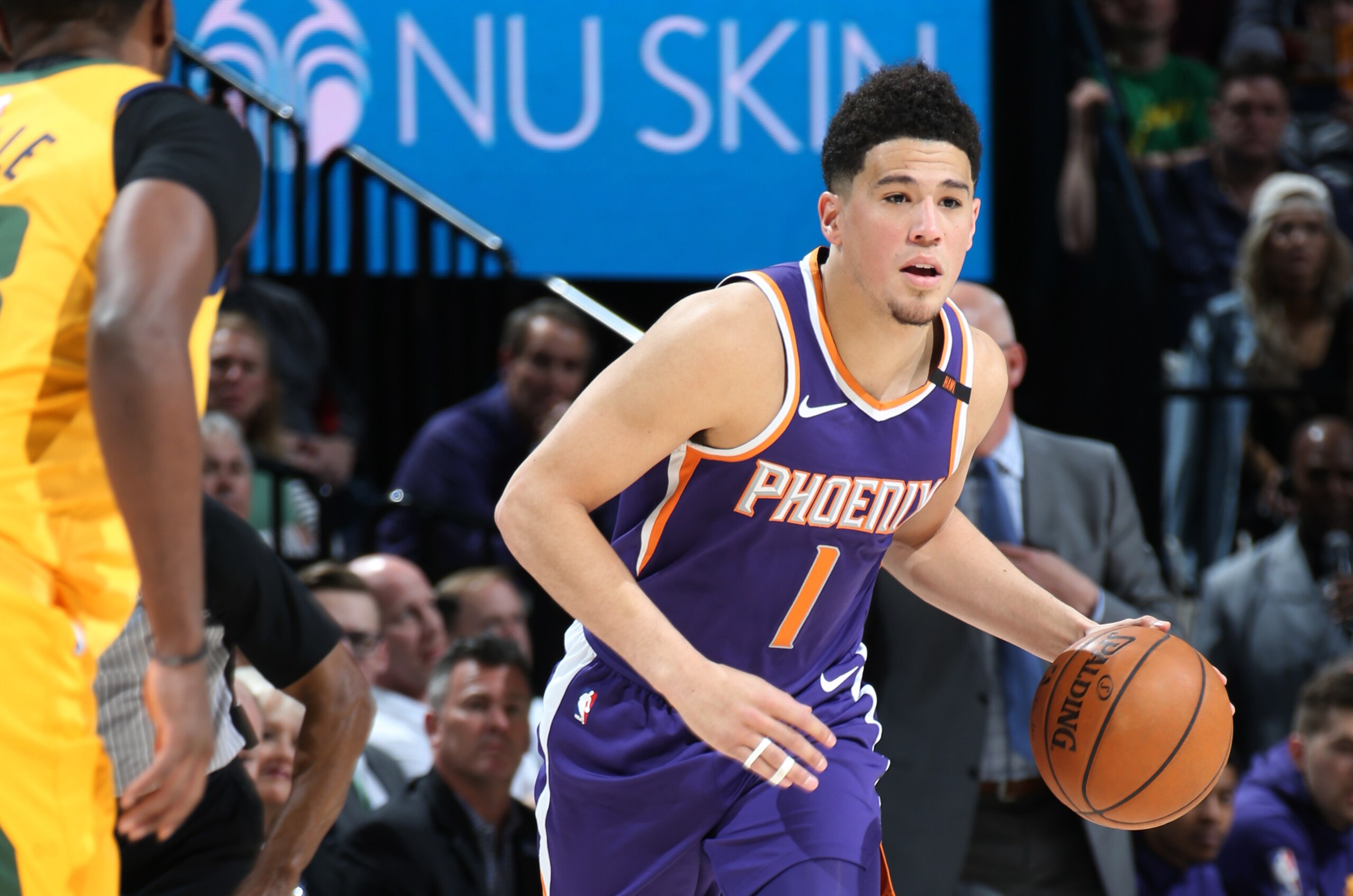
Draft Capital Z-Score: 2.384
Age Z-Score: 1.685
Practical Cap Space Z-Score: 0.5
Underachievement Z-Score: minus-0.576
Let's put aside any cap space the Phoenix Suns might have at their disposal during the 2018 offseason. Painful as it may be for long-suffering fans in the desert, let's also pretend the team is throwing away its endless reserves of draft capital—it leads the NBA in that category with the projected Nos. 1, 16, 31 and 59 picks.
Beyond that, let's become disbelievers in the growth of Dragan Bender, Marquese Chriss, Davon Reed, Tyler Ulis and TJ Warren while allowing Elfrid Payton and Alex Len to join new teams as free agents. (Sidenote: The Suns have access to a ridiculous number of players who won't be beyond their age-25 seasons in 2018-19).
Even in that worst-case scenario, Phoenix would still boast the services of two marquee youngsters who imbue the franchise with plenty of hope.
First comes Devin Booker, who is rather obviously the team's leading figure right now and spent his third professional season making the necessary improvements. Not only did he average 24.9 points, 4.5 rebounds and 4.7 assists while shouldering even more of the offensive load, but he did so while upping his true shooting percentage from 53.1 to 56.1 percent and becoming less of a defensive liability. He's arrived as a legitimate star.
Josh Jackson hasn't achieved celestial status quite yet, but the flashes came more frequently during the second half of his rookie season. Following the All-Star break, the forward played stronger defense while averaging 18.7 points, 5.9 rebounds, 2.5 assists, 1.6 steals and 0.5 blocks. Better still, he did so with improved shooting percentages and more responsibilities.
Booker and Jackson alone give Phoenix a bright future, and that isn't all the Suns are working with.
2. Los Angeles Lakers: 4.211
12 of 13
Draft Capital Z-Score: minus-0.598
Age Z-Score: 1.685
Practical Cap Space Z-Score: 2.586
Underachievement Z-Score: 0.538
"The Lakers' plan hasn't changed. They want to get both of them."
That was noted ESPN rumormonger and news-breaker Adrian Wojnarowski explaining that the Los Angeles Lakers aren't just going after LeBron James or Paul George in free agency, per ESPN Los Angeles' Twitter feed. That conjunction would be the wrong choice, appropriately replaced by "and."
As in, the Lakers covet the services of both James and George.
This isn't just a pipe dream, though plenty of other teams will be courting those two leading free agents this summer. The Lakers are swimming in cap space, easily topping the financial freedom of every other organization in either conference. They can handle doling out two max deals and still find ways to add other intriguing pieces to the youthful core of Lonzo Ball, Kyle Kuzma and Brandon Ingram.
Those three alone—plus Julius Randle, if he's retained because the more prominent pursuits flop—give the Lakers enough hope for a turnaround. Technically tied with the Phoenix Suns for the No. 1 spot, they're the league-leaders in our age category as well.
But even during a summer in which they won't have a first-round pick until No. 25 overall, they have realistic shots at dramatically altering the organization's direction. This much cap space, especially coupled with the appeal of a major market and the allure of a historically successful franchise, tends to have that effect.
1. Atlanta Hawks: 4.652
13 of 13
Draft Capital Z-Score: 2.069
Age Z-Score: 0.642
Practical Cap Space Z-Score: 1.124
Underachievement Z-Score: 0.817
The Atlanta Hawks might not have the upside of the cores boasted by the other top contenders for this spot, but Taurean Prince seemed driven to change that at the end of his sophomore season.
After returning from the All-Star break, the surging wing averaged 19.0 points, 4.9 rebounds and 3.5 assists while slashing 44.3/41.2/89.2. During his last 10 appearances, he was at 19.4 points, 4.0 rebounds and 4.2 dimes per game with a 46.7/41.4/85.2 slash line. The 24-year-old looked legit in just about every facet of the game and showed nothing but comfort operating as the Hawks' No. 1 option.
But this isn't just about a Prince breakthrough. Nor is it solely about the youth of a core that also includes rookie standout John Collins and enigmatic point guard Dennis Schroder, who's still just 24 years old and could either be cemented as the franchise floor general or used as trade bait next season.
Atlanta is simply the last of the three teams with no flaws in this analysis.
We've already covered the youthful core, which won three fewer games than Pythagorean Wins would indicate and should be more comfortable in late-game scenarios next season. Cap space is a nice luxury, though it's doubtful Atlanta will be looking to make any major free-agent splashes. And most notably, the Hawks are positioned rather well for the draft.
Even if the pingpong balls don't bounce their way and leave them picking outside the Luka Doncic/Deandre Ayton range, they'll have four selections within the first 33 choices—Nos. 4, 19, 30 and 33. That gives Atlanta the ability to reload its rotation through the draft or make trades for veteran contributors.
The Hawks don't have a burgeoning star quite like the ones boasted by the teams just trailing them here, and they aren't expected to become a big player on the open market like the Lakers. But the numbers don't lie, and the Hawks are perfectly positioned to make major strides in 2018-19.
Unless otherwise indicated, all stats from Basketball Reference, NBA.com, NBA Math or ESPN.com and are current heading into games on April 26.

.png?w=2560 "Shocking CFB Top 25 Shakeup 🔢")

.png?w=2560 "Week 6 Winners & Losers 📊")
.jpg?w=2560 "Cardinals Finalizing MHJ Trade")
.jpg?w=2560 "Grading Wild MITB PLE 😮💨")
.jpg?w=2560 "DK Shades Sauce Gardner 👀")
.jpg?w=2560 "Report: Cowboys Open to More Trades")