

NBA 2020: Will Steph Curry Still Be the Top Guard at Decade's End?
It's game time and your housebot is grabbing you a beer from the fridge. The NBA's newest expansion franchise, the London Ladders, are opening the 2020 season in early September against the Las Vegas Flush. This is prime time—the fifth game of the nationally broadcast quintupleleheader.
It's an utterly captivating matchup: Trevon Duval, primed to make the All-Star leap in his junior season, versus NBA star-in-the-making Buddy Hield. Few other stars have captured the imagination of NBA fans around the world quite like these two phenoms.
Just four years ago, the NBA guard hierarchy hardly resembled today's power structure.
TOP NEWS
Brunson Pulls Up to Rucker Park
Ranking Every Team's Trade Assets 📊
Buzz: Kings 'Hesitant' on Kuminga
Remember when Kyle Lowry was an All-Star? Remember when Chris Paul was a top-three point guard? Remember when D'Angelo Russell and Devin Booker were taking their licks as rookies?
Neither do we. Snapchat has rendered our memories virtually impotent.
But we've always been able to see the future, as Bleacher Report's C.J. Moore and I did so four years ago, when we perfectly projected the best guards, wings and bigs in the year 2020. We analyzed current levels of production, the amount of untapped potential left in the tank and everything else that could help a contributor succeed four years into the future.
And we nailed it.
We divided it up into guards, wings and big men. Guards, defined as point guards and ball-dominant shooting guards, came first.
— October 30, 2020
20. Trevon Duval
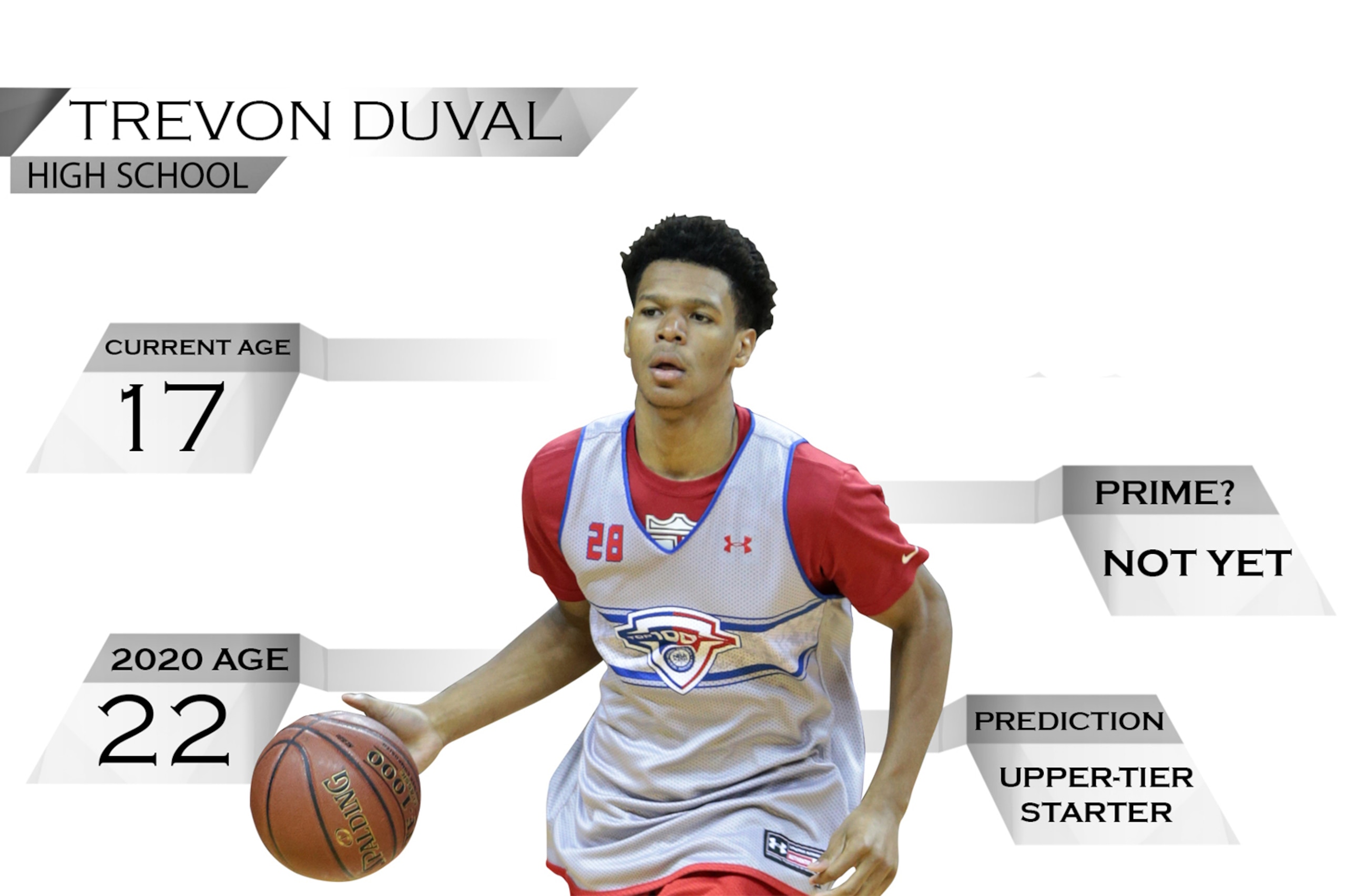
The genetic code that built Russell Westbrook, Derrick Rose and John Wall has Trevon Duval in the pipeline.
The Class of 2017 point guard is 6'3" with a combination of speed and ball-handling that leaves defenders dizzy. "He's a pre-injury Derrick Rose with a little bit more court savvy and a better shooter at the same age," an NBA scout said.
While Duval is a better shooter than Rose at the same age, that is still the biggest question mark with him. But the mechanics look solid, and history suggests that's not a huge issue at this point in the development process.
"A lot of these guys now who are clearly top-20 point guards were not very good shooters in high school—John Wall and Derrick Rose—and he sort of fits in that category," said Jerry Meyer, director of basketball scouting for 247Sports.
Assuming Duval is a one-and-done, he would be a third-year pro in 2020. If he is truly in the Rose mold, this would be a good time to remind folks Rose was an All-Star by his second season and an MVP during his third. The timeline for athletic freaks at point guard is expedited.
19. Buddy Hield

This is what the NBA should be rooting for: Buddy Hield as a top-20 guard in 2020.
The Bahamian star stole 2016 college basketball's heart with his rapid-fire threes and fun-loving personality off the floor—Buddy Love is how they know him in Norman, Oklahoma—and NBA fans will undoubtedly fall in love as well.
Hield was a lottery pick in June, and that's a rarity these days for a four-year guard. Since 2007, only four senior guards (Acie Law, Terrence Williams, Jimmer Fredette and C.J. McCollum) have gone in the lottery, and McCollum is the only success story of the bunch.
Of course, none of those dudes put up numbers like Hield. He averaged 25.0 points as a senior, took the Sooners to the Final Four and flirted with a 50-50-90 season.
The best player in college basketball regularly showed up to the gym at 6:30 a.m. and used to skip pregame meals to get up shots until OU's coaches put an end to that. He went from a mediocre shooter (19 threes as a freshman) to the best shooter in college basketball (147 threes as a senior). It's hard to bet against him now.
18. Devin Booker

After permanently moving into the Phoenix Suns' starting lineup on Jan. 8, Devin Booker averaged 18.5 points and 3.8 assists while shooting 40.7 percent from the field and 31.0 percent from beyond the arc. Thanks to his perimeter prowess, he's already shown immense offensive upside, but there's plenty of room for him to get more consistent—something that should happen naturally as the Suns grow both healthier and better around him.
According to NBA.com, Booker became only the seventh teenager in league history to score at least 900 points, and the other six—LeBron James, Kobe Bryant, Carmelo Anthony, Kevin Durant, Dwight Howard and Tracy McGrady—have combined to make 61 All-Star appearances. James was the only one to record at least six 30-point outings at a younger age.
Given his preternatural success as a scorer, it would be rather surprising if Booker wasn't at least in that All-Star conversation by 2020-21, which would be his sixth year as a professional.
17. Victor Oladipo

After his rapid ascent for the Indiana Hoosiers, Victor Oladipo progressed slower than the Orlando Magic would've liked.
The defense that was once sure to make him a successful pro has been wildly inconsistent, revealing itself in only short bursts against lesser guards. The offensive volume has been there, but the efficiency hasn't—Oladipo has improved his three-point percentage during each season of his professional career and yet only topped out at 34.8 during 2015-16.
However, this guard will be just 28 years old during the 2020-21 campaign, and there's little reason to doubt a continued upward trajectory. His shooting stroke and care for the ball trended in the right direction throughout his Florida tenure, and the athletic tools that once made him such an intriguing prospect haven't exactly gone up in smoke.
16. Reggie Jackson
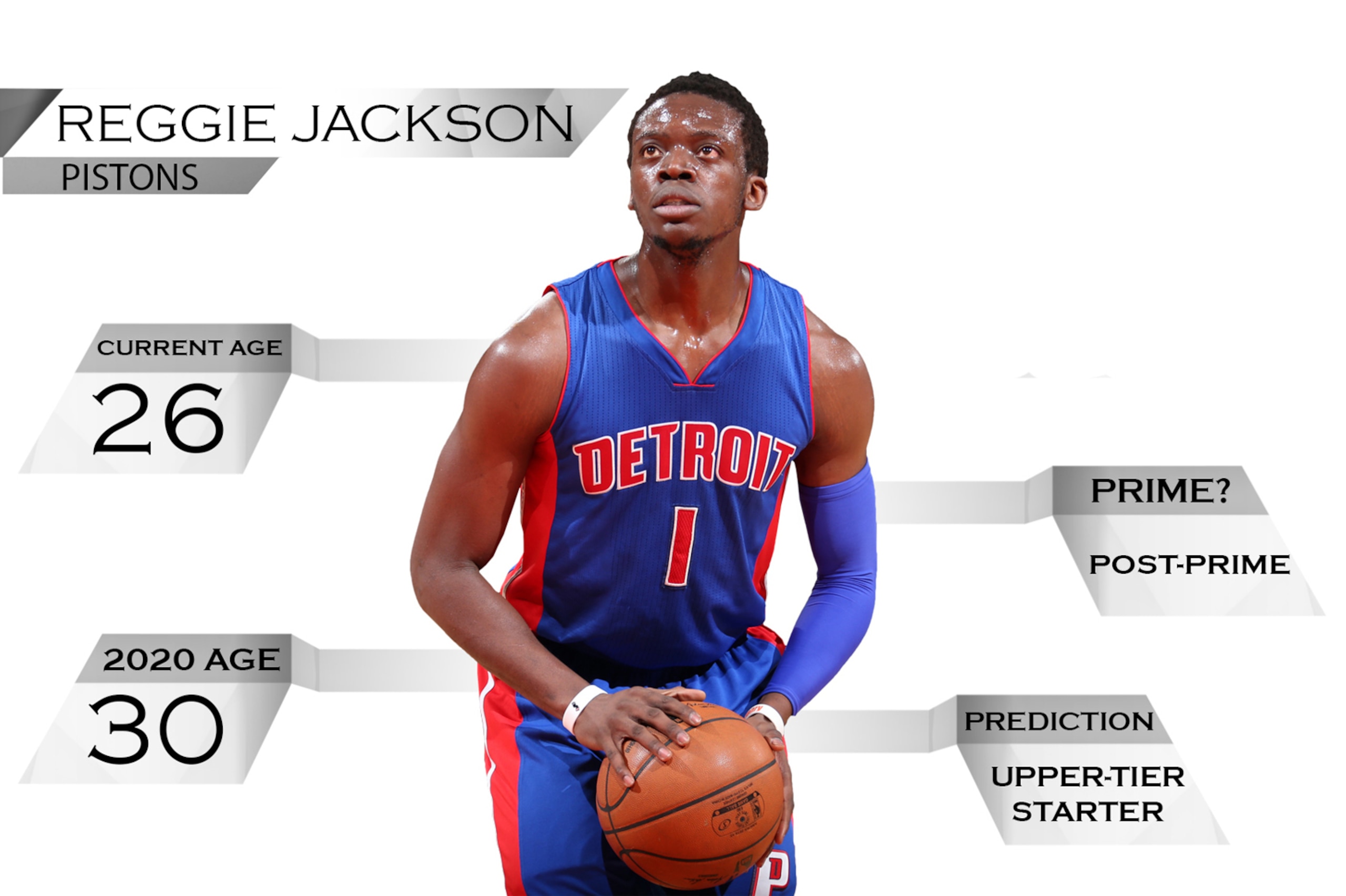
During his first full year as a starter, Reggie Jackson played well enough to deserve serious Eastern Conference All-Star consideration. His offensive acumen made him a key piece for the Detroit Pistons, as he could successfully call his own number or run pick-and-roll sets with Andre Drummond ad infinitum.
Per NBA.com's SportVU data, one of Jackson's primary methods of generating points came when he put his head down and attacked the basket. He scored 7.5 points per game on drives—behind only DeMar DeRozan, Isaiah Thomas and Damian Lillard—while shooting 49.0 percent from the field. And that's saying nothing of his 0.9 assists per game on drives, which trailed just 11 players.
This shouldn't change anytime soon. By 2020, Jackson will be nearing the end of his athletic prime, but his comfort level as a full-time starter will only rise higher.
15. Jamal Murray

It's uncertain which position Jamal Murray will play in the NBA. It's absolutely certain that wherever he's playing, the Canadian is going to get buckets.
"He can shoot. He's big. He's strong. There's little failure quotient with him," an NBA scout said.
Murray has proved himself as a scorer during the last year. He opened eyes last summer by averaging 16 points per game for Canada in the Pan American Games, playing against grown men as an 18-year-old. He followed that up by averaging more points (20 per game) than any player at Kentucky in the John Calipari era. (A reminder that John Wall, DeMarcus Cousins, Anthony Davis and Karl-Anthony Towns have all played for Cal at UK.)
The 6'5" guard's scoring should translate to the next level. He's not the most explosive athlete, but he is clever around the bucket with the ability to shoot with either hand, and he can fill it up from the outside as well. He's also known as a worker—"Jamal is pretty good for a 19-year-old and gets better every year," another scout said—and that's one big reason why scouts are betting on Murray to be a top-20 guard by 2020.
14. Eric Bledsoe
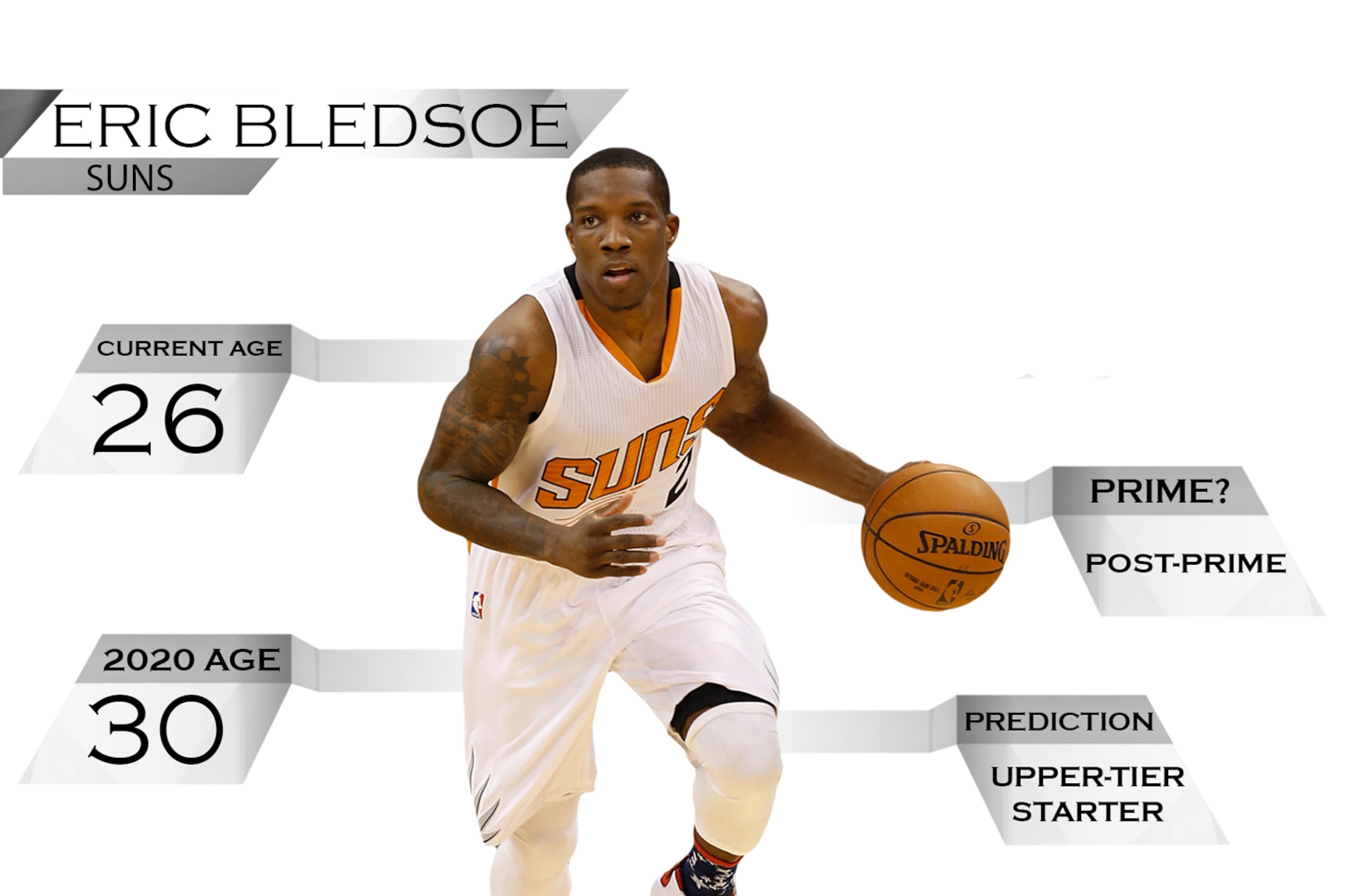
It's only health concerns that prevent Eric Bledsoe from holding down a spot as one of the top 10 guards. The 30s are a perilous decade for NBA floor generals, and that's doubly true for a player who has averaged just 52 games played during the past three seasons, most recently because a torn meniscus ended his year prematurely.
Fortunately, he chose to repair rather than remove the meniscus in his left knee, just as he once did in the right. That should prolong his prime, and he subsequently remains confident in his athletic ability, as Paul Coro made clear for AZCentral.com:
"Bledsoe, 26, is undaunted because his speed and athleticism never looked affected in his returns from those knee surgeries. He remained dynamic and was in the best shape of his life this season because he had stayed in Phoenix last summer to train with Suns athletic training and basketball staff.
"
When healthy, Bledsoe has morphed from Mini LeBron in small spurts to a bona fide stud who can capably line up at either guard position. Joining Russell Westbrook, LeBron James, Chris Paul and Stephen Curry, he was one of only five players this season to average at least 21 points, four rebounds and six assists per 36 minutes while posting an above-average defensive box plus/minus.
Even if he only plays 60 games when he's 30 years old, he's productive enough when on the court to leave an indelible impact.
13. Markelle Fultz

Markelle Fultz is headed for Washington for what will likely be a one-and-done college career, because he's the one high school guard who scouts seem to be unanimously high on.
"I think he's pretty gifted," said one NBA scout.
"He'll be on the verge of being an All-Star [in 2020]," said another.
"He's just such a modern guard," a third scout said. "He can score. He's a playmaker. He can shoot. He can do a bunch of different things and all of them are important nowadays, and you couple that with his size [at 6'4"]. Just the way he brings the entire package is really exciting."
Fultz dazzled scouts on the All-Star circuit this spring, and his rise is one of the feel-good stories of the grassroots circuit. He didn't even play varsity as a sophomore at famed DeMatha Catholic—at which time, you couldn't find him in any recruiting rankings—but a late growth spurt and awesome feel for the game now has every talent evaluator convinced he's a can't-miss prospect.
12. Bradley Beal
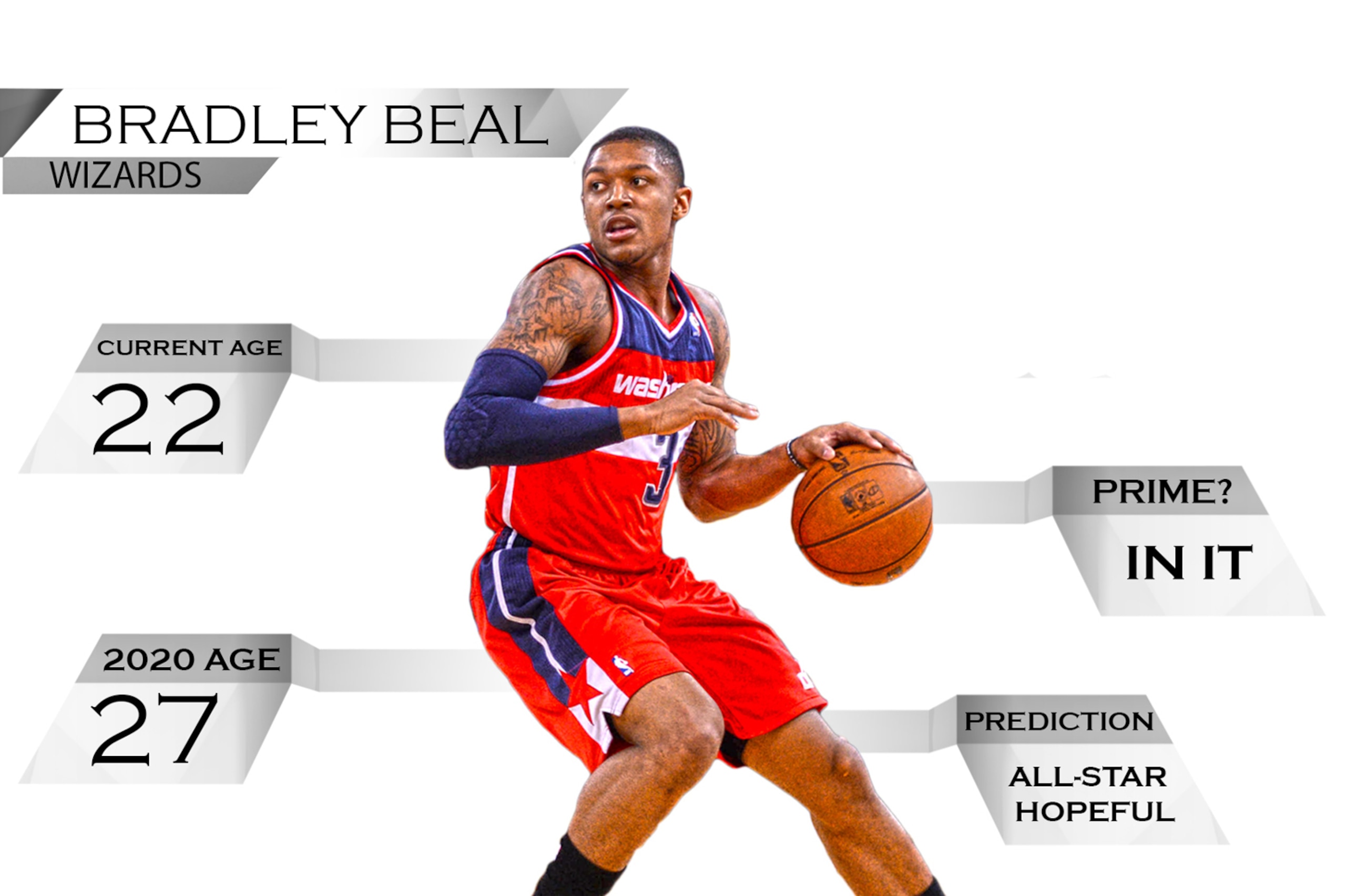
It's no secret the NBA has become a shooter's paradise, and that's where Bradley Beal's primary value resides. The 2015-16 season saw him take 4.9 three-point attempts per game and hit them at a 38.7 percent clip, making him one of only 12 qualified players throughout the league to match or exceed both those numbers.
This is no fluke:

Beal is now one of just four snipers in NBA history to take at least four triples per game and make more than 38 percent of them during each of his first four professional seasons, joining Stephen Curry, Ben Gordon and Klay Thompson. He's more than proved he's a capable floor-spacing threat from the 2, but it's the rest of his game that prevents him from rising higher in the rankings.
If Beal can avoid succumbing to more stress injuries and develop as either a defender or backcourt playmaker, his spot in this countdown will look silly in 2020. Consider this his floor because the stagnated development and constant rehab stints force us to take this pessimistic view.
11. Kemba Walker
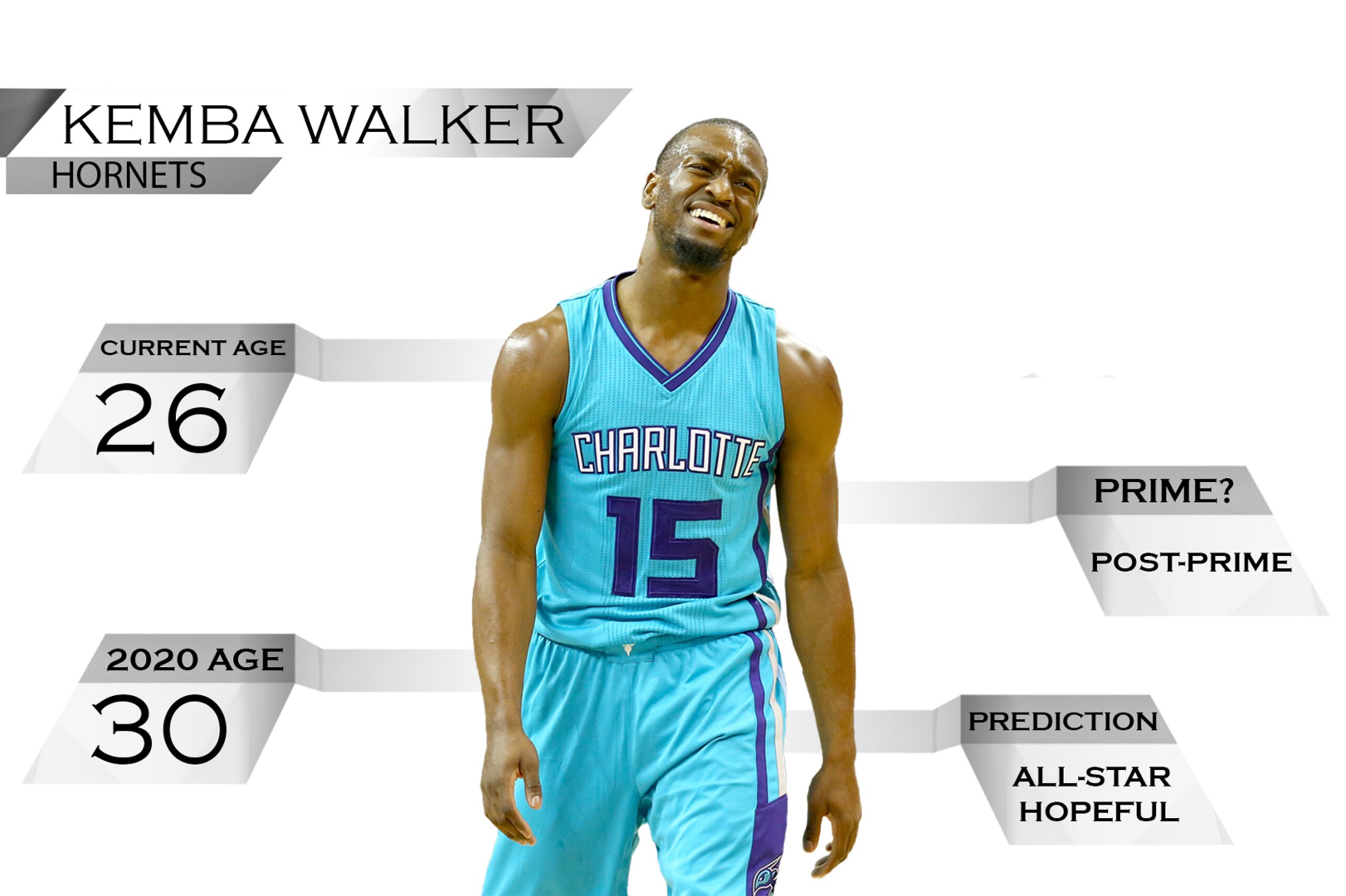
Everything clicked for Kemba Walker while leading the Charlotte Hornets to the playoffs this season. His shot selection was significantly better, helping him carry an offense that often relied on him alone. His defense even trended so far up that he became an above-average stopper despite his vertical limitations.
Ever since his magical run to an NCAA title with the 2011 Connecticut Huskies, Walker has improved each and every year. He's found some element of his game to attack, and he's done so with the necessary fervor.
Now, even if his development begins to slow down, he's established enough as an offensive threat that he should continue to serve as one of the league's premier point guards. All the Hornets have to do is throw him into a pick-and-roll, letting him abuse whichever defender awaits.
According to NBA.com's SportVU data, Walker served as a pick-and-roll ball-handler on a staggering 46.7 percent of his possessions. Despite carrying so much responsibility, he still scored 0.89 points per possession, leaving him in the league's 80.7 percentile.
10. D'Angelo Russell

D'Angelo Russell's rookie season was by no means perfect. He struggled with his shot for quite a bit of that inaugural campaign, had trouble working his way into head coach Byron Scott's rotation and played a huge part in the locker room snafu centered around Nick Young's relationship with Iggy Azalea.
But when he received opportunities to earn consistent minutes, he showed exactly why he was such a hyped prospect at Ohio State. Once he moved into the starting lineup on Feb. 22, he averaged 15.4 points and 3.2 assists while knocking down 38.2 percent of his three-point attempts—highlighted by a 39-point outburst against the Brooklyn Nets.
Russell is a capable scorer whose game fits quite nicely with the Association's modern tilt. He's a deft passer who sees lanes before they open, and that will aid him as the Los Angeles Lakers surround him with more established talent in the coming seasons.
Though he wan't a Rookie of the Year contender, he wouldn't be the first to go from a relatively disappointing first season to a stellar professional career.
9. Chris Paul
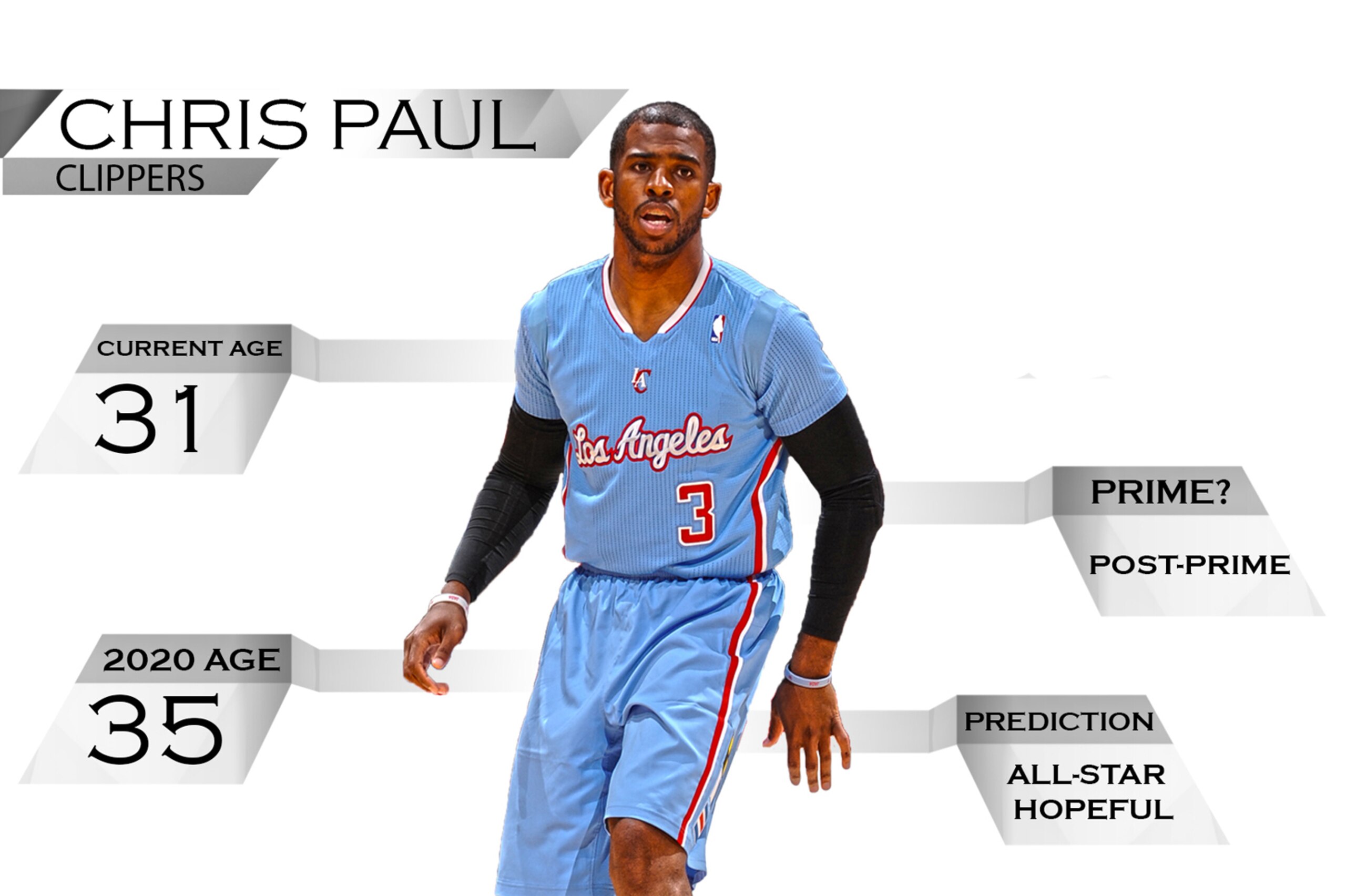
Once guards reach their dreaded 30s, the chances of making an All-Star roster diminish rather significantly. Take a gander at how many players, classified as pure guards by Basketball-Reference.com, have earned such an honor throughout NBA history:
The only true point guards to make the squad during their age-35 season are Steve Nash and Lenny Wilkens. So while Chris Paul is clearly talented enough to join that group, you can understand the hesitance to think of him as anything more than an All-Star candidate in this countdown.
Paul has long been the class of the position—or awfully close to it—and that shouldn't change during the foreseeable future. His ability to use hesitation dribbles, the knack for taking over games with his mid-range shooting and his continued excellence on defense should all age well.
8. Zach LaVine
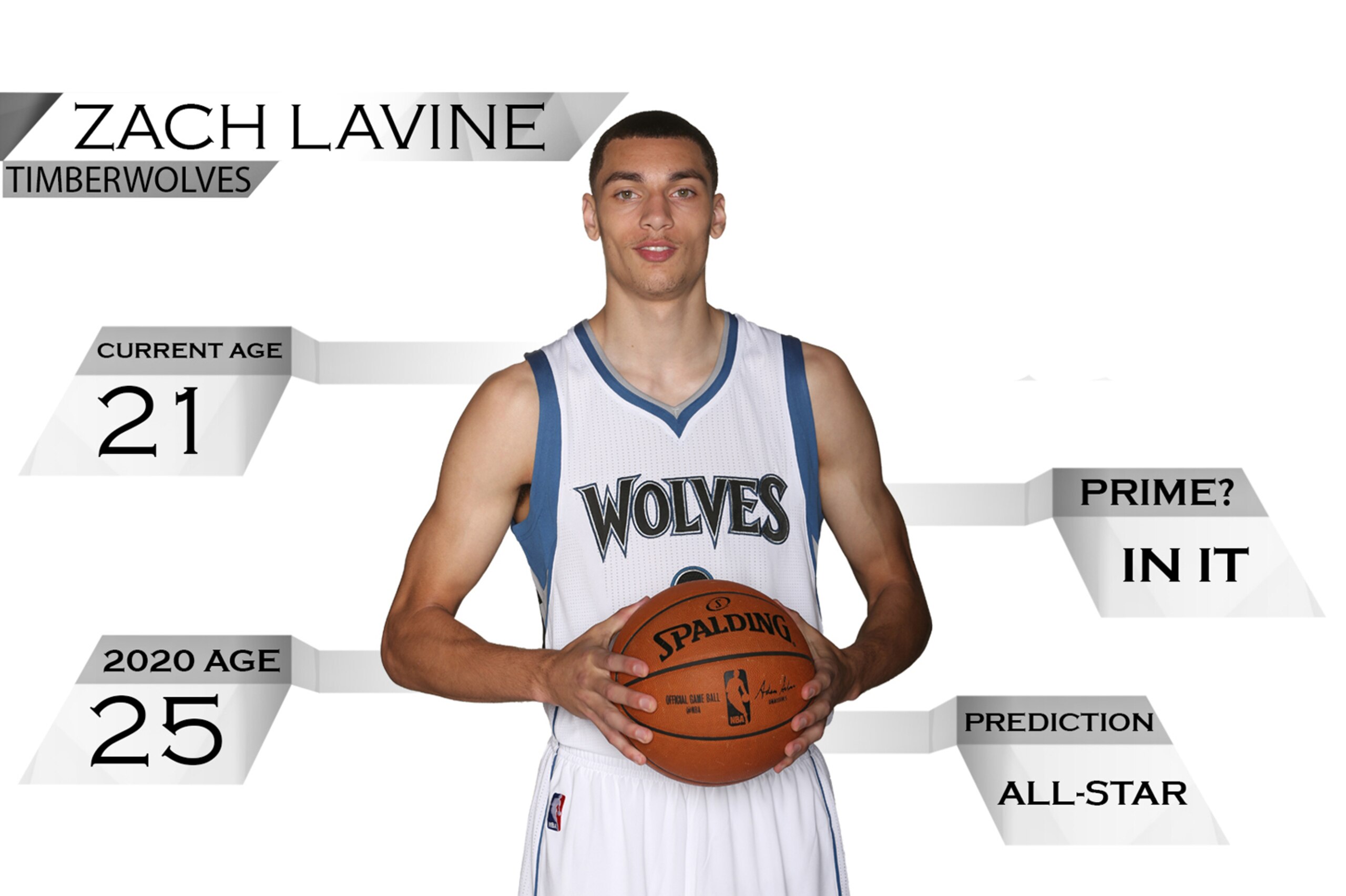
In 2020, Zach LaVine will not only be known as a six-time Slam Dunk Contest champion.
The Minnesota Timberwolves began to unlock his full potential when now-former head coach Sam Mitchell realized he was better as an off-ball guard. Rather than ineffectively attempting to create his own looks, LaVine thrived when paired with Ricky Rubio, torturing defenses with his combination of developing perimeter touch and vaunted athleticism.
According to NBA.com's statistical databases, he averaged only an additional 0.1 points per 36 minutes with Rubio sharing the court, but his field-goal percentage and three-point percentage rose by 5.8 and 2.7, respectively. It was this realization that led to LaVine's strong second half, and that's led to our confidence in his four-year outlook.
After the All-Star break, the dynamic dunker averaged 16.4 points, 2.8 assists and 2.5 rebounds while shooting 48.0 percent from the field and 43.7 percent from beyond the arc. Considering he only turned 21 right before the final 16 contests, the best is surely yet to come. And that type of production already feels sustainable in his newfound role.
7. C.J. McCollum
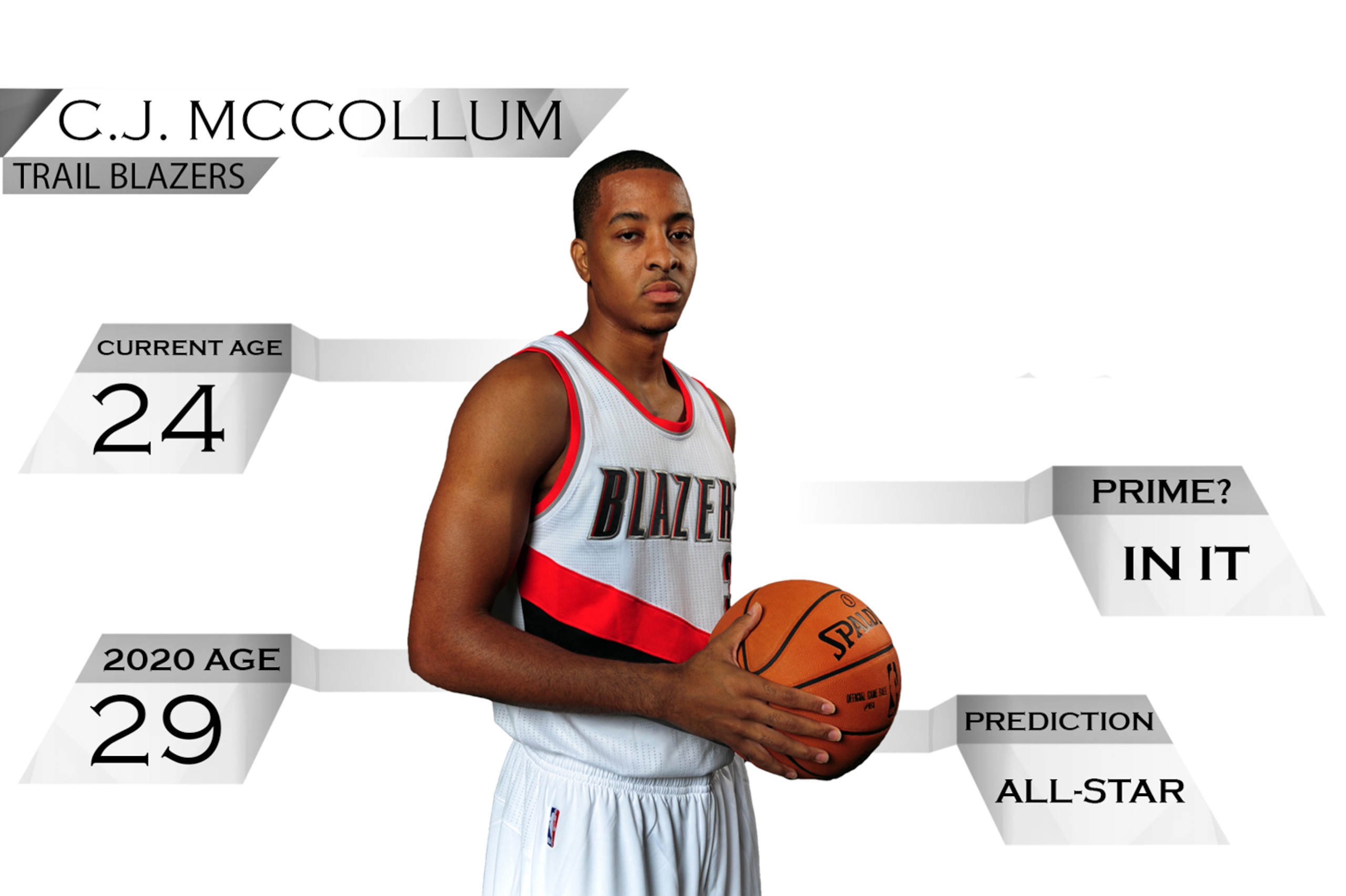
As Graphiq's Ben Leibowitz wrote for Sports Illustrated, C.J. McCollum didn't just use an uptick in minutes played to become the NBA's Most Improved Player:
"While it's understandable that McCollum’s production would increase with more minutes, he actually showed quite a bit of improvement even when you normalize his numbers on a per-36-minute basis. The youngster averaged 15.7 points per 36 minutes in 2014–15, which jumped significantly to 21.6 points per 36 minutes during his Most Improved showing.
In other words, it wasn't just an increase in opportunity driving McCollum's improvement—he genuinely got better as a player.
"
The Lehigh product desperately needs to improve as a defender, but he's left little doubt he's emerging as a bona fide offensive stud.
Incredibly accurate from the outside and proficient at creating his own mid-range looks, he can torture most defenders with a dizzying array of shots. Requiring assists on only 20.3 percent of his two-point attempts and just 72.1 percent of his triples already puts him in elite company, and he could still be improving by the time 2020 rolls around.
6. Damian Lillard
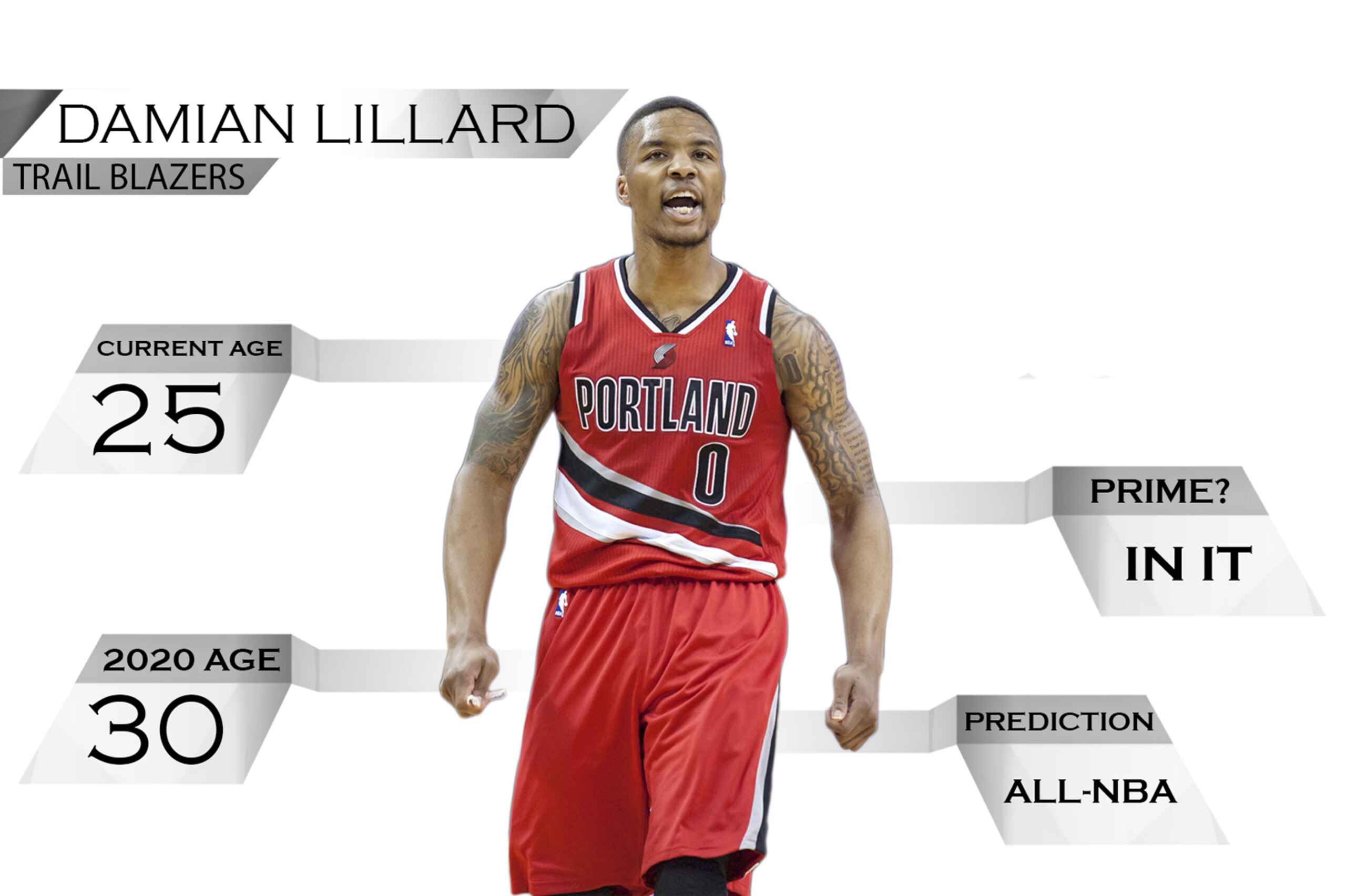
Were it not for Stephen Curry, we'd be looking at Damian Lillard as the point guard capable of altering the entire league's style. Though he hasn't produced record-setting numbers like the Golden State Warriors floor general, he's still managed to assert himself as one of the deadliest snipers in league history—often staggering opponents from off the bounce.
Only 47.2 percent of Lillard's treys came off an assist during the 2015-16 campaign. For the sake of comparison, Curry required assists on 54.7 percent of his.
But there's also the sheer volume at the beginning of his career. Precious few players in the Association's lengthy history have even come close to matching his four-year total:
Lillard's shooting will age well—Curry's records came during his age-27 season—but there's also so much more to his game. If he can add defense to the list of talents, his standing will only trend further toward the top of the class.
5. James Harden
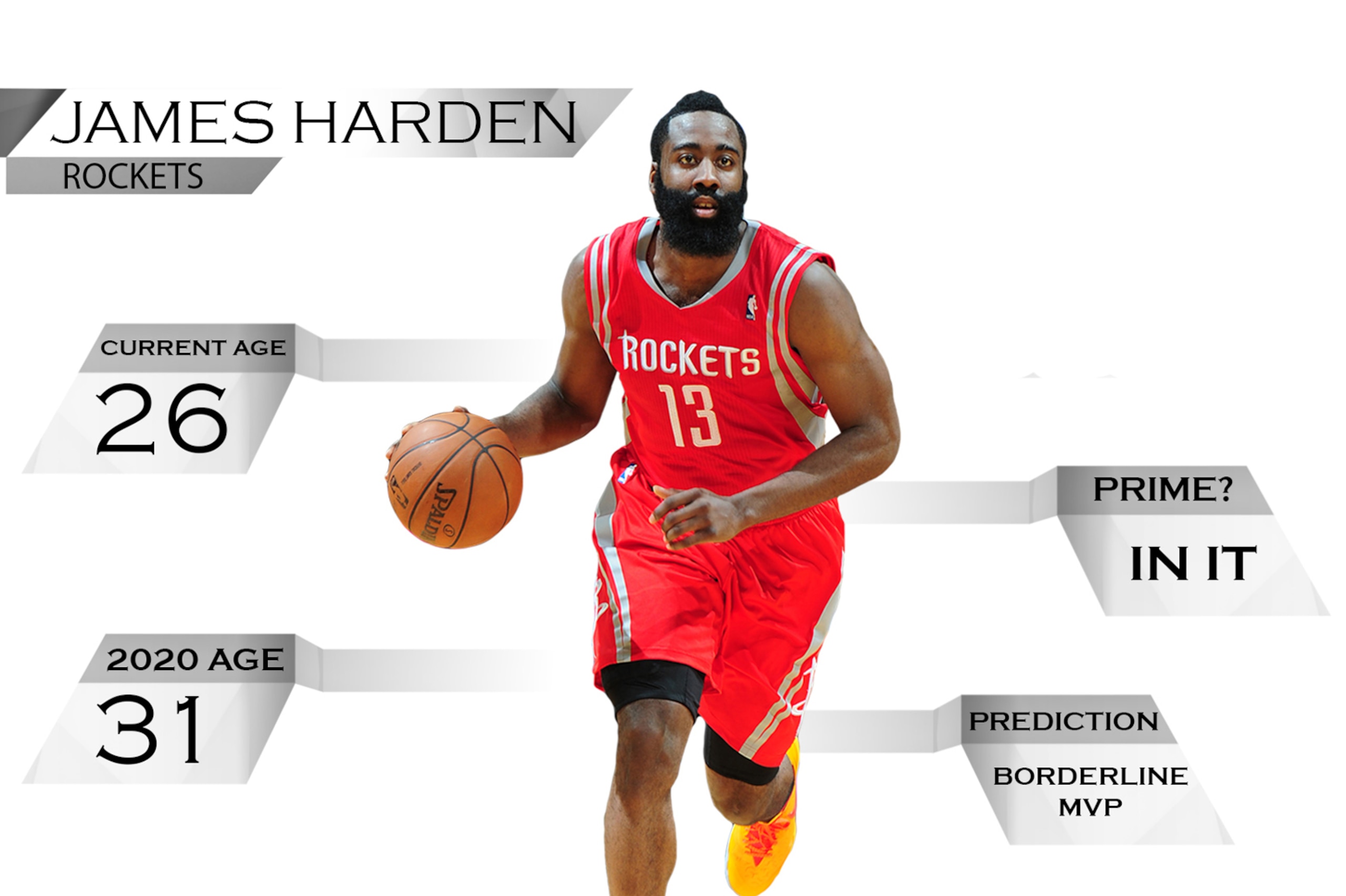
Even though the bearded shooting guard staunchly refuses to trouble himself with the whole "trying on defense" thing, he's managed to remain an MVP candidate during his prime years. His penchant for drawing fouls, ability to knock down shots anywhere in the half-court set and knack for finding open teammates whenever possible has made him quite valuable.
In fact, the offensive portion of NBA Math's TPA shows he's had multiple entries among the top offensive campaigns of the current millennium. His work in 2014-15, when he served as the MVP runner-up, gave him the No. 17 score. During 2015-16, when he trailed eight players in the MVP voting, he posted the No. 14 offensive mark.
This ability isn't going anywhere, even as Harden enters his 30s. He has such a fundamental understanding of how to position his body and draw contact, essentially baiting the officials into blowing their whistles, that he'll always remain an efficient source of scoring.
4. Russell Westbrook
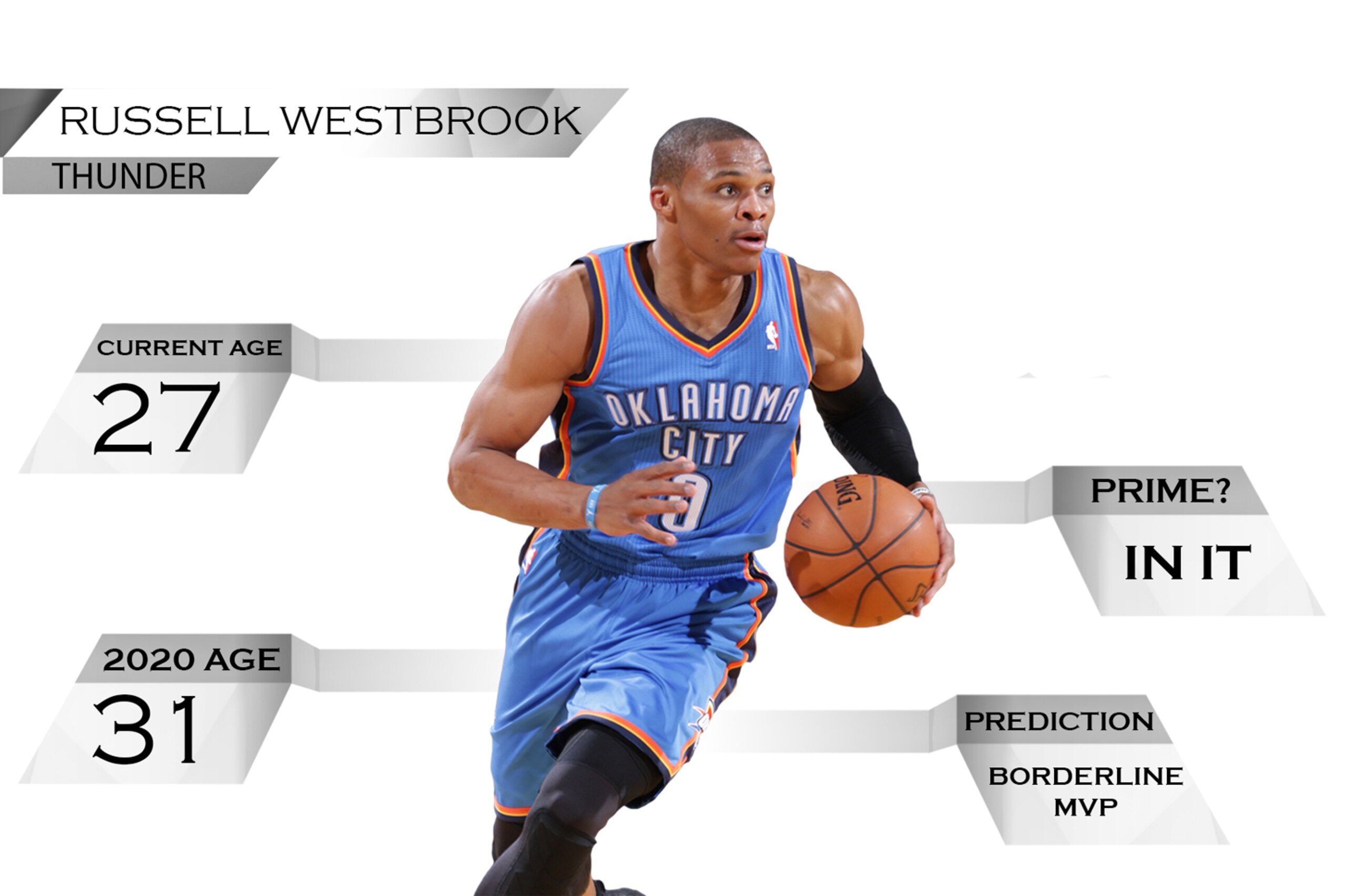
Will Russell Westbrook still be an athletic marvel by the time he's 31?
If his explosiveness has faded away, it's tough to see him remaining a true candidate for the league's MVP honor. Though he's become a deft passer who understands situations rather well, that's always going to be a secondary skill. It's his ability to blow by defenders that opens up passing lanes for his teammates.
However, Westbrook could compensate for diminishing athleticism by becoming a more skilled shooter. He's never hesitated to loft pull-up jumpers from mid-range zones, but expanding his range beyond the arc would do wonders for his ability to provide spacing.
The Oklahoma City Thunder point guard is a tireless competitor who's consistently added to his game ever since entering the league. It's nothing short of miraculous that he left UCLA as a natural shooting guard and is now coming off a year where he averaged 10.4 dimes.
Let's not doubt his ability to continue growing, even after what originally made him so special begins to slip away.
3. John Wall
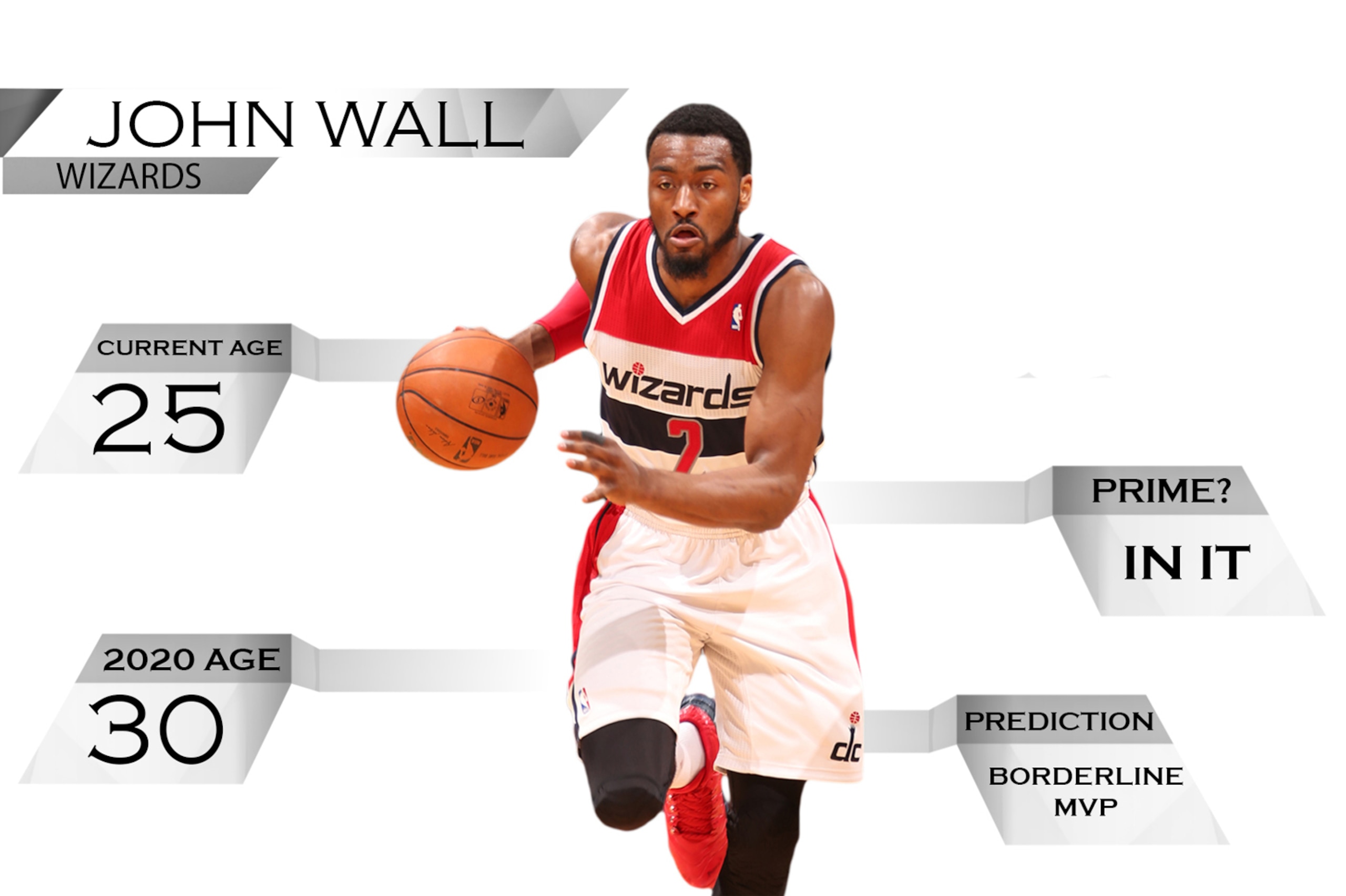
For years, we've been wondering what might happen when John Wall develops a jumper. Though his development was hampered in 2015-16 by the Washington Wizards' overall putridity and the endless stream of injuries that plagued the entire roster, he did show flashes of growth.
Taking a career-high 4.3 triples per game, he knocked down 35.1 percent of his attempts from beyond the arc. That latter number was also the best of his professional career, and it should continue to trend up as his teammates improve around him.
Wall is still learning how to dominate a basketball game, and that's perfectly understandable. He's been tasked with carrying far too much responsibility on teams with limited talent. Even the established players have often been one-trick ponies—Bradley Beal's three-point shooting and Marcin Gortat's rolls to the hoop serve as great examples.
The physical skills aren't going anywhere. Nor is the vision that's allowed him to relentlessly find open teammates on the perimeter as he drives through the teeth of a defense.
2. Kyrie Irving
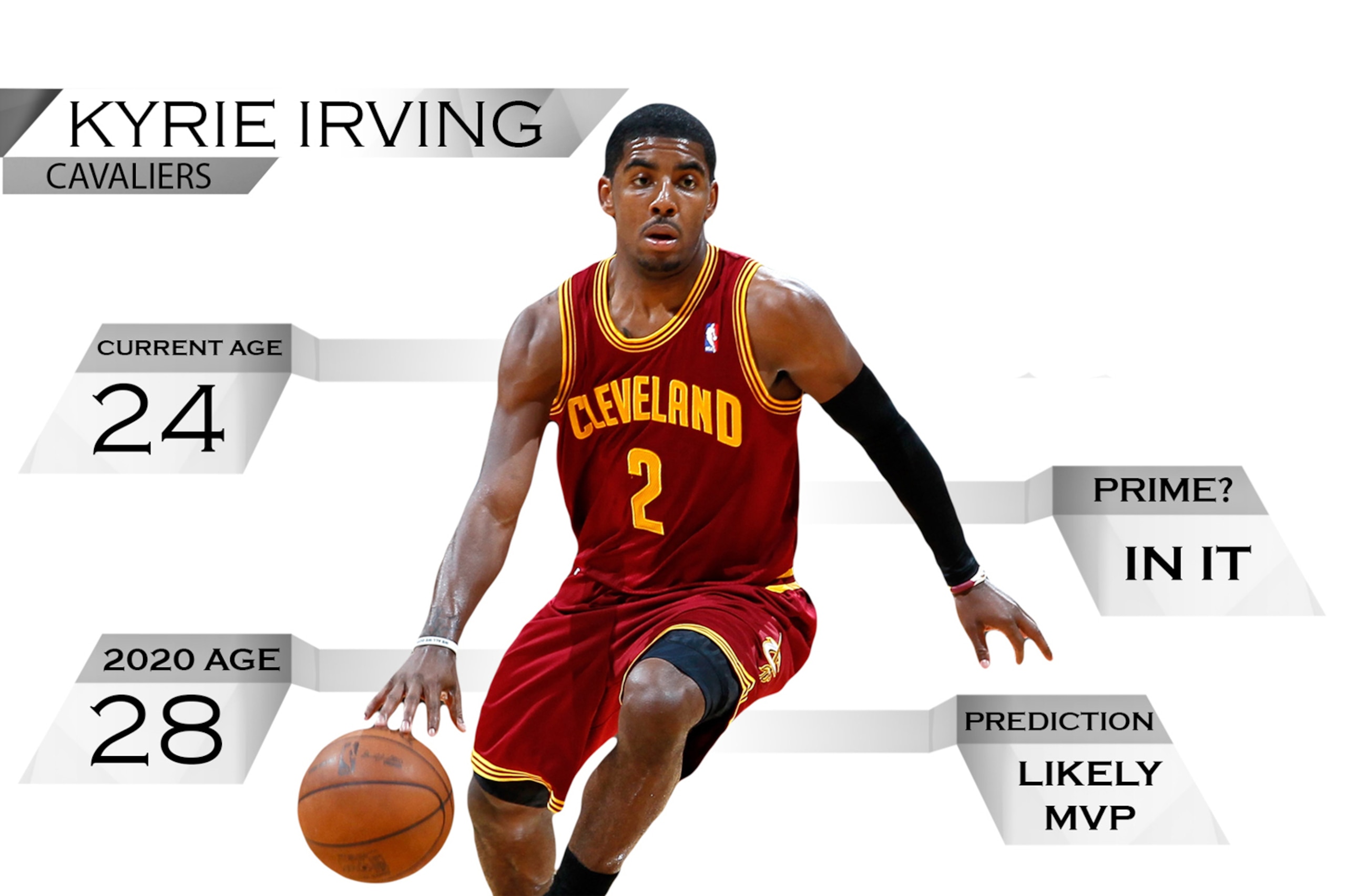
Kyrie Irving may have better handles than anyone else in the Association. He treats the ball like it's a yo-yo, doing whatever tricks he feels are necessary until he draws it back and completes a play that embarrasses the opposition.
His actual production, however, has often left something to be desired.
Irving has yet to stay healthy and effective throughout an entire campaign. We know he has the talent to serve as a leading scorer on a competitive team, though it sometimes comes at the expense of distributing the ball and keeping everyone involved. He's also shown flashes of defensive ability, but his focus often wavers in situations that don't come at the end of games.
Still, there should be little doubt he'll one day put everything together. The combination of skills is flat-out ridiculous, even if they've all come with caveats during the early portion of his professional career.
1. Stephen Curry
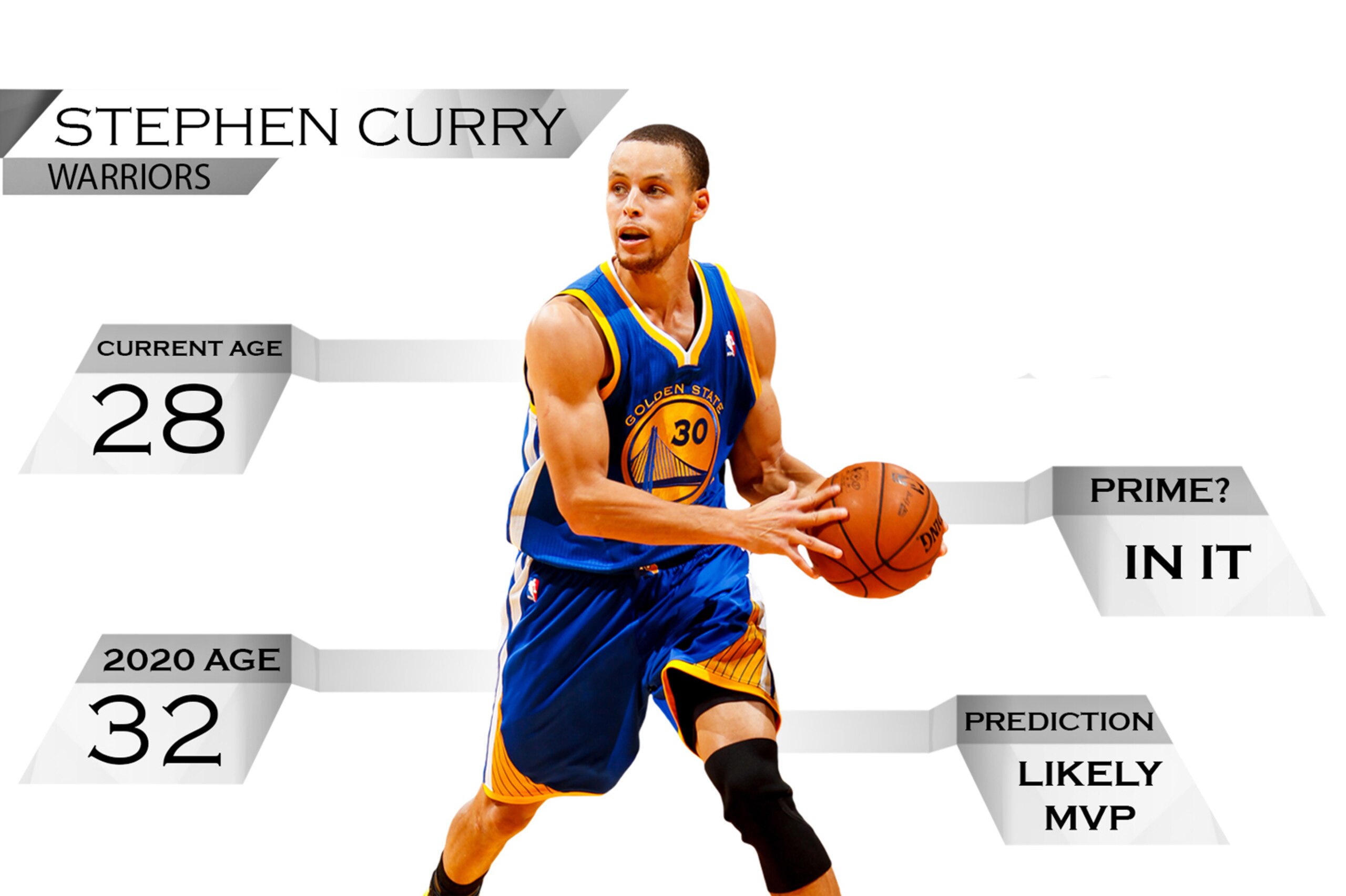
Were you expecting anyone else?
Even though point guards tend to fall off a cliff at 31, Stephen Curry should prove to be the exception. He has the ace card—the best shooting skills we've ever seen. Even if he's working off the dribble less and running around countless screens to create the tiniest modicum of space, he's going to continue setting three-point records.
But Curry remains far more than just a shooter.
He's a deft distributor who spent the 2015-16 season willing to defer and generate hockey assists rather than actual dimes. Between his behind-the-back feeds and no-look passes, he's a creative player who often operates as if the defense is in slow motion.
Plus, he's been an above-average defender for the last few seasons. Though his reputation hasn't caught up with his actual production, he did just lead the league in steals while constantly leveraging his strength and forcing his marks into less advantageous positions.
Curry is nearly a complete commodity, and it just so happens that his primary skill—the one that helped him produce one of the greatest individual campaigns in NBA history while becoming the league's first unanimous MVP—is one that ages better than anything else.
Adam Fromal covers the NBA for Bleacher Report. Follow him on Twitter @fromal09.
C.J. Moore covers NCAA basketball for Bleacher Report. Follow him on Twitter @CJMooreBR
Unless otherwise indicated, all stats are from Basketball-Reference.com or NBA Math, and all quotes are obtained firsthand.

.jpg?w=2560 "Love Not Playing in HOF Game")

