Stability Won't Last: NBA Coaches on Hot Seat Entering 2017-18 Season
Every NBA coach who started the 2016-17 season finished it.
Don't expect that to happen again.
Not just because last year was the first time in 46 seasons without a head coach firing, though that's persuasive on its own, but also because of instability wafting around several posts.
Whether it's a new executive coming to power and wanting to install his own personnel or the frustration building over unmet expectations, a handful of coaches are on borrowed time.
Nobody should be rooting for pink slips, but they're coming anyway. Here's who might get one.
Alvin Gentry, New Orleans Pelicans
1 of 7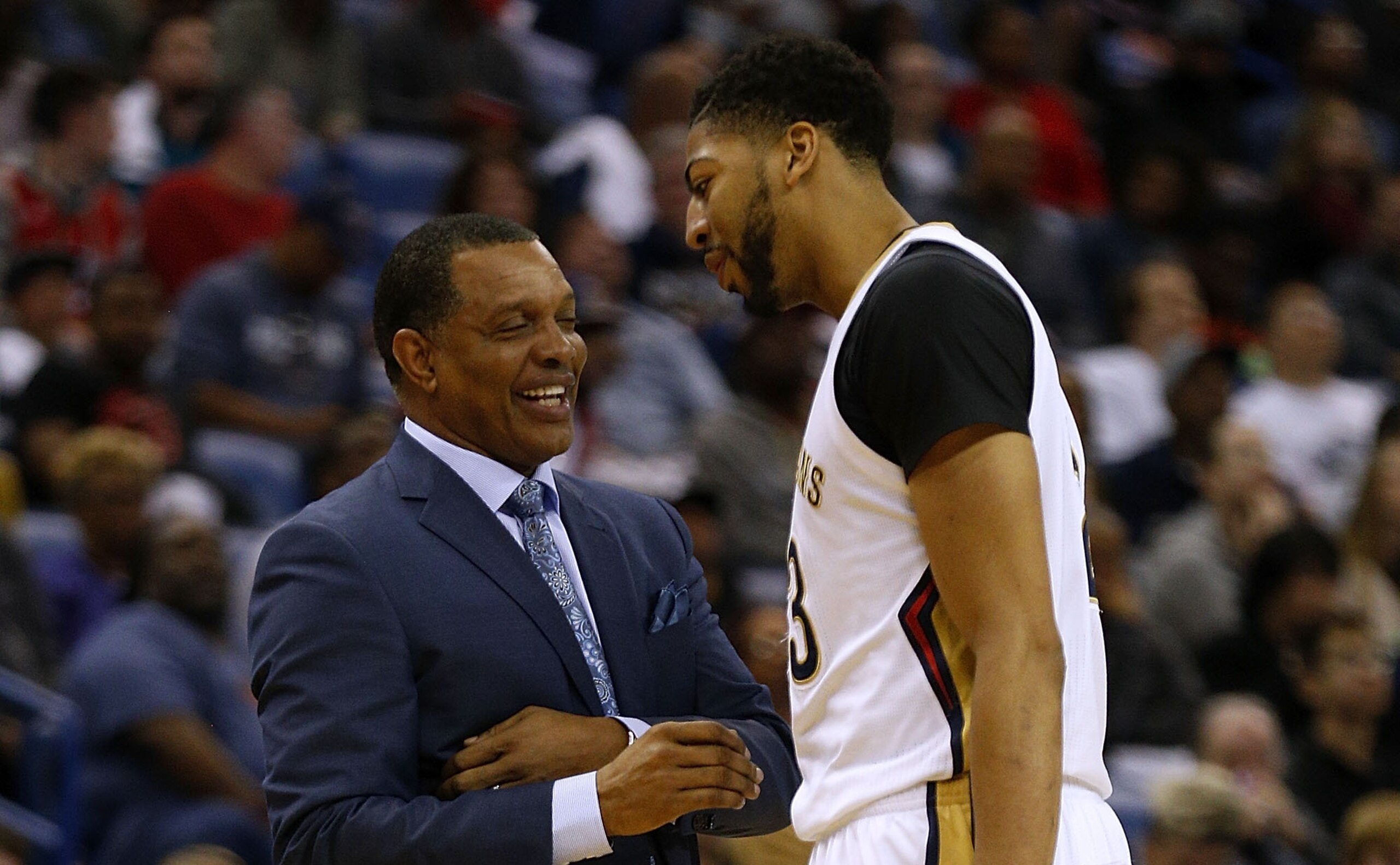
Coming off a pair of lottery trips, Alvin Gentry is effectively in a contract year with the New Orleans Pelicans. The four-year deal he signed before the 2015-16 season features a team option for 2018-19, which means another disappointing effort could make this year his last.
Several issues generate heat on Gentry—many of which have nothing to do with his contract or job performance to date. The Pels are poorly constructed. Built around two big men and a point guard in an era where wing play is the hot commodity, New Orleans will have to succeed with an unconventional style.
It probably won't.
Add to that the looming free agency of DeMarcus Cousins and the organization's long-term self-sabotage in the years prior to Gentry's arrival (in which the Pelicans sold off future assets and added Omer Asik and Alexis Ajinca on bloated contracts), and there's room for sympathy toward Gentry.
He didn't create this mess.
The NBA is an unsympathetic place, though, and another terrible start (New Orleans went 1-9 out of the gate last year and 1-10 the season before) could put an end to Gentry's brief tenure.
Frank Vogel, Orlando Magic
2 of 7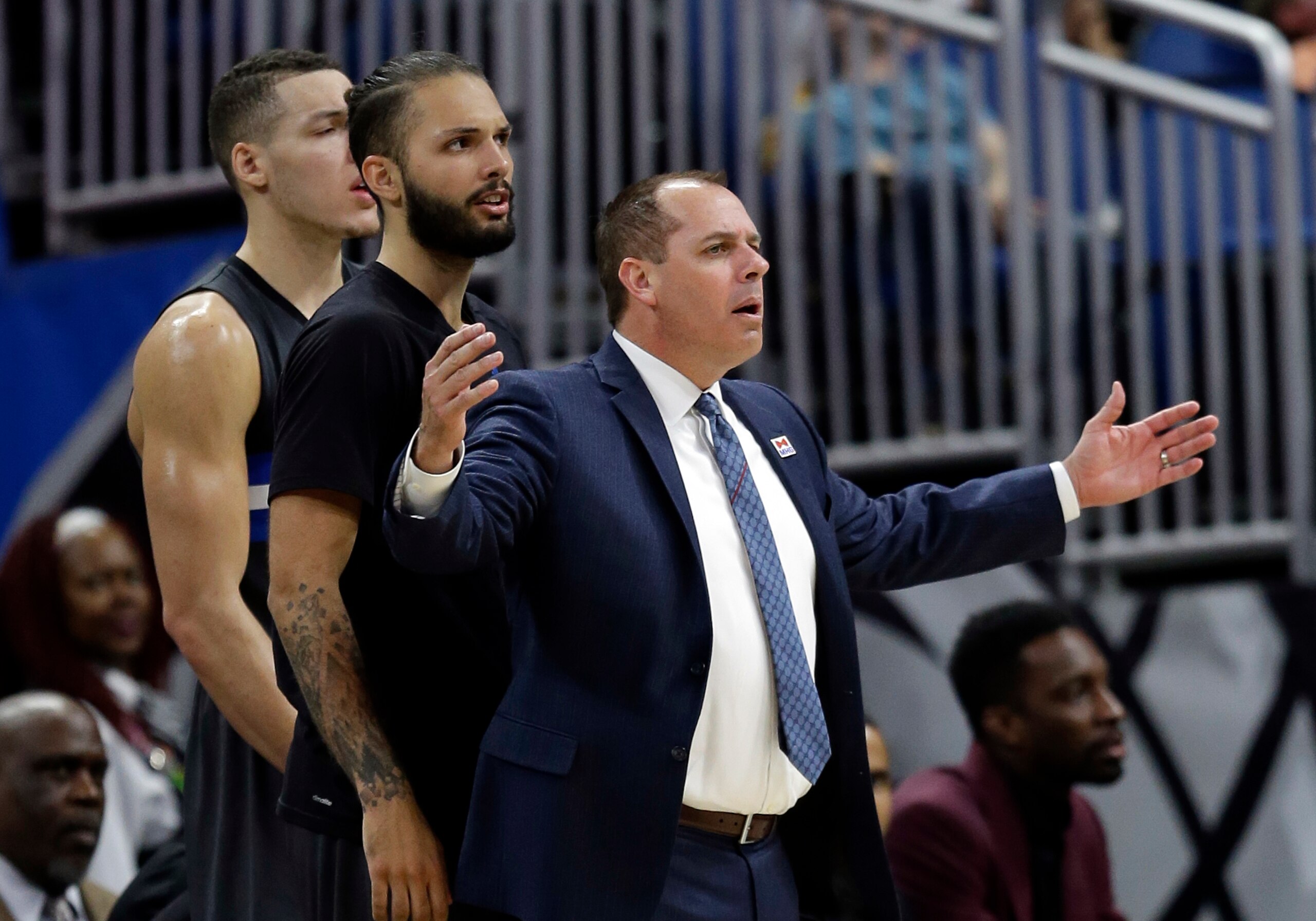
The generally low profile of the Orlando Magic kept their disappointing defense from being a major story, but a poor performance on that end has to stand out, in hindsight, as one of the most shocking developments of last season.
Because Frank Vogel was supposed to fix this.
The Magic miscommunicated and late-rotated their way to the No. 24 defensive ranking in 2016-17, despite spending big to add Bismack Biyombo's rim protection and trading for Serge Ibaka.
They checked in at No. 17 on D before adding those two bigs, and Vogel's arrival was supposed to vault the Magic into the top 10. It felt like a given.
Turns out all the stopping power Vogel presided over with the Indiana Pacers might have had more to do with prime Roy Hibbert, Paul George, George Hill and David West than any schematic innovation.
Vogel is only a quarter of the way into his four-year deal, $22 million deal, so the Magic might have to take yet another step backward to make firing him (and eating heaps of dead money) realistic. But when a coach who's supposed to be good at one specific thing, defense, shows up and sees that unit regress significantly, his seat has to heat up.
Brett Brown, Philadelphia 76ers
3 of 7
Firing Brett Brown at any point before his contract expires at the end of the 2018-19 season would be cold.
Like, "Harry and Lloyd pulling into Aspen on a scooter" cold.
Brown endured The Process. Lived through the losing. Somehow stayed sane as prize rookies sat out full seasons and more lottery picks were the only light at the end of the tunnel.
He's earned the right to see The Results.
BUT!
All we know (and all Philadelphia 76ers president of basketball operations and general manager Bryan Colangelo, who didn't hire Brown, knows) is that Brown can hold a team together when there are no real stakes. We haven't seen him coach meaningful games or manage an NBA-quality rotation. We don't know if he or his staff are any good at player development because we've only seen 31 games of Joel Embiid, and for all we know, he was this good all along.
There are expectations for the Sixers now, even if they'll give major minutes to two rookies.
Four years into Brown's employment, he's about to be judged by the same standards as everyone else for the first time.
Those standards are harsher than he's used to.


Jeff Hornacek, New York Knicks
4 of 7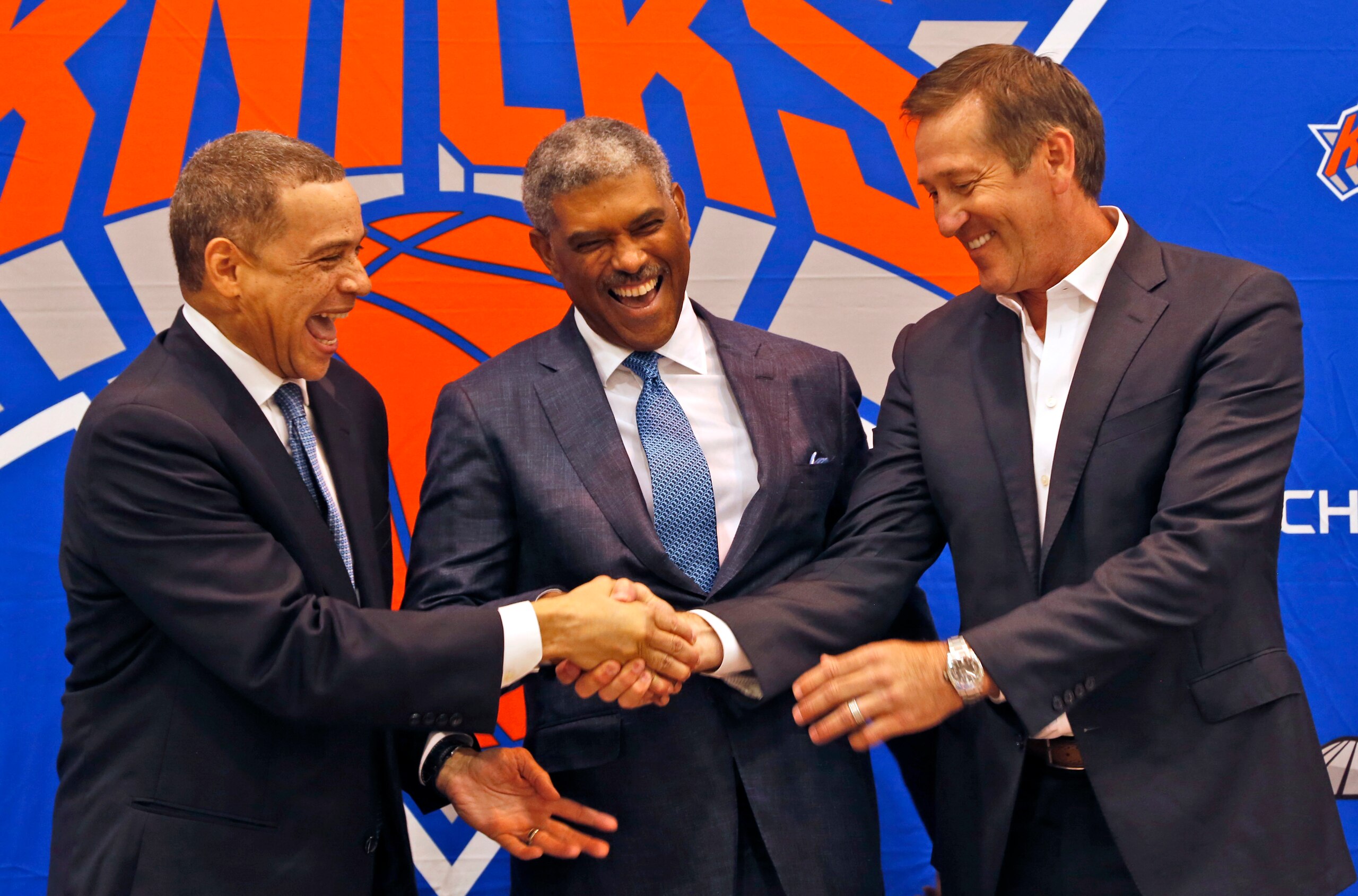
The New York Knicks have employed five coaches in the last six seasons, and two key sources of that instability—team president Steve Mills and owner James Dolan—are still calling the shots.
Plus, new general manager Scott Perry didn't hire Jeff Hornacek, who has two seasons left on his deal. It's unclear how much influence Perry will have with Mills around, but incumbent coaches frequently find themselves in tough spots when new management comes to power.
Forgive us if we're not convinced Phil Jackson's exit means peace, sanity and prosperity are imminent.
At least Hornacek won't have to waste his time with elements of the triangle offense anymore. That'll give him a chance to implement the more open system he favored in Phoenix. Then again, if the Knicks defense continues to underperform, he'll be under scrutiny no matter how much smoother the offense looks.
Perhaps Carmelo Anthony's exit (whether by trade or buyout) will alleviate expectations and encourage the front office to give Hornacek a chance to lead a deliberate rebuild. Or, as has been the case in New York for so long, perhaps he'll fall victim to the unreasonable expectations and hasty team-building principles of a chaotic management structure.
Yeah, it'll probably be the second thing.
Dwane Casey, Toronto Raptors
5 of 7
All four of the winningest seasons in Toronto Raptors history have come with Dwane Casey as head coach, and the only thing we learned for certain over the last two seasons was that Casey's Raps couldn't beat the Cleveland Cavaliers in a playoff series.
If that were grounds for firing, every coach in the East besides Tyronn Lue would be out of a job.
Still, Casey should be feeling pressure. President Masai Ujiri wants strategic tweaks, which Casey will have to implement. And with so much depth departing because of tax considerations, Toronto's youth—Jakob Poeltl, Norman Powell and Pascal Siakam—must develop.
For a coach with two more years on his deal, one leading what should be a top-four roster in the East, Casey faces more adversity than you'd expect.
The Raptors are committed to a core of Kyle Lowry, DeMar DeRozan and Serge Ibaka. All are under contract for big money through 2019-20. So if the team disappoints, a change is more likely to come on the coaching front.
Doc Rivers, Los Angeles Clippers
6 of 7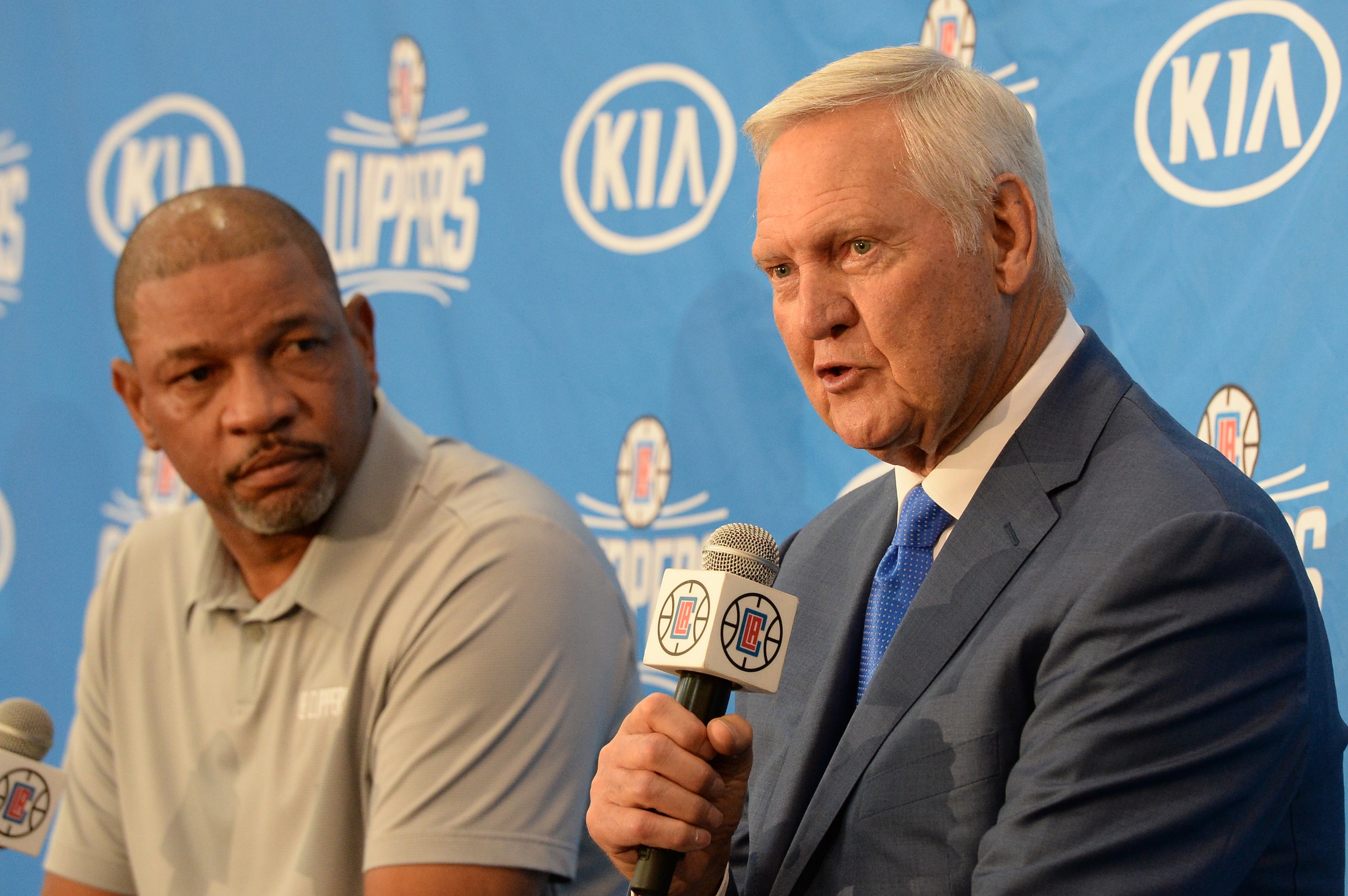
Owner Steve Ballmer made a five-year, $50 million commitment to Doc Rivers in 2014, granting him immense power with dual roles as coach and team president.
Investments like that are great for job security.
Enter Jerry West.
West, who joined the Los Angeles Clippers as a consultant in June, is probably not interested in idleness at this stage of his career. Having helped build the Warriors into a juggernaut, and effectively leaving with the organization on cruise control, he likely sees the appeal of increased activity. He's not in L.A. to sit around.
Remember, too, that West had influence in the ouster of Mark Jackson in Golden State. He's no stranger to firing popular coaches.
No change is imminent, and Rivers probably wouldn't have encouraged West's hiring if he thought it jeopardized his own position: "I wanted to bring him in, more than this year without going much further than that," Rivers told reporters. "Without going much further than that, I kept bringing it up."
Nonetheless, team sources told Bleacher Report's Kevin Ding that Rivers' work ethic has declined since his tenure coaching the Celtics, and we should keep in mind how he angled to leave Boston when the roster was no longer capable of contending. Note, too, that West has always been a principled, bold decision-maker. He takes stands (See: Golden State not trading Klay Thompson for Kevin Love), and history tends to vindicate his stubbornness.
With the Clippers starting a new chapter and West perhaps itching to put his stamp on one more NBA team, Rivers' security isn't what it used to be.
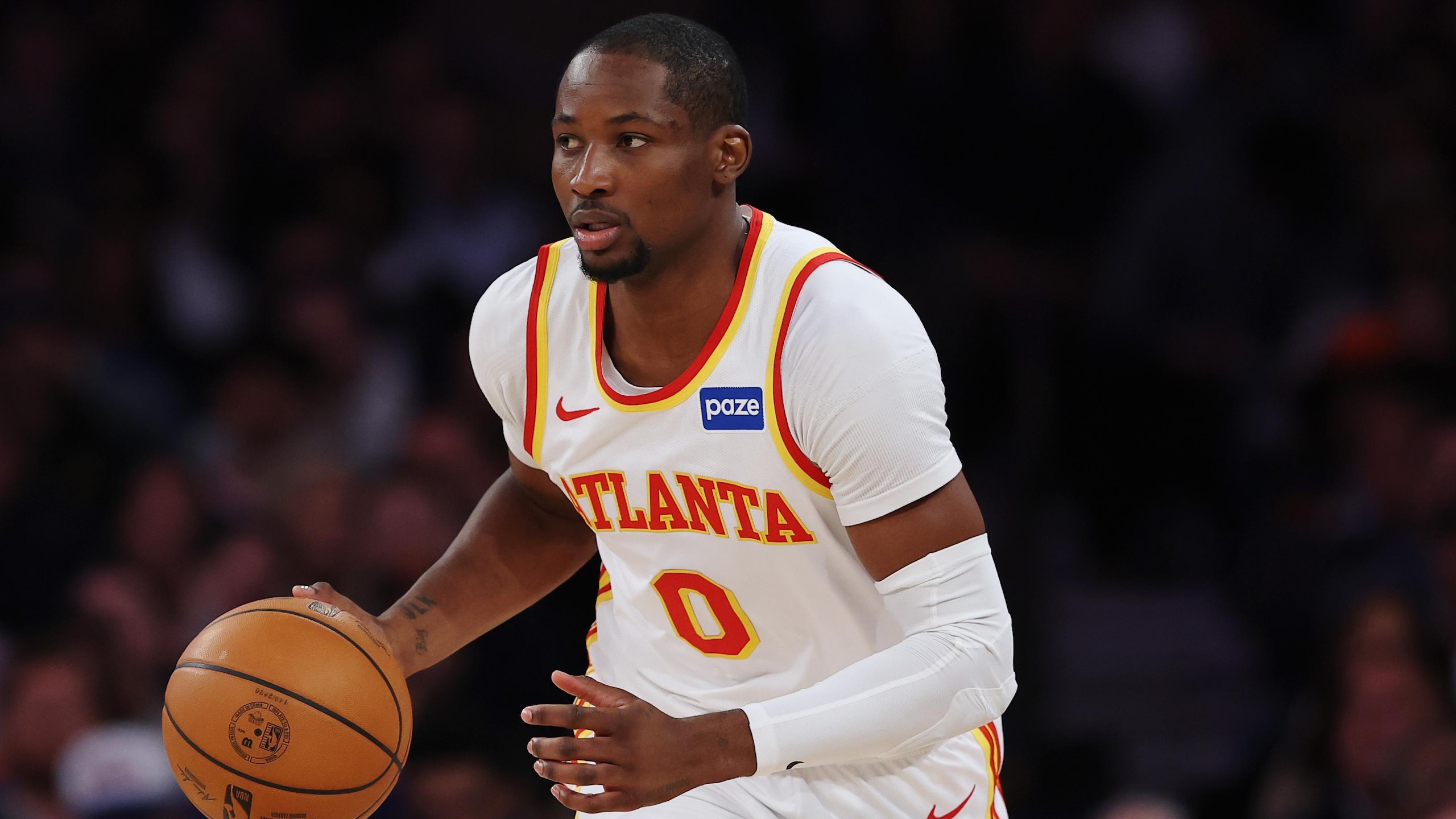
Mike Budenholzer, Atlanta Hawks
7 of 7
New Atlanta Hawks general manager Travis Schlenk insists everything's fine.
"I have no reason to believe that there'll be any issues with coach and I," Schlenk told reporters after taking the job in June. "I'm here to help him. It's a partnership. We're in this together. I can't be successful in my job in he's not successful in his job. I think we're going to have a very strong working relationship."
This is the right thing to say, but it's hard to know how meaningful it is. No incoming executive starts his press conference by listing all the people he can't wait to fire.
When you consider how Budenholzer was effectively stripped of personnel responsibilities by ownership after fighting off rebuilding efforts to the detriment of the team (Al Horford and Paul Millsap left for nothing in consecutive summers because Budenholzer was reluctant to trade them), it's hard to be confident in his security.
Perhaps against Budenholzer's wishes, the rebuild is on now.
And, broken record alert: Schlenk didn't hire Budenholzer. In charge of his first franchise after working under Bob Myers in Golden State, Schlenk should carry with him some of the collective, "everybody gets a say" spirit from the Warriors' organization. But he probably also wants to install personnel of his own choosing.
That may be bad news for Budenholzer, who led the Hawks to remarkable 60-win heights but may not be the right guy to guide the team through all the losing ahead.
Stats courtesy of Basketball Reference or NBA.com.
.jpg?w=2560 "Report: NFL to End Pro Bowl 🚨")
.jpg?w=2560 "Consensus Mock Draft 📋")