

Free Agency Proving Big-Market Appeal Doesn't Work for Lakers, Knicks Anymore
The New York Knicks and Los Angeles Lakers just spent a season as laughingstocks, and a free-agency period littered with pratfalls means the jokes won't stop coming any time soon.
It can't be this way forever. The merciful law of averages (and the draft lottery) should eventually help the Knicks and Lakers haul themselves out of the cellar. But something has clearly changed about the way free agents make their decisions, and it doesn't bode well for either of the NBA's marquee franchises.
Banking on Belief
TOP NEWS
Silver Wants Team in Portland 📍
NBA Vegas expansion bids nearing $10B
Knicks' 26-27 Ticket Prices 🥴
The Lakers' main problem, among many, is that they've spent the past few offseasons asking free agents to believe in something. Unfortunately for L.A., most prospective signees are so savvy, so ably supported by smart representation and so apprised of the basketball realities that they know putting faith in the Lakers' history is foolish.
They know the ownership group running things now is in place via inheritance and not merit. They see the product on the floor and they hear when Mark Cuban says things like this to Dwain Price of the Fort Worth Star-Telegram: "I don't think people realize just how good of an owner Jerry (Buss) was. I looked up to him a lot. Absolutely. So I don't know if the Lakers will ever be the Lakers."
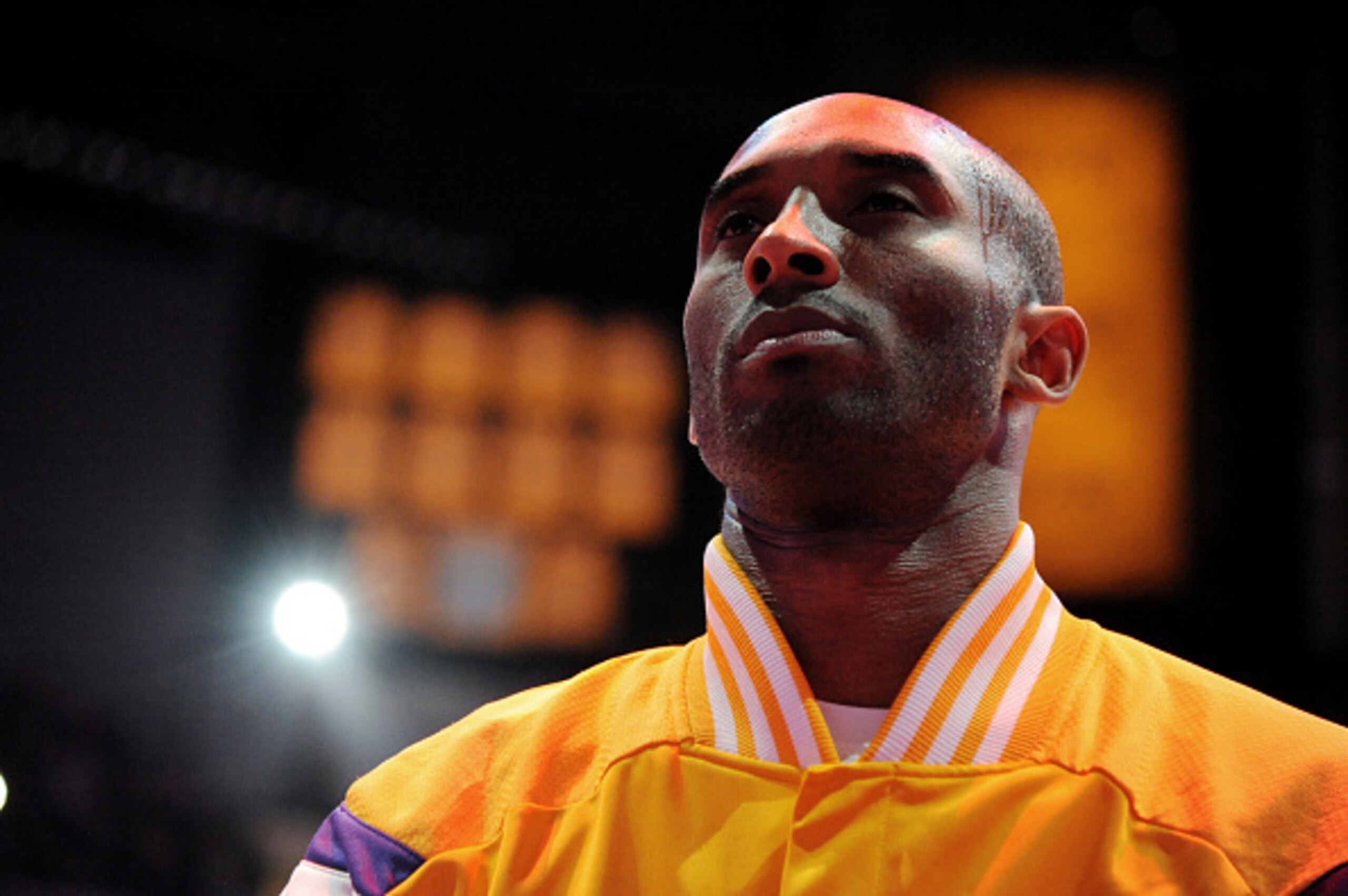
They see Kobe Bryant eating up $25 million in cap space.
They understand how difficult it is to win in the Western Conference.
They're not doing anything so silly as believing. They're thinking.
And when free agents think about the Lakers, they realize a storied past doesn't mean anything's promised in the future.
And Bryant, the organization's most iconic figure, isn't helping matters. According to Mike Bresnahan of the Los Angeles Times, his sales pitch to free agent LaMarcus Aldridge was unimpressive.
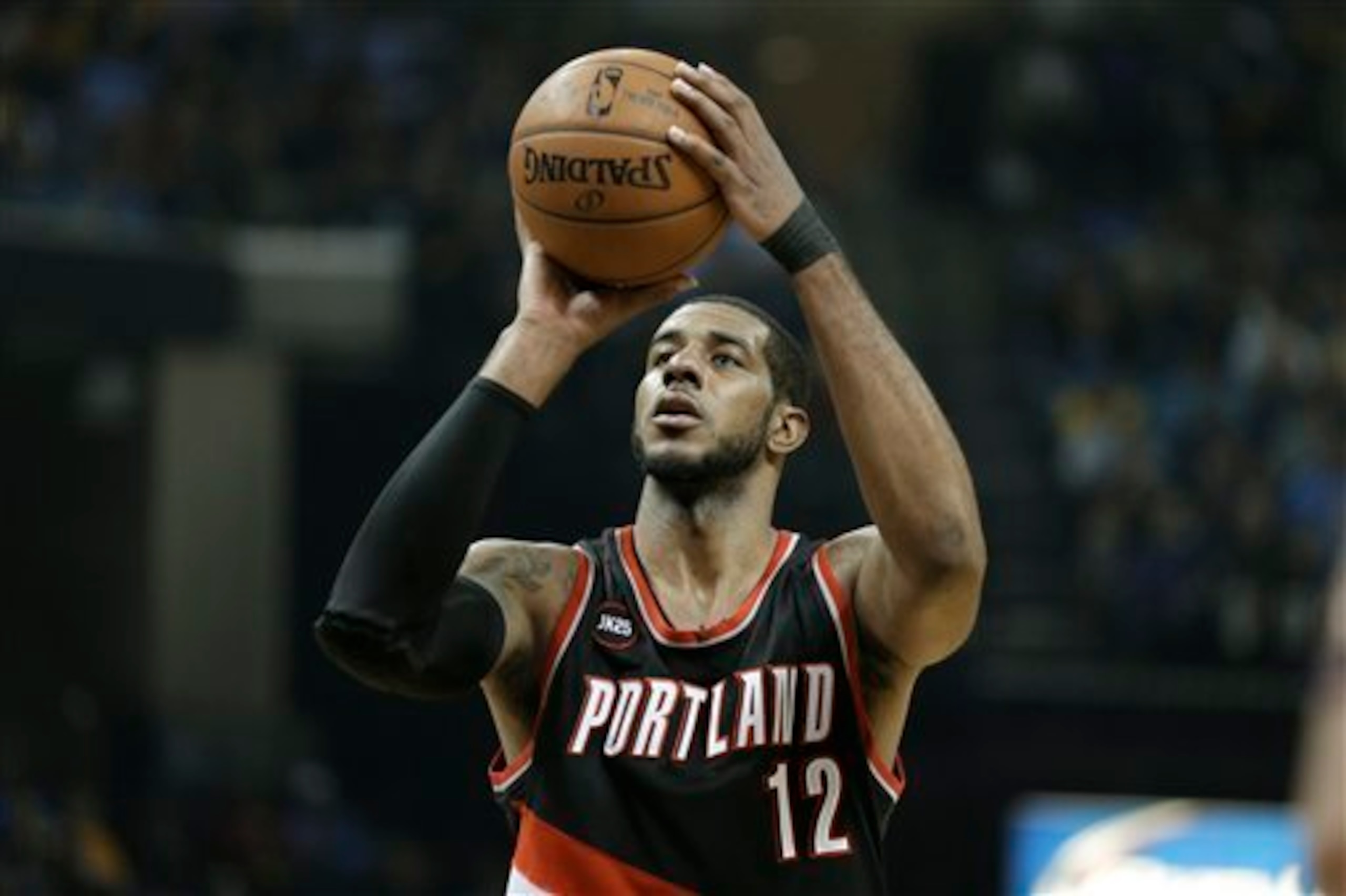
Bleacher Report's Kevin Ding explained that Bryant's comments to Aldridge "did not hit home" because they couldn't address the Lakers' present or future—both murky propositions—as much as they looked to the past as a source of inspiration.
The Lakers haven't signed any of this summer's marquee free agents, which now makes it three straight offseasons of "thanks, but no thanks" from top targets. Dwight Howard took less money to leave in 2013, and Carmelo Anthony spurned an offer in 2014.
There's still time in free agency, but with teams doling out an estimated $1.4 billion in player contracts on the first day of the negotiating period, L.A.'s options are dwindling. Practically speaking, there just aren't many needle-moving free agents left on the market.
The Lakers are not a good team as presently constituted, regardless of Bryant's health going forward. Their conference is brutal, Bryant makes far too much money to allow real roster-building flexibility and if the last three years are any indication, nobody of consequence wants to play with him.
The good news for the Lakers is that Bryant comes off the books after this year, which should allow the franchise to approach free agency like a normal team—not one in a holding pattern and not one holding onto the past.
The Slow Road
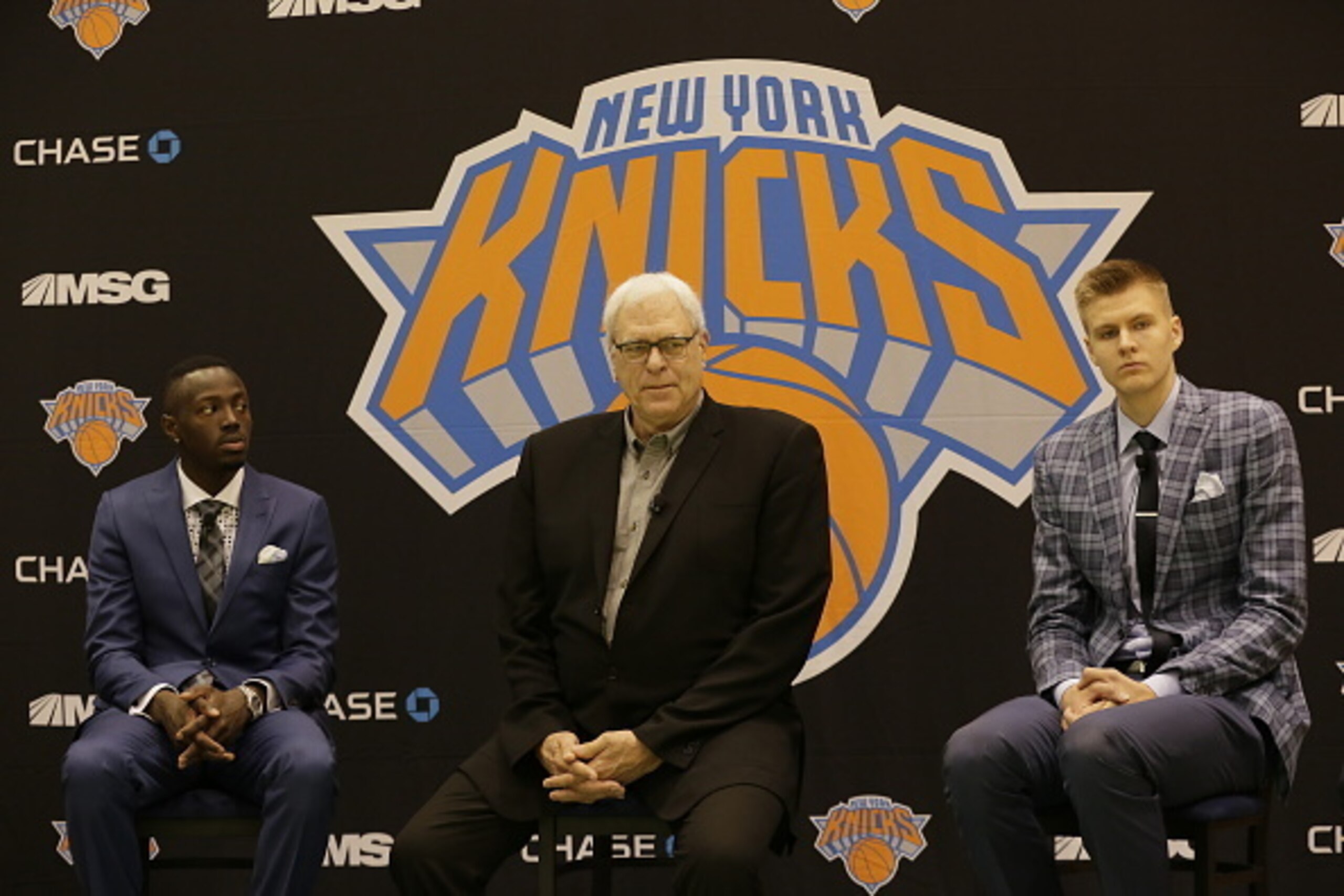
The situation in New York is a little different, as the Knicks' failure to lure big names stems less from infatuation with the franchise's mystique than it does from years and years of short-term thinking.
Phil Jackson's reign has been steadier, and aside from spending $125 million to lock up Carmelo Anthony's age-30 to -35 seasons, the Knicks have approached their personnel decisions calculatedly.
Drafting 19-year-old Kristaps Porzingis, wildly unproven but possibly possessing the most potential in the entire class, is proof the Knicks are through taking silly shortcuts. This is the right kind of gamble for a franchise that has spent years making the wrong ones.
"We anticipate it's going to be rough regardless of whether we have a 19-year-old KP or a 19-year-old whomever," Jackson later admitted, according to Ohm Youngmisuk of ESPN.com. "They're still young players and have a lot of maturation to go."
Those aren't quick-fix words. They're grounded in the reality that getting better is a process that takes work, not something that happens because certain franchises are entitled to it.
Just like the Lakers, though, the Knicks are missing big names in free agency.
Arron Afflalo's two-year, $16 million contract, reported by ESPN's Ramona Shelburne, is far from a cap-crippler, but the shooting guard isn't someone Knicks fans can point to as a major free-agency win, per Kevin Pelton of ESPN.com:
Missing out on Greg Monroe—to the Milwaukee Bucks no less, according to Adrian Wojnarowski of Yahoo Sports—is perhaps the most ominous sign of all. One incident of a prized free agent shunning max money and big markets doesn't necessarily signal major change, but as part of a larger trend of free agents valuing winning and functional management over history and glamor, it has to be troubling for the Knicks and Lakers.
B/R's Howard Beck outlined the simple calculus Monroe used to make his decision:
ESPN.com's Kevin Arnovitz highlighted how little cap room has come to mean for big-name franchises:
And NBA.com's David Aldridge laid out the hard truth:
The playing field is leveling. The best environments in the NBA have less and less to do with physical location or history these days.
Winning, coherent plans and sensible personnel matter more.
The Way Forward
This isn't the end of the Knicks or Lakers; there's a way forward if both teams can acknowledge they're not exceptional. Not anymore.
Mystique, past success and market size may still be important to some free agents, but the recent evidence shows those things are no longer enough to overcome real flaws in management, antiquated offensive philosophies, substandard personnel and a shaky approach to team building.
It's possible for these two proud franchises to be special again in time, but only if they realize they're not special now.
Grant Hughes covers the NBA for Bleacher Report. Follow him on Twitter @gt_hughes.


.jpg?w=2560 "Report: Darnold Could Miss 3-6 Weeks")
.jpg?w=2560 "Grading WWE NXT 🔠")
.jpg?w=2560 "Week 2 Start 'Em, Sit 'Em Decisions")
