

Redrafting the First Round of the 2014 NBA Draft
It's mulligan time!
We asked NBA writers across the country to second-guess every first-round 2014 NBA draft selection. Yes, this is an exercise in trolling, but we are also noble!
To the Cleveland Cavaliers, we offer back the opportunity to keep Andrew Wiggins. You're welcome.
To the Milwaukee Bucks and Los Angeles Lakers, we acknowledge the jury is still out. Jabari Parker and Julius Randle possess immeasurable potential.
To an astounding seven lottery general managers, we say...hey, not bad!
But most selections were really dumb.
Let's fix those.
Special thanks to Bleacher Report writers and editors Greg Swartz, Zach Buckley, Alec Nathan, Grant Hughes, Andrew Bailey, Brian Robb, David Murphy, Sim Risso, Ethan Norof, Adam Fromal, Joel Cordes, Dan Favale, Jared Johnson, Sean Highkin, Chris Walder, Dave Leonardis, Tom Firme, Kelly Scaletta, Josh Martin and Stephen Babb for participating.
1. Cleveland Cavaliers: Andrew Wiggins, G/F
1 of 30This is the easiest pick since Season 1 of American Idol. The draft's "Big Three" quickly became a lone wolf as Wiggins showed off his impressive athleticism and scoring repertoire.
Running away with Rookie of the Year honors, Wiggins is one of the few lottery picks to not land on the trainer's table or stay overseas. He has the potential to become a perennial All-Star and All-Defense team member.
As tempting as a Wiggins-LeBron James mentorship experiment may be, the Cavaliers still ship Wiggins and Anthony "On The Block" Bennett to Minnesota for Kevin Love. Cleveland wishes Andrew the best of luck and will always cherish that draft-day smile.
-Cavaliers GM Greg Swartz
2. Milwaukee Bucks: Jabari Parker, F
2 of 30
The scoring void the Milwaukee Bucks had when they selected Jabari Parker last summer hasn’t gone away. In fact, it’s even more pressing now after the deadline deal that sent away then-top scorer Brandon Knight and the recent trade of stretch forward Ersan Ilyasova.
Before Parker’s rookie campaign was derailed by a torn ACL, he looked like the perfect solution to Milwaukee’s offensive problems. Even though he rarely used the long ball that treated him well in college (4-of-16), he still poured in 12.3 points on 49.0 percent shooting in less than 30 minutes per game.
The Bucks need a No. 1 offensive option. While it’s too early to tell if Parker can fill that role, it’s not too early to declare him the most likely candidate to so on the draft board.
-Bucks GM Zach Buckley
3. Philadelphia 76ers: Joel Embiid, C
3 of 30
Joel Embiid didn’t suit up during the 2014-15 season, and injuries reportedly continue to plague him as the 2015-16 season approaches.
However, that doesn’t mean he wasn’t the right pick for the Philadelphia 76ers at No. 3 overall a year ago.
As was the case last June, the Sixers remain in a position to take the player with the most long-term upside, and at this juncture, Embiid is still atop that list. With nimble feet, a strong frame and a developing jump shot that should eventually allow him to stretch defenses out beyond the free-throw line, there’s still reason to believe Embiid can be a franchise-changing talent if his foot heals properly.
-Sixers GM Alec Nathan


4. Orlando Magic: Elfrid Payton, PG
4 of 30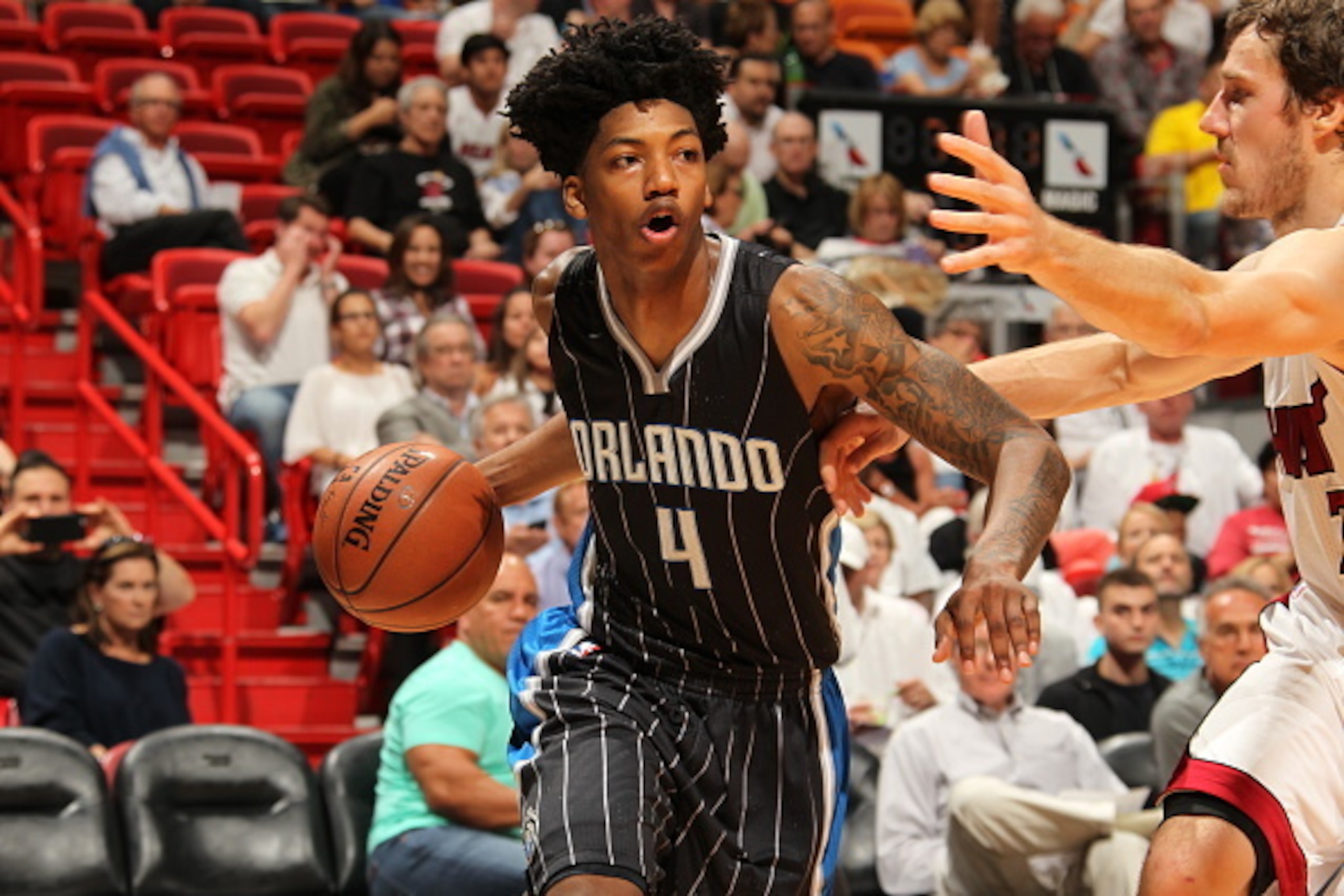
Elfrid Payton is the first big leaper of the 2014 redraft, winding up on the same team but getting there via a higher pick than he did the first time around.
I guess that means he did something right during his rookie season. You know, like prove himself to be the top point guard in his class, flashing the kind of vision and change-of-pace court control floor generals need.
A busted outside shot is a major issue, but Payton's rookie campaign revealed a born point guard who, with the right amount of shooting around him, could do a decent impression of a prime Rajon Rondo. Don't forget: He also has sneaky bounce.
-Magic GM Grant Hughes
5. Utah Jazz: Dante Exum, PG
5 of 30
We really didn't learn anything new about Dante Exum in Year 1 of his NBA career, and we shouldn't have expected to know by now.
His path to the NBA is unprecedented: a teenager from overseas with no previous professional basketball experience. So the reason for taking him here is the same as the reason he was taken fifth overall in 2014.
He has a fantastic physical profile for a point guard. He's 6'6" with a 6'9 ½" wingspan, and he's still growing. After showing flashes of the much-ballyhooed athleticism that generated so much hype for him last summer, Exum is a no-doubt selection once again.
-Jazz GM Andy Bailey
6. Boston Celtics: Marcus Smart, PG
6 of 30
The Celtics were looking for a defensive stalwart to pair with Avery Bradley in the backcourt in last year’s draft, and Marcus Smart fit the bill quite nicely in Year 1.
The 6’4’’ floor general showed the defensive versatility to match up well against both guard spots and had the strength to handle some sizable wings, too.
Smart’s ability to run an NBA offense remains a work in progress, but his outside shooting was better than expected (33.5 percent from three-point range). It’s still unclear if Smart is the starting point guard of Boston’s future, but Brad Stevens will give him a chance to earn that role in the next few seasons. On a team with plenty of needs in the midst of rebuilding, the 21-year-old proved himself worthy of his No. 6 selection.
-Celtics GM Brian Robb
7. Los Angeles Lakers: Julius Randle, PF
7 of 30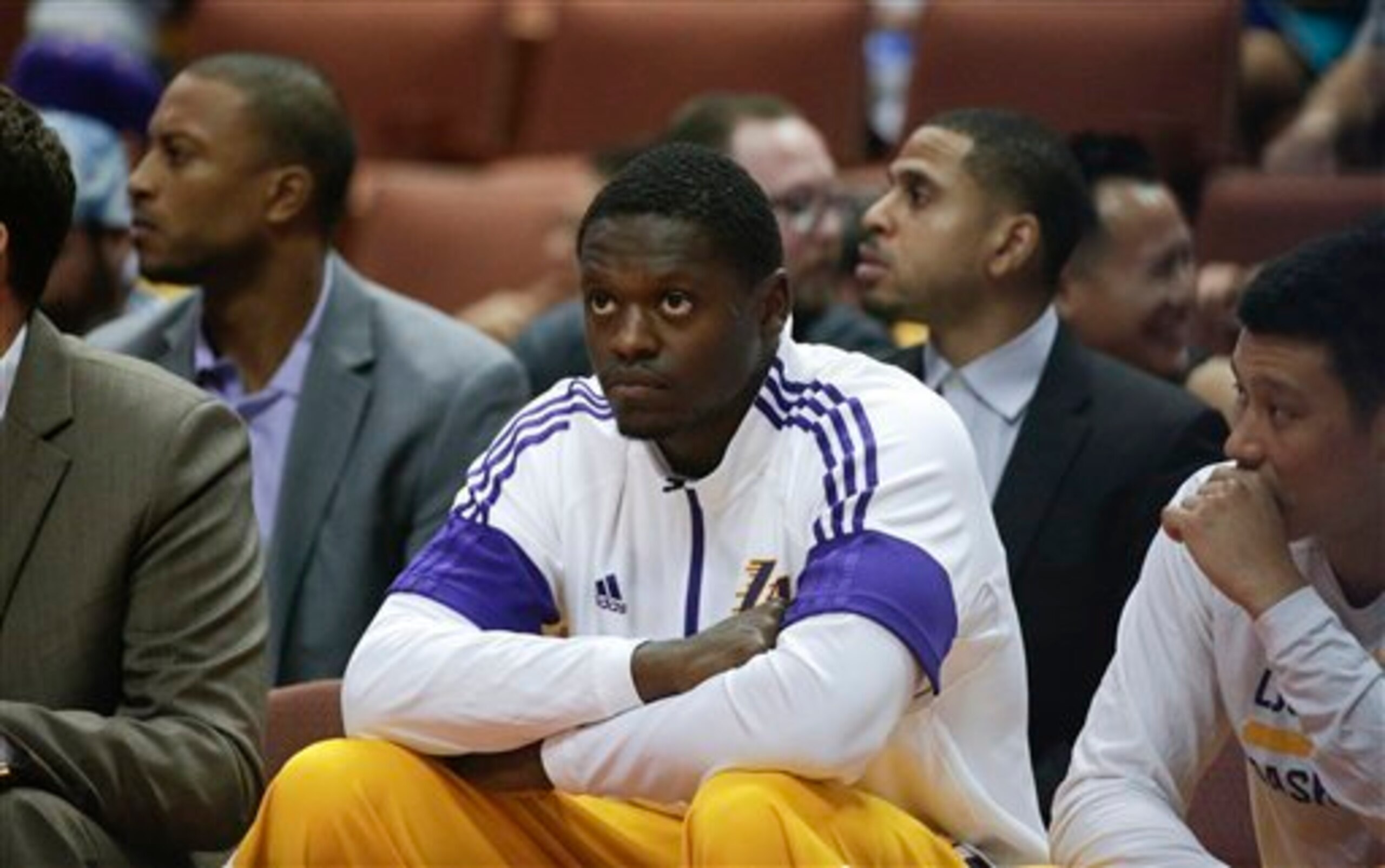
Julius Randle sat out all but 14 minutes of his rookie season with a broken leg, but he can still be the player the Los Angeles Lakers hoped for when they selected him at No. 7 last summer. That means a highly mobile power forward who can also slide over to the 3 for positional matchups.
During eight preseason games, Randle averaged 8.8 points and 5.8 rebounds in 20.9 minutes per game—not huge numbers, but respectable nonetheless. It’s his versatility that is most intriguing, as he's a solid rebounder who can put the ball on the floor and take it coast-to-coast.
Randle has lost 18 pounds since the fall and said, per Mike Trudell of Lakers.com: “I’m able to move better, get off my feet quicker.” He’ll fit nicely alongside either of L.A.’s likely selections with this year’s No. 2 pick—Jahlil Okafor or Karl-Anthony Towns.
-Lakers GM David Murphy
8. Sacramento Kings: Jordan Clarkson, G
8 of 30Jordan Clarkson proved to be one of the biggest steals in the 2014 draft.
Picked 46th overall, he probably should have gone in the top 10. He'd be ideal for the Sacramento Kings.
At 6'5", 185 pounds, Clarkson has prototypical size for a point guard. Once his role expanded after the All-Star break, the rookie averaged 16.7 points, 5.4 assists and 4.6 rebounds. Clarkson would also fit well with Ben McLemore and Darren Collison since he has the ability to play on the ball or off of it.
-Kings GM Sim Risso
9. Charlotte Hornets: Aaron Gordon, F
9 of 30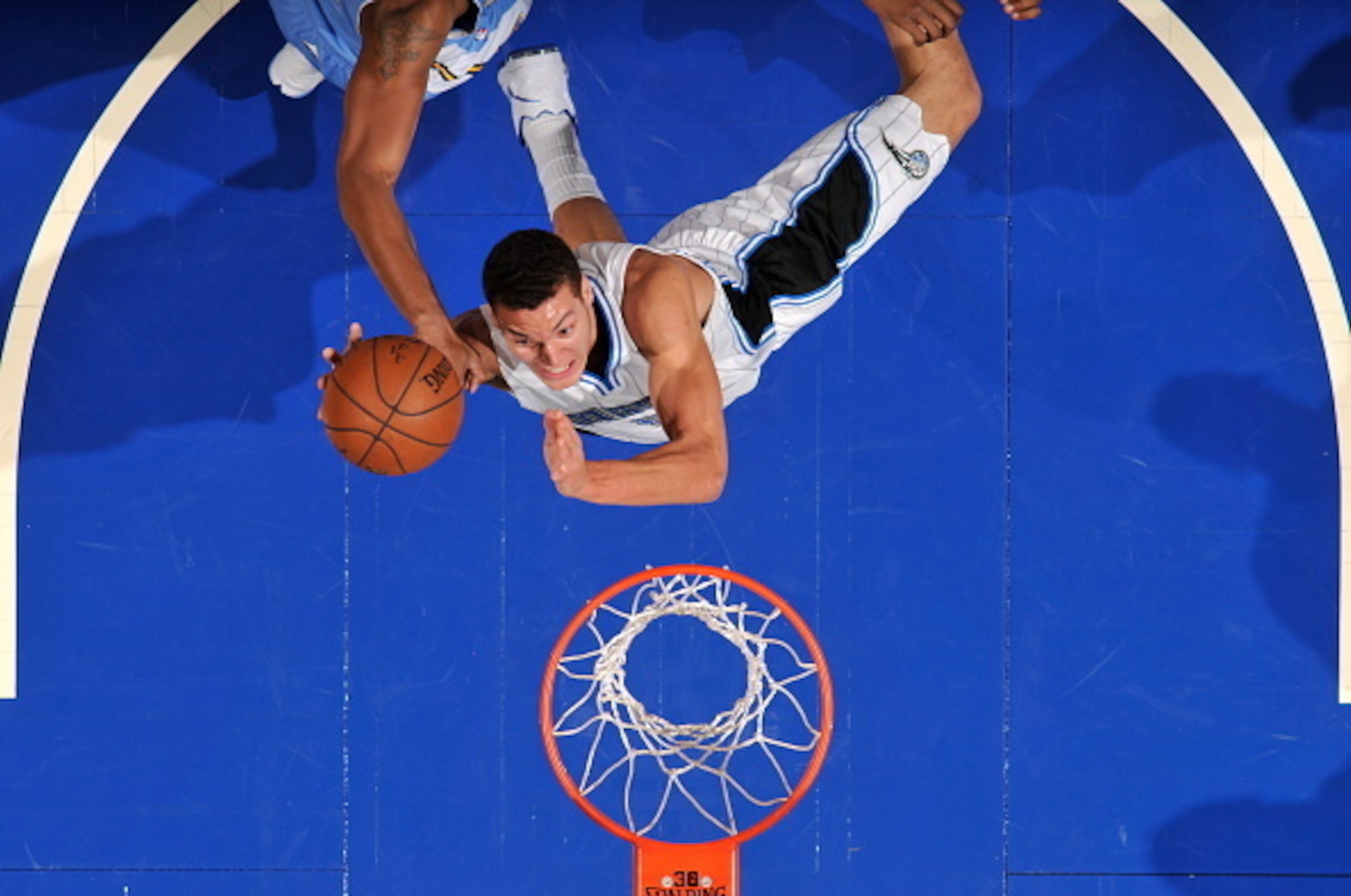
Instead of drafting a player who isn't ready to contribute, the Charlotte Hornets focus their efforts on a high-upside, high-motor player in the selection of Aaron Gordon. With Gordon and Michael Kidd-Gilchrist establishing a culture of lockdown perimeter defense that Michael Jordan last saw when he was playing in the NBA, Charlotte would truly be living up to its nickname of Buzz City once again.
Gordon can step into a role in the rotation under head coach Steve Clifford immediately, and the dynamic duo of MKG and Gordon would help to form a feared second unit. Gordon's addition to the roster also allows for some versatility that this club hasn't enjoyed in recent seasons.
Gordon's high-flying act would be lighting up Charlotte's arena to the point where folks would be calling for an Air Jordan sponsorship, and I think that could be appropriate in this alternate universe considering who is in charge. It's still MJ's show.
-Hornets GM Ethan Norof
10. Philadelphia 76ers: Nik Stauskas, SG
10 of 30
Like every rookie, Nik Stauskas’ production during his first year in the NBA was dictated largely by circumstance.
In a crowded Sacramento Kings backcourt that didn’t offer much room for growth, the Michigan product’s ceiling was capped. He played just 15.4 minutes per game and shot 32.2 percent from three over the course of 73 games.
But in a forgiving offense like Philadelphia's, there’s no denying Stauskas could produce at higher clips. Not only does he have a lightning-quick three-point stroke, but he’s capable of beating defenders off the bounce, particularly when he gets switched onto slower bigs in the pick-and-roll.
And considering Sixers head coach Brett Brown told reporters last December that he thought the team was initially going to draft Stauskas at No. 10 overall, he makes all the sense in the world for a team that ranked 29th in three-point field-goal percentage (32.0) last season.
-Sixers GM Alec Nathan
11. Denver Nuggets: Jusuf Nurkic, C
11 of 30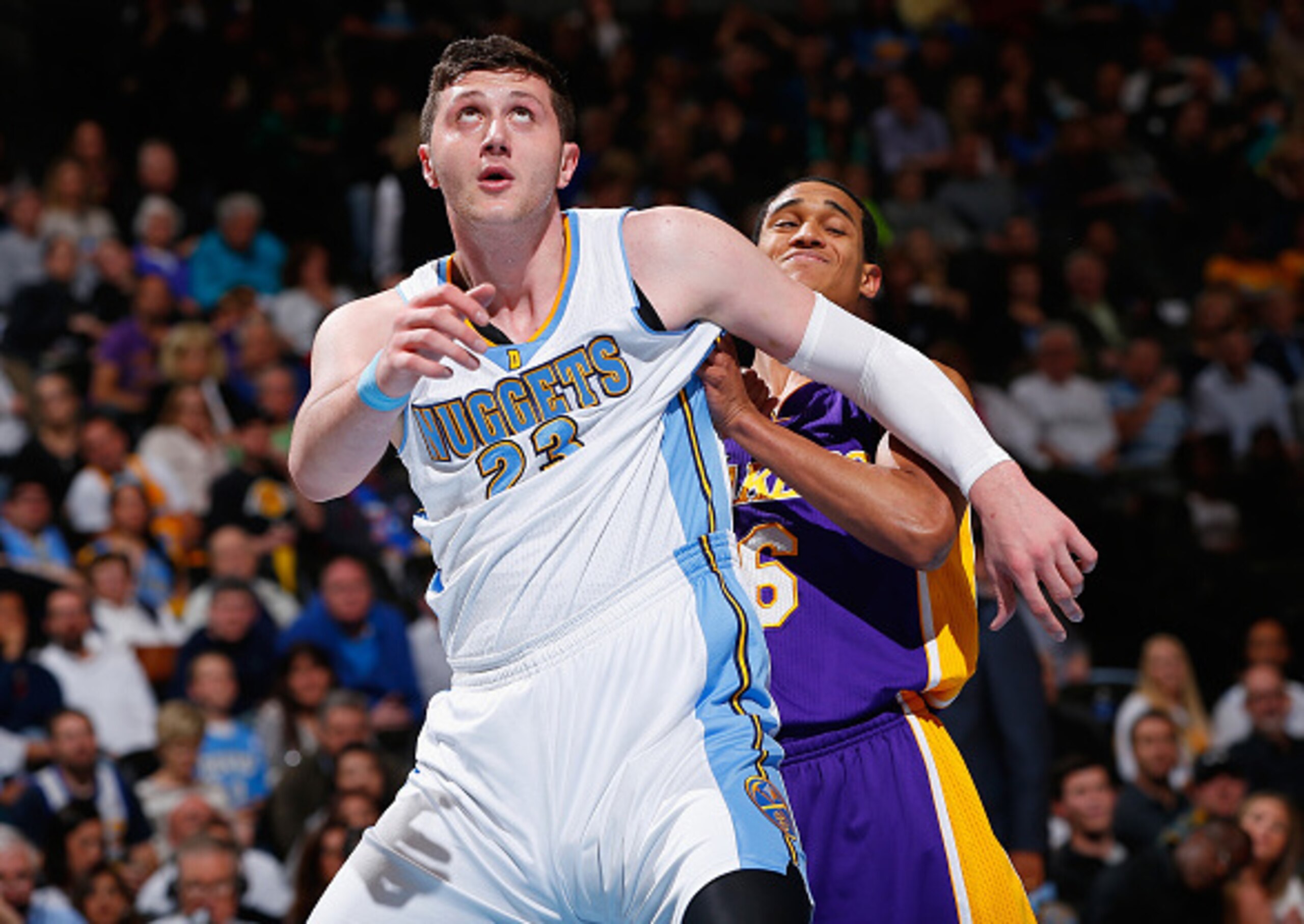
If Jusuf Nurkic is truly considered one of the Denver Nuggets' two centerpieces during the rebuilding effort, we have no choice but to bring him back to the Mile High City after his All-Rookie Second Team efforts. The big man figures to play a vital part in the future of this organization, and there's no one left on the board at No. 11 guaranteed to fill that kind of role.
Sure, this is five spots earlier than the Bosnian Bear originally went, but what about him isn't worth the slight jump?
He clearly improved his conditioning throughout the year, losing some of the baby fat that plagues so many 20-year-old bodies. Plus, his touch around the hoop and defensive awareness trended in the right direction.
And if that's not enough, I just don't want to leave him on the board, force him to uproot from Denver and attempt to avoid his father for the rest of my life.
-Nuggets GM Adam Fromal
12. Orlando Magic: Zach LaVine, PG
12 of 30Zach LaVine is a project, particularly when it comes to his court awareness and defensive chops. But there's enough to like about the combo guard to make those concerns melt away.
A phenomenal athlete, LaVine won the Slam Dunk Contest easily. With some seasoning, he'll put all that spring to more practical use on the court.
A 34.1 percent stroke from deep is intriguing, especially when paired with the facilitation skills that led to 3.6 assists per game in limited minutes. Maybe he's not ready to be a starter on a good team, but the Magic have Oladipo and Payton on the first unit. As a third guard who can handle either backcourt spot in a pinch, LaVine is a nice fit.
-Magic GM Grant Hughes
13. Minnesota Timberwolves: Dario Saric, F
13 of 30
Assuming this is still in a universe where Andrew Wiggins arrives via the Kevin Love trade, yet the injury-decimated Minnesota Timberwolves were bad enough to land the No. 1 pick in the 2015 NBA draft (paging you, Karl Anthony-Towns), the Wolves would have been more than happy with a hindsight draft-and-stash selection of Dario Saric in 2014.
Sure, missing out on Zach LaVine one pick earlier is tough, especially for fans of the transcendent dunk champion's potential, but there's the chance Saric might wind up being the better player (a version of what Danilo Gallinari was supposed to be), and in an area of greater need.
Euroleague stats never really jump off the page, but scouts have long raved about Saric's versatility and easily expandable, stackable talent base. He's a 6'10" combo forward with potential to be a plus-shooter and an extremely tough cover overall. And the Wolves don't need him today, either, so it's not a big deal that he's not coming stateside until 2016 or 2017. One (not both) of Anthony Bennett and Adriean Payne will be their future backup PF and nothing more, Kevin Garnett will retire and Gorgui Dieng will be a fine backup or frontcourt partner for Anthony-Towns.
But the rebuild badly needs shooters and creators, so waiting another year for Saric would be totally worth the offensive do-it-all traits he'd provide Ricky Rubio and friends. Saric could put this young core over the top as the starting PF or the third big man with Towns and Dieng.
-Timberwolves GM Joel Cordes
14. Phoenix Suns: Rodney Hood, G/F
14 of 30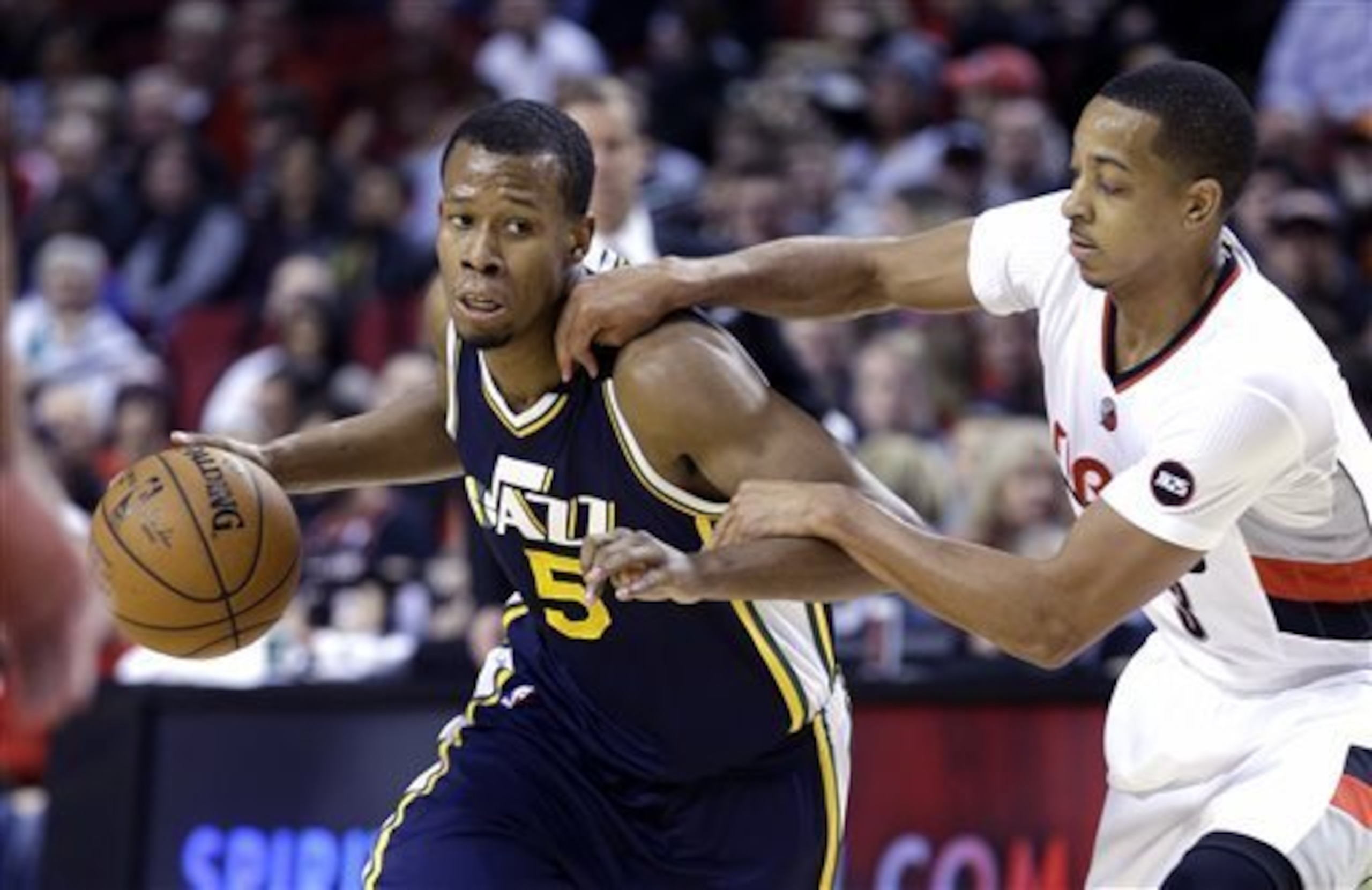
Gerald Green’s so-so season, along with the Phoenix Suns’ February’s roster-razing, really left a void on the wing. Yes, they have Eric Bledsoe and Brandon Knight, but they lack that third complement at the 3. Rodney Hood could’ve been that guy.
He’s perfect for the Suns’ uptempo offensive system, and at 6’8”, he can spend most of his time at small forward, perhaps even power forward, without giving up too much size.
He also flashed the ability to score in every way imaginable: in the half court and transition, and while operating on or off the ball. Hood averaged 16.7 points and 3.4 assists in April, and his 38.5 percent clip on spot-up threes makes him the ideal running mate for Phoenix’s ball-dominant point guards.
-Suns GM Dan Favale
15. Atlanta Hawks: Clint Capela, PF/C
15 of 30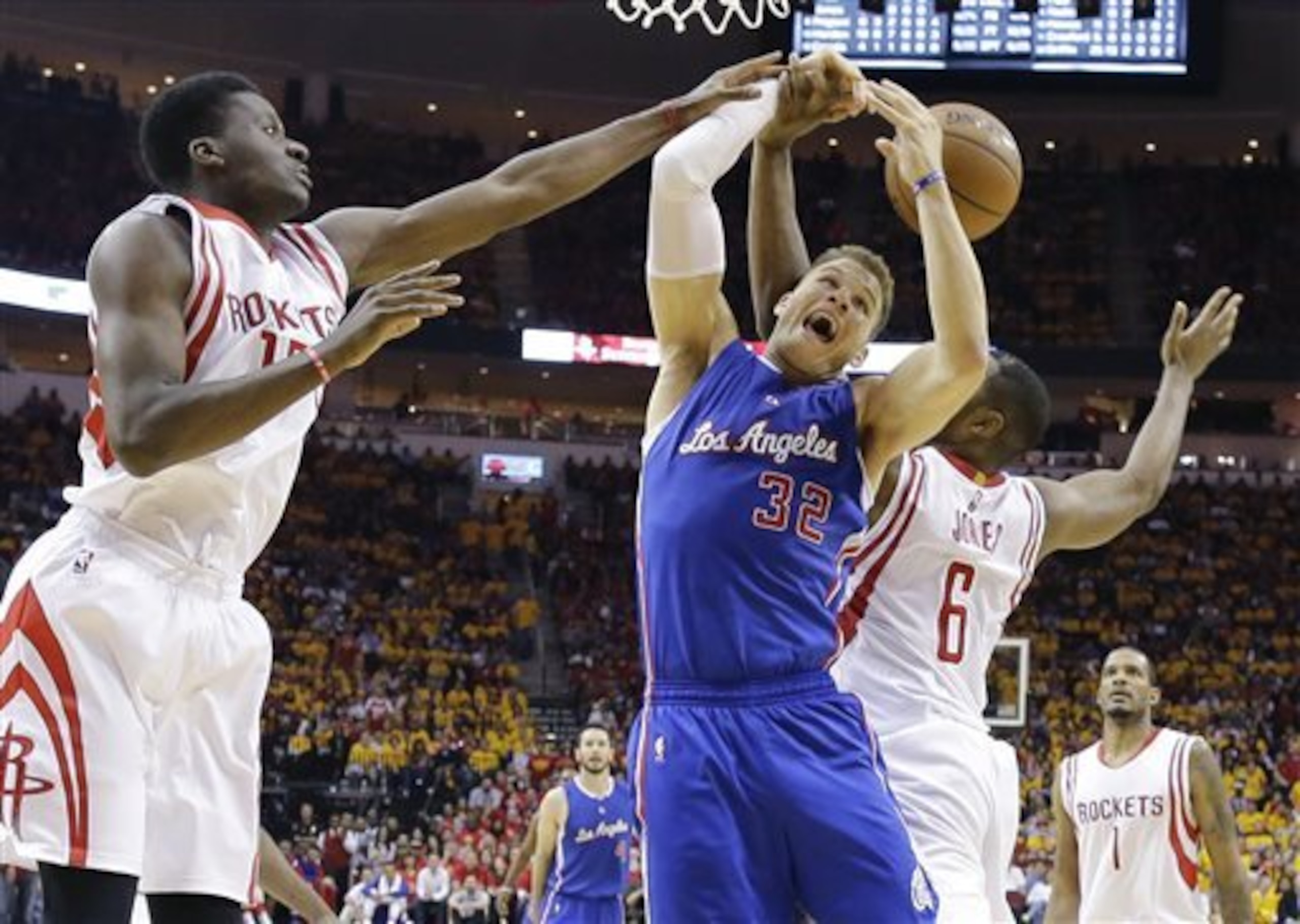
When the Houston Rockets drafted Clint Capela at No. 25 last summer, they did so expecting he wouldn’t contribute anything significant right off the bat. As the Houston Chronicle’s Jonathan Feigen said after the draft, “Capela, who just turned 20, could remain overseas for several years."
But, by the end of his rookie campaign, the Swiss big man led all 2014 draftees in postseason minutes played.
The 6’10”, 240-pound Capela plays on a pogo stick and is reminiscent of a young DeAndre Jordan with his rebounding, shot-blocking and pick-and-roll finishing skills. He would also provide the Atlanta Hawks' bench with a strong two-way presence inside that it definitely didn’t get from Pero Antic or Mike Scott. More than three years younger than Atlanta's original pick, Adreian Payne, Capela's potential is through the roof.
The fact that the Hawks acquired one of Capela’s countrymen (Thabo Sefolosha) in a sign-and-trade later in the summer is just icing on the Swiss chocolate cake.
-Hawks GM Jared Johnson
16. Chicago Bulls: Doug McDermott, SF
16 of 30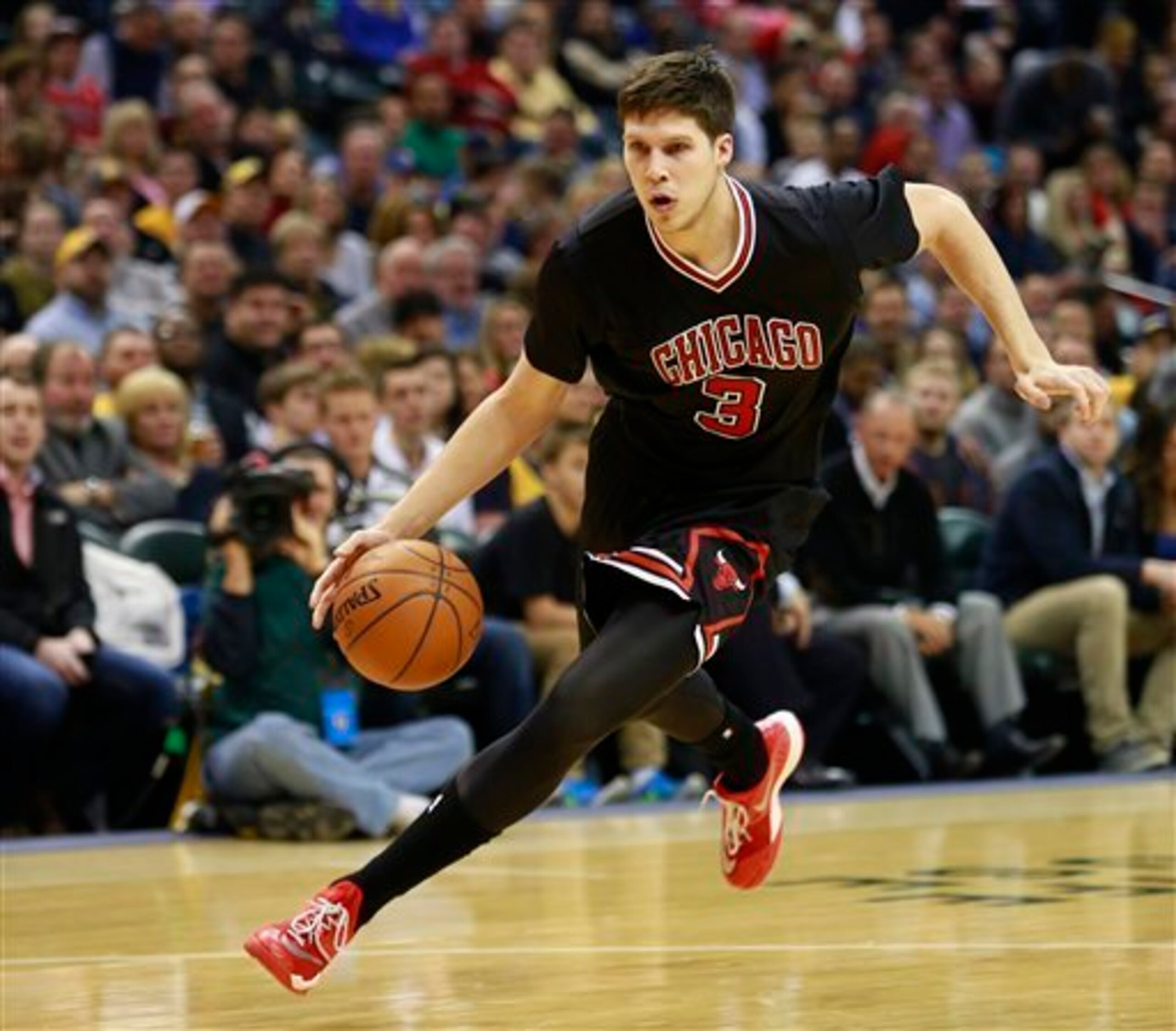
With the way this redraft shook out, Doug McDermott is right there for the Chicago Bulls at 16.
McDermott didn't play much last season for a variety of reasons: He missed six weeks with a knee injury, he didn't shoot well when he did play and Tom Thibodeau's reluctance to play rookies made it difficult to crack the rotation. Under Fred Hoiberg, McDermott should have an easier time getting minutes and thriving in an uptempo offense.
It's hard to know what the sharpshooter will do with an extended opportunity, but he should get one under Hoiberg in his first year on the Bulls' sidelines. For an offense that had trouble generating points at times, McDermott's increased role will be a sight for sore eyes.
-Bulls GM Sean Highkin
17. Boston Celtics: Noah Vonleh, PF
17 of 30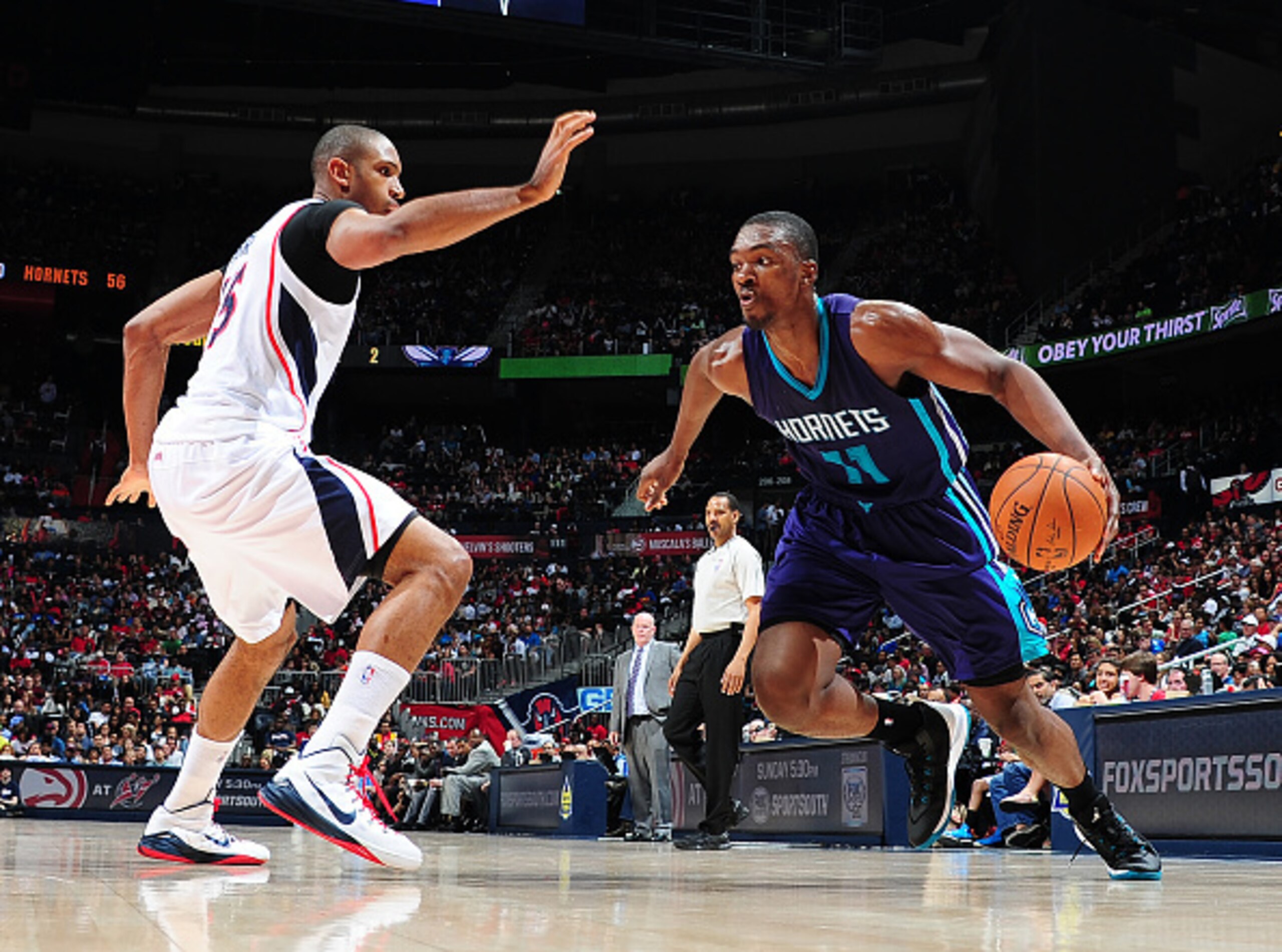
Noah Vonleh was considered a relatively raw prospect when the Charlotte Hornets selected him ninth overall in the 2014 NBA draft, and that description still fits after his rookie campaign.
The 6’10’’ big man did not see consistent playing time until the tail end of the 2014-15 season, as he missed much of training camp after undergoing surgery to repair a sports hernia last September.
The 19-year-old failed to play himself into a rotation spot on a struggling Hornets team upon returning to health. He showed flashes of strong rebounding (12.0 rebounds per 36 minutes) and outside shooting (5-of-13 from three-point range) in his 25 games, but he spent much of the year on the bench for a reason.
The Celtics are looking for size and rebounding in the frontcourt, and at No. 17, Vonleh is worth rolling the dice on, since he has more upside than the majority of the crowded Celtics frontline.
-Celtics GM Brian Robb
18. Phoenix Suns: Kyle Anderson, F
18 of 30
The No. 18 pick is perfect for a dice roll such as Kyle Anderson.
Though the Suns took Tyler Ennis, a point guard, in the actual draft, they never used him before trading him to the Milwaukee Bucks at the February trade deadline. What they need is some additional size and rebounding, as well as someone with two-way upside.
Anderson played only 358 minutes as a rookie, but he flashed double-ended dominance during stints with the San Antonio Spurs’ D-League affiliate and doesn’t need the ball in his hands to make an impact. His per-36-minute splits were also promising in limited action: 7.4 points, 7.2 rebounds, 2.8 assists and 1.5 steals.
The Suns don’t have that type of versatility in their frontcourt right now, and given a few years, the 6'9" Anderson projects as a stretch 4 who grabs a ton of rebounds and packs a defensive punch.
-Suns GM Dan Favale
19. Chicago Bulls: K.J. McDaniels, G/F
19 of 30
McDaniels made waves (and highlights) in Philadelphia as a second-round pick before an unexpected deadline trade to Houston.
He's still a very raw prospect, but his athleticism and defensive potential are off the charts, making him a good fit with a Bulls team that can always use wing depth.
He didn't play a lot in Houston due to an elbow injury and the unfortunate reality that it's harder for a rookie to get minutes on a playoff team with a set rotation than on a blank canvas of a roster like the Sixers. But McDaniels is a first-round talent, and he would be a solid long-term piece for the Bulls.
-Bulls GM Sean Highkin
20. Toronto Raptors: Tyler Ennis, PG
20 of 30
Bruno Caboclo was more raw than a slab of chicken at Applebee's after the head cook decided to throw in the towel on a hectic Friday night.
Had the Phoenix Suns not selected Tyler Ennis at No. 18, Raptors general manager Masai Ujiri would have drafted the then-19-year-old Canadian instead of the "Brazilian Kevin Durant," according to Doug Smith of the Toronto Star.
The point guard position became more of a liability as the season progressed, with All-Star Kyle Lowry battling injury and Greivis Vasquez falling off the face of the Earth.
NBA Sixth Man of the Year Lou Williams wasn't a viable enough option to consistently play the point as the No. 3 option, so at least with Ennis on board, head coach Dwane Casey would have had someone who could run the team and mold into a future leader in another four or five years.
It also helps that Ennis is a native of the country, which is always a plus with the franchise going full throttle with the "We The North" movement. Ennis is a high-character guy with underrated court vision, but he'll need to improve his shot mechanics in the years to come to become a more well-rounded talent.
-Raptors GM Chris Walder
21. Oklahoma City Thunder: T.J. Warren, SF
21 of 30
The Oklahoma City Thunder's biggest need today remains the same as it was this time a year ago: depth at small forward.
Inevitably, this came down to the ready-made production of T.J. Warren vs. the potential of shooter James Young. Warren's jumper needs a little work, as evidenced by his 23.8 percent clip from downtown as a pro, but he moves well without the ball and knows how to finish around the rim.
He came on strong once Phoenix found time for him after the All-Star break, averaging 7.8 points in 19.5 minutes. With him, OKC fills a need for bench scoring and a solid backup behind Kevin Durant.
-Thunder GM Dave Leonardis
22. Memphis Grizzlies: Cleanthony Early, SF
22 of 30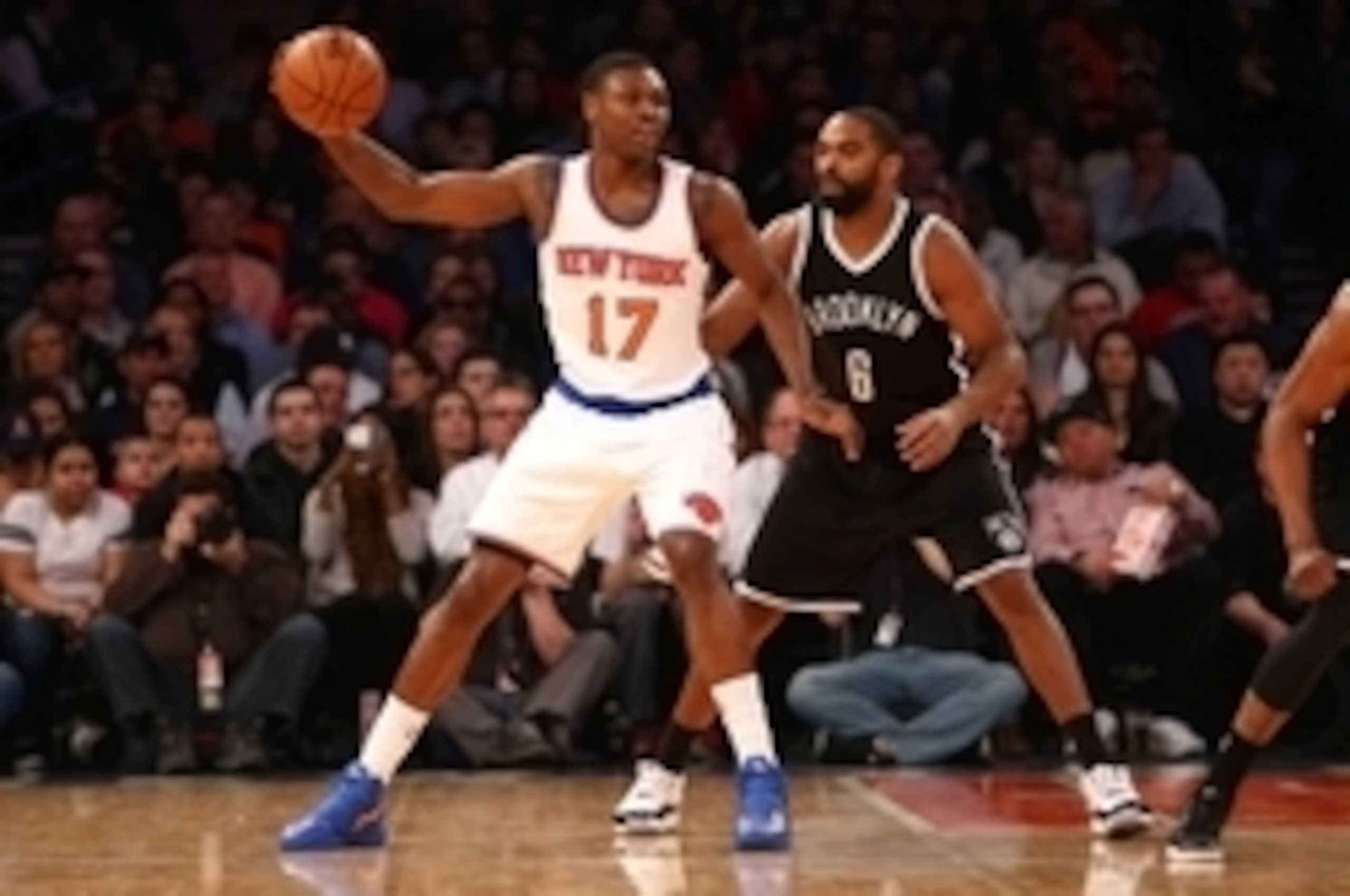
The Memphis Grizzlies are hungry for wing scoring. Cleanthony Early is a potent answer.
The Wichita State product showed flashes as a rookie, scoring 5.4 points in 16.6 minutes per game.
The 6'8", 220-pound small forward can grow to become a mainstay at the 3 spot. He's aggressive attacking the inside and can hit corner threes. Also, his size and length make him a helpful rebounder. Early is a tough guy who can finish, draw fouls and knock shots down at the charity stripe.
-Grizzlies GM Tom Firme
23. Utah Jazz: Mitch McGary, PF/C
23 of 30
At the end of 2014-15, the Jazz were giving rotation minutes to Jack Cooley, a D-League call-up without the size, athleticism or skill to play either big position in the NBA. But boy, did he have some heart.
Well, Mitch McGary can match him on effort and has the body to boot. McGary is a bruiser around the rim but has a little bit of touch when he needs it as well. He'd be a solid change-of-pace big behind Derrick Favors.
-Jazz GM Andy Bailey
24. Charlotte Hornets: Jerami Grant, F
24 of 30Jerami Grant wasn't someone who drew a ton of buzz as part of the Philadelphia 76ers' future, but that quickly changed during his rookie season as he developed into a nice piece of the uncertain puzzle. Although he was originally a second-round selection, Grant now finds himself in the first round after a meteoric rise through the ranks.
With sweet shot-blocking abilities and an expanding three-point range, Grant projects well in today's NBA. A freak athlete capable of jumping out of the building, his potential turned into production on several occasions during his inaugural go-around in the league.
With Charlotte short on talent worth developing in the frontcourt and needing to upgrade the roster overall, Grant offers the Hornets exactly what they're looking for with this selection.
-Hornets GM Ethan Norof
25. Houston Rockets: Bruno Caboclo, SF
25 of 30
What the Houston Rockets would really like is a point guard who can distribute the ball, knock down threes and generate points for himself and others.
Unfortunately, that guy isn't on the board anymore.
So they settle for Bruno Caboclo, who, if you’re settling, is not a bad thing.
Caboclo is a 6’9” small forward wing with a 7’6” wingspan who can block shots, defend and hit threes. He’s still very raw and may be another year away from showing his value, but for a player this late in the draft, Houston is taking him based on his potential to grow into a promising rotation member.
-Rockets GM Kelly Scaletta
26. Miami Heat: James Young, G/F
26 of 30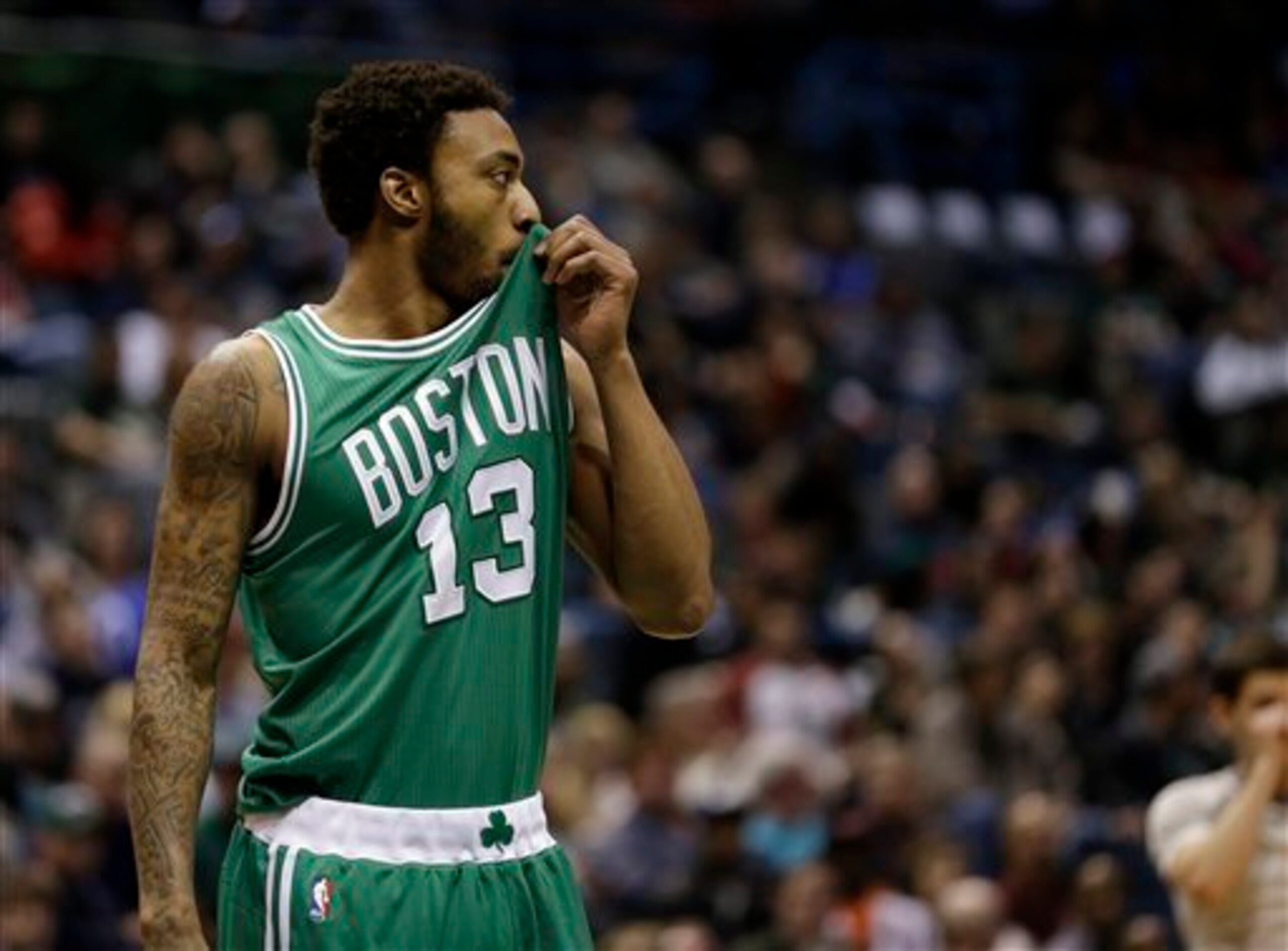
Regardless what happens to the Miami Heat’s free agents, they’ll need outside shooting, depth and youth. At this point in the draft, no one checks all three boxes better than 19-year-old James Young.
During a rookie-season split between the Boston Celtics and their D-League affiliate Maine Red Claws, the 6’6" shooting guard converted 38.6 percent of his three-point looks. That number should be music to the ears of a Miami team that finished tied for 20th in made triples (6.8 per game) and 24th in three-point percentage (33.5).
Young still needs copious amounts of seasoning, but he’s already added 15 pounds of muscle and increased his vertical by three inches over the past year, per ESPN.com’s Chris Forsberg. The Kentucky product still has a skyscraper’s ceiling, and the Heat—who desperately need young, cheap talent—would be thrilled to give him the chance to realize that lofty potential.
-Heat GM Zach Buckley
27. Phoenix Suns: Langston Galloway, PG
27 of 30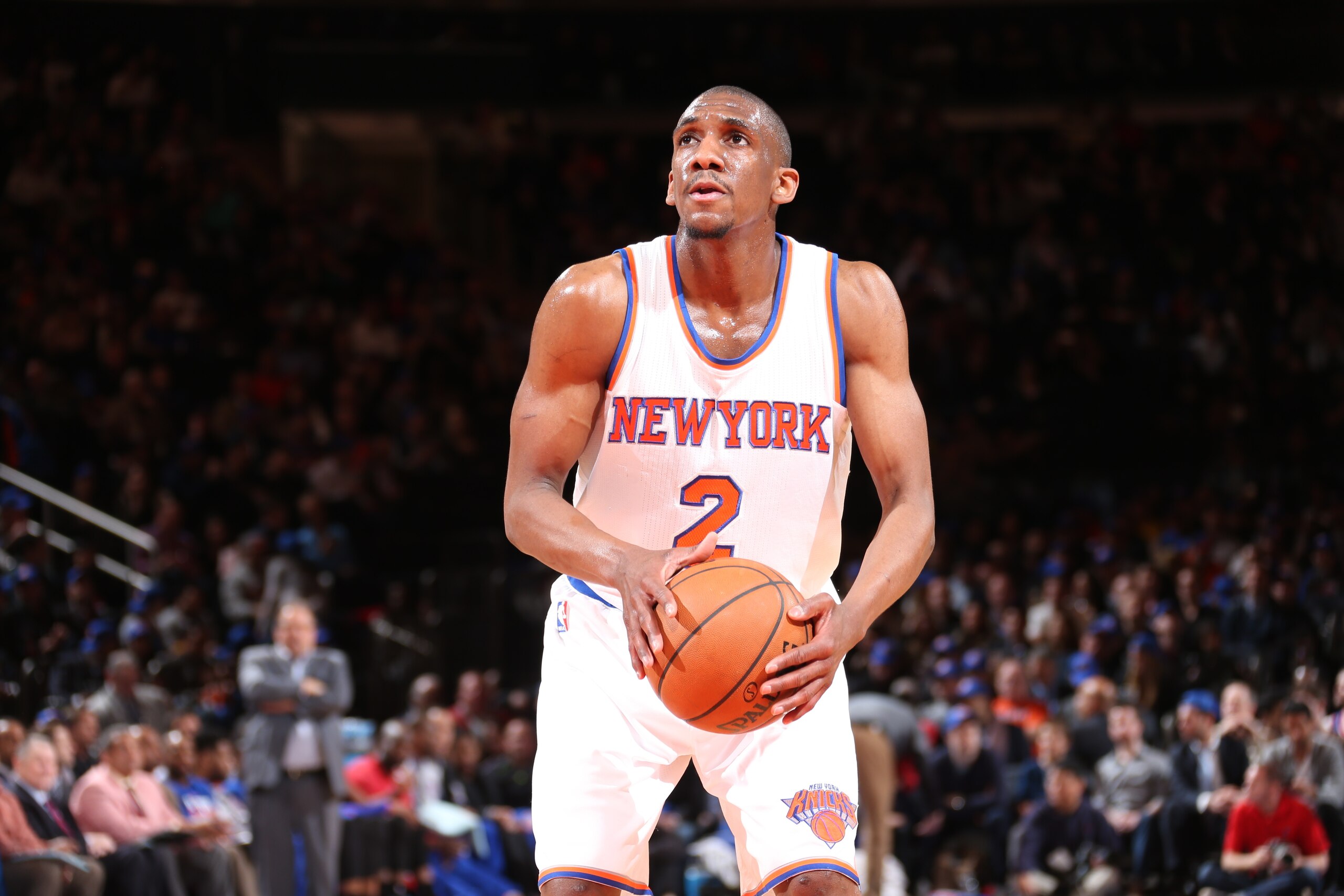
Langston Galloway makes too much sense for the Suns when looking at their current roster makeup. He’s basically a poorer/taller man’s version of Isaiah Thomas at this point.
He can come off the bench as part of the Suns’ point guard platoon, and while he’s undersized at 6’2”, he can play off the rock on the offensive end. He drilled a respectable 36.9 percent of his catch-and-shoot threes through 44 games with the Knicks, so the drive-and-kick potential between he, Eric Bledsoe and Brandon Knight is endless.
Plus, he works his tail off on defense. He’s picked off a lot, but he averaged 1.2 steals per game last season and rebounds really well for someone his size (4.2 boards). Toss in his raw shot creation (13.2 points per 36 minutes) and developing court vision (3.3 assists), and the once-undrafted rookie looks like a steal at No. 27.
-Suns GM Dan Favale
28. Los Angeles Clippers: Adreian Payne, PF
28 of 30
The finest game of Adreian Payne's rookie campaign came at the Los Angeles Clippers' expense. The 6'10" forward out of Michigan State piled up 16 points, 15 rebounds, two assists, two steals and a block, albeit in a 13-point loss for the Minnesota Timberwolves.
Still, if Doc Rivers knew what Payne would do to his team—and had been in proper position to draft him ahead of the Atlanta Hawks, who took him with the 15th overall pick in 2014—he may well have gone out of his way to bring the Dayton, Ohio, native to L.A.
Since joining the Clippers in 2013, Rivers has gone to great lengths to find a versatile big man who can shoot. Byron Mullens, Hedo Turkoglu and Spencer Hawes are all testament to as much. Payne is no sharpshooter, per se, but he did knock down 44-of-104 (42.3 percent) of his three-point attempts as a senior in college—enough to augment an impressive package of length, leaping ability and all-around skill that would've made him a nice fit behind Blake Griffin and DeAndre Jordan up front.
-Clippers GM Josh Martin
29. Oklahoma City Thunder: Shabazz Napier, PG
29 of 30
Whether it was Reggie Jackson's contract situation or D.J. Augustin's inconsistency, the Thunder were going to need to upgrade their backup point guard spot. Enter Shabazz Napier, the best player on a former NCAA champion at UConn who is ready to contribute right away.
Unlike Jackson and Russell Westbrook, Napier is a solid outside shooter, as he shot 37.5 percent from three during his college career and 36.4 percent as a rookie with the Miami Heat.
He could spell Russ as the team's chief backup or even play alongside him in a two-point guard set. On a Thunder team that could use more scoring and shooting on its second unit, Napier is an excellent pick at the bottom of the first round.
-Thunder GM Dave Leonardis
30. San Antonio Spurs: P.J. Hairston, G/F
30 of 30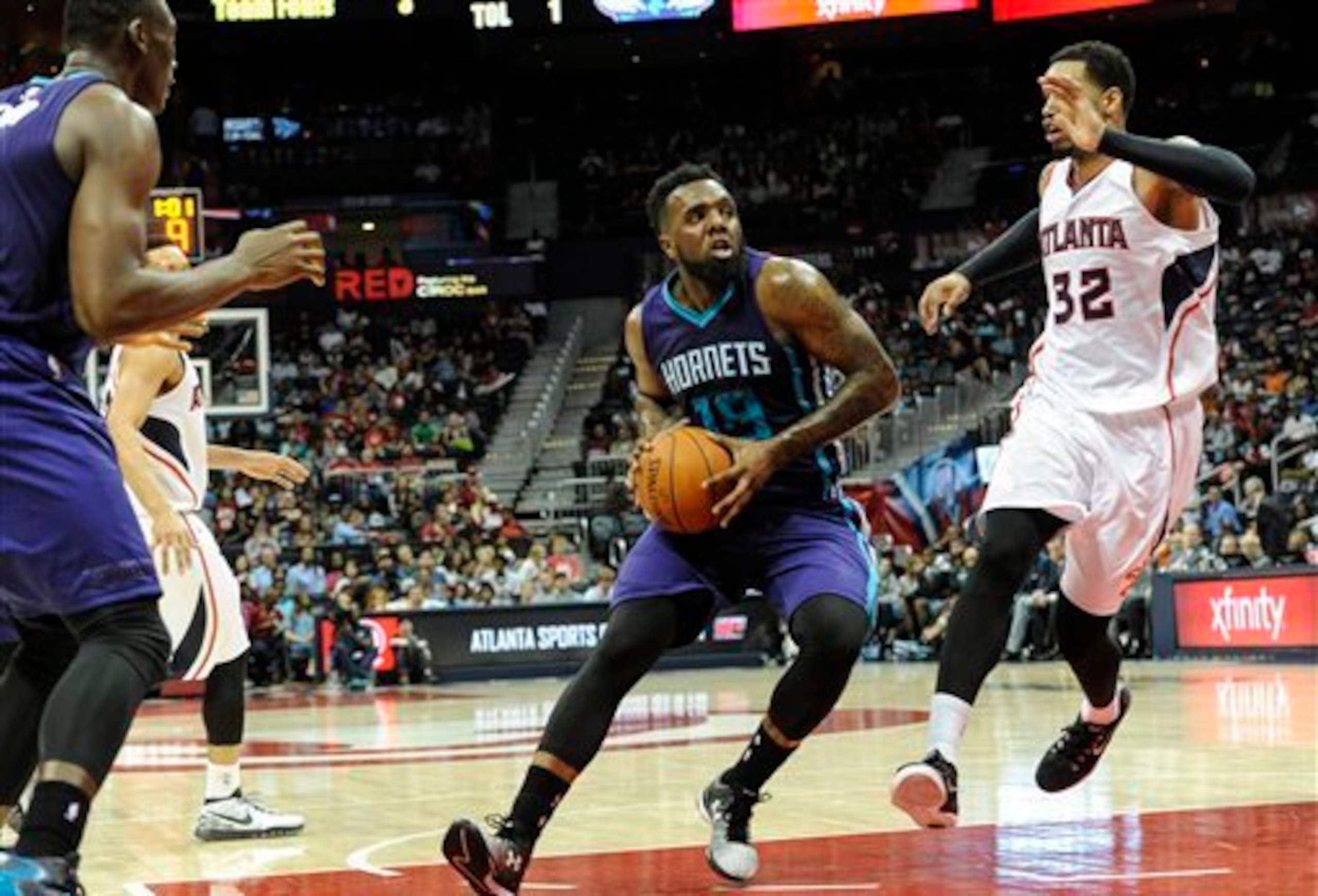
Of the players remaining at No. 30, P.J. Hairston had one of the more accomplished rookie-year resumes. He managed to earn 15.3 minutes per game over 45 contests with the Charlotte Hornets, averaging 5.6 points and 2.0 rebounds per game.
The other thing the San Antonio Spurs might like is that he made 30.1 percent of his three-point attempts and can play a little defense with his solid 6’6” frame. Heading into the 2015-16 season, Danny Green, Manu Ginobili and Marco Belinelli are all free agents, and the 37-year-old Ginobili is contemplating retirement.
Having a second-year shooting guard like Hairston would make some sense, and if any team can smooth over his slightly rough reputation, San Antonio is it.
-Spurs GM Stephen Babb
.jpg?w=2560 "Report: NFL to End Pro Bowl 🚨")
.jpg?w=2560 "NFL's New Disciplinary Rules")
.jpg?w=2560 "Consensus Mock Draft 📋")
.jpg?w=2560 "NFL Clarifies CFB Return Rules")