
NBA Then and Now: How Today's Superstars Would Have Fared Across Eras
It's a question we ask all the time: How would the best players in today's NBA have fared if they were dropped into a time machine and asked to play against superstars of the past?
Would Stephen Curry's inhuman shooting ability help him stand out in the 1960s, back when even his 30-foot jumpers would count for only two points? If we inserted LeBron James into an era that featured more hard fouls and brutally physical defenses, would he still rack up MVPs and appearances in the Finals?
Together, Bleacher Report's Adam Fromal and Pro Hoops History's Curtis Harris will discuss how some of the most prominent current studs would stack up in different eras throughout NBA history.
Using analytics and era adjustments (looking at pace, the changing impact of the three-point arc, the stinginess of arena scorers in the assist column, the minutes played by stars and the overall trends of the league), Adam will provide more of a numerical perspective, while Curtis has the scouting and video-based analysis on lock.
We'll never have any definitive answers to these questions. We can only dream of vintage Kobe Bryant going up against a prime version of Michael Jordan. James will only square off with John Havlicek in our minds.
But educated speculation is better than nothing.
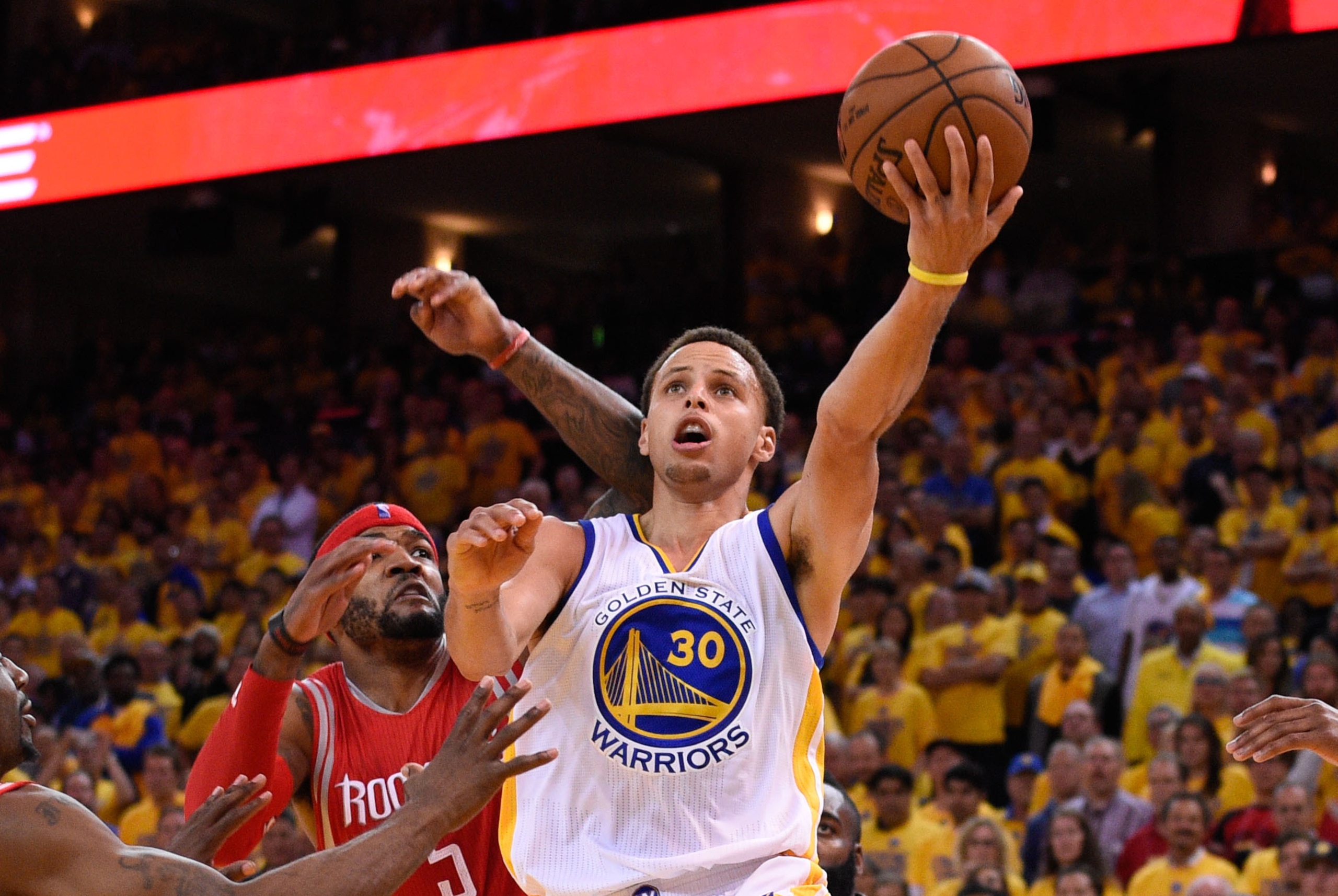
Stephen Curry in the 1960s
1 of 5
Biggest Rival: Oscar Robertson (Adam) or Jerry West (Curtis)
Most Comparable Player: Bob Cousy with a jumper (Adam) or Wali Jones with passing (Curtis)
Better Off Playing in 1960s or 2015? Now (Adam); Now (Curtis)
Adam
After adjusting for pace (which skyrockets in the 1960s), the extra minutes played by stars, the stinginess of official scorers in the assist column and the lack of a three-point line, Stephen Curry is still going to be a superstar in 1965. If his numbers were impressive during his MVP-winning campaign, they'd be nothing short of stellar five decades earlier, even though those ridiculous pull-up jumpers from 25 feet away are going to be worth only two points.
Curry still has the craftiness necessary to confuse plenty of defenders in the 1960s, many of whom aren't going to be used to his Pete Maravich style of offensive creation. We're looking at a player averaging 29.0 points, 6.8 rebounds and 10.2 assists in 1965, and that's essentially Oscar Robertson, just without the ridiculous totals on the glass.
He's going to leave far too many people wondering how such dribbling skills are possible—then they'll have the same questions about how he threads the needle to find teammates virtually anywhere on the court. He already inspired that reaction enough against the disciplined defenses of 2014-15.
Curtis
Curry, indeed, would be a talented force in the 1960s. He'd be a silly mash-up of Bob Cousy, Jerry West and Wali Jones.
Cousy, of course, was the gold standard of the era when it came to baffling opponents with behind-the-back passes and crafty dribbling. Jerry West was one of the great outside shooters and drivers in NBA history and one of the best finishers at the buzzer, earning the nickname "Mr. Clutch." As we've seen in the 2015 playoffs, Curry has a knack for nailing long-range jumpers just in the nick of time, like West.
The name Wali Jones might not ring many bells, but stylistically, he's the player Curry resembles most from the 1960s. Jones was a free spirit on the court who would dribble and flail in unpredictable ways with the ball until he found the oddest spot to release a jumper. And his release was quick for its time, further knocking defenders off-balance mentally. Check out Wali Jones in action, and you're basically watching how Steph Curry would have carved up defenses in the 1960s.
LeBron James in the 1970s
2 of 5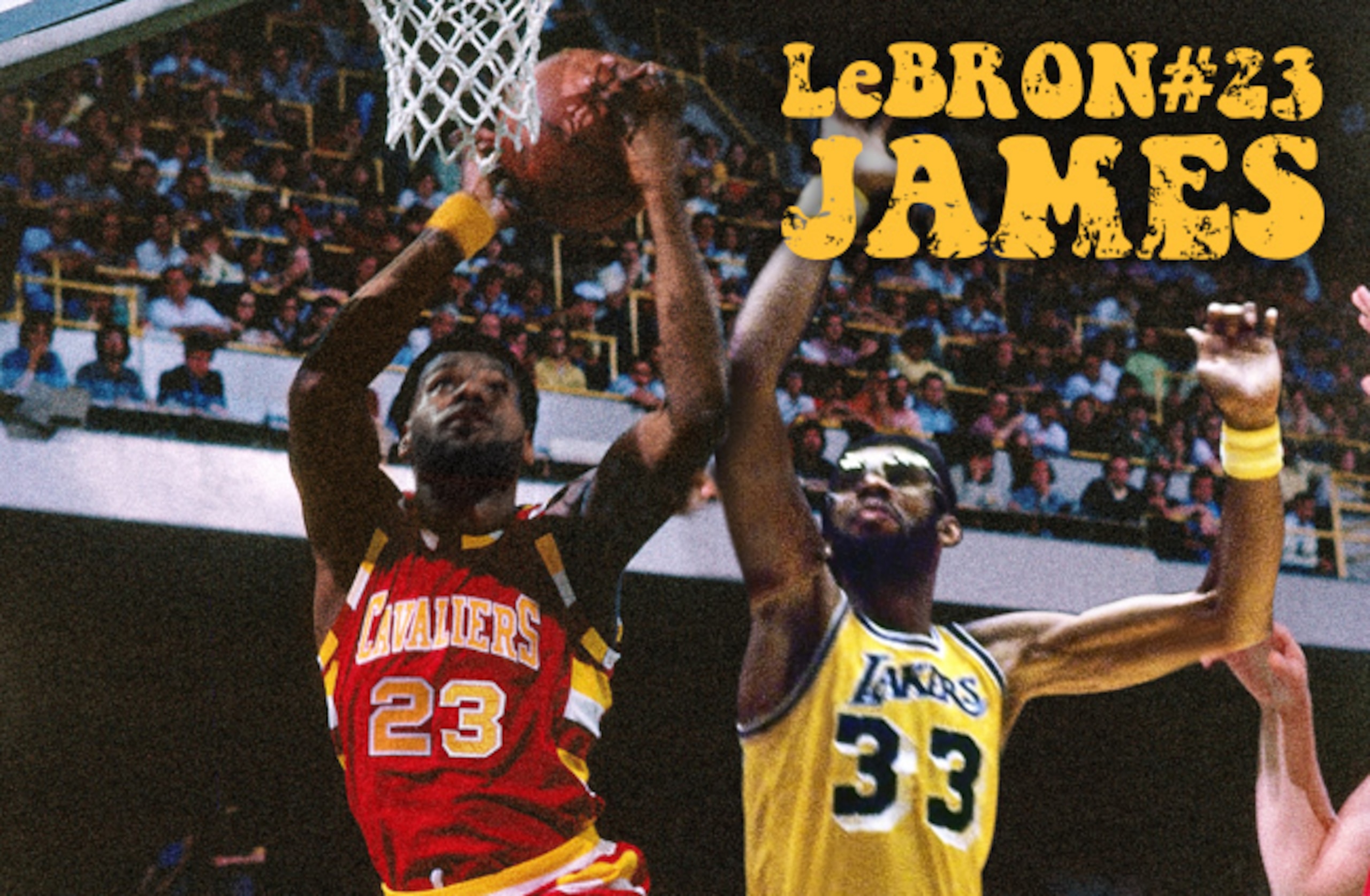
Biggest Rival: Kareem Abdul-Jabbar (Adam) or Bobby Jones (Curtis)
Most Comparable Player: John Havlicek (Adam) or George McGinnis (Curtis)
Better Off Playing in 1970s or 2015? Then (Adam); Now (Curtis)
Adam
LeBron James is going to be just fine in the 1970s. Duh.
He's one of the most unique physical specimens this sport has witnessed, outmatching most modern-day opponents with his sheer levels of strength, size and athleticism. Put him back in the pre-merger NBA (or even right after the ABA and NBA joined forces), and you're looking at an even more ridiculous individual. Fans would claim he was some sort of cyborg from the future, and in this case, it would literally be true.
In 1975, he'd come close to averaging a triple-double, posting 33.8 points, 10.2 rebounds, 9.7 assists, 2.5 steals and 1.2 blocks per game. Not only does that put him in a race with Bob McAdoo for the scoring title, but he's also nearly lapping the field with his passing and looks elite in just about every category. And this shouldn't be remotely surprising, because James would be one of the best ever, no matter which era he suited up during. The further back we go, the more athletically dominant he's going to get.
Now, just imagine what his numbers would've looked like if we took him in his true athletic prime and teleported him back into the '70s. Talk about Triple-Double City.
Curtis
LeBron would be a menace in the 1970s, but his assist numbers wouldn't quite make it to 10 per game. Just a handful of players had made it to 9.5 assists per game by 1979. Scorekeepers were still pretty stingy with handing out assists, and I doubt an NBA coach would turn LeBron loose as the de facto point guard for a whole season. The NBA of the 1970s was fun but didn't fully embrace wacky creativity until after it merged with the ABA, and James would suffer for it.
Now, if LeBron played in the ABA, we'd have cause for celebration. There were plenty of wacky yet creative coaches—Hubie Brown, Doug Moe, etc.—who would probably let LeBron totally loose. There's actually precedent for this in the ABA: the mammoth power forward George McGinnis of the Indiana Pacers, who averaged 32.3 points, 15.9 rebounds and 8.2 assists in the 1975 playoffs. Those are the kinds of averages I'd expect from James come playoff time.
Lastly, if LeBron were to land in the NBA instead of the ABA, he'd have to deal with endless goonery. Players like Maurice Lucas were nice people, but on the court, they were throwing elbows and punches at the slightest provocation. A few preening dunks from James, and he'd be splattered on the floor. Something to keep in mind when considering how willing James would be to attack the rim.
Kobe Bryant in the 1980s
3 of 5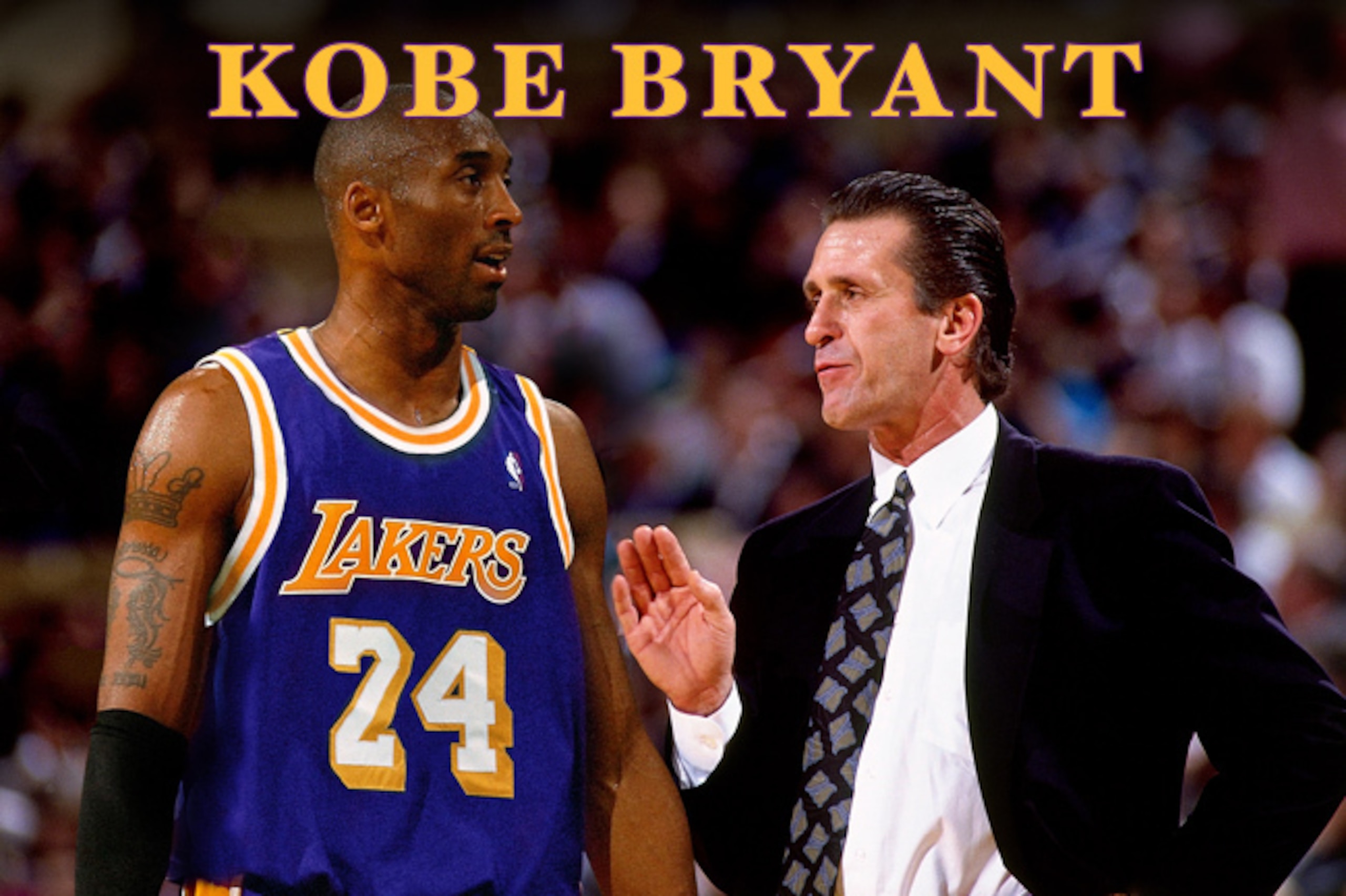
Biggest Rival: Michael Jordan (Adam) or Sidney Moncrief (Curtis)
Most Comparable Player: Clyde Drexler (Adam) or Michael Jordan (Curtis)
Better Off Playing in 1980s or 2015? Now (Adam); Then (Curtis)
Adam
Looking at this year's Kobe Bryant isn't any fun, since he's quite clearly no longer at his peak. Instead, let's focus on how vintage Bryant would've fared in the middle of the 1980s—routinely considered the golden years of NBA basketball. More specifically, let's think about how MVP Kobe from 2007-08 would've compared with MVP Michael Jordan in 1987-88.
Bryant has seemingly spent his entire career trying to emulate the presumed G.O.A.T., and we've often been able to see the resemblance in the two shooting guards' uncanny footwork, penchant for finding twine on difficult jumpers and so much more. But do the stats match up?
After making all my analytic adjustments, I've got 2007-08 Bryant averaging 25.6 points, 6.0 rebounds, 5.4 assists, 1.7 steals and 0.5 blocks during Jordan's first MVP-winning season. For reference, the Chicago Bulls legend was at 35.0 points, 5.5 rebounds, 5.9 assists, 3.2 steals and 1.6 blocks in 1987-88. Jordan was still on another level, putting up monstrous numbers in an era with rules that hadn't yet changed to favor offensive players.
Bryant may have played like Jordan, but he'd have put up numbers like Clyde Drexler.
Curtis
The 1980s had more than enough pace to go around. Of all NBA teams in 1988, only the incompetent Clippers averaged fewer than 100 points a game, and they were at 98.8. This means Kobe Bryant would have his fill of shots, scoring wherever he played. This, of course, also means Bryant would be a pain to play with, especially if he's unchained from a Shaquille O'Neal-like superstar.
The 1980s NBA featured much more isolation, one-on-one offense than we see today. For Kobe, that's like waving a red flag in front of a bull. He couldn't resist the urge to shoot nonstop and would wind up with a couple of scoring titles and likely little else. Check out the NBA's scoring leaders for the 1980s, and you'll notice none of those players won a title during that decade. In fact, the most wins from an NBA scoring leader in the 1980s was 50 victories (Dominique Wilkins' Hawks in 1986 and Michael Jordan's Bulls in 1988).
The defensive rules of the 2000s and Phil Jackson were able to curtail Kobe's excesses just enough and make him into a key member of championship teams. Given the track record of high-volume scorers in the 1980s, though, Kobe Bryant would fail to lead a team to much, if any, success.

Kevin Durant in the 1990s
4 of 5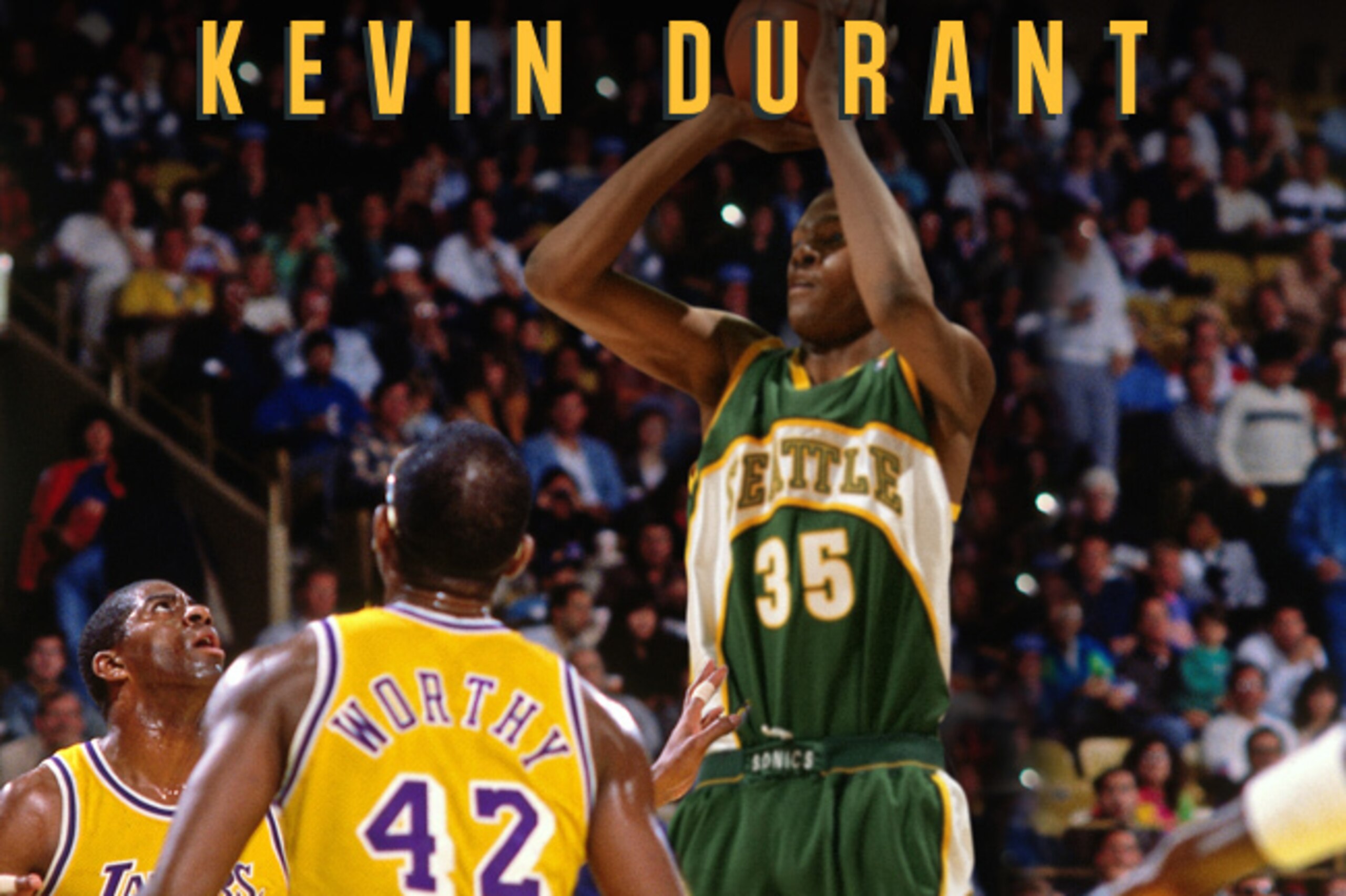
Biggest Rival: Scottie Pippen (Adam) or Dennis Rodman (Curtis)
Most Comparable Player: More athletic Chris Mullin...kind of? (Adam) or Taller Chris Mullin (Curtis)
Better Off Playing in 1990s or 2015? Now (Adam); Now (Curtis)
Adam
The only era in which Kevin Durant would struggle is the 2090s, when robots populate the NBA and use their 90-inch wingspans to swat everything into oblivion. As long as he's playing against human opponents, he's going to be perfectly fine, and that remains true in the notoriously competitive 1990s.
I'm not going to project Durant during the brief stretch when the NBA shortened the three-point arc, simply because I don't want my calculator to explode. But if we take the MVP version of KD from his last healthy season and look at what he'd have done in 1993, he's still going to be terrifying.
Hand-checking isn't exactly going to slow down such an explosive scorer. Maybe he won't have as many isolations run for him—unless Scott Brooks is rehired and sent back in time, too—but just think about the damage his rip-through move and subsequent elevation would do during a time that still saw plenty of superstar calls from the refs.
We're looking at a well-rounded player capable of averaging a truly crazy line. In this case, 32.9 points, 8.0 rebounds, 6.2 assists, 1.8 steals and 0.5 blocks per game, which puts him right in the middle of the MVP race between Charles Barkley, Hakeem Olajuwon and Michael Jordan.
Curtis
I agree with the assessment of 1990s Kevin Durant, at least for the regular season.
When the playoffs roll around, defenses get stingier, and in the 1990s, they got very rough. The Detroit Pistons employed the Jordan Rules to hammer, hack and harass Michael Jordan and the Bulls into submission during the 1988, '89 and '90 playoffs. The New York Knicks, albeit unsuccessfully, did the same thing in their battles with the Bulls in the early '90s. By the end of the decade, the entire NBA had turned into a wasteland of fouls, slowdown offense and scores that barely crept into the low 90s.
I think Durant would fare well despite the sluggish and brutal style of play, but he might average only 25 points a game doing so. Given the snail-like pace of the NBA by 1999, that'd be very respectable scoring from Durant.
One final thing: I don't know about robots in 2090 guarding Durant, but I'd love to see 1990s Dennis Rodman guard KD during an NBA Finals game. We need to create a time machine just for that.
Andrew Wiggins in the 2000s
5 of 5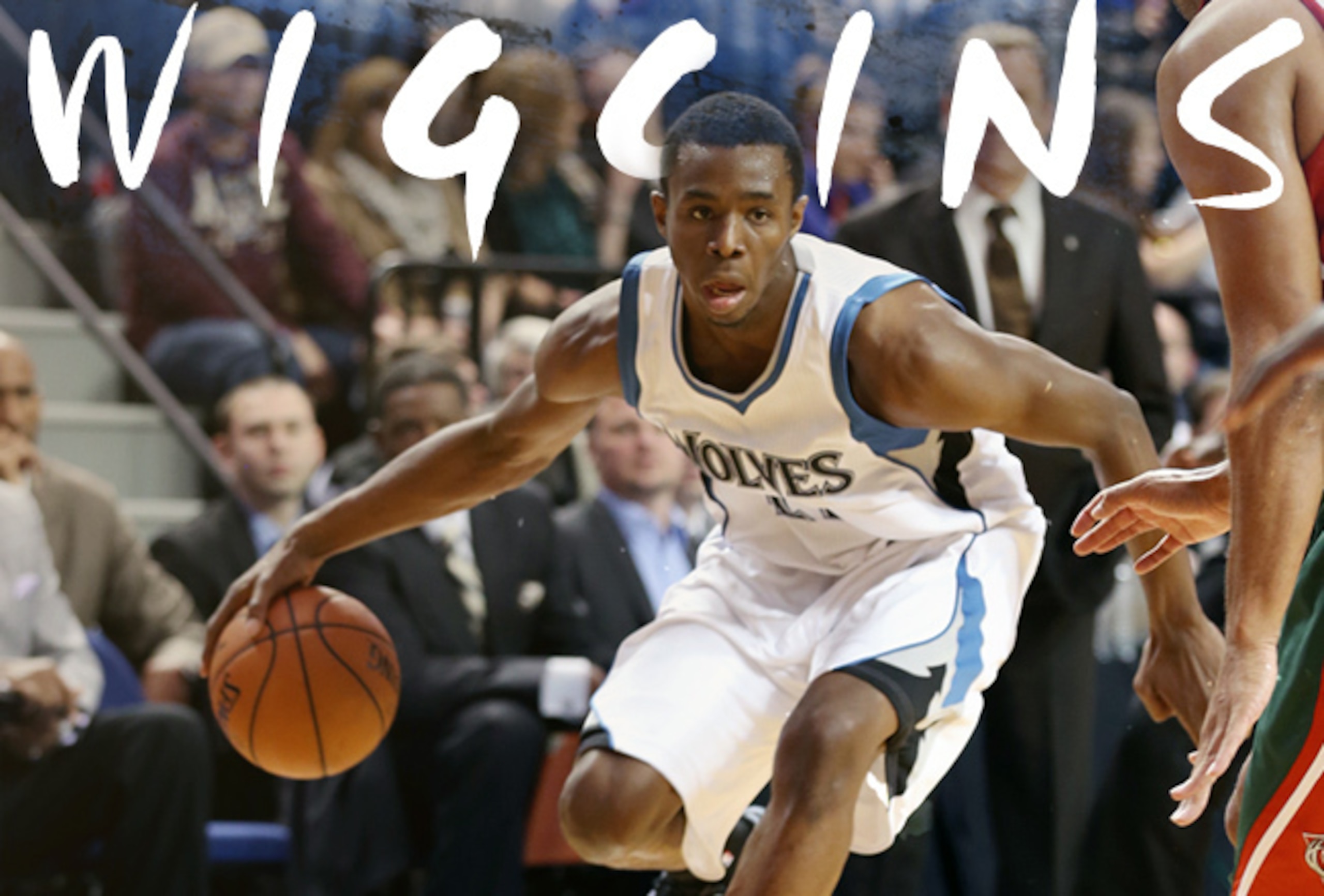
Biggest Rival: LeBron James (Adam) or Paul Pierce (Curtis)
Most Comparable Player: Poor man's Tracy McGrady (Adam) or Rudy Gay (Curtis)
Better Off Playing in 2000s or 2015? Now (Adam); Now (Curtis)
Adam
If we're projecting Andrew Wiggins into the 2000s, there's only one year we should really care about. That would be 2003-04, when LeBron James, Carmelo Anthony, Dwyane Wade, Kirk Hinrich and Chris Bosh finished with the top five spots in the Rookie of the Year voting. Hero ball was still in full swing, which plays right into this young Kansas product's hands and offers hope that he'd have found as much success as those future Hall of Famers and Hinrich.
But the hope won't last for long.
Even assuming Wiggins would have landed in another featured role where he was asked to be a primary creator on offense, I've got him at 18.0 points, 5.1 rebounds, 2.3 assists, 1.1 steals and 0.7 blocks per contest. Obviously, that's nothing to be ashamed about, especially with the improved scoring, but it's still not going to let him steal any votes from Wade, James or Anthony.
Wiggins still has a lot of growing to do, although his offense admittedly made substantial strides during the season's second half. Many analytics hate his overall levels of efficiency and lack of well-rounded play, but that's likely to change down the road. Especially because he's playing in a league that places a premium on spacing and isn't going to let hero-ball teams thrive to the extent they did back in the early 2000s, which makes his current situation more conducive to long-term success.
Curtis
It's too early to determine how Andrew Wiggins' career will turn out, but there's no doubt he'd be much better off in the second half of the 2000s than in the early half. Prior to the Seven Seconds or Less Suns, the NBA was still stuck in the late-1990s mindset of grinding, glacial offense. That kind of methodical, iso-heavy offense wouldn't favor Wiggins.
Prior to 2003, pretty much all lottery draft picks of the decade were disappointments except Yao Ming, Amar'e Stoudemire and Kenyon Martin. So there's actually a good chance Wiggins would have ended up a draft bust like a slew of early-2000s picks. He could have been another Marcus Fizer. Terrifying to consider.
Wiggins in the late 2000s would be much better off, thanks to the increased floor-spacing and emphasis on uptempo offenses. Improve his rebounding a bit, and Wiggins would have been a perfect fit on the Seven Seconds or Less Suns. Luckily for Wiggins, he's got a point guard in Ricky Rubio with a knack for setting up great looks, like Steve Nash did in Phoenix.

.jpg?w=2560 "Lions Clear $35.6M Cap Space")
.jpg?w=2560 "Report: Tucker Kraft Earns $75M Deal")
.jpg?w=2560 "Most Important 2027 NFL Free Agents")