Purity Isn't Only for Point Guards
Call a scorer pure, and it’s a euphemism. Call a point guard pure, and you have hit on a franchise player. In one case, "pure" is the highest compliment. In the other, it’s very nearly an insult.
Putting points on the board has an obvious place in basketball; Lawler's Law holds that the first team to 100 points wins, and down the stretch, a player like Ellis (whom I wrote about last month as a semi-tragic figure), Carmelo Anthony or even Kevin Durant is invaluable. These guys score, in a variety of ways, and pose a continuous threat on offense.
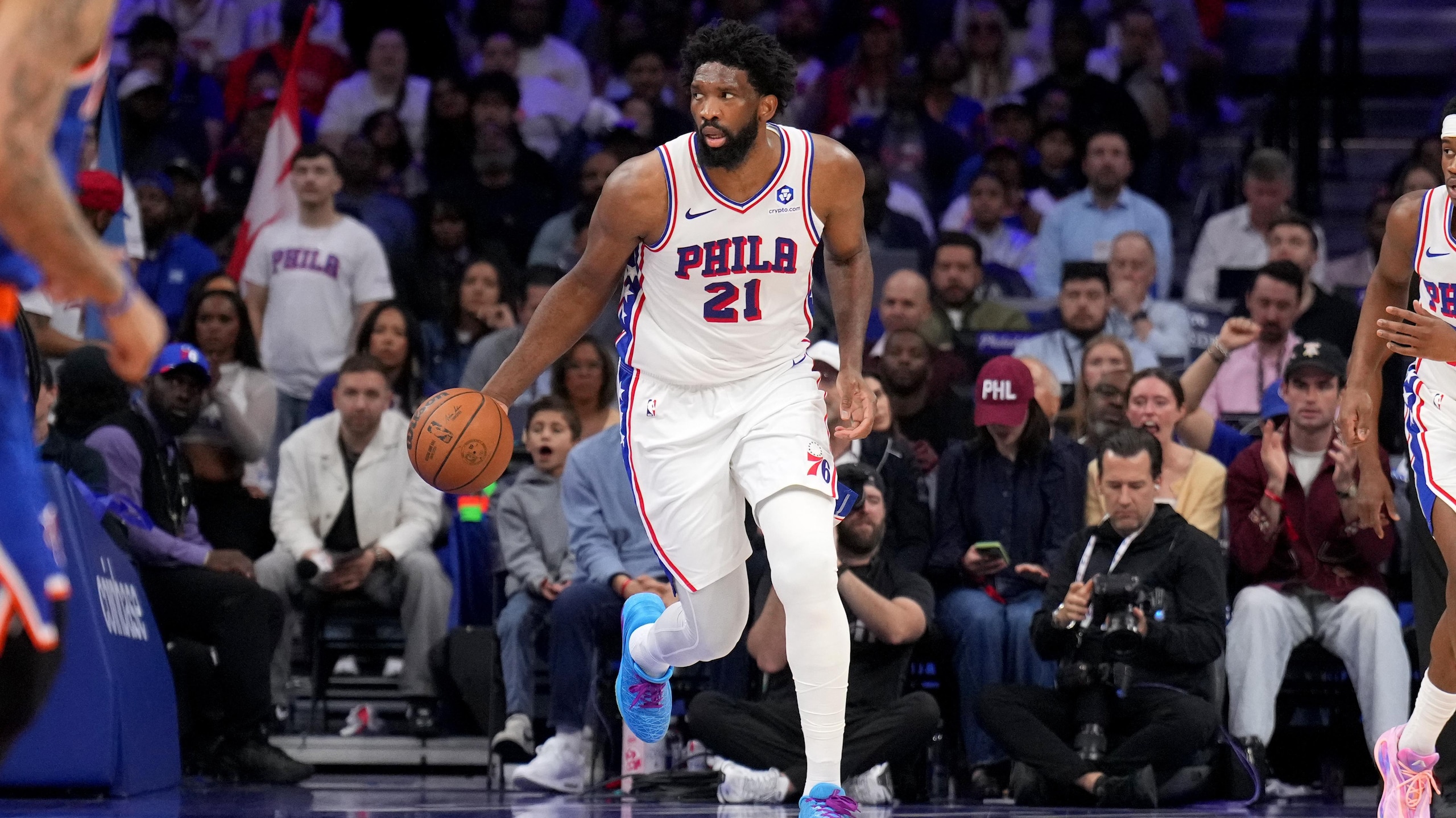
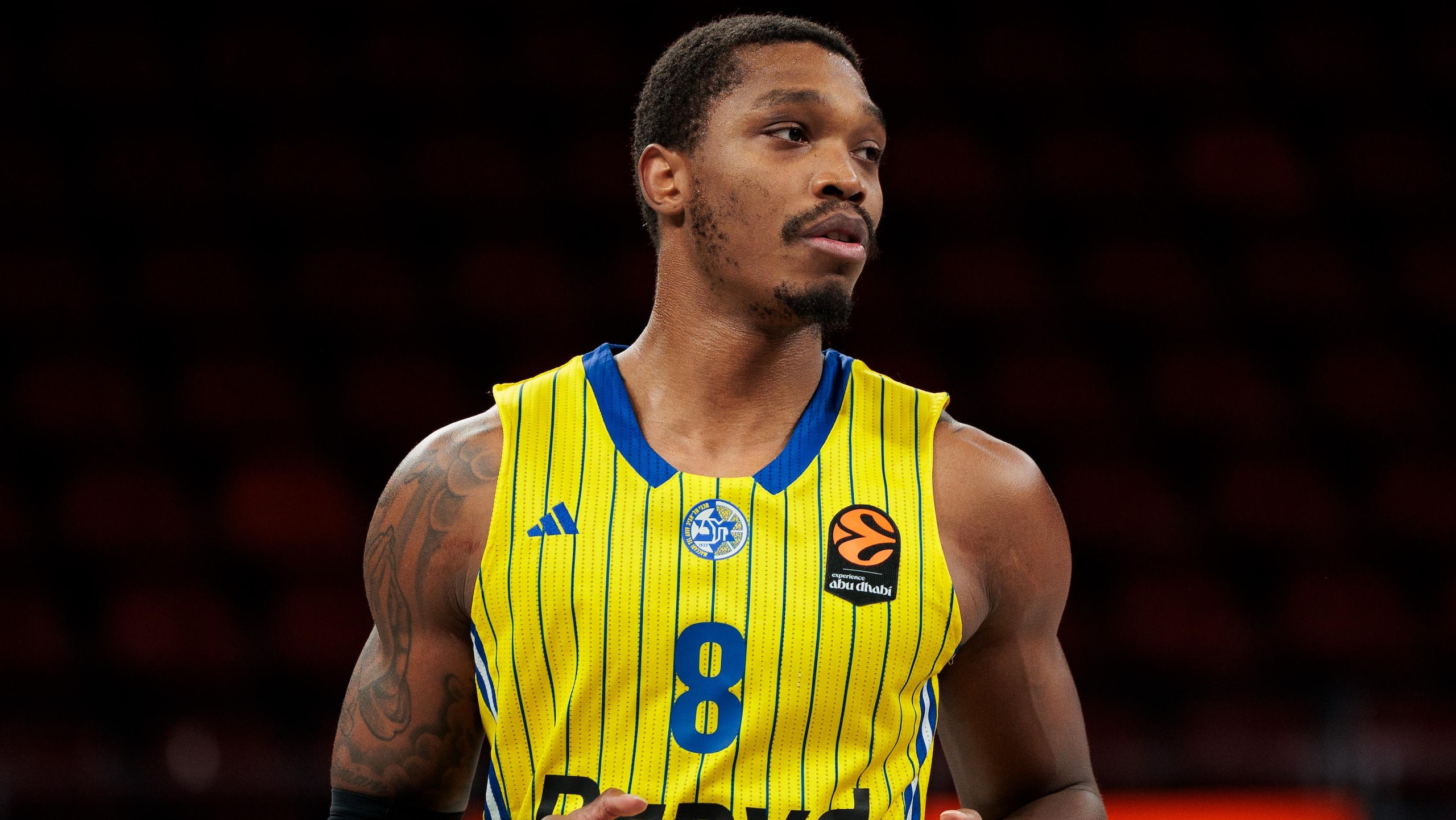
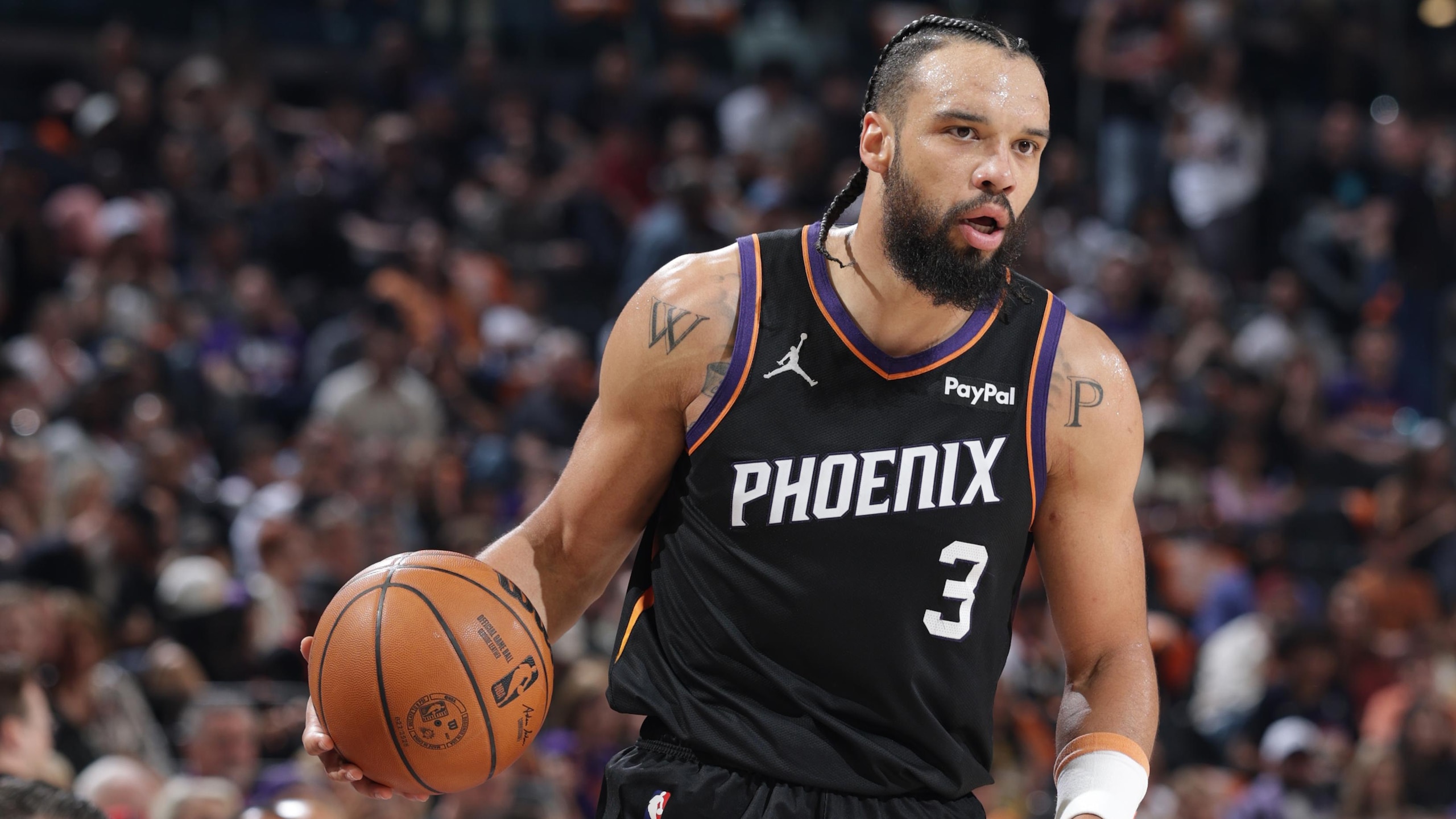
Yet no matter how much we ooh and aah at their highlights, or even break down Melo’s footwork as something all young players would do well to emulate, there’s a catch. When we call these players "pure," there’s an implied absence or limitation. They’re not the only folks scoring, just the ones who don’t really do much else.
When we call them "pure," no matter how highly we prize their offensive arsenals, we do players like this a disservice. Pure scorers aren't the only players scoring. They're the ones who really don't do much else. Getting called a pure scorer is analogous to being called a role player. That’s why it’s sometimes used as a euphemism, just a hair shy of "gunner." Bad players can be called pure scorers.
As point guards have come back into vogue, there’s been even more of a premium placed on their "purity." What exactly, though, makes a point guard pure? It doesn't refer simply to a guy who runs the offense and dishes out assists. Otherwise, Mark Jackson would be the template for every team looking to build around the 1. Some of the first players that come to mind are not only sublime passers and staunch floor generals but also dead-eye shooters, impressive scorers and even reliable rebounders.
Chris Paul, for instance, is hardly a limited player, and yet he's about as pure as point guards come. In fact, I would argue that Paul, not Rajon Rondo—whose assist numbers dwarf all his other stats—is more of an archetype. That's not intended as a knock on Rondo—nor should the Mark Jackson Fan Club come for my throat. I'm simply stating the obvious: We rarely understand "pure scorer" as a compliment because it implies a limited player. "Pure point guard," on the other hand, practically requires some measure of versatility.
Scoring correlates with one thing: Getting buckets. Playing the point guard position, on the other hand, is multi-dimensional—even more abstract. Paul's ability to penetrate, or Steve Nash's shooting, makes it easier to disrupt defenses and get the team prime opportunities. It's not even a question of stats, or skill-sets, but the mysterious "point guard instincts" that some players seem to have and others don't. Having this sixth sense, and being able to back it up with a range of skills, is what makes the truly great point guards fully realized—that is, pure—players.
Then again, it’s possible to imagine a point guard who tries to do these things and fails, or is mediocre at it. We just would not label him "pure" the way we would an aggravating scorer. We judge a point guard’s purity on whether he gets idealized results. A scorer simply has to want to have a certain effect on the court. The question is, then, why don’t we reverse that thinking? Why can’t a pure scorer be that rare player whose offensive arsenal transforms his team? It’s a less complicated task than guiding an entire squad, but it’s still a very specific impact.
This emphasis on ends, not means, is how big men are judged. Out of habit, teams covet true centers—7-footers with ability to rebound, block shots, protect the lane and score in the paint. Ideally, he's able to drop back and hit a hook or 15-footer that frees up the lane for teammates. But it's that presence, more than any particular skill, or type, that teams need from a big man. Size, in particular, is up for grabs. Ask Ben Wallace or Dave Cowens about that.
Some of the greatest centers ever, from Bill Russell up through Hakeem Olajuwon, were both more and less than the ideal big man. Russell wasn't much of a scorer, but as a defender and rebounder he was without peer. He also was an impressive passer. And while he wasn't 7-feet tall, he made up for it by being one of the first players to dominate through athleticism. Olajuwon, although listed at 7-feet-plus, was always a hair under, but he made up for it with an array of agile moves that seemed to belong to a smaller player. He was nearly as proficient at racking up steals as he was blocks.
For big men, what matters isn't the particulars of their game but their overall impact on the action. That's how Kevin Garnett, about as positionally fluid and multi-skilled a player as the sport has ever seen, can end up anchoring a Boston championship squad. To this day, no one knows exactly what to call Tim Duncan, who insists (like KG, and in a sharp reversal from Hakeem's preference) on being listed as 6'11", and dominates the post, stretches the floor and sees the offense run through him a fair amount. A winning team requires that size, that presence. How exactly it's furnished is less important than that it is.
With point guards, being pure is about having the desired effect on a possession, each and every time. And it's the same way with a pure scorer. The only pure scorers are the guys who get the job done consistently, in a way that leaves defenses flummoxed. The other ones, like the point guards whose playmaking regularly comes up short, are flawed—not something approaching perfection.
.jpg?w=2560 "Donald Works Out For Rams 🫨")
.jpg?w=2560 "Grading Dynamite From Mexico City 🔠")