The One Hurdle Preventing Each 2017 NBA Title Contender from Winning It All
There are no sure things in the NBA.
We think the unfairly good Golden State Warriors will get a chance to avenge last year's NBA Finals collapse against the Cleveland Cavaliers. We don't know whether that's actually going to happen.
Flaws and obstacles can get in the way of any title hopeful, at any time. Things can go sideways early in the season, after the All-Star break, during the playoffs or midway through the Finals—it doesn't matter.
.jpg?w=2560)
Some issues are more detrimental than others, but if everything breaks wrong, even the Cavaliers and Warriors have concerns capable of derailing their championship bids.
There-But-Not-Quite-There Contenders
Boston Celtics: "Death Squad" Defense
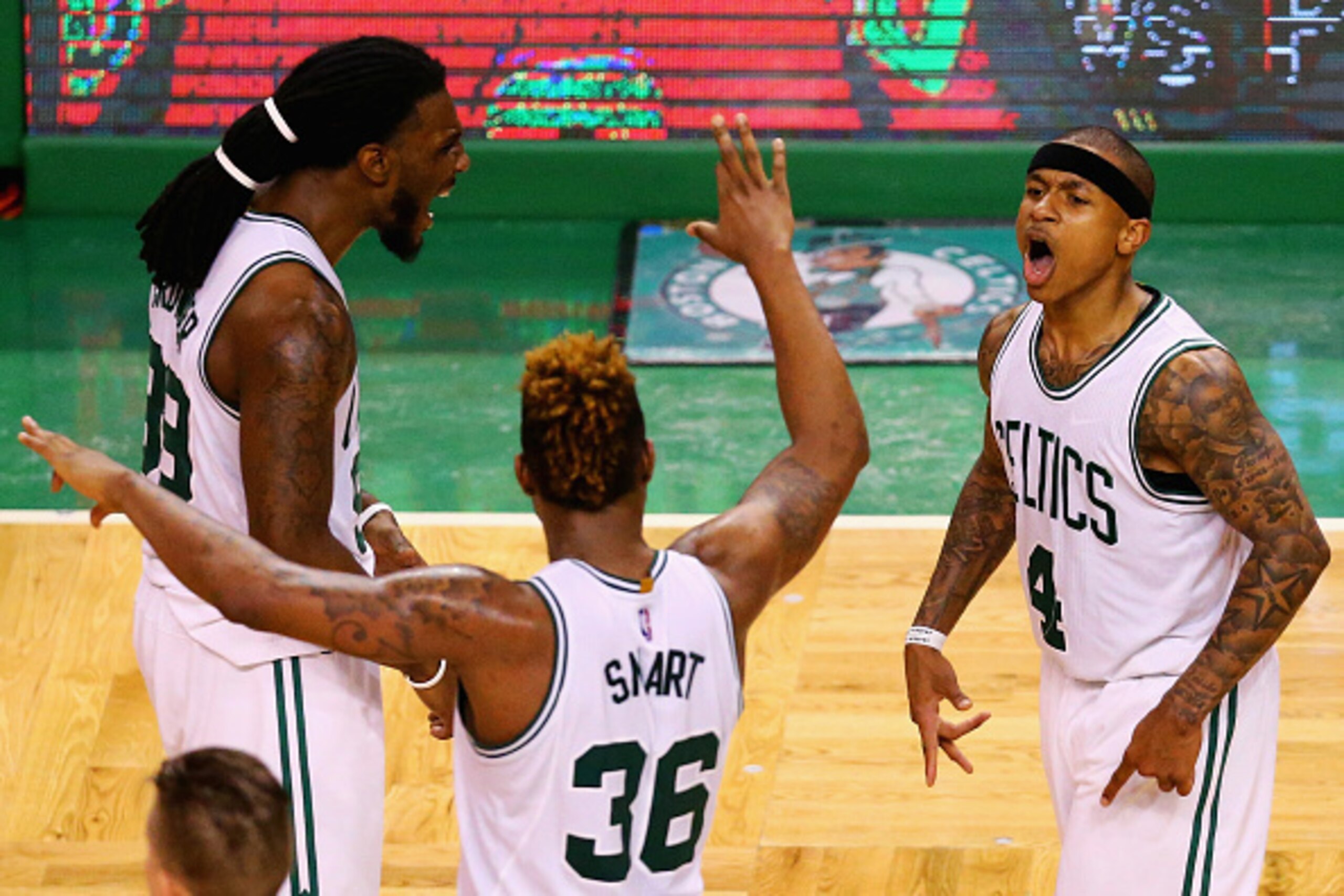
Piecing together a five-out combination that, on paper, won't gift-wrap a bunch of points on the less glamorous end is hard. Lineups worthy of the Warriors-inspired "Death Squad" designation are beyond rare.
The Boston Celtics are supposed to be different. Avery Bradley, Jae Crowder, Al Horford, Marcus Smart and Isaiah Thomas should be a buckets-getting nightmare and switch-happy defensive terror.
Thus far, though, this group has only met offensive expectations, as Mass Live's Jay King wrote:
"The problem so far has been that the Celtics defense has gotten shredded with that lineup, as well as with most lineups that include Thomas, Bradley and Smart. Theoretically, that trio could be great. Smart can guard anyone on the perimeter, Thomas destroys opponents almost nightly, and Bradley, a first team all-defense member, adds to his game every year. But reality has produced a distressing lack of stops and defensive rebounds when those players -- who are all good! -- share the court.
"
Injuries to Crowder, Horford and Smart haven't helped matters—all three have been available at the same time for seven games.
Still, Boston's Death Squad iteration is giving up 136.5 points per 100 possessions—a terrifyingly terrible mark. Since this is the lineup that should help most against postseason powerhouses, its defensive futility is a huge deal.
Chicago Bulls: Upside-Down Offense

The Chicago Bulls are hovering around the top 10 in points scored per 100 possessions. This is fine. But they rank 27th in effective field-goal percentage. This is less fine.
Here's the effective field-goal placements for the 10 scoring machines in front of Chicago:
| Golden State Warriors | 1 | 57.2 | 1 |
| Toronto Raptors | 2 | 53.5 | 3 |
| Houston Rockets | 3 | 54.7 | 2 |
| Los Angeles Clippers | 4 | 52.3 | 5 (tie) |
| Cleveland Cavaliers | 5 | 53.2 | 4 |
| San Antonio Spurs | 6 | 51.6 | 8 |
| Portland Trail Blazers | 7 | 51.9 | 7 |
| Utah Jazz | 8 | 52.3 | 5 (tie) |
| Boston Celtics | 9 | 51.4 | 9 |
| Minnesota Timberwolves | 10 | 49.9 | 15 (tie) |
Nine of the league's top 10 offenses also post top-10 effective field-goal rates, and each of the five best attacks places top-five.
If the Bulls want to be taken seriously, they need their offense to be a consistent threat. For their offense to be that weapon, they need to shoot a higher percentage from the floor—particularly on three-pointers (ranked 28th) and in the restricted area (23rd).
Houston Rockets: Three-Point Defense
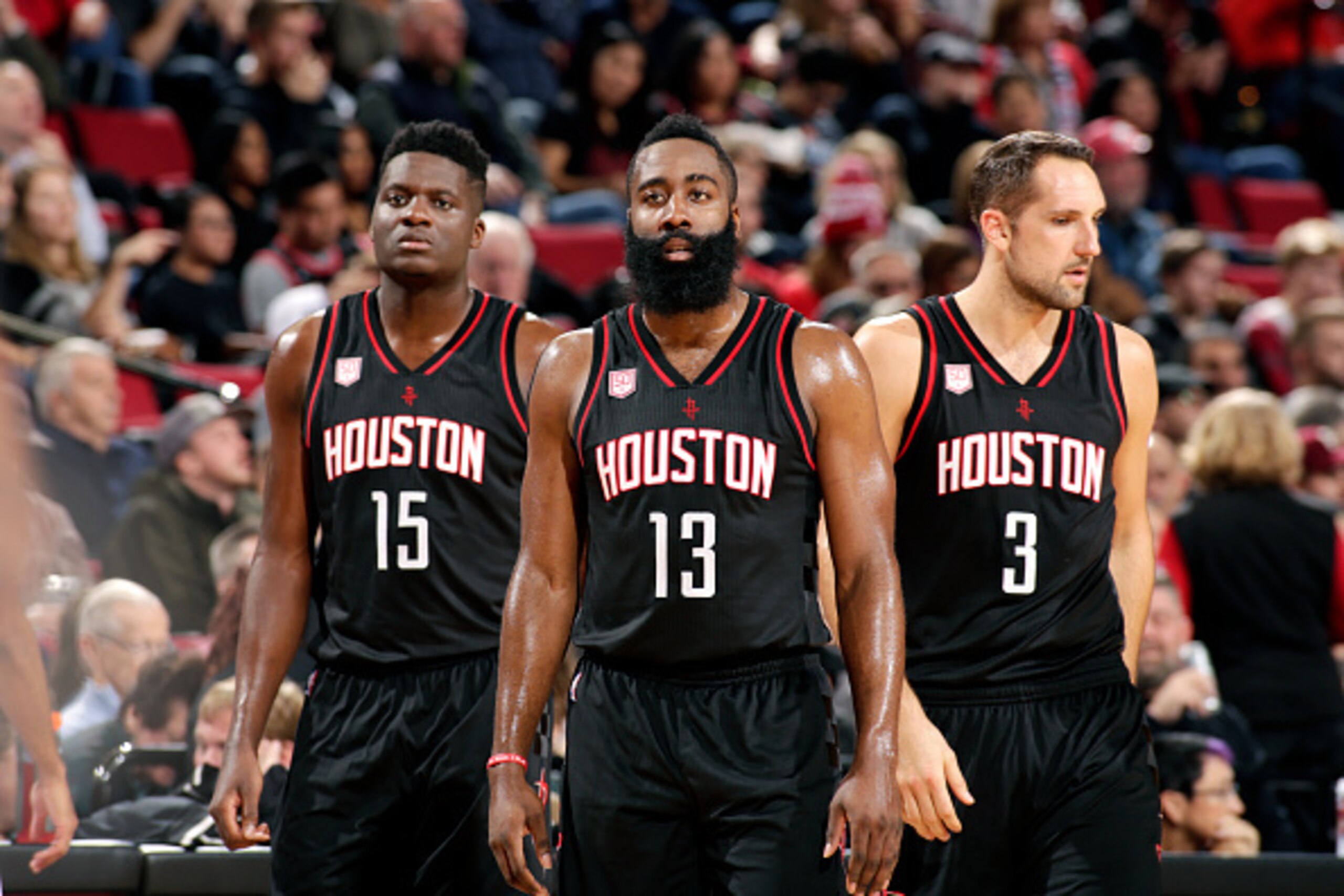
There is a lot to dislike about the Houston Rockets defense, particularly from the inside out. The three-point point prevention has been especially bad, no matter the circumstances.
Just look at the Rockets' lowlights:
- Opponents are shooting 36.8 percent on triples—the fifth-highest mark in the league.
- They allow the sixth-most open threes per game.
- Only five teams have allowed more long-range makes from the corners.
- Rival offenses drill 39.3 percent of their threes when they don't have to dribble; only the Dallas Mavericks, Miami Heat and Phoenix Suns forfeit a better conversion rate in those situations.
Top-three offenses such as Houston's cover up a lot during the regular season, and the Rockets at times look more dangerous than the Los Angeles Clippers and San Antonio Spurs. But James Harden and friends won't last long in the playoffs if the perimeter defense doesn't get its act together.
Secondary Contenders
Los Angeles Clippers: Deceptively Bad Bench
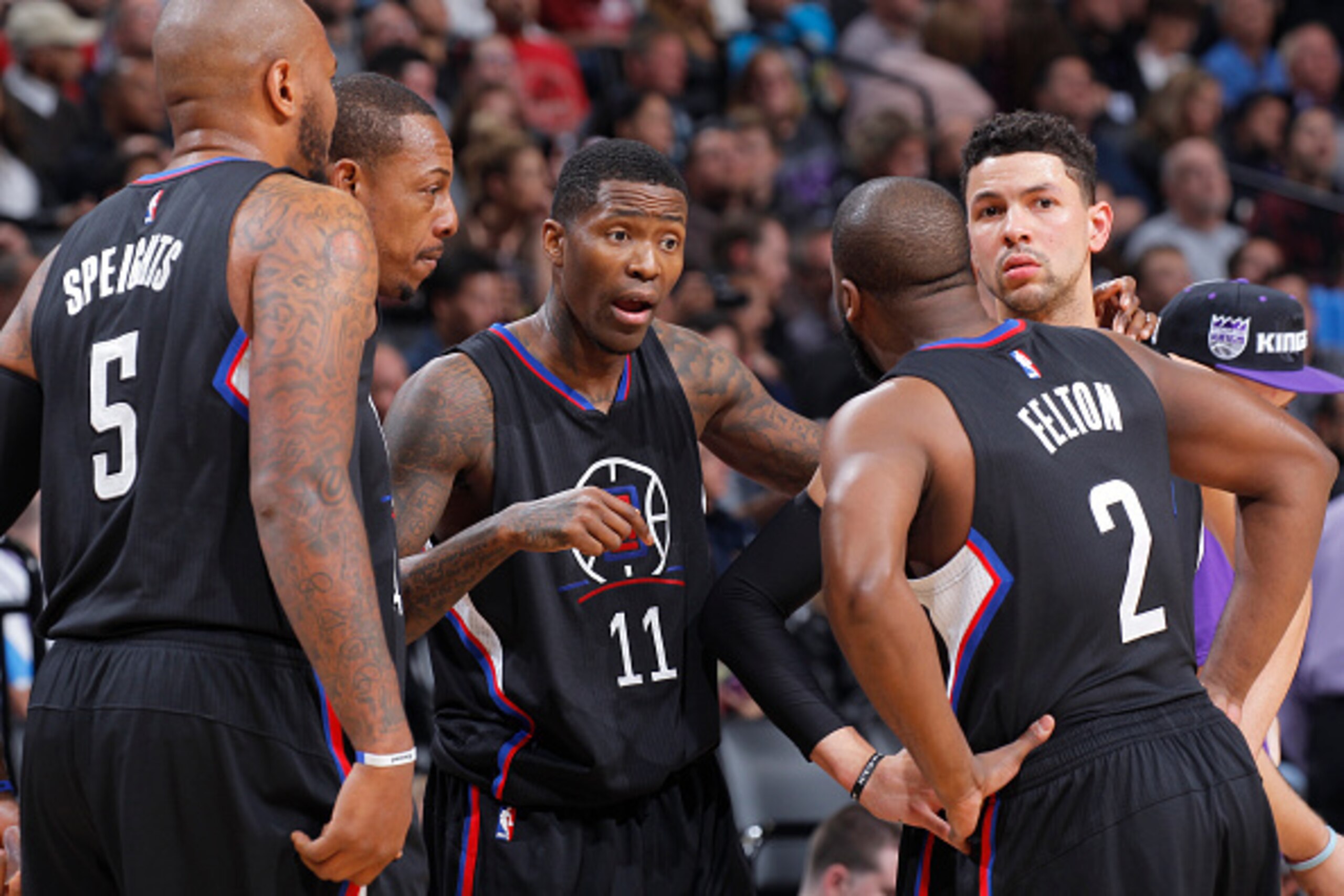
How are the Clippers secondary contenders when they have the NBA's third-best net rating? And when one of their most used lineups is an all-bench mob that's outpacing opponents by 6.6 points per 100 possessions?
Simple: They aren't as deep as advertised.
Head coach Doc Rivers shows a tremendous amount of faith in his reserves, most of which is unwarranted. The Clippers' second-stringers fail to rank in the top 15 of either offensive or defensive efficiency, according to HoopsStats.com. The collective of Jamal Crawford, Raymond Felton, Wesley Johnson, Austin Rivers and Marreese Speights has seen its offensive rating plummet in recent weeks.
That's enough for Rivers to stagger his superstars' minutes, something he doesn't typically do. The Clippers have logged a whopping 272 minutes without one of Blake Griffin, DeAndre Jordan and Chris Paul on the floor, according to NBA Wowy.
Compare that to the 69 minutes the Cavaliers have played without Kyrie Irving, LeBron James and Kevin Love. Or the 60 minutes the Warriors have logged without Stephen Curry, Kevin Durant or Draymond Green.
Griffin is the only member of the Clippers' Big Three to miss a game, so these numbers aren't skewed by absences. And Los Angeles has seen more crunch time than Cleveland and Golden State, so this isn't an issue of fourth-quarter rest.
Rivers needs to do a better job of planning around a supporting cast that still isn't good enough.
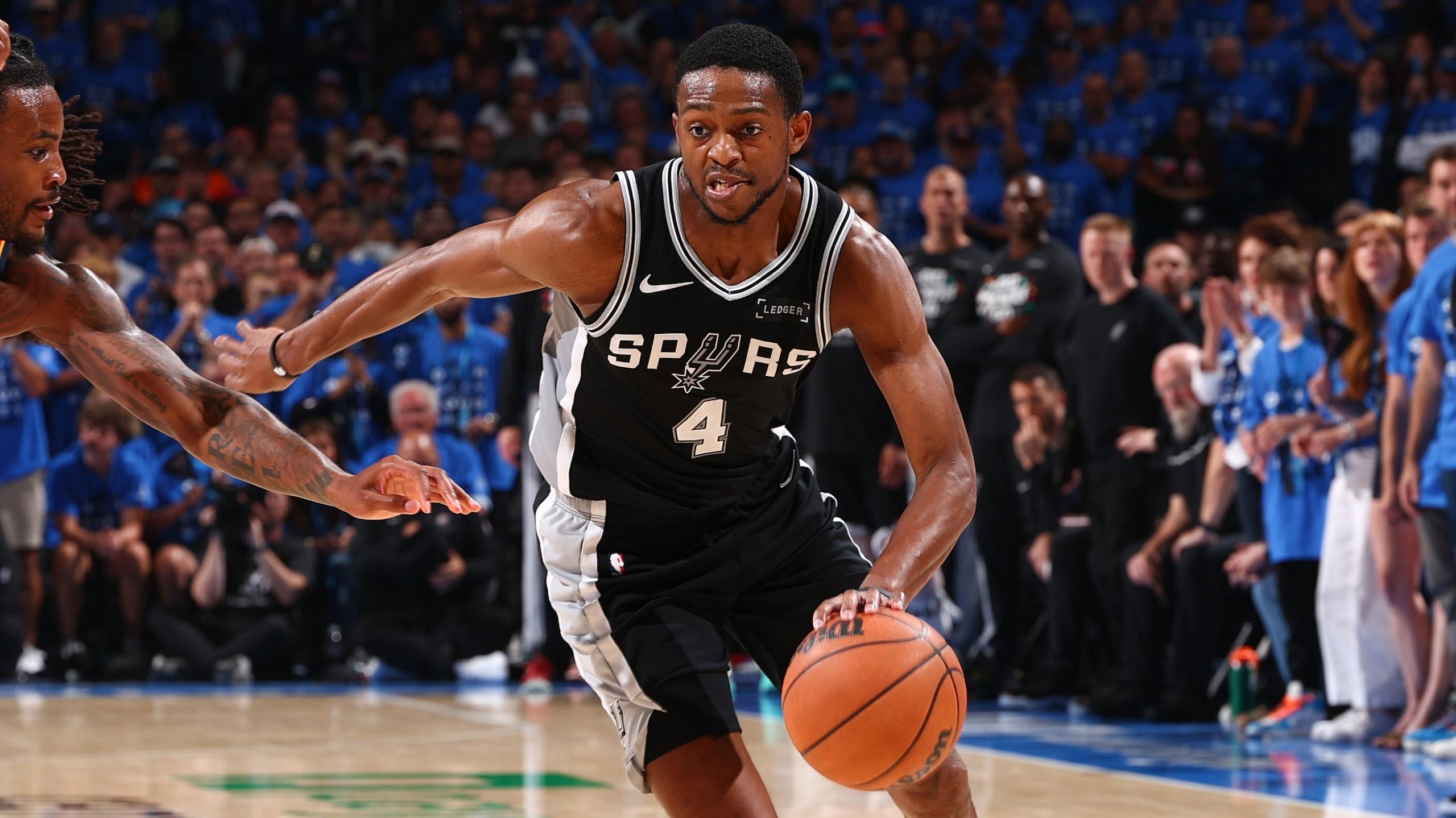
San Antonio Spurs: Backcourt Defense
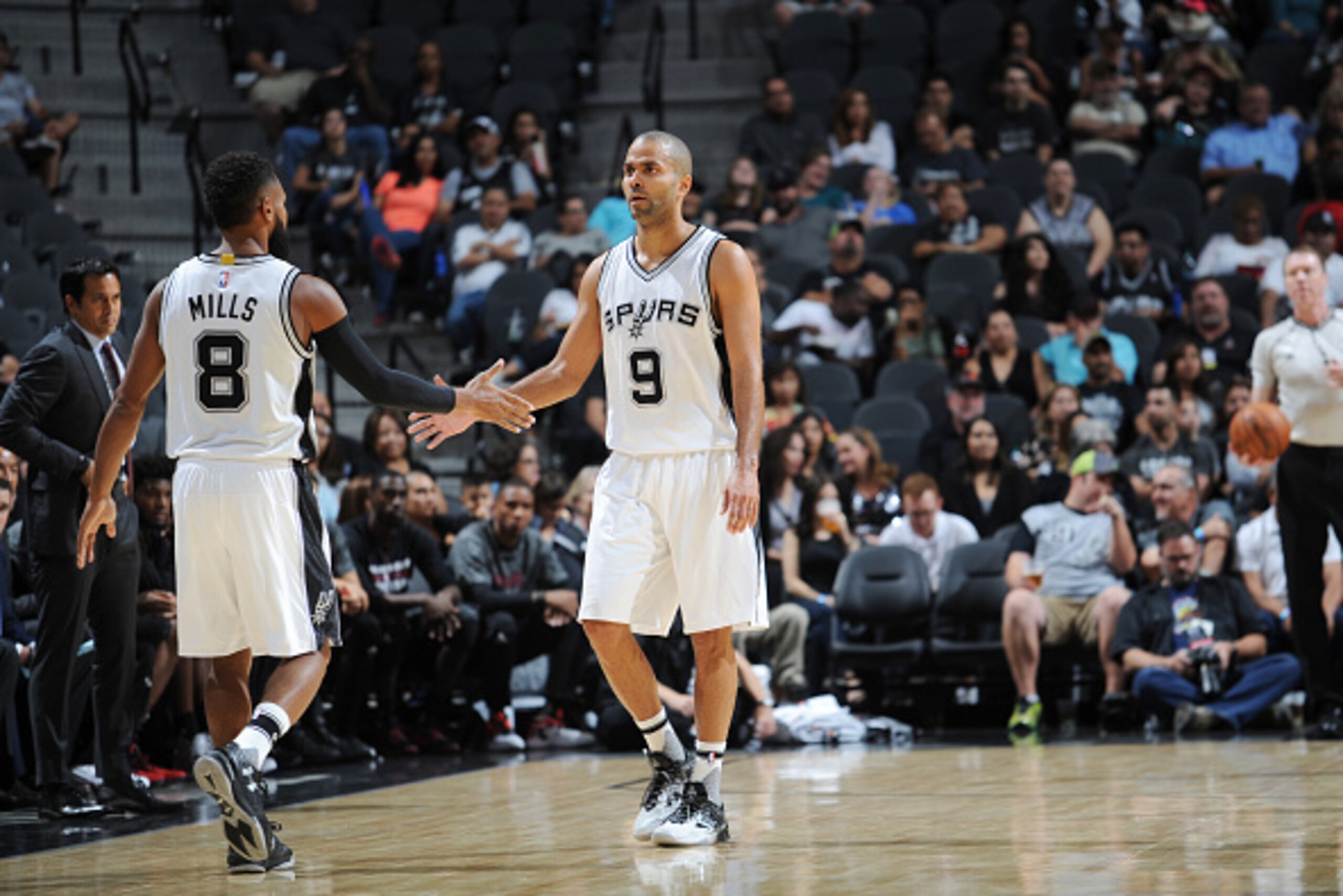
It says a lot about how automatic the Spurs traditionally are on this end that a 13th-place defense is considered a letdown. It says even more about the backcourt that this could be their ceiling.
Tony Parker has never been a standout defender, but at 34, a step or five slower, the Spurs have to plan around his relative inability to match up with opposing point guards. There's seldom a place where they can hide him.
Patty Mills isn't a much better option; he's sometimes worse. Manu Ginobili is surprisingly frisky for a 39-year-old, but he's no stopper. Danny Green can only mask so many issues on his own, and San Antonio cannot afford to toss more minutes Jonathon Simmons' way unless he climbs out of his offensive sinkhole.
Many of the Spurs' usual backcourt pairings are net positives or defensive washes. But that has more to do with the surrounding personnel—mostly their roving rim protectors.
Isolate the guards, and the Spurs have a bottom-eight defense, per HoopsStats.com. They are middle-of-the-road in three-point prevention and place 26th in pick-and-roll protection against ball-handlers.
All of which is very unlike the Spurs—kind of like their negative net rating at home. So while they're on pace for another 65-win season, it's not clear if they're any more of a threat to the Warriors than the Clippers or Rockets.
Toronto Raptors: Frontcourt Depth
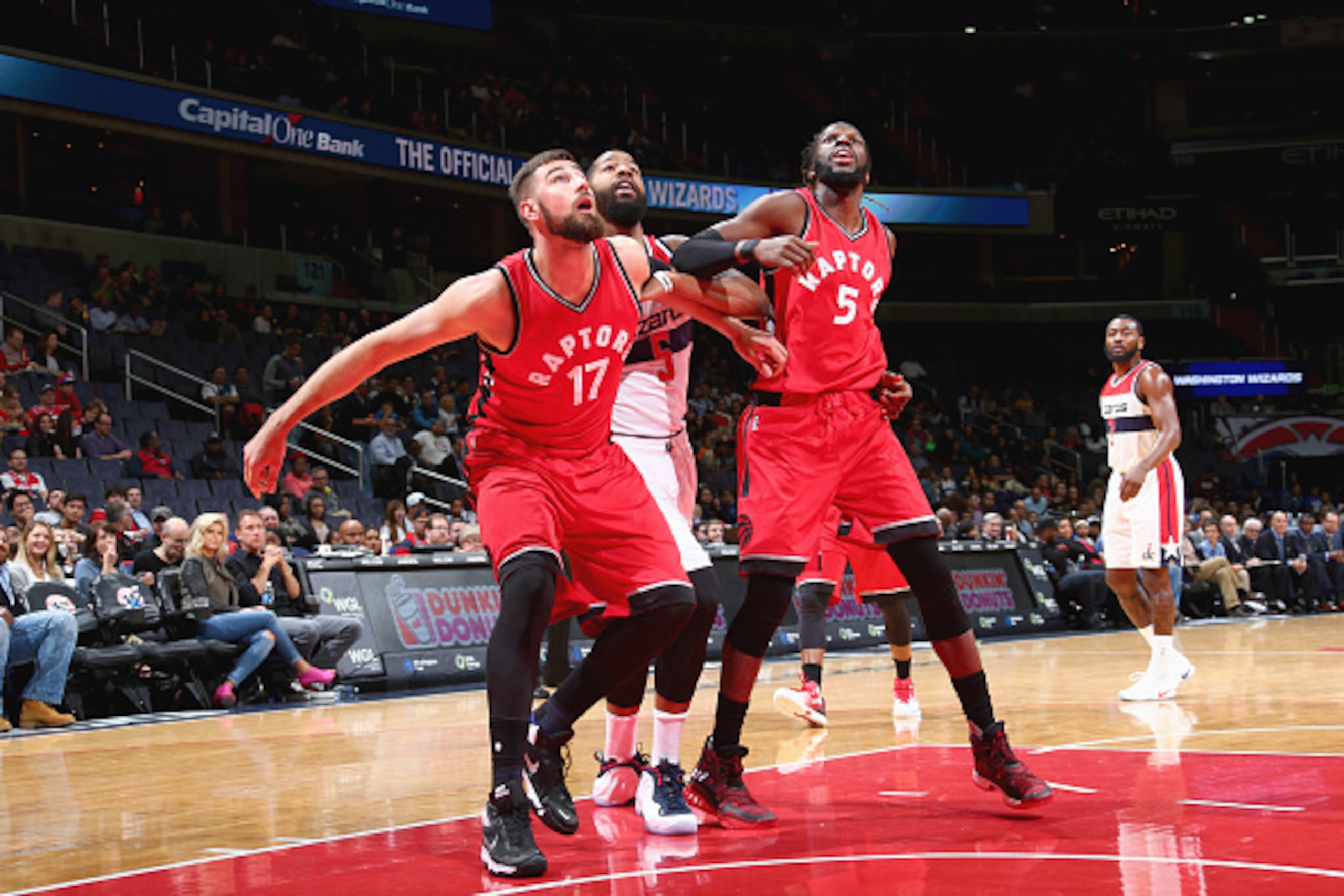
Almost every time you watch the Toronto Raptors, you can't help but wonder: How long until they offer the free-falling Atlanta Hawks their best package for Paul Millsap?
Or something like that.
Toronto's frontcourt situation is unimpressive, if not dire. No team relinquishes more shot attempts at the rim, and the defense on rolling bigs has been awful. Jonas Valanciunas is the lone big capable of consistently creating his own shots.
Any in-house solution the Raptors come up with doesn't make enough of a dent. Playing Patrick Patterson and Valanciunas carves out additional space, but the defensive trade-off is unacceptable. Lucas Nogueira cannot get extra spin without cutting into Valanciunas' share, and the offense won't survive long stretches with him playing beside Pascal Siakam.
DeMarre Carroll doesn't move the same way anymore and isn't able to soak up as much time at the 4. The defense craters whenever he slides to power forward, according to NBA Wowy, regardless of which center has his back.
Spotty frontcourt combinations won't destroy the Raptors' chances of securing the Eastern Conference's No. 2 seed. They will, however, prevent them from registering as a clear threat to Cleveland's throne.
Utah Jazz: Health, Health, Health
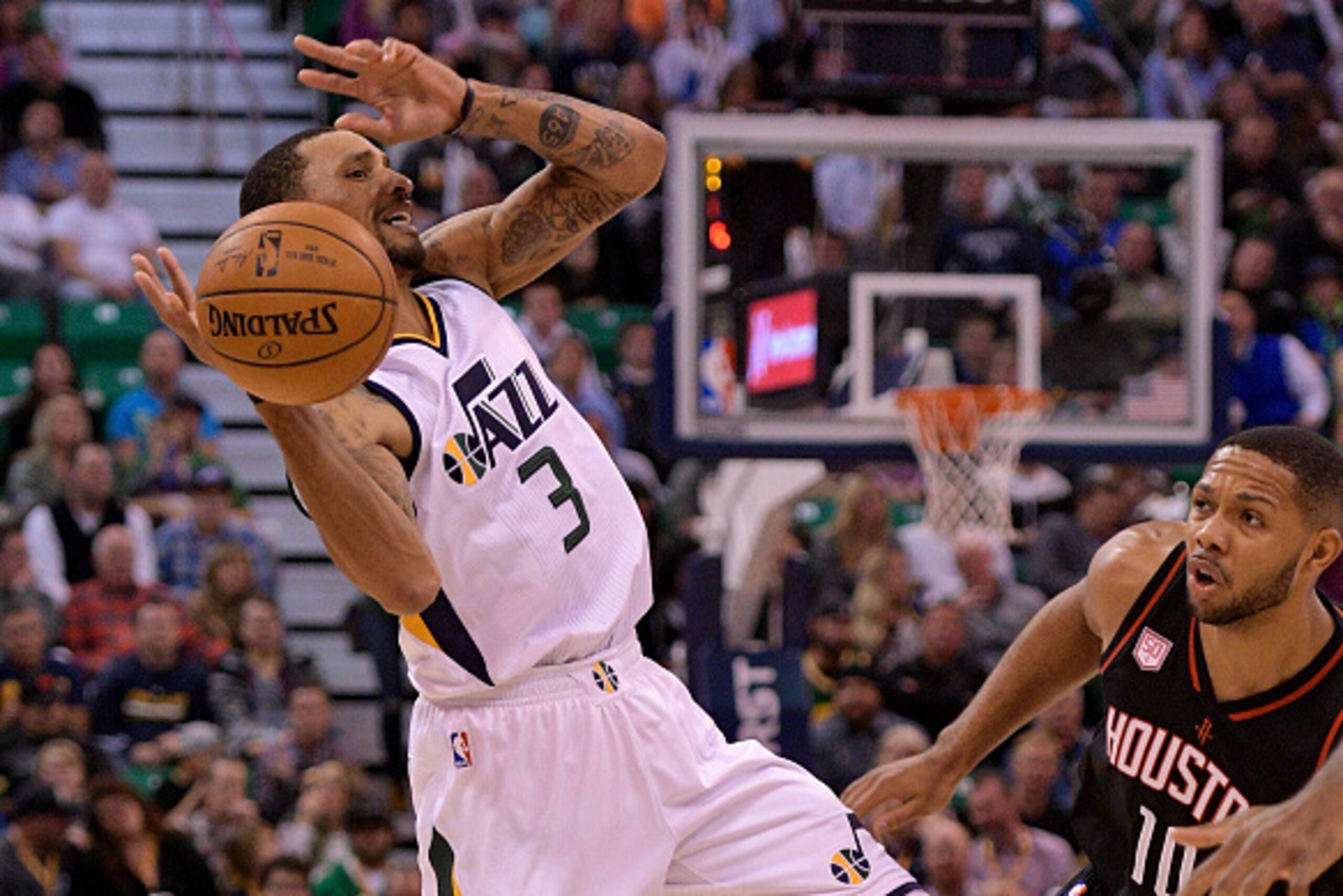
Good news: The Utah Jazz's most used lineup is at plus-24.8 points per 100 possessions.
Bad news: That five-man crew has seen 57 total minutes of action.
Worse news: Only the most featured combinations for the Brooklyn Nets (42), Memphis Grizzlies (51), Mavericks (51) and Denver Nuggets (53) have seen less time together.
Utah still has the net rating (plus-6.6) of a 50-something win team, and the offense goes supernova whenever George Hill is running the show. But Boris Diaw, Gordon Hayward and Hill have all missed time. Alec Burks (ankle) and Derrick Favors (knee) are both on the shelf.
Disappointing losses to the Charlotte Hornets, Bulls, Nuggets and Heat are proof that injuries can be the Jazz's undoing.
The Favorites
Cleveland Cavaliers: Still the Warriors

LeBron James would have us pick something else.
"We've got to get out of the honeymoon stage," he told the media following Cleveland's Friday night loss to Chicago, his team's third straight. "That's y'all's headline for tomorrow. I know y'all going to use it."
Certain aspects of the Cavaliers' championship hangover—if you can even call it that—are worrisome.
No defense in the league allows more wide-open three-point makes. Opponents shoot almost 63 percent against the Cavaliers in the restricted area. J.R. Smith can't find the bottom of the net; he is shooting 30.8 percent overall and a ghastly 19 percent on two-pointers. Cleveland plays like one of the Association's worst teams whenever James steps off the floor.
Relative to the rest of the East, though, the Cavaliers are sitting pretty. The Raptors rival their winning percentage, but we've seen this movie before. There is no team in the East that can beat Cleveland during a best-of-seven set.
That leaves the Warriors. They were a bad matchup for the Cavaliers last season, when they jumped out to a 3-1 series lead, and they're an even more harrowing foe with Durant in the fold.
Sure, in many ways, it's encouraging to know the Cavaliers' biggest obstacle lies in the NBA Finals—until they get there.
Golden State Warriors: Draymond Green's Feet
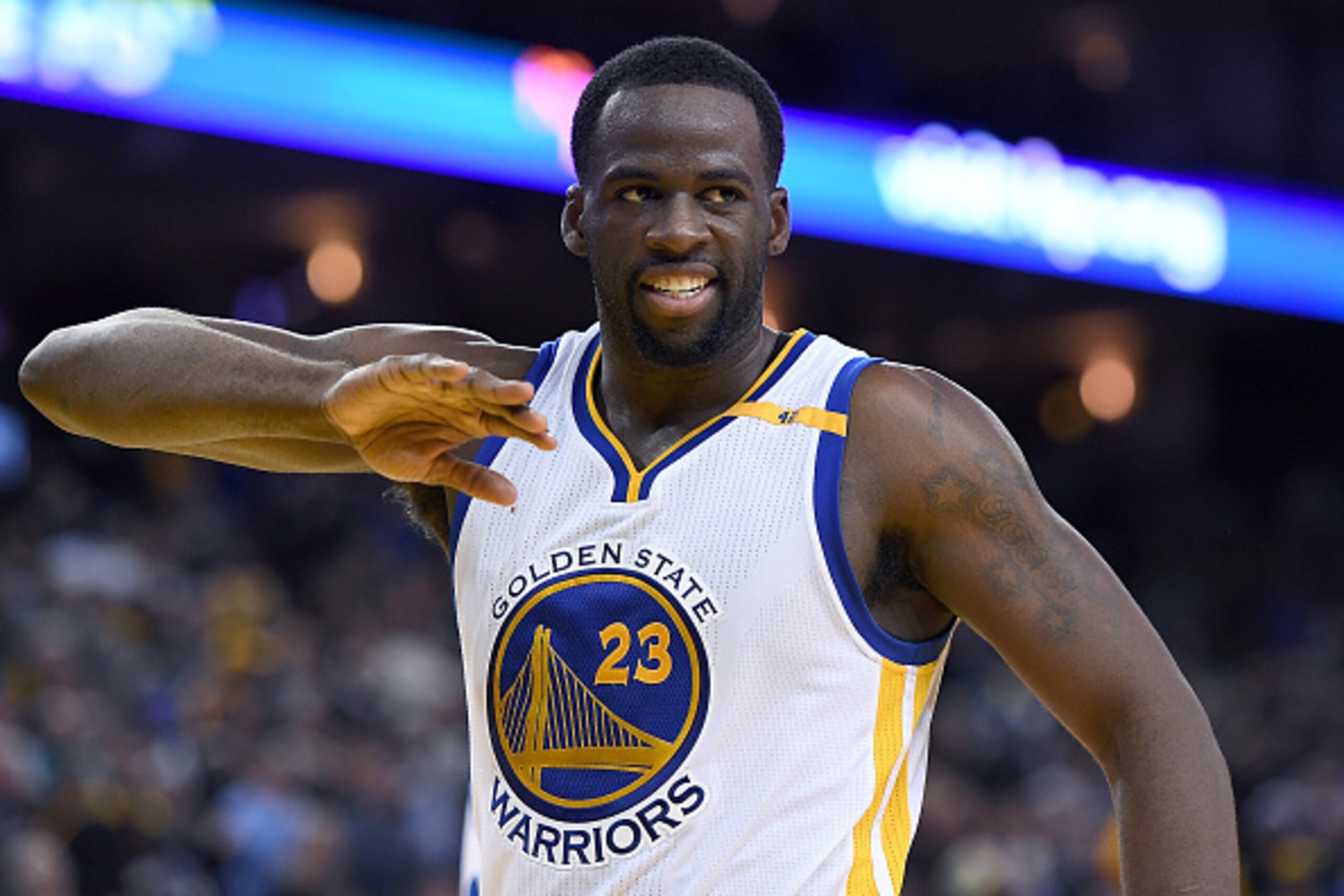
Champagne problems? Absolutely. But Green's leg flails are still a problem—and they shouldn't be.
Deliberate or inadvertent (ha!), Green should have made adjustments by now. Kicking Steven Adams and LeBron James—the latter earned him a suspension from Game 5 of the NBA Finals—arguably cost the Warriors a championship. That should be incentive enough for Green to be more self-aware.
Except there have been more incidents this season.
As the Warriors trailed by three in double overtime against the Rockets on Dec. 1, Green's leg swung upward when he attempted a contested shot at the rim and came down on Harden's face:
Accident? Maybe. But Green's reputation earned him a flagrant-1. Harden hit both free throws, and Golden State lost by five.
Green deflected, but also embraced, blame on Twitter:
Then, during the Warriors' very next game, this one against the Suns, Green kicked rookie Marquese Chriss:
For good measure, let's not forget about Green's mid-November leg swing on Marcus Smart:
Most of these movements seem unnatural. Even the connection with Harden, the most innocent-looking of the bunch, is suspect.
Green might be a marked man, but he's created that bias himself. The Warriors' championship bid has already suffered the consequences once. They can only hope it doesn't happen again.
Stats courtesy of Basketball-Reference.com and NBA.com and accurate leading into Monday's games. All quotes obtained firsthand unless otherwise noted.
Dan Favale covers the NBA for Bleacher Report. Follow him on Twitter: @danfavale.

.jpg?w=2560 "Gonzo Addresses Trade Rumors")

.jpg?w=2560 "Projecting NFL Win Totals")