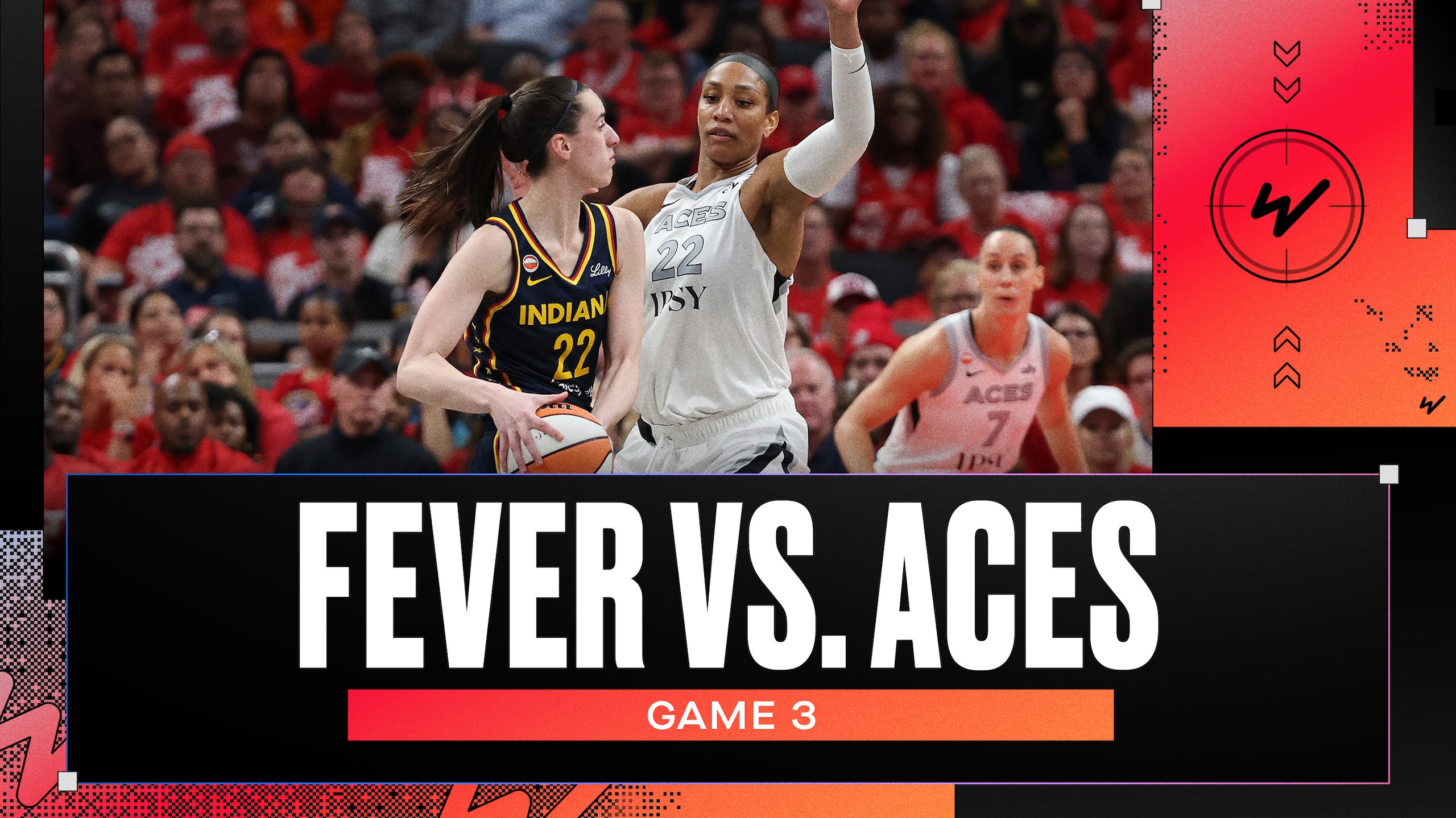
Kobe's NBA Twilight Offers Road Map, Potential Detours Facing an Aging LeBron
LOS ANGELES — LeBron James at 30 has been all about how difficult it is to keep the machine running.
When Kobe Bryant was 30, he was openly talking about—and planning—how long he would still keep ticking. He knew John Stockton played point guard until 41, and Bryant was already taking steps to become the longest-standing shooting guard the game had ever seen.
Bryant, now 36, has unquestionably succeeded.
TOP NEWS
Ben Simmons Responds to Hot Mic 👀
Hezonja Up 70 LBS, 3 Inches 😳
76ers HC Hints at LeBron Plans 🧐
The opportunity arose a month ago to celebrate his longevity when he passed Michael Jordan for third on the NBA's all-time scoring chart. But Bryant is headed toward another milestone this season.
Bryant is on track to pass point guard Jason Kidd and become the perimeter player with the most total minutes clocked, regular season and playoffs, in league history—trailing only the same two who sit ahead of him in all-time scoring, center Kareem Abdul-Jabbar and power forward Karl Malone.
These days, however, Bryant's future is no sure thing. He has reached a crossroads in his career—his body is simply not bouncing back the way he wants anymore no matter how much time and effort he pours into mending it.

So, Bryant is shifting gears to fall more in step with Stockton and Kidd, looking for easy passes out of double-teams to avoid the wear and tear. The computations for Bryant passing Wilt Chamberlain (55,418) for fourth in all-time total minutes within three games and Kidd (56,199) for third with 28 more games are based on Lakers coach Byron Scott's new 32-minute limit each game—with the additional plan that he won't play one game in scheduled back-to-back sets, pushing his next 28 games out to the end of March.
Amid all the current talk about Bryant's body breaking down, the long view is that he has done remarkably well lasting this long.
And what Bryant did so right is the stuff James would be—and already has been—wise to emulate.
There James was, reluctantly sinking himself into an ice bath in his latest Bleacher Report Uninterrupted video to treat all the soreness that had set in from his impressive first game back after two weeks off to recharge his own body.
That's old hat for Bryant. He first dabbled with Twitter in December 2012 as a guest of the @NikeBasketball account and verified it was him by offering a photo of himself, his ice bath and with one of those typical Kobe half-smiles of pride when he knows he's being the overachiever his admirers expect.
Although that Lakers' 2012-13 season is mostly remembered for being a cataclysmic failure thanks to Dwight Howard's discontent and then Bryant's Achilles rupture near the end, it was one heck of a run for a certain old shooting guard.
At 34, Bryant averaged 27.3 points on 46.3 percent field-goal shooting...in 38.6 minutes per game.
In December, he was openly calling himself "Benjamin Button," the fictional character who gets younger as time passes. Come February, he was sharing the Italian nickname a friend gave him: "Vino," as in only getting better with age, like fine wine.
When he suffered a severe ankle sprain in that mid-March, he pulled a near-all-nighter treating it so he could play the next game and mentioned This Is 40 among the flicks he watched. And in late March, he shared a peek into his future mindset, saying of extending his career far beyond expectations: "I could play and change my role completely and play point guard and average 20 points and 12 assists. It's just a matter if I want to."
All the proper steps he had taken in treatment, research, rest and diet—and even less obvious things such as the fundamentals and footwork he refined to enable him to thrive without his former leaping ability—paid off.
Then, in the third-to-last game of the season, the Achilles popped.
It feels so long ago now, but it remains at the top of the list of reasons why Bryant hasn't been that good again.
This is essentially Bryant's first season post-Achilles because he missed most of last season with the additional knee fracture. Thus, a drop-off in Bryant's performance was expected just from the Achilles alone—in addition to his vintage odometer and how little talent is around him.
"He's been off for pretty much two years," Dwyane Wade said. "So it's going to take a while to get used to it again, and that's what he's dealing with."
Scott acknowledged the layoff was the one element he completely ignored when he saw what good shape Bryant was in before the season. Scott put far too many demands on Bryant early, and they're both paying the price now, raising the question if a reasonable ability to recover from smaller ailments will ever return to Bryant?

Bryant and James play Thursday night at Staples Center, both in their second games back from body-preservation breaks. Everyone expected the 12-27 Lakers to be bad, but the 19-20 Cavaliers also come in as a losing team. Bryant's mileage catching up to him at this point isn't a shock, but James grinding down is surprising when you consider how durable he has been.
That durability has allowed James to take on an awesome workload, though. Like Bryant, he has been historically successful at an early age: James is 66 points away from becoming the youngest to reach 24,000 points; Bryant holds the record, getting there at 31.
Unlike Abdul-Jabbar, Malone, Stockton or Kidd, James has played mostly small forward in his career, meaning his body's burden in creating from the perimeter all the way to the goal has been akin to what Bryant has experienced.
James is such a brilliant passer that he certainly can default to more decoy stuff as he ages. Beyond that, had he stayed in Miami, Pat Riley's vision for him featured less explosive movement with him increasingly playing power forward and mastering the post game.
Bryant's stationary back-to-the-basket game from the Hakeem Olajuwon school has practically carried him in recent years, and the gist of Bryant's whole plan for the rest of his career lies in combining the economized movement of post scoring with some cruise control as a pseudo-point guard. Despite his recent rough patches showing he can't be what he once was, Bryant said: "I feel very good about my game at this age."
James' challenge is to streamline his game in a similar manner—even though he hasn't been the most consistent jump-shooter, and more importantly, he hasn't exhibited Bryant's attention to detail.
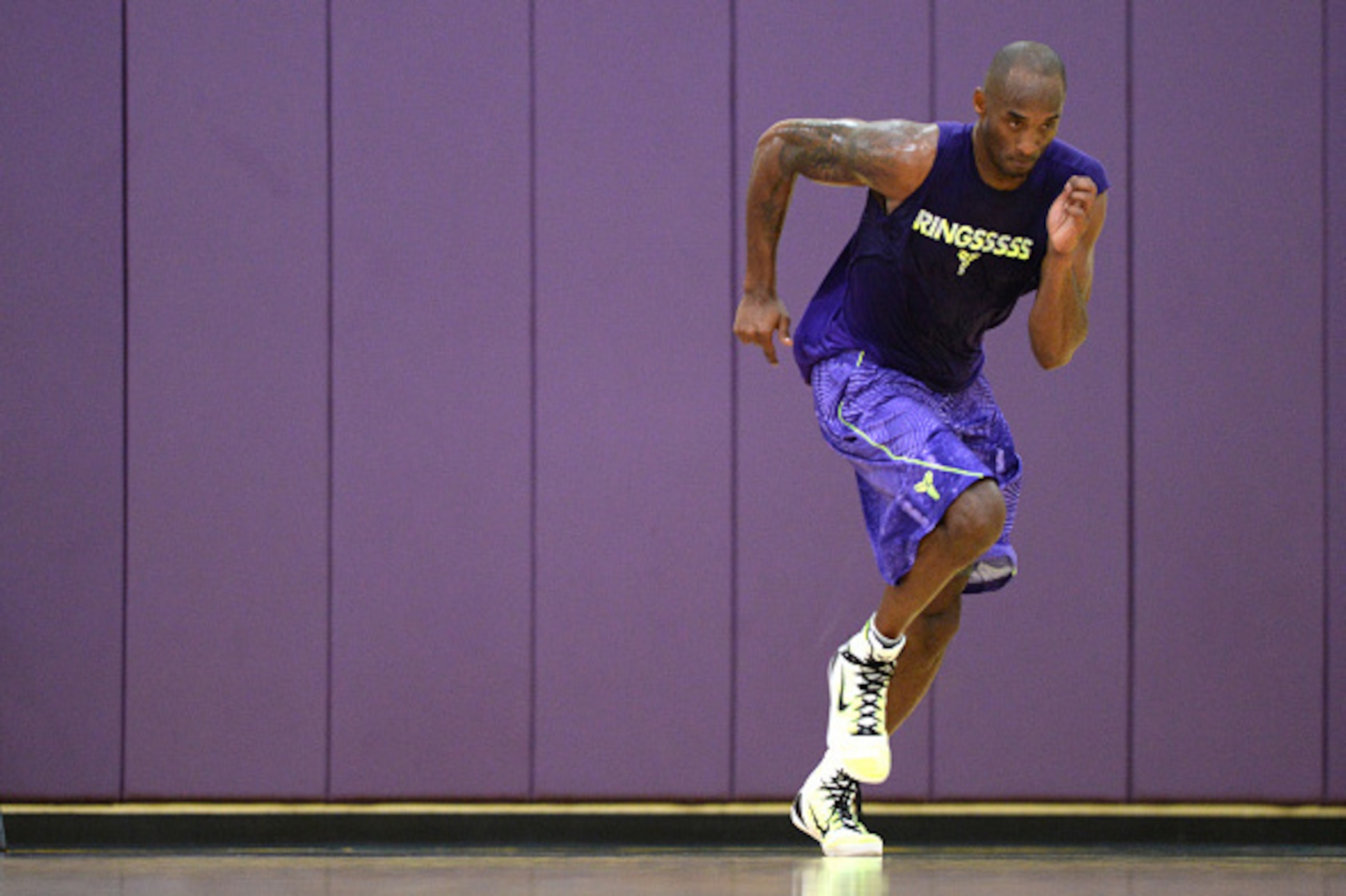
The foremost difference to be identified by Mike Brown, who coached both players through parts of their primes, is that Bryant was more serious about his craft whereas James wanted to have a good time.
As many grins as the latter might bring, career longevity has been driven by the former.
James has undeniably grown his game and increased his basketball IQ over the years. He dropped weight entering this season and was wise to listen to what ailed him and take some time off.
Yet it's going to take so much more than that for a player who has had the benefit of a physical-specimen body that has held up very well for his entire career.
"Kobe's will, to me, is second to none," Clippers guard Jamal Crawford said.
That will is not simply competitive fire.
It has also been the power behind Bryant taking care of his body, finding new ways to succeed...and getting this far, a place that may, or may not, lie in front of James.
Kevin Ding is an NBA senior writer for Bleacher Report. Follow him on Twitter, @KevinDing.

.jpg?w=2560 "Porter Blasts Steelers 😳")