
2011 NBA Mock Draft: What the Entire Full 2 Rounds Could Look Like
In just under a month from now, the best collegiate players will be selected onto what will become the next point of their respective careers.
For now, the draft has its sleepers and busts, and in this one-of-a-kind guide, I will present to you each prospect's weaknesses, strengths and how they would fit in on the team they are slated to be drafted by.
Read on, as I present to you my complete, two-round NBA mock draft.
Thanks for reading!
60. Sacramento Kings: Ben Hansbrough
1 of 60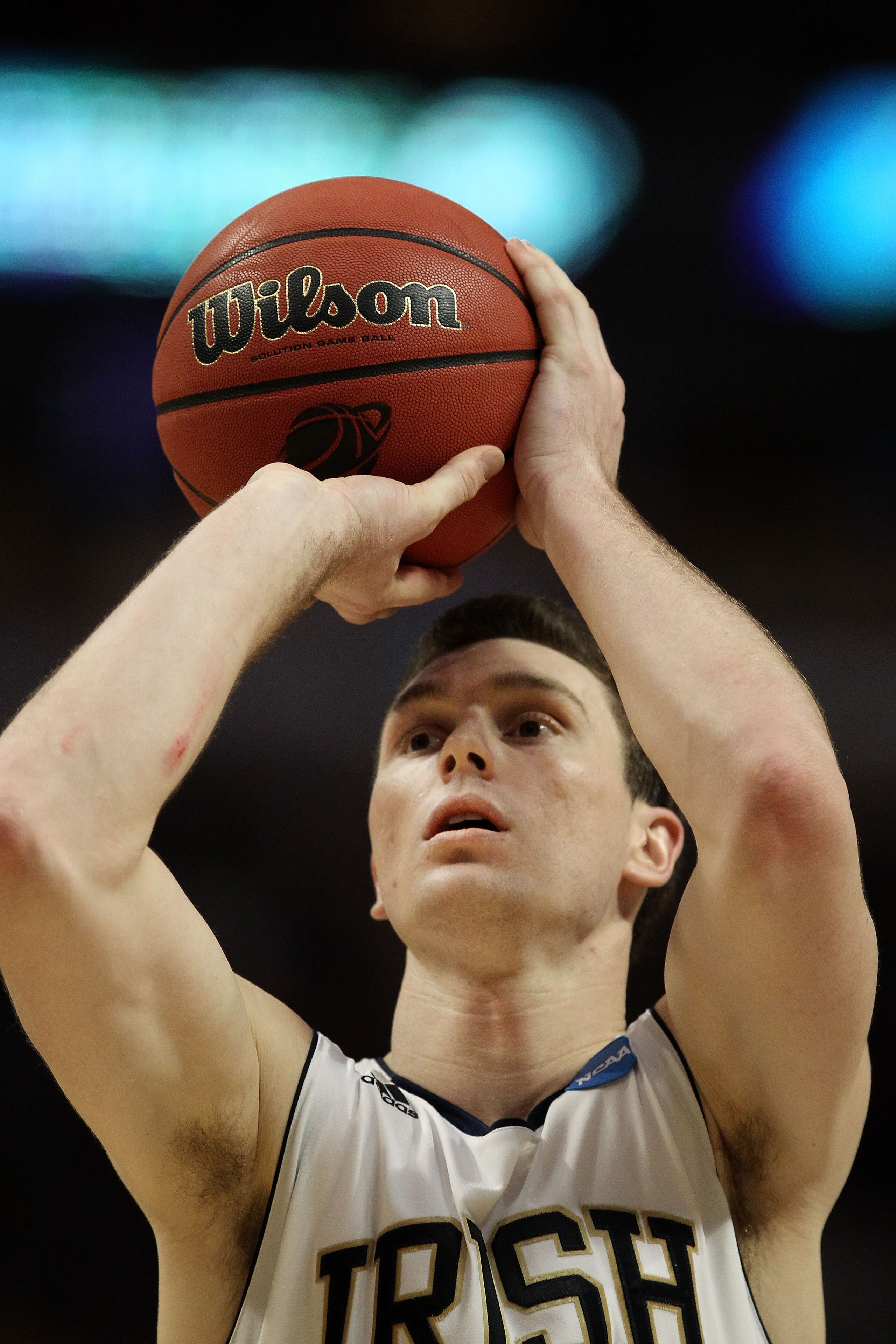
Strengths:
Standing 6'3" and weighing in at 203 pounds, Ben Hansbrough (that's right, he's Tyler's younger brother) of Notre Dame is an exceptional shooter (like his brother) and passer. Those two assets will be the easiest for him to adapt to the bigs with.
Weaknesses:
The kid has some potential, sure, but do we honestly know exactly what we're getting in him? Of course not.
What we do know is that he must gain a little speed this offseason in order to mesh with the best point guards in the association. If he took the court right now, there's no way he'd hold his own in a foot race with Derrick Rose.
Why He's a Good Fit:
The Sacramento Kings aren't necessarily loaded with talent at the point guard position. Beno Udrih and Pooh Jeter aren't exactly future superstars, so why not take a chance on Hansbrough as basketball's "Mr. Irrelevant"?
Perhaps his success in the NBA is genetic. No one expected the elder Tyler to perform exceptionally with the Pacers, and yet he proved them wrong this past season.
59. San Antonio Spurs: Gary Flowers
2 of 60
Strengths:
Gary Flowers of Southern Mississippi is a fairly balanced player, a guy who can post up a plethora of post players and run down the floor and defend his man efficiently the following possession. His speed is perhaps his biggest strength, a trait that will bode well in the NBA.
The small forward also has solid range, as displayed by his 40 percent rate from beyond the arc.
Weaknesses:
Flowers' ceiling might not be much higher than his current pace, so it'll be difficult for some teams to pull the trigger. Who actually wants a college-level talent in the pros?
Why He's a Good Fit:
It might be a risky pick considering the Spurs are looking at possibly selecting fellow small forward Kyle Singler in the first round, but Flowers, who will be overlooked in the draft, might become a solid pro.
58. Los Angeles Lakers: Chris Wright
3 of 60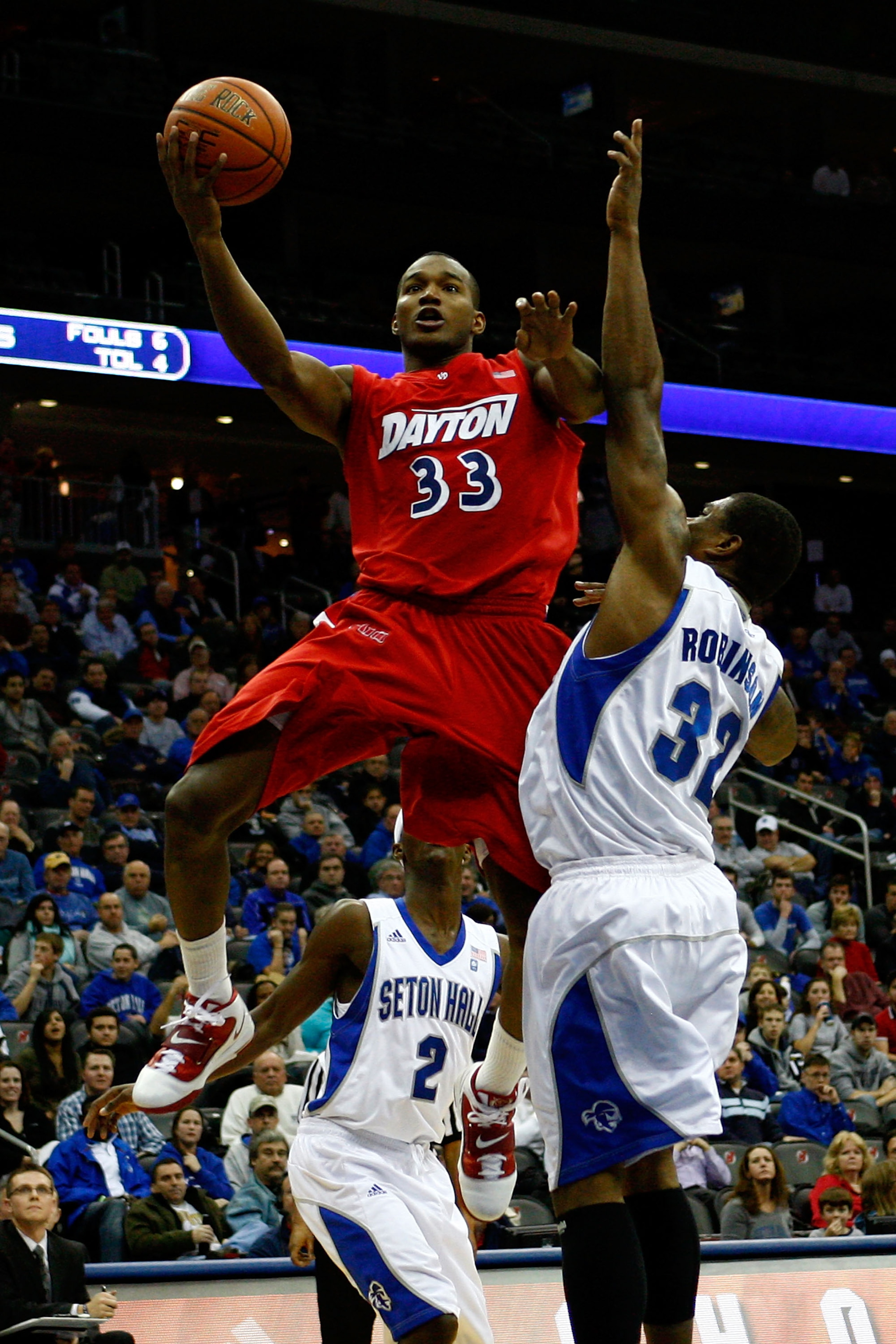
Strengths:
One of the nation's top seniors this past season, Chris Wright of Dayton is an athletic beast.
He's strong, long (6'8"), and he's got some great speed for a guy his size.
Weaknesses:
As athletic as Wright is, we must also keep in mind how skinny he is.
If he wants to match up with the best, he has to raise his weight 20-something pounds to make it an even (and force-worthy) 240.
Why He's a Good Fit:
The Los Angeles Lakers have a long history of developing the young players they draft, and Chris Wright could soon join them.


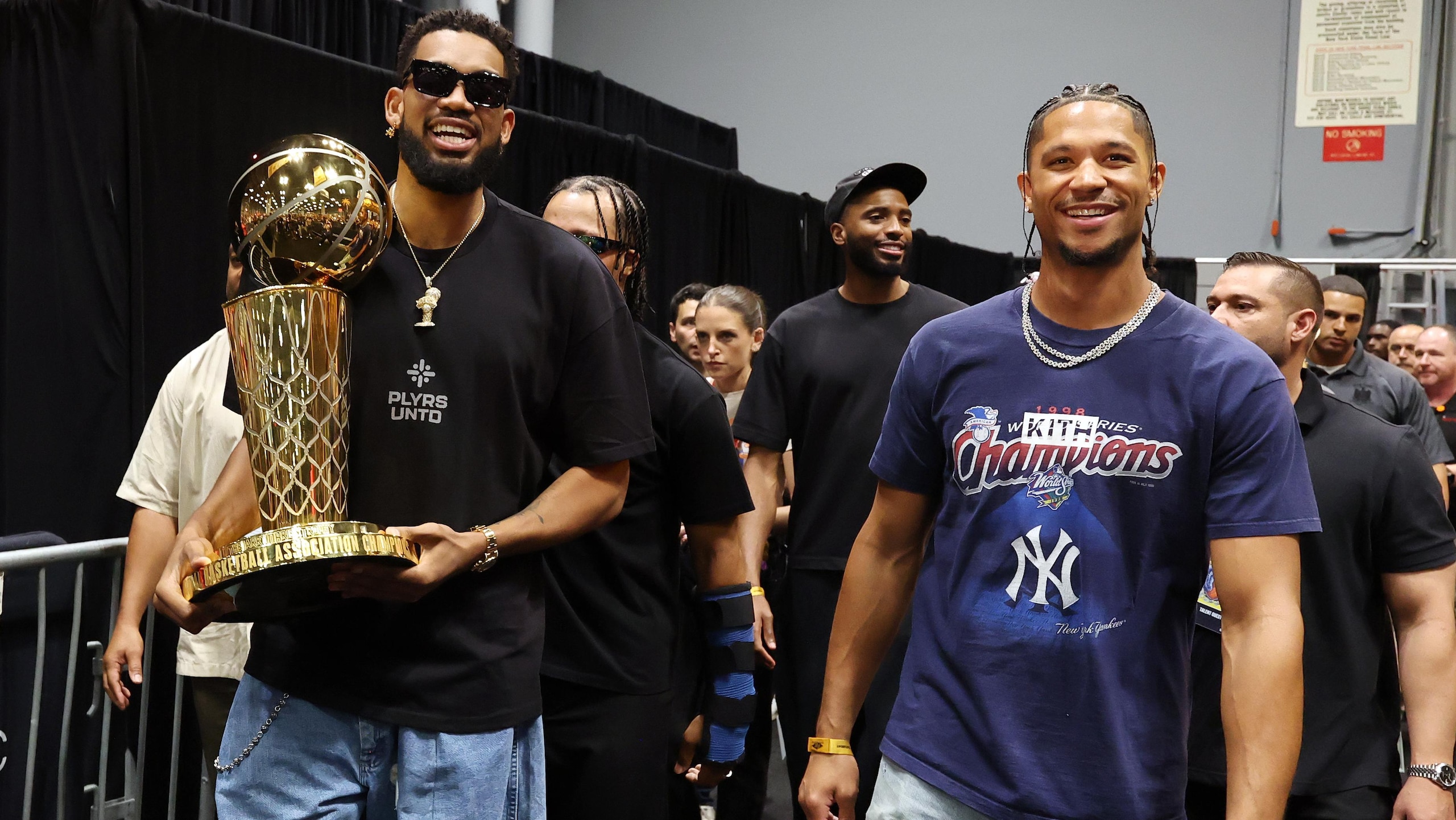
57. Dallas Mavericks: Demetri McCamey
4 of 60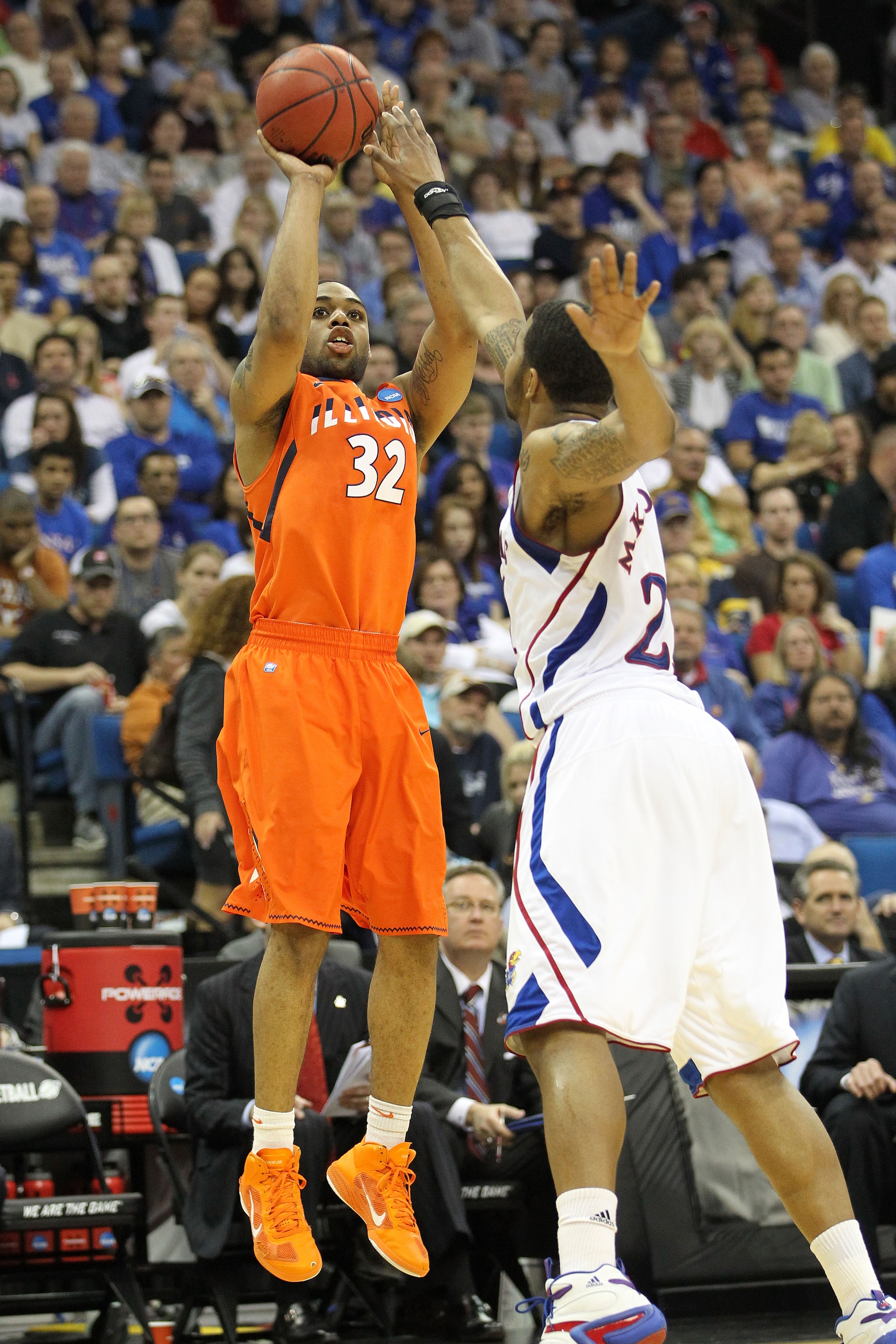
Strengths:
Demetri McCamey is a point guard who has the ability to set his mind to extreme heights when focused. He has size and great shooting abilities, both of which will bode well in the NBA.
Weaknesses:
Two of McCamey's biggest weaknesses are his lack of focus and his lack of effort on the defensive end of the floor.
Both of these things can obviously changed come draft time, but for now, they stand in front of his shot to play professional basketball.
Why He's a Good Fit:
The Dallas Mavericks aren't going to be looking too deep for the future any time soon, so why not take a risk and hope to change McCamey's mindset?
56. Los Angeles Lakers: Jimmy Butler
5 of 60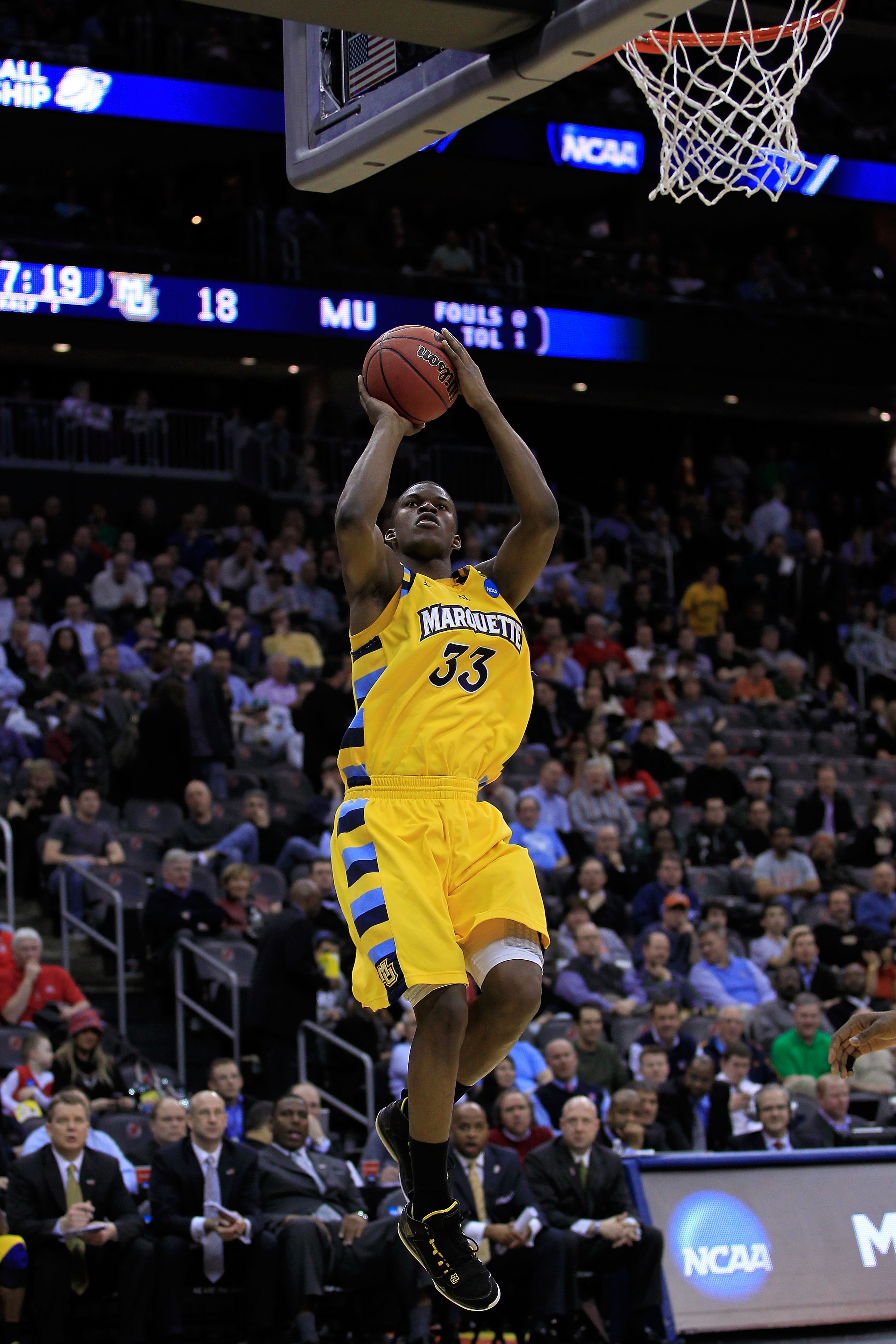
Strengths:
Jimmy Butler is athletic and long, and at 6'7" and 222 pounds, he should be perfectly fine meshing up against your average NBA small forward.
He is a great on-ball defender and has tremendous leadership skills additionally.
Weaknesses:
Butler, while being known partially because of his scoring, is not the shooter he is made out to be. He is too inconsistent and sometimes struggled at the foul line, too.
Why He's a Good Fit:
The Marquette Golden Eagle has been so infrequently mentioned amongst NBA draft junkies that he is considerably underrated.
He'll be a steal when the Lakers pick him with the 56th selection.
55. Boston Celtics: Scotty Hopson
6 of 60
Strengths:
Scotty Hopson of Tennessee has the mold to become a great basketball player.
He's an athletic wing who can score from all tiles of the hardwood. His 6'7" frame will tower over shooting guards in the NBA, and he is strong enough where he can use his body to physically dominate his opponents.
Weaknesses:
Weighing in at just 205 pounds, the 20-year-old Hopson must add some muscle to become a true force. He also shies away from rebounds. Perhaps that extra weight would help his confidence down low as well.
Once he does so, he can become a complete ballplayer.
Why He's a Good Fit:
The Boston Celtics are a team looking for a long-term future at the shooting guard position. At 35 years old, Ray Allen won't be able to play forever.
Perhaps a bigger Hopson can take the reigns.
54. Cleveland Cavaliers: Willie Reed
7 of 60
Strengths:
Willie Reed is an athletic power forward who has the sky as the limit right now.
The 6'9" Reed has tremendous athleticism, and can knock in jumpers and grab boards at very efficient rates.
Weaknesses:
He might need to gain a few pounds, as 220 isn't exactly starting power forward material.
Otherwise he is very predictable in the post and could use a move or two to ensure an extra bucket every once in a while.
Why He's a Good Fit:
Coming out of Saint Louis University, it'll be hard to see Reed getting extensive amounts of playing time, but I could see it happening if they find a way to get him involved in the offense.
53. Orlando Magic: DeAndre Liggins
8 of 60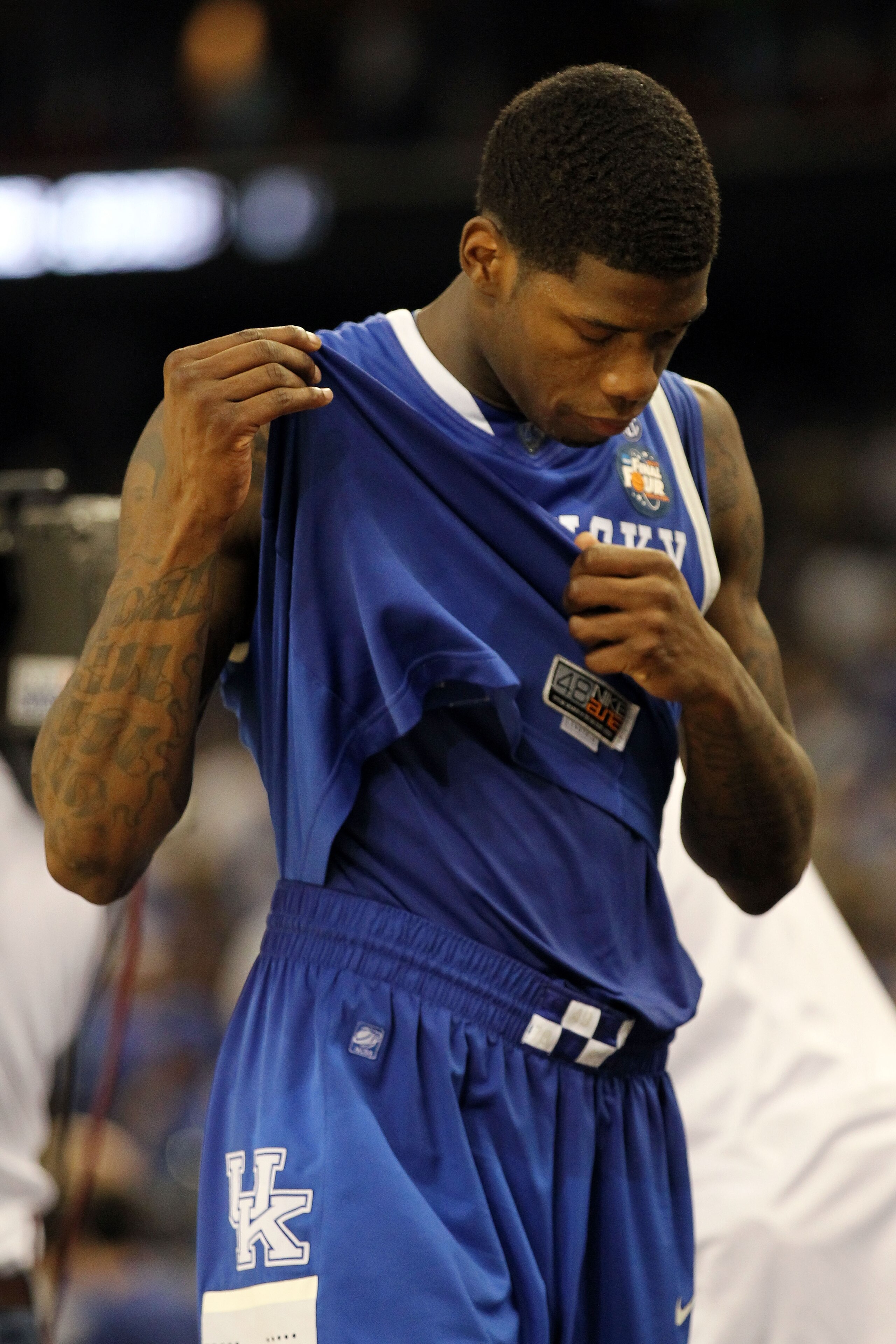
Strengths:
DeAndre Liggins helped propel the Kentucky Wildcats to the Final Four this past season, and much of it had to do with how he performed. In essence, he can change games by his play alone.
He also is a solid ball handler with great vision.
Weaknesses:
Liggins' biggest weakness is his lack of efficient scoring.
He also is an incredibly mediocre shooter, once shooting 36 percent from the floor over the course of an entire season.
Why He's a Good Fit:
The Orlando Magic could use a shooting guard for the 2011-12 season, and maybe instead of shopping for one (since Jason Richardson is almost certainly gone), they could draft Liggins and hope for the best.
52. Denver Nuggets: Malcolm Thomas
9 of 60
Strengths:
Malcolm Thomas of San Diego State raised his draft stock tremendously by attending and impressing at the Portsmouth Invitational Tournament.
He is a pure-bred finisher, a guy who can pass, block and shoot.
Weaknesses:
The biggest question mark about Thomas revolves around his jump shot and just how effectively it actually is.
He also needs to polish his game in order to make him a full-fledged prospect.
Why He's a Good Fit:
Although not the first option of the Aztec offense, Thomas adapted to the role as the secondary guy.
Perhaps he can do the same thing in Denver, where there would be a plethora of options ahead of him.
51. Portland Trail Blazers: E'twaun Moore
10 of 60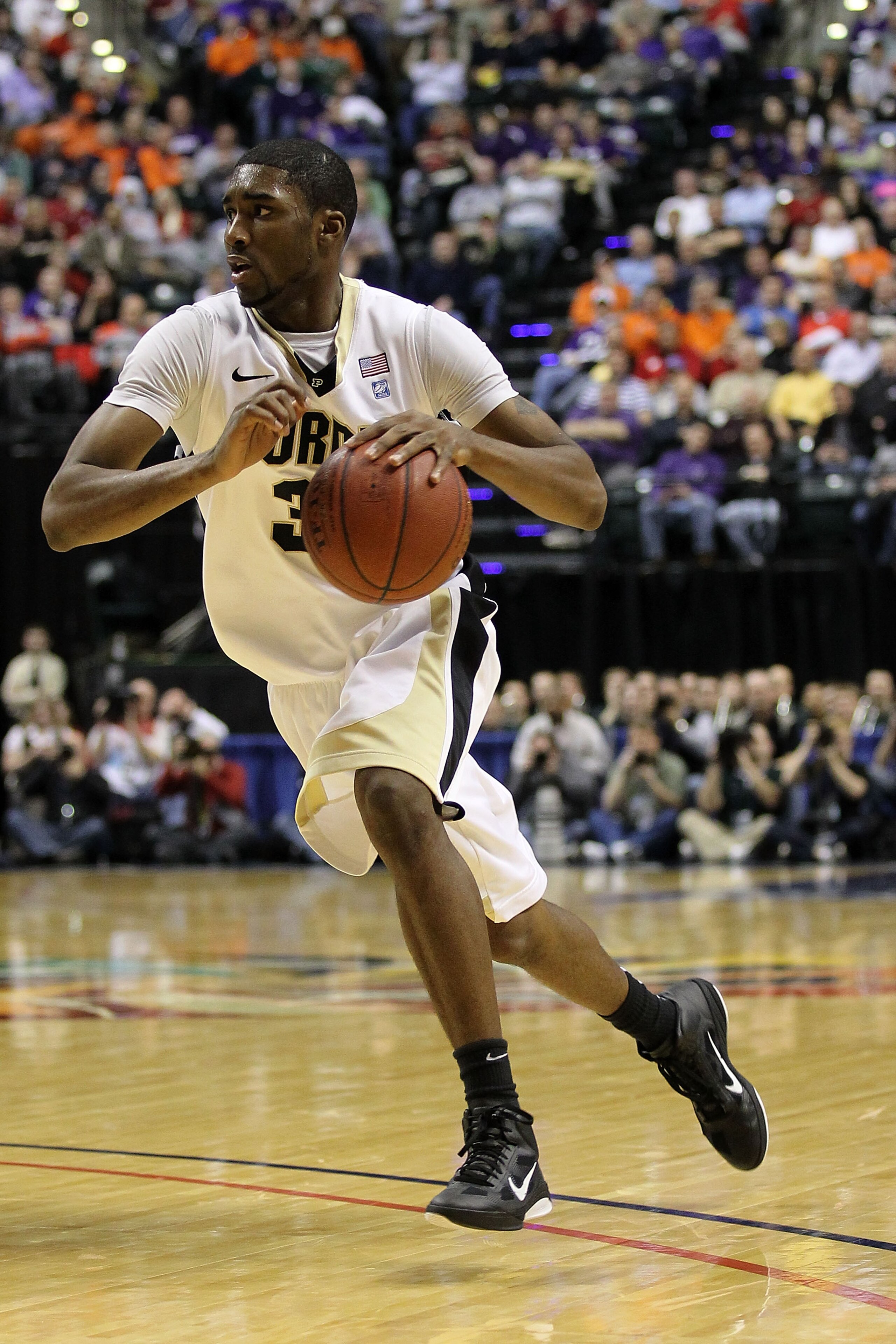
Strengths:
The third-leading scorer in Purdue history, E'twaun Moore is often overlooked due to teammate JaJuan Johnson.
He is consistent, he understands the game with a high basketball IQ and is a humble player overall.
Weaknesses:
While not much is known about Moore's game, we are aware of the low intensity he gave opponents defensively.
He is fairly small for a shooting guard (6'4", 191 pounds) in the NBA.
Why He's a Good Fit:
Moore is a solid fit for the Blazers because he can eventually dethrone Andre Miller in the middle of that pack.
50. Philadelphia 76ers: Joffrey Lauvergne
11 of 60
Strengths:
Although not much is known about Frenchman Joffrey Lauvergne is a 6'10" product who is a decent shooter from beyond the arc, draining 35 percent of that last season in a French league.
Weaknesses:
His biggest weaknesses are, without a doubt, his youth (he's only 19) and his weight. He will be pushed around his entire career unless he bulks up.
Why He's a Good Fit:
Lauvergne is a good, not great, fit in Philly.
He contributes to the cluster that is the Sixers' frontcourt and helps the team down low, but he will probably never star in the NBA.
49. Memphis Grizzlies: Rick Jackson
12 of 60
Strengths:
A power forward, Rick Jackson is an example of a guy with great work ethic who can do just about anything on the basketball court.
He's a good post defender, he's got great size and he can mesh with the best down low.
Weaknesses:
Jackson has just about no concept of a jump shot whatsoever.
He also has a ways to go before he can be considered athletic.
Why He's a Good Fit:
If the Grizzlies get rid of Marc Gasol this summer, it'll be depressing for fans, sure, but they might have another formidable big in Jackson headed out there way.
48. Atlanta Hawks: Iman Shumpert
13 of 60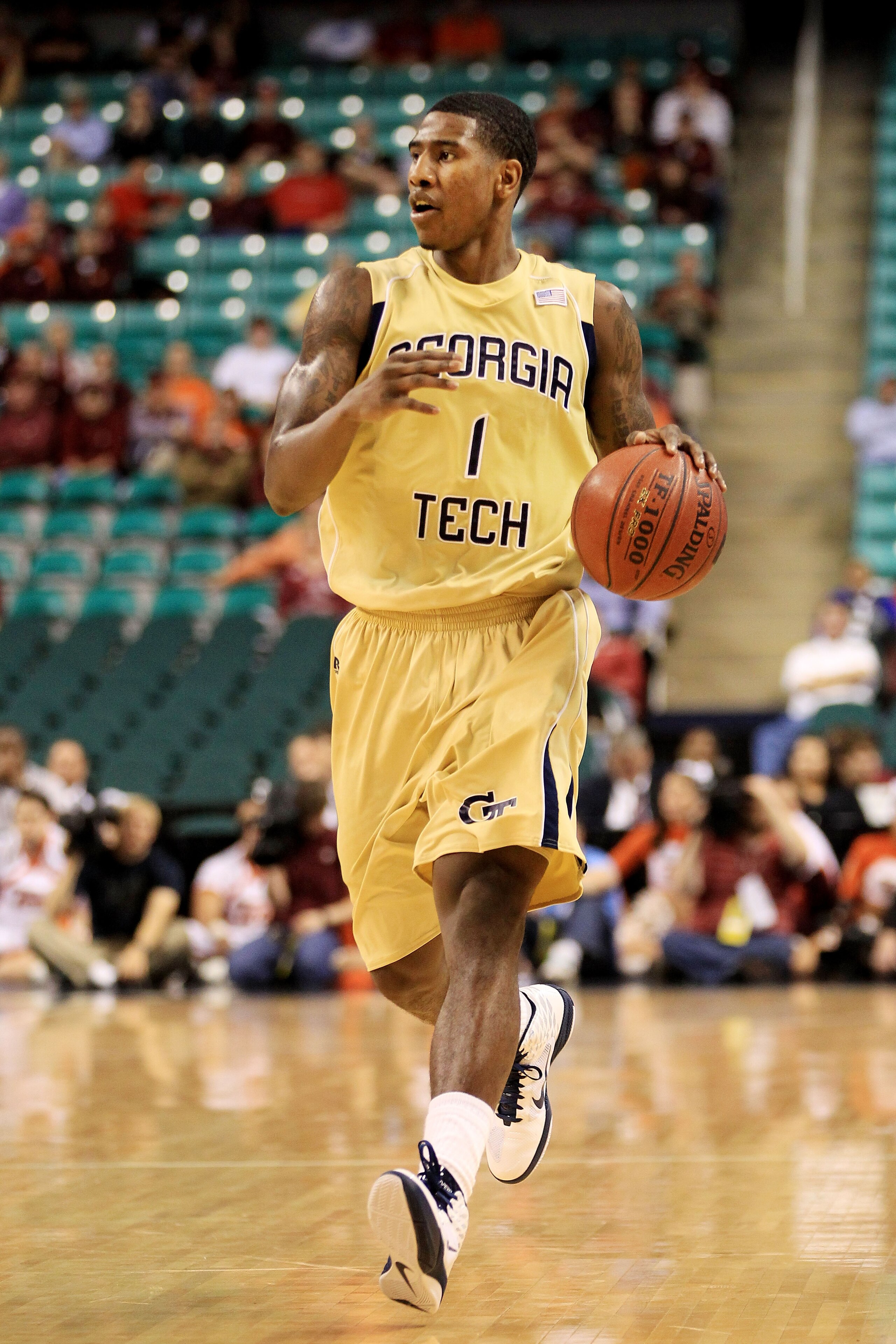
Strengths:
Iman Shumpert of Georgia Tech, at 6'5" and weighing 222 pounds, has awesome size for a point guard.
He also showed off his formidable passing skills in transition at the combine recently.
Weaknesses:
As bad as this sounds, I'm not sure if Shumpert is ready to put it all on the line for an NBA team because in college he was always the go-to guy. But, as you and I know, the college game is much different than the professional game.
Why He's a Good Fit:
Ever since speculation has run wild about Kirk Hinrich perhaps departing Atlanta, there has been talk of the Hawks finding their new man.
Well, they might have him here in Iman Shumpert.
47. Los Angeles Clippers: Jereme Richmond
14 of 60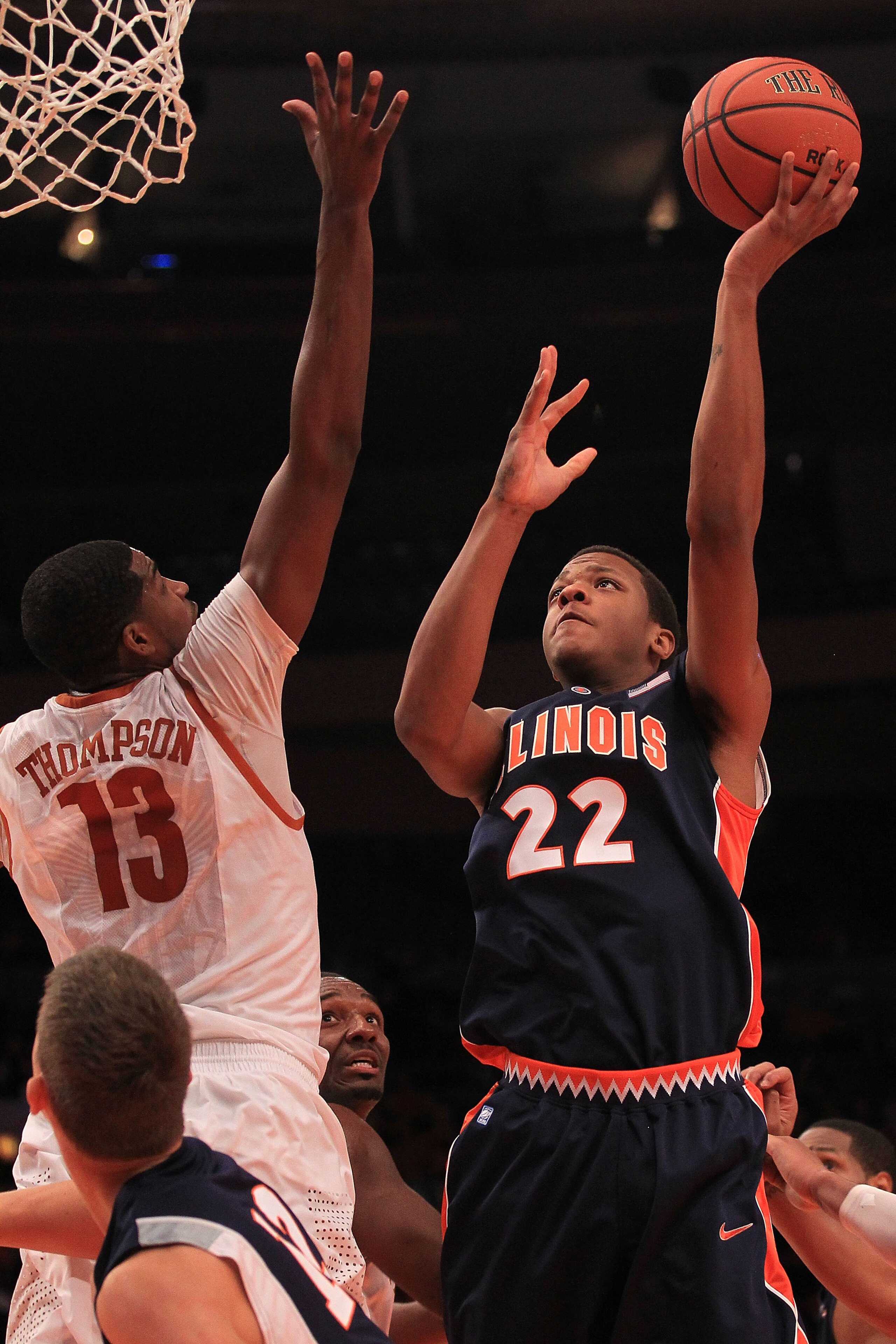
Strengths:
Although he wasn't able to display his talents the way he would've preferred this season under head coach Bruce Weber, Jereme Richmond of Illinois is still a prime prospect in this year's draft, mainly because of his contributions defensively for the Fighting Illini.
The 6'7" Richmond has a tremendous upside, and he could help a professional club right from the get-go.
Weaknesses:
Just taking a look at Richmond's stats and overall strength makes general managers want to cringe.
How can you trust a guy who played just over 22 minutes per game for a team that didn't even make it past the first weekend of March Madness?
Why He's a Good Fit:
If Richmond is selected by the Clippers, he could play an integral part of their future success.
He would fit in just perfectly with the Clips because he has a defensive-orientated mind, and the youthful roster could use a boost or two on that side of the hardwood.
46. Los Angeles Lakers: Greg Smith
15 of 60
Strengths:
Greg Smith's size and power alone would snag him a selection in the middle of the second round of the draft.
In addition, he is a solid rebounder and a decent athlete.
Weaknesses:
Despite having size as a strength, it still doesn't bode well for an NBA team to have a 6'9" center, unless your name is Ben Wallace. Alas, his name is Greg.
Another focal point of improvement is at the free throw line, where he only made half his attempts last season for the Bulldogs.
Why He's a Good Fit:
The Lakers could use another talented big. There's no rule that says you can't!
45. New Orleans Hornets: Nikola Vucevic
16 of 60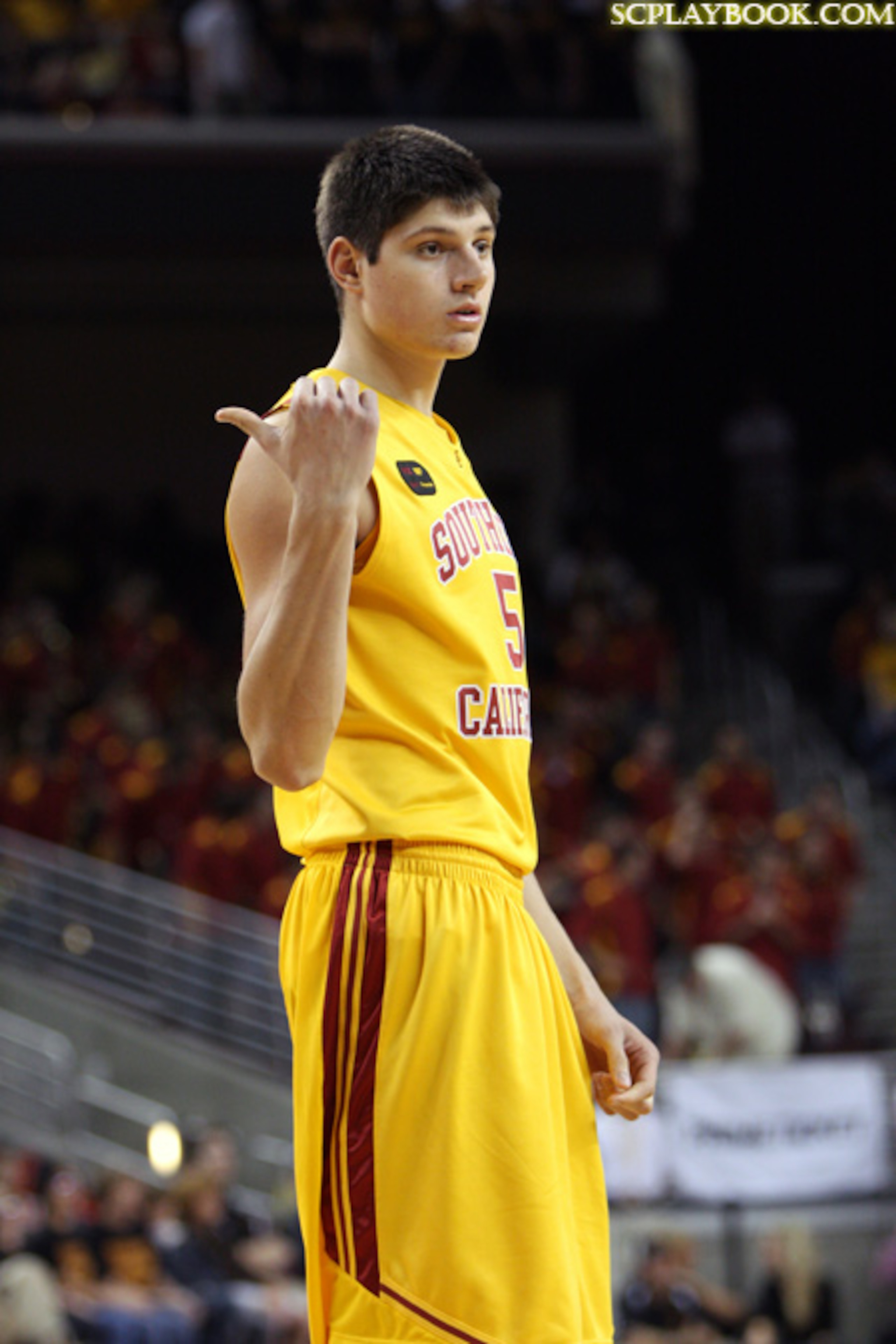
Strengths:
Nikola Vucevic is a very efficient player on both sides of the floor, and his ball handling skills have improved gravely since the conclusion of the 2009-10 season.
His rebounding skills are almost unmatched in the college ranks, and he was one of only a few to average double figures in the nation.
He was named the Pac 10's Conference Player of the Year this past campaign, one where he sealed himself a selection in the draft.
Weaknesses:
One thing that Vucevic needs to improve upon is his footwork. While in the post, he's not really tricking anyone with that fake first-step.
He also needs to be more strong on the glass defensively.
Why He's a Good Fit:
The New Orleans Hornets aren't very packed with bigs, and they could use a performer like Vucevic to mix in with their regulars.
Although Emeka Okafor had a fine season a year ago, it doesn't necessarily spell doom for the USC product if he is selected here.
44. Chicago Bulls: Travis Leslie
17 of 60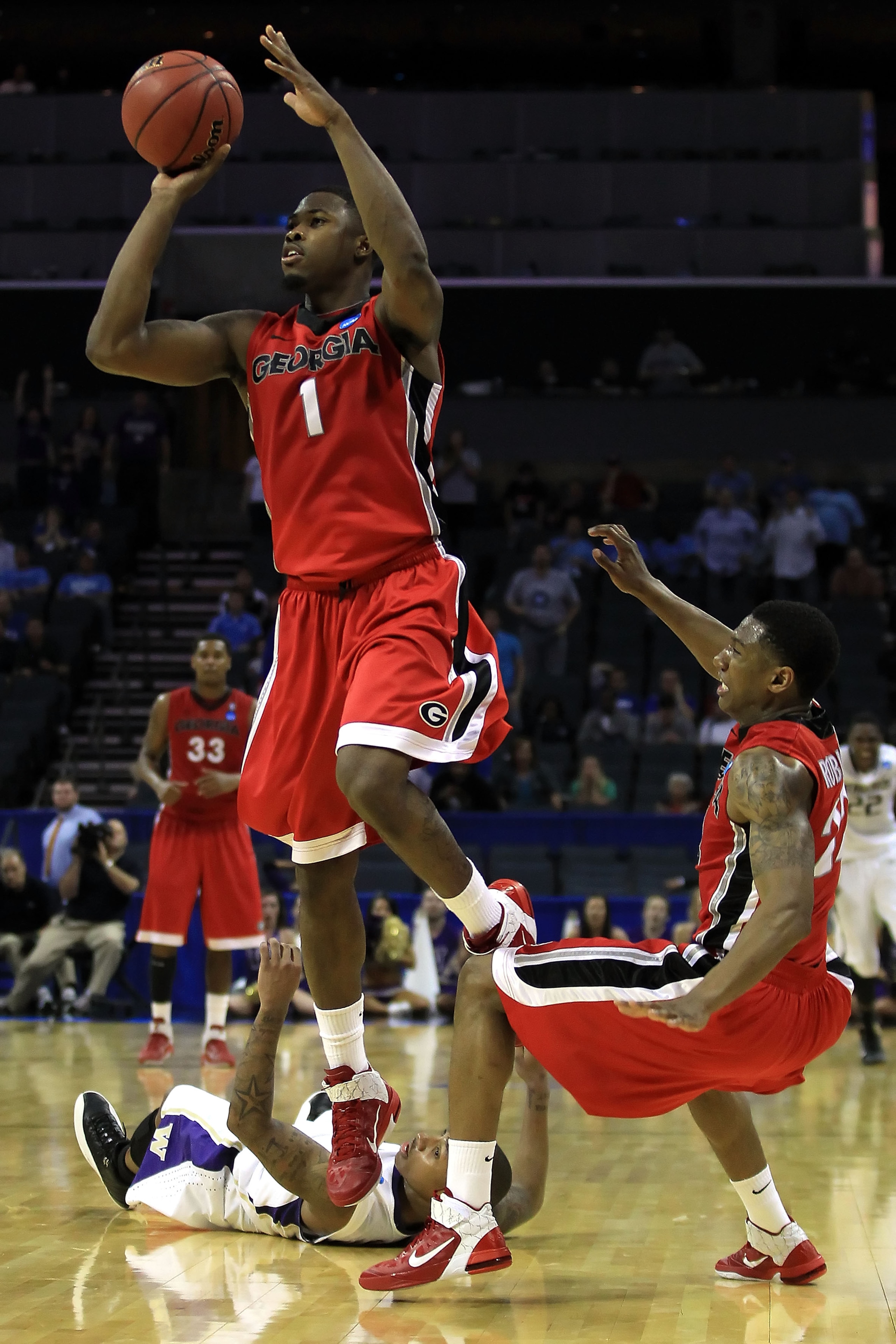
Strengths:
Travis Leslie, a Georgia Bulldog, is the most physical athlete represented in the 2011 draft class.
In addition, the 6'4" wing is quick, has a major upside and has a knack for knocking down jumpers.
Weaknesses:
Leslie does have weaknesses, though. He is vastly undersized as a shooting guard/small forward at 6'4" and 205 pounds.
He also tends to let loose some of his passes, resulting in an abnormally high turnover rate.
Why He's a Good Fit:
The Chicago Bulls love physical athletes who bust their butts day after day.
Travis Leslie is a perfect example of a player who would be eager to face their challenges.
43. Golden State Warriors: David Lighty
18 of 60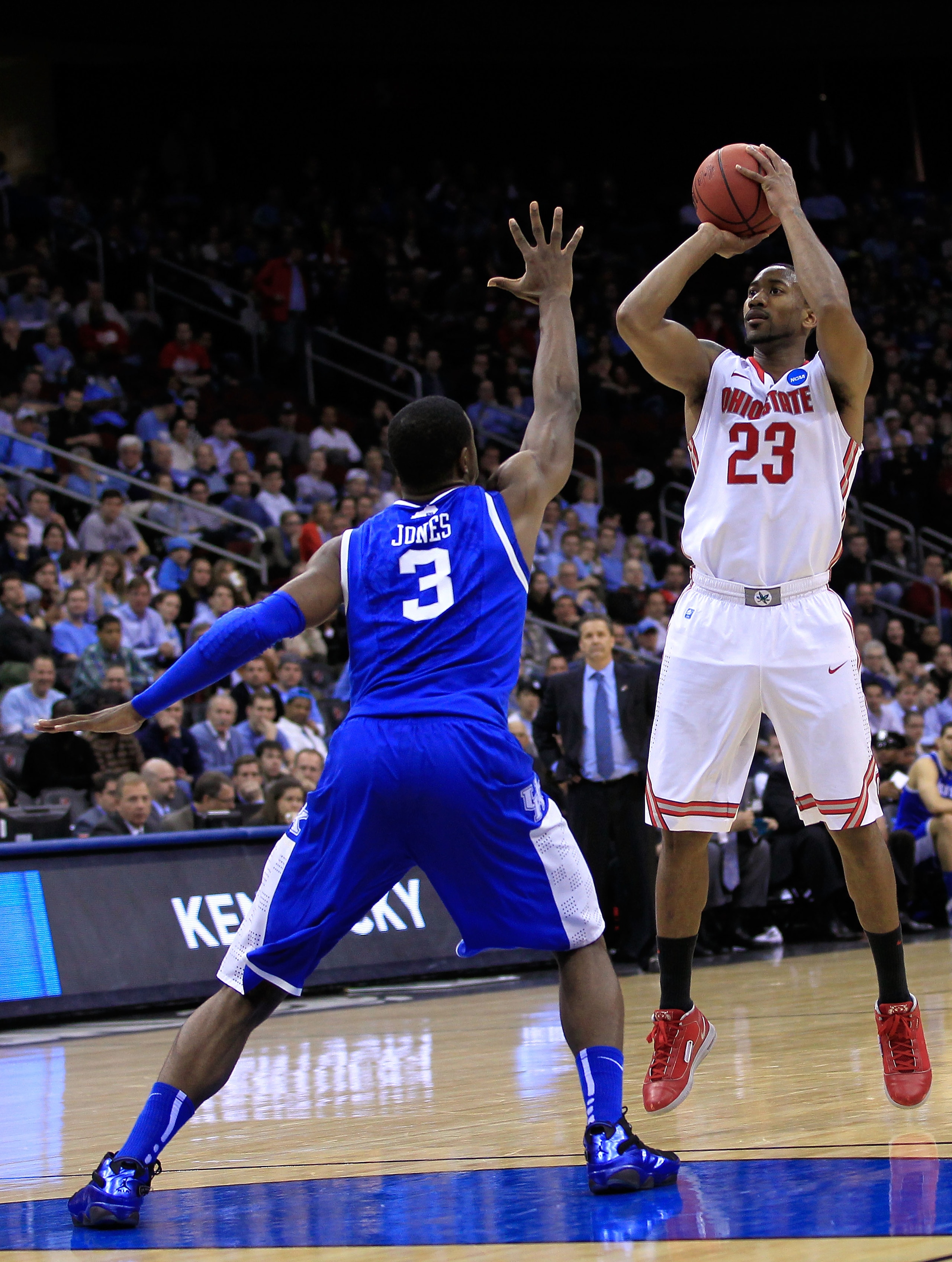
Strengths:
David Lighty was a tremendous shooter at the Ohio State University, a place where he drained 43 percent of his treys last season.
He is a consistent hard-worker, a guy who is found in the gym hours after practice, in addition to being a pure bred game-finisher.
He also is a fundamentally sound defender, something that isn't going to make or break a draft status either way.
Weaknesses:
Lighty's biggest weakness has to do with the fact that he is nothing beyond good at any aspect of the game. He just does his job and moves along.
That sure as heck won't get you drafted very high. Scouts love the flashy ballers, and Lighty doesn't qualify.
How He's a Good Fit:
In summary, Lighty might be a steal considering how quiet his draft stock is currently sitting at.
As for the Warriors, he'd finally provide a viable option off the bench for Dorrell Wright. He also would bring a balanced game, something Wright doesn't exactly specialize in.
42. Indiana Pacers: Andrew Goudelock
19 of 60
Strengths:
Andrew Goudelock, although a small college representative in June's NBA Draft, is still able to put up points in enormous amounts, something that is impressive no matter where you play.
He has a knack for finding the open man and is a very unselfish passer. He is great at creating space as well.
Weaknesses:
If he is to play shooting guard in the pros, he would be tremendously undersized at 6'2".
There will be many doubters who say Goudelock cannot play with pressure, or cannot guard someone who is bigger than him. For now, he must prove his worth.
Why He's a Good Fit:
The Pacers could use an athletic combo guard like Goudelock, and they could take a chance on him with their second-round pick.
41. Los Angeles Lakers: Cory Joseph
20 of 60
Strengths:
Cory Joseph of Texas shot an awesome 41.3 percent from beyond the arc this past season and proved he has the utmost range.
He is a versatile and quick athlete whose 6'3", 186-pound frame is pretty well represented as your typical NBA point guard's size.
Weaknesses:
Joseph is an okay passer, but he lets too many balls slip away from him throughout the course of a game. He needs to limit turnovers if he wants a starting gig at the professional level.
His 3.0 assist clip from this season might not do him justice though, as collegiate players simply don't finish like the professionals do.
Why He's a Good Fit:
Could Cory Joseph be the answer the Lakers are looking for at the point guard position for the long term?
The 20-year-old may turn in a nice career in the NBA, and he's already better than both the quarterbacks on the L.A. roster right now.
40. Milwaukee Bucks: Malcolm Lee
21 of 60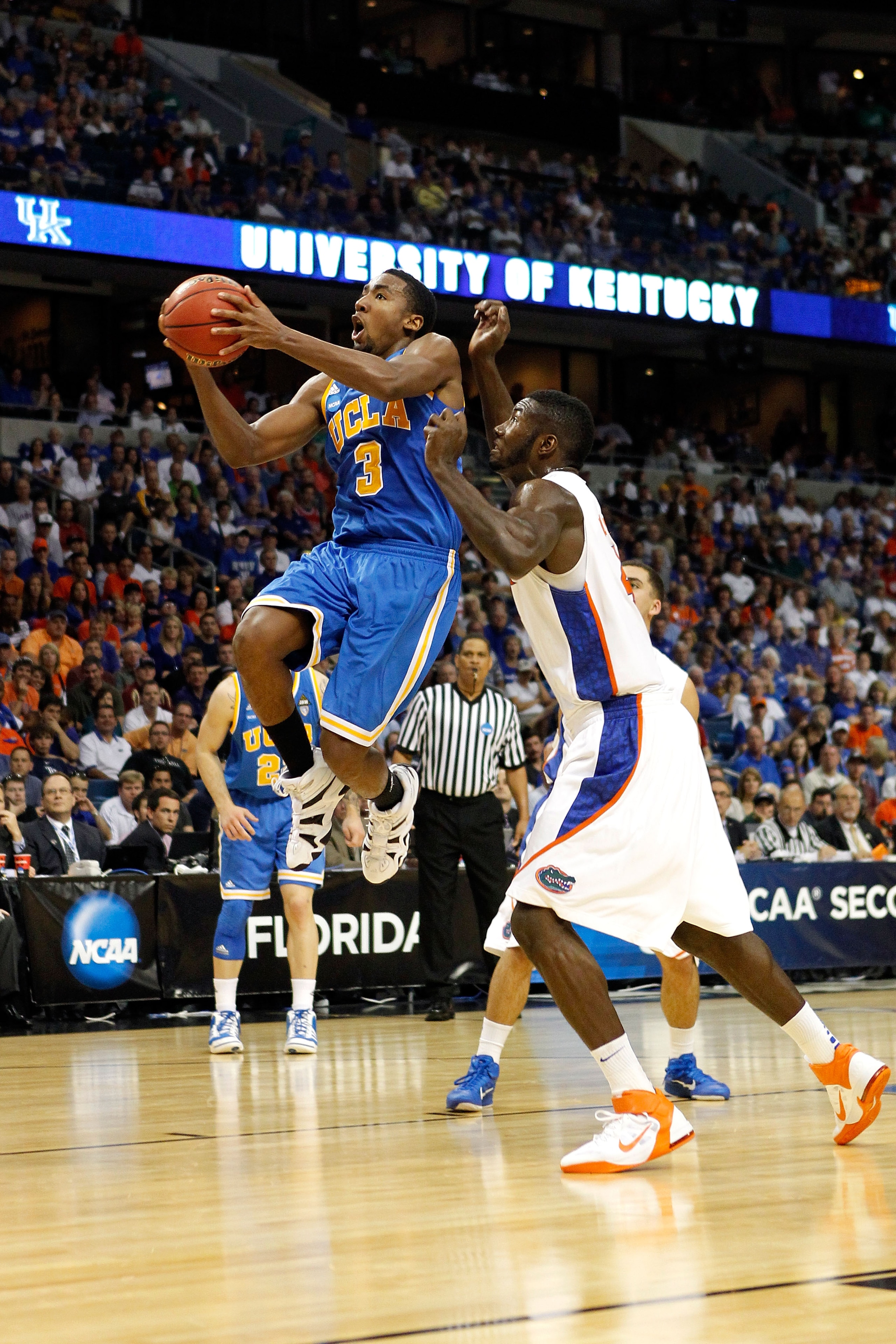
Strengths:
Malcolm Lee is a great on-ball and help defender.
He has a great understanding of his footwork and is pretty quick about just everything he does.
Weaknesses:
While Lee is exceptional at what he does defensively, he lacks a multitude of other variables of his game.
He really doesn't have much an offensive game, but he can handle and pass the ball well. Otherwise he's a lost cause on O. He couldn't make a game-winning shot if given the chance.
Why He's a Good Fit:
The Milwaukee Bucks will need a shooting guard and/or depth come summer time, and Malcolm Lee could help fulfill one, or even both.
39. Charlotte Bobcats: Nikola Mirotic
22 of 60
Strengths:
A Montenegro native, Nikola Mirotic is an amazing shooter. He is able to hit shots from any part of the floor with ease.
He also has solid size for a power forward (6'10", 225 pounds) and will be able to bump with almost anyone in the NBA.
Weaknesses:
Mirotic does have one glaring weakness though—defense. He doesn't even make much of an attempt to lock down his defender.
He also isn't very fast or athletic. If he wants to compete down low, he'll need to add about 20 pounds to his frame.
Why He's a Good Fit:
The Charlotte Bobcats aren't exactly filled to the brim with shooters.
Mirotic would help them drastically on offense. It practically seems like a match made in heaven for the 20-year-old and Michael Jordan's organization.
38. Houston Rockets: Keith Benson
23 of 60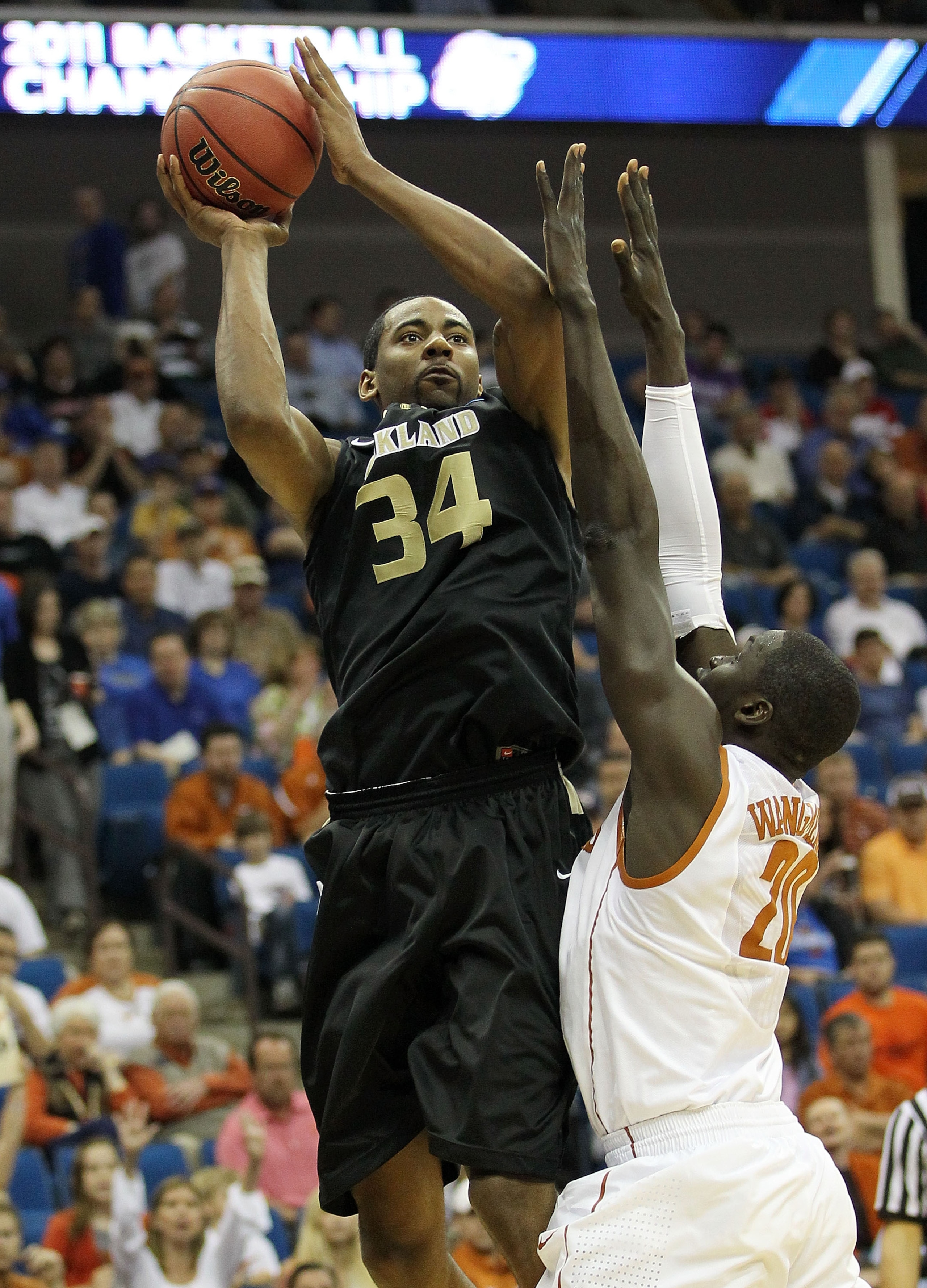
Strengths:
Keith Benson of Oakland University has many strengths. He rebounds well, he swats the tar out of balls and he is reliable defensively.
He also sports a 7'2" wingspan.
Weaknesses:
Benson's biggest weakness (by miles) is daunting in the fact that it is definitely his strength. He was pushed around the post by other centers in a relatively weak conference. This softness has created a huge difference as to where he would be drafted.
If he were, say, 40 pounds bigger and much less soft in the post he'd be almost assured a lottery pick.
He can also improve his percentage at the free-throw line, but that's about it otherwise.
Why He's a Good Fit:
The Houston Rockets were one of the league's smallest teams this year.
With the absence of Yao Ming, there was a gaping hole in which only a big could fill, but the entire roster had only one player over 6'10". At 6'11" and weighing 220 pounds, Keith Benson would bring size and athleticism to the crew.
However, if he adds muscle by the end of June his stock could soar well into the first round.
37. Los Angeles Clippers: Jodran Williams
24 of 60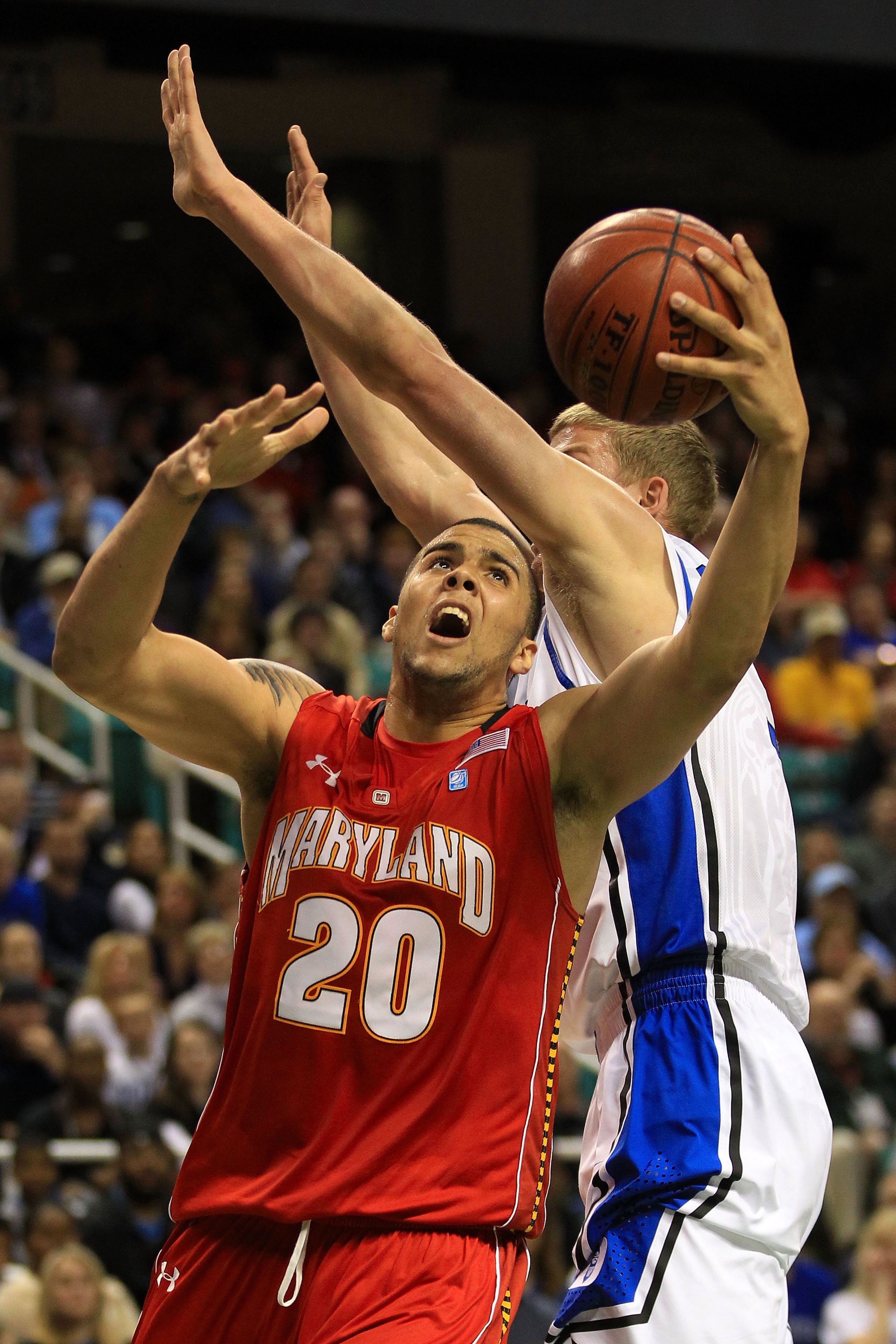
Strengths:
Jordan Williams' second-round draft stock is assured as soon as you see his frame—he has broad shoulders, king-size hands and a 6'9", 247-pound build that screams "NBA power forward!"
Williams is extremely strong and effective in the post. He has great rebounding numbers and should be considered a force to reckon with the moment he steps on the floor.
Weaknesses:
As good a post player that Williams is, he still needs to look to pass when being defended. Too many times he took dumb shots and cost the Terps a point or two.
He also needs to develop his shot, because outside of 15 feet is considered the danger zone for the power forward.
How He's a Good Fit:
Since Chris Kaman is likely on the way out of the city of angels this offseason, Williams might be a nice pick for the Clippers so they can improve their frontcourt.
He would be a nice compliment to the high-flying Blake Griffin.
36. New Jersey Nets: Norris Cole
25 of 60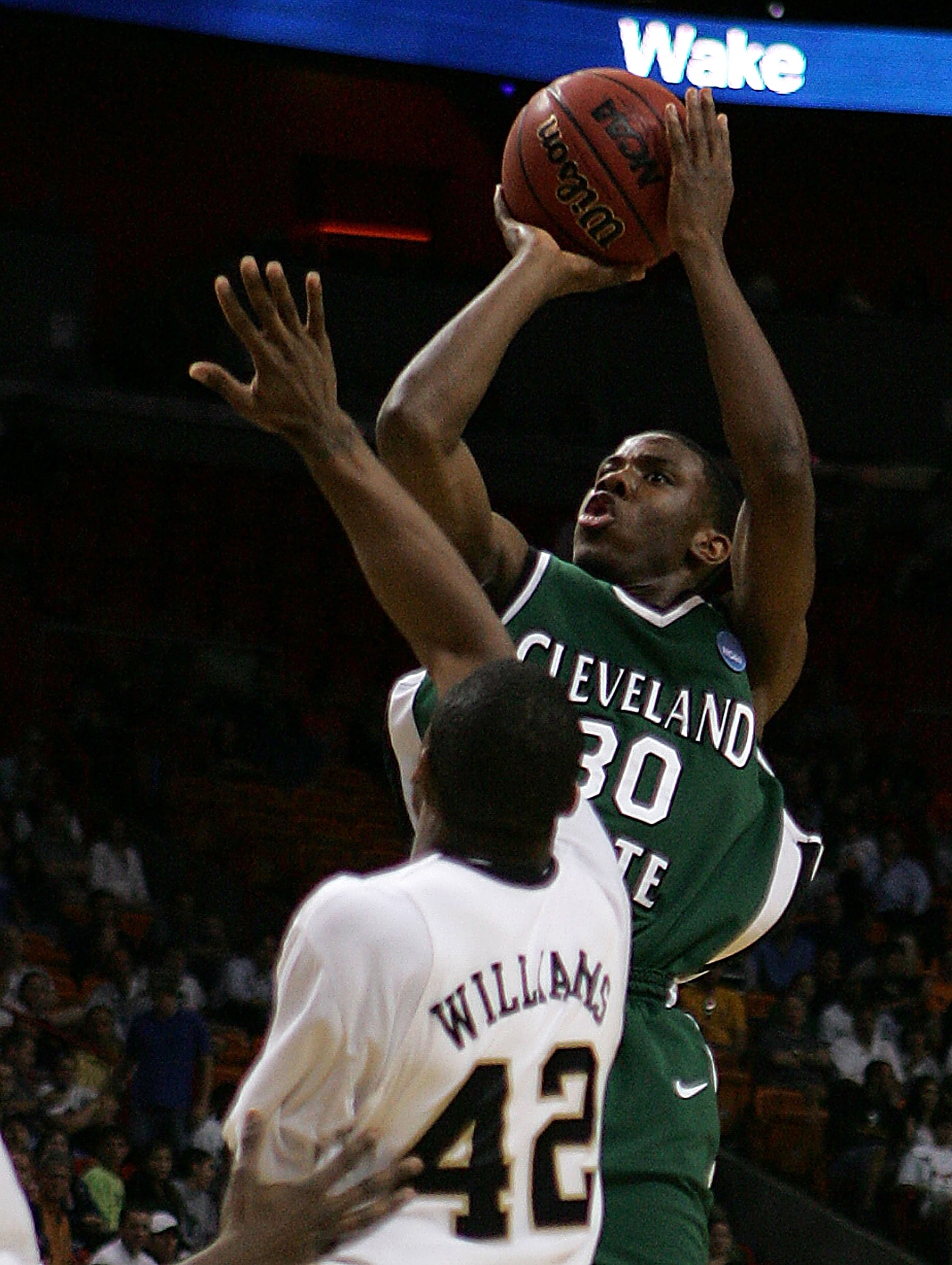
Strengths:
Norris Cole, a Cleveland State Viking, is a little speedster when he takes off on the hardwood.
He's an athletic point guard that has excellent vision as well. His on-ball D is fairly good, and his ball handling skills are just about on par to that of his peers.
Weaknesses:
Cole played in a weaker conference and, like Jimmer Fredette and Justin Harper, will be scrutinized for this. He also is better off as a scorer than a true facilitator.
How He's a Good Fit:
If Deron Williams stays on the Jersey Shore he'll need a legitimate backup, and Cole could prove to be just that guy.
35. Sacramento Kings: Shelvin Mack
26 of 60
Strengths:
Shelvin Mack can shoot better than almost any player in this draft class.
He also is extraordinarily strong for a 6'2", 205-pound point guard and is a good on-ball defender who displayed his talents recently on national television when his Butler Bulldogs failed to win the national championship.
For what it's worth, he is also a great leader.
Weaknesses:
Mack's biggest weakness lies within the fact that he is slower than molasses in January. Too many times I saw this season where he was lagging, and it wasn't just because he had the ball.
He also is not notoriously known for his passing, as it is a trait that he is currently working on to improve.
Why He's a Good Fit:
Sacramento needs a point guard; it's as simple as that.
34. Washington Wizards: Jon Leuer
27 of 60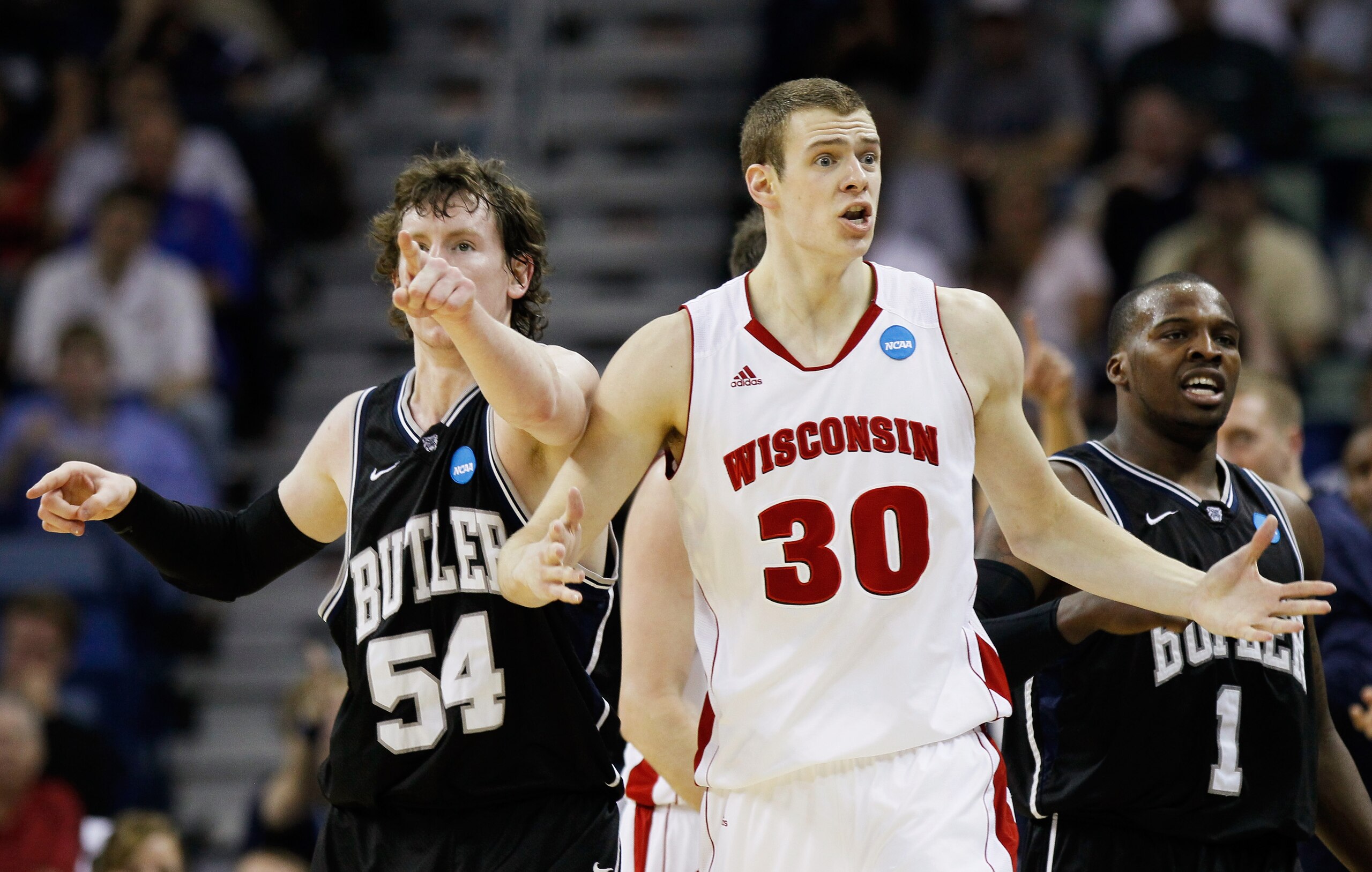
Strengths:
The former Wisconsin Badger and Long Lake, Minnesota native, Jon Leuer has a jump shot to die for.
In addition, he is a spectacular finesse player whose range often went unnoticed on a loaded Badgers team, as it was plentiful on the roster.
Weaknesses:
He isn't as strong as someone his size should be, but Leuer tries to make up for it with his hustle and determination.
Leuer also struggles mightily to capture a large majority of rebounds.
Why He's a Good Fit:
The Wizards already have a plethora of mediocre bigs, but adding Leuer to the mix might help out the rotation and release pressure in the post.
33. Detroit Pistons: JaJuan Johnson
28 of 60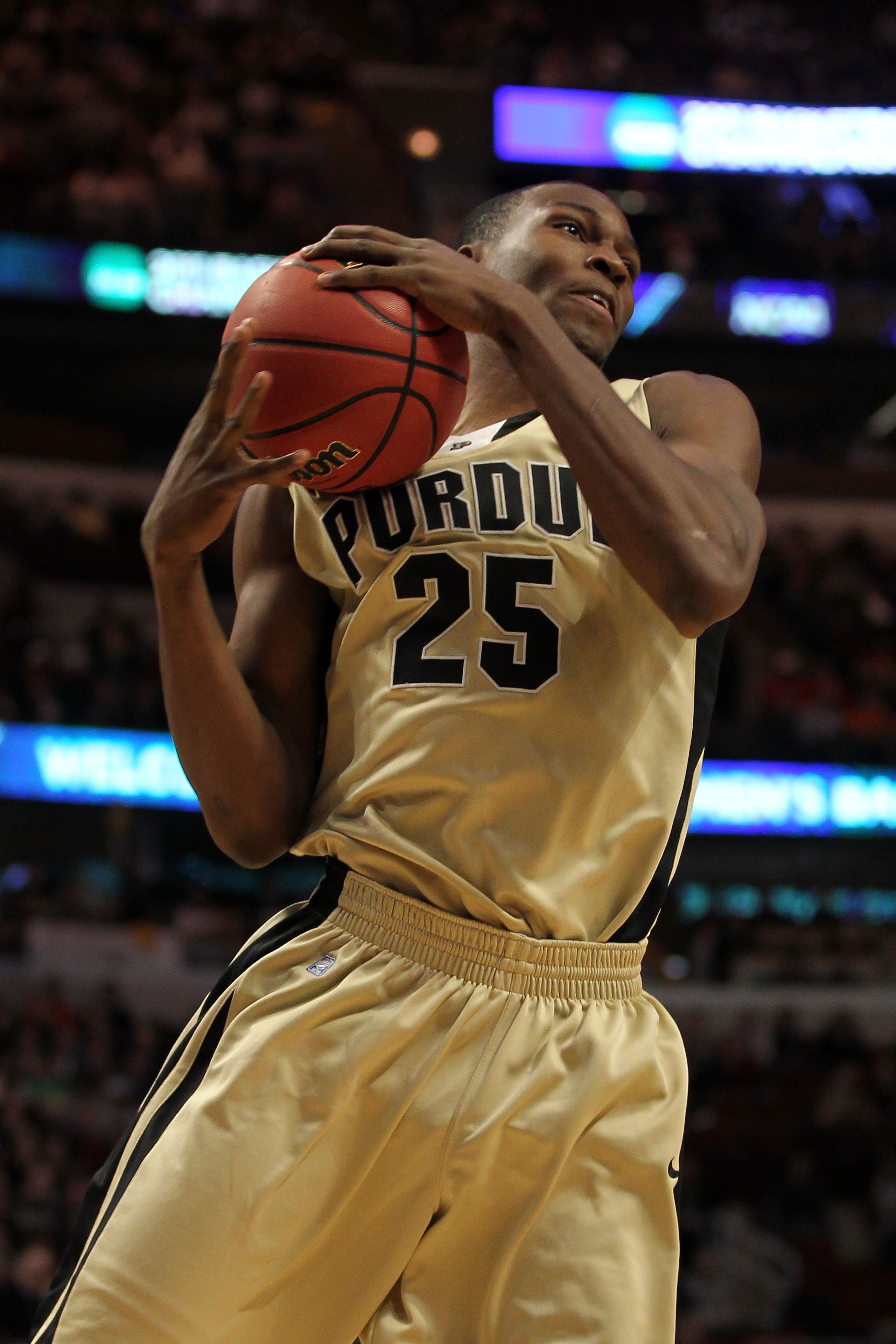
Strengths:
Although not considered a deadly shooter by any means, JaJuan Johnson has a consistent eye for putting the ball in the hoop, both from the free-throw line and the baseline.
At 6'10" and weighing in at 220 pounds, Johnson has the mold of an NBA power forward and has the athleticism to compete with the best.
Weaknesses:
Now this is where it gets difficult.
While being considered a four, Johnson is more of a 'tweener due to his style. He doesn't have a fully defined post game, something that could err his chances at playing his natural position.
If he wants to be taken seriously in the pros, he has to add some weight to his frame.
Why He's a Good Fit:
Like the Pistons' first selection, JaJuan would help Detroit basketball move forth in a positive direction, and in turn, he could be a solid role player on a contending team in the future.
32. Cleveland Cavaliers: Chandler Parsons
29 of 60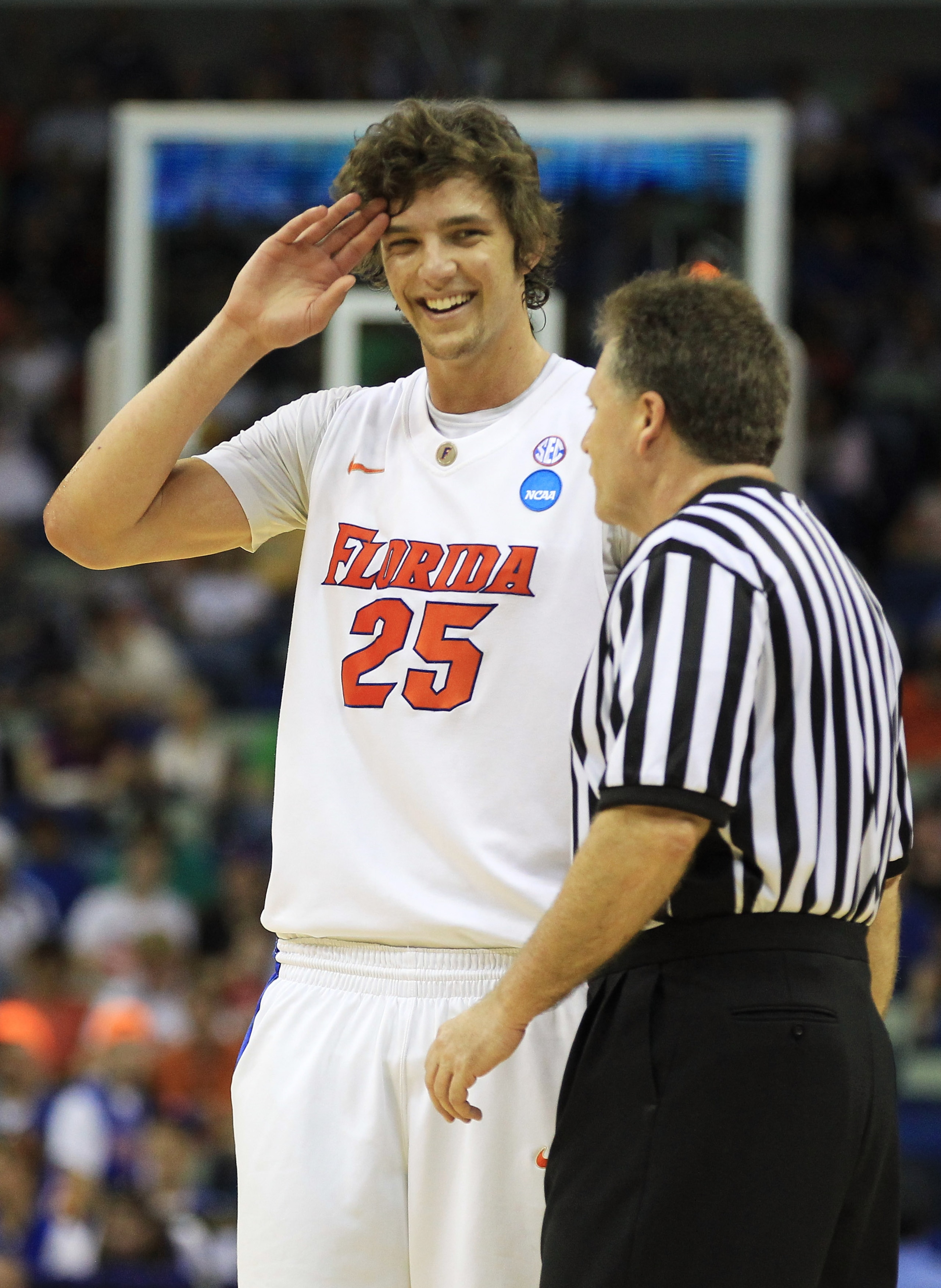
Strengths:
Chandler Parsons had a prolific scoring career at the University of Florida, and he hopes to continue that in his professional years.
Offensively, he has tremendous range and possesses uncanny ball handling skills for a guy his size. He's also quick laterally and can defend fairly well.
Weaknesses:
The main defect of Parson's game has to do with his footwork. He can move swiftly, sure, but he is also very clumsy when running down the court, with or without the ball. That's not to say he can't hold his own when he handles the rock, though.
Why He's a Good Fit:
The Cavaliers need a real starting small forward, and Parsons, while perhaps not talented enough, could provide a spark off the bench at the 3-spot.
31. Miami Heat: Jeremy Tyler
30 of 60
Strengths:
Jeremy Tyler is, simply put, a brute force in the paint.
After famously ditching Louisville for a season in Europe, Tyler has honed his post skills and that seems to be his biggest positive going into the draft.
Weaknesses:
While Tyler's potential is high, there is a small chance he'll pull a Ricky Rubio and stay over in Europe for a bit when drafted. What is even crazier is that the 6'11" big was born American.
Why He's a Good Fit:
If he does decide to take his talents to South Beach, Jeremy Tyler would be a great addition to the Heat frontcourt.
Besides, the only Miami player that plays offense down low is Chris Bosh.
30. Chicago Bulls: Reggie Jackson
31 of 60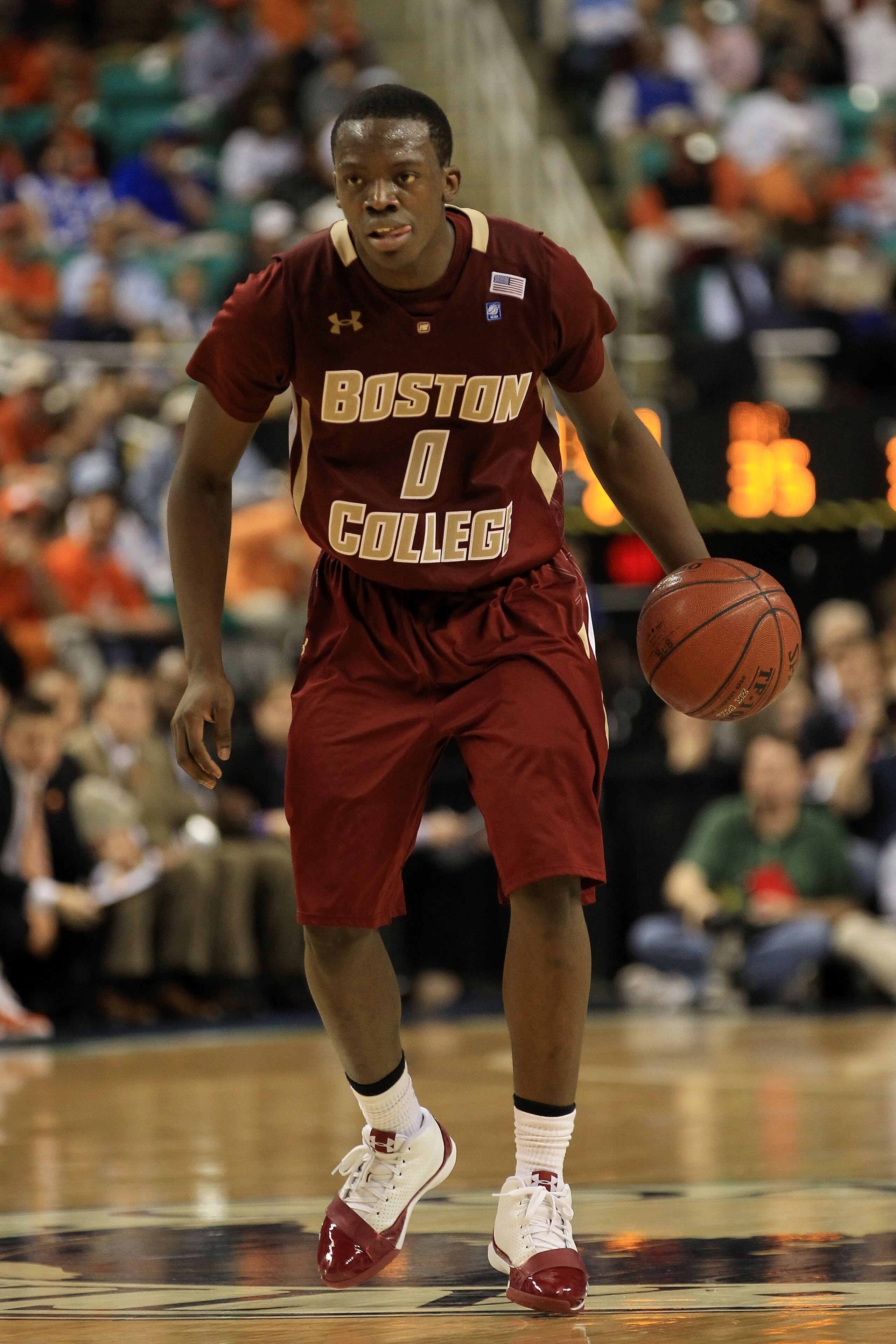
Strengths:
Basketball's Reggie Jackson, not to be confused with "Mr. October," might be instead called "Mr. Passer" due to his excellent ability to find the open man.
He averaged 4.5 assists this past season, not a telling number but perhaps a flawed statistic since collegiate players obviously don't finish as well as the professionals. Let's remember that 2010-11 assists leader Rajon Rondo only averaged 4.9 his last season at Kentucky.
Weaknesses:
Jackson improved his jump shot this last season as well, and it could be key to whether he gets selected in the first round.
Still, it could be a problem if he doesn't improve it more as a professional.
Jackson also played a little shooting guard in college, but is too small (6'3", 200 pounds) to do so in the NBA.
Why He's a Good Fit:
His excellent passing abilities may be able to complement Derrick Rose's tremendous offense, and he could prove to be a viable bench option.
29. San Antonio Spurs: Kyle Singler
32 of 60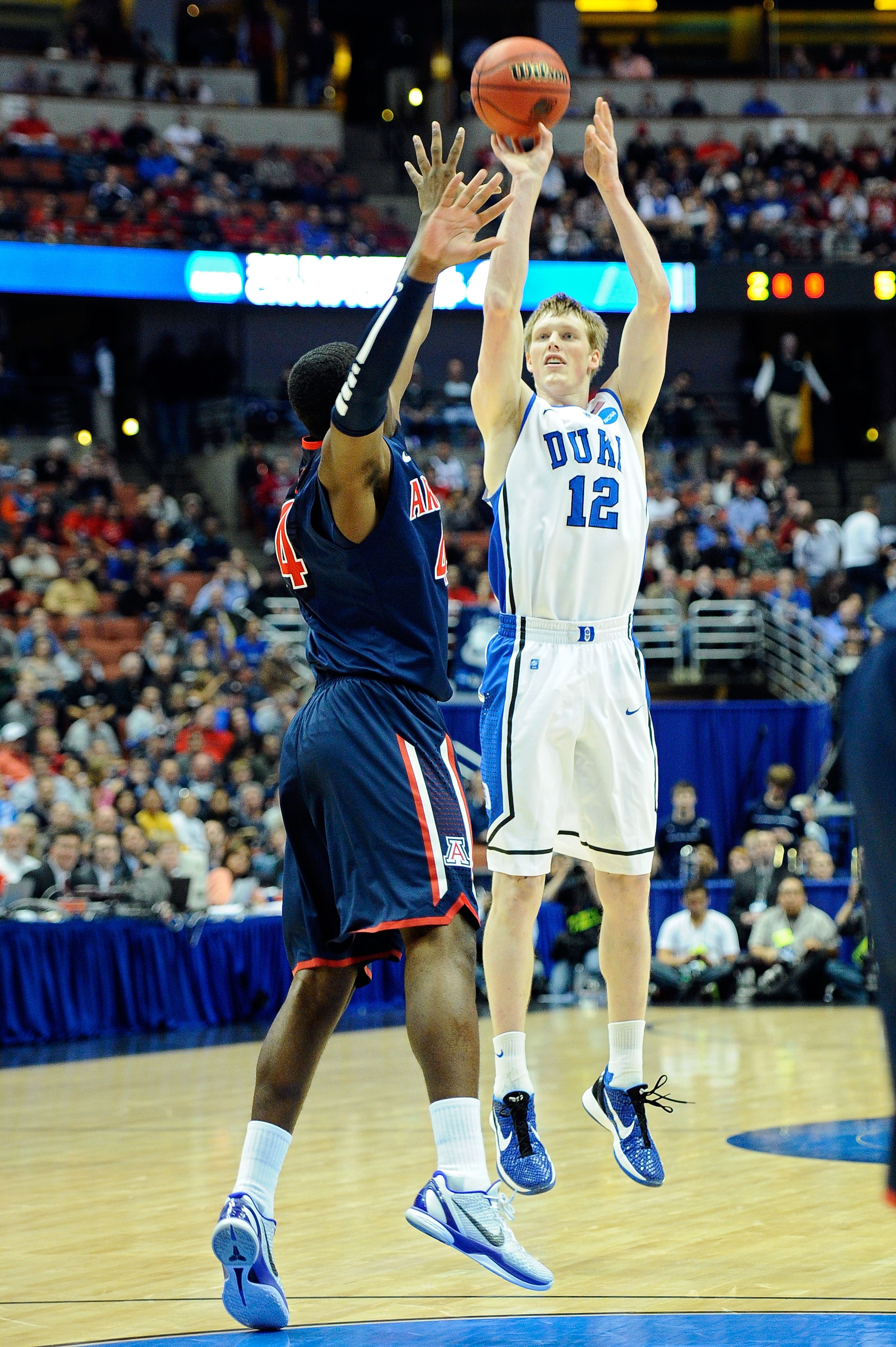
Strengths:
His 6'8" frame proves he has the size in the NBA to be a small or power forward.
His leadership was nearly unmatched at the collegiate level. This is something that can help him down the road in the professional ranks.
Weaknesses:
Kyle Singler's draft stock may have fallen a little bit when he failed in his attempt at a repeat at Duke.
Not everyone is quite sure of what he is able to do professionally. He is slow, he is not especially great on defense, and he has mediocre ball handling for a guy with his game.
Why He's a Good Fit:
I'm not entirely sure where he can fit in with San Antonio, but the fact of the matter is that they need youth for their coming years. Singler might just be a small piece to the overall puzzle if selected.
Kyle Singler is youthful, yet experienced—the perfect combination for a San Antonio Spur.
28. Chicago Bulls: Josh Selby
33 of 60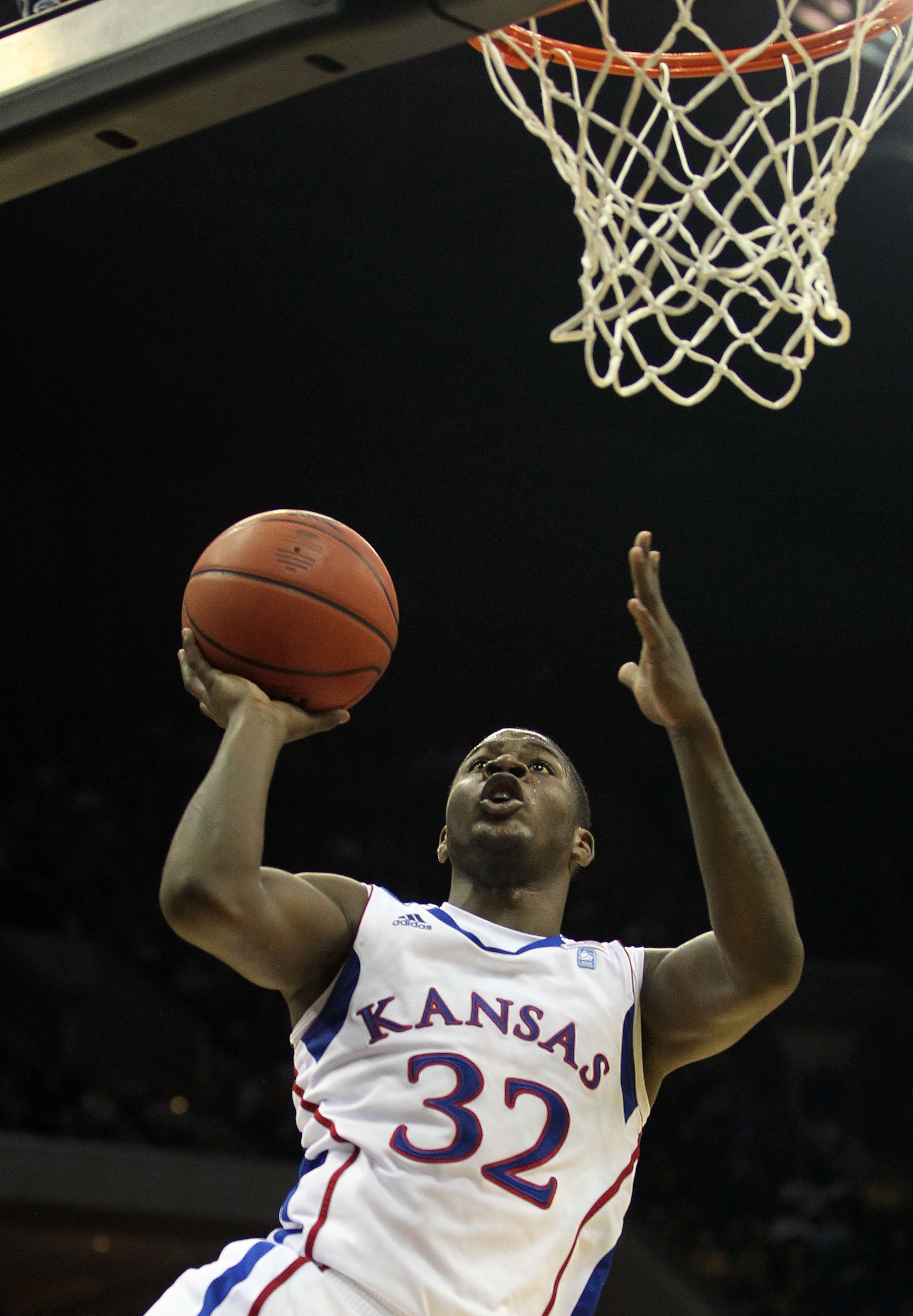
Strengths:
While Josh Selby is practically a mystery waiting to be solved, we do know that he has tremendous potential, and that he is as athletic as they come in this season's draft class.
He can handle the ball well, shoot efficiently and pass decently, so I'm not sure his offensive skills can be put into question.
Weaknesses:
He had a decent freshman season, but do we really know all the aspects in his game yet and how he uses them?
At this point in time, let's refer to the 6'3" Selby as a "one-two hybrid" since we're not really sure which guard position he'll opt for when drafted. His position and uncertain identity are two of his biggest weaknesses.
He also struggles defensively, and his management must be improved if he chooses the point guard route.
Why He's a Good Fit:
Despite all the question marks in his game, it should be noted that Selby is a very intriguing draft prospect.
The Bulls could use a shooting guard, and regardless of whether they sign one or not this offseason, Selby could be their man. He's hardly 20 years old, after all.
27. New Jersey Nets: Justin Harper
34 of 60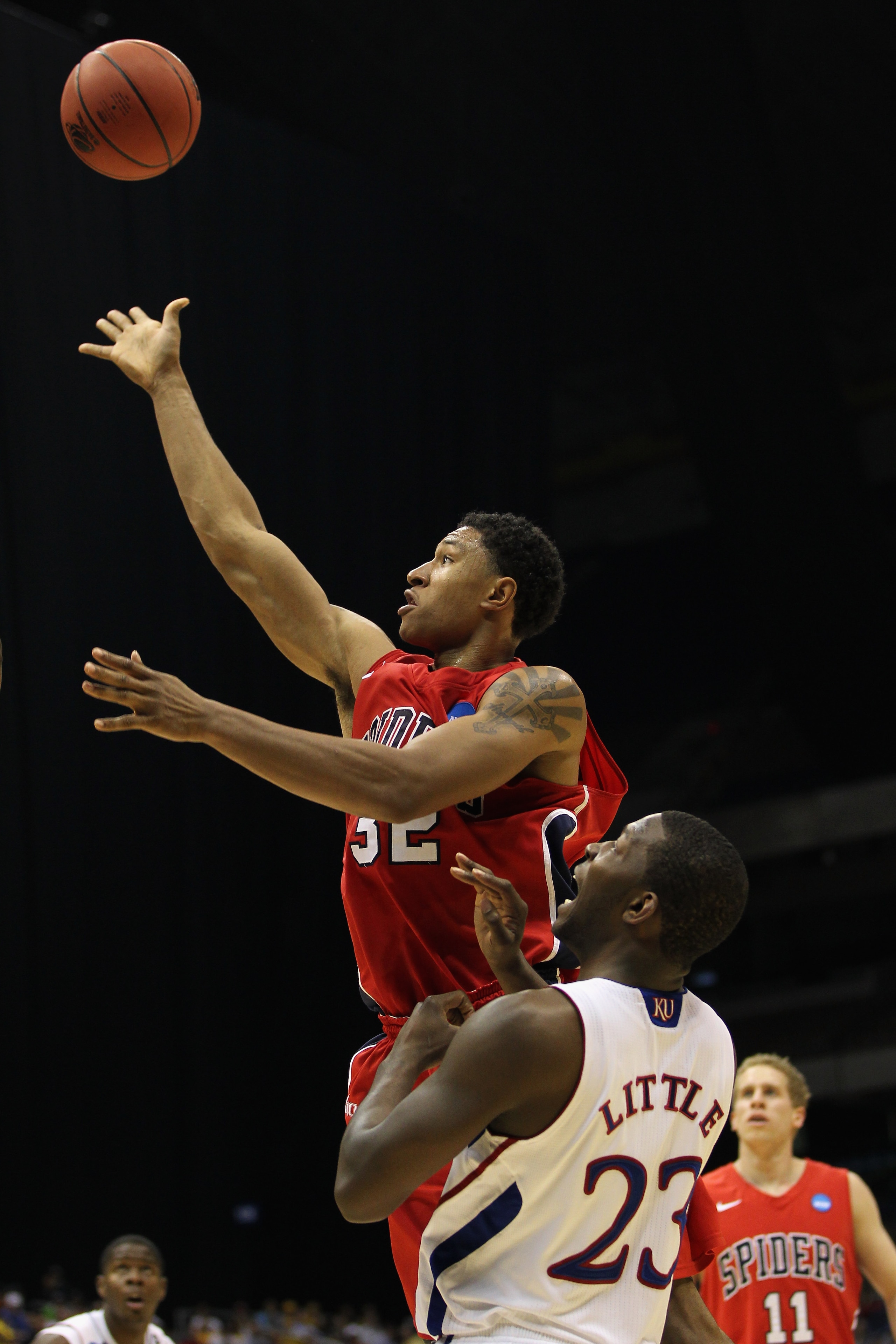
Strengths:
Justin Harper of Richmond has post skills that will literally blow your mind. His turnaround and his finger rolls were drastically underrated collegiately.
The 6'10" power forward's outside shooting will no doubt come in handy as a rookie (and that's a fairly big understatement), and it will factor into where he is selected in June's draft. He has range like no other big in the draft, and he validated this by shooting nearly 45 percent beyond the arc this past season.
Weaknesses:
Harper has a solid perimeter game for a big, but ultimately he needs to work on his inside game and his rebounding ability. He only grabbed 6.9 boards per contest in almost 32 minutes per game as a senior for the Spiders.
Through no fault of Harper's his stock in the draft is gloom, and that has to do with the fact that he was fairly unknown among college basketball junkies last season. This is because his game itself isn't particularly flashy, and in turn, he could become a major sleeper.
Why He's a Good Fit:
Harper will be a great fit in New Jersey, mainly because he excels in nearly every facet of the power forward game. As previously mentioned, he could be one of the draft's biggest sleepers, something that might lead to him having a steal of a career as a Net.
And who knows, if incumbent Kris Humphries is dealt and Dwight Howard is brought in, won't Superman need a sidekick in the frontcourt?
26. Dallas Mavericks: Nolan Smith
35 of 60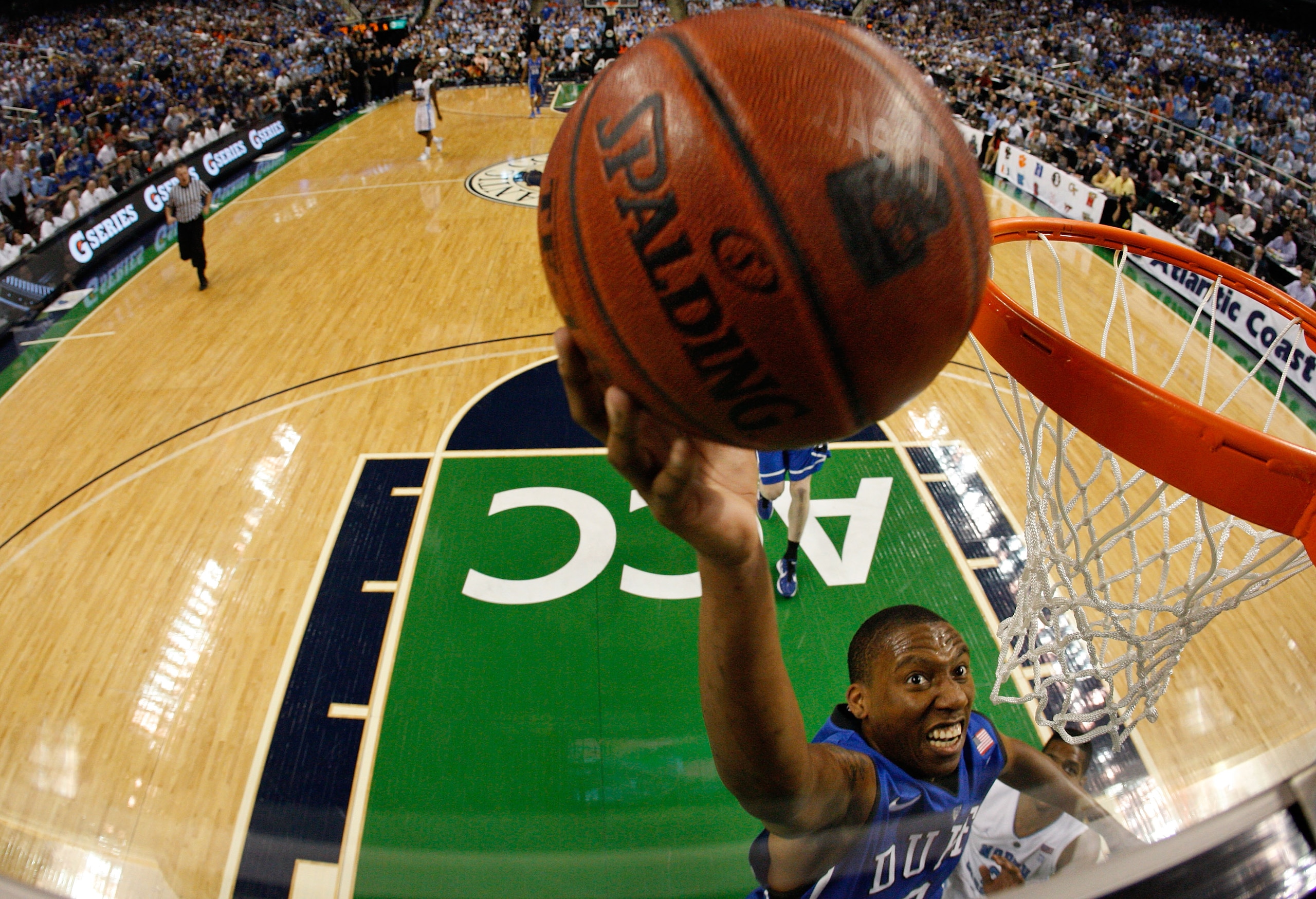
Strengths:
Nolan Smith possesses some great qualities, like his leadership as well as his ability to knock down jumpers like a nerd knocks down dominoes.
He's also exceptional when it comes to locking down his opponents.
Weaknesses:
Honestly, the biggest warning sign in choosing against him maybe has to do with the fact that he went to Duke. Carlos Boozer and Shane Battier are perhaps the only Dukies to find perennial success in the NBA in the last decade.
But in terms of his game, he's pretty average. The only thing great about his game is his consistent shooting.
Why He's a Good Fit:
The Mavericks, while still a solid team, are aging, and Smith can provide youth, as well as experience, to the table.
Outside Kyle Singler, perhaps no other player in the class has that same experience.
In an unrelated matter, the Duke Blue Devils will be a mediocre team next season.
25. Boston Celtics: Darius Morris
36 of 60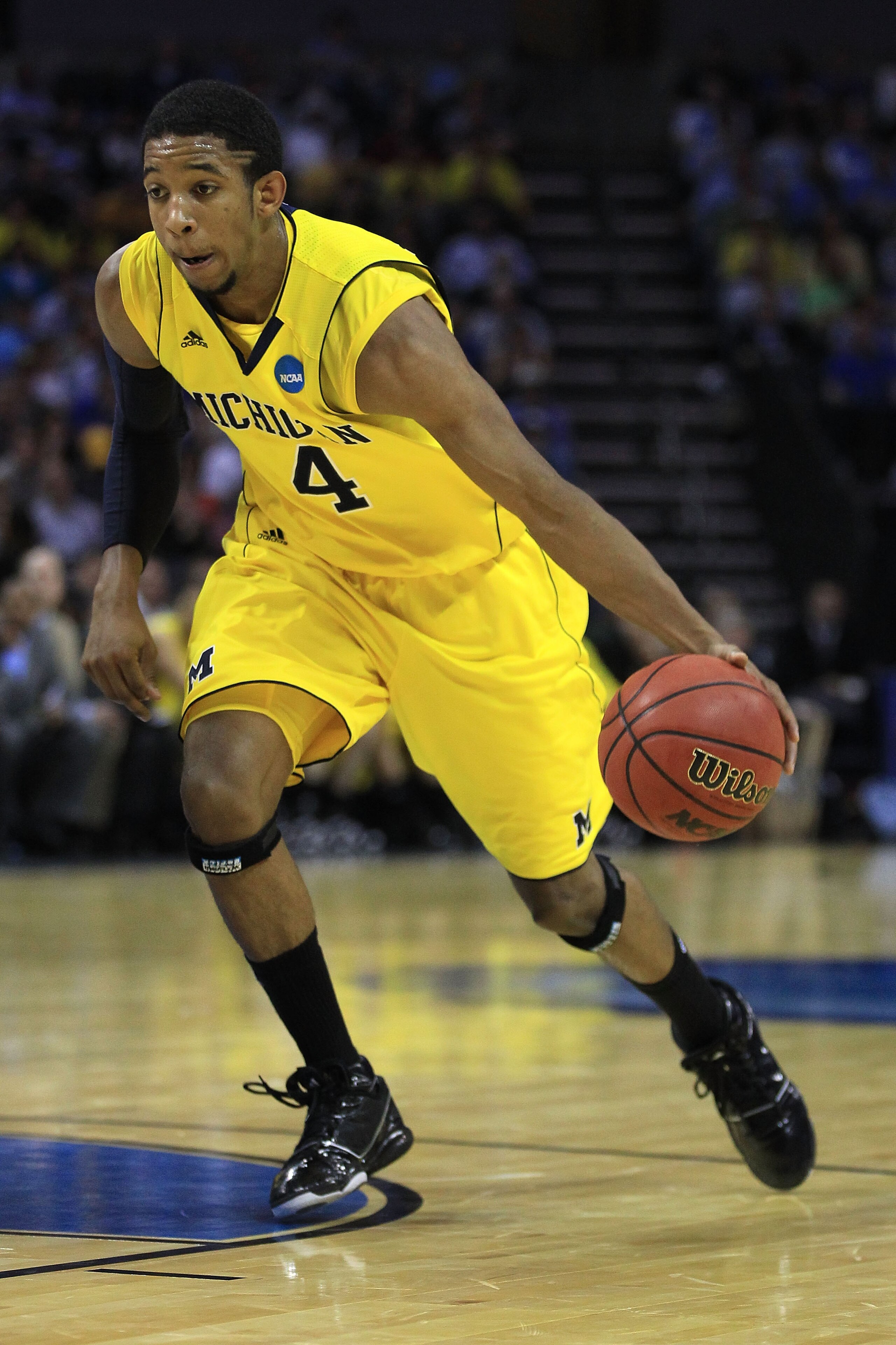
Strengths:
Darius Morris of Michigan burst out onto the draft scene with a solid sophomore season. Standing 6'4" and weighing 190 pounds, Morris is likely to become a first-round pick because of his passing abilities, his size and his rare combination of putting the ball through the hoop and protecting shots on the opposite side.
Weaknesses:
Morris isn't very quick for a point guard, but that is obviously something that can be fixed in the coming years. He also needs to work on his defense because of his lack of lateral quickness.
Why He's a Good Fit:
It's not like the Celtics need another point guard, but it's always nice to stock up for the future and have some viable insurance.
Delonte West might be shopped this offseason, and Morris could become an excellent backup as he compliments Rajon Rondo in some ways.
24. Oklahoma City Thunder: Trey Thompkins
37 of 60
Strengths:
Standing 6'10" and weighing in at 245 pounds, Trey Thompkins was an absolute animal for the Georgia Bulldogs this past season. He's one of the better post players in the draft, and he's a guy that can hit jumpers as well as defend in the post.
He is extremely skilled, a guy who will take it to the hole without much regress.
Weaknesses:
While he is a solid post player who can become a formidable force in the NBA, Thompkins must learn to limit his turnovers by creating a better vision for his passing lanes.
I'm not entirely sure this is a weakness, but he doesn't possess any jaw-dropping abilities that make him a standout in the draft. He's actually quite similar to Justin Harper (pick No. 27) in that aspect.
Why He's a Good Fit:
Do the Thunder need a player like Thompkins? Probably not, but he could become a reliable backup to incumbent and up-and-coming Serge Ibaka.
23. Houston Rockets: Marshon Brooks
38 of 60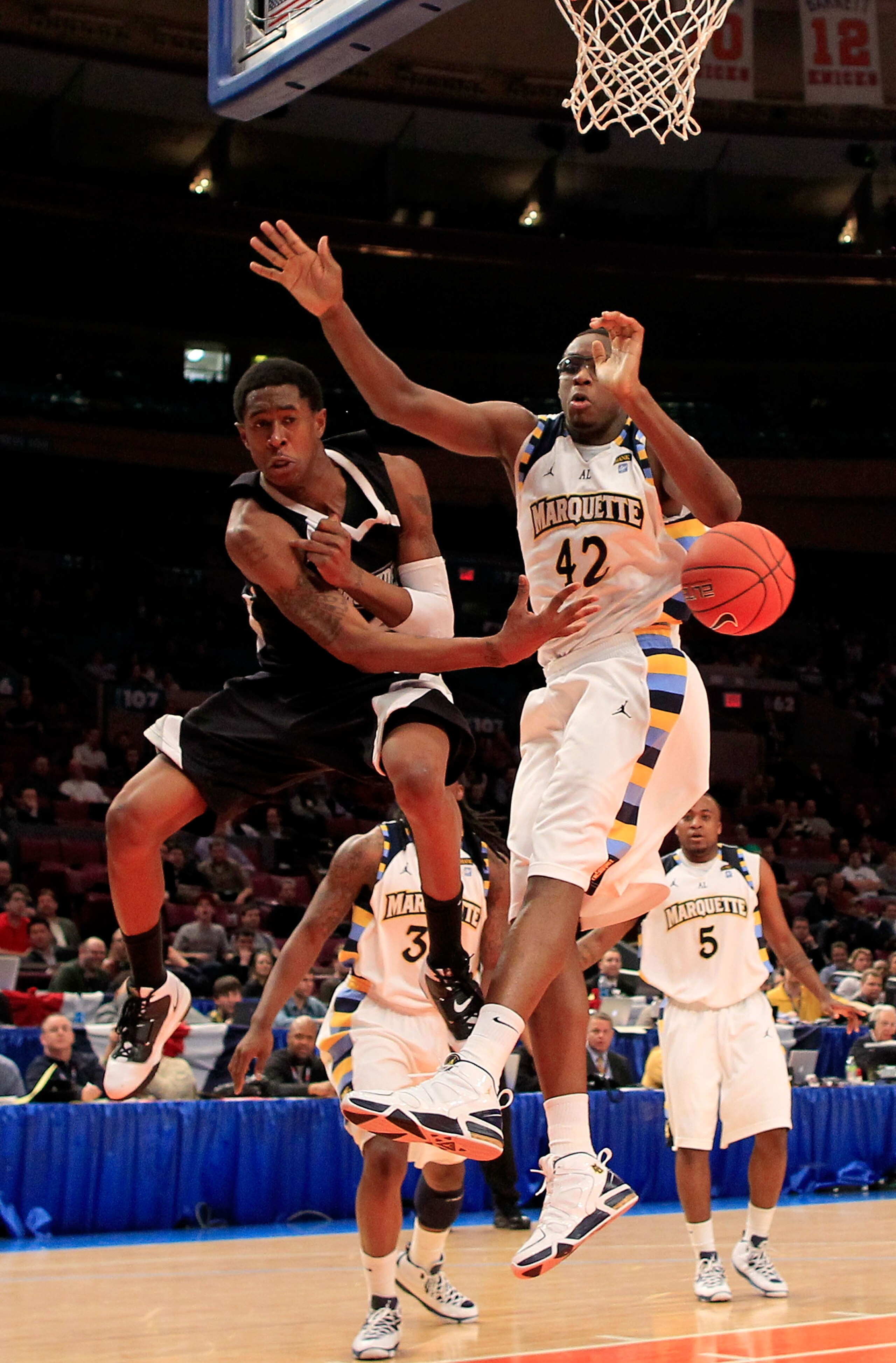
Strengths:
Marshon Brooks had an incredible season at Providence—one that saw him rank among the best in points per game with a 24.6 clip. He didn't get any credit for such an awesome campaign, either. His skills might be able to transfer nicely into the professional ranks.
Additionally, he's a great rebounder for his 6'5", 195-pound frame, as he averaged seven boards per game over the course of the season.
Weaknesses:
His passing is definitely off par for a guy his size, and he will need to improve upon his vision as well as his speed as the draft approaches.
Why He's a Good Fit:
At this point in the draft, the Houston Rockets would be stupid to pass up Brooks.
Even though they seem prepared at the 2 with Kevin Martin, the former Friar might be too good a professional to overlook.
22. Denver Nuggets: Davis Bertans
39 of 60
Strengths:
Davis Bertans, a Latvian product, possesses a jump shot that rivals anybody in this season's draft class. Other than his jimmy, Bertans' game is highlighted by his hustle and by his upside.
Weaknesses:
It might be a bit of an understatement to say that his weakness is defense, because quite frankly the guy plays none at all.
Why He's a Good Fit:
The Nuggets certainly aren't getting any younger in the post. Incumbent power forwards Kenyon Martin, 33, and Al Harrington, 31, are definitely on the downside, and it might be nice to bring a young talent like Bertans to join the mix.
Besides, his lack of defense compliments that of K-Mart and Danilo Galinari.
21. Portland Trail Blazers: Markieff Morris
40 of 60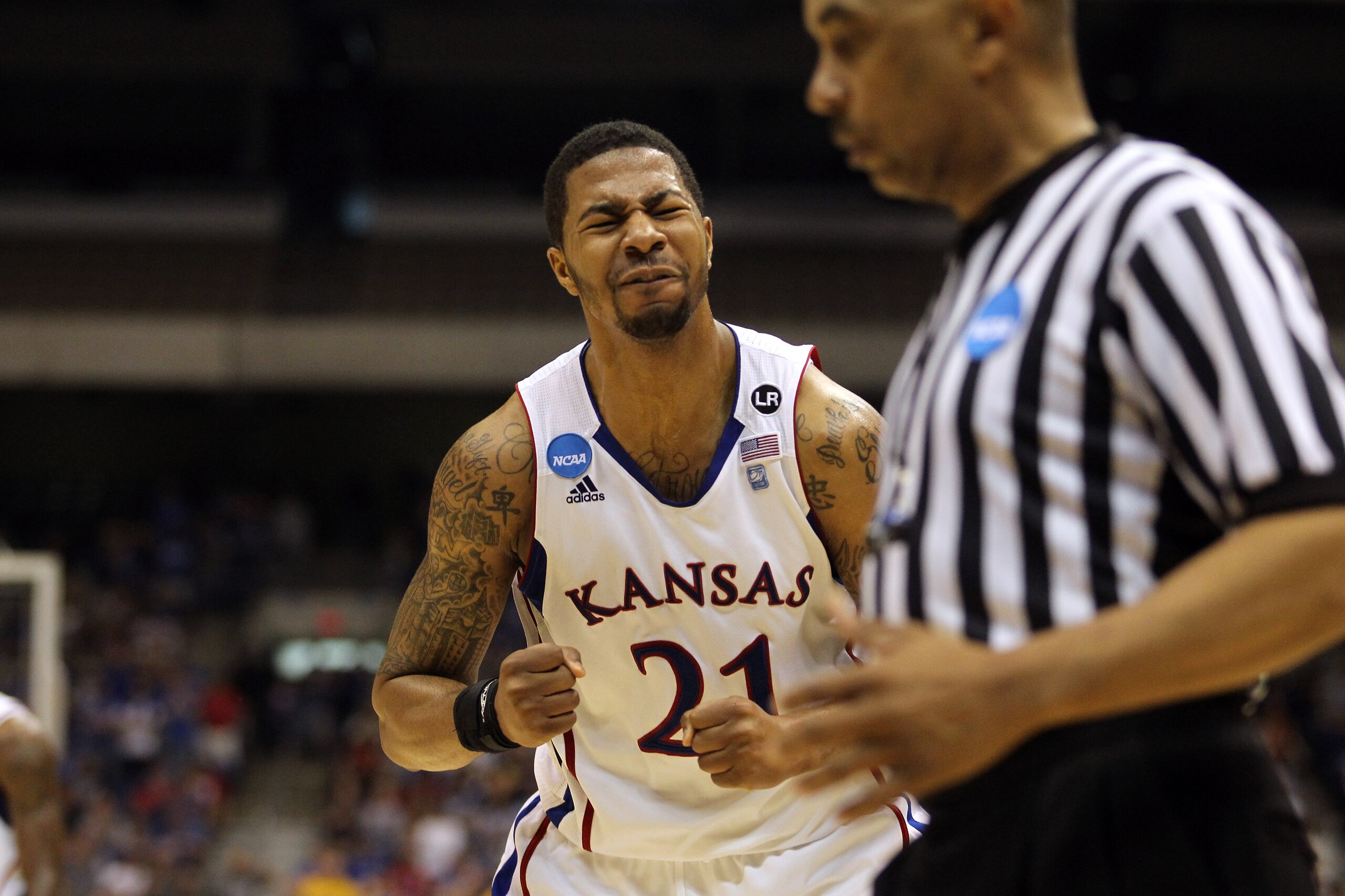
Strengths:
The less (but still very) talented of the Morris twins, Markieff is a solid all-around player who can shoot from 15 feet and work it down low if he needs to.
The 21-year-old is very talented, as displayed by his three seasons as a Kansas Jayhawk under Bill Self.
Weaknesses:
He's not as great a post-up player as everyone makes him out to be.
His ceiling is also not as high as most of the players in this draft.
Why He's a Good Fit:
Honestly, no post is a good fit for the Blazers right now. They have a future All-Star in LaMarcus Aldridge, an aging Marcus Camby and an injury-prone Greg Oden.
But, by way of default, Morris will be the best available, and there's no chance Portland passes up that kind of guy.
20. Minnesota Timberwolves: Chris Singleton
41 of 60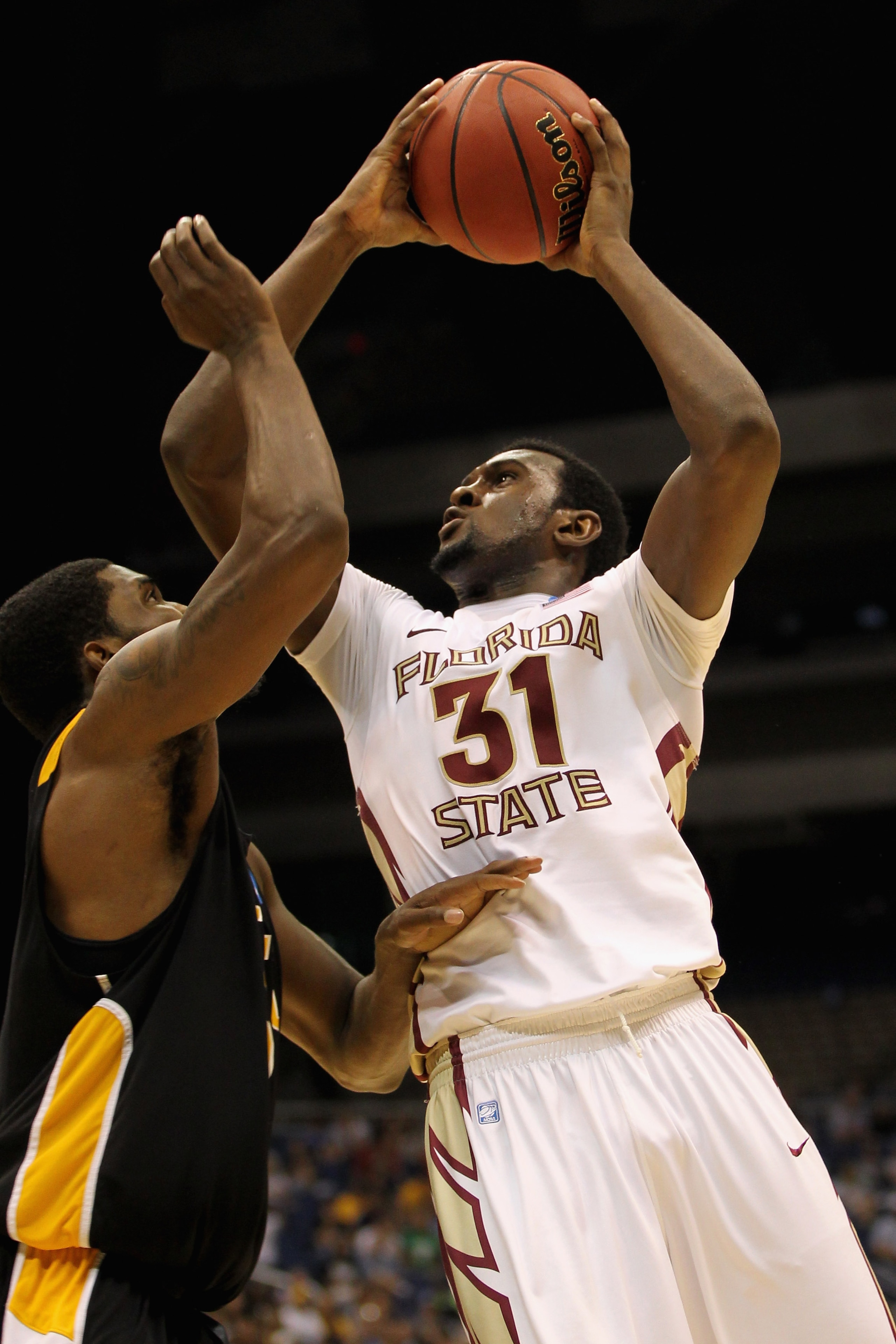
Strengths:
Chris Singleton of Florida State was hands down the best college basketball player defensively in the nation this past season.
He's big (6'9", 225 pounds), he's athletic and he displays leadership in all assets of that category.
Weaknesses:
The only place his game lacks is offensively. He's not a great shooter, but he's definitely a hustler and he will work on his jump shot as his career progresses.
For now, he's not fit for a full-time role for the sole reason that his offensive game needs improvement.
Why He's a Good Fit:
I can't tell how much of a bonus Singleton would be to the Timberwolves frontcourt. He provides everything that Michael Beasley, Kevin Love and Anthony Randolph can't do on the defensive end.
If he slips this far, and I believe he will, there is no way the T'Wolves' don't make a pounce.
He is an absolutely perfect fit.
19. Charlotte Bobcats: Tobias Harris
42 of 60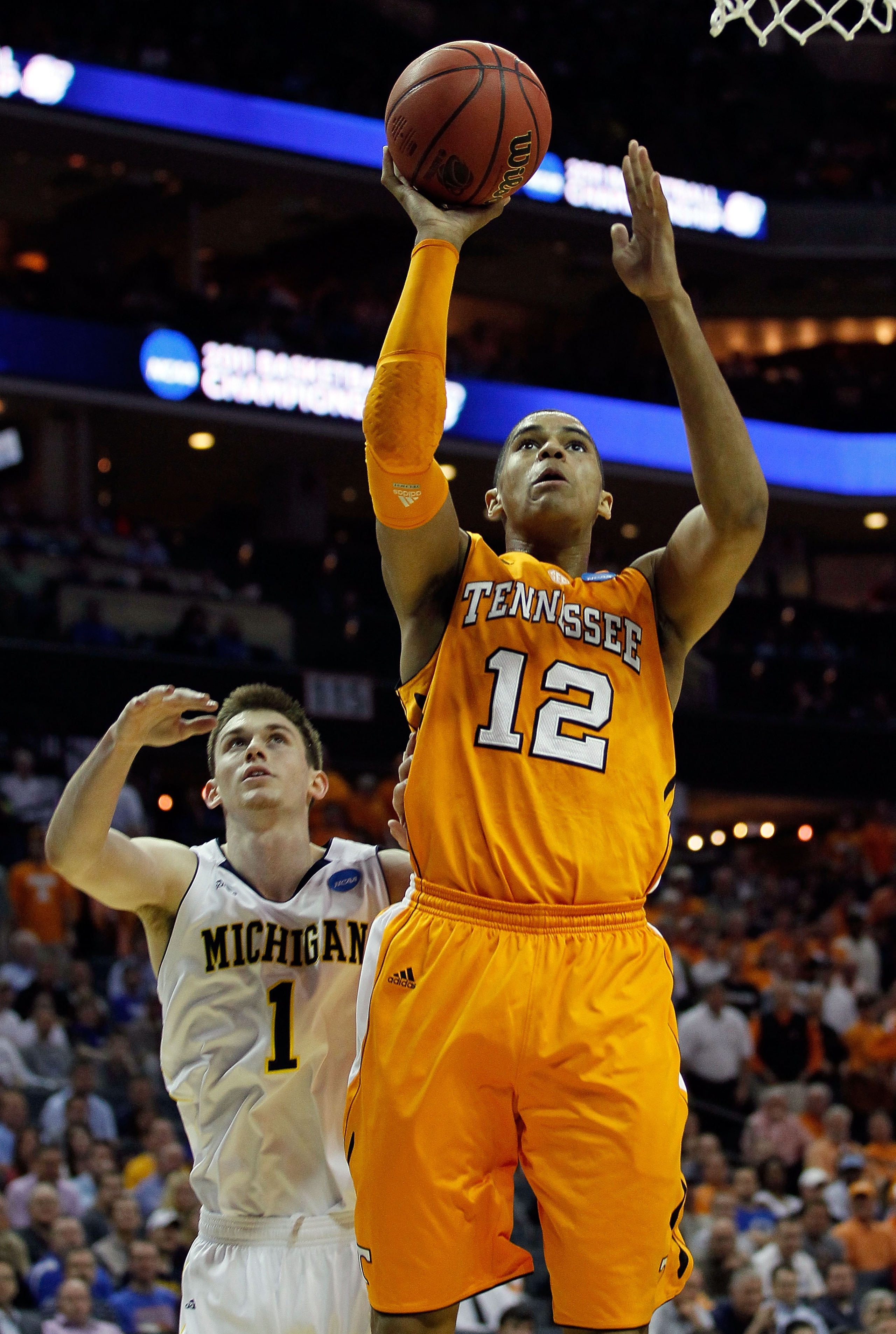
Strengths:
Tobias Harris is as versatile as they come in this year's draft class.
At first glance, he seems like a very good fit for the Bobcats. He has size, that aforementioned versatility and the ability to penetrate like almost no other player in the class.
Weaknesses:
Harris, at 6'8", is a little undersized for the power forward. Obviously that's not something he can change, but he can overcome it.
The one main aspect of his game he can improve upon is his post play, something he probably needs as a pro more likely than not.
Why He's a Good Fit:
Charlotte can use another athletic guy like Harris at the small forward position.
The Bobcats will be then loaded at the 3, having a trio of worthy players in Harris, Thomas and Dante Cunningham.
However, Tyrus Thomas is a similar player on Charlotte, so if the two are going to mesh together, they will need to work immensely during the preparation period.
18. Washington Wizards: Tyler Honeycutt
43 of 60
Strengths:
You wouldn't expect a 6'8", 188-pound stick of a man to lead the Pacific-10 Conference in blocks per game, but that's precisely what Tyler Honeycutt did last season. He averaged a 2.1 clip over the course of the campaign.
Honeycutt may not be the best scorer of all time, but he is aggressive when it comes to finishing and could develop to become a force to reckon with in the NBA.
Weaknesses:
He is as unselfish as they come, but he needs to work on his ball handling.
He seems destined for a solid professional career, if and only if he can build upon his skinny frame. Twenty-five pounds should do the trick.
Why He's a Good Fit:
The Wizards are a little upset they didn't get luckier in the draft lottery, but Honeycutt perhaps will make those feelings disappear.
He's going to be an exciting player to watch in the NBA.
17. New York Knicks: Kenneth Faried
44 of 60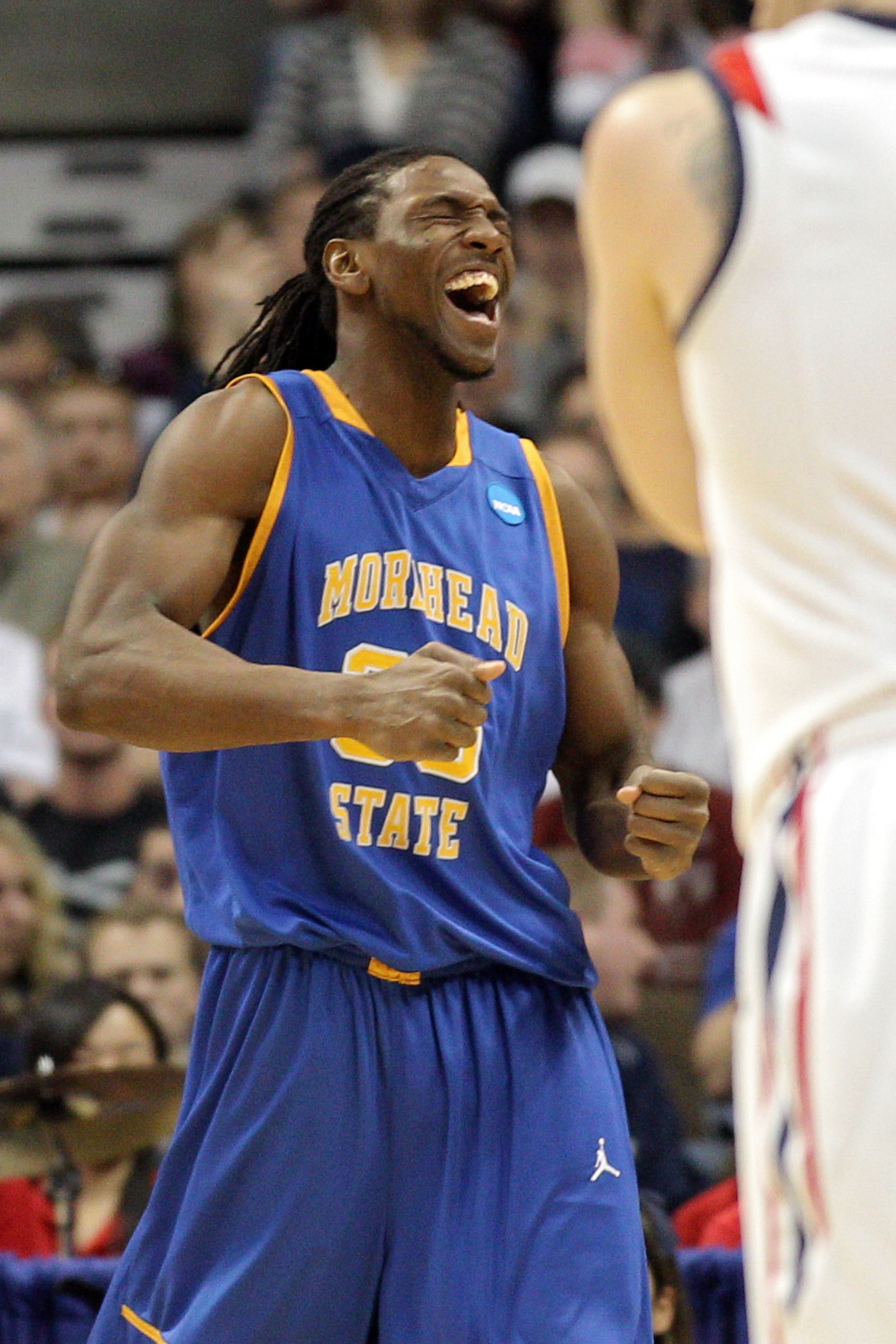
Strengths:
Kenneth Faried is a rebounding demon, and there is no way around it.
He averaged 15 rebounds per game this past season for mid-major Morehead State and lead them to a first-round upset in the NCAA tournament.
He nearly even broke Tim Duncan's teenage-old record for most double-doubles in a collegiate career.
In addition, he's a great defensive player, and his overall skill set have draft experts salivating and comparing him to that of a Hall of Famer—Dennis Rodman.
Weaknesses:
It's hard to point out weaknesses in a guy whose game is so obviously pointed out, but if we want to be picky we can say that he has terrible size. At the same time though, can't we say he's good for his size?
Seriously though, he doesn't have a shot at all and that might cause some concern for certain teams.
Why He's a Good Fit:
The New York Knicks are in need of a defense-orientated center. Unfortunately, the only guy that fits the bill entirely (Bismack Biyombo) has already been taken, so the Knickerbockers will naturally take Faried. He is a good defensive player that certainly rebounds extraordinarily, so he's as close as you can get.
Faried will be a good fit in the Big Apple, mainly because his rebounding will definitely help the frontcourt, namely Amar'e Stoudemire, who isn't exactly Wilt Chamberlain when it comes to crashing the boards.
16. Philadelphia 76ers: Donatas Motiejunas
45 of 60
Strengths:
Donatas Motiejunas of Lithuania is a one-of-a-kind center.
He has tremendous footwork, great passing skills and an exemplary all-around offensive game.
Weaknesses:
When I mention his "all-around" game in the strengths block, I fail to mention that he really isn't spectacular at anything defensively.
Several key websites also note that he is behind where Dirk Nowitzki and Pau Gasol were in 1998 and 2001, when they entered the draft, respectively.
Why He's a Good Fit:
Upset that Bismack Biyombo has already been taken, the Philadelphia 76ers make a good selection nonetheless.
The Sixers have made it known that they need a big man. The soft Spencer Hawes just isn't doing it in the city of brotherly love.
15. Indiana Pacers: Jordan Hamilton
46 of 60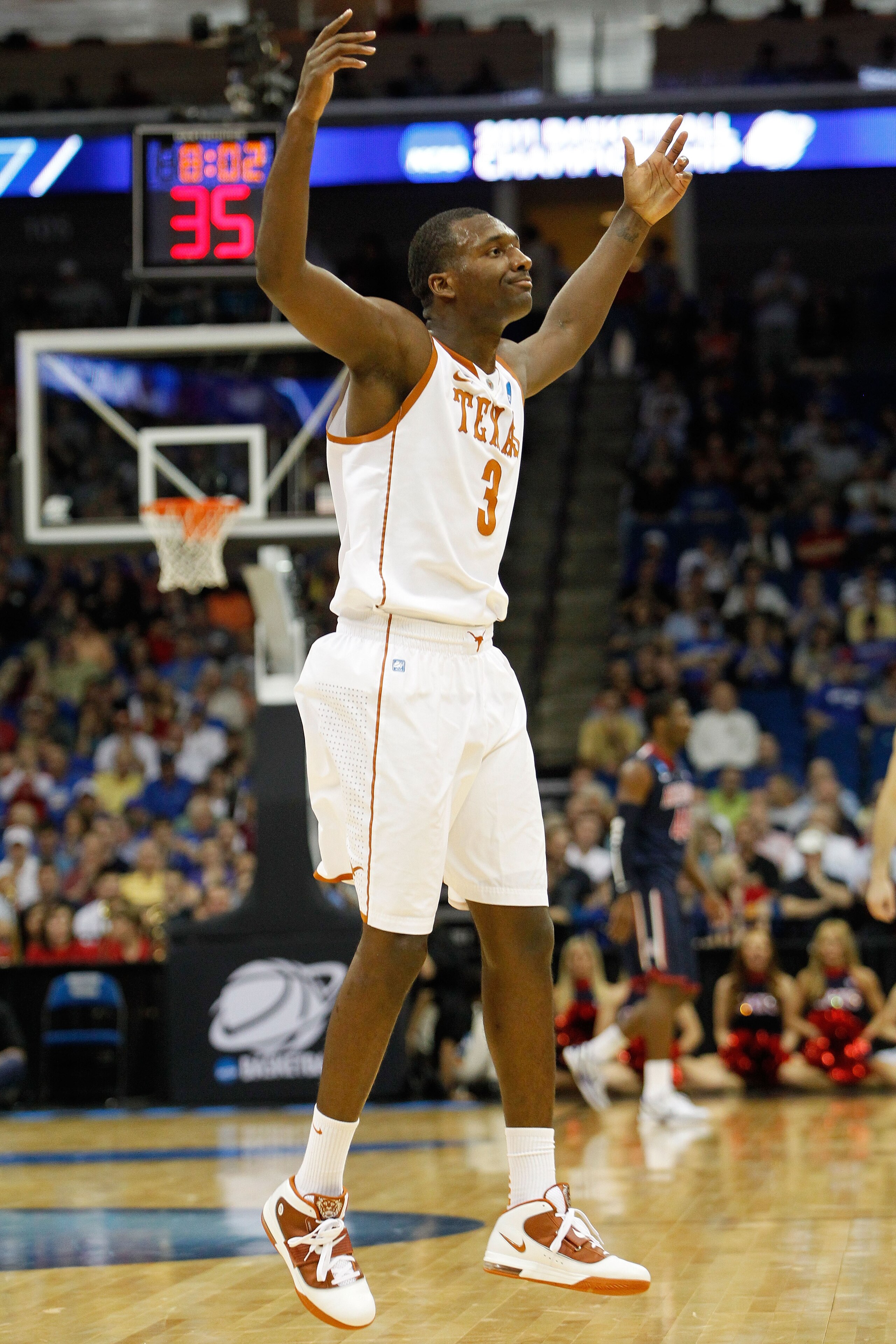
Strengths:
Jordan Hamilton of Texas has a tremendous upside—a guy whose jump shot and athleticism are nearly unmatched by anyone in this year's class.
His passing is above par, and his size (6'8", 228 pounds) as a shooting guard is easily adaptable to the bigs.
Weaknesses:
The one glaring weakness in Hamilton's game lies within the fact that he plays smaller than he actually is, meaning that he rarely drives to the hoop, nor does he attack the inside consistently enough to be considered a good rebounder.
Why He's a Good Fit:
The Indiana Pacers had a great season in 2010-11, capped off by a postseason appearance.
However, there was a missing link—a young and consistent shooting guard.
Indiana, meet Jordan Hamilton, a young, consistent shooting guard.
14. Houston Rockets: Marcus Morris
47 of 60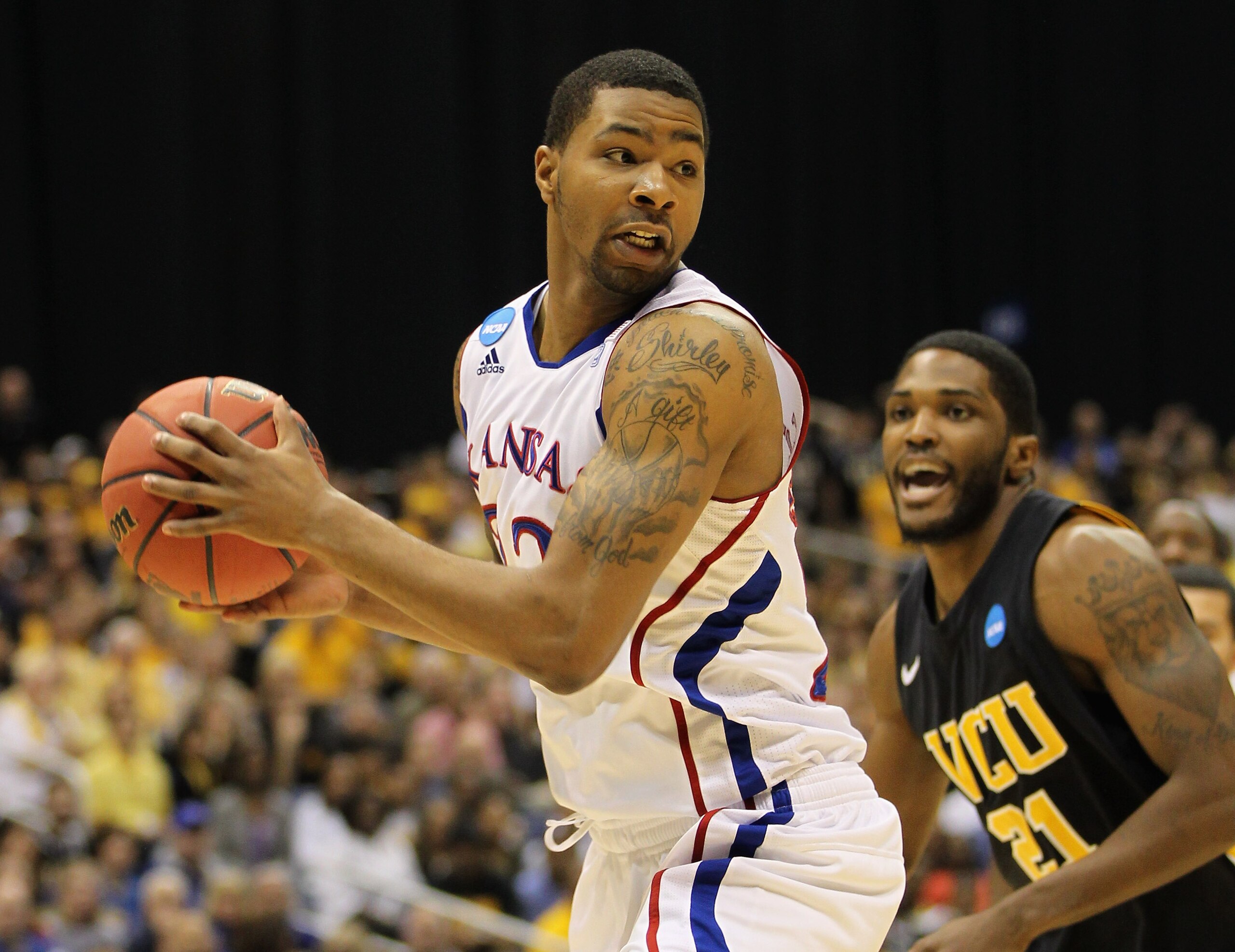
Strengths:
The first half of the Morris twins duo, Marcus is an extremely versatile player who is easily ready to make the jump to the pros.
He's got a great (not to mention pretty, too) jump shot, he has tremendous abilities to spread the floor and he's got decent post skills for a guy his size.
Weaknesses:
Marcus is a little undersized as a power forward, but if he is placed at the 3 those worries will be gone.
Otherwise, he lacks defensive prowess and an accurate free throw stroke. He must improve upon his 68 percent clip from last season.
Why He's a Good Fit:
The Houston Rockets are extremely thin at the small forward position, where really no one outside Chase Budinger is even decent at what they do.
The 6'9", 218-pound Morris will be a solid fit in Houston, where there will be a new coach and a fresh start for all Rockets to prove to coach Kevin McHale that they have what it takes.
Does Marcus Morris have what it takes?
13. Phoenix Suns: Bismack Biyombo
48 of 60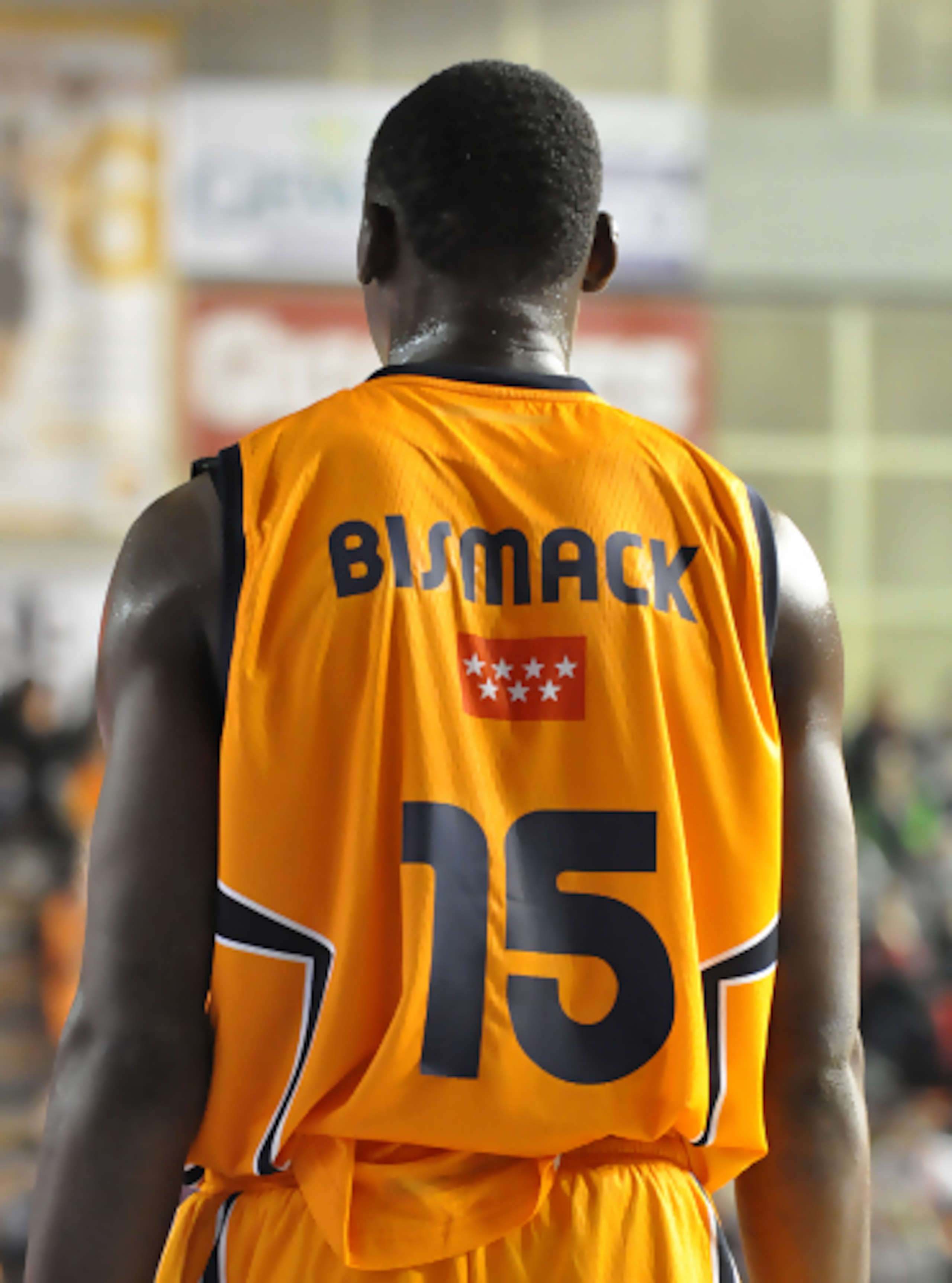
Strengths:
Not much is known about Bismack Biyombo, other than the fact that he is absolutely the best defender in this season's class.
His wingspan of 7'7' is an amazing testimony to what he can do, and the scary part is that he is crazy fast for a guy his size.
Weaknesses:
Well, you could see the word "raw" coming, couldn't you?
Biyombo is as raw as they come, and he lacks the complete package offensively. I'd say that's easily the only reason he isn't a top-10 consensus pick.
Why He's a Good Fit:
Even after they miss out on Jimmer Fredette, the Phoenix Suns will still be selecting a gem in Bismack Biyombo.
And even though he's a mysterious draftee, Biyombo will prove to be a great pick for the boys in Arizona.
12. Utah Jazz: Jimmer Fredette
49 of 60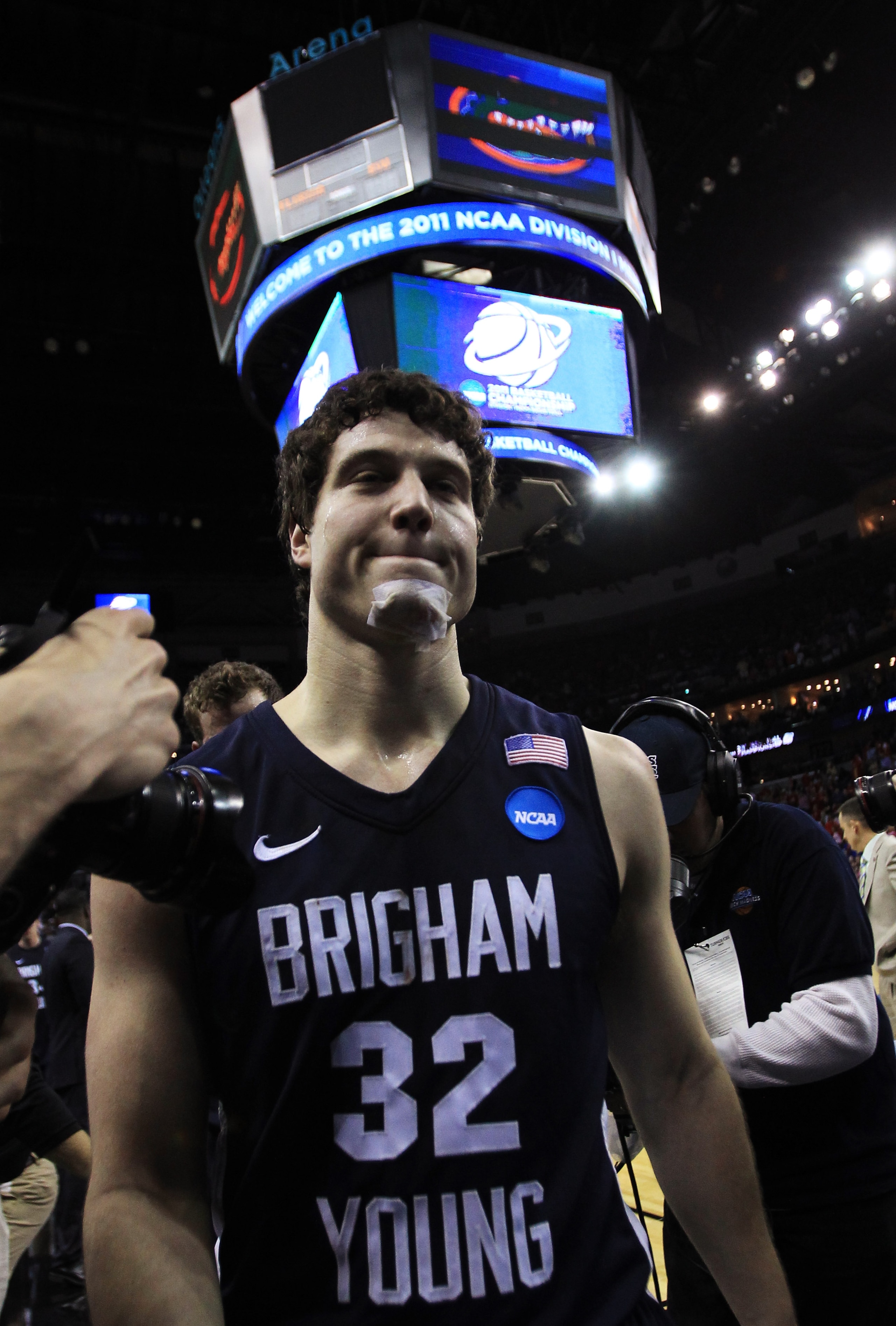
Strengths:
Jimmer Fredette's strengths are so documented that all of us at B/R could recite them in our sleep.
However, I still should list them: he's a prolific scorer, he has a tremendous jump shot and he has the size (6'2", 196 pounds) to mesh with the point guards of the NBA.
Weaknesses:
Jimmer's main weakness lies within the fact that he does not play adequate defense in the least bit.
He isn't as athletic as scouts hope, but that is something that can be changed.
Why He's a Good Fit:
Jimmer would be a solid fit in Salt Lake City for a few reasons.
For one, he'd be playing in the state of Utah, a place that already has fallen in love with him and his game.
Secondly, he has the ability to reach great heights in this league, something that people will sometimes doubt. You can't ignore the facts, though, and he has the potential to be an All-Star.
Last off, it would be perhaps the best destination to begin an illustrious career, seeing as the Jazz are in need of a point guard and Jimmer fits the bill. He complements incumbent defensive-minded starter Devin Harris very well.
11. Golden State Warriors: Tristan Thompson
50 of 60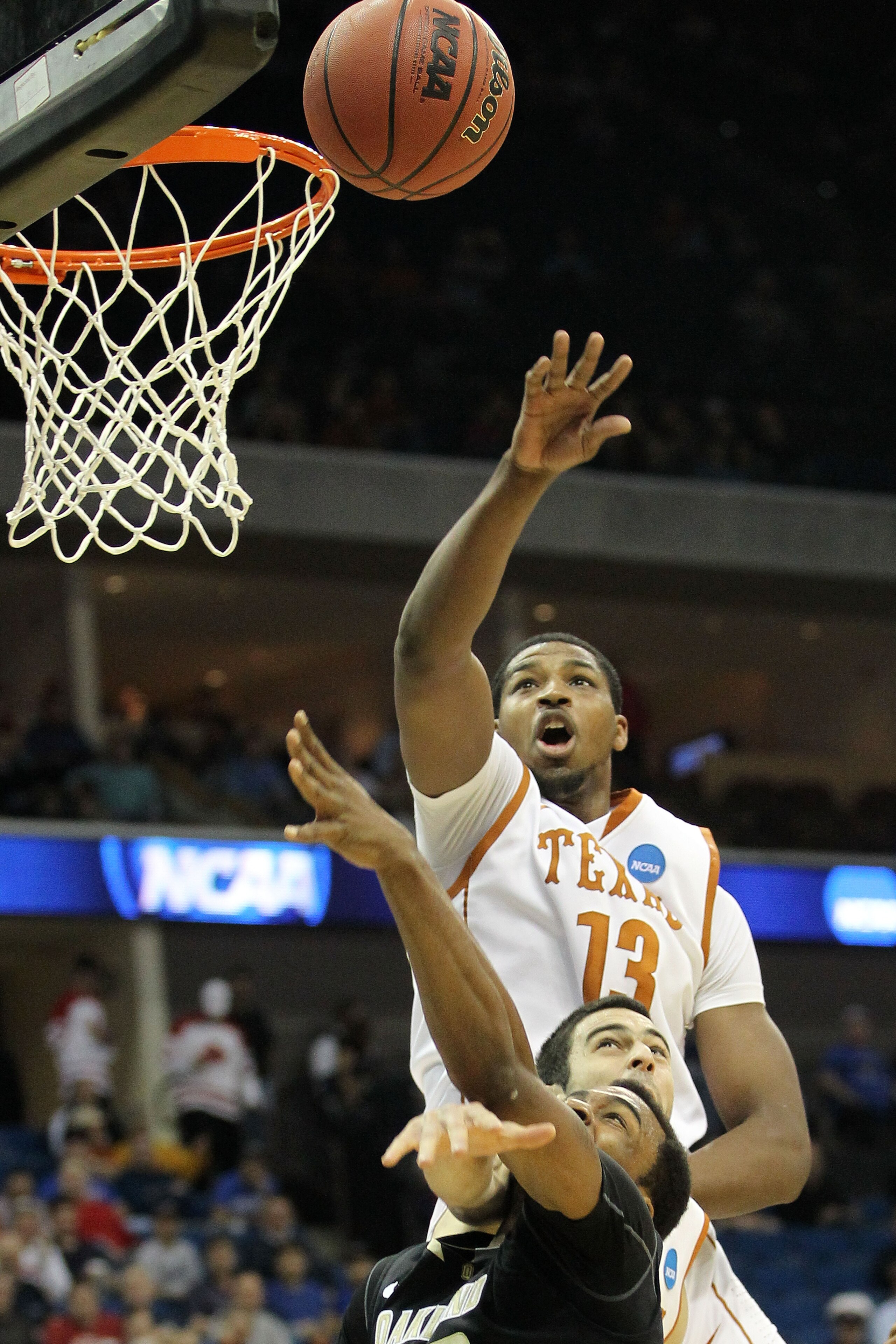
Strengths:
Here's a guy who is decent at just about everything he does.
Tristan Thompson of Texas can shoot inside, play great defense, steal the ball and run like a madman.
Weaknesses:
When I said he could "shoo insidet," I meant from 12 feet in. Notice how the free-throw line distance is 15 feet. Notice also how Tristan Thompson shot a horrid 48 percent from the charity stripe this past season.
Yeah, he needs to improve on his outside shooting.
Why He's a Good Fit:
The Golden State Warriors aren't exactly strong inside, and the acquisition of David Lee has proved to be a wasted one.
Thompson might be able to mend what needs to be fixed inside for Oakland's club.
10. Milwaukee Bucks: Klay Thompson
51 of 60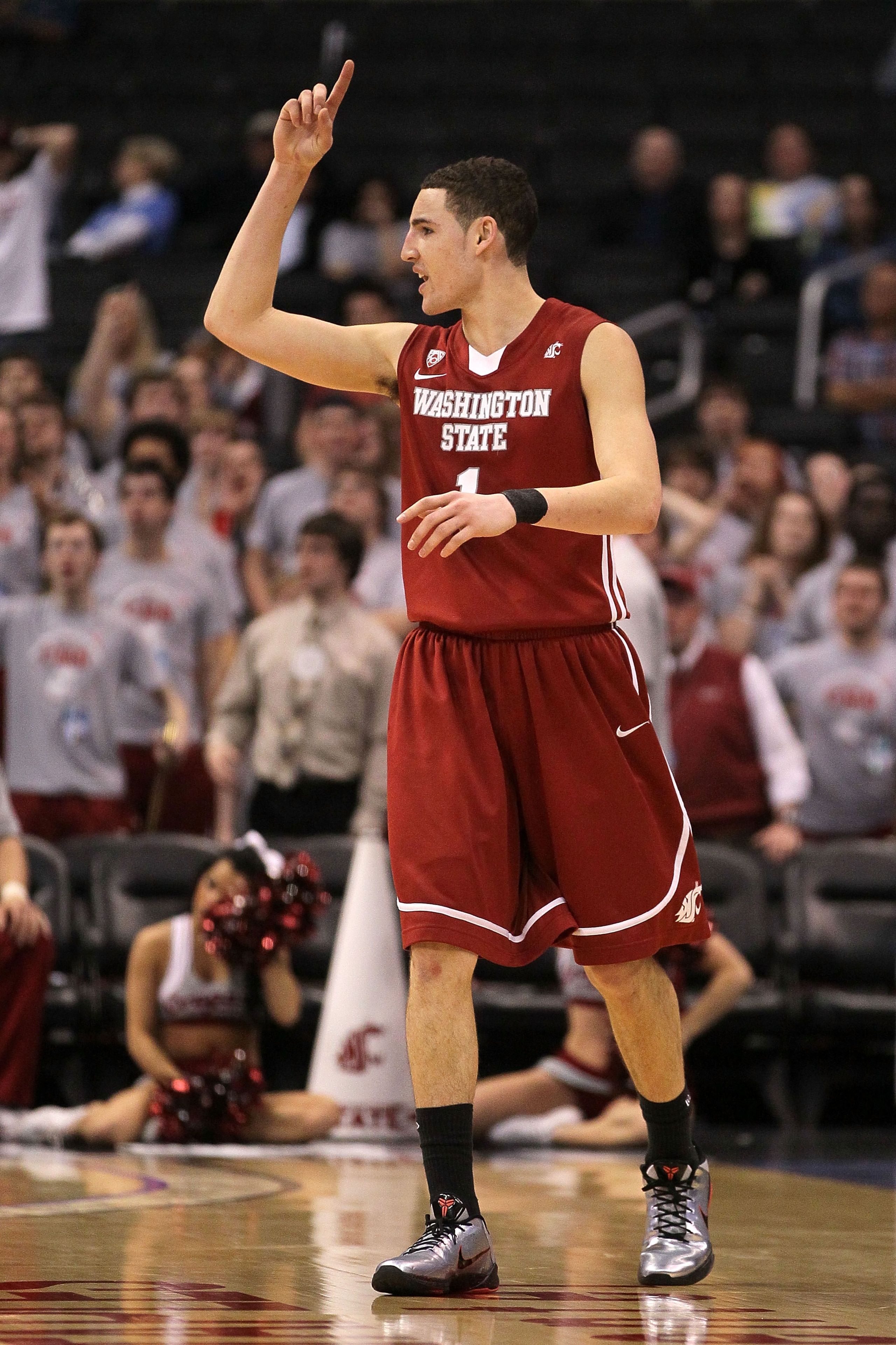
Strengths:
Surprised to see Klay Thompson this high? Don't be—he's a solid all-around shooting guard whose collegiate skills can be easily transferred into the professional ranks. He's got a great jump shot, and he has proved himself to be a prolific scorer who can handle the ball like a point guard.
He's also one of the best pump-fakers in college basketball.
Weaknesses:
Like many in this season's draft class, the weakness of Thompson is what he does (or in this case, doesn't) do on the defensive side of things.
In addition, his speed really isn't where it should be.
Why He's a Good Fit:
One of the best perimeter players available in the draft, Thompson is a good fit in Milwaukee, where depth at the 2 will be needed once Redd skips town.
The Milwaukee Bucks will finally ditch decade-long mainstay Michael Redd, who has only played 61 games in the past three seasons, in favor of the more youthful Klay Thompson, a budding star out of Washington State.
9. Charlotte Bobcats: Alec Burks
52 of 60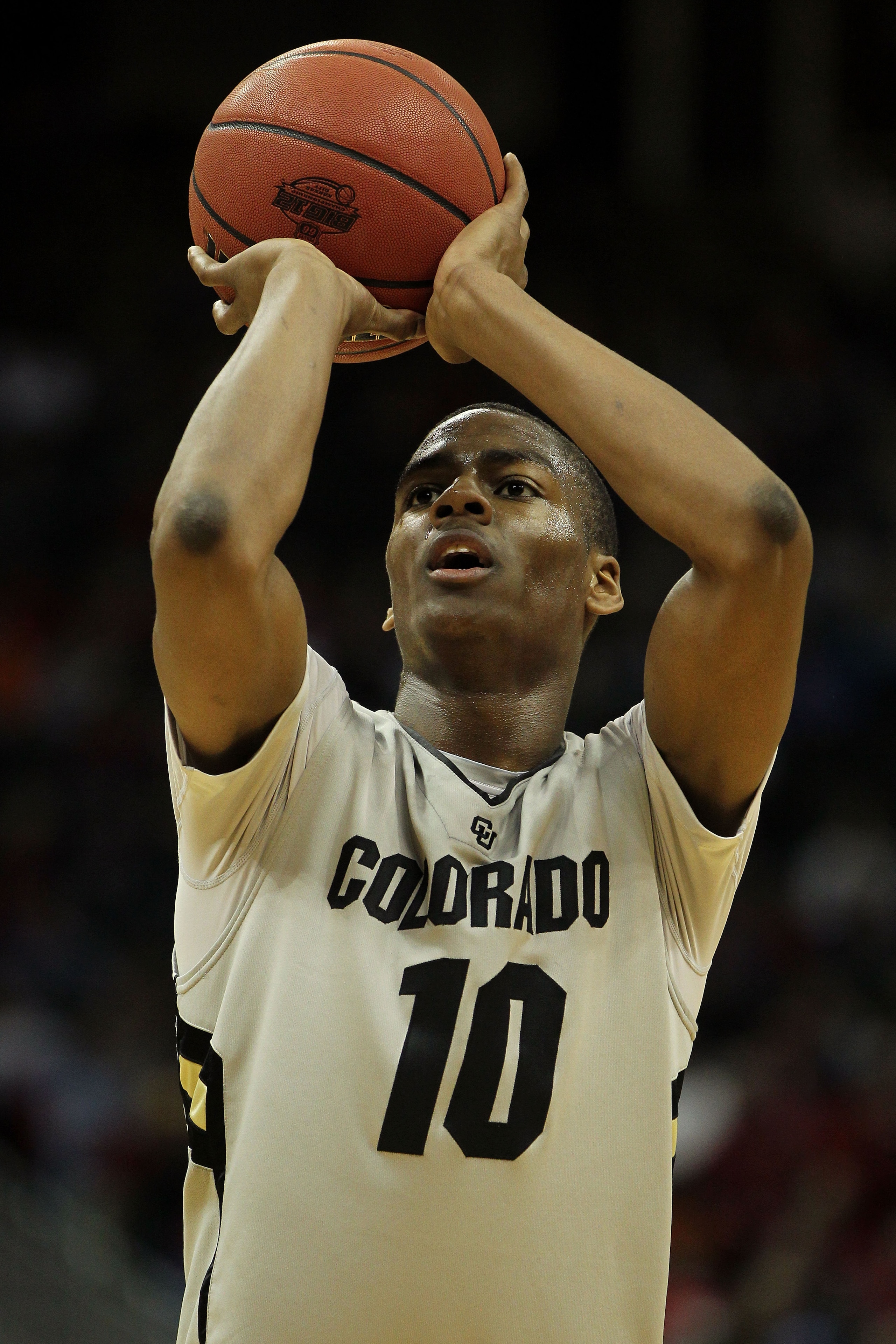
Strengths:
Alec Burks, a one-two combo guard, is a superstar in the making. He has great scoring ability and is as athletic as they come.
At 6'6" and 193 pounds, Burks also has the size, potential and the mobility to make it to an All-Star level.
Weaknesses:
Burks is perhaps not as strong as he should be for his size, and he also struggles a bit with his outside shooting.
Why He's a Good Fit:
The Charlotte Bobcats are in search of a new identity, and Burks might be a big piece to them finding their true selves.
He might have a chance to start at the shooting guard spot immediately, pending the availability of incumbent Stephen Jackson this summer, who could be shopped league-wide if Burks is selected.
8. Detroit Pistons: Kemba Walker
53 of 60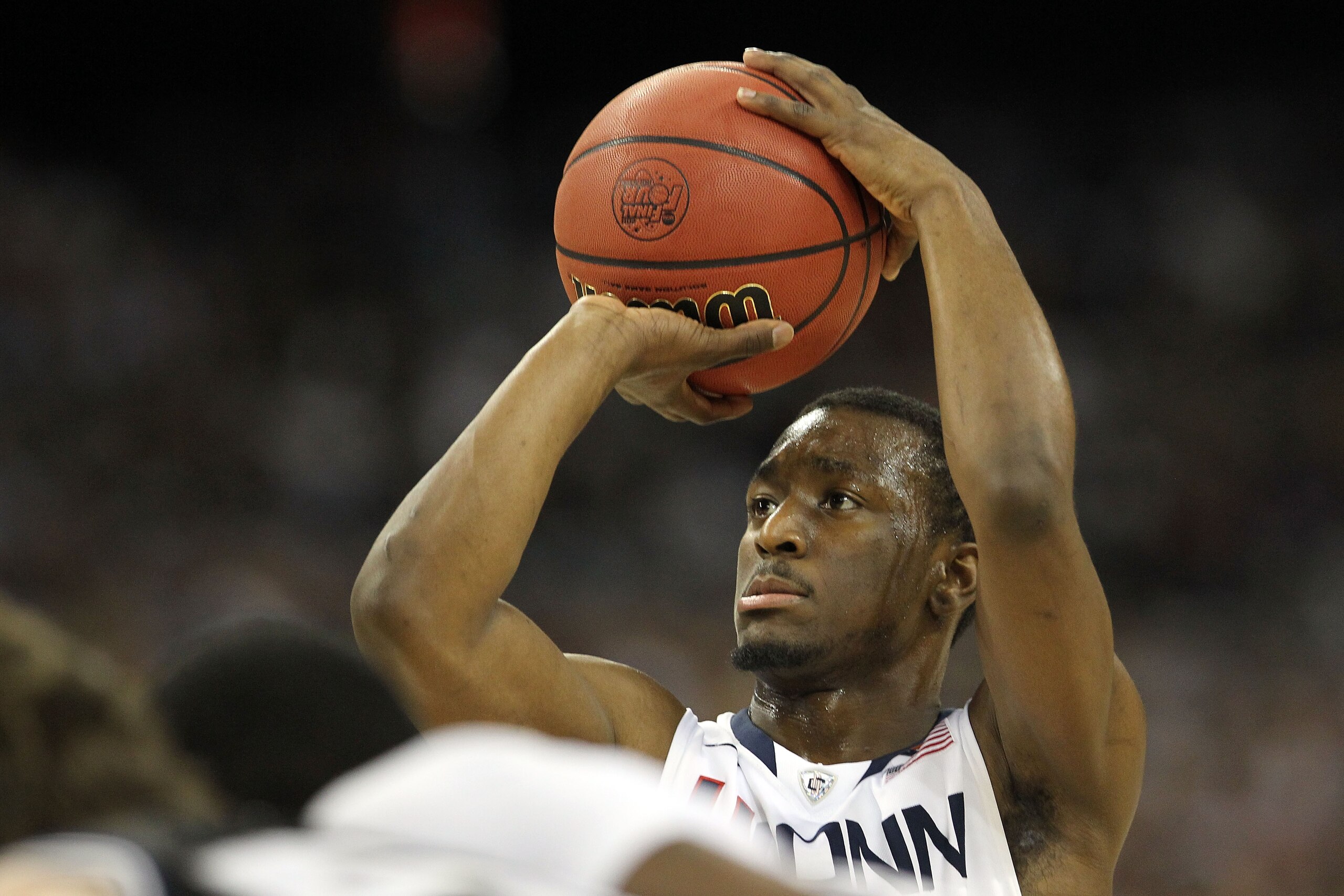
Strengths:
Kemba Walker is a top-three point guard in this draft class without a doubt, and he has the skills necessary to eventually lead a team in the NBA.
He is electric and explosive, a guy who can change the course of a game with his precise ball handling, excellent shooting and Speedy Gonzalez-like mobility.
Weaknesses:
The one basic thing he needs to improve upon is his decision-making, but we all know that he is a great player after seeing him lead the Connecticut Huskies to the 2011 national championship.
He also can learn a thing or two about defense.
Why He's a Good Fit:
The Detroit Pistons are trying to find themselves a new identity after a lost and forgotten 2010-11 season. Kemba might be the perfect cornerstone to the renewed and rebuilding franchise.
This pick would most likely happen if Rodney Stuckey, an unrestricted free agent, is let go by the team.
7. Sacramento Kings: Jonas Valanciunas
54 of 60
Strengths:
Standing 6'11" and weighing in at 240 pounds, Jonas Valanciunas is going to be a decent center in this league if his full potential is ever displayed.
He has great potential and defensive skills, and he is surprisingly quick for a big.
Weaknesses:
Jonas' (we'll just call him that since we can't pronounce the last name) aforementioned potential has yet to be seen, and he isn't as strong and NBA ready as your prototype center should be.
Why He's a Good Fit:
Now that Terrence Jones has returned to Kentucky for his sophomore season, Jonas is the next best option for the Kings, especially if a few of the post players currently in Sacramento skip town. Chances are they might, too.
6. Washington Wizards: Kawhi Leonard
55 of 60
Strengths:
Kawhi Leonard's biggest strength perhaps lies within the fact that he is a slasher, and already has developed better offensive inside skills than many superstars. He also is in the process of honing his already solid ball handling skills.
He is also a speed demon, a guy who can rush his athletic body to the lane with no remorse.
Weaknesses:
Leonard's defense, while solid, needs to be fully polished in order for the sixth selection projection to be completely validated.
He also needs to hit the weight frame to add 20 pounds to his 6'7", 227-pound frame.
Why He's a Good Fit:
The Washington Wizards would be thrilled to get a baller like Leonard with the sixth overall pick.
If they don't trade up to get Enes Kanter, the San Diego State product would be the right choice.
5. Toronto Raptors: Brandon Knight
56 of 60
Strengths:
In my opinion, Brandon Knight has too big an upside to overlook.
He is tremendous in just about every aspect of the game, from his excellent speed to his spot-on jumper. He plays great defense and does everything well off the dribble, whether it be driving to the lane or pulling up from 15 feet out.
Weaknesses:
The one thing that has essentially plagued Knight's stock in the draft has to do with his passing. Sometimes he is a bit relentless with the ball and tosses it to no one. Other times he seems nervous, a trait that can easily be overcome with some experience in the NBA.
Why He's a Good Fit:
Had the Cavaliers not selected Kyrie Irving with the first pick (yes, I just gave away the big secret), Knight would have been their second selection undoubtedly.
If he slips to the fifth spot, there is no way in heck that the Raptors pass him over.
He's too good to ignore for Canada's club, who is in search of a franchise point guard.
Brandon Knight, the 6'3", 177-pound wonder, might just be that.
4. Cleveland Cavaliers: Jan Vesely
57 of 60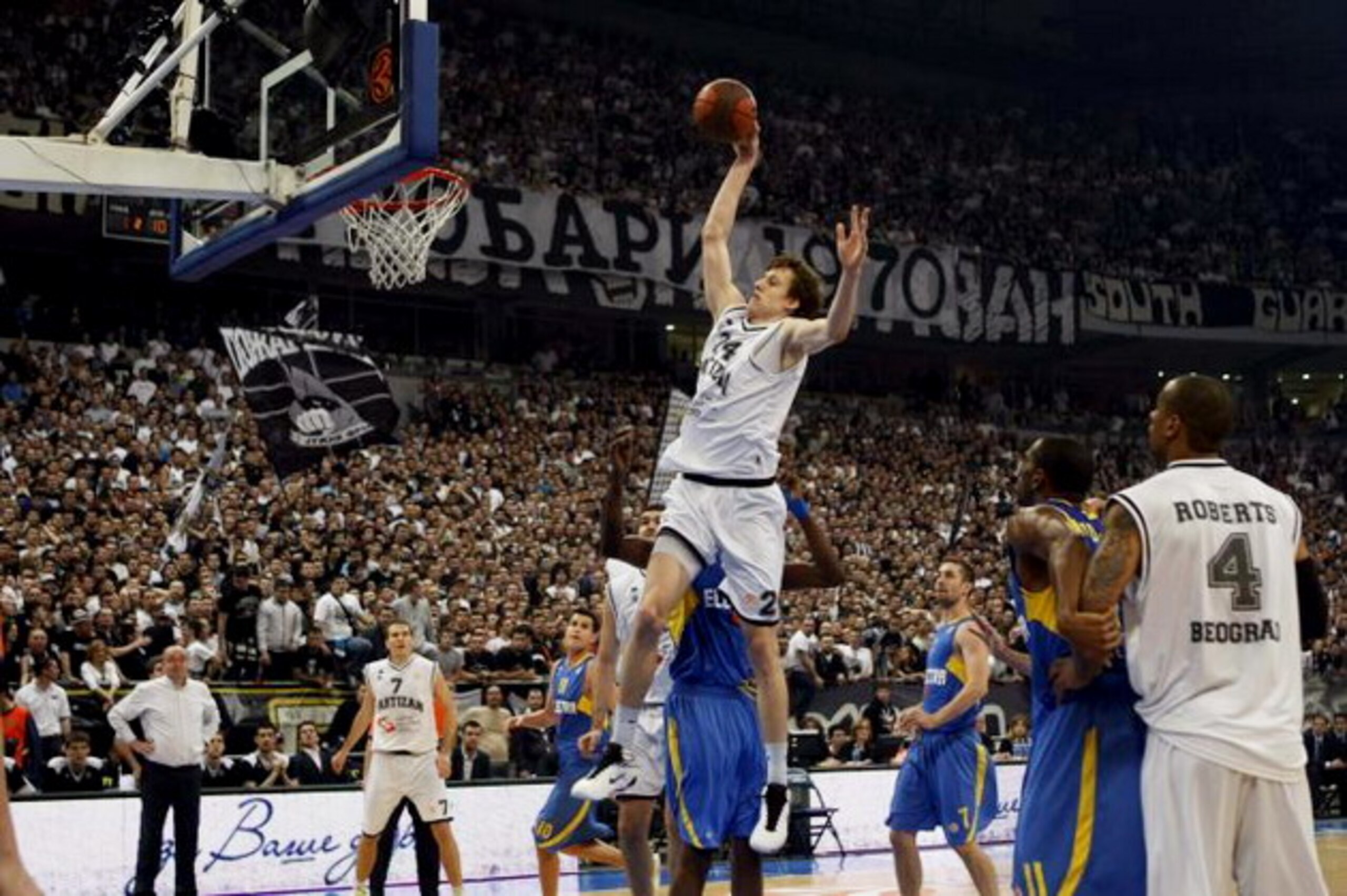
Strengths:
Jan Vesely is a very skilled player who can become a very successful European in this league.
He is fairly athletic for his size, and he can do good things when given the basketball down low.
Weaknesses:
He's a little slow, and at a skinny 230 pounds, he'll definitely need to bulk up in order to be a more dominating body in the post.
He has the size, just not the strength.
Why He's a Good Fit:
The Cavs will find favor in this, the top Czech prospect in the 2011 draft.
He would fit in nicely with the club, and at 6'11", he would give Cleveland much-needed help at the small forward position.
Looks like it will turn out to be a nice draft for the Cavaliers after all.
3. Utah Jazz: Derrick Williams
58 of 60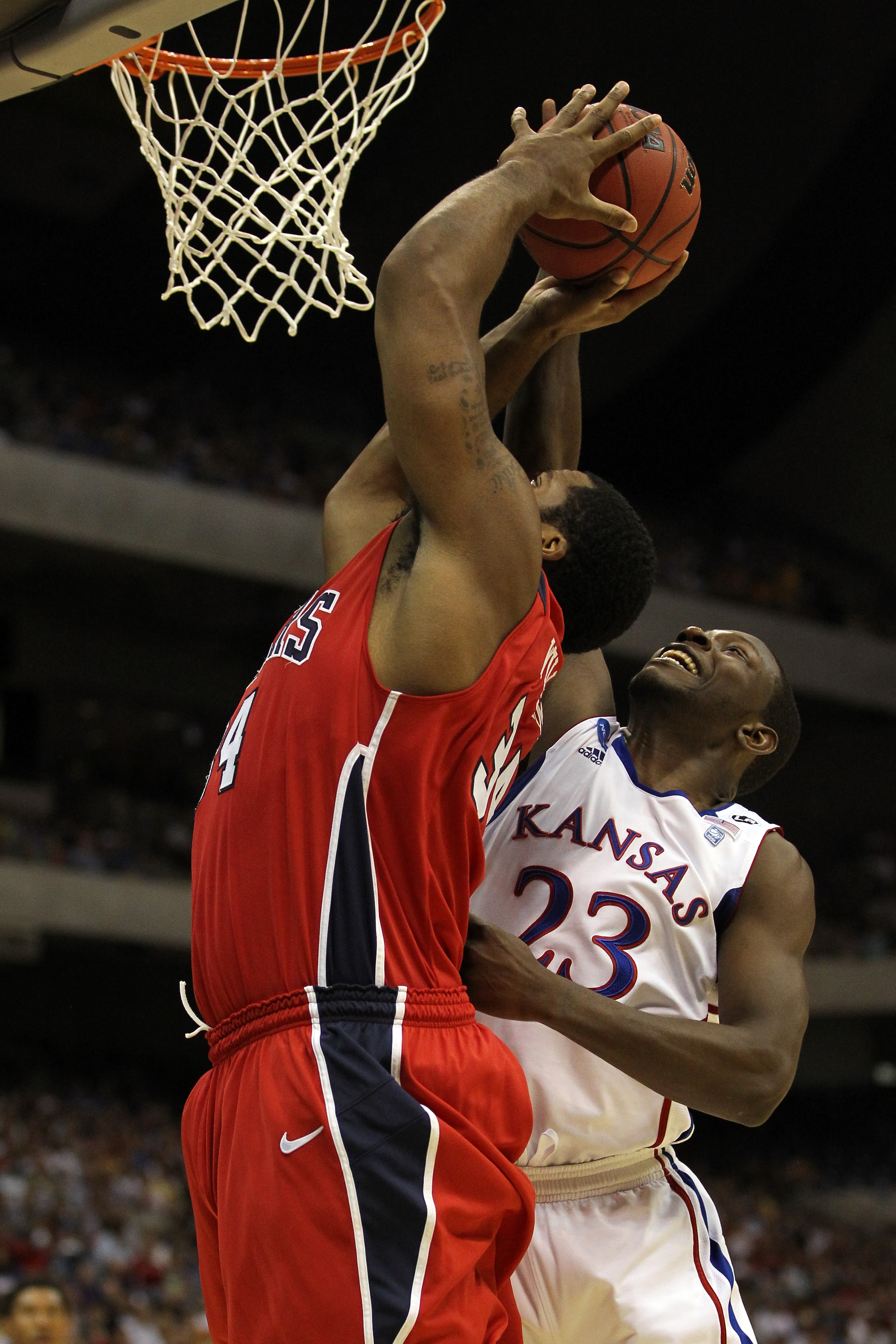
Strengths:
A newly christened 20-year-old (as of last Wednesday), Derrick Williams is perhaps the draft class' most intriguing prospect. He is ready to become a professional basketball player, and he has the biggest upside of anyone entering June's festivities.
He is athletic, he is a good scorer, a solid rebounder, and for a small forward has great size (he is 6'8" and weighs 248 pounds).
Weaknesses:
Williams isn't as strong as the next big, but he makes up for it with his athleticism.
He also needs to improve his foul shot, although that isn't necessarily a dire need for his game.
Why He's a Good Fit:
Um, hello, he's Derrick Williams, and it's the third pick!
Do I need to explain myself much longer?
2. Minnesota Timberwolves: Enes Kanter
59 of 60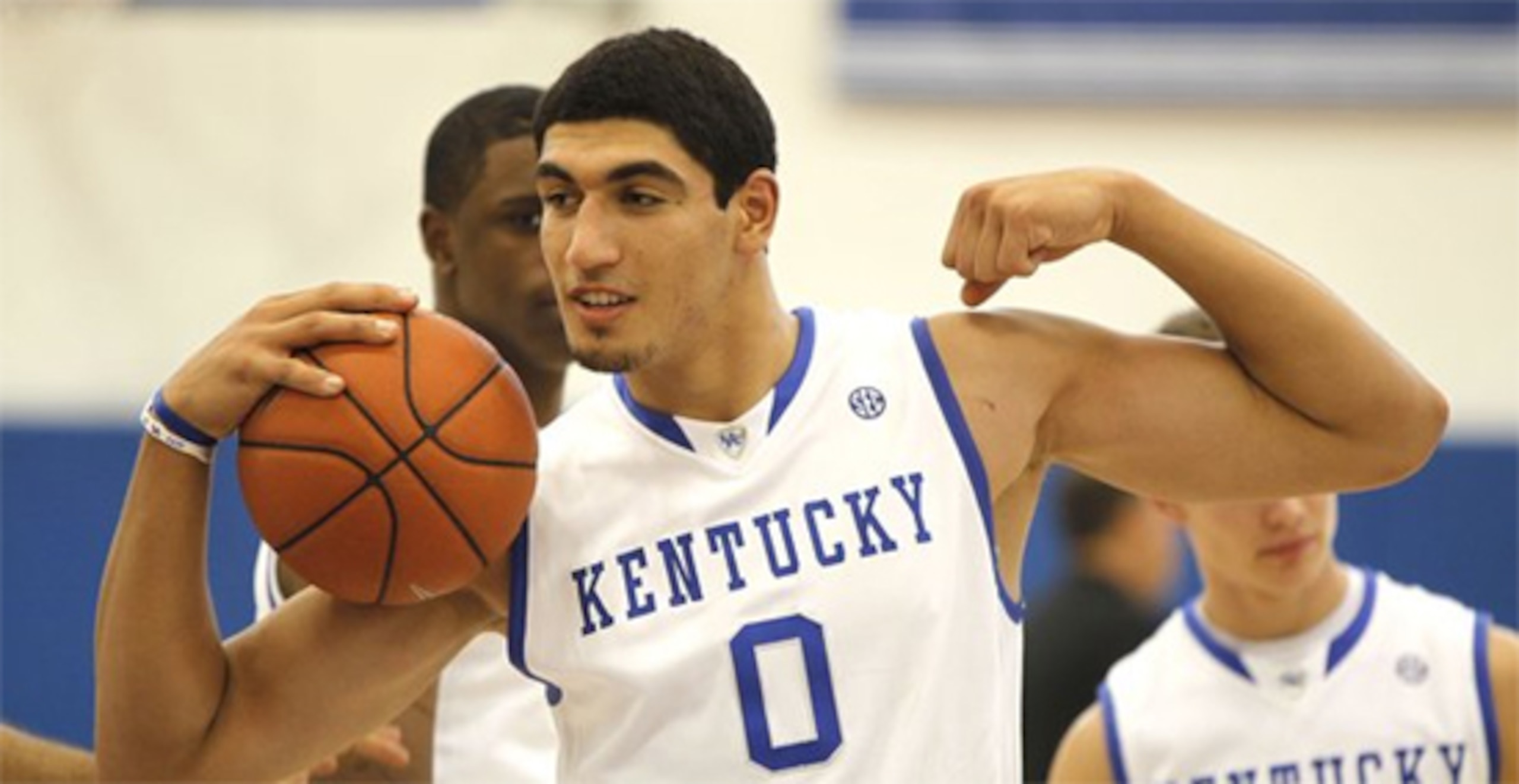
Strengths:
An Istanbul, Turkey native, Enes Kanter is easily the best center in the draft. He has the size, agility and post skills necessary to become a formidable force in the post.
He also has dominated the European basketball world, and that has to count for something I guess.
Weaknesses:
Kanter's knees are unquestionably his biggest weakness. They have been injured for quite some time now, and one has to wonder when they'll be back to 100 percent.
As far as his game goes, his footwork is one thing that should be improved upon as his NBA career progresses if he wants to become a successful pro.
Why He's a Good Fit:
The likelihood of the Minnesota Timberwolves keeping the second pick overall is lower than Death Valley, but even so, Kanter would be a better fit than Derrick Williams.
At least Kanter helps secure a gaping need.
1. Cleveland Cavaliers: Kyrie Irving
60 of 60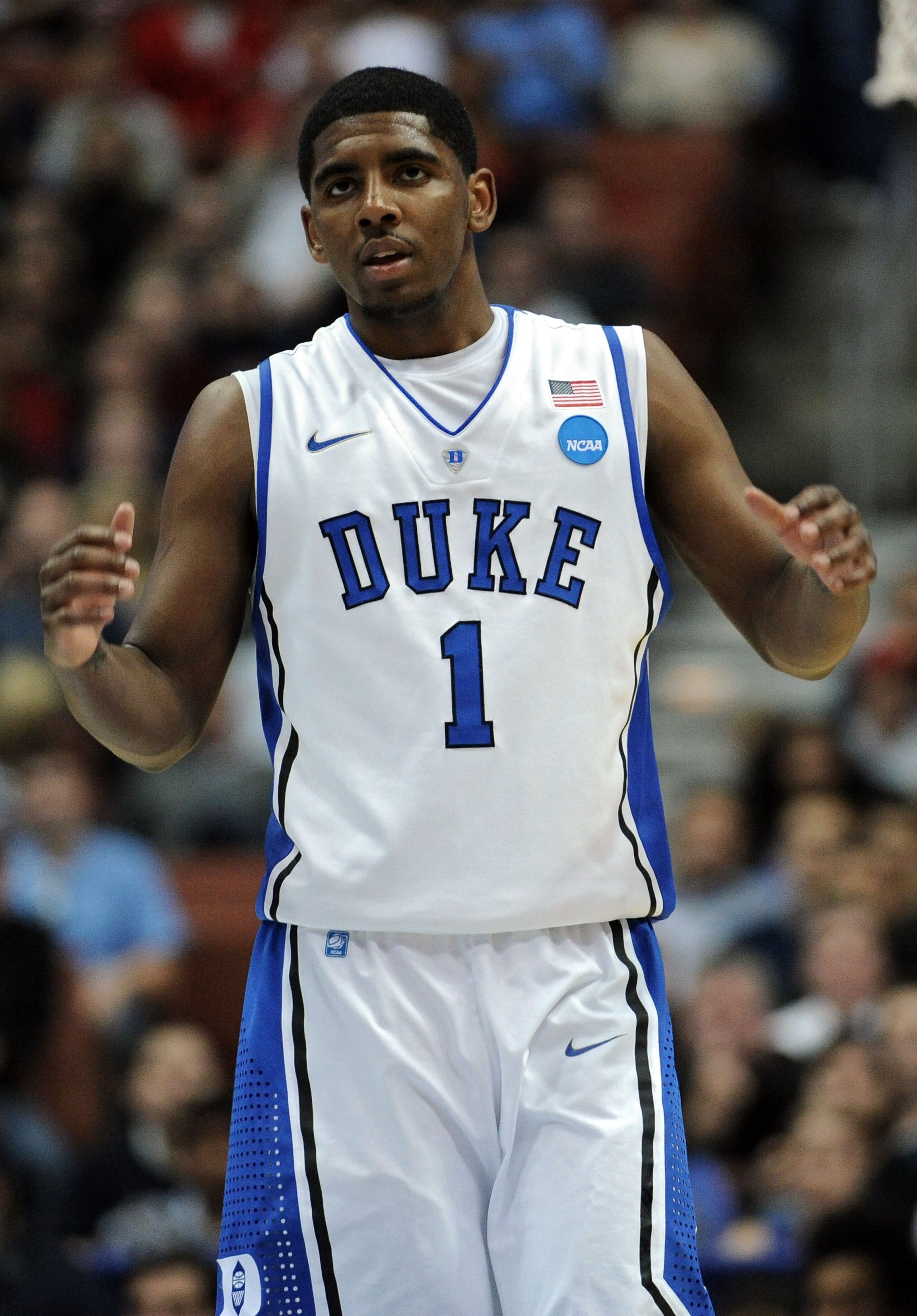
Strengths:
Kyrie Irving is the truest point guard we have seen in recent draft history, a player who excels in every asset of the point guard game.
He's an excellent ball handler, shooter, defender and passer.
Need I say more?
Weaknesses:
The one glaring weakness of Irving—his health. His turf toe injury limited his collegiate career to just 11 games.
Why He's a Good Fit:
Do I even need to explain this?
He is no question the best player in the draft, and therefore, the Cavs will select him.
Who cares if they have Baron Davis or Ramon Sessions; soon they will have Kyrie Irving and forget all previous troubles at the position.

.jpg?w=2560 "Grading WWE Raw 🔠")

.jpg?w=2560 "Viral Rams Coach Vid 🖕")
.jpg?w=2560 "Bijan's INSANE 1st Half 🤩")
.jpg?w=2560 "Injury-stricken Seahawks signing veteran RB")
.jpg?w=2560 "2 NFL Officials Suspended")
