
Derrick Rose And The 25 Most Important Players in The NBA
There are different conversations that can be had concerning the best players in the NBA. There is the matter of the best player in the NBA, which may or may not be the Most Valuable player in the NBA. The Most Valuable Player award is normally given to the player who does the most to make his team an elite team.
Whether you consider this the right standard or not, it tends to work out that way. Of course, this doesn't account for the possibility that another player is more important to his team, but that team doesn't win as much.
A player may just be the difference between a good team and an average team instead of between a good team and a great team. Kevin Durant last year was no less "valuable" because his team was an eighth seed.
Other players may be crucial to their teams' success but are teammates with another player who contributes nearly equally. This does not diminish the importance of the first player. If I have a two 20s in my pocket, one doesn't make the other less valuable.
Kobe Bryant is no less important to the Lakers since they acquired Pau Gasol. Surely the Lakers are a better team, but that doesn't make Kobe less valuable.
So this got me to thinking, what if you just take the whole "MVP" thing out of the picture. Is there a way of evaluating which players are most important to their teams' success?
It seems that the best way to establish a player's value to a team is to evaluate them from within the team, not to other players on other teams.
Keep in mind that this doesn't mean this is a list of the best players in the NBA, it is a list of the players who are the most important to their teams. On the next slide, I'll let you know my methodology.
Methodology
1 of 26
LeBron James is a statistical monster. Whether that means anything is all a matter of opinion and perspective, and one's position on stats. I hold they mean something but not everything. What I like about them is that they're objective. I admit it, I'm not.
If you don't want the statty-mumbo-jumbo, just skip this. If you want to know how I got my rankings, read on. Just keep in mind this is not an opinion-based ranking if you don't like what you see.
Stats save us from our own subjectivity, which is why I want to take an objective approach here. Principally what I wanted was to evaluate how much of each team's production a player is responsible for, and if possible, how much he means on both ends of the court.
To do that I first needed to assign values for various factors. Some were quite easy.
For offense I thought I'd take into account what percent of the team's offense a player was responsible for. Some of the values were pretty obvious.
Points were given one point. Assists were given two points. That's pretty straightforward because that's what it's actually worth. I did consider that assists can be worth three if they assisted on a three, but determining that seemed more trouble than it was worth.
Rebounds, turnovers, steals and blocks were another matter. First, it's hard to establish a relative value of those to points, but second, it's not always the same for every team. Bear with me a moment while I explain what I mean.
Every one of those stats is essentially the same in the sense that each accounts for a change of possession. Technically we can say offensive rebounds don't account for a change of possession, but it's still a second chance on a possession, so statistically speaking, it's equivalent.
Not all teams score on the same percentage of possessions, therefore not all rebounds have equal value from one team to the next, nor do all steals or blocks.
Basketball-Reference has a stat "Offensive Rating" which factors how many points are scored by a team per 100 possessions. Dividing that by 100 we can figure out the relative point value of each possession.
For all of the possession stats I attributed the value of one possession. So for instance, the Lakers have an Offensive Rating of 115.2, giving Gasol 1.1152 points for every rebound.
Now there are a couple of things I want to remind you of. First, it's not fantasy basketball. I'm not trying to balance out the assists and rebounds, I'm trying to assign the actual worth of the rebounds etc.
Second, yes, it's going to be uneven from team to team, but I want to remind you that I'm not comparing players, I'm comparing value to their teams.
Since the teams are uneven, there is an inherent imbalance anyway. I'm not determining the best players, just those who contribute the highest percentage for their teams.
So I added up all the positive stats the subtracted the turnovers using this formula:
Points + (2*Assists) + ((Rebounds+Steals+Blocks)* Team's Offensive Rating/100)-(TO*(TOR/100)
That gave me an overall "Offensive" number, though technically there are some defensive stats included. Eventually those factors lead to points, that's why I included them there. You might be able to find a better word for it but the actual logic is sound.
Next I took each team's points per game and figured out, based on the result, what percentage of the points scored the player contributed to. That takes care of one side of the ball.
But what about the other? To determine the value the player contributes defensively I divided the player's defensive rating by the team's defensive rating.
A player whose defensive rating is significantly better than his team's would give him a value over 100 percent whereas if he's defensive liability he's going to be lower than 100 percent.
I then multiplied the two percentages together to give me an overall "Importance"' percentage. Everything following is according to that. These rankings are entirely objective, they are not my opinion, so please, no "Player Y should be higher." He's not higher because he's not. Harrumph!
25: Manu Ginobili
2 of 26
Ginobili accounts for 35.04 percent of the Spurs' production. If you've watched the Spurs this year, you know how much credit he gets for the Spurs start.
He's having a career year, and he's had quite a career, so that's saying something.
24: Paul Millsap
3 of 26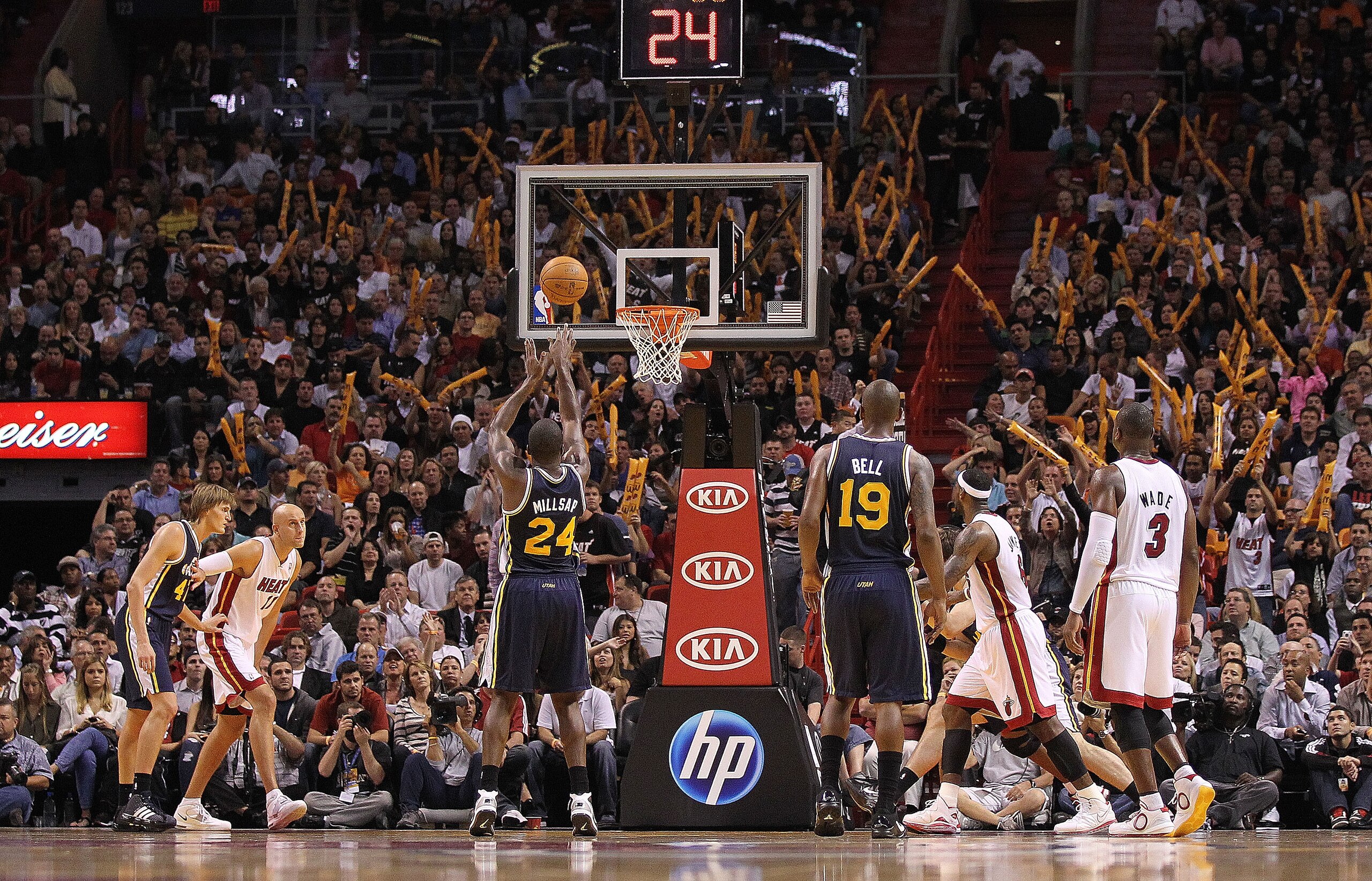
Millsap is really good. I don't know if you know that, but he really is. He also accounts for 35.10 percent of the Jazz production.
Expect a lot of good years from this kid. He fills the role of power forward for a franchise that arguably is as rich as anyone in that position over the last 30 years, and he fills it well.
23: Kevin Garnett
4 of 26
You know you're getting old when the guy you still think of as "the Kid" is an old man. Garnett is playing more like his old self again this year, though.
He's certainly looking like he's finally all the way back from the knee surgery. That's probably why he's accounting for 35.15 percent of the Celtics' production.
22: Raymond Felton
5 of 26
Raymond Felton is flying way under the radar, which is hard to do in New York. Between his 18 points and eight assists per game though, he's really turning out into a good quarterback for the Knicks.
Felton contributes 35.2 percent of the team's production.
21: Joakim Noah
6 of 26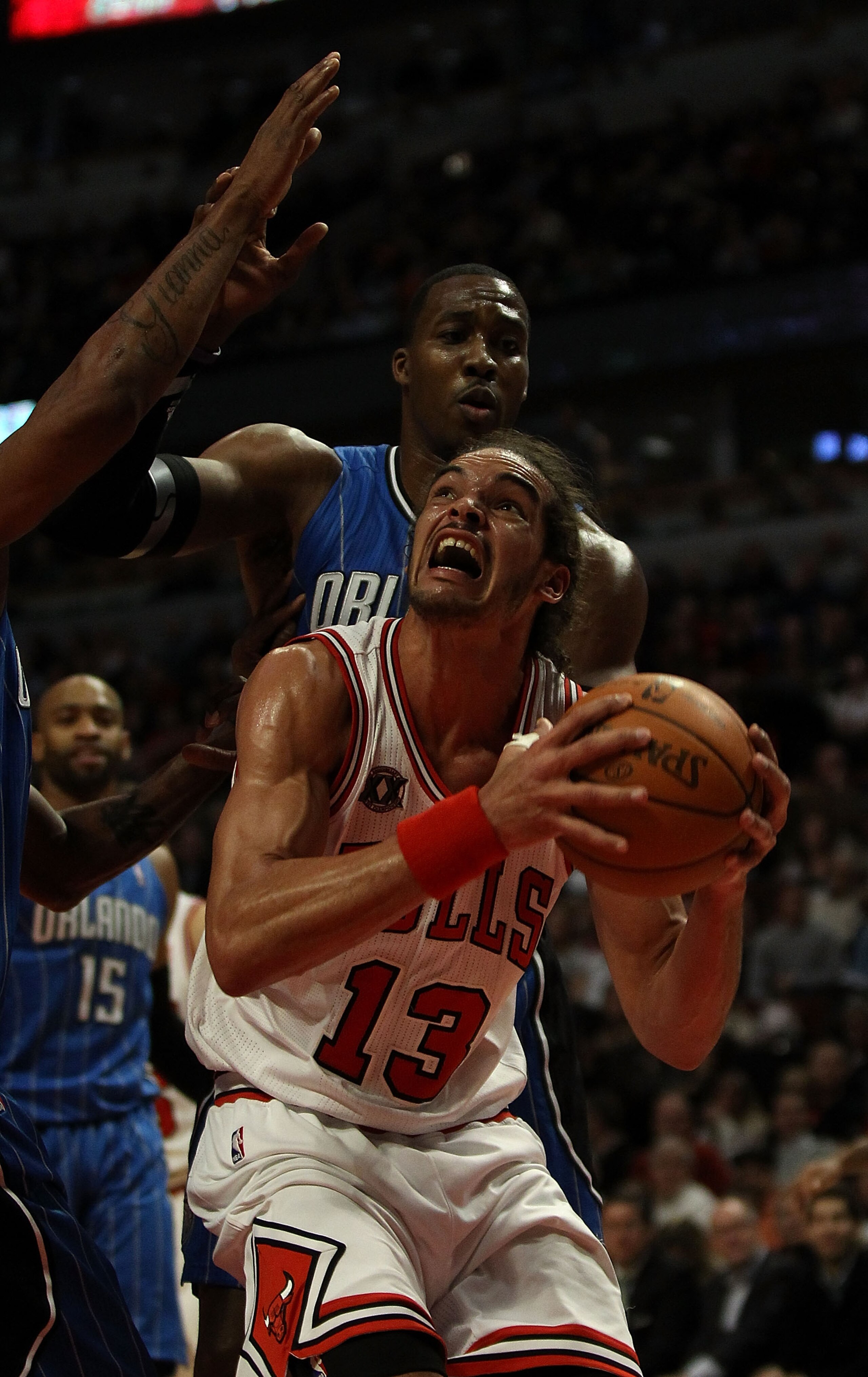
Joakim Noah is having a breakout year. He's a major candidate for Most Improved Player.
He's the energy and heart of the Bulls team. He's also the 21st most important player in the NBA right now, contributing 35.61 percent of the Bulls' production.
20: Stephen Curry
7 of 26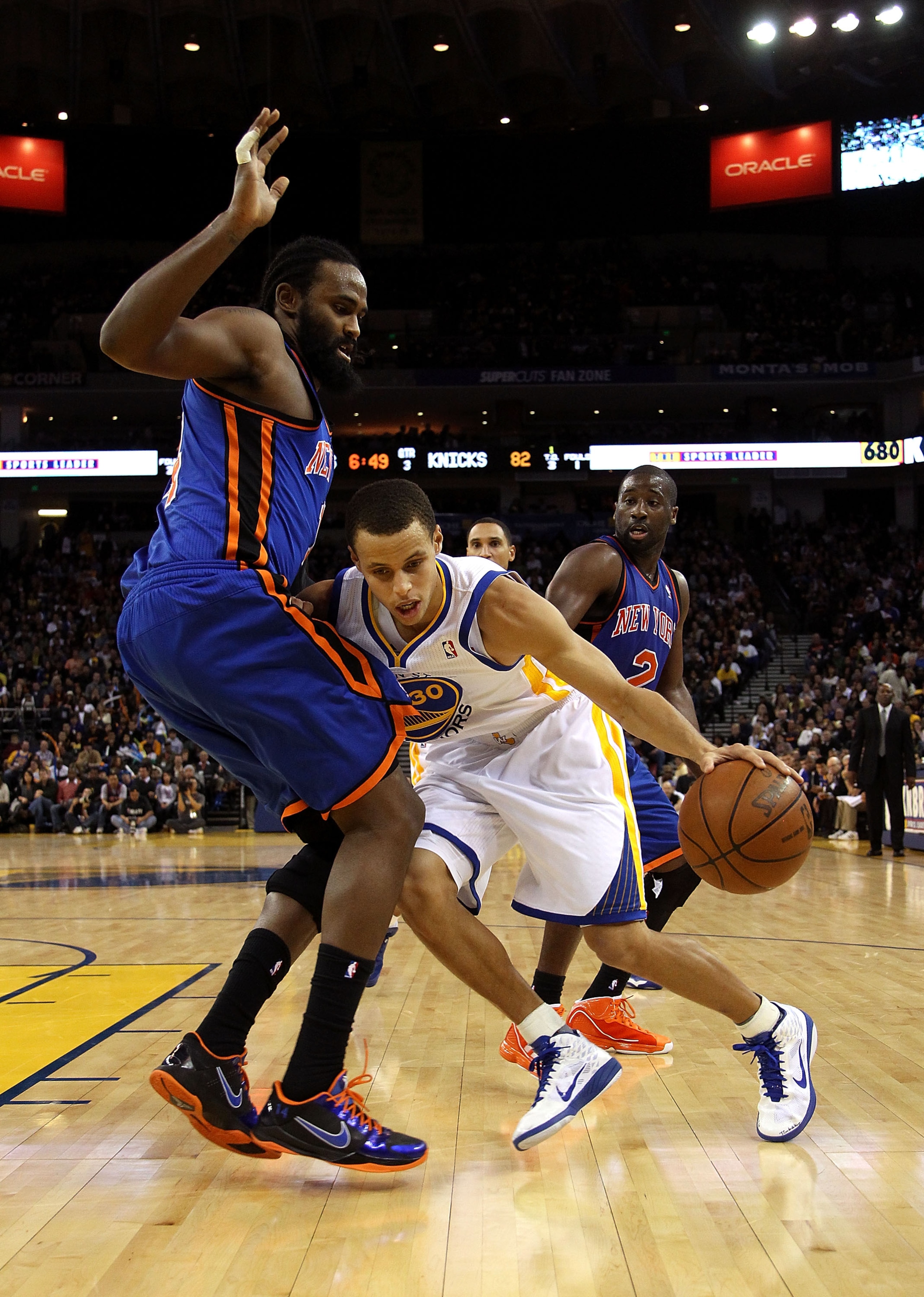
Stephen Curry had a fantastic rookie year. He played this summer with the gold-medal winning US team.
Now he's following it up with an even better sophomore year, accounting for 35.8 percent of Golden State's production.
19: Al Horford
8 of 26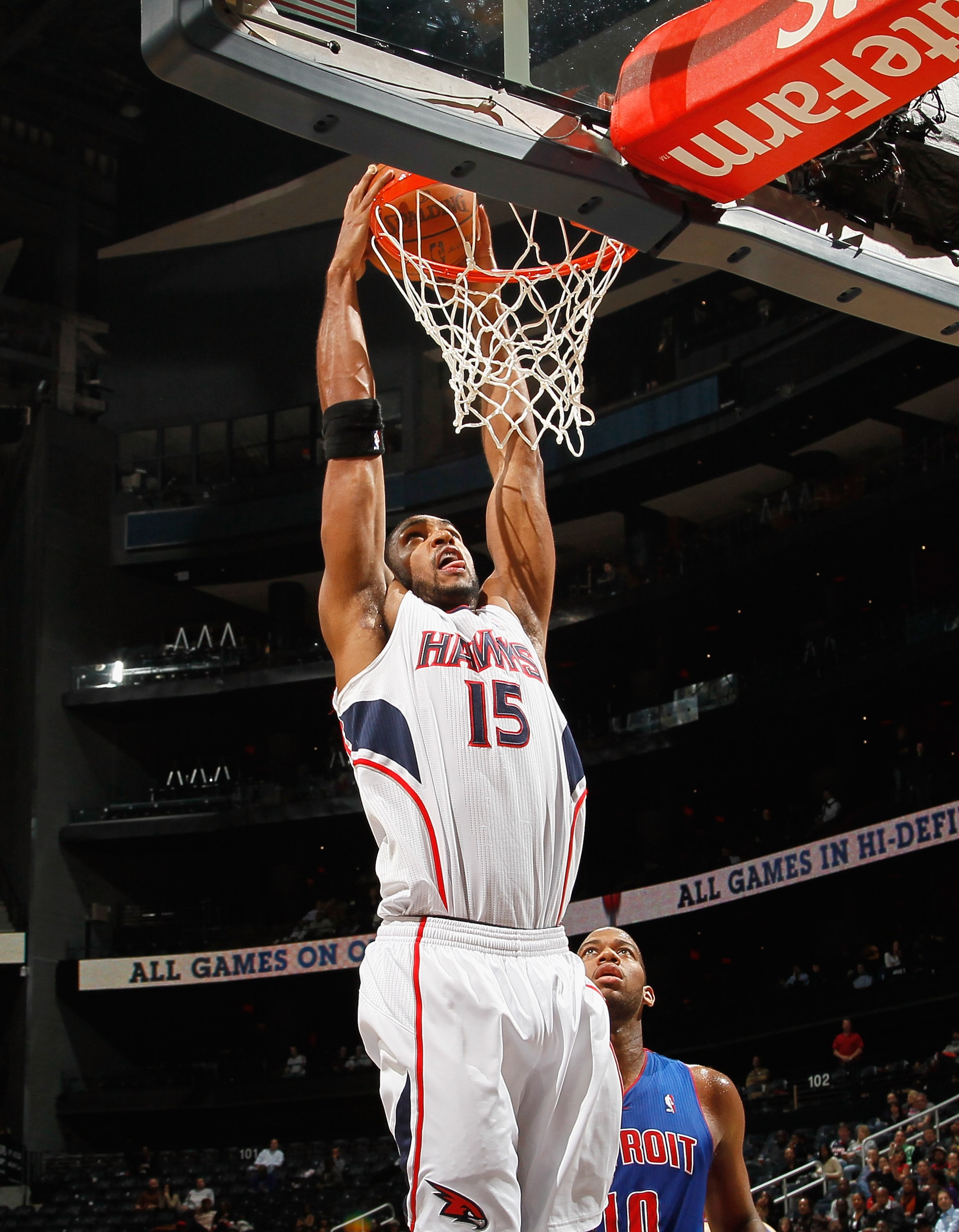
Al Horford will always be compared to former Florida teammate Noah, and they're pretty close statistically speaking, too.
It's no wonder they're close here as well. He's contributing to 35.64 percent of the Hawks' production this year.
18. Steve Nash
9 of 26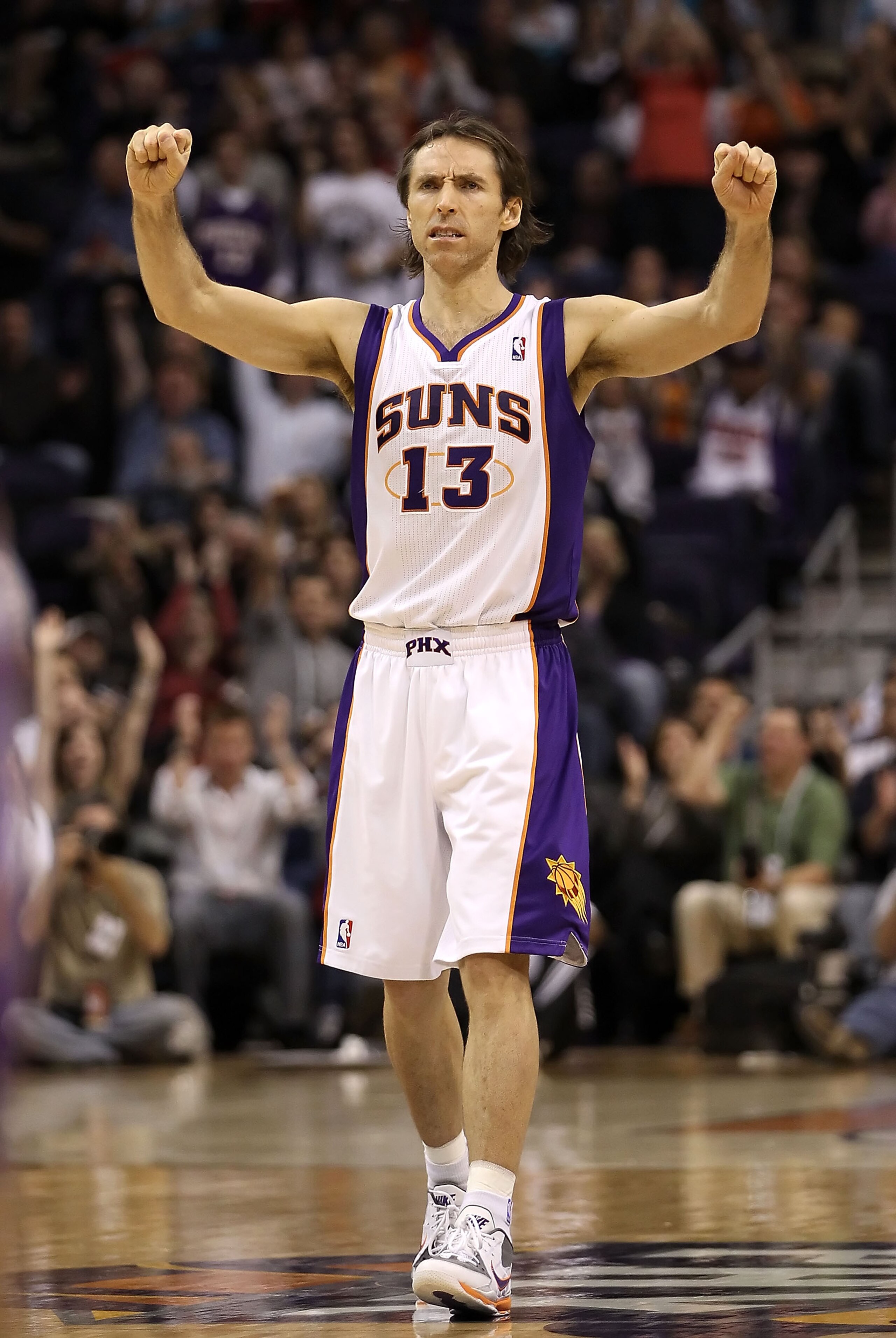
Steve Nash made waves at the start of the season when he predicted his team wouldn't make the playoffs.
That doesn't mean he's not going to try, though. He's accounting for 35.78 percent of the Suns' production so far this year.
17: Monta Ellis
10 of 26
Monta Ellis started the season on fire. He's cooled off some since then, but not so much he's not important.
He's still accounting for 36.1 percent of the Warriors' offense. It's not impossible that a scoring title could be in this kid's future.
16: Kevin Love
11 of 26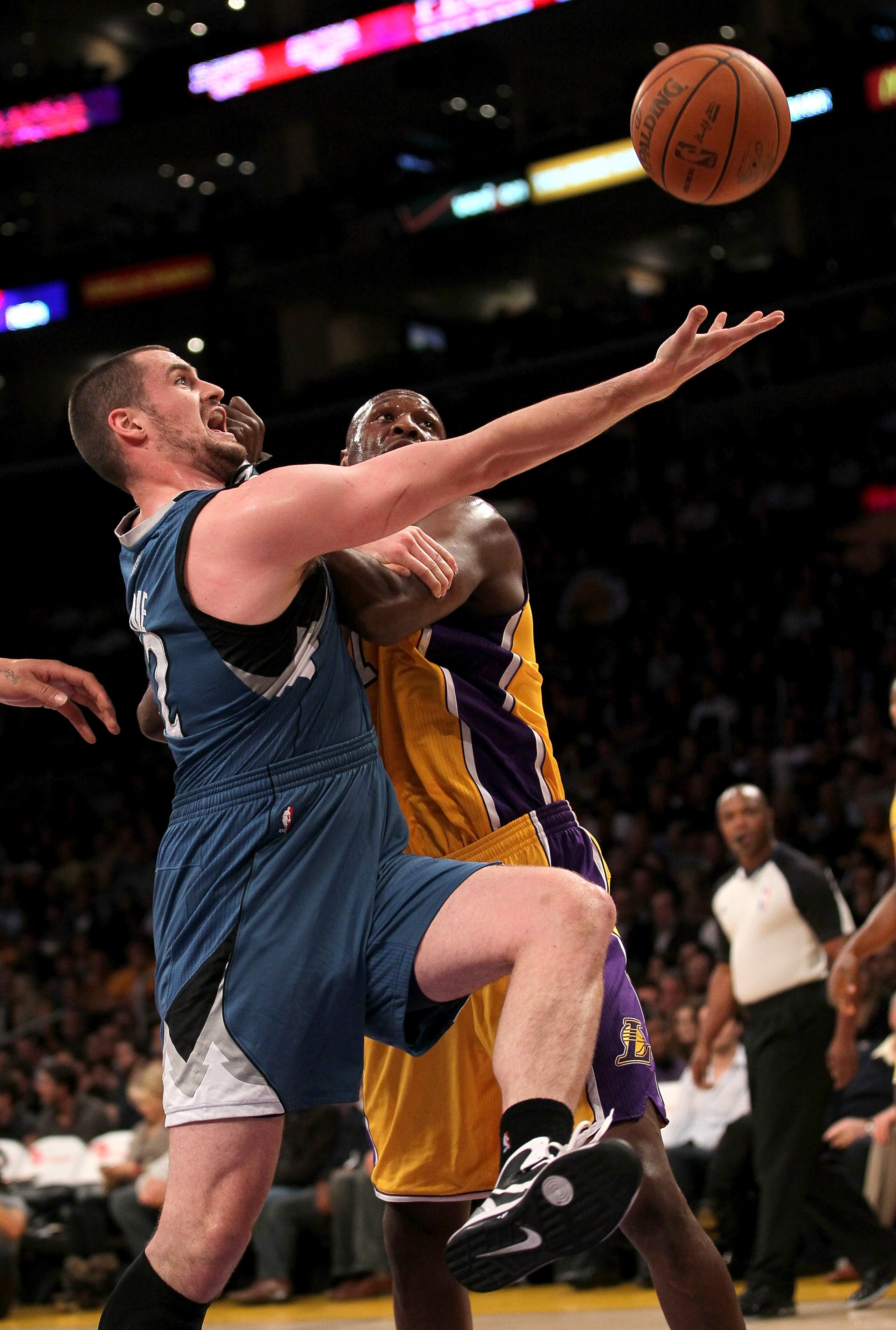
He will be forever associated with 30/30. What an accomplishment!
He hasn't just been about one game, though. He's accounted for 36.40 percent of the T'Wolves' production on the season. In Minneapolis, you can truly "Love it live!"
15: Amare Stoudamire
12 of 26
The Knicks have been resurgent of late, and Amare has more than a little to do with that, accounting for 36.52 percent of the team's production.
Can I also add that I find it humorous that Amare and Love are right next to each other in the rankings?
14: Josh Smith
13 of 26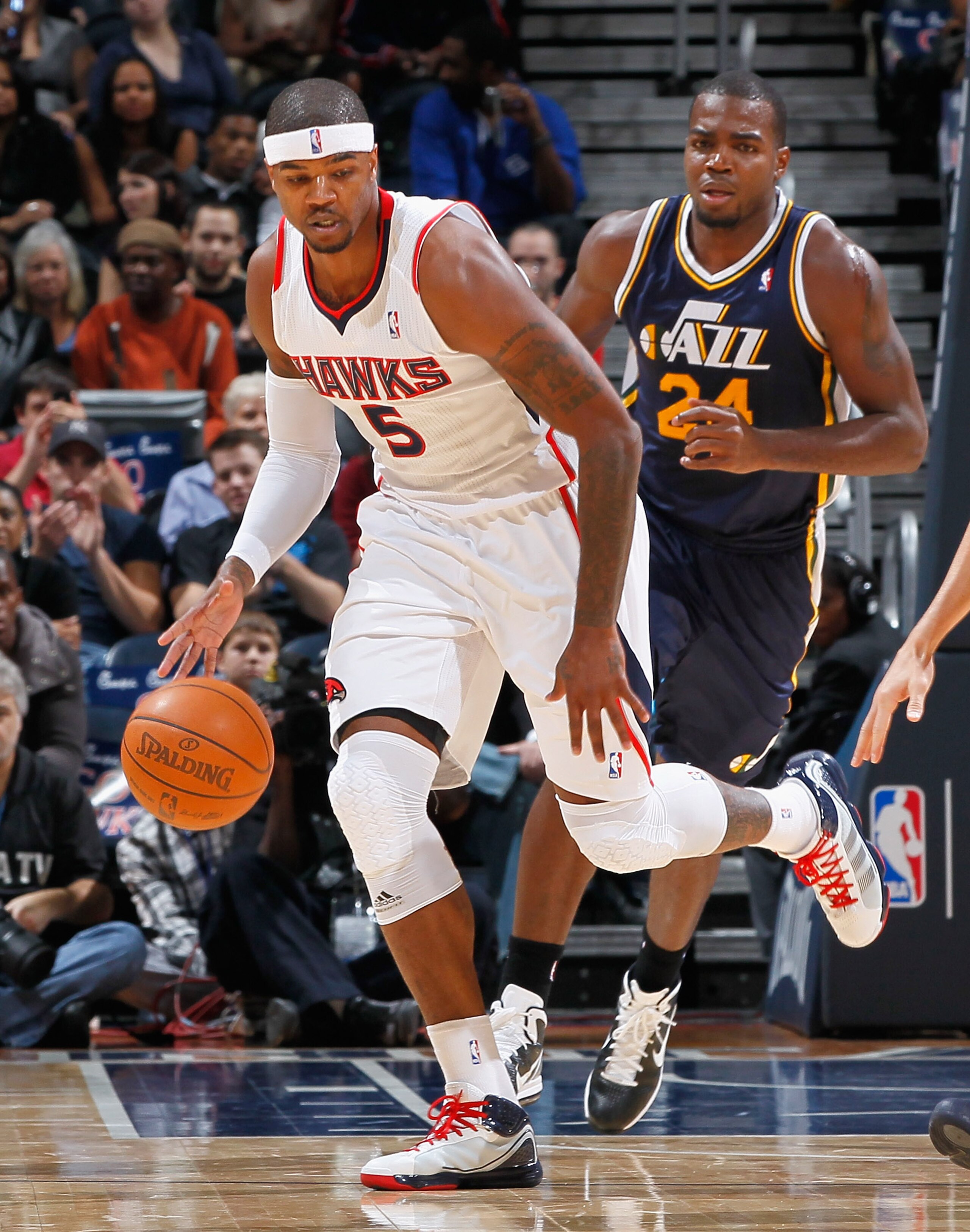
Personally, I'm a big fan of Smith's game. He's so athletic and explosive, how can you not love watching the guy play?
They've got to love him in Atlanta, where he accounts for 36.66 percent of the team's production.
13: Blake Griffin
14 of 26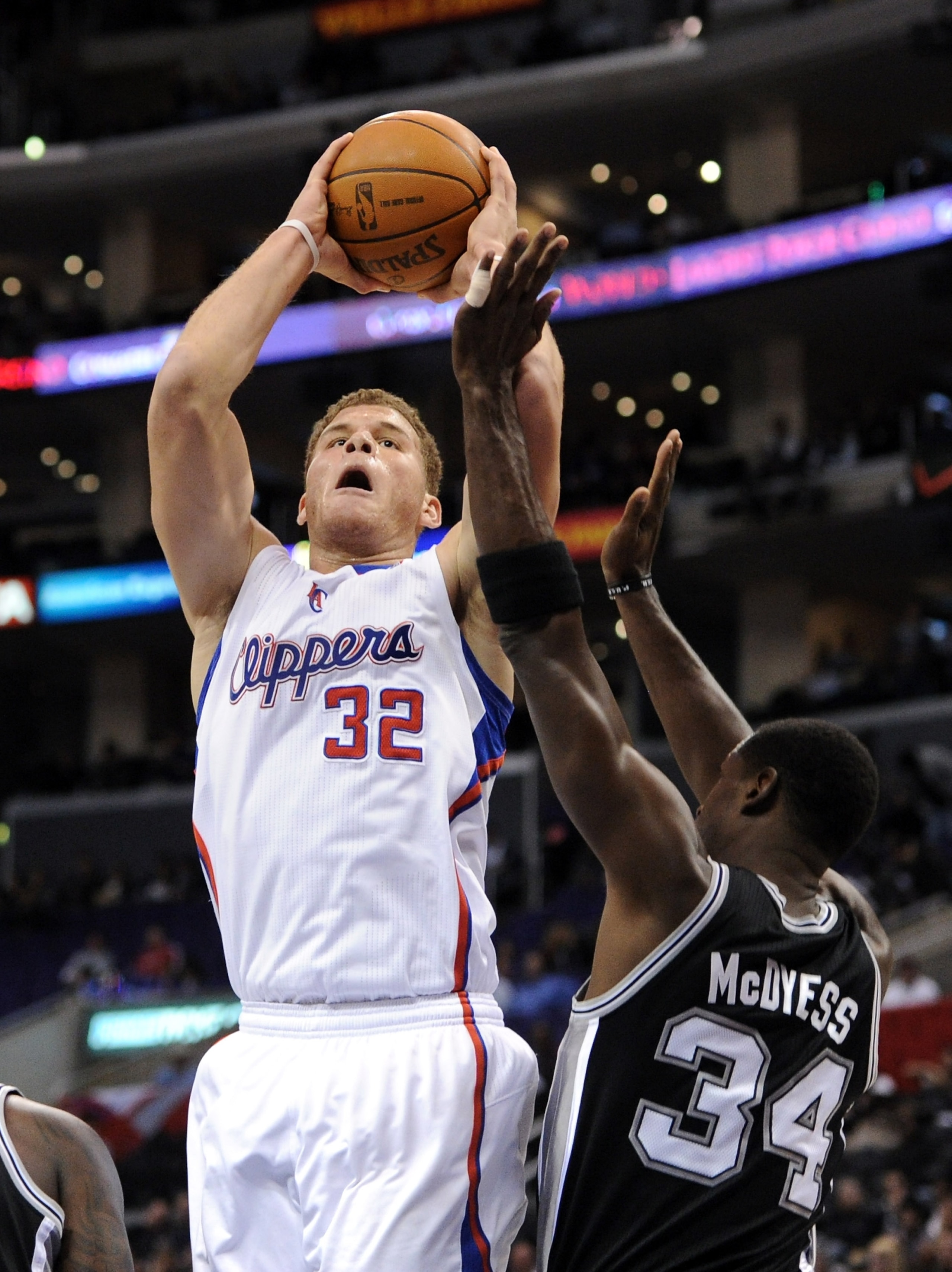
All right, help me out. Does this kid have a valid nickname other than "The Snake?" He really needs something reflective of his talents.
Snakes are on the ground. Blake is famous for not being on the ground.
Anyway, he produces at a 36.83-percent rate for his Clippers. Who knows, maybe someday the Clips will be in the playoffs again?
12: Kevin Durant
15 of 26
Remember, this isn't my opinion, it's just where the "Durantula" is. His production being "down" to 37.71 percent of the Thunder's production might have something to do with Russell Westbrook's improvement.
I'm sure Oklahoma City fans would agree, you can have worse problems as a team than trying to figure out which of their superstars is better.
11. Dwyane Wade
16 of 26
I honestly don't think Wade cares a whit about "whose team it is." I think he cares about winning rings.
He's still producing 39.27 percent of the Heat's output, though. The more he works together with LeBron, the more you can expect to see that temperature rising.
10: Dirk Nowitzki
17 of 26
Is this Dirk's last chance at a ring? Have we been saying that for four or five years now? He just doesn't go away.
He's been one of the most consistent players in the NBA the last decade. Since 2000, only Tim Duncan and Kevin Garnett have more games of 20 points and 10 rebounds.
He's still producing 39.34 percent of the Mavericks scoring.
9: Kobe Bryant
18 of 26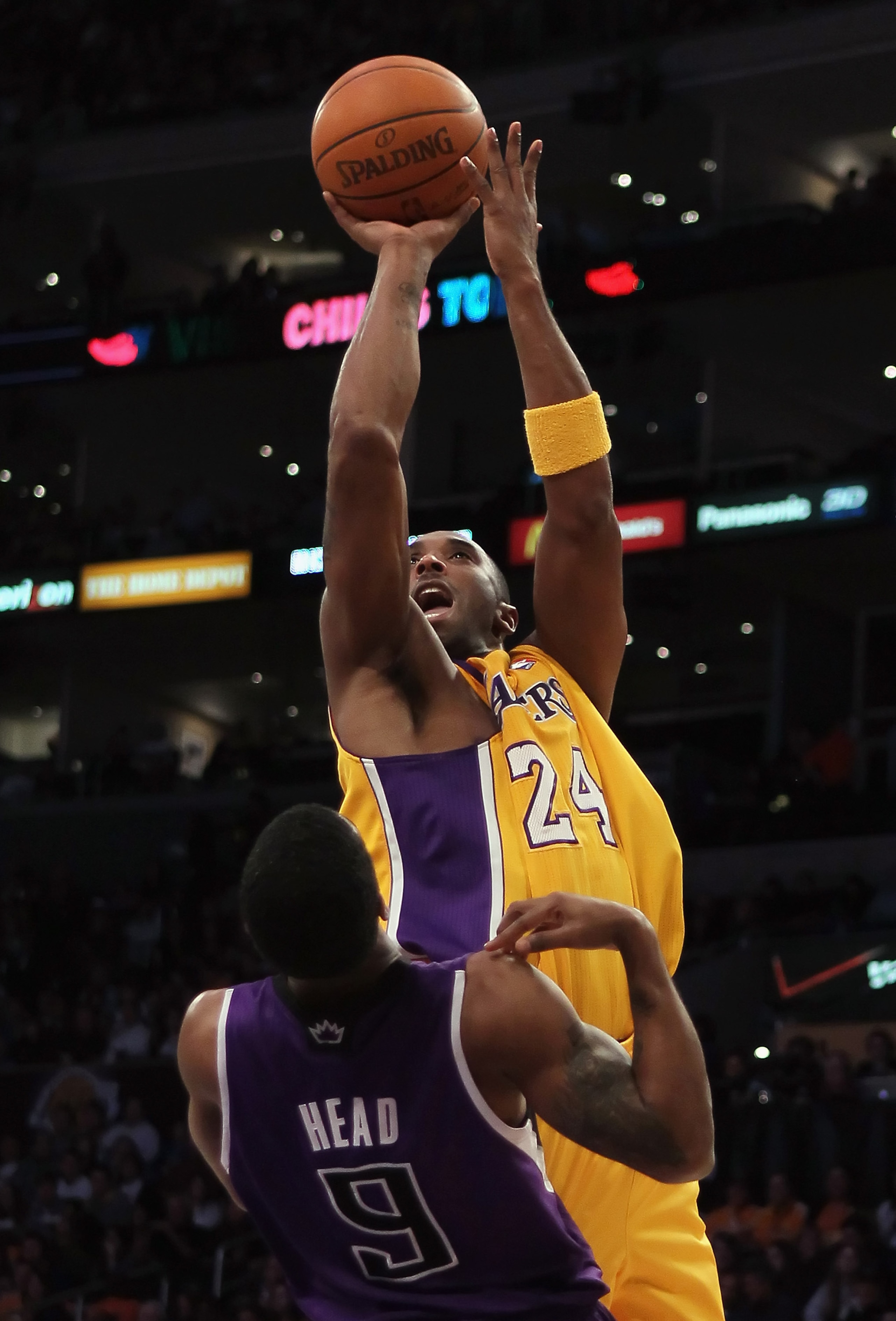
You knew he'd be on here somewhere, just a matter of where. Well, here he is. Again, this is not an opinion, so don't yell at me.
It probably has something to do with his reduced minutes. He accounts for 39.36 percent of the Lakers production.
8: Dwight Howard
19 of 26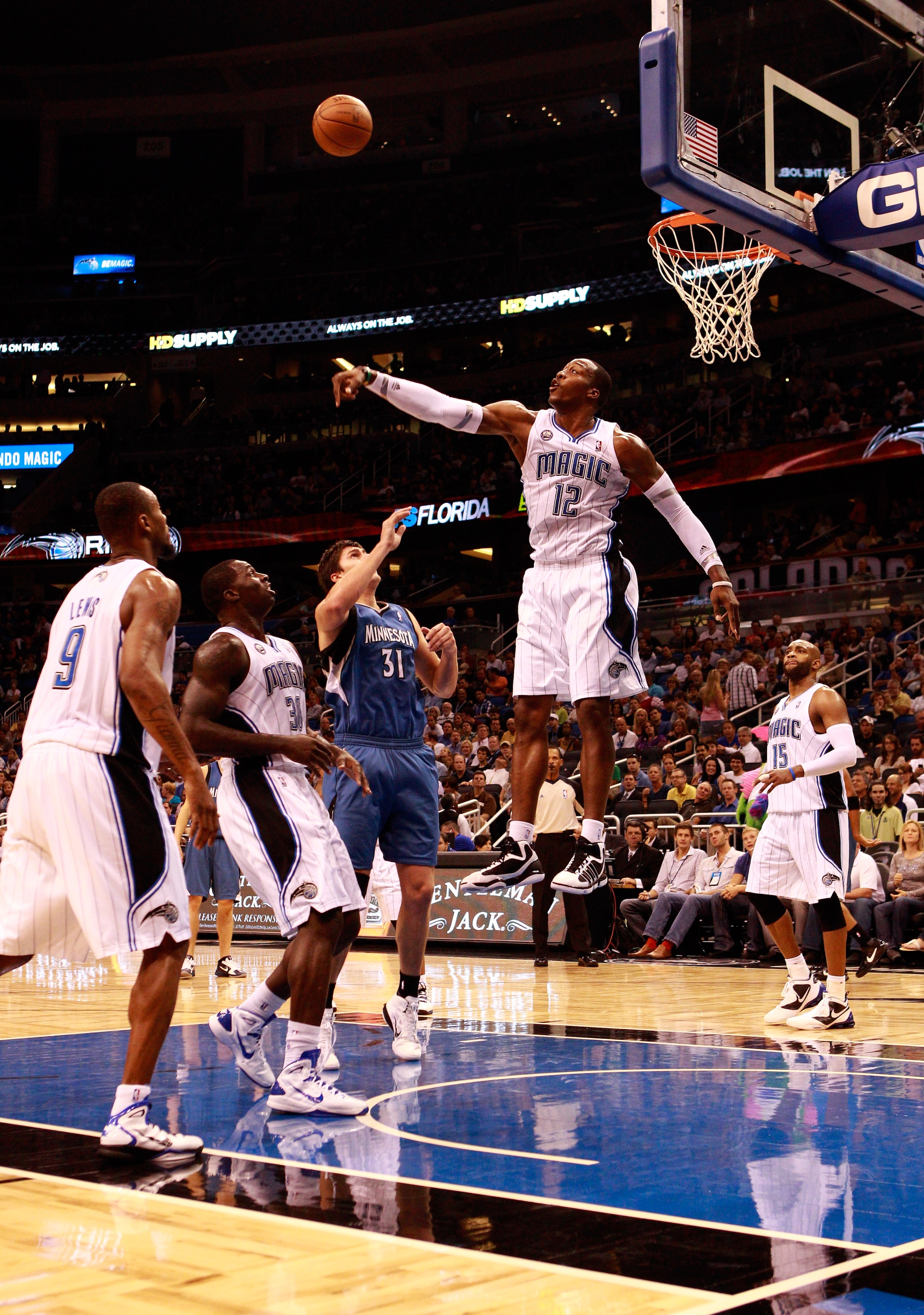
There's something fundamentally wrong with the idea of being 6-11 and buff. When is the last time you saw a guy that tall that muscular? And what does he have, like .03 percent body fat or something? Dude has to spend time in the gym.
He also was helped the most by the defensive adjustment. Just based on offense, he was 20th in the league. Adding in the defense, though, moves him up to 42.56 percent of the Magic's total production.
7: Pau Gasol
20 of 26
There aren't many teams that Pau Gasol could play on and get less recognition. When he wasn't playing in Memphis and getting ignored there, he's getting outshined in Los Angeles.
That's not to say that Kobe doesn't deserve the credit he gets, but I wonder if Pau gets what he deserves. He is producing 42.64 percent for the Lakers, though.
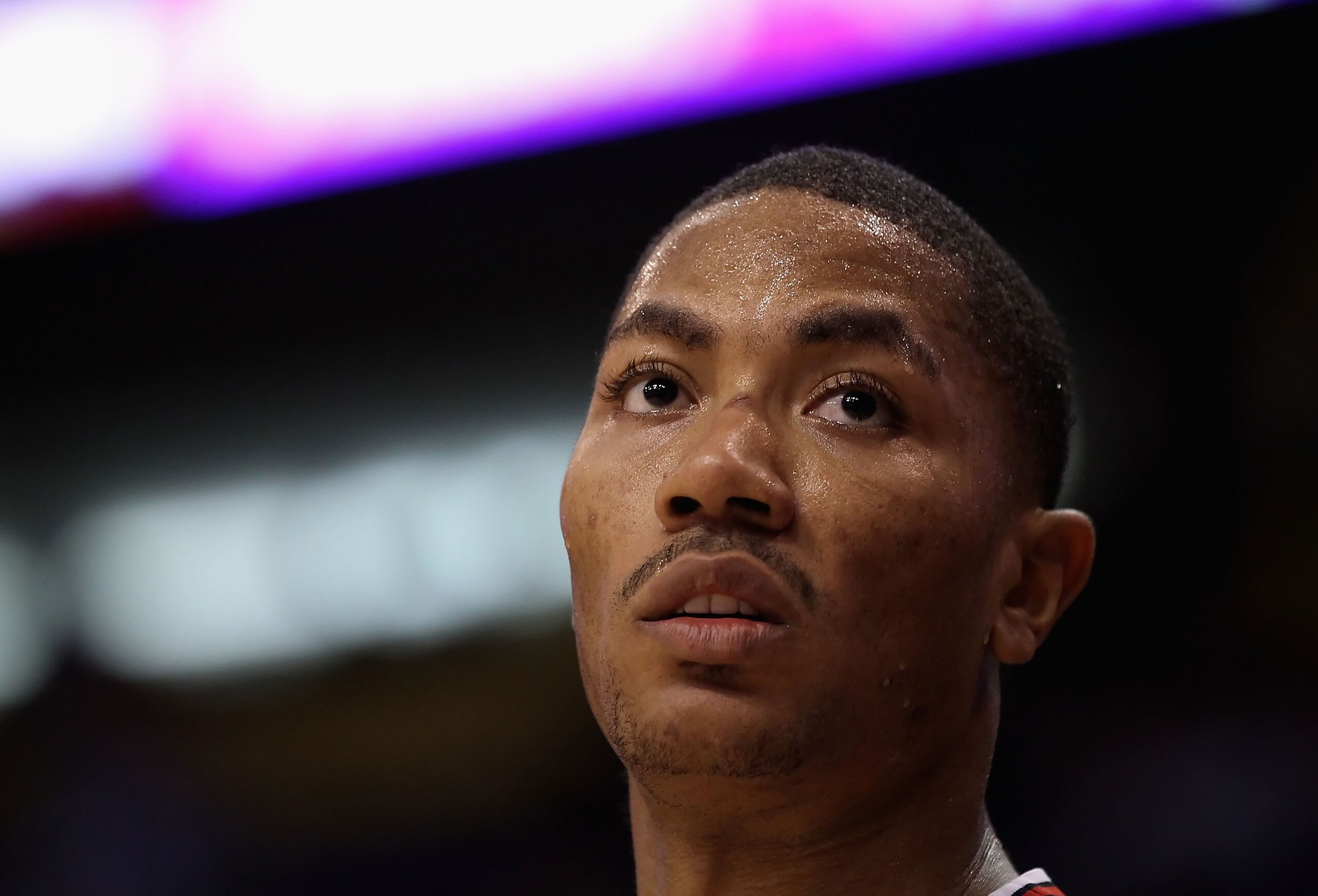
6: Derrick Rose
21 of 26
Remember, he's 22. He's a kid, and he's already becoming one of the biggest stars in the NBA.
The way he carried the Bulls through the sans-Boozer stretch is worthy of all the accolades he's getting. So far, he's been accounting for 43.34 percent of the Bulls' total production.
5: Russell Westbrook
22 of 26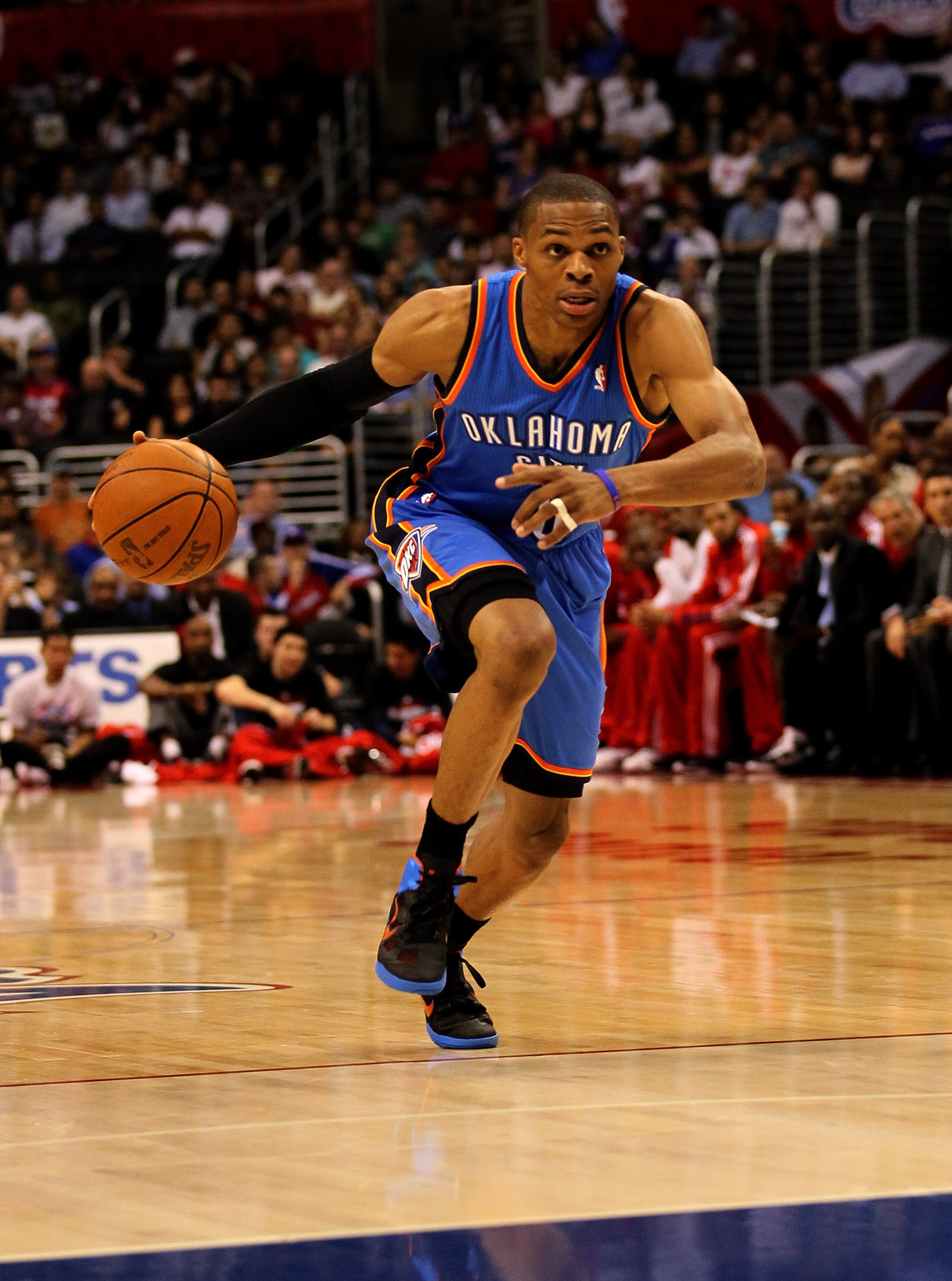
Here's the other part of that Oklahoma City debate. He's also the third point guard from the US gold medal team from last summer on the list.
Westbrook is having the sort of breakout season that Durant had last year. He's accounting for 44.76 percent of the Thunder production. What a future this team has!
4: Deron Williams
23 of 26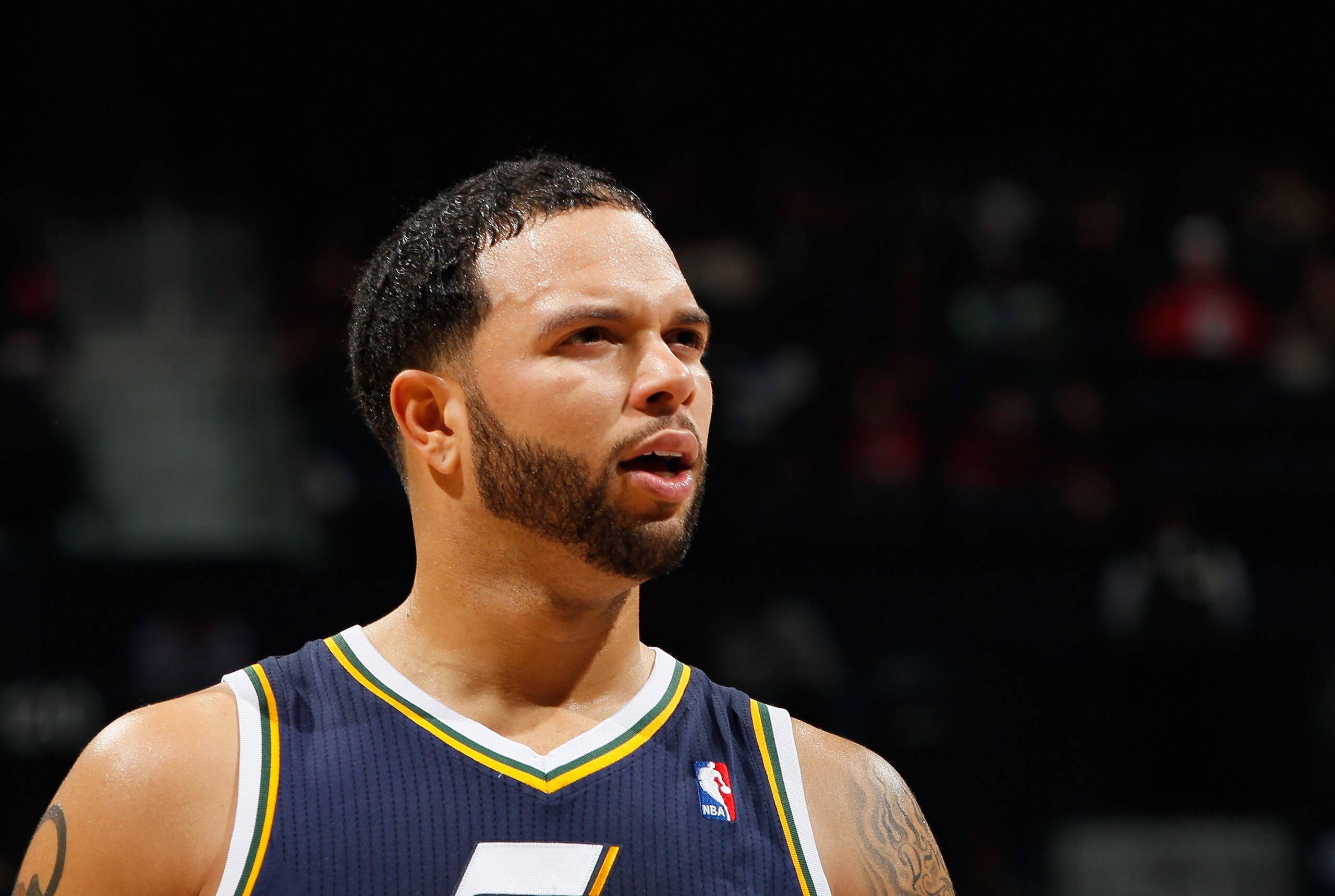
He's got arguably the best tandem inside to get the ball to, and considering Sloan's affection for the pick and roll, that's not a bad situation to be in.
D-Will still does tons of scoring though, plays solid defense and accounts for 44.87 percent of the Jazz production.
3: Rajon Rondo
24 of 26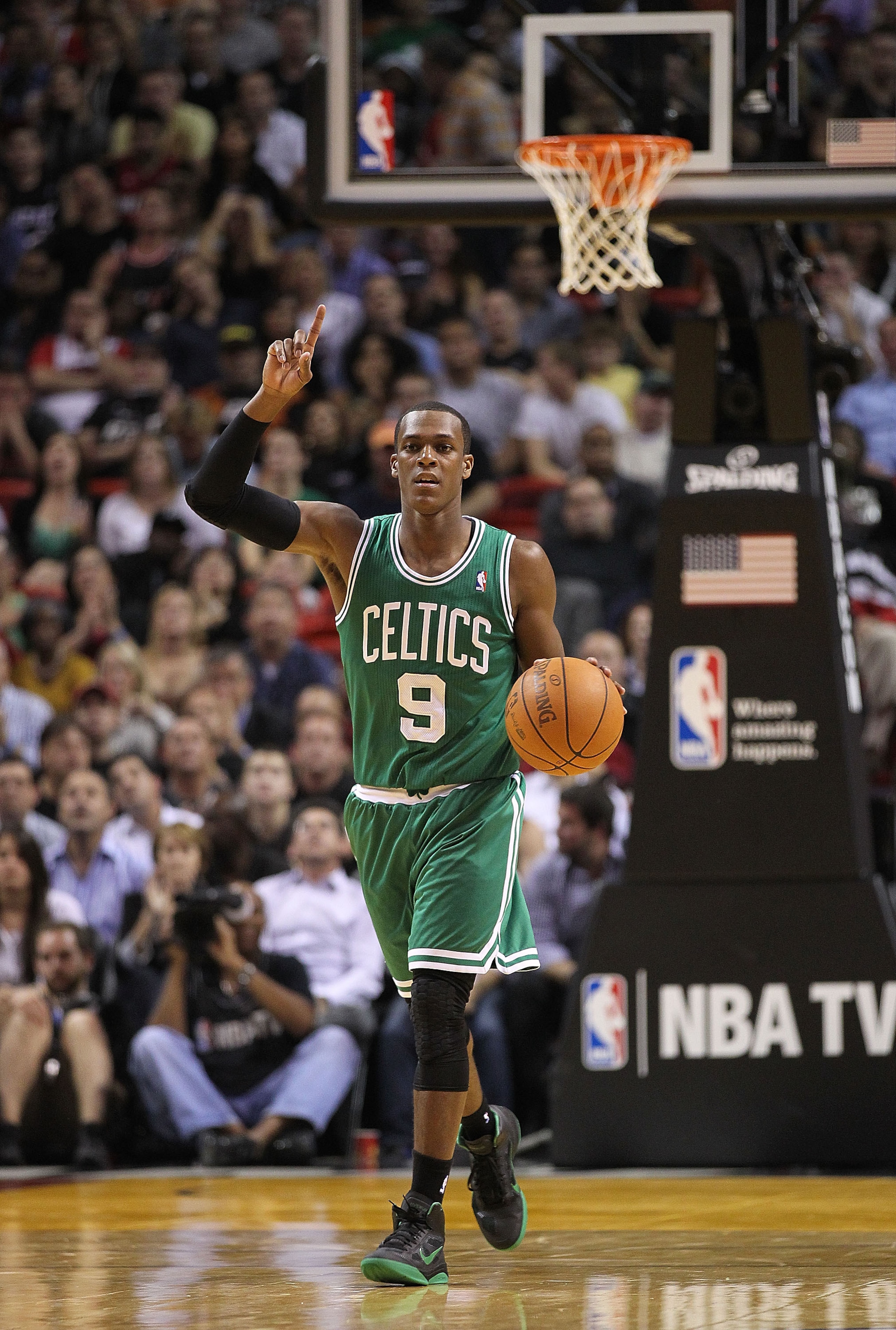
What do you do when you have a Hall of Famer playing at positions 2 through 5? Get a guy who is really good at passing the ball. I guess Boston has the perfect guy for their present situation.
What does it say though, when you're the only starter who doesn't have 20,000 career points, and you're the most important player on the team? Rondo accounts for 46.22 percent of the Celtics' production.
2: LeBron James
25 of 26
Much to the chagrin of the world, he is on here. Actually, I was surprised to see it myself. I didn't make the numbers up though, I just calculated them.
Whatever you want to say about him, he's still a heck of a basketball player, and he's producing 46.30 percent of the Heat's total output.
1: Chris Paul
26 of 26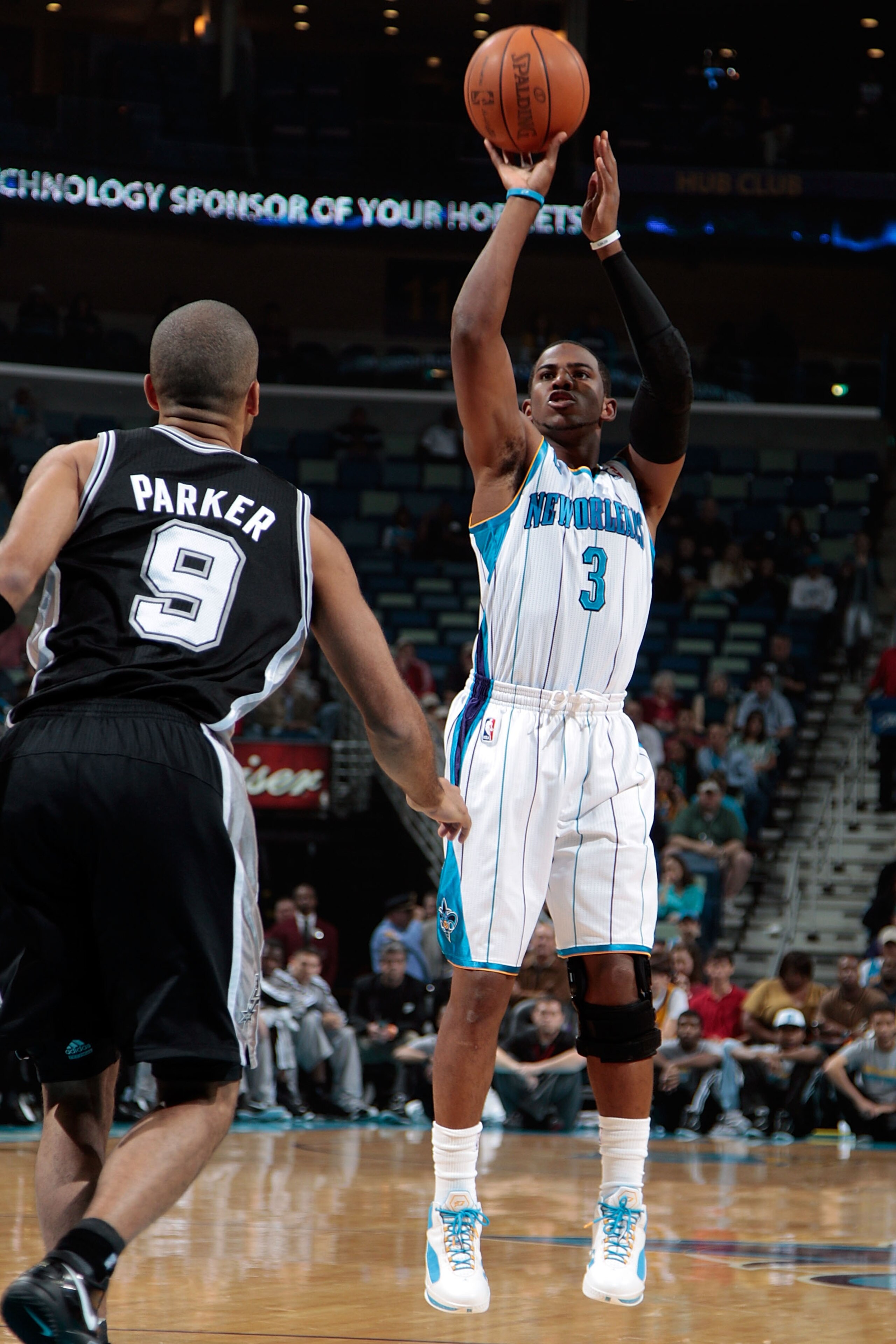
And the No. 1 most important player in the NBA is Chris Paul, accounting for 47.84 percent of the Hornets' production. The scary thing is, he doesn't seem to be all the way back yet, either.
He used to be more of a scorer. The Hornets aren't winning at quite the same rate, though, but none can argue that Paul puts the sting in their stinger.
.jpg?w=2560 "Vikings HC Talks Kyler Injury")