Meet the Pioneers Trying to Maximize Haiti's Hoops Potential
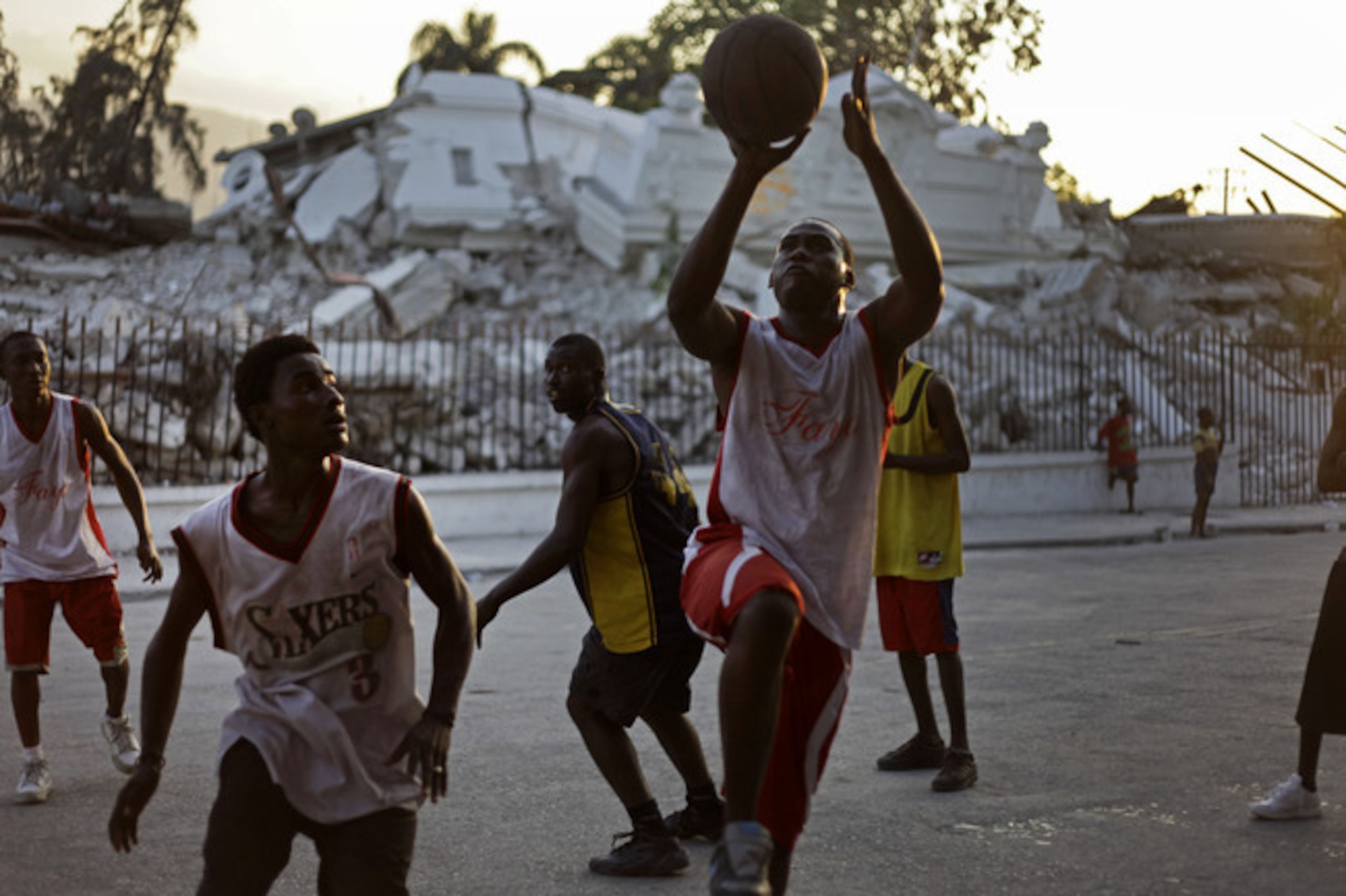
Amid the rubble still left from the earthquake that devastated Haiti in 2010 sits a collection of athletes beaming with potential.
The talent is raw and requires several coats of polish, but an effort is being made to develop it all by building a national basketball program from scratch.
The long-term aim is to help Haiti field a national team that can compete for a spot in the 2020 Olympics. But on a much greater scale, this is about creating opportunities for a generation of young athletes seeking a way out and giving this impoverished community something to rally around.
.png?w=2560 "Oklahoma City Thunder v Los Angeles Lakers - Game Four")

A Life-Changing Trip
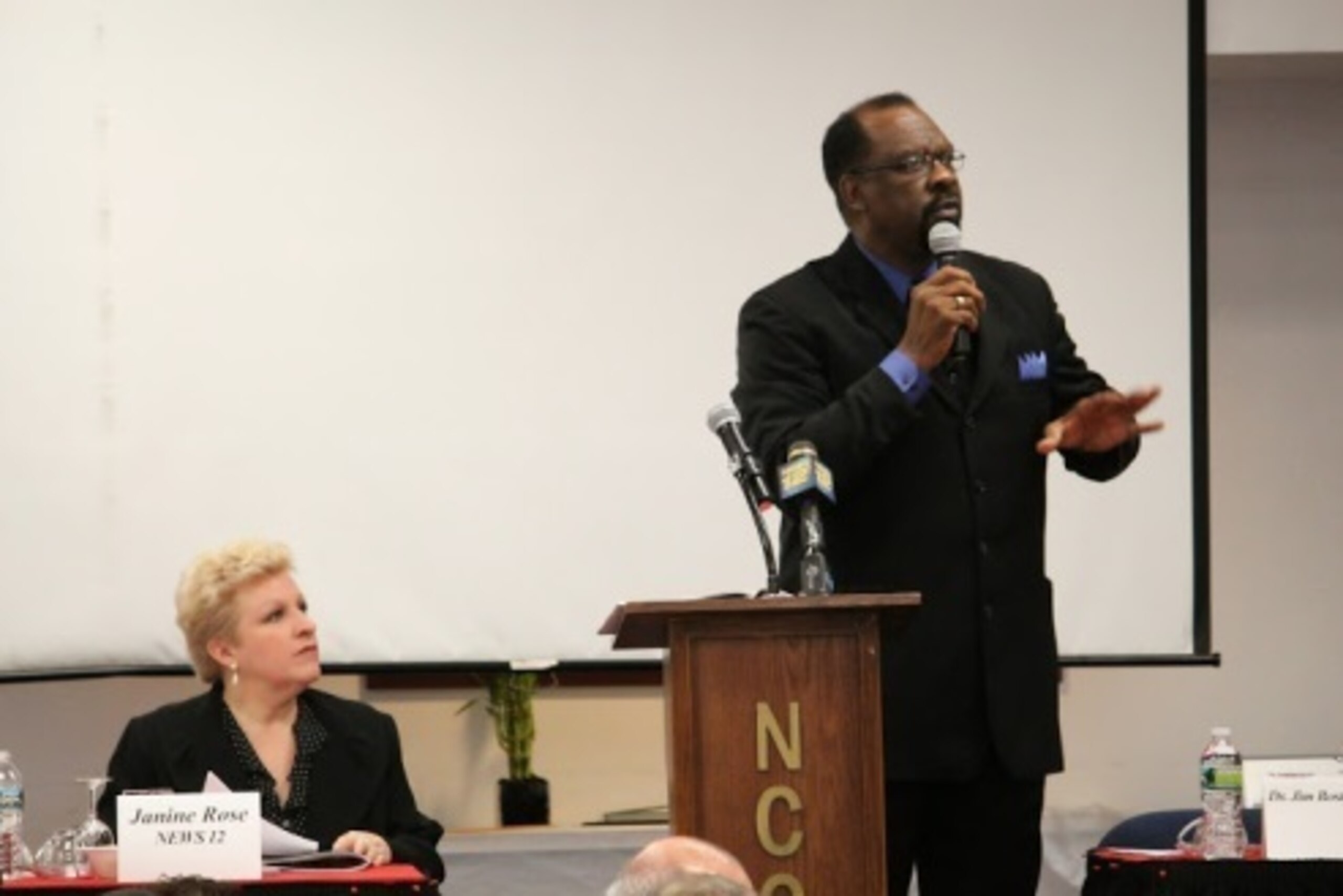
Jim Bostic was born in Yonkers, New York, honed his basketball skills at the famed Rucker Park, had a cup of coffee with the Detroit Pistons during the 1977-78 season and later coached at both the high school and college levels.
He had no connection to the Caribbean country, but television coverage of the 7.0-magnitude earthquake that crumbled the capital city of Port-au-Prince spurred him into action.
"A couple of friends of mine who are pastors said, 'We just need to do something,'" Bostic told Bleacher Report. "We didn't know quite honestly what we could do or needed to do, but we just felt compelled to do something."
Bostic boarded a plane en route to Haiti almost immediately. There, he toured the land with Haiti's former Minister of Finance, whose son had an office in Yonkers.
During Bostic's travels, he met Jasson Valbrun, a local businessman and hoops fanatic who founded the semi-professional Senior Basketball League. Valbrun had ambitious plans for Haitian basketball, but he needed help. His players were talented but undeveloped. Compounding that issue, his coaches lacked the necessary skills to give the proper guidance and direction.
Bostic's ears perked up—his expedition now had a purpose.
"I said, 'Listen, that's my background,'" Bostic says. "'Coaching is a love of mine, and I would love to work with you and do whatever I can do.'"
The pair hatched a plan for Bostic to travel down once a year and conduct clinics for coaches and players. In time, they hoped to make enough progress to support a national basketball team.
It's a massive undertaking given the sport's current state there, as Mitch Moxley described in a July 2014 article for Grantland:
"The entire country of Haiti—population 10 million—has just four courts with roofs to keep out the rain, two outdoor courts made of rubbery tiles that can't be used when wet, and not a single hardwood floor. The rest are concrete. ... Most kids don't have proper sneakers; many don't even wear shoes when they play. The coaching, when present, leaves much to be desired. Fundamentals like boxing out and shooting layups with their off hands are foreign to many Haitian players.
"
With no foundation to build upon, Bostic has to establish one.
The first stage of his plan is to raise enough money for the construction of a national health and fitness training center dedicated to molding Haiti's raw athletes into basketball players who can hold their own at the international level.
"They're not going to be able to compete with other countries if the players are not properly trained, if they don't have adequate training facilities there," Bostic says.
With the resources to cultivate that talent, Haiti could start tapping into its potentially bustling basketball market. More importantly, it could generate some optimism in a place where it's often unseen.
Hope Where It's Needed Most
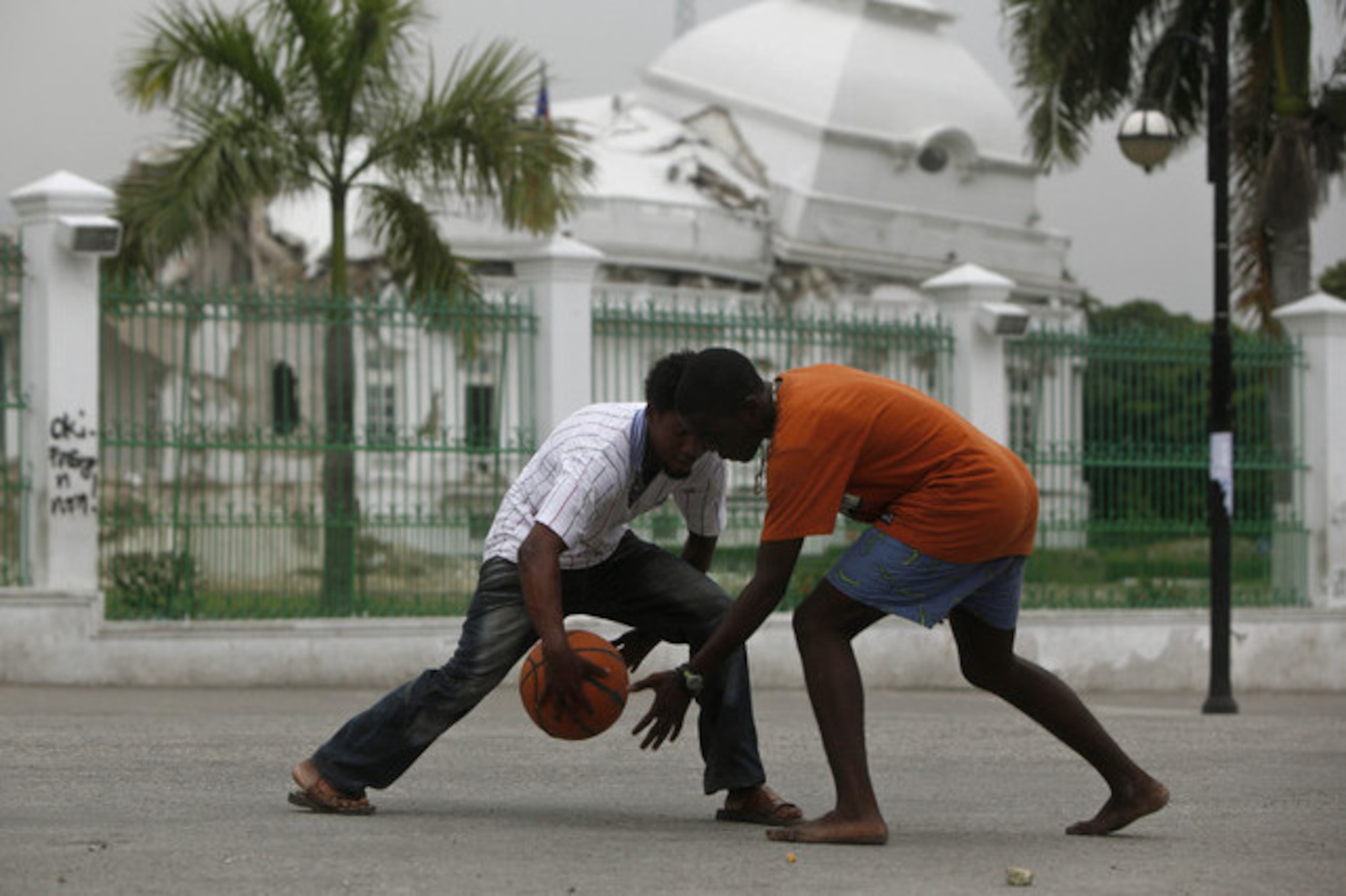
Haiti's situation was dire before the earthquake that claimed at least 230,000 lives and injured another 300,000 people.
It's the poorest country in the Western Hemisphere. According to The World Factbook, 80 percent of the population lives below the poverty line and 54 percent face abject poverty.
"It's limited in every sense of the word," says Olden Polynice, who was born in Port-au-Prince and eventually had a 15-year NBA career.
A functional basketball program can't change those conditions. It can, however, provide a platform for young Haitian athletes to have international exposure that might lead to landing college scholarships or opportunities to play professionally.
"It gives hope to people. It gives hope to young Haitian kids," Polynice says. "They love basketball."
Soccer reigns atop the country's sports world, but basketball has started to challenge for the throne. Bostic credits its rise to the NBA's global-marketing efforts, which have made the game more accessible for a growing fanbase that is as fervent as any.
"When I was down there this summer, the playoffs were going on, and it was crazy," Bostic says. "People were at the bars like being down in midtown Manhattan. I was amazed at the excitement that was being generated around the NBA playoffs among males and females."
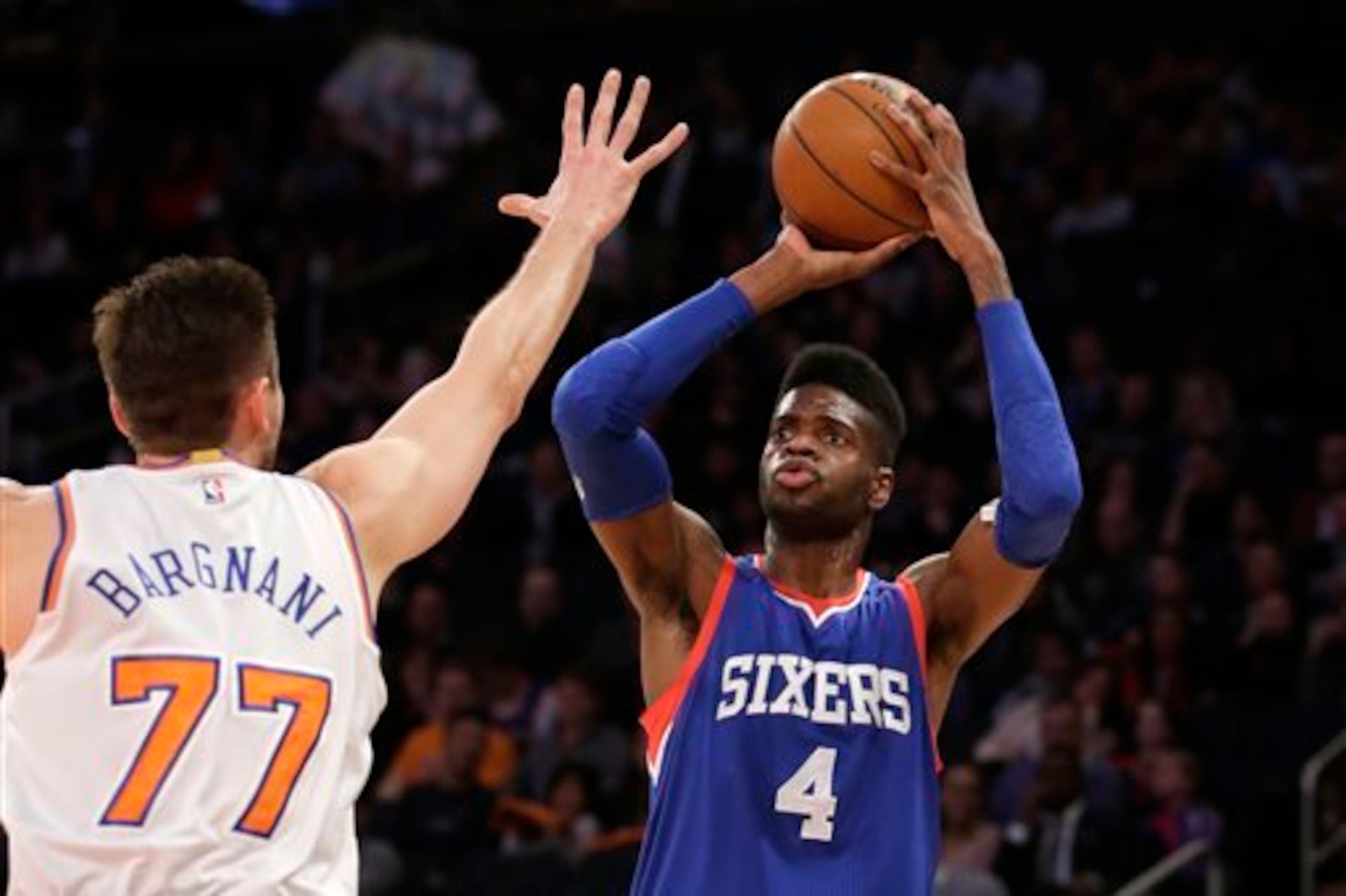
The passion is there to support a national team. According to Bostic, so are the athletes.
"These kids that come out of Haiti are tremendous athletes, because unlike say the U.S., where you have modern transportation systems...99 percent of the kids in Haiti walk everywhere," Bostic says. "And they're not just walking on flat terrain; they're walking up mountains and hills and rough terrain. And they're walking five to 10 miles a day easily."
Even without a structured basketball program, the country has still produced three NBA players. And its connection to the big league is growing.
| Djery Baptiste | In Haiti | Incoming freshman at Vanderbilt; was a 4-star recruit |
| Samuel Dalembert | In Haiti | Has averaged 7.8 RPG and 7.7 PPG over first 13 NBA seasons |
| Mario Elie | To Haitian Immigrants | Played 11 seasons, won three titles, current assistant coach in Orlando |
| Robert Joseph | In Haiti | Set college basketball record with 242 blocks at Union (Tennessee) in 2001-02 |
| Yvon Joseph | In Haiti | 36th pick in 1985 draft; played one game in 1985-86 |
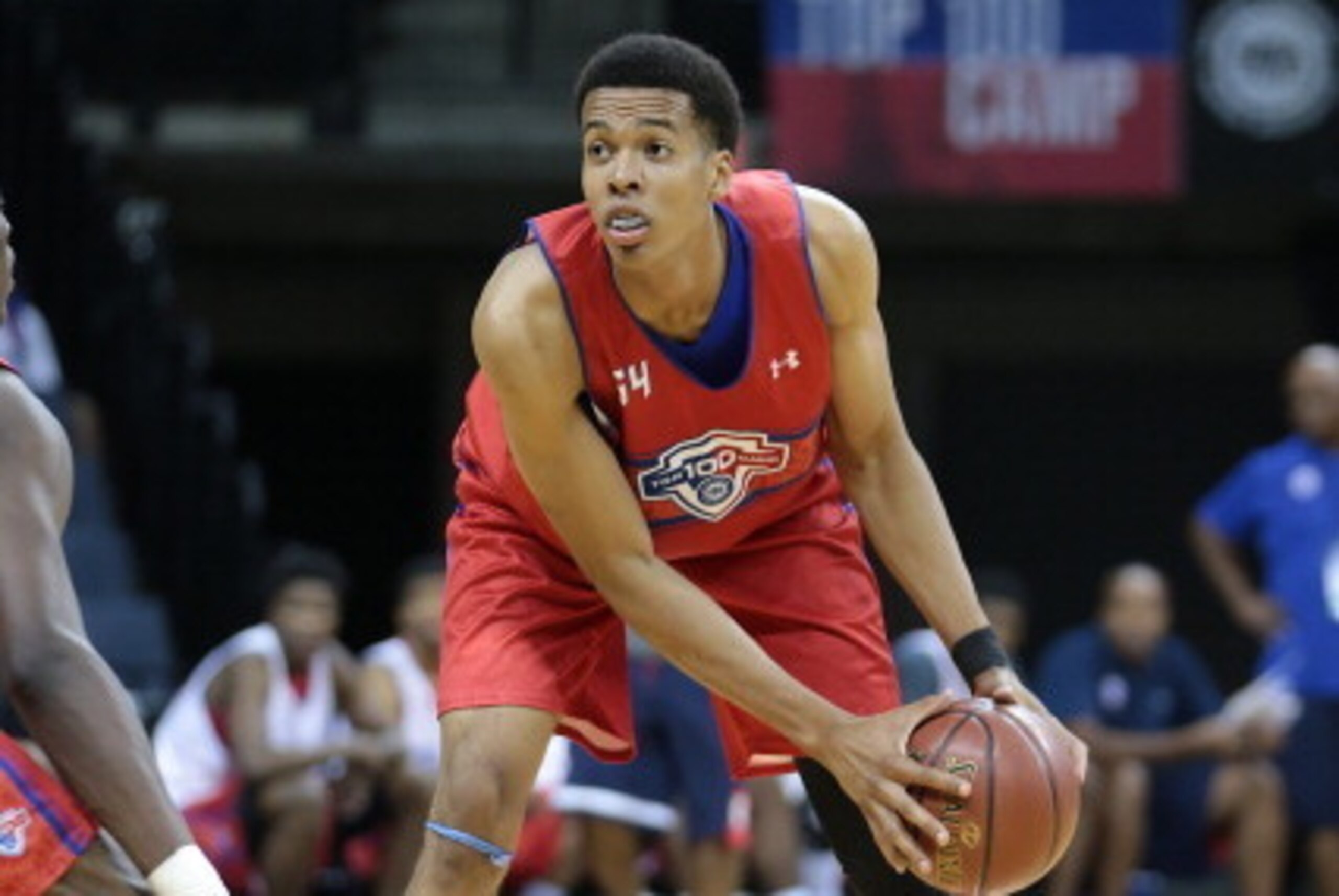
| Skal Labissiere | In Haiti | Incoming freshman at Kentucky; projected as a top pick in 2016 |
| Cady LaLanne | In Haiti | 55th pick in 2014 draft; averaged 10.0 PPG, 7.9 RPG at UMass |
| Nerlens Noel | To Haitian Immigrants | Sixth pick in 2013; NBA All-Rookie first-team in 2014-15 |
| Olden Polynice | In Haiti | Averaged 7.8 PPG, 6.7 RPG during 15-year NBA career |
| Schnider Herard | In Haiti | 4-star 2016 recruit at Prestonwood Christian Academy (Texas) |
Haiti's presence is gradually increasing in the basketball world, but it could grow exponentially with the proper development system in place. Getting the operation off the ground, though, is no small task.
Steep Hurdles Remain
"Haiti is snail-paced slow in getting anything done," says Polynice, who was named a goodwill ambassador for the country in 2012.
The country lacks organization, Polynice adds, and the problems start at the top. In 2014, Haiti ranked 161st out of 175 countries on Transparency International's Corruption Perceptions Index, which "measures the perceived levels of public-sector corruption worldwide."
Polynice says he's offered to help start a national basketball program before, but he's encountered roadblocks at every turn.
"It makes it sometimes not even worth attempting," Polynice says. "It's like, how do you get around all the obstacles to where it's gratifying and satisfying, and we get the job done?"
Construction of the training facility alone will carry a multimillion-dollar price tag. Bostic's basketball background has opened doors to former players who might help, and a chance encounter in 2012 with former President Bill Clinton gave Bostic further hope for assistance.
"He thought it was a tremendous idea and believed that sports are one of the No. 1 ways to bring a nation together," Bostic says. "I know that he has a lot of money earmarked for Haiti that has not been used."
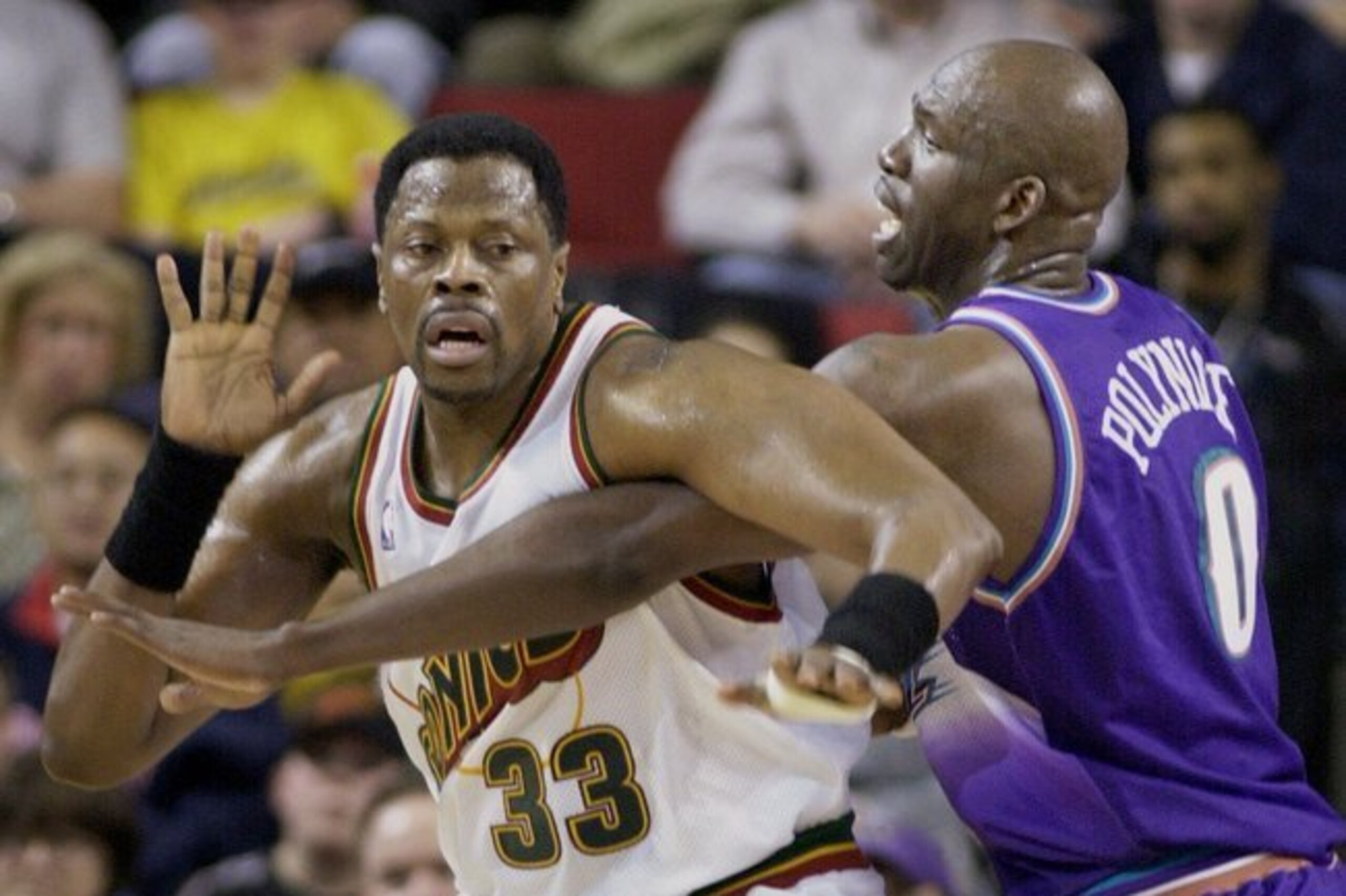
But Polynice says money isn't the only issue.
For starters, he thinks there are too many groups working separately on the same issue. Organization, he says, could help these efforts succeed where past attempts to field a national team have failed.
He also believes Haiti needs more exposure. Having notable names such as Nerlens Noel and Skal Labissiere should help, but Polynice thinks it won't make a difference unless the players force the public to link them with their cultural background.
"These young players need to embrace their heritage and let it be known," Polynice says. "Frank 'The Tank' [Kaminsky] opened his jacket [at the draft], and it had the tank logo. Skal next year should have the Haitian flag inside his jacket or something."
Incremental Progress and Monumental Ambitions
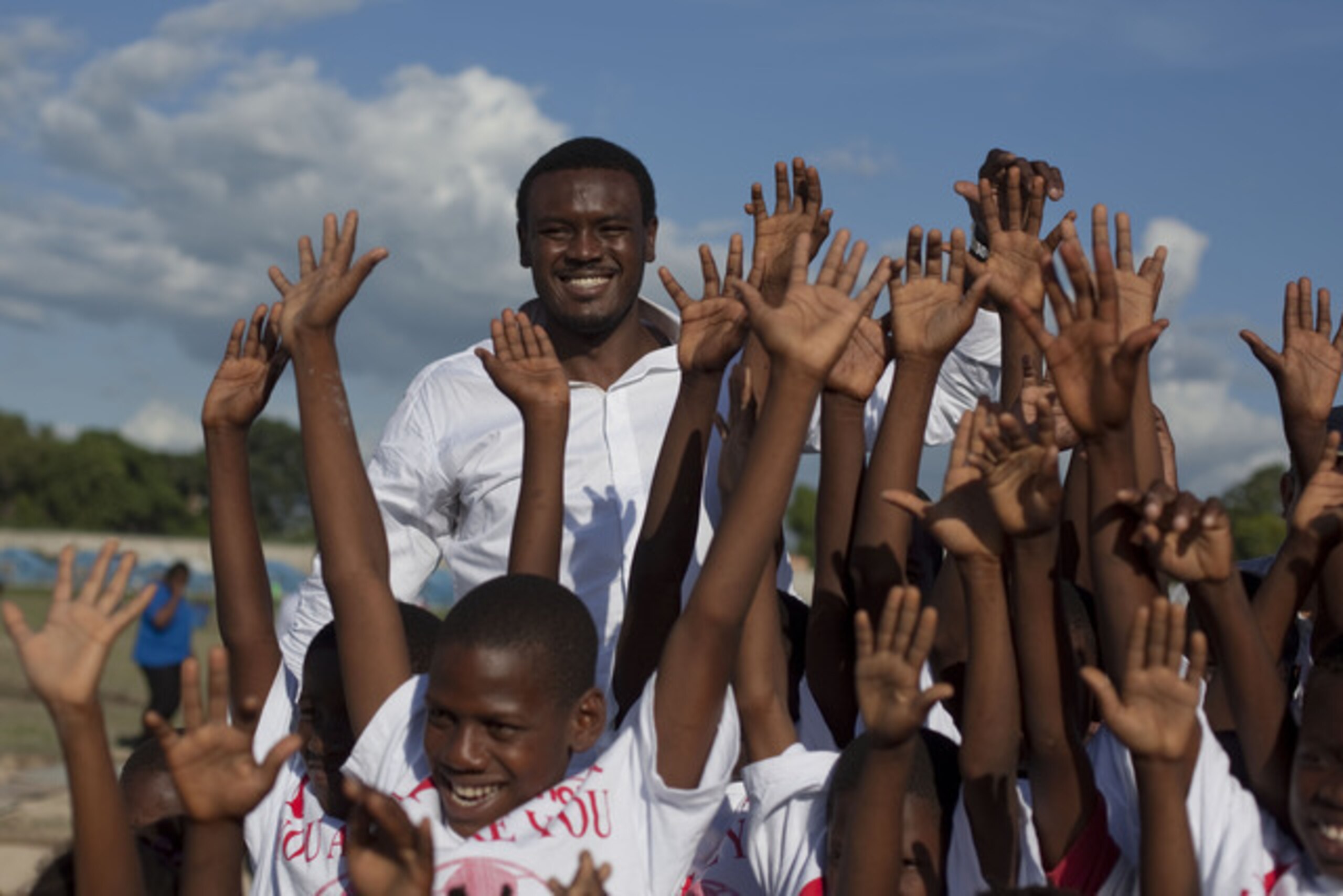
Even with the aforementioned barriers, there's still tremendous hope that this project can be completed.
"I believe [the 2020 Olympics] is a realistic goal, but [Bostic's group] would have to really just get moving rapidly," Polynice says. "The Dominican Republic has a national team, and we're on the same island. We could definitely put a squad together. ... It's doable, but it's got to be done right."
Bostic is in a "very hard push" with his fundraising efforts. If Haiti has any shot at the 2020 Games, he thinks the training facility must be constructed by 2018.
That's one of Bostic's two immediate goals. The other is implementing a system of checks and balances to keep young Haitian prospects from being exploited during the recruiting process.
"College coaching can be an ugly business, and it can be a deceptive business," Bostic says. "They're going to sell these people the world, because they're good at what they do. But every kid that comes out of Haiti and goes to the States is not going to get the golden opportunities they think they will."
Coaches are already calling. Bostic says he hears from someone "almost once a week now" inquiring about his efforts and asking about the Haitian players he's worked with.
Antennas are being raised. Prospects are being courted. These efforts are producing real results.
The finish line is so far off in the distance, it's not even visible yet. But steps are undoubtedly being made toward it.
With the hope of a nation behind it, there's enough fuel to continue pushing this project forward.
"One thing about us is that we're going to keep going. There's no end in sight for us as a people," Polynice says. "And I think the pride that Haitians have carries over to everything. It's not pride in a deadly sin kind of way; it's just more a hunger we have to always do our best."
Unless otherwise noted, all quotes obtained firsthand.
.jpg?w=2560)
.jpg?w=2560 "Ranking Every Team's Path to Playoffs 🗺️")

.jpg?w=2560 "Grading SmackDown Before SummerSlam")
.jpg?w=2560 "McVay Hints at Donald Return")