
NBA Insider: The Fine Art of Tanking and of How the Commissioner Talks About It
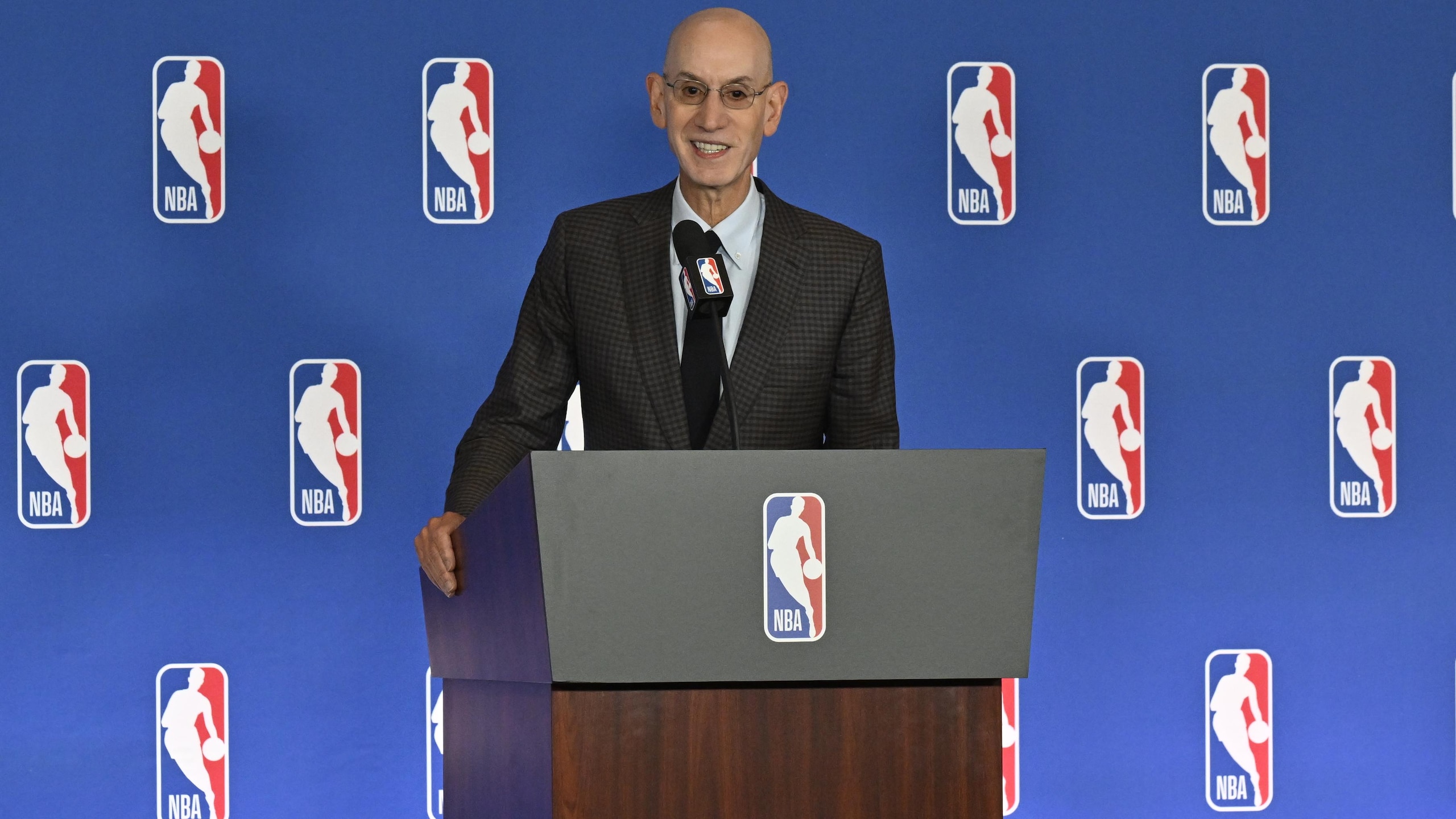
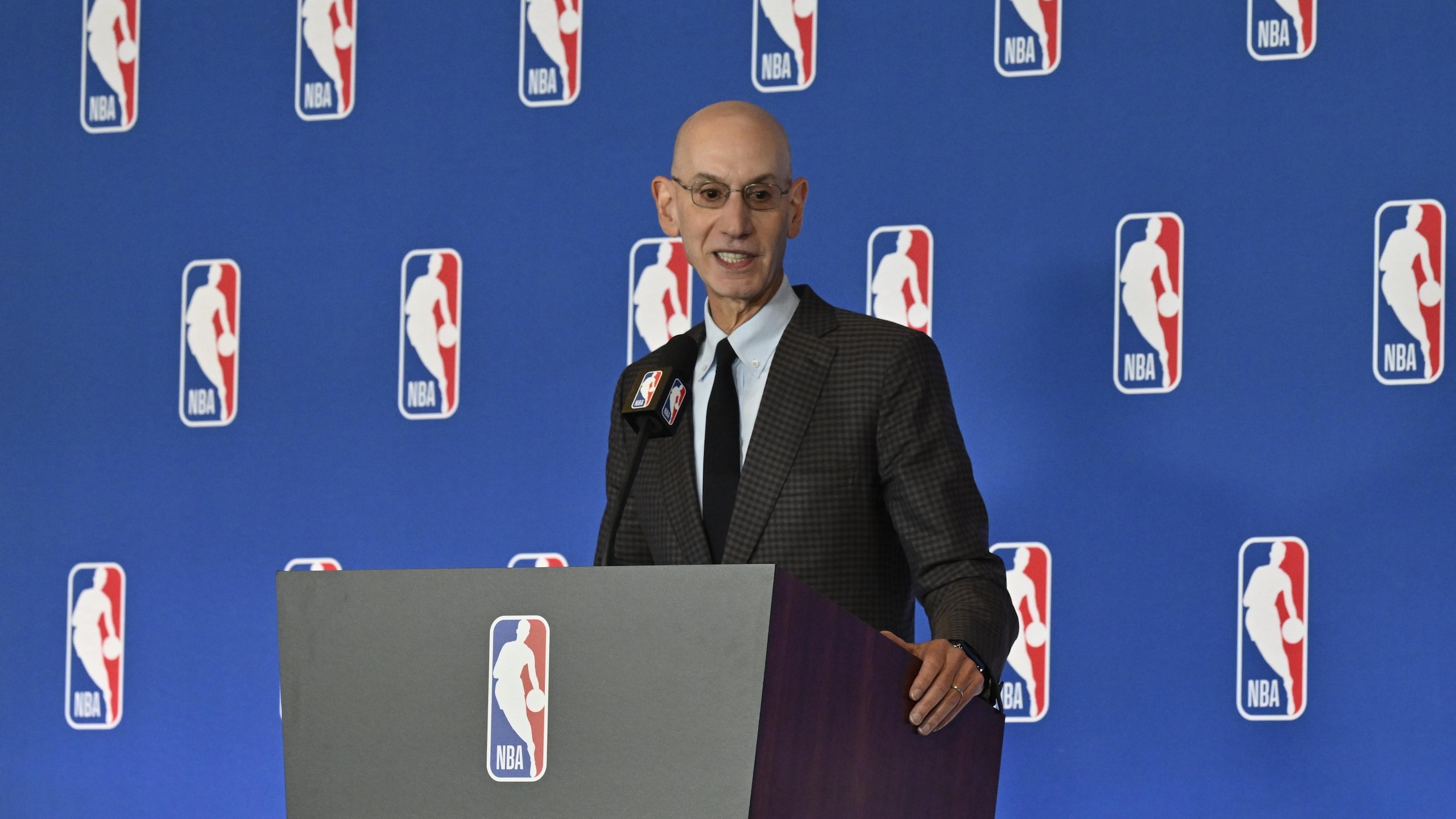
NBA Commissioner Adam Silver is a dancer, especially when it comes to language. Case in point: his answer about whether or not tanking, or purposely losing games, as a rebuilding strategy exists in his league.
"I absolutely don't think any team is trying to lose," he said in a recent interview with ESPN's Andy Katz. "I talk directly to our players. You know our players. They're the most competitive people in the world."
What about management? "OK, so just players," he said. "No players are going out there to lose. In terms of management, I think there's an absolute legitimate rebuilding process that goes on. It's so hard to win in this league and it's so complex, and I think what has happened in the case of Philadelphia is that their strategy has been reduced into a tweet, this notion that, you know, 'Be bad to be good.'"
TOP NEWS
Silver Wants Team in Portland 📍
NBA Vegas expansion bids nearing $10B
.jpg?w=2560 "Jared McCain and Josh Giddey")
Mock NBA Expansion Draft for Las Vegas and Seattle 🤔
I can't help but give him high marks for pirouetting around a lie without fully exposing the truth, which is that, yes, tanking is practiced by some teams in the NBA and, at the moment, the Philadelphia 76ers aren't even trying to be coy about it. At least not as coy as Silver was in addressing whether the Sixers are tanking.

Silver shaped the entire conversation by simply creating advantageous definitions of the word "team" and "tanking." The "team" he made to be just the players. He then defined "tanking" as "trying to lose" as opposed to "not trying to win."
Silver is correct in doubting that when the word "team" is defined as "the players," no "team" is trying to lose. I've met players who weren't personally as committed to winning as others or who had an easier time accepting losses, but I don't know of one who intentionally sabotaged his team.
Silver is, again, correct in suggesting that the method of rebuilding through tanking is more complex than simply assembling an inferior collection of players. Every general manager is fully capable of putting together, barring unforeseen injuries, a mediocre roster. It takes the deft manipulation of the style a team plays, the combinations put on the floor, who plays are run for and how many minutes certain players are given to reduce a team to flirting with 10 wins rather than 30. The players aren't purposely missing shots or committing turnovers—they're just being asked to take shots and make plays that more often than not will end in failure.
Same goes for putting a young player's name in trade rumors. It can be sold as testing a player's value; it also has a good chance of wrecking that player's focus or confidence, at least for a while. Then there's being extra cautious with a key player coming back from injury because, after all, under the circumstances, why risk a setback? It's not direct sabotage; it's simply tilting the scales on a nightly basis to produce far more losses than wins. It's tanking by tinkering—tankering, if you will.
Silver insinuated that "a team" means only "the players," a definition subscribed to by no one. A team, in the conventional sense, means the entire organization—coaches, front office, ownership. Kudos to Silver for his rondo around the question if teams in toto ever purposely undermine themselves. Because of course they do. Drafting a lottery pick who is guaranteed not to play an entire season two years in a row may not be trying to lose, but it clearly isn't doing everything possible in the present to win.
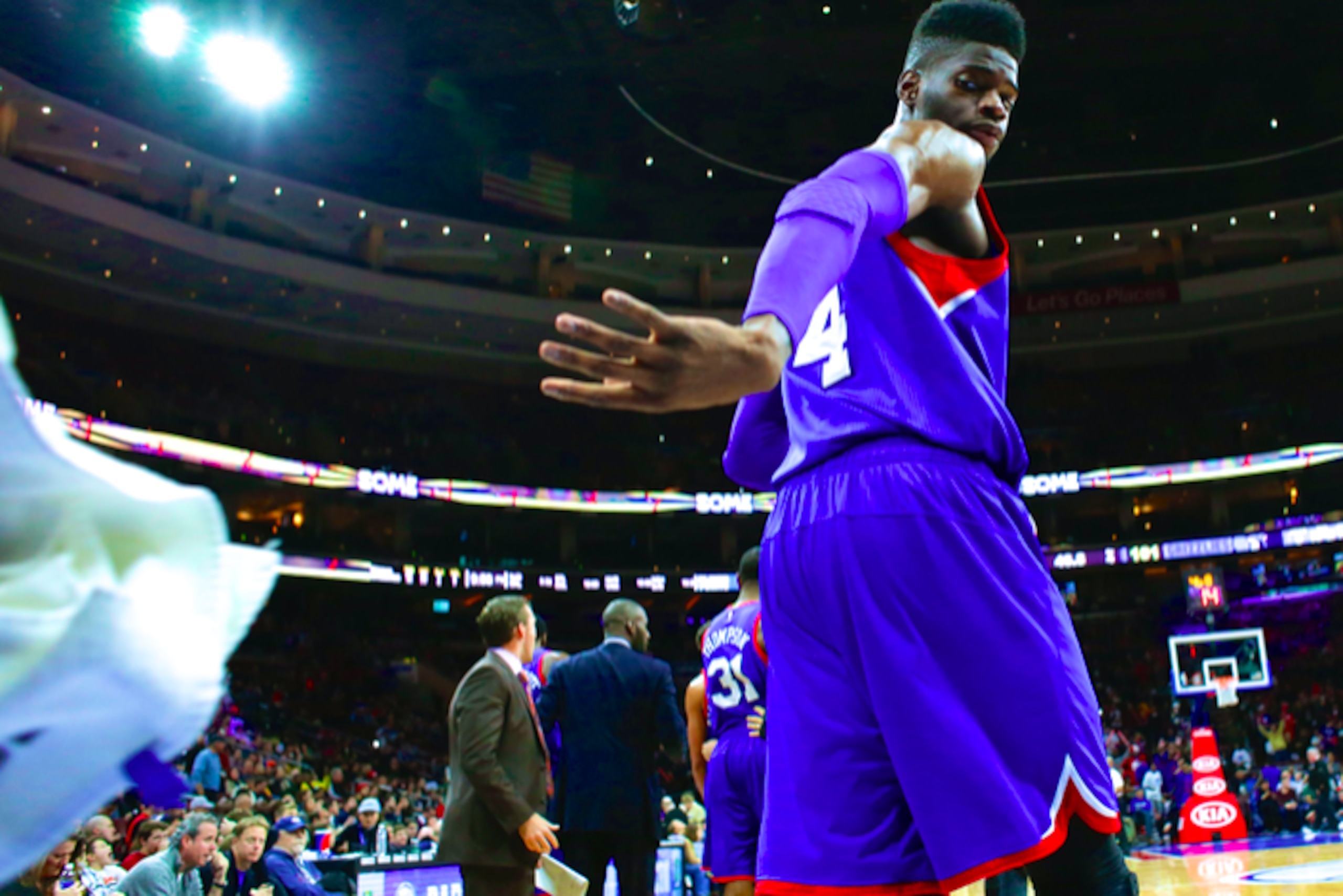
The Sixers' argument is that they are indeed trying to win. Eventually. They were acquiring the best talent in Joel Embiid, Dario Saric and Nerlens Noel, albeit on a layaway plan. If it ultimately turns into a first-class living room set, then a couple of years of losing will be justified—at least in the mind of general manager Sam Hinkie.
All that, though, doesn't change the fact that, for now, the Sixers are not doing everything possible to win. Or that other teams have, or will, do the same. Silver didn't deny that fact. He simply waltzed around it in a way that wasn't insulting. Maybe I'm setting the bar too low, but I can appreciate the man's position as well as his artistry. And maybe if every tanking GM were as deft and congenial talking about it as Silver, who knows, maybe it wouldn't seem quite as offensive. Maybe.
Five Things to Look for in 2015
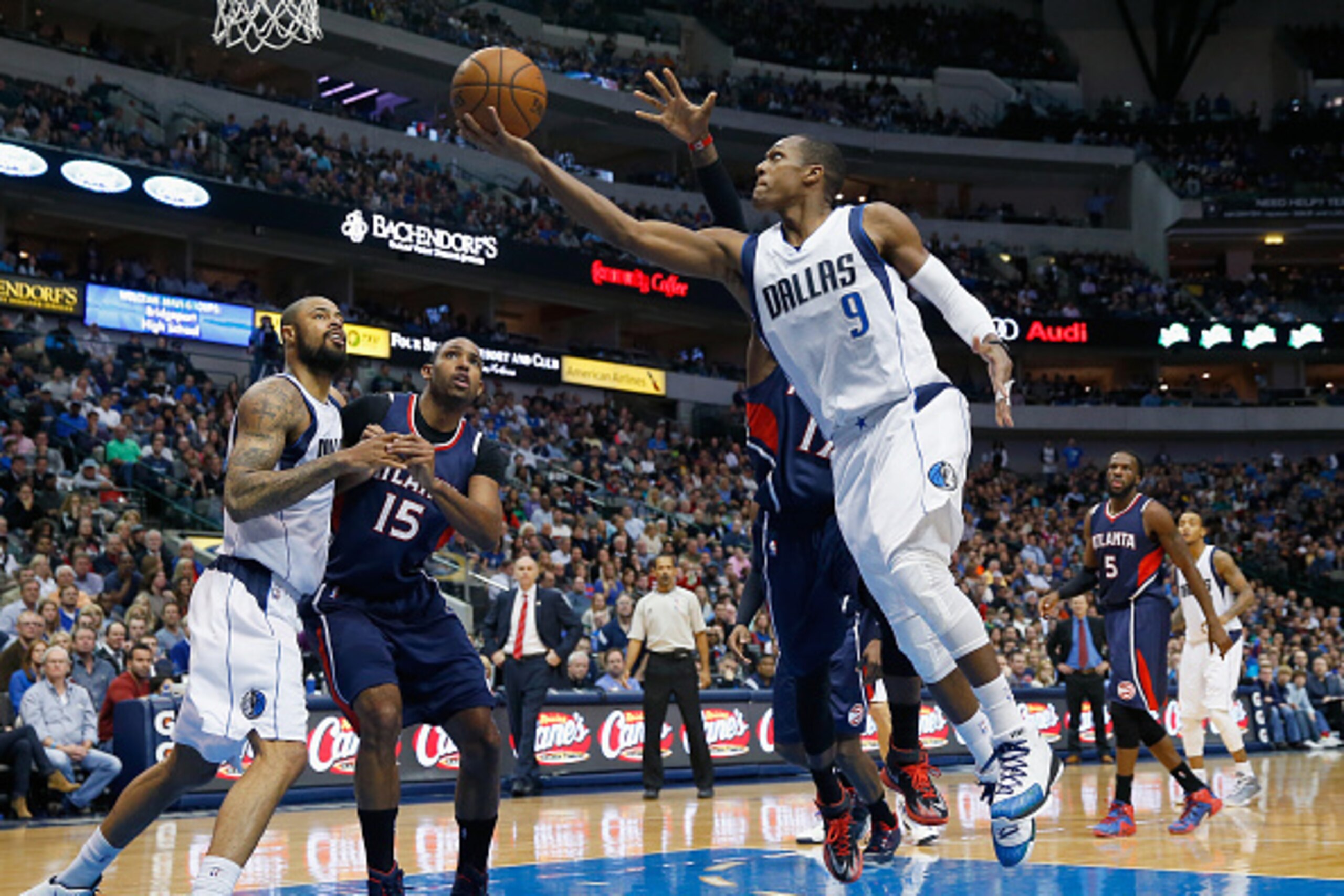
1. The Dallas Mavericks offense clicking with Rajon Rondo at the helm. Just don't expect it right away. Rondo's understanding of X's and O's is highly regarded for good reason, but expectations that he'd come in and immediately grasp all of coach Rick Carlisle's myriad sets and options is a bit naive. The truth is that the plays Carlisle runs with Rondo may not have been fully drawn yet because he's never had a point guard quite like him.
2. Trade talks surrounding Phoenix Suns point guard Goran Dragic to heat up. The Suns have invested in Eric Bledsoe and Isaiah Thomas and have Dragic playing off the ball more. Rather than have him exercise his opt-out clause this summer and get nothing, Phoenix is far more likely to move him at the trade deadline, especially if the Suns are not in the playoff picture.
3. The Atlanta Hawks to resolve their ownership situation (again) and hire a replacement at GM for Danny Ferry who can repair the relationship with the city's minority community. Who buys the team ultimately will make that hire, but look for both Orlando Magic assistant GM Scott Perry and Oklahoma City Thunder assistant GM Troy Weaver to be in the pool of recommended candidates.
4. The Denver Nuggets to overhaul their roster, with shooting guard Arron Afflalo the likeliest to go elsewhere—he also has a player option—but certainly not the only one. Owner Stan Kroenke never has shown a great deal of patience for mediocrity, especially when he's bankrolling a decent player payroll, and more than one league source anticipates heads rolling if the Nuggets are not in playoff contention.
5. The trend to continue of hiring neophytes as head coaches rather than established old heads. The Sacramento Kings could be the exception, with owner Vivek Ranadive thinking he has a playoff-caliber roster and merely needs a playoff-tested coach to get his team there, but the increased involvement of owners in basketball decisions is going to make them less enamored with hiring more expensive options like George Karl, Mike D'Antoni and Nate McMillan over more malleable, cheaper alternatives.
Opposing Scout's Take: The Suns
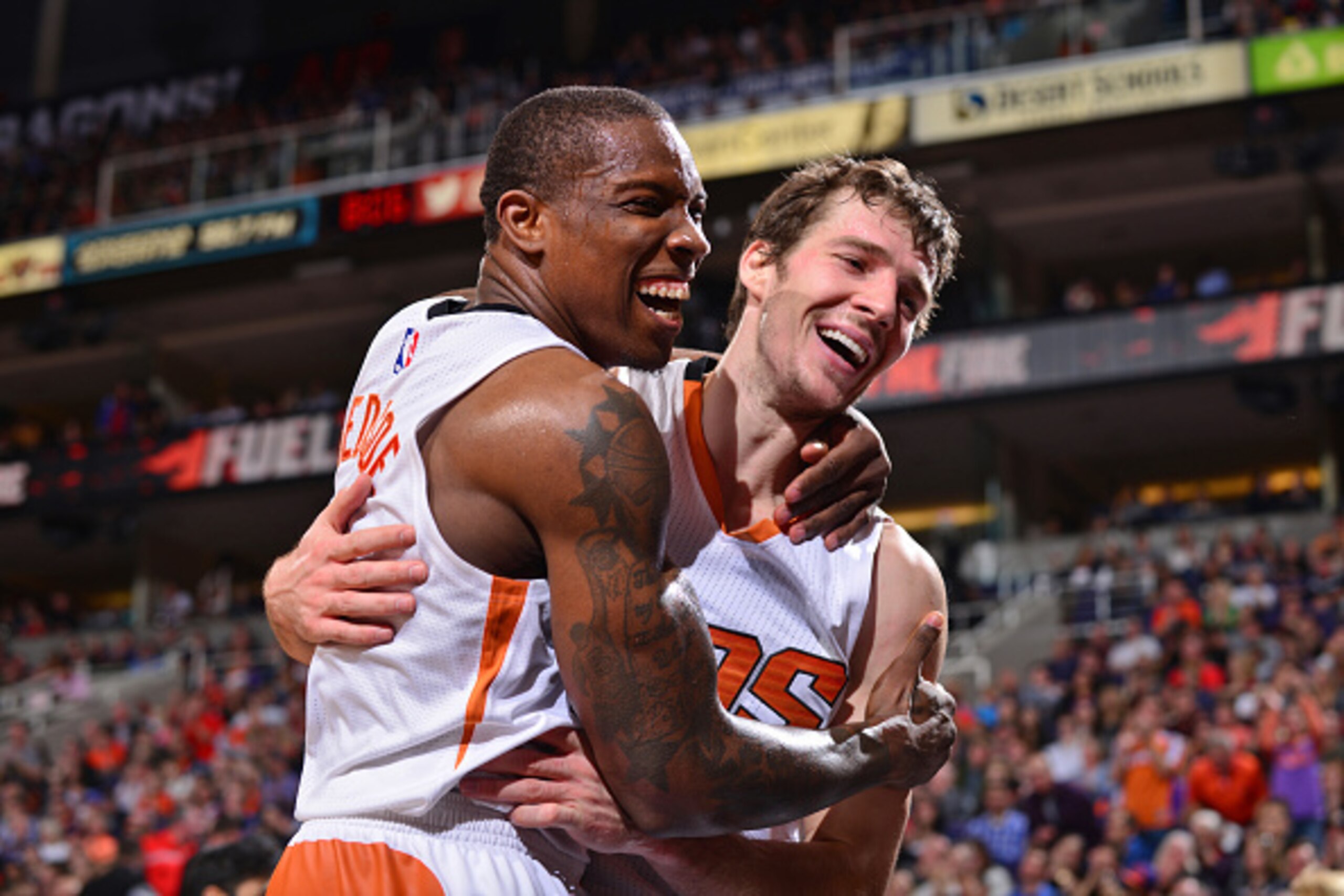
"Everyone wants to look at the three point guards—Dragic, Bledsoe and Thomas—for the reason it's not working, but the fourth guy is the trigger point in all this—Gerald Green. He's coming off the bench looking to shoot and that's all he is. He doesn't think the game. He can put you in a hole, quick. Goran likes the ball in his hands and I think they're better when it is, but the other two guys are alphas more than he is and neither one is a true point guard. It's a tough experiment. The last couple of games, they've played more like last year's team. They weren't thinking as much. They were playing more freely. There were times that Dragic and Bledsoe were actually smiling. But it's one of those things you're going to need to see for six or seven games before you can believe it's getting better."
Questioning the Kings
Ranadive's decision to fire coach Mike Malone—and no matter what you hear or read, multiple sources insist Ranadive pulled the trigger—is not the only move that has other teams around the league shaking their heads about how the Kings are operating. Their NBDL team, the Reno Bighorns, plays such a frenetic style that scouts say it's impossible to gauge the talent of their players or their opponents. The Bighorns are averaging 141.4 points a game and allowing 140.3. "Total waste of time," said one scout. "I was so mad I left at halftime."
Ric Bucher covers the NBA for Bleacher Report. Follow him on Twitter @RicBucher.

.jpg?w=2560 "Report: Darnold Could Miss 3-6 Weeks")
.jpg?w=2560 "Week 2 Start 'Em, Sit 'Em Decisions")