NBA Owners vs. the Players: Did Anybody Really Win Anything?
After a 149-day faceoff reminiscent of the O.K. Corral, the NBA owners and players are now shooting at each other again like angry gunfighters after learning there is no justice to be had after the fight ended. Instead of marching hand to hand toward prosperity, the sides look more like two armies firing artillery into each other lines.
In some cases, the owners look like they are shooting at themselves. The collective bargaining agreement (CBA) hasn’t even been signed and the owners and players are acting like they lost the issues most important to them.
On the surface the owners demanded predictability, profits and stability. But under the surface what the owners really wanted was a level playing field with a chance to compete for an NBA title that has generally gone to the teams with the most money and most media exposure. The only small market team to consistently compete and win titles is the Spurs, but that took the double helix of draft choices: David Robinson and Tim Duncan. Their moment in the sun is rapidly coming to an end.
TOP NEWS
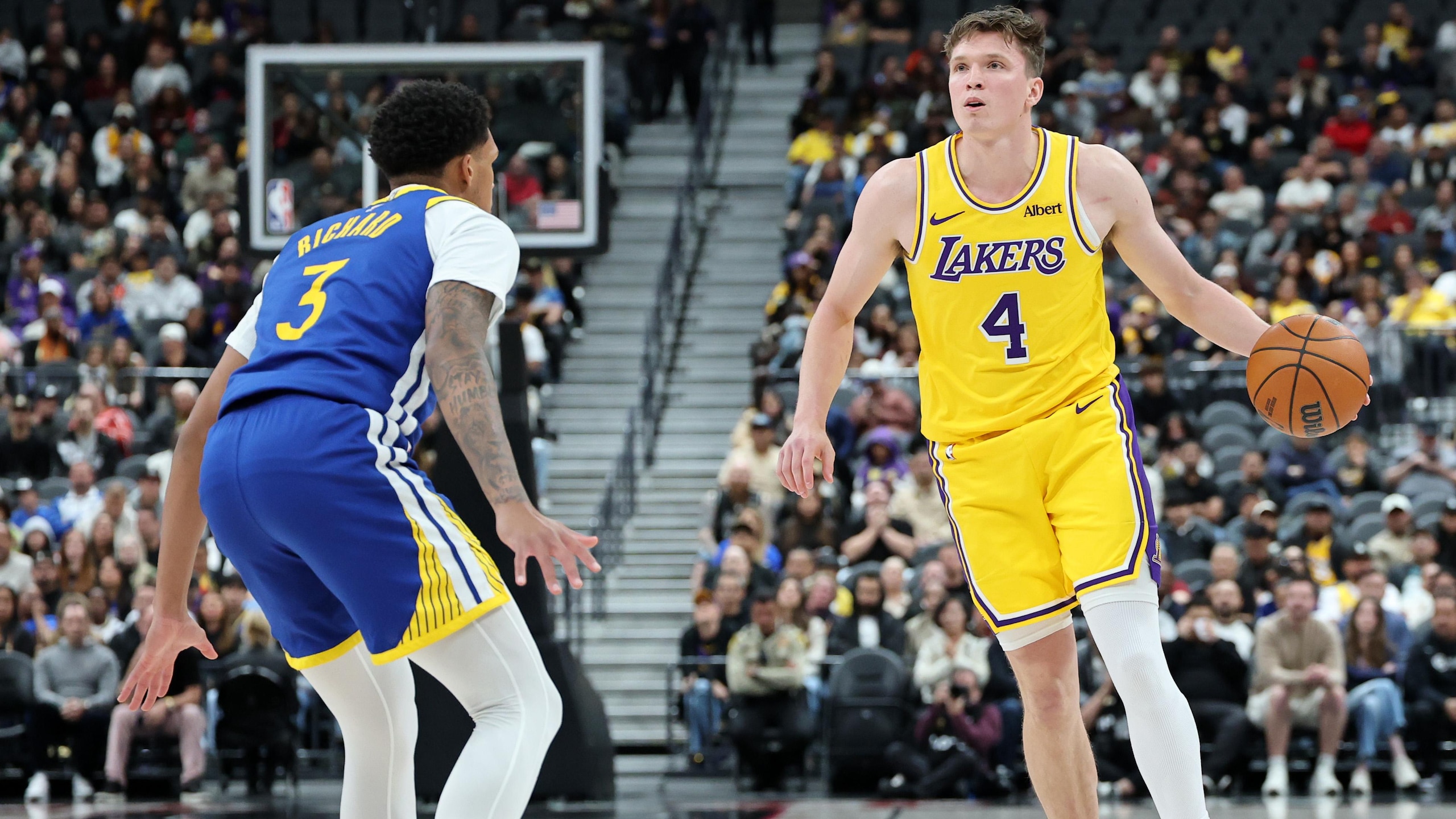
Lakers Waive 2024 1st-Rd Pick
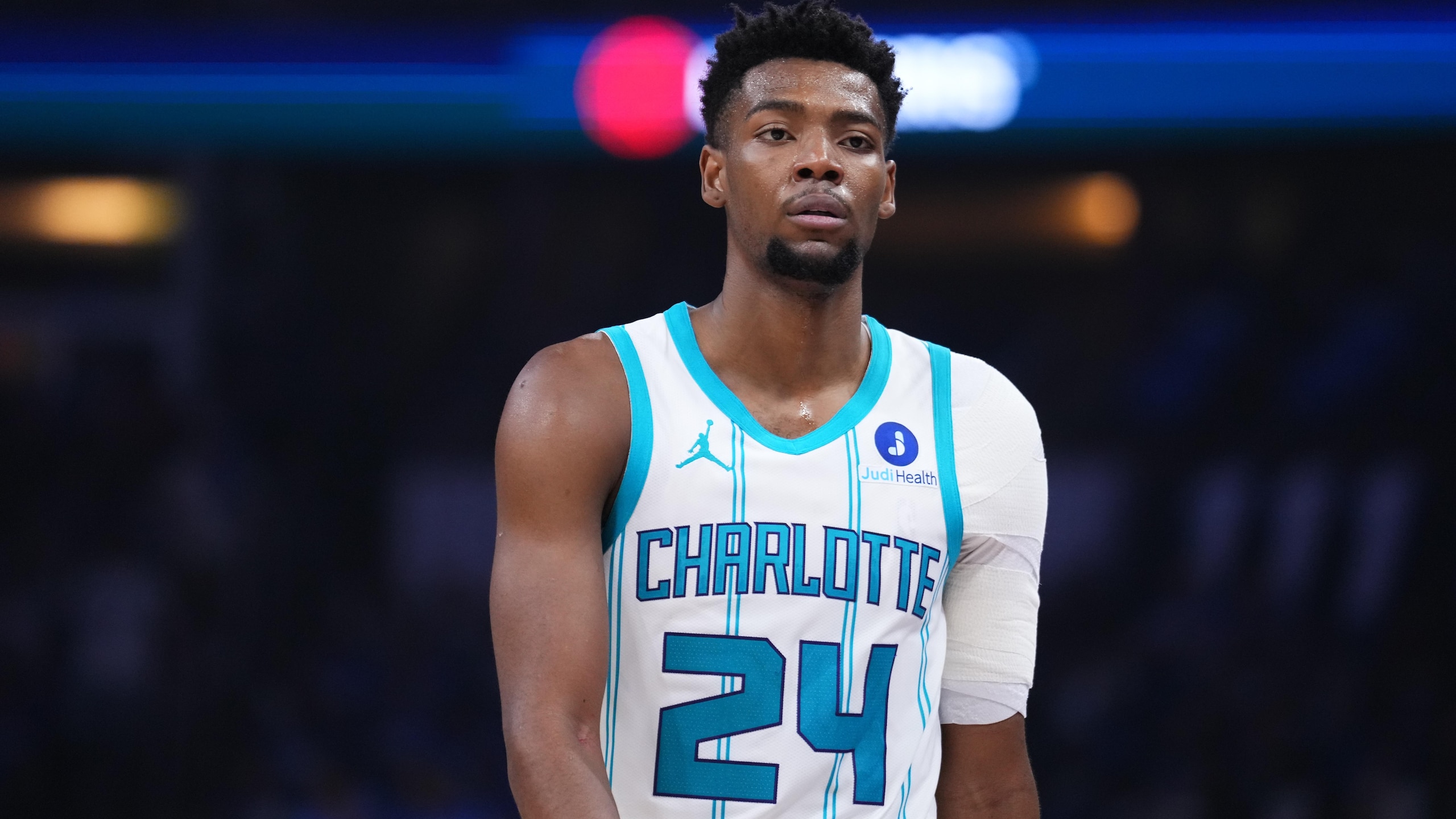
Hornets Give Brandon Miller $209M 💰
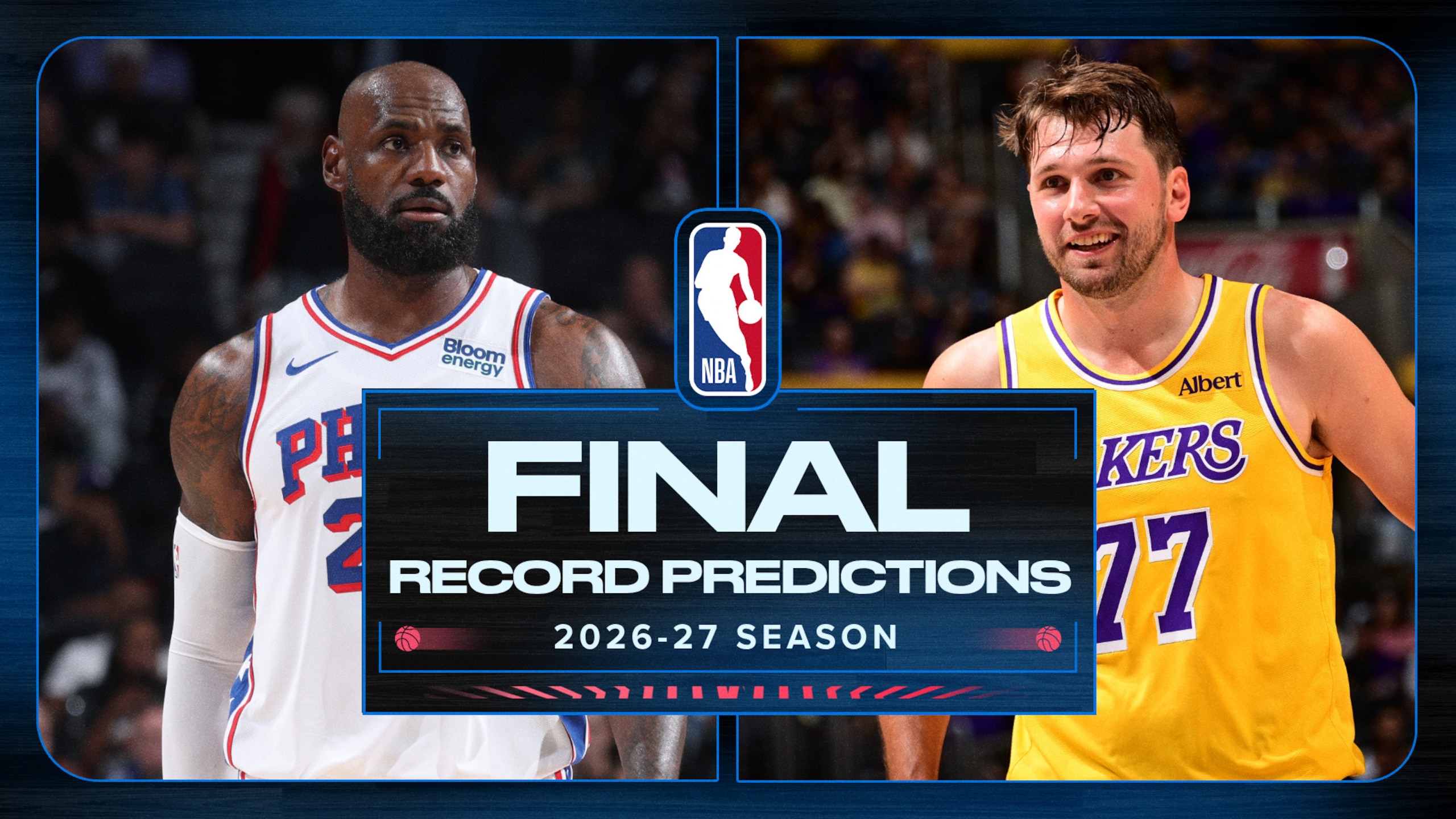
Final Record Predictions for Every NBA Team 🔮
The players on the other hand wanted to maintain a steady increase in salaries, expand their options to take their "talents" elsewhere while maximizing the benefits of free agency. The players knew the revenue "pot" was going to increase with the sales of TV games resulting from an expanding world market and the ongoing competition between the Disney networks and Fox, but could do little or nothing to leverage more money from the owners.
It seemed from the beginning that the owners held all the cards and would get their way no matter what. The owners acted like they were prepared to follow the NHL model and sit out a year to get what they wanted—a hard cap, restrictions on player movement that protected the small market teams and an amnesty plan that permitted them to jettison one overpaid aging superstar on each team.
Finally on November 25th, the owners, making very few concessions, ostensibly got everything they wanted. Or did they?
Before the final agreement could be completed and signed, holes large enough to drive a truck through were found in the new CBA without much effort. Orlando, in a moment of salary cap glee, released Gilbert Arenas to save money. The Knicks were offering Roni Turiaf to anyone would take him in the league with a $3 million "kicker" just to be able to sign Tyson Chandler and stay under the cap.
The owners were feeling pretty smug until New Orleans, Houston and the Lakers quickly found that giant loop hole and marched right through it with a deal for Chris Paul ($16.3 million salary) in exchange for Lamar Odom ($8.9 million), Pau Gasol ($18.7 million) and a few role players. The Lakers would have sent Paul Gasol to the Rockets and Lamar Odom to the Hornets while the Rockets would have then sent guards Kevin Martin, Goran Dragic, forward Luis Scola and a first-round draft pick for 2012 to the Hornets. The Lakers would save about $12 million in cap space.
By using the amnesty clause to release Meta World Peace, the Lakers could save an additional seven million in cap space, preparing them to be able to deal for Dwight Howard in exchange for Andrew Bynum ($15 million a year). The Lakers would have about $39 million in cap space to negotiate for Howard.
While it was a good deal for each team, the Lakers were able to improve at point guard and drop their salary approximately $40 million and get well below the cap. Several owners, particularly Dan Gilbert, whose ego was already bruised by LeBron taking his talents to South Beach, "squealed like a stuck pig." Not surprisingly, Mark Cuban jumped on the bandwagon and got his two cents in.
David Stern, yielding like a twig in a hurricane to those who pay his outrageous salary, quickly vetoed the trade which detonated a nuclear reaction among fans and the media. Chaos and criticism quickly followed the announcement. Lamar Odom refused to show up for practice and Chris Paul threatened but changed his mind at the last minute.
Large market owners were pitted against small market owners. The haves versus the have-nots. If the Lakers and the Knicks could improve their rosters so easily and reduce their salary caps in the process, the unsigned CBA was already not working. It didn’t take rocket scientists to figure out that the Lakers' next move would be trading Andrew Bynum to Orlando for Dwight Howard who is sixty-six games away from being a free agent.
While commentators were saying this trade was simply not going to be possible, the Chris Paul trade and the news that Dwight Howard may have secretly met with the Nets over dinner in Orlando (despite denials from the parties) forced the Magic to admit that they had given Howard permission to speak to three teams: the Nets, the Clippers and the Lakers. The Nets or Clippers against the Lakers is like choosing between three sisters, two of whom are simply ugly.
David Stern, back in damage control, issued a statement that the decision was made without consultation of the owners, while emails were quickly discovered challenging that proclamation. Under any definition, the NBA owning a team during a free agency period is a conflict of interest.
It provides each owner with a second bite of the apple when it comes to complaining about trades that disturb or perpetuate the competitive balance. Everyone knows that there has been a growing split pitting the owners of small market teams against the large market teams. These actions by some owners can only insure another antitrust action from the players, if they do not either complete the trade or rescind their decisions based upon jealousy and self-interest.
One NBA owner once complained to me that his team was receiving only about $5 million a year in TV revenues while the Lakers were receiving about $36 million. He felt he could never compete with a team that could outspend him ten to one. He was right. Now, the players’ willingness to take reduced salaries to play where they want has quickly undermined the owners’ plans. You would think that the NBA owners have learned their lessons from the three-player signing last year by the Heat that changed the competitive balance of the league in one fell swoop.
So it seems that no matter how long and hard the NBA planned to protect the small market owners, it took the Lakers less than three weeks to find a loop hole. Now, the Lakers want to turn that loop hole into a post-Kobe rebirth by signing two of the top talents in their league. The only way the league can stop this change is by exercising their rights as owners of the Hornets in an apparent conflict of interest. Instead of solving the problem, the owners created a one-of-a-kind fire sale.
On the players’ sides, there is sweet revenge knowing that after all of the owners' moves at the bargaining table, free agency for many players just became easier. I don’t think Dwight Howard ever thought he would have a chance to play for the Lakers. Certainly, neither Chris Paul nor Howard ever thought they could be playing on one team, especially the Lakers, with Kobe Bryant. Certainly, the only owner who thought this could or would happen was Dr. Jerry Buss and the Lakers management.
The owners should be careful of what they wish for. They got their cap with increased salary cap penalties but the CBA has already been effectively rendered useless to protect teams in smaller markets. The players got their free agency and quiet revenge on the owners but had to permit the owners to jettison overpaid players like Arenas and Vince Carter like sacrifices on the altar of public opinion. Certainly, neither player is worth the outrageous salaries left on their bloated contracts.
So what did NBA fans learn from all this? I guess the lesson is the more things change, the more they remain the same. The salary cap still does not protect owners in small markets and fails to protect the owners from themselves and each other. To paraphrase the WHO, meet the new CBA. Same as the old CBA.
.jpg?w=2560 "🚨 Davante Out 6-10 Weeks")
.jpg?w=2560 "Tank Dell Playing Sunday 💯")