
NBA: The Value of Per 36 Statistics and Future Breakthrough Stars
For many athletes in the NBA, it is not a lack of talent that stands in the way of their dreams. Instead, it’s the lack of opportunity that prevents some pros from stepping over the threshold into superstardom. In the past, we have seen the power of underutilized players seemingly transform with nothing more than a few tweaks. New scenery and added playing time have proved positive for ballers like Tracy McGrady and Gerald Wallace.
But these guys have innate talent. Would it be fair to say they were transformations? Or were these men just overlooked by the league? When it comes down to it, both of these players had tremendous statistics that could have easily predicted their true potentials. You just had to know where and how to look.
In his rookie season, a 19-year old Gerald Wallace, playing only eight minutes, averaged 3.2 points per game. Tracy McGrady – fresh off his senior season in High School – was slightly more impressive dropping seven points in the 18.4 minutes he played per game. The intrigue however, lies somewhere else. These same statistics are far more interesting if they are expanded into longer and more typical playing times.
Most often, NBA stars log at least 36 minutes per game. This little used statistic is important because it can bring us great insight into the true production of the league’s elite. If we look for example at Wallace’s averages per 36 minutes, we would see 14.5 points, 7.5 rebounds, 2.3 assists and 1.6 steals – numbers nearly identical to those of his career.
On the other hand, T-Mac’s rookie stats extrapolated out to 13.8 points, 8.2 rebounds, three assists 1.5 steals and 1.9 blocks. Although those numbers don’t resemble the type of production McGrady accomplished throughout his career, they show a glimpse into an 18 year old kid’s raw potential.
Kevin Love’s 11 and nine were dwarfed by the production of teammate Al Jefferson as a rookie, but his 15.8 and 12.9 averaged per 36 are far more indicative of the glass-cleaning phenomenon we see today.
So who is next in line? Which young guns have all-star numbers in bench-warmers’ minutes? Here’s a look at some of the most promising players under the age of 25.
DeMarcus Cousins
1 of 7When you watch Cousins play, it’s easy to see how much promise he really has. The 6’11 athlete sports a 7’6 wingspan, great dexterity, outstanding footwork, and some of the softest hands you will ever see on a big man.
Unfortunately, you also see an Eddy Curry doppelganger. From the low field goal percentage to the frequent turnovers right down to his inefficacious indolence, he’s got Curry written all over him.
These negative comparisons notwithstanding, this season, Cousins has been able to produce. His per 36 averages of 18 points, 11 rebounds and three assists per game prove that he could be one of the league’s most dominant players. In fact, only Blake Griffin joins him in the 18, 11 and three club (although Pau Gasol is within earshot).
While those stats seem high, his per 36 numbers expose the holes obvious in his game including 4.1 turnovers and 5.1 fouls. Alas, Cousins’ mentality is what could ultimately keep him from being a franchise cornerstone.
The Kentucky product often looks lost on the floor, typically struggling to find the open man when his opponents double-team him. His propensities to foul and turn the ball over underscore the fact that he is currently more interested in personal achievements than in team progress. Despite having the work ethic and dietary strictness of Homer Simpson he could have GM's around the league screaming D'oh!
Anthony Randolph
2 of 7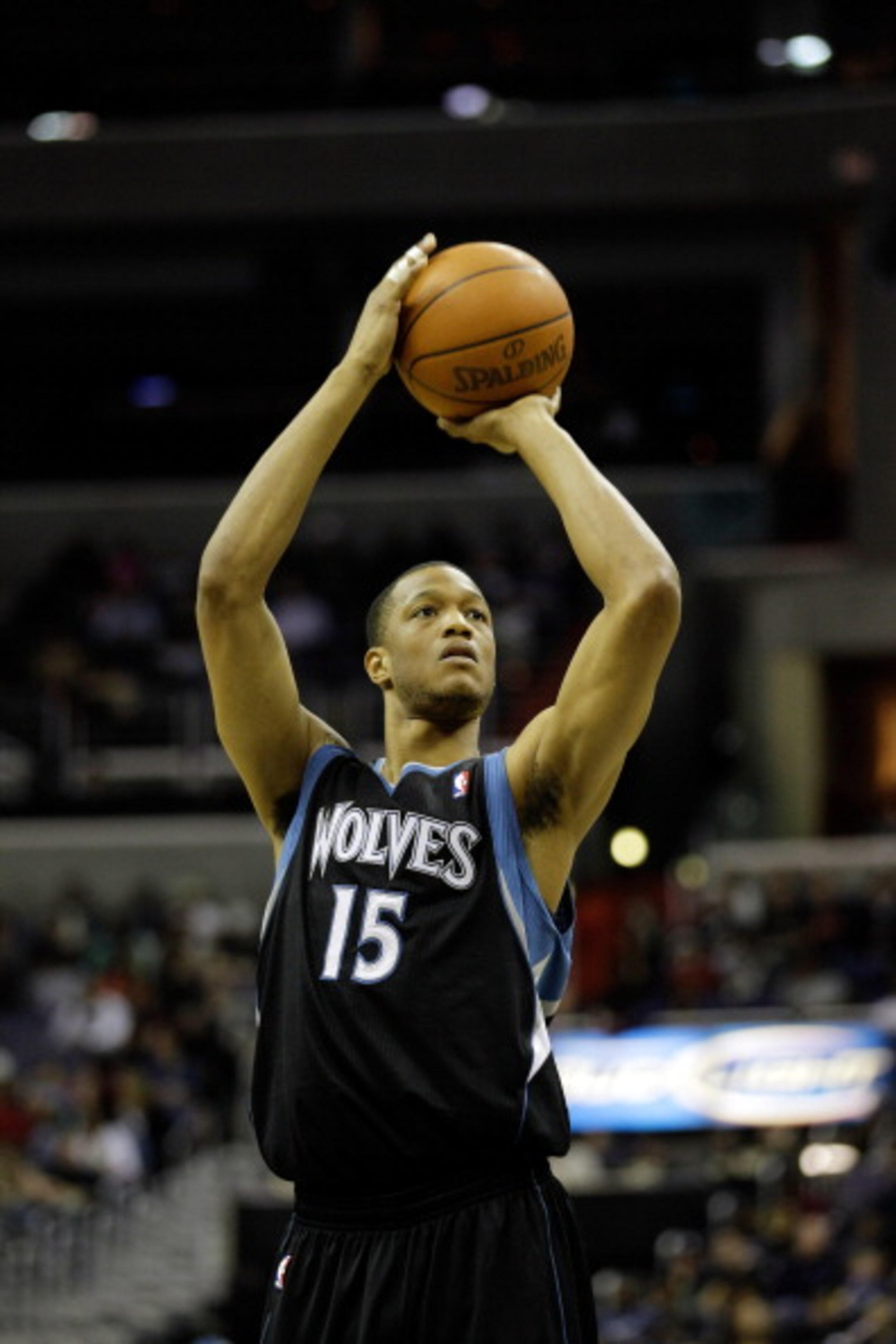
Speaking of untapped potential and a basketball IQ of zero, is there a greater conundrum than Anthony Randolph? The 21-year old forward has already played for three teams – the most recent amounting to a salary dump by New York as Minnesota was required to take on Eddy Curry’s mammoth expiring contract.
The 6’11 player is simply oozing with promise. One can’t ignore his immense length and athleticism not to mention his guard-like skill set which allows him to create his own shot. That same length and athleticism also make Randolph a fierce and intimidating shot blocker. Just ask Tyrus Thomas.
The LSU product currently averages 16.7 points, 10.3 rebounds, 2.3 assists, 1.3 steals and 1.6 blocks per 36 minutes. He has also recorded box scores of 31 and 11 and 24 and 15 in his first two starts for the Timberwolves. Of course he has his downsides.
There is no doubt that Randolph needs to mature – both physically and emotionally. Despite being 6'11 he's only listed at 225 pounds. This means he might not be able defend forwards well in the post. And mentally? He is just lost on the court. He simply doesn’t understand team basketball. While his 1-on-1 skills are fantastic, he looks clueless in offensive sets. Accordingly, Randolph can be selfish with the ball.
As a prospect who reminds scouts of a more athletic Lamar Odom, he clearly has an opportunity to be an impact player. But will Randolph ever reach his potential? There is no way of knowing. Nevertheless, for once Minnesota GM David Kahn can pat himself on the back. Who knows what Anthony Randolph might be able to do for his team?
Marreese Speights
3 of 7This season Hawks center Al Horford is having a career year. Averaging 15.7 points and 9.5 rebounds in 35.3 minutes per game, his stats are striking. On the flip side, Marreese Speights’ mere 5.5 points and 3.4 rebounds seem to be less impressive. So why even compare them? Despite all evidence to the contrary, these players have nearly identical averages per 36.
When you extrapolate Speights 11.7 minutes per game into a 36 minute per game pace, you see averages of 16.9 and 10.4. In addition, a 50 percent clip from the floor and a very respectable 76% from the charity stripe are put into play. These numbers are no fluke for the 23-year old Floridian.
Speights’ career per 36 of 17.8 and 9 prove what most 76ers fans know…he’s one of the more gifted and unheralded post presences in the NBA. With his wide array of back to the basket moves, a soft touch and a beautiful jump hook, Speights in many ways, is a throw back to the big man of yesteryear. His defensive skills are still sub par, but with an impressive arsenal of talent, he might just have the ammo he needs to thrive.
Speights’ gorgeous 16-18 foot jumper, his above-average athleticism, and his solid wingspan only lack one thing: a few more minutes on the court. And if he gets them? Watch out, because only a handful are more skilled than Mo Speezy.
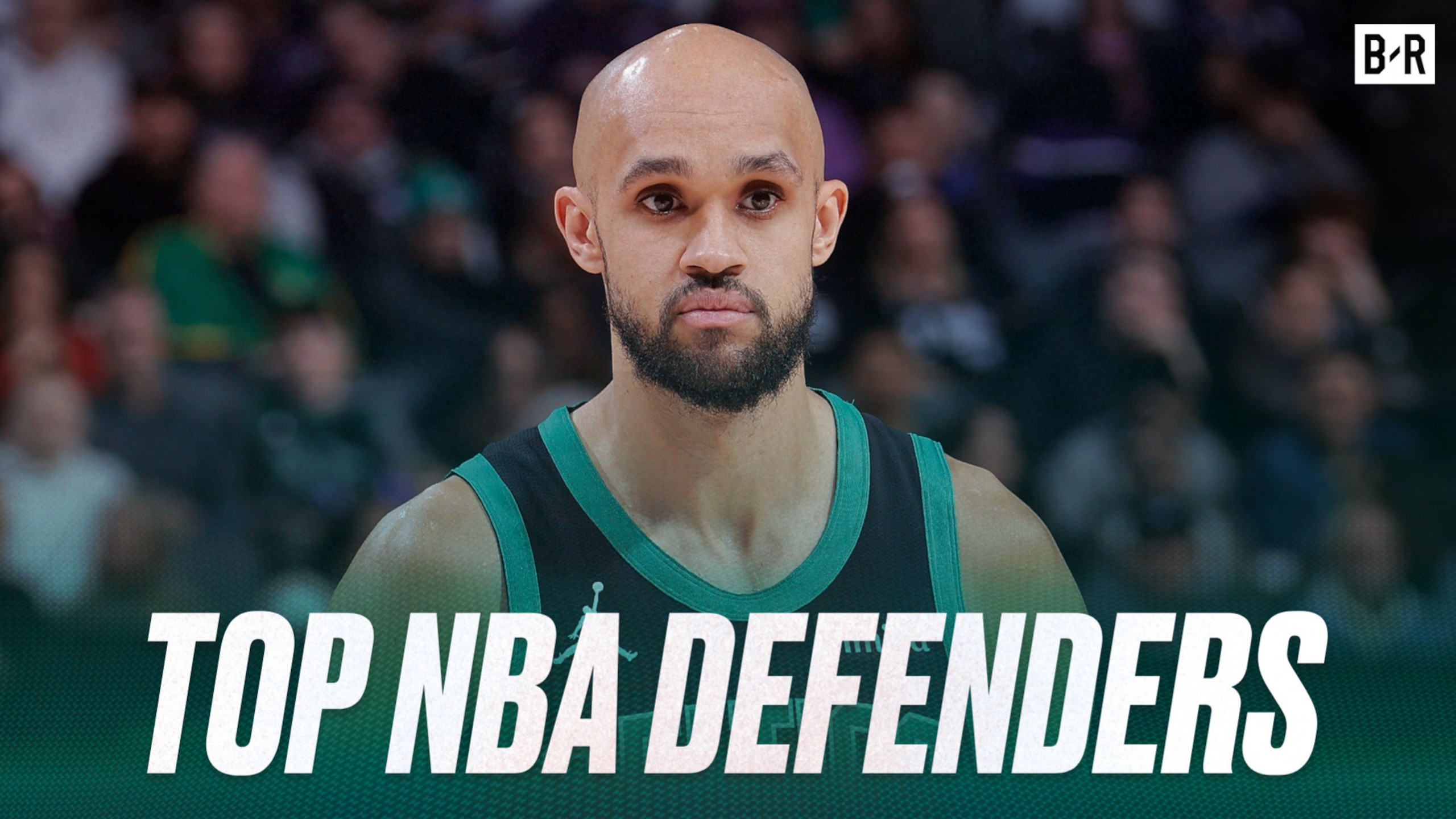
Rodrigue Beaubois
4 of 7This season, the player most coveted by teams in trade speculation was none other than Rodrigue Beaubois – a 6’2” guard from France. While Mark Cuban’s deep pockets and aggressive nature usually have the Mavericks involved in every trade rumor, Dallas has repeatedly refused to include Beaubois in any prospective deal. Even with big names available on the trade block, the Mavs wouldn’t let him go.
So why is this? The 23 year-old Beaubois has career averages of just 7.7 points and 1.6 assists. Your answer once again: phenomenal per minute production. The lighting quick guard has career averages of 19.8 points, 3.7 rebounds, 4.7 assists and 1.6 steals per 36 minutes -- numbers quite comparable with All-Stars like Joe Johnson, Manu Ginobili and Danny Granger.
There are certainly explanations that justify Beaubois’ lack of minutes. Though he is remarkably skilled, he can be inconsistent. In addition, the Mavericks playoff aspirations might make the squad more inclined to take advantage of their old pros. Alas, a team consisting of proven veterans like Jason Kidd, Jason Terry and even the least likely player in the NBA – Jose Juan Barea, doesn’t allow Beaubois as much time on the court as he might have elsewhere.
What can’t be questioned is Beaubois’ raw talent. Last year in his rookie season, the diminutive guard threw up 40 points and eight rebounds in a win over the Warriors – a game in which Beaubois played just under 30 minutes. Equipped with a 6’10 wingspan and a 40-inch vertical, Roddy plays much bigger than his height would indicate. At the same time, he features a reliable jump shot with a high release point which makes him nearly unblockable
After missing much of the season with a foot injury, Beaubois has jumped into the starting line-up which indicates the Mavericks’ brass share my optimism for this future star. Dallas could very well be the wise one in holding onto this valuable asset. Hell his hands are scarred because the length of his arms make his knuckles drag on the ground. Roddy might just end up being the teams’ savior once the 32-year old Dirk Nowitzki begins his inevitable decline.
Greg Oden
5 of 7Some game analysts have already begun mentioning Oden in the same breath as fellow top pick busts like Kwame Brown. For shame. You couldn’t pay most teams to take on Kwame while Oden has shown great promise and potential – even if he has struggled to stay on the court. To date, Greg Oden’s playing career has been as brief as the Situations comedy career. In reality? He’s a coke-free Robin Williams.
Last year before suffering his yearly season-ending injury, the former top overall pick was averaging 16.7 points, 12.8 rebounds, and 3.4 blocks per 36 minutes. Sure he was also averaging 6.0 fouls and will need to tone down his aggressiveness, but the skill level is there. In fact, his 2009-2010 numbers are nearly identical to that of Dwight Howard (18.3, 13.2 and 2.8 blocks).
Still just 23 years old and primed to enter free agency this off-season, Oden could prove to be a steal for some lucky team willing to take a chance. We all understand the inherent risk of signing a player with only 82 career games in four professional seasons, but as Hubie Brown may say, that type of tremendous upside potential is too great to ignore.
Other Potential Candidates
6 of 7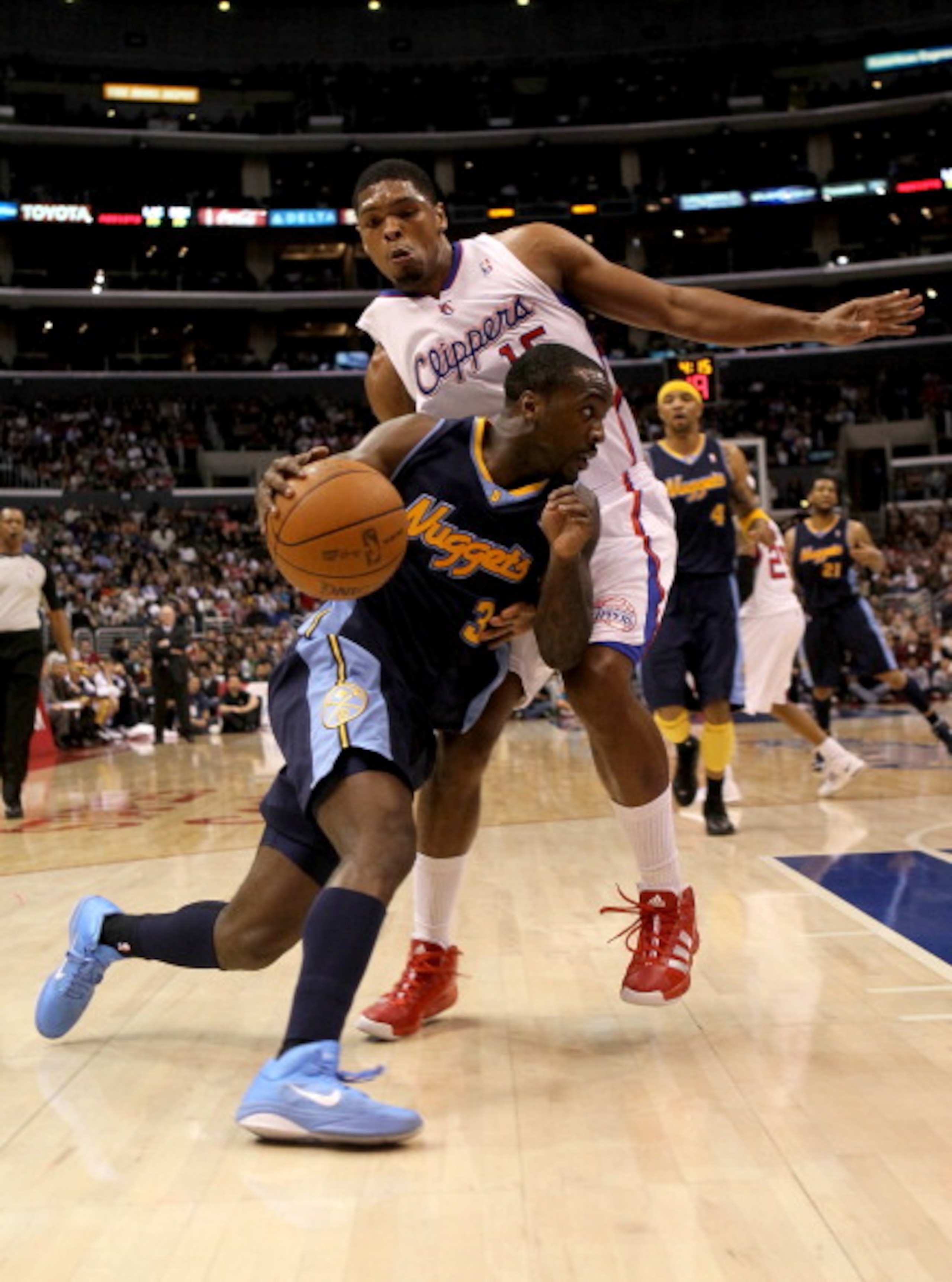
It’s worth noting that a players’ per 36 minute averages are far from perfect. Some might be better in short spurts. More playing could mean less stamina. Less intensity. Others however, would assuredly benefit from longer periods on the center stage. As exemplified by a young T-Mac, added minutes would directly correlate with further comfort on the court thus, a stronger performance. Those listed above are the players who I personally believe have it in them to infiltrate the game.
The following is a list of players with sound numbers per 36 minutes (numbers indicated are points, rebounds, assists unless otherwise noted):
Jeff Teague (12.8, 3.9, 5.3), James Harden (16.1, 4.2, 2.8), Ty Lawson (15.7, 3.5, 6.4), C.J. Miles (18.7, 4.8, 2.4), Thaddeus Young (17.2, 7.4, 1.5 steals), Serge Ibaka (13.1, 10.3, 3.1 blocks), Darrell Arthur (16.6, 7.6, 1.4 blocks), Tyrus Thomas (17.5, 9.4, 2.8 blocks) and Marcus Thornton (19.3, 5.5, 2.6).
Conclusion
7 of 7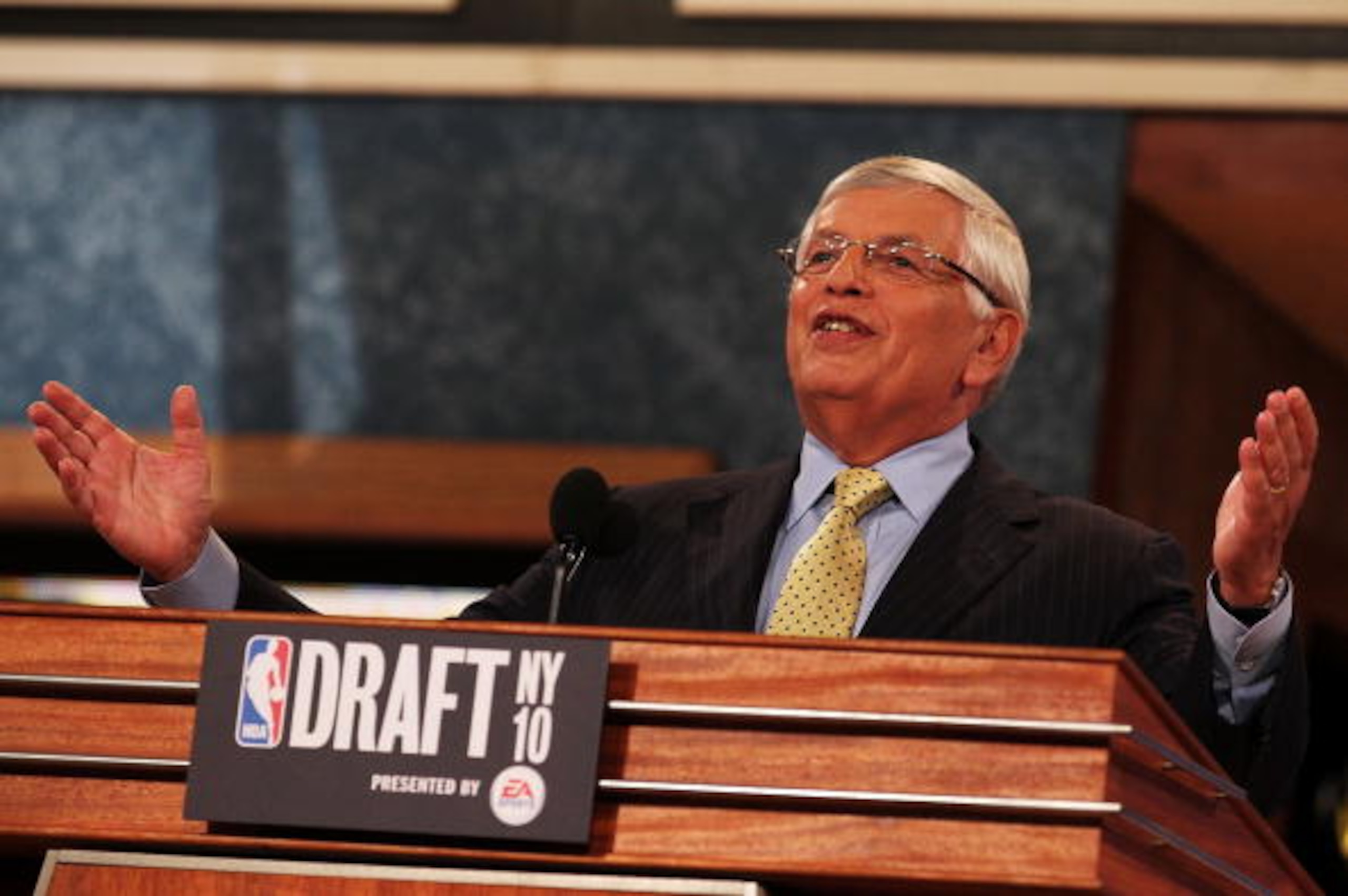
When the NBA draft rolls around on June 23rd, GM's will look to a weak draft class in an attempt to rebuild or reinforce their rosters. Scouts will spend hours and hours sorting through video footage trying out potential prospects in attempt to find young talent. This is not the only way to improve a team.
With a litany of capable and underused players under the age of 25, perhaps the best player personnel moves won't be made through the draft, but rather through trades. Some are untradeable (like DeMarcus Cousins for example), but many able athletes aren’t being used and could be shipped off for the right price.
Which shrewd GM's will target these undervalued commodities? Who is ready to become the next Gerald Wallace? Only time will tell.
.jpg?w=2560 "Top Trade Targets Entering Week 6")


.png?w=2560 "Muncy Sums Up NLCS Offense 💩")

