
NBA vs. NFL Collective Bargaining Agreement
With a potential lockout looming on the horizon for both the NBA and NFL, there's a lot they could learn from each other. As it stands now, both leagues are deadlocked with their respective player's union over the makeup of the Collective Bargaining Agreement (CBA).
As a fan, it's troubling to see GM's and/or owners negotiate bad contracts with players. The fan base will eventually take the brunt of the damage as owners raise ticket and concession stand prices in order to maintain operating costs.
Most of these ideas apply to the NBA, showing just how far ahead the NFL is when it comes to the CBA. While many of the following suggestions aren't exactly player conducive, these are ideal situations for both the league and fans alike.
Rookie Salary Cap
1 of 5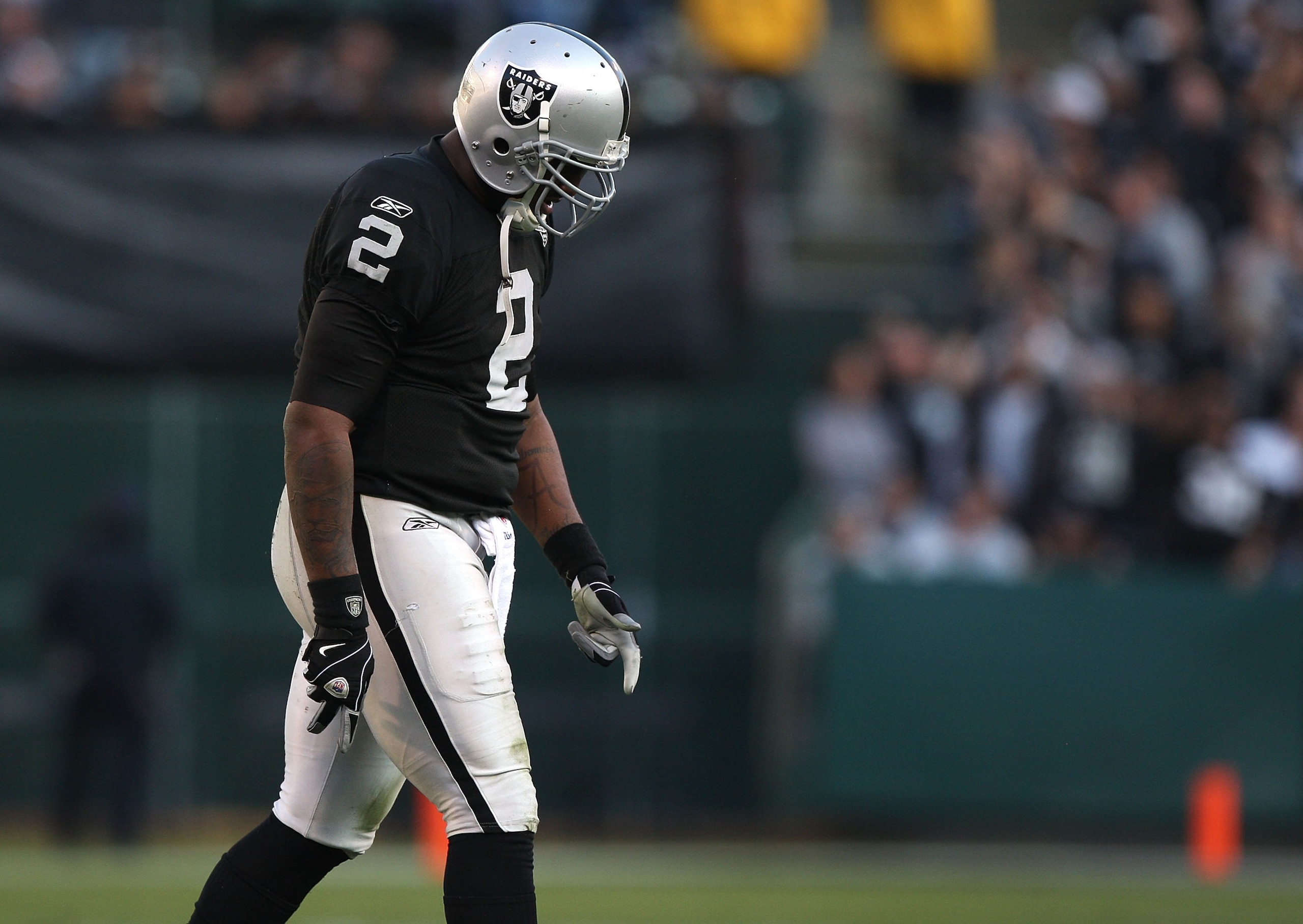
A rookie salary cap has been at the top of every NFL owner's list for years. It has been a burden for every team coming out of the draft. First round picks, in particular, fetch a hefty price tag. Even after years of scouting, what a GM believes is a sure thing, can still turn out to be a huge bust.
The perfect example is codeine fiend, Jamarcus Russell. He was highly touted as a transcendent NFL talent coming into the NFL. ESPN's Mel Kiper called him "..John Elway-like" (1:36 mark) prior to the draft. Four years and nearly $40 million later, Jamarcus has been cut by the Raiders and will face an uphill battle to get back into the league.
The NBA is setup so rookies will be compensated based on their draft position. While they have escalating contracts, they are fairly compensated based on their expected value. Obviously not all picks pan out, but teams are given an out with Team options set for the player's third and fourth years.
With a rookie salary cap, no longer will you see absurd contracts awarded to players who have never played a snap in the NFL. Veterans are sure to welcome these new terms as they constantly see rookies get deals that overshadow their own.
Franchise Tag
2 of 5
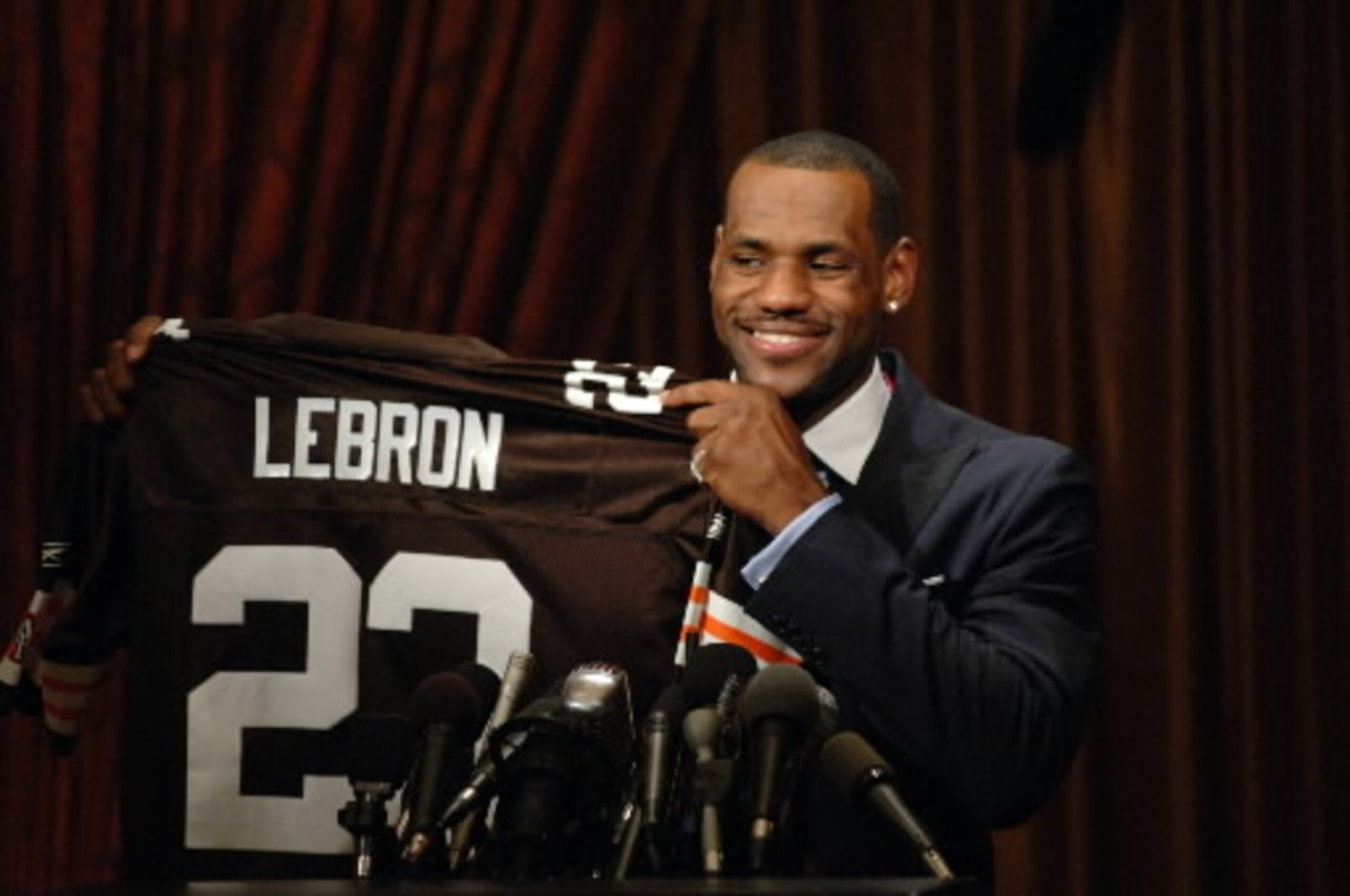
Applying the franchise tag has been a staple for NFL teams looking to squeeze another year out of a marquee player. With "The Decision" finally over with, this issue will become even more prevalent as NBA teams look for ways to keep their players from bolting for greener pastures.
If you're unfamiliar with the concept of a franchise tag, it allows teams to bind an unrestricted free agent to the team without penalty to the salary cap. The catch is that the player will earn an average of the top five salaries for that particular position or 120% of the player's salary from the year before.
There are two types of franchise tags: an exclusive and non-exclusive tag. Exclusive tags give teams complete control as it bars the player in question from negotiating with any team. Non-Exclusive tags give players freedom to explore their options by allowing them to reach a deal with another squad. However, the team with the player's rights has the option to match any contract offered. If the team chooses not to, they are entitled to two first round picks from the team seeking the franchised player's services.
With this dangerous precedent set by Lebron, it's apparent that more and more players are afraid of mortgaging their futures with franchises they have no faith in. Just recently, both Chris Paul and Carmelo Anthony supposedly requested to be traded. Clearly they covet their own dream team, something allegedly suggested at Carmelo's wedding this past summer.
Teams fear that if they can't get their player to sign an extension before they become an unrestricted free agent, the only option they have will be to trade them. While franchise tags will do nothing to quell an unhappy player, it at least gives a team options. The wake of "The Decision" is far and wide and its' influence will be seen for years to come.
Guaranteed Contracts
3 of 5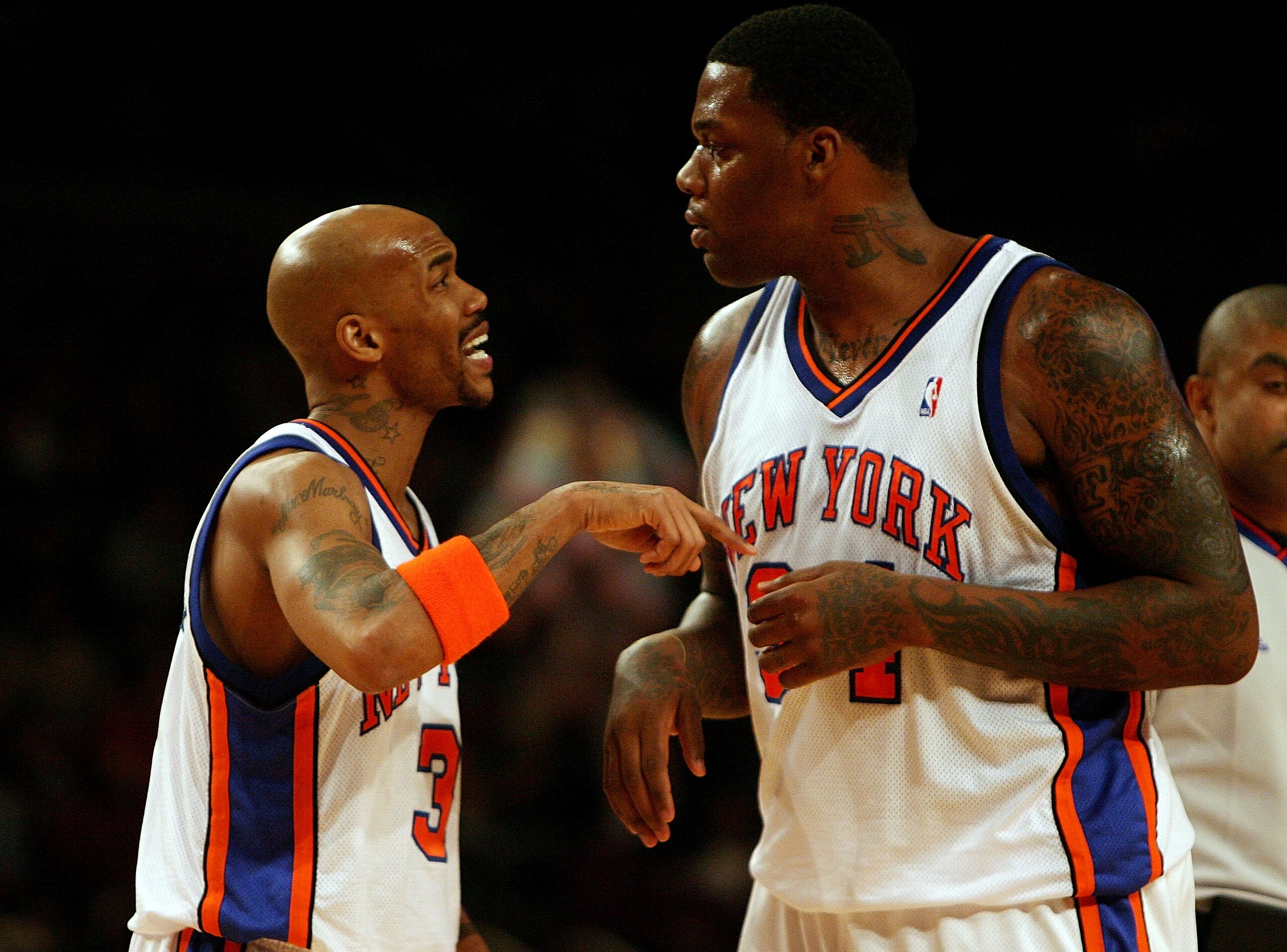
Guaranteed and non-guaranteed contracts are another facet of the current NFL CBA that the NBA is sure to be envious of. With unreasonable "max contracts" being afforded to players many deem unworthy, it can hinder a franchise for years to come.
Joe Johnson is the latest example of a bad "max contract". While he is a fantastic player still capable of playing at a high level, you would be hard pressed to find someone who believes he is a franchise cornerstone able to elevate a team to a championship level. At the ripe age of 29, Joe has more or less peaked and will most assuredly not deliver a title to Atlanta.
To further illustrate the trouble with massive, fully guaranteed contracts, look no further than Eddy Curry. Having a large portion of his $11 million contract non-guaranteed would most likely have pushed the overweight center to condition and properly diet in order to be in shape for the grueling 82 game season. Instead, the behemoth has been told to stay away from team facilities and activities, cast out like a pariah. For the past two years, Eddy has been collecting fat paychecks for absolutely no work. He gets to sit at home eating all the Krispy Kreme donuts he can stuff into his mouth.
Up until this year, Curry has been a thorn in the side of the New York Knicks. However, now that he has an expiring contract, he has suddenly become an important asset to the club. Expiring contracts are the norm and that should not be the case. Teams should not be burdened with lazy, underachieving athletes.



Hard Salary Cap
4 of 5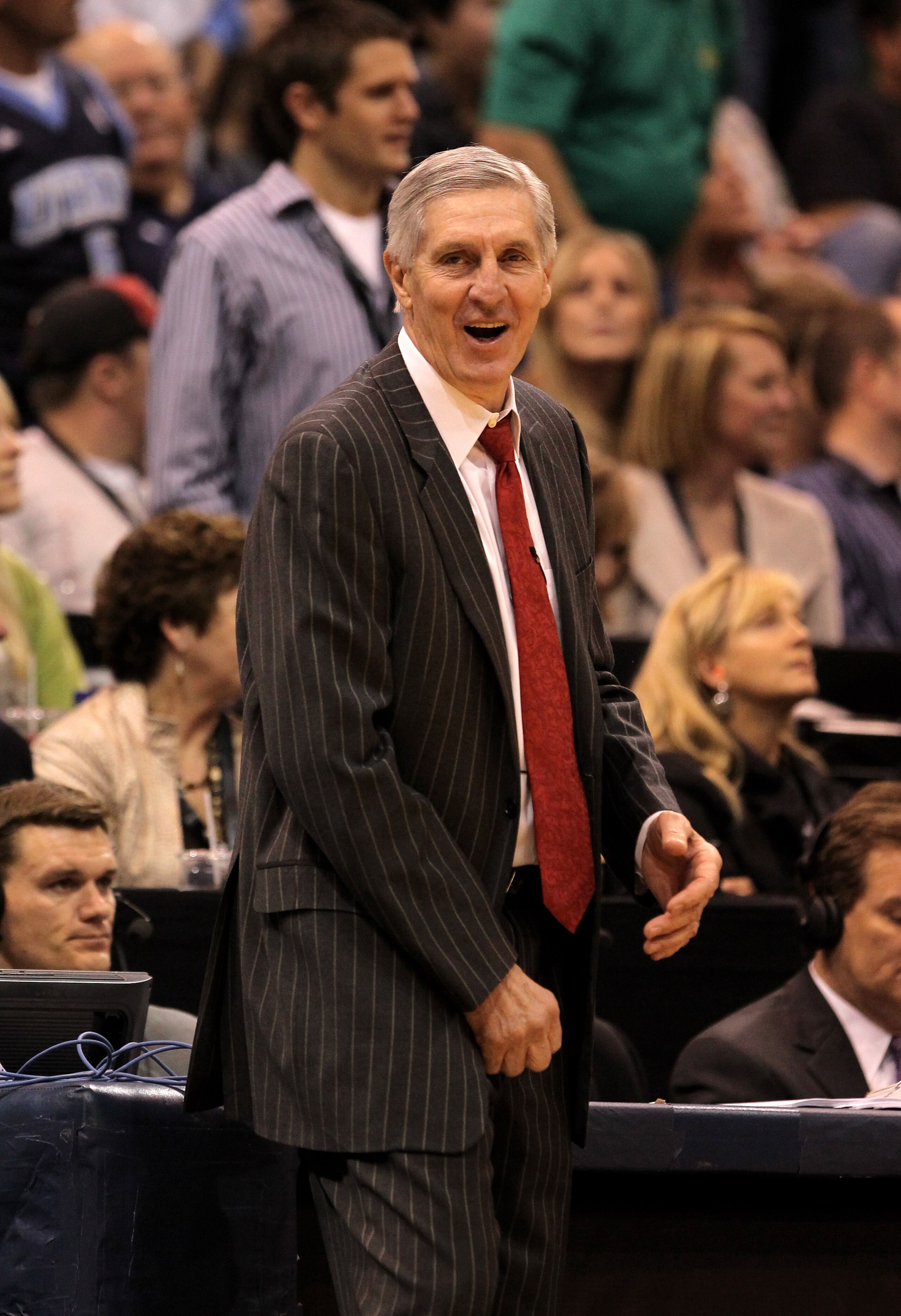
One of the terms, supposedly being demanded for the new NBA CBA, is a hard salary cap. This would do away with the luxury tax and keep teams from exceeding the payroll limits set by the NBA. Enforcing a strict cap would automatically force contracts to be limited in size and length. It would also limit teams from signing players to lucrative deals—I'm looking at you Rashard Lewis—as it would eat up the rest of the cap space needed to sign other quality players.
The luxury tax allows teams to go over the cap to attain players in order to potentially contend for a championship. However, they must pay a dollar for dollar tax equal to the amount they surpass the cap. The problem with this is that teams in bigger markets can usually generate enough revenue to justify the costs. Smaller market teams have to fight to recoup the costs of going into luxury tax territory.
This is a rather tricky subject to broach. The NFL has managed to preserve a hard salary cap that keeps organizations from gaining a significant edge. While big market teams clearly have an advantage, they are not automatically favored. A savvy NBA owner and/or GM can still build a perennial contender while maintaining a reasonable budget. The Utah Jazz are one of the few small market franchises that many organizations should strive to emulate.
"We're in a fairly small market. We don't have the luxury of paying whatever we wish. Every nickel counts. We have a strong season ticket base, and very strong relationships with our corporate sponsors. We have no fat in the organization. We're very lean, and very efficient. But we have to work with the resources that are available to us. We cannot deficit spend."
- Greg Miller, CEO of the Larry H. Miller Group of Companies (Owner of the Utah Jazz)
Through smart drafting, a solid business plan, and a community first approach, the Jazz are able to maintain a strong fan base while keeping themselves in championship contention. Their stable front office and coaching staff—Jerry Sloan has been tendered for 22 years—keeps the franchise afloat.
The other end of the spectrum is James Dolan and the New York Knicks. While Dolan is afforded the luxury of one of the largest markets in the world, his poor decision making has made the Knicks one of the laughing stocks of the league. No matter how bloated the Knicks payroll has become, they have failed to make the playoffs since the 2000-2001 season.
A hard salary cap could potentially help to even the playing field, but it is not a definitive answer for the disparity between undersized and larger market teams.
Sharing Is Caring
5 of 5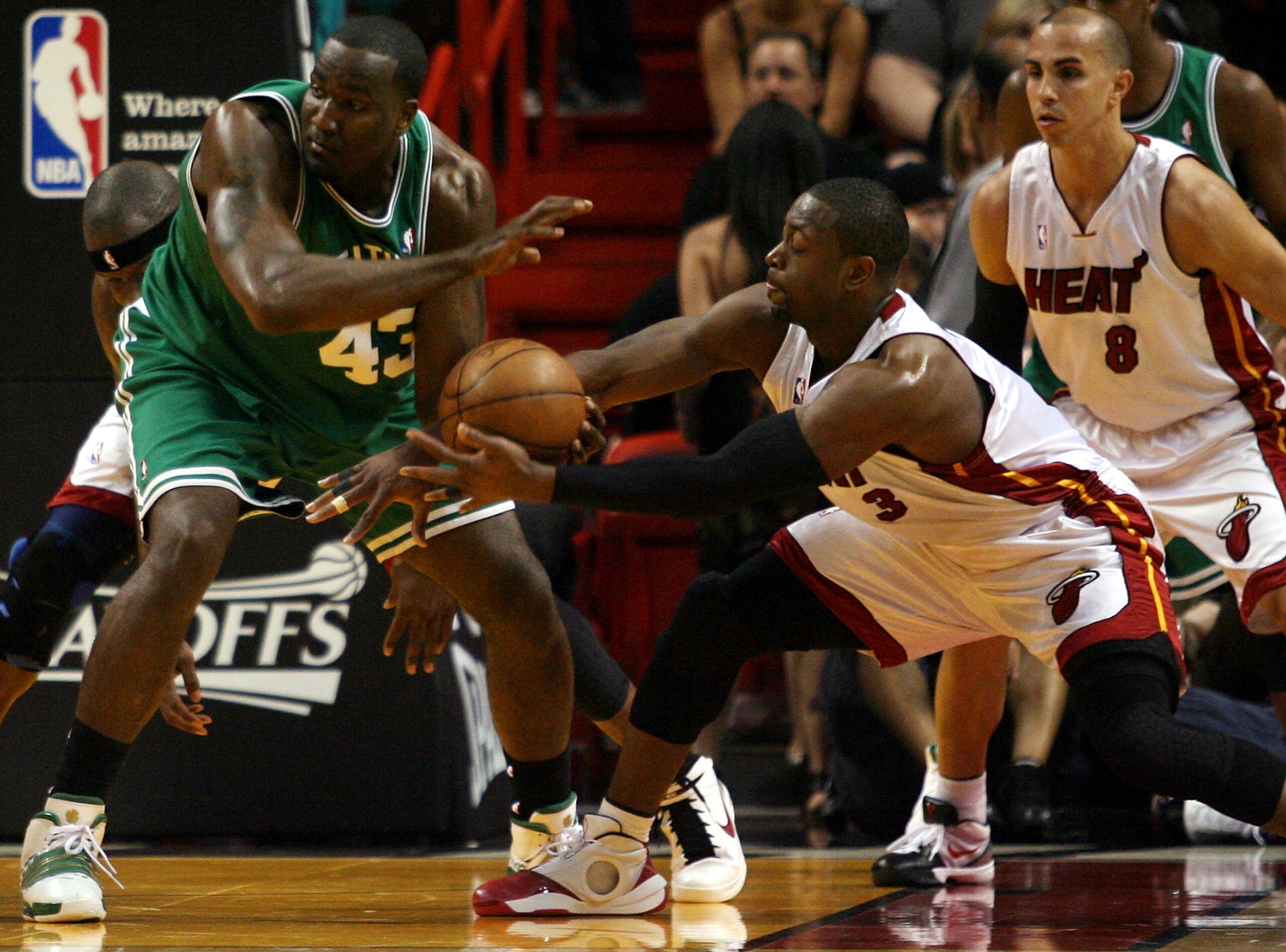
The NBA must learn to share—something they apparently didn't learn in Kindergarten. Of all the major sports leagues, the NBA is far behind in revenue share.
While the NFL splits home ticket sales 60-40 between teams, the NBA allows home teams to keep their entire allotment of ticket sales. This issue looks particularly disturbing when you see the sold out Staples Center in L.A. compared to the near empty Target Center in Minneapolis.
Revenue share would help to close the gap and alleviate some of the financial burdens small market teams face. This would also subdue the cries of lesser market franchises asking the league to curb player salaries. In the end, the main culprits are the owners themselves.
.jpg?w=2560 "NFL investigating referee after viral exchange with player")
.jpg?w=2560 "OBJ Calls Out Giants After Release")