
2010 NBA Power Rankings: Every Team's Best and Worst Offseason Moves
The summer of 2010 will go down as being one of the most memorable offseasons in the history of any professional sport. The unprecedented hype surrounding the free agent class has created plenty of excitement heading into next season.
Now that everything has settled down, it's time to take a look at the moves that defined every NBA team in the offseason, both good and bad.
Here's a look at the best and worst moves of all 30 NBA teams this summer.
Atlanta Hawks
1 of 30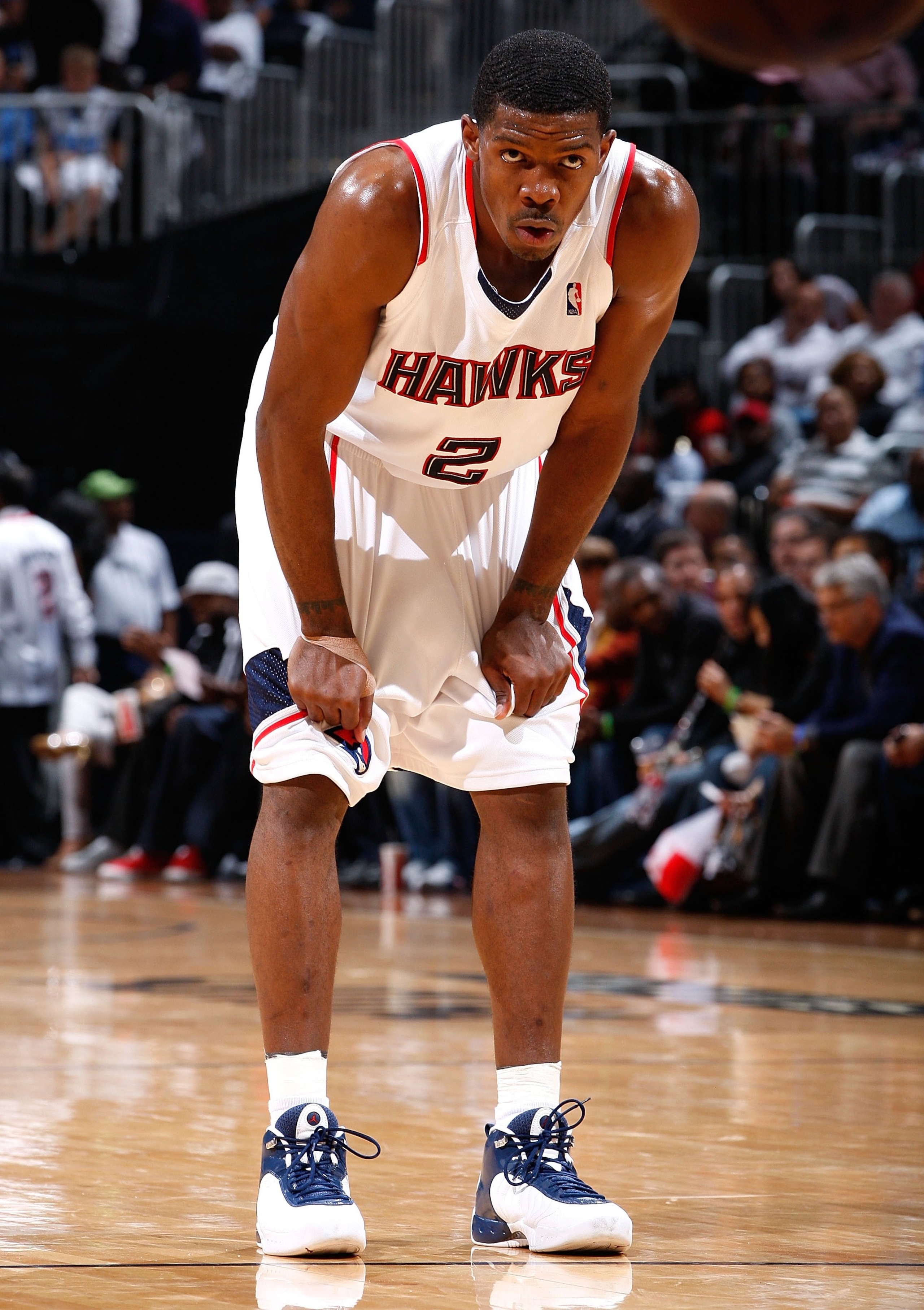
Best move: Acquiring Jordan Crawford on draft day
Although he needs to get stronger and probably won't contribute much next season, Crawford has a good deal of upside and could emerge as a solid sixth man down the road.
Worst move: Re-signed Joe Johnson to a six-year, $119 million deal
If you completely ignore the money, the Hawks did the right thing by keeping the face of the franchise. The problem is, you can't ignore the enormous contract that will pay Joe Johnson more than LeBron James.
The mega-contract will keep the Hawks in salary cap hell while making it difficult to surround him with a capable cast of characters. Atlanta is likely to contend for the playoffs for years to come, but don't expect the Hawks to make a deep run in the postseason.
Boston Celtics
2 of 30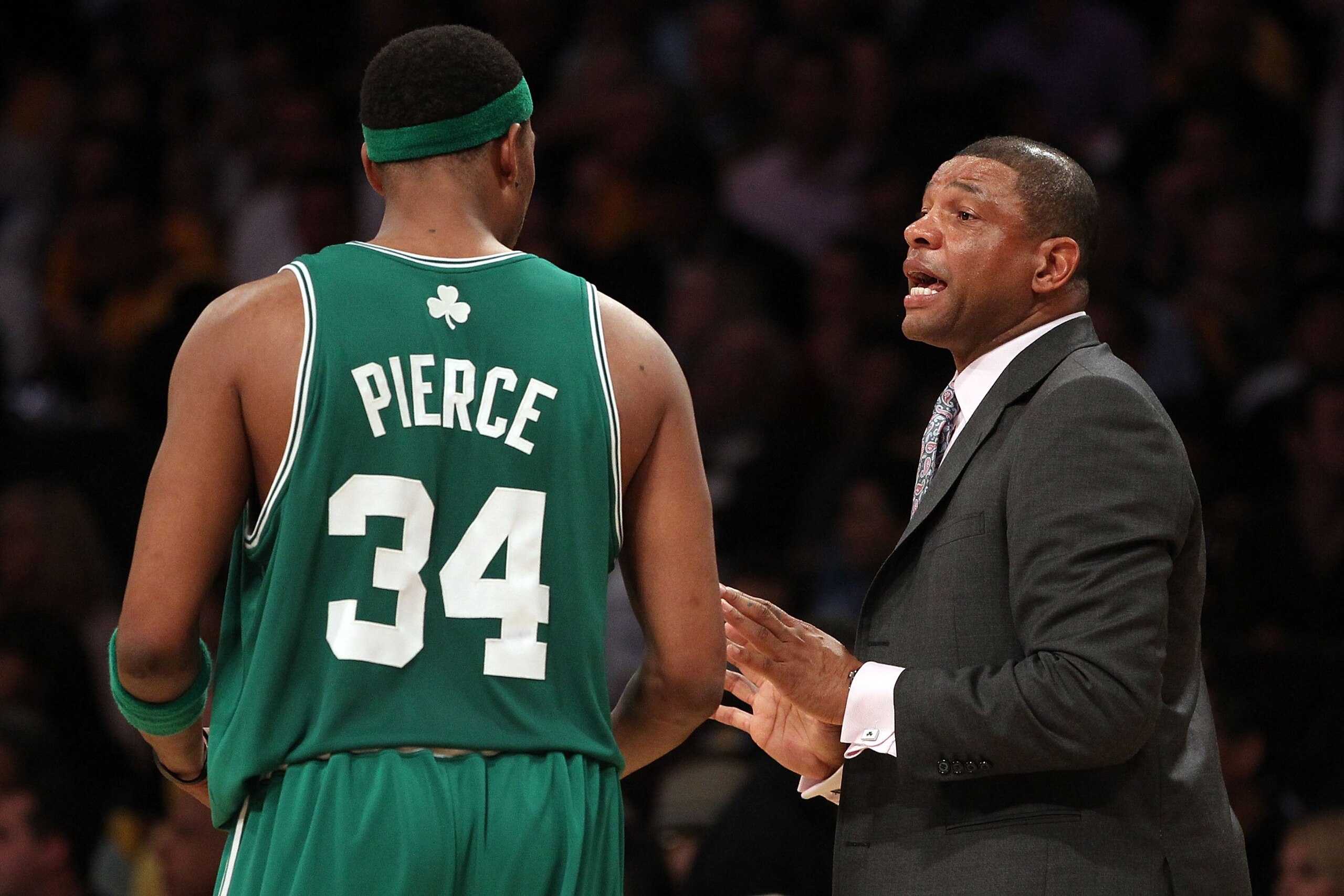
Best move: Re-signing Paul Pierce to a four-year, $61 million deal
Danny Ainge did a lot of good things in the offseason, but it all started with re-signing the face of the franchise. The Celtics filled out the roster nicely and should be one of the deepest teams in the NBA.
Worst move: Signed Shaq to a two-year, $2.8 million deal
Although the team signed Shaq for next to nothing, it remains to be seen exactly what he will bring to the table. If you look beyond his respectable statistics in the 2009-2010 season, his impact with the Cavaliers wasn't overly positive. His presence disrupted spacing and slowed the Cavaliers pace of play to a crawl.
The Celtics will have no choice but to play him decent minutes until Kendrick Perkins returns. It's possible the team would have been better off looking elsewhere instead of signing an aging center who can't be counted on to stay healthy.
Charlotte Bobcats
3 of 30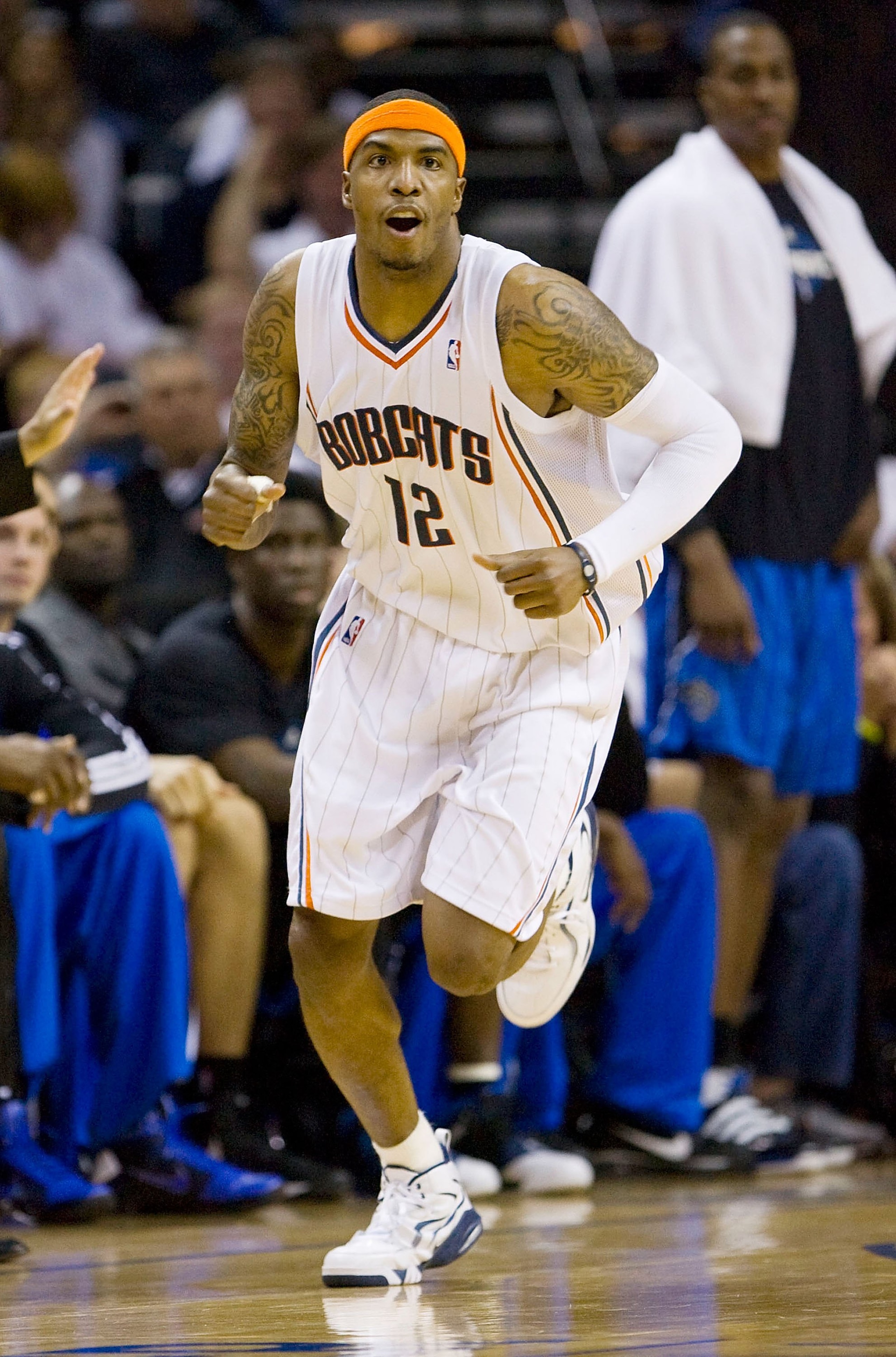
Best move: Signing Shaun Livingston to two-year, $7 million deal
The Bobcats took a fairly low risk approach to filling the void created by the departure of Raymond Felton. The team signed Livingston, who still clearly has potential to grow in the right situation. His horrific leg injury might prevent him from becoming a dynamic point guard, but at worst he is a capable backup. He will compete with rookie Sherron Collins for minutes behind D.J. Augustin.
Worst move: Signing Tyrus Thomas to five-year, $40 million deal
If Tyrus Thomas ever figures out what he should do instead of what he wants to do, he will certainly justify $8 million per year. The problem is that there haven't been any signs that he is finally willing to be a rebounder, shot blocker, and dunker, and leave the missed 16-foot jumpers behind him.
The Bobcats will benefit from the athleticism Thomas brings, but his energy level and contribution tends to fluctuate wildly.
Chicago Bulls
4 of 30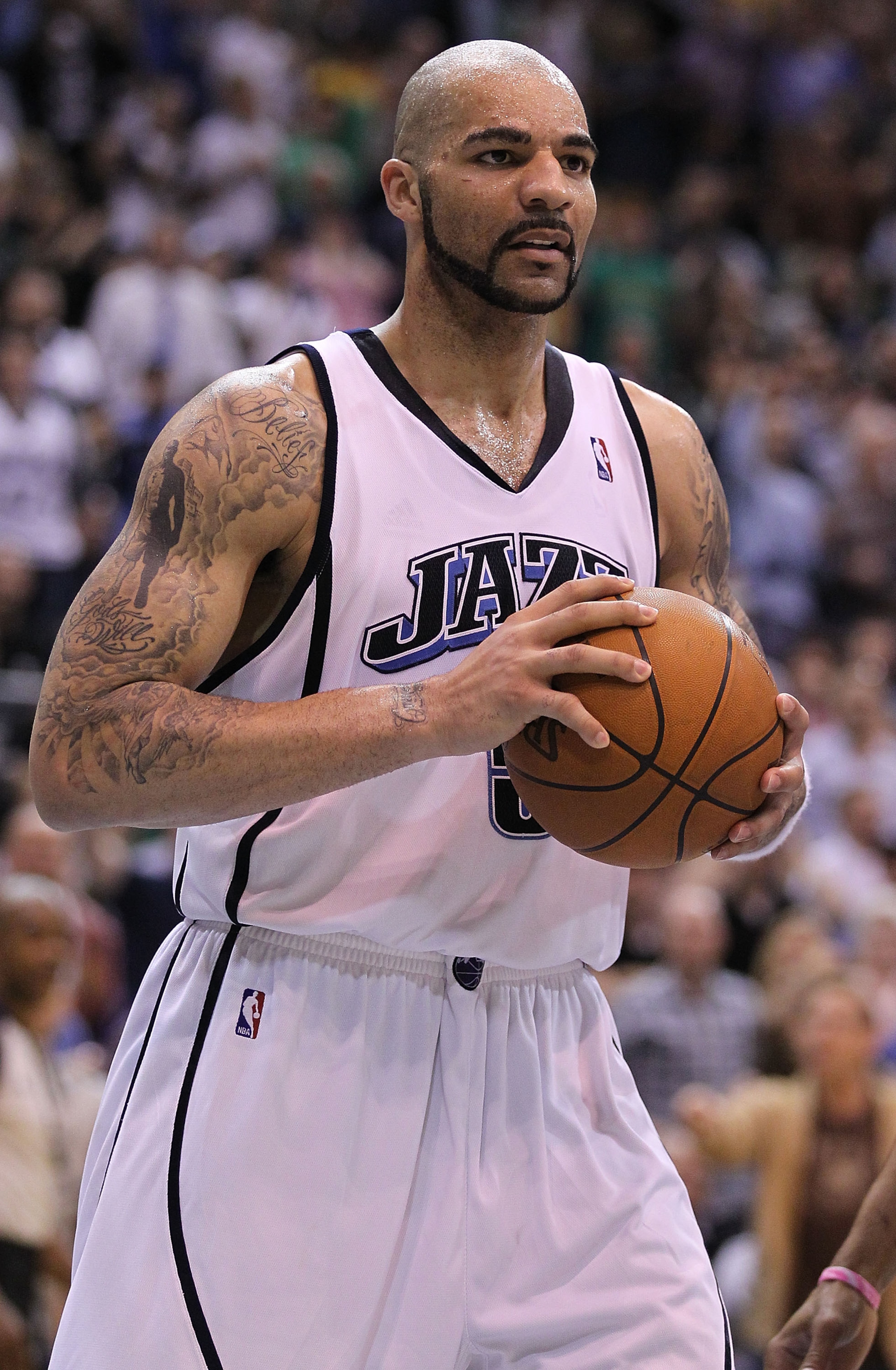
Best move: Signing Carlos Boozer to five-year, $80 million deal
The Bulls haven't had a go-to big man since Elton Brand. Those were dark days for the Bulls, but things with Boozer should be much, much brighter. Despite his worrisome injury history, Boozer was worth the sizable investment. His ability to play in the pick-and-roll game and hit mid-range jump shots compliments Derrick Rose's game perfectly. Boozer isn't a great defender, but Joakim Noah is in the middle to handle the dirty work.
Worst move: Failing to address the need at backup center
The Bulls are high on Omer Asik, but there is no question the team could have used a veteran center in the post. Those players are difficult to find, but don't be surprised if the Bulls make a trade at some point next season if Asik doesn't pan out.
Cleveland Cavaliers
5 of 30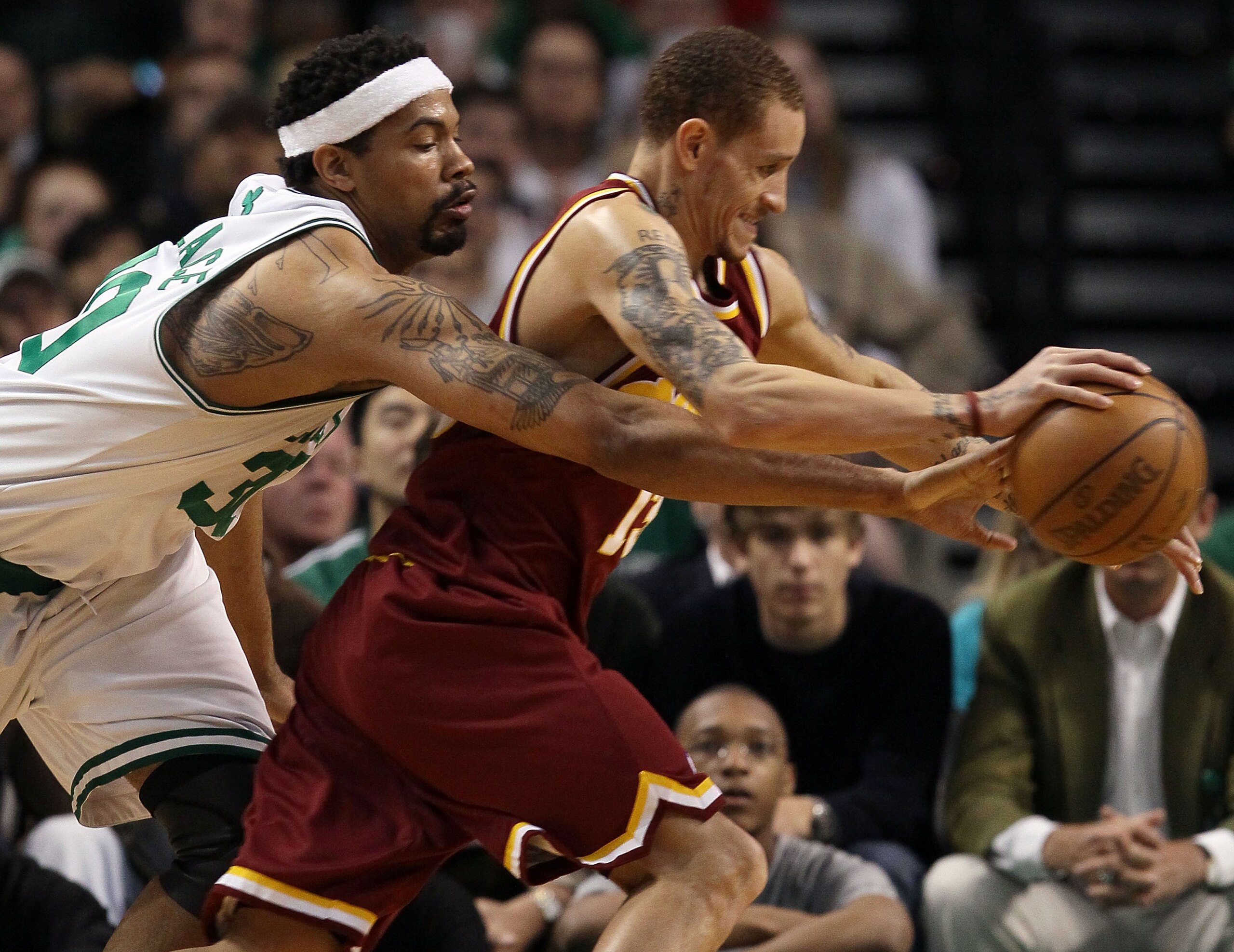
Best move: Getting something in return for Delonte West
Aside from the failed mission of re-signing LeBron James, the Cavaliers wanted nothing more than to rid themselves of Delonte West and his bevy of problems. LeBron or no LeBron, West was no longer a good fit in Cleveland.
The team managed to acquire Ramon Sessions from the Timberwolves in exchange for West, who was promptly released. The Cavaliers could have bought out West's contract for a relatively small amount of money, but acquiring a decent player to bolster the bench was a solid move.
Worst move: Not finding a home for Mo Williams
Why kick them when they're already down? Although Dan Gilbert's actions following "The Betrayal" can be criticized, the Cavaliers clearly did everything in their power to keep the King. After former general manager Danny Ferry did whatever it took to fill the Cavaliers roster with supporting players last season, the team was left in an impossible position when LeBron didn't return.
One of the few pieces with at least some value is Mo Williams, who reportedly attracted interest from the Blazers but was never dealt. No NBA team wants to take on Antawn Jamison's inflated deal, but Williams would appear to have at least some value. The Cavaliers could move him at some point next season, but the franchise is clearly not in a position to ask for too much in return.
Dallas Mavericks
6 of 30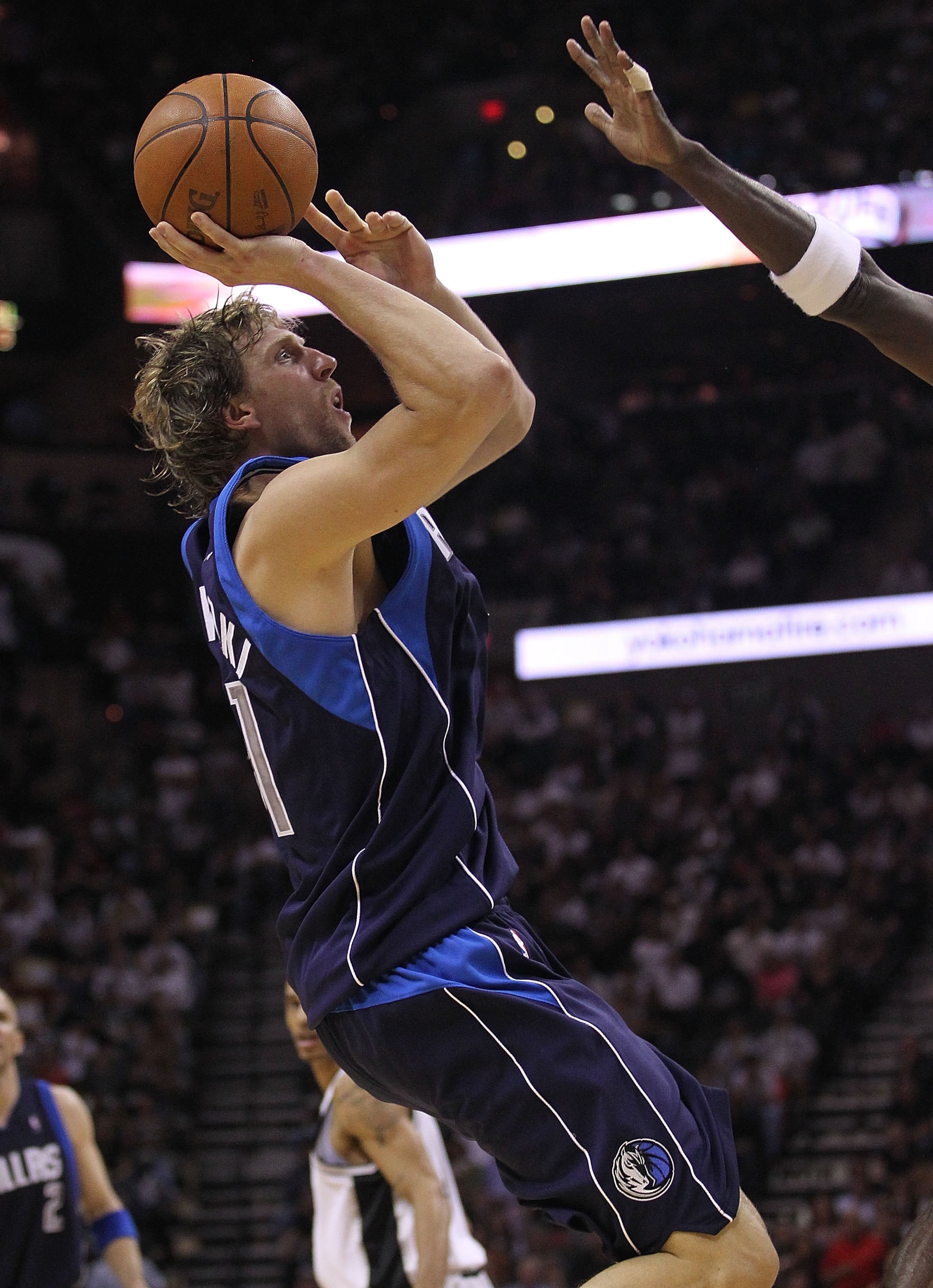
Best move: Re-signing Dirk Nowitzki to a four-year, $80 million deal and Brendan Haywood to a six-year, $55 million deal.
Mark Cuban should really thank Dirk Nowitzki, who took a pay cut in an effort to leave his owner with some financial flexibility that could open the door for the team to make aggressive moves throughout next season. That includes making a run at Chris Paul, although the Mavericks would likely be reluctant to part ways with Rodrigue Beaubois.
The money in Haywood's deal might seem to be a bit ridiculous, but his value as a rebounder and defender could allow the Mavericks to compete with the Lakers down the road.
Worst move: Trading a bad contract for a bad contract
The Mavs unloaded Matt Carroll and Erick Dampier, but took on Tyson Chandler's contract in the process. Chandler's brittle body makes it doubtful that he will be able to contribute for an entire season, which made the move a bit puzzling. Dallas could likely have bought out Dampier's contract, which isn't guaranteed, and saved even more money.
Denver Nuggets
7 of 30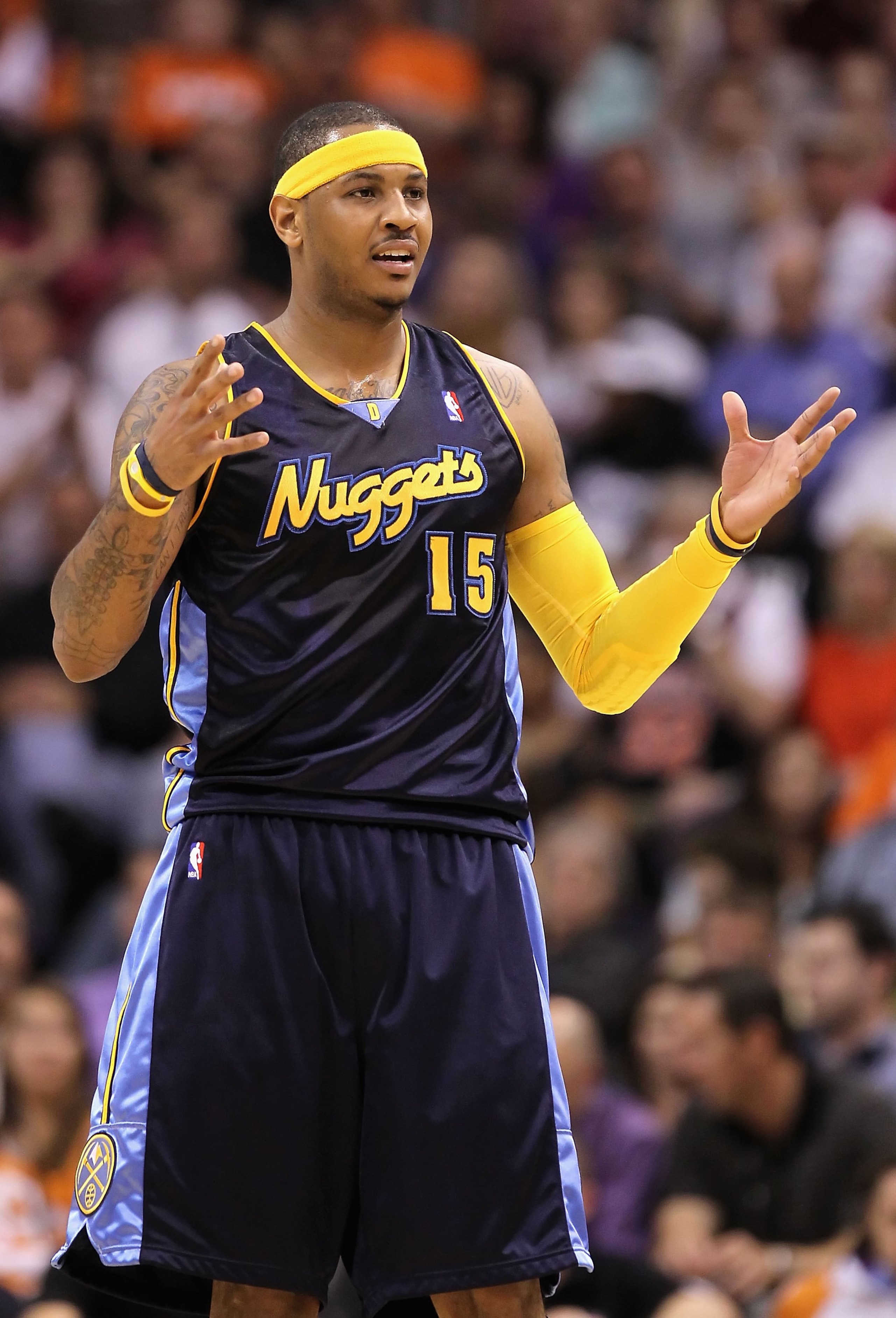
Best move: At least trying to keep Carmelo Anthony
There's nothing more ridiculous than a potential trade that would involve, in principal, exchanging Carmelo Anthony and his all-NBA pedigree for Eddy Curry and his biggest-loser pedigree. The Nuggets have put an offer on the table and aren't giving up quite yet.
Worst move: Signing Al Harrington to a five-year, $34 million deal
Sure, the money isn't horrible and Harrington can put up numbers. Ultimately, the last thing George Karl wants is to deal with another player obsessed with shooting the ball when he already has the shoot-first, pass-never J.R. Smith on his hands. The Nuggets still need inside help, and Harrington has never wanted to mix it up in the paint.
Detroit Pistons
8 of 30
Best move: Drafting well and re-signing Ben Wallace to a two-year, $3.8 million deal
It might be a reach, but the Pistons certainly did what they could in the draft. The Pistons drafted a skilled big man in Greg Monroe in the lottery and used a second-round pick on a player with tremendous upside in Terrico White. Joe Dumars also decided to bring back Big Ben, in a move that could help attendance and pay at least some dividends on the court.
Worst move: Signing Tracy McGrady
Although many people consider the McGrady signing a low-risk type of move, the last thing the Pistons need is another player who wants to do nothing more than come in and shoot the ball. There are simply too many question marks with McGrady, and now Dumars basically must trade either Rip Hamilton or Tayshaun Prince, which will be easier said than done.
Golden State Warriors
9 of 30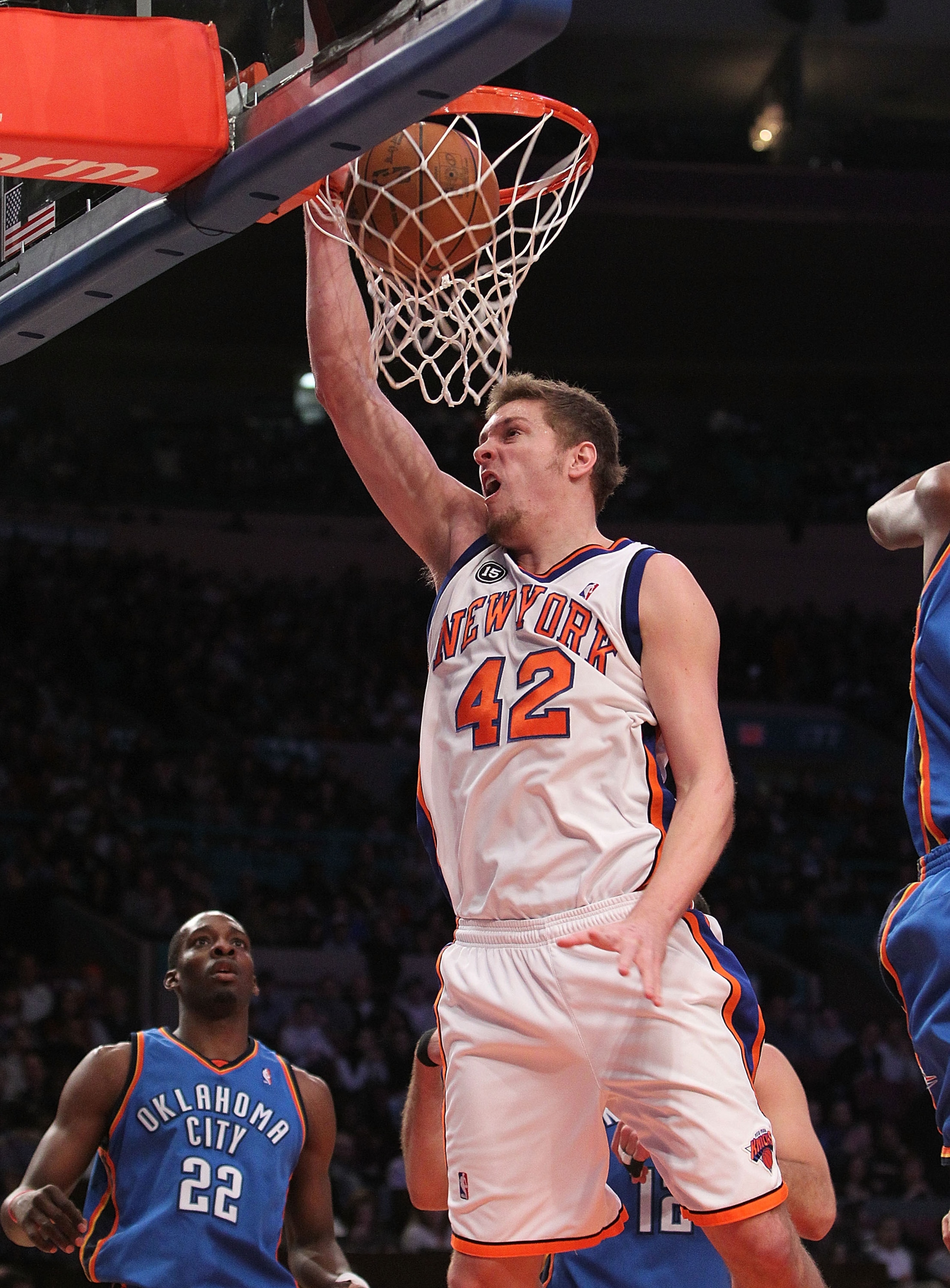
Best move: Acquiring David Lee in a sign-and-trade with the Knicks
Anyone who plays fantasy basketball knows what kind of numbers Lee puts up. The Warriors system and talent at guard should open the door for even bigger things for him this season and help Golden State remain one of the more fun to watch, albeit bad, teams in the entire NBA. The free agent signing of Dorrel Wright will provide depth and the signing of Jeremy Lin should help boost attendance, assuming Lin shows he can play against proven NBA talent.
Worst move: The continued anti-big man approach
As an avid NBA observer, I have always wondered what exactly is just so great about Don Nelson. His reputation as being an innovative offensive mind is clearly legitimate, but his bizarre strategy has the Warriors mired in futility. The franchise already has enough problems and could use a fresh start at the top. Ultimately, until Nelson is no longer coach, the team will avoid pursuing a true NBA center who is able to defend and rebound in the paint. The Warriors will also avoid winning on a consistent basis.
Houston Rockets
10 of 30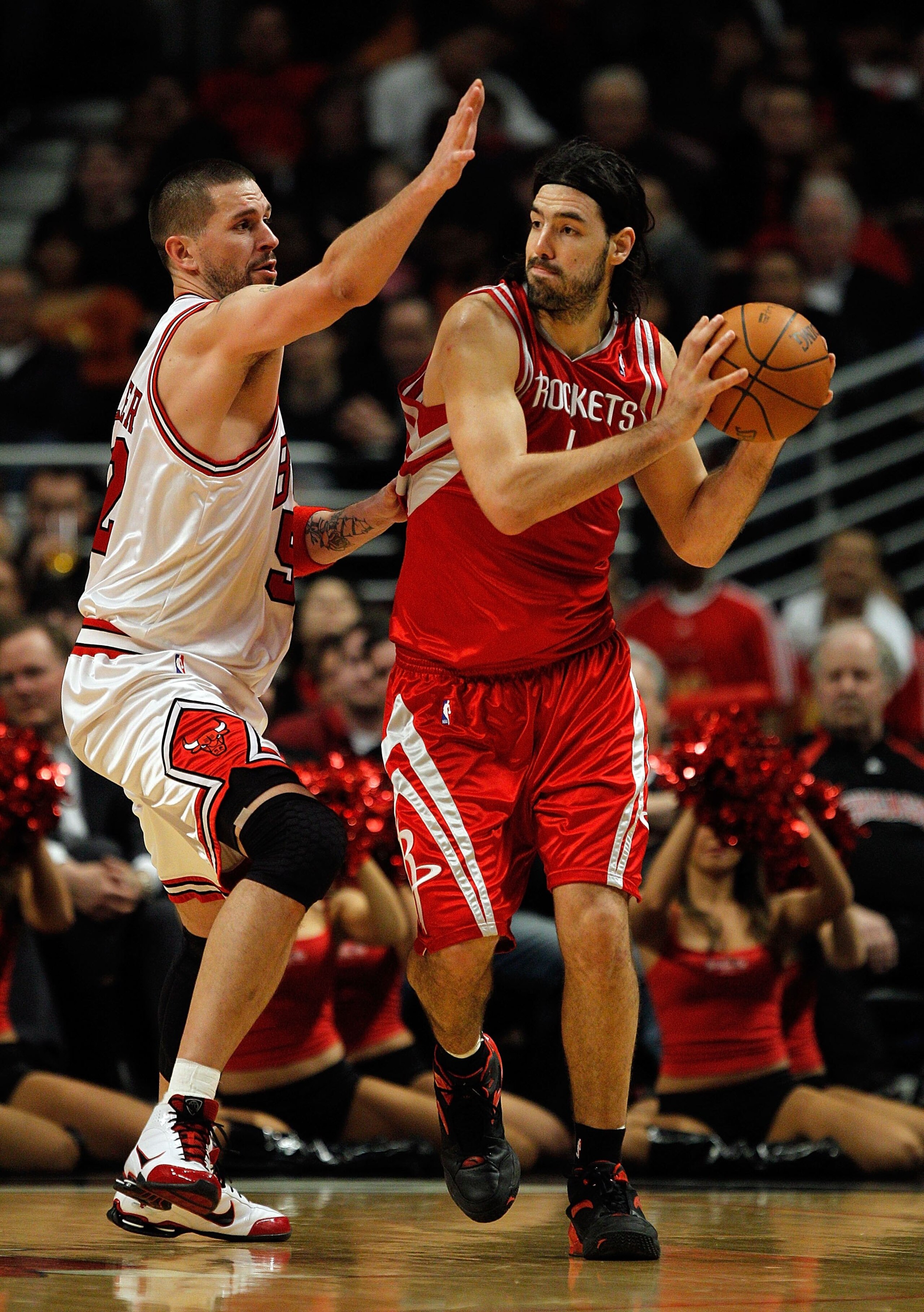
Best move: Re-signing Luis Scola to a five-year, $47 million deal and trading Trevor Ariza
The Rockets had a solid offseason, despite missing out on Chris Bosh. Luis Scola and free agent signing Brad Miller provide a nice below-the-rim combination. The Rockets unloaded high-priced Trevor Ariza after he had a down year in his only year with the team and was never completely healthy. Houston now has enough money to make a serious offer to a free agent next summer, which could be why Carmelo Anthony is rumored to have interest in heading to H-Town.
Worst move: Not adding enough talent to overcome a small margin of error
The Ariza trade had more pros than cons, but it leaves the Rockets in an uneasy position. The team already appears to be very close to rebuilding mode, especially with Yao Ming's health being less than a sure thing. The Rockets aren't overly deep on the perimeter now that Ariza has moved on.
Houston could win 50 games next season, or they could win 30. The margin for error is that small.
Indiana Pacers
11 of 30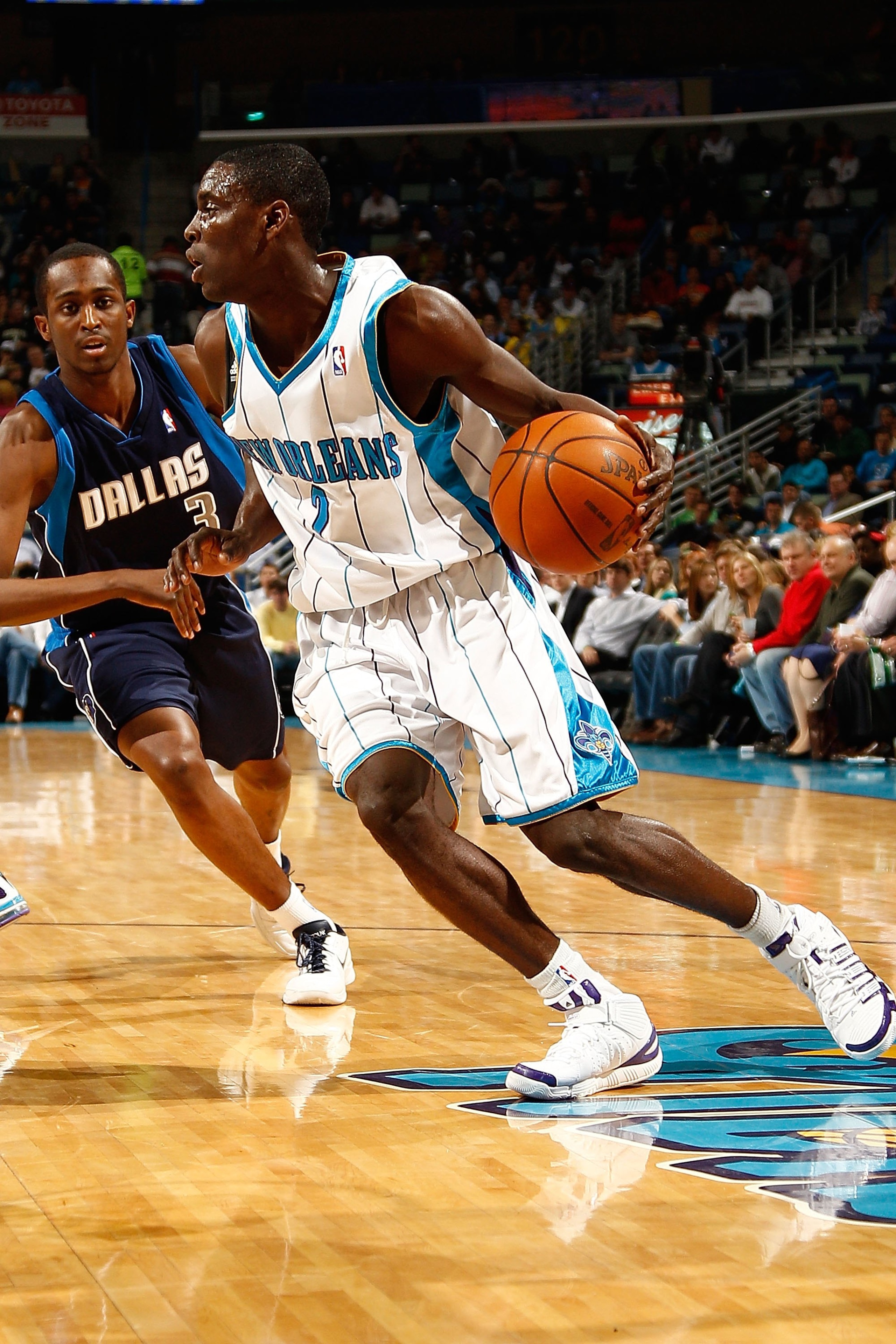
Best move: Acquiring Darren Collison from the Hornets
Although he came along with high-priced James Posey, landing Collison was a brilliant move for the Pacers, who had a strong draft and made themselves a much better team in the offseason. The Pacers desperately got the young point guard they have coveted for years and finally seemed to be headed in the right direction.
Worst move: Trading Troy Murphy
It had to happen in order to get Collison, but the departure of Murphy leaves the Pacers in a difficult position to say the least. The current roster suggests Tyler Hansbrough might even be asked to start next season. That's not a good thing.
L.A. Clippers
12 of 30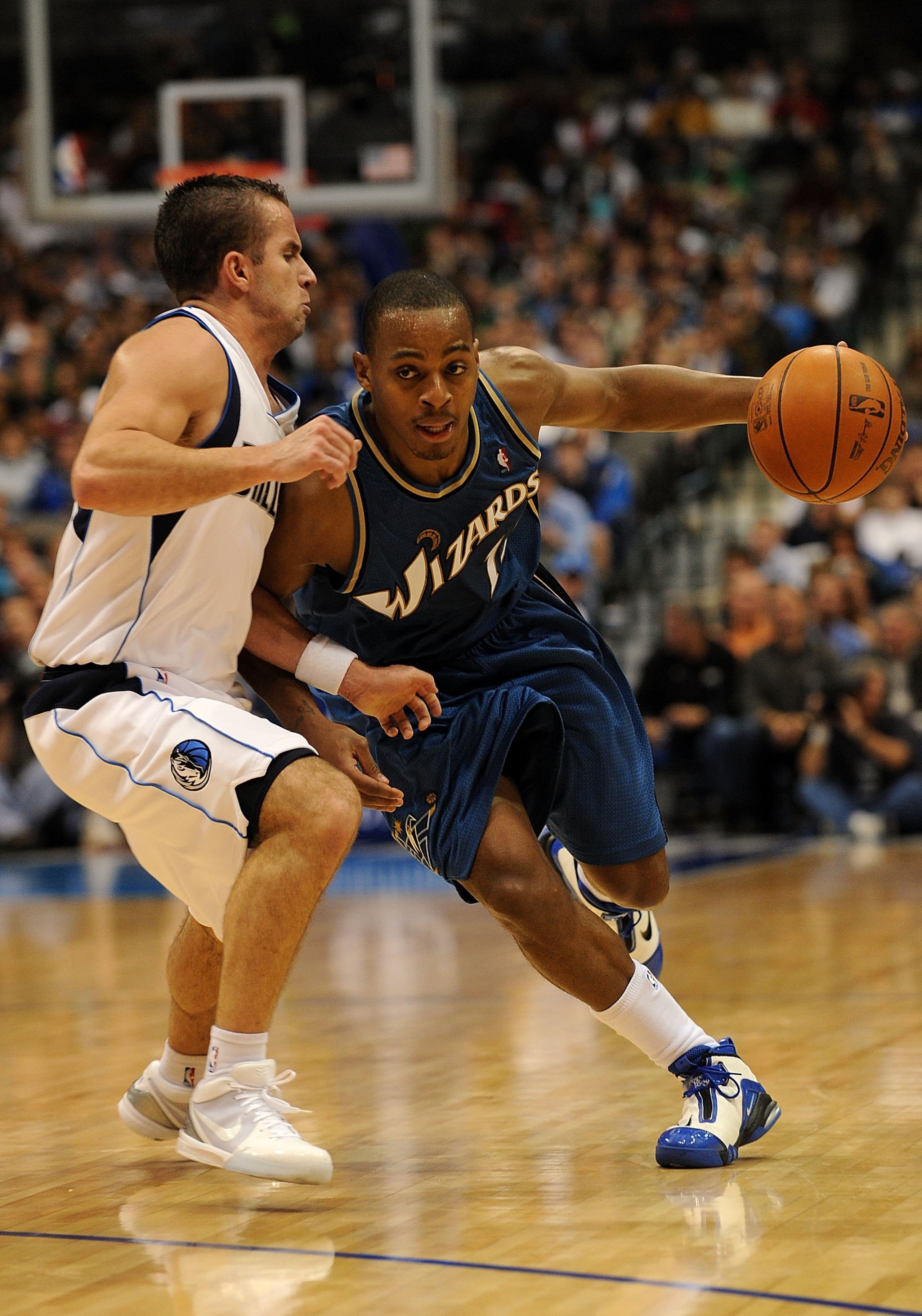
Best: Signing Randy Foye to a two-year, $8.5 million deal
The Clippers franchise is going in the right direction, and no matter how much owner Donald Sterling complains about his team's lack of free agent signings, the respect is certainly growing around the league. Otherwise, LeBron James never would have even given the Clippers the time of day.
Despite missing out on LeBron, the Clippers regrouped and signed Randy Foye to provide depth at both guard spots. Rasual Butler and Craig Smith re-signed to provide quality depth off the bench.
Worst: The failure at small forward
Al-Faruoq Aminu might be the answer in the future, but the Clippers need an answer for the present. Unless the rookie makes great strides in his perimeter game, Rasual Butler might have a big role next season. Travis Outlaw never looked so good.
L.A. Lakers
13 of 30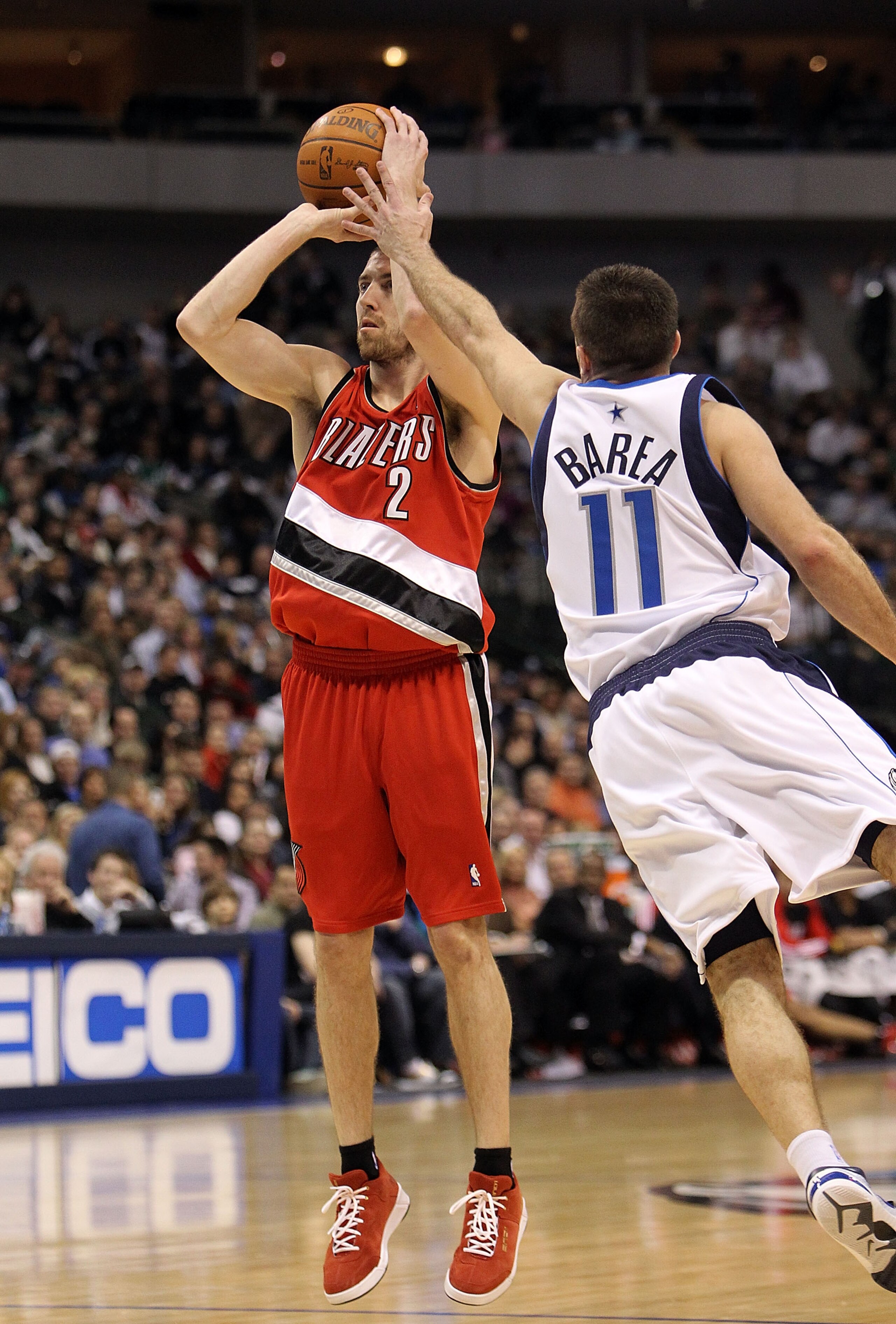
Best move: Signing Steve Blake to a 4-year, $16 million deal
Blake came to the Lakers as an economical solution to the backup point guard quandary. The signing made a great deal of sense, given Blake's ability to run an offense and hit open shots. The Lakers added Matt Barnes and eventually re-signed Shannon Brown to provide much-needed athleticism to the perimeter.
Worst move: Signing Theo Ratliff to a one-year, $1.5 deal
Ratliff might be an upgrade over D.J. Mbenga, but that isn't saying much. The 37-year-old is ideally suited to be a role player, but the Lakers could have used a better insurance policy behind the oft-injured Andrew Bynum.
Memphis Grizzlies
14 of 30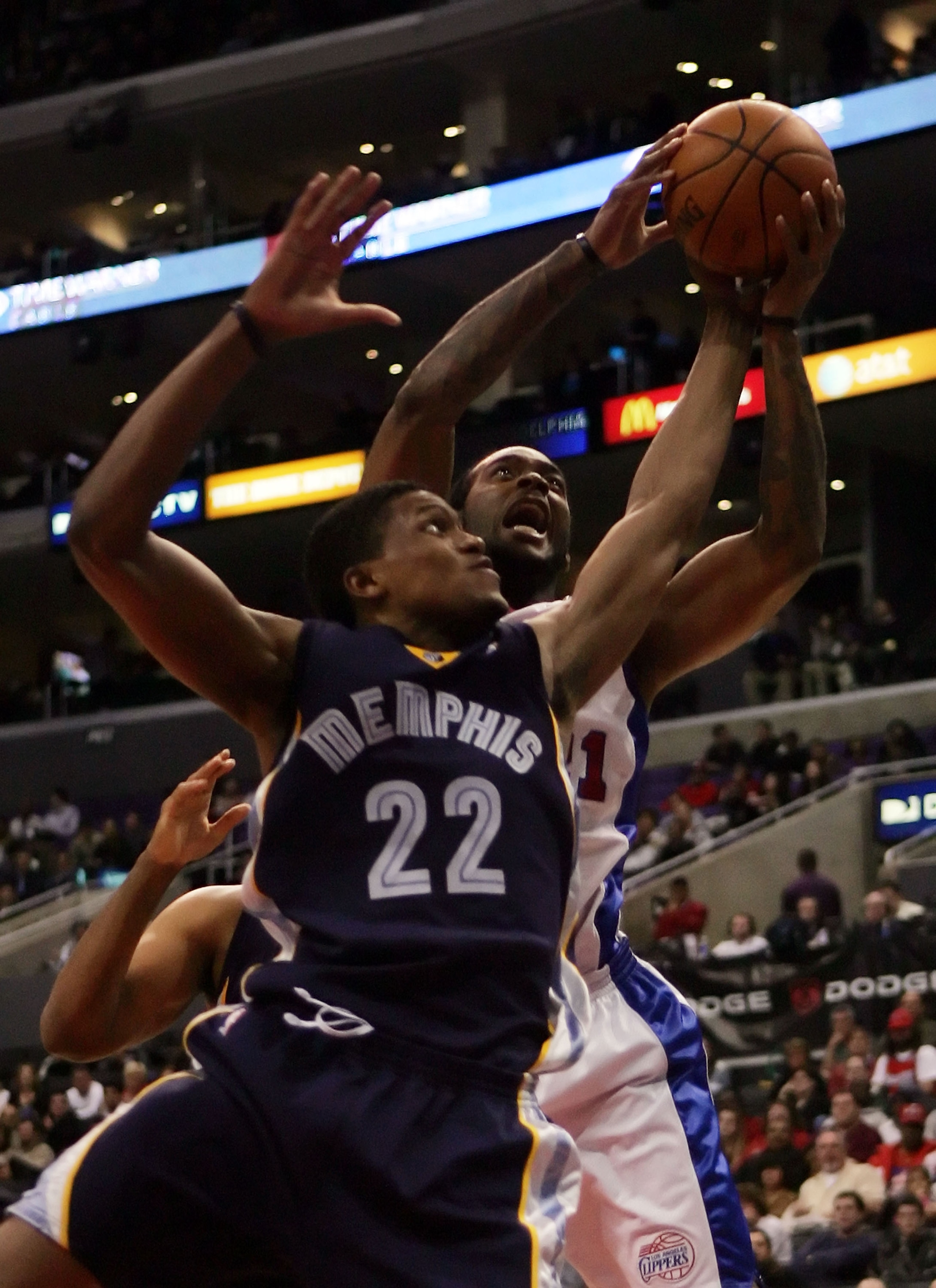
Best move: Re-signing Rudy Gay to a five-year, $82 million deal
Did Rudy Gay deserve a max-deal? Probably not. Will his contract cripple the franchise? Absolutely not. The Grizzlies have enough youth and flexibility to keep pieces in place around Gay in the coming years ahead. After finally playing with consistency last season, it will be interesting to see how Gay responds now that he has truly struck it rich.
Worst move: Signing Tony Allen to a three-year, $10 million deal
Allen has demonstrated an ability to defend the best perimeter players in the league, but has also showcased what might very well be the ugliest jump shot in the NBA. He is certainly a nice addition to what was a horrendous bench last season for the Grizzlies, but his offensive limitations and injury history makes a three-year deal a bit dubious.
Miami Heat
15 of 30
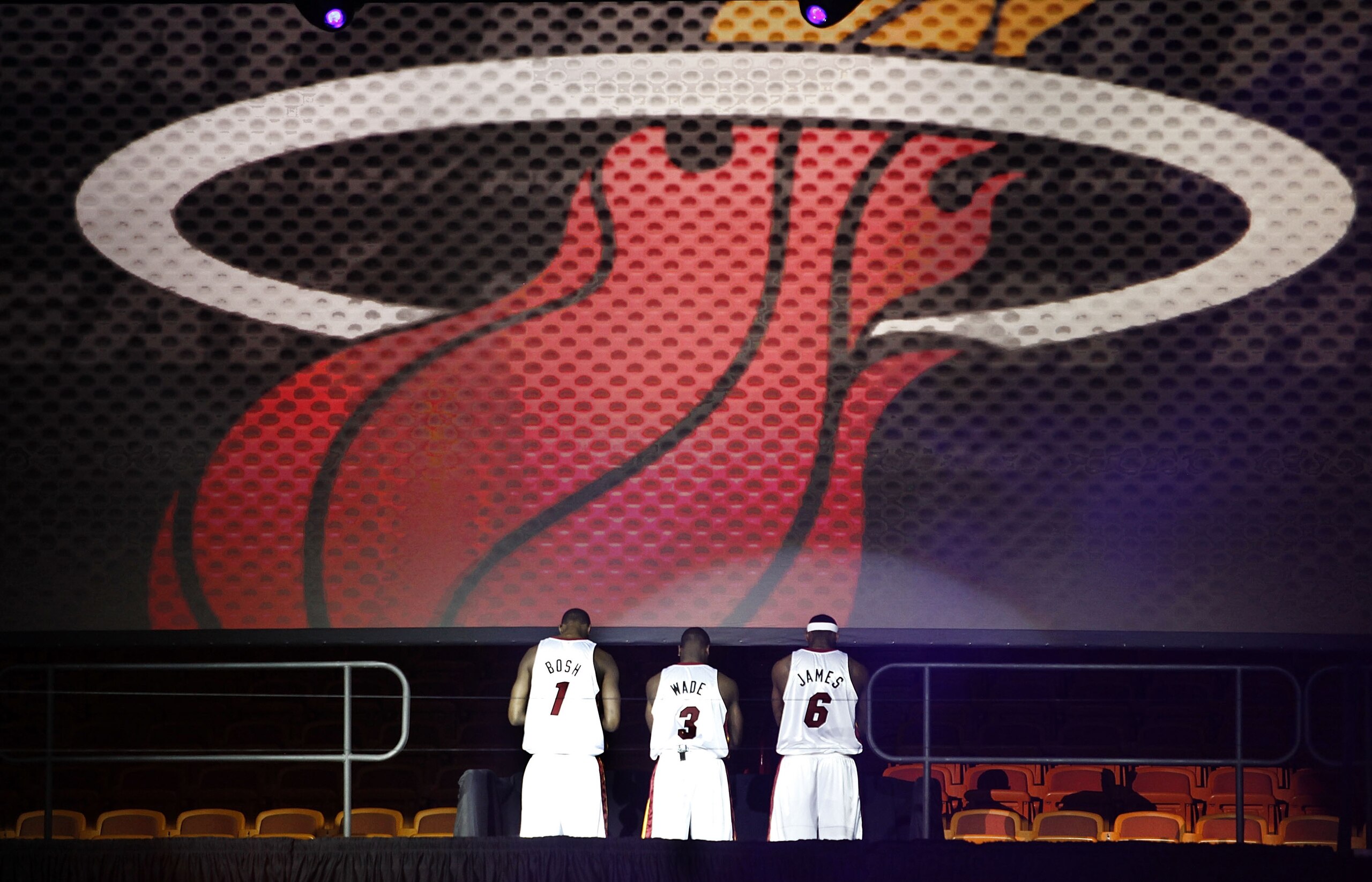
Best move: Surrounding the big three with a tremendous group of role players
Pat Riley worked a miracle in South Florida this summer, not only by landing the best set of triplets to play together in NBA history, but also by surrounding them with capable players willing to take on a reduced role. The biggest additions were Eddie House and Mike Miller, who will provide valuable three-point shooting off the bench.
Worst move: The questions in the paint
If there is a need Riley may not have completely addressed, it was at center, where Zydrunas Ilguaskas and Joel Anthony will man the middle. Neither player figures to offer much competition to Dwight Howard, but the Heat certainly have the talent to make up for this weakness.
Milwaukee Bucks
16 of 30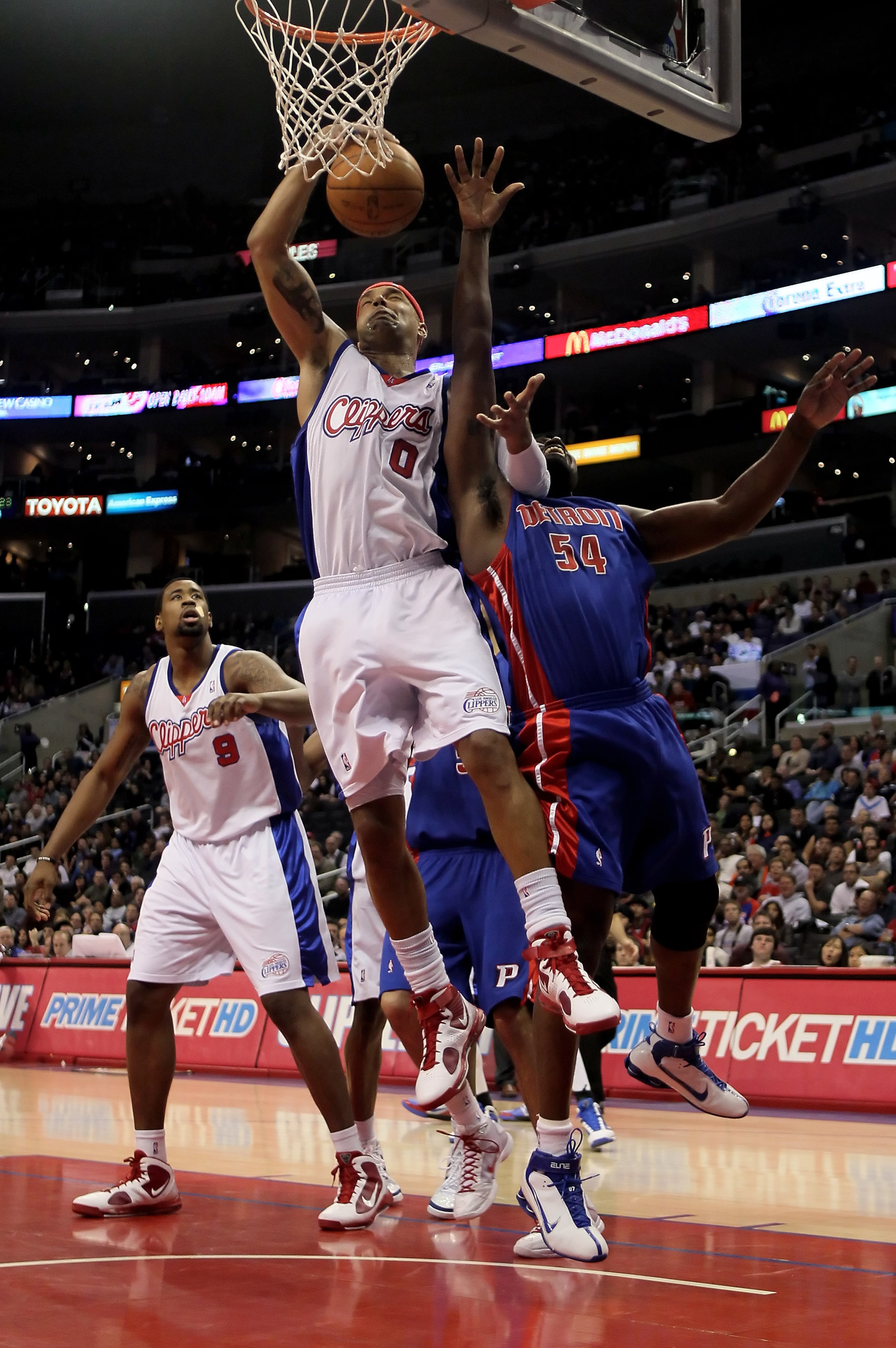
Best move: Signing Drew Gooden to a five-year, $32 million deal
Interesting. That's the best way to describe what was a very active offseason for the Bucks. The economical signing of Gooden appears to be the best move, and the acquisition of Chris Douglas-Roberts will provide quality depth at shooting guard.
Worst move: Acquiring Corey Maggette from the Warriors
The acquisition of Maggette makes very little sense. He can certainly score, but his selfish style of play figures to frustrate Scott Skiles. The team also re-signed John Salmons for five years and $40 million in a move that could be questioned because of Salmon's age and limited upside. Salmons certainly fits in the Bucks' system, but locking him up until age 35 seems like a bit of a risk.
Minnesota Timberwolves
17 of 30
Best move: Acquiring Michael Beasley
David Kahn has done a lot of crazy things in his brief tenure as general manager with the Timberwolves, and getting Michael Beasley for almost nothing was certainly one of them. Only it was crazy for all the right reasons.
Kahn exploited Miami's desperation to dump salary and landing the former No. 2 overall pick for a second-round pick. That's it and that's all. Now the question becomes what Beasley will decide to give the Timberwolves in return.
Worst move: Darko and too many guys at the same position
Last year, it was point guards. This year, it was point guards again and small forwards. More importantly, it was no centers besides Darko Milicic. Yikes.
The Timberwolves have Corey Brewer, Wesley Johnson and Michael Beasley, all of whom are best suited to play small forward.
Milicic's four-year, $20 million deal came out of nowhere, but was apparently an attempt to keep the big man from returning to Europe. As it stands, he is the only true center capable of contributing at a respectable level for the Timberwolves.
New Jersey Nets
18 of 30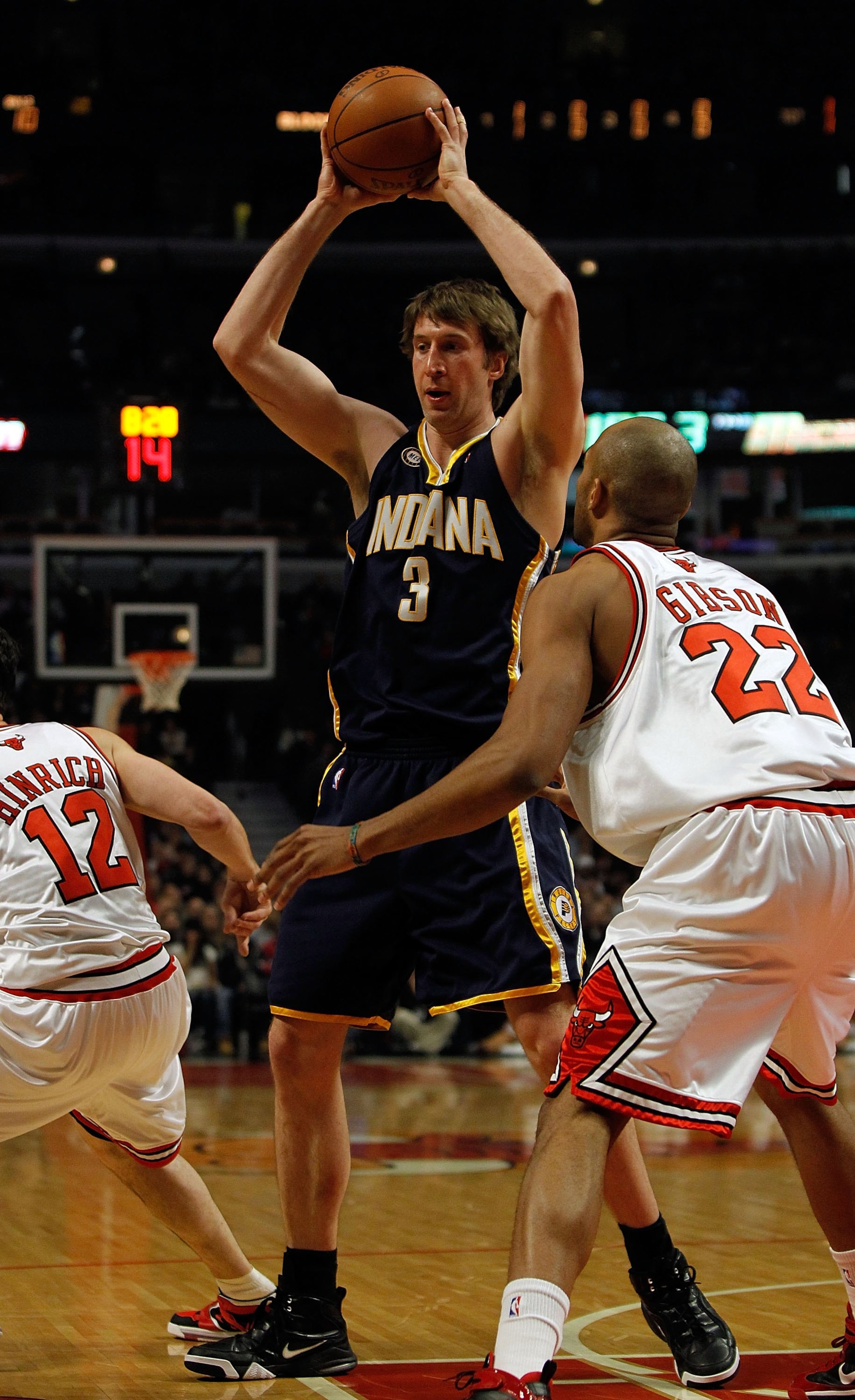
Best move: Acquiring Troy Murphy
The Nets are hopeful that Derrick Favors will develop more quickly than most people expect, but in the meantime they have a solid power forward who can rebound and shoot 3-pointers. Just don't ask Troy Murphy to play defense.
Worst move: Signing Travis Outlaw to a five-year, $35 million deal
The Nets were determined to get Outlaw after missing out on the biggest names in free agency. He has the potential to be a very solid player, but he has yet to take the next step in his career. New Jersey spent a substantial amount of money on role players in free agency, which was a bit of a surprise.
New Orleans Hornets
19 of 30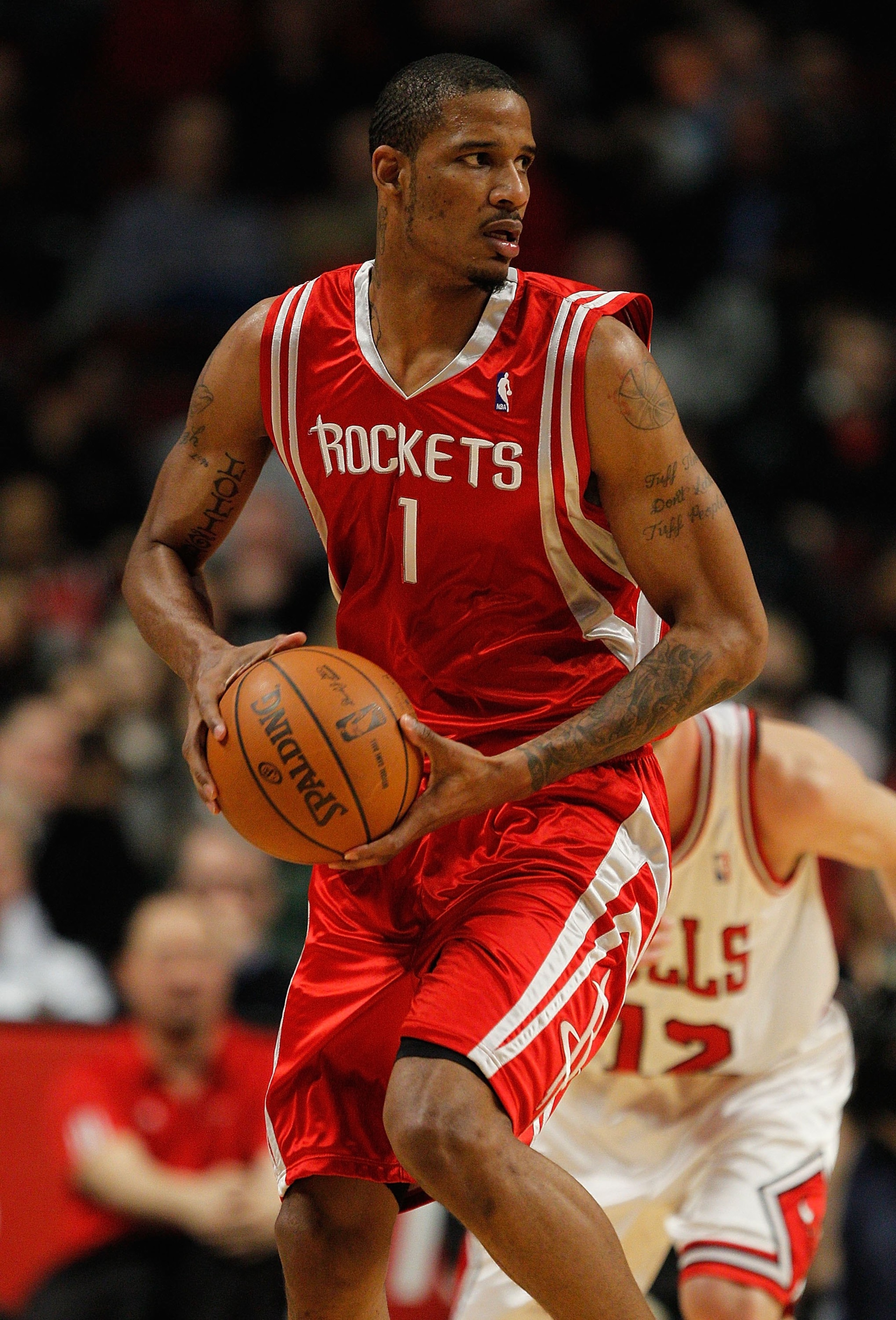
Best move: Acquiring Trevor Ariza
The Hornets have been looking for an athletic small forward after giving up on Julian Wright. For a multitude of reasons, Ariza simply has to be the answer. At 25, he has yet to reach his ceiling and hasn't stayed in one place for too long. It's looking more and more like the Lakers were wise to let him walk in summer of 2009.
Worst move: Trading Darren Collison
Although the same deal brought Ariza to town, the trade of Collison to the Pacers has very few pros. Sure, the Hornets were able to dump James Posey's contract, but they also dumped the capable point guard of the future. Assuming the Hornets unload Paul, they could easily find themselves without a point guard.
The Hornets are going in the wrong direction to say the least.
New York Knicks
20 of 30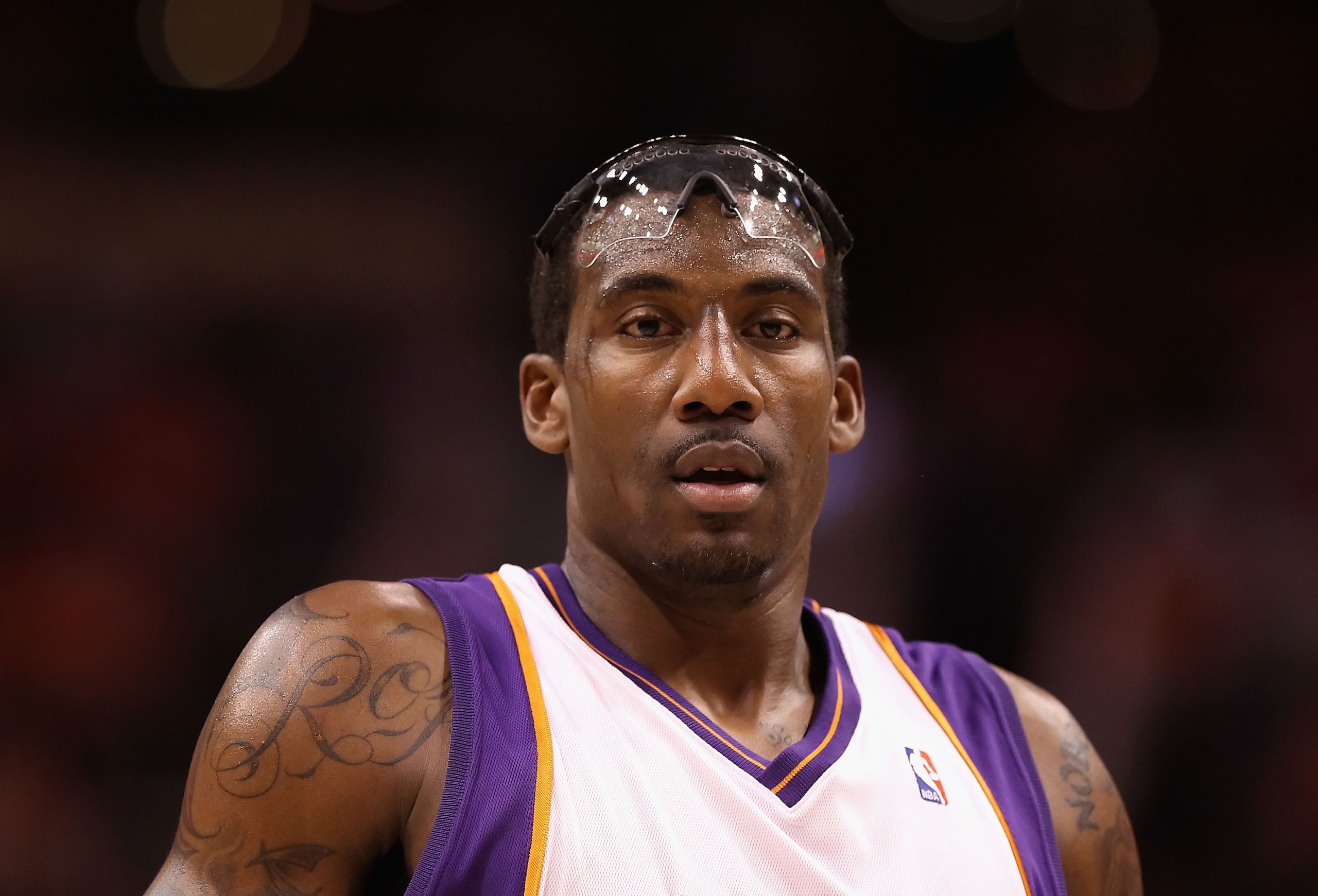
Best move: Signing Amar'e Stoudemire to a five-year, $100 million deal
There's no doubt that Stoudemire is a risk because of his injury history, but the Knicks were happy to take a chance in an effort to avoid striking out in free agency and finally make New York an attractive destination for marquee players like Carmelo Anthony and Chris Paul.
Worst move: Trying to bring back Isiah Thomas
What in the world was James Dolan thinking? Apparently, the Knicks owner loves Isiah despite the fact he nearly ruined the franchise while getting involved in a public sexual harassment lawsuit along the way. If the presence of Eddy Curry on the payroll isn't enough to remind Dolan of Thomas' eye for talent, then nothing is.
Oklahoma City Thunder
21 of 30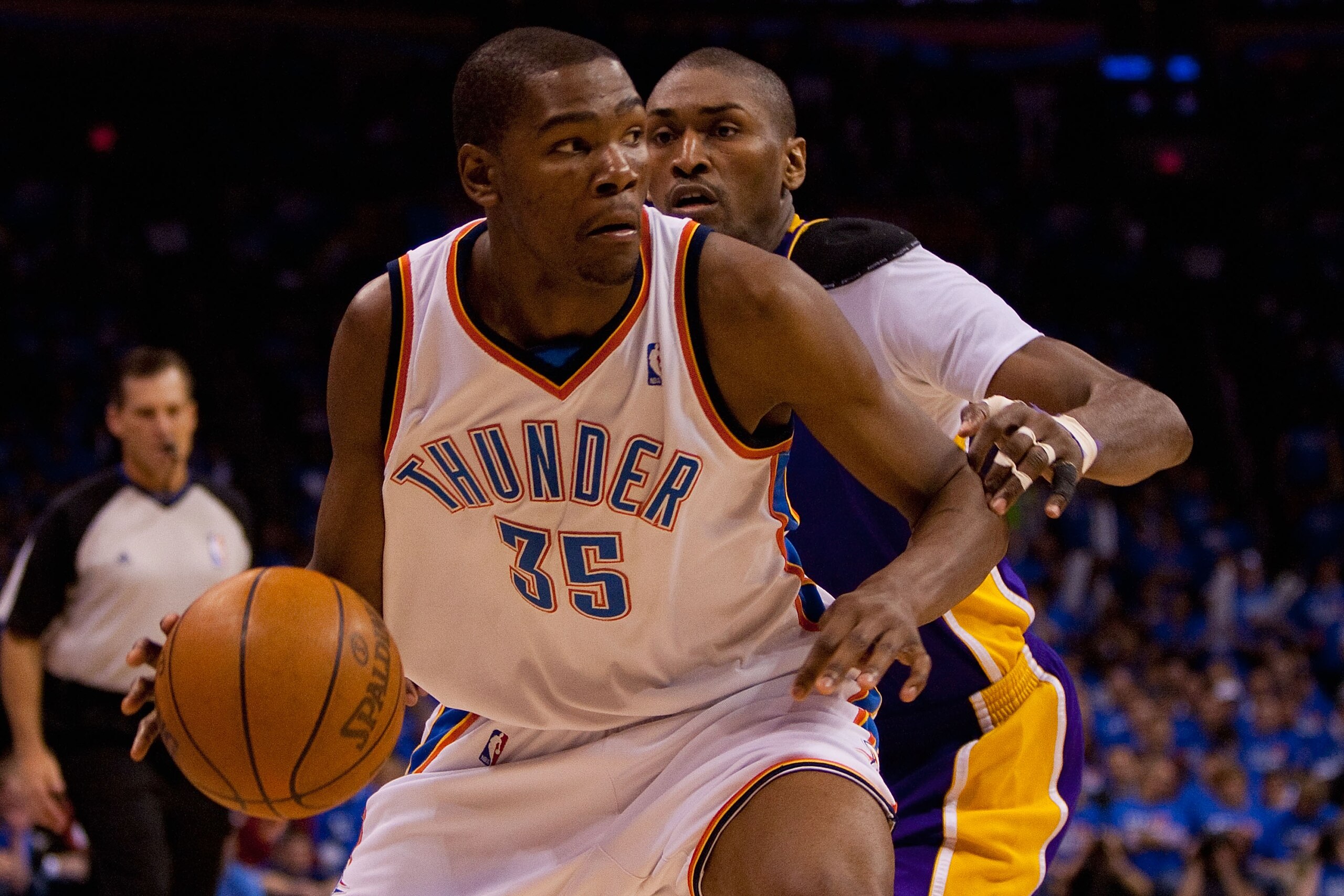
Best moves: Extending Kevin Durant and acquiring Cole Aldrich
There will be no summer of Kevin Durant.
In a victory for small-market teams everywhere, the Thunder were able to secure Durant's services for the long haul. That means that a NBA Championship could be coming to Oklahoma City at some point in the not-too-distant future.
The Thunder are very, very close to being a complete NBA team. Serge Ibaka's development finally provided the team with an athletic big man who could defend the paint. Ibaka is best suited to playing power forward, which means the Thunder could still use a legitimate center. Aldrich could be a decent solution by providing rebounding and toughness.
Worst move: Failing to sign a decent free agent
The Thunder had some money to spend while remaining under the cap, but it was quickly gobbled up by the acquisitions of Daequan Cook and Morris Peterson. Oklahoma City had hoped to dump Nick Collison's contract but found no takers.
Orlando Magic
22 of 30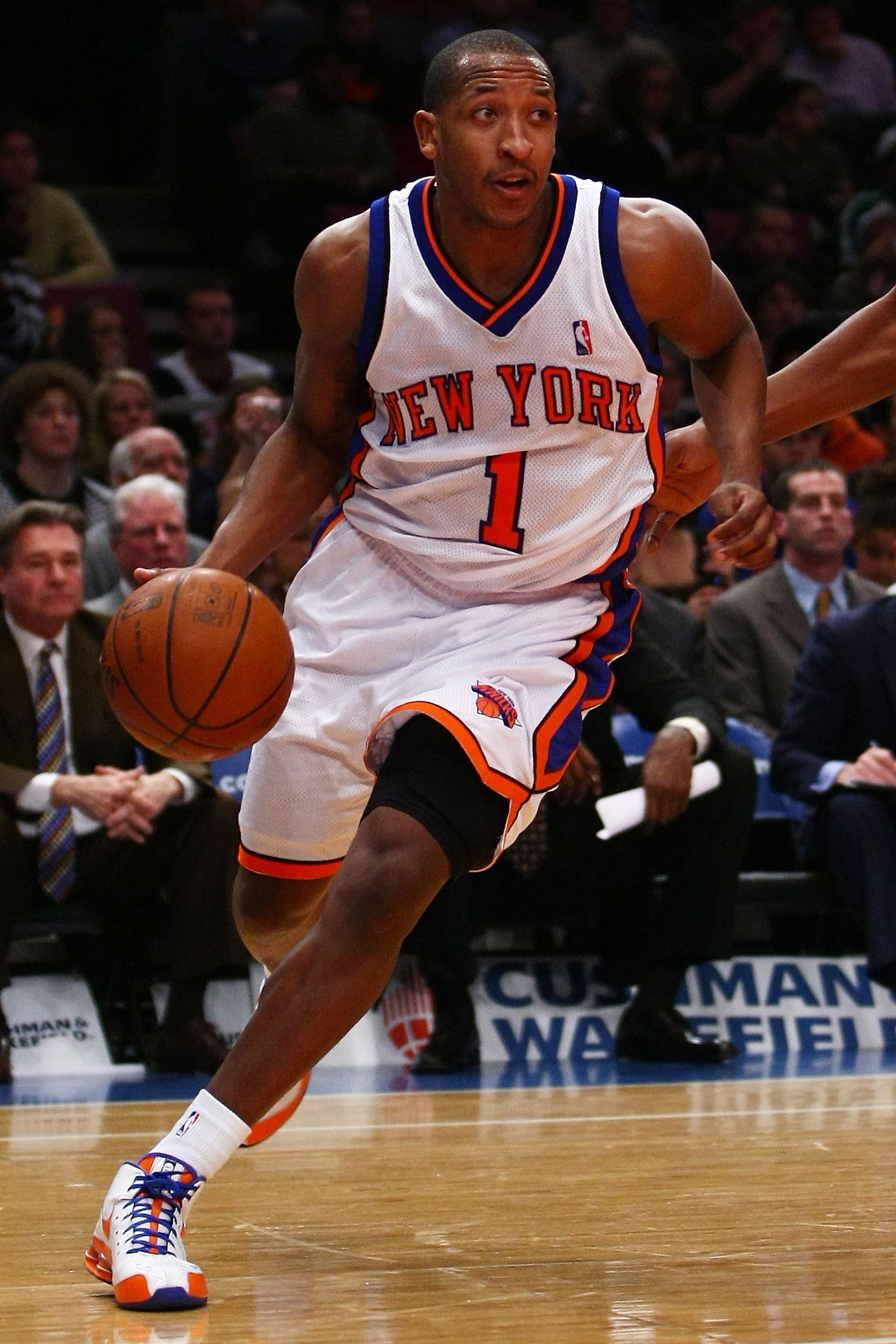
Best move: Signing Chris Duhon to a four-year, $15 million deal and re-signing J.J. Redick to a three-year, $19 million deal
The Magic upgraded slightly at the backup point guard position by bringing in Duhon and kept a valuable shooter in Redick. Orlando may have overpaid a bit for Redick, but the Magic had no choice but to match the Bulls offer.
Worst move: Signing Quentin Richardson to a three-year, $7.5 deal
Richardson was a good value signing, but it remains to be seen if he can replace Matt Barnes, who the Magic were more than happy to let walk. Like Barnes, Richardson is a physical defender who is an adequate shooter. It will be interesting to see if he brings the same toughness to the table.
Philadelphia 76ers
23 of 30
Best move: Hiring Doug Collins
It was a quiet offseason in Philly, but the hiring of Doug Collins might have been the best the franchise could do at this point. The Sixers' roster could use an extreme makeover and will probably keep Collins' from having much success in his first year on the bench.
Worst move: The failure to move Andre Iguodala
The Sixers need to move Iguodala before they can go anywhere. There will probably be more opportunities to do so next season, and it absolutely must happen in order to allow Evan Turner to develop.
Phoenix Suns
24 of 30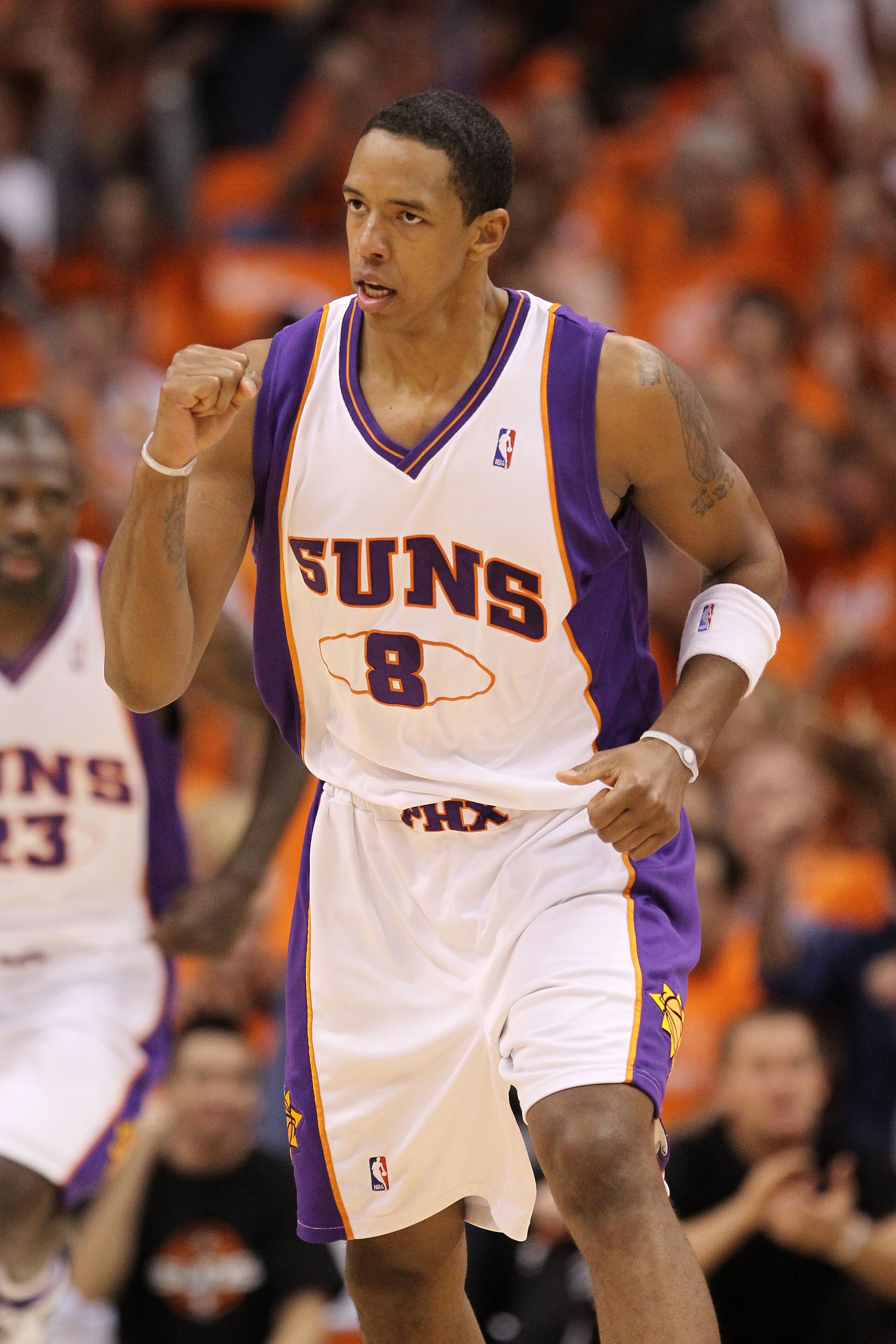
Best move: Re-signing Channing Frye to a five-year, $30 million deal
The Suns will have a vastly different look next season, including at power forward where Frye will split time with Hakim Warrick. Frye's range makes him a good weapon on the offensive end, and the penny-pinching Suns certainly got him at a cheap price. The acquisition of Hedo Turkoglu was another nice move that could pay dividends in the future.
Worst move: Signing Hakim Warrick to a four-year, $18 million deal
Where's the beef? The Suns have assembled the skinniest power forward duo in the league, which places a great deal of pressure on Robin Lopez to get every rebound. Warrick is a decent player, but expecting him to help out on the glass is unrealistic.
Portland Trail Blazers
25 of 30
Best move: Signing Wes Matthews to a five-year, $33 million deal
Matthews is the defensive stopper on the perimeter Portland was looking for. He won't contribute a great deal on the offensive end, but the Blazers have other players who can score.
Worst move: Not trading Rudy Fernandez
Already with Jerryd Bayless, the Blazers signed Matthews and opened the door for the departure of Rudy Fernandez, who has certainly had his moments but overall hasn't quite lived up to expectations. The team will likely move the Spaniard eventually, possibly even before the start of the season.
Sacramento Kings
26 of 30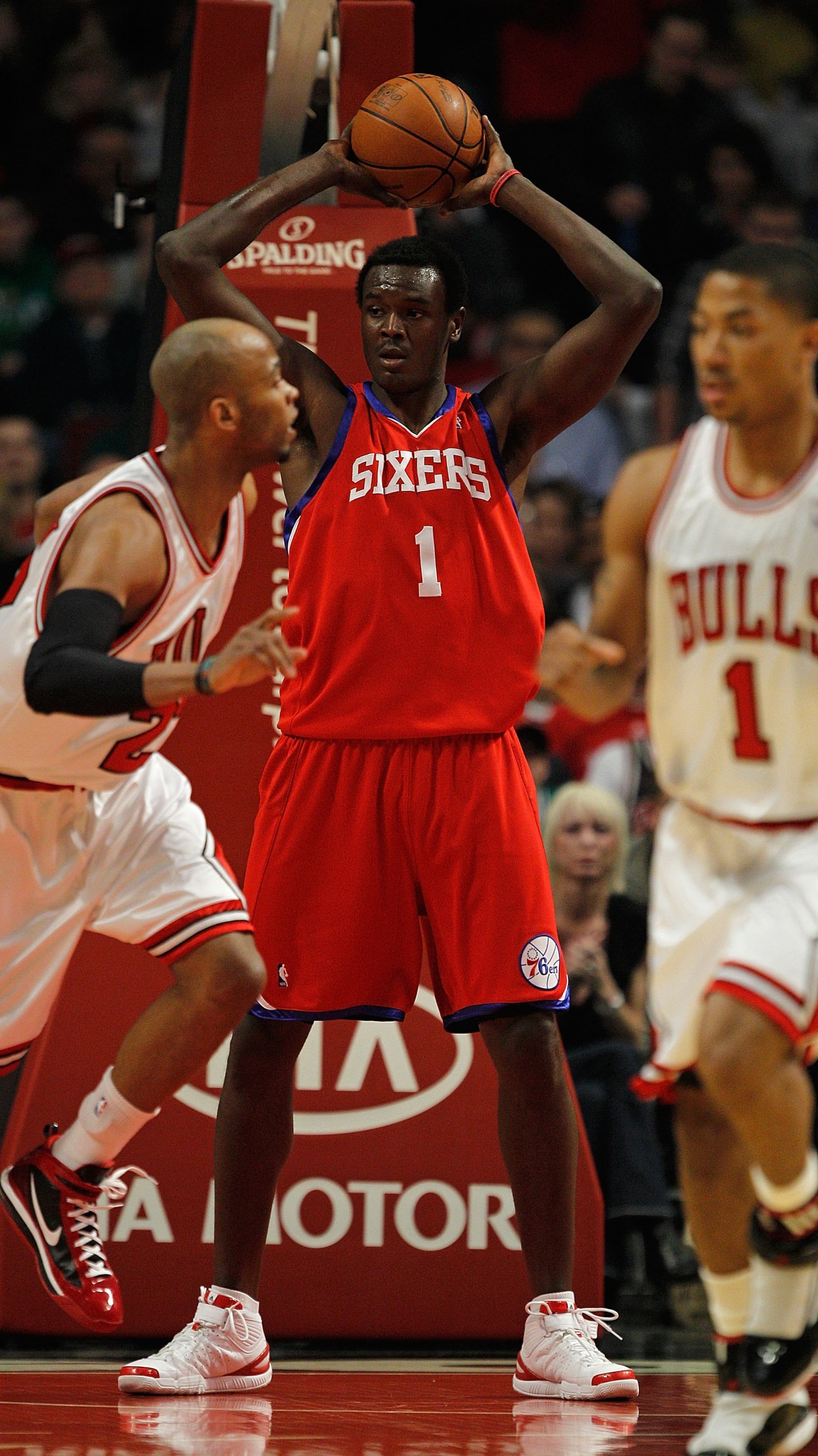
Best move: Acquiring Samuel Dalembert
The Kings got a big contract in return, but got rid of Andres Nocioni's deal and landed a legitimate NBA center who can rebound and defend. If Samuel Dalembert accepts his role and does the little things instead of looking to score, the Kings will be a much improved team.
Worst move: Not trading Carl Landry
At this point, hanging onto Landry isn't a horrible move. But as the season progresses and DeMarcus Cousins improves, Landry will no longer be needed as the Kings look to get all the young players on the court. The Kings would love to get a point guard in return for his services.
San Antonio Spurs
27 of 30
Best move: Re-signed Matt Bonner to four-year deal
As long as Tim Duncan is a Spur, Bonner will fit in perfectly. The Spurs are a bit light at three-point shooting, which makes a power forward with range like Bonner a valuable commodity. Whether he gets five minutes or 25 minutes of playing time, the Spurs re-signed an excellent role player.
Worst move: Re-signing Richard Jefferson to a four-year, $39 million deal
Although Jefferson took a substantial pay cut, the Spurs could find themselves once again frustrated with what R.J. isn't able to bring to the table. San Antonio could have used a younger player and another perimeter shooter, but will have to settle for Jefferson's slashing game, something that clashes with the similar styles of Manu Ginobili and Tony Parker.
Toronto Raptors
28 of 30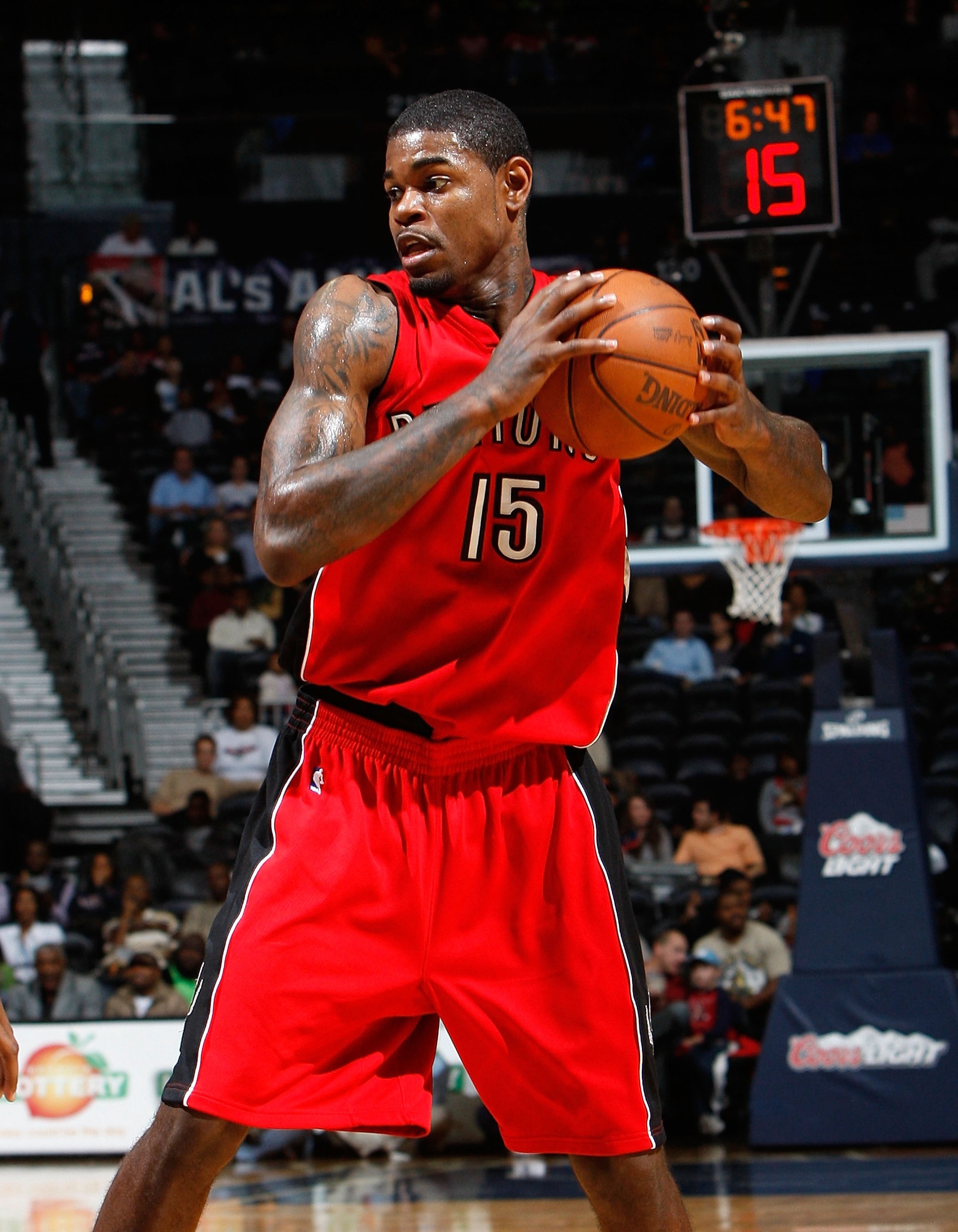
Best move: Signing Linas Kleiza to a four-year, $19 million deal
The Raptors managed to lure Kleiza back from overseas, with promises of substantial playing time in the coming seasons. At $19 million, the signing is certainly a bargain that promises to produce positive returns.
Worst move: Signing Amir Johnson to a five-year, $34 million deal
Amazingly, Johnson is still only 23 years old and hasn't reached his potential. But how much potential does he actually have? That's the million-dollar question, or in this case, the $34-million question. The Raptors appear to have overpaid for a player who has battled foul trouble throughout his career and contributed little. The returns on this deal won't be in for a couple of years.
Utah Jazz
29 of 30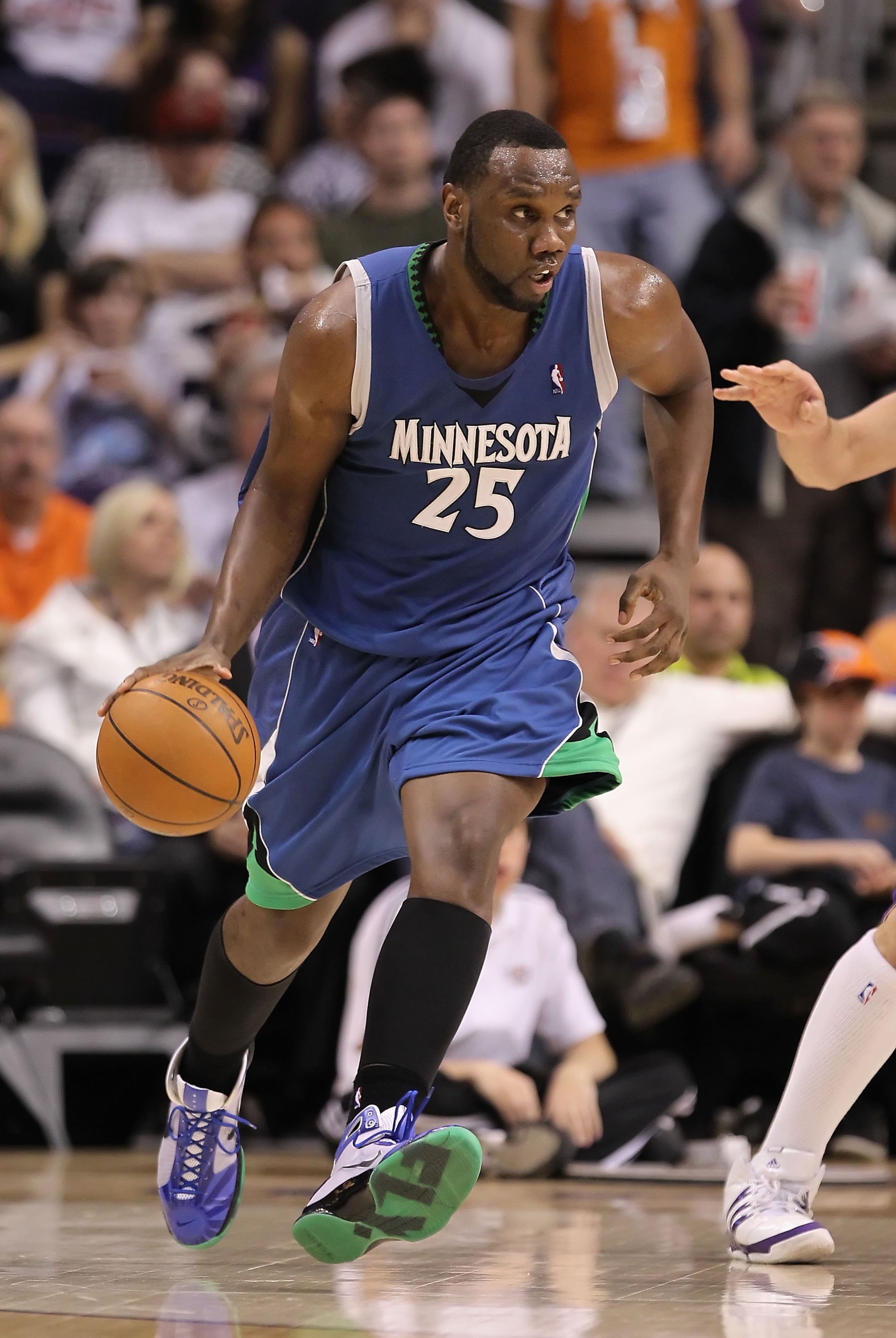
Best move: Acquiring Al Jefferson
The Jazz lost Carlos Boozer but replaced him with more of a true post player who can be a dominant force when he puts his mind to it. For the first time in his career, Jefferson finds himself on what should be a playoff team and with an elite NBA point guard to get him the ball. His production could exceed all expectations if he can stay healthy.
Worst move: Not getting more depth a center
Al Jefferson isn't a center, nor is Paul Millsap or Mehmet Okur. With the latter recovering from an achillies injury, the Jazz could have used another big man to bolster the frontline.
Washington Wizards
30 of 30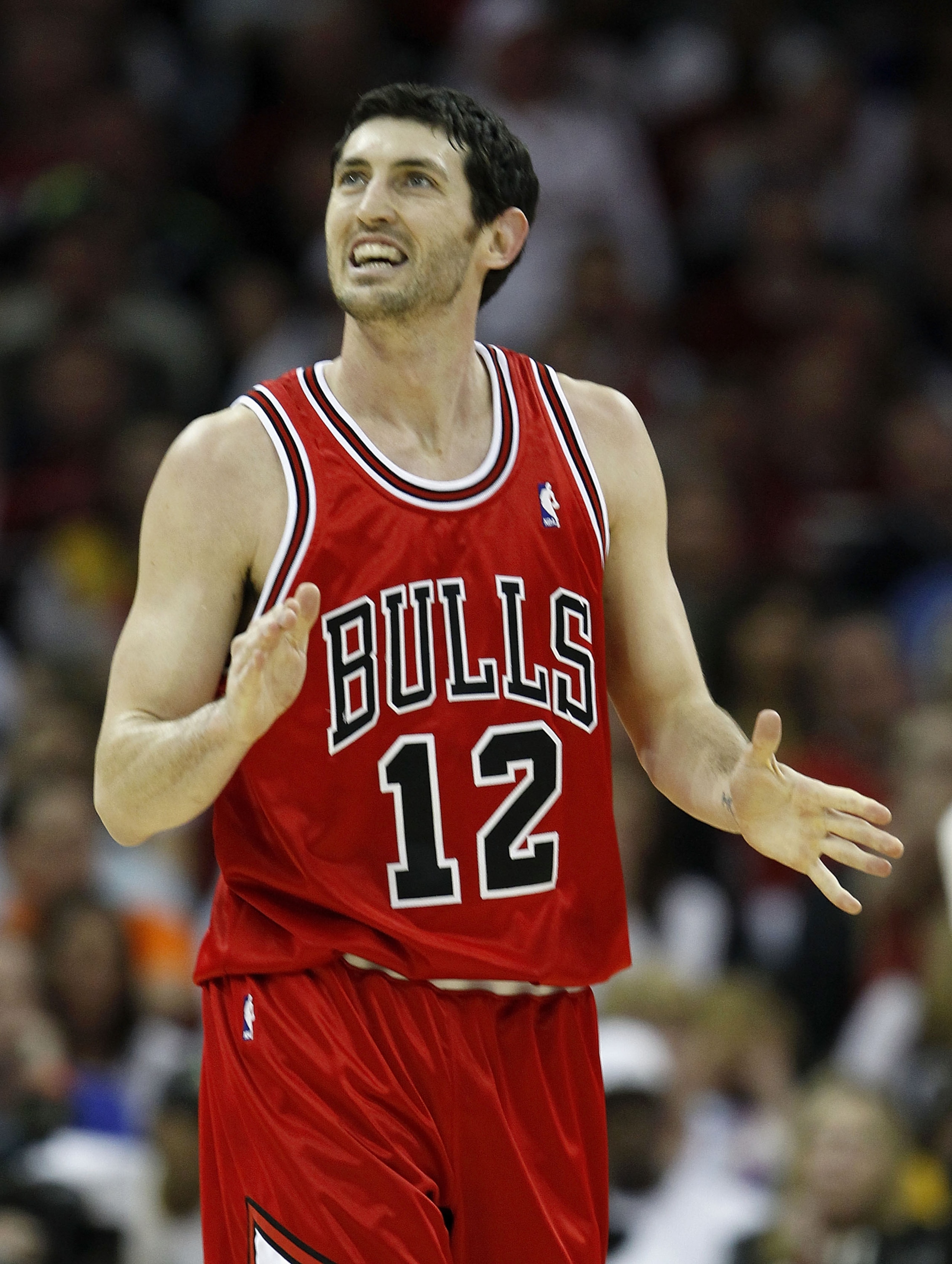
Best move: Acquiring Kirk Hinrich
The Wizards got a perfect compliment to rookie John Wall when they acquired Hinrich, who brings toughness and three-point shooting to Washington. His leadership helped Derrick Rose develop and should have a positive impact on John Wall.
Worst move: Not trading Gilbert Arenas
At some point, the Wizards need to figure out what to do with Arenas. The most likely scenario is showcasing him early in the season to prove he can still play before shipping him out. Depending on how long that takes, Wall's development could be hindered.
.png?w=2560 "Is Darnold Part of the Problem? 🤔")