

Cleveland Cavaliers' Roller-Coaster Ride Should Surprise No One
Pull down those shoulder harnesses, buckle up your seat belts and put your screaming faces on.
Watching the Cleveland Cavaliers has been a complete roller coaster throughout the 2014-15 season, with the newly put-together team of superstars going through dizzying highs and water-splashing lows during the early portion of the campaign. Just when the team seems to bottom out and induce some panic, it rockets back into an upswinging win streak, leading to billowing levels of hope that may or may not be well-placed.
In fact, no other team in the NBA has gone through this many prolonged ups and downs.
TOP NEWS

Pic of LeBron's Helicopter Commute 🚁
Duren Calls Out 'False' Rumors

NBA Power Rankings Entering Preseason 🔢
The Cavs have induced emotional G-forces with two four-game win streaks, a feat also achieved by the Golden State Warriors, Houston Rockets, Memphis Grizzlies and Toronto Raptors, but they've also lost four contests in a row. The longest losing stretches by the aforementioned teams are two, two, one (!) and two outings, respectively.
Consistency? Not a thing in Cleveland.
But it's not as though we should be surprised.
Completely Reforming a Team is Hard
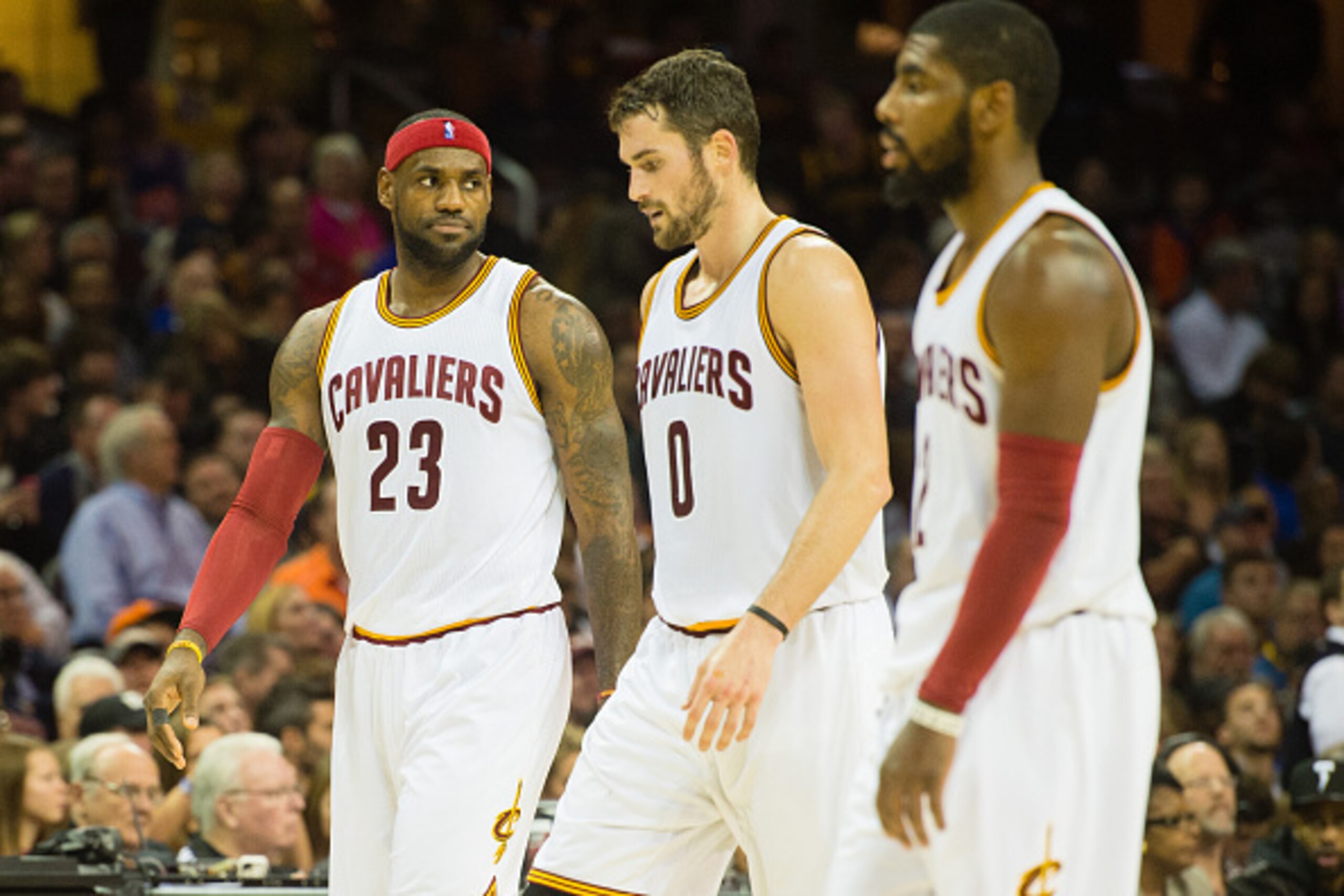
Chemistry is crucial for any team hoping to win a bunch of games and establish itself as a true contender. If the early portion of 2014-15 has taught us anything it's the value of continuity, as the squads at the top feature largely the same pieces, especially the incredibly dominant Grizzlies.
The Cavs, however, basically started from scratch this offseason.
Everything is essentially new, even if Kyrie Irving, Dion Waiters, Tristan Thompson, Anderson Varejao and a few other players were members of the old and ill-fated era of Cleveland basketball.
Not only are LeBron James and Kevin Love being integrated into the team's schemes, but David Blatt is in his inaugural season as an NBA head coach, learning that European championships don't necessarily hold much water in the Association.
"Anyone expecting these Cavs to charge unchallenged out of the gate understands neither human nature nor NBA history," Bleacher Report's Jim Cavan accurately foretold a few weeks before the start of the season. "You don't throw three masters on a canvas and expect a mural overnight. If chemistry weren't a real commodity, Abbey Road would've been the Beatles' first album, rather than their 11th."
For proof, we need only look back at some of the teams that have added multiple major pieces over the last few years:
- 2007-08 Boston Celtics: Landed Ray Allen and Kevin Garnett
- 2010-11 Miami Heat: Added LeBron James and Chris Bosh
- 2012-13 Los Angeles Lakers: Brought Steve Nash and Dwight Howard to town
The Cavaliers have ridden their topsy-turvy inclinations to a 9-7 record following their comeback victory over the surprising Milwaukee Bucks. It's a mediocre mark, especially for a team that has the luxury of playing many Eastern Conference opponents, but is it really that much worse than the other recently formed superteams in the NBA?
Not really.
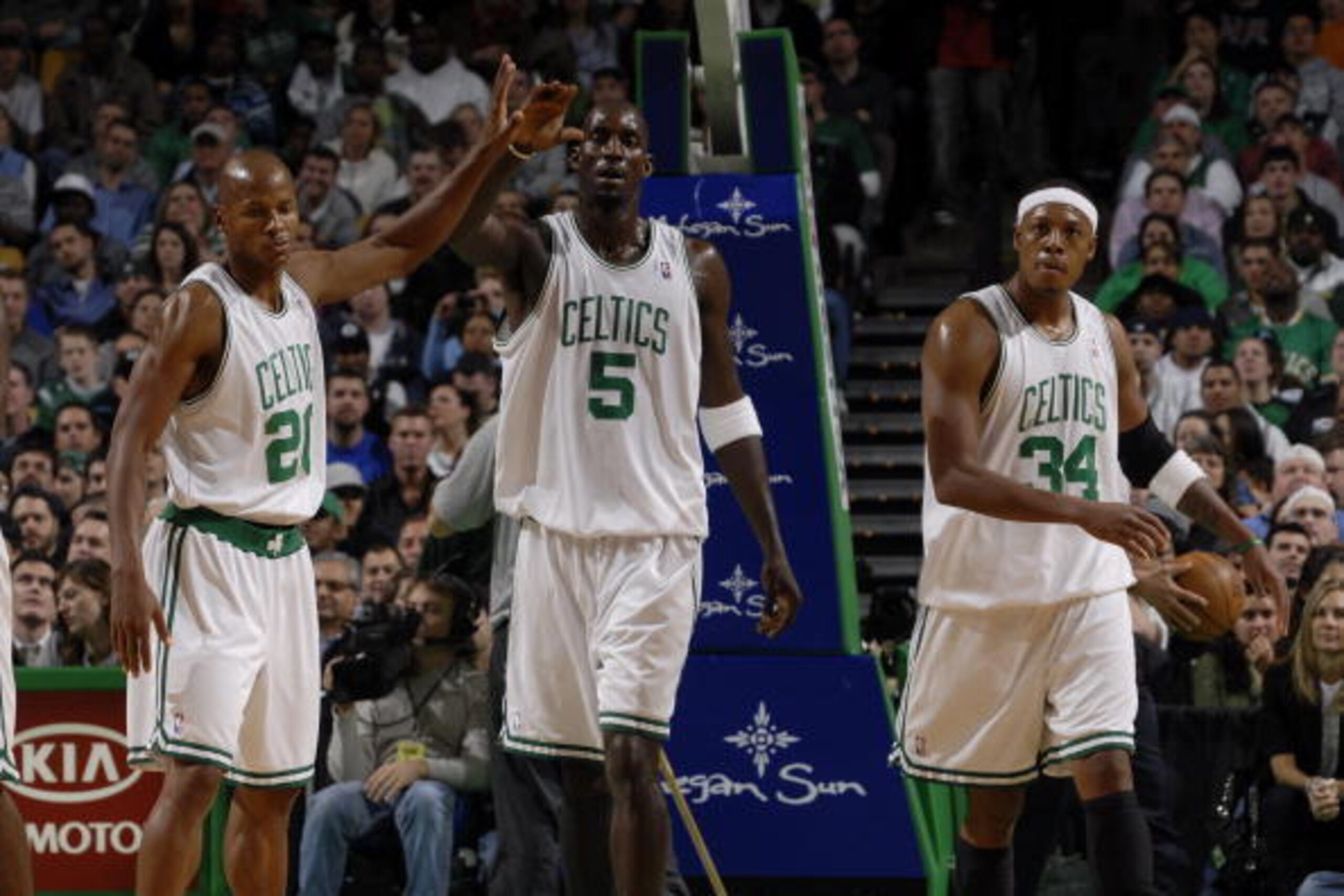
Those 2007-08 Celtics would go on to win a championship in their very first year together, proving the exception to the rule that most squads have to overcome adversity when learning how to play together. They were also the outlier at the beginning of the season, storming out to a stellar 20-2 mark, but they did so with plenty of established winners on the team.
Ray Allen and Kevin Garnett had carried teams into the playoffs before, but the same can't be said about each member of the Cavs' "Big Three" (more on that in a bit). Plus, Doc Rivers wasn't in his first season as the Beantown head coach, and the C's had the luxury of relying on a veteran Paul Pierce during the early portion of the year.
The 2010-11 Heat would eventually figure things out and advance to the NBA Finals, where they'd lose to the Dallas Mavericks in their first year together. But it wasn't until Erik Spoelstra changed up some of his strategies during the ensuing offseason—opting for more of a positionless style—that the team would maximize its lofty potential, and rough waters abounded at the beginning of the inaugural season.
Though the winning and losing streaks weren't quite as long as those experienced by these Cavs, they still won only nine of their first 16 outings, just as James' newest team has done. And of course, the sky was seemingly falling back then as well, even if there was no real reason to panic at that early stage of the 2010-11 campaign.
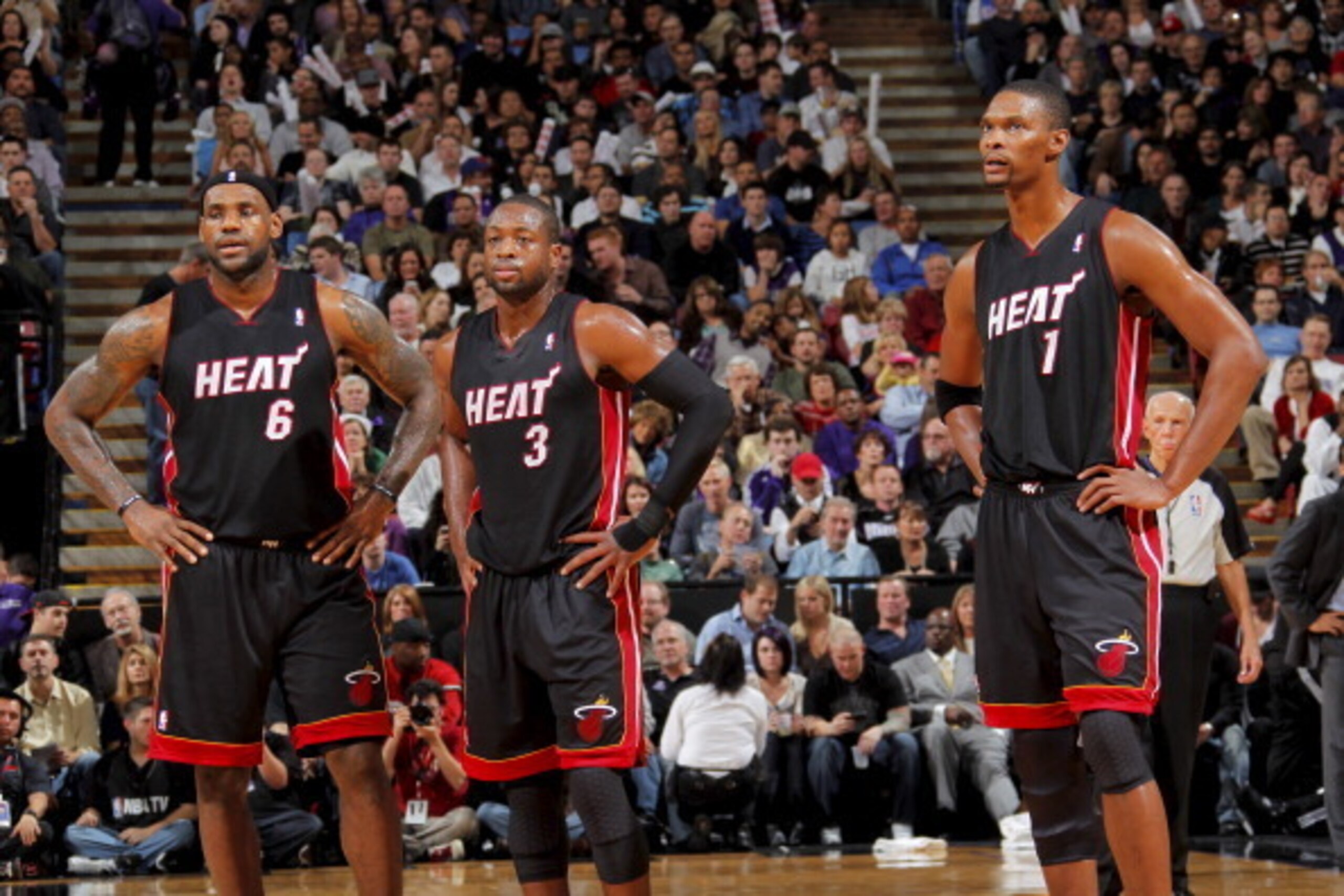
Those Heat had already called a players-only meeting to air out their grievances and get off the schneid, and their ability to succeed was brought into question virtually everywhere.
"James and Dwyane Wade are struggling to blend their electrifying skills. Chris Bosh is struggling to redefine himself," Bleacher Report's Howard Beck, then with The New York Times, wrote. "Erik Spoelstra, the NBA.’s second-youngest head coach, is struggling to pull them together and avert catastrophe, which could include losing his job."
Sound familiar?
Or how about this from Tracy McGrady, courtesy of MLive.com's Chris Iott:
"It's tough to get that chemistry. You can't just go somewhere and create that type of chemistry. (James) had that in Cleveland. He had everything going for him. Great energy in the building. He created a great atmosphere. I enjoyed going to Cleveland because the atmosphere was just unbelievable.
The chemistry he had with his teammates was unbelievable. You can't just go somewhere and create that. You can see it on his face. He's not having fun. I'm so used to him doing all his antics on the basketball court, and he's not doing that. You can see that something is just not right.
"
It's the same sentiment spewed every time there's a new collection of major talents who find themselves wearing matching uniforms and failing to dominate at historic levels right off the bat.
The 2012-13 Lakers started off slowly, and they never turned things around, though clashing personalities and injuries were certainly to blame there as well. Nonetheless, they were 9-14 at one point in December.
So if you're surprised by the Cavaliers getting off to a slow start—even if you've done absolutely no analysis of the pieces on their roster—you need to brush up a bit on your recent basketball history and stop living in the moment quite so much.
This isn't anything new.
Players Who Haven't Dealt With This Before
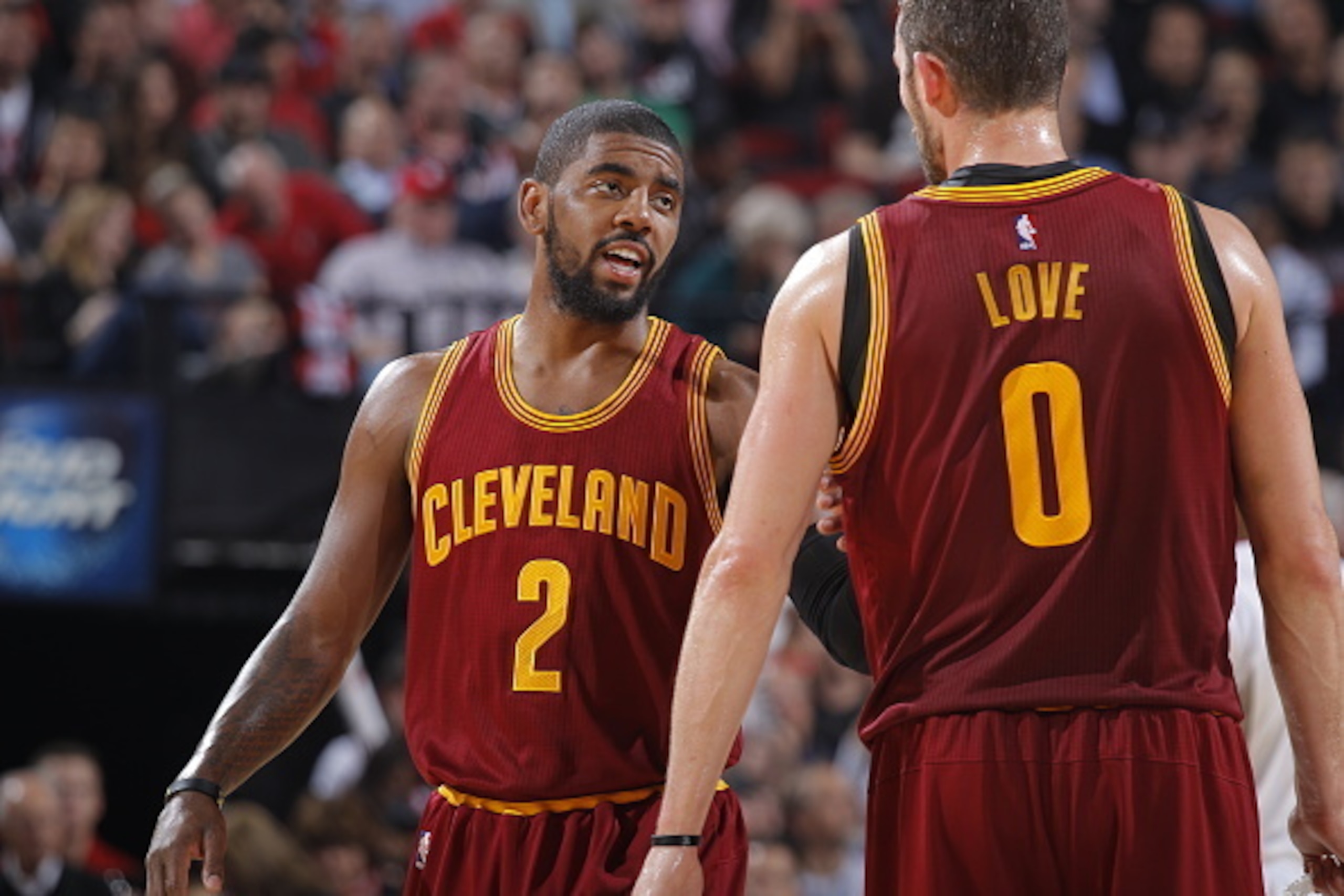
A lack of big-game experience simply can't be overlooked.
When was the last time Irving played in a competitive basketball game that actually had high stakes? It certainly wasn't during any of his previous seasons with the Cavaliers, as those were floundering squads lugubriously drifting toward the bottom of the Eastern Conference standings.
You have to go back to his career under Mike Krzyzewski, when the talented point guard dropped 28 points for the Duke Blue Devils in a 2011 NCAA Tournament loss to the Arizona Wildcats.
And how about Love?
His Minnesota Timberwolves were never within sniffing distance of the playoffs (despite the strengthened olfactory organs of canine species) during his tenure there, so you may have to go all the way back to 2008 to find a meaningful game on this power forward's resume. Is it possible his last truly important outing came during UCLA's March Madness run, when Memphis ended the Bruins' 14-game winning streak in the semifinals?
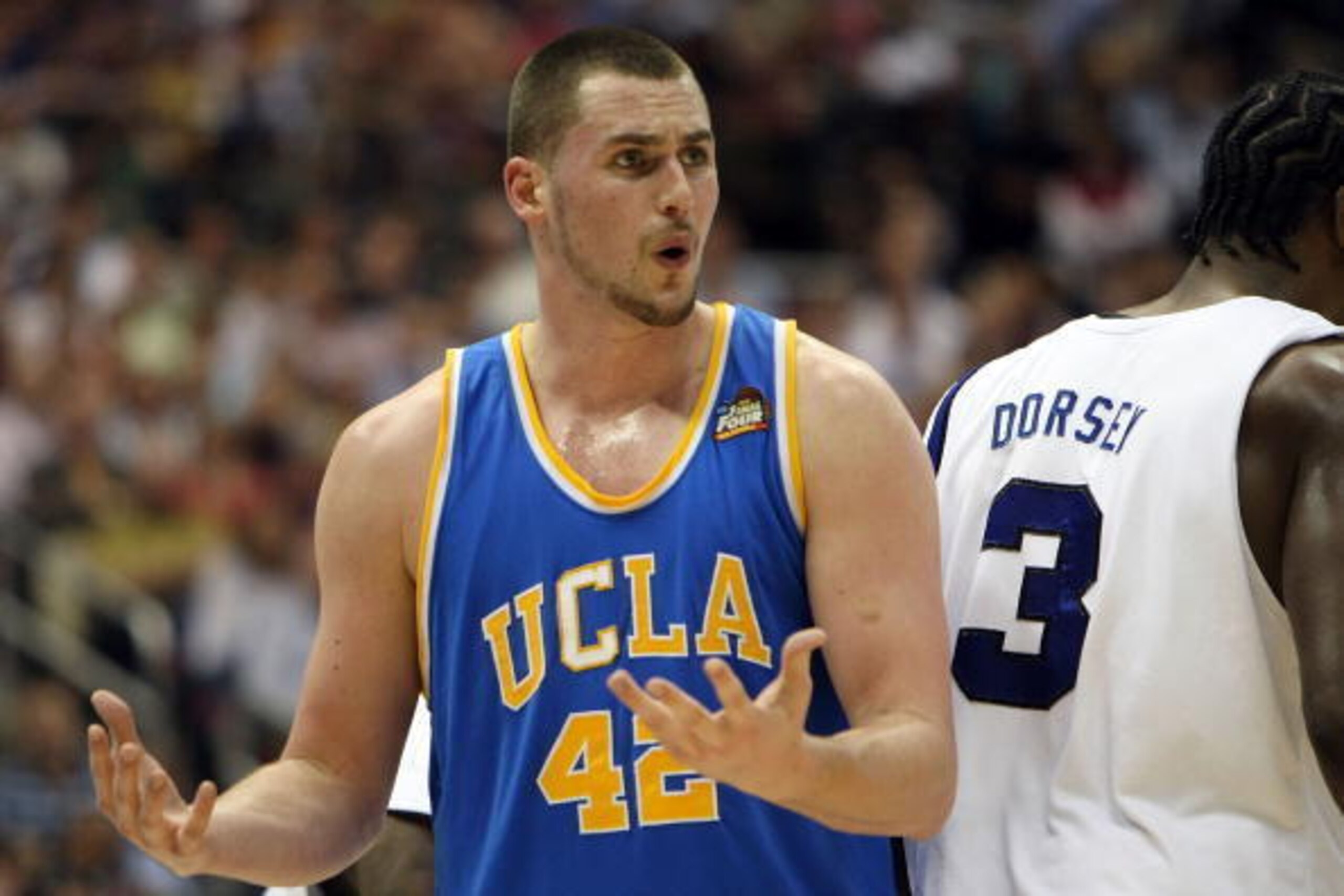
It's also worth noting that we're overlooking outings in both the FIBA World Cup and the Olympics, as these players were undoubtedly filling big roles but were still just cogs in elite machines. The situations were massively different, even if the stakes were admittedly high.
This lack of experience matters. It may seem irrelevant for these professional basketball players, ones who are trained to deal with big moments, shake off pressure and go about their business in unfazed manners, but that's just not reality.
The lights are brighter now that Love and Irving are playing on a highly relevant team. They're dealing with the national media more often, are the subjects of constant interview requests and have much larger crowds of microphones and recording devices converging around their lockers. That can take its toll.
But beyond the locker room scrums and lack of breathing space after shootarounds, they're now finding out what it's like to get the best shot of every team whenever they step onto the court. The Cavaliers always draw big crowds—it shouldn't be at all surprising that ESPN.com's attendance figures show they have the league's top road-attendance percentage—and with the filled arenas come maximum intensity from the opposition.
Every. Single. Night.
Will Love and Irving use this as an excuse? Of course not, but it matters all the same, and nothing can prepare a player for that type of intensity and meaningful action...other than gaining experience by playing in meaningful action with that type of intensity.
Good, But How Good?

Looking past a shaky start that shouldn't be all that surprising, we've already learned a solid amount about these Cavs.
Lesson No. 1 is a pretty simple one: This is a good team, even if the early season record doesn't necessarily reflect that truth.
According to a simple rating system—Basketball-Reference.com's one-number summation of team strength that's based on both margin of victory and strength of schedule—Cleveland has emerged as the eighth-best team in the league during the opening salvo of the campaign. In the Eastern Conference, only the Toronto Raptors have a higher score, and the 12th-ranked Washington Wizards are the No. 3 team in the weaker half of the NBA.
While defense is still a struggle and likely will be for quite some time, the offense is already churning. During the current four-game win streak, Cleveland has posted offensive ratings of 120.3 against the Orlando Magic, 127.9 against the Wizards, 120.9 against the Indiana Pacers and 113 against the surging defense of the Bucks.
On the season as a whole, the Cavaliers have scored 110.9 points per 100 possessions, a mark that leaves them trailing only the Los Angeles Clippers, Raptors and the offensive juggernaut known as the Dallas Mavericks. That's already impressive, and generally that type of dominance on one end of the floor leads to a promising number of victories.
Plus, the offense is only going to get better as the season progresses. Players will gain comfort running Blatt's offense and lining up next to one another, and both Love and James will eventually start playing like the versions of themselves we've seen dominate as individuals in prior go-rounds.
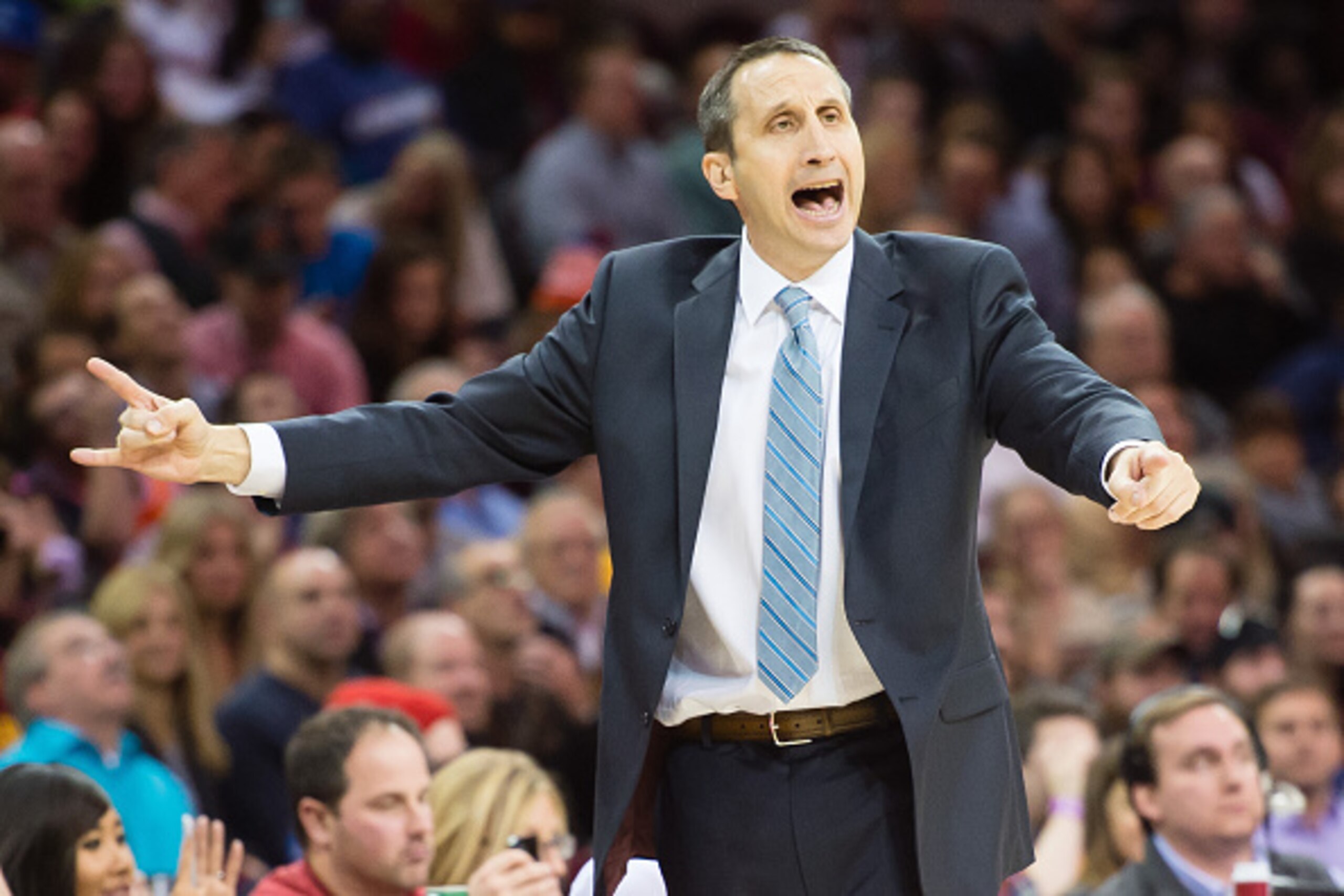
But there's also one major caveat here, and that's the fact that Cleveland has taken advantage of the weaker teams on the schedule while struggling against the tougher ones. Against opponents currently in line to earn playoff berths, the Cavs have an average differential of 2.13 points—and that's largely skewed by both a 33-point victory over the Atlanta Hawks and a 26-point win against the Washington Wizards.
However, when playing lottery-bound teams, Cleveland has an average differential of five points, which might look a lot better if it weren't for those early season losses to the New York Knicks and Utah Jazz when the team was very much searching for any sort of identity.
As is the case with any squad during an NBA campaign that's only just advanced to December, it's tough to pinpoint exactly how competitive the Cavaliers will be. We can safely assume they're going to be a strong, playoff-bound collection of talents, but there are still plenty of kinks to be worked out during the next few months.
One thing is certain, though.
As much of a roller-coaster ride as the first month of the season has been for James, Love, Irving and the rest of the Cavs, and as predictably unpredictable as that up-and-down nature has been, the progression toward the postseason will eventually meander over to more stable terrain. Early season struggles and all, Cleveland has already proven that much, both through the fruits of its early season labors and the sheer level of talent on its roster.
Eventually, the Cavaliers will stop throwing corkscrews and inverted loops at their fans, and it will be the opposition feeling stomach-churning terror.
.jpg?w=2560 "OBJ Calls Out Giants After Release")



.jpg?w=2560 "Saquon Out for Game")