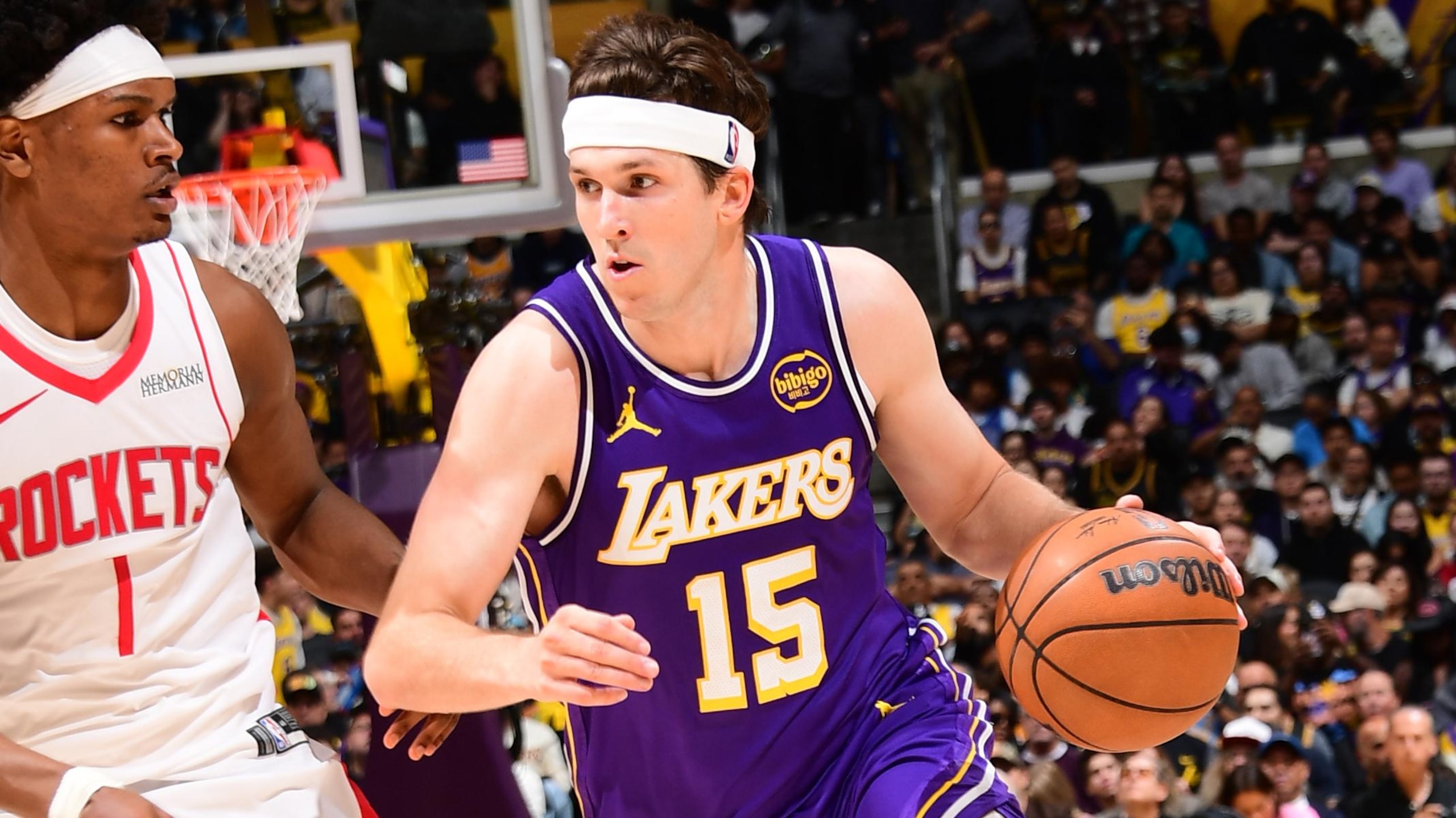

1 Thing Every NBA Team Would Do If Free Agency Was Today
The NBA playoffs are in full swing, the lottery is rapidly approaching and the 2026 NBA draft will be here sooner than you think.
That's a lot for front offices to juggle, but ask any of them what they'd do if free agency started two months early. All of them would have an answer. That's how dialed in teams need to be at all times, especially when official free agency is typically preceded by weeks of quiet fact-finding missions and off-the-record conversations between teams and agents.
Chances are, all 30 teams already have complete sets of free agency plans drawn up.
Let's take a shot at guessing which action items are atop those priority lists by imagining what every NBA team would do if free agency started today.
Atlanta Hawks: Re-Sign CJ McCollum Cheaply
1 of 30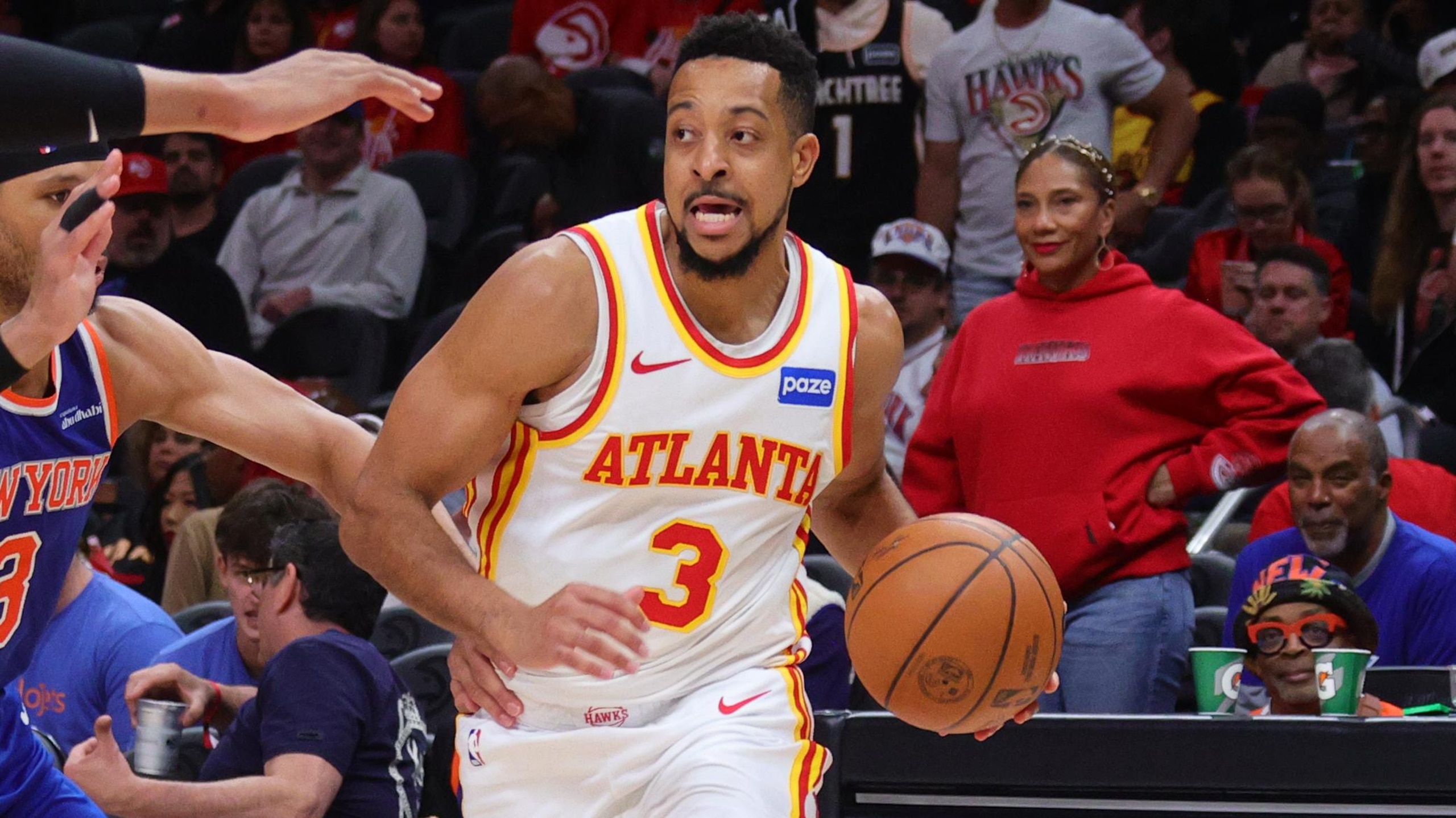
If the Atlanta Hawks wrap up CJ McCollum's next deal before free agency, it'll be a concerning sign. The Hawks can give the veteran guard a three-year extension worth up to $116 million if they do so before the league year flips on July 1. It'd be a mistake to spend anywhere close to that much on a player who, admittedly, carried them to a couple of postseason wins.
McCollum should be a priority, but not for more than the midlevel exception he can sign on July 1.
The Hawks have other free-agency needs, like more center depth and additional playmaking. McCollum helped an otherwise anemic half-court offense hold up in stretches against the New York Knicks, but he clearly needed more shot-creation support as that series wore on.
It makes sense to bring McCollum back. The Hawks should do so as quickly as possible—as long as the price is right.
Boston Celtics: Upgrade the Center Position
2 of 30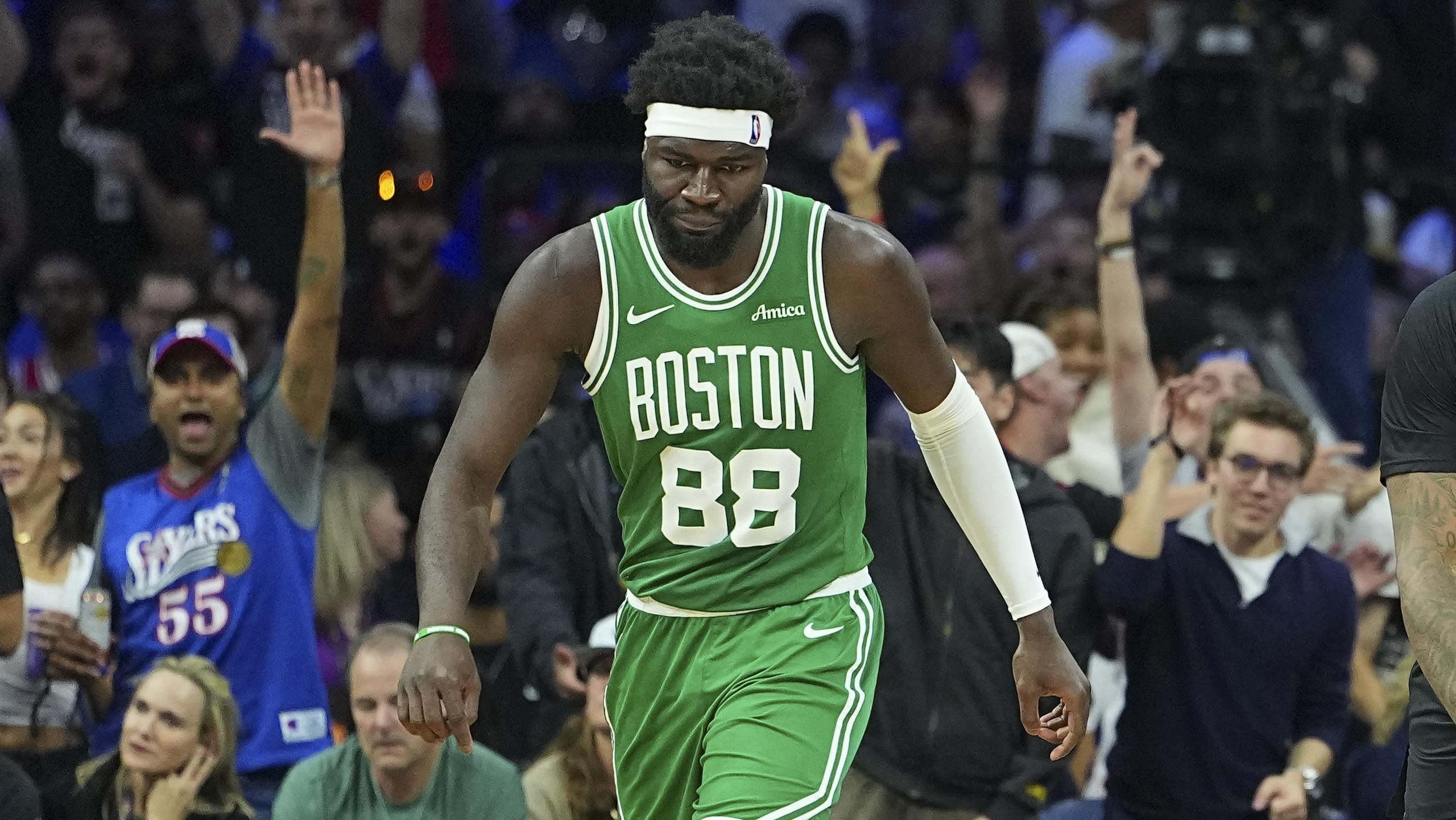
Neemias Queta's breakout season still counts as a hugely positive development, but the energetic center's playoff struggles proved the Boston Celtics need more in the middle. Weak center depth was among the main reasons Boston couldn't protect its 3-1 series lead against the Philadelphia 76ers.
Below the salary cap after last summer's cost-cutting extravaganza, Boston will still face a hard cap at the first apron if it uses its $28 million trade exception or spends more than $6.1 million of its non-taxpayer midlevel exception. That's something to keep in mind as the Celtics decide on Queta's extension after picking up his $2.7 million team option. Ideally, they won't pay him like a starter going forward.
Old pal Robert Williams III should get a call, as should Mitchell Robinson and Brook Lopez. All three veterans will be unrestricted free agents and would immediately slot in ahead of Boston's backups from this year—and perhaps even Queta.
Brooklyn Nets: Settle on a Cap Space Plan
3 of 30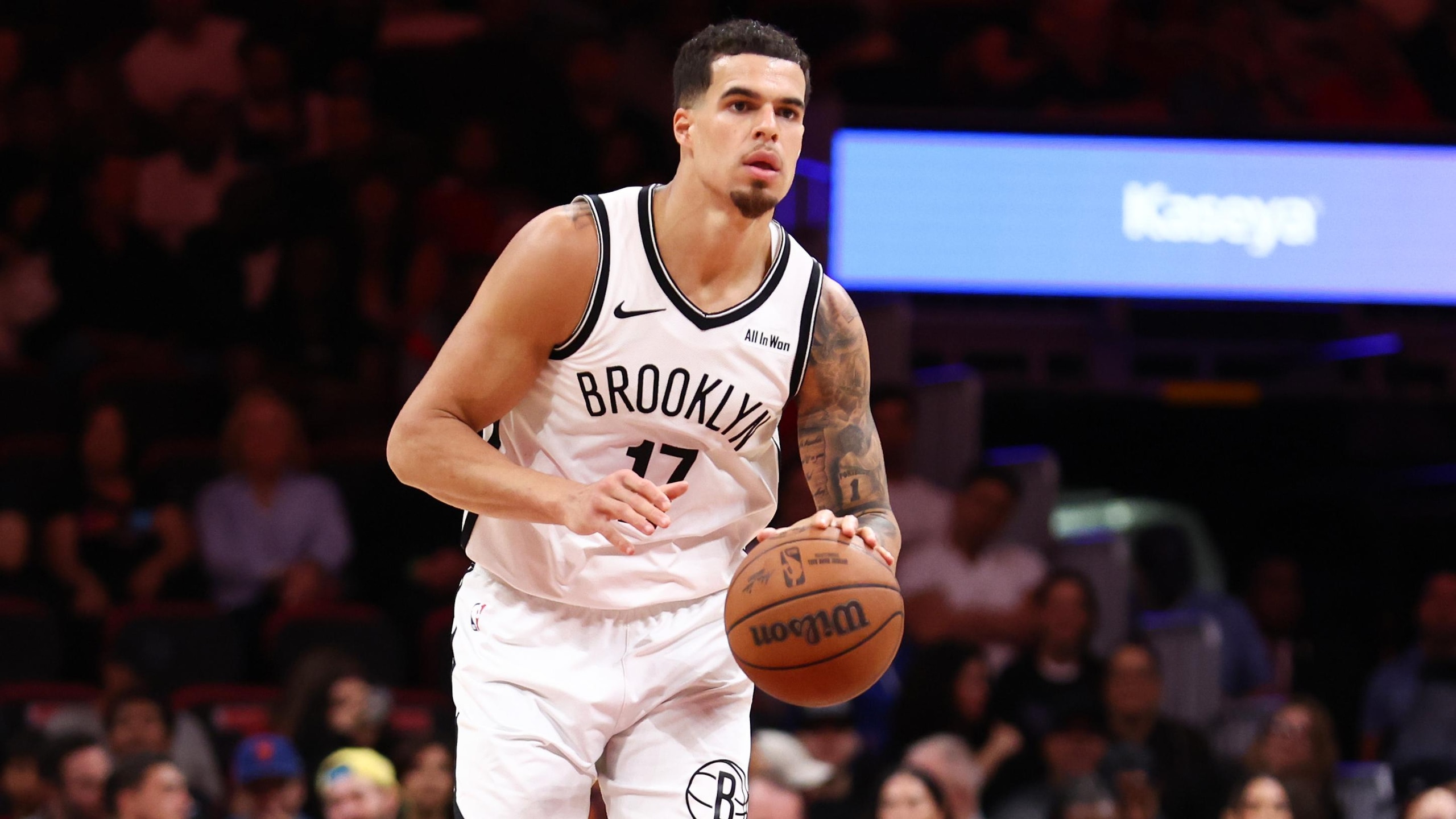
The Brooklyn Nets figure to have over $40 million in cap space this summer. Their first order of business will be figuring out what to do with all that spending power.
Because they don't control their 2027 first-rounder, and because prospective lottery reforms disincentivize racing toward the bottom, it's possible the Nets will use their cash conventionally. Signing free agents to improve the roster wouldn't be a novel concept in Brooklyn, which has chased stars in the past, but it would be a change from its recent tactics.
Alternatively, the Nets could renegotiate and extend Michael Porter Jr.'s contract—either to affirm he's a core piece or to improve his trade value. Unbalanced trades where an iffy salary comes attached with draft picks would be another option.
Brooklyn is among the league's more flexible teams this offseason, so determining which path to take with its resources should be the first order of business in free agency.
Charlotte Hornets: Re-Sign Coby White
4 of 30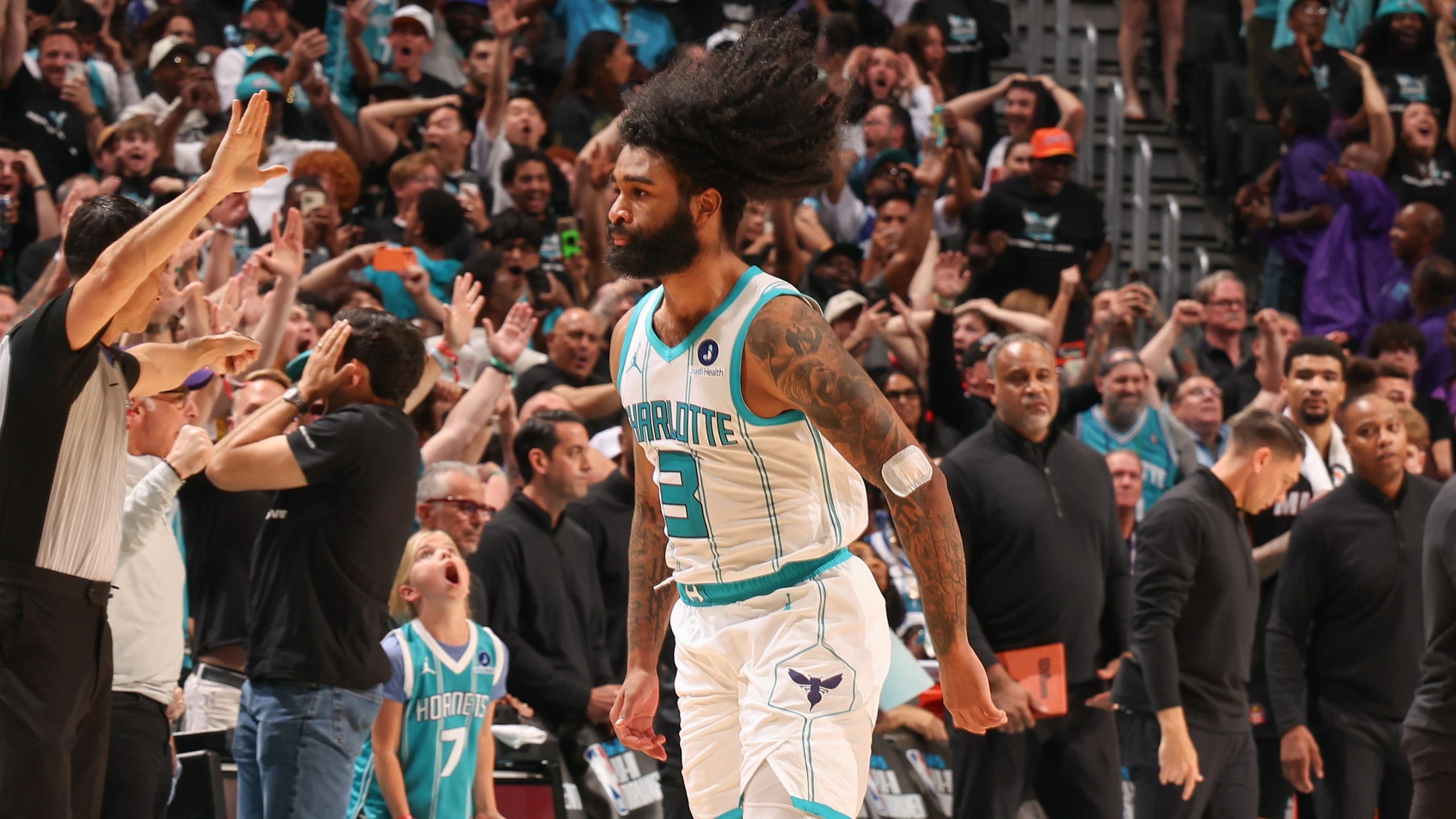
Coby White put up 15.5 points per game and shot 38.5 percent from deep in 20 contests with the Charlotte Hornets after coming aboard at the trade deadline. That production was integral to the Hornets' closing run. His electrifying shotmaking in the Play-In round only solidified his value to the operation.
Charlotte has White's Bird rights and can exceed the salary cap to retain him, after which it can still use the full mid-level exception to look for frontcourt upgrades.
White might seem duplicative on a roster that already has LaMelo Ball, Kon Knueppel and Brandon Miller set as its primary offensive weapons. But if this postseason has taught us anything, it's that there's no such thing as having too many shot-creators. In light of all the ugly rock fights happening in both conferences, White's scoring and playmaking aren't luxuries. They're scarce, which gives the Hornets enormous competitive advantages.
Chicago Bulls: Make An Offer to Jalen Duren
5 of 30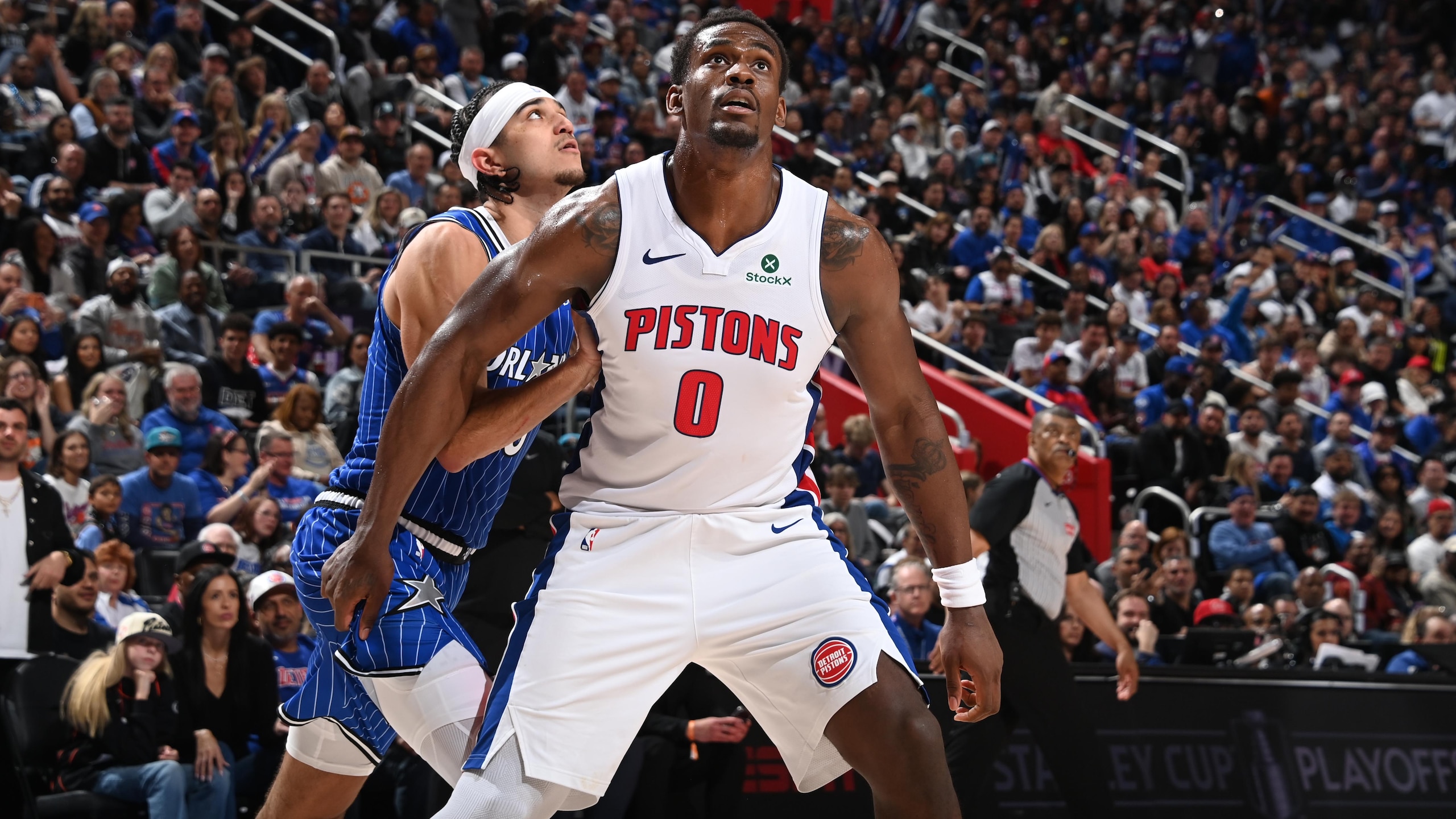
The Chicago Bulls have a pretty good shot to become the first team in a while to sign away somebody else's restricted free agent.
Boasting as much as $58 million in cap space, easily the most in the league, the Bulls could throw a max offer sheet of four years and $184 million at Detroit Pistons center Jalen Duren and have a reasonable hope of the incumbent team not matching. Offer sheets tie up a team's cap space until they're matched, so the Bulls would be taking a calculated risk here. But what do they have to lose?
This is the first summer of a true rebuild, and Duren, while disappointing in the postseason so far, is 22 years old and coming off an All-Star season. The Bulls could use everything he provides on the interior. They don't have anyone at his position on the current roster.
The Pistons would probably match, but the Bulls don't even need to tie up all their cap space to make an offer.
Cleveland Cavaliers: Sign Donovan Mitchell to an Extension
6 of 30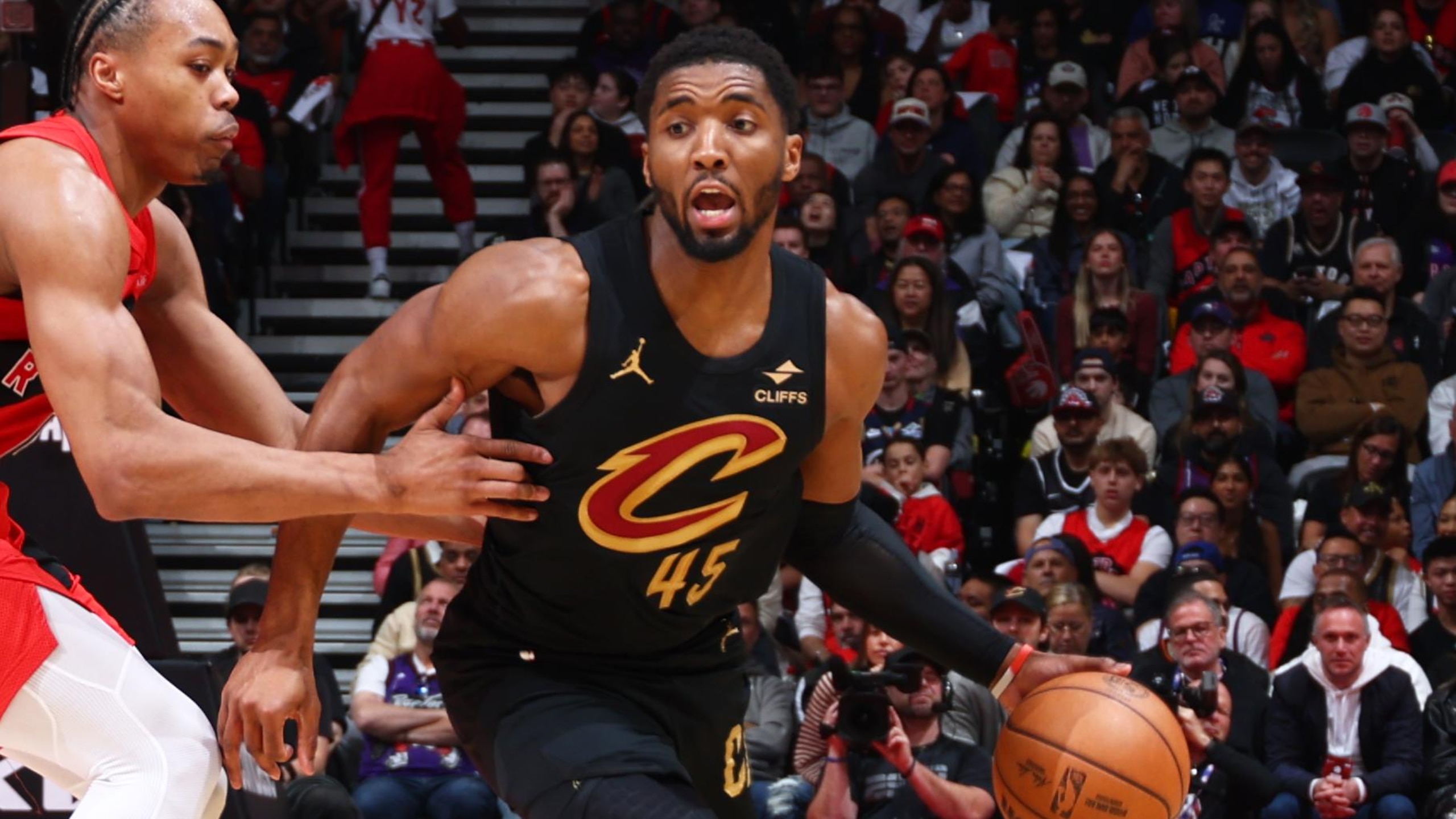
Donovan Mitchell can sign an extension with the Cleveland Cavaliers this summer worth up to $277 million over four years. After some speculation that he might have a wandering eye if the Cavs failed to make a deep run, it seems as if Mitchell is happy where he's at.
However dynamic or complicated his feelings are, the Cavaliers' side of things is simple. They need to put that max extension offer on the table and hope Mitchell signs it—partly because he's worth it, but mainly because the Cavs have to completely change their offseason plans if their best player won't commit.
If Mitchell doesn't extend, he can hit free agency in 2027 by declining his player option in 2027-28. That's exactly the kind of scenario that precludes a trade, as teams in Cleveland's position can't risk losing such a valuable asset for nothing. Mitchell's willingness to re-up is among the league's most important pivot points this offseason.
Dallas Mavericks: Extend Dereck Lively II
7 of 30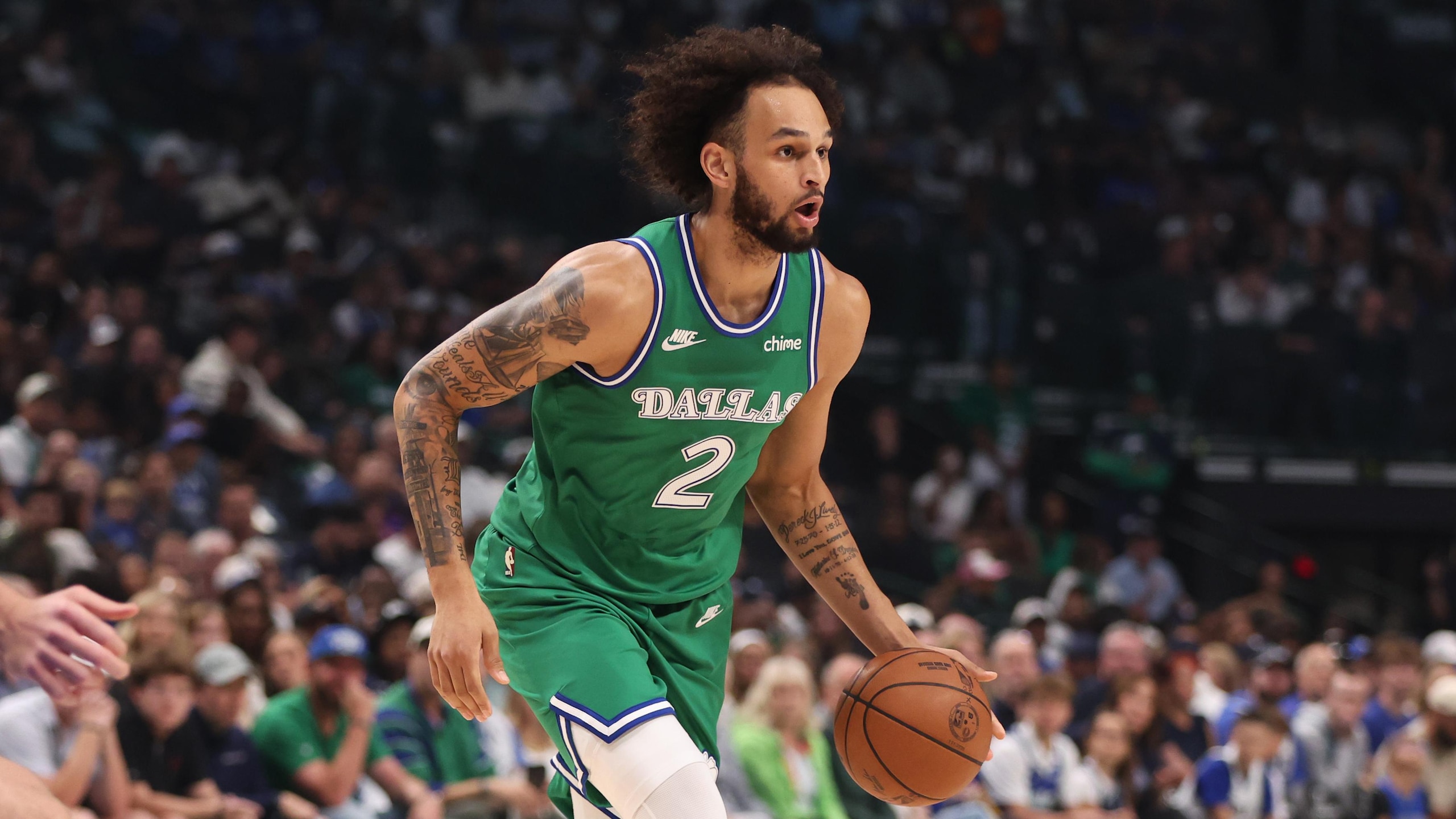
If he can stay healthy, Dereck Lively II still projects as a key piece of the Dallas Mavericks' core. His rim-rolling and paint protection could anchor the Mavs' interior for the foreseeable future, but Lively's past is a concern.
Specifically, the three-year vet has had a hard time staying healthy. He logged 55 games as a rookie, then 36 in 2024-25 before missing all but seven contests this past season. That means Dallas has an opportunity to secure a very good player on a value deal if it acts wisely. The Mavericks can extend Lively at any point up until the last day of the offseason, but they should make him an offer at the outset of free agency.
Whether through lower annual figures that stretch out five years or via substantial health-related partial guarantees, the Mavericks are positioned to give Lively something his track record suggests he should want: long-term security. They can do it in a team-friendly way that, if Lively's body holds up, could make him one of the top bang-for-your-buck bigs in the league.
Denver Nuggets: Offer Nikola Jokić His Max Extension
8 of 30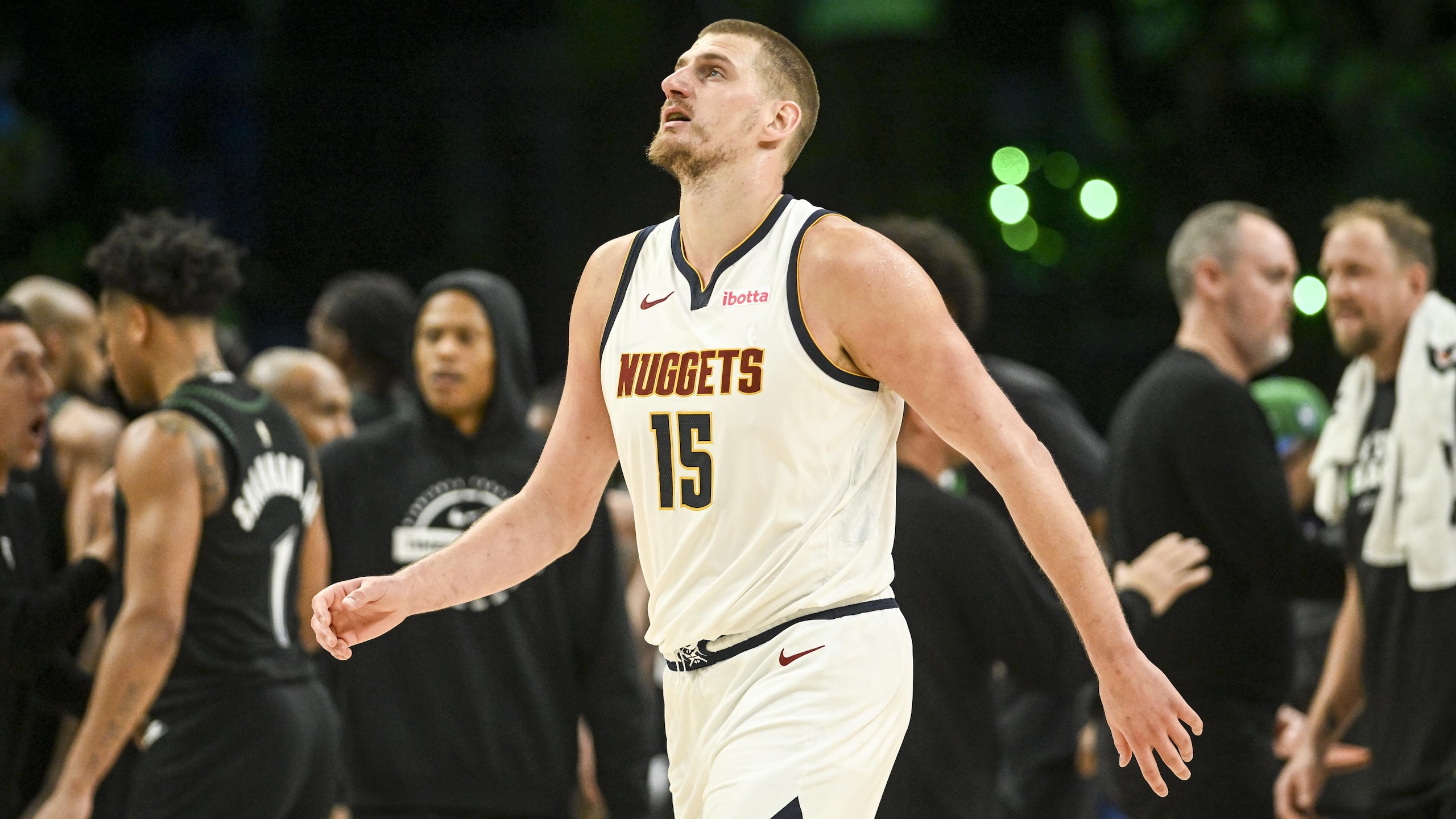
Nikola Jokič could have signed a three-year, $200 million extension last summer, but he opted not to tack on those extra years and dollars because he knew an even bigger offer would await this offseason.
Now, the Denver Nuggets can add four years and $278 million to his deal, locking him down through the rest of his prime. Whatever other business Denver has to handle—and there's a lot—everything starts with ensuring the best player in franchise history will be at the center of whatever comes next.
So before the Nuggets figure out how to handle Peyton Watson's restricted free agency or decide how to replace Tim Hardaway Jr. without going deeper into the second apron, they need to shove that massive extension offer across the table and pray Jokić signs it.
If he hesitates or refuses, Denver will be in for a whole series of existential conversations.
Detroit Pistons: Upgrade the Offense
9 of 30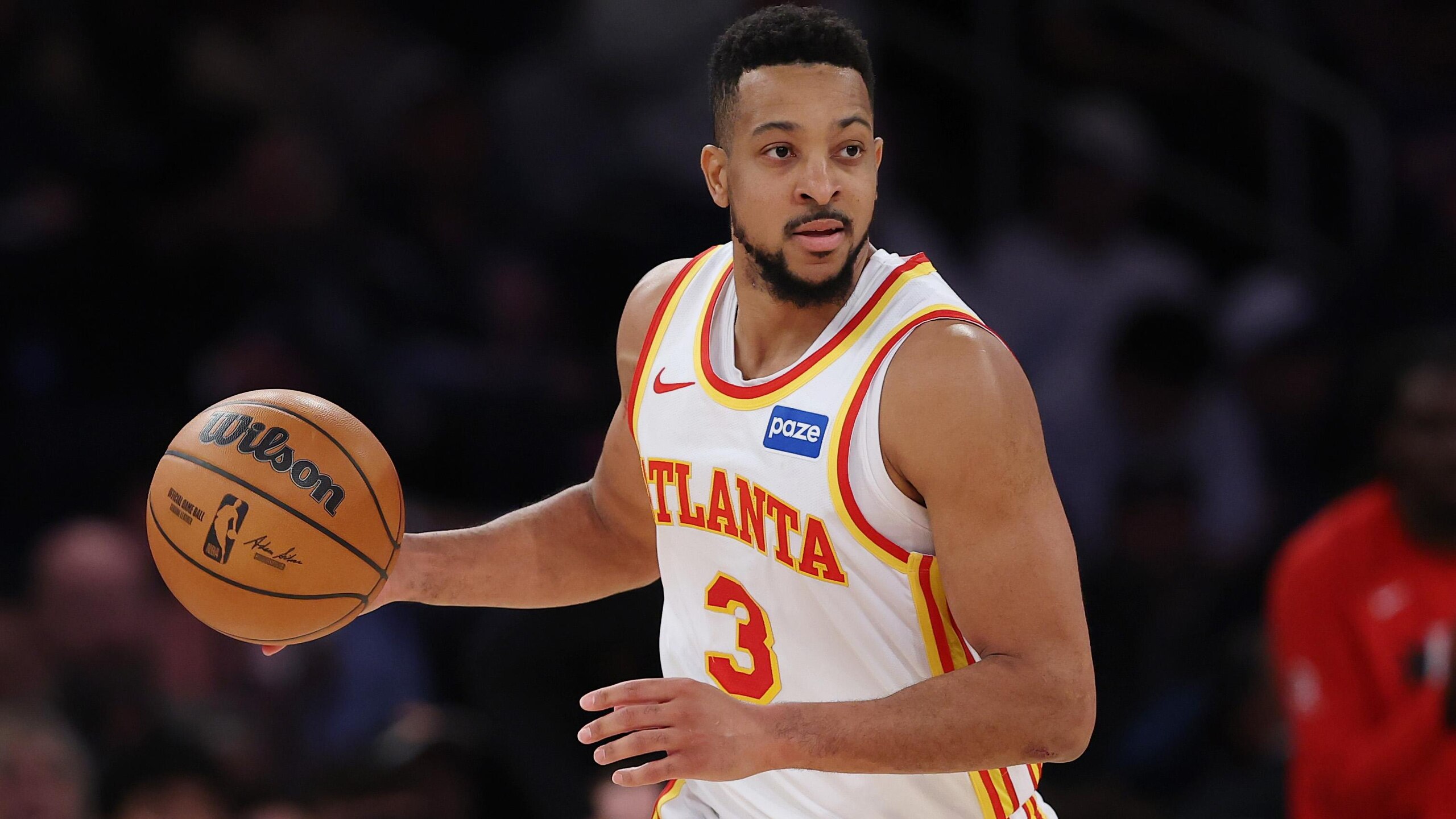
Jalen Duren is a restricted free agent. The Detroit Pistons should simply let the market decide his worth before matching whatever another team offers. He'll be a reasonable value even if someone else goes all the way to four years and $177 million, the most another organization can pay him.
Whatever Duren ultimately signs for, the Pistons absolutely must upgrade the offense around him and Cade Cunningham. On the year, Detroit shot the second-fewest threes per game and only hit them at a 35.6 percent clip. The playoffs only further exposed the Pistons' lack of spacing and secondary creation. They need to use whatever cap space they can clear (or, more likely, the $15.1 mid-level exception) to address those deficiencies.
Ayo Dosunmu and CJ McCollum should be prime targets. If Zach LaVine declines his player option with the Sacramento Kings, add him to the list. Anfernee Simons, Fred VanVleet and Norman Powell should all get calls. Whatever it takes, the Pistons need to ensure they don't repeat the mistake they made at the trade deadline: thinking their offense was good enough to contend.
Golden State Warriors: Get an Answer From Steve Kerr
10 of 30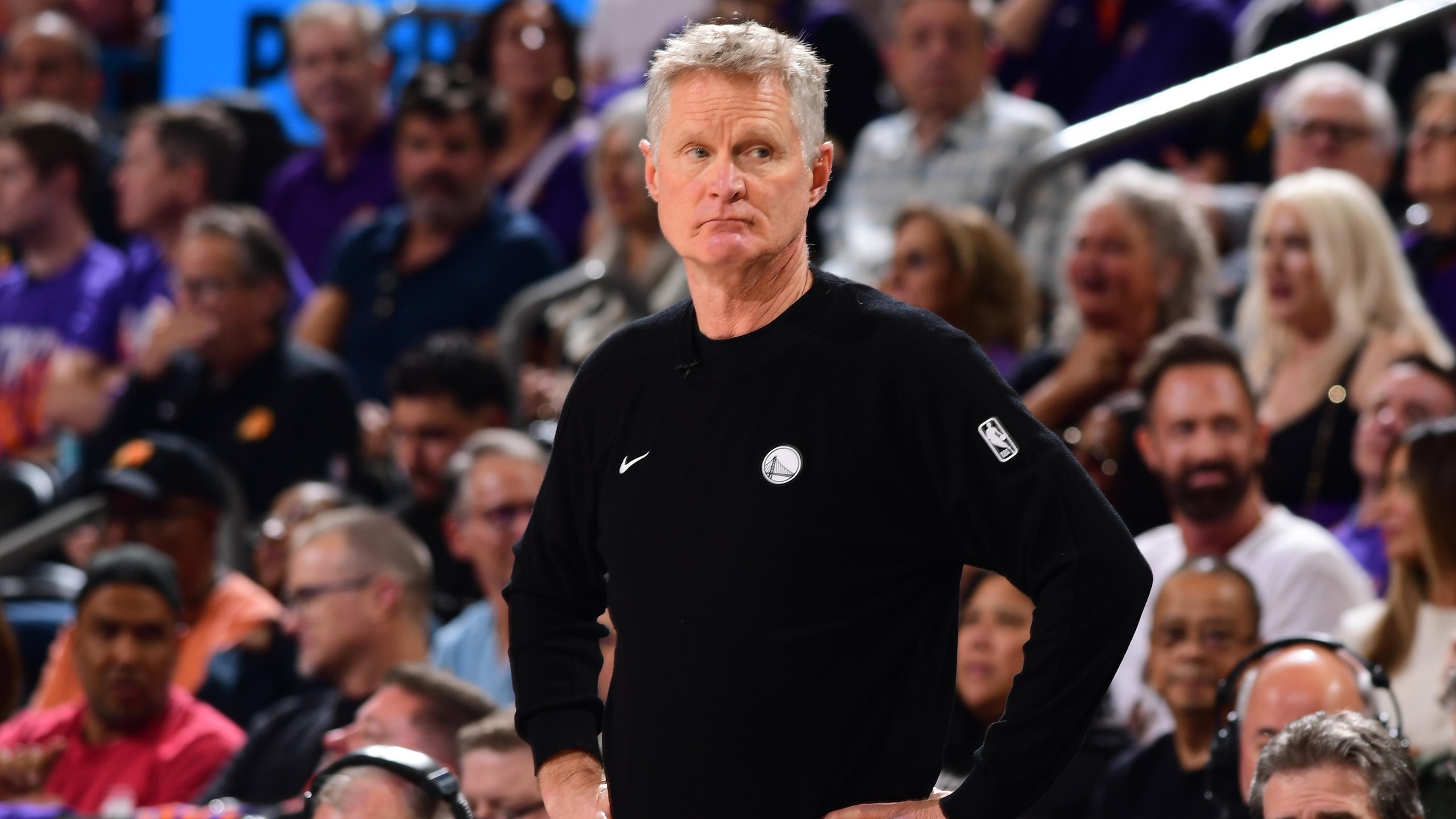
He's not a player, but Golden State Warriors head coach Steve Kerr is a free agent. He's easily the most consequential figure in the Dubs' offseason.
If Kerr decides to return (and if management will have him), the Warriors will go about the same sort of business they've conducted over the last several years: trying to build a contending roster around Stephen Curry for the tail end of his prime. With Kerr back, the team can look toward blockbuster trades, re-signing veteran big man Kristaps Porzingis and extending Draymond Green (player option) at a lower annual value.
Kerr's departure could trigger a wholesale reset that, in the most extreme scenario, could result in Curry changing teams. That last part is highly unlikely, but the possibility illustrates just how central Kerr's decision is to everything else the Warriors might do in free agency.
No decisions will get made until Kerr makes his.
Houston Rockets: Offer Amen Thompson A Team-Friendly Extension
11 of 30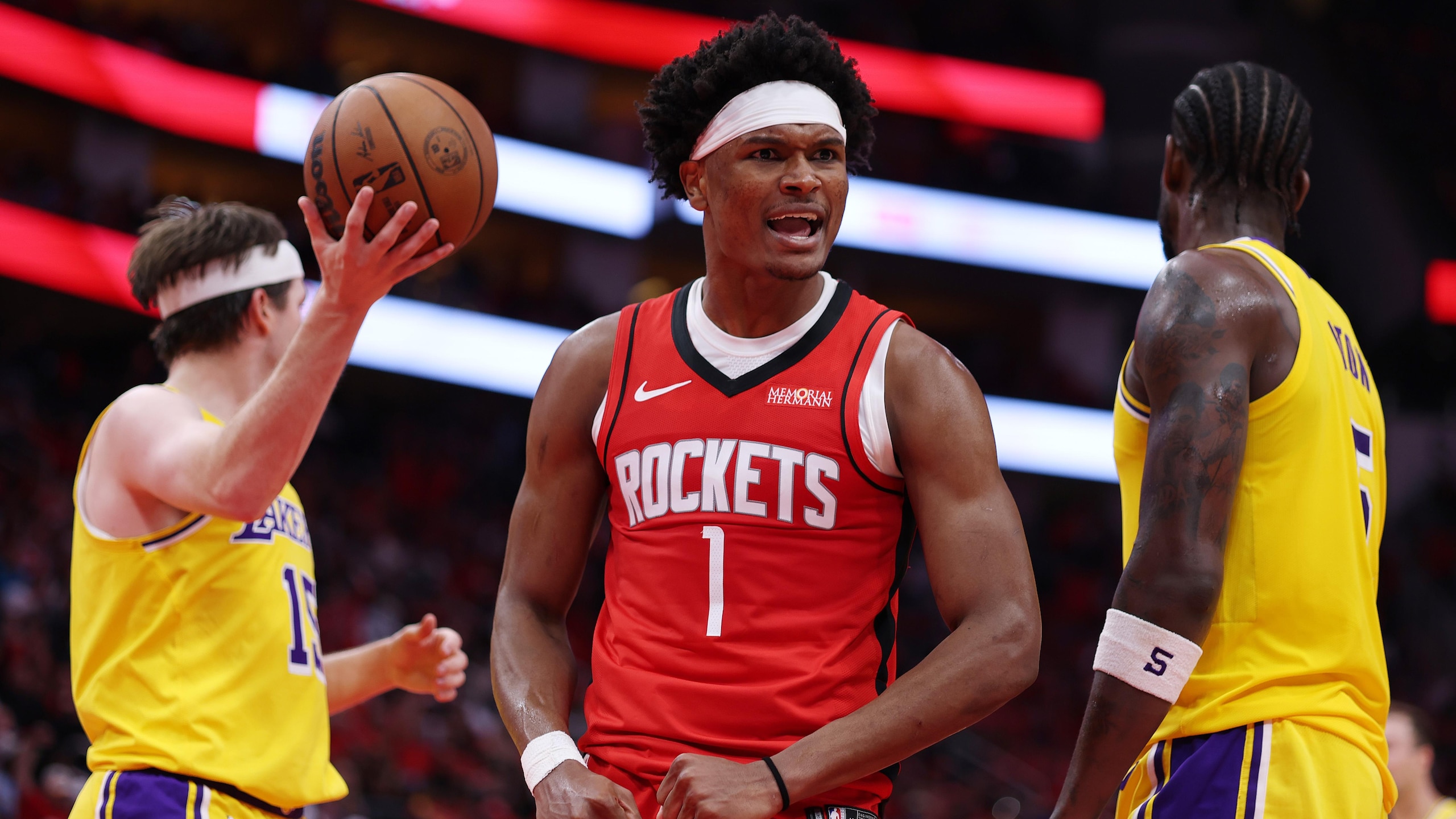
Amen Thompson will be eligible to sign a five-year, rookie-scale extension this offseason. It will be critical for the Houston Rockets to draw a hard line in negotiations.
An elite defensive talent, Thompson's inability to shoot or consistently make plays on the ball was a key factor in Houston's first-round dismissal. Over the course of the regular season, Thompson's other skills make him a net-positive player. In the postseason, when weaknesses matter as much as strengths, he was far less valuable. His viability as a playoff-worthy cornerstone is very much in doubt.
That means Houston shouldn't even consider a five-year max worth around $250 million. Thompson's offensive flaws disqualify him for such an enormous payoff at the moment. The Rockets need to make him prove his two-way value in 2026-27.
A team-friendly extension worth $150 million over four years would be reasonable from Houston's side. Restricted free agency will provide tons of leverage a year from now if Thompson doesn't feel that's a fair offer.
Indiana Pacers: Target a Bench Scorer
12 of 30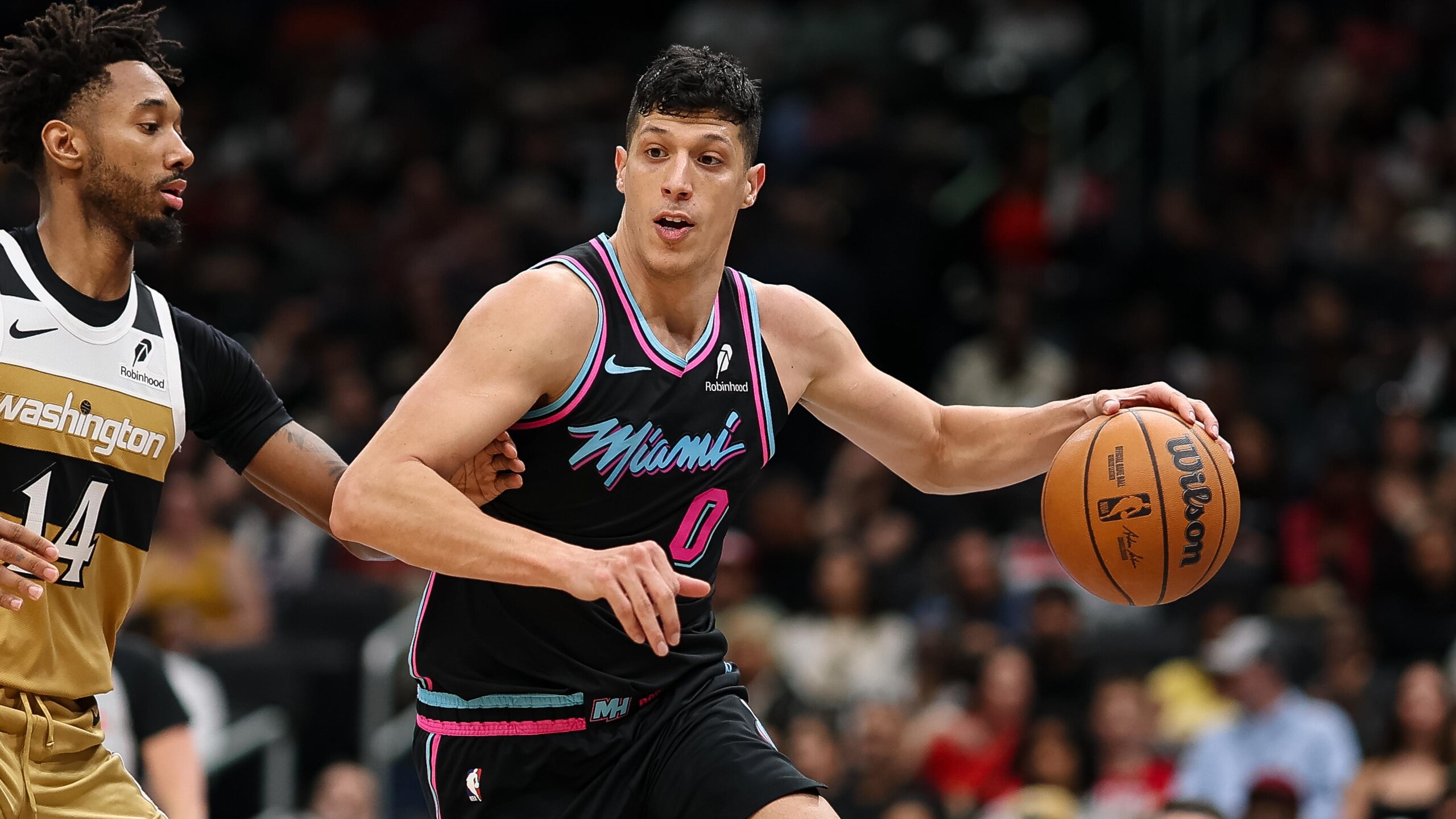
Indiana Pacers general manager Chad Buchanan mentioned guard depth and backup center as offseason needs when appearing on 107.5 The Fan in Indianapolis, but he mentioned those after citing bench scoring as the team's top concern.
Following the addition of a high first-rounder (whose arrival will certainly inform what happens in free agency), Indiana is likely to be a tax team and could even land above the first apron. If the Pacers could ditch Jarace Walker and/or Ben Sheppard, it'd add a bit of flexibility. But big spending power will not be available either way.
That will leave Indiana in the Luke Kennard/Simone Fontecchio/Dean Wade realm of free agency, which all but rules out high-end upgrades.
Remember, though, this is a team that will enter 2026-27 healthy and looking to pick up where it left off as a two-time conference finalist prior to Tyrese Haliburton's injury. It won't take a free-agent coup to get this group right back into the thick of the East race.
LA Clippers: Consider Cap Space
13 of 30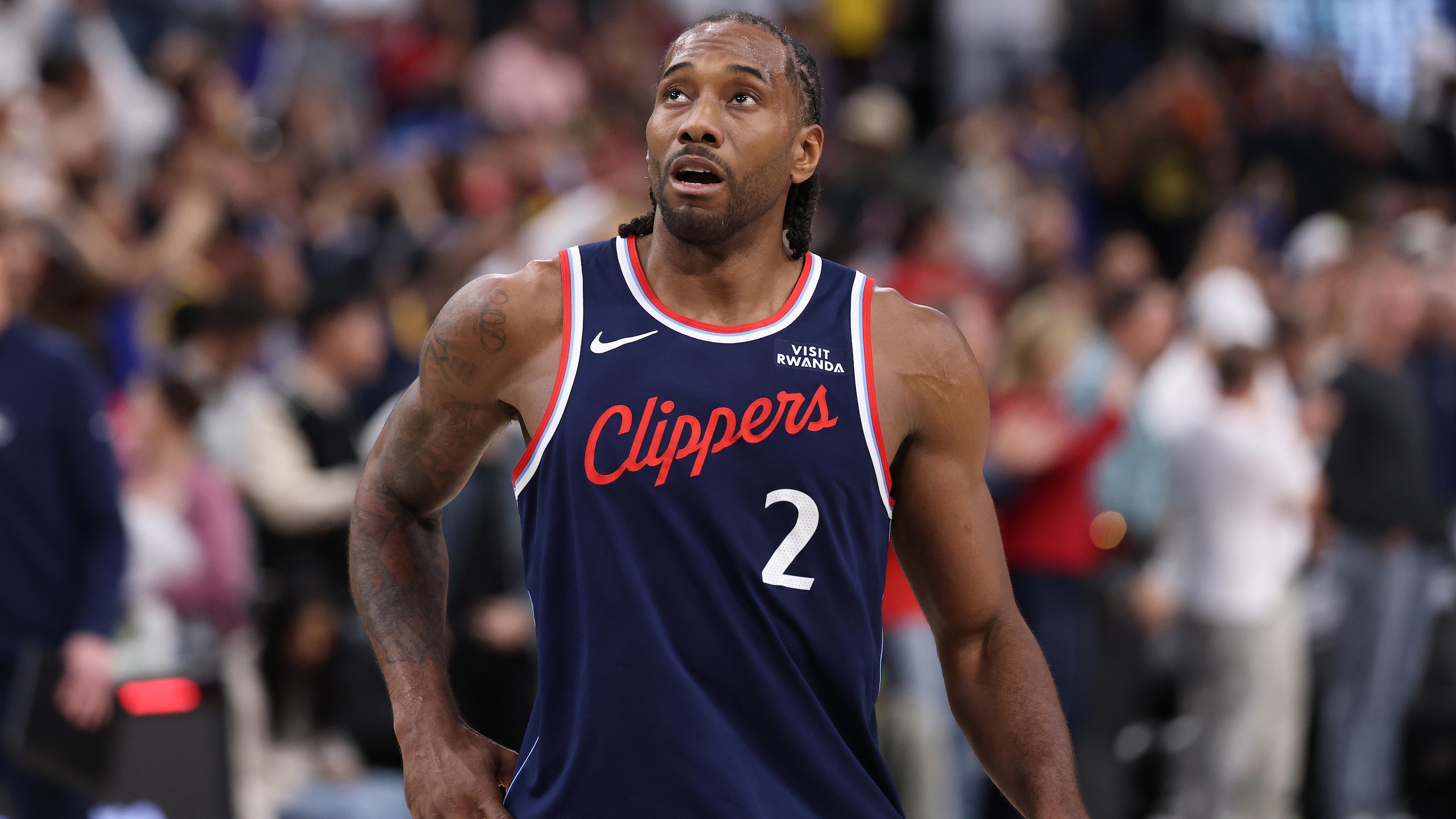
Very few teams will be positioned to spend cap space this summer, so the LA Clippers might want to give some thought to a bold move on that front.
Between Brook Lopez, Nicolas Batum, Kris Dunn, Bogdan Bogdanovic, Cam Christie, Kobe Sanders, Bennedict Mathurin and Jordan Miller, the Clips have a little under $44 million in cash that they could theoretically cut. They'd have to decline those players' team options, choose not to guarantee salaries or renounce their restricted rights, respectively, but cleaning house could result in over $30 million in cap space.
That's an intriguing approach for a squad that will still have Kawhi Leonard and Darius Garland on guaranteed deals.
Most of the younger options above are worth keeping. Mathurin could be a sign-and-trade candidate if he's not in the Clippers' plans.
Still, as a big-market team that might want to infuse the roster with new talent, LA could kick off free agency by announcing itself as a cap-space team.
Los Angeles Lakers: Sign Two Starters
14 of 30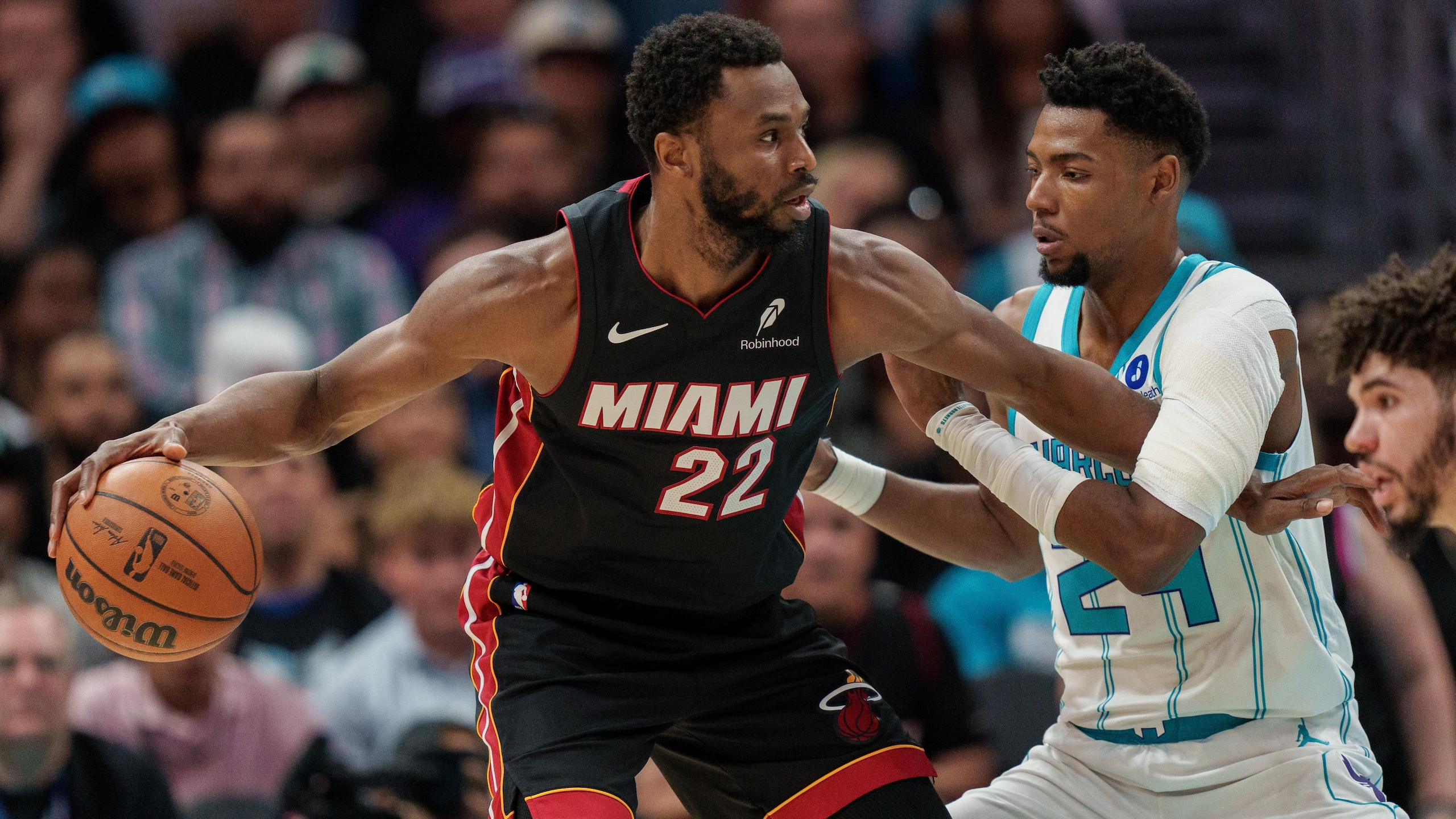
The Los Angeles Lakers aren't the only team with cap space, but they're probably the one that can get the most for their money. That's why they can realistically target multiple starters with their estimated $48.1 million in spending power.
All things being equal, free agents will prefer good weather, brand-building opportunities of L.A. and setups from Luka Dončić—if not the tough state income tax situation. Though the Lakers could toss most of their money to a restricted free agent like Jalen Duren or Amen Thompson, they'll get more value by targeting Andrew Wiggins (player option) and Isaiah Hartenstein (team option), just to name two potentially spectacular fits.
After securing a three-and-D wing and starting center with championship experience, they can bring back Austin Reaves using Bird rights.
Aim slightly lower (let's say Lu Dort, Robert Williams III and Quentin Grimes), and the Lakers might even be able to snag three starters in free agency.
Memphis Grizzlies: Trade Ja Morant
15 of 30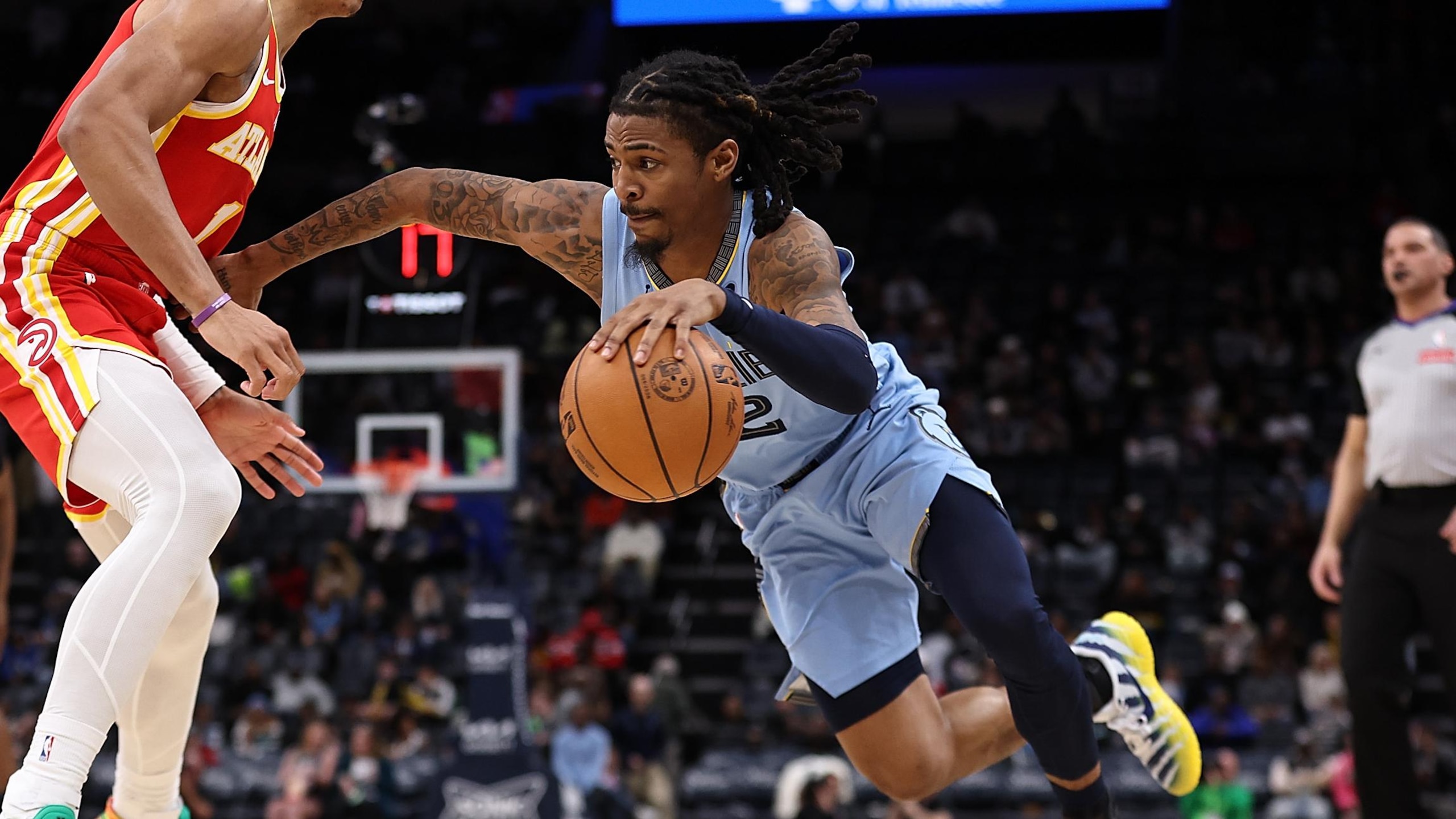
The Memphis Grizzlies can trade Ja Morant at any time, which means he's not technically a free-agency priority. You have to appreciate the chasm between "Trade Ja" at No. 1 on Memphis' offseason priority list and everything else.
The Grizzlies can't really proceed to new business until old business is complete.
Dealing the former franchise cornerstone certainly qualifies as old business because Memphis tried to get rid of him at the deadline. Unsurprisingly, no one was willing to give up positive value for a player whose failure to improve, struggle to stay healthy and concerning off-court decisions are hardly worth two more years and $87 million.
The Grizzlies will either have to lower their asking price or simply accept that it's worth paying something to remove him from the picture.
Miami Heat: Trade for Giannis Antetokounmpo
16 of 30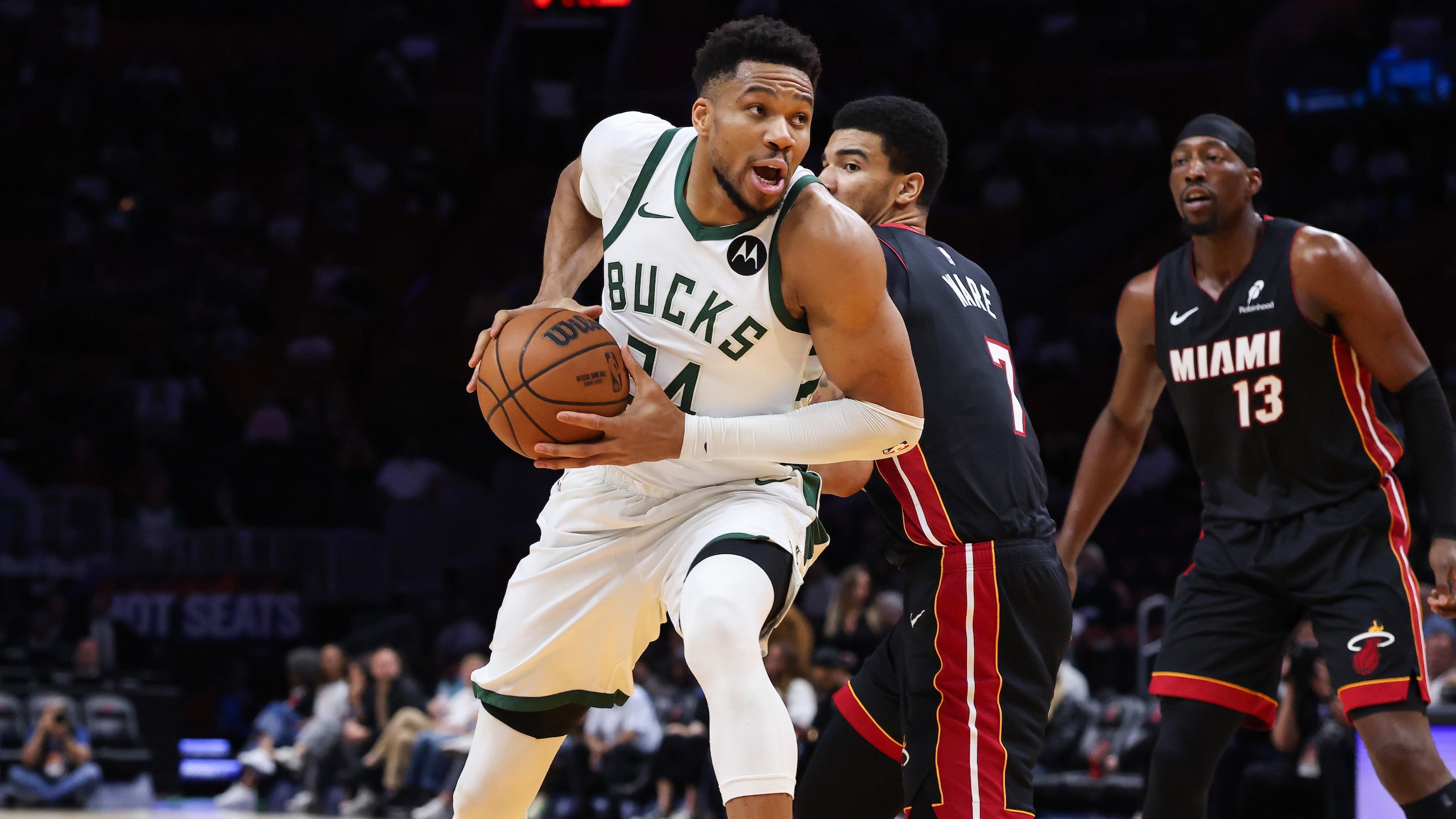
Giannis Antetokounmpo isn't a perfect fit next to Bam Adebayo. The Miami Heat should have real questions about his physical health going forward. That's to say nothing of the possibility that Giannis simply isn't at a point in his career where it's realistic to expect he can dominate from October to June.
But what else are the perennially mid Heat supposed to do? Re-tool, retain and try to make it out of another Play-In?
Miami will have to make a few precursor moves, depending on what the Milwaukee Bucks want in their return package. For instance, the Bucks might rather have Andrew Wiggins on a longer deal (he can enter unrestricted free agency in 2027 after picking up his $30.2 million player option for next season), so Miami could look to extend him before June 30.
Similarly, the Heat can extend Tyler Herro, another potential outgoing trade piece, for four years and up to $207 million after the Finals. If the Bucks want that security, great. If not, the Heat can table extension talks with him.
If this all feels too bold, understand that the Heat are otherwise prioritizing 2027 cap space and probably don't want to sign players to multiyear deals this summer. So it's a big swing on Giannis or, well...not much action at all.
Milwaukee Bucks: Float Giannis' Extension Offer
17 of 30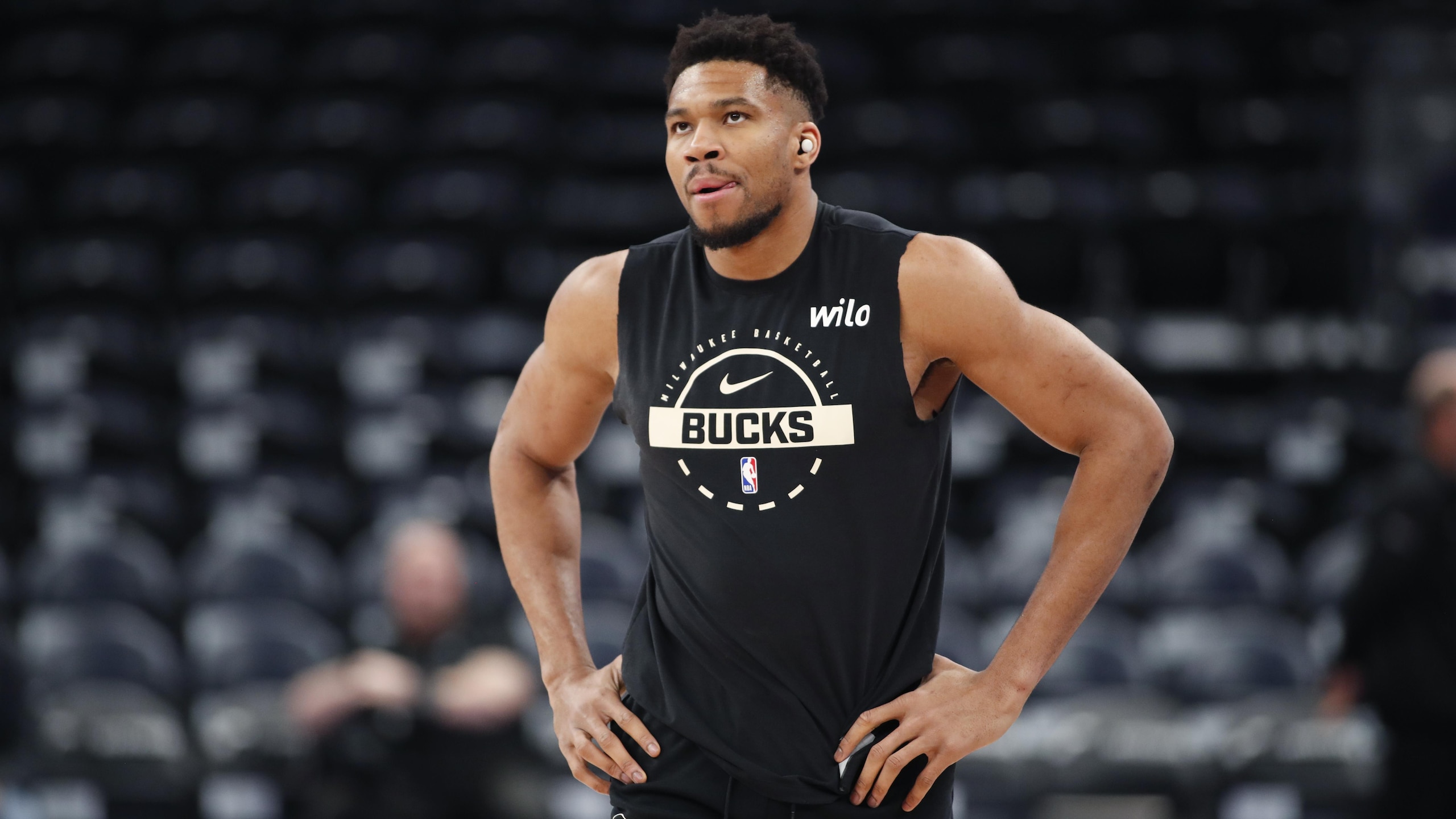
Giannis Antetokounmpo can't sign an extension with the Milwaukee Bucks until Oct. 1, but the team needs to make it clear that four more years and $275 million are on the table for him.
The Bucks need clarity on whether Antetokounmpo will sign that extension long before he can legally do so. It'd be impossible for them to operate in free agency without knowing if the two-time MVP intends to stick around or leave. If Giannis expresses hesitation, adopts his typical "show me you care by mortgaging your future on a supporting cast" posture or indicates he flat-out won't sign, the trade sweepstakes must begin immediately.
If he commits to extending, things get complicated. Extra years on Antetokounmpo's deal might make him a more valuable trade asset, though a re-up would seem to signal the Bucks intend to keep trying to win with their home-grown superstar as the centerpiece.
Nothing of consequence can happen in Milwaukee until the Bucks know what's ahead with Giannis.
Minnesota Timberwolves: Re-sign Ayo Dosunmu
18 of 30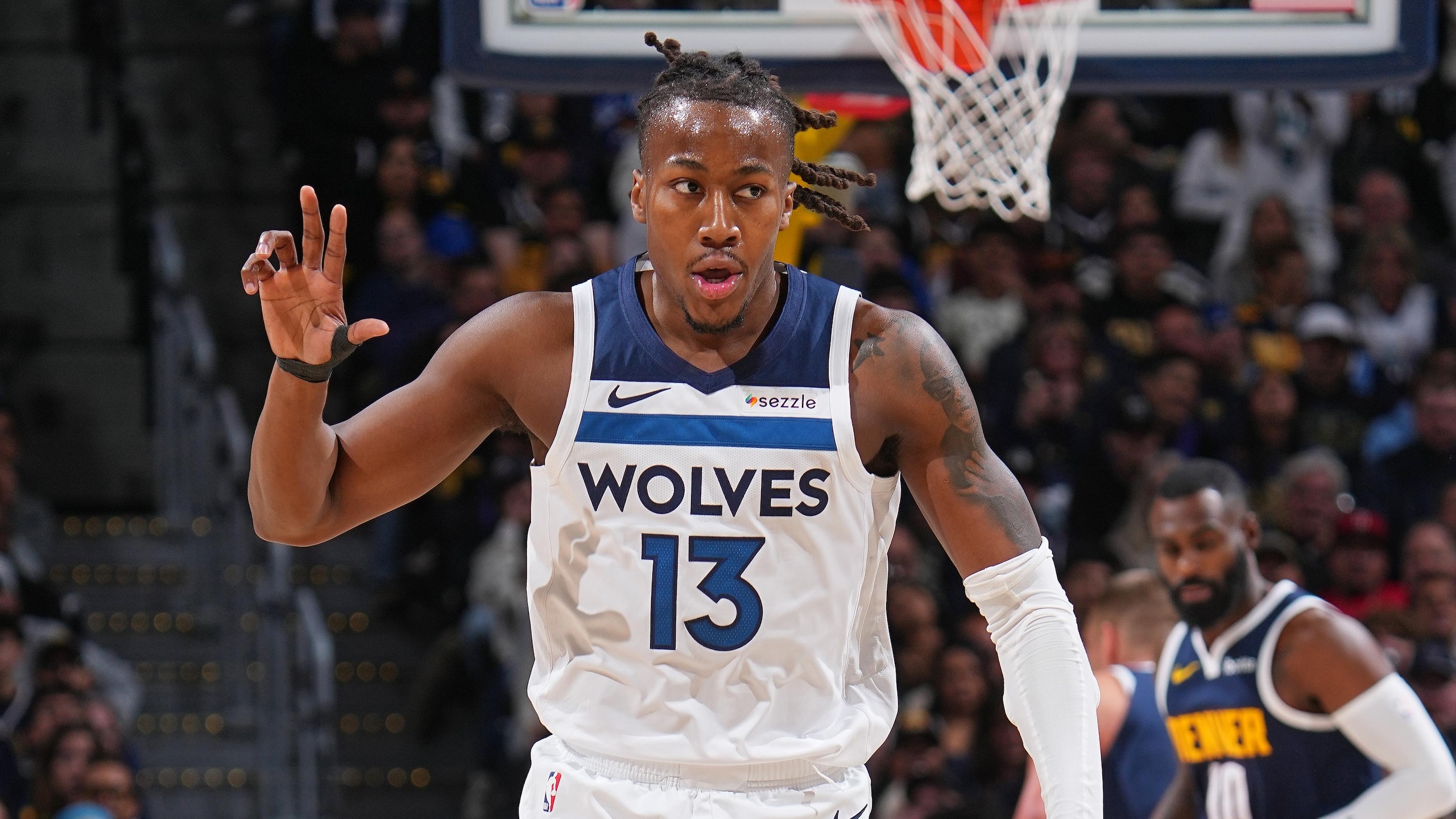
Even before Donte DiVincenzo's Achilles tear against the Nuggets, the Minnesota Timberwolves had good reason to put Ayo Dosunmu at the head of the line this summer.
Acquired at the deadline, the high-energy guard brought valuable transition scoring, good on-ball defense and reliable spacing to the offense. When DiVincenzo went out, Dosunmu briefly became a star, erupting for a career-high 43 points to beat Denver in Game 4.
Dosunmu is a lock to field full mid-level offers in free agency. Several other teams will gladly hand him a contract of up to four years and $65 million. The Wolves might even need to worry about cap-space teams entering the chat.
Minnesota can use Bird rights to beat those numbers, but anything over $20 million in first-year salary would nudge payroll into the first apron—with more roster spots left to fill.
Dosunmu is critically important to Minnesota's rotation, with DiVincenzo shelved and Mike Conley long since aged out. Retaining him may not be cheap, but the Wolves also can't afford to let Dosunmu get away.
New Orleans Pelicans: Sign a Rebounder
19 of 30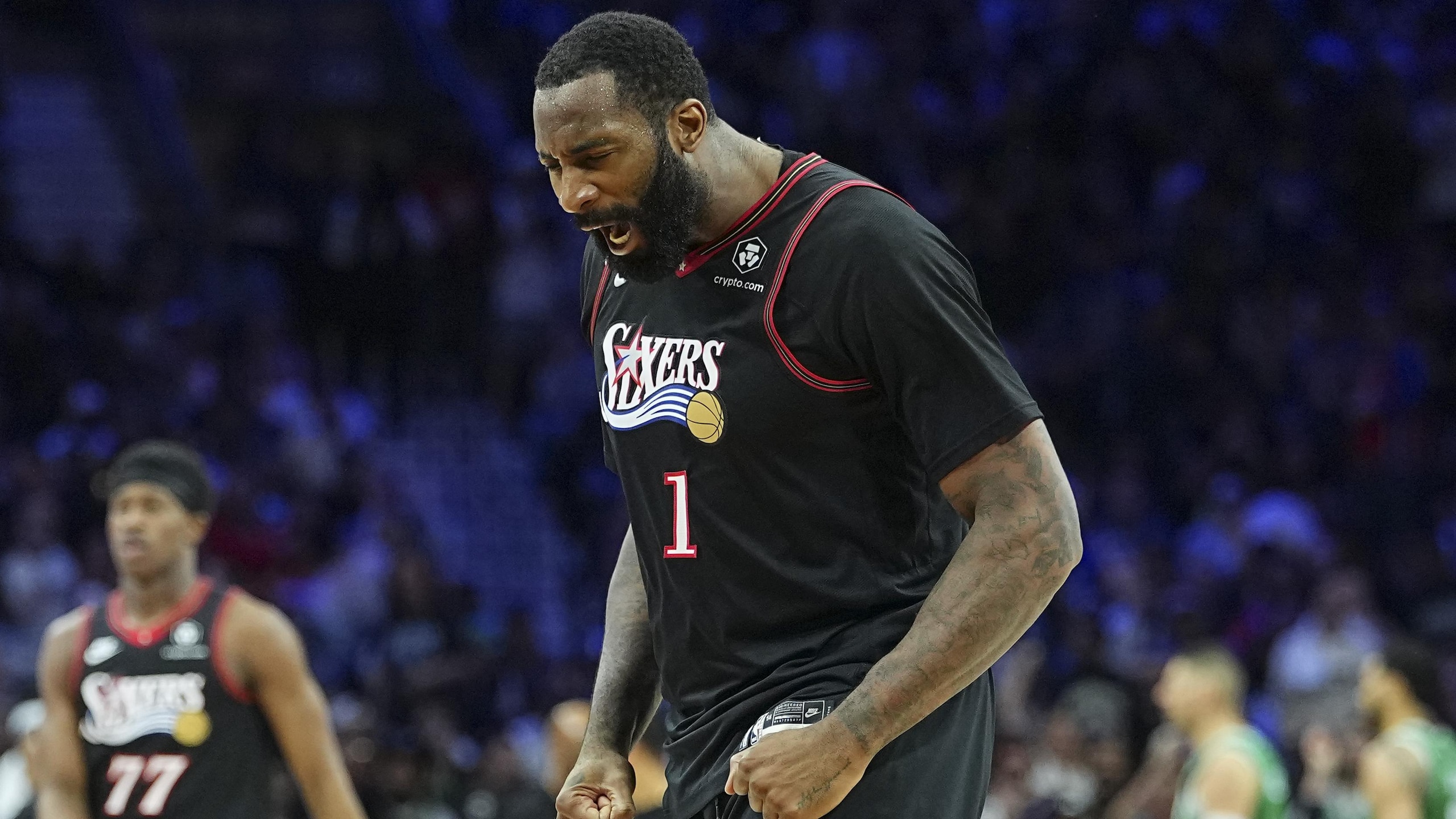
The first step toward finding a big man who can get the New Orleans Pelicans out of the bottom three in defensive rebounding rate might be to get rid of one of their better rebounders.
Kevon Looney is still great on the boards, but he can't play major minutes. He takes too much off the table offensively to feature as a rotation piece going forward. If New Orleans declines his $8 million team option by June 29, it could access a chunk of the full midlevel exception for use on a big man who can actually play—and hopefully rebound.
Mitchell Robinson and Robert Williams III are too pricey, but the Pels could take a swing at Andre Drummond or Mark Williams if their respective teams don't want them back.
It might also help to have a head coach in place so the Pelicans can determine which free agents fit their playing style, but hey, one thing at a time.
New York Knicks: Re-Sign Mitchell Robinson
20 of 30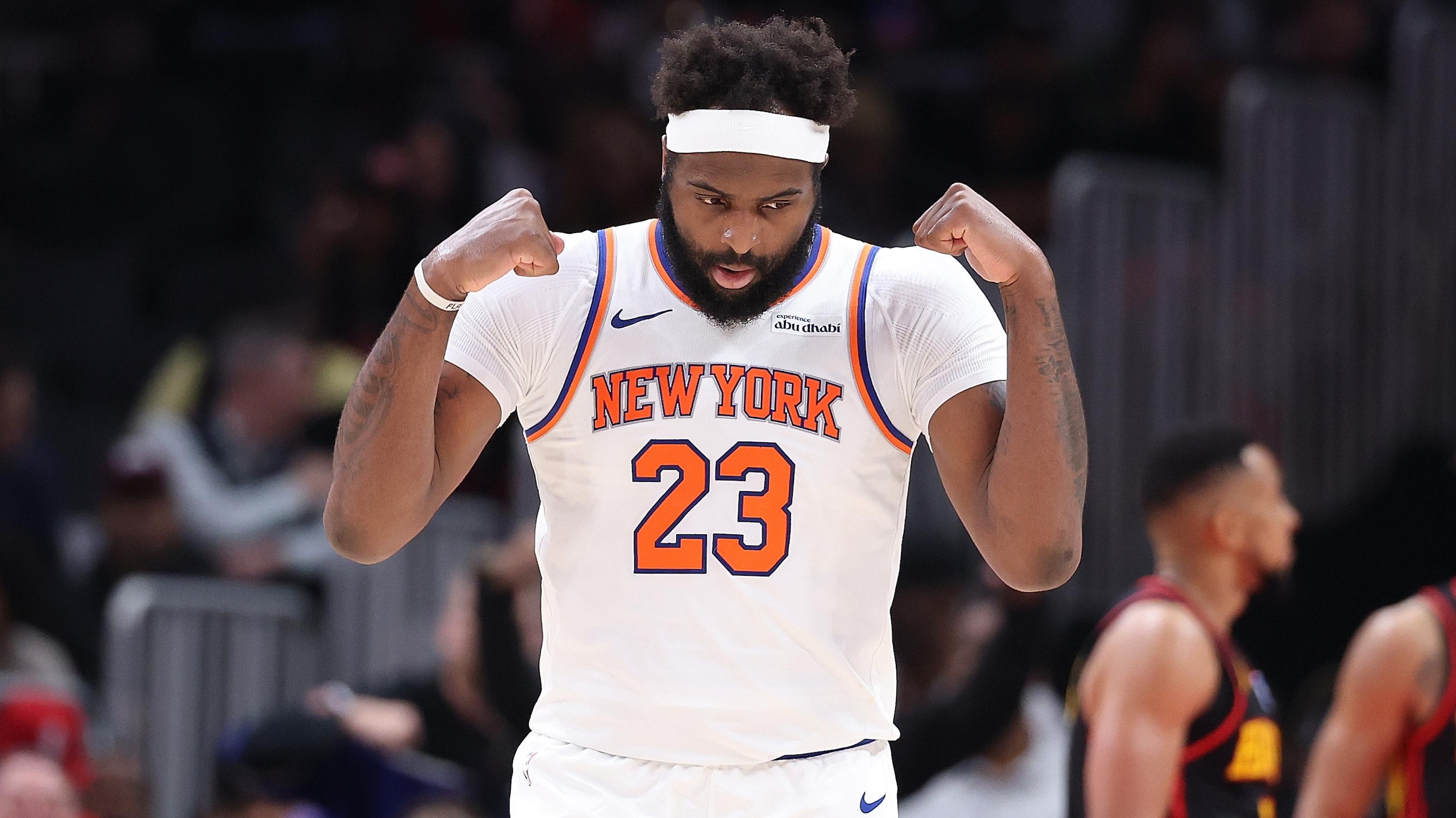
Rim protection and elite offensive rebounding are as valuable as ever, so Mitchell Robinson figures to hold significant leverage when the New York Knicks engage him in unrestricted free agency.
New York will cite availability and minute restrictions as reasons to keep costs down, but it's hard to imagine a new deal coming in at anything below the four-year, $60 million pact Robinson inked with the team in 2022. Plenty of teams will have midlevel offers of four years and $65 million ready, so the Knicks should mentally prepare for that to be the floor on Robinson's new contract.
So much of the Knicks' success in recent seasons owes to Robinson dominating the offensive glass and holding up against the post threats Karl-Anthony Towns can't handle (or can't stop fouling). Though it has some other needs, New York can't pretend any of them are more pressing than retaining Robinson.
Oklahoma City Thunder: Re-Sign Isaiah Hartenstein
21 of 30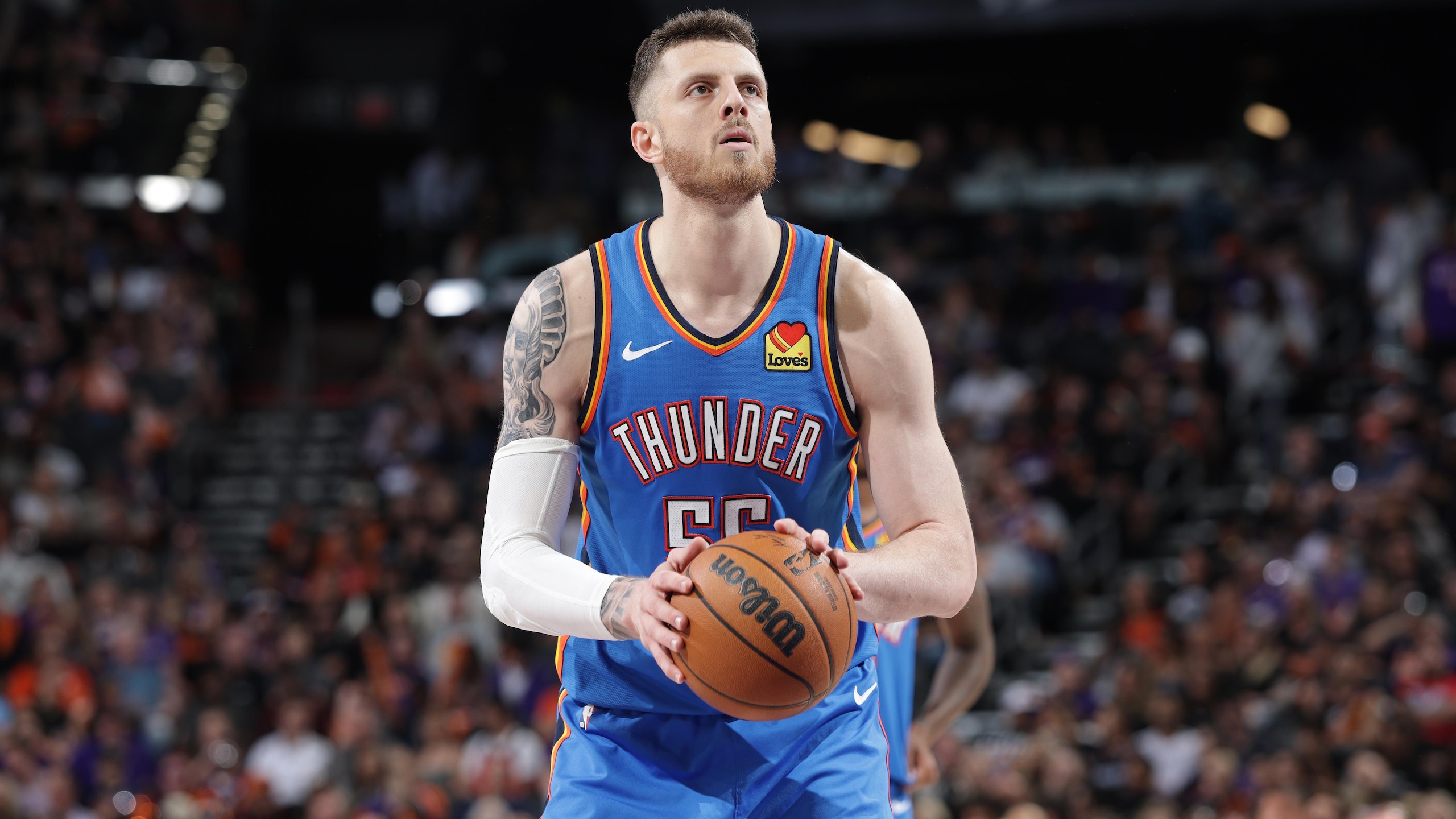
Isaiah Hartenstein would instantly become a top target for several teams if the Oklahoma City Thunder decline his $28.5 million team option for 2026-27, which is why they'll probably only do that if they have a new long-term offer chambered and ready to go.
A vital piece of the best defense in the league over the past two seasons, Hartenstein also allows the Thunder to slot Chet Holmgren at power forward, sometimes operates as a hub and can finish on the short roll with his patented floater. Yes, OKC could survive without him and has real enough financial concerns to justify considering futures that don't involve the lefty center.
But if Oklahoma City is serious about continuing to pile up titles, keeping Hartenstein is a must. The Thunder have until June 29 to decide on his option. If they decline, they need to ink a new deal on July 1.
Orlando Magic: Sign Landry Shamet
22 of 30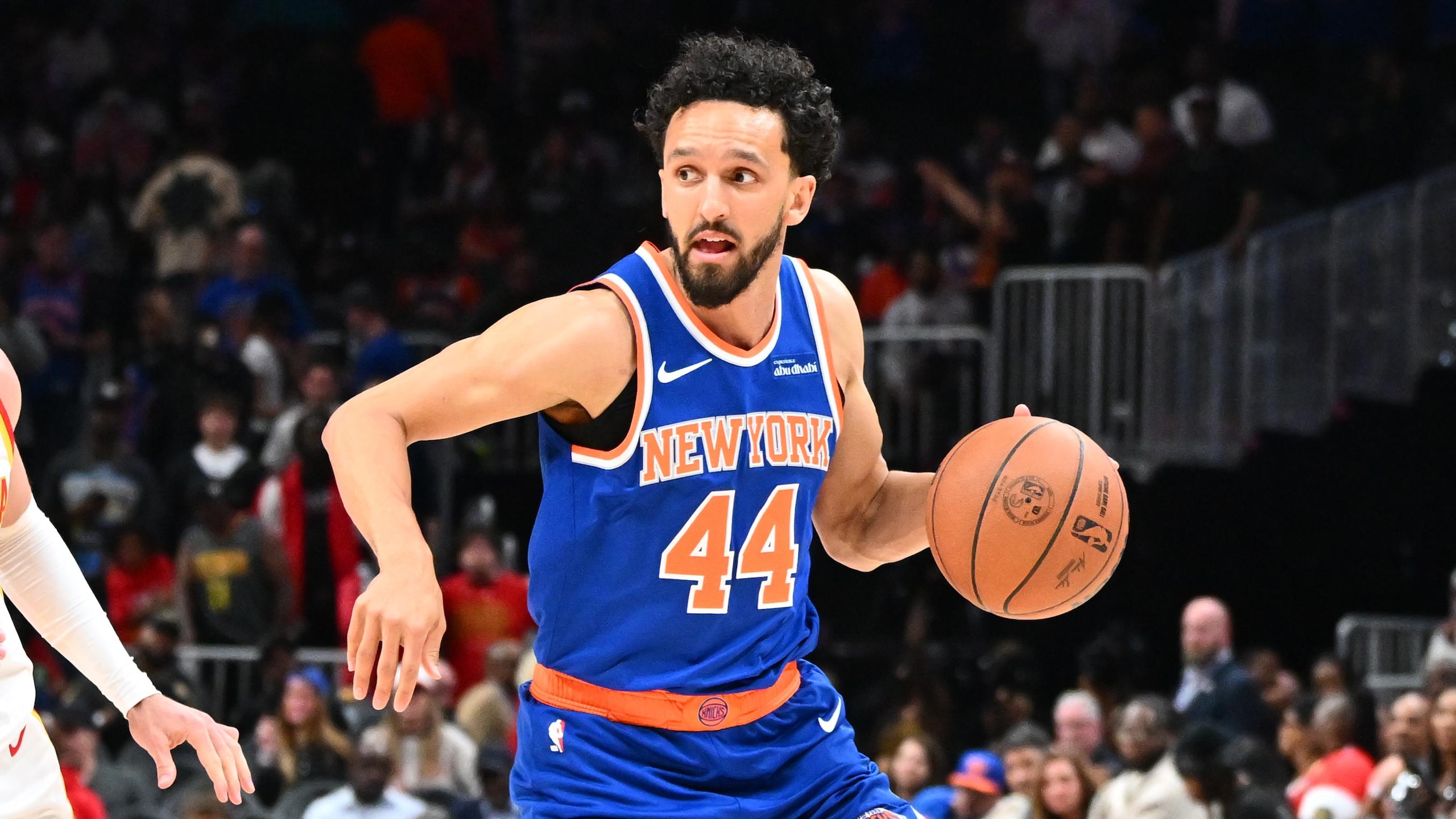
Landry Shamet isn't a splashy target, but the Orlando Magic are locked into a prohibitively expensive roster and need to accept low-end upgrades where they can get them.
A career 38.6 percent shooter from long range, Shamet also brings enough defensive intensity to fit into Orlando's preferred style. Or at least he fit the style former head coach Jamahl Mosley preferred. Given the incumbent personnel, we should expect whoever takes over for Mosley to put a similar emphasis on defense.
Shamet hasn't been even a part-time starter since 2019-20, but he put up 9.3 points and hit 39.2 percent of his threes in 23.0 minutes per game for the Knicks this past season and would offer valuable spacing to the Magic offense that needs it.
With only minimum salaries available, Orlando would be lucky to land the veteran guard.
Philadelphia 76ers: Sign A Big Wing
23 of 30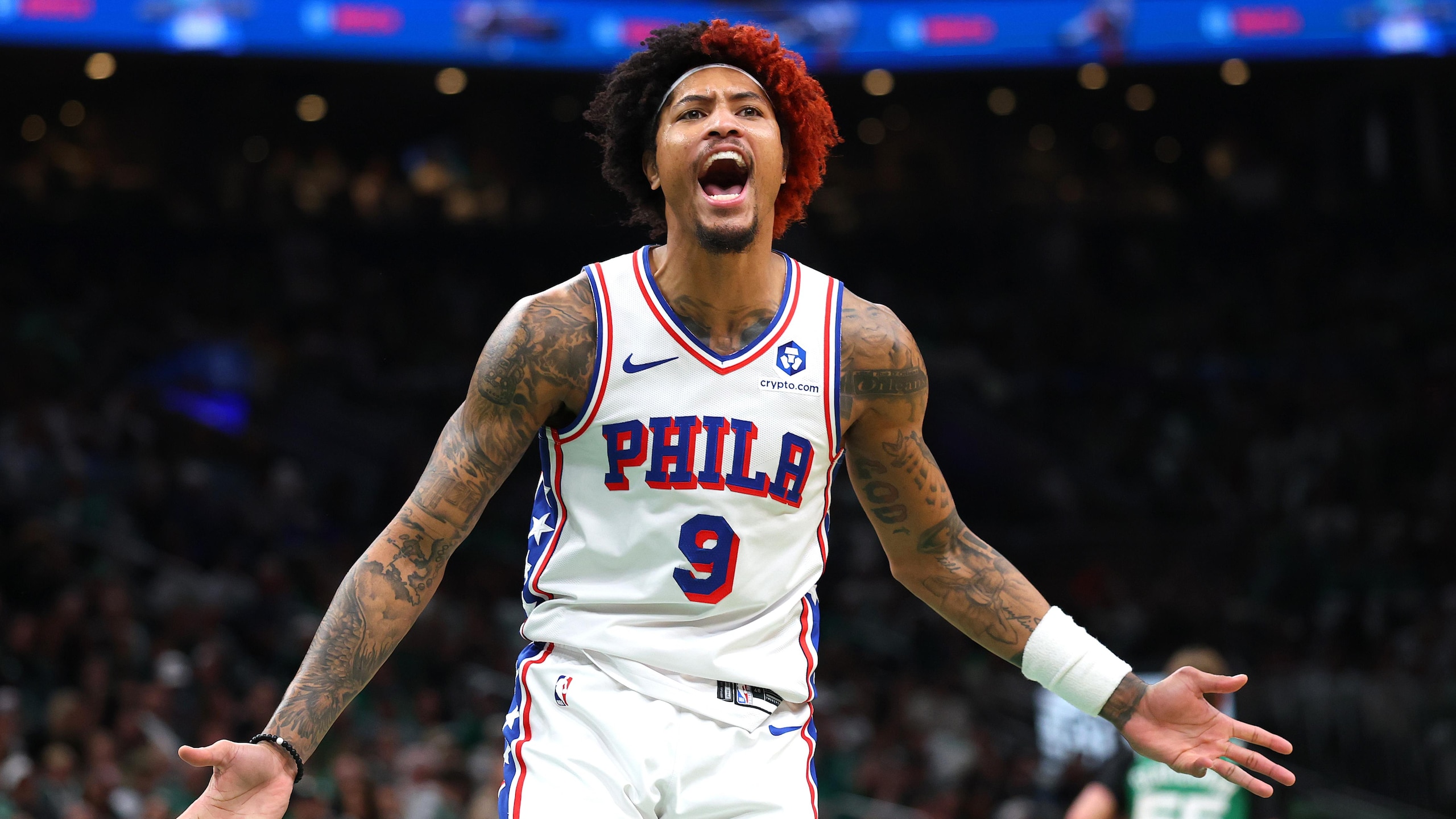
This could also be "re-sign" a big wing because the high cost of options on the unrestricted market may mean the Philadelphia 76ers have to settle for bringing back Kelly Oubre Jr. or Quentin Grimes (who's really not a big wing) to fill what's looking like a sizable roster void this summer.
Oubre's streaky shooting and Grimes' high risk of leaving after settling for the $8.7 million qualifying offer this past season mean neither profile as ideal targets. The Sixers could theoretically free up the full midlevel exception, but they're unlikely to win bidding wars for Andrew Wiggins or Tobias Harris with a salary starting at just $15.1 million.
Rui Hachimura? Harrison Barnes? Old friend Matisse Thybulle? Those are more reasonable possibilities. The 76ers should target one of them in addition to retaining Oubre if they're willing to tangle with tax penalties and hard caps.
Phoenix Suns: Bring Back Two of Collin Gillespie, Jordan Goodwin and Mark Williams
24 of 30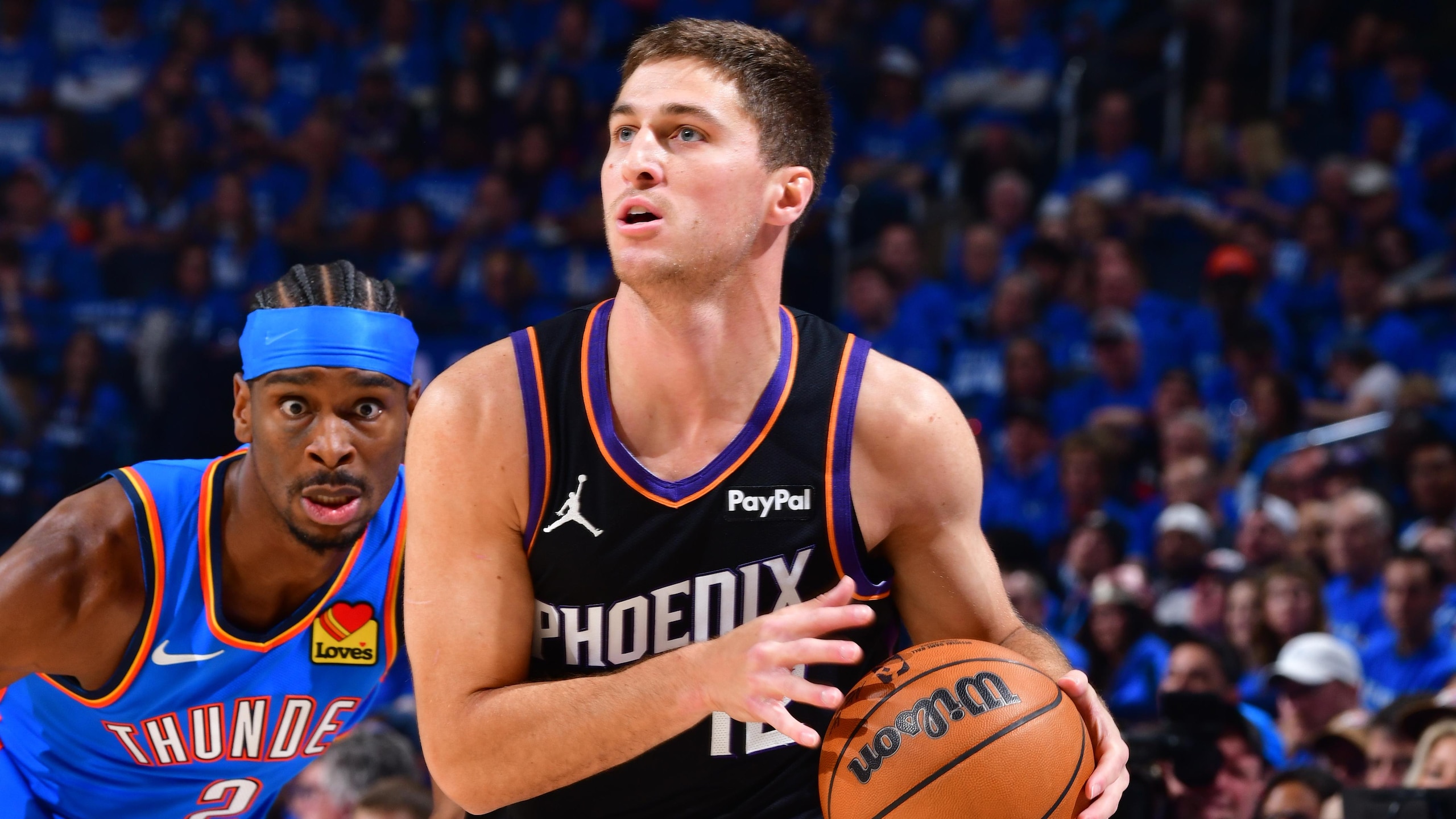
The Phoenix Suns figure to be a little less than $20 million under the tax line. If they want to avoid going over, they can probably only re-sign two of their top three free agents: Collin Gillespie, Jordan Goodwin and Mark Williams.
Gillespie should be the top priority, as his shooting is precious on a team that otherwise lacks it. Using early Bird rights, the Suns can start him at $14.9 million on a deal that spans between two and four years. If they can keep his starting number closer to the $10 million range, there should be enough left over to secure Goodwin easily while staying under the tax.
Williams might be trickier to fit. Given Oso Ighodaro's often superior play at center, Phoenix could decide to retain both of its free agent guards, let Williams walk and try to find a backup big man on the cheap.
Portland Trail Blazers: Sign Shooters
25 of 30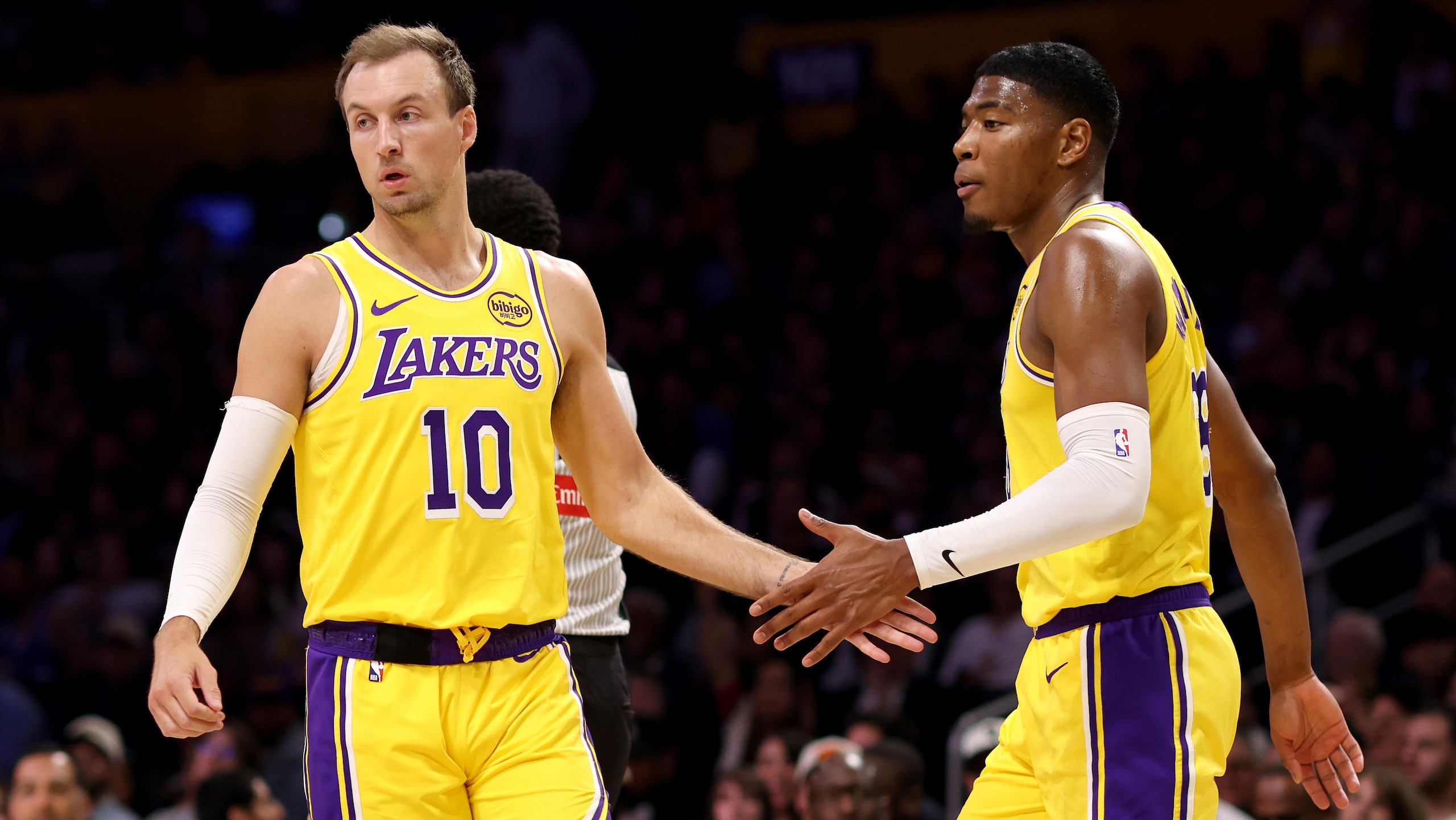
Defense and Deni Avdija got the Portland Trail Blazers into the postseason. Terrible three-point shooting got them out of it. The dominant San Antonio Spurs weren't exactly the easiest opponent for a spacing-starved team like Portland, but this was a team that ranked 28th in the league in regular season three-point percentage.
The offensive issues here are well understood.
With the $15.1 mid-level exception as the main tool, Portland should immediately target the likes of Rui Hachimura and Harrison Barnes. The guard spots are mostly spoken for, but maybe pie-in-the-sky options like old pals CJ McCollum or Norman Powell would consider coming back to provide badly needed shooting.
On the cheaper side, Luke Kennard profiles as a premium option. He only earned $11 million with the Lakers and Hawks this past season and led the league in long-range accuracy at 47.8 percent.
Avdija's downhill drives were devastatingly effective all season. Imagine how much more they'd matter if Portland had the shooting to drag help defenders out of his path.
Sacramento Kings: Waive or Trade DeMar DeRozan
26 of 30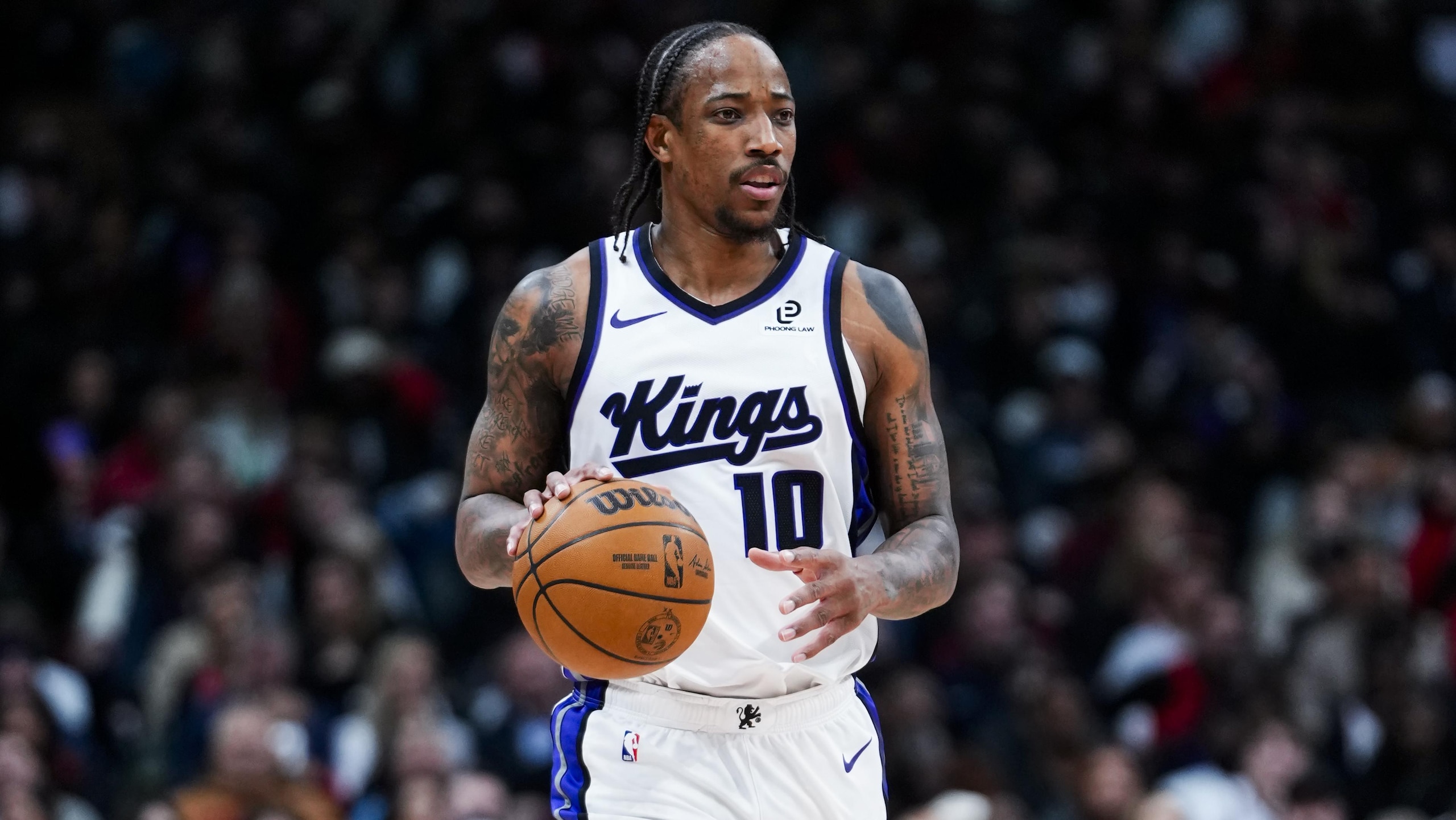
This isn't an especially time-sensitive decision because DeMar DeRozan's $25.7 million salary for 2026-27 doesn't become fully guaranteed until Jan. 10 of 2027, but free agency is the perfect time to begin the Sacramento Kings' long-overdue rebuild process.
A thorough demolition would also include moving Zach LaVine ($49 million player option for 2026-27) and Domantas Sabonis, but those two aren't on positive value contracts. DeRozan didn't fetch real offers at the deadline either. He was the subject of some buyout chatter then. Now, the Kings should only be more motivated to move him.
Some teams might want his mid-range shooting to stabilize their offense. Others may prefer the savings they could incur by acquiring and waiving him. The Kings should be similarly interested in pinching pennies, as they're ticketed for the first apron.
Simply cutting DeRozan loose for $10 million would both do the veteran a solid by letting him play meaningful games somewhere else and, perhaps more importantly, get a big-minute player out of the way of whatever younger options the Kings want to road test next season.
San Antonio Spurs: Sign a Forward
27 of 30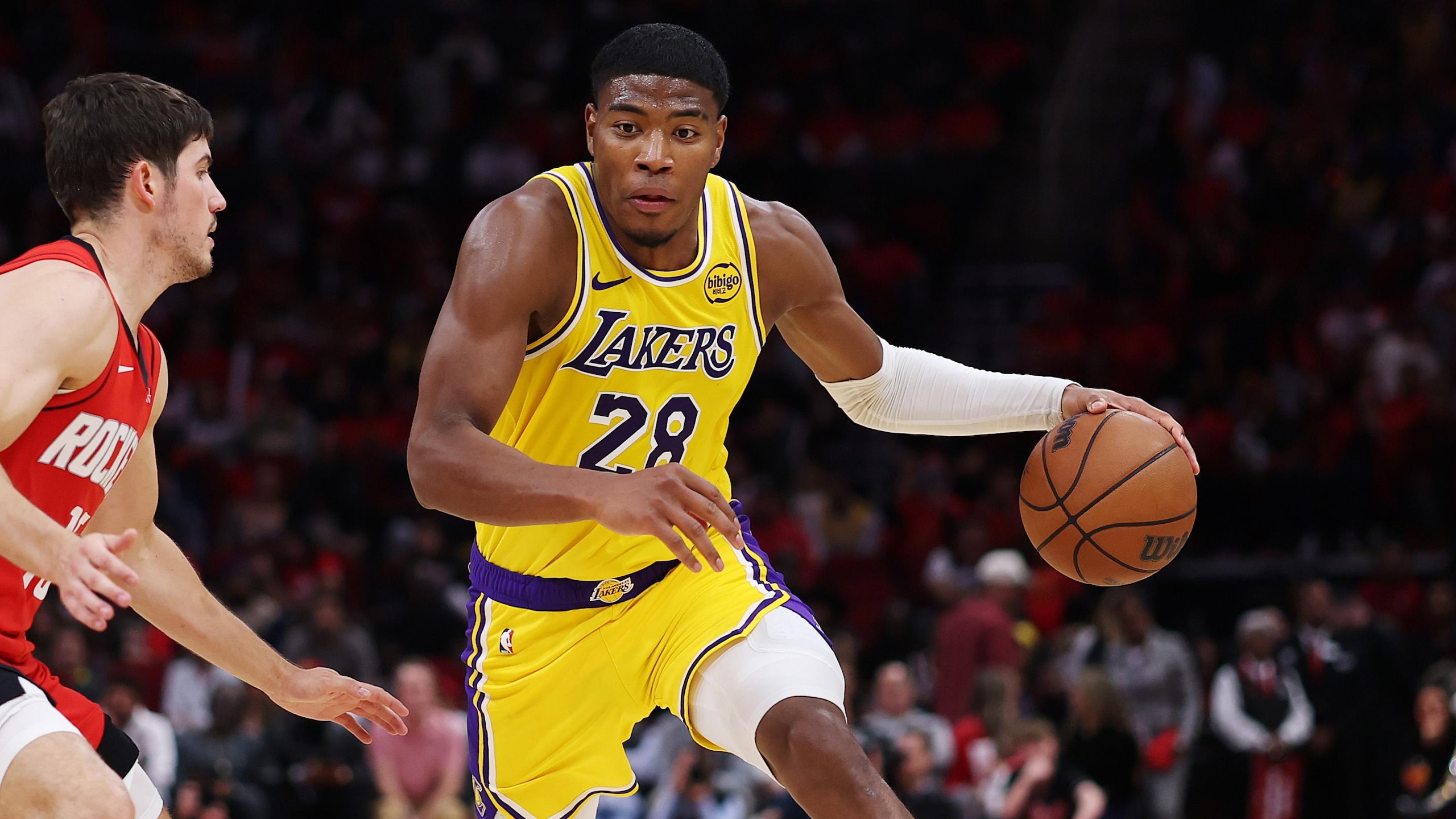
De'Aaron Fox, Stephon Castle and Dylan Harper have the guard spots locked, and Victor Wembanyama even has a quality backup in Luke Kornet at center. That means the San Antonio Spurs need to focus on the forward positions if they're searching for upgrades.
If Harrison Barnes and Kelly Olynyk are both goners, the Spurs could be a cap space team but would get more value by spending over the cap and accessing the full midlevel. They're now in a position where their money should go further than most other teams because free agents would prioritize playing with Wemby and contending—especially if there's a potential starting role on offer.
San Antonio could set its sights on Rui Hachimura, Andrew Wiggins or Tobias Harris, though the last two on that list will likely command more than a starting salary of $15.1 million per year.
Toronto Raptors: Sign Shooters
28 of 30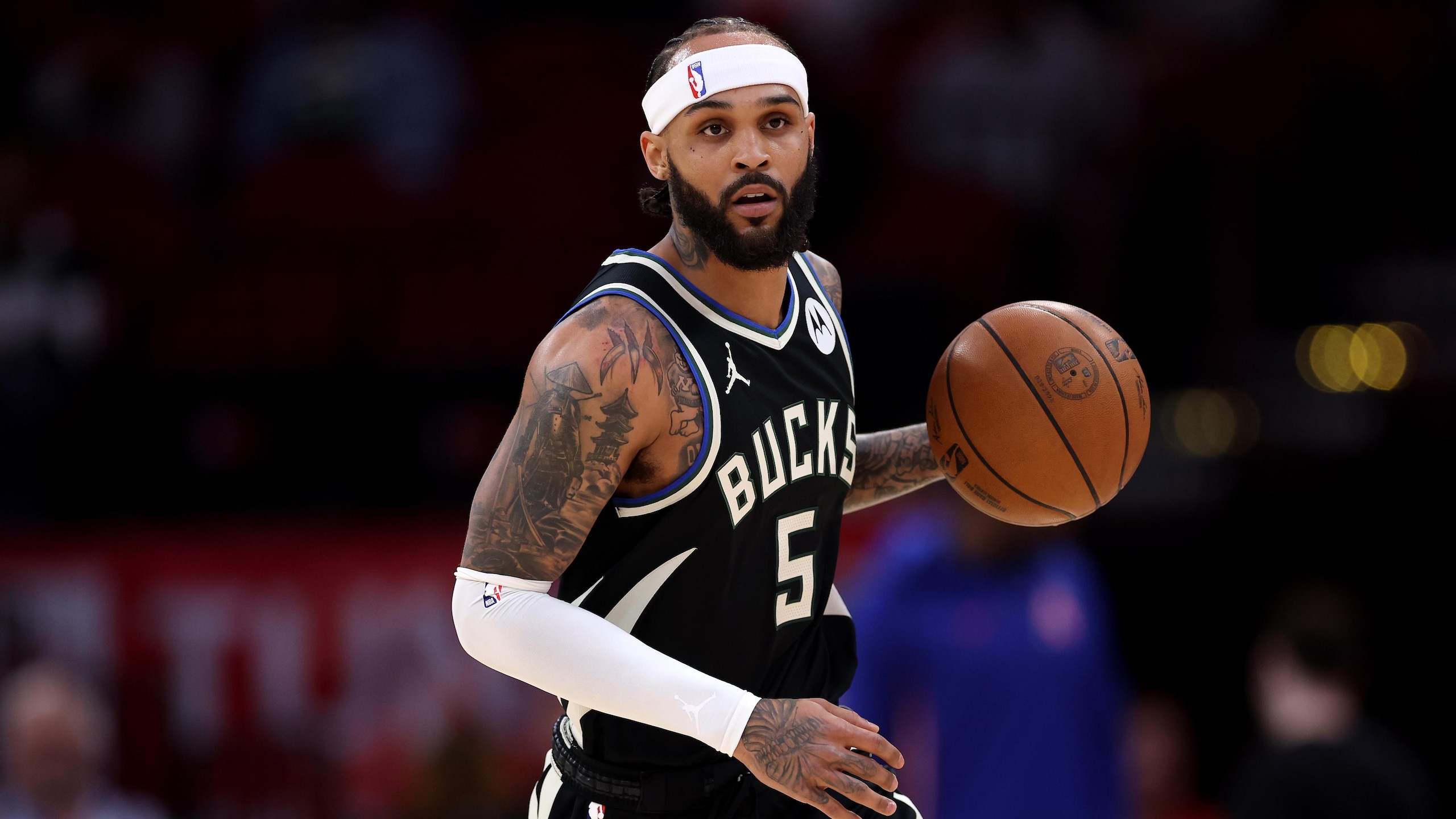
Assuming they need to up Sandro Mamukelashvili's salary after he declines next year's $2.9 million player option, the Toronto Raptors are almost certainly set up to be taxpayers. That means the $6.1 million taxpayer midlevel exception is their best tool to address the dearth of shooting that had so much to do with their playoff exit.
It'd be ideal to land a wing who could boost Toronto's long-range shooting (18th in accuracy; 25th in frequency), but beggars can't be choosers. The Raptors should accept shooting upgrades wherever they can find them.
On the cheap, Gary Trent Jr., Buddy Hield (partial guarantee) and Landry Shamet could be decent options, but more premium upgrades—Collin Gillespie, Ayo Dosunmu, even Rui Hachimura—are probably out of the Raptors' price range.
Barring salary-dumping trades to clear more substantial space, Toronto's first free-agency act will need to be a bargain hunt.
Utah Jazz: Re-sign Walker Kessler
29 of 30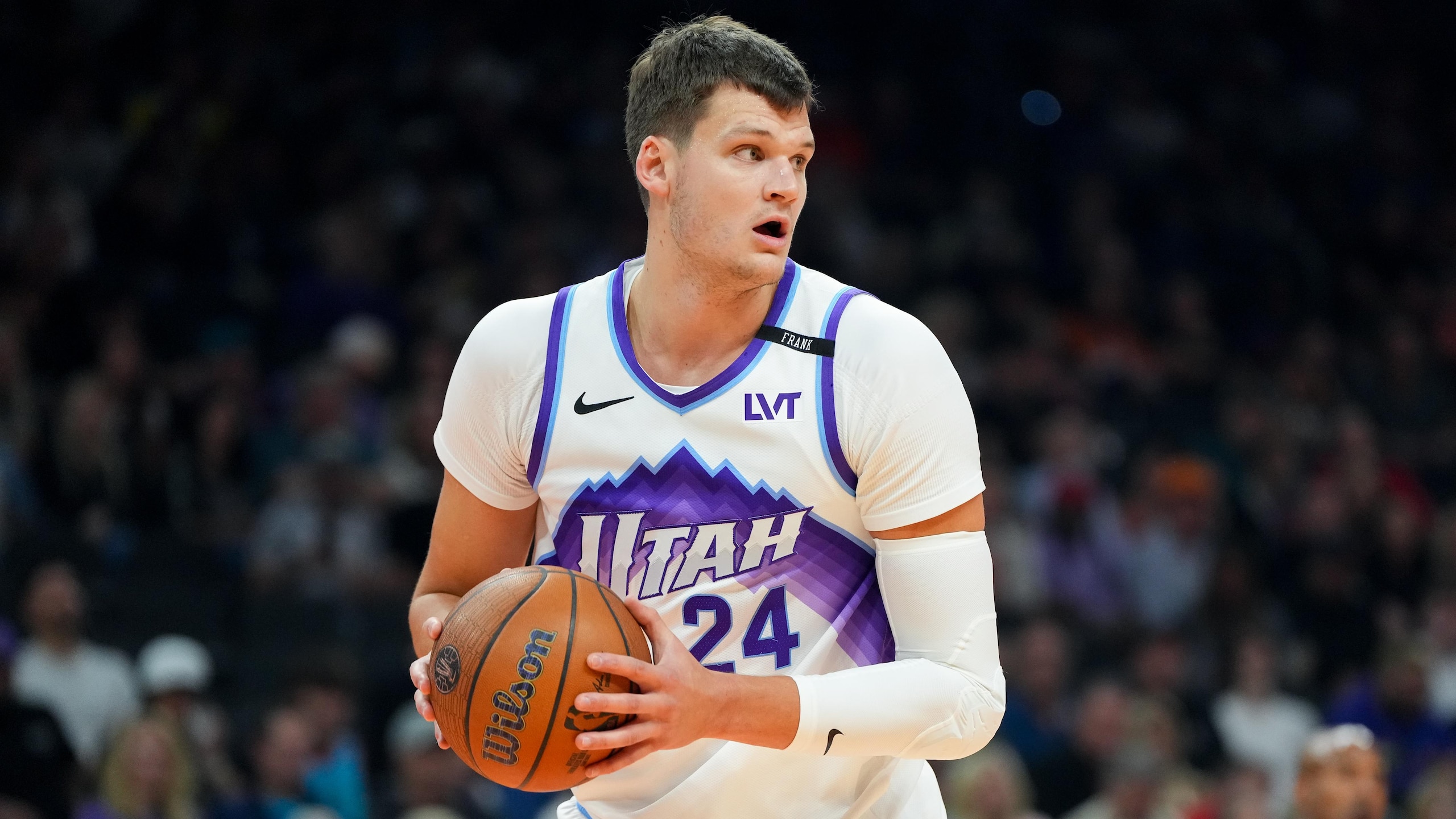
They can technically start talking about a new deal for Walker Kessler the day after the NBA Finals conclude, but the Utah Jazz might see negotiations extend into July, when their young center enters restricted free agency.
The most intriguing version of the Jazz features Kessler anchoring the defense on a supersized front line that also includes Jaren Jackson Jr. and Lauri Markkanen. Slot Keyonte George at the point and hope Ace Bailey is ready to operate as an oversized (sensing a theme here?) shooting guard to create a Jazz starting five that profiles as a monstrous two-way playoff threat.
Kessler didn't love Utah's decision not to extend him last summer, so the hard feelings could persist. With a dearth of cap space around the league and an ongoing reluctance to spend big on centers who don't space, he probably won't attract better offers on the market. Even if he does, the Jazz can match them.
Washington Wizards: Extend Trae Young
30 of 30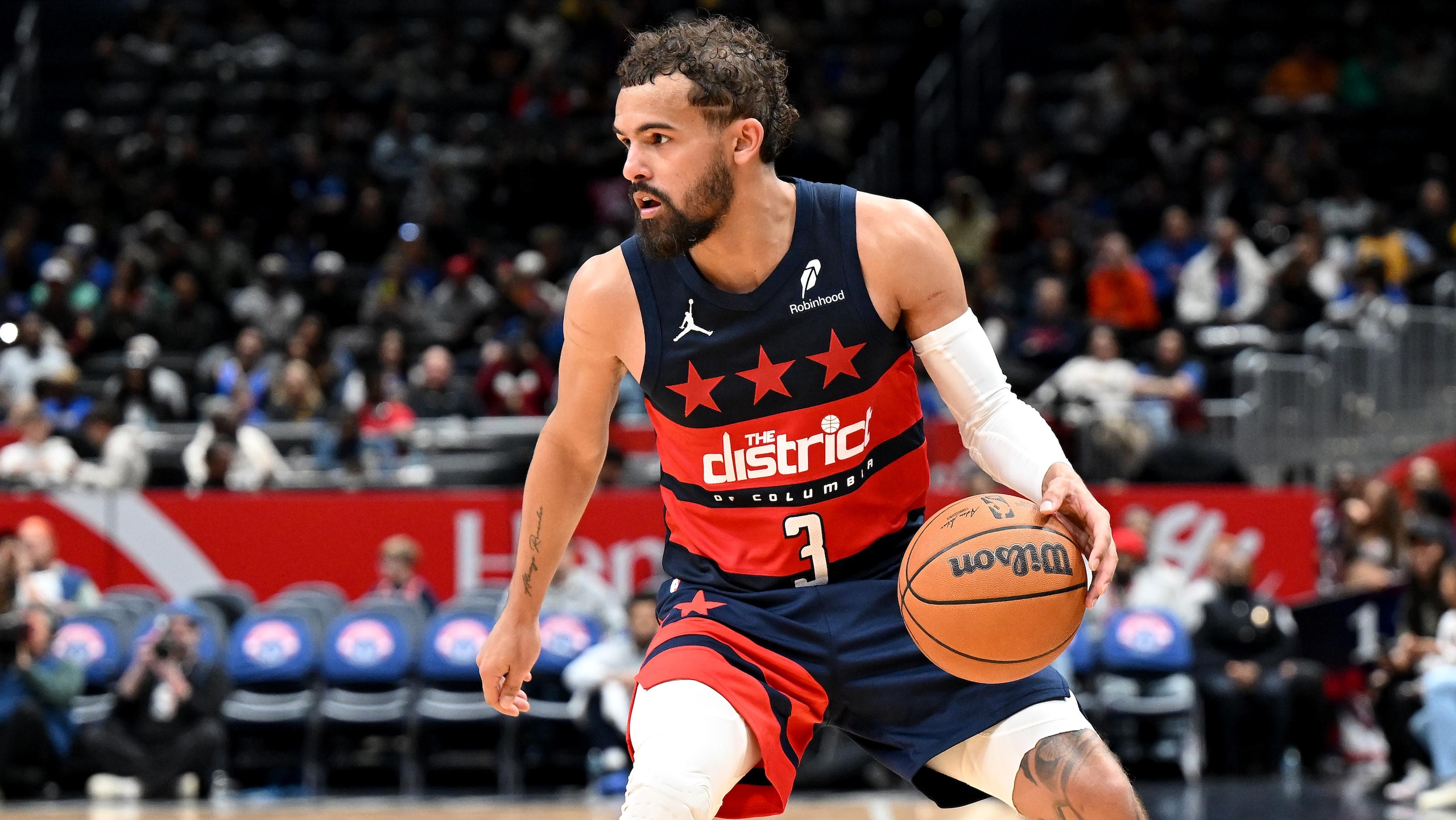
The Washington Wizards probably didn't trade for Trae Young with the intention of letting him walk away in free agency, so there's not really a question about whether he'll get a new deal this summer. The timing is the tricky part.
Young could make this prediction moot by extending for up to three years and $156.9 million before this league year ends on June 30. In that setup, he'd basically swap out his $49 million player option for a lower 2026-27 salary with additional years tacked on. If that's the way things go, Washington will have other priorities in free agency.
However, Young could instead pick up his $49 million player option on July 1 and ink an extension that doesn't require him to surrender that hefty salary in the first year of a new contract. His new deal would kick in for 2027-28, after he collected the full $49 million on his option.
Point being: If Young's deal isn't done prior to free agency, it'll be the very first item on Washington's list of priorities.
Stats courtesy of NBA.com, Basketball Reference and Cleaning the Glass. Salary info via Spotrac.
Grant Hughes covers the NBA for Bleacher Report. Follow him on Bluesky and subscribe to the Hardwood Knocks podcast, where he appears with Bleacher Report's Dan Favale.

.jpg?w=2560 "Buzz: MHJ Hired Agents for Trade")
.jpg?w=2560 "AD Trolls Bears WR on IG 😂")
.jpg?w=2560 "Report: Steelers WR to Miss 'Weeks'")
.jpg?w=2560 "Viral Dan Campbell Presser 💙")

.jpg?w=2560 "Cam Ward Says He's Not A Loser")