2018 NFL GM Offseason Report Cards
The 1983 NFL season is known as the Year of the Quarterback because of an influx of impressive signal-callers headlined by John Elway, Jim Kelly and Dan Marino. The 2018 campaign has a chance to overtake 1983 as the Mt. Rushmore of quarterback change due to skyrocketing contracts, five first-round signal-callers and two playoff squads that traded away their starters.
Nearly every team's offseason involved signing or acquiring a quarterback. The impact felt throughout the league cannot be underestimated because the landscape may be forever altered.
The importance of the position drives the NFL, and there's a different standard for quarterbacks compared to everyone else. The top 18 highest-paid individuals on an annual basis play the position.
The league is separated by those with and without franchise signal-callers. Twelve teams are already projected to enter the 2018 campaign with new Week 1 starters.
Franchises with an established starter and a strong quarterback room held an advantage by addressing other areas of the roster this offseason, but retaining the status quo isn't good enough. Squads that didn't experience significant change only fell behind more aggressive organizations.
Professional football exists in a fluid state in which changes occur yearly, monthly, weekly and even daily. A general manager must be able to read the futures market as much as take advantage of available opportunities. Those who do both well will see their teams improve; those who don't may be looking for another job a year from now.
Arizona Cardinals
1 of 32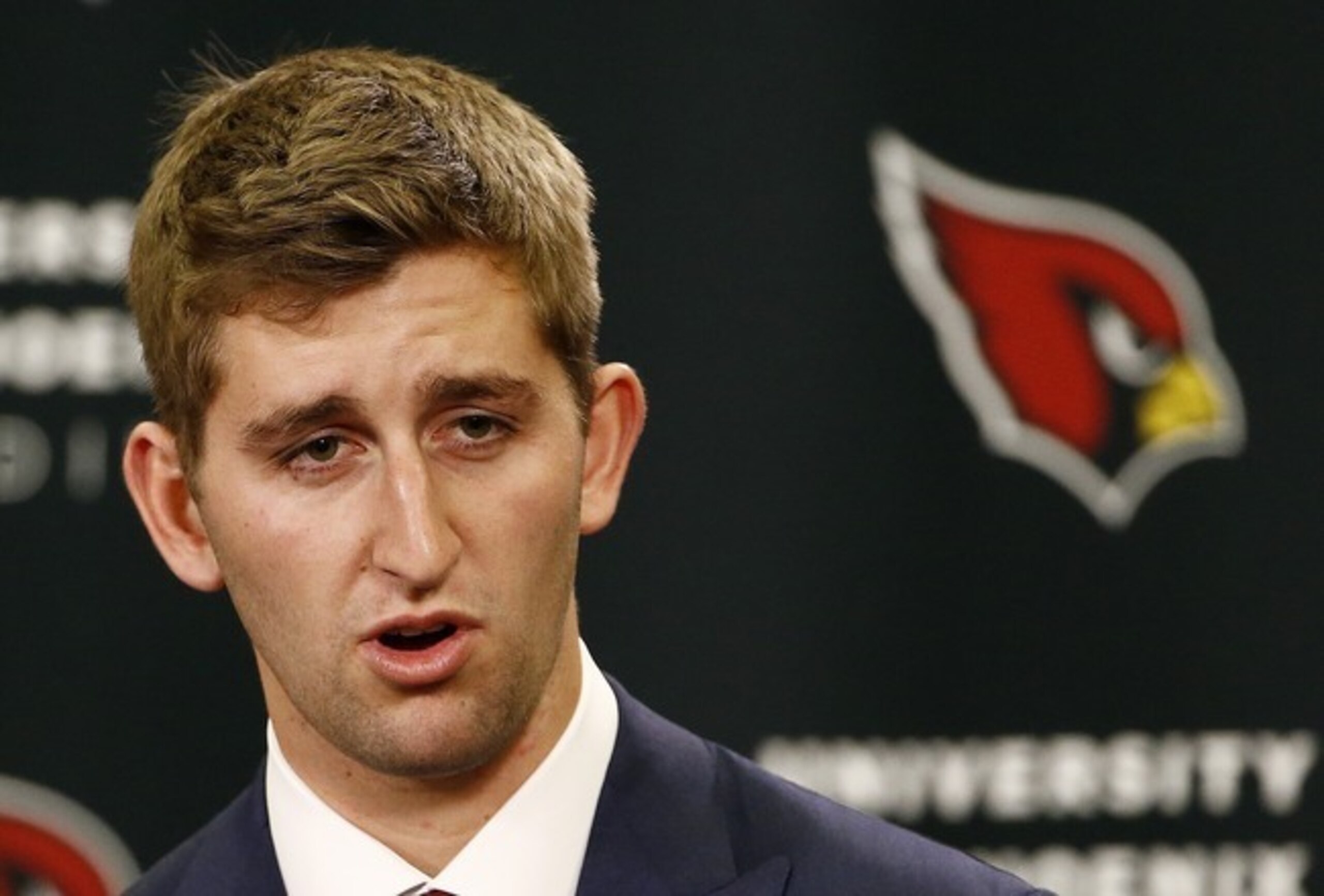
Arizona Cardinals general manager Steve Keim found himself in a difficult position after head coach Bruce Arians and quarterback Carson Palmer retired after last season.
Keim took the only logical approach: He started the rebuilding process.
It began with the hire of new head coach Steve Wilks in January.
The organization then signed quarterback Sam Bradford to a surprising one-year, $20 million contract despite his long history of knee problems. The team doubled down on the position by bringing in Mike Glennon after the Chicago Bears cut him.
Obviously, those two don't present the most stable situation, so Keim became aggressive in the draft and traded up to select Josh Rosen at No. 10. How Rosen ultimately performs will define how successful this offseason will be. Right now, he's a rookie who needs to find his way.
Justin Pugh's addition along the offensive line has been offset by the franchise's release of Tyrann Mathieu.
GRADE: C
Atlanta Falcons
2 of 32
The Atlanta Falcons' entire offseason led to a single outcome: quarterback Matt Ryan's five-year, $150 million deal.
General manager Thomas Dimitroff discussed the contract with Albert Breer of The MMQB:
"It gives you massive peace of mind. To know that [position] is taken care of, and for us with a guy that's not just an adept quarterback, but a guy who carries himself as we'd ideally want him to, it's huge. He's very smart and open-minded in taking on new challenges, new setups, new offensive coordinators, all of that."
However, such a heavy financial commitment at one position creates inflexibility in overall roster construction.
The Falcons didn't sign any significant free agents despite concerns along the offensive and defensive interiors. Neither of the team's top two draft picks addressed either issue.
But wide receiver Calvin Ridley is a wonderful complementary piece to Julio Jones, while cornerback Isaiah Oliver is an ideal system fit.
GRADE: B
Baltimore Ravens
3 of 32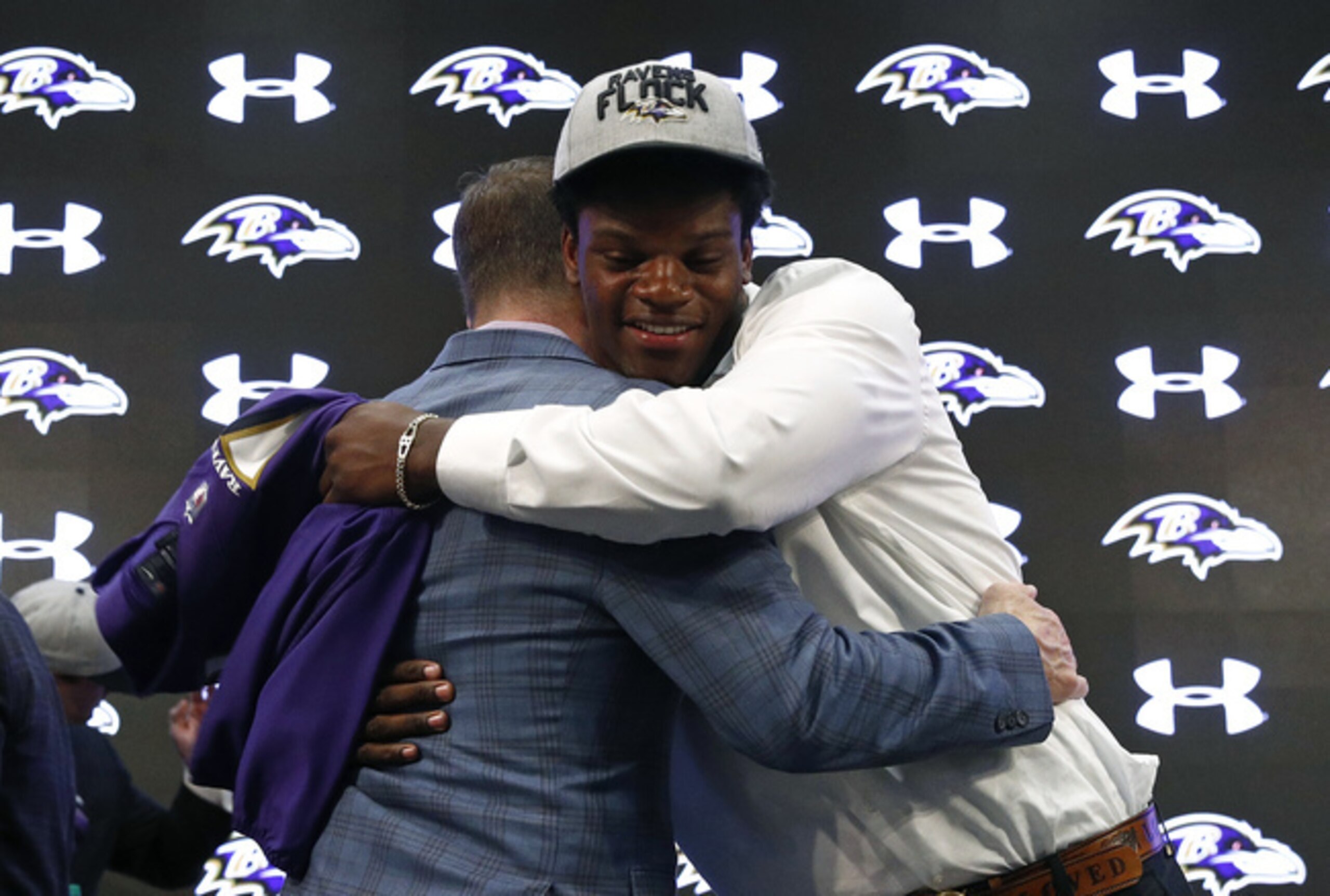
Two Super Bowl victories will define Ozzie Newsome's legacy as the Baltimore Ravens general manager. A few final moves could enhance it before he steps down following the 2018 campaign.
The Ravens need a more explosive offense. The additions of a true vertical threat in John Brown, a reliable possession receiver in Michael Crabtree, a slot option in Willie Snead IV and two talented tight ends—Hayden Hurst and Mark Andrews—via the draft should make life easier for quarterback Joe Flacco.
Flacco's time may be nearing an end, though. By trading back into the first round, the organization sent a message: Sooner or later, Lamar Jackson will be the starter.
"They want me on the field to utilize my talent and be a quarterback," Jackson said, per Ryan Mink of the team's official site. "So, it's cool with me."
A modern offensive attack could define Baltimore's future thanks to Newsome.
GRADE: B
.jpg?w=2560 "Steelers Browns Football")
.jpg?w=2560)
Buffalo Bills
4 of 32
A disconnect occurs when evaluating the Buffalo Bills offseason based on Josh Allen.
From a macro point of view, the Bills accomplished plenty, including landing their franchise quarterback, but only after trading last year's playoff-caliber starter, Tyrod Taylor, to the Cleveland Browns.
An organization should be applauded for landing its quarterback of the future after aggressively pursuing the possibility, as the Bills did, even if Allen is considered the biggest boom-or-bust prospect among this year's crop.
Also, general manager Brandon Beane drafted a defensive cornerstone when he traded up again for then-19-year-old Tremaine Edmunds at No. 16 overall.
These two are the core components of the vision of Beane and head coach Sean McDermott. But the success of both may fall upon the free-agent additions of quarterback AJ McCarron and defensive tackle Star Lotulelei, who can take pressure off the high-profile rookies.
A suspect offensive line and poor wide receiver corps will still hold the team back, though.
GRADE: B-
Carolina Panthers
5 of 32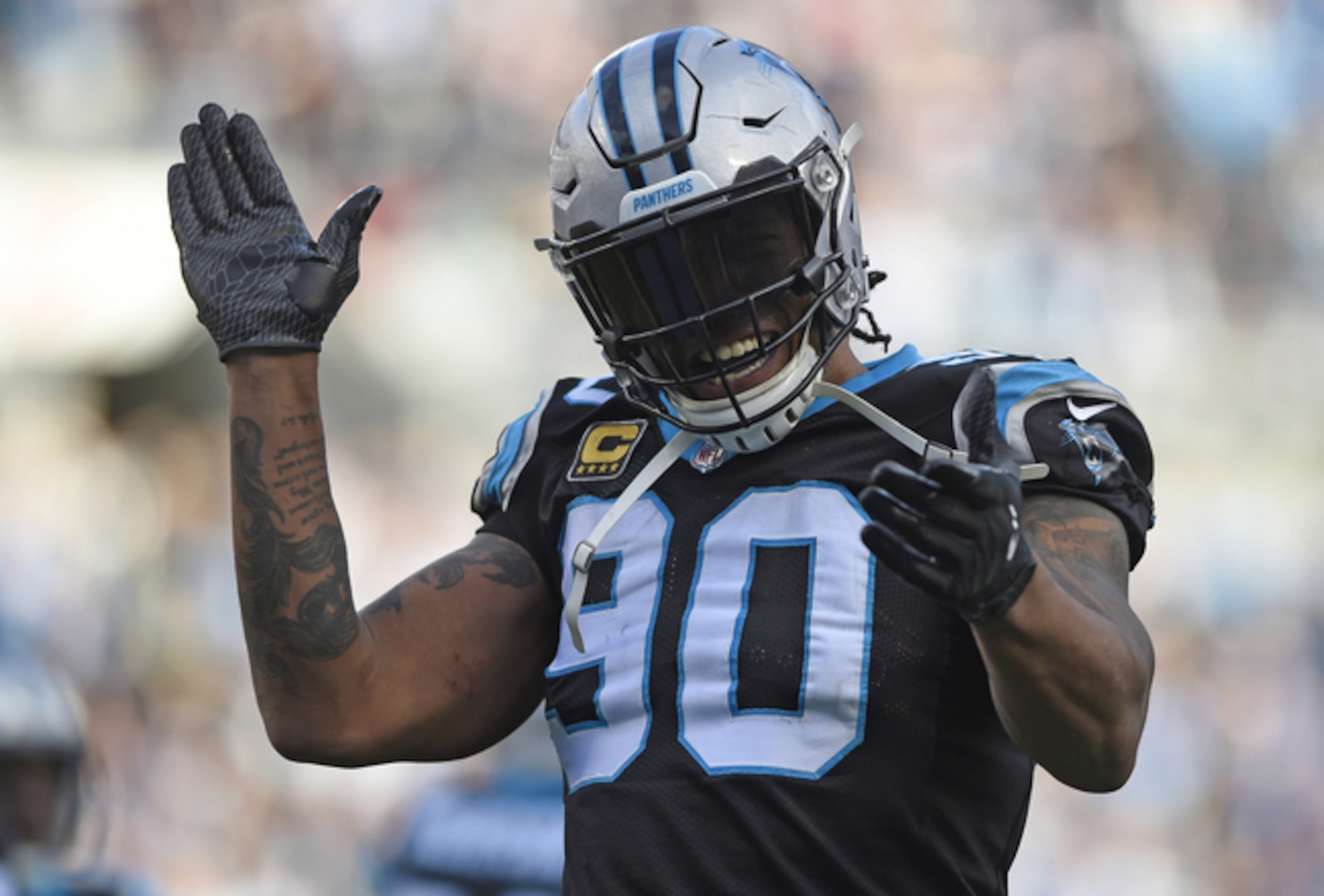
For the most part, the Carolina Panthers maintained throughout the offseason.
Lotulelei's departure precipitated Dontari Poe's signing. The Daryl Worley trade led the way for general manager Marty Hurney to select cornerback Donte Jackson in the second round. Defensive back Kurt Coleman left as well, and Rashaan Gaulden's third-round selection fills the void. Charles Johnson isn't returning after being cut, but Julius Peppers is.
Wide receiver is the one area where the Panthers didn't tread water. The Worley deal brought Torrey Smith in return, and Hurney used the organization's first-round pick on D.J. Moore.
The fact that Cam Newton is happy with this outcome bodes well.
As the organization deals with its pending sale after allegations surfaced that owner Jerry Richardson sexually harassed female employees and used a racial slur toward an African American employee, the 2015 MVP can still be the team's shining light if he has the right parts around him. Smith is a vertical threat, and Moore can be dynamic after the catch.
GRADE: C+
Chicago Bears
6 of 32
The Chicago Bears will be a different team under new head coach Matt Nagy because the organization built something exciting under general manager Ryan Pace's supervision.
Pace and Co. have made so many smart moves this offseason. But the two most important were retaining the previous defensive staff after Chicago finished 10th overall in total defense while placing an emphasis on building around 2017 second overall pick Mitchell Trubisky.
The Bears waded into the free-agent pool and pulled in a big fish with the top available wide receiver in Allen Robinson. The restructuring didn't stop there. Receivers Taylor Gabriel and Anthony Miller should be an awesome duo working over the middle of the field. Now, Kevin White's health is an afterthought.
Defensively, Kyle Fuller's retention may be as important if not more so than drafting Roquan Smith with the eighth overall pick, and Smith is the favorite to win Defensive Rookie of the Year.
GRADE: A+
Cincinnati Bengals
7 of 32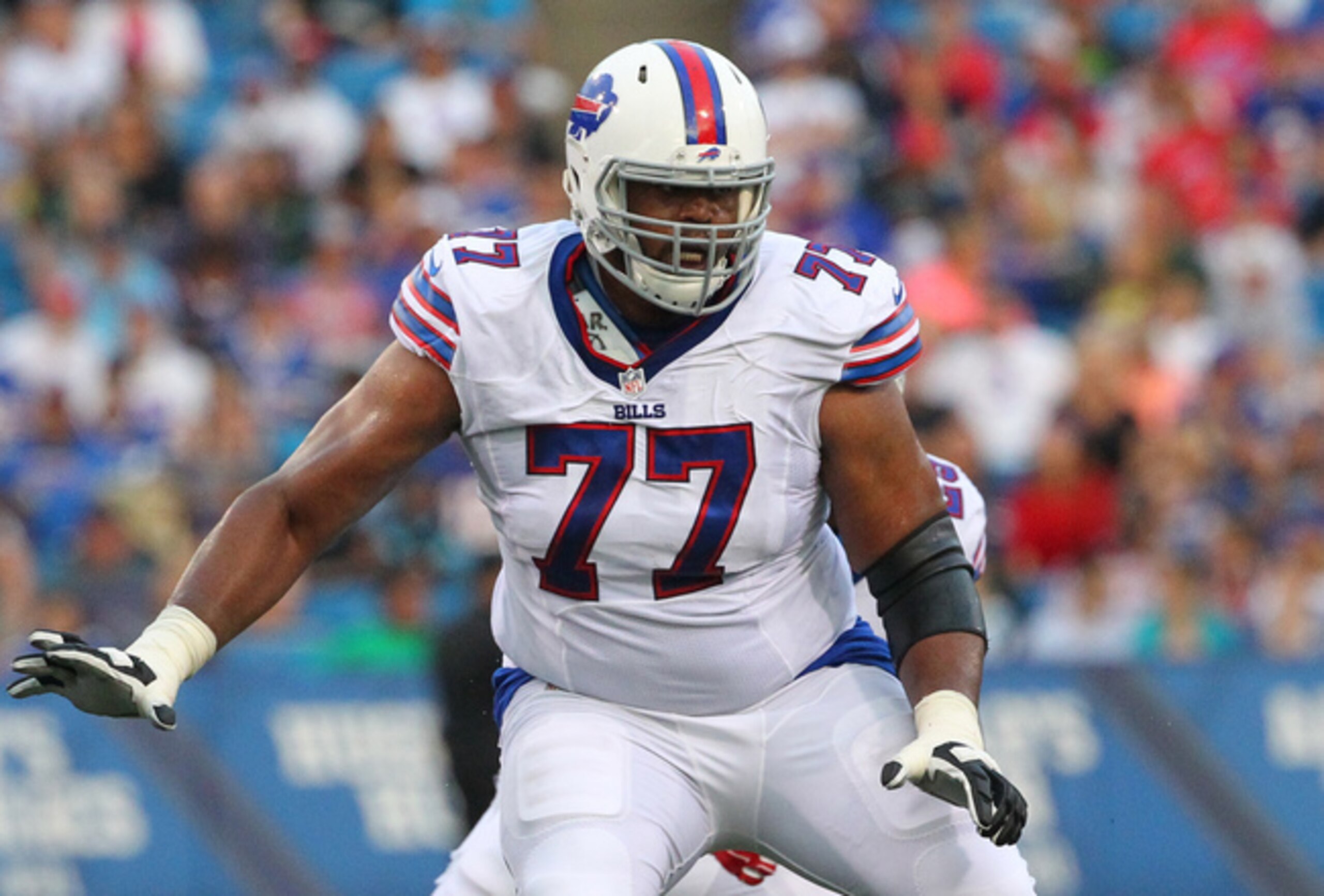
The Cincinnati Bengals won't be complete until their offensive line is finished. Owner and general manager Mike Brown made strides with the acquisitions of Cordy Glenn and Billy Price, but the unit still has question marks on the right side.
Only so much can be done when trying to replace four-fifths of an offensive front. The team declined Cedric Ogbuehi's fifth-year option as well, so he's not guaranteed a starting spot.
Stability can only be achieved through a solid foundation.
However, the defensive front seven with Geno Atkins, Carlos Dunlap, Carl Lawson and the free-agent additions of Chris Baker and Preston Brown provides Cincinnati's identity. Brown managed a league-leading 144 tackles last season with Buffalo.
A healthy roster, not any specific personnel move, is the most important factor. Tyler Eifert, John Ross, Nick Vigil and Jake Fisher all ended the season on injured reserve. The first two in particular can help make the Bengals offense far more explosive.
GRADE: C
Cleveland Browns
8 of 32
The Cleveland Browns improved more than any other team this offseason after finishing 0-16 last year. The job general manager John Dorsey has already done to supplement the NFL's youngest roster is nothing short of extraordinary.
In a two-month span, the Browns traded for a proven quarterback in Tyrod Taylor—which unto itself is a borderline miracle considering the organization's horrendous history—the league's most productive slot receiver in Jarvis Landry and a starting free safety in Damarious Randall.
Dorsey continued his overhaul by signing three more starters in running back Carlos Hyde, right tackle Chris Hubbard and cornerback T.J. Carrie during free agency.
The draft brought a future franchise signal-caller in Baker Mayfield, the class' top cover corner in Denzel Ward, a potential left tackle in Austin Corbett and more backfield firepower with Nick Chubb.
If everything jells, the Browns can claw their way out of the league's basement.
GRADE: A
Dallas Cowboys
9 of 32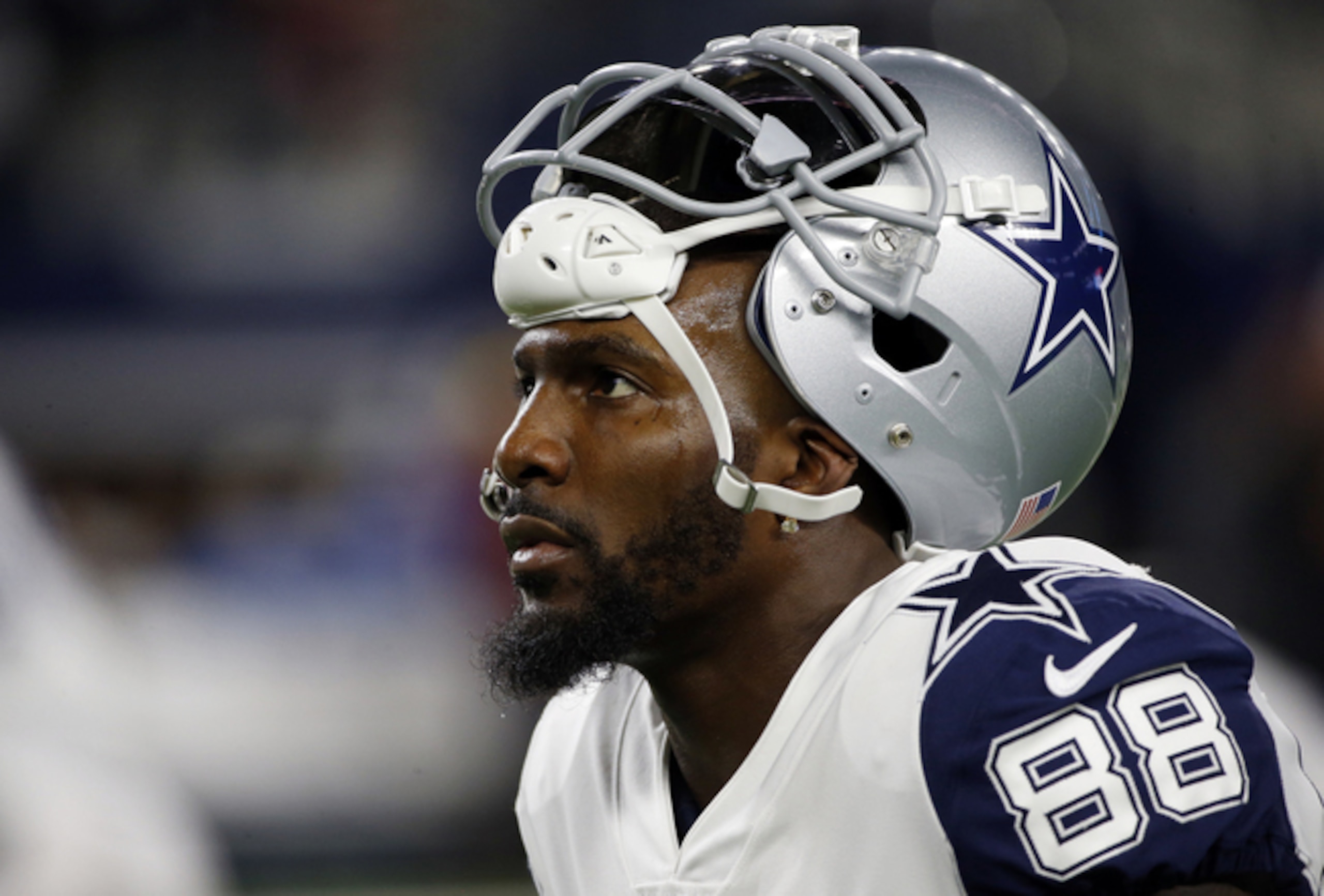
Salary-cap hell is almost a thing of the past, although a few teams tend to hover near the spending limit. The Dallas Cowboys, for example, only have $5.43 million in available cap space.
Owner and general manager Jerry Jones couldn't afford to keep both Demarcus Lawrence and Dez Bryant on the roster. As a result, the Cowboys released the franchise's all-time leader in touchdown receptions.
Bryant may not be the receiver he once was, but free-agent addition Allen Hurns shouldn't be considered any offense's top target.
Jones also couldn't coax future Hall of Fame tight end Jason Witten to postpone retirement.
A solid draft class featuring linebacker Leighton Vander Esch, offensive lineman Connor Williams, tight end Dalton Schultz and wide receivers Michael Gallup and Cedrick Wilson saved Big D from experiencing big failure.
GRADE: D
Denver Broncos
10 of 32
A sense of relief should have washed over Case Keenum once the Denver Broncos decided not to draft a quarterback. Keenum isn't a stranger to competition, of course, but the Broncos are now his team without question.
The quarterback provided a career-high 67.6 completion percentage, 3,547 yards and 22 touchdowns last season with the Minnesota Vikings.
With the Broncos' new offensive leader established, general manager John Elway couldn't pass on defensive end Bradley Chubb with the fifth overall pick.
"We really wanted Bradley Chubb and are thrilled to make him a Denver Bronco," Elway tweeted. "Bradley's the best defensive player in the draft. He can rush the passer, is a hard worker and will be a great fit, complimenting Von [Miller], Shane [Ray] & Shaq [Barrett]!"
The addition of two cornerstone pieces may be enough to place the Broncos back into the playoff picture after a two-year absence.
GRADE: B
Detroit Lions
11 of 32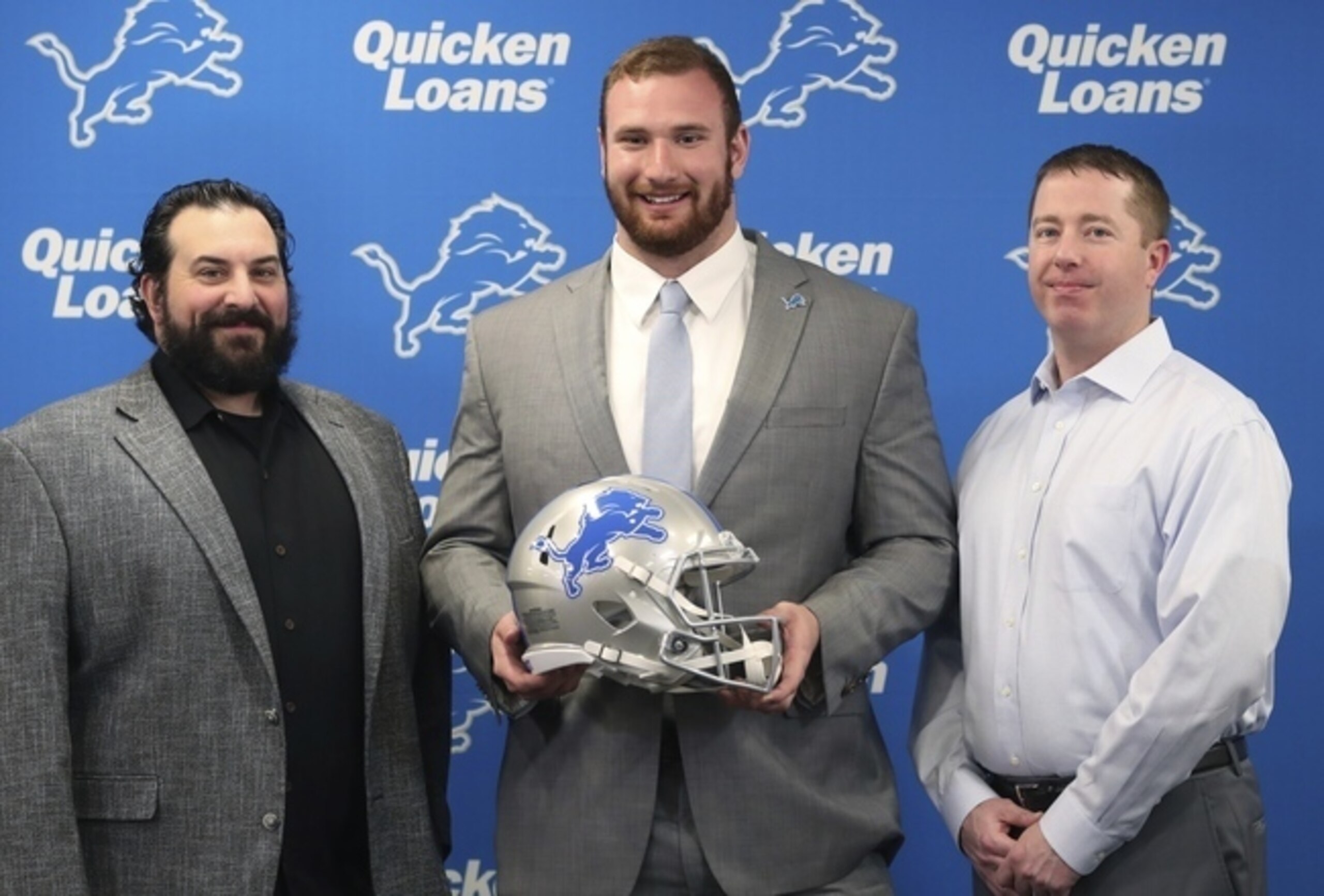
Familiarity can be positive when establishing a top-down organizational philosophy. General manager Bob Quinn's previous relationship with Matt Patricia played a role in the former New England Patriots defensive coordinator's move to Detroit as the Lions head coach.
Detroit should become a more detailed team under Patricia's supervision with a heavier emphasis on the offensive and defensive fronts.
The Lions struggled to find consistency under previous head coach Jim Caldwell because the offense couldn't establish the run and the defensive front lacked a pass rush opposite Ezekiel "Ziggy" Ansah.
The first part of the equation may be solved with the additions of veteran LeGarrette Blount, second-round pick Kerryon Johnson and first-round center Frank Ragnow. The defensive line will take a different approach with a three-man look. However, Da'Shawn Hand, as a fourth-round pick, may not be enough to solidify the unit.
GRADE: C
Green Bay Packers
12 of 32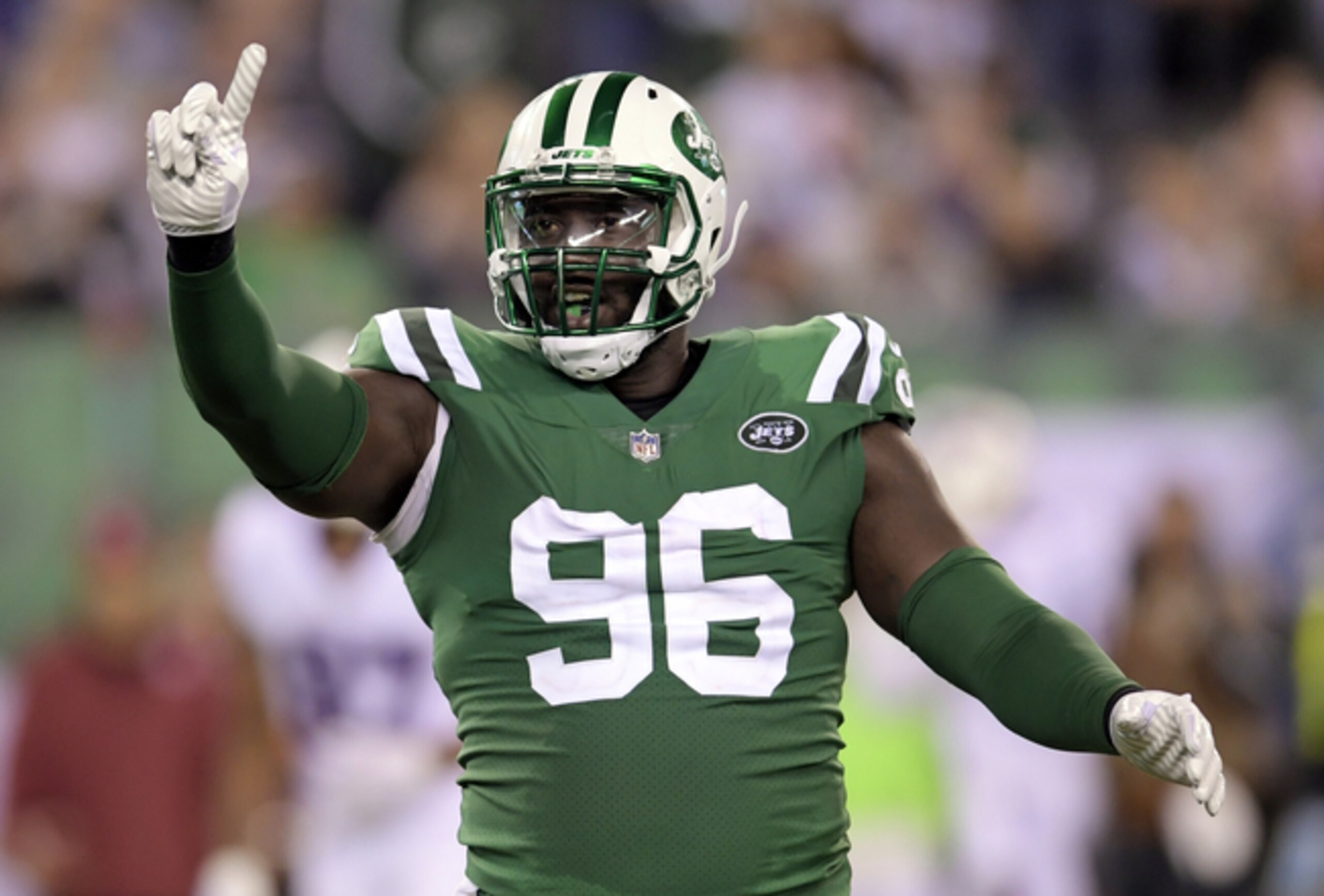
A new era of Green Bay Packers football began under general manager Brian Gutekunst, who took over for Ted Thompson. The obvious difference came during free agency.
"Obviously, there's limits in what you can do, but we'd like to be really aggressive and see [if] we can be in every conversation," Gutekunst said about the team's approach, per ESPN.com's Rob Demovsky.
Jimmy Graham became the primary target before signing a three-year, $30 million deal. Graham is an ideal red-zone target for quarterback Aaron Rodgers. Martellus Bennett led the team's tight ends a year ago with 24 receptions for 233 yards, and the organization waived him Nov. 8.
Muhammad Wilkerson can be a wrecking ball along the defensive front if he's motivated. He should be after signing a one-year prove-it deal.
In the draft, Gutekunst revamped the cornerback position when Jaire Alexander and Josh Jackson fell to the Packers in the first and second rounds, respectively, after Green Bay finished third-worst last season by surrendering 7.9 yards per pass attempt.
GRADE: A-
Houston Texans
13 of 32
Since the Houston Texans didn't have much draft capital after trading their first- and second-round picks to the Browns in 2017, improvements came via free agency.
The most significant addition occurred when the Cardinals released Tyrann Mathieu and the Honey Badger accepted a one-year, $7 million contract offer from Houston.
"We told him that we really do value—as you know—we value versatility, but we also understand that a guy needs to have basically one home," Texans head coach Bill O'Brien said, according to the Houston Chronicle's Aaron Wilson. "He needs to understand and master that one home, which is safety for Tyrann. Then, in different packages that are played less of the time, maybe he does something else."
General manager Brian Gaine bolstered a porous offensive front by signing Zach Fulton, Senio Kelemete and Seantrel Henderson.
The Texans even landed a couple of value picks, safety Justin Reid and offensive lineman Martinas Rankin, without their top two selections.
GRADE: B+
Indianapolis Colts
14 of 32
Every once in a while, a rare talent enters the NFL ranks, and the Indianapolis Colts have been fortunate to land two in the span of six years.
Once upon a time, Andrew Luck was a surefire, can't-miss prospect and became the standard for the incoming quarterbacks who followed. Guard Quenton Nelson, the No. 6 overall pick in 2018, will serve the same role for offensive linemen.
"God made him a little bit different than he made everybody else," general manager Chris Ballard said of Nelson, per the Indianapolis Star's Stephen Holder.
The 325-pound blocker is now Luck's personal bodyguard. Nelson's addition automatically makes the offensive line better. Ballard also drafted Braden Smith, who is expected to start at right guard. The Colts are now far more stout along the interior.
Indianapolis still needs to be more explosive at the skill positions, but running back Nyheim Hines, wide receiver Daurice Fountain and wideout Deon Cain's additions as middle- to late-round draft picks should help.
GRADE: B
Jacksonville Jaguars
15 of 32
Two suspect decisions prevented the Jacksonville Jaguars from putting together another outstanding offseason.
Signing Blake Bortles to a three-year, $54 million contract extension is perplexing. Bortles' cap hit is only $10 million next season, but the deal decreases long-term flexibility if Jacksonville wants to move past its quarterback after this year. The Jaguars are on the hook for at least $16.5 million the following season.
Allowing Allen Robinson to leave in free agency while signing Donte Moncrief to a one-year, $9.6 million contract is not an even trade-off. Moncrief managed 26 receptions for 391 yards last season. Yes, the receiver dealt with injuries and quarterback instability, but he has never produced more than 64 receptions or 733 yards.
Otherwise, general manager David Caldwell landed the best young offensive lineman on the market in Andrew Norwell. Also, first-round pick Taven Bryan will inject athleticism into an already dominant defensive front.
GRADE: C+
Kansas City Chiefs
16 of 32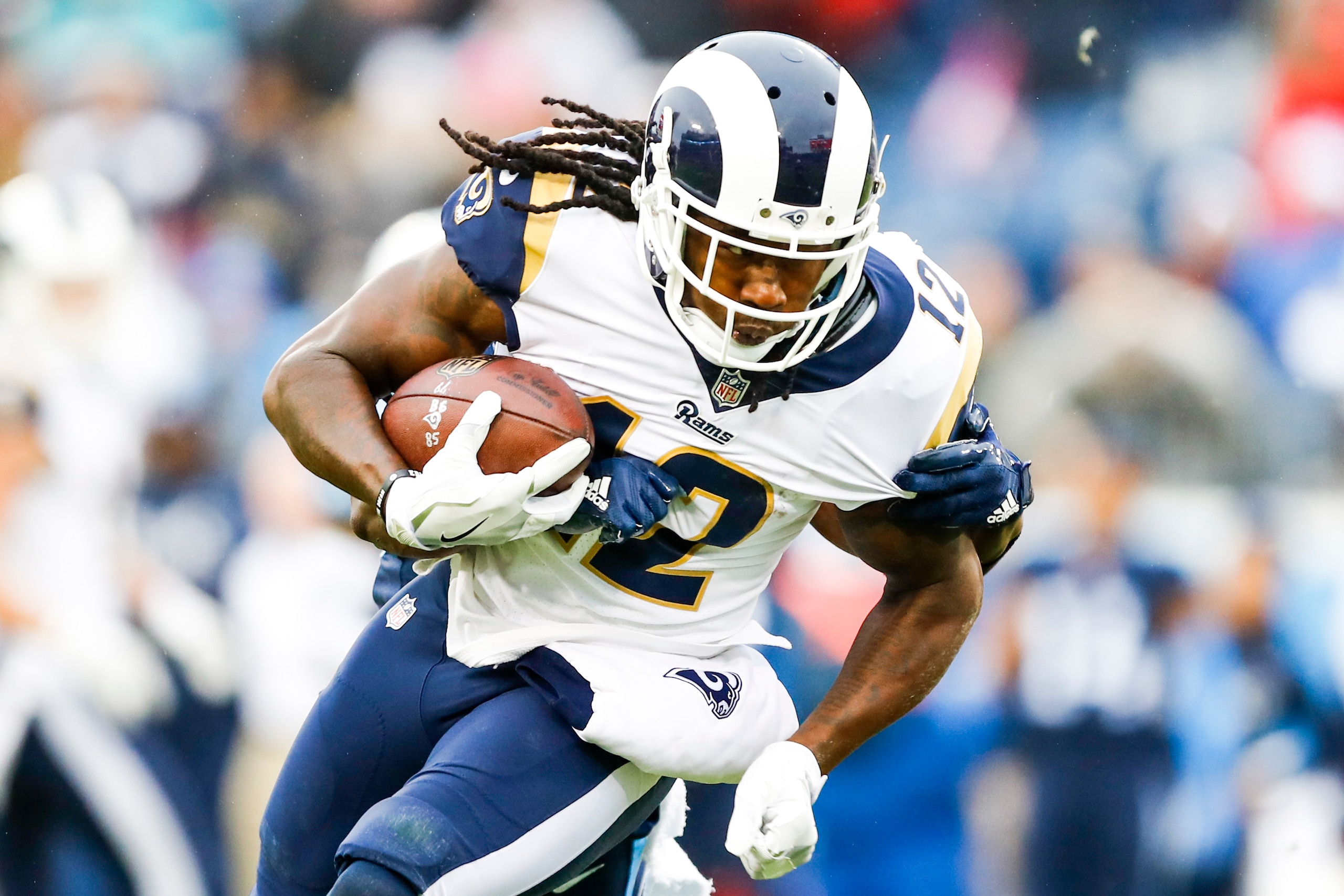
Quarterback Patrick Mahomes' maturation will dictate how successful the Kansas City Chiefs have been this offseason and moving forward. Alex Smith's trade to the Washington Redskins paved the way for Mahomes to start.
The former baseball player's arm talent is exceptional, and the Chiefs should employ more of a vertical passing attack. Mahomes can attack every inch of the field if he has the weapons to do so.
Tyreek Hill and Travis Kelce are proven commodities, but the franchise took a chance by signing Sammy Watkins to a three-year, $48 million contract. Watkins is the ideal threat, but he also disappears for stretches.
The front office also decided to move on from two of the defense's best performers by not re-signing Derrick Johnson and trading Marcus Peters to the Los Angeles Rams.
General manager Brett Veach and head coach Andy Reid have a new-look team after three straight playoff appearances.
GRADE: C-
Los Angeles Chargers
17 of 32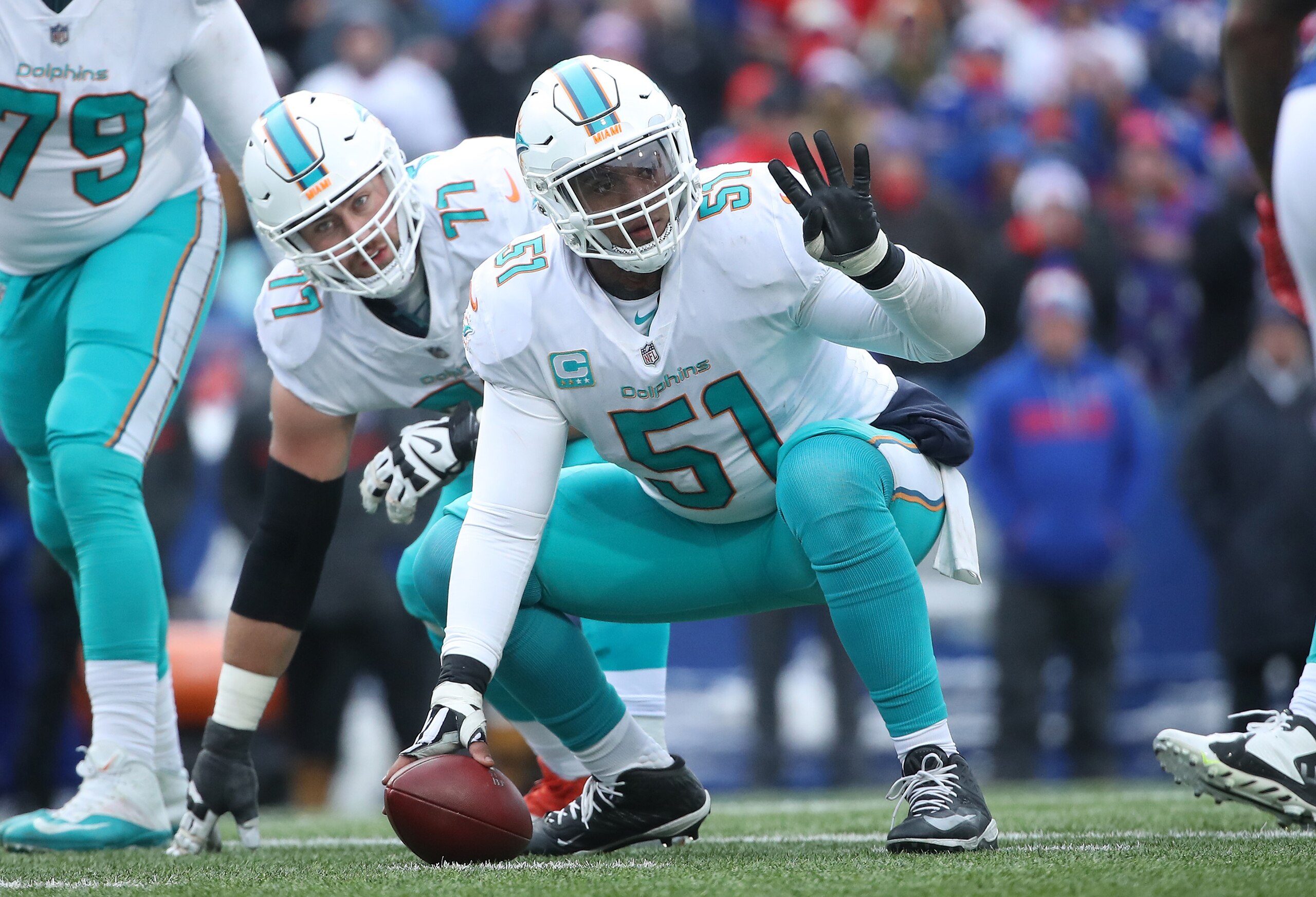
As surprising as this may be, the Los Angeles Chargers should be considered the favorites to win the AFC West after last year's 9-7 finish. An experienced quarterback coupled with the front office's addressing two problem areas places the Chargers in a favorable position.
A healthy Forrest Lamp, who missed his rookie season with a torn ACL, would have made the Chargers' offensive interior better without further upgrades. But Mike Pouncey's addition is one of the offseason's most underrated moves. Pouncey, Lamp and Dan Feeney form a strong trio to set the pocket's depth for Philip Rivers.
General manager Tom Telesco may have landed the best value of the draft by selecting Derwin James, who was still available with the 17th overall pick despite top-five talent. James will fill the hole left by Tre Boston.
The Chargers are still soft along the defensive interior—the only reason they didn't receive a higher grade.
GRADE: B
Los Angeles Rams
18 of 32
The award for most opportunistic team goes to the Los Angeles Rams. General manager Les Snead has been wheeling and dealing for months while making some of the league's most significant personnel moves.
Snead did so by paying attention to his coaching staff, including defensive coordinator Wade Phillips.
"When we went back and really analyzed, talked about, discussed what makes Wade's defense go, it's the corner position," he told the Around the NFL podcast (via NFL.com's Chris Wesseling).
The Rams landed both Marcus Peters and Aqib Talib in separate trades.
With the defensive backfield addressed, the front office concentrated on luring Ndamukong Suh to the City of Angels to form a fearsome defensive tackle duo with Aaron Donald.
Even the draft bore fruit despite lacking a first- or second-round pick. Joe Noteboom and Brian Allen will provide depth along the offensive line, while linebacker Micah Kiser, defensive end John Franklin-Myers and edge-rusher Ogbonnia Okoronkwo have a chance to contribute as rookies.
GRADE: A
Miami Dolphins
19 of 32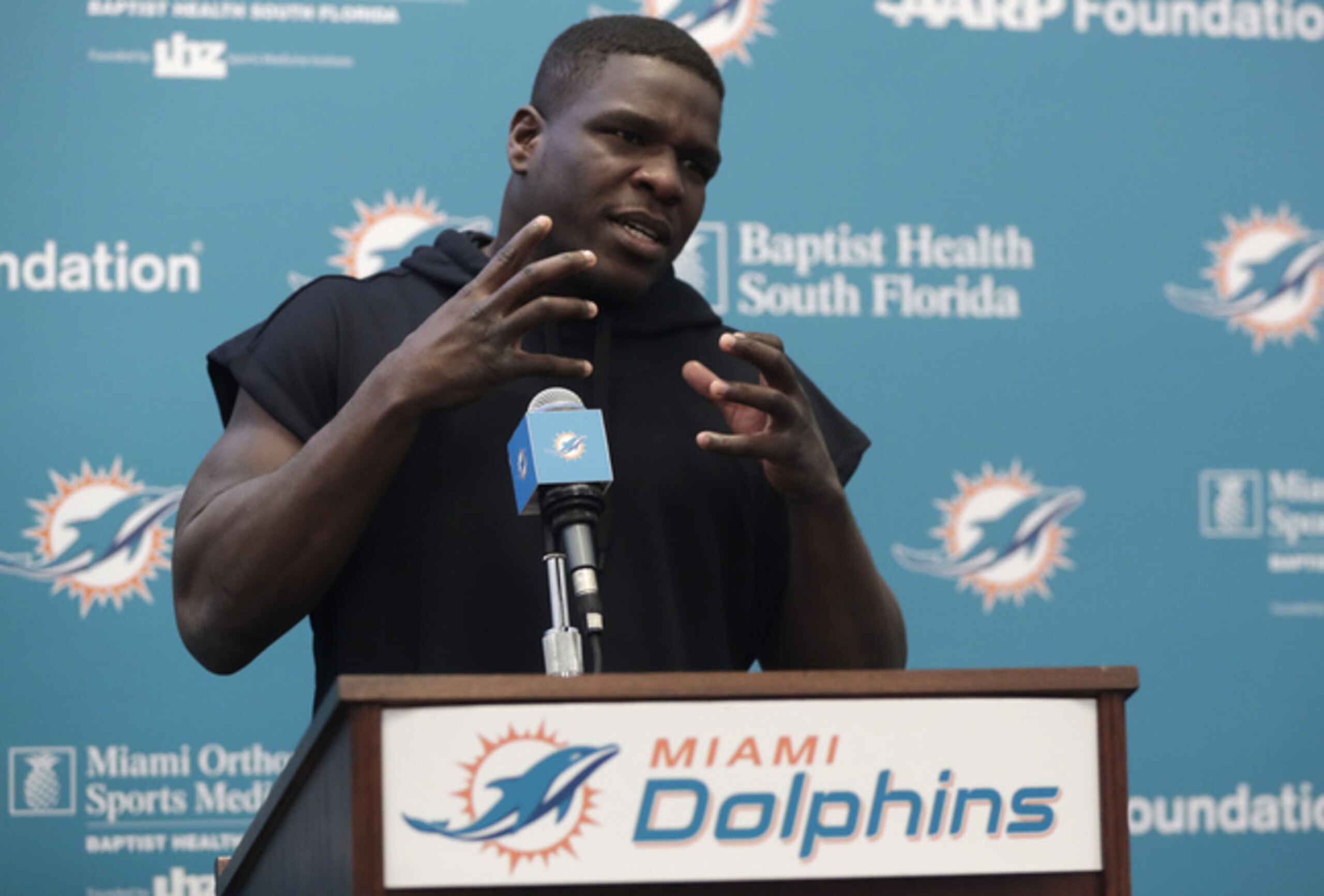
Over the past year, the Miami Dolphins swapped Ndamukong Suh, Jarvis Landry, Mike Pouncey and Jay Ajayi for Robert Quinn, Danny Amendola, Josh Sitton and Frank Gore. The front office and coaching staff want a different approach in 2018.
"I am not hoping [the culture will improve]," head coach Adam Gase told reporters. "I know it's going to be different. You have some alpha dogs who are not going to accept a lot of the [expletive] that has gone on."
General manager Chris Grier obliged.
The draft provided potential playmakers after free agency didn't. Defensive back Minkah Fitzpatrick is a versatile piece to utilize alongside Reshad Jones and T.J. McDonald. Tight end Mike Gesicki is an exceptional athlete who can become a Julius Thomas-like target. Jerome Baker already projects as a starting weakside linebacker.
The culture may change for the better, but the overall talent hasn't.
GRADE: D
Minnesota Vikings
20 of 32
Free agency is often used for adding pieces while the draft builds a roster. The Minnesota Vikings took the opposite approach since a couple of unique opportunities presented themselves.
General manager Rick Spielman saw two obvious problem areas at quarterback and 3-technique. He signed the top free agent at each position.
Kirk Cousins' addition, of course, headlines the offseason. At the time, Cousins became the NFL's highest-paid quarterback on an annual basis.
"We just felt that Kirk was such a unique opportunity that rarely comes out, especially at that position," Spielman told NFL Network (per Vikings Wire's Terry Horstman). "He's a young quarterback that's been healthy, that's been productive in this league."
Sheldon Richardson, meanwhile, completes an already impressive defensive front that features Linval Joseph, Danielle Hunter and Everson Griffen.
The draft almost became an afterthought, but first-round cornerback Mike Hughes and second-round offensive lineman Brian O'Neill provide much-needed depth.
GRADE: A
New England Patriots
21 of 32
Usually, the New England Patriots impress with their roster manipulation. This year is different.
The departure of left tackle Nate Solder is a massive blow. In response, the Patriots chose Isaiah Wynn with the 23rd overall pick despite less-than-ideal measurables.
"I think this—what's the mold? So somebody tell me what the mold looks like and if you only draft that mold, I'm not sure that's the smartest thing to do," offensive line coach Dante Scarnecchia said, per the Providence Journal's Mark Daniels. "You know, we like all the guys we've got. We're going to give specifically Isaiah a chance to play left tackle."
Running back Sony Michel, also a first-rounder, has a better chance to replace Dion Lewis in the short term.
The organization didn't find Tom Brady's heir apparent either.
Talking Josh McDaniels out of taking the Indianapolis Colts job is the biggest coup Bill Belichick and owner Robert Kraft orchestrated this offseason.
GRADE: C
New Orleans Saints
22 of 32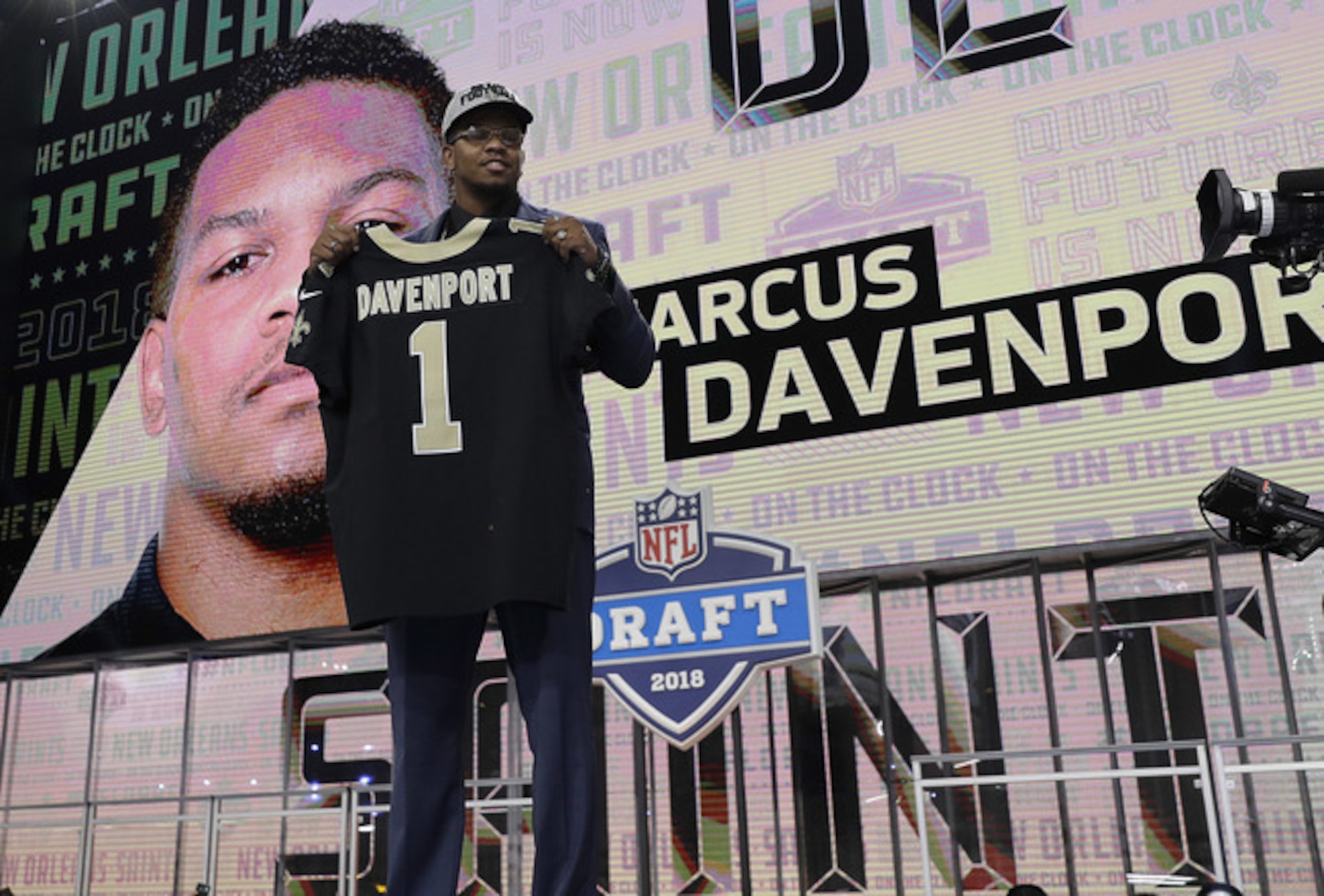
The New Orleans Saints couldn't possibly replicate last year's draft success, nor should they have been expected to. This year's primary goal centered on re-signing quarterback Drew Brees, who eventually agreed to a two-year, $50 million deal.
The Saints added a few supplementary free-agent pieces to the defense in linebacker Demario Davis, cornerback Patrick Robinson and safety Kurt Coleman. But the front office placed a heavier emphasis on improving the team's pass rush opposite Cam Jordan.
General manager Mickey Loomis turned his attention toward the draft, where the team saw something special in defensive end Marcus Davenport and traded up to acquire his services.
"You see disruption when you see him play," head coach Sean Payton told reporters.
Brees, Jordan, running back Alvin Kamara and cornerback Marshon Lattimore form the Saints' core. The rest is placing the right pieces around them to compete for another Super Bowl.
GRADE: B+
New York Giants
23 of 32
Any scenario where a team landed the top available offensive lineman and best overall draft talent should be considered a success. The New York Giants and general manager Dave Gettleman achieved this by making left tackle Nate Solder the NFL's highest-paid offensive lineman and selecting running back Saquon Barkley with the second overall pick.
Solder will allow the 37-year-old Eli Manning to sleep well at night. Barkley, meanwhile, should be considered the front-runner for NFL Offensive Rookie of the Year because he will create chunk plays in the run and pass games.
Gettleman acquired Alec Ogletree to upgrade linebacker as well.
Two areas hurt the Giants' grade.
Trading away Jason Pierre-Paul without a replacement on the roster will weaken the pass rush. Also, the Giants didn't create a clear quarterback succession plan. Davis Webb and Kyle Lauletta are talented, but third- and fourth-round investments don't usually signal franchise signal-callers.
GRADE: B
New York Jets
24 of 32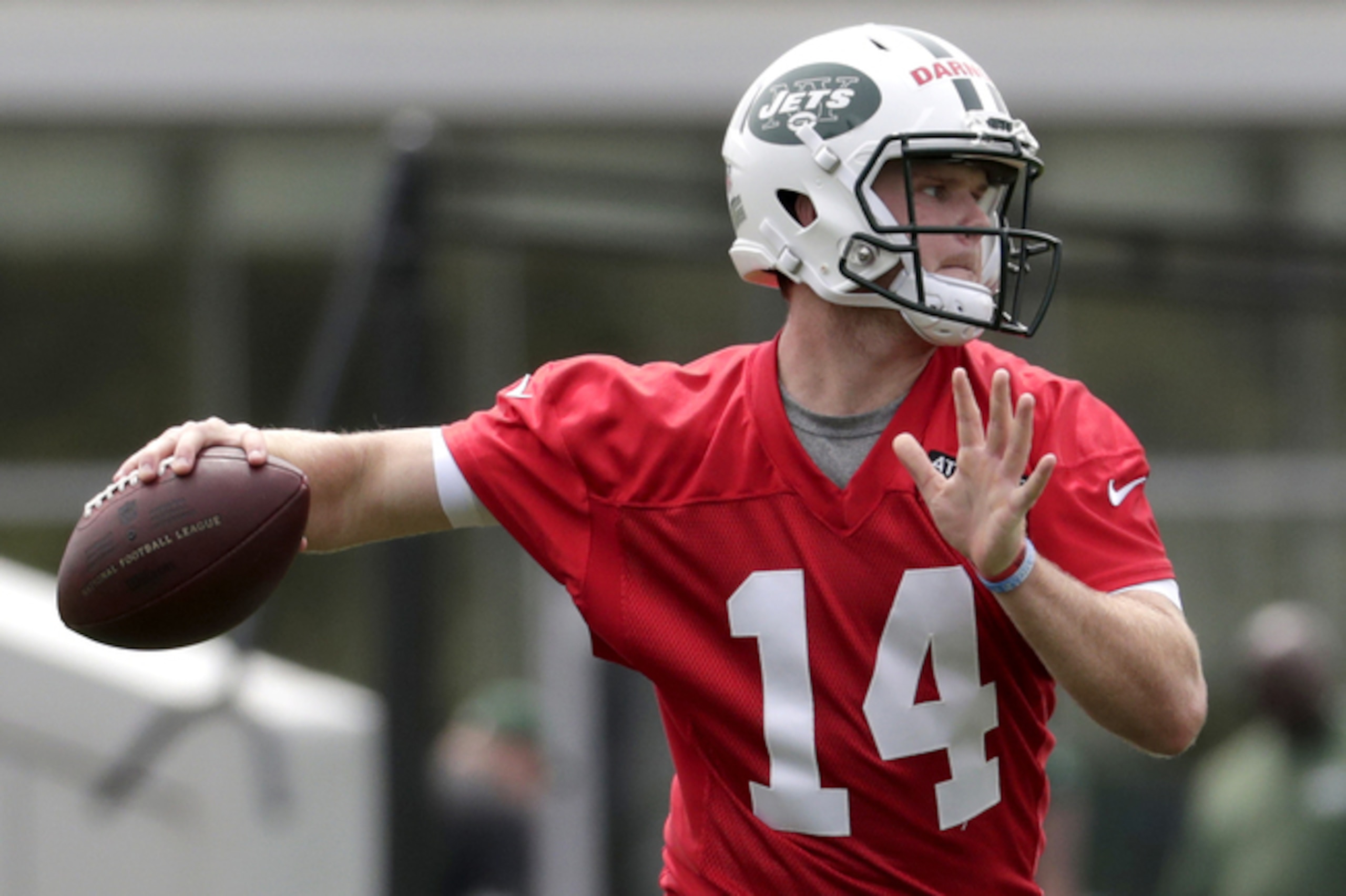
Sam Darnold wasn't supposed to be available for the New York Jets even after Mike Maccagnan traded for the third overall pick. When the 20-year-old quarterback prospect "fell" to the Jets, the team's general manager looked brilliant in retrospect.
"Perfectly honest, when we went into it at that point in time, I think the common thought was that Darnold was probably going to go 1 and there was some talk at potentially 2 if he slid. ... But, of course, when Sam fell to us, that was a very good thing," Maccagnan said on WFAN (h/t SNY). "We were very, very excited about that."
New York also inked multiple quality starters during free agency.
Trumaine Johnson, who was considered the top available cornerback, signed a five-year, $72.5 million contract. The Jets added new starters at center (Travis Swanson or Spencer Long), linebacker (Avery Williamson) and running back (Isaiah Crowell) as well.
GRADE: A-
Oakland Raiders
25 of 32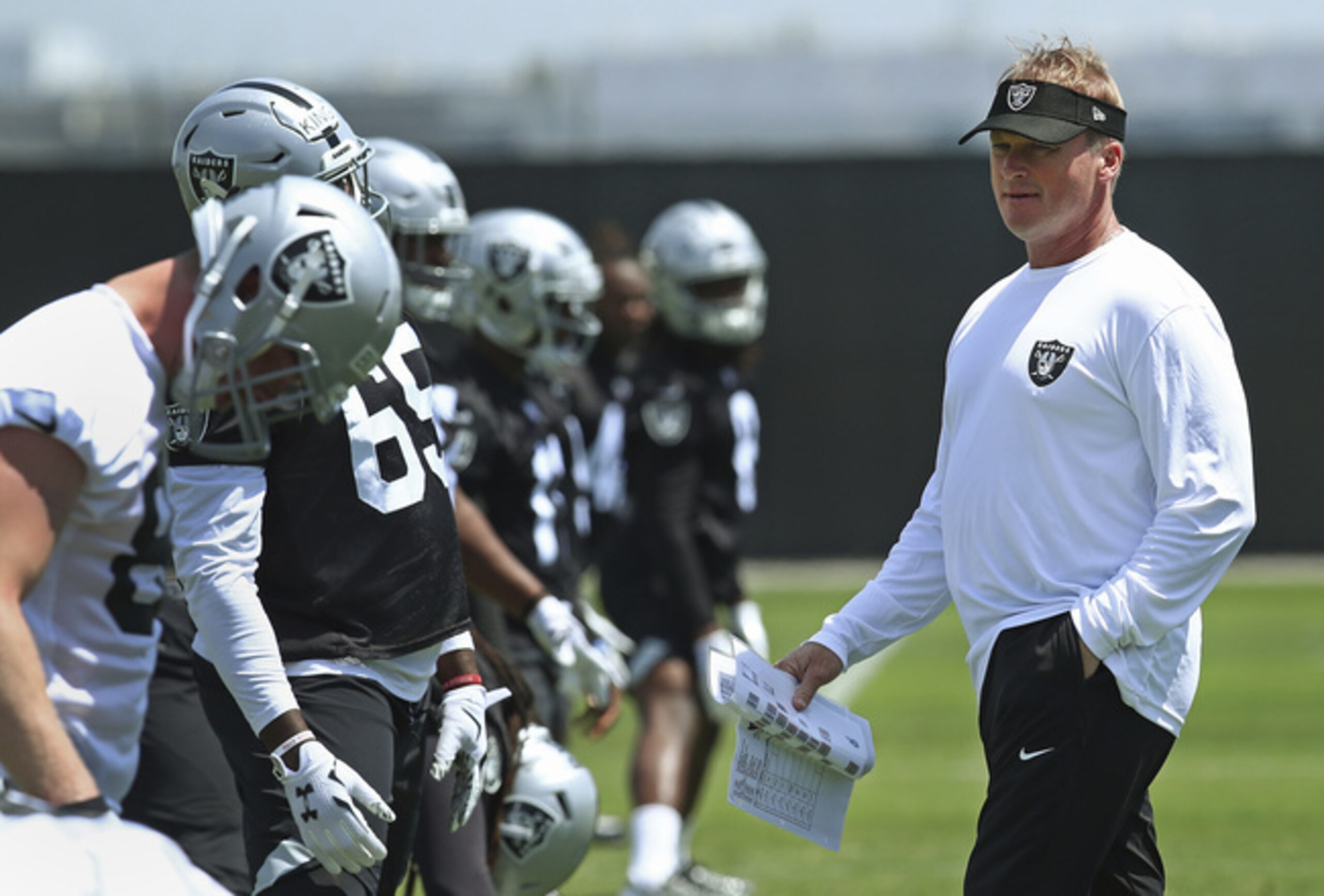
The Oakland Raiders have a plan under new head coach/de facto general manager Jon Gruden. No one outside the organization knows what it is, though.
Free agency made the team older with Jordy Nelson, Leon Hall, Breno Giacomini and Derrick Johnson's signings. Donald Penn, Marshawn Lynch and Reggie Nelson are still significant contributors as well. None of these individuals are under 31 years old.
The draft could have been the Raiders' grace, but it wasn't.
An argument can be made the organization's top three picks—offensive lineman Kolton Miller, defensive tackle P.J. Hall and O-lineman Brandon Parker—were drafted too early. Furthermore, the Raiders are undertaking the same path that ultimately failed in Seattle by relying on Tom Cable to develop toolsy offensive line projects.
To top it all off, Gruden drafted a punter and released one of the league's best specialists, Marquette King, because the coach reportedly didn't like his personality.
GRADE: F
Philadelphia Eagles
26 of 32
Super Bowl-winning squads have two options the following offseason: Allow other franchises to pick over the roster or try to improve upon the previous season.
The Philadelphia Eagles lost a few contributors like Beau Allen, Patrick Robinson and LeGarrette Blount, but general manager Howie Roseman remained active.
"I'm telling you, I want to promise the fans that we are not just sitting here and trying to pat ourselves on the back," Roseman said during an interview with Angelo Cataldi on 94 WIP Sports Radio. "We are trying to do as much as possible to continue to have these great moments for our fans and our city."
Roseman made a couple of moves along the defensive line, trading for Michael Bennett and signing Haloti Ngata.
During the draft, the Eagles landed a top tight end prospect in Dallas Goedert, added a nickel corner in Avonte Maddox and took a chance on uber-talented edge-rusher Josh Sweat.
GRADE: B
Pittsburgh Steelers
27 of 32
The Pittsburgh Steelers' tradition is built upon a draft-and-develop approach.
Yet this year's draft class faces ridicule for what may be an ill-advised first-round pick and a third-round selection that upset the team's franchise quarterback.
Safety Terrell Edmunds is an outstanding athlete, but his on-field performance didn't always match his potential—which is why some may view him as a reach after Pittsburgh's draft options dwindled. The Steelers coaching staff is leaning on Edmunds' versatility, though; the rookie played safety and linebacker during minicamp, per ESPN.com's Jeremy Fowler.
Ben Roethlisberger's reaction to quarterback Mason Rudolph's selection is far more concerning.
"I just don't know how backing up or being a third [string]—well, who knows where he's going to fall on the depth chart—helps us win now," the two-time Super Bowl-winning quarterback said.
By planning for the future, the Steelers didn't do enough to help their current plans.
GRADE: C-
San Francisco 49ers
28 of 32
Jimmy Garoppolo is signed, sealed and delivered as the San Francisco 49ers' franchise quarterback. The signal-caller and organization agreed to a five-year, $137.5 million contract after Garoppolo helped lead the team to a 5-0 record down the stretch.
General manager John Lynch told the media Garoppolo's acquisition prior to last year's trade deadline was "liberating."
With the all-important quarterback position out of the way, the front office concentrated on building the rest of the roster.
The offensive line, in particular, has been rebuilt in Kyle Shanahan's image. The head coach's run game is predicated on establishing the zone stretch. The 49ers needed to be more athletic up front, and they are after adding free-agent center Weston Richburg and drafting offensive tackle Mike McGlinchey with the ninth overall pick.
Fellow free-agent acquisition Jerick McKinnon has the potential to become a dynamic weapon in this offense.
GRADE: A
Seattle Seahawks
29 of 32
Good luck, Russell Wilson, because you'll be running for your life again this fall.
The Seattle Seahawks should have had one objective this offseason: Improve upon last year's awful offensive line. General manager John Schneider and head coach Pete Carroll decided other areas would address the problem more than adding talented linemen.
The franchise used a first-round pick on last season's FBS-leading rusher. According to Pro Football Focus, Rashaad Penny led the draft class with 86 missed tackles forced on rushes. The team then drafted Will Dissly, the class' top blocking tight end, in the fourth round.
Adding D.J. Fluker in free agency and drafting Jamarco Jones in the fifth round doesn't move the needle for the offensive line, though.
Offensive line neglect is only part of the equation. None of the team's additions come close to offsetting the losses of Richard Sherman, Jimmy Graham and Sheldon Richardson.
GRADE: D
Tampa Bay Buccaneers
30 of 32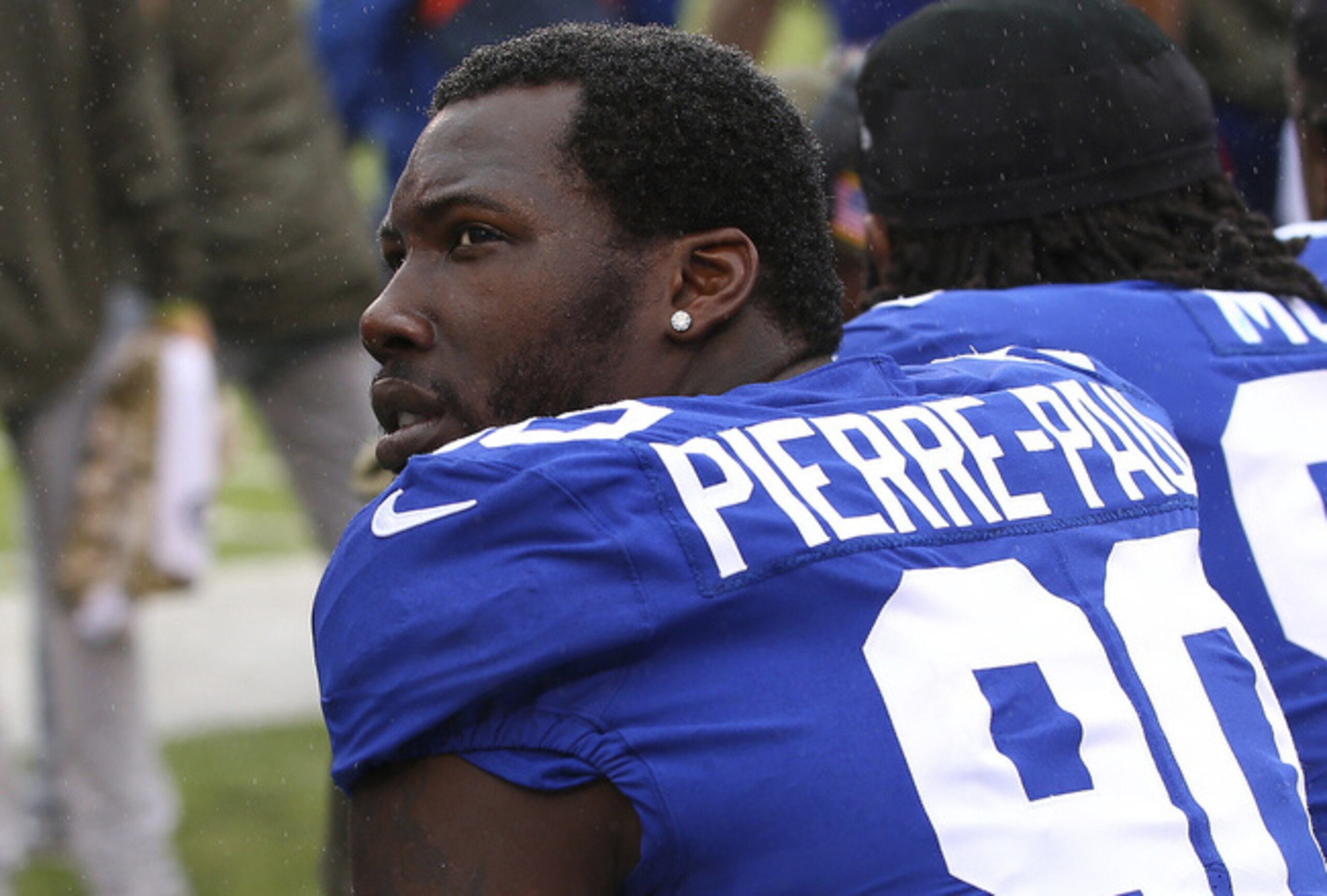
The Tampa Bay Buccaneers defense needed plenty of help after finishing last in total defense, pass defense and sacks. General manager Jason Licht used everything at his disposal to improve that side of the ball.
Tampa's pass rush received a boost when the organization traded a third-round pick to acquire defensive end Jason Pierre-Paul and signed Vinny Curry. Curry registered 27 hurries and 17 quarterback hits last season, according to Pro Football Focus.
The draft provided more help with gargantuan first-round pick Vita Vea. The defensive tackle is expected to draw attention from Gerald McCoy and overwhelm blockers at the point of attack.
"We overhauled that defensive line room quite a bit," Licht said in a press conference. "[Head coach] Dirk [Koetter] and I thought that that was a necessity after last year. It starts up front, and you can never go wrong having some ass-kickers up there."
GRADE: B
Tennessee Titans
31 of 32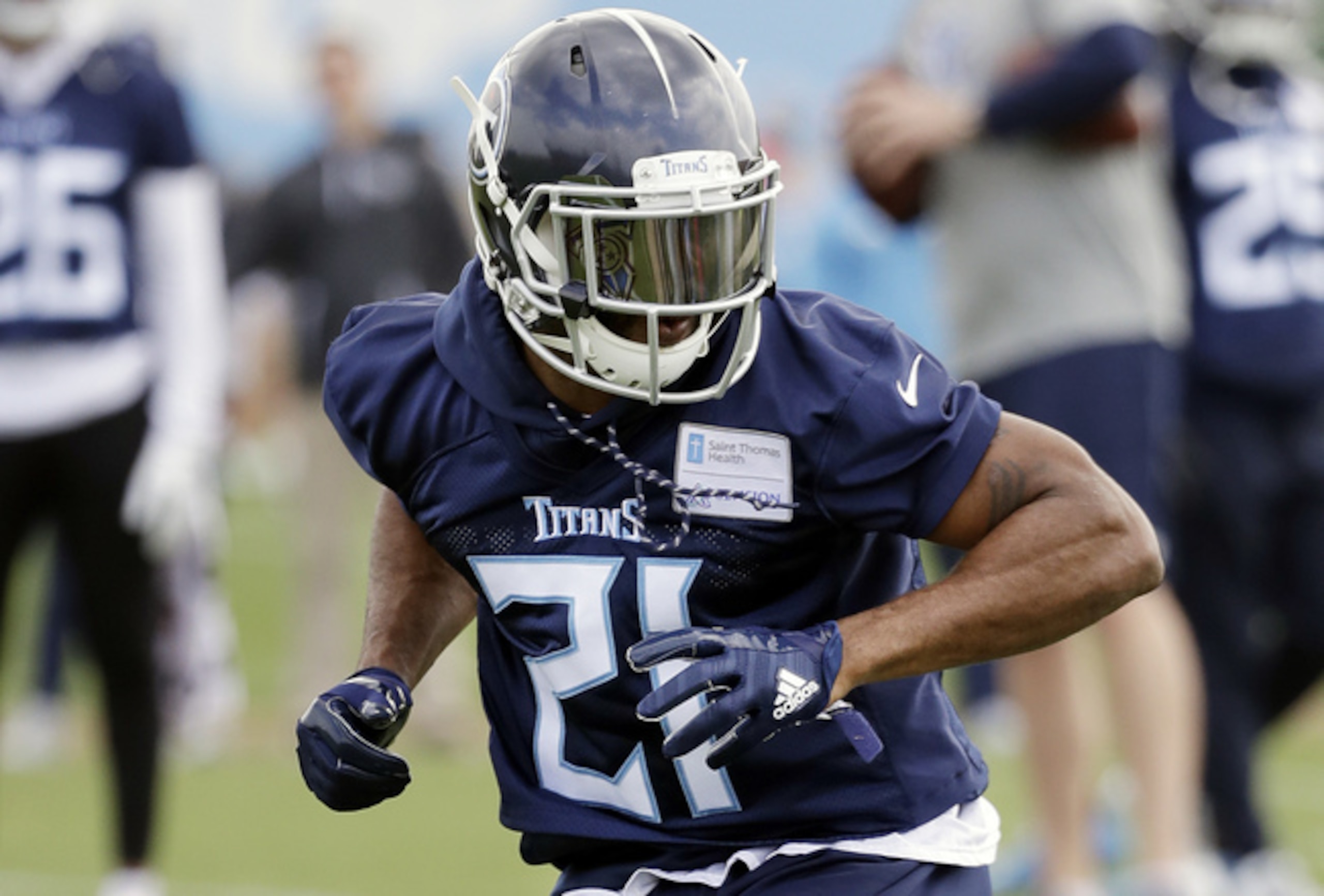
The Tennessee Titans wanted something more, and Jon Robinson's inability to see eye-to-eye with Mike Mularkey paved the way for Mike Vrabel. A common vision is now shared between the general manager and head coach. It looks a lot like the New England Patriots.
The free-agent additions of Dion Lewis and Malcolm Butler are obvious, but not because both played in New England. Rather, they bring a certain attitude.
Robinson targeted specific prospects and aggressively pursued them. Tennessee traded up for linebacker Rashaan Evans and edge-rusher Harold Landry. Their attitudes and skill sets should fit seamlessly into the new approach.
Have the Titans done enough, though, to surpass the Jacksonville Jaguars in the AFC South? The potential to improve under Vrabel is present, but Tennessee's roster doesn't quite stack up with that of its rival.
GRADE: C+
Washington Redskins
32 of 32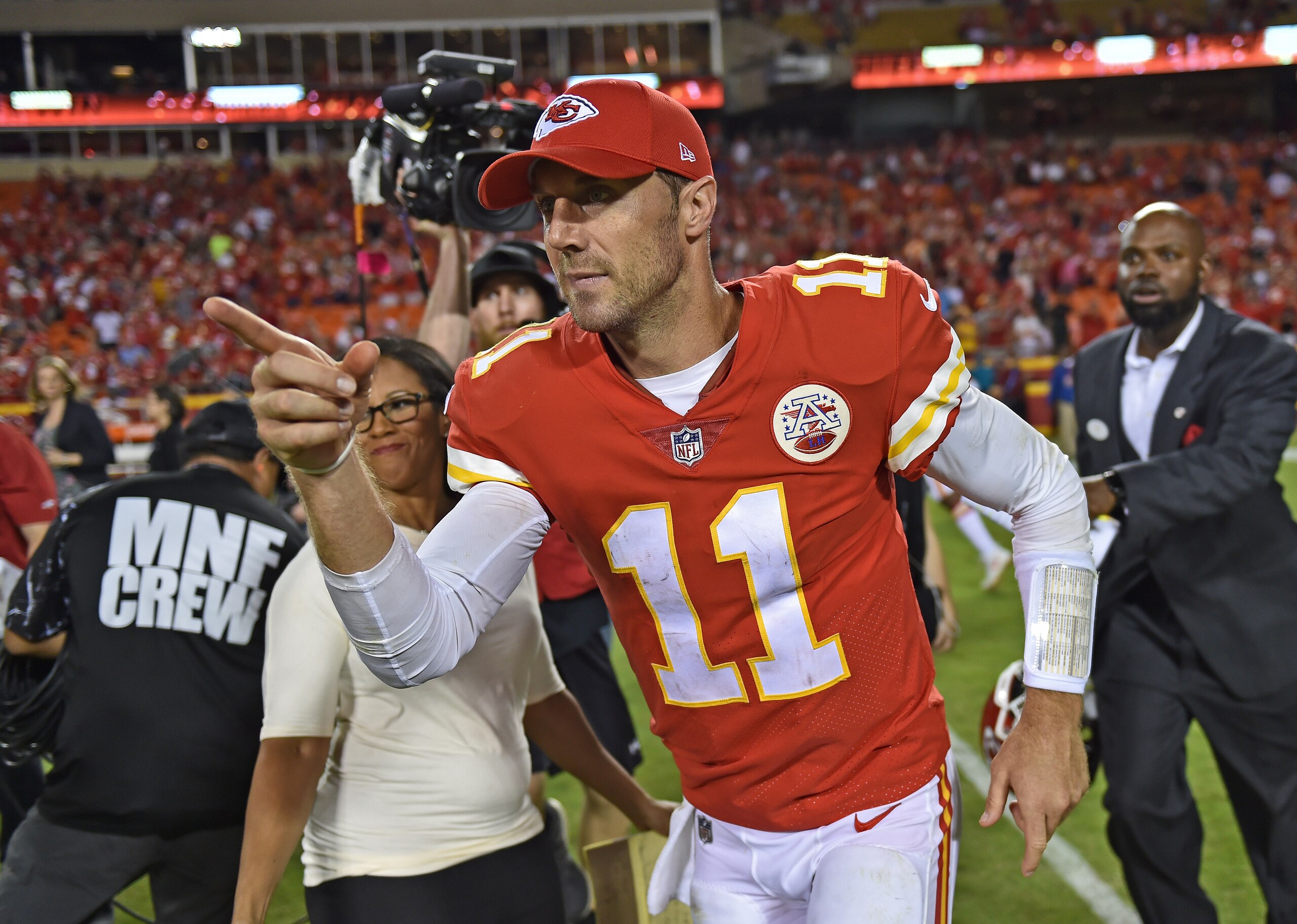
The Washington Redskins couldn't reach a long-term agreement with Kirk Cousins. Instead, the organization acquired Alex Smith from the Kansas City Chiefs after he spent five successful seasons with the franchise.
Jay Gruden believes Smith is the better quarterback.
"Without a doubt," the head coach told reporters. "I don't want to compare two players, but we're always trying to be better at every position. We got better. Alex's experience is well-noted, and his record the last five years is what it is. You could argue that all day, but we feel very good."
Cousins served as a distributor, whereas Smith is more athletic and a better deep passer. The three-time Pro Bowl performer opens up the playbook.
Wide receiver Paul Richardson's signing adds a vertical element alongside Jamison Crowder and a hopefully healthy Josh Doctson. Second-round pick Derrius Guice brings a more physical presence at running back as well.
GRADE: B
.jpg?w=2560 "Raiders Camp Football")
.jpg?w=2560 "Titans Buccaneers football")