

With the NBA Finals set to begin between Miami and Dallas, the other 28 teams are looking towards the future. The only problem is, the future is by no means set in stone the way it normally is in the NBA.
The lockout is looking like it could delay the start of the season, if not eliminate it altogether. So, instead of focusing on the negative, the one event that's guaranteed to take place after the Finals is the NBA Draft in late June.
It's no secret that this draft has one of the weaker talent pools in recent memory. With so many top prospects electing to return to school, and so few separating themselves from the pack, this class is filled with only a couple elite players.
After that, it's a bunch of guys with some potential, but big "IF"s, along with a good number of international prospects, who let's be honest, are never easy to project.
With such little separation, it's not easy to project how pieces will fall, but yours truly is going to give it a shot. Before I begin, you should know that because of the lack of top talent, my picks are based more on team need than anything else.
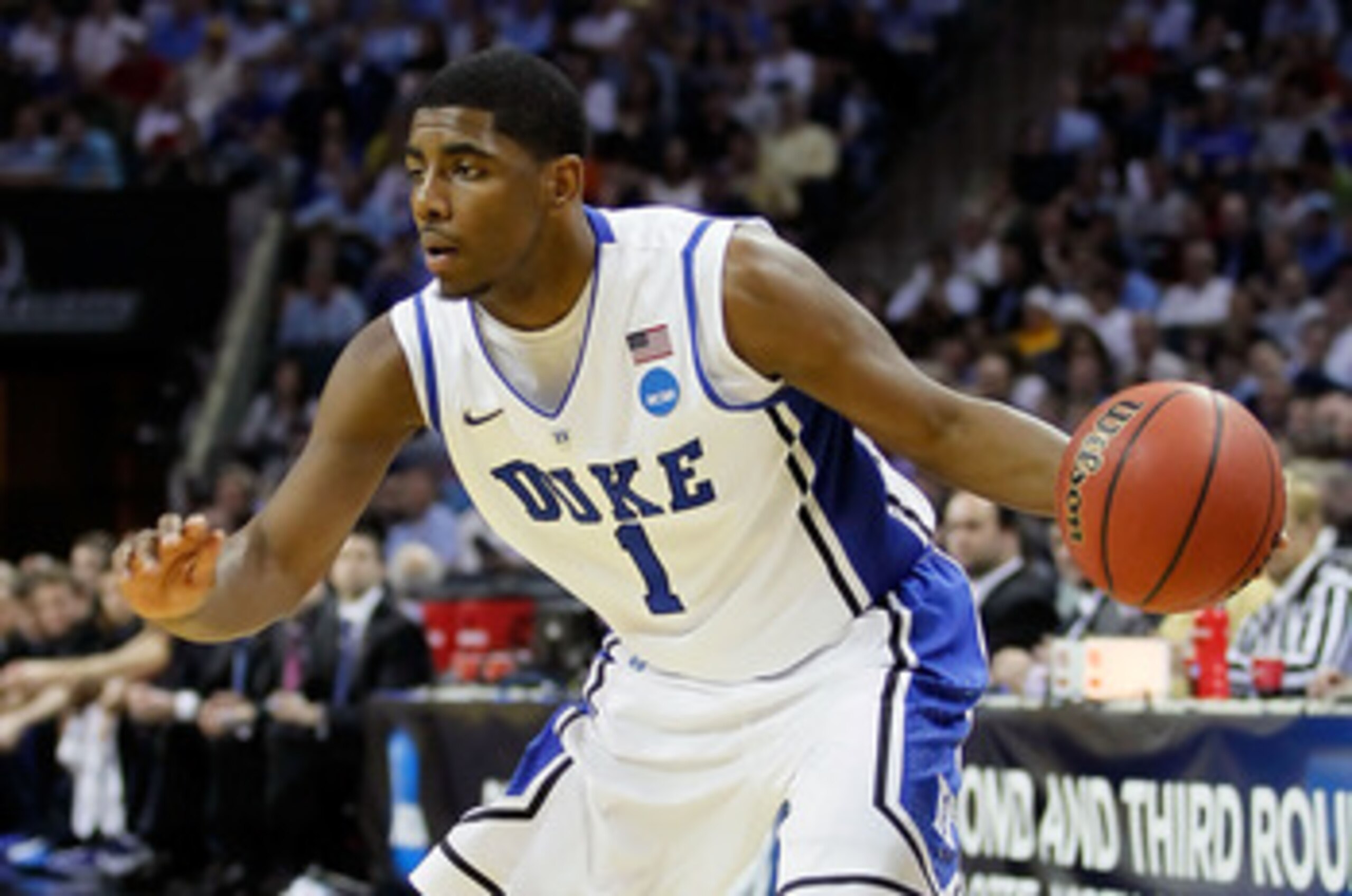
No. 1: Cleveland Cavaliers Select Kyrie Irving
1 of 30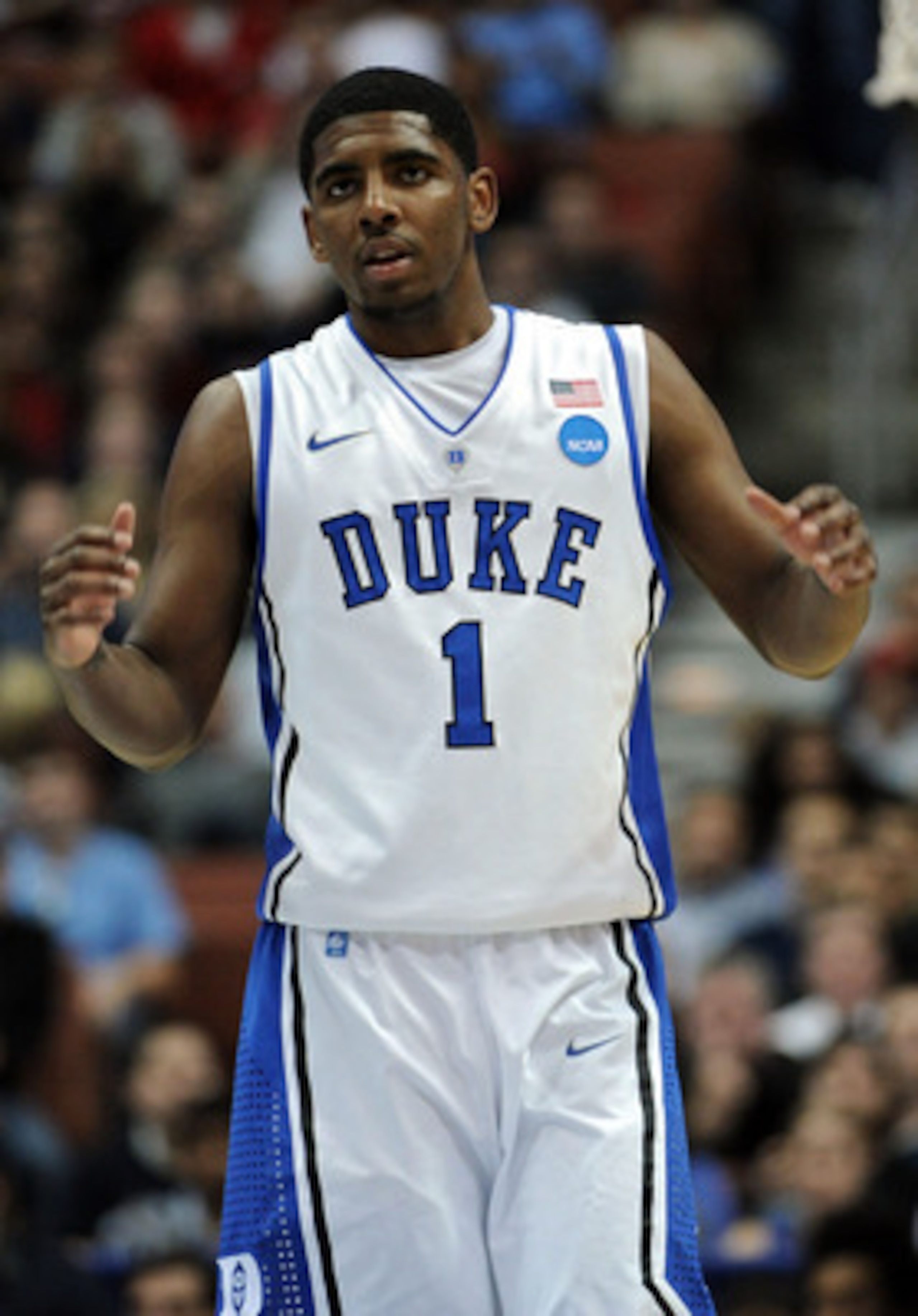
As usual, the first overall pick won't come as a surprise. And, as usual, a point guard is expected to be the top pick.
Kyrie Irving is widely believed to be the sure-fire elite level player in the draft. Considering Cleveland has zero stars, but a promising big in J.J. Hickson who will need a solid guard to get him the ball, it would be idiotic for the Cavs to not select Irving.
He doesn't wow people the way a John Wall does with his quickness, but he's still pretty quick, has a consistent jumper and is a willing distributor. For a team desperate for quality starters, Irving is as good as it gets in this draft.
While I don't think he'll ever be at the level of a Derrick Rose or Chris Paul (pre-knees going out), the league has evolved into a guard's game, and not having a top notch point guard means not being able to compete for a playoff spot unless you have a superstar elsewhere.
No. 2: Minnesota Timberwolves Select Enes Kanter
2 of 30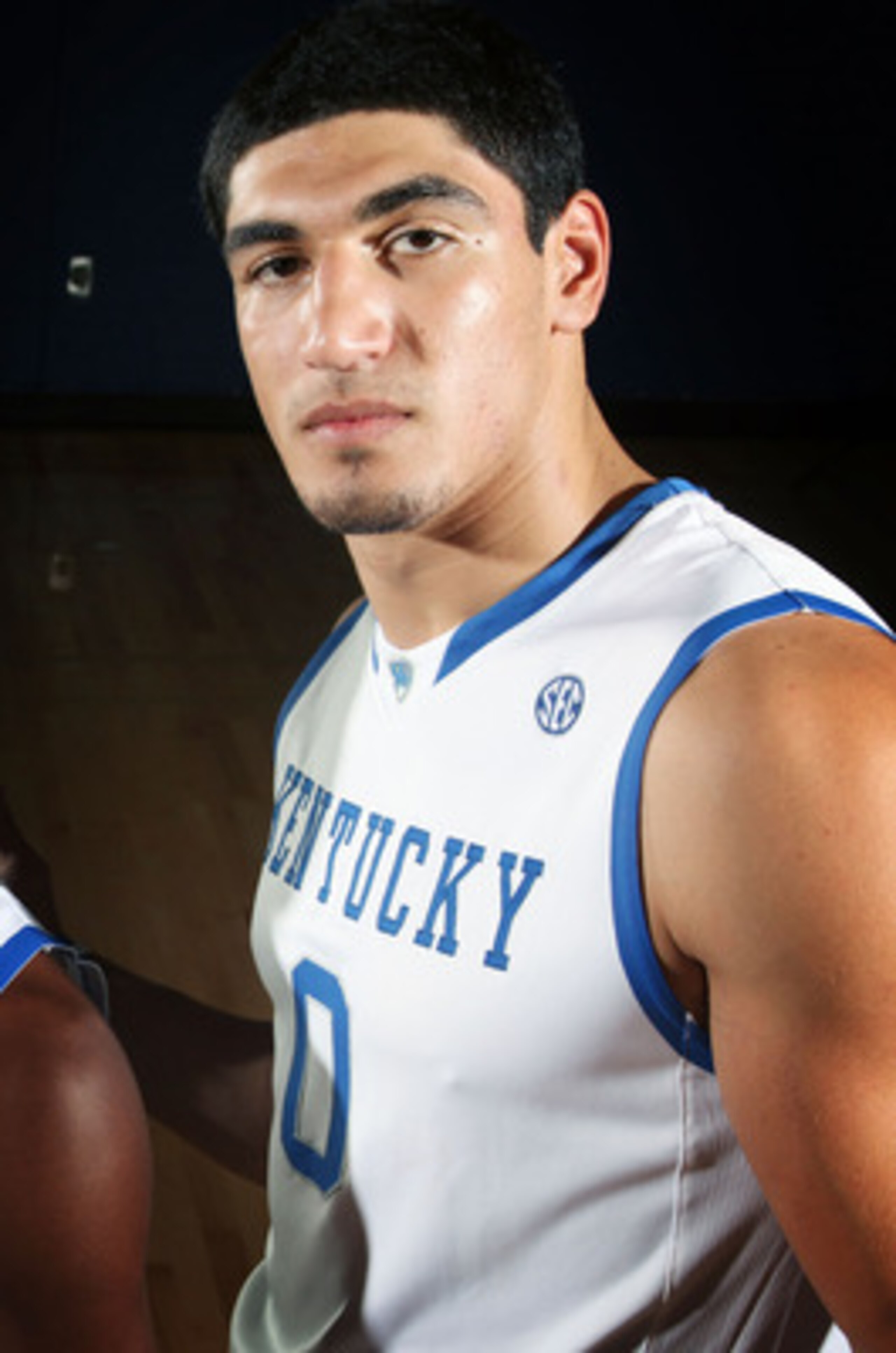
Want proof that this draft is incredibly weak at the top? A guy who hasn't played a competitive game in around a year is widely viewed as a top five pick.
That guy happens to be Enes Kanter, who was ruled permanently ineligible by the NCAA for receiving benefits when he played for a Turkish pro team.
Kanter is a 6'11" powerhouse who is best known for dominating Jared Sullinger in the Nike Hoop Summit last summer. Most scouts until this draft combine that was held this past week had only seen him play in that one game.
Still, he's got the talent. He can score down low, defends pretty well and can face up to shoot a mid-range jump shot.
Minnesota is in need of an athletic big guy to pair with Kevin Love (assuming he doesn't get traded.) I don't think it makes sense for them to take Derrick Williams as he's no better than Love or Michael Beasley right now, meaning the second overall pick comes off the bench (rarely a good thing, right Darko?).
Kanter would start at center and could end up as a consistent 15-10 type player. The big problem is simply no one knows exactly how good the guy is.
3. Utah Jazz Select Derrick Williams
3 of 30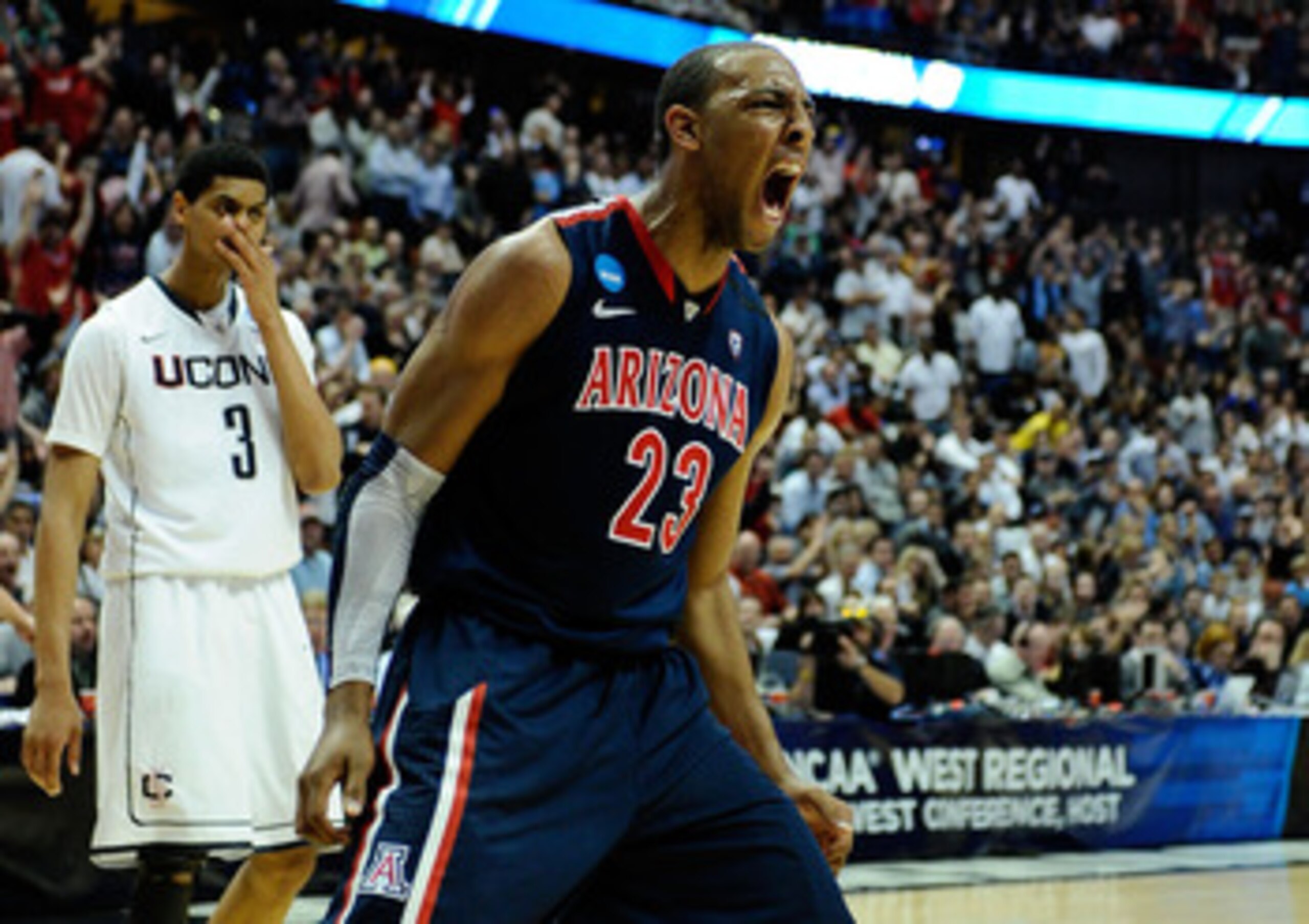
With Andrei Kirilenko set to bolt this summer, the Jazz need to fill the small forward position with some athleticism. Enter Derrick Williams, the second best pro prospect that played in college last season. He's got a solid frame at 6'8", 245 pounds, and is versatile enough to excel at the position.
Drafting Williams would allow the Jazz to have some flexibility with their lineup because he could play power forward for stretches. His ball handling needs work but his work ethic should help alleviate that.
I could also see the Jazz electing to take Brandon Knight if they don't feel Devin Harris is the long term answer at point guard.
I personally think he's just fine, and with the glaring hole they have at small forward plus Williams still being available in this scenario, the Jazz would definitely look hard at Williams.

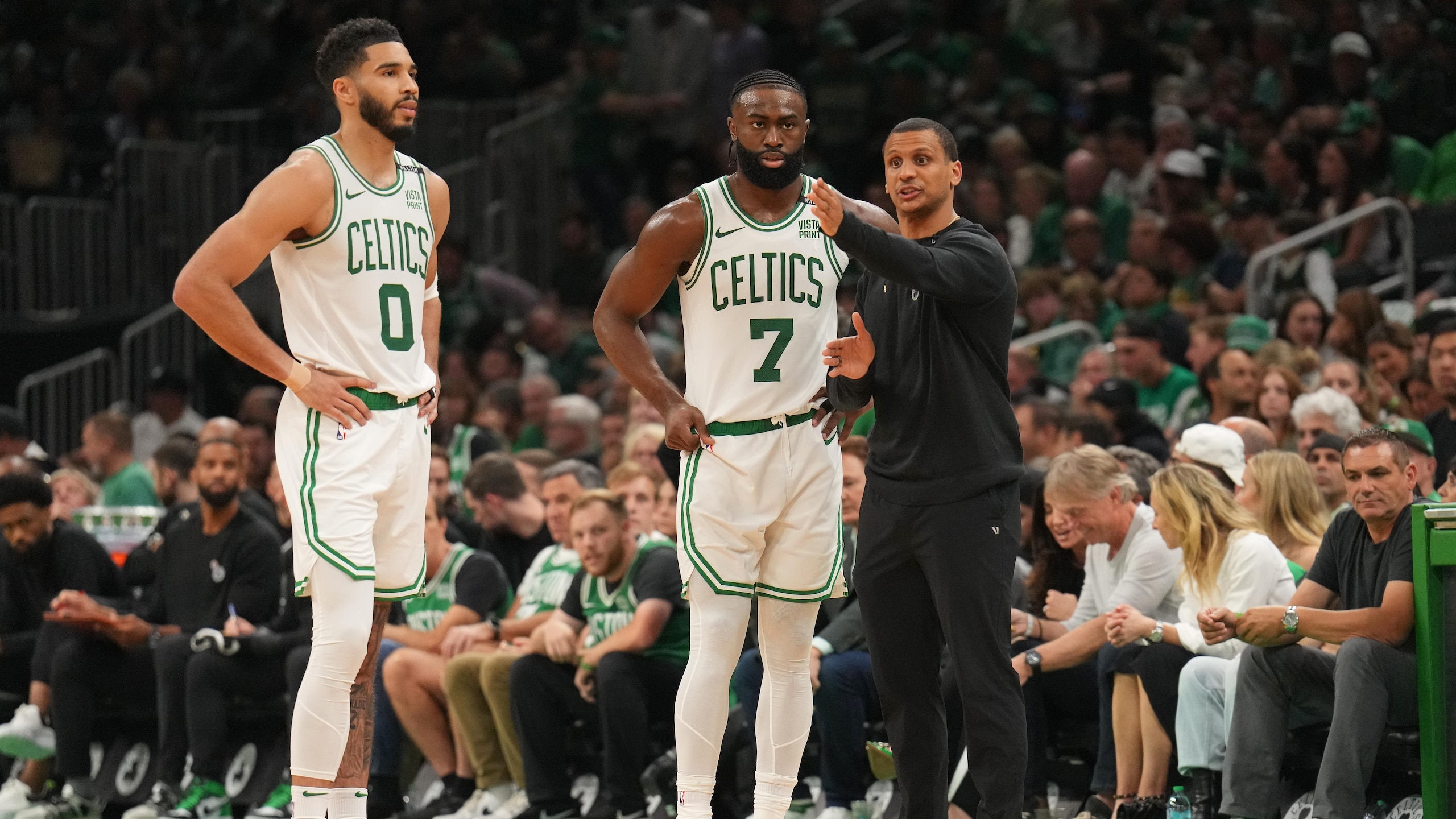

No. 4: Cleveland Cavaliers Select Kawhi Leonard
4 of 30
A bit of a reach in this situation, but Kawhi Leonard helps to fill the Cavs biggest need: the wings. I'm sure the Cavs would much rather take Kanter or Williams if either is available in this slot, but neither are, so Leonard is the next best option.
Leonard has the ability to play either wing position, and is going to be a great defender at the next level. Offensively, he needs some work on his shot, but he's still an able slasher and would start immediately for the Cavs.
Grabbing two immediate starters for a team that could use all the talent it could get is all the Cavs can ask for. If Leonard is able to find himself offensively, he could be a potential All-Star.
No. 5: Toronto Raptors Select Brandon Knight
5 of 30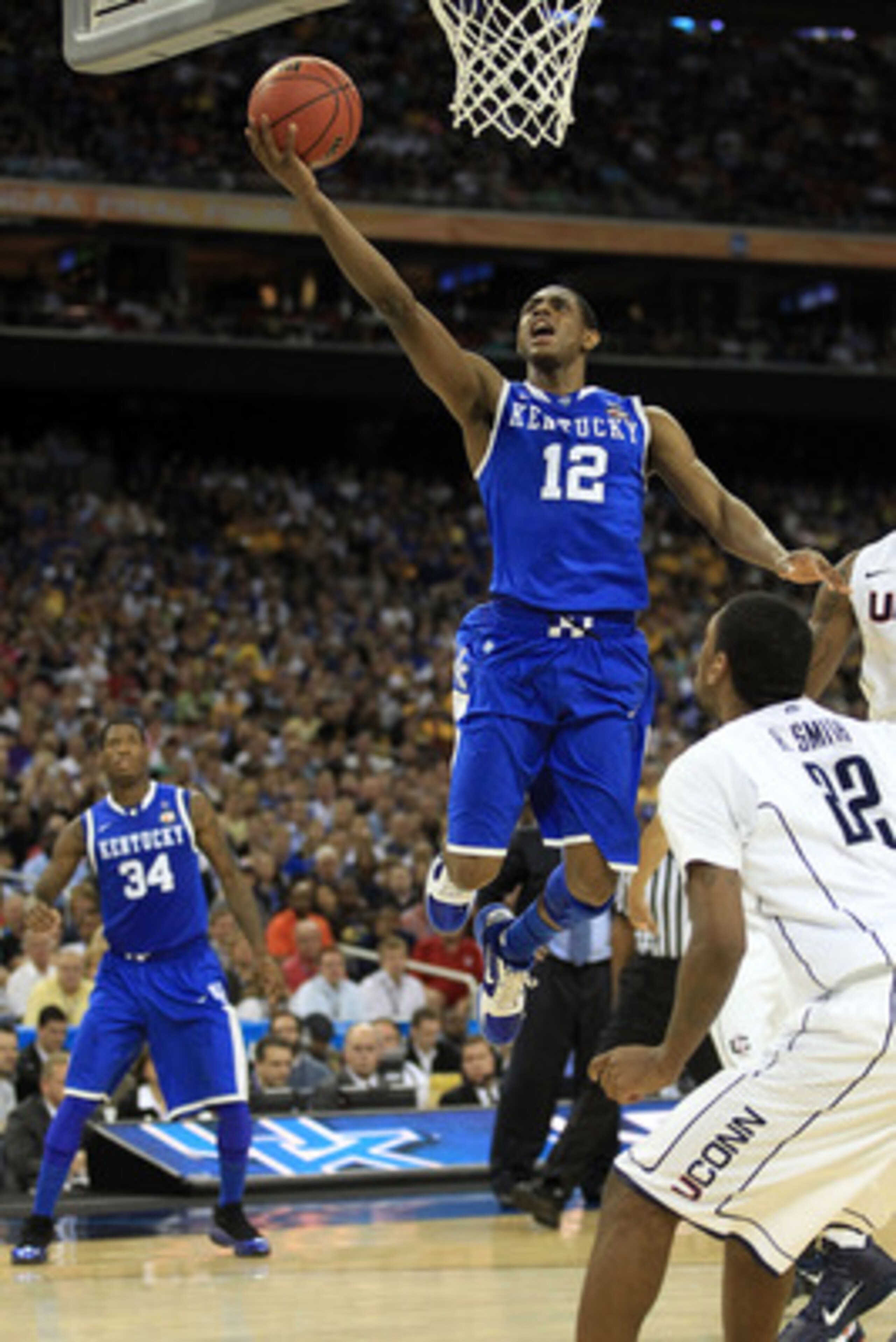
Another team that has a severe lack of talent, the Raptors take the best player on the board in point guard Brandon Knight. His stock soared during the NCAA tournament and it's yet to fall after the season ended.
Offensively, Knight is one of the more complete players in the draft. He can drive it and shoot it from distance. He's got good size for a point guard at 6'3".
As a distributor, there are some questions, but for a team that needs offense, it might not be the worst thing to bring in a shoot-first point guard.
No. 6: Washington Wizards Select Jan Vesely
6 of 30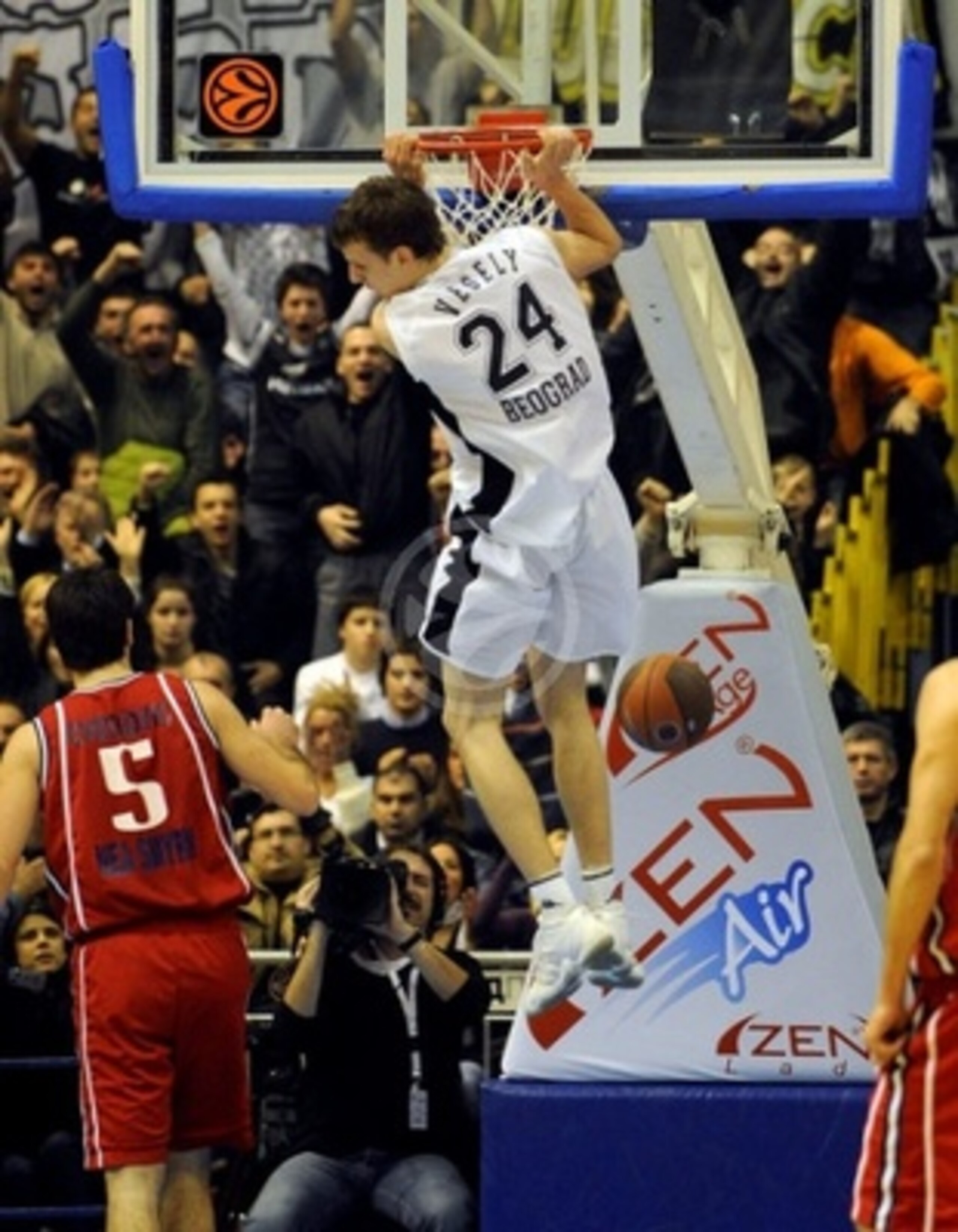
The Wizards are a team in rebuilding mode, and taking what is believed to be the best international player in the draft is another step in that direction.
It's unknown if Vesely is ready to play immediately, but if he is, giving franchise player John Wall a 6'10" athlete who's also a solid defender would give Wall yet another weapon to use on the fast break.
Vesely is not ready to start in the NBA, so it may be awhile before we see how good he really is.
No. 7: Sacramento Kings Select Kemba Walker
7 of 30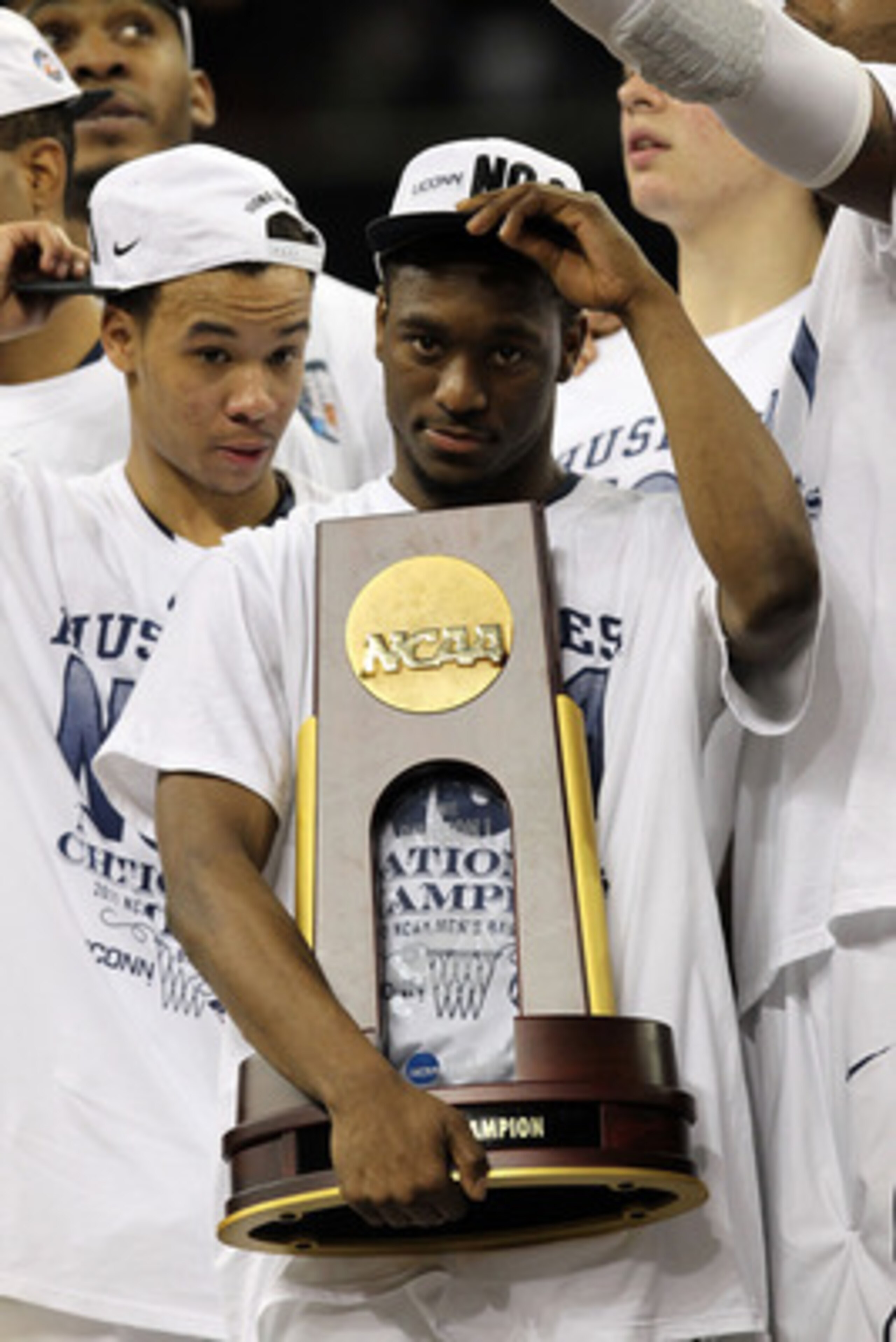
One hopes the Kings finally realized that Tyreke Evans is not a point guard. He's a quality scorer, but the skills aren't there for him to be a NBA starting point guard.
Enter Kemba Walker. A shoot first point guard, but a winner with tons of charisma, and a good kid by all accounts. With headcases Evans and DeMarcus Cousins demanding touches, this team needs a quality guy who will keep both players happy.
I don't envision Walker really being a bust either. At worst I think he becomes a stud scorer off the bench, something every team needs. At best, he's a quality starter for a playoff team that can score 25 points if need be, but would be more accustomed to 15-18 points and seven or eight assists.
A nucleus of Walker, Evans and Cousins could set up the Kings to be the next surprise team to make the playoffs out West.
No. 8: Detroit Pistons Select Tristan Thompson
8 of 30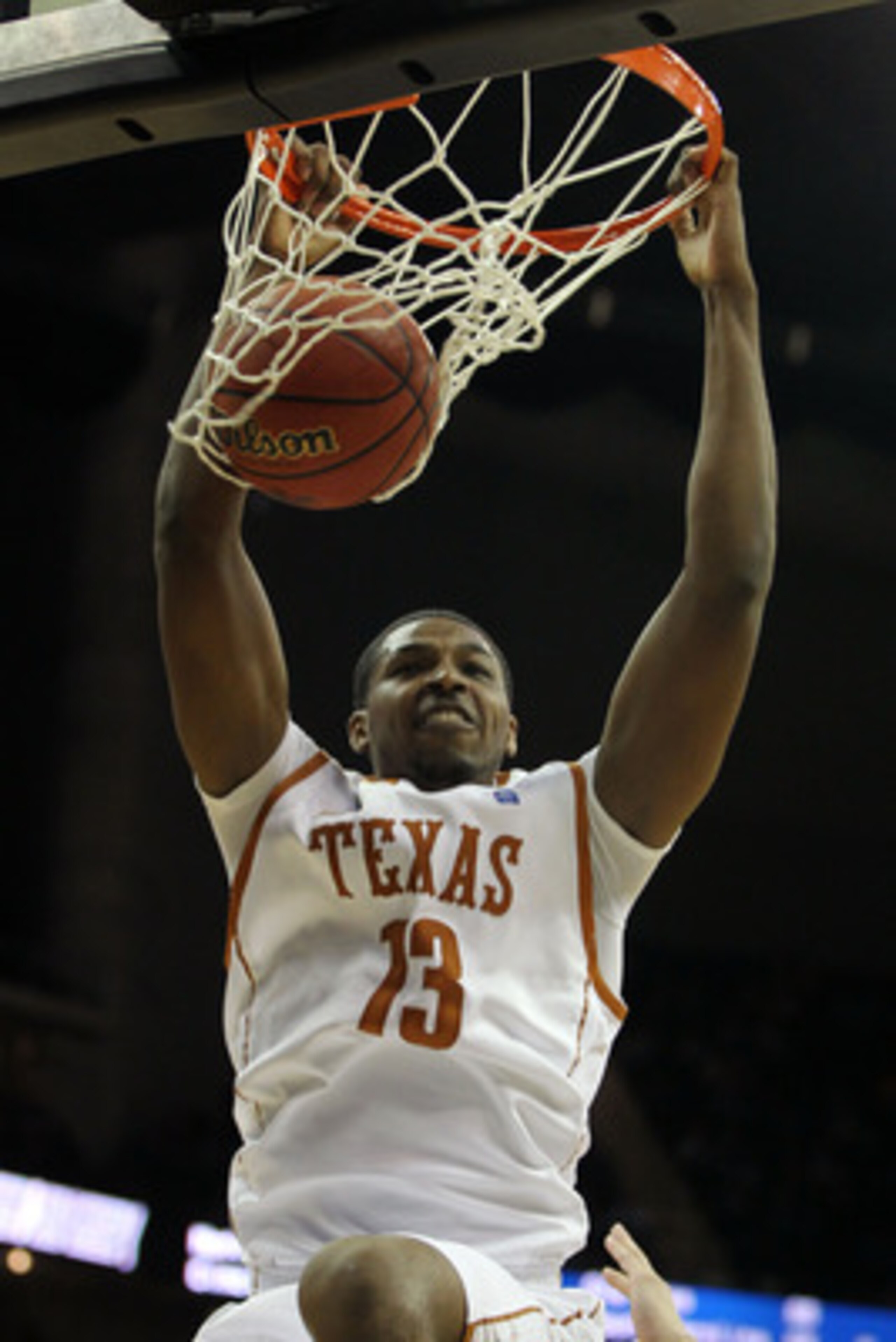
Of all the teams in the NBA, I have no clue what the Pistons' game plan has been the last few years. They're built for the present with veterans Ben Gordon, Richard Hamilton and Tayshaun Prince, but it's clear they're not good enough to contend.
I wouldn't be surprised at all if they traded this pick along with one of their veterans to start the rebuilding process.
Assuming they keep the pick, grabbing Thompson sets their frontcourt of the future with him and promising big man Greg Monroe. Thompson is more of an inside presence, while Monroe can play effectively from the elbows.
Thompson is a little small at 6'8", but he's athletic enough to make up for it and would be an upgrade up front.
No. 9: Charlotte Bobcats Select Jonas Valanciunas
9 of 30
Let's face it, the Bobcats need to rebuild as much as anyone, so why not try an international player? Some scouts view him as the best big man in the class, so grabbing him this low would be a steal.
At 6'11", if he's able to put on some weight (currently 240 pounds), he would be a reliable low post scorer, something that's become foreign in the league nowadays.
MJ's tried his hand with proven college players and has failed (Adam Morrison, Sean May), so he might as well bring in a guy from Europe and see if he pans out.
No. 10: Milwaukee Bucks Select Marcus Morris
10 of 30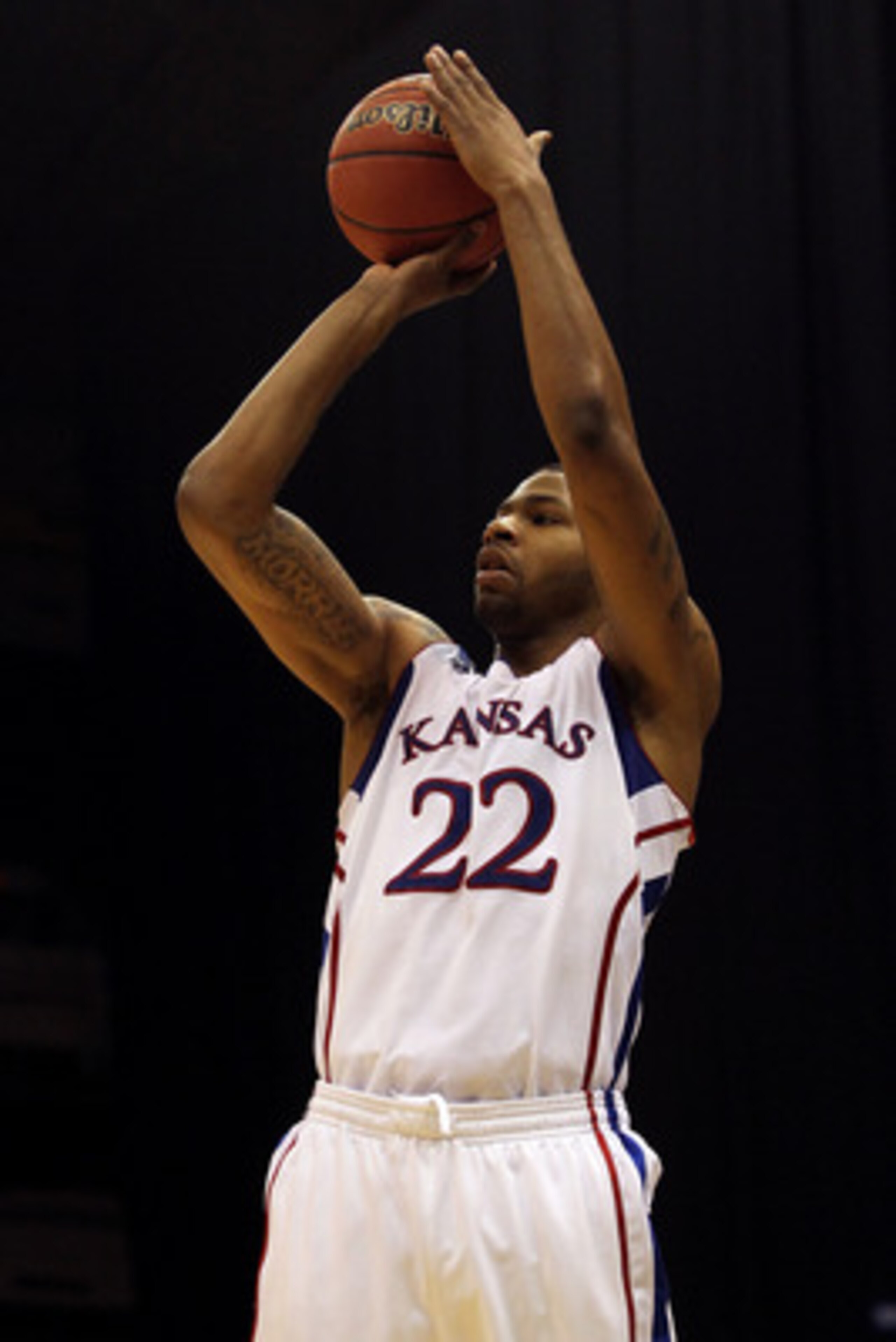
With a solid one-two punch of Brandon Jennings and Andrew Bogut, the Bucks need a versatile player on the wing to be that third scorer.
Of the players left, Marcus Morris fits best. He's claiming to be a small forward, but could easily be drafted as an undersized power forward at 6'9", 230 pounds.
Morris showed at Kansas that he can score down low and on the perimeter, so running the pick and roll/pop with Jennings would be tough to stop.
No. 11: Golden State Warriors Select Bismack Biyombo
11 of 30
With not a whole lot left in the frontcourt despite a glaring need there, the Warriors draft what they hope to be the next Serge Ibaka in Bismack Biyombo.
I'll be honest, I know nothing about this guy. He came out of nowhere recently and is supposedly an elite athlete and a top notch defender.
The Warriors need someone to protect the paint considering their backcourt can't guard a chair, so Biyombo fits the need.
No. 12: Utah Jazz Select Jimmer Fredette
12 of 30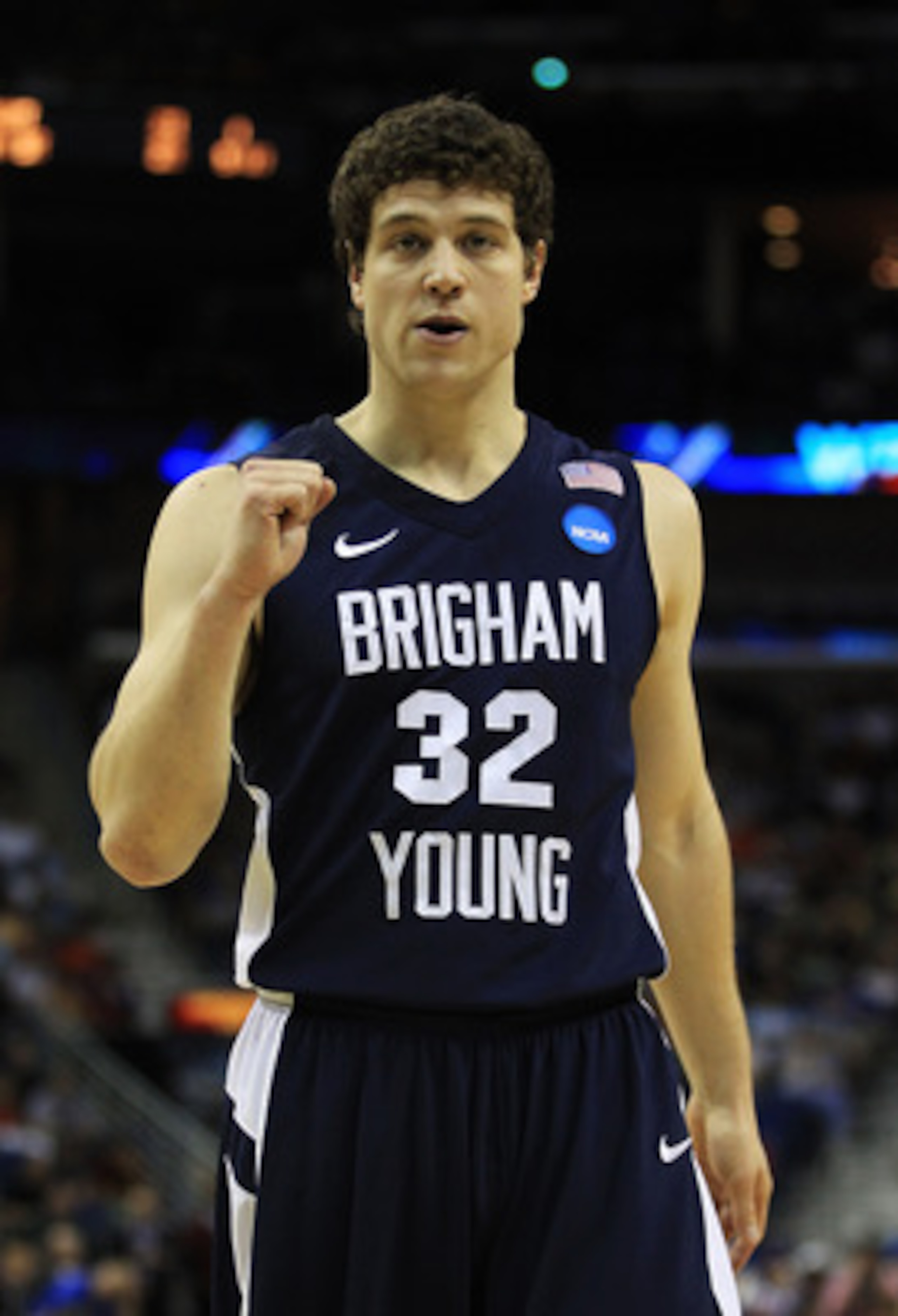
A reach? Absolutely, but in a league where most of the owners are losing money, drafting Jimmer would sell tons of tickets for the Jazz.
As for on the court reasoning, Fredette would be at worst a sixth man that could light it up from deep a la Kyle Korver (only smaller). Best case scenario, he figures out how to be a distributor and supplants Devin Harris as a starter.
No. 13: Phoenix Suns Select Alec Burks
13 of 30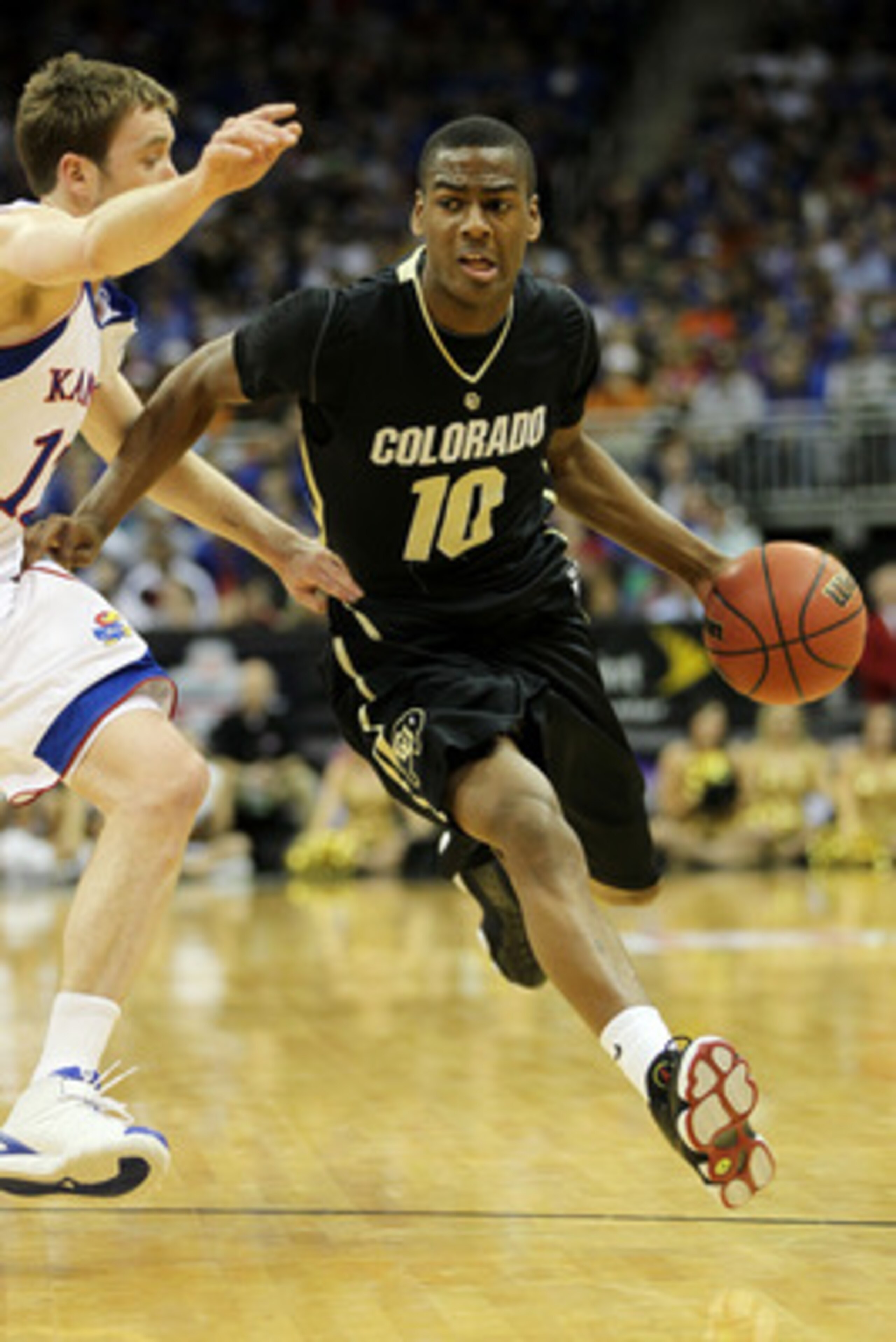
The first shooting guard comes off at the end of the lottery with Colorado slasher Alec Burks. The Suns need some scoring help for Steve Nash, and Burks could be the star of the second unit his rookie season. He's not the best shooter, but inside the three-point line he's a quality scorer.
Vince Carter's also getting up there in age, so it's time to find a replacement.
No. 14: Houston Rockets Select Chris Singleton
14 of 30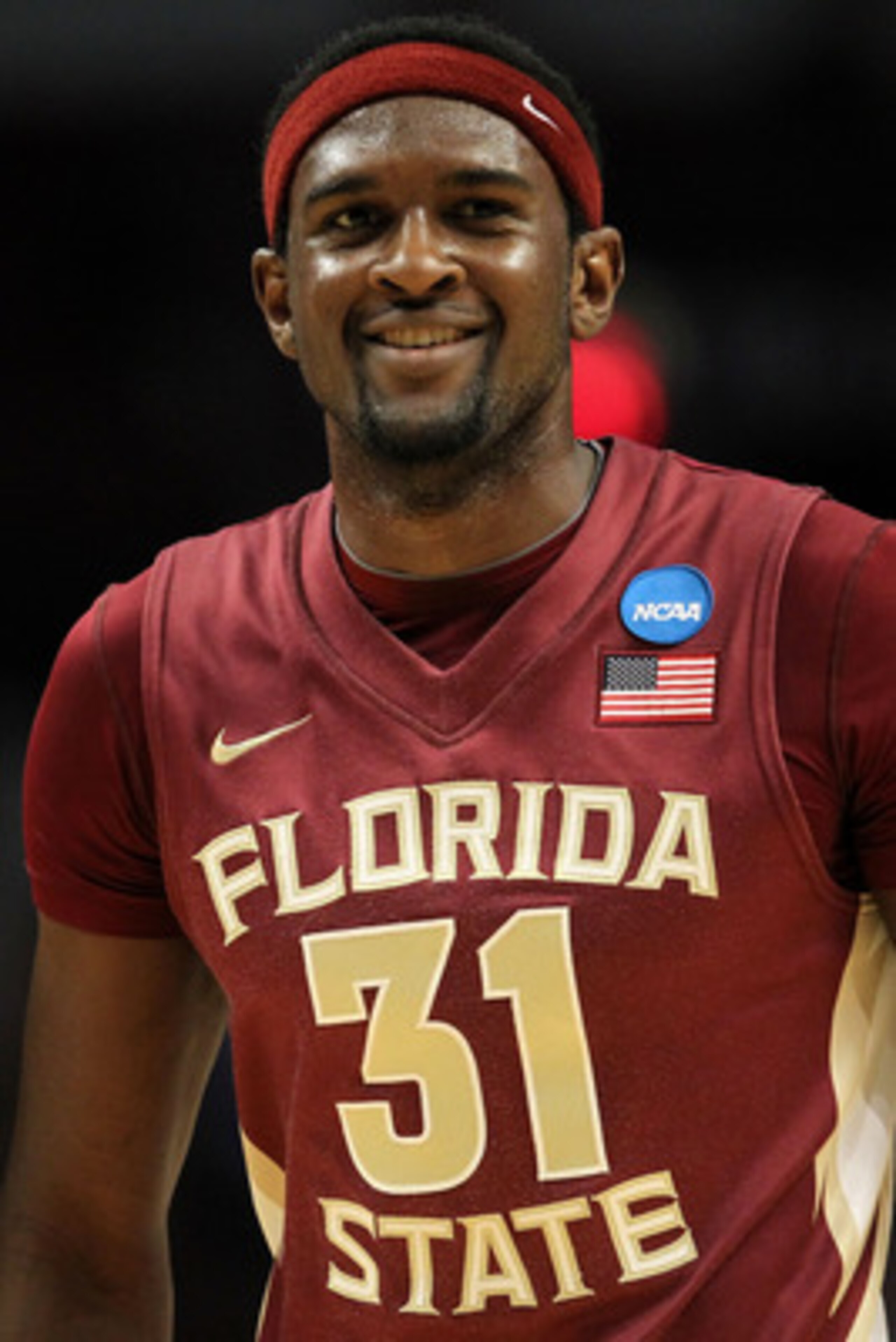
The Rockets traded away defensive specialist Shane Battier mid-season. So, the Rockets elect to take his successor in Chris Singleton.
Singleton is widely regarded as the best defender in the draft. He's able to guard three positions (shooting guard and both forwards) thanks to his quickness and 6'9" frame.
Offensively, he needs a ton of work, but if he's able to find a three-point shot, he'll be at worst a Bruce Bowen clone. Most teams need one of those.
No. 15: Indiana Pacers Select Josh Selby
15 of 30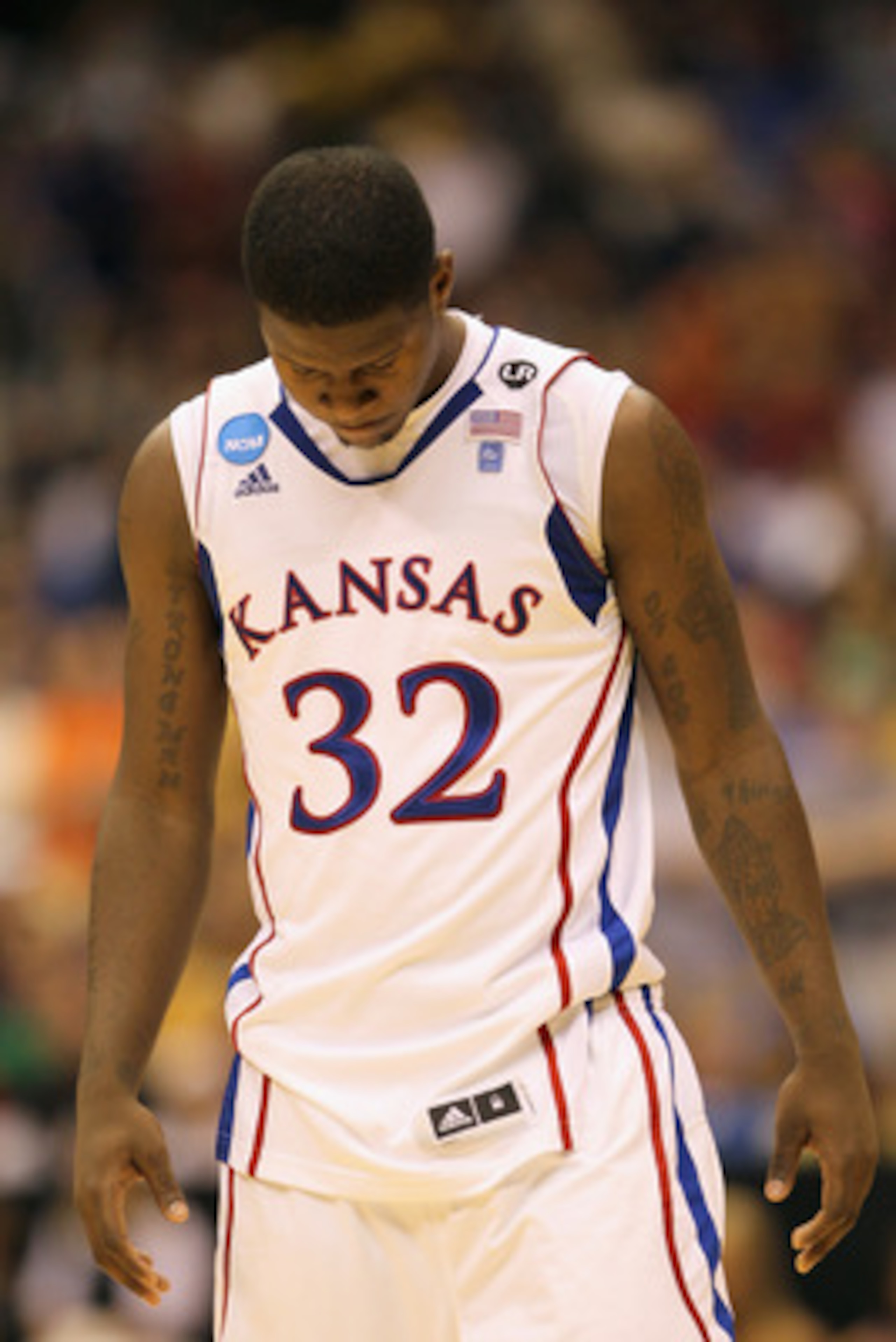
The Pacers need help in the backcourt, and Selby is able to play either guard position. He's too small (6'3") to start at shooting guard and I don't see him as a point guard, but he'd be a quality player to bring off the bench to provide some scoring for the second unit.
His time at Kansas was disappointing to say the least, but the talent is still there, and with this kind of draft, a talent this good this late is too good to pass up.
No. 16: Philadelphia 76ers Select Donatas Motiejunas
16 of 30
With plenty of slashers and no quality point guard available, the 76ers grab a seven-foot international player with a solid stroke from the outside.
At 215 pounds, Motiejunas is clearly not physically ready to play in the NBA, but with a couple more years overseas, this guy could be another version of Danilo Galinari or a poor man's Dirk Nowitski.
No. 17: New York Knicks Select Klay Thompson
17 of 30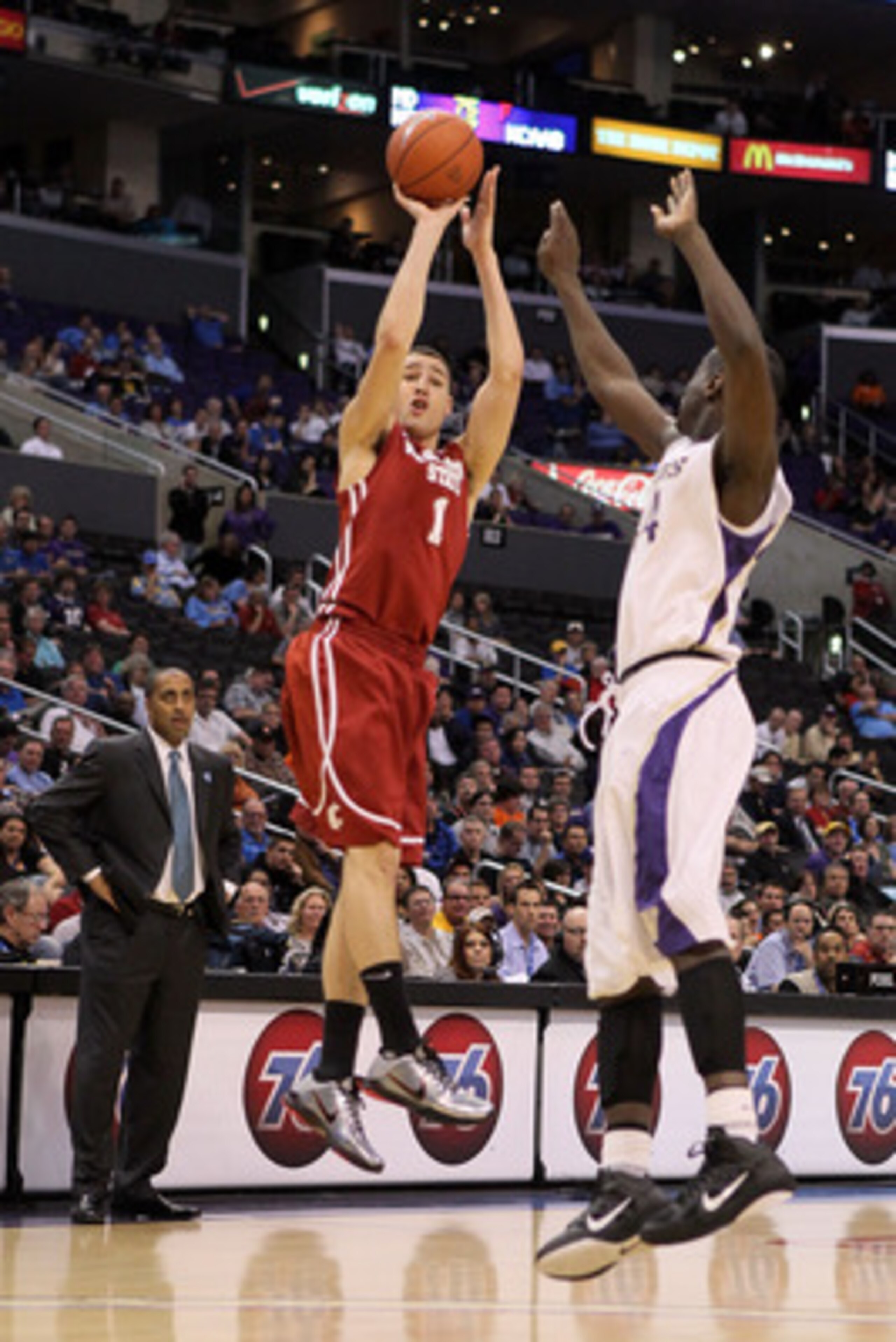
The Knicks are in desperate need of a quality three-point shooter after they traded away Danilo Galinari, and Thompson is the best choice in this scenario.
He's a 6'6" shooting guard who will help spread the floor for Carmelo Anthony and Amar'e Stoudemire.
His college career was somewhat perplexing because of his struggles in conference play while excelling in the non-conference portion of the season. Not sure if it means he's easily scouted or if he just didn't perform well in big games because he was depended on so much at Washington State.
No. 18: Washington Wizards Select Jordan Hamilton
18 of 30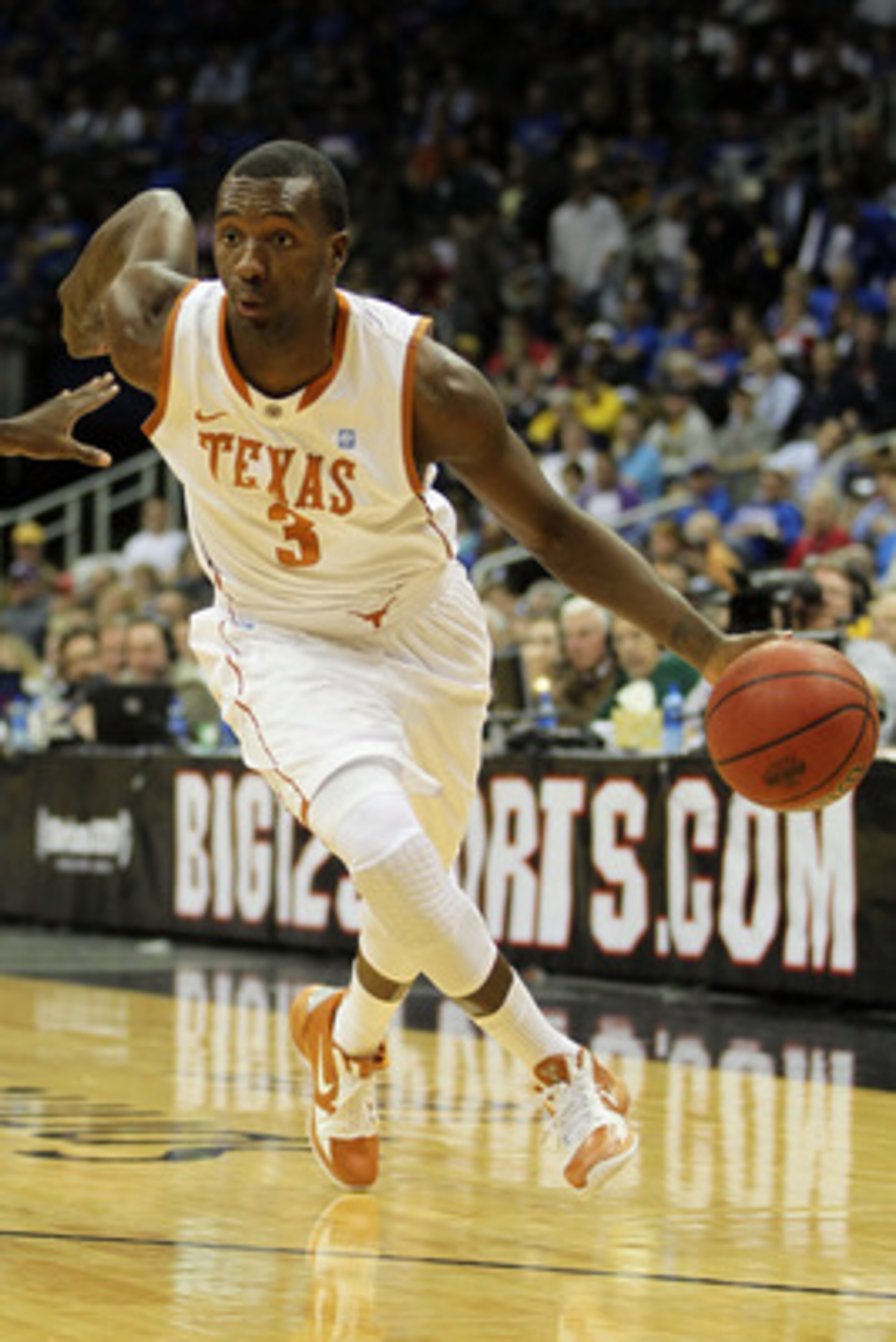
If this happens, I think John Wall will jump over a Hummer. Hamilton is one of the best scorers in the draft class. His shot selection is pretty terrible, but if he's able to get it under control, then the Wizards just found their second fiddle to compliment Mr. Wall.
Of any player in this class, Hamilton has the best chance to average 20-plus points per game during multiple seasons.
No. 19: Charlotte Bobcats Select Markieff Morris
19 of 30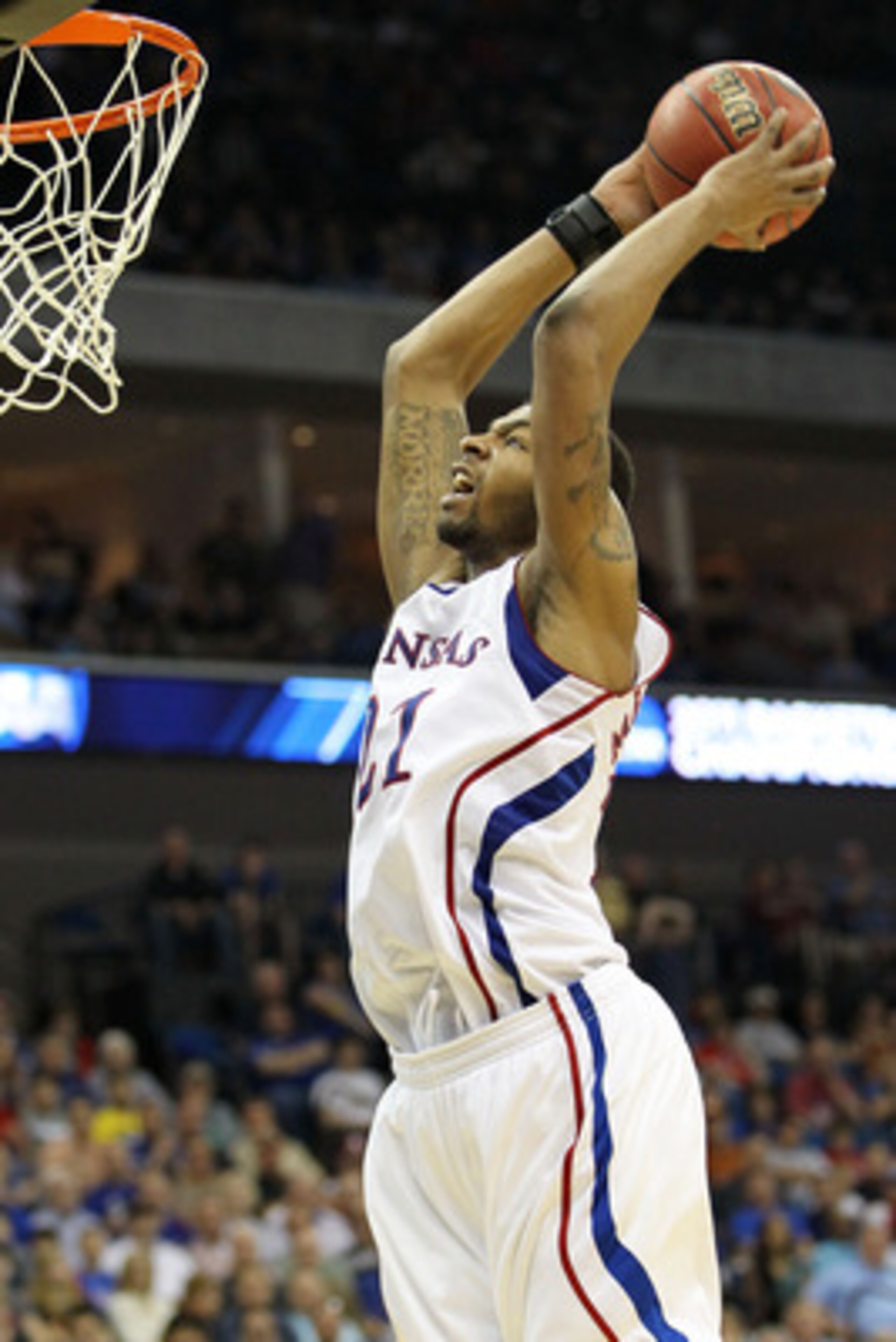
A little bit taller and not quite as versatile as his brother, Markieff is the prototypical stretch power forward. He can shoot it out to 20 feet and is a solid rebounder. With a shaky frontcourt, the Bobcats could use a solid role player.
No. 20: Minnesota Timberwolves Select Marshon Brooks
20 of 30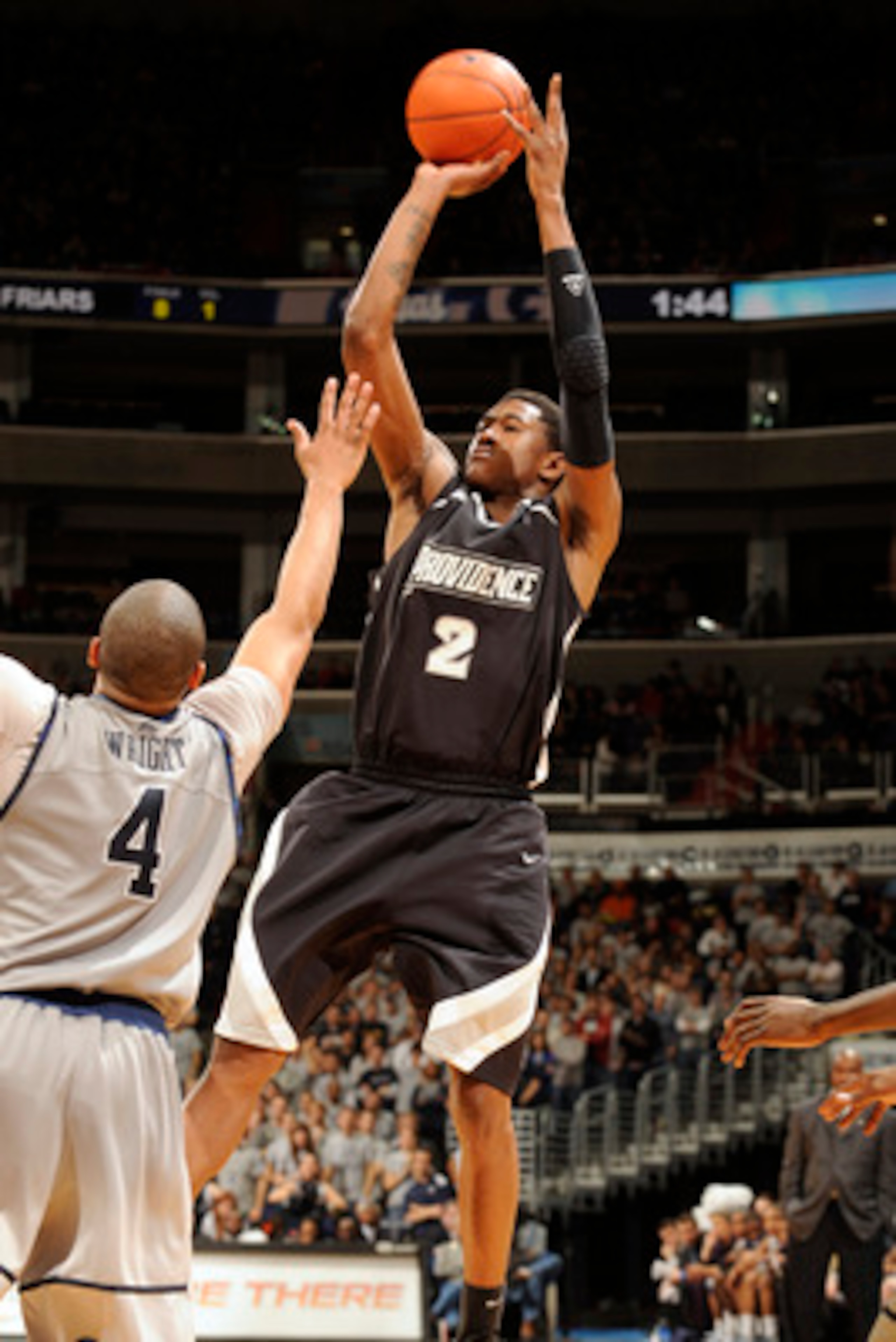
Meet the college version of Bismack Biyombo. Most people have no idea who Marshon Brooks is as he lit it up for a terrible Providence team.
Initially, people thought his huge numbers were because of the fact that he had no scoring help and took tons of shots. Since the season ended and he began playing against fellow draftees in workouts, scouts have changed their tune on him.
Offensively, Brooks is one of the better prospects in the draft. With the T'Wolves having little to no scoring from their backcourt, Brooks, at 6'5", would be a solid addition and would provide them with an aggressive slasher.
No. 21: Portland Trail Blazers Select Kenneth Faried
21 of 30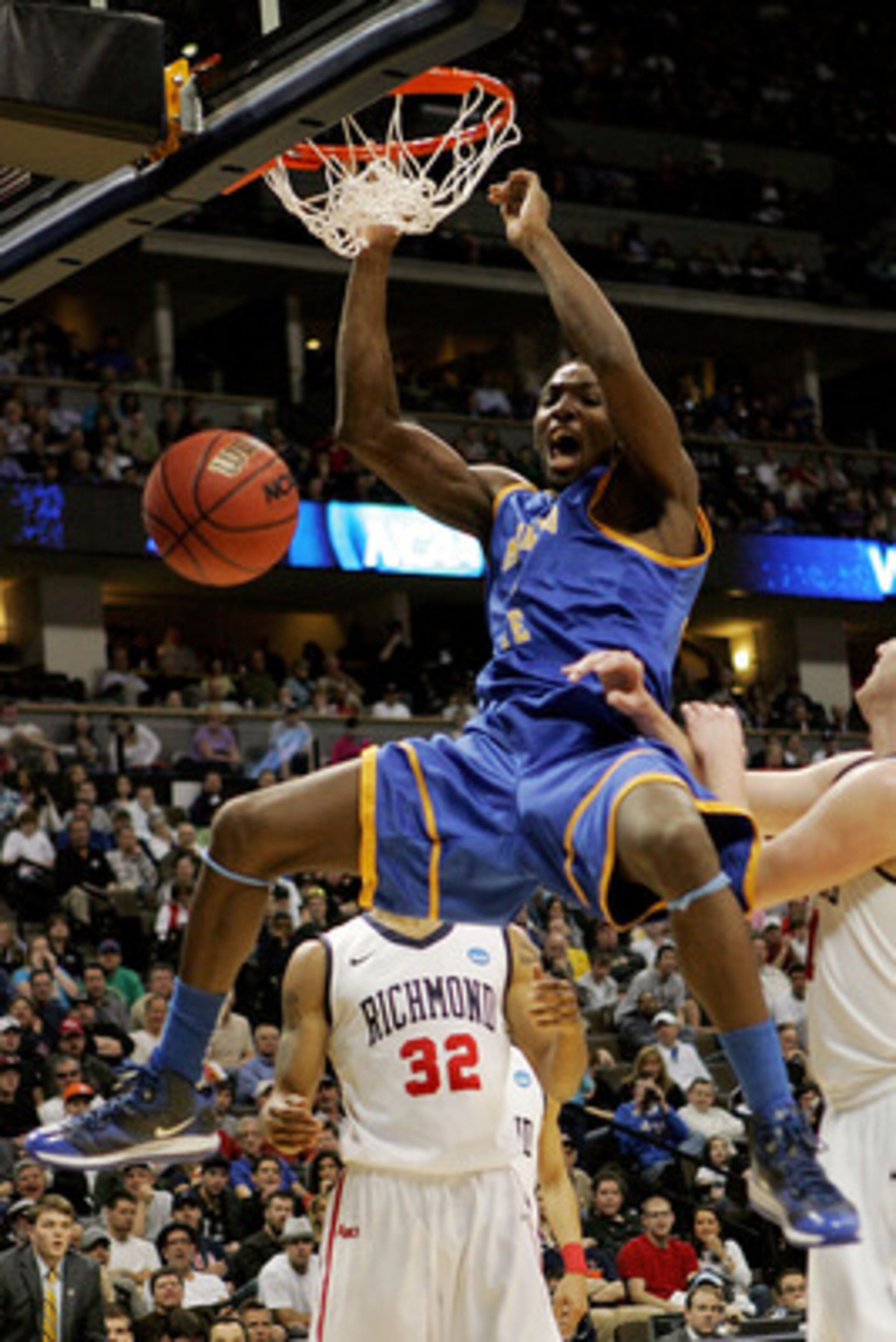
Widely regarded as one of the best rebounders in years, Faried's role is clear. He'll average over 10 boards per game if he starts, will provide high energy, and will have no offensive game whatsoever in his first few years.
Playing at tiny Morehead State, Faried gradually gained recognition throughout the year after setting the career record for rebounds in the modern era, and then leading his team to a second round upset over Louisville in the NCAA tournament.
He's been compared to Dennis Rodman, only without the crazy. While he may not be that impactful, grabbing a player who will be in the league for many years at pick No. 21 is nothing to be upset about.
No. 22: Denver Nuggets Select Tobias Harris
22 of 30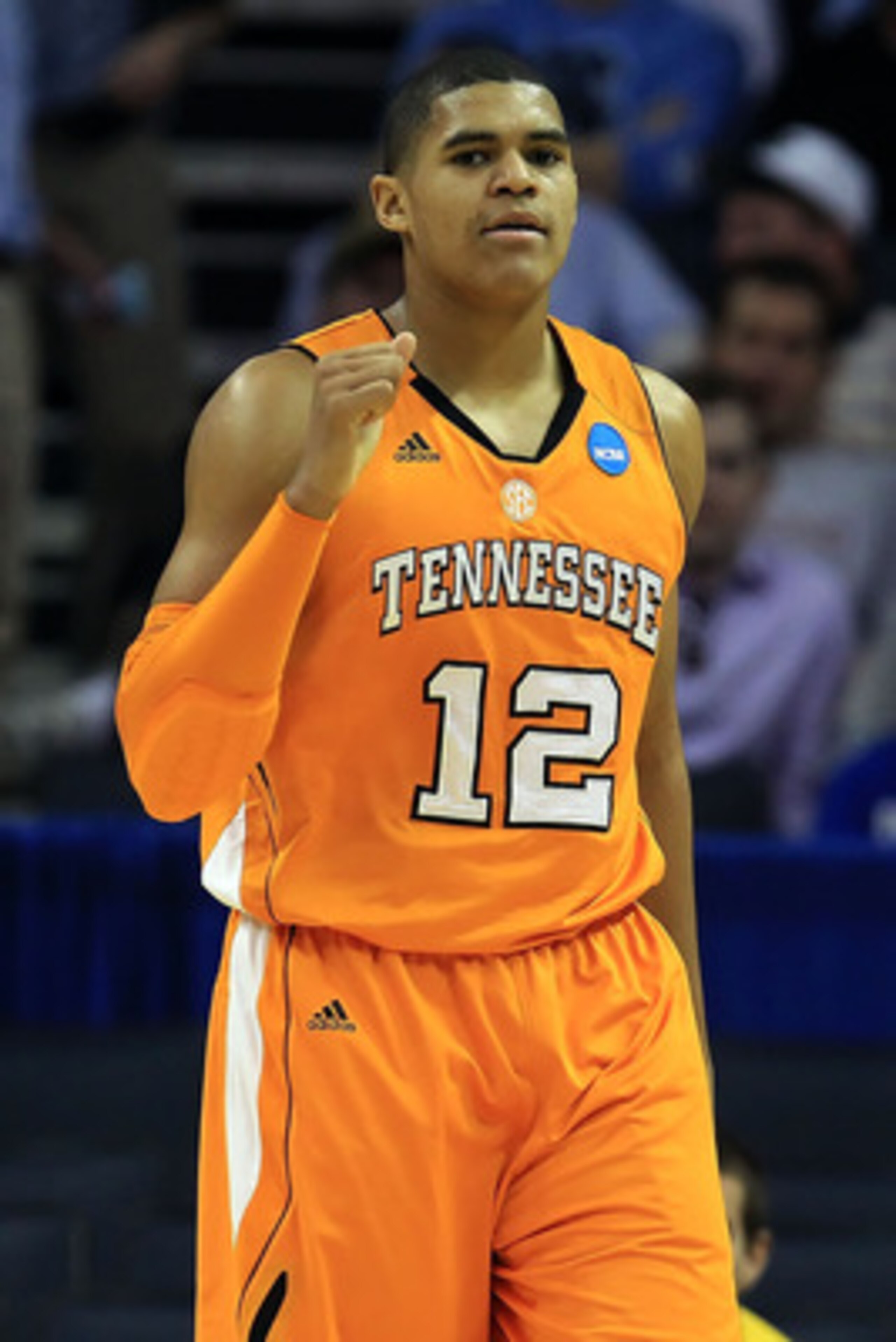
With the departure of Carmelo Anthony, the Nuggets lost a ton of athleticism at the small forward position. Danilo Galinari played there and had success, but he's always struck me as more of a sixth man than a starter.
Eventually, Tobias Harris could replace Galinari in the starting lineup. He's quite versatile and is a better athlete. He's still pretty raw, but could develop into a quality starter in a few years.
No. 23: Houston Rockets Select Reggie Jackson
23 of 30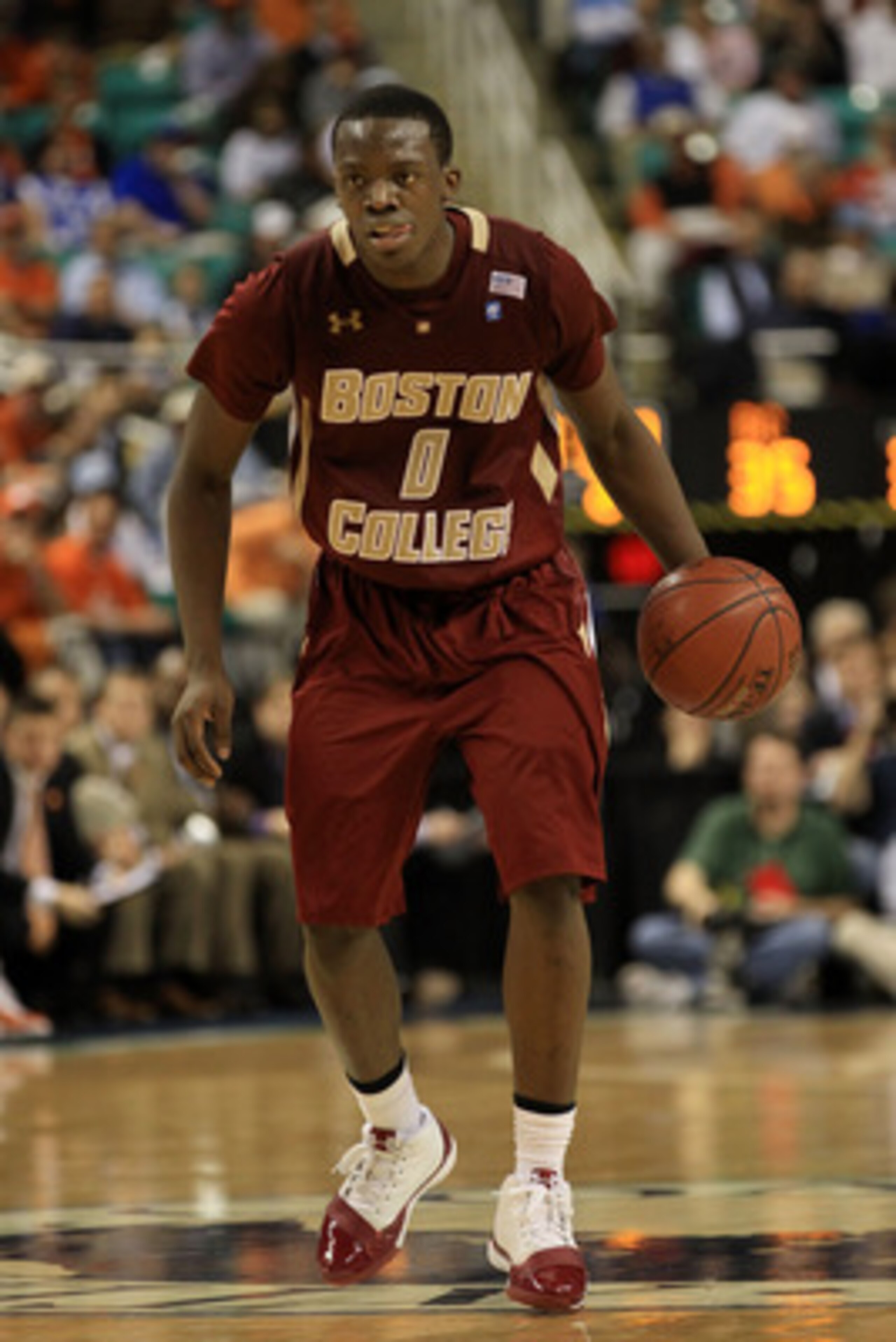
The Rockets aren't sure Kyle Lowry is the answer at point guard, so bringing in a similar, younger player to compete with him makes sense. Reggie Jackson came out of nowhere during the season for Boston College and has positioned himself to be a first round pick because of his ability to score.
He's going to be another shoot-first point guard, but considering Lowry is also, it wouldn't mess up the playing style for the Rockets.
No. 24: Oklahoma City Thunder Select Nikola Mirotic
24 of 30
It's still unknown if Mirotic will even enter the draft, but his talent level is that of a first round pick. It's clear that with his contract obligations in Spain, he wouldn't be coming to the States anytime soon.
That allows the Thunder, a team whose biggest need is simply for the team to gain experience, to stash a quality player overseas for a couple years, see how their current roster develops and then go from there.
No. 25: Boston Celtics Select Nikola Vucevic
25 of 30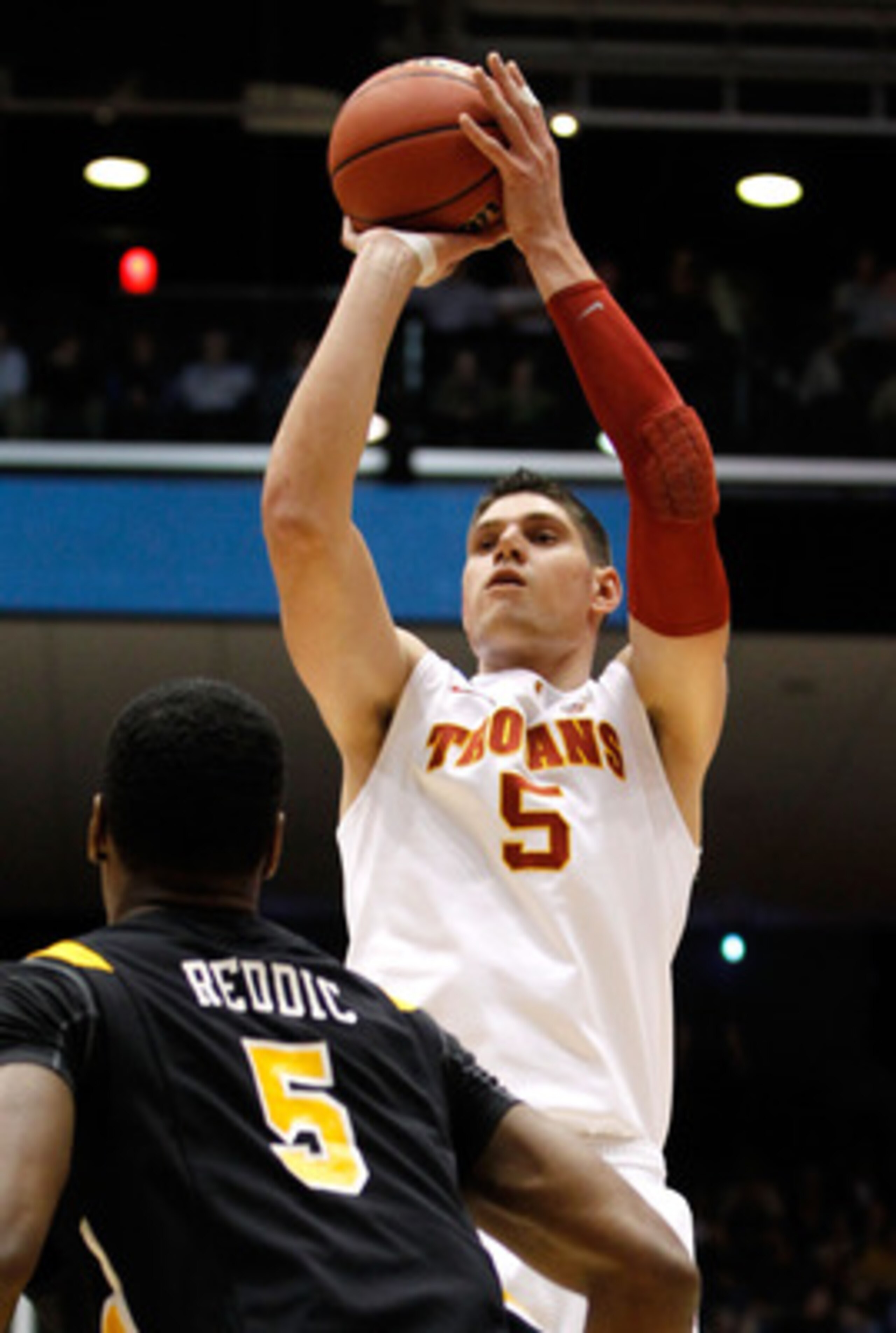
This has to be the first time in any American draft that two guys with the name of Nikola get picked consecutively.
Much more is known of this one; Vucevic was a versatile seven-footer for USC and could play center in the NBA.
The Celtics have the oldest frontcourt in the league with the two O'Neal's and KG, so putting some youth back there will help out Rajon Rondo in the future.
No. 26: Dallas Mavericks Select Darius Morris
26 of 30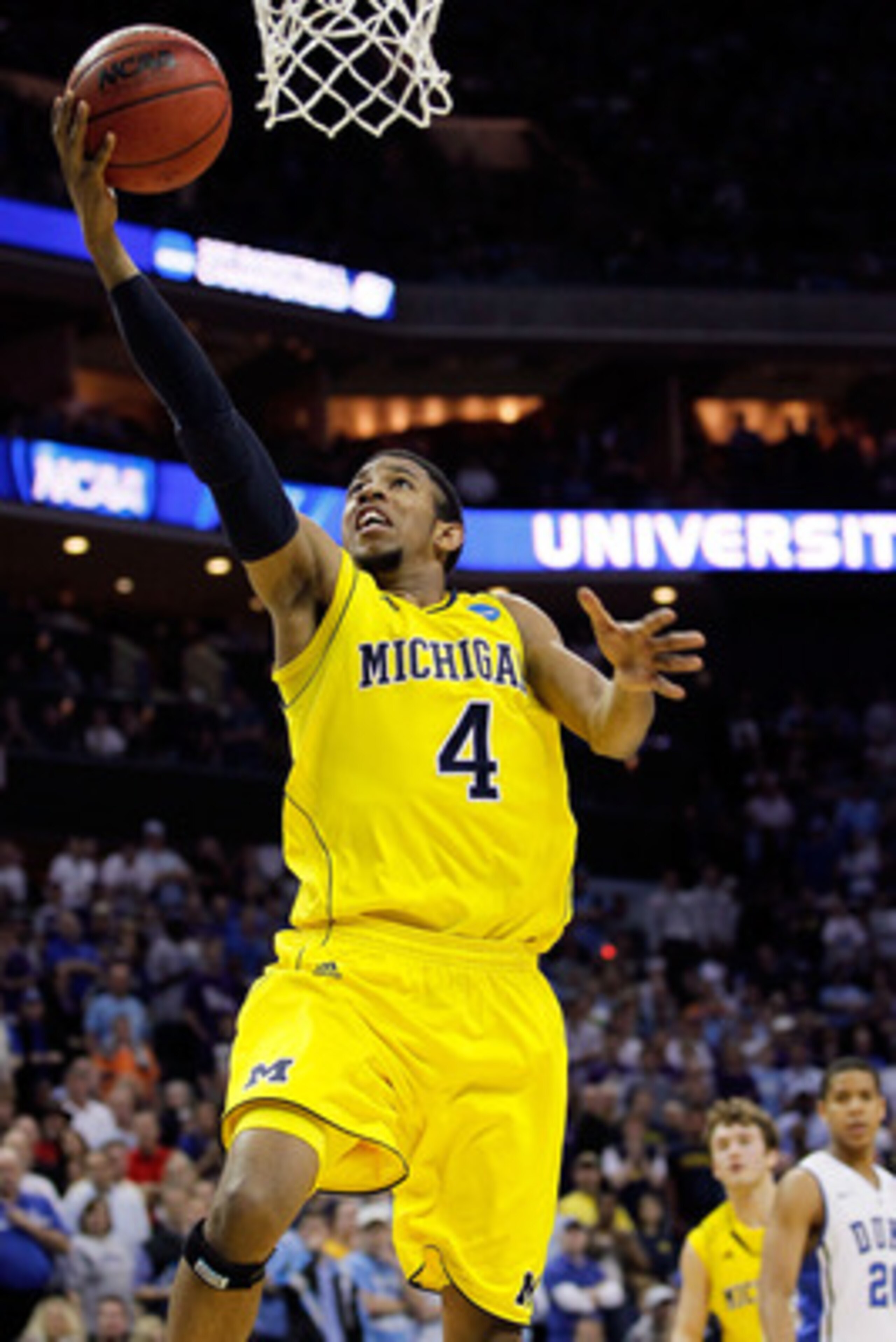
Let's face it, Jason Kidd is getting very, very old. He's still a good player, obviously, but it's time for the Mavericks to look for his replacement. While I like JJ Barea, I think he's in a perfect role as a bench guard that provides energy and scoring.
Darius Morris is the best point guard available, and has similar size (6'5") to Kidd. Morris proved he could be an effective point guard at Michigan this season, and with a veteran team including one of the best floor generals ever mentoring him, this would allow for Morris to learn from the best and develop slowly rather than being thrust into the fire from the start.
No. 27: New Jersey Nets Select Tyler Honeycutt
27 of 30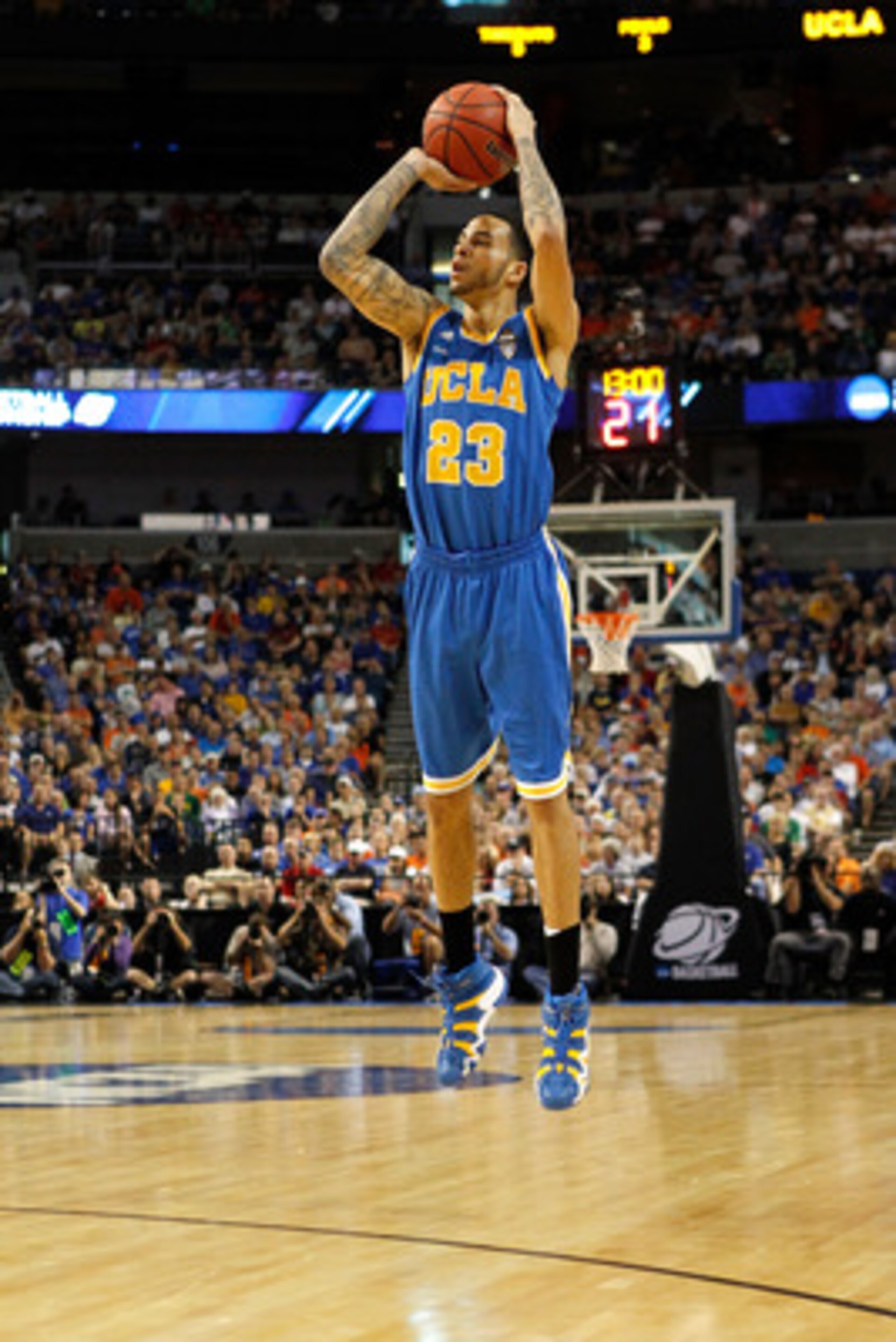
The fact that the Nets have yet to issue a public apology regarding the signing of Travis Outlaw to double the amount of money he's actually worth boggles the mind.
Drafting Honeycutt would effectively do that. He's a lean 6'8" wing who's a solid defender, but is raw offensively.
No. 28: Chicago Bulls Select Charles Jenkins
28 of 30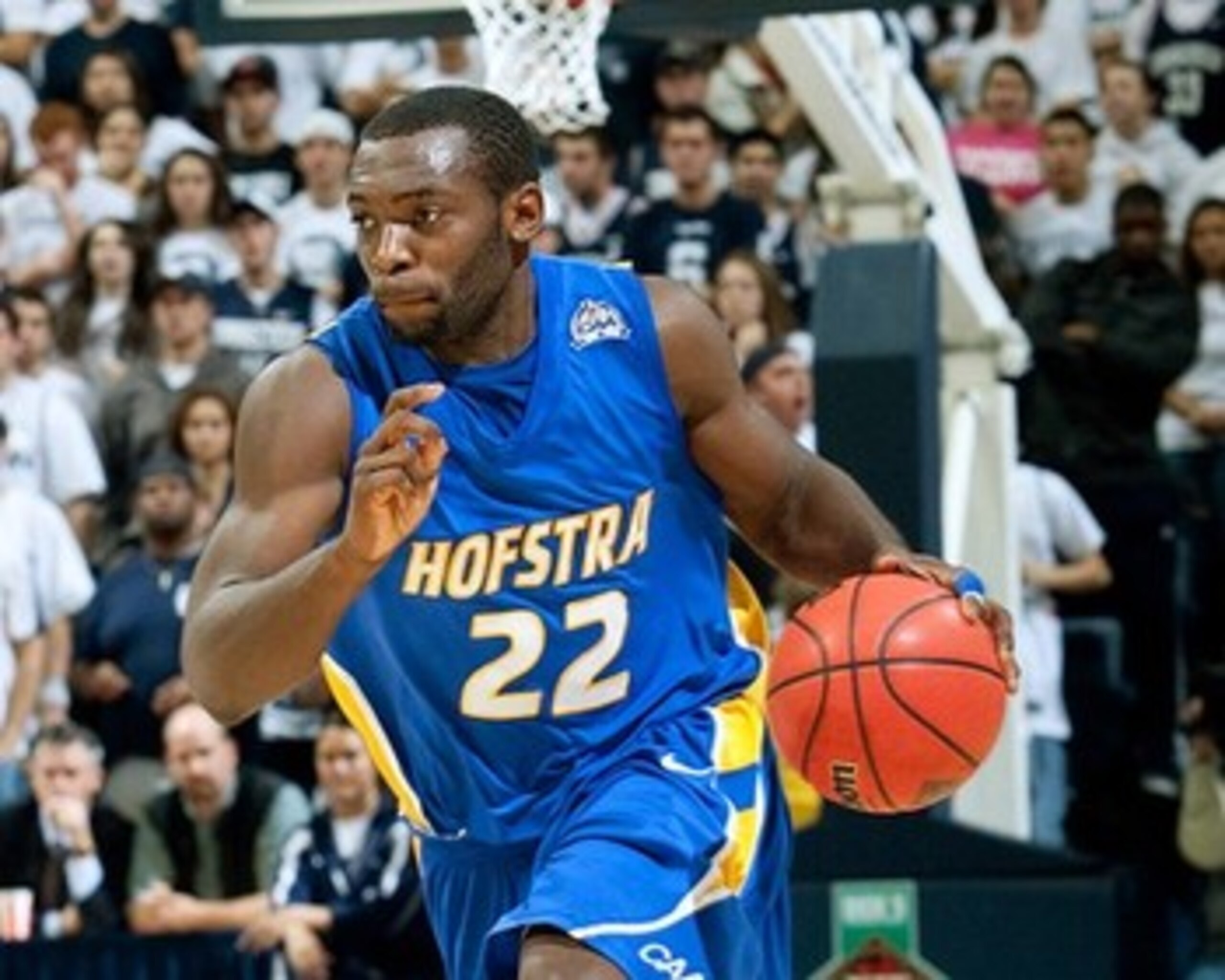
The first of two late first round picks for the Bulls, and they address a major need in backup point guard with Charles Jenkins, who comes out of Hofstra.
Jenkins is a scoring guard with solid size at 6'3", 220 pounds that could provide the second unit with some much needed points.
The Bulls have been exposed these playoffs as relying too heavily on Derrick Rose. By drafting Jenkins it would allow Rose to sit more in the regular season, and it would be possible to play both guys together in crunch time if Jenkins excels.
No. 29: San Antonio Spurs Select Jeremy Tyler
29 of 30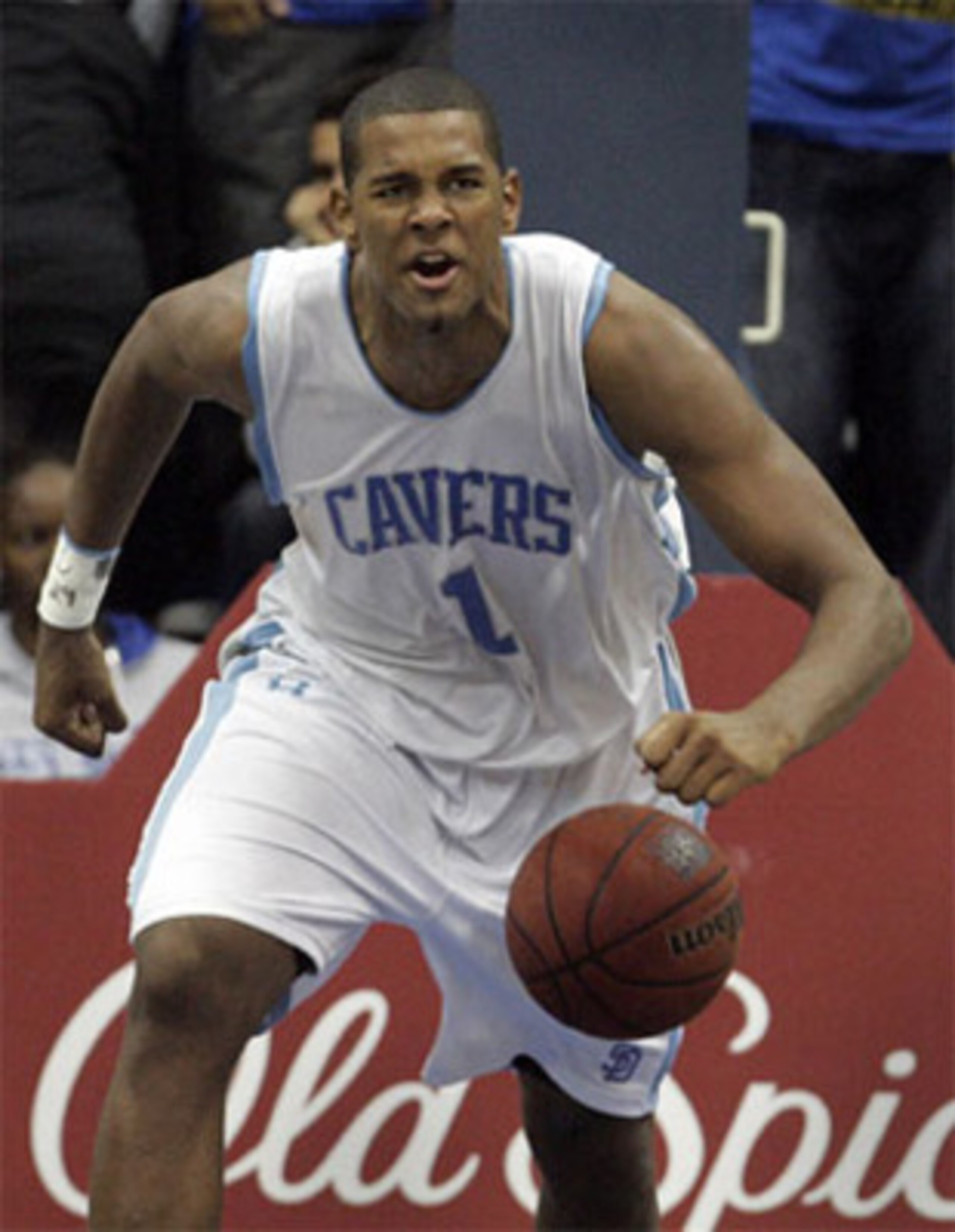
Jeremy Tyler is the answer to the following trivia question: What high schooler dropped out after his junior year to play professional basketball overseas?
The outcome of Tyler's decision doesn't appear to be favorable as he could have been a lottery pick had he gone to college (he originally committed to Louisville before leaving).
Still, the talent is there, and at 6'11" and with Tim Duncan starting to really slow down, the Spurs need to look for a talented big man to ultimately try to replace one of the greatest players ever. This late in the draft, Tyler is the best option.
No. 30: Chicago Bulls Select Norris Cole
30 of 30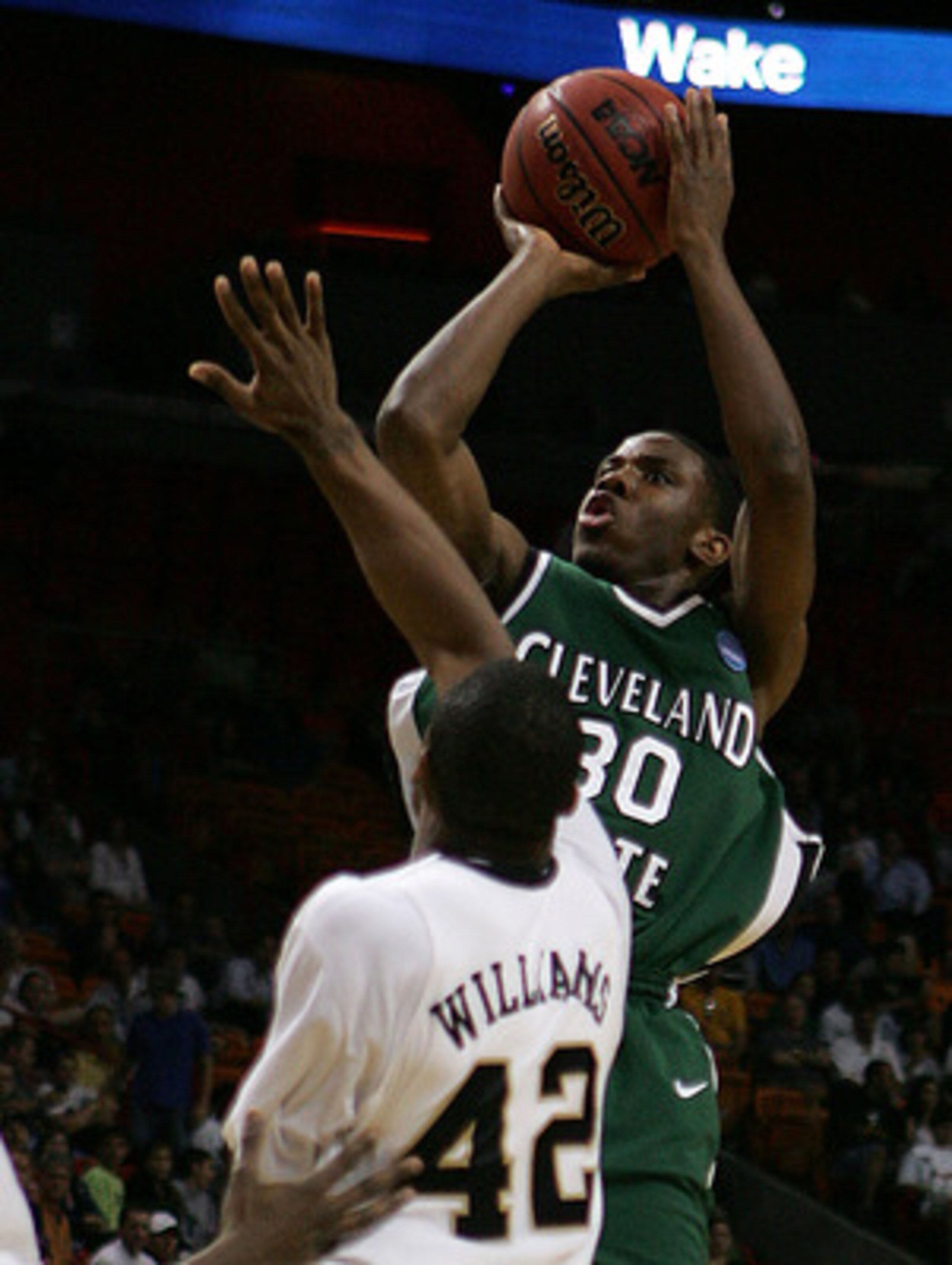
Before I get killed for having the Bulls draft essentially the same player twice (Cole is also a scoring point guard), allow me to explain.
It's no secret Chicago really needs scoring help anywhere they can get it. Cole and Jenkins are both capable of becoming a Jason Terry/Jamal Crawford/Ben Gordon type player. However, it's no guarantee.
By drafting both, it maximizes the chance that the organization will find that scoring guard off the bench that so many teams covet.
Worst case scenario, neither guy really pans out, but one becomes a decent backup guard. Best case scenario, one guy becomes the backup point guard while the other one becomes the sixth man that's able to score 20 points on any given night.
Coming from a draft with such little talent, that wouldn't be a bad haul.



.jpg?w=2560 "Latest Peyton-Colts Rumors")