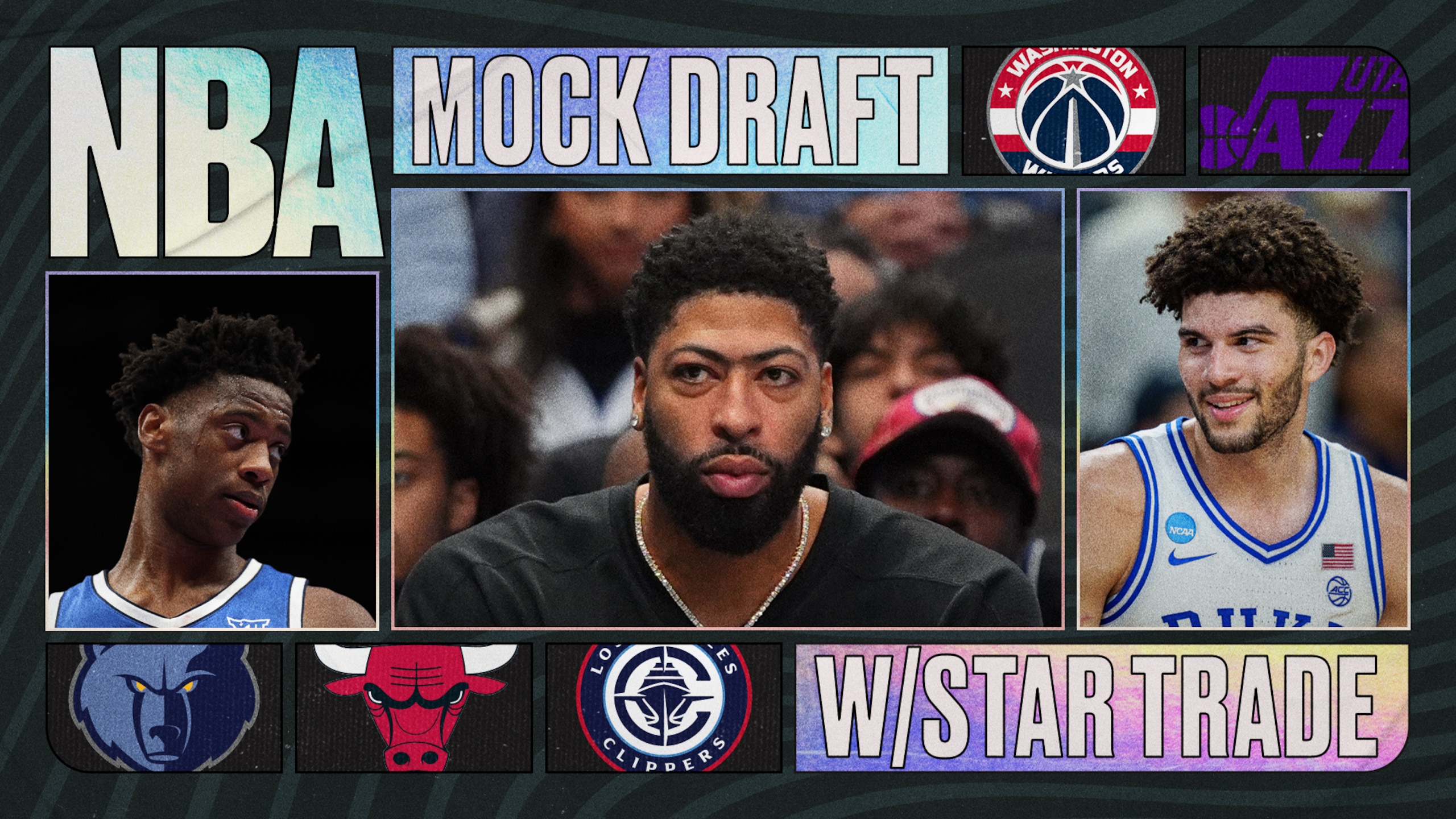


The NBA draft is all about adding talent to a team.
And the prospect selection process is merely one of several avenues to make that happen.
Teams can also use this time to work the trade market, and there are inklings that this summer's version could be an active one. Several big names are being bandied about—including Anthony Davis, who could already be up for another relocation despite just joining the Washington Wizards at this season's trade deadline.
The issue is timeline, and it's not too difficult to sense some potential static. Davis is an established 33-year-old star with the kind of injury history that suggests he may be well into the back nine of his career. The Wizards, meanwhile, are still finding their way out of a roster reset that has led to three consecutive 64-plus-loss seasons.
This has all the makings of a square-peg, round-hole kind of fit, so let's sidestep the messiness by finding Davis a new home during this updated mock first round.
1. Washington Wizards: AJ Dybantsa, SF, BYU
1 of 30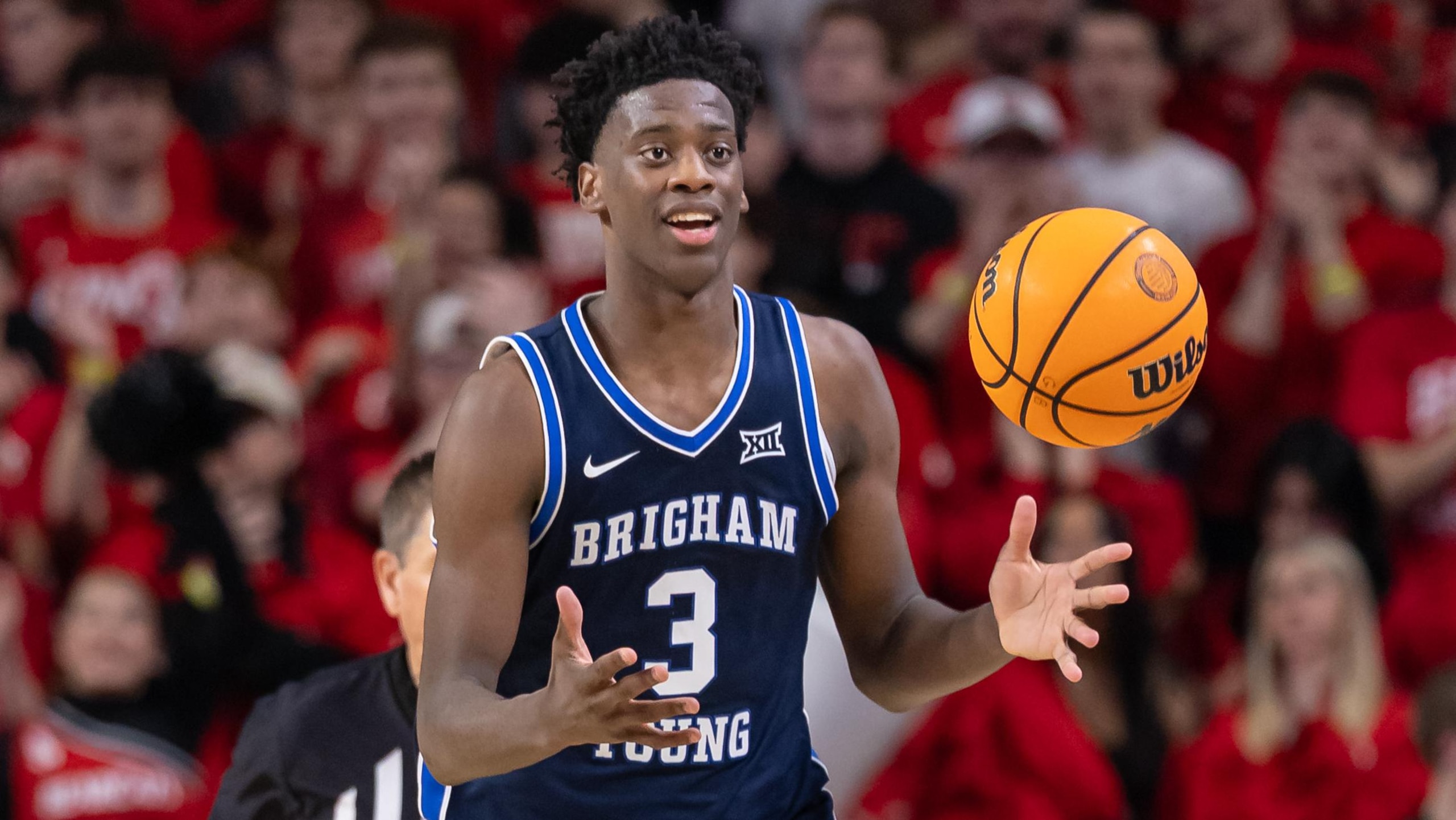
The Wizards haven't publicly tipped their hand about their plans with this pick. They've apparently kept quiet privately, too. Yahoo Sports' Kevin O'Connor recently listed both Dybantsa and Darryn Peterson as "the favorites to go first" while also noting that Cameron Boozer "remains on the radar."
It's possible the Wizards are seriously split on this decision. Mock-drafters just aren't buying it. While it isn't hard to find rumblings about Washington weighing all options, it's almost impossible to sniff out a mock that has the Wizards doing anything other than drafting Dybantsa.
This league is forever infatuated with star big-wings, and he aces the eye test for that exact archetype. He is big, long and bouncy, explosive on the move and a viable scoring threat at every level. If the Wizards are confident they can coax consistency out of his three-ball and up his defensive activity, this might be a no-brainer—even though everyone keeps insisting it's not.
2. Utah Jazz: Darryn Peterson, SG, Kansas
2 of 30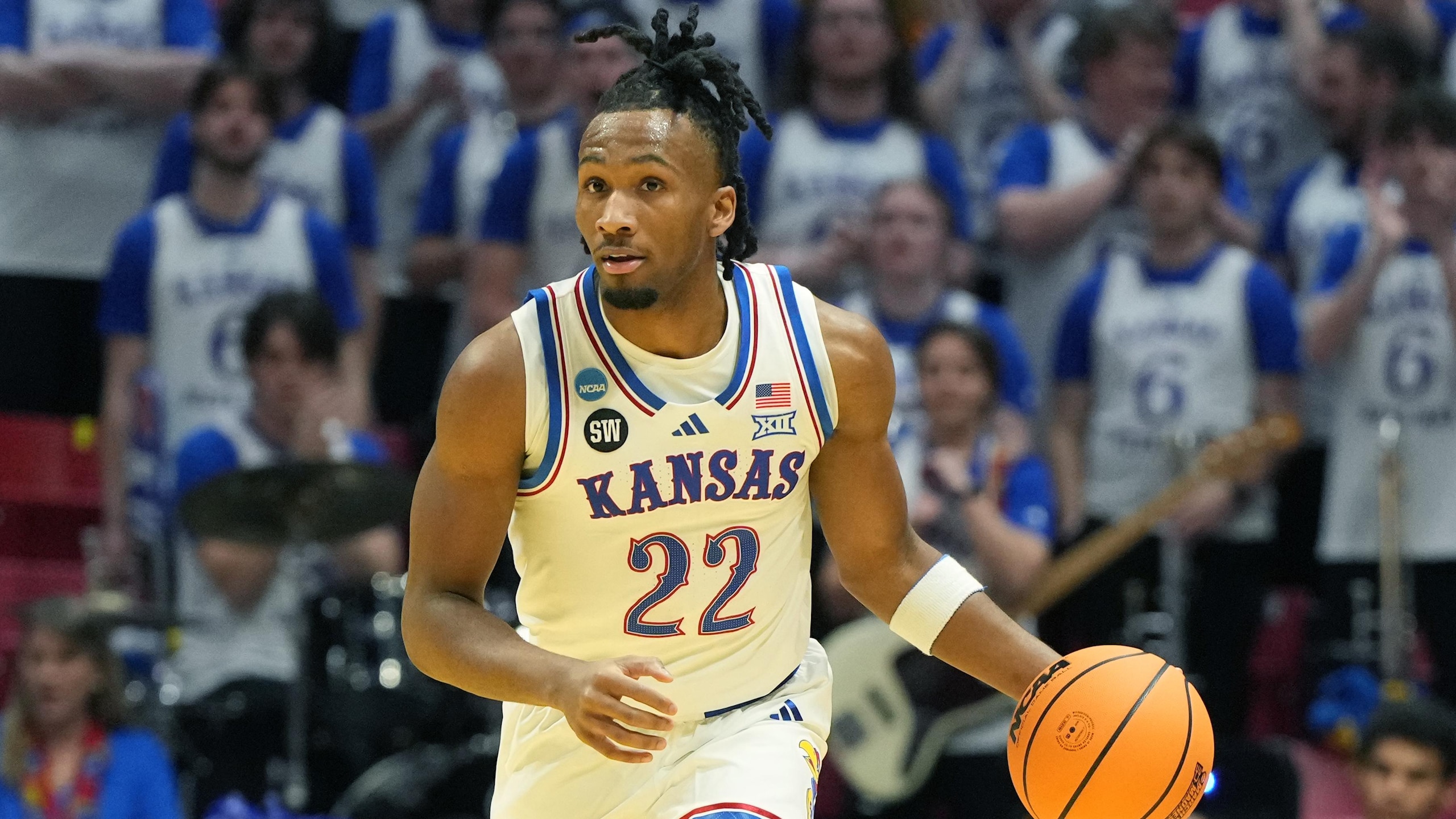
If the Jazz stay in this spot, they might have the easiest decision of the draft. Since their fully loaded frontcourt offers no openings for Boozer or Caleb Wilson, this should be as simple as catching whichever of Dybantsa or Peterson falls into this spot.
Dybantsa might be the better narrative—he finished his high school career and spent his lone season of college ball in the state—but Peterson looks like the better fit. And, had he not encountered those (potentially solved) injury problems at Kansas, he may have been regarded as the better prospect, too.
His electric shotmaking and disruptive defense should both be stellar strengths to slot alongside ascending guard Keyonte George. Where things could get really fun for the Jazz, though, is if the playmaking and creation Peterson flashed during his prep career happen to pop back up during his pro career.
3. Memphis Grizzlies: Cameron Boozer, PF, Duke
3 of 30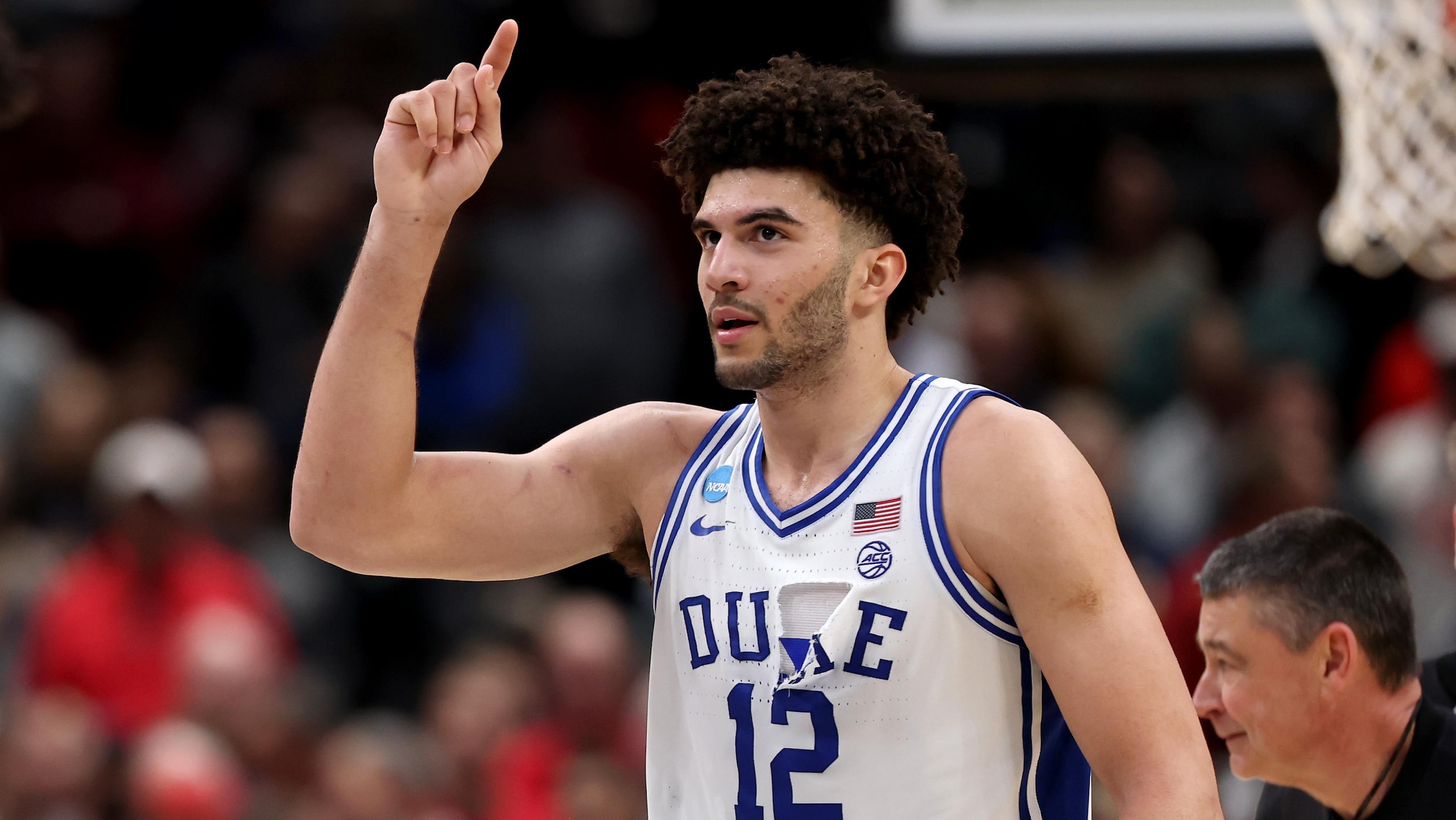
It is entirely possible that hindsight evaluations of this draft struggle to figure out why Boozer didn't go No. 1. He is the most polished prospect on the board, and he hasn't even turned 19 yet.
"He has so much skill around the basket, he knows how to win and he makes everyone around him better," one scout told Heavy.com's Sean Deveney. "He will score 25 points and still throw elbows, set screens, dive on the floor. He is a guy you want on your team."
The knock on Boozer—and the reason why he isn't routinely mocked higher than this—is that his physical limitations could make it tricky to find him a comfortable defensive fit. He's neither a vertical paint protector nor a nimble perimeter-switcher. He is, however, a wildly productive player and a decorated winner, and he could help the rebuilding Grizzlies find their new identity.
4. Chicago Bulls: Caleb Wilson, PF, North Carolina
4 of 30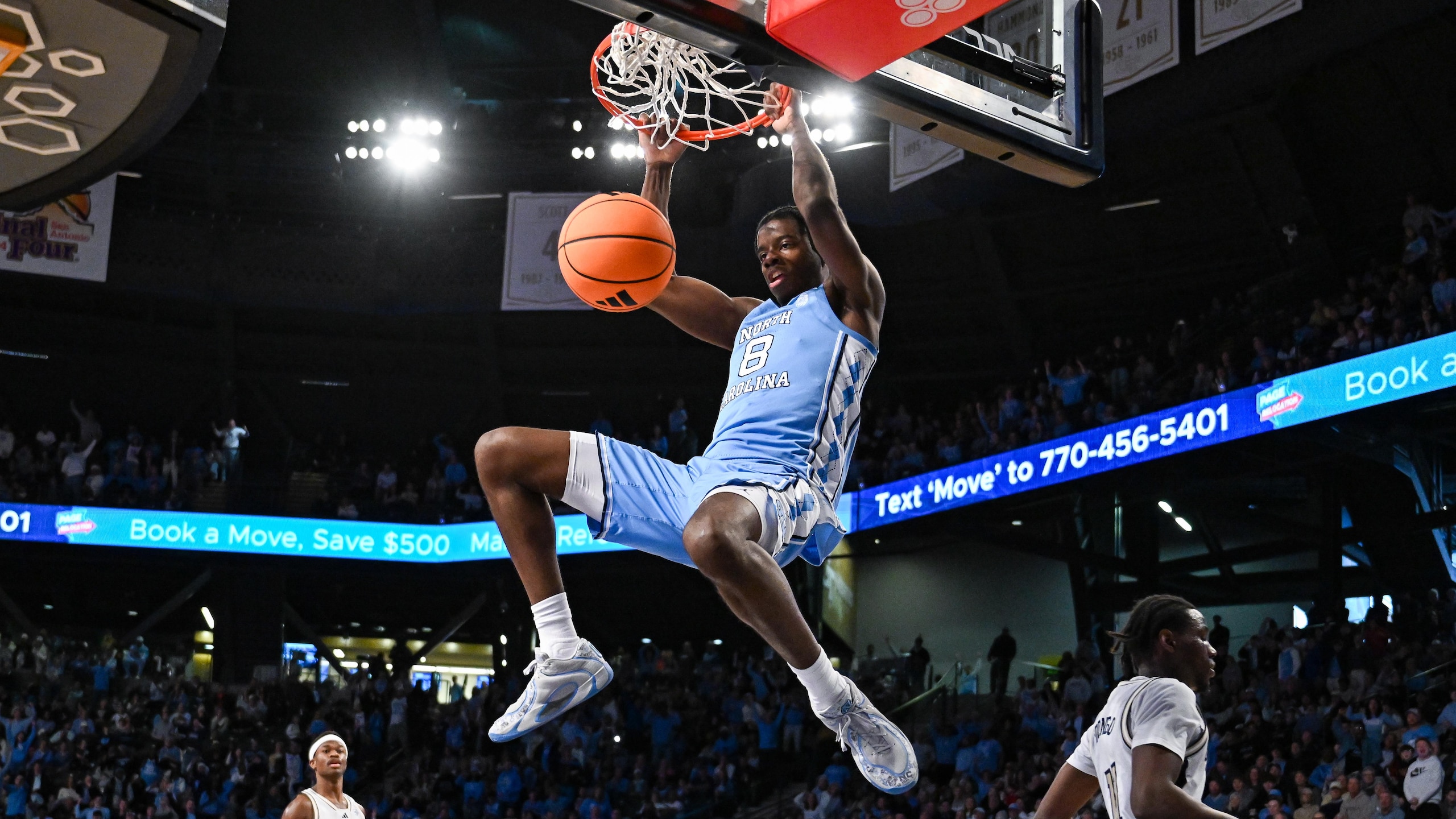
This feels like another stress-free spot on the board. Assuming the Bulls agree with the consensus opinion that four prospects in this draft stand above the rest, they can simply snatch whichever one falls here.
Wilson seems the likeliest to do so. He might have some of the most exciting strengths in this class (he's an elite athlete with a great motor and a contagious ferocity), but he has some of the clearest limitations in this tier. He just isn't developed as a shooter or creator, so his offensive upside is murky.
Still, given Chicago's stated desire to gain more size, length and athleticism, Wilson feels like a natural. If he strengthens his frame and adds layers to his offensive game, he could be a superstar.
5. Los Angeles Clippers (via IND): Keaton Wagler, PG/SG, Illinois
5 of 30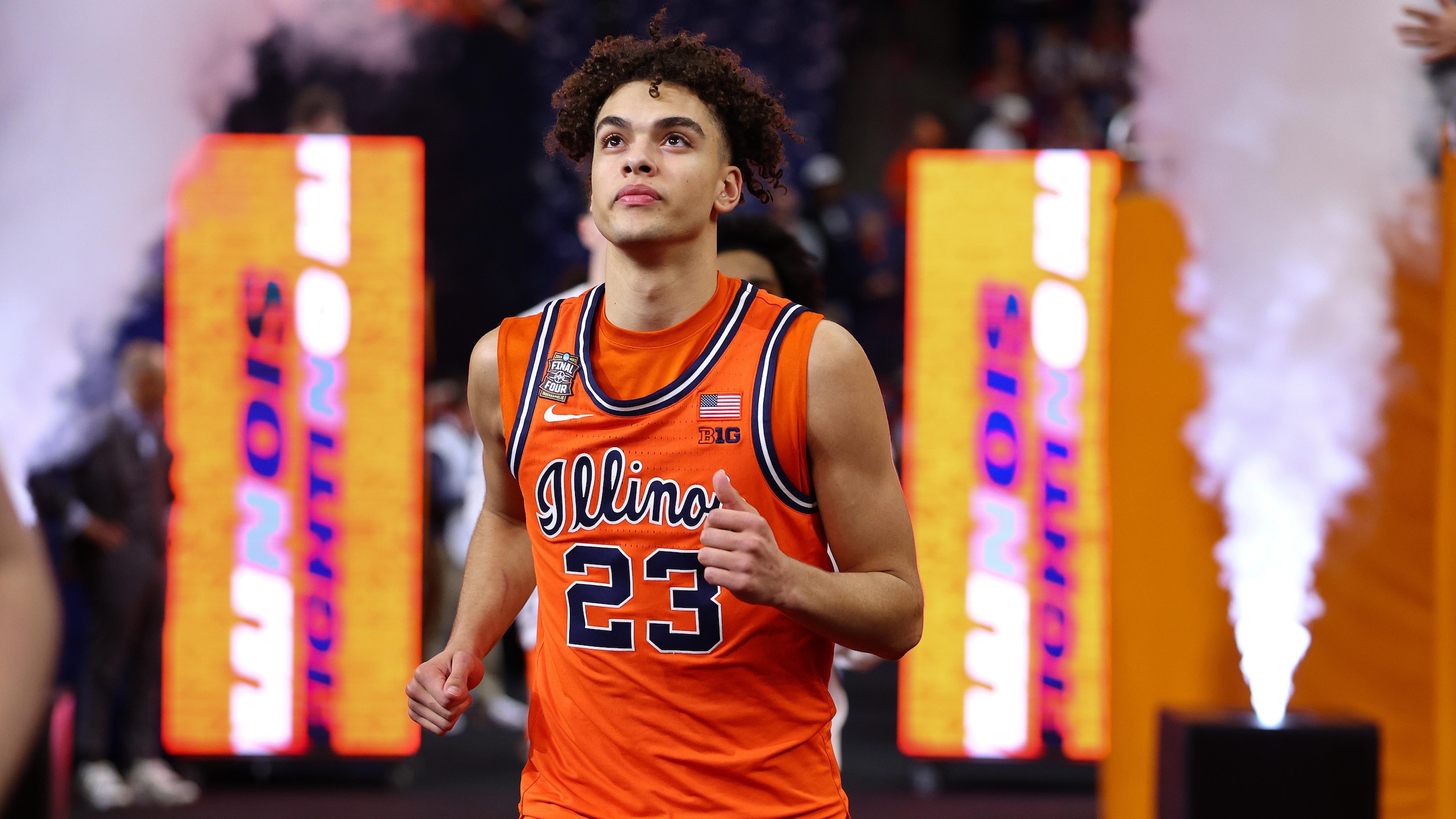
When the Clippers swapped out James Harden for Darius Garland at the deadline, they probably weren't envisioning pairing him with another small guard. So, that probably pushes down the likes of Darius Acuff Jr. and Kingston Flemings and quite possibly elevates Wagler, a cerebral 6'5" (barefoot) player who can toggle between both guard spots.
His rapid rise was unlike any seen in this draft cycle, or perhaps those in recent memory. He was a four-star recruit without even whispers of one-and-done potential, but he promptly played his way into this lottery—and likely its upper-half.
While not a great athlete, he keeps defenders off balance with great instincts, footwork and feel. He pings the ball around like a pass-first point guard but also poses the lights-out long-range stroke of a by-the-book shooting guard.
6. Brooklyn Nets: Mikel Brown Jr., PG/SG, Louisville
6 of 30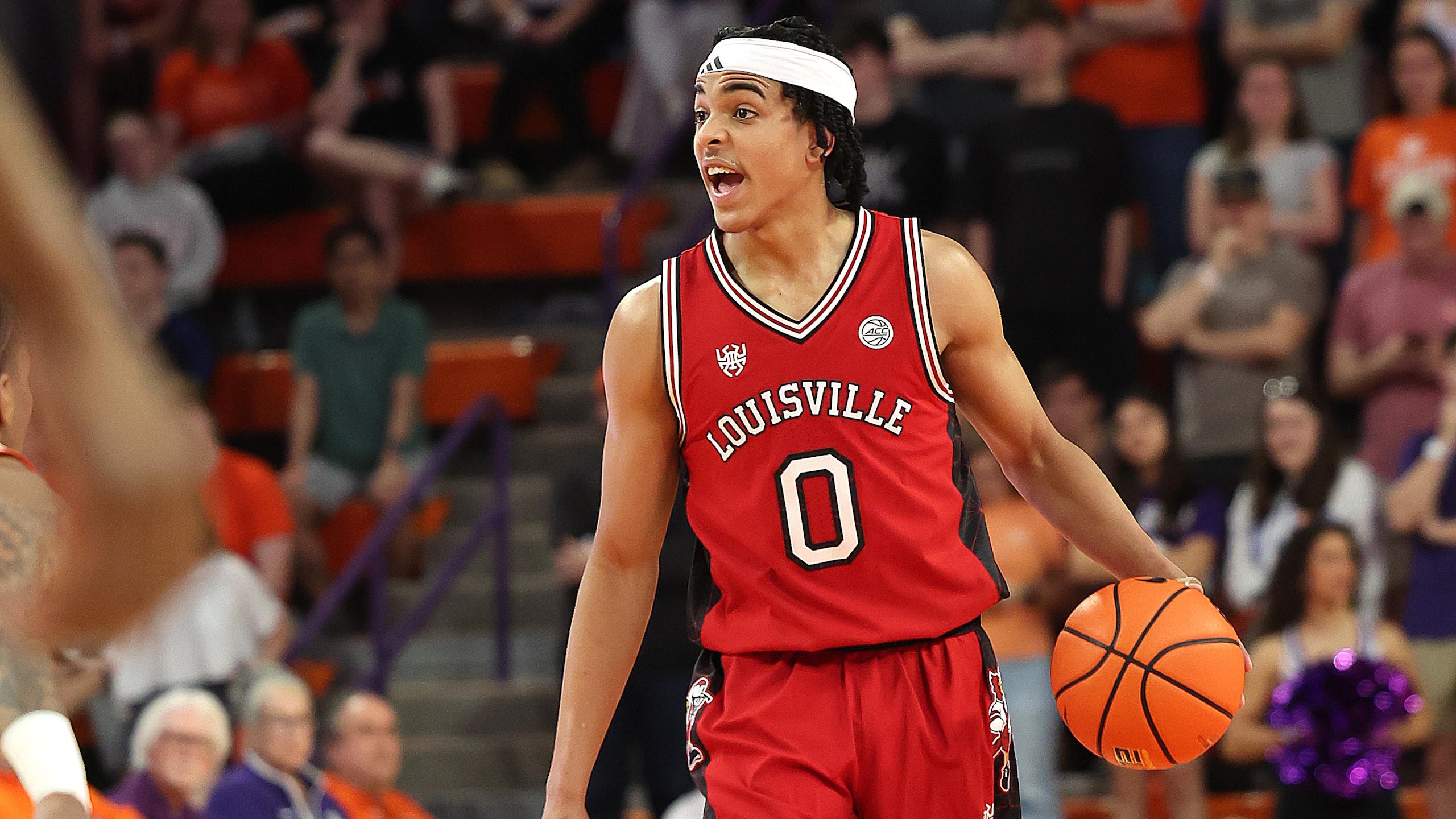
With more time to distance himself from the back problems that plagued him at Louisville and chances to showcase his unique size-skill combo on the workout circuit, Brown is clearly trending up. The latest mock drafts from Yahoo Sports' Kevin O'Connor and Bleacher Report's Jonathan Wasserman both have Brown in the No. 5 spot.
He goes one pick later here, as he may not have as much off-ball utility as Wagler and therefore could be a trickier fit with Darius Garland. In Brooklyn, though, this offense is just begging for a dynamic talent like Brown to take over.
The Nets have spacers, slashers and play-finishers, but what they really need is a certified star. Brown is, to be clear, nowhere near wearing that label, but his deep shooting range, how-did-he-see-that?! passing and ignitable scoring give him that level of upside.
7. Sacramento Kings: Darius Acuff Jr., PG/SG, Arkansas
7 of 30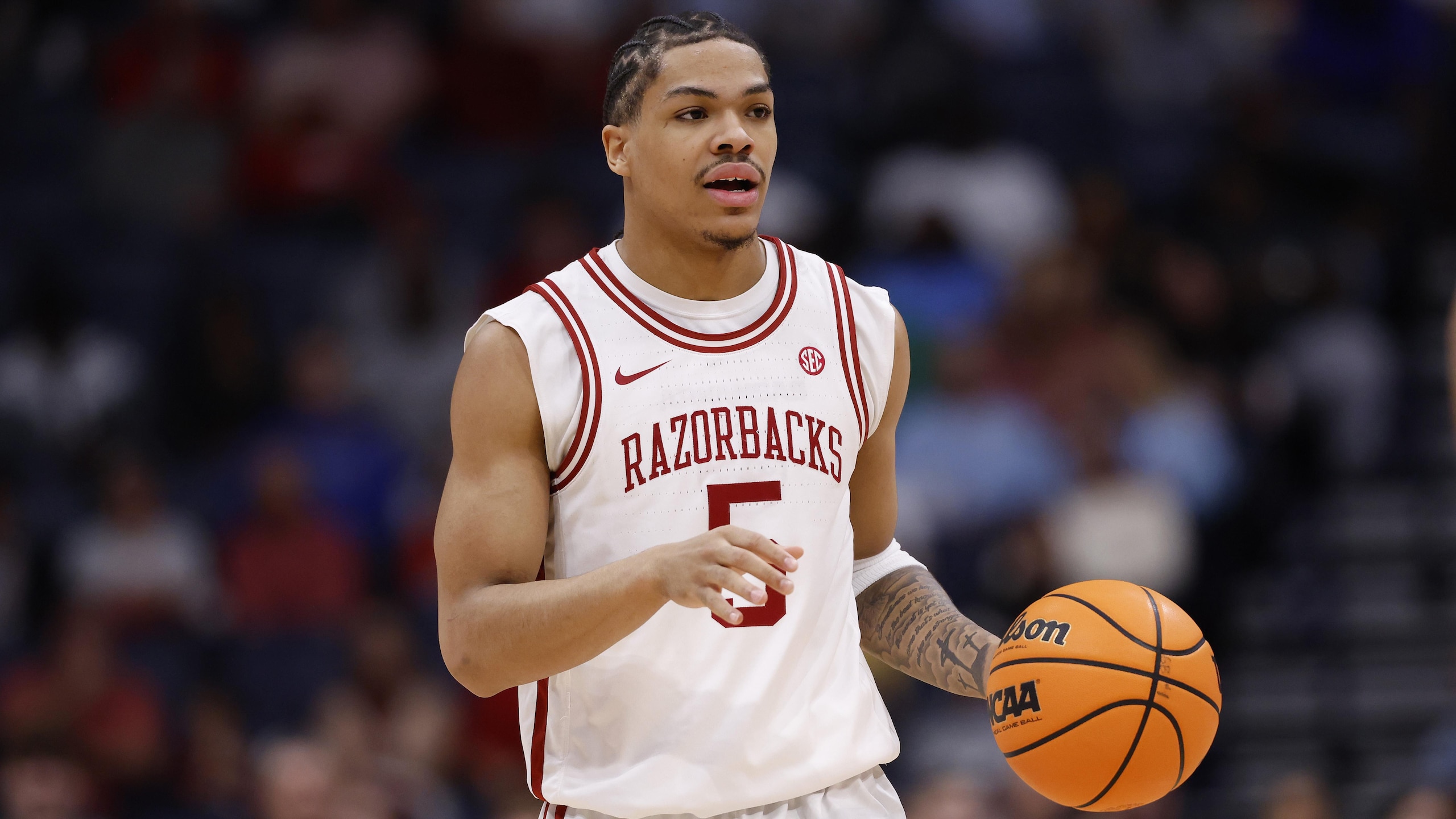
If Acuff makes it this far, he probably isn't slipping any farther. There have been numerous links made between him and Sacramento for a number of reasons, but the simplest might be the most convincing: The Kings need a point guard and a star, and he could be capable of scratching both itches.
Few players put forth a more compelling college season. He carried Arkansas to 28 wins and a Sweet 16 berth, and he had a knack for delivering on the biggest stages. During SEC and NCAA Tournament play, he averaged 29.8 points and 6.5 assists.
He is a consistent advantage-creator, and he can maximize those chances as both a scorer or a table-setter. He's best at putting points on the board, but he's also shown great feel as a lead guard who can rack up assists without encountering much turnover trouble.
8. Atlanta Hawks (via NOP): Aday Mara, C, Michigan
8 of 30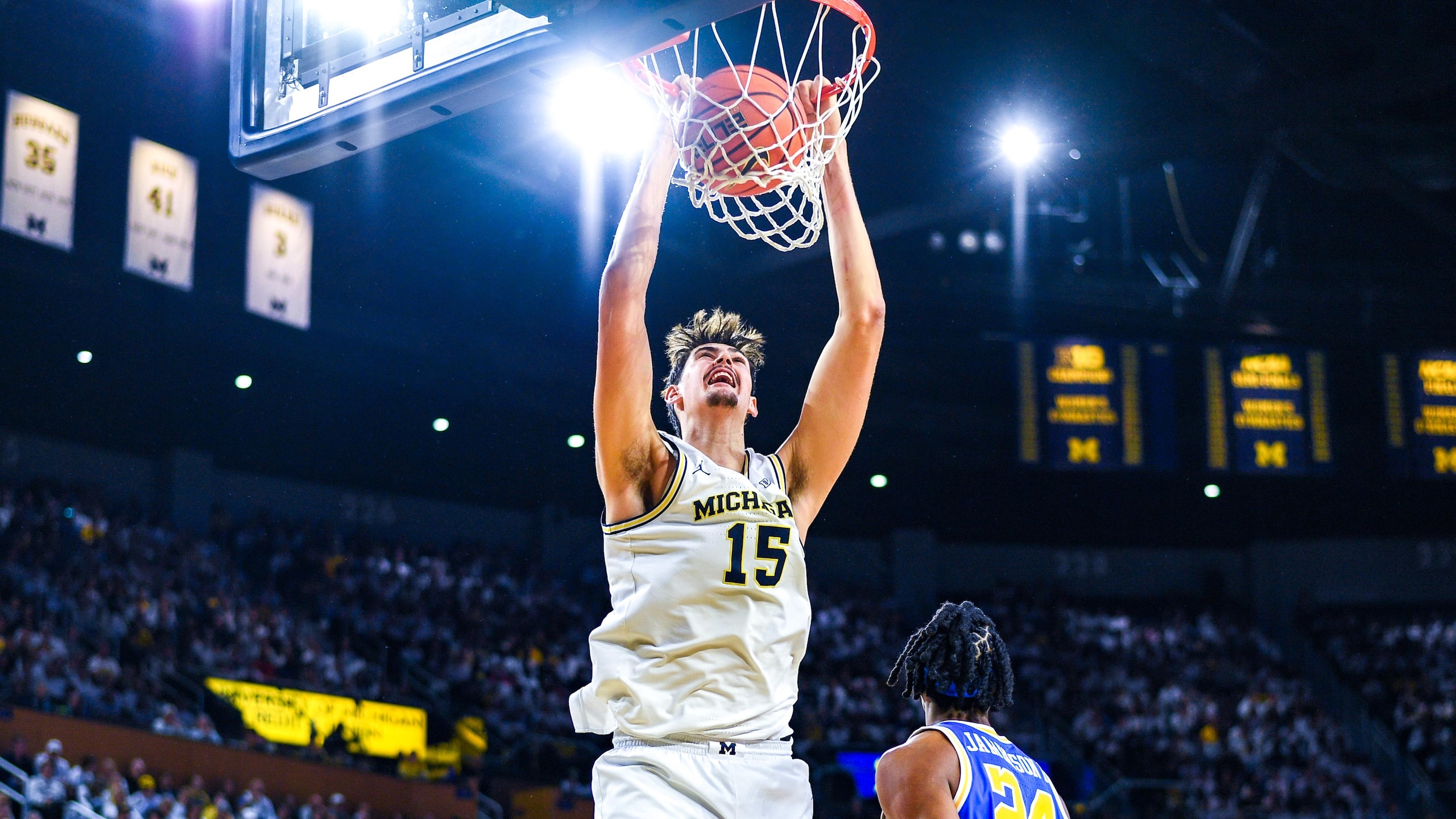
It wouldn't be easy for the guard-needy Hawks to pass up potential Trae Young replacements here. You know what might be more difficult, though? Knowing you have a size deficiency and not tabbing Mara, who measured 7'3" barefoot with a skyscraping 9'9" standing reach, to fill it.
Even with Onyeka Okongwu's continued growth, Atlanta needs a better paint presence. Mara might be the best on the board. He is constantly contesting and blocking shots—if not making penetrations think twice about even attempting them—while controlling the glass and scoring in the post. He's also uniquely gifted as a jumbo-sized passer, and a multiplaymaker approach might be what the Hawks need to solve their half-court issues on offense.
This could feel like a reach for some, given that Mara is 21 years old and wasn't super productive on offense throughout his three seasons in college. But this is also one of the best need-filling matches on the board, which might be why Sporting News' Sean Deveney reported that "Mara is expected to go at No. 8 to the Hawks at the latest."
9. Dallas Mavericks: Brayden Burries, SG, Arizona
9 of 30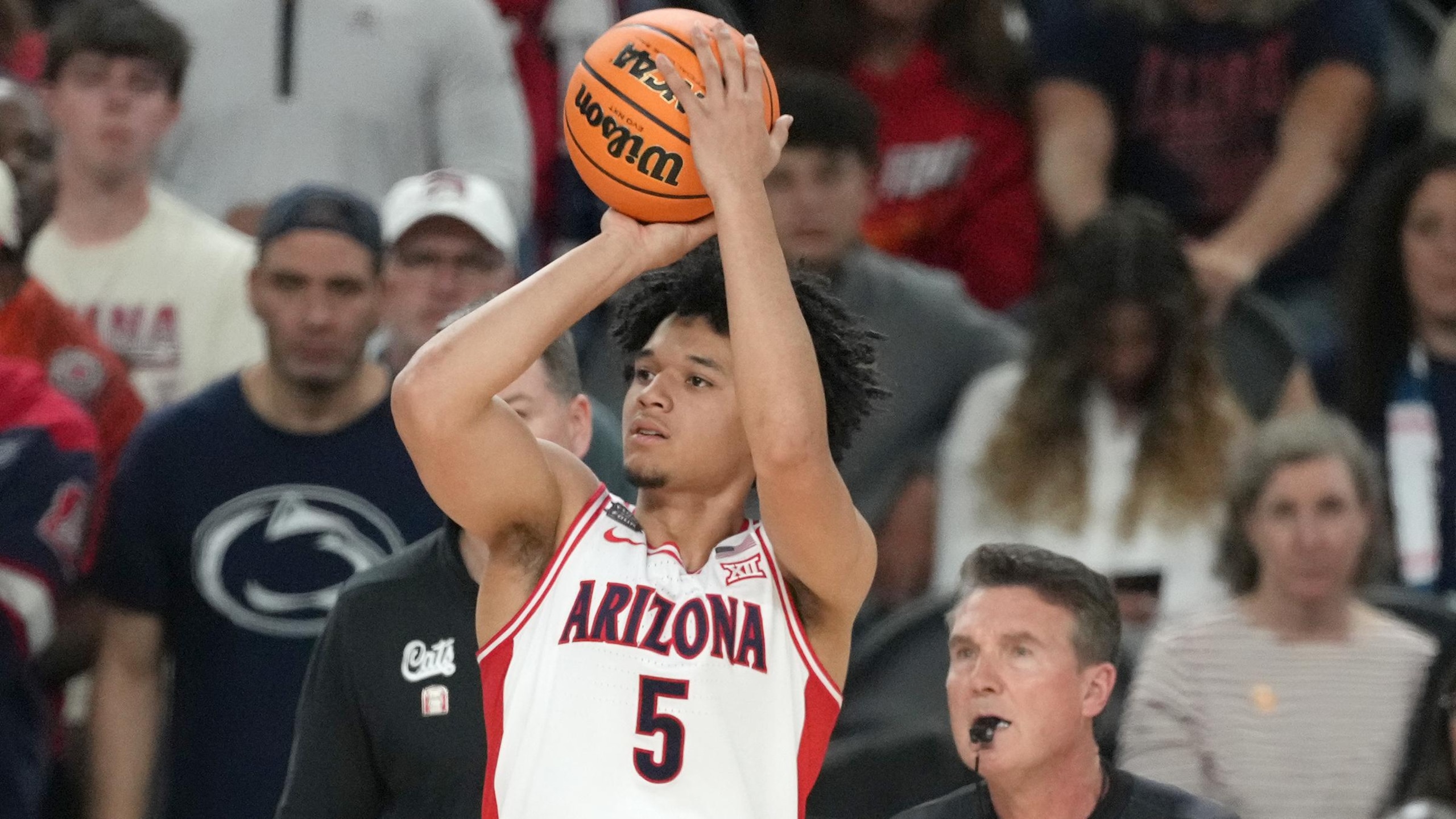
Sometimes the art of mock drafting boils down to identifying prospect traits and teams that need them most. Other times, it could be as simple as just relaying what's already out there on the rumor mill.
The latter is happening here. CBS Sports' Adam Finkelstein reported that Burries hasn't taken many workouts and could be attempting to angle his way to Dallas. Yahoo Sports' Kevin O'Connor relayed that he has "heard that same chatter."
That's all the convincing needed to feel good about this mock prediction, particularly when Burries feels like a snug fit with this squad. Short-term, he's ready to step into an off-ball role next to Kyrie Irving. Long-term, Burries' growth as a handler and creator could help him share primary playmaking duties with reigning Rookie of the Year Cooper Flagg.
10. Milwaukee Bucks: Kingston Flemings, PG, Houston
10 of 30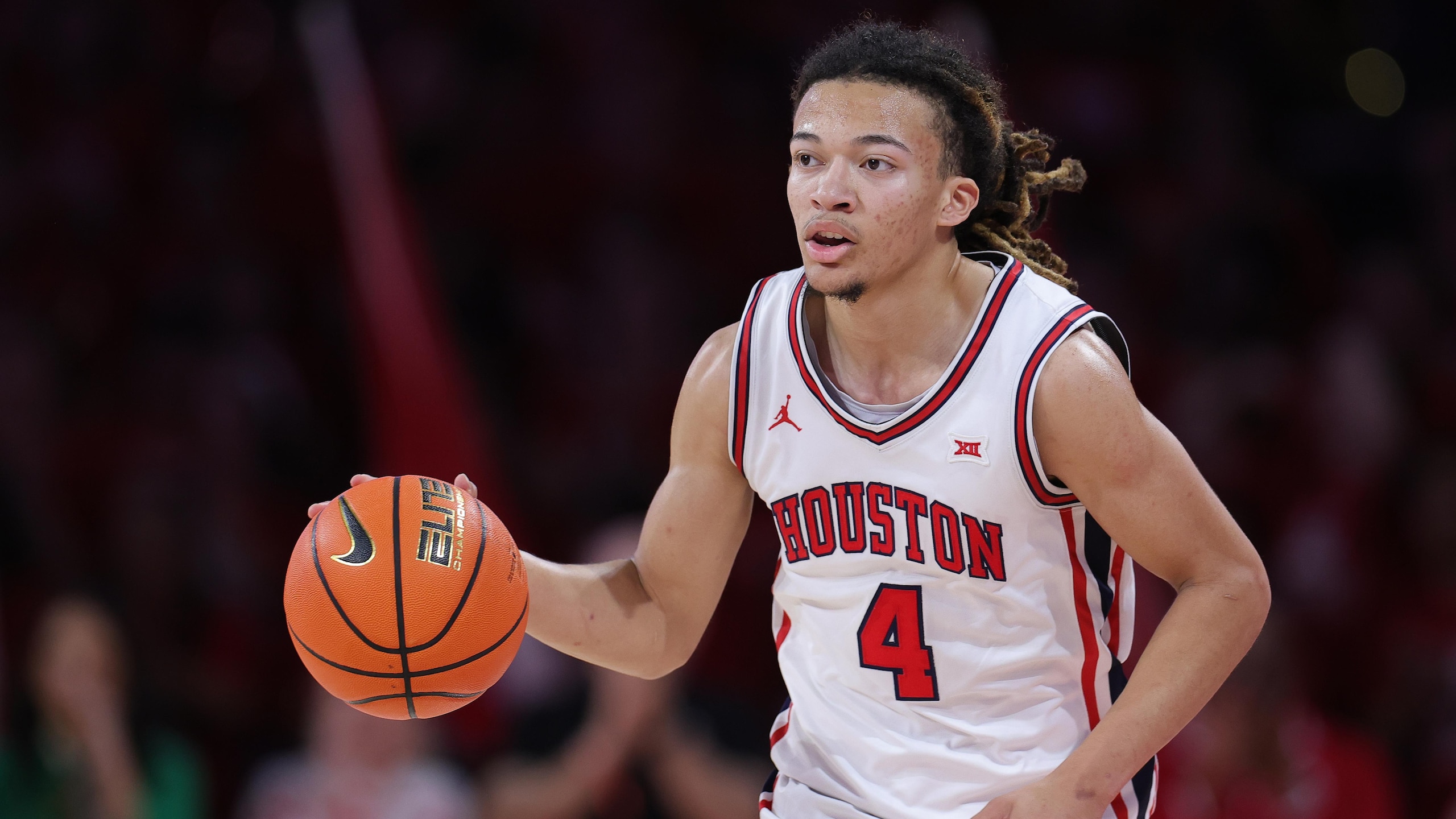
If the open-for-business Bucks want to sell out on upside here, they might make Nate Ament the pick. They could feel much better about their chances with Flemings: both in terms of his "safety" as a prospect and his ability to more directly impact the young players they'll inevitably add over the course of this rebuild.
Fleming's measurements weren't great at the draft combine, but that's the only reason he's still on the board. And it's hard to say the total event was alarming when he delivered predictably strong results in athletic testing and had a better-than-expected showing in shooting drills.
He's a natural fit as an offensive organizer and, at least in terms of approach, exactly what you picture in the proverbial head-of-the-snake on defense. He plays hard, smart and fast, and his precision on mid-range pullups could have him feasting on shots in areas where modern defenses willingly leave themselves exposed.
TRADE at 11. Washington Wizards (via GSW): Nate Ament, SF/PF, Tennessee
11 of 30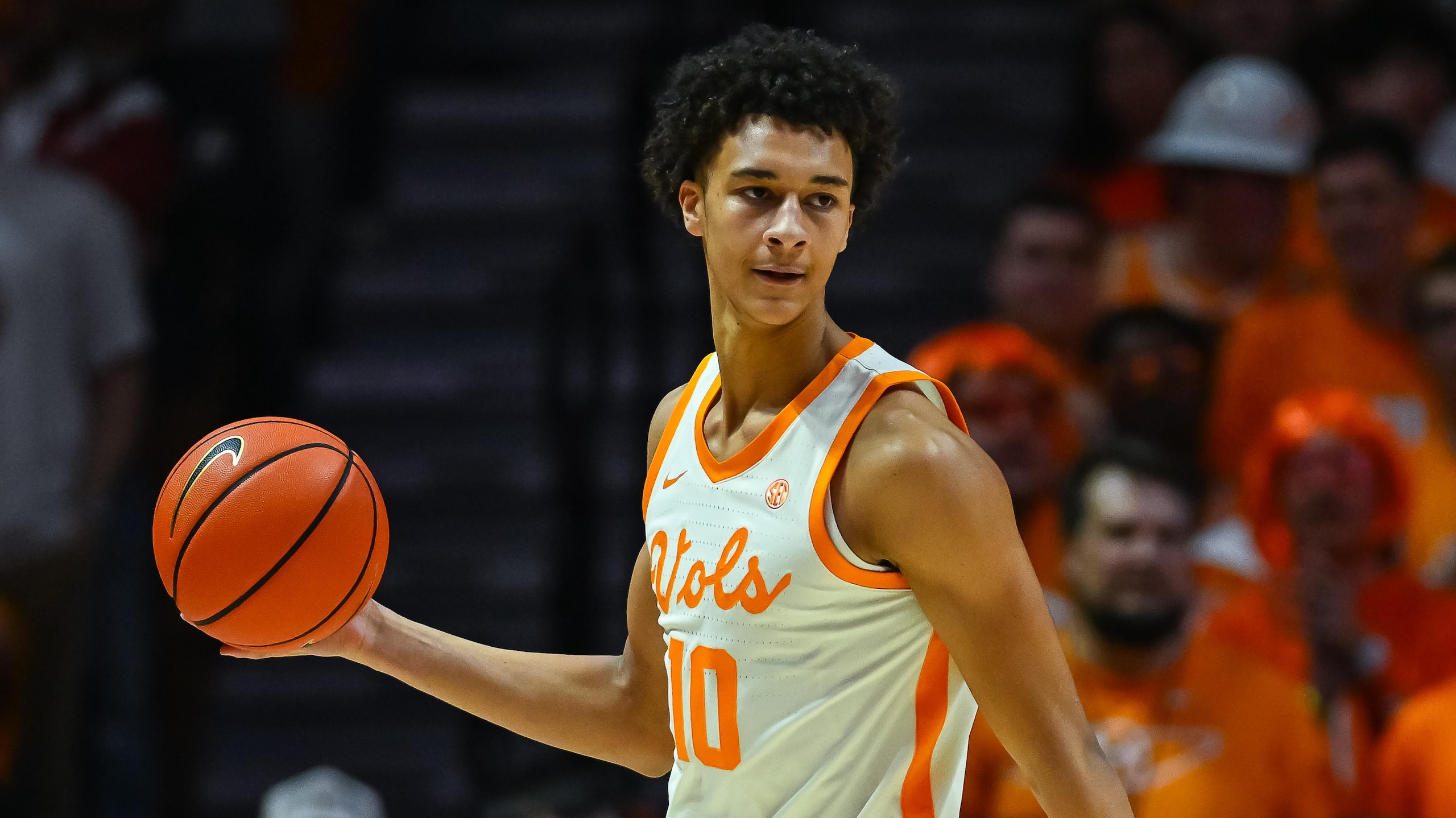
Golden State Warriors receive: Anthony Davis
Washington Wizards receive: No. 11 pick, Jimmy Butler, 2030 first-round pick swap (21-30 protected)
The Warriors seemingly don't have the stomach to place an all-in wager on Giannis Antetokounmpo—which, frankly, might not be enough to get him, anyway—but how about a half-in gamble on Davis? They need the kind of size, strength and interior protection he'd provide. Plus, he might be the perfect recruiter to grant their LeBron James wish in free agency.
A core featuring Davis, James, Steph Curry and Draymond Green would be ancient and riddled with availability risks, but it feels like that description will fit the Dubs regardless who they add to this roster. If they could just get everyone to the finish line, though, they'd be a terrifying playoff matchup or even a shadow contender for the crown.
The Wizards, meanwhile, may not have what Davis wants, but that's arguably better for their timeline. Their young core could keep developing at its own pace, only it would now have Trae Young around to help put everyone in the right place.
Adding Ament to the mix after already getting Dybantsa could give Washington a draft class for the ages—if the franchise aces Ament's development. He's probably the biggest risk-reward prospect in this class, but there's a reason he was once regarded as a top-five talent. He's a 6'10" swingman who can handle, shoot and pass. Those players don't come around often.
12. Oklahoma City Thunder (via LAC): Yaxel Lendeborg, PF, Michigan
12 of 30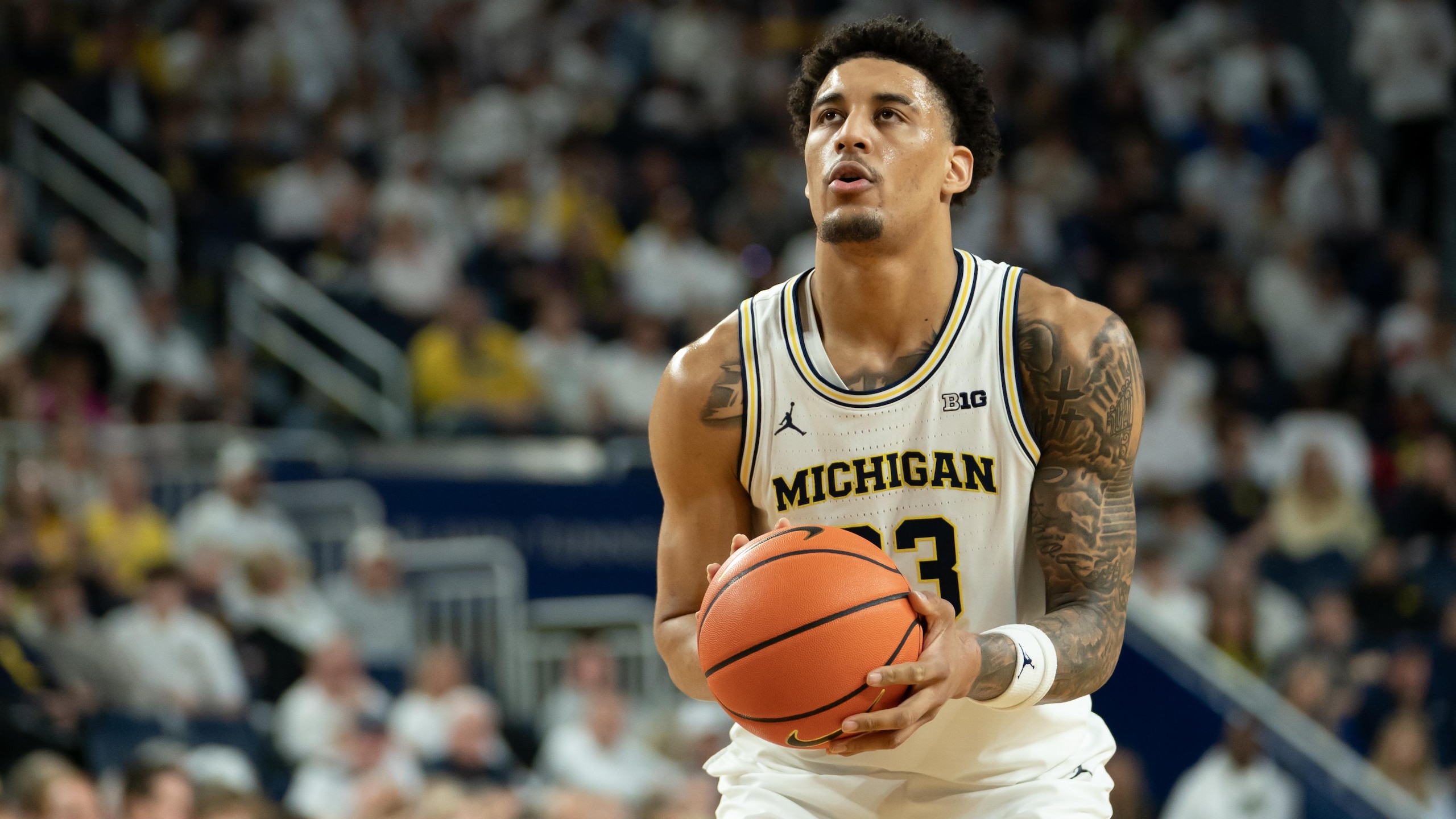
The Thunder might have to recalibrate their financial picture sooner than later. The Shai Gilgeous-Alexander-Jalen Williams-Chet Holmgren core is about to get colossally expensive, and maybe that—plus the conference finals loss—forces the club to think twice about at least one of the options it holds on Isaiah Hartenstein ($28.5 million), Lu Dort ($17.7 million) and Kenrich Williams ($7.2 million).
Should OKC wind up needing rotation minutes out of a rookie, Lendeborg offers the best chance for providing that. His physical tools are sharp, his versatility covers all angles and his readiness seemed easily apparent during Michigan's run to the national crown. He's just old (24 in September), which could scare off suitors who are in more desperate need of upside.
13. Miami Heat: Labaron Philon Jr., PG/SG, Alabama
13 of 30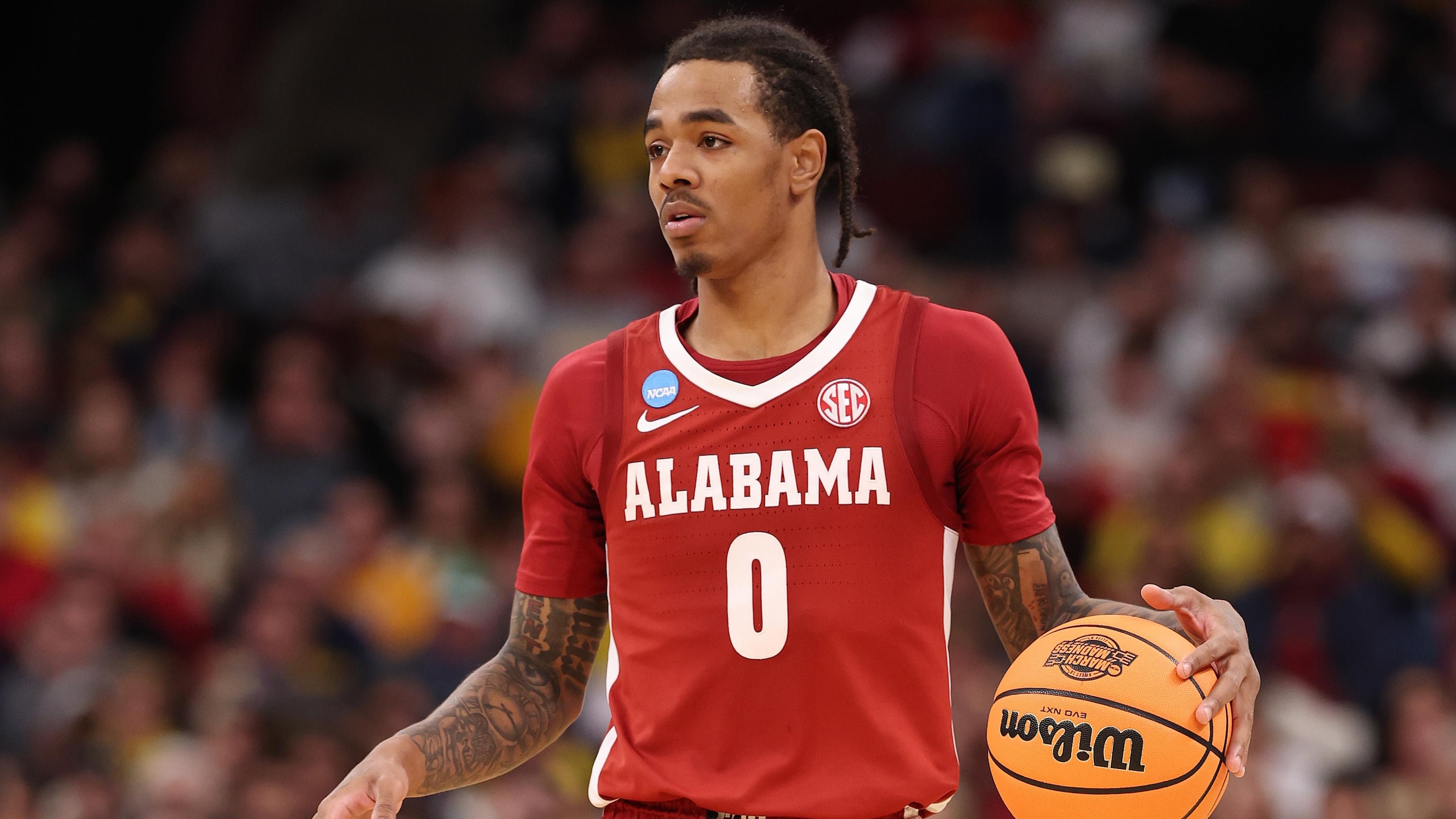
The Heat's perimeter group didn't have a banner year in 2025-26, and more questions could be raised moving forward. They have to navigate Norman Powell's free agency and another round of (potentially thorny) extension talks with Tyler Herro, and one would imagine the budget doesn't allow for both.
That's a long-winded way of saying Miami's existing need for scoring and creation in the backcourt could grow even more urgent. Philon can help on both fronts. He is slippery on the move, a scoring threat from everywhere and a capable offensive organizer with good feel.
14. Charlotte Hornets: Hannes Steinbach, C, Washington
14 of 30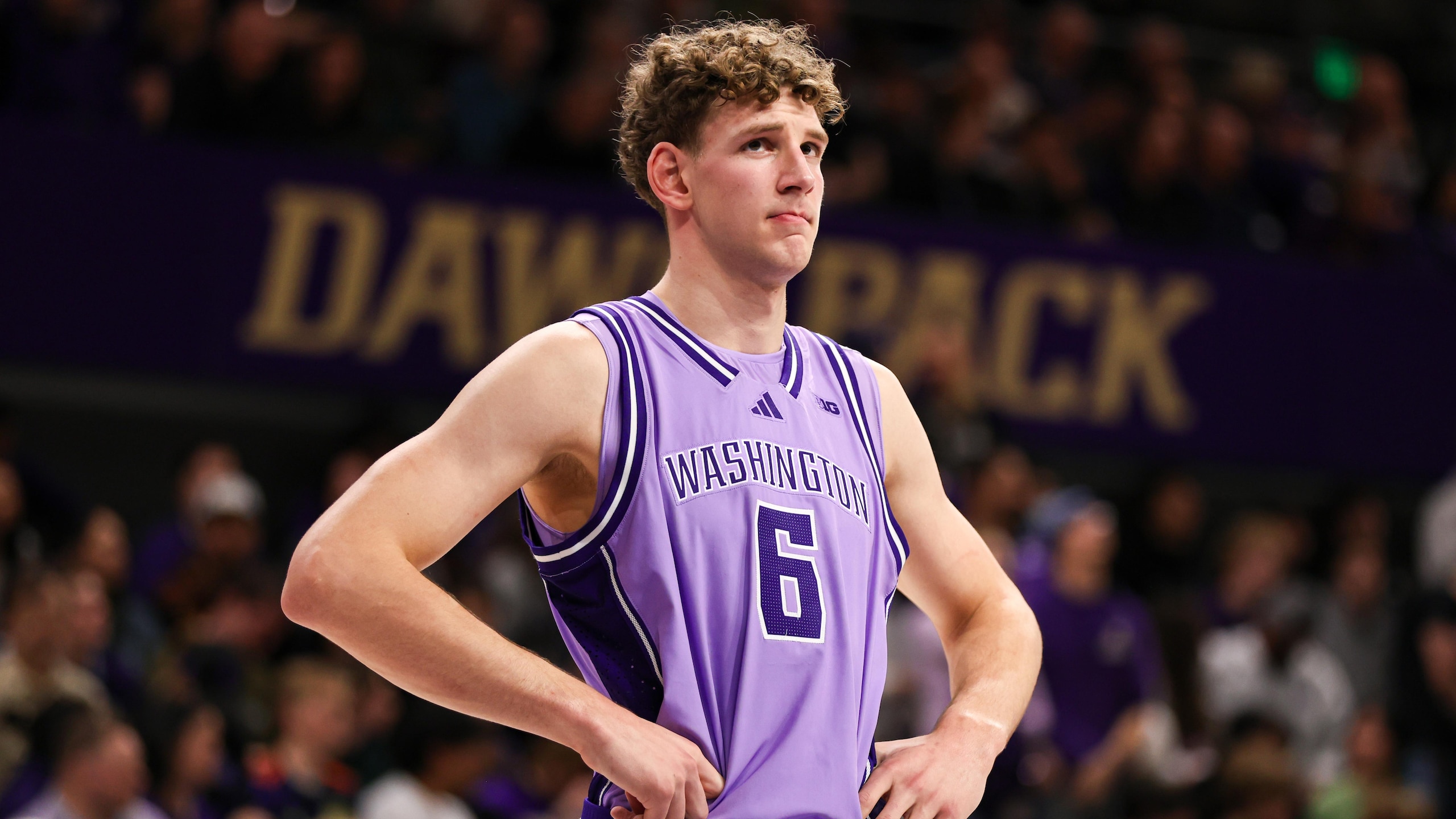
The Hornets should plan on spending their summer strengthening this frontcourt to better complement their budding collection of perimeter talent. Adding Steinbach on the interior would be a great start.
The near 7-footer is the best rebounder in this draft and possesses an NBA-ready collection of scoring skills around the basket. He has also flashed enough touch to think he could be a viable stretch option at some point in his career. He just offers a different level of upside than Charlotte can reasonably expect for Moussa Diabaté and Ryan Kalkbrenner.
15. Chicago Bulls (via POR): Jayden Quaintance, PF/C, Kentucky
15 of 30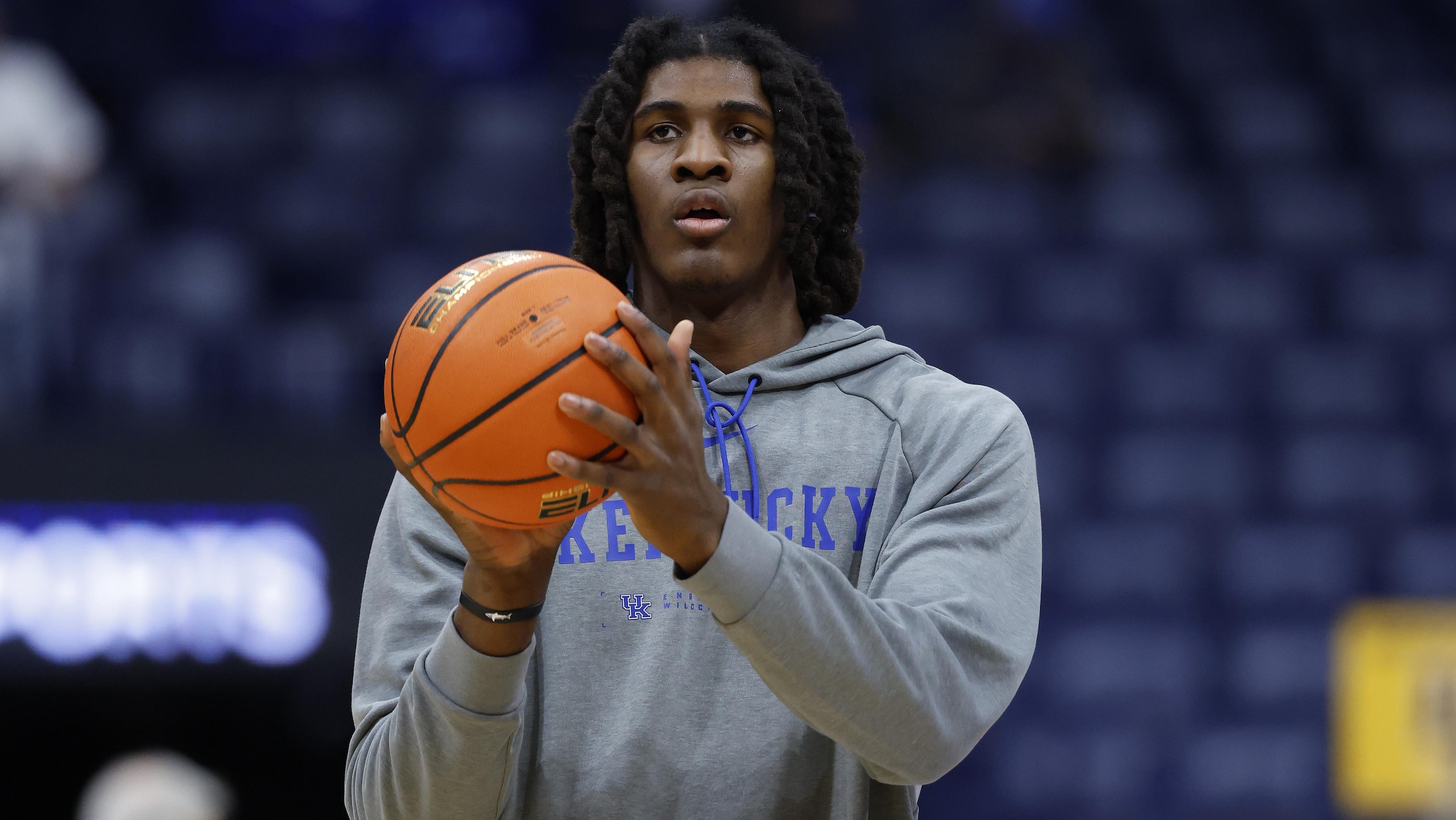
If the Bulls are on the lookout for tools, then Quaintance figures to sit prominently on their draft board. High enough, in fact, to perhaps overlook all the injury trouble he encountered in college—assuming, of course, no major red flags are raised during review of his medicals.
If he is healthy, he can be the stingiest stopper in this draft. He's a 6'10", 255-pounder with spring-loaded athleticism and the quick-twitch mobility needed to suffocate smaller players on switches. Even if he's never more than a point-blank finisher, he'll add enough defensive value to be a positive presence.
16. Memphis Grizzlies (via PHO): Ebuka Okorie, PG, Stanford
16 of 30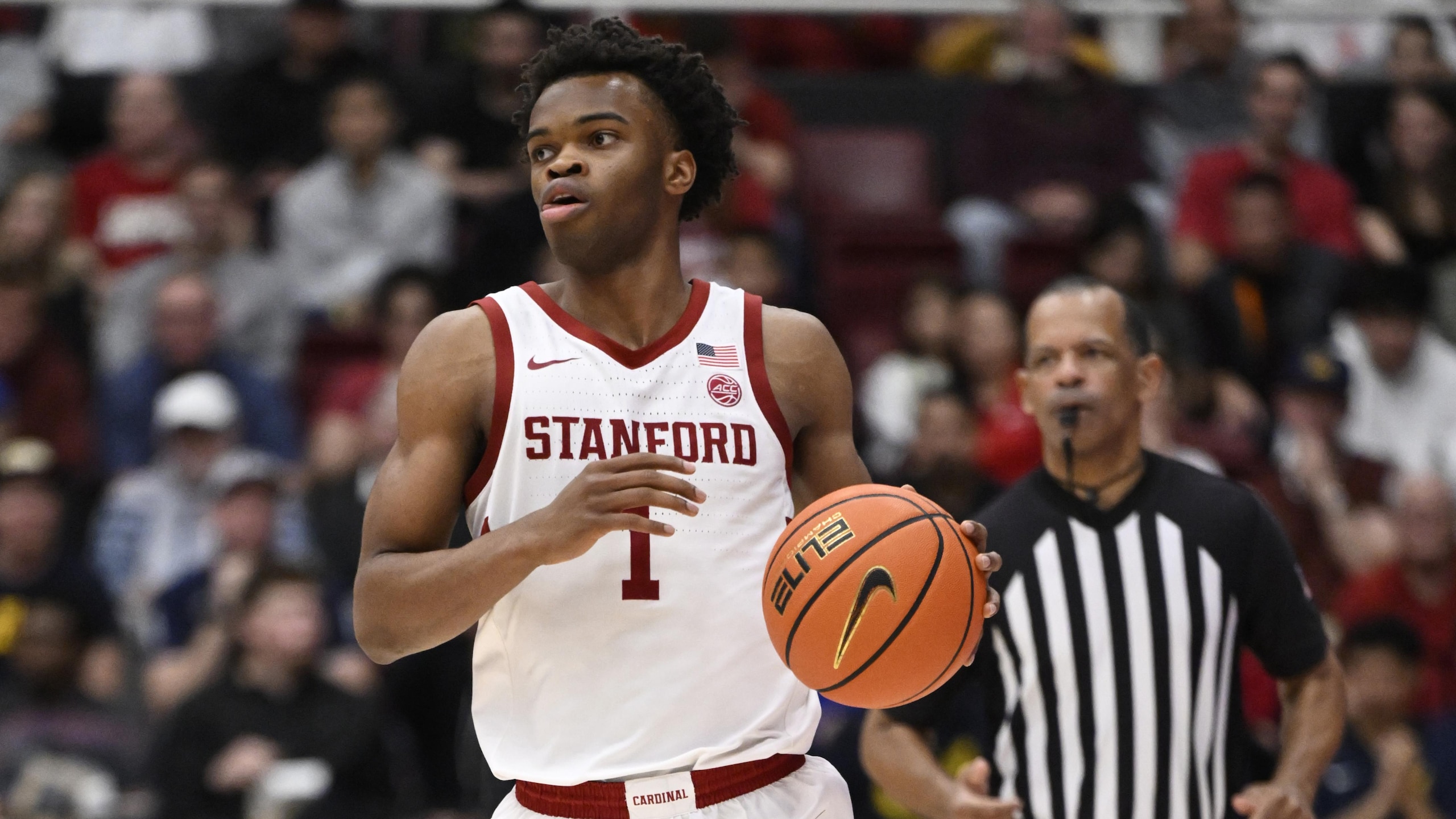
So long as the draft board lines up properly, the Grizzlies would presumably love to leave this talent grab with both a frontcourt fixture and a Ja Morant replacement. After already getting Cameron Boozer to check off that first box, they could target Okorie here to handle the latter.
He might be the best speedster in this class, and he leverages it well with quick changes of pace and direction. He was more of a scorer than distributor at Stanford, but things could even out if he's not so clearly atop the offensive hierarchy. Not to mention, Boozer's ability to create shots could help cover up any limitations Okorie might have in that department.
17. Oklahoma City Thunder (via PHI): Luigi Suigo, C, Mega
17 of 30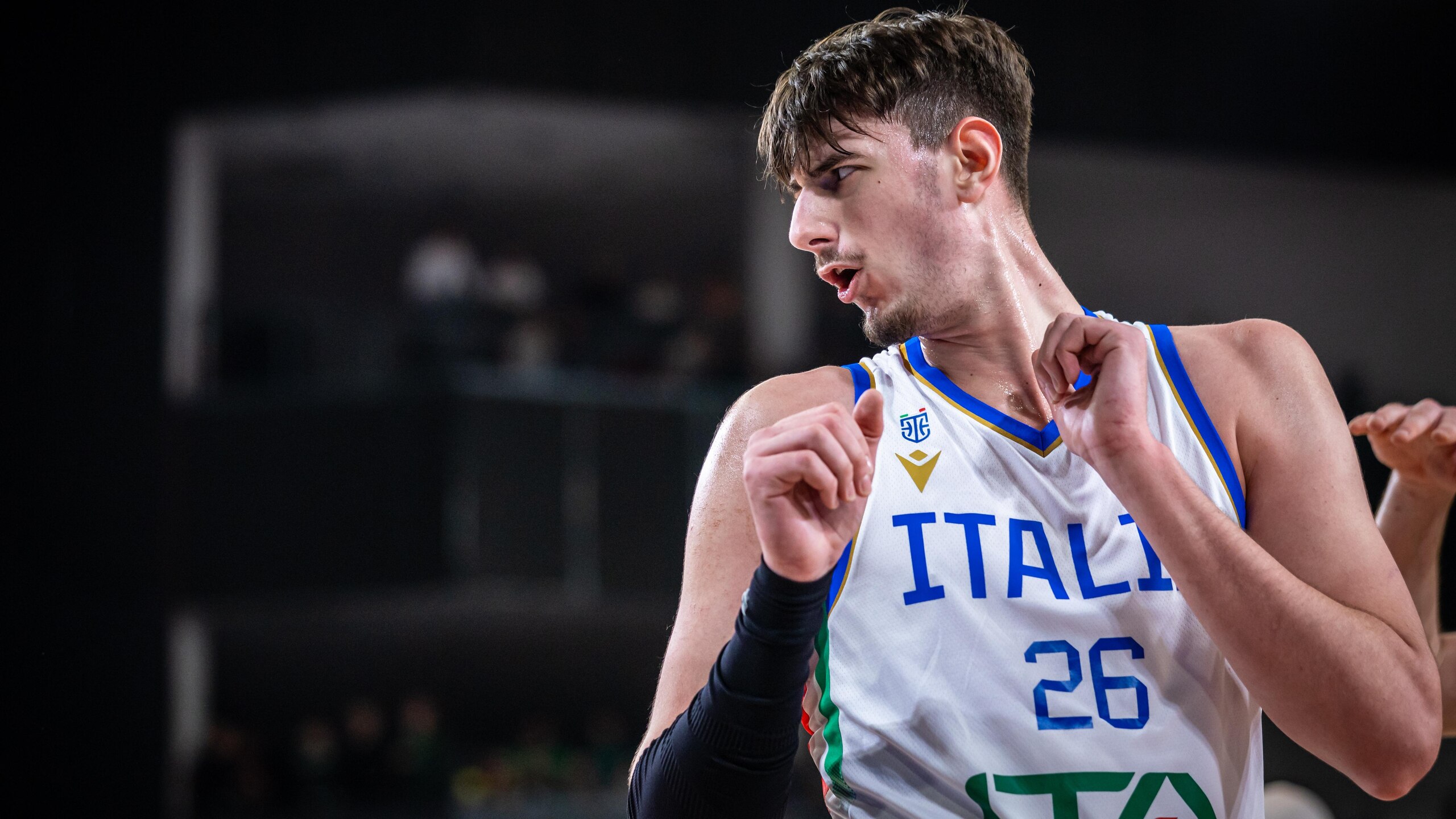
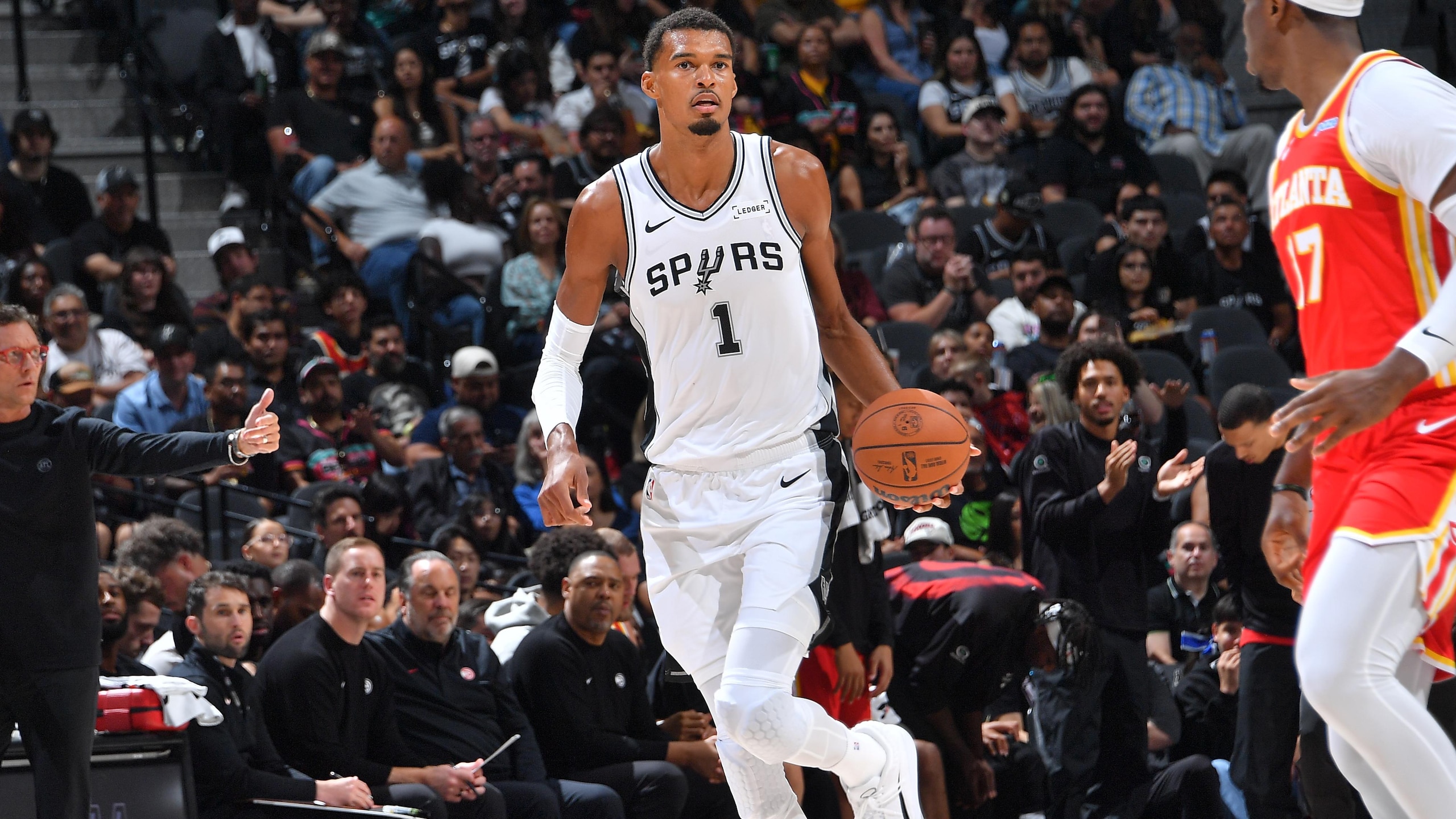
Even if the Thunder pick up Isaiah Hartenstein's option and ignore the external noise about shopping Chet Holmgren, they might still seek out more size to match-up with the Alamo City's resident 7'4" alien. Suigo might be among the uber-exclusive group of folks on this planet who might actually be up to that task.
Suigo, who fashions himself as the Italian Wemby, had some of the combine's most extreme those-can't-be-real measurements: just under 7'3" barefoot, 289 pounds with a 7'5" wingspan and 9'6" reach. Suigo could struggle to create his own shots, but he's a big, physical player with modern enhancements like shotmaking and passing feel.
18. Charlotte Hornets (via ORL): Karim López, PF, New Zealand Breakers
18 of 30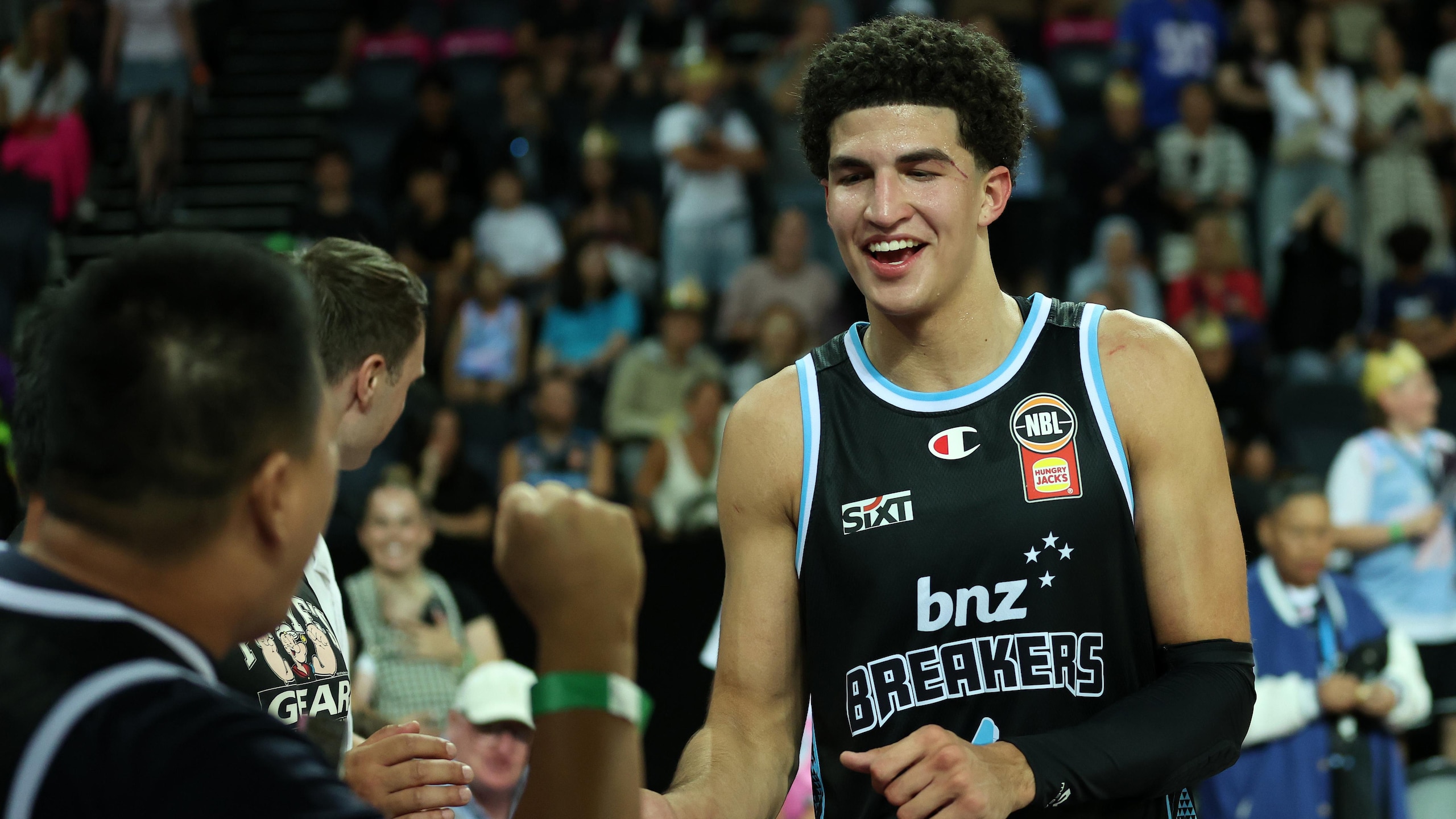
If the Hornets attack the 5 spot with their first pick, it would make sense to shift over to the 4 with their second. Both Miles Bridges and Grant Williams are slated for 2027 free agency, so reinforcements are a must.
López could provide useful depth right away and maybe much more in time. It's unclear what kind of asset he'll be as a shooter and creator, but he has NBA tools, defensive versatility, finishing punch and a vet-like feel for moving off the ball.
19. Toronto Raptors: Christian Anderson, PG, Texas Tech
19 of 30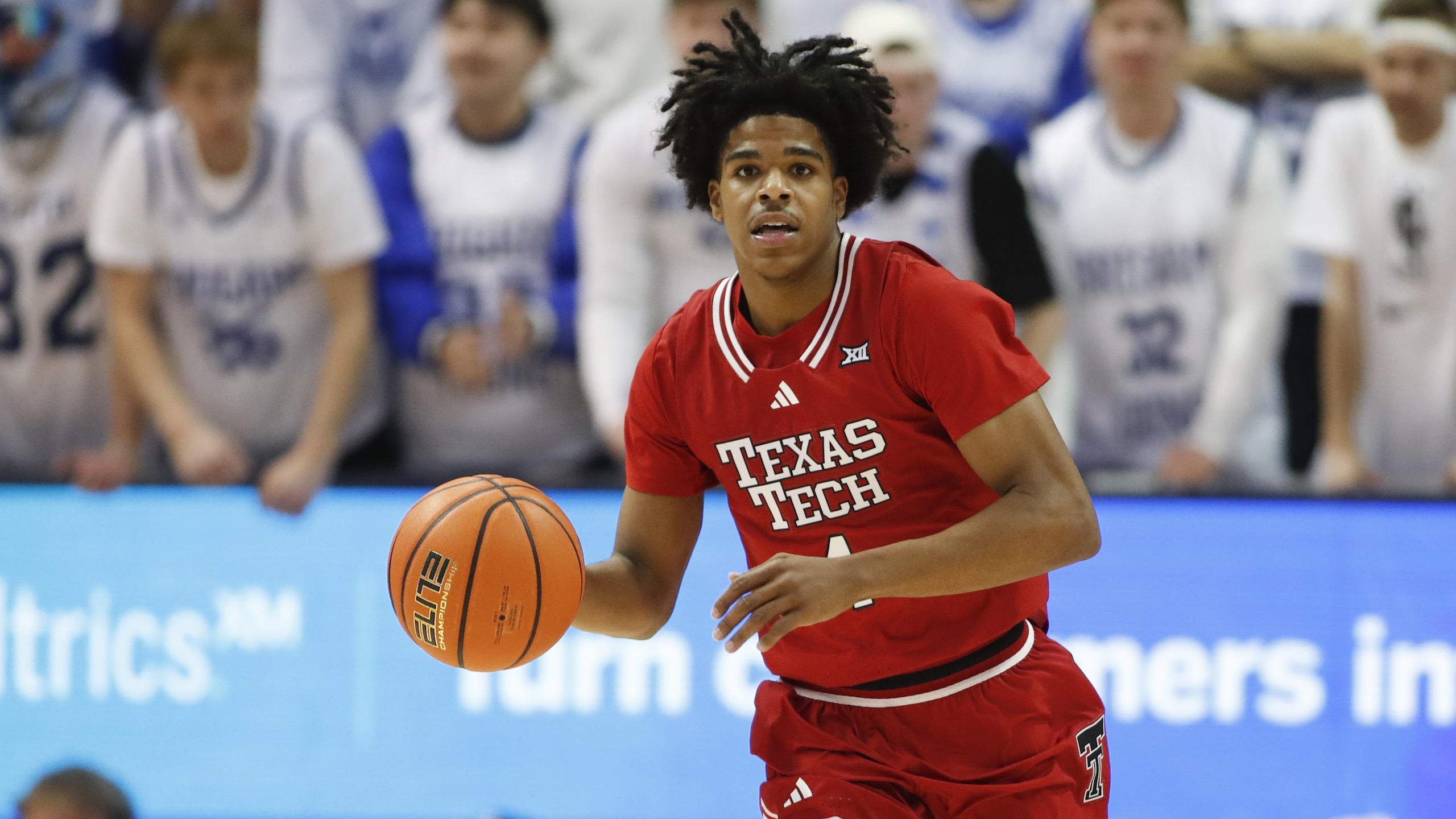
While BPGOCA doesn't exactly roll off the tongue, it should define Toronto's draft strategy: Best Point Guard Or Center Available. This feels early for the bigs still on the board, but it's a good place to get a guard.
Anderson might be the most enticing. The combine could've raised some alarms about his lack of size, but he should've helped himself with a 6'6.25" wingspan, 40.5" max vertical and aced shooting drills. His on-ball creativity and off-ball spacing would both address problem areas for the Raptors.
20. San Antonio Spurs (via ATL): Cameron Carr, SG, Baylor
20 of 30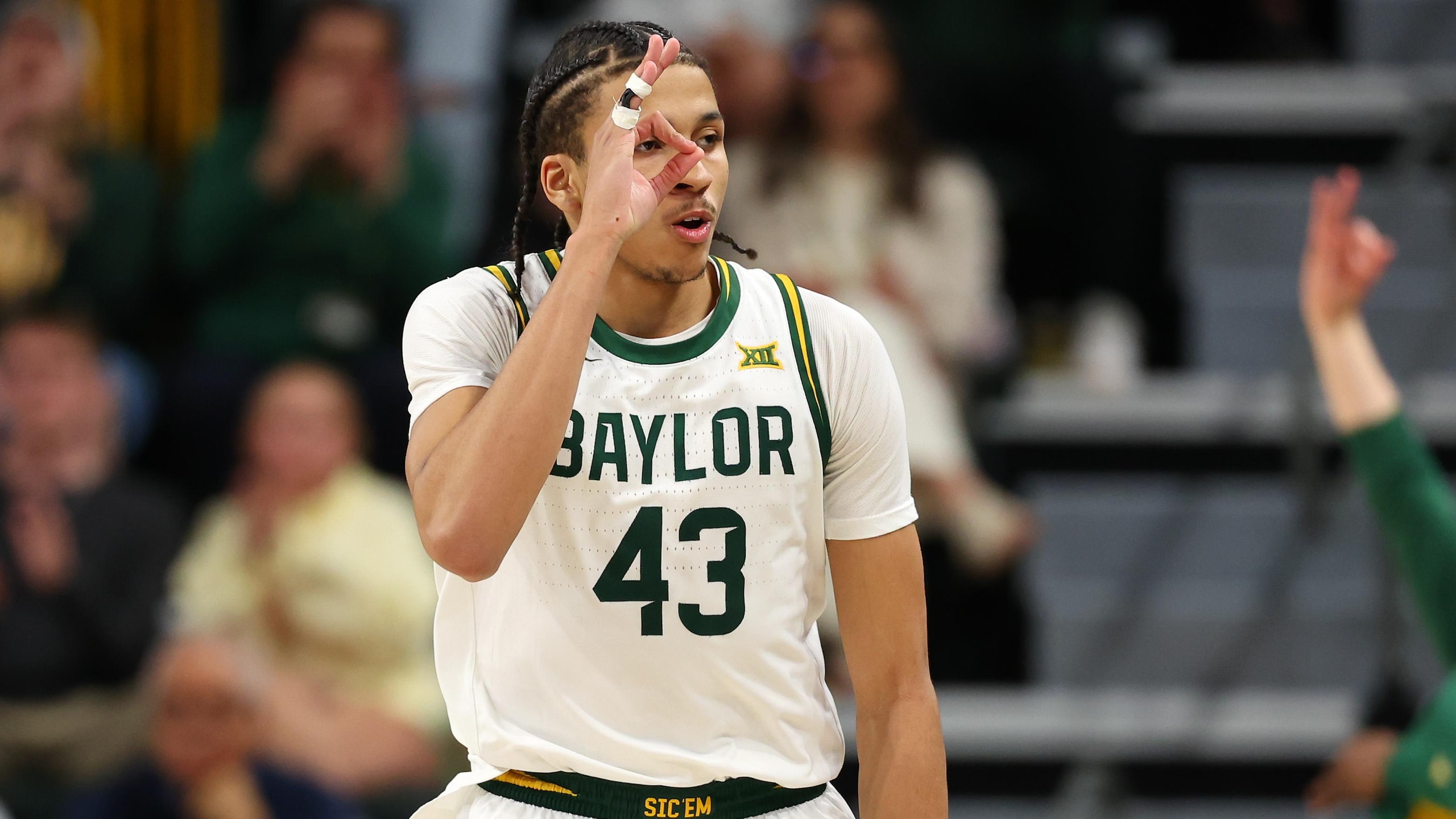
The Spurs could target frontcourt depth in the form of someone like Allen Graves here, but the value with Carr might be too good to pass up. He could manage to make this perimeter group even longer and more disruptive on defense, all while supplying the kind of ignitable shotmaking San Antonio can struggle to find with its wing group.
He's a pretty snug fit into the three-and-D mold, but he's shown more off-the-dribble verve than that label typically includes.
21. Detroit Pistons (via MIN): Meleek Thomas, PG/SG, Arkansas
21 of 30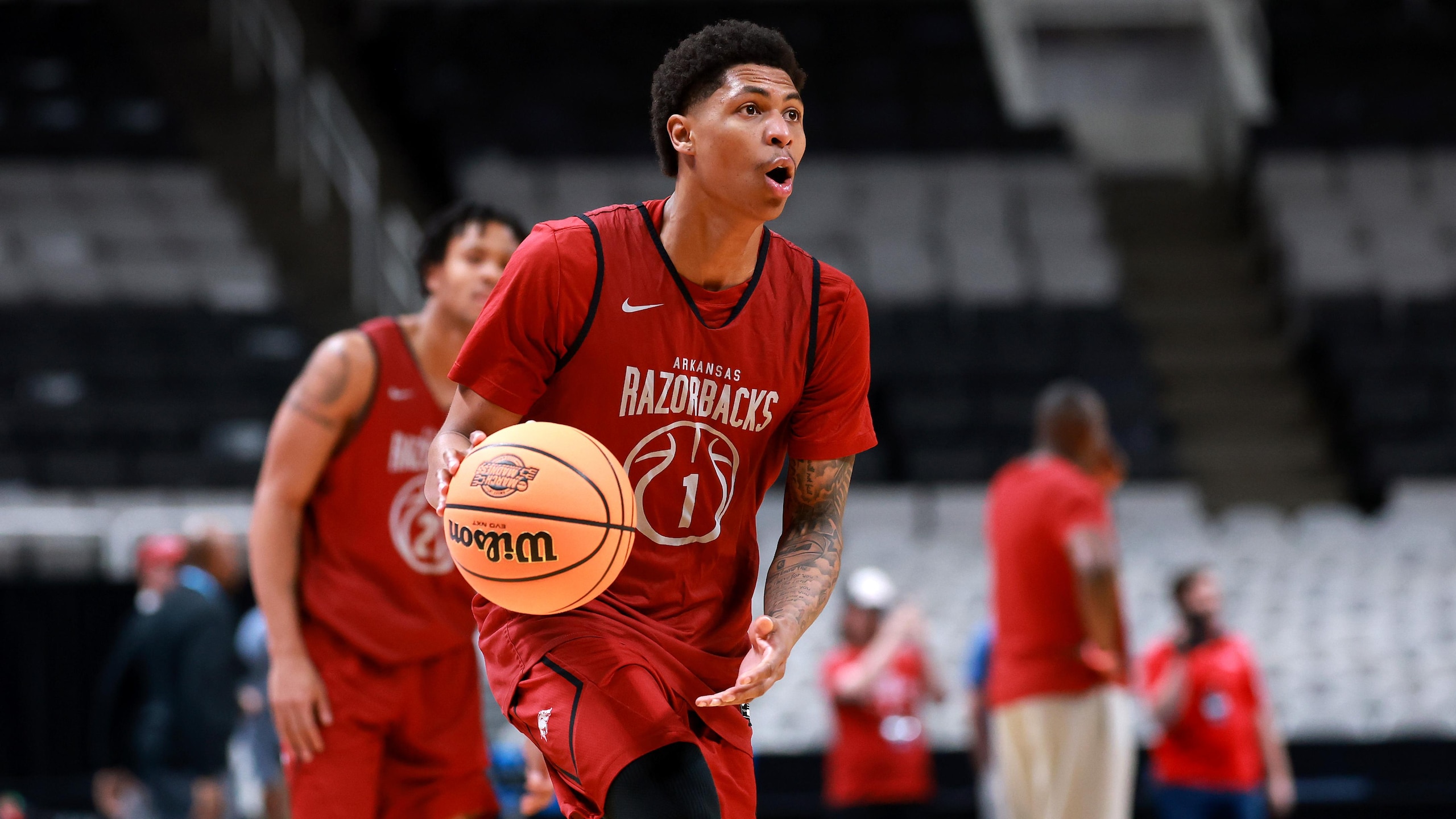
All season long, questions were raised about the Pistons' ability to manufacture and make shots around Cade Cunningham. They went unaddressed and later predictably torpedoed this team's playoff run.
Shooting and creation are an absolute must, and Thomas offers the most electric blend of both among players still on the board. His confidence is unflappable, his shooting range is limitless and his handles are slippery. While other teams might try to dial back his aggressiveness, the Pistons could encourage even more given their pressing need to pull some heat away from Cunningham.
22. Philadelphia 76ers (via HOU): Morez Johnson Jr., PF/C, Michigan
22 of 30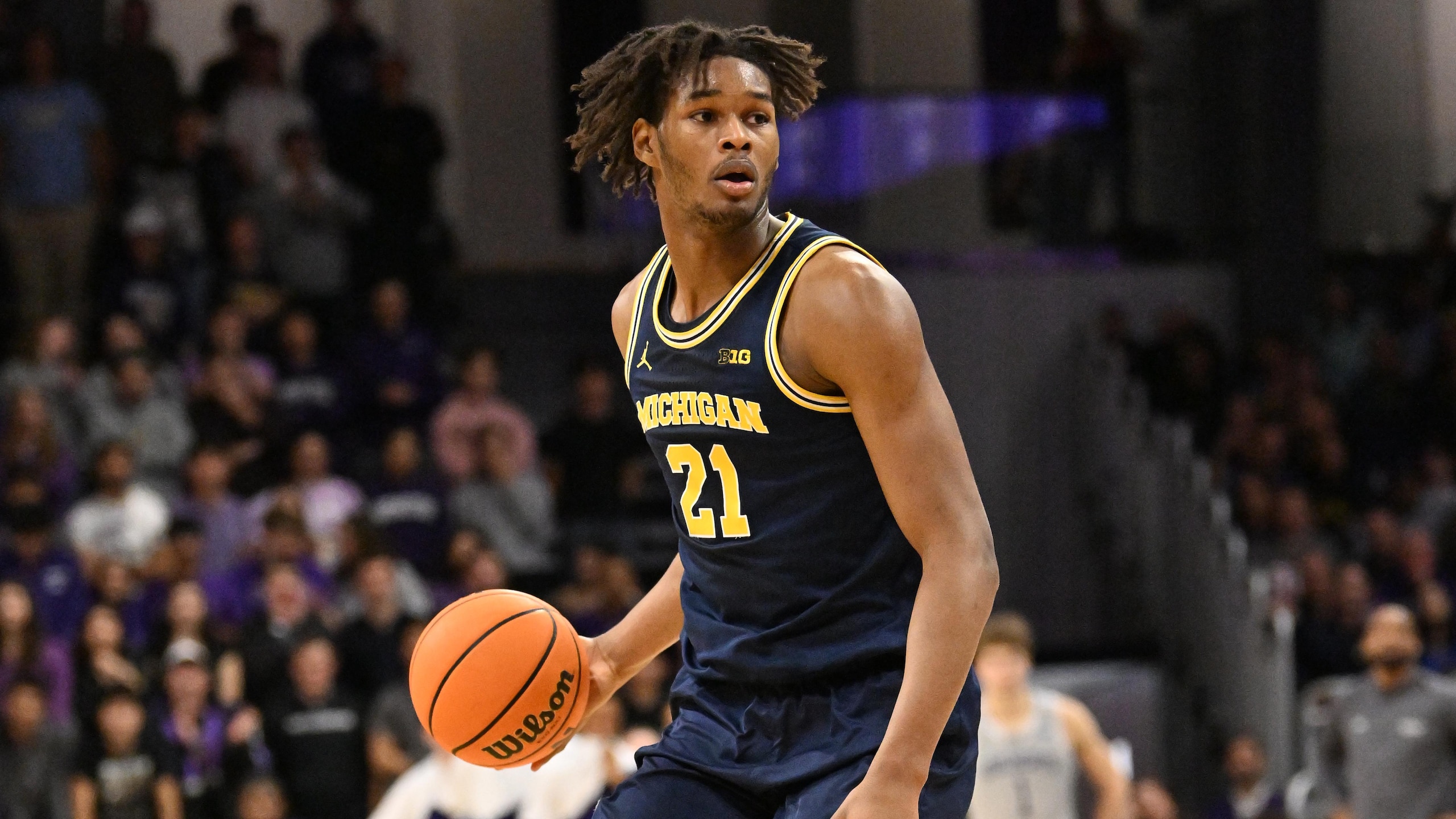
The Sixers can, should and almost certainly will use this pick to breathe new life into their frontcourt. They'll just have to decide whether they want depth at the 4 spot or insurance behind Joel Embiid at the 5.
Then again, Johnson might offer the best of both worlds, since he has enough strength and length to handle spot minutes in the middle but also the necessary quickness and agility to hang with wings. His motor, defensive versatility and physicality are all obvious strengths, and if he shoots anything like he did at the combine, the Sixers would be getting a steal.
23. Atlanta Hawks (via CLE): Bennett Stirtz, PG, Iowa
23 of 30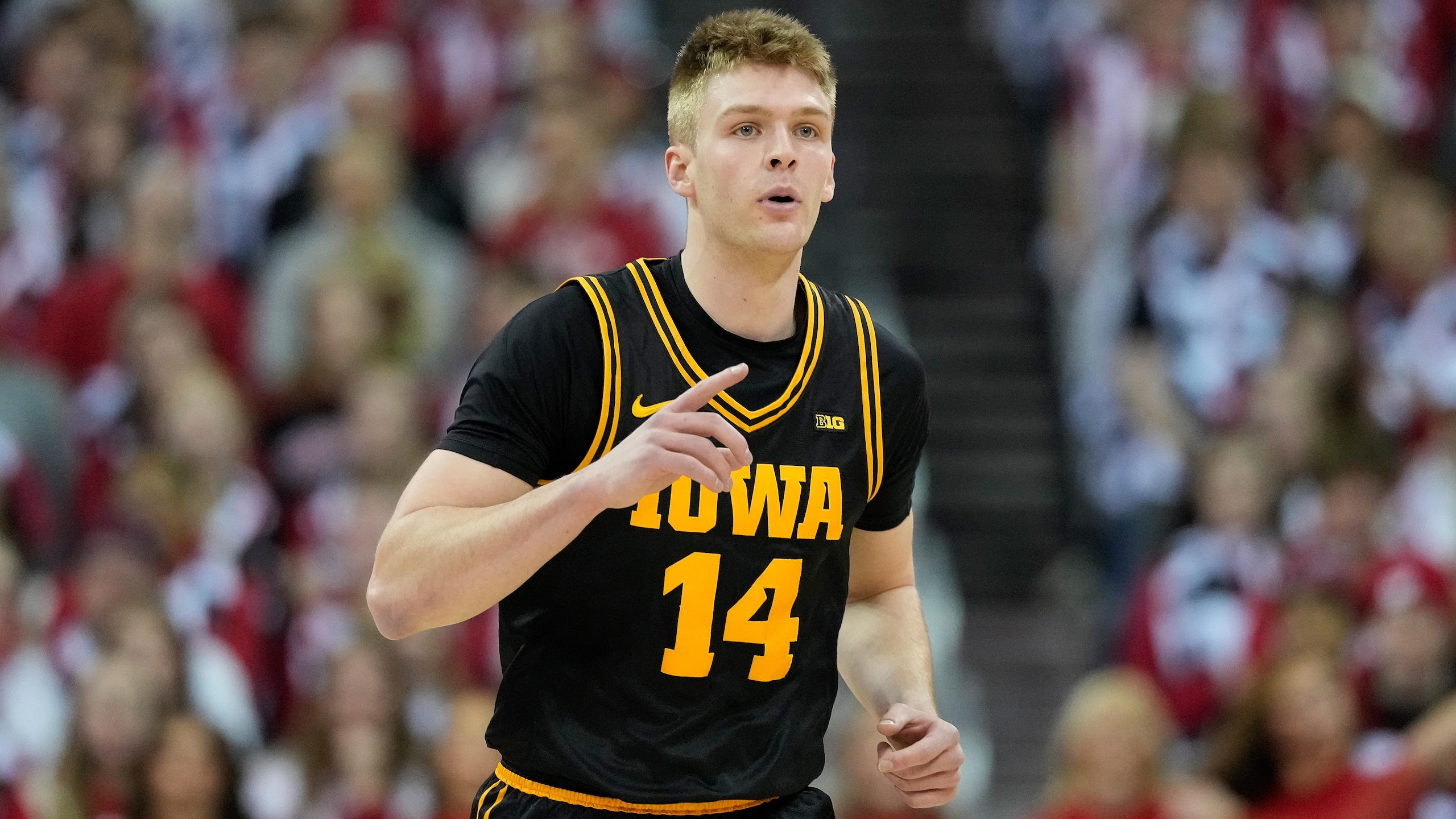
If the Hawks target size with their first pick, then they'd love to grab a guard with their second. Luckily, there's still another first-round talent on the board in Stirtz.
He is 22 years old (will be 23 in October) and not especially athletic, so the worries and weaknesses sort of write themselves. The trade-off, though, is his polish, feel and readiness as both a shooter and creative passer. If Atlanta saw enough growth (and growth potential) this past season, then it might feel like it should seek out potential finishing pieces as opposed to dart-throw prospects.
24. New York Knicks: Chris Cenac Jr., PF/C, Houston
24 of 30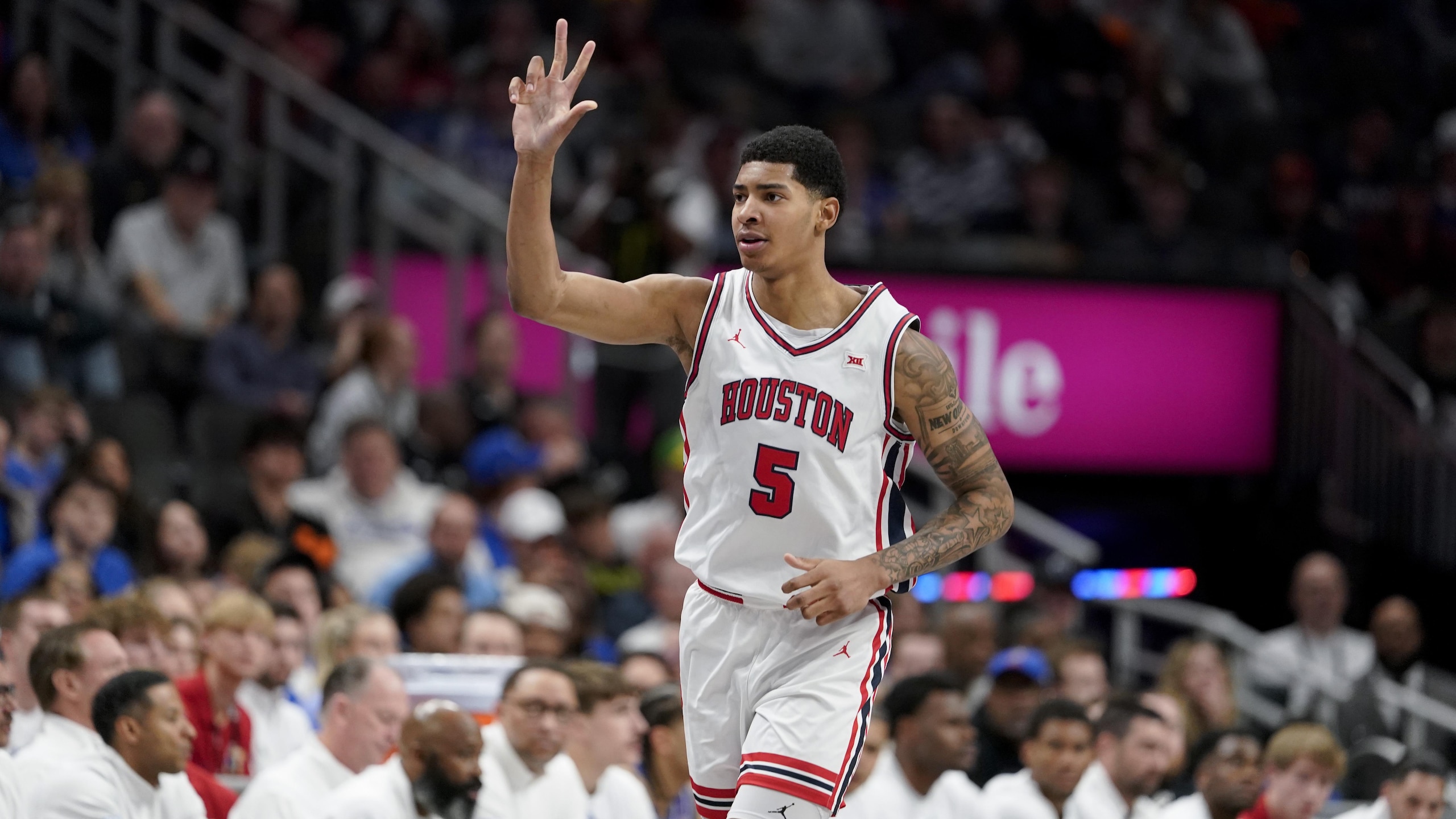
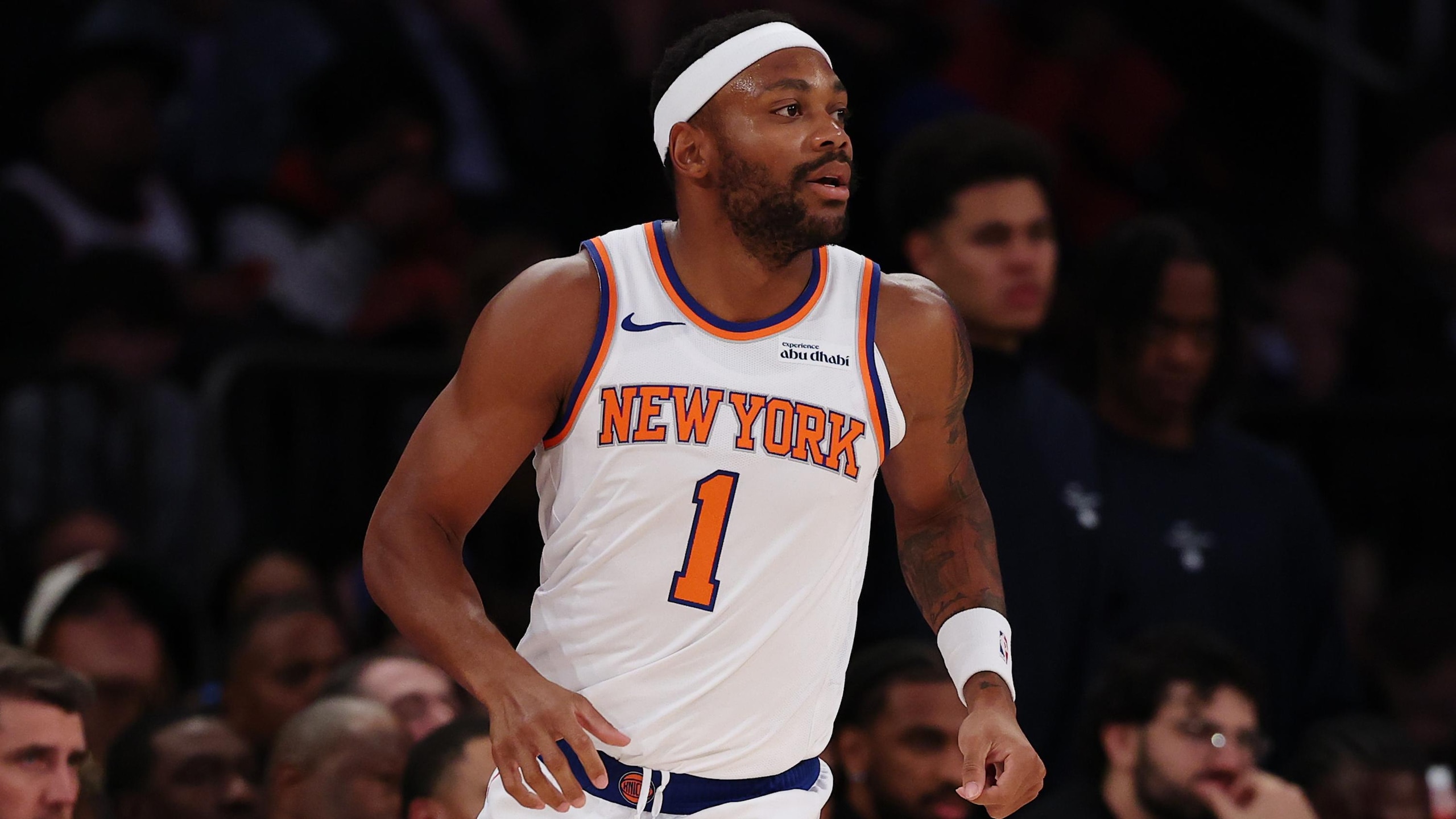
New York isn't exactly overloaded with bigs, and that's true without knowing how free agency will play out for Mitchell Robinson.
So, the Knicks could target Cenac as is, or they could really prioritize him if Robinson winds up walking. Either way, the draw is simple: Cenac is long and bouncy enough to handle rim-running work, but he also has the mobility and shotmaking to succeed on the perimeter.
25. Los Angeles Lakers: Zuby Ejiofor, PF/C, St. John's
25 of 30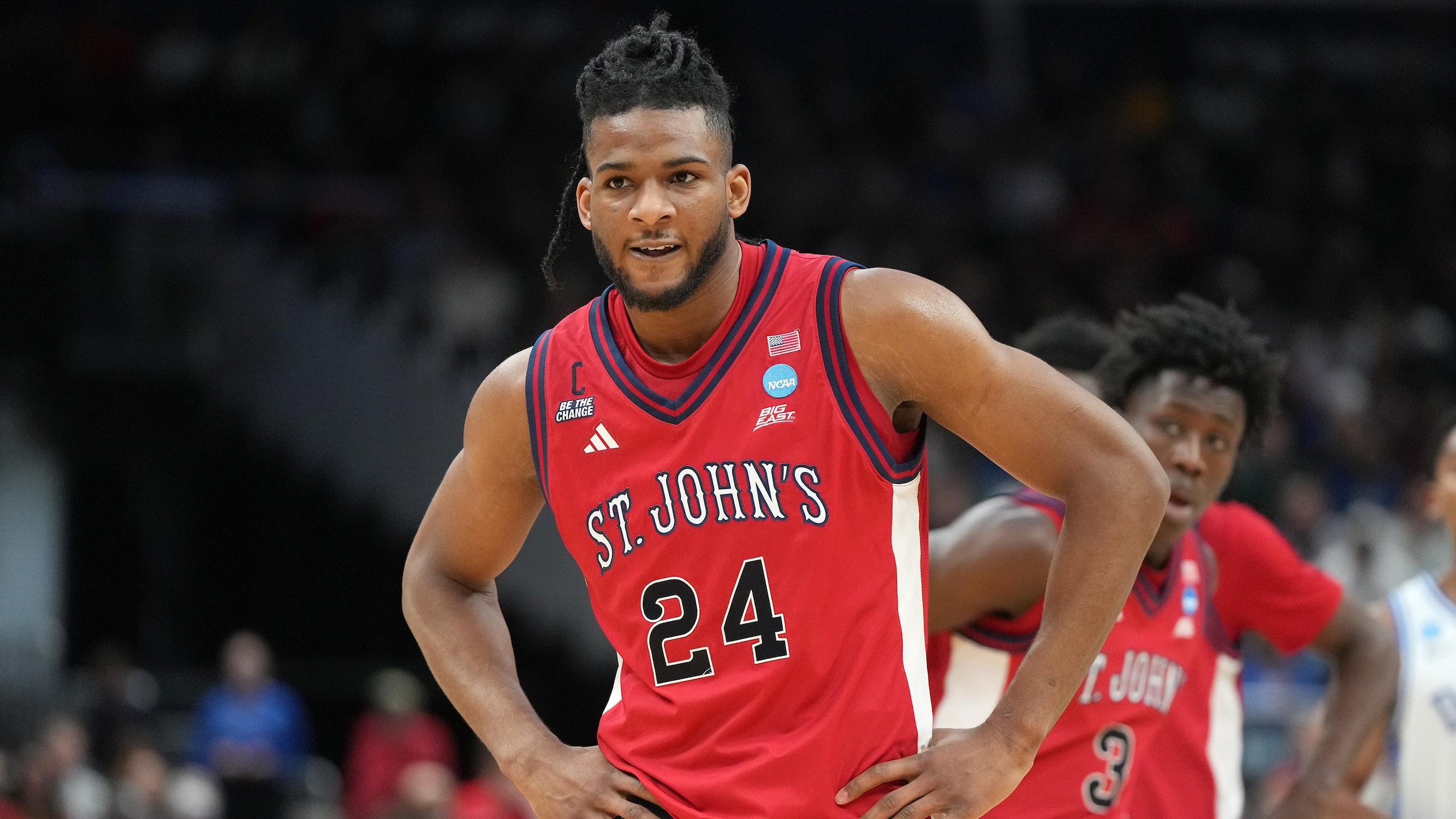
The Lakers could look at wings like Dailyn Swain or Isaiah Evans here, but they might want to seek out a center just in case the trade market and free agency don't offer great alternatives to running it back with Deandre Ayton.
Ejiofor is sort of the anti-Ayton, for better and worse. While Ejiofor doesn't have the same length and physical tools, he also doesn't have those problems with consistency. You know what you're getting from him, and it's a lot of great grunt-work contributions around and above the basket.
26. Denver Nuggets: Dailyn Swain, SF, Texas
26 of 30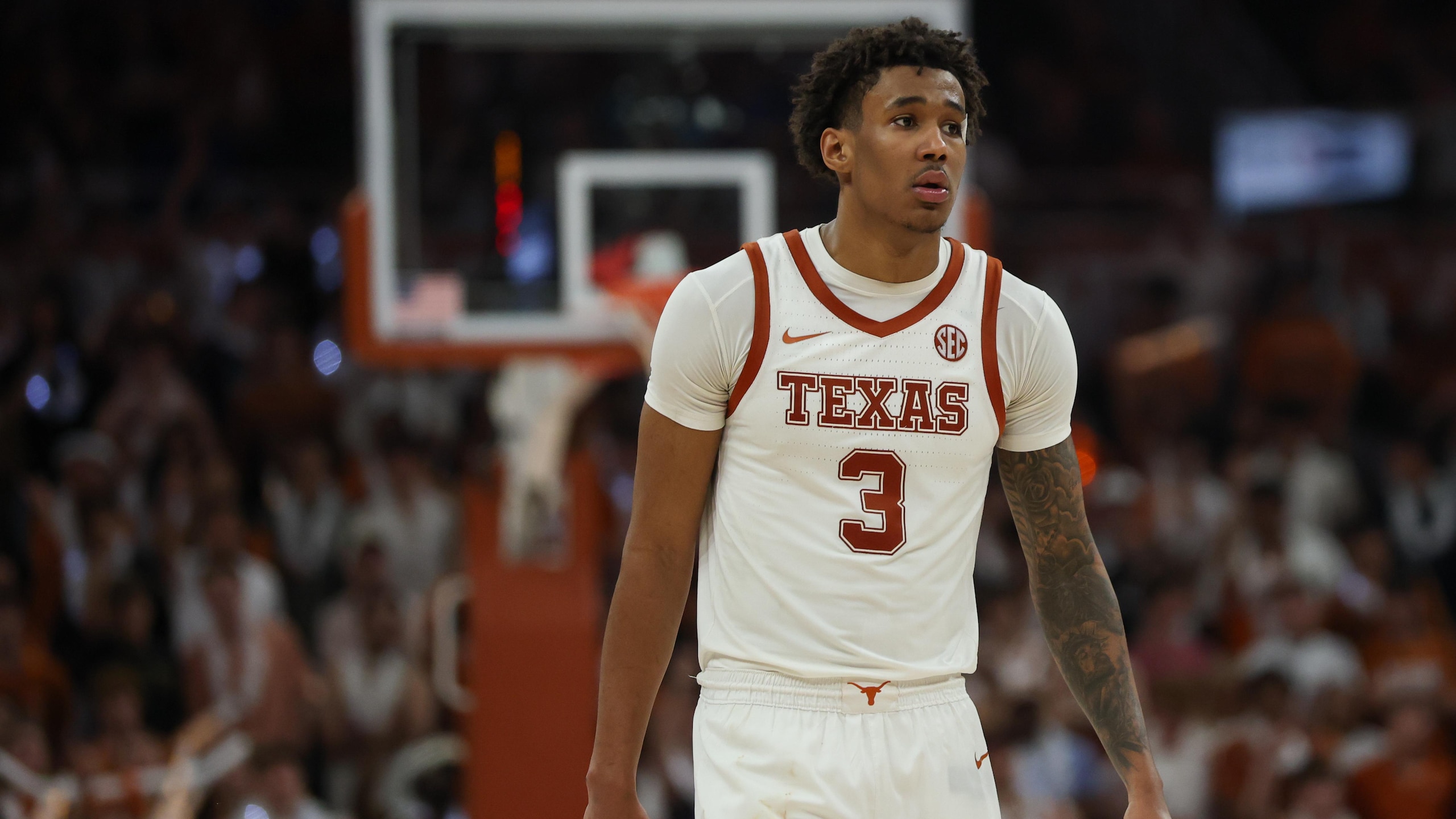
It seems like wing depth will be a necessity for the Nuggets during the upcoming offseason. Because if restricted free agency doesn't pry Peyton Watson away, that likely means they moved one of Christian Braun or Cameron Johnson to free up the funds needed to keep him.
Having Swain fall to them, then, might feel like a gift from the basketball gods. He's a shaky shooter, but the rest of his profile is full of role-playing fun, like downhill attacking, connective passing and defensive playmaking.
27. Boston Celtics: Henri Veesaar, C, North Carolina
27 of 30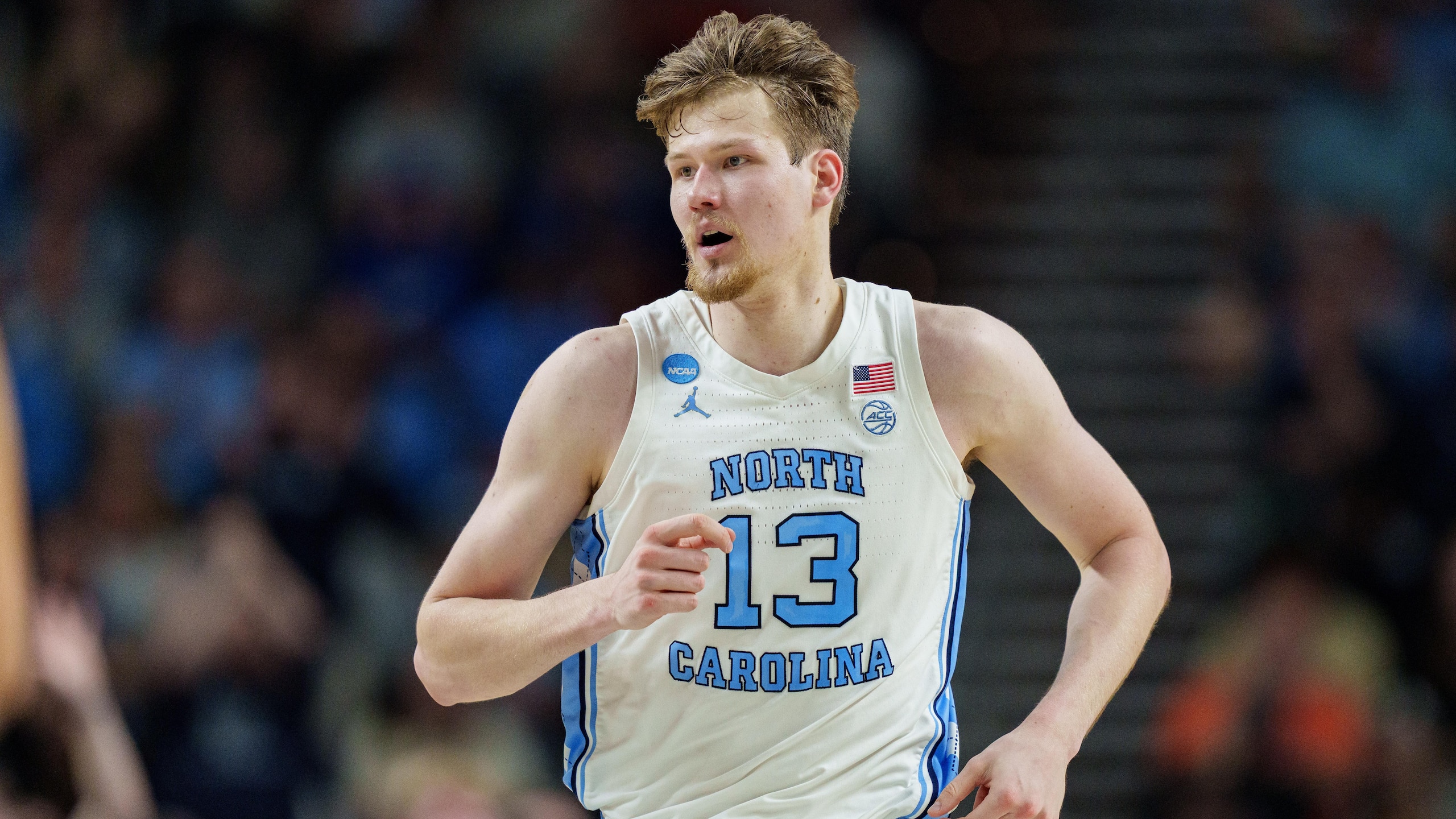
The Celtics' affinity for floor-spacing centers might not be enough to drive them toward re-signing Nikola Vučević. It could, however, convince them that this is the right spot to take Veesaar and all of his interesting offensive attributes.
He's a 7-footer who just splashed 42.6 percent of his perimeter shots, plus he has the necessary hops (and requisite force) to finish at the rim.
28. Minnesota Timberwolves (via DET): Isaiah Evans, SF, Duke
28 of 30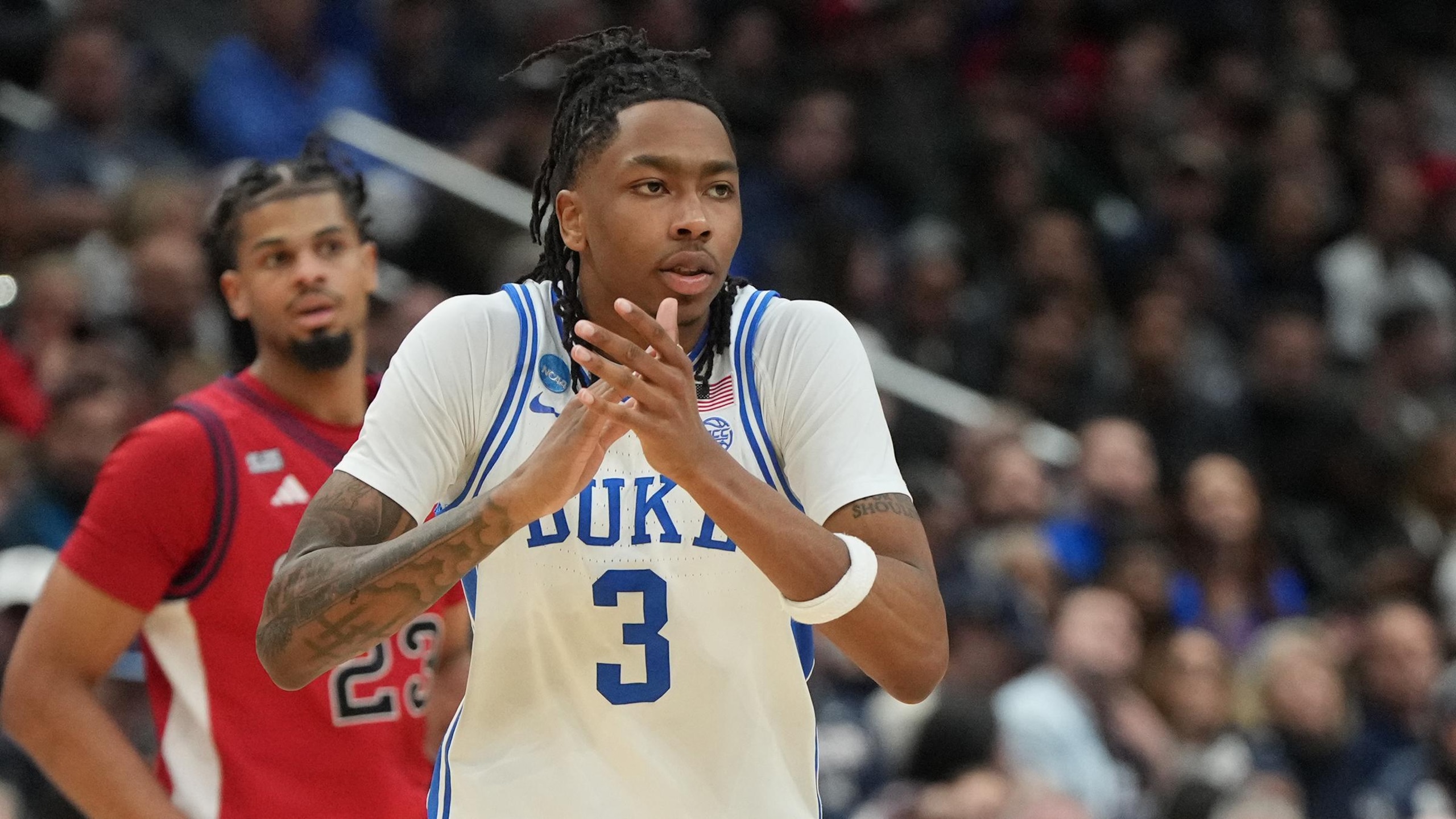
Evans may not seem like an obvious solution for the Timberwolves, since they're most clearly in the market for a point guard.
That said, their primary objective remains to make life easier for superstar Anthony Edwards, and Evans could help with that in multiple ways. For starters, he's a three-point marksman and active movement shooter, so he'd help pull defenders toward him and widen attack lanes. But Evans also showed growth as a handler and attacker this season, so he could have some on-ball utility, too.
29. Cleveland Cavaliers (via SAS): Allen Graves, PF, Santa Clara
29 of 30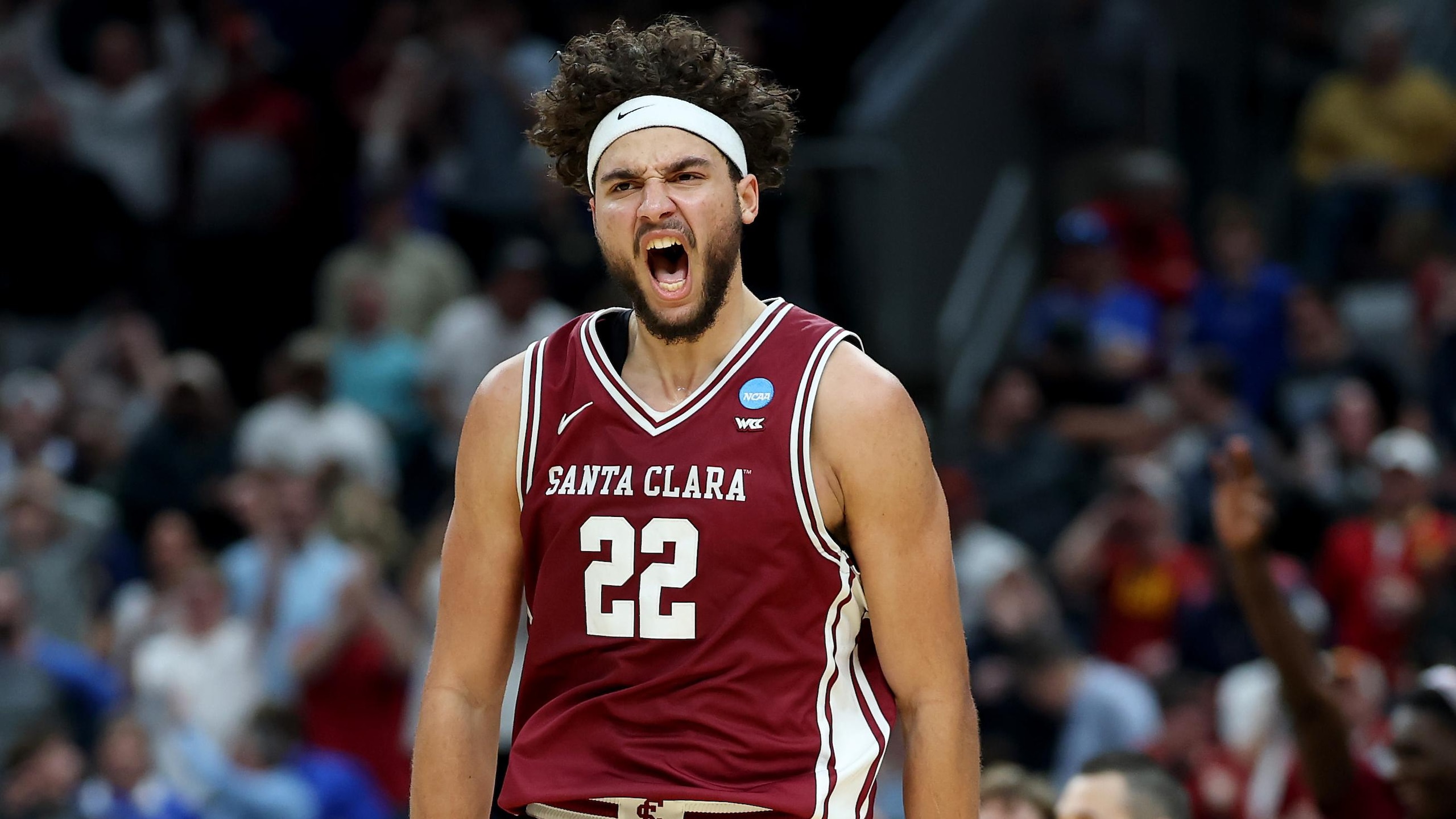
Graves was a point guard in a different lifetime (i.e., before he hit a growth spurt), and you can see it in his feel for the game. He makes smart decisions, always occupies the right spot and offers nearly across-the-board versatility.
His track record is limited against high-end competition, and his athleticism is not a strength, but betting on a smart, skilled 6'9", 225-pounder sounds like good business. Especially for a Cavaliers team that continues struggling to crack the code around their core four.
30. Dallas Mavericks (via OKC): Koa Peat, PF, Arizona
30 of 30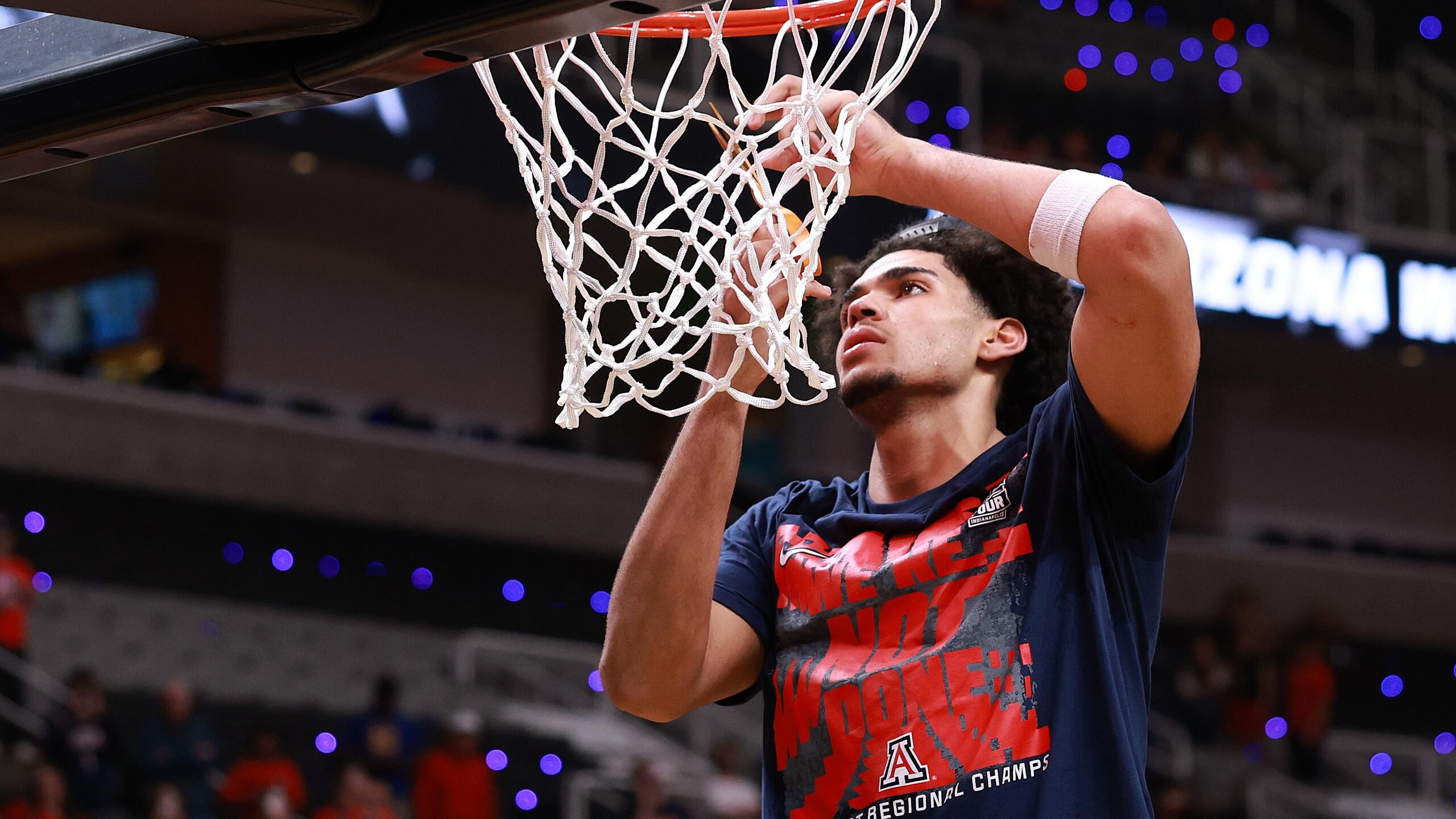
At a certain point, the questions about Peat's shooting will shift from reasons to avoid him to reasons believe he might be a real bargain. Remember, he had legitimate lottery potential entering the season, and those concerns about his shotmaking and creation are the only reasons he's no longer regarded in that range.
They didn't hold him back from filling a critically important role for a great team at Arizona, though. There, he flashed physicality, powerful finishing, connective passing and mid-range touch. A patient team should take a chance on him, and the Mavs have nothing but time to get this roster just right around Cooper Flagg.

.jpg?w=2560 "Report: Eagles to Sign Cowboys QB")


.jpg?w=2560 "NCAA Sues Ohio Governor (AP)")