
NBA Power Rankings: Bill Russell and the 25 Greatest Pioneers in League History
For every shot, move, pass or blocked shot you see in the NBA today, that player is completing and replicating something that the basketball forefathers did before.
Most of the time, they are exact clones of what the most effective players in the league from back in the day did.
Some examples being Dwight Howard attempts to replicate Hakeem Olajuwon's post moves that he learned over the summer, Kobe Bryant copying Michael Jordan's dominance in the postseason or Steve Nash taking notes from Bob Cousy when it comes to passing.
Just about any player in the league you see today has taken a part of the game from those who have played already. As spectators, we do see brand new innovations that the new generation of players bring, but it's still the classic plays that the players today replicate that keep us watching and hungry for more.
The players that were around before a three-point was even created are what made the NBA, and they are what keeps the NBA alive today. From the most dynamic superstar to the role player that spends his time beyond the arc, they all had to learn from some player before. Those are the pioneers of basketball, and they made the NBA into what it is today.
For this article, we salute the pioneers of the NBA for all they have done to shape the NBA. Here are 25 of those legends and the successors that have carried on their names, their style of play and their mentality that the players of today bring to every contest.
Shaquille O'Neal: Power
1 of 25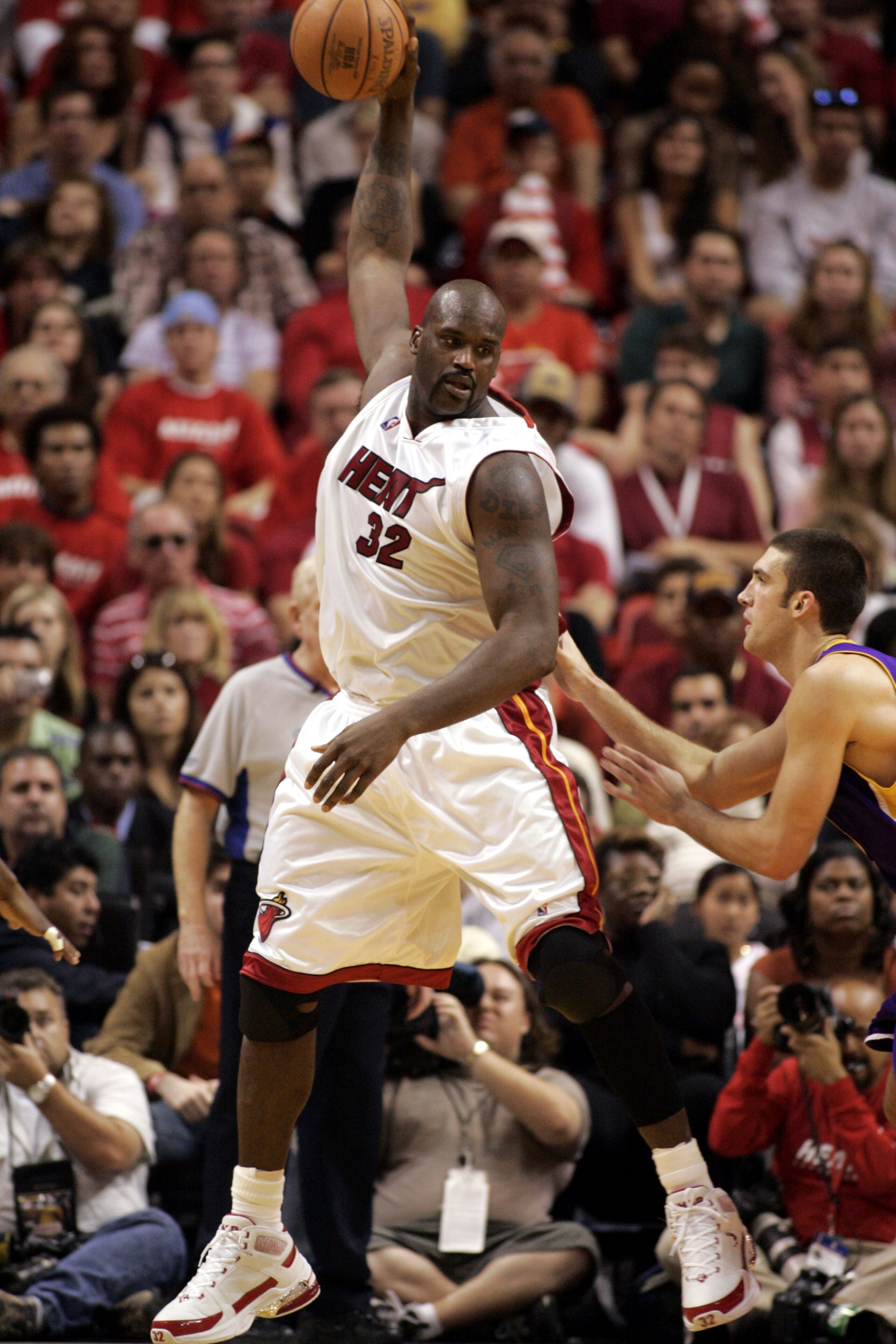
The most intimidating figure to play the game. Shaquille O'Neal has dominated the league for nearly two decades with six different teams.
He started out his illustrious career with the Orlando Magic where he would lead the franchise to their first NBA Finals appearance, would then sign with the Los Angeles Lakers and lead the team to three consecutive titles before taking his talents to South Beach where he would help Dwyane Wade and the Miami Heat win their first title in franchise history.
He would spend time with Phoenix, Cleveland and Boston after with plenty of regular season success, but no postseason accolades to show.
Throughout his career, it seems that whatever O'Neal has touched has turned to gold. It's probably because he's 7'1", 325 pounds and is the most dominant presence in the history of organized basketball. O'Neal was able to use his size to his advantage by overpowering any defender that attempts to limit him.
One of the key traits of his game is being able to attract double-teams and freeing up teammates like Kobe Bryant and Wade. With four championships and an MVP award, O'Neal's power and strength are the two most dominant attributes any player has withheld in the history of the league.
Successors: Dwight Howard
Magic Johnson: Flash
2 of 25With how entertaining the game has become over the years, you begin to wonder just how many highlight reels or how many hits on YouTube a player like Magic Johnson would have received in his career.
Johnson was a key reason behind the Los Angeles Lakers dominance on the 1980s as he led the team to five championships and winning three NBA Finals MVP's in the process.
At 6'8", Johnson was a point guard in the body of a small forward. He held a size advantage over every other guard and had the height and awareness to see the court like no other point guard had before. He still managed to have the ball handles of a typical point guard, and it allowed him to complete some of the most prolific passes that the game had ever seen.
The passes that Magic completed had never been seen before as he added a completely new dimension to the art of the assist.
Successors: Steve Nash, Jason Kidd and John Stockton.
Larry Bird, Robert Parish and Kevin McHale: Big Three
3 of 25
Every modern day big three you see in the NBA today is a replication of what the Boston Celtics in the 1980s were able to accomplish.
They didn't have the flash that LeBron James, Dwyane Wade and Chris Bosh brought, but the trio of Larry Bird, Robert Parish and Kevin McHale did bring success.
They won the 1981, 1984 and 1986 NBA titles with Bird leading the way as the primary scorer in the gauntlet of a frontcourt. He won three consecutive MVP awards and two Finals MVP's.
The center Parish made it to nine All-Star games and averaged 14 points and nine rebounds for his career, while Kevin McHale won consecutive Sixth Man of the Year awards to go along with seven All-Star game appearances.
Successors: Dwyane Wade, LeBron James and Chris Bosh; Kevin Garnett, Ray Allen and Paul Pierce; Carmelo Anthony, Amar'e Stoudemire and Chauncey Billups.

Oscar Robertson: Triple Doubles
4 of 25
It's a feat that hasn't been accomplished since and a feat that probably won't ever be completed again.
In only his second year in the league, Oscar Robertson became the first and only player in NBA history to average a legitimate triple double at 30.8 points, 12.5 rebounds and 11.4 assists per game. He also came up a few percentage points of performing the same feat in his rookie season and in his third and fourth years.
By averaging a triple-double, the stat represents Robertson actually recording a triple-double in nearly every game. He leads the NBA all-time in triple-doubles with 181 over 14 years. The closest anyone has come to that was Magic Johnson with 138 over 13 years and the active leader being Jason Kidd with 105 over his 17 years.
Successors: Jason Kidd, Magic Johnson and LeBron James.
Elgin Baylor: The Best Not to Win
5 of 25
You thought Charles Barkley and Karl Malone got a raw deal? At least they got an MVP for their efforts. Poor Elgin Baylor never won anything more than a Rookie of the Year and an All-Star game MVP.
Baylor was a forward on those Los Angeles Lakers teams that suffered yearly in the championship at the hands of Bill Russell and the Boston Celtics. Elgin had averaged as much as 38 points and 20 rebounds per game in his impressive career but could never secure an NBA title.
He also fell short of an MVP award nearly every year, finishing in the top five seven times.
To add insult to injury: Elgin retired the same year that his Lakers went on to win the 1971-72 NBA title.
Successors: Charles Barkley, Karl Malone and John Stockton.
Calvin Murphy: Little Men
6 of 25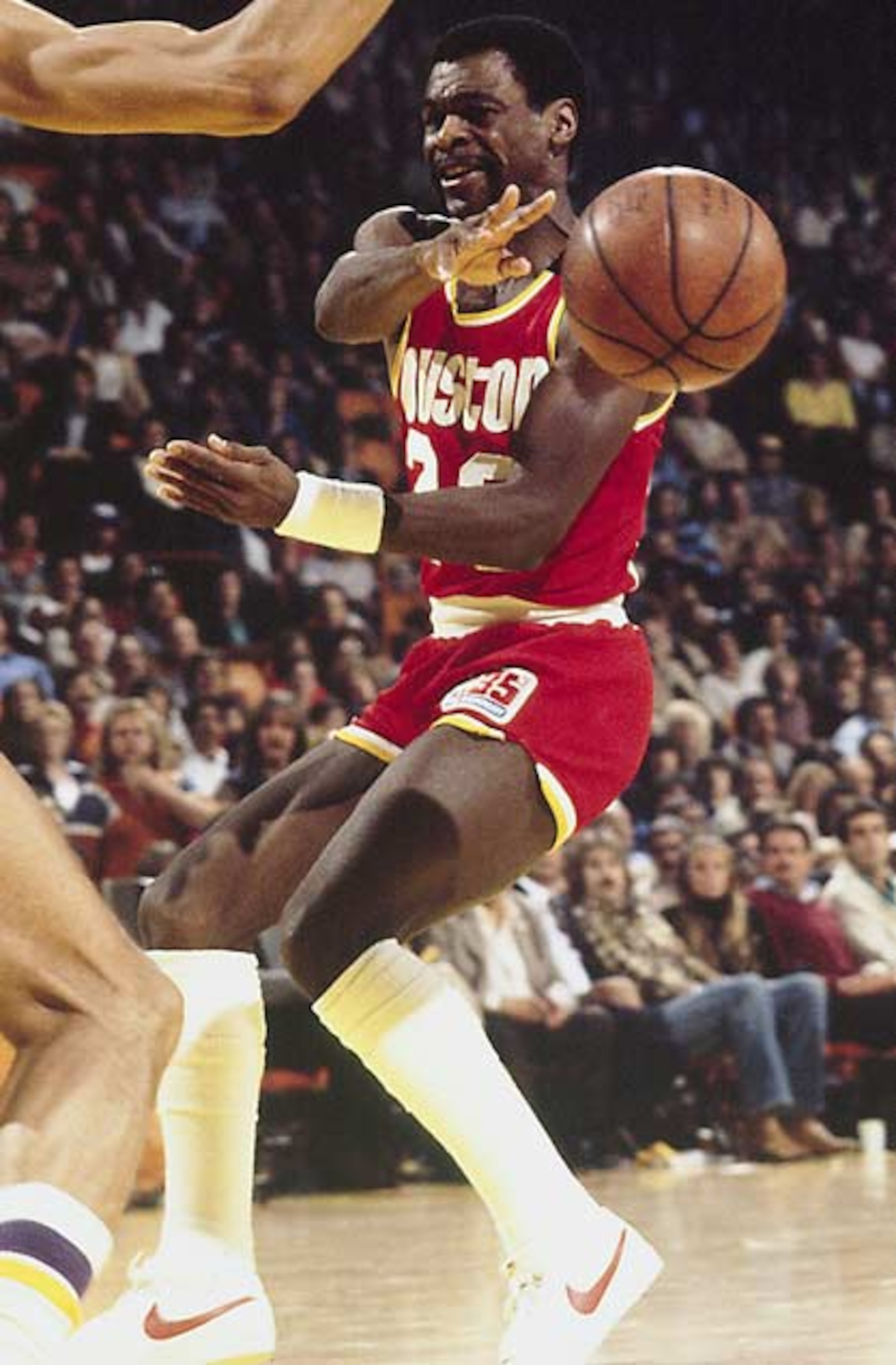
Before Nate Robinson was jumping over 7-footers, it was Calvin Murphy leading the way for the shorter people of the world and proving that basketball was not just a game for the vertically gifted.
Standing at only 5'9" and weighing 165 pounds, Murphy was the shortest player in the league, and it wasn't even close. He had a solid 13-year career with the Houston Rockets averaging as much as 26 points per game in the 1977-78 season and averaging 18 points, four assists and two steals per game for his career.
Murphy made the 1979 All-Star game and ushered the way for players like Mugsy Bogues and Earl Boykins to join the NBA.
Successors: Earl Boykins, Mugsy Bogues and Nate Robinson.
Charles Barkley: Undersized Rebounding
7 of 25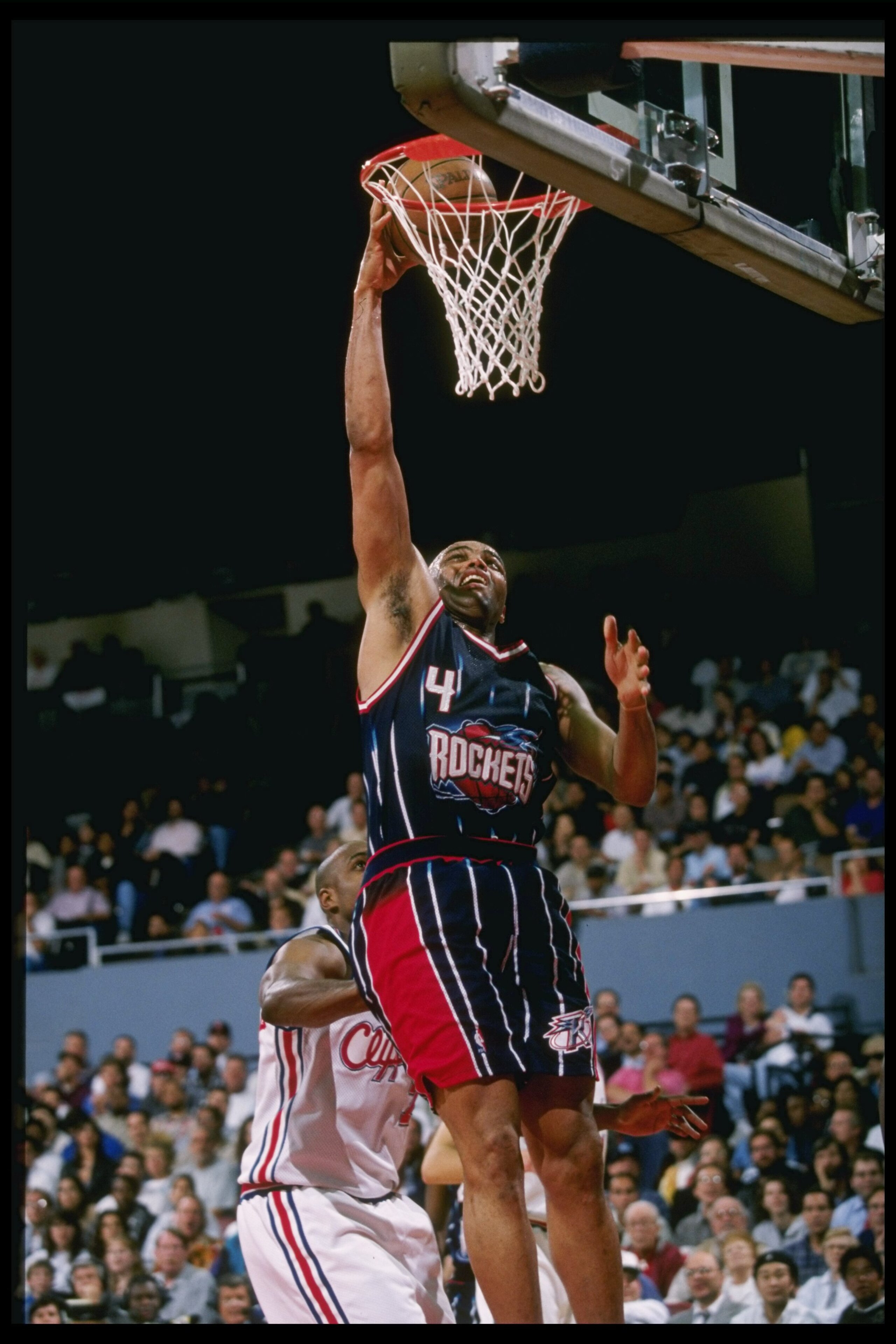
Without sneakers, he's just as tall as your average shooting guard.
Listed at 6'6", Charles Barkley is the height of a shooting guard and an undersized small forward. Yet he commanded and dominated the glass for over 15 years averaging as much as 15 rebounds per game and leading the league in caroms in the 1986-87 season.
Only in his rookie season did Barkley average single-digit rebounds.
Because of his wide frame, size and vertical leap, Barkley was able to box out the tallest of centers and power forwards in the paint when fighting for boards. Charles led the 1992-93 Phoenix Suns to the NBA Finals, won an MVP in the same year and made it to 11 All-Star games.
Successors: DeJuan Blair
Red Auerbach: Leadership
8 of 25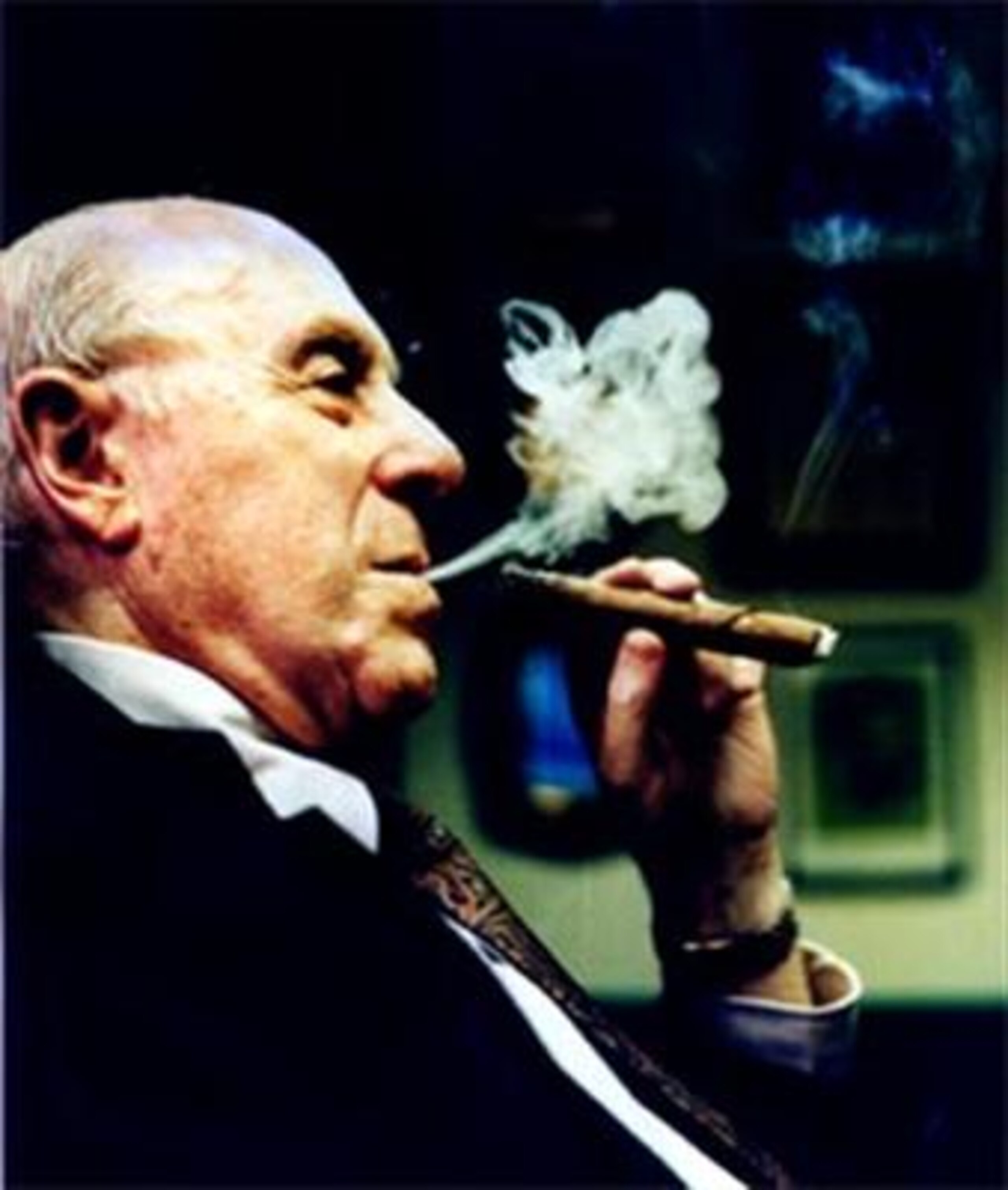
The creator of the original dynasty, Arnold "Red" Auerbach broke boundaries with his coaching style as he led the Boston Celtics to dominance throughout the late-1950s and the entirety of the 1960s.
Auerbach won nine championships as a coach with Boston and seven more as the general manager and President to give him a grand total of 16 which far exceeds any player, coach, general manager or president in any team's history. Red made defense a staple of his championships while also introducing innovations in the game itself by revealing the fast break to be a dangerous part of any teams offense.
Red was also a staple of the Civil Rights movement of the 1960s as he drafted the first African American player in 1950 and featured the first starting lineup of African Americans in 1964.
Successors: Phil Jackson, Gregg Poppovich and Pat Riley.
Nate Thurmond: Toughness
9 of 25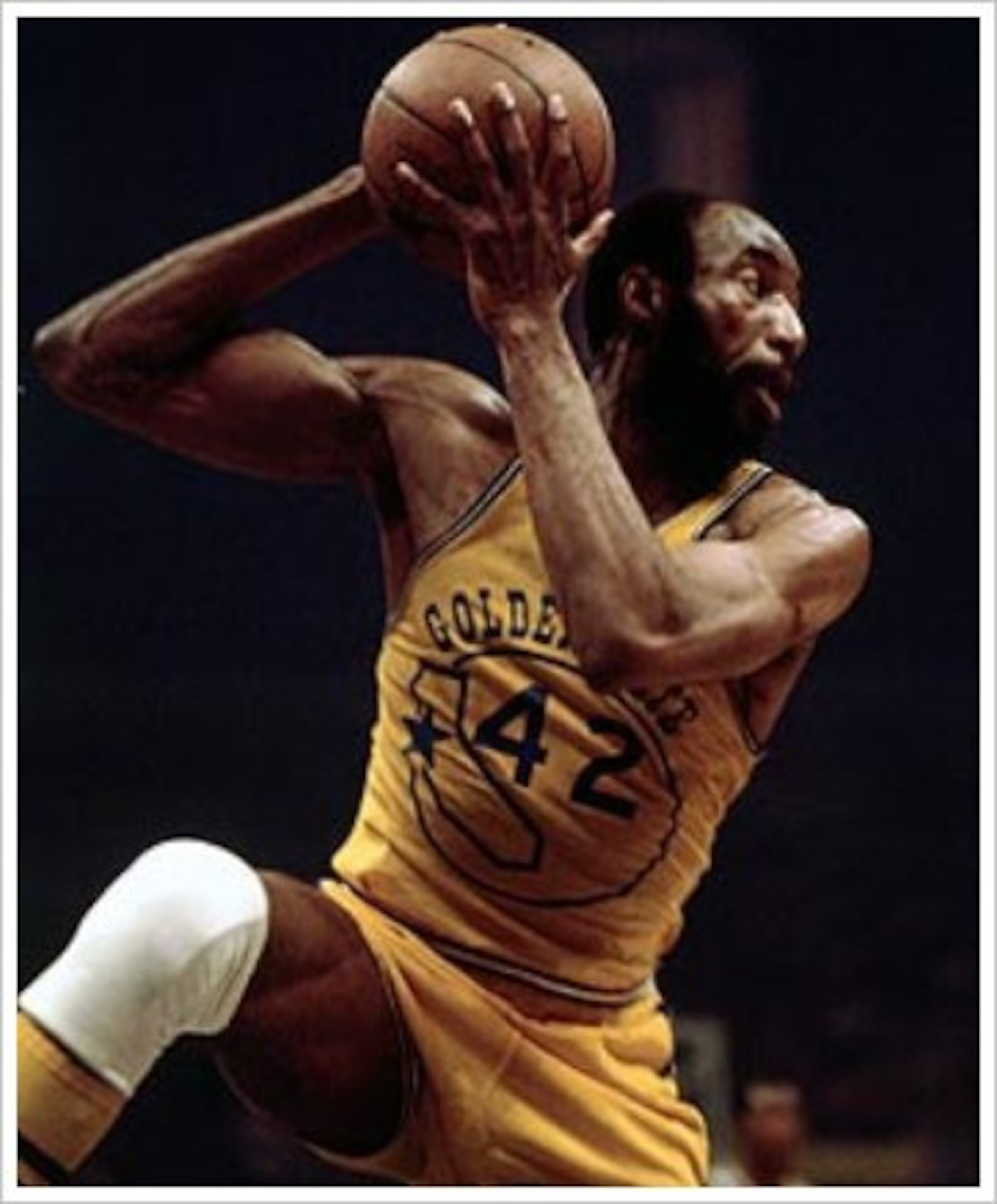
He certainly didn't look like the nicest fellow on the court. In fact, he bares a striking resemblance to Kimbo Slice in the beard and bicep regions.
Thurmond was a defensive and rebounding specialist averaging as much as 22 rebounds in the 1967-68 season and as much as three blocks per game in the 1973-74 season, the first year the NBA started recording blocks as an official stat. "Nate the Great" made it onto two All-Defensive First teams and three All-Defensive second teams while also making it to seven All-Star games.
Thurmond also earned the recognition he deserved later on in his life when he made it onto the 50 greatest players of all time list.
Successors: Charles Oakley and Dale Davis.
Reggie Miller: Three-Point Shooting
10 of 25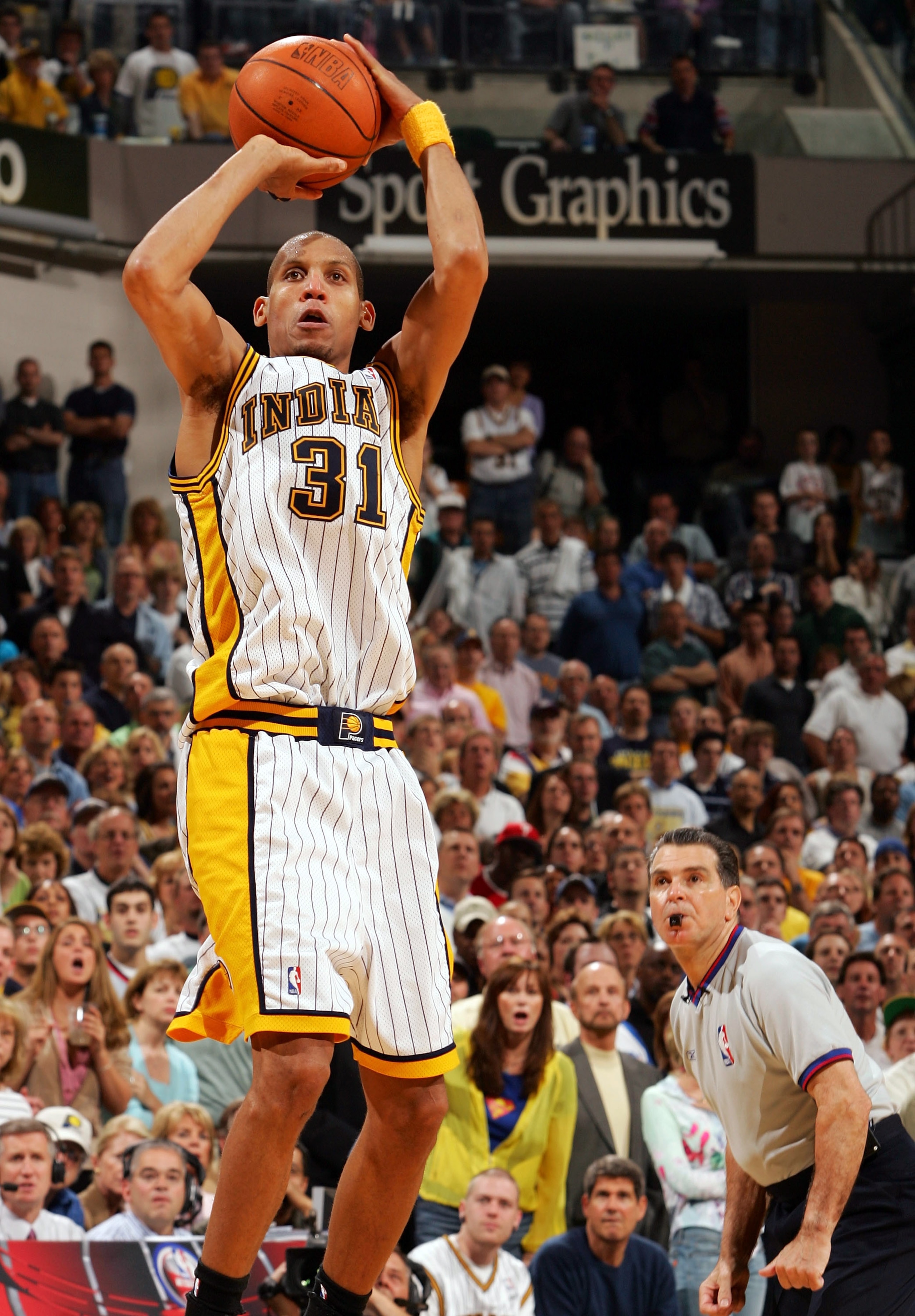
One of the first All-Stars to use the three-point line for the majority of his offense, Indiana Pacers guard/forward Reggie Miller and his shooting from beyond the arc led the way for a number of future NBA players to become friends with the land from deep.
Miller was deadly from the arc, and no team knew that better than the New York Knicks who fell victim to Reggie's deadly stroke for two consecutive postseasons. Miller was a staple of those Indiana Pacer teams that were legitimate contenders nearly every year if not for Michael Jordan and the Chicago Bulls standing in their way.
Reggie averaged two three-point makes per game and shot nearly 40 percent from deep for his career. His career high came in 1996-97 when he was making three three-pointers per game out of seven attempts.
Successors: Ray Allen and Peja Stojakovic.
Bill Laimbeer: Flopping
11 of 25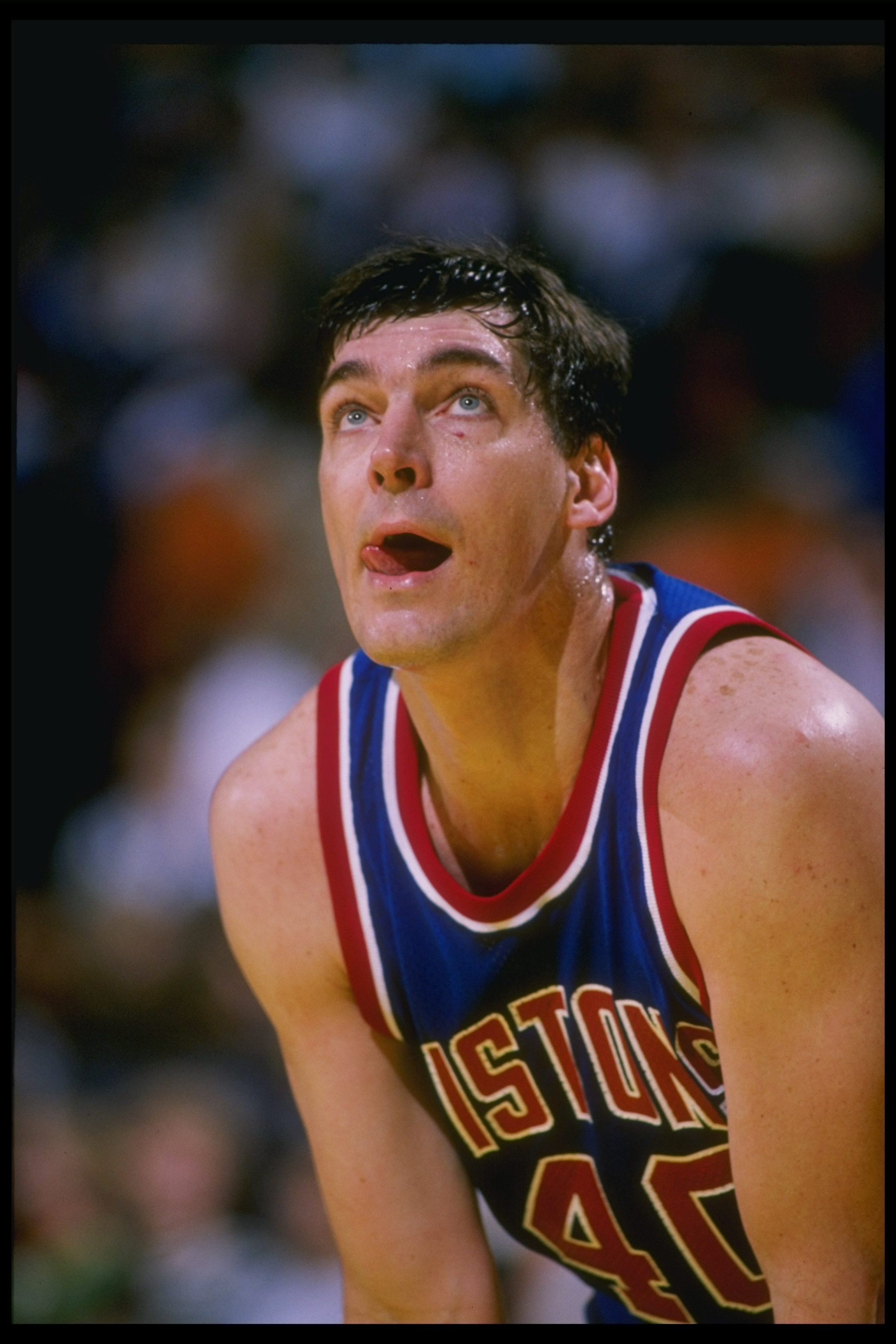
Bill Laimbeer was a terrific role player on the Detroit Piston teams of the 1980s leading the way to two consecutive titles and earning four All-Star game appearances. He was a stellar rebounder as well leading the league with 13 in the 1985-86 season and averaging 10 for his career.
However, Laimbeer was so much more than a defensive, rebounding and post presence. His role on the team was to get inside the minds of the opposition and throw them off their game by playing physical on one end and then drawing a foul on the other by flopping.
Laimbeer was one of the most frustrating players to play against and it showed with the number of altercations he used to get into on a daily basis with the likes of Larry Bird and Charles Barkley.
Successors: Vlade Divac and Manu Ginobili.
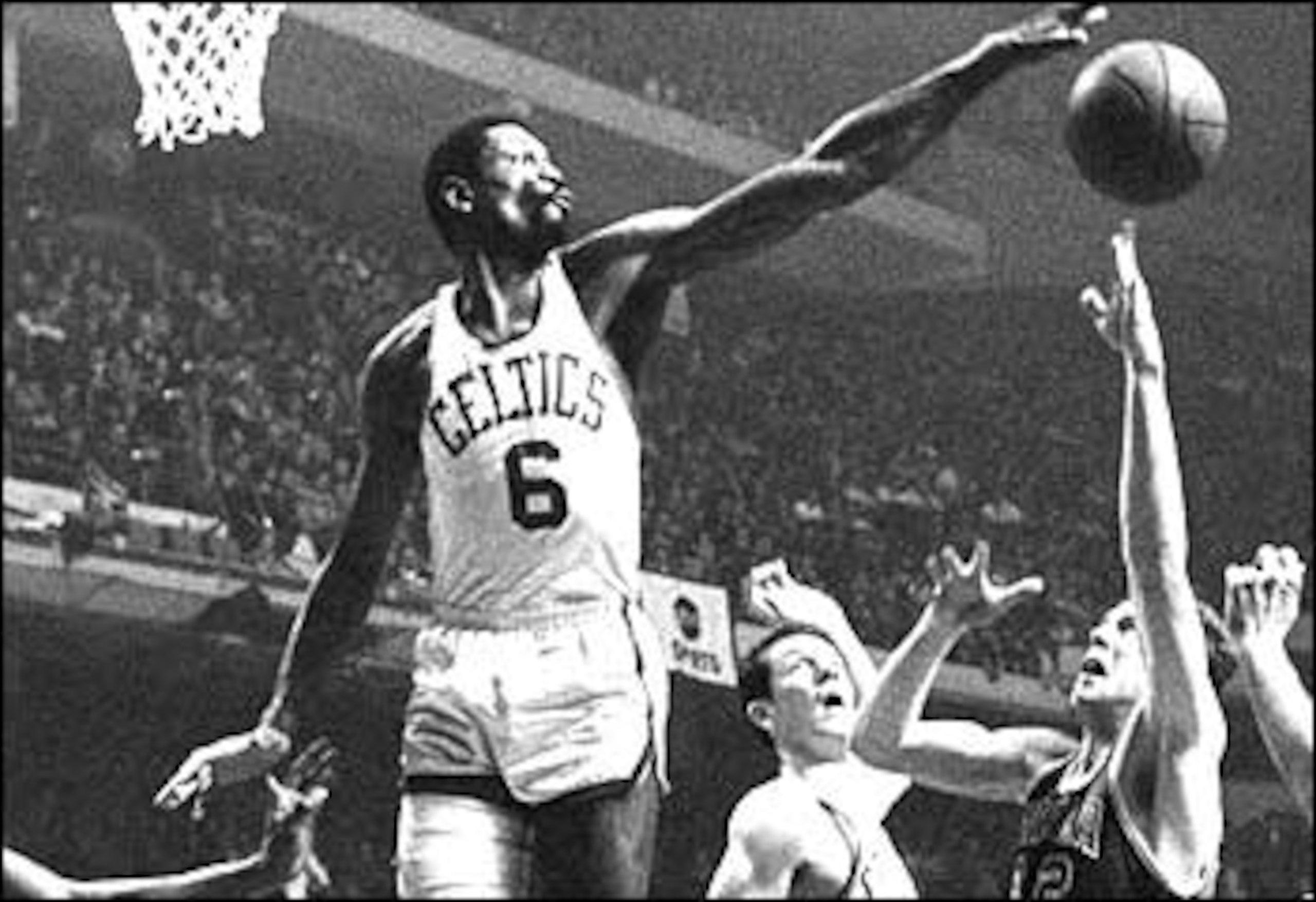
Bill Russell: Rebounding
12 of 25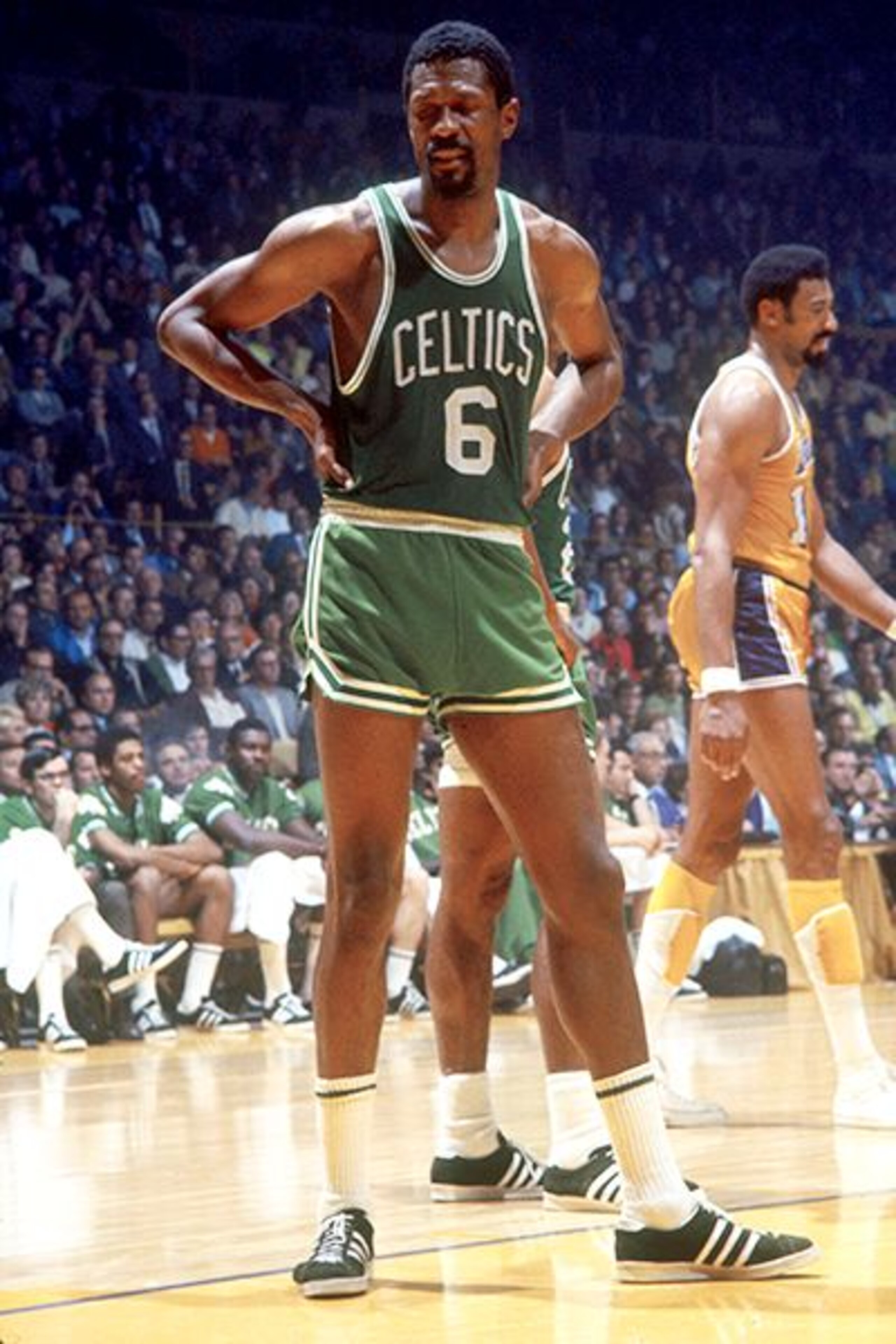
Bill Russell didn't win 11 championships and five MVP awards for no reason. He did it by being his generation's best defender and rebounder.
As a rebounder, Russell was dominant with only Wilt Chamberlain challenging him for the league lead. He led the league in rebounding five times, including the first three years of his career, and had a career high of 25 per game in the 1963-'64 season.
Russell never averaged less than 18 rebounds per game during his career and averaged 23 per game over 13 seasons.
Successors: Shaquille O'Neal and Kareem Abdul-Jabbar.
Tim Duncan: Fundamentals
13 of 25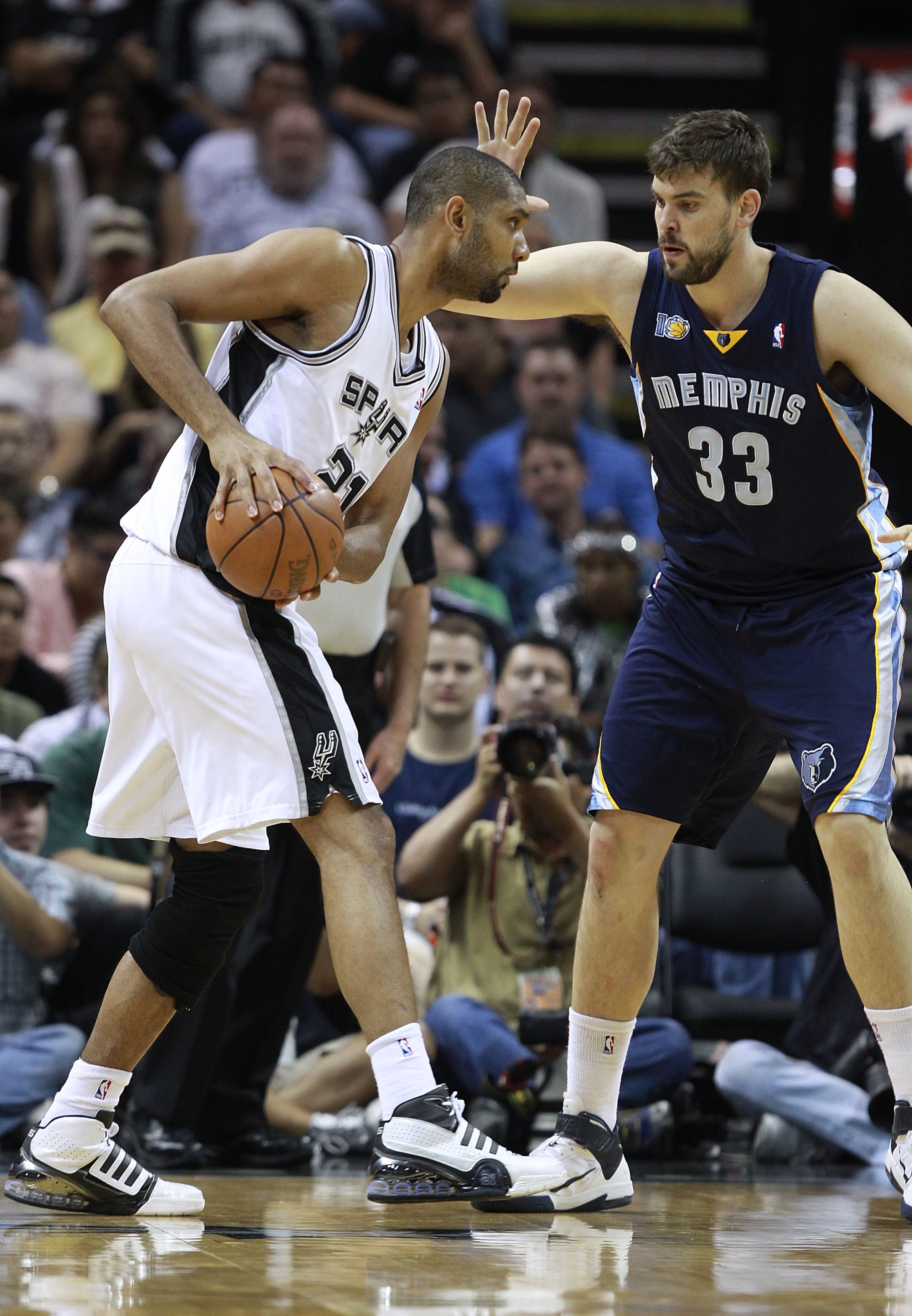
Tim Duncan isn't the player that you're going to find on highlight reels dunking on defenders or making ridiculous passes.
Instead, you're going to see Duncan as a quiet, fundamentally sound player that is strictly business on the court and no more and no less. Timmy has led the San Antonio Spurs to four championships over the past 12 seasons and recently just led his team to the NBA's top regular season record.
Duncan has been the anchor to each and every Spurs team since being drafted in 1997 and has won three Finals MVP's to go along with one NBA MVP.
Timmy has also consistently averaged a double-double in every year of his career aside from this past season where he averaged 13 points and nine rebounds as a 34-year-old. Duncan's quiet style of play should be a lesson taught to any new player to show that having basketball fundamentals go along with a talented skill set can help anyone become one of the best.
Successors: Kevin Love
Tim Hardaway: Cross over
14 of 25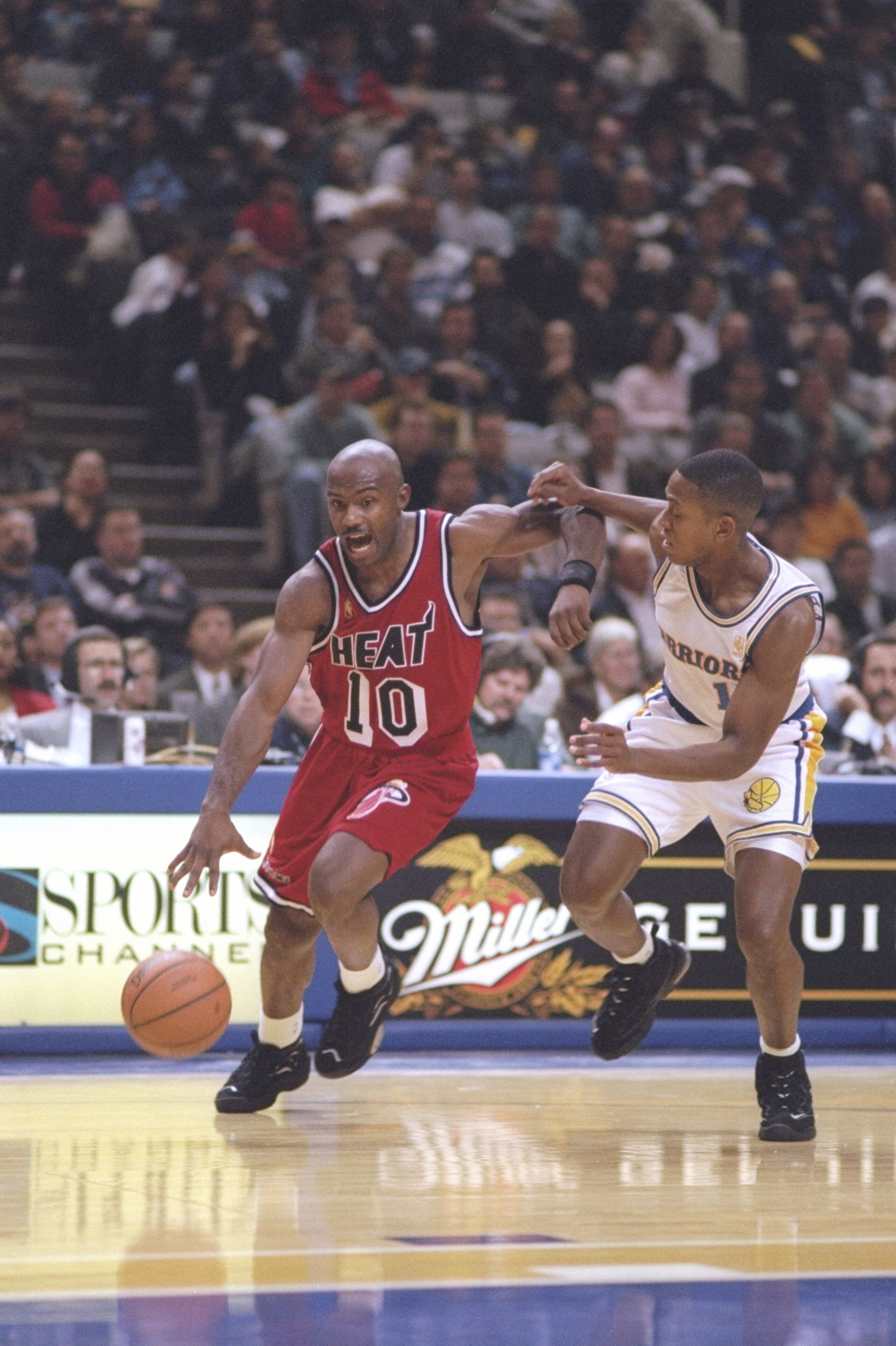
Starting out in college as the "UTEP Two Step," Tim Hardaway was one of the first NBA players to begin using the cross over a primary source of offense.
He brought it into the NBA as his lightning fast speed and ball handles that could put you in a trance became key staples of his game. Hardaway was averaging as much as 23 points per game in only his third year in the league as a member of the Golden State Warriors and their version of the big three with Run TMC.
Whether he was in Oakland or Miami, Hardaway's cross over was deadly, and it allowed him to thrive in the paint as a scorer while also attracting defenders and allowing his teammates to get open for easy scores.
Successors: Allen Iverson, Dwyane Wade and Rafer Alston.
Michael Jordan: Dominating
15 of 25
It's easy to say that Wilt Chamberlain was the most dominant figure in NBA history if you look at his stats. However, if you look at Michael Jordan's stats while also comparing it to the level of competition that he had to play against, you begin to realize just how significant and amazing Jordan was at the level he was playing on.
As a rookie, Jordan averaged 28 points per game and then averaged 37 points per game in his third season, the most that the NBA had seen since Elgin Baylor averaged 38 nearly 20 years prior. Jordan went on to average over 30 points per game for seven seasons during a time where defense was the staple of the majority of teams.
Michael was absolutely dominant in the time he was in the league. His jump shot was nearly unstoppable as he elevated and hung higher in the air than any other player, his individual and team defense was some of the best in the league and his leadership skills was something that hadn't been seen since Bill Russell and the Celtics in the 1960s.
Jordan won six championships and five MVP's during his illustrious career.
Successors: Kobe Bryant and LeBron James.
Wilt Chamberlain: Scoring (in More Ways Than One)
16 of 25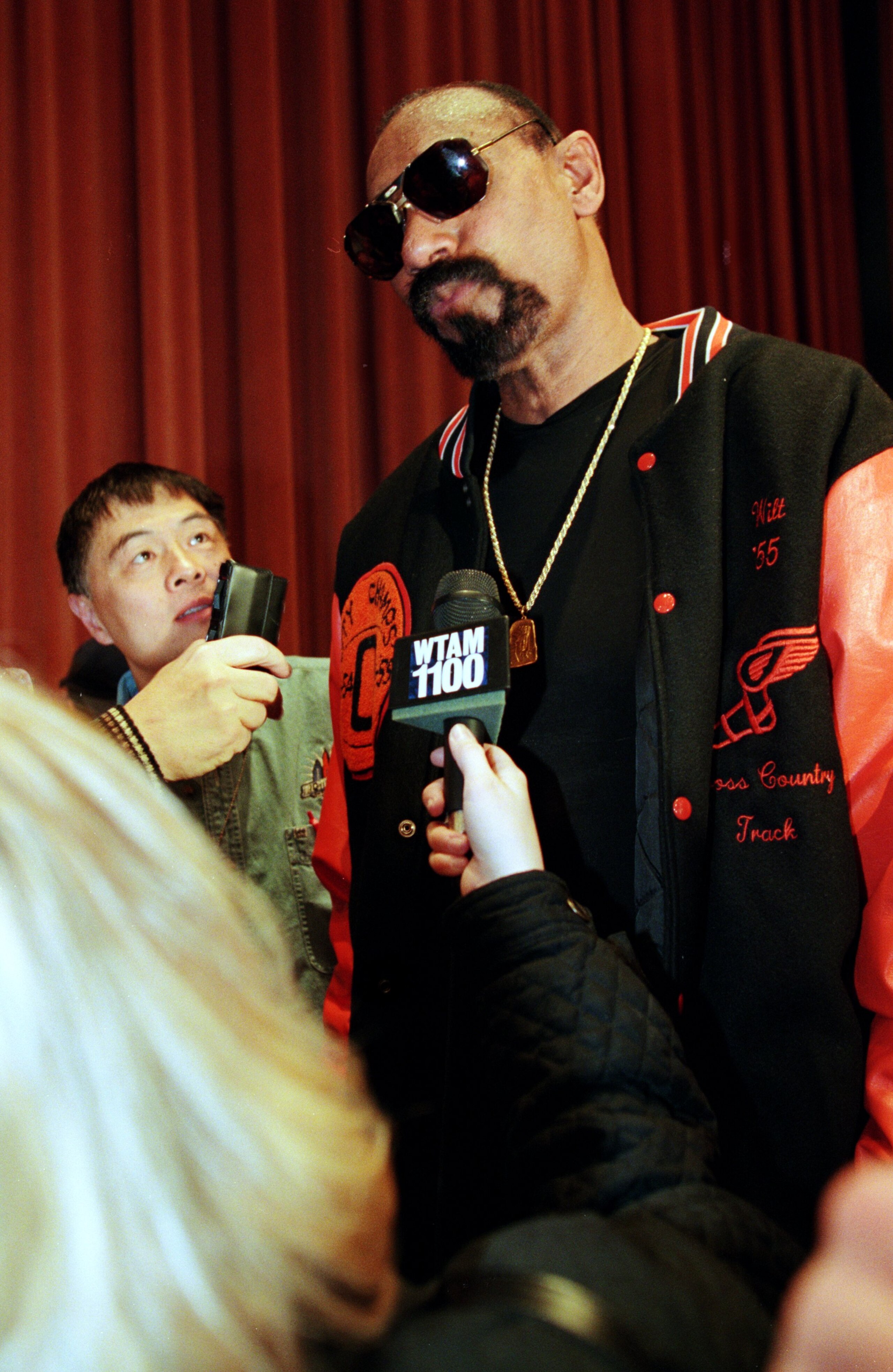
Say what you will about the level of competition that Wilt Chamberlain played against, averaging 50 points per game is an absolute statistical oddity that will never be matched for as long as this game is played.
During the 1961-62 season when Chamberlain averaged 50 points and scored 100 points in one single game, he was playing over 48 minutes per game, taking nearly 40 shot attempts and 17 free-throw attempts per contest. It makes it all the more impressive when you realize that Wilt was only a 61 percent free-throw shooter. He also averaged 26 rebounds per game for good measure.
Wilt averaged over 40 points per game twice and over 30 points seven times. He finished his career averaging 30.1 points per game and tied in NBA history for the most points scored per game.
As for the more ways the one part, I think you can figure that out.
Successors: Michael Jordan and Kobe Bryant.
Jerry West: Clutch
17 of 25
I can bet that any player in the league today would love to be nicknamed "Mr. Clutch."
Jerry West was the player who originally donned the nickname, and he proved it time and time again with the Los Angeles Lakers throughout the 1960s. Even though he was only able to secure one title in 1972, West was one of the best in the league at finishing games, and there was no better evidence than his 60-foot heave against the New York Knicks in the Finals to send the game to overtime.
West was also a very underrated scorer as he averaged more than 30 points per game four times in his career, leading the NBA in 1969-70 when he averaged a little over 31 per contest.
Successors: Kobe Bryant, Larry Bird and Michael Jordan.
Shawn Bradley: Posteriziation
18 of 25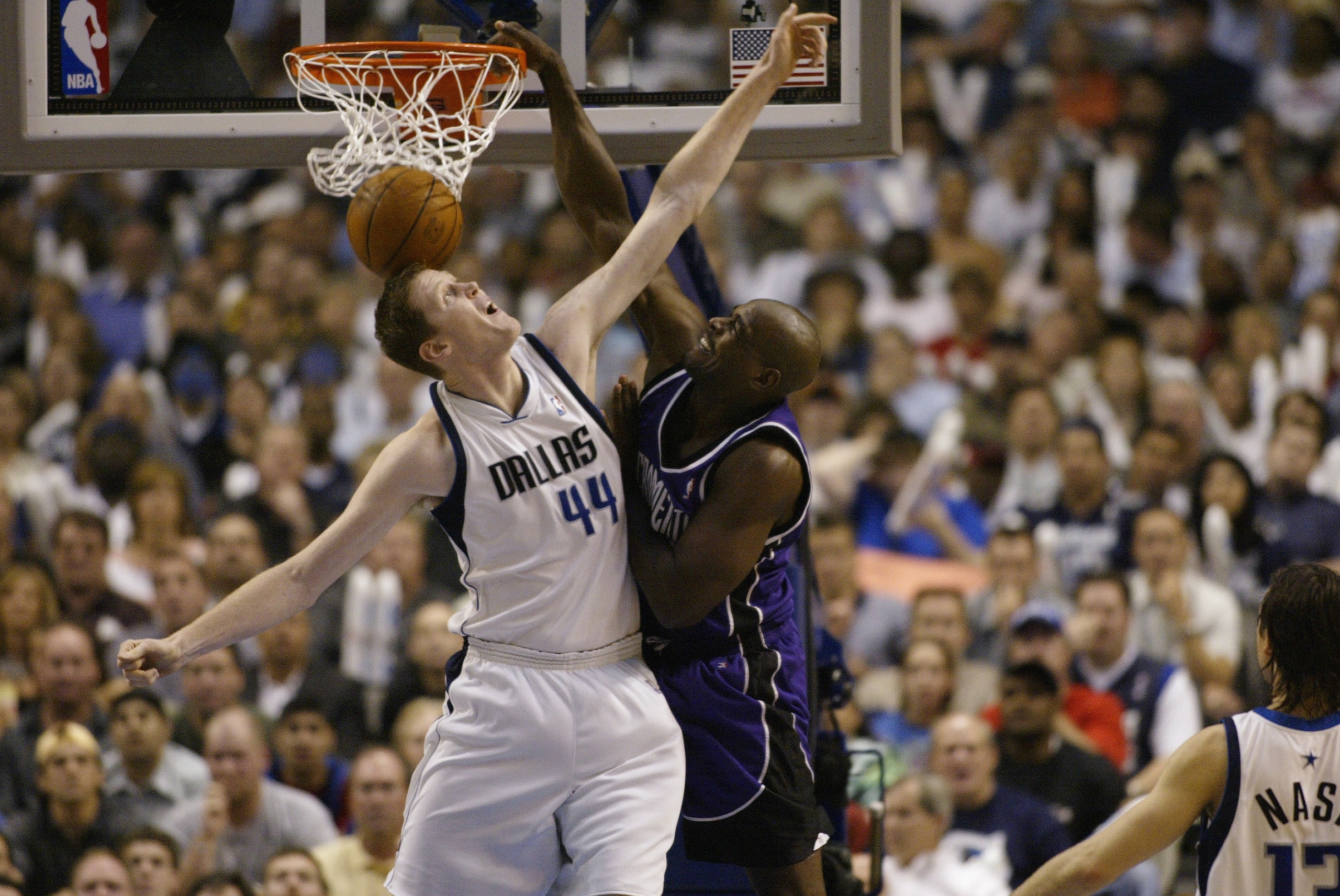
Most players have a top 10 for dunks or passing.
Shawn Bradley has a top 10 completely devoted to getting dunked on.
It's unfair to remember Bradley as only a player that did nothing but get dunked on since he was actually a quality shot blocker that averaged over two for his career and over three per game for his first six seasons in the league. However, Bradley obviously didn't always block every shot and instead ended up a number of posters from just about every player in the league that had an exceptional vertical leap.
Standing at 7'6", it made the posters even more embarrassing considering just how tall and how much of a reach he had when his arms were fully extended.
Successors: D.J. Mbenga and Theo Ratliff
Spencer Haywood: Draft
19 of 25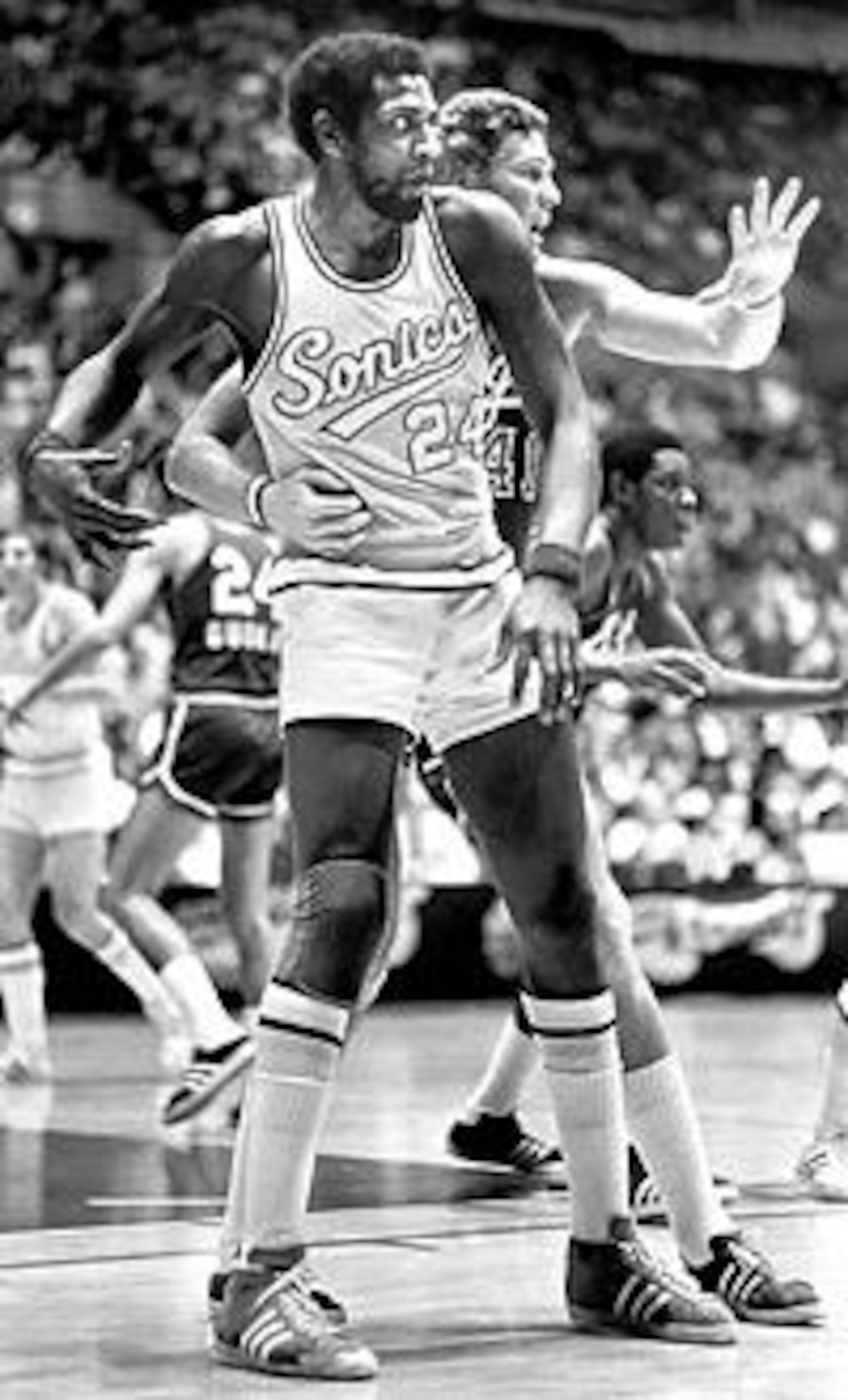
Can you believe that NBA players actually used to spend four years playing at a college? Crazy, right?
Spencer Haywood was the first to actually decided to leave school early for a chance to go professional instead. He wanted to leave after his sophomore year of college after dominating the college level as a freshman averaging 32 points and 22 rebounds per game, but NBA rules prohibited him from joining. He did the next best thing by joining the ABA until he crossed into the NBA a year later.
Haywood averaged 30 points and 20 rebounds in the ABA but never saw the same kind of statistical success in the NBA. He averaged as much as 29 points in the 1972-73 season and 13 rebounds for three consecutive seasons between 1971-1974.
Successors: 95 percent of the NBA.
Hakeem Olajuwon: Dream Shake
20 of 25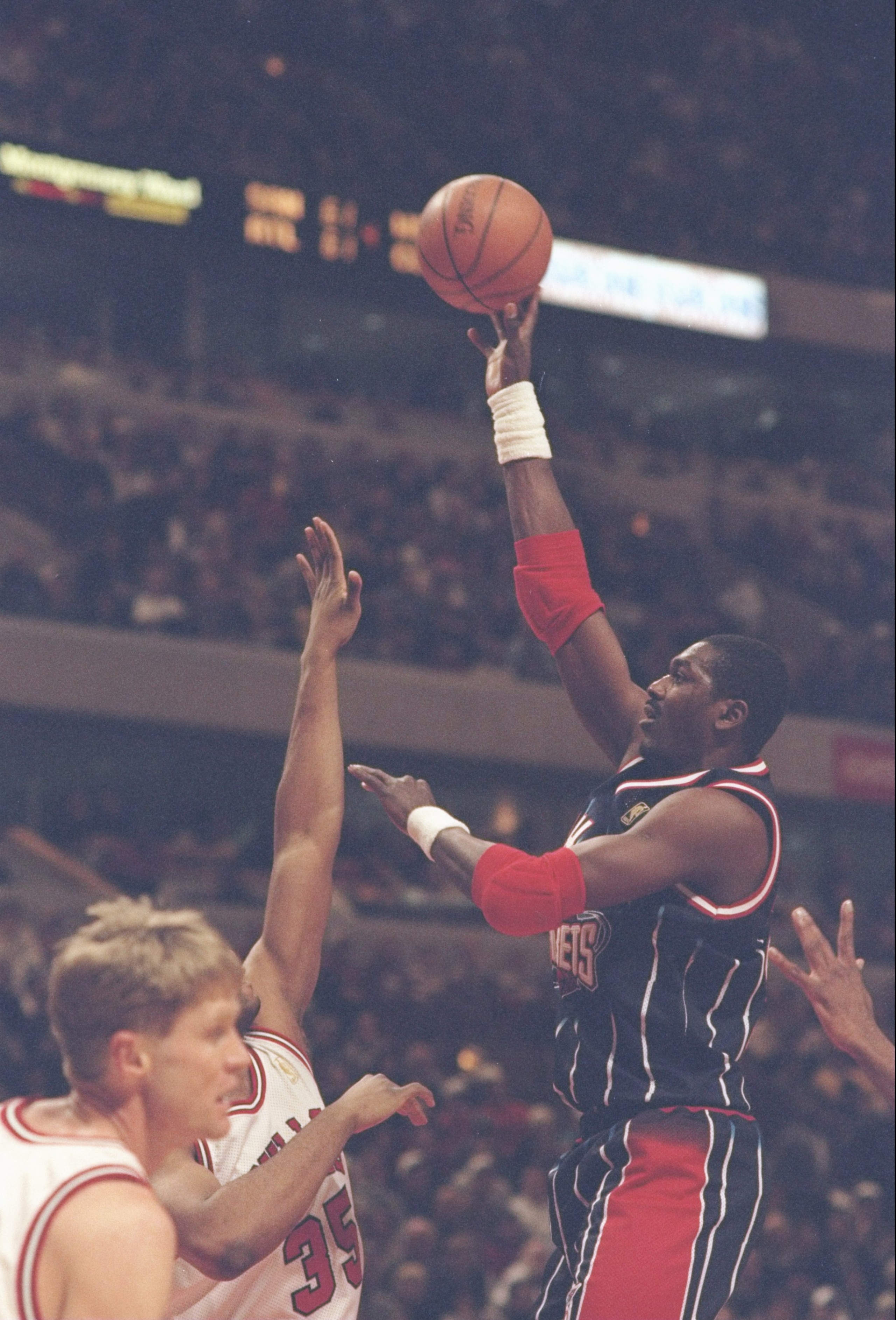
We've seen Rajon Rondo do it and we've seen Stephen Curry give it a shot as well, but no one can perform the dream shake to its perfection better than its creator Hakeem Olajuwon.
The footwork of a center is one of the most coveted items that a team can have. There are no centers in the league today that possess the footwork and the trickery that Olajuwon had when he was in the post, and that's what made him so dominant even in a league where the NBA was top heavy with elite centers.
The dream shake freed up Olajuwon for easy scores around the basket while also keeping defenders on their toes and second guessing what he would do next. Hakeem is one of the NBA's greatest post presences, and the dream shake is a move that is often imitated but never replicated.
It is so coveted that a few of the NBA's biggest stars, Kobe Bryant and Dwight Howard, have asked Olajuwon for guidance on how to possess and utilize his post moves.
Successors: Rajon Rondo and Tim Duncan
Kareem Abdul-Jabbar: Hook Shot
21 of 25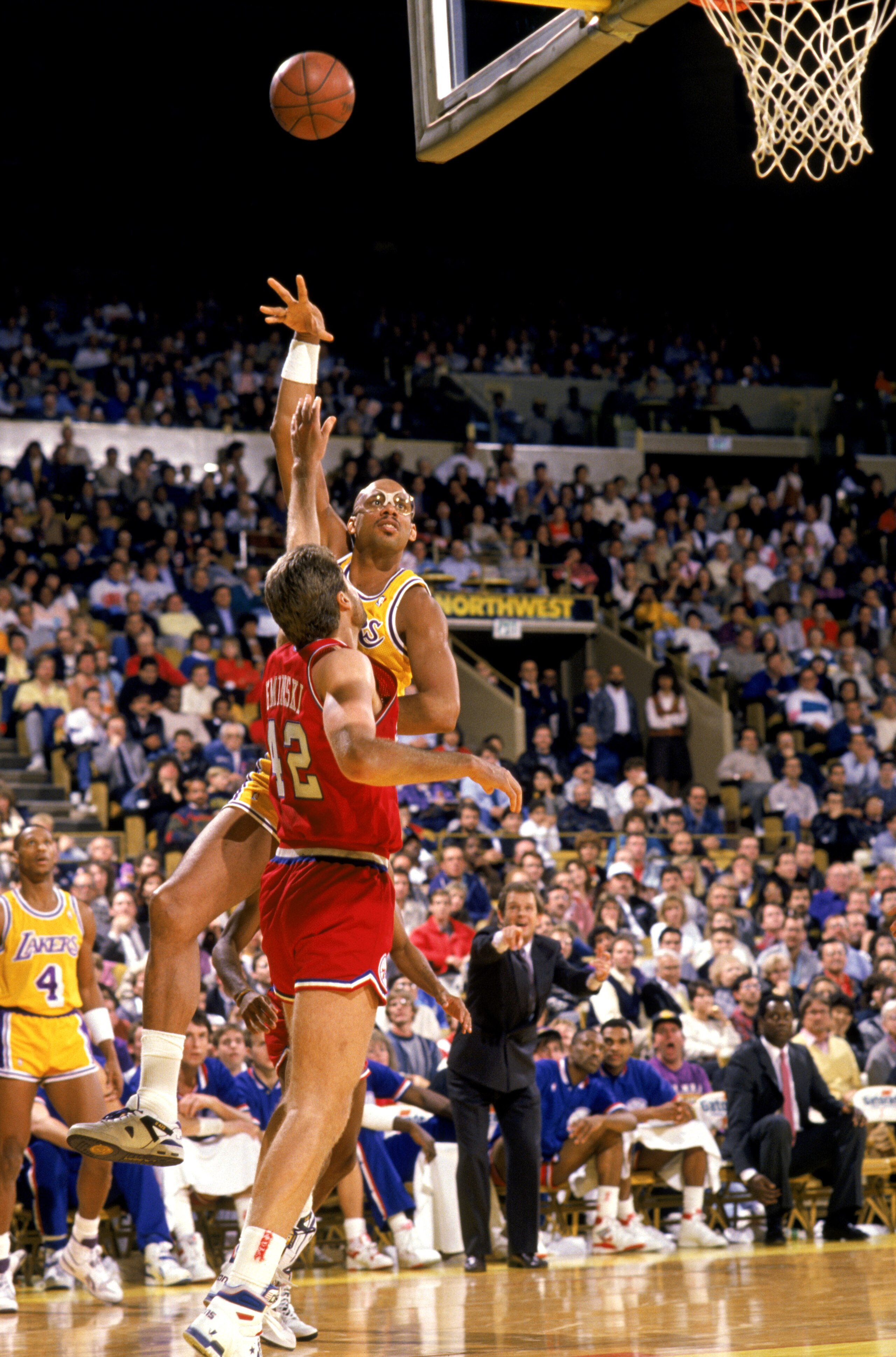
There are moves that only the most elite of players possess that are seemingly impossible. Olajuwon's dream shake and Jordan's fadeaway are among some of those, but there seem to be none more unstoppable than Kareem Abdul-Jabbar's sky hook.
Standing at 7'2" and having arms that hung down to his ankles already gave Abdul-Jabbar an advantage over most other players in the league. Couple that with a signature and automatic shot that was released nearly level with the rim and you have one of the most effective and lethal shots in the history of the game.
He averaged as much as 35 points per game in only his third year in the league and is the historical leader for most points in a career.
Abdul-Jabbar also secured six NBA titles and six MVP's.
Successors: Dwight Howard (in the process)
Kevin McHale: Post Moves
22 of 25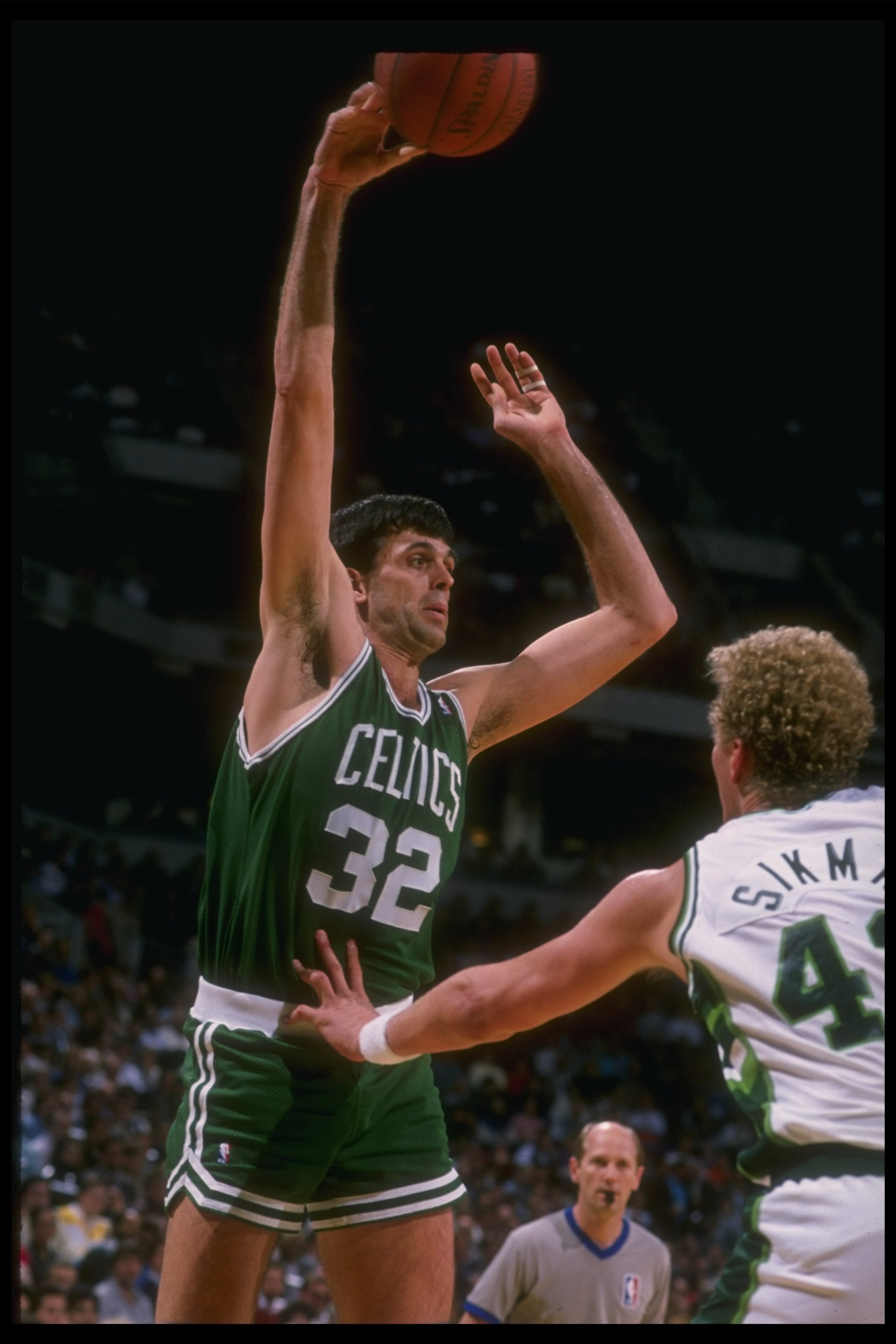
In today's NBA, the idea of a big man that has agile feet and hands soft enough to catch and shoot seems far fetched. Back in the 1980s and 1990s however, the league was filled with nothing but power forwards and centers that knew how to post up and knew how to finish.
One of those players was Kevin McHale and he was a pioneer of creating capable post moves for easy scores around the basket. Coupled in that vaunted frontcourt with Robert Parish and Larry Bird, McHale was one of the league's most effective post players averaging as much as 26 points per game in the 1986-87 season and shooting over 60 percent for two consecutive seasons.
McHale helped lead the Celtics to three titles and also won consecutive Sixth Man of the Year awards for his efforts with Boston.
Successors: Hakeem Olajuwon and Shaquille O'Neal
Bill Russell: Defense
23 of 25
It's a shame that the NBA didn't keep track of blocks as a statistic until the 1970s. Otherwise we would have a better way to gauge just how dominant of a defender Bill Russell for his time.
While rebounding was one of his main specialties, it was his defense that led the Boston Celtics to 11 titles between 1957-1969. One of the key points behind his success is by judging just how well he played against the other most dominant figure in the game in Wilt Chamberlain.
Wilt was never able to best Russell, and it was the reason why he only won two titles in his career despite being the league's greatest scorer.
Bill's post defense is some of the best the league has ever seen and today we only have grainy footage to remember it by.
Successors: Dwight Howard, Robert Parish and Ben Wallace
Bob Cousy: The No-Look Pass
24 of 25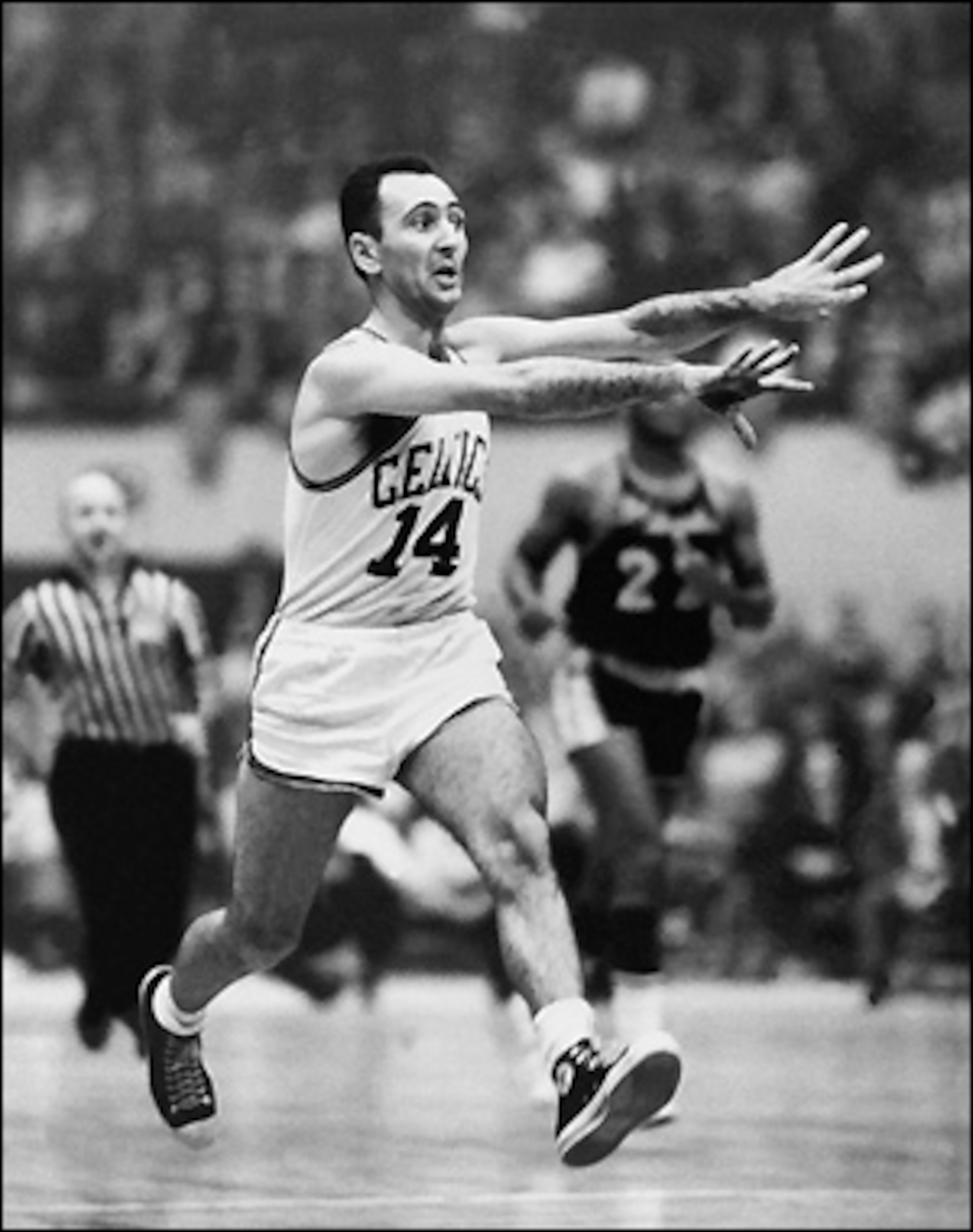
Point guards today can only dream of playing in the 1960s when an offense basically consisted of scoring as fast as you can.
Bob Cousy took full advantage of the moment and the offensive system that the teams were playing in by adding several new dimensions to the way a point guard was supposed to play. He was a premier passer for his time and led the league in assists for eight consecutive seasons. One of his signature moves was the no-look pass that he dazzled crowds with since it was a new invention.
Cousy was one of the first players in NBA history to use trickery to his advantage, and he did it through the art of passing and making his teammates better. The combination of himself and Bill Russell was the main reason behind the Celtics's consistent success in the late-1950s and throughout the 1960s.
Successors: Jason Williams, Jason Kidd and Steve Nash
Julius Erving: Dunking
25 of 25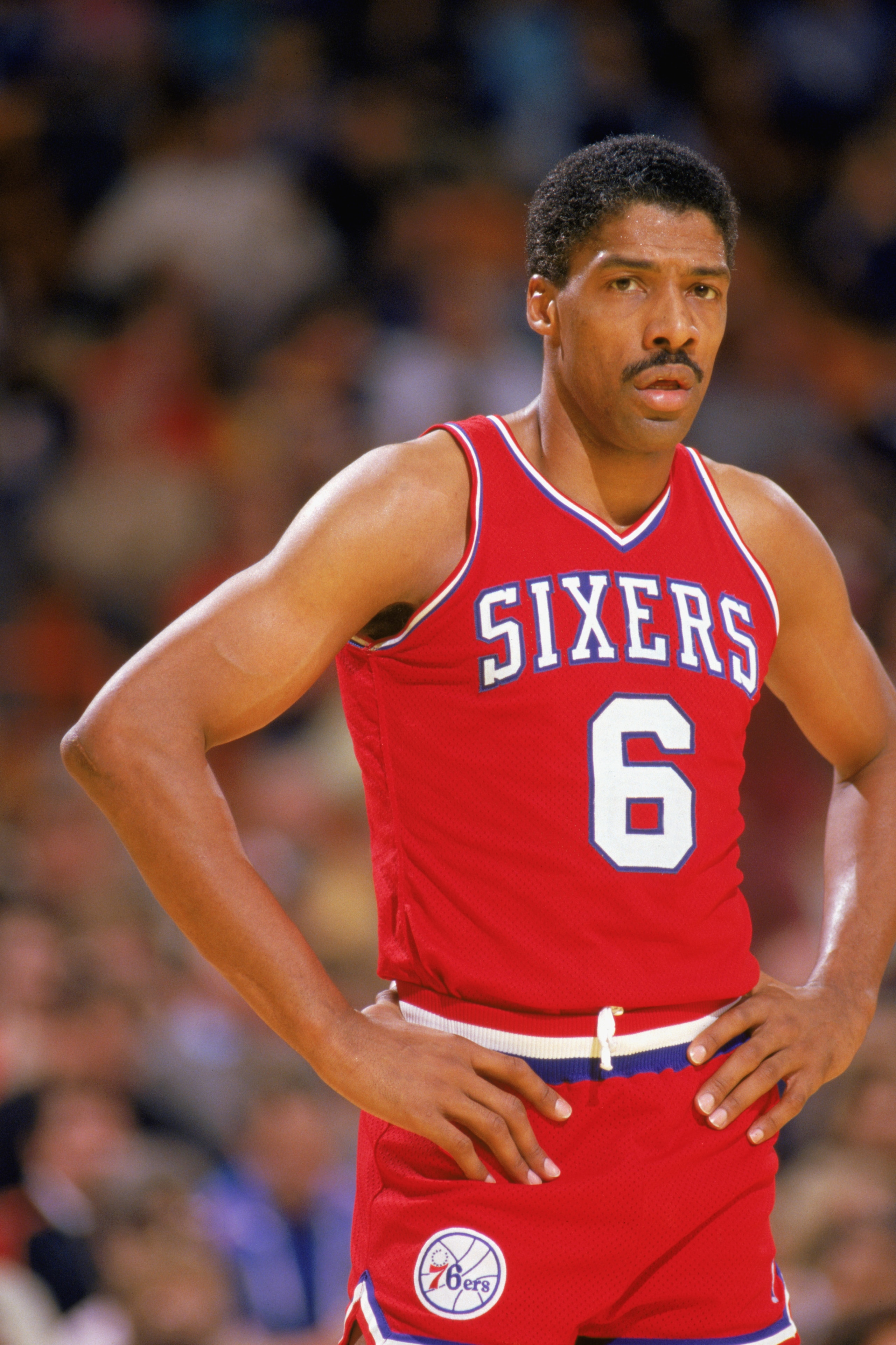
All the flashy dunks you see today on every highlight reel on ESPN's top 10 you can attribute to Julius Erving.
Prior to the late-1970s, dunking was more along the lines of an easy two points rather than an art form and a display of a players raw, natural, God given talent. It wasn't until Erving joined the NBA that dunking started to become one of the most entertaining and electrifying parts of the game. Once Dr. J rocked the cradle on the head of Michael Cooper, it was simply history from there.
Erving ushered the way for every player in the league to use dunking as a momentum changer and something more than two points.
Successors: Vince Carter, LeBron James Kobe Bryant, etc.

.jpg?w=2560 "Chiefs, Steelers Eye WR Trades")





