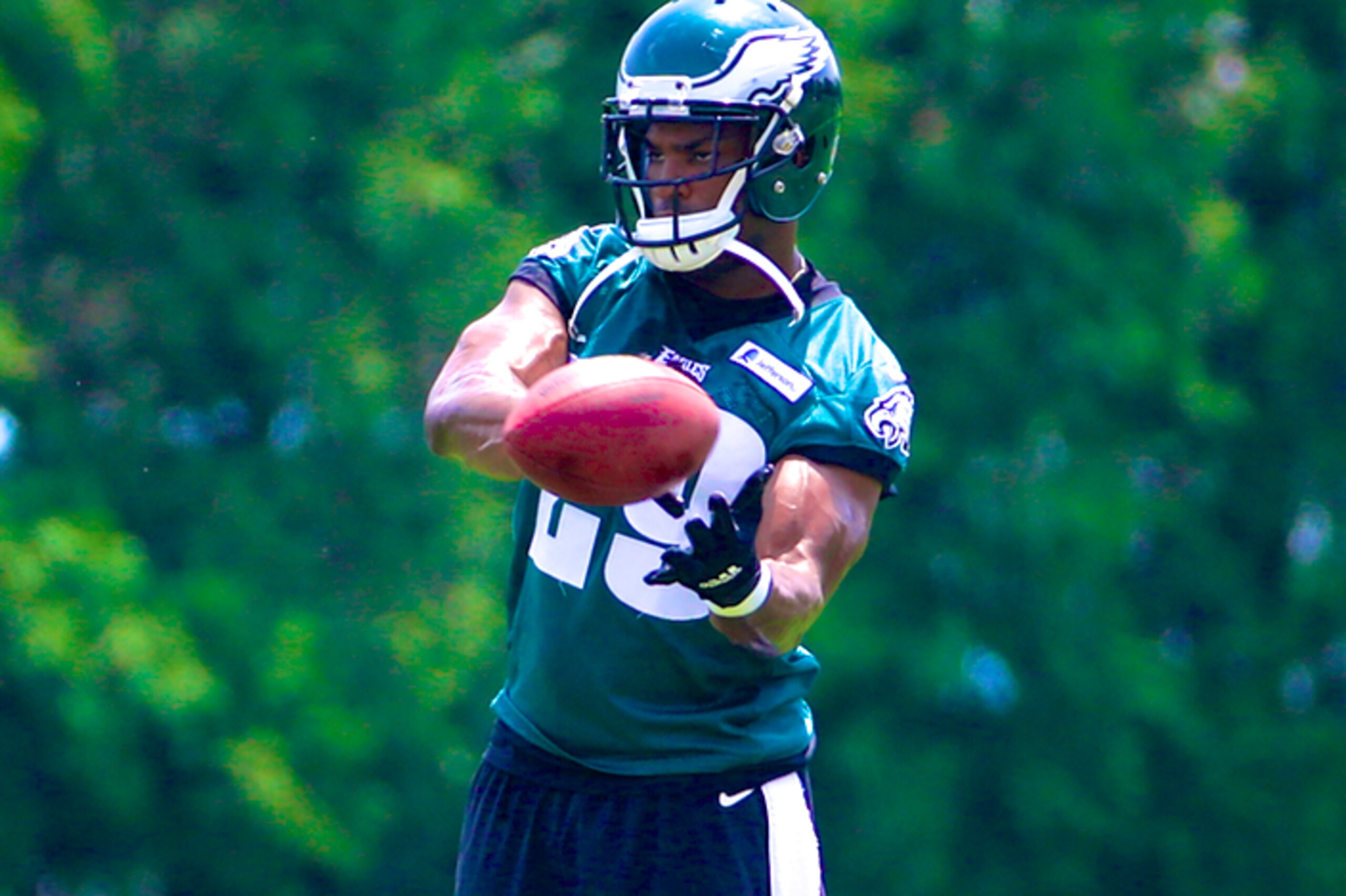

Adding Meat to the DeMarco Murray 'Meat on the Bone' Debate
He's the reigning NFL rushing champion and Offensive Player of the Year. He's completely healthy and behaving like a leading citizen for his new team. And yet DeMarco Murray cannot seem to avoid controversy.
First, there was all the LeSean McCoy race chatter, which only tangentially involved Murray, McCoy's replacement in Philly. Then there was the insinuation by Joseph Randle, Murray's 2014 backup and likely 2015 replacement, that Murray left available yardage on the field.
"There was a lot of meat left on the bone," Randle said, per Brandon George of the Dallas Morning News.
.jpg?w=2560 "49ers Giants Football")
.jpg?w=2560 "Commanders Vikings Football")
Randle's comments sent the All-22 grinders into the film room searching for flaws in Murray's game. Andy Benoit of MMQB, one of the most dedicated film junkies in the business, wrote an article defending Randle's comments, with a former NFL offensive line coach riding shotgun during the film session.
The article, which was actually a roundup of several Cowboys offensive line-related topics (including the fantasy prospects of Darren McFadden and line coach Bill Callahan's challenges with the Redskins) was given the provocative headline "Replacing DeMarco Murray: Randle is Right."
The headline, predictably, sparked outrage in Eagles circles. Jimmy Kempski of PhillyVoice.com responded with both scathing language and a healthy dose of GIFs defending Murray's on-field decision-making.
I know both Benoit and Kempski very well. Neither is some guy who just bought an NFL Game Rewind subscription last week, watched an hour of coaches' film and took to the Internet to declare his expertise. Both put in the work and know their stuff. I have no interest in taking sides in any debate, nor of acting as an unsolicited mediator.
What I want to do is throw all available facts—from the Football Outsiders database, from my own scouting work and so on—into the discussion. The underlying argument of whether Murray "left meat on the bone" is a little academic at this point. The bigger question is whether Murray can come close to matching his 1,845-yard output of last season, adjusting for obvious factors like the Eagles' deep running back corps, Murray's current rushing and decision-making style and the Cowboys' exceptional offensive line.
It's not an easily answered question. But we can do more than just point to photos and GIFs and argue.
Moving Past the Obvious
Let's address some obvious talking points and straw-man arguments before diving into data.
• Murray rushed for 1,845 yards last year. No one is saying he stinks or is "average," whatever that means. We're trying to isolate Murray's skills, and his decision-making, from the contributions of the Cowboys line and other factors.
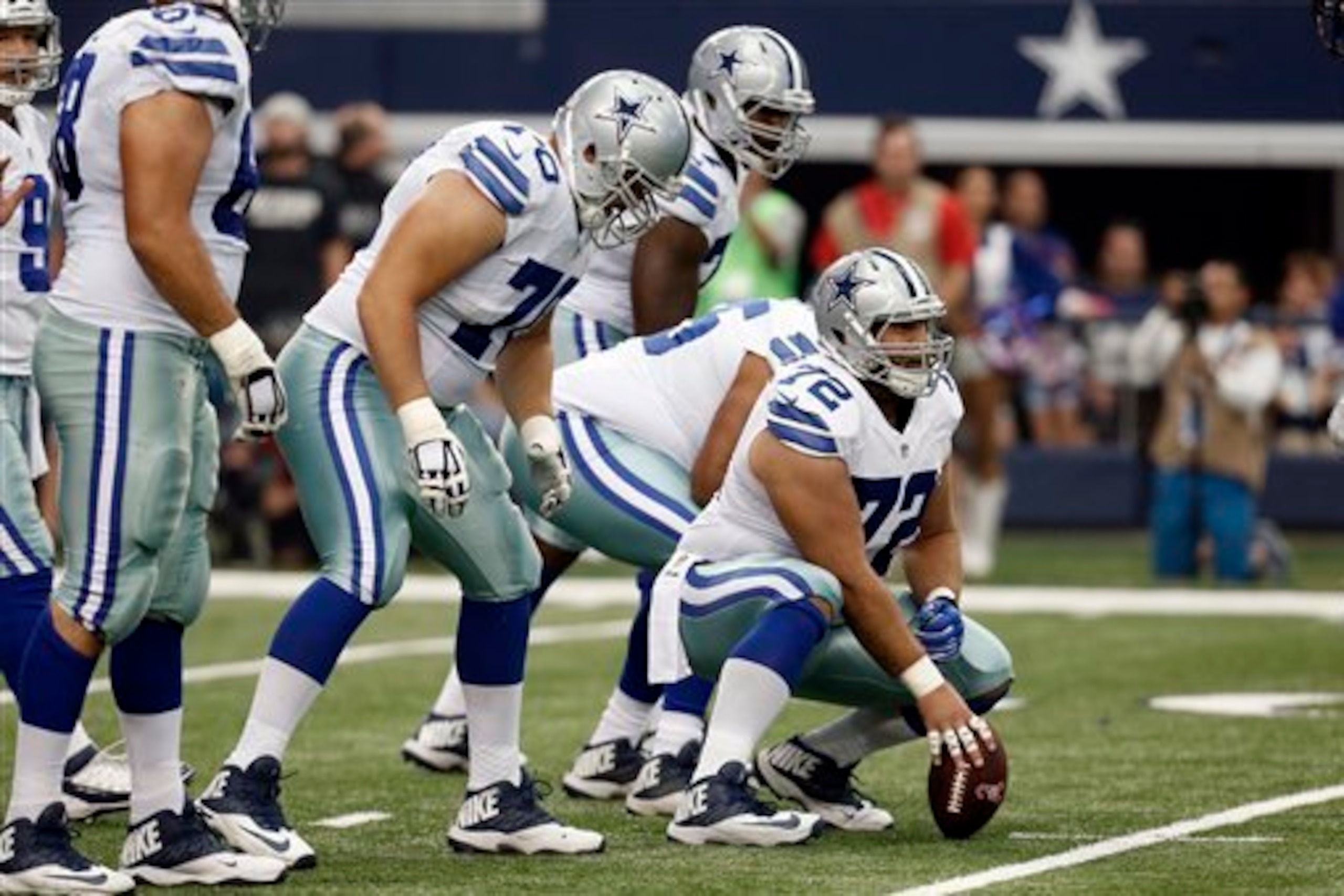
• The Cowboys had the best offensive line in the NFL last year, particularly when run blocking. Football Outsiders ranked them first in adjusted line yards, a metric designed to separate the line from the running back as accurately as possible. Pro Football Focus ranked them second (to the Eagles, who have lost two starters since last season) in run blocking and third in pass blocking, with three of their five starters ranked in the top 10 at their positions.
The Cowboys offensive line clearly created opportunities for Murray that other NFL backs did not enjoy. The question is where the line's contribution ended and Murray's began, not whether the Cowboys can stick a fat sportswriter in the backfield and produce a 1,500-yard rusher or if Murray needs an E-ZPass lane simply to gain positive yardage.
• Every running back in the NFL sometimes hits the wrong hole or bounces a play outside when he should have slammed into the line. Citing three examples, as Benoit and Kempski did, proves nothing. That said, no one seriously believes that three examples are proof of anything: These are articles, not academic journal submissions, and you don't want to try to load a page with 125 GIFs.
• Murray rushed 392 times in the regular season. Football Outsiders' research strongly indicates that rushing more than 370 times in a season is hazardous to a running back's future, but we aren't talking about that here. We are projecting 2014 skills onto 2015, without invoking wear-and-tear injuries.
We should acknowledge that if a running back makes a mistake on 10 percent of his 392 carries, it leaves 39 or 40 carries, more than two per game, for a film analyst or assistant coach to spot. Unfortunately, there is no such thing as a Hit the Correct Hole Percentage stat to which we can compare Murray's productivity.
• If Percy Harvin made a "meat on the bone" comment about Marshawn Lynch, or Carlos Hyde took a shot at Frank Gore, we would start combing the tape of those backs and end up having many of the same arguments we are now having about Murray.
No one scrutinizes enough film—not Football Outsiders, Pro Football Focus, Ron Jaworski, Matt Bowen or even NFL coaches who must focus 99 percent of their energy on their 13 season opponents to the detriment of the other 18 teams—to answer questions like "How does DeMarco Murray's decision-making precisely compare to that of McCoy, Lynch, Gore or any other rusher."
So we're splitting a rather fine hair here. But adding more facts to a debate about an important player is never a bad thing.
A Perfectly Normal Distribution
One method for finding eccentricities in a running back's stats is to break down his runs by length.
A boom-or-bust running back like vintage-era Chris Johnson will have a high percentage of long runs mixed with a high percentage of minimal gains when compared to league averages. An "ordinary" running back behind a great offensive line might have few stuffs for losses, a high percentage of three- to five-yard runs through wide-open holes and a low percentage of longer runs. And so on. It's not foolproof, but it is often enlightening.
| <= Zero | 17.9% | 18.1% | 18.8% | 19.0% |
| 1-2 | 21.7% | 23.7% | 18.8% | 23.7% |
| 3-5 | 29.3% | 30.1% | 35.0% | 30.7% |
| 6-8 | 14.1% | 11.7% | 11.3% | 12.3% |
| 9-12 | 8.7% | 8.1% | 5.0% | 7.3% |
| >= 13 | 8.4% | 8.2% | 11.3% | 6.9% |
The table shows the distribution of Murray's runs by length, compared to: A) the NFL average; B) Joseph Randle and Lance Dunbar's combined distribution; and C) the distributions of the other nine running backs among the top 10 rushing leaders. That last category compares Murray to his peers, like McCoy and Lynch, rather than every dude who carried the football. Quarterback scrambles (though not designed quarterback runs) and goal-to-go carries (which can include a lot of one-yard runs that were actually very successful) were omitted.
The data tells us some pretty obvious things. Murray was far better than league average in all categories: fewer stuffs, fewer minimal gains, a consistently higher percentage of gains longer than six yards. Murray's distributions do not look significantly different than those of his peers among the league's top rushers. Randle and Dunbar combined for just 80 carries, and their percentages are what we might expect from situational backs with gaudy per-carry averages, with a handful of long runs inflating the numbers a bit.
If you want to argue that Murray was a 1,300-yard rusher who gained 1,845 yards because his blocking was awesome, the distributions bear this out. The Cowboys offensive line made life easier for all the team's running backs for the first three yards past the line of scrimmage. But other leading rushers got boosts from the line, too. Once a running back gets six yards downfield, he is doing much more on his own, and Murray's percentages on this second level hold their own against the league's best.
Meaty Runs
The problem of analyzing and discussing Murray's game film is best illustrated by a pair of back-to-back plays against the Bears in Week 14. On the first play, Murray cuts back on a sweep and bursts into the open field for 40 yards.
It's a fine highlight, but boy, the hole the Cowboys line opens up looks like the new Cars Only lanes of the New Jersey Turnpike around Exit 7. Murray sees the hole, cuts back, bursts and makes some smart moves in the open field, but there are at least 100 running backs in the world who would gain at least a dozen yards given a hole like that.
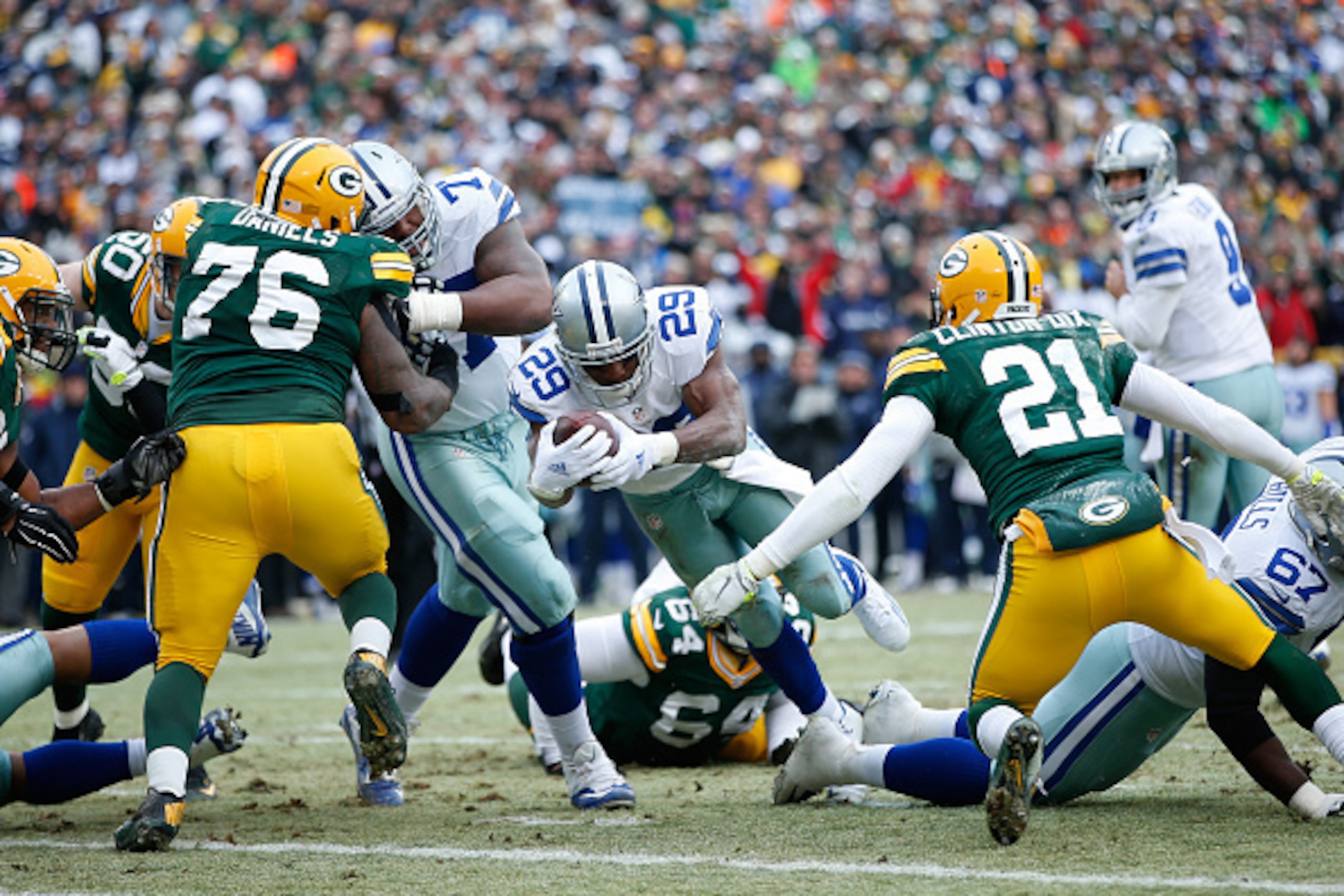
On the very next play of the game, Murray gets carried away trying to make something happen and loses 14 yards. He should have stuck his nose into the line for no gain. But then again, Murray has danced his way into big runs in the past, and he spent that whole evening kicking the snot out of the Bears.
Do we give him credit for a 40-yard gain on a well-plowed road? Hammer him for getting cute in a game where everything else worked? The best thing to do is aggregate dozens of plays, not two of them, and try to identify some trends.
To draw a more precise bead on Murray's running tendencies and the influence of the Cowboys line on his results, I performed two separate film-study sessions. In the first, I analyzed 72 of Murray's runs that gained eight yards or more. These were nearly all of Murray's eight-plus-yard runs (a handful of end-of-half-type plays from his 77 runs were omitted) and represented over 1,100 of Murray's rushing yards.
Obviously, if Murray gained eight or more yards on a carry, we are unlikely to see him making some grievous error. We may, however, find many loading bay-sized holes blasted open by the Legion of Room, the kind any competent back might use to gain eight yards and perhaps a Marshawn Lynch or Jamaal Charles might convert into even more yardage.
Indeed, there were many plays where the Cowboys line did to the defense what Scarlet Witch did to all those robots at the end of Avengers 2. (Spoiler al…er, the movie has been out six weeks, people.) With that in mind, I chunked Murray's long runs into five categories:
Category A: The Cowboys line created a hole that any competent NFL back would have exploited for a big gain. Murray had 13 Category A rushes.
Category B: The Cowboys line created a great opportunity, which Murray made the most of by spotting a cutback lane or making some open-field move for extra yards. Most of Murray's against-the-grain cutbacks on zone-stretch runs fall into this category, which included 16 rushes.
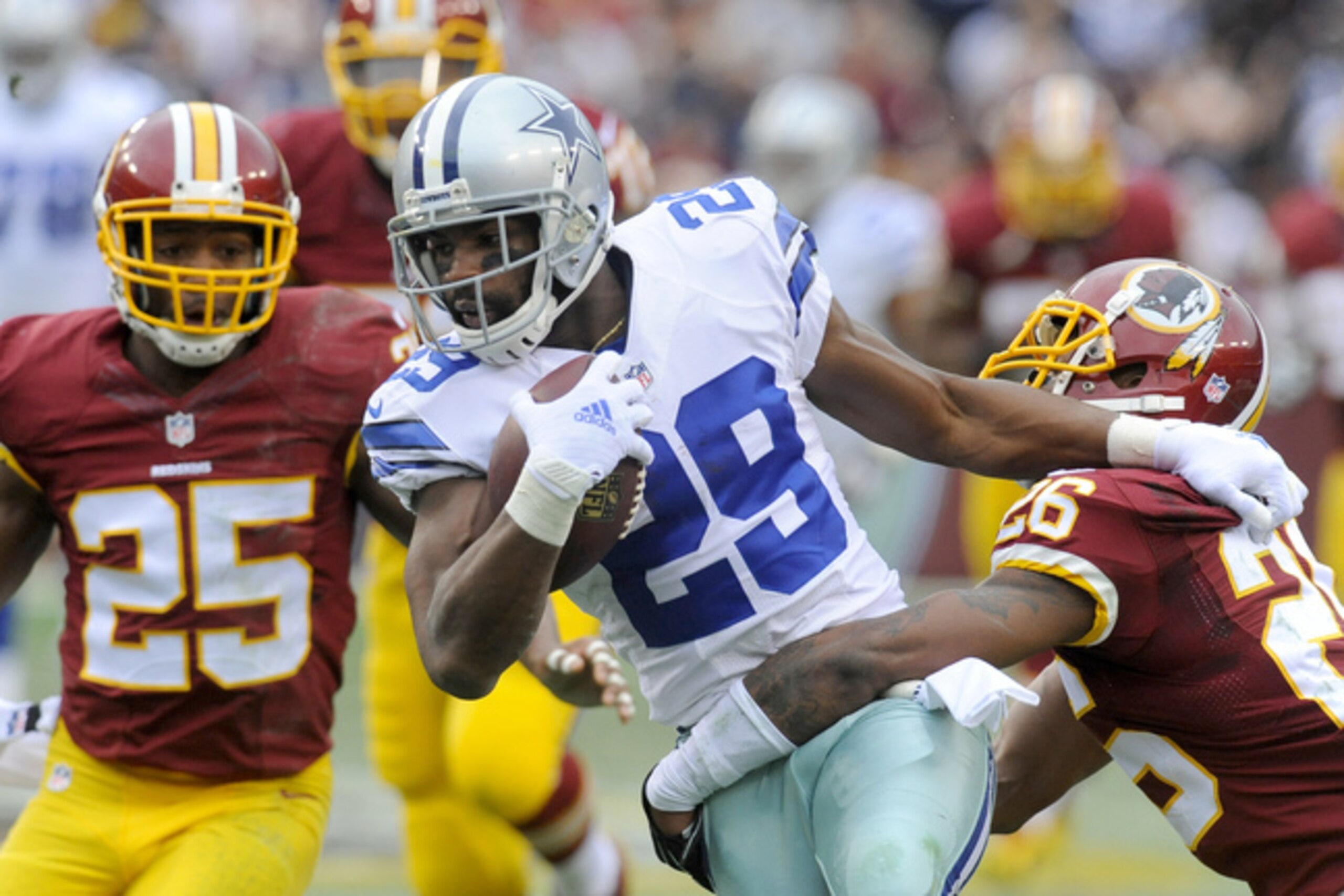
Category C: A roughly even-credit split between a line opening a hole and a running back exploiting it. These were plays where an ordinary back might only gain three or four yards just by hitting the hole and taking what was offered. Murray had 14 of these rushes.
Category D: Murray takes advantage of what looks like league-average blocking to gain above-average yardage. This happened 11 times.
Category E: Murray made the kind of run associated with a "great" running back. He used elusiveness or vision to find an opportunity that the offensive line did not really create. There were 18 of these rushes.
The 18 rushes in Category E surprised me; there were many times that I toggled the All-22 film repeatedly, watched Murray cut back or bounce outside (with no obvious hole in front of him), outrun an edge defender and gain eight to 12 and said, "That's all Murray."
Then again, the dude had 392 carries, and who knows how many "All-Marshawn" or "All-McCoy" runs we would find if we spent hours watching an extended highlight reel. Also, the Category A and Category B runs represent hundreds of yards that could have been gained by Chris Ogbonnaya or Fozzy Whittaker.
I also counted five rushes in which Murray had a well-blocked hole in front of him, chose to bounce outside anyway and managed to gain eight or more yards. It's safe to postulate that if Murray skipped five four-yard runs behind the Legion of Room to gain eight yards, he probably did it many more times to gain zero yards or lose yards. We'll examine that in a moment.
One thing that's glaring after watching over 70 of Murray's best runs: He gets chased down an awful lot after 20-30 yards. It's not unusual to see a cornerback race across the field to catch Murray or for a safety who is not Earl Thomas make an open-field tackle. If we are rating Murray on a "superstar scale," it is fair to say that Lynch (power), McCoy (speed) and Charles (moves) are better runners once everyone is about 20 yards down the field.
Losses That Gnaw at You

Having enjoyed a Murray highlight montage, it was time to examine the lowlights. In a second film session, I watched the 36 carries in which Murray was stuffed for a loss. Obviously, the Cowboys line looked as mortal on these plays as it looked unstoppable in the last session, and Murray hardly seemed like the Offensive Player of the Year. But sometimes Robert Quinn beats a block and meets you in the backfield when the handoff arrives, and there ain't much even 1963 Jim Brown could do about it.
With that in mind, the stuffs were placed in three categories:
Category A: Plays where Murray did the best he could. There were 24 of these plays, in which the blocking just wasn't there or a defender made a great play. Murray made no particular mistake on these plays—and sometimes wisely just plunged forward to make the best of a bad situation.
Category B: Plays where Murray should have done more. Specifically, these were plays in which the Cowboys line created enough of a push or crease, in Murray's line of vision, that he should have stuck his nose in the line for at least a yard or two. Instead, he bounced to the outside. There were nine of these plays.
Category C: Plays where Murray made things worse by backpedaling or getting overly cute. There were three of these plays, including that 14-yard loss against the Bears.
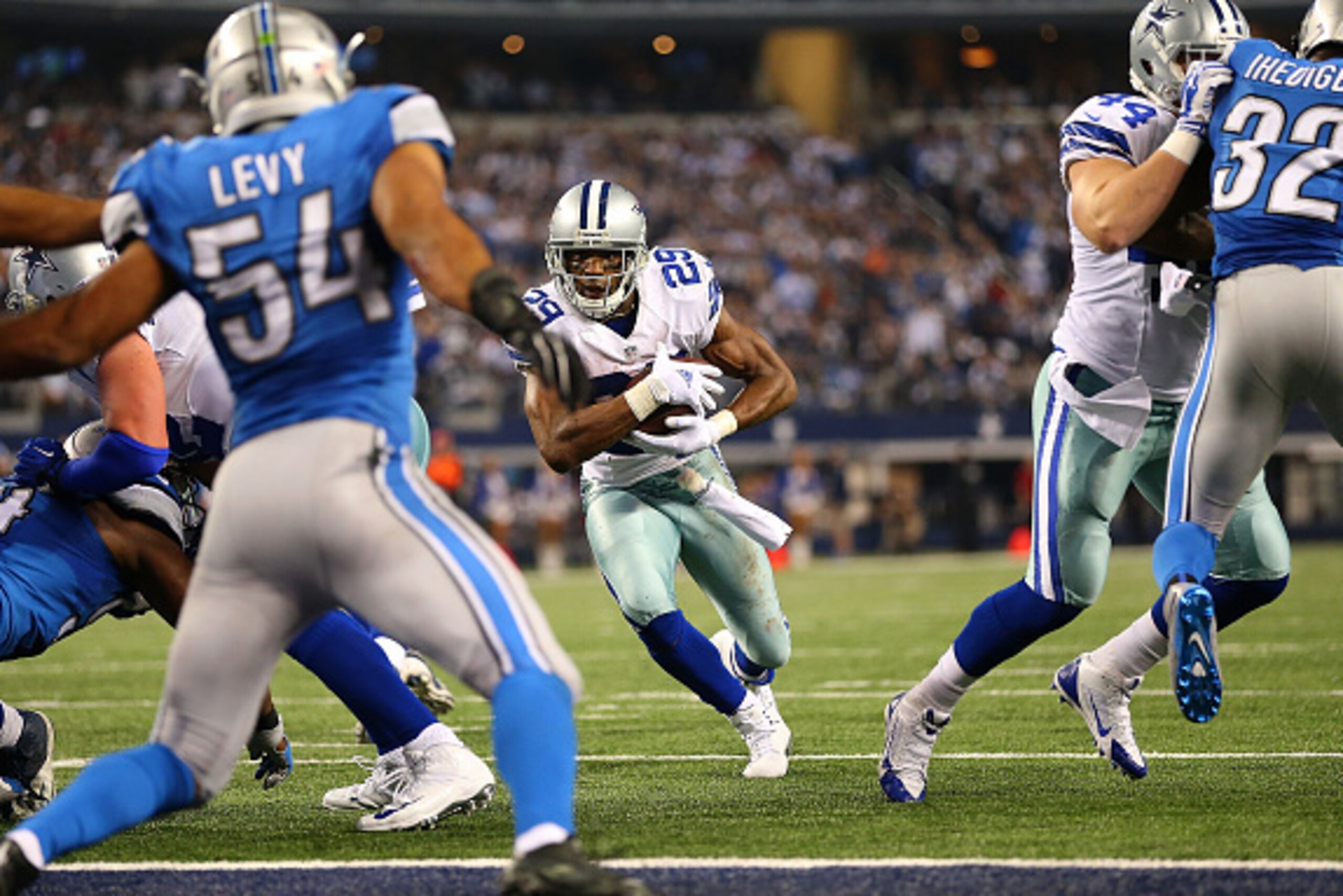
The 12 plays with outside bounces and ill-advised dances, combined with the five plays we saw earlier where Murray rejected an inside hole in favor of positive yardage outside, illustrate a trend. Murray bounces more runs outside than most offensive coordinators or line coaches would like. If the trend is visible on Murray's best runs and his worse runs, it is surely also present on all the zero- to 12-yard runs in between.
I don't have categories or percentages for other running backs. No one does, and anyone who stayed up for days creating them would become a bug-eyed lunatic who just compiled thousands of subjective opinions into one glob of quasi-knowledge. What I do know is that coaches get a little crazy when they see a running back give up an obvious hole in favor of greater glory along the sideline.
Coaches want that safe four-yard plunge the same way they prefer an eight-yard slant pass to a 20-yard scramble and all its accompanying risks. Murray and Randle surely heard about Murray's bad decisions from Cowboys coaches in weekly meetings. That said, it's not like coaches responded by giving extra carries to Randle.
Something that occurs 17 times in a sample of 108 of Murray's best and worst runs cannot be written off as a cherry-picked example. That said, it's not evidence of some damning flaw, any more than 17 incomplete passes or wobbly throws tells us much about Tom Brady or Peyton Manning.
We've isolated a few sentences in the "Negatives" paragraph of Murray's scouting report. Everyone gets a "Negatives" paragraph. Murray's "Positives" paragraph is still pretty darn long.
Conclusions
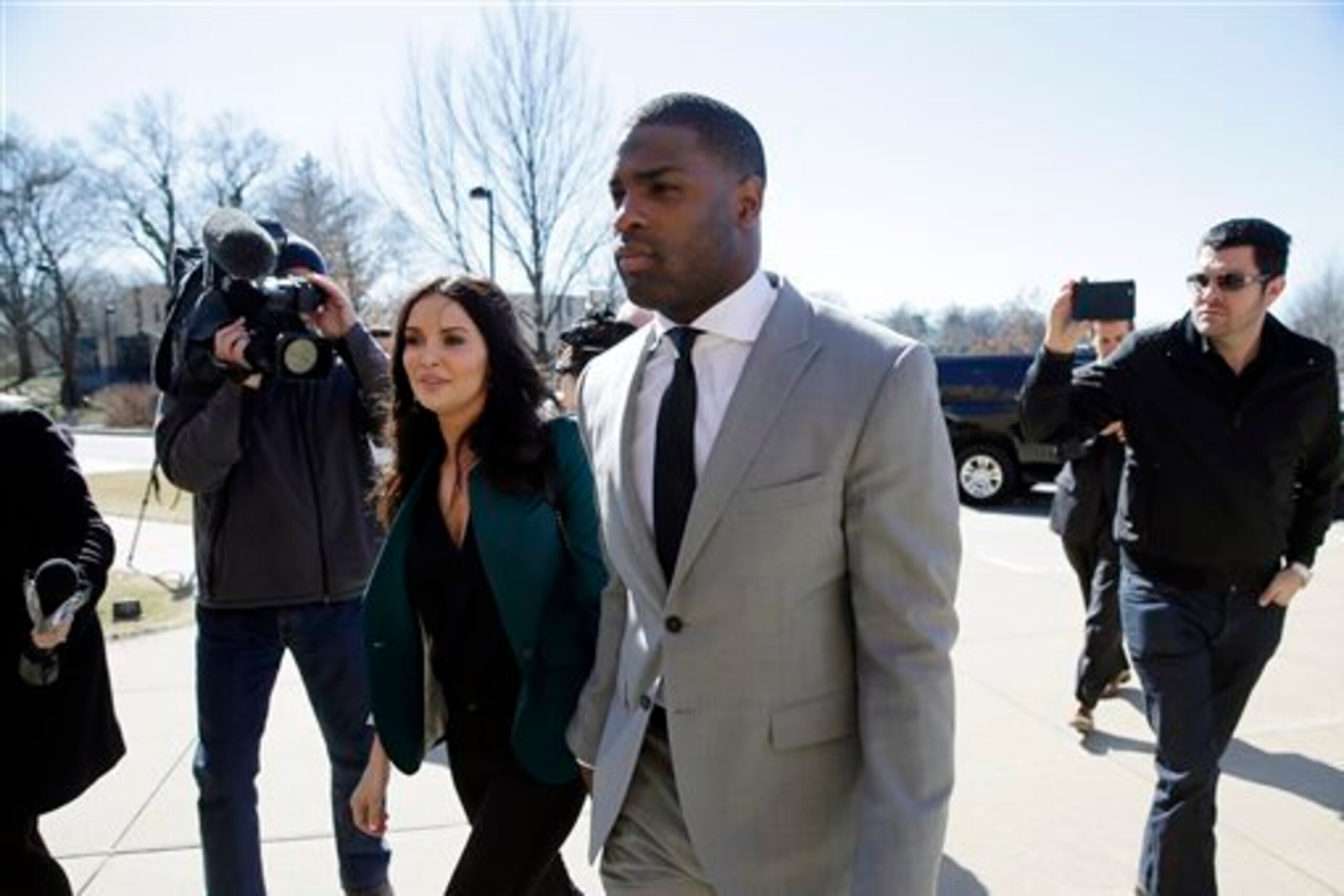
• Murray does have a pronounced habit of bouncing plays to the outside when there are available holes up the middle. Because of his skill and the quality of the Cowboys line, he sometimes gains productive yardage despite making a less-than-ideal decision.
• Murray also lacks a final gear in the open field, so many of his 20- to 50-yard runs would be even longer if he was more of a speedster.
• The distribution of Murray's run lengths fits squarely within the parameters established by the NFL's top rushers. There is no evidence that he is some pure "product" of the blocking he received, though the Cowboys line certainly played a role in his leading the NFL in rushing by a nearly 500-yard margin. Nothing about his run distribution suggests that he was failing to accomplish many things that another back, even a Pro Bowl back, would regularly accomplish.
• Murray probably left "meat on the bone" in the sense that Marshawn Lynch, the LeSean McCoy of 2013, an outstanding decision-maker like Jamaal Charles or Arian Foster, or one of the league's other top backs could well have gained a few more yards than Murray, given similar opportunities.
That said, it's a little ridiculous to state something like the Cowboys should really have produced a 2,000-yard rusher, which is really what we are saying when we quibble over Murray's rushing total. Also, it's hard to imagine Charles or Foster staying healthy for 392 carries, McCoy going that long without a "bounce outside" jag worse than anything Murray experienced or Lynch shouldering that workload without demanding the keys to Fort Knox.

• If you are worried about fantasy production, worry about Murray's carry totals and the presence of Ryan Mathews in Philly, and about the likelihood of a three-man committee in Dallas, not about meat or bones. If you are an Eagles fan, you will probably be thrilled with three or four "outside bounce" mistakes per game after seeing McCoy perpetrate seven or eight per game last year.
• Randle should probably show he can be a viable NFL starter or go six months without generating a negative headline before he criticizes anyone else.
• And finally: It's June. Minicamps have just started. Murray is on a new team, and everyone has a clean slate. Debating about a running back's 2014 decisions can be fun, and it can also be informative. But let's not get too carried away.
Mike Tanier covers the NFL for Bleacher Report.
.jpg?w=2560 "Commanders Cowboys Football")

.jpg?w=2560 "WWE Raw Live Grades 🔠")

.jpg?w=2560 "Follow Raw As It Happens 👊")