.jpg?w=2560 "NFL Draft Football")

2026 NFL Draft Grades for Every Team from B/R NFL Scouting Dept.
The 2026 NFL draft is complete. After three days, 257 selections, several notable trades, and a few stunning decisions, all 32 teams have their 2026 draft classes in tow.
As is always the case this time of year, every team should feel like it has improved its roster, though some should feel better about the work they've done over the weekend than others.
It's not entirely fair to judge prospects before they've taken their first NFL snaps. However, it's entirely fair to assess how teams navigated the draft, addressed their top needs, maximized draft/trade value, prioritized team/scheme fit, and married draft strategies to long-term franchise plans.
Based on these factors, we present Bleacher Report's post-draft grades for every team. Here, you'll find a look at every selection from every franchise, with overall class grades.
Since value is subjective, we used the Bleacher Report Scouting Department's final 2026 draft board as a guideline. Teams are listed in alphabetical order.
2026 NFL Draft Results
1 of 33Arizona Cardinals
2 of 33.jpg?w=2560 "NFL Draft Football")
Round 1 (No. 3): RB Jeremiyah Love, Notre Dame
Round 2 (No. 34): IOL Chase Bisontis, Texas A&M
Round 3 (No. 65): QB Carson Beck, Miami
Round 4 (104): DL Kaleb Proctor, Southeastern Louisiana
Round 5 (No. 143): WR Reggie Virgil, Texas Tech
Round 6 (No. 183): LB Karson Sharar, Iowa
Round 7 (No. 217): OT Jayden Williams, Ole Miss
The Arizona Cardinals may have received enticing trade offers for the third overall selection—and according to NFL insider Jordan Schultz, they considered moving down. However, they stayed put and grabbed the best offensive playmaker in the draft to kick off their weekend.
Notre Dame running back Jeremiyah Love was the second-ranked prospect at any position on the B/R Scouting Department's big board. A special dual-threat, he'll power Arizona's ground game while giving the offense an identity during what may be a transition year at quarterback.
Arizona added more offensive help in the second round, snagging Texas A&M interior lineman Chase Bisontis with the 34th pick. A couple of rounds later, it added another pass-catcher in Texas Tech's Reggie Virgil.
In Round 3, they got their developmental quarterback in Miami's Carson Beck.
Taking a third-round flier on Beck was perfectly sensible for the Cardinals. He has NFL-caliber traits and could establish himself as the QB of the future with the right opportunities as a rookie—he'll have to compete with Jacoby Brissett and Gardner Minshew. If he doesn't, his draft position won't prevent Arizona from dipping into a talented 2027 QB pool.
The Cardinals haven't identified their quarterback of the future just yet, but they did a nice job of setting the table for whoever it might be over draft weekend.
Grade: B+
Atlanta Falcons
3 of 33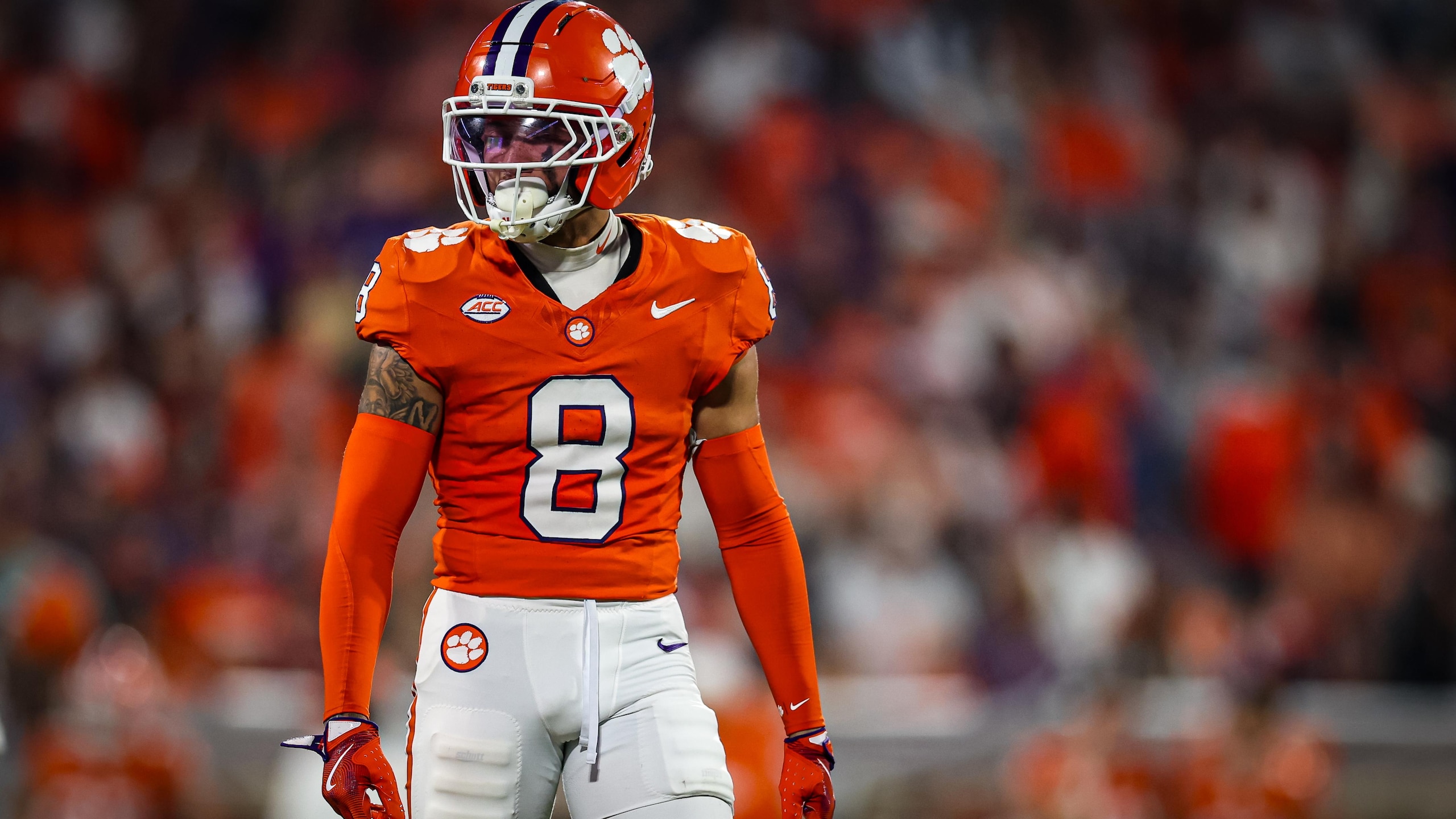
Round 2 (No. 48): CB Avieon Terrell, Clemson
Round 3 (No. 79): WR Zachariah Branch, Georgia
Round 4 (No. 134): LB Kendal Daniels, Oklahoma
Round 6 (No. 208): DT Anterio Thompson, Washington
Round 6 (No. 215): LB Harold Perkins Jr., LSU
Round 7 (No. 231): OT Ethan Onianwa
The Atlanta Falcons didn't have a selection on opening night due to last year's draft day trade to acquire edge-rusher James Pearce Jr. As a result, new general manager Ian Cunningham and new head coach Kevin Stefanski didn't get to make their first draft choices until Day 2.
With their first pick in the draft, the Falcons grabbed Avieon Terrell, brother of current Atlanta starter A.J. Terrell. Many considered the younger Terrell a first-round prospect, and he should push for early playing time.
"He projects as a starting boundary corner with nickel flexibility," Daniel Harms of the B/R Scouting Department wrote.
Atlanta added a promising complementary receiver in Georgia's Zachariah Branch. Another home-run-hitter (4.35-second 40-yard dash), Branch will help Stefanski create offensive mismatches. Fourth-round linebacker Kendal Daniels is a promising prospect who should compete for playing time and a special-teams role as a rookie.
The Falcons simply didn't have a ton of draft capital, and they did a decent job of adding two potential starters in Terrell and Branch, while finding some nice depth pieces on Day 3.
Grade: C
.jpg?w=2560 "Cardinals Giants Football")
.jpg?w=2560 "Cowboys Texans Football")
Baltimore Ravens
4 of 33.jpg?w=2560 "Ravens Draft Football")
Round 1 (No. 14): IOL Olaivavega Ioane, Penn State
Round 2 (No. 45): Edge Zion Young, Missouri
Round 3 (No. 80): WR Ja'Kobi Lane, USC
Round 4 (No. 115): WR Elijah Sarratt, Indiana
Round 4 (No. 133): TE Matthew Hibner, SMU
Round 5 (No. 162): CB Chandler Rivers, Duke
Round 5 (No. 173): TE Josh Cuevas, Alabama
Round 5 (No. 174): RB Adam Randall, Clemson
Round 6 (No. 211): P Ryan Eckley, Michigan State
Round 7 (No. 250): DL Rayshaun Benny, Michigan
Round 7 (No. 253): IOL Evan Beerntsen, Northwestern
The Baltimore Ravens just seem to have a knack for staying put and allowing their perfect early draft target fall to them. This year, Baltimore had two terrific prospects available who matched needs at No. 14—Penn State interior lineman Olaivavega Ioane and Miami edge-rusher Rueben Bain Jr.
The Ravens opted to bolster their offensive line with their first selection, getting the top-ranked interior lineman on the B/R board and making sure that a lot of mock drafters got at least one mid-round selection right.
Baltimore then got its edge-defender on Day 2, landing Missouri's Zion Young. He'll fill an immediate need on the defensive side of the ball. The Ravens then added a much-needed complementary receiver in Ja'Kobi Lane later on Friday evening.
GM Eric DeCosta continued to hit home runs on Day 3. Chandler Rivers was the sixth-ranked cornerback on the B/B board and could wind up starting before the end of his rookie campaign. Matthew Hibner and Josh Cuevas will help replace the departed Isaiah Likely and Charlie Kolar, while Adam Randall will be a big (6'3⅝", 232 lbs), physical complement in the backfield.
Pairing Randall with Derrick Henry could give Baltimore an unmatched ability to wear down opposing defenses.
It's all on paper, of course, but it sure feels like the Ravens have had another productive draft.
Grade: A-
Buffalo Bills
5 of 33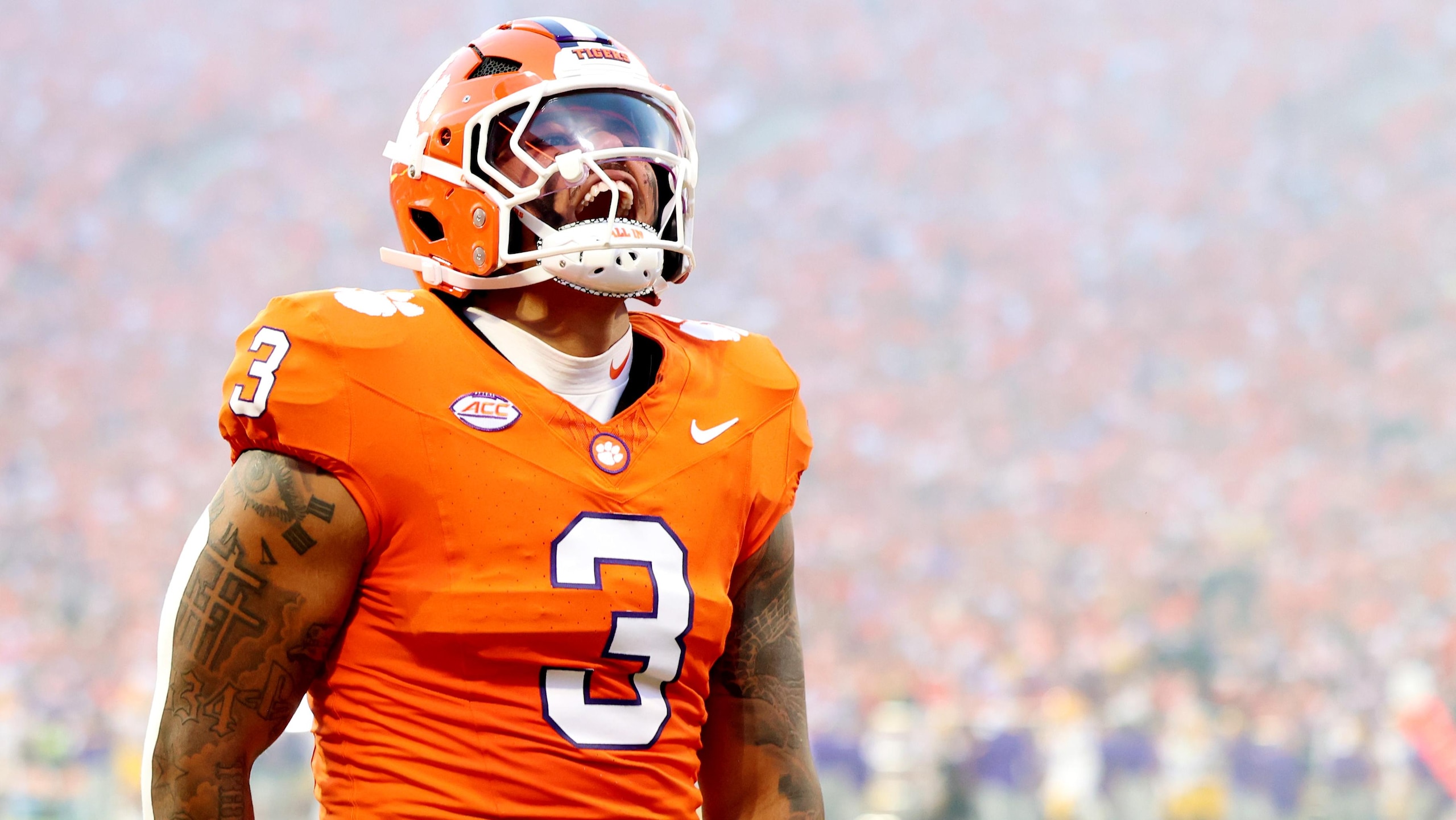
Round 2 (No. 35): Edge T.J. Parker, Clemson
Round 2 (No. 62): CB Davison Igbinosun, Ohio State
Round 4 (102): OT Jude Bowry, Boston College
Round 4 (No. 125): WR Skyler Bell, Connecticut
Round 4 (No. 126): LB Kaleb Elarms-Orr, TCU
Round 5 (No. 167): S Jalon Kilgore, South Carolina
Round 5 (No. 181): DL Zane Durant, Penn State
Round 7 (No. 220): CB Toriano Pride, Missouri
Round 7 (No. 239): P Tommy Doman Jr., Florida
Round 7 (No. 241): IOL Ar'maj Reed-Adams, Texas A&M
The Buffalo Bills traded down on opening night, picking up the 28th, 69th, and 167th picks in exchange for the 26th and 91st selections. They traded down again, adding the 125th pick, then traded out of the first round entirely.
Buffalo's final deal of opening night saw them exchange the 31st, 69th, and 165th picks for the 35th, 66th, and 101st picks.
After moving down and picking up extra capital, the Bills managed to land Clemson edge-rusher T.J. Parker. The Clemson product was considered by many to be a first-round prospect, and he'll fill a need in Buffalo. The Bills recorded just 36 sacks as a team in 2025, and Joey Bosa remains unsigned.
Buffalo then traded into Round 2, flipping the 66th and 182nd selections for the 62nd pick. The Bills used that selection to bolster their secondary with Ohio State corner Davison Igbinosun.
Considering how many times the Bills traded down at the beginning of the draft, they may come away with a surprising amount of early contributors.
Skyler Bell has a combination of size (5'11⅝", 192 lbs) and speed (4.4-second 40-yard dash) that could push him into a starting role as a rookie. Jalon Kilgore was the sixth-ranked safety and 58th-ranked overall prospect on the B/R board. Add in likely starters in Parker and Igbinosun, and the Bills have done an excellent job of maneuvering and adding an impact class.
Grade: B
Carolina Panthers
6 of 33.jpg?w=2560 "Panthers Draft Football")
Round 1 (No. 19): OT Monroe Freeling, Georgia
Round 2 (No. 49): DL Lee Hunter, Texas Tech
Round 3 (No. 83): WR Chris Brazzell II, Tennessee
Round 4 (No. 129): CB Will Lee III, Texas A&M
Round 5 (No. 144): IOL Sam Hecht, Kansas State
Round 5 (No. 151) S Zakee Wheatley, Penn State
Round 7 (No. 227): LB Jackson Kuwatch, Miami OH
The Carolina Panthers won the NFC South in 2025 and are now looking to build on their breakthrough campaign. Building around quarterback Bryce Young remains a big part of the process, and Carolina kicked off its draft by bolstering its offensive line.
Along with free-agent addition Rasheed Walker, Georgia's Monroe Freeling will give the Panthers some insurance at left tackle while Ikem Ekwonu recovers from a torn Patellaer tendon. In the long-term, Freeling should find a permanent starting role along the line, likely on the right side.
Carolina traded up in Round 2 to add more help in the trenches. They got aid for their 20th-ranked run defense by adding Texas Tech nose tackle Lee Hunter, a surprisingly athletic 318-pound prospect who should quickly clog lanes and reset the line of scrimmage for the Panthers.
In Round 3, the Panthers got a potential deep threat for Bryce Young in Tennessee's Chris Brazzell II. While many recent Tennessee receiver prospects have struggled to translate to the NFL, Brazzell's 4.37 speed will help add a new element to Carolina's passing attack.
Day 3 brought some strong value for the Panthers, who had a terrific overall draft on paper. Sam Hecht and Zakee Wheatley were both ranked inside the top 100 prospects on the B/R Scouting Department's final board.
Grade: A
Chicago Bears
7 of 33.jpg?w=2560 "Bears Draft Football")
Round 1 (No. 25): S Dillon Thieneman, Oregon
Round 2 (No. 57): IOL Logan Jones, Iowa
Round 3 (No. 69): TE Sam Roush, Stanford
Round 3 (No. 89): WR Zavion Thomas, LSU
Round 4 (No. 124): CB Malik Muhammad, Texas
Round 5 (No. 166): LB Keyshaun Elliott, Arizona State
Round 6 (No. 213): DL Jordan Van Den Berg, Georgia Tech
The Chicago Bears parted with both of last year's starting safeties in the offseason. Therefore, it was no surprise when they opened their draft by grabbing Oregon safety Dillon Thieneman. The former Ducks star is a do-it-all defender who can become a chess piece on the back end of Dennis Allen's defense.
"Dillon Theineman's versatile skillset is being underrated as a true three-down impact defender in the NFL," Daniel Harms of the B/R Scouting Department wrote. "He can line up anywhere, triggers downhill in a hurry, and gives the coaching staff his all whenever he's on the field."
In a draft that didn't also include Caleb Downs, Thieneman would be the top-ranked safety.
Chicago may have reached for center Logan Jones in Round 2—he was the 169th-ranked prospect on the B/R board. It got a bit better value in blocking tight end Sam Roush and a terrific value in cornerback Malik Muhammad.
Muhammad was the seventh-ranked corner and 40th-ranked overall prospect on the B/R board.
The Bears also added an unproven but extremely fast (4.28-second 40-yard dash) receiver in Zavion Thomas. He could be a gadget player early in his career, but he'll give Ben Johnson some creative offensive options.
Did the Bears nail every selection? Perhaps not, but they should feel good about the overall class they constructed.
Grade: B+
Cincinnati Bengals
8 of 33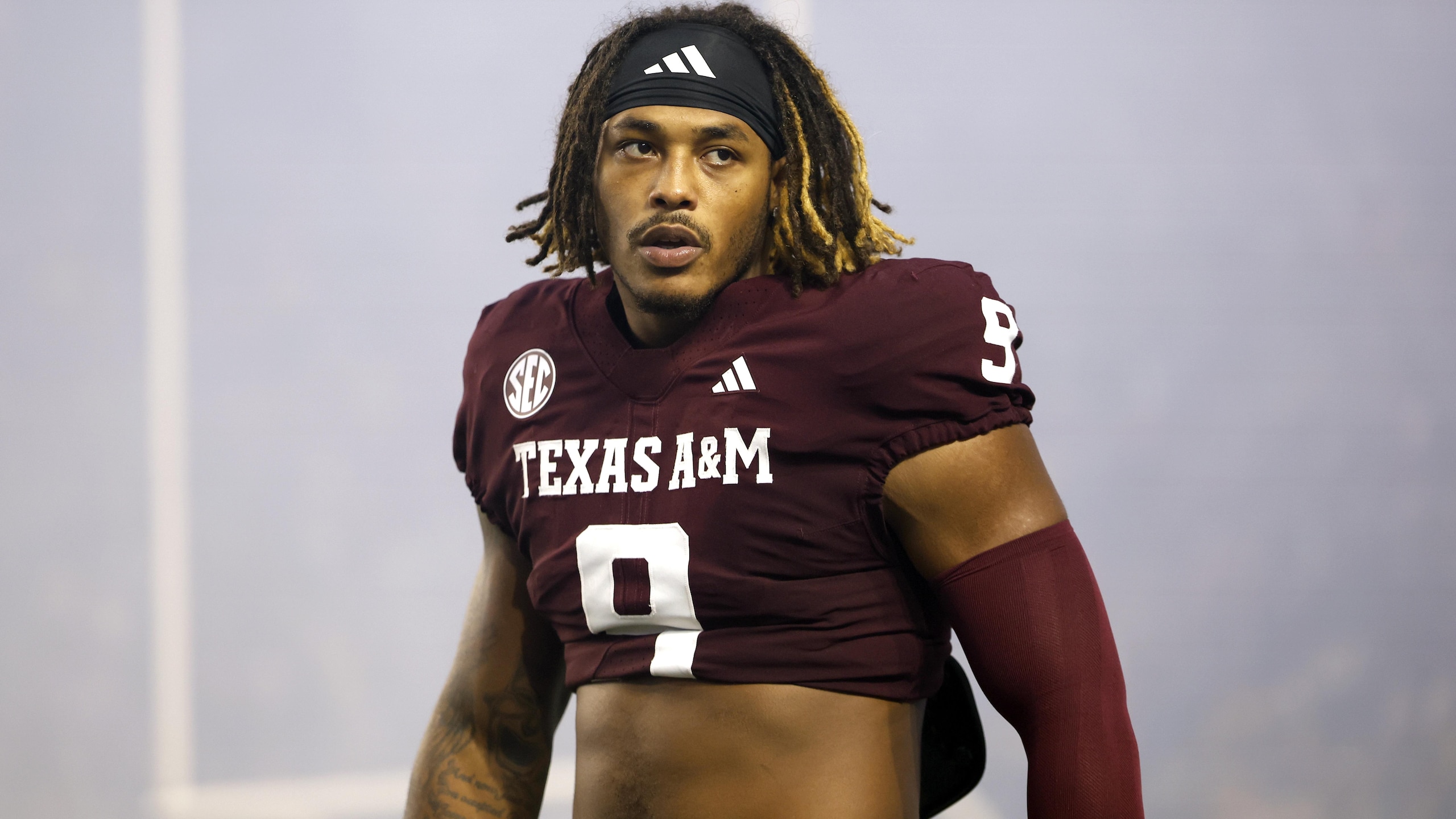
Round 2 (No. 41: Edge Cashius Howell, Texas A&M
Round 3 (No. 72): CB Tacario Davis, Washington
Round 4 (No. 128): IOL Connor Lew, Auburn
Round 4 (No. 140): WR Colbie Young, Georgia
Round 6 (No. 189): IOL Brian Parker II, Duke
Round 7 (No. 221): TE Jack Endries, Texas
Round 7 (No. 226): DL Landon Robinson, Navy
The Cincinnati Bengals originally had the 10th overall pick in this year's draft, but they traded it for standout defensive tackle Dexter Lawrence. While the move may only net Cincinnati a handful of years of Lawrence's prime career, it's a gamble that could pay off in the short term.
The Bengals need defensive help, they weren't guaranteed to get an elite prospect at No. 10, and there wasn't an interior defender in this class with Lawrence's ceiling.
With their first pick of the draft, the Bengals stuck with their defensive game plan. Cashius Howell is a potent, explosive edge-rusher who should help Cincinnati in its efforts to replace Trey Hendrickson.
Cincinnati added more defensive help and a big (6'4"), physical corner when they grabbed Washington's Tacario Davis in Round 3.
The Bengals added some intriguing depth pieces on Day 3, but the strength of this class is the three defenders added with the team's first three selections. Lawrence, Howell, and Davis should walk into starting roles and should significantly boost a defense that ranked 31st overall last season.
Grade: B+
Cleveland Browns
9 of 33.jpg?w=2560 "Browns Draft Football")
Round 1 (No. 9): OT Spencer Fano, Utah
Round 1 (No. 24): WR Kevin Concepcion, Texas A&M
Round 2 (No. 39): WR Denzel Boston, Washington
Round 2 (No. 58): S Emmanuel McNeil-Warren, Toledo
Round 3 (No. 86): OT Austin Barber, Florida
Round 5 (No. 146):.IOL Parker Brailsford, Alabama
Round 5 (No. 149): LB Justin Jefferson, Alabama
Round 5 (No. 170): TE Joe Royer, Cincinnati
Round 6 (No. 182): QB Taylen Green, Arkansas
Round 7 (No. 248): TE Carsen Ryan, BYU
The Cleveland Browns entered draft weekend with two glaring needs—offensive tackle and wide receiver. General manager Andrew Berry managed to trade down—picking up third- and fifth-round picks in the process—and still make Spencer Fano the first tackle off the board.
It was a sound move for Cleveland, which would have been happy with Fano at No. 6, according to TheMMQB's Albert Breer.
With their second first-round pick, acquired in last year's draft-day Travis Hunter trade, the Browns got their receiver in Texas A&M's KC Concepcion.
Cleveland came back in Round 2 to grab Washington wide receiver Denzel Boston, a prospect many linked to the Browns in Round 1. The 6'3⅝", 212-pound Boston will add a big, physical element to the receiver room and should serve as a fine complement to Concepcion.
The Browns then flipped the 70th and 107th picks for the 58th and 152nd picks. At the bottom of Round 2, they snapped up Toledo safety Emmanuel McNeil-Warren, another prospect viewed as a borderline first-rounder.
Cleveland then traded out and then back into Round 3 to end up with Florida tackle Austin Barber.
The Browns largely focused on depth on Day 3, though tight end Joe Royer could see early playing time as a complement to Harold Fannin Jr., and QB Taylen Green will add a new wrinkle to the QB competition. However, Cleveland's weekend was highlighted by the fact that four potential starters were added on Thursday and Friday.
Grade: A
Dallas Cowboys
10 of 33.jpg?w=2560 "NFL Draft Football")
Round 1 (No. 11): S Caleb Downs, Ohio State
Round 1 (No. 23): Edge Malachi Lawrence, UCF
Round 3 (No. 92): Edge Jaishawn Barham, Michigan
Round 4 (No. 112): OT Drew Shelton, Penn State
Round 4 (Mo. 114): CB Devin Moore, Florida
Round 4 (No. 137): DL LT Overton, Alabama
Round 7 (No. 218): WR Anthony Smith, East Carolina
The Dallas Cowboys traded a pair of fifth-round picks to move up one spot on opening night. That bold move landed them Ohio State safety Caleb Downs, the top-ranked prospect at any position on the B/R Scouting Department's final draft board.
Dallas used its second first-round pick to trade down and pick up a pair of fourth-round selections. After trading down, the Cowboys scooped up a developmental edge-defender in Central Florida's Malachi Lawrence. While Lawrence wasn't widely viewed as a legitimate first-round prospect, he has an impressive ceiling and generated buzz during the predraft process.
"He has the tape to match with the potential to become a high-quality pass-rusher in the league," Matt Holder of the B/R Scouting Department wrote.
Dallas didn't have a second-round pick because of the Quinnen Williams trade, but it added another developmental edge-defender in Michigan's Jaishawn Barham late on Friday.
On Day 3, the Cowboys added another complementary piece to their defensive line rotation in LT Overton, who was the 100th-ranked overall prospect on the B/R board. Devin Moore could push for early playing time, while Drew Shelton is a developmental tackle who shouldn't see the field for some time.
It would have been nice to see the Cowboys add more pro-ready talent to their 30th-ranked defense, but the selection of Downs at the top will make an immediate impact.
Grade: B
Denver Broncos
11 of 33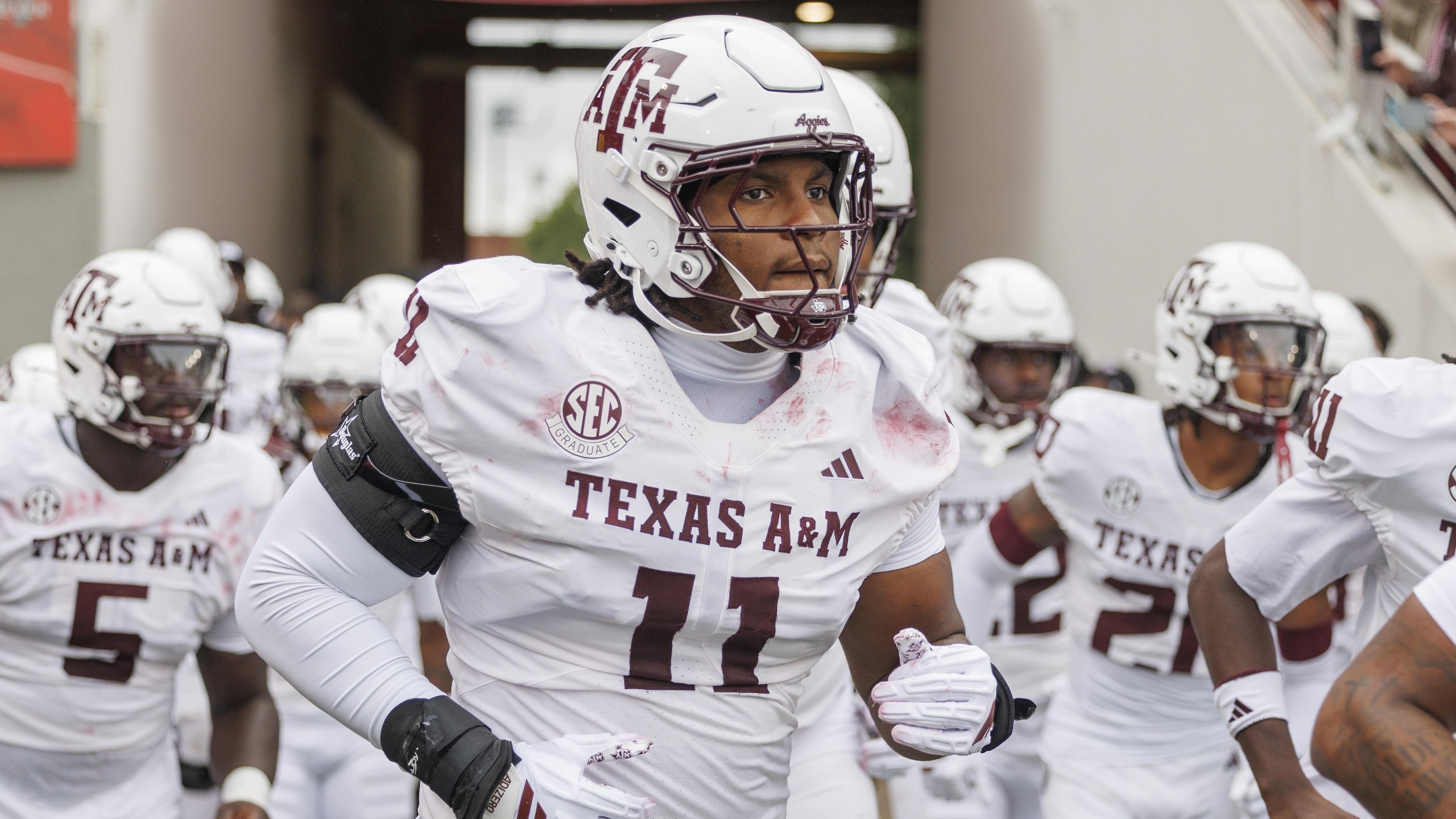
Round 3 (No. 66): DL Tyler Onyedim, Texas A&M
Round 4 (NO. 108): RB Jonah Coleman, Washington
Round 4 (No. 111): OT Kage Casey, Boise State
Round 5 (No. 152): TE Justin Joly, North Carolina State
Round 7 (No. 246): S Miles Scott, Illinois
Round 7 (No. 256): TE Dallen Bentley, Utah
Round 7 (No. 257): LB Red Murdock, Buffalo
The Denver Broncos originally had the 30th pick in Round 1, but they traded it for wide receiver Jaylen Waddle. It was a bold but sensible move, given Denver's lack of glaring needs and draft positioning.
The Broncos needed another difference-maker in their receiving corps, and they weren't guaranteed to get a top pass-catching prospect at No. 30. It turns out that Denver could have snagged Indiana's Omar Cooper Jr. or Washington's Denzel Boston, but the Broncos should get several good years out of the 27-year-old Waddle.
Denver also traded out of Round 2, picking up the 182nd selection to move from No. 62 to No. 66. Finally, the Broncos made their first selection at the top of Round 3, and it was a reach.
Texas A&M's Tyler Onyedim has intriguing potential, but the defensive tackle was the 200th-ranked prospect on the B/R board. Ideally, he'll eventually develop into a replacement for John Franklin-Myers.
Jonah Coleman may make a more immediate impact as part of the backfield rotation. Justin Joly, who was a top-100 prospect on the B/R board, is a talented tight end who can be developed behind Evan Engram.
The Broncos didn't have many holes, and if we count Waddle as part of the class, they did a fair job of addressing them in the draft.
Grade: C+
Detroit Lions
12 of 33.jpg?w=2560 "NFL Combine Football")
Round 1 (No. 17): OT Blake Miller, Clemson
Round 2 (No. 44): Edge Derrick Moore, Michigan
Round 4 (No. 118): LB Jimmy Rolder, Michigan
Round 5 (No. 157): CB Keith Abney II, Arizona State
Round 5 (No. 168): WR Kendrick Law, Kentucky
Round 6 (No. 205: DL Skyler Gill-Howard
Round 7 (No. 122): DL Tyre West, Tennessee
The Detroit Lions were widely expected to prioritize offensive tackle after parting with Taylor Decker early in the offseason. It turns out that Clemson's Blake Miller has long been a target of Detroit.
"He probably has no idea, but we've been watching Blake for about three years now and he has gotten better every single year, and that's what makes you really excited about a player like that," Lions GM Brad Holmes told reporters.
With Miller in tow, there should be no question that Penei Sewell will move to left tackle to replace Decker.
On Day 2, the Lions flipped a fourth-round pick to move up in Round 2 and take Michigan defensive lineman Derrick Moore. The in-state product should add a much-needed complement to star edge-rusher Aidan Hutchinson.
Detroit added some intriguing defensive depth on Day 3 in linebacker Jimmy Rolder and cornerback Keith Abney II, who was a top-100 prospect on the B/R board.
In all, GM Brad Holmes did a fine job of addressing key needs early and filling out the depth chart late.
Grade: B
Green Bay Packers
13 of 33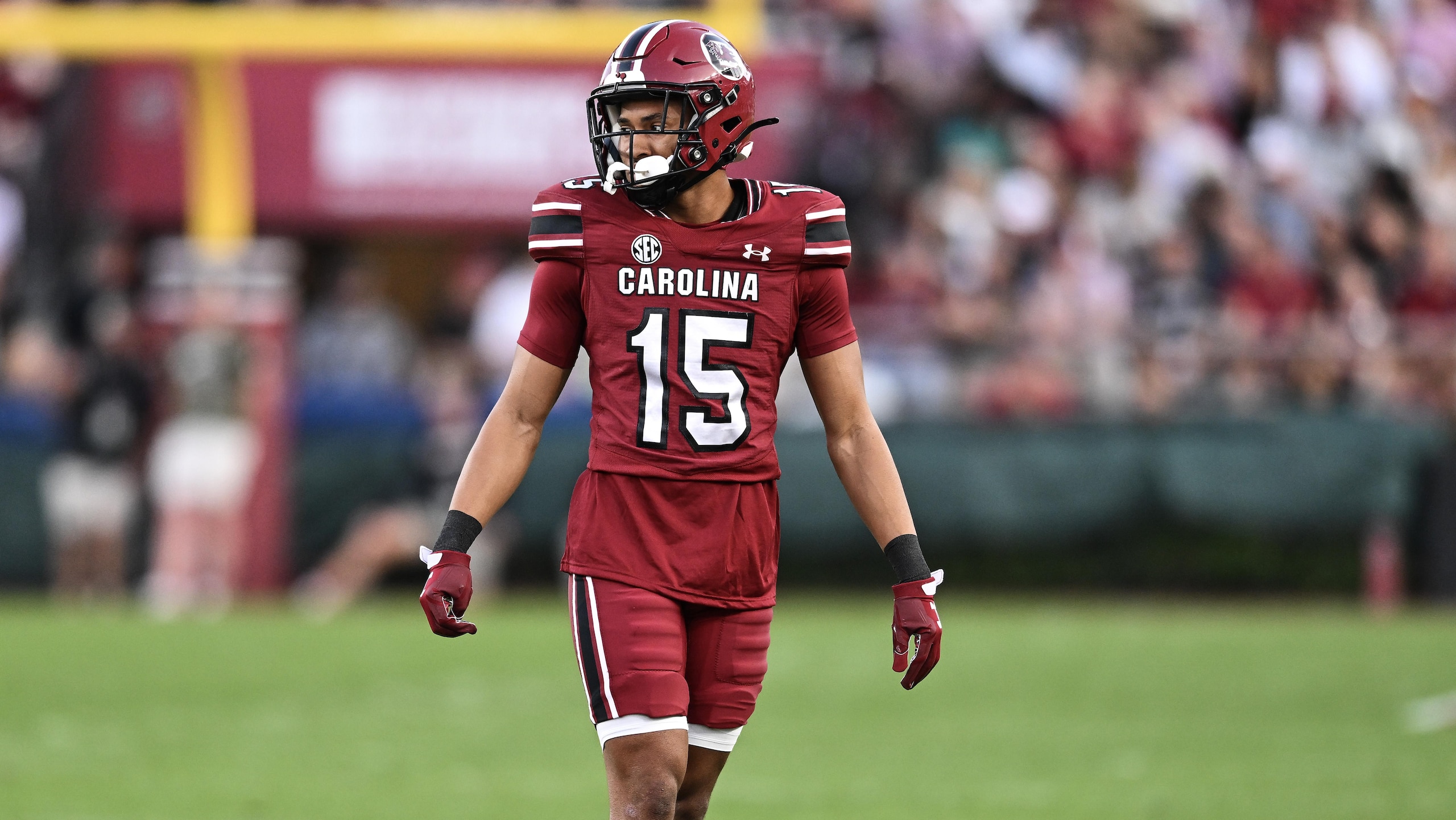
Round 2 (No. 52: CB Brandon Cisse, South Carolina
Round 3 (No. 77): DL Chris McClellan, Missouri
Round 4 (No. 120): Edge Dani Dennis-Sutton, Penn State
Round 5 (No. 153): IOL Jager Burton, Kentucky
Round 6 (No. 201): CB Domani Jackson, Alabama
Round 6 (No. 216): K Trey Smack, Florida
The Green Bay Packers gave up their first-round pick as part of last year's Micah Parsons trade. The Packers—and their fans—should be thrilled with that outcome, given the lack of truly elite prospects in the second half of Round 1.
With their first pick in the draft, the Packers grabbed South Carolina cornerback Brandon Cisse. A raw-but-gifted prospect, Cisse could develop into a much-needed starter within his first couple of seasons.
Green Bay then traded up in Round 3—surrendering the 84th and 160th picks for the 77th selection—to land Missouri's Chris McClellan. While McClellan may be a rotational defender early, He'll help reload a defensive front that saw Kenny Clark and Rashan Gary traded away over the last calendar year.
Dani Dennis-Sutton was a top-100 prospect on the B/R board, and he should carve out an early role as a rotational pass-rusher. Jager Burton was only the Scouting Department's 271st-ranked prospect, but he's an intriguing traits-based pick who will provide developmental depth at center.
Ideally, Trey Smack will provide some stability on special teams.
Considering the Packers didn't have a first-round pick—and that an elite player in Parsons is the reason why—Green Bay should be pleased with its 2026 haul.
Grade: B
Houston Texans
14 of 33.jpg?w=2560 "Texans Draft Football")
Round 1 (No. 26): IOL Keylan Rutledge, Georgia Tech
Round 2 (No. 36): DL Kayden McDonald, Ohio State
Round 2 (No. 59): TE Marlin Klein, Michigan
Round 4 (106): IOL Febechi Nwaiwu, Oklahoma
Round 4 (No. 123): LB Wade Woodaz, Clemson
Round 5 (No. 141): S Kamari Ramsey, USC
Round 6 (No. 204): WR Lewis Bond, Boston College
Round 7 (No. 243): LB Aiden Fisher, Indiana
The Houston Texans have spent the past couple of offseasons reshaping their offensive line. They made a bold move on opening night by trading up to land Georgia Tech interior lineman Keylan Rutledge.
Houston surrendered the 28th, 69th, and 167th picks to get Nos. 26 and 91.
Along with free-agent additions Braden Smith and Wyatt Teller, Rutledge should help give the Texans a physical identity in the trenches. He was the third-ranked interior lineman on the B/R board.
The Texans traded up again in Round 2, flipping a third-round pick for a fourth-rounder, in order to secure Ohio State defensive tackle Kayden McDonald. Many expected the former Buckeye to hear his name called on opening night. Houston also added offensive help in the second round, adding raw but promising tight end Marlin Klein.
Rutledge and McDonald have the potential to be early starters, while Kelein and Febechi Nwaiwu could be key pieces of the offensive future. Getting Kamari Ramsey, the 76th-ranked prospect on the B/R board, in Round 3 was an outright steal.
Overall, Nick Caserio and Co. did a solid job of marrying positional need with prospects who fit the team's desired identity.
Grade: B
Indianapolis Colts
15 of 33.jpg?w=2560 "NFL Combine Football")
Round 2 (No. 53): LB CJ Allen, Georgia
Round 3 (No. 78): S A.J. Haulcy, LSU
Round 4 (No. 113): IOL Jalen Farmer, Kentucky
Round 4 (No. 135): LB Bryce Boettcher, Oregon
Round 5 (No. 156): Edge George Gumbs Jr., Florida
Round 6 (No. 214): Edge Caden Curry, Ohio State
Round 7 (No. 237): RB Seth McGowan, Kentucky
Round 7 (No. 254): WR Deion Burks, Oklahoma
The Indianapolis Colts gave up their first-round pick as a part of the Sauce Gardner trade. Given the lack of elite cornerback prospects in this year's draft—after Mansoor Delane, who was taken sixth overall—the Colts will probably stand by their position.
Gardner will only turn 26 in August, and he may prove to be more valuable than prospects who would have been available with Indy's 16th pick, like Oregon tight end Kenyon Sadiq and USC receiver Makai Lemon.
GM Chris Ballard picked up a little extra capital by trading down in Round 2—flipping the 47th and 249th picks for the 53rd, 135th, and 237th selections—before grabbing Georgia linebacker CJ Allen.
Allen was considered one of the top off-ball linebackers in the 2026 class and should immediately boost Indy's second-level defense. With their second pick on Day 2, the Colts added safety A.J. Haulcy, another talented defender who should make an early impact.
Haulcy was the 53rd-ranked prospect on the B/R board.
Linebacker Bryce Boettcher could also push for early playing time. He and Allen have the potential to reshape Indy's linebacker group, and Jalen Farmer will provide valuable depth along the interior O-line.
GM Chris Ballard could have afforded to address the team's need at edge-rusher earlier in the draft, but he largely did a good job of adding defensive help without a Day 1 selection.
Grade: B+
Jacksonville Jaguars
16 of 33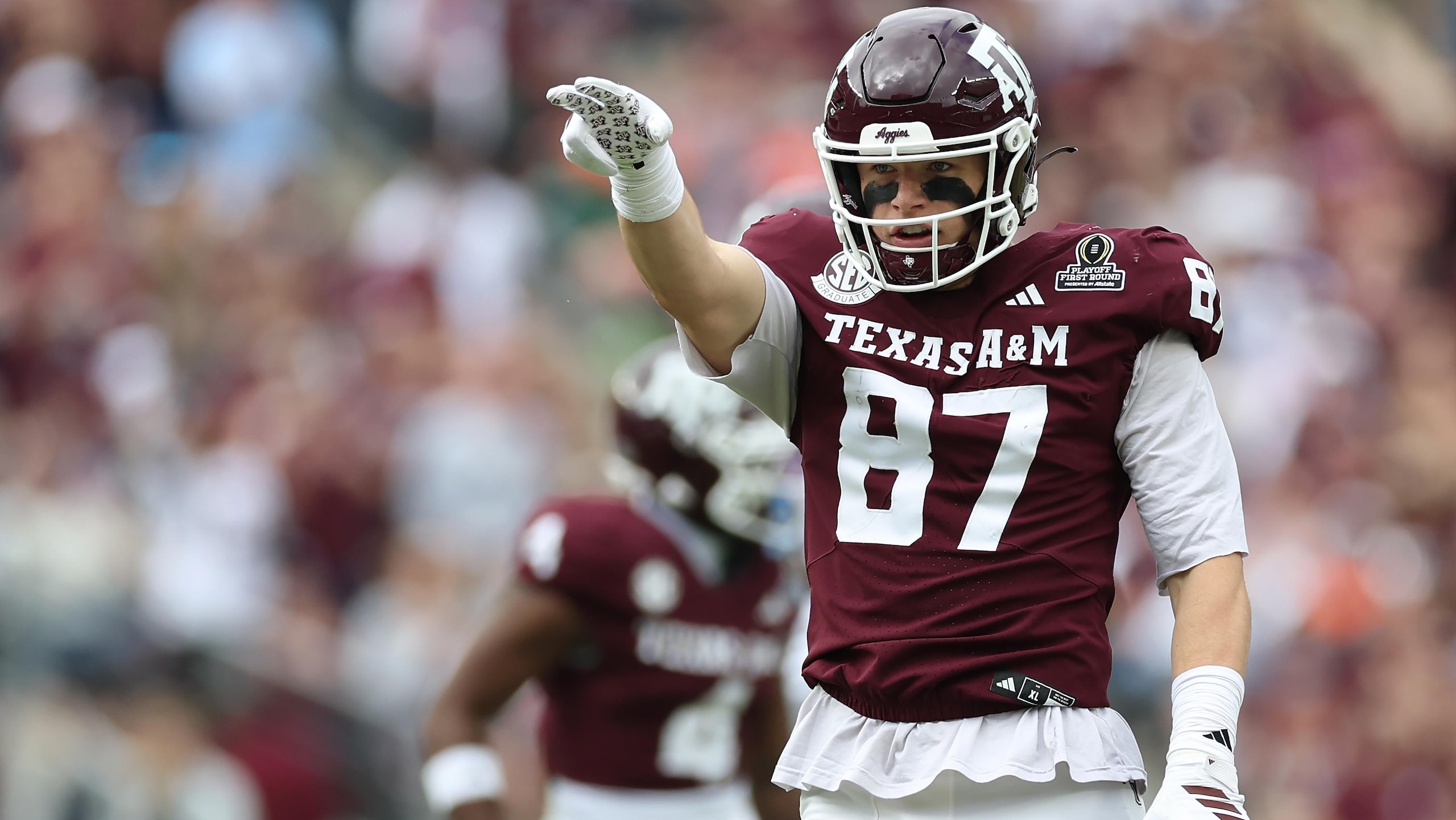
Round 2 (No. 56): TE Nate Boerkircher, Texas A&M
Round 3 (No. 81): DL Albert Regis, Texas A&M
Round 3 (No. 88): IOL Emmanuel Pregnon, Oregon
Round 3 (No. 100): S Jalen Huskey, Maryland
Round 4 (No. 119: DL Wesley Williams, Duke
Round 5 (No. 164): TE Tanner Koziol, Houston
Round 6 (No. 191): WR Josh Cameron, Baylor
Round 6 (No. 203): WR CJ Williams, Stanford
Round 7 (No. 233): Edge Zach Durfee, Washington
Round 7 (No. 240): LB Parker Hughes, Middle Tennessee State
The Jacksonville Jaguars traded this year's first-round pick as part of last year's draft-day deal to land cornerback/receiver Travis Hunter. The Jags plan to focus on developing Hunter as a full-time cornerback this year, and if he reaches his elite ceiling, Jacksonville won't mind parting with a late first-rounder in this class to get him.
The list of prospects the Jaguars might have found available at No. 24 includes Texas A&M receiver Kevin Concepcion, Oregon safety Dillon Thieneman, and San Diego State cornerback Chris Johnson.
Unfortunately, the Jaguars didn't exactly get great value with their first selection. Texas A&M's Nate Boerkircher is widely viewed as an in-line blocking tight end. While he does have some untapped potential as a pass-catcher, he was the 185th-ranked prospect on the B/R board. The selection does look a little better when paired with Day-3 pick and pass-catching tight end Tanner Koziol.
The Jags reached again for undersized defensive tackle Albert Regis, the 191st-ranked player on the B/R board. However, they got much better value with Oregon lineman Emmanuel Pregnon and Maryland safety Jalen Huskey.
"Jalen Huskey is the biggest sleeper at the safety position in this class," Daniel Harms of the B/R Scouting Department wrote.
Josh Cameron, who was a top-100 prospect on the B/R board, should give Trevor Lawrence another capable target. He represents one of the better values the Jags uncovered over draft weekend.
Of course, it's clear that GM James Gladstone doesn't care about perceived value. Based on value, though—and the fact that Hunter's rookie season largely disappointed—it's hard to love his approach.
Grade: D
Kansas City Chiefs
17 of 33.jpg?w=2560 "NFL Draft Football")
Round 1 (No. 6): CB Mansoor Delane, LSU
Round 1 (No. 29): DL Peter Woods, Clemson
Round 2 (No. 40): Edge R Mason Thomas, Oklahoma
Round 4 (No. 109): CB Jadon Canady, Oregon
Round 5 (No. 161): RB Emmett Johnson, Nebraska
Round 5 (No. 176): WR Cyrus Allen, Cincinnati
Round 7 (No. 249): QB Garrett Nussmeier, LSU
After trading Trent McDuffie and losing Jaylen Watson in free agency, the Chiefs needed to reload their cornerback group. They traded up to ensure they got the cleanest corner prospect in the draft, giving the Browns the 74th and 141st picks in order to move from No. 9 to No. 6.
Mansoor Delane should quickly fill Kansas City's need for a No. 1 perimeter corner. Over the next few years, having him on a rookie contract will likely be more financially valuable to the Chiefs than keeping McDuffie on a significant second deal would have been.
The Chiefs continued to address their defense late in Round 1, using the first pick they acquired in the McDuffie deal to grab defensive lineman Peter Woods. The 6'3", 298-pound defender should help shore up Kansas City's defensive front right away.
Kansas City added another promising piece to its front when it grabbed R Mason Thomas in Round 2. He should quickly add a speed-rushing element to Stave Spagnuolo's defensive front.
General manager Brett Veach focused on value and roster depth on Day 3. Wideout Cyrus Allen, a top-100 on the B/R board, could prove to be especially valuable. He should bring speed and playmaking ability to the passing attack early.
The Chiefs took a targeted approach to plugging holes over draft weekend, and while they sacrificed some mid-round selections, their roster is much more complete than it was a few days ago.
Grade: B
Las Vegas Raiders
18 of 33.jpg?w=2560 "Raiders Draft Football")
Round 1 (No. 1): QB Fernando Mendoza, Indiana
Round 2 (No. 38): CB Treydan Stukes, Arizona
Round 3 (No. 67): Edge Keyron Crawford, Auburn
Round 3 (No. 91): IOL Trey Zuhn III, Texas A&M
Round 4 (101): CB Jermod McCoy, Tennessee
Round 4 (No. 122): RB Mike Washington Jr., Arkansas
Round 5 (No. 150): S Dalton Johnson, Arizona
Round 5 (No. 175): CB Hezekiah Masses, California
Round 6 (No. 195): WR Malik Benson, Oregon
Round 7 (No. 229): DT Brandon Cleveland, NC State
As expected the Las Vegas Raiders kicked off their drat with Indiana quarterback Fernando Mendoza. It was an unsurprising pick, and the logical one.
The Raiders needed a long-term answer at quarterback, and Mendoza was, without question, the "safest" signal-caller in the class. The reigning Heisman winner and national champion has just about every quality a team could want in a signal-caller.
"He's a franchise quarterback at the next level," ESPN draft analyst Mel Kiper Jr. wrote.
The Raiders opened Day 2 by trading down two spots and flipping an early fourth-rounder for a late third-round pick. After moving down, Las Vegas added some much-needed cornerback help in the form of Arizona's Treydan Stukes. A late riser in the draft process, Stukes will bring versatility and playmaking ability to Las Vegas' secondary.
Las Vegas addressed another defensive need with third-round edge-rusher Keyron Crawford. The Auburn product should provide immediate depth behind Max Crosby and Kwity Paye. Getting Jermod McCoy in Round 4 represents tremendous value. The Tennessee product carries health questions but is a first-round talent.
McCoy was the 11th-ranked prospect on the B/R board.
GM John Spytek continued to make sensible picks late in the draft. Mike Washington Jr. is a lightning-quick runner who will be an excellent change-of-pace back behind Ashton Jeanty. Malik Benson will add a speed element to Las Vegas' receiving corps.
It was a strong overall weekend for the Raiders, highlighted by the addition of their new franchise quarterback.
Grade: A+
Los Angeles Chargers
19 of 33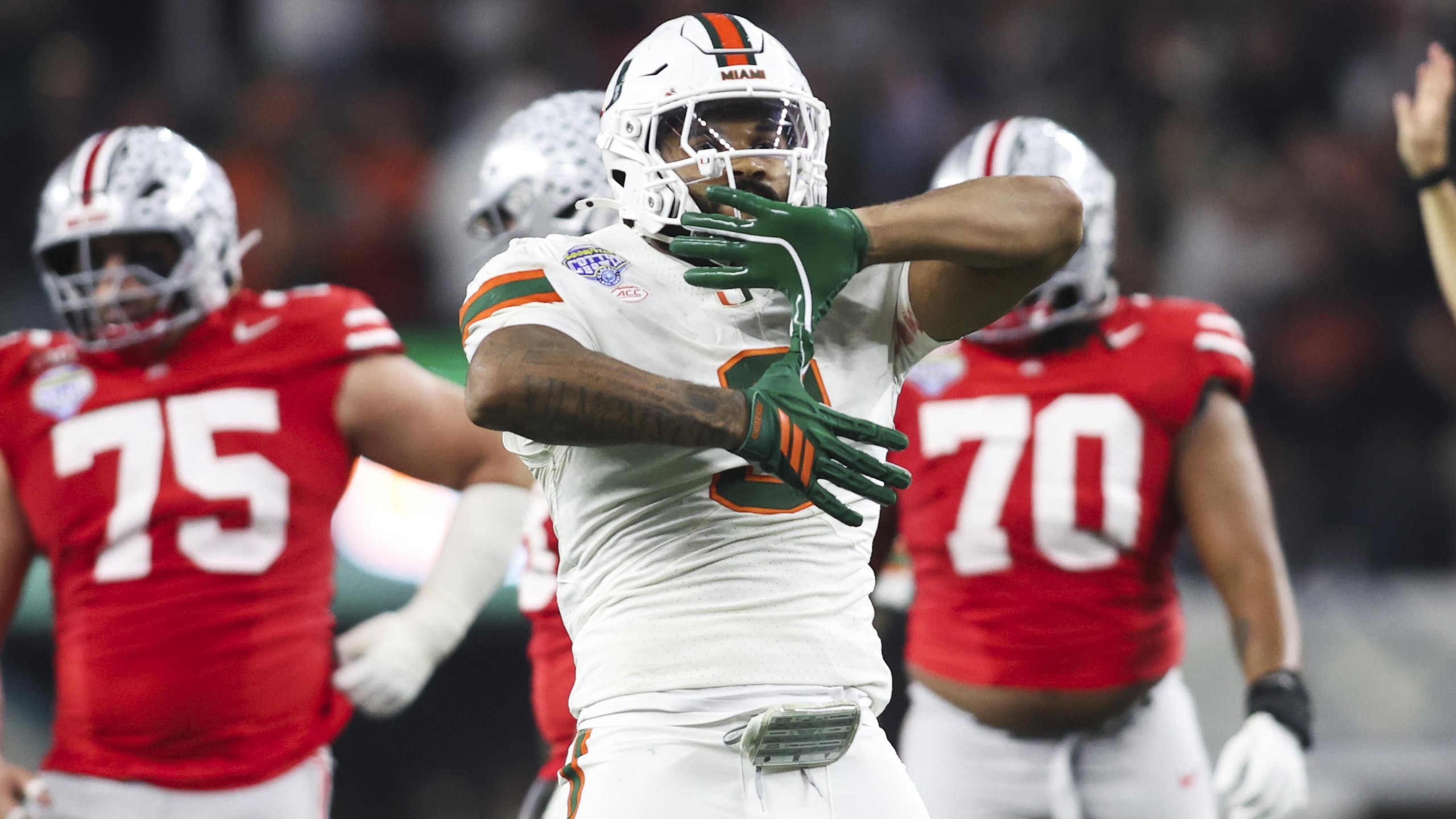
Round 1 (No. 22): Edge Akheem Mesidor, Miami
Round 2 (No. 63): IOL Jake Slaughter, Florida
Round 4 (105): WR Brenen Thompson, Mississippi State
Round 4 (No. 117): OT Travis Burke, Memphis
Round 4 (No. 131): S Genesis Smith, Arizona
Round 5 (No. 145): DL Nick Barrett, South Carolina
Round 6 (No. 202): IOL Logan Taylor, Boston College
Round 6 (No. 206): IOL Alex Harkey, Oregon
The Los Angeles Chargers opened their draft by grabbing pass-rusher Akheem Mesidor. The former Hurricane was a logical choice, as Odafe Oweh departed in free agency, and Khalil Mack turned 35 in February.
While Mesidor is an older prospect at 25, he has flashed high-level production (12.5 sacks in 2025) and should provide an immediate boost to a playoff contender.
Los Angeles traded down in Round 2, getting the 131st and 202nd picks to go from No. 55 to No. 63. At the bottom of the round, the Chargers addressed another need with Florida interior lineman Jake Slaughter.
Late-round picks Logan Taylor and Alex Harkey will give the Chargers some more darts to throw at their interior O-line. Genesis Smith is a versatile DB who should compete for early playing time, while Brenen Thompson will add some much-needed speed to the receiver group.
Thompson ran a 4.26-second 40-yard dash at the scouting combine.
The Chargers reached a bit for Slaughter, but he and Mesidor should help fill the two biggest holes on L.A.'s roster. This team won't have many starting jobs up for grabs over the summer, but GM Joe Hortiz did a solid job of adding late prospects who can stick on the roster.
Grade: B
Los Angeles Rams
20 of 33.jpg?w=2560 "Rams Draft Football")
Round 1 (No. 13): QB Ty Simpson, Alabama
Round 2 (No. 61): TE Max Klare, Ohio State
Round 3 (No. 93): OL Keagen Trost, Missouri
Round 6 (No. 197): WR CJ Daniels, Miami
Round 7 (No. 222): DL Tim Keenan III, Alabama
The Los Angeles Rams traded their first-round pick for Chiefs cornerback Trent McDuffie early in the offseason. However, they opened their draft with the 13th overall selection thanks to last year's draft-day trade with the Falcons. Les Snead used that selection to pull off one of the biggest early shockers of the draft.
Matthew Stafford remains L.A.'s quarterback of the present. Ty Simpson is now the Rams' quarterback of the future. While he has just one year of starting experience, he showed plenty of potential during his 2025 campaign.
"Simpson flashed potential to be an NFL starting quarterback with a savvy, polished skill set that translates well into NFL offenses," Dame Parson of the B/R Scouting Department wrote.
With Stafford set to turn 39 in February, working out a succession plan does make sense. Of course, it's fair to wonder if L.A. would have been better served by drafting a player who would help them chase a Super Bowl this season.
Simpson probably won't help the Rams in 2025, and second-round tight end Max Klare might not either. He's a promising prospect but will begin as another option to a crowded tight end room. Fellow Day-2 pick Keagen Trost will provide depth at tackle.
Snead has done a good job of finding receiver talent late in the draft. CJ Daniels has the size (6'2", 202 lbs) and skills to be another gem.
L.A.'s draft strategy makes sense from a long-term perspective. While it's surprising that the Rams didn't put a little more focus on maximizing their chances of winning it all in 2026, the McDuffie trade does play to that goal.
Grade: C
Miami Dolphins
21 of 33.jpg?w=2560 "Dolphins Draft Football")
Round 1 (No. 12): OT Kadyn Proctor, Alabama
Round 1 (No. 27): CB Chris Johnson, San Diego State
Round 2 (No. 43): LB Jacob Rodriguez, Texas Tech
Round 3 (No. 75): WR Caleb Douglas, Texas Tech
Round 3 (No. 87): TE Will Kacmarek, Ohio State
Round 3 (No. 94): WR Chris Bell, Louisville
Round 4 (No. 130): LB Trey Moore, Texas
Round 4 (No. 138): LB Kyle Louis, Pittsburgh
Round 5 (No. 158): S Michael Taaffe, Texas
Round 5 (No. 177): WR Kevin Coleman Jr., Missouri
Round 5 (No. 180): TE Seydou Traore
Round 6 (No. 200): IOL DJ Campbell, Texas
Round 7 (No. 238): DL Max Llewellyn, Iowa
The Miami Dolphins picked up a pair of fifth-round picks by trading down one spot in the opening round. With their first pick in the draft, the Dolphins grabbed Alabama offensive tackle Kadyn Proctor. The problem is that Miami passed on Caleb Downs, arguably the safest pick in the draft, to take one of the class' biggest boom-or-bust prospects.
"The Miami Dolphins made a massive strategic mistake," Bleacher Report's Brent Sobleski wrote. "The organization allowed positional and outright draft-pick greed to blur their vision of what should have been a no-brainer."
The Dolphins traded up from their second first-round slot—obtained in the Jaylen Waddle trade—and grabbed San Diego State cornerback Chris Johnson. The deal saw Miami surrender the 30th and 90th picks for picks No. 27 and 138.
Miami landed a playmaking linebacker early on Day 2 in Texas Tech's Jacob Rodriguez. Rodriguez recorded a whopping four interceptions and seven forced fumbles this past season.
In Round 3, Miami grabbed Caleb Douglas and Chris Bell, who should help replace Waddle and Tyreek Hill. It also added a blocking tight end in Will Kacmarek.
While the Dolphins added some solid value on Day 2 and may uncover a few gems from their plethora of Day 3 picks, their misstep on opening night casts a sour shadow over the class as a whole.
Grade: C+
Minnesota Vikings
22 of 33.jpg?w=2560 "Vikings Draft Football")
Round 1 (No. 18): DL Caleb Banks, Florida
Round 2 (No. 51): LB Jake Golday, Cincinnati
Round 3 (No. 82): DL Domonique Orange, Iowa State
Round 3 (No. 97): OT Caleb Tiernan, Northwestern
Round 3 (No. 98): S Jakobe Thomas, Miami
Round 5 (No. 159: FB Max Bredeson, Michigan
Round 5 (No. 163): CB Charles Demmings, Stephen F. Austin
Round 6 (No. 198: RB Demond Claiborne, Wake Forest
Round 7 (No. 235): IOL Gavin Gerhaardt, Cincinnati
The Minnesota Vikings released defensive linemen Jonathan Allen and Javon Hargrave early in the offseason. Therefore, it wasn't a total shock to see them target their defensive front on opening night. Still, the selection of Florida's Caleb Banks could be considered a reach.
Banks was the 60th-ranked overall prospect on the B/R board.
Fortunately, the Vikings found much better value in Round 2. Off-ball linebacker Jake Golday has the potential to be a true three-down player for Minnesota and was the 37th-ranked prospect on the Scouting Department's final board.
During Day 2 of the draft, the Vikings also received a pair of third-round picks (one in 2026, one in 2027) from the Philadelphia Eagles for edge-rusher Jonathan Greenard. Minnesota then went back to its defensive interior, adding Iowa State's Domonique Orange.
Orange and Jakobe Thomas will add more defensive depth, while the Vikings should boost their ground game with Demond Claiborne and the draft's top fullback, Max Bredeson.
However, it's hard to feel like the Vikings' roster is any better than it was at the start of the offseason—aside from at quarterback, where Kyler Murray adds real improvement potential—though the team has saved considerable cap space.
Minnesota operated without a general manager over draft weekend, and it shows.
Grade: D
New England Patriots
23 of 33.jpg?w=2560 "NFL Combine Football")
Round 1 (No. 28): OT Caleb Lomu, Utah
Round 2 (No. 55): Edge Gabe Jacas, Illinois
Round 3 (No. 95): TE Eli Raridon, Notre Dame
Round 5 (No. 171): DB Karon Prunty, Wake Forest
Round 6 (No. 196): OT Dametrious Crownover, Texas A&M
Round 6 (No. 212): LB Namdi Obiazor, TCU
Round 7 (No. 234): QB Behren Morton, Texas Tech
Round 7 (No. 245): RB Jam Miller, Alabama
Round 7 (No. 247): Edge Quintayvious Hutchins, Boston College
The New England Patriots saw their offensive line collapse in Super Bowl LX and decided to take a proactive approach to reloading it. After signing Alijah Vera-Tucker in free agency, the Patriots traded up to land Caleb Lomu in Round 1.
To move up from No. 31 to No. 28, New England gave up the 125th pick. Lomu will give the Patriots a little bit of insurance in case they eventually move Will Campbell from left tackle. If Campbell sticks at LT, Lomu is a high-ceiling prospect who should develop into a solid starter on the right side.
New England traded up again in Round 2, surrendering the 131st and 202nd picks to go from No. 63 to No. 55. In doing so, the Patriots addressed another big need by adding edge-rusher Gabe Jacas.
In Round 3, the Patriots added a pro-ready tight end in Notre Dame's Eli Raridon.
On Day 3, the Patriots took some chances. They doubled down on the tackle position by adding Dametrious Crownover, who may be limited to playing right tackle only. Karon Prunty (40 tackles, 1 INT) and Namdi Obiazor (88 tackles, 2 INTs) were productive defenders this past season, but they were off the B/R board entirely.
This was a meat-and-potatoes draft for the Patriots. New England didn't hit any real home runs, but Lomu, Jacas, and Raridon can all be early contributors.
Grade: C+
New Orleans Saints
24 of 33.jpg?w=2560 "NFL Draft Football")
Round 1 (No. 8): WR Jordyn Tyson, Arizona State
Round 2 (No. 42): DL Christen Miller, Georgia
Round 3 (No. 73): TE Oscar Delp, Georgia
Round 4 (No. 132): IOL Jeremiah Wright, Auburn
Round 4 (No. 136): WR Bryce Lance, North Dakota State
Round 5 (No. 172): S Lorenzo Styles, Ohio State
Round 6 (No. 190): WR Barion Brown, LSU
Round 7 (No. 219): CB T.J. Hall, Iowa
With their top pick, the New Orleans Saints managed to land Arizona State's WR Jordyn Tyson, the top-ranked receiver on the B/R Scouting Department's final big board. Given the team's desire to build around second-year quarterback Tyler Shough, it was a very sensible way to begin New Orleans' 2026 draft.
Tyson's extensive injury history is worrisome, but his potential to be a legitimate No. 1 NFL wide receiver is alluring.
"Jordyn Tyson is a twitchy, dynamic playmaker with the route-running traits to be an impact starter and matchup receiver," Dame Parson of the B/R Scouting Department wrote.
Early on Day 2, New Orleans addressed its defensive front by grabbing Georgia defensive tackle Christen Miller. Later in the night, they added a high-upside tight end in Georgia's Oscar Delp.
Bryce Lance and Barion Brown give the Saints some more darts at wide receiver, while Lorenzo Styles gives them a very intriguing project on defense. Styles is a work-in-progress, but he possesses an elite blend of size (6'0½", 194 lbs) and speed (4.27-second 40-yard dash).
General manager Mickey Loomis made mostly solid picks throughout the draft, though it's impossible to ignore the injury risk that Tyson brings. If he stays healthy as a pro, this could be a foundational class for new-look New Orleans.
Grade: B+
New York Giants
25 of 33.jpg?w=2560 "Giants Draft Football")
Round 1 (No. 5): LB Arvell Reese, Ohio State
Round 1 (No. 10): IOL Francis Mauigoa, Miami
Round 2 (No. 37): CB Colton Hood, Tennessee
Round 3 (No. 74): WR Malachi Fields, Notre Dame
Round 6 (No. 186): DT Bobby Jamison-Travis, Auburn
Round 6 (No. 192): OT J.C. Davis, Illinois
Round 6 (No. 193): LB Jack Kelly, BYU
The New York Giants probably didn't expect Arvell Reese to fall to them at No. 5. However, that's how the board played out, and they'll welcome a defender with as much athletic upside as anyone in this class.
"Whether he falls into a hybrid role or converts to being a full-time edge defender, the former Buckeye has a bright future as an impact defender in the NFL," Matt Holder of the B/R Scouting Department wrote.
With New York's second top-10 pick—acquired in the Dexter Lawrence trade—New York grabbed Miami lineman Francis Mauigoa. The former Miami standout may begin his career at guard and eventually move to tackle, but regardless of where he plays, he should help protect second-year quarterback Jaxson Dart.
New York turned back to its defense in Round 2, landing Tennessee corner Colton Hood, a prospect many expected to go in the first round. He should provide immediate depth on the back end and has the potential to be a long-term starter in New York.
The Giants traded into Round 3, giving up two fourth-rounders and a 2027 fourth-rounder, to get Notre Dame receiver Malachi Fields. He should immediately be a big, physical target for Dart.
GM Joe Schoen found some decent value on Day 3 in prospects like Jack Kelly and J.C. Davis, though New York shouldn't expect any starters to come from the sixth round.
New York got a truly special prospect in Reese and managed to address some notable needs without truly reaching at any one spot.
Grade: B+
New York Jets
26 of 33.jpg?w=2560 "Jets Draft Football")
Round 1 (No. 2): Edge David Bailey, Texas Tech
Round 1 (No. 16): TE Kenyon Sadiq, Oregon
Round 1 (No. 30): WR Omar Cooper Jr., Indiana
Round 2 (No. 50): CB D'Angelo Ponds, Indiana
Round 4 (103): DL Darrell Jackson Jr., Florida State
Round 4 (110): QB Cade Klubnik, Clemson
Round 6 (No. 188): IOL Anez Cooper, Miami
Round 7 (No. 228): S VJ Payne, Kansas State
The New York Jets had their choice of players not named Mendoza at No. 2. They opted for a pass-rusher and chose the more polished David Bailey over Ohio State's Arvell Reese, who might possess more long-term upside.
With their second pick in Round 1, acquired in the Sauce Gardner trade, New York snapped up Kenyon Sadiq, the top-ranked tight end on the B/R board. New York then traded back into the first round, giving up a fifth-round pick to do so, and snagged Indiana receiver Omar Cooper Jr.
The Jets might not have a long-term answer at quarterback, but they added some serious playmaking ability to their receiving corps.
In Round 2, the Jets went back to their defense, grabbing Indiana cornerback D'Angelo Ponds. While Ponds won't be a one-for-one replacement for Gardner, he'll certainly help reload New York's secondary.
Day 3 prospects like Darrell Jackson Jr. and VJ Payne could carve out rotational roles early. However, the headliner of Saturday was New York's selection of Clemson quarterback Cade Klubnik.
Klubnik was once considered a potential first-round prospect, and he represents a sensible dart throw at the game's most important position. The Jets should give him a chance to compete with Geno Smith, Brady Cook, and Bailey Zappe. If he emerges as a surprise starter, great. If he doesn't, New York will have three first-round picks in 2027 with which to attack the quarterback position.
This was a strong, stage-setting draft for the Jets, who will likely target their next franchise quarterback a year from now.
Grade: A-
Philadelphia Eagles
27 of 33.jpg?w=2560 "Eagles Draft Football")
Round 1 (No. 20): WR Makai Lemon, USC
Round 2 (No. 54): TE Eli Stowers, Vanderbilt
Round 3 (No. 68): OT Markel Bell, Miami
Round 5 (No. 178): QB Cole Payton, North Dakota State
Round 6 (No. 207): IOL Micah Morris, Georgia
Round 7 (No. 244): S Cole Wisniewski, Texas Tech
Round 7 (No. 251): DT Uar Bernard, International Pathway
Round 7 (No. 252): Edge Keyshawn James-Newby, New Mexico
The Philadelphia Eagles opened their draft by trading up. They sent the 23rd, 114th, and 137th picks to the rival Cowboys for the 20th pick and a seventh-rounder. After moving up, Philly grabbed USC receiver Makai Lemon.
As a tough and productive inside-outside receiver, Lemon is a terrific addition to the Eagles' offense. While his selection will cast more doubt on the future of A.J. Brown in Philadelphia, he can have a prominent role even if Brown is on the roster in the fall.
Howie Roseman added another pass-catcher on Day 2, snagging Vanderbilt's Eli Stowers. A potential long-term replacement for Dallas Goedert—or, perhaps, Brown—Stowers plays like a big receiver and topped 600 receiving yards in each of the past two seasons.
Roseman filled another need on Day 3, trading a 2026 third-rounder and a 2027 third-rounder for Vikings edge-rusher Jonathan Greenard and a seventh-rounder. After making that move, he added a developmental tackle in Markel Bell, who may become an heir for Lane Johnson at right tackle down the road.
While Roseman largely focused on depth on Day 3, he took an intriguing flier in North Dakota State quarterback Cole Payton. The single-season FCS starter is a legitimate dual-threat with an attractive athletic profile. He's a raw prospect, but his skill set fits what the Eagles do, and he could be a long-term backup if/when Tanner McKee departs.
Grade: B+
Pittsburgh Steelers
28 of 33.jpg?w=2560 "NFL Draft Football")
Round 1 (No. 21): OT Max Iheanachor, Arizona State
Round 2 (No. 47): WR Germie Bernard, Alabama
Round 3 (No. 76): QB Drew Allar, Penn State
Round 3 (No. 85): CB Daylen Everette, Georgia
Round 3 (No. 96): IOL Gennings Dunker, Iowa
Round 4 (No. 121): WR Kaden Wetjen, Iowa
Round 5 (No. 169): TE Riley Nowakowski, Indiana
Round 6 (No. 210): DL Gabriel Rubio, Notre Dame
Round 7 (No. 224): S Robert Spears-Jennings, Oklahoma
Round 7 (No. 230): RB Eli Heidenreich, Navy
The Pittsburgh Steelers began their draft by taking a chance on Arizona State's Max Iheanachor. A very raw prospect who became involved with football late, Iheanachor does possess an enticing athletic ceiling. The 67th-ranked prospect on the B/R board is very much a boom-or-bust player.
"He projects as a year-one high-level backup with starting upside, with his trajectory dependent on how quickly he can align his tools with consistent technique," Brandon Thorn of the B/R Scouting Department wrote.
Of course, it's fair to wonder if Iheanachor was a player Pittsburgh truly coveted. USC receiver Makai Lemon told reporters that he was on the phone with the Steelers when the Eagles traded up to snipe him at No. 20.
Unwilling to miss out on a receiver for the second time, Pittsburgh moved up in Round 2 for Germie Bernard. The Steelers traded the 53rd, 135th, and 237th picks for the 47th and 249th selections.
In Round 3, Pittsburgh got itself another developmental quarterback in Penn State's Drew Allar. With a big frame and a big arm, Allar has more upside than any signal-caller currently on the Steelers' roster.
Former Iowa guard Gennings Dunker might compete for playing time right away, while Georgia corner Daylen Everette will provide valuable depth in the secondary.
The Steelers seemed to prioritize upside on Day 3. Kaden Wetjen, for example, has the potential to juice Pittsburgh's return game. Navy's Eli Heidenreich and Indiana's TE Riley Nowakowski are positional chess pieces who can bring offensive versatility.
This feels like a wait-and-see draft for the Steelers. If Allar proves to be a better pro quarterback than a collegiate starter, it may be viewed as a masterpiece. However, it's impossible to ignore the fact that Pittsburgh didn't get its first choice in Round 1 or the fact that it reached for both Iheanachor and Bernard—neither a top-50 prospect on the B/R board.
Grade: C-
San Francisco 49ers
29 of 33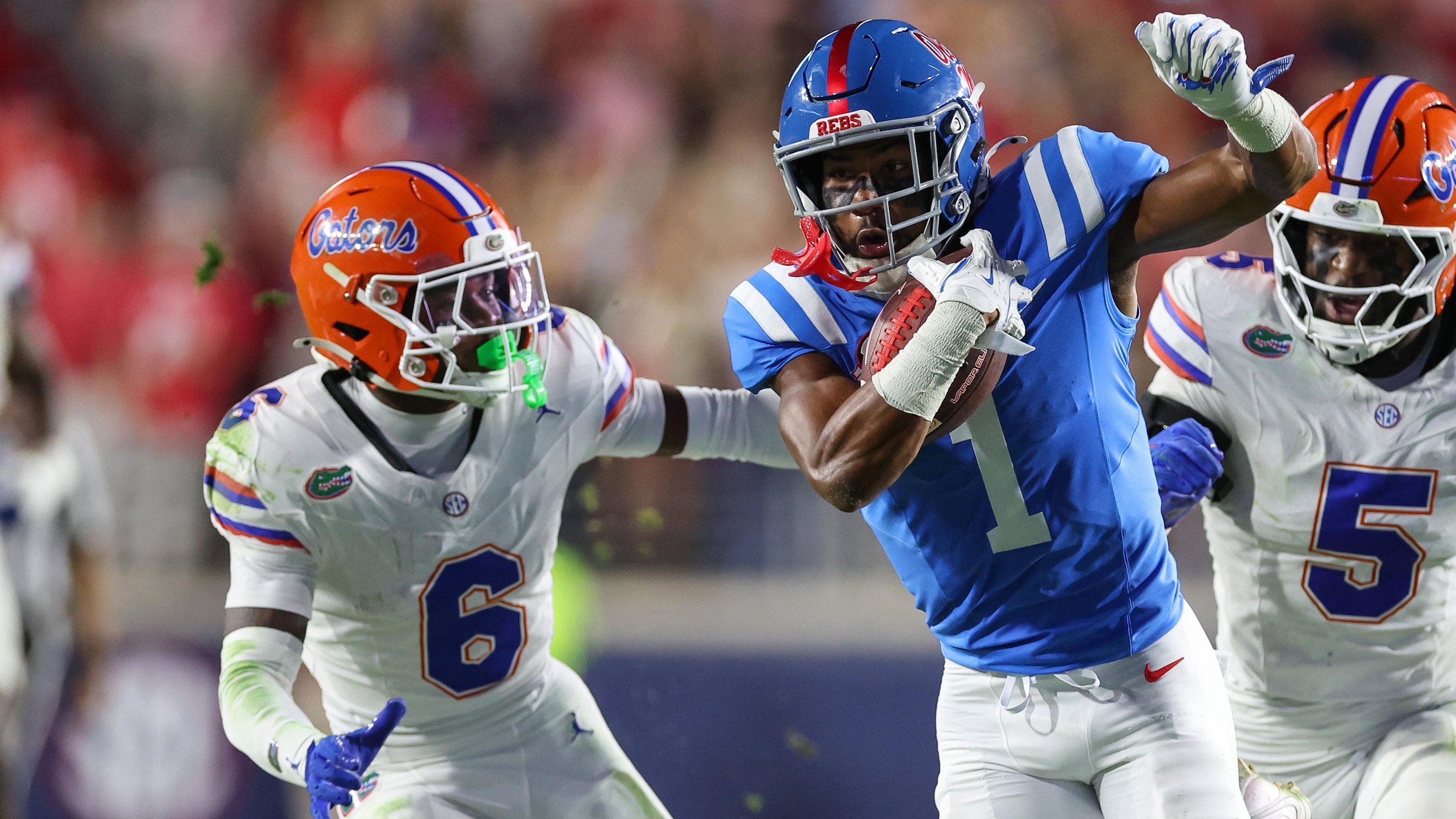
Round 2 (No. 33): WR De'Zhaun Stribling, Ole Miss
Round 3 (No. 70): Edge Romello Height, Texas Tech
Round 3 (No. 90): RB Kaelon Black, Indiana
Round 4 (No. 107): DL Gracen Halton, Oklahoma
Round 4 (No. 127): IOL Carver Willis, Washington
Round 4 (No. 139): CB Ephesians Prysock, Washington
Round 5 (No. 154): LB Jaden Dugger, Louisiana
Round 5 (No. IOL Enrique Cruz Jr., Kansas
The San Francisco 49ers traded down twice on opening night, eventually moving out of the first round entirely. The 49ers gave up a fourth-rounder and moved from No. 27 to No. 33, adding the 90th and 197th picks along the way.
With the first pick in Round 2, the 49ers grabbed Mississippi receiver De'Zhaun Stribling. The speedy wideout should be a terrific complement to free-agent addition Mike Evans and will give Brock Purdy a legitimate home-run threat.
Stribling impressed with a 4.36-second 40-yard dash in Indianapolis. However, the value in his selection is questionable. Stribling was the 15th-ranked receiver and 68th-ranked prospect on the B/R board.
The 49ers then traded out of the second round, flipping the 58th and 152nd picks for the 70th and 107th selections. They managed to address a big need, though, by grabbing Romello Height early in Round 3.
As a team, San Francisco recorded just 20 sacks in 2025.
The 49ers added backfield depth with Indiana's Kaelon Black, which should help prevent them from overloading Christian McCaffrey this season. Ephesians Prysock was a top-100 prospect on the B/R board and represents solid value on Day 3. Fellow Saturday selections Jaden Dugger and Enrique Cruz Jr. are far less likely to have an early impact.
It's not an overly impressive class for the 49ers, though they did well to move trade down early and still address their biggest needs at edge and wide receiver.
Grade: C-
Seattle Seahawks
30 of 33.jpg?w=2560 "Draft Seahawks Football")
Round 1 (No. 32): RB Jadarian Price, Notre Dame
Round 2 (No. 64): S Bud Clark, TCU
Round 3 (No. 99): CB Julian Neal, Arkansas
Round 5 (No. 148): IOL Beau Stephens, Iowa
Round 6 (No. 199): WR Emmanuel Henderson Jr., Kansas
Round 7 (No. 236): CB Andre Fuller, Toledo
Round 7 (No. 242): DL Deven Eastern, Minnesota
Round 7 (No. 255): CB Michael Dansby, Arizona
The Seattle Seahawks entered the draft with only four total selections. They made sure their first one counted. After losing Super Bowl LX MVP Kenneth Walker III, Seattle needed a new lead running back. They got their guy by snagging Notre Dame's Jadarian Price at the bottom of Round 1.
While Price largely played behind Jeremiyah Love at Notre Dame, he should move ahead of Zach Charbonnet in Seattle's committee backfield.
At the bottom of Round 2, Seattle addressed another need by adding TCU safety Bud Clark. The talented ball hawk (15 INTs, 2 TDs in college) should help replace the departed Coby Bryant on the back end.
The Seahawks traded back in Round 3, which netted them some additional Day 3 draft capital, adding No. 216 to move back three spots. They then traded down in Rounds 6 and 7 to add a few more prospects to their draft haul.
Day-3 additions like Andre Fuller, Emmanuel Henderson Jr., and Michael Dansby may not be rookie stars, but they can help fill valuable depth slots and special-teams roles while playing on cheap rookie deals.
For a team trying to keep a Super Bowl-caliber roster together, there's value in having cheap back-end players. Given the limited capital with which Seattle started, it was a fairly successful weekend.
Grade: B-
Tampa Bay Buccaneers
31 of 33.jpg?w=2560 "NFL Draft Football")
Round 1 (No. 15): Edge Rueben Bain Jr., Miami
Round 2 (No. 46): LB Josiah Trotter, Missouri
Round 3 (No. 84): WR Ted Hurst, Georgia State
Round 4 (No. 116): CB Keionte Scott, Miami
Round 5 (No. 155): DL DeMonte Capehart, Clemson
Round 5 (No. 160): IOL Billy Schrauth, Notre Dame
Round 6 (No. 185): TE Bauer Sharp, LSU
Had someone told the Tampa Bay Buccaneers a few months ago that they would be able to open their draft with Rueben Bain Jr.—and that it wouldn't have required a trade—they probably wouldn't have believed it.
The top-ranked pure edge-rusher on the B/R board, Bain will immediately fill a big defensive need for the Bucs. While his draft stock took a bit of a hit from a shorter-than-ideal arm length, he should be a three-down disruptor as a rookie.
In the second round, the Buccaneers snapped up Missouri linebacker Josiah Trotter. Though Trotter is a bit more polished as a run defender, he'll help replace the recently retired Lavonte David, along with free-agent addition Alex Anzalone.
After trading down in Round 3, the Buccaneers grabbed Georgia State receiver Ted Hurst. While Hurst certainly won't outright replace the departed Mike Evans, his 6'4" frame will give Baker Mayfield another big mismatch target.
While Tampa didn't find the starting cornerback it needed early, Keionte Scott should compete for playing time. Billy Schrauth could also be a Day-3 gem, as he was the 109th-ranked prospect on the B/R board.
The Bucs may not have filled every major need over the weekend, but they're coming away with three top-100 prospects and potential starters and a player in Bain who will transform the complexion of Tampa's defensive front.
Grade: B
Tennessee Titans
32 of 33.jpg?w=2560 "Titans Draft Football")
Round 1 (No. 4): WR Carnell Tate, Ohio State
Round 1 (No. 31): DL Keldric Faulk, Auburn
Round 2 (No. 60: LB Anthony Hill Jr., Texas
Round 5 (No. 142): IOL Fernando Carmona, Arkansas
Round 5 (No. 165): RB Nicholas Singleton, Penn State
Round 6 (No. 184): DL Jackie Marshall, Baylor
Round 6 (No 194): IOL Pat Coogan, Indiana
Round 7 (No. 225): TE Jaren Kanak, Oklahoma
The Tennessee Titans missed out on Jeremiyah Love at No. 4, so they pivoted to Ohio State wide receiver Carnell Tate in order to get Cam Ward a new weapon. Some may question the value of passing on blue-chip defenders like Arvell Reese and Sonny Styles, but there's plenty of logic in helping your second-year QB.
The Titans then traded back into Round 1 to land defensive lineman Keldric Faulk. Tennessee gave up the 35th, 66th, and 101st picks to get the 31st, 69th, and 165th selections.
Tennessee added more defensive help in Round 2, adding Texas linebacker Anthony Hill Jr. A talented and productive (249 tackles in 40 college games) off-ball linebacker, Hill should find ways to contribute early.
In terms of board value, the Titans largely reached for need on Day 3. However, Fernando Carmona and Pat Coogan both have the skills and traits to eventually start for Tennessee.
"Carmona shouldn't just be viewed as depth. He has extensive starting experience, he was announced as a guard and the Titans could upgrade at right guard over Cordell Volson," Bleacher Report's Brent Sobleski wrote.
Overall, the Titans did a decent job of finding players who can contribute and who fit what the team wants to build on both sides of the ball. However, the Tate pick could look like a massive whiff if he's just a solid receiver and Reese or Styles becomes a perennial Pro Bowler.
Grade: C
Washington Commanders
33 of 33.jpg?w=2560 "Commanders Draft Football")
Round 1 (No. 7): LB Sonny Styles, Ohio State
Round 3 (No. 71): WR Antonio Williams, Clemson
Round 5 (No. 147): Edge Joshua Josephs, Tennessee
Round 6 (No. 187): RB Kaytron Allen, Penn State
Round 6 (No. 209): IOL Matt Gulbin, Michigan State
Round 7 (No. 233): QB Athan Kaliakmanis, Rutgers
After finishing the 2025 season ranked 32nd in total defense and 27th in points allowed, the Washington Commanders were always likely to take the best defender available at No. 7 overall. They probably didn't believe, though, that Sonny Styles would fall to them there.
The sixth-ranked prospect on the B/R board, Styles should be a three-down, do-everything defender in the mold of future Hall of Famer Bobby Wagner. A converted safety, Styles will fill a variety of roles in Dan Quinn's defense.
The Commanders didn't have a second-round pick because they surrendered it in last year's Laremy Tunsil trade. However, they did add a Day-2 receiver who can contribute early in Clemson's Antonio Williams.
Washington found another defender who could contribute early on Day 3. Joshua Josephs, the 105th-ranked prospect on the B/R board, should carve out an early rotational role on the edge.
Kaytron Allen should push for playing time in the backfield rotation sooner than later, while Athan Kaliakmanis can be developed to replace Marcus Mariota as Washington's long-term backup quarterback.
Washington didn't have the volume of picks that some other franchises did, but the Commanders added a special prospect in Styles and a handful of players who can fill valuable roles over the next few years.
Grade: B+
.jpg?w=2560 "Vikings Football")
.jpg?w=2560 "Bengals Steelers Football")
.jpg?w=2560 "Grading Wild MITB PLE 😮💨")
.png?w=2560 "Money In The Bank Ends In Shocker 💼")
.jpg?w=2560 "Follow All The MITB Action Live 💼")
.png?w=2560 "Week 6 Winners & Losers 📊")