
Every Team's Biggest Fear For the 2026 NBA Offseason
Most NBA teams are probably afraid they won't figure out how to measure up to the San Antonio Spurs and New York Knicks, who've both hit intimidating levels of excellence during their playoff runs.
A few others might be deeply worried about the impact of lottery reform, unsure of exactly how they'll be bad enough to get a high pick but not so bad as to fall into the dreaded relegation zone.
These are broad, overarching fears that aren't unique to any one team. Let's zero in and get specific, targeting a singular issue facing each individual organization this offseason.
From pricey free agents to ballooning budgets to tricky trade scenarios, these are the concerns that'll keep teams up every night between now and the middle of July.
Atlanta Hawks: They Can't Get Giannis
1 of 30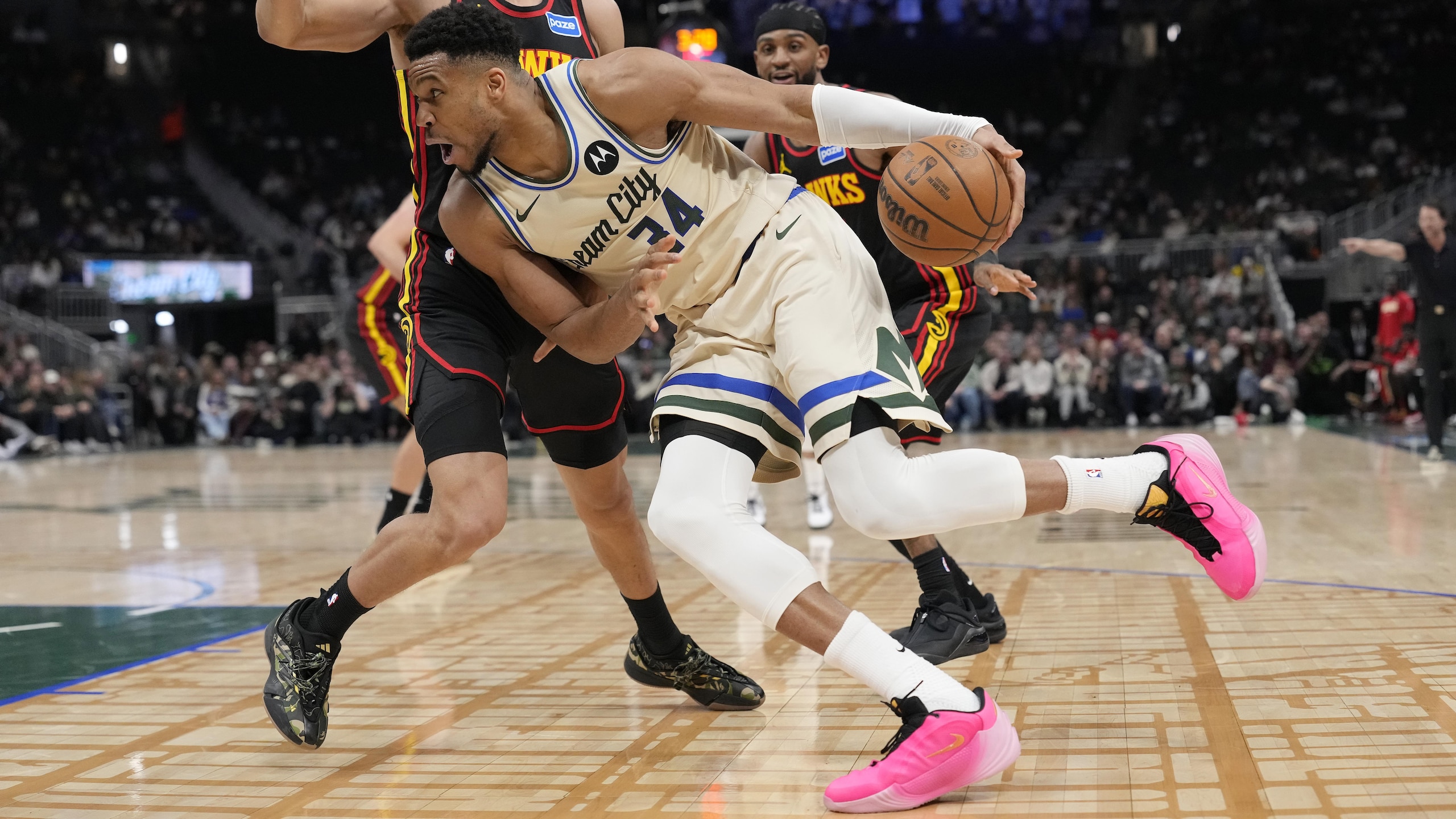
Who knows if Giannis Antetokounmpo will want anything to do with the Atlanta Hawks? What we can say for sure is that Hawks should want everything to do with him when trade chatter heats up again this offseason.
Atlanta has plenty of good second options but lacks a first, can surround Antetokounmpo with premium spacing at every position (thanks to Onyeka Okongwu's growth on the perimeter) and has the combination of cap flexibility and future draft assets required to make a compelling offer.
Just imagine Nickeil Alexander-Walker, Jalen Johnson, Okongwu and the wing of your choice orbiting around Giannis as he barrels downhill toward the rim. It's a perfect setup, as is a cap sheet that features just one player, Johnson, making more than $25 million next season. If anyone can onboard Antetokounmpo in an unbalanced trade, it's the Hawks.
If Atlanta can't land Giannis, its backup plans will mostly stink. Bringing back CJ McCollum to run the offense and opting in on Kuminga would be disappointing lateral moves, and no other potentially available stars fit so cleanly.
Boston Celtics: Those Calling for a Full Teardown Were Right
2 of 30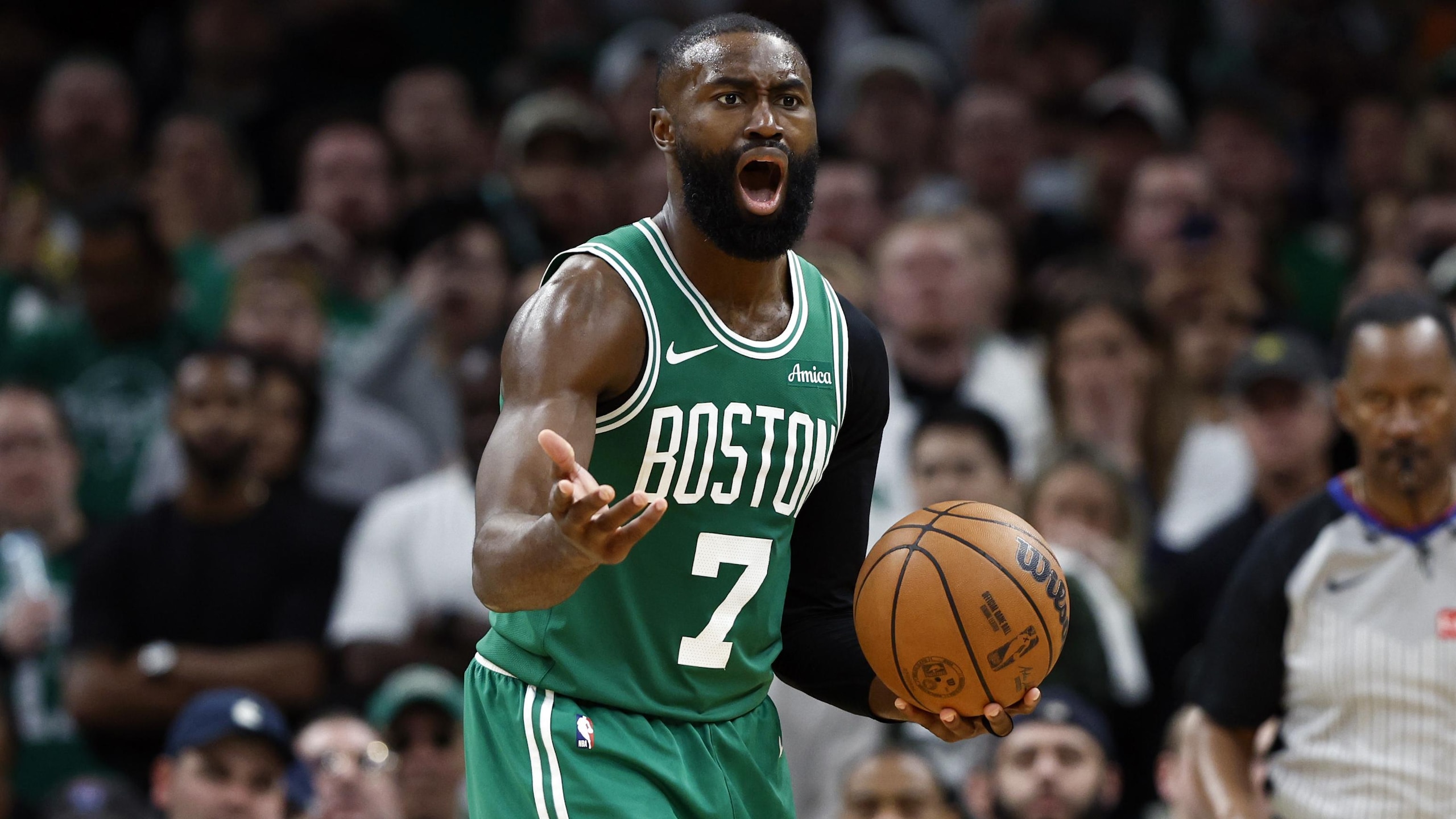
The Boston Celtics were probably the Eastern Conference favorites when the playoffs started, at which point it would have been ridiculous to suggest they should have gone all the way with their 2025 offseason cost-cutting.
Following a career year from Jaylen Brown, Jayson Tatum's shockingly good post-Achilles form and a strong cast of role players emerging, it seemed as if Boston had done the impossible: Trim payroll without compromising competitiveness.
A first-round ouster changed all that, and the Celtics head into this offseason lacking both flexibility and upside. They certainly have more wiggle room and a lower cap figure than they would have without ditching Jrue Holiday, Kristaps Porzingis and Al Horford, but it's hard to see them making meaningful improvements without drastic moves that either send out big talents (Brown) or sacrifice future assets (the 2027, 2031 and 2033 first-rounders they're allowed to trade).
Boston could absolutely figure out how to handle all this; Brad Stevens has thought his way out of tighter spots before. But the Celtics opted against a thorough rebuild and should be a little worried that they don't have anything to show for it.
Brooklyn Nets: They Missed Their Window
3 of 30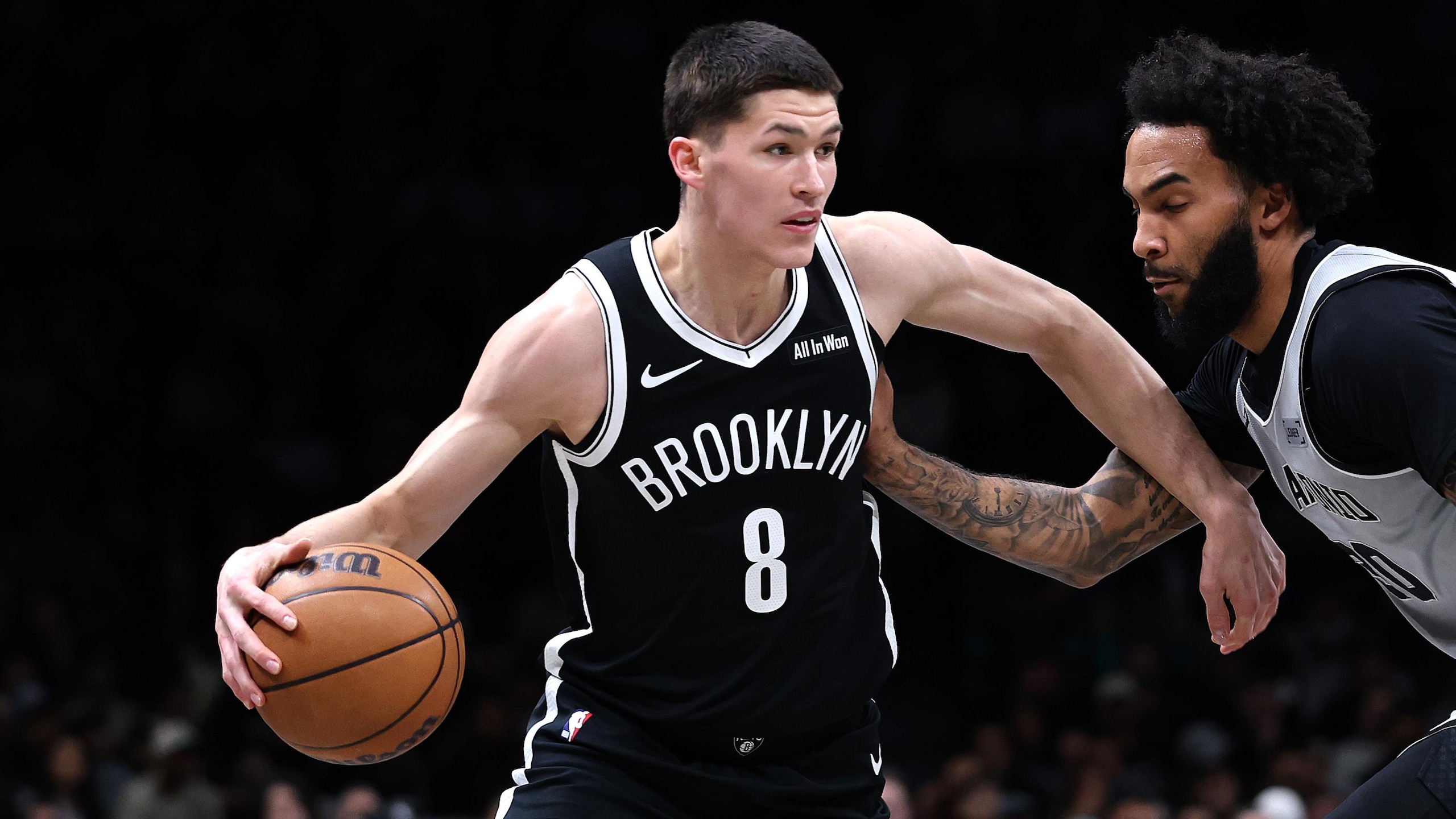
The Brooklyn Nets' search for a cornerstone hasn't gone very well.
They sat out the first round in 2024, struck out on their bevy of selections in 2025, might not find a difference-maker at No. 6 in this year's draft and don't control their 2027 pick. Lottery reform takes away egregious tanking as a prime star-hunting tool, removing yet another way for the Nets to find their guy.
At least they have cap space this summer!
Well, except for the fact that this year's class doesn't have an available superstar—not to mention the possibility that a developing trend of players signing extensions with their own teams could dilute future classes for years to come.
The Nets acted responsibly, cultivated their spending power and otherwise did most of the right things to pursue a transformative centerpiece. They somehow feel as far from finding one as ever.
Charlotte Hornets: Coby White Gets Expensive
4 of 30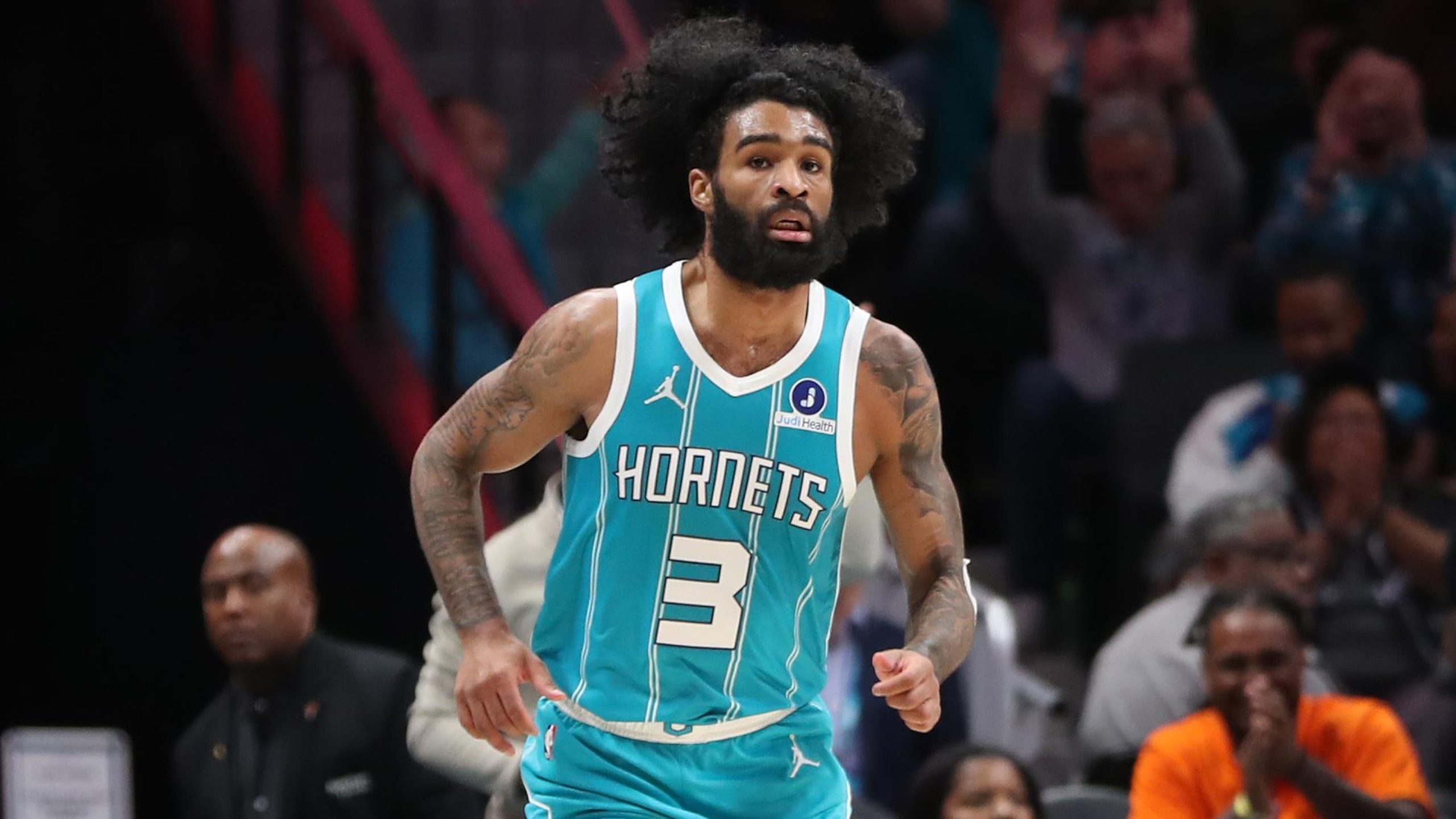
The Charlotte Hornets should want Coby White on their roster next season, even if a team with LaMelo Ball, Kon Knueppel and Brandon Miller needs to allocate resources somewhere besides a backup guard spot.
White proved his worth by averaging 15.6 points in 19.3 minutes while shooting 39.1 percent from deep in 21 regular season games with the Hornets and further supplemented his value with Play-In heroism. In a league where there's no such thing as having too many shot-creators, he's closer to a necessity than a luxury.
Charlotte should still be wary of spending too heavily on White. It will help that most cap space teams will be looking elsewhere and that one of them, the Bulls, won't have any interest at all. But all it'll take for prices to get out of control is one team that views White as a potential starter.
The Hornets have needs at forward and center, so they must manage their spending on White.
Chicago Bulls: This is Actually a Three-Player Draft
5 of 30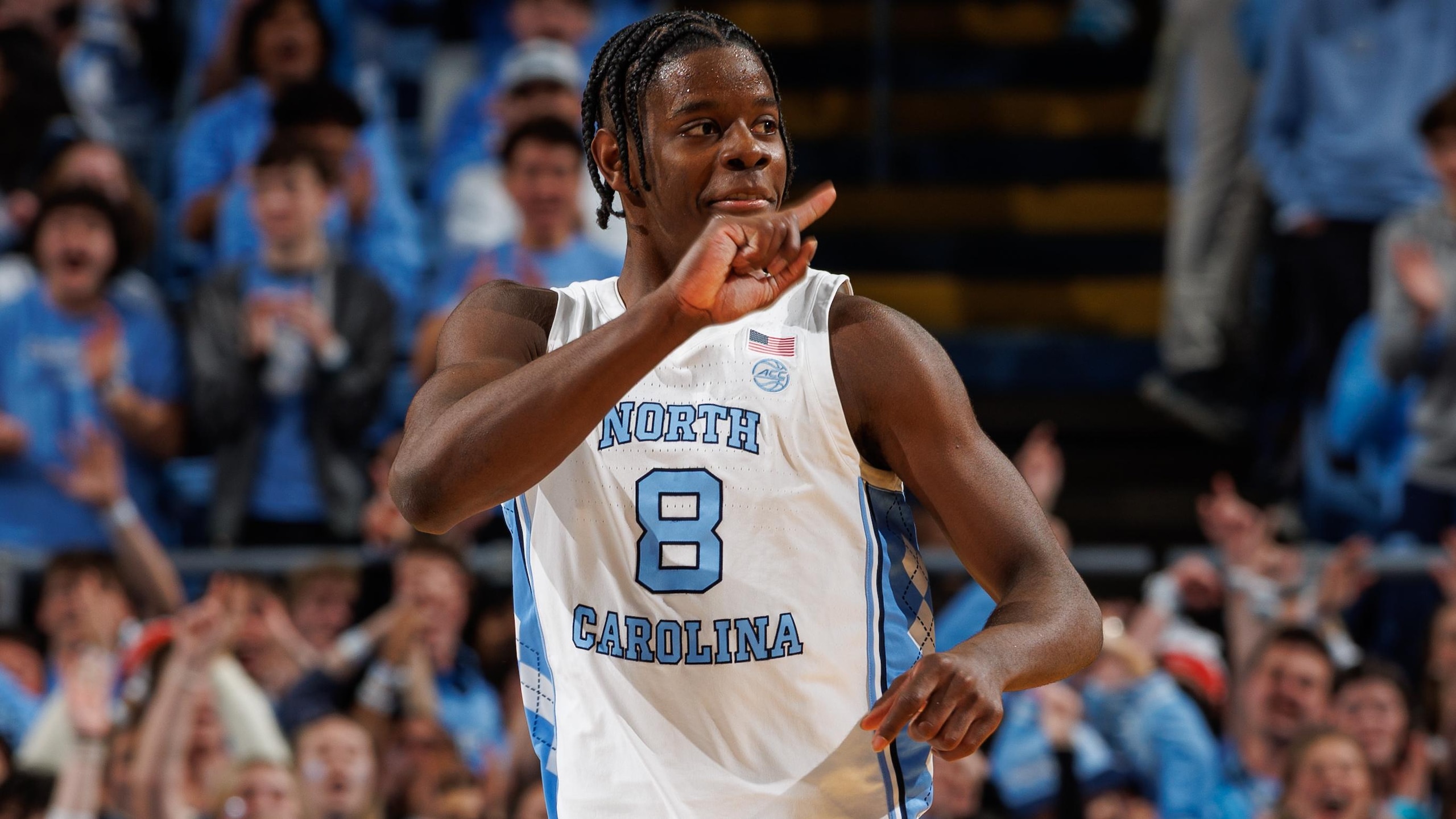
Conventional wisdom suggests the Chicago Bulls are in a perfect 2026 draft spot. They pick fourth in a class that most have judged as having exactly four top-tier, transformative prospects. All new Executive Vice President Bryson Graham has to do is take whichever of AJ Dybantsa, Darryn Peterson, Cam Boozer and Caleb Wilson remains on the board when it's his turn.
But when was the last time draft consensus got something like this right?
If there actually aren't four no-brainer options, the Bulls' years-long refusal to tank might really bite them. Very likely to be one of the league's worst teams, Chicago could miss on this pick, land in the relegation zone and go several seasons without landing a better selection than the one they have this year at No. 4.
Yes, we're fearmongering. That's the point of this whole thing. But if you're not at least a little concerned with the wisdom of crowds on this year's class and how it could affect Chicago, you're ignoring all the history that shows what a crapshoot draft evaluation always is.
Cleveland Cavaliers: James Harden Becomes a Pain
6 of 30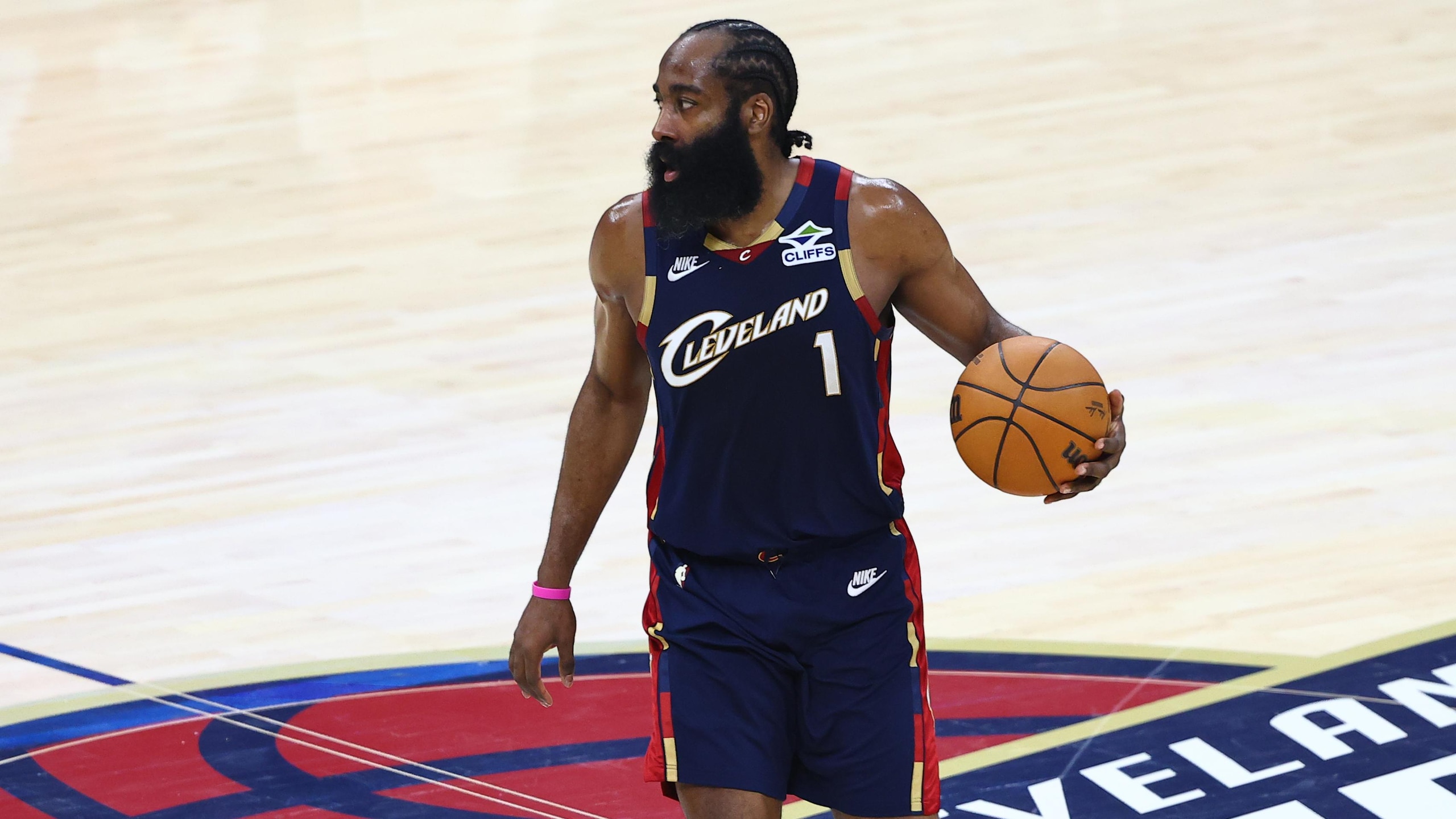
The Cleveland Cavaliers are very much in charge here. James Harden has a 2026-27 player option worth $42.3 million, but only $13.3 million of it is guaranteed. If he threatens to opt out, the Cavs can call his bluff and dare him to set $30 million on fire with very little likelihood of recouping that amount in free agency.
This is still an outcome best avoided, particularly because the Cavs gave up Darius Garland and the security of his longer deal to get Harden in the first place. And just as Harden would have few good alternatives outside of Cleveland, the Cavs don't have the ability to replace him with someone else on the market.
Harden has a long history of, let's say, fraught contract situations. He'll agitate for an exit the moment he's unhappy with anything, and no one should argue he's above making things uncomfortable for the Cavs—even when he lacks negotiating leverage.
Dallas Mavericks: Waiting Too Long to Move Kyrie Irving
7 of 30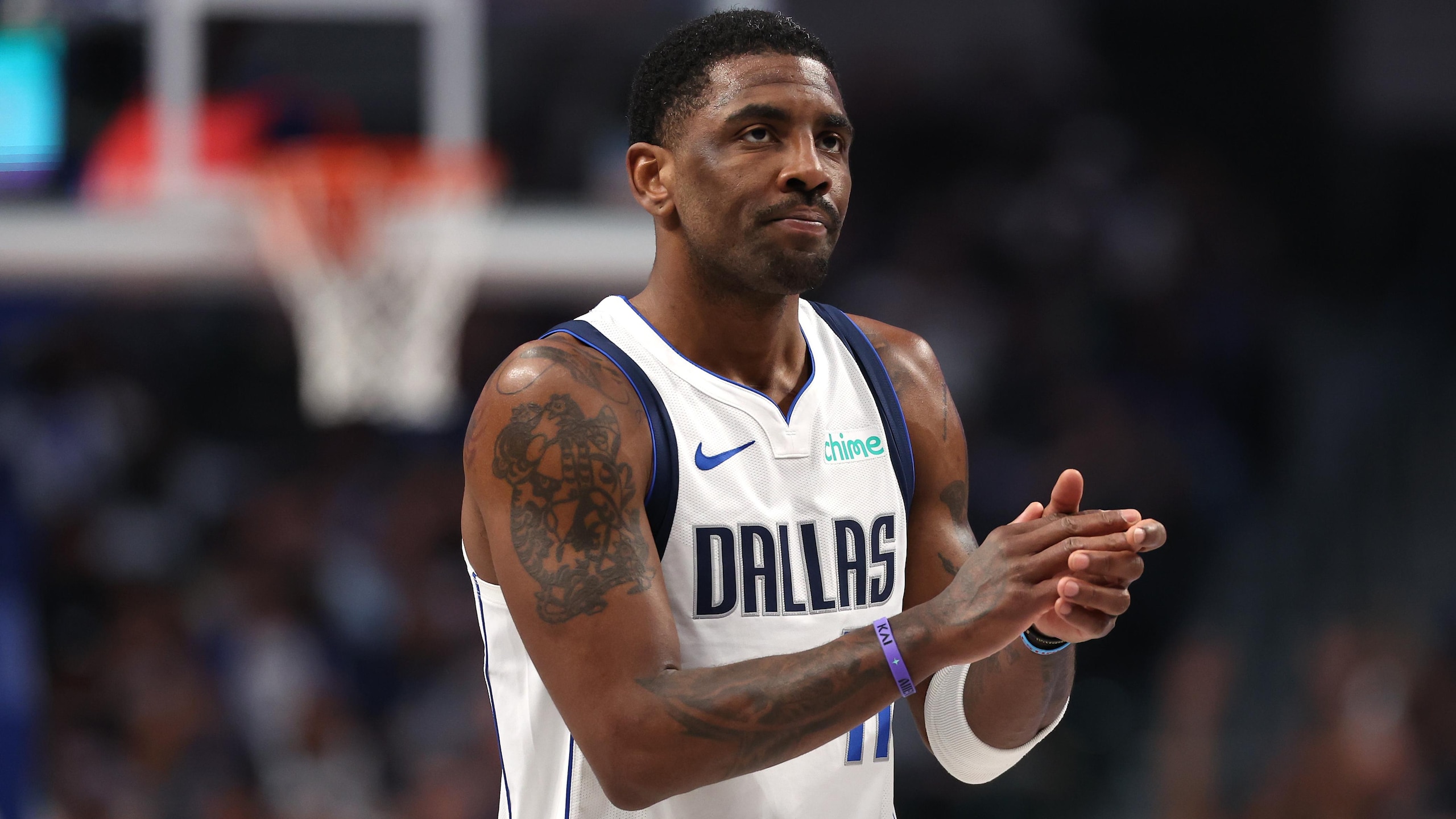
Kyrie Irving is a tremendous offensive player. Or, at least he was before tearing his ACL and missing his entire age-33 season. The Dallas Mavericks may be right in assuming he'll retain that status upon his return, and they should like the idea of him lightening Cooper Flagg's offensive load.
But what if the Mavs are wrong about Irving? What if trading him this summer, when there are questions about his value, is actually a much better decision than waiting until he returns and proves he's not the same guy?
Think about it. Several teams that exited the playoffs earlier than they wanted to could use a title-tested, high-end creator. The Minnesota Timberwolves, Detroit Pistons, Toronto Raptors, Atlanta Hawks, Orlando Magic, Miami Heat, Houston Rockets, Portland Trail Blazers and a host of others should be willing to swing a deal for Irving this offseason.
If he appears hobbled or otherwise lessened by age and injury during the year, return packages will only get worse. The element of uncertainty, of Irving's expected production, is a positive for his trade value right now. It may not be that way for long.
Denver Nuggets: Peyton Watson Leaves for Nothing
8 of 30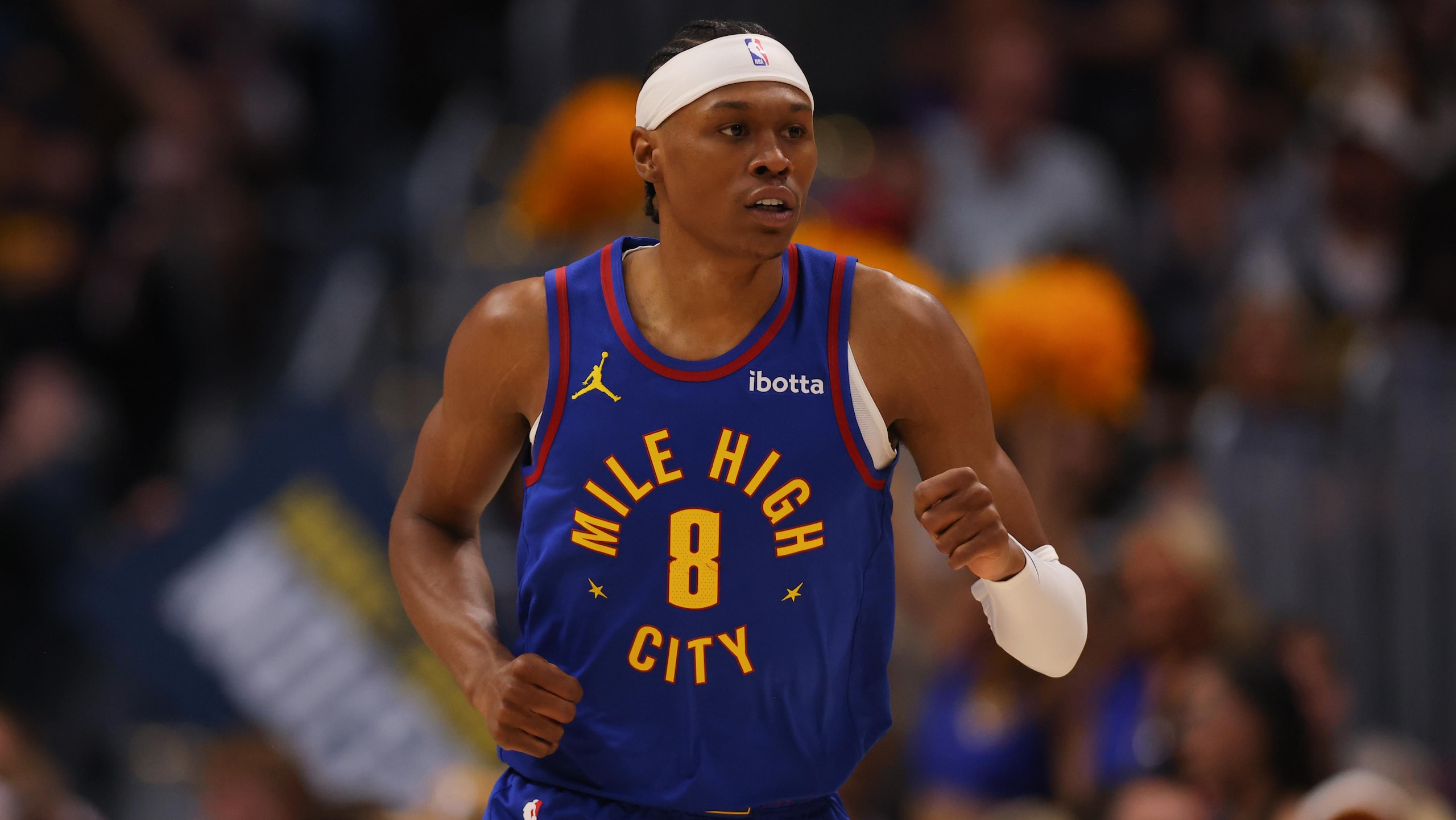
The Denver Nuggets' postseason ended early because they were short on athleticism, defensive playmaking and scorers who could support Jamal Murray and Nikola Jokić.
Peyton Watson, who was sidelined by a hamstring injury, would have addressed all three key weaknesses. So if the Nuggets don't want the reduced form they showed against Minnesota to become the status quo, they'd better make sure they pay what it takes to keep Watson in restricted free agency.
Matching rights give Denver total control over the situation, but a complicated transactional history inserts some doubt into Watson's future with the team. While it's true the Nuggets have historically extended their in-house talent (Christian Braun was the most recent high-dollar keeper), they also sometimes cheap out.
Last summer's Michael Porter Jr. trade was a money-saving measure that also cost an unprotected first-rounder.
Watson could command at least $25 million per season in an offer sheet. Denver shouldn't blink at that number.
Detroit Pistons: Overpaying Jalen Duren
9 of 30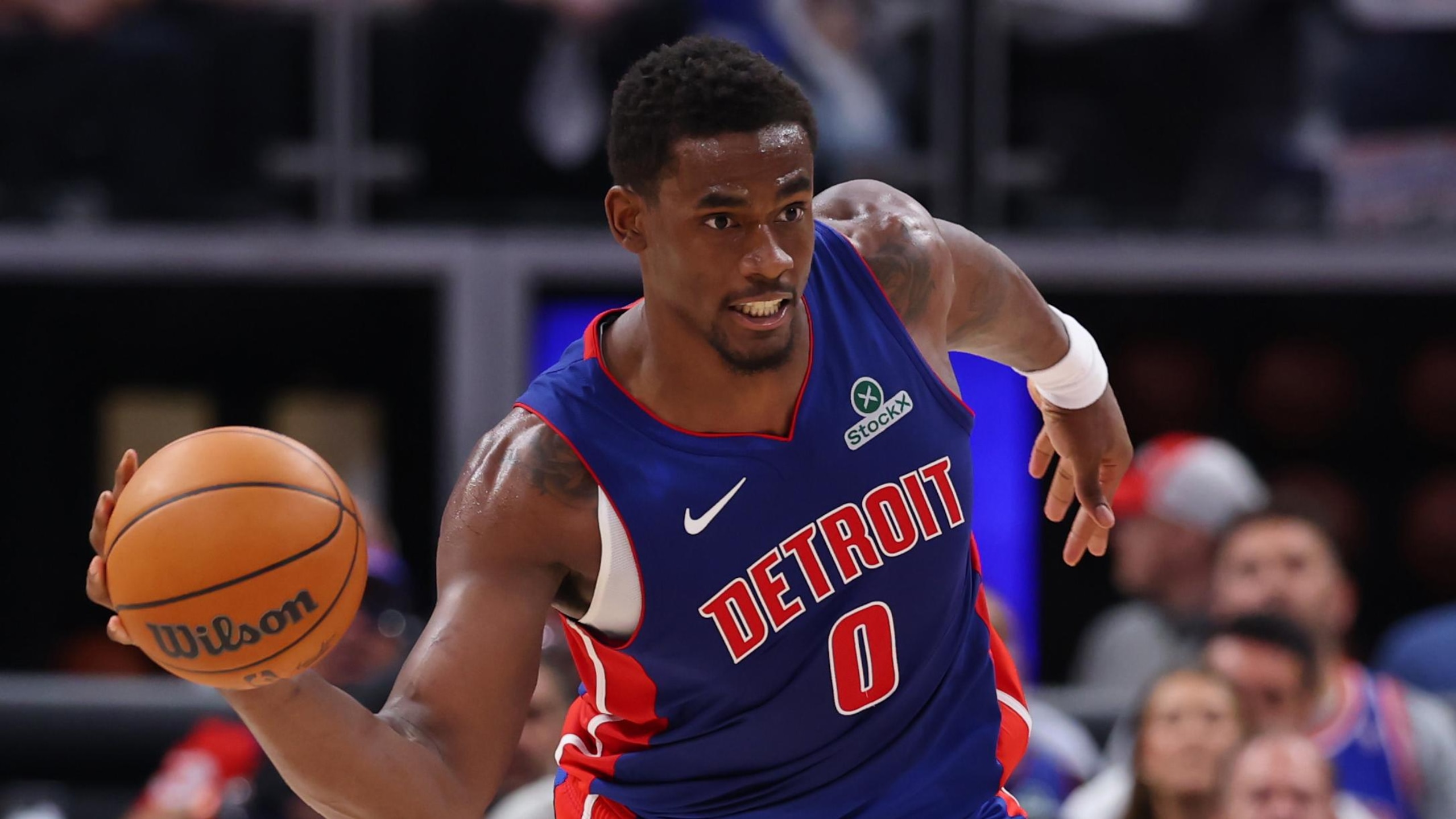
Jalen Duren's breakout regular season helped the Detroit Pistons win 60 games and enter the playoffs with the East's No. 1 seed. Then, the All-NBA center proved he couldn't be the second option on a contender.
That second fact should make the Pistons extremely cautious when it comes to Duren's next deal.
Duren is eligible to sign a five-year max with Detroit worth up to $287 million. The most another team can offer him is four years and $177 million. The first figure is completely out of the question, and even the second should make the Pistons a little uncomfortable.
Realistically, Detroit probably has to match any max offers from other teams. But it can't just fork over more than that on its own. A five-year, $180 million deal would be acceptable if no four-year offers come in, though Duren would still have the option of playing on the qualifying offer if those years and dollars weren't in line with his expectations.
Golden State Warriors: That Keeping the Gang Together Is a Mistake
10 of 30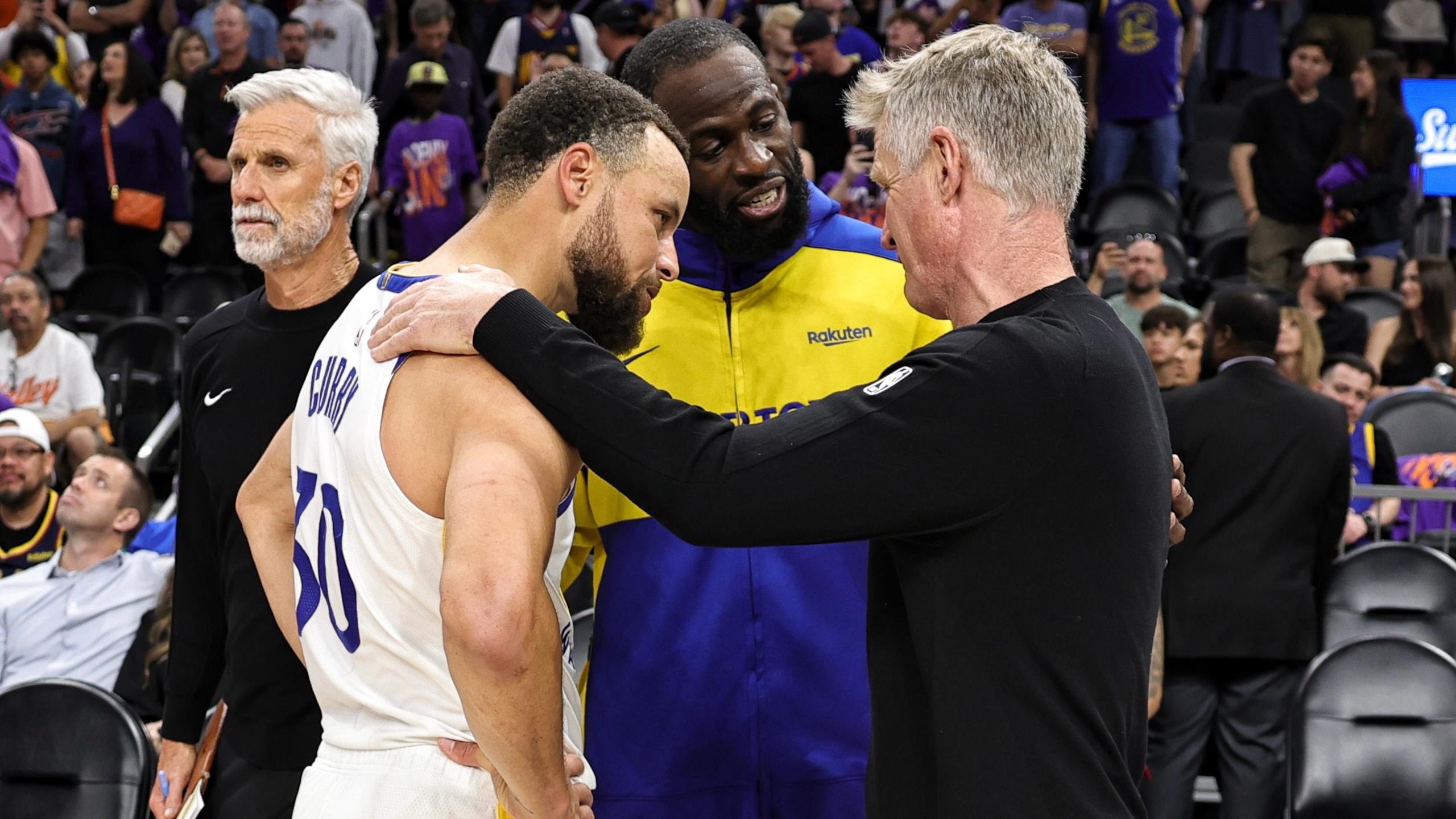
If you had to pick a more niche transactional concern, it'd be that no single potential offseason acquisition–from Giannis Antetokounmpo to LeBron James to your savior of choice—is good enough to get the Golden State Warriors back into the contender tier of the league.
That's just a narrower way to speak the broad truth: These Warriors are done as title threats, and running it back with Steve Kerr, Draymond Green and Stephen Curry is just a waste of time.
Emotionally, that idea is offensive to Warriors fans everywhere. They (OK, we) aren't ready to let the past die. Another season or two with the old core and whatever similarly old support pieces the team adds is preferable to pulling the plug on the best era in franchise history.
We can sentimentally enjoy Kerr's return and the status quo it preserves while intellectually acknowledging that this is just postponing the inevitable.
Houston Rockets: Amen Thompson's Price
11 of 30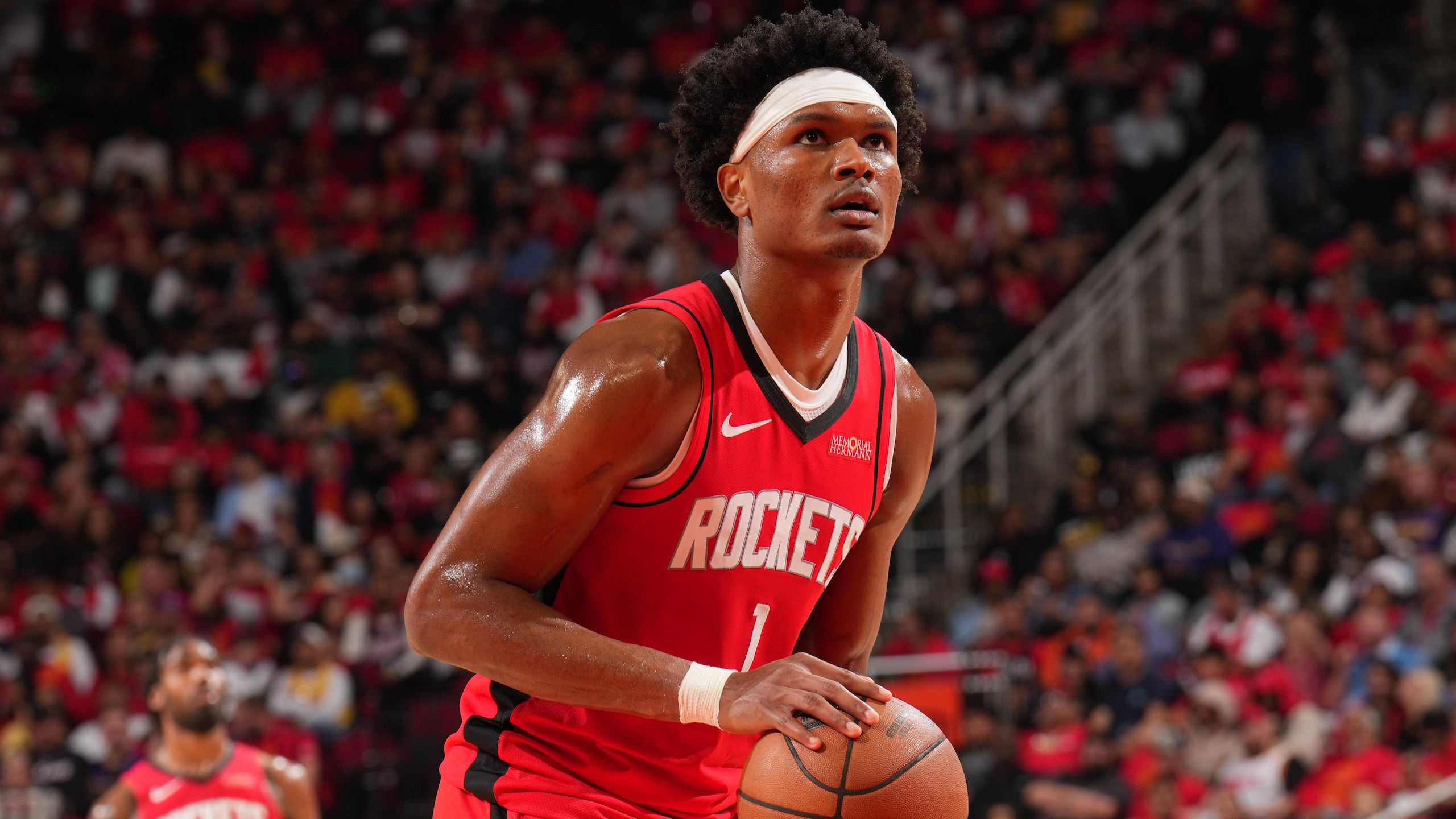
The Houston Rockets can cite the reasonable deal they reached with Alperen Sengün when starting extension negotiations with Amen Thompson, but there's no way to be sure the dynamic wing will care that his two-time All-Star teammate signed for five years and $185 million in 2024.
The 23-year-old has finished among the top eight in Defensive Player of the Year voting in each of the last two seasons and is coming off averages of 18.3 points, 7.8 rebounds and 5.3 assists. Those accolades and that production tend to result in hefty deals, and most expect Thompson to land a contract worth over $200 million across five seasons.
That's not his max, which would come in closer to $250 million, but it's still an awful lot of money for a career 21.9 percent three-point shooter.
There are ways for wings who can't make threes to produce value, but those players are generally worth far less in the playoffs. Thompson's shooting is so far from respectable that it's fair to assume he'll never be defended honestly. If that's the case, the Rockets will be making a huge mistake by handing him more money than Sengün got.
Indiana Pacers: Reinforcements Aren't Coming
12 of 30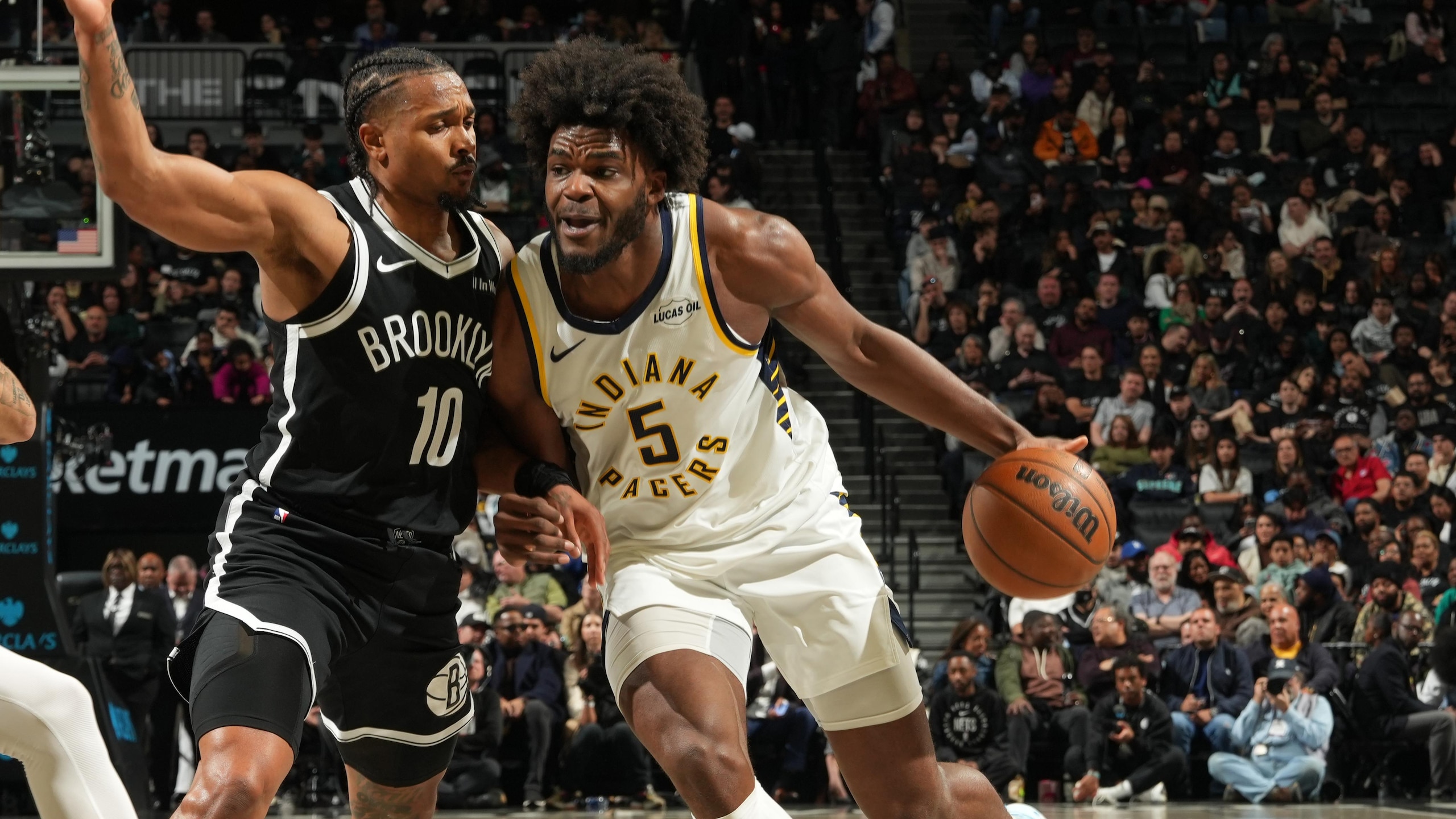
The Indiana Pacers' biggest offseason fear already came to pass when they conveyed the No. 5 pick to the LA Clippers. That selection represented Indy's best chance to supplement its talent base ahead of what it hopes is a return to contention.
Now, potentially more than $30 million above the cap, the Pacers' best roster-building tool will be the midlevel exception. More likely, they'll be limited to the taxpayer MLE of just $6.1 million.
Maybe there's a move to be made with Jarace Walker or Ben Sheppard, but any trade involving those two is as likely to be motivated by cost cutting as talent acquisition.
Tyrese Haliburton will be back after a lost season, and Ivica Zubac should bring a new dimension in the middle. But it's otherwise difficult to see how the Pacers can increase their overall talent level as they try to keep up with their competition in the East.
LA Clippers: Aspiration
13 of 30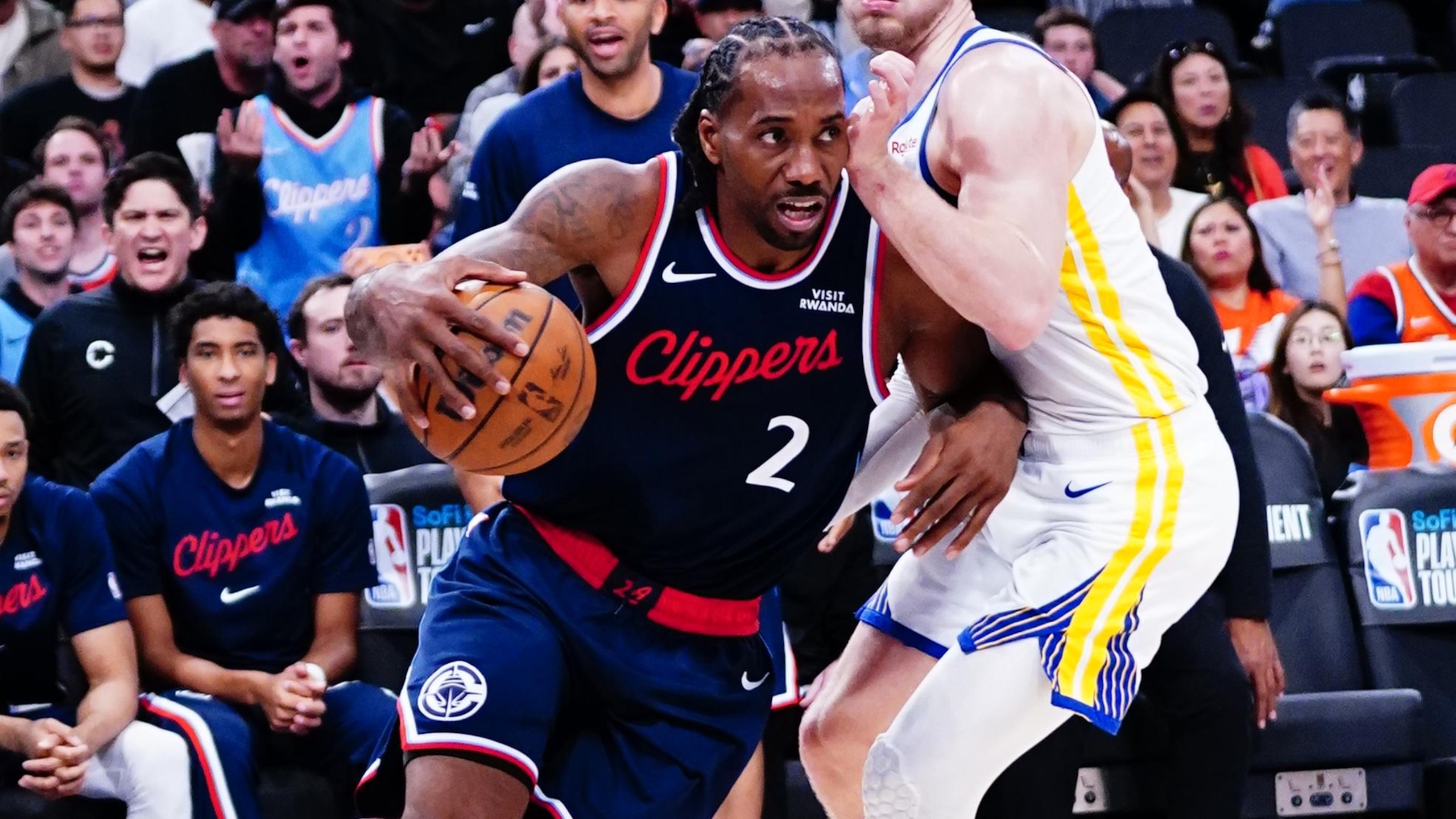
We haven't heard much about it over the last several months, but the Aspiration scandal could come to a close this offseason. Whether that's good or bad news for the LA Clippers depends on the outcome, which could include fines, draft pick forfeiture, suspensions or even the voiding of Kawhi Leonard's contract.
As a refresher, reporting by journalist and podcaster Pablo Torre uncovered evidence suggesting the Clippers may have circumvented the salary cap by paying Leonard outside of his NBA contract. If an investigation confirms those allegations, the Clips could be in real trouble.
At least LA has the No. 5 pick in the 2026 draft, which the Pacers conveyed as part of the Ivica Zubac trade. If things don't resolve favorably for the Clippers, it might be the last one they get to make for a while.
Los Angeles Lakers: Talent Drain
14 of 30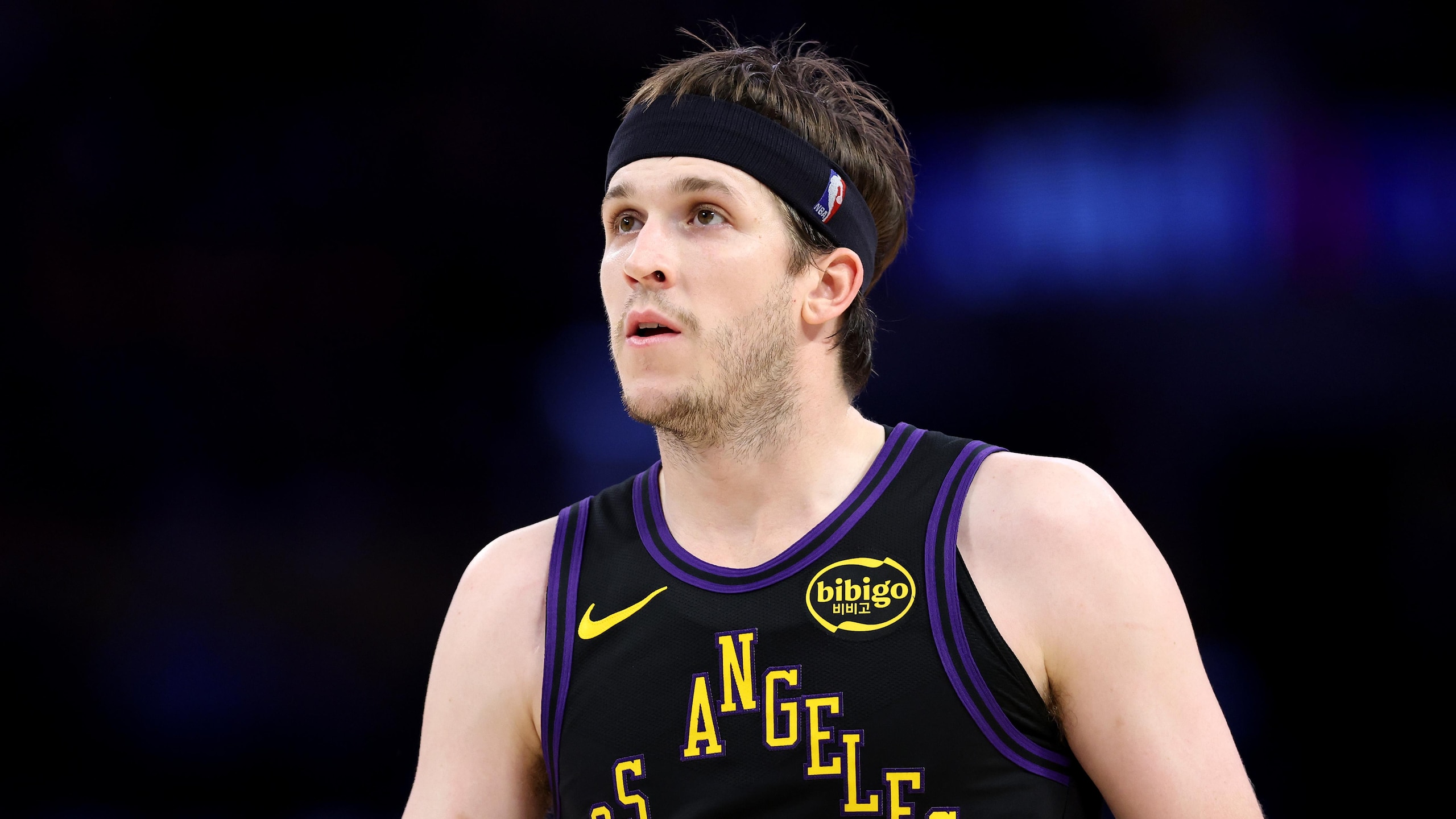
Luka Dončić is under guaranteed contract, Austin Reaves is likely to re-sign after declining his $14.9 million player option and the Los Angeles Lakers can spend up to $47 million in cap space before securing him on a new deal.
That paints a pretty rosy picture of the Lakers' offseason, but it omits several ways the overall talent base could diminish.
Deandre Ayton seems likely to pick up his $8.1 million player option, which isn't ideal in the wake of him losing minutes to free agent Jaxson Hayes during the playoffs.
Rui Hachimura could be among the most sought-after unrestricted free agents in this class, as his shooting and size fit just about anywhere. If the Lakers have an upper limit on spending or intend to use their resources elsewhere, he might be a goner. Ditto for Marcus Smart, who showed enough to justify declining his $5.4 million player option to enter free agency.
Lastly, LeBron James may or may not return. The Lakers didn't extend him last summer, which could create some hard feelings. And if James won't accept a discount, it's possible Los Angeles gets significantly more expensive without improving on the floor.
Memphis Grizzlies: It Costs Too Much to Move Ja Morant
15 of 30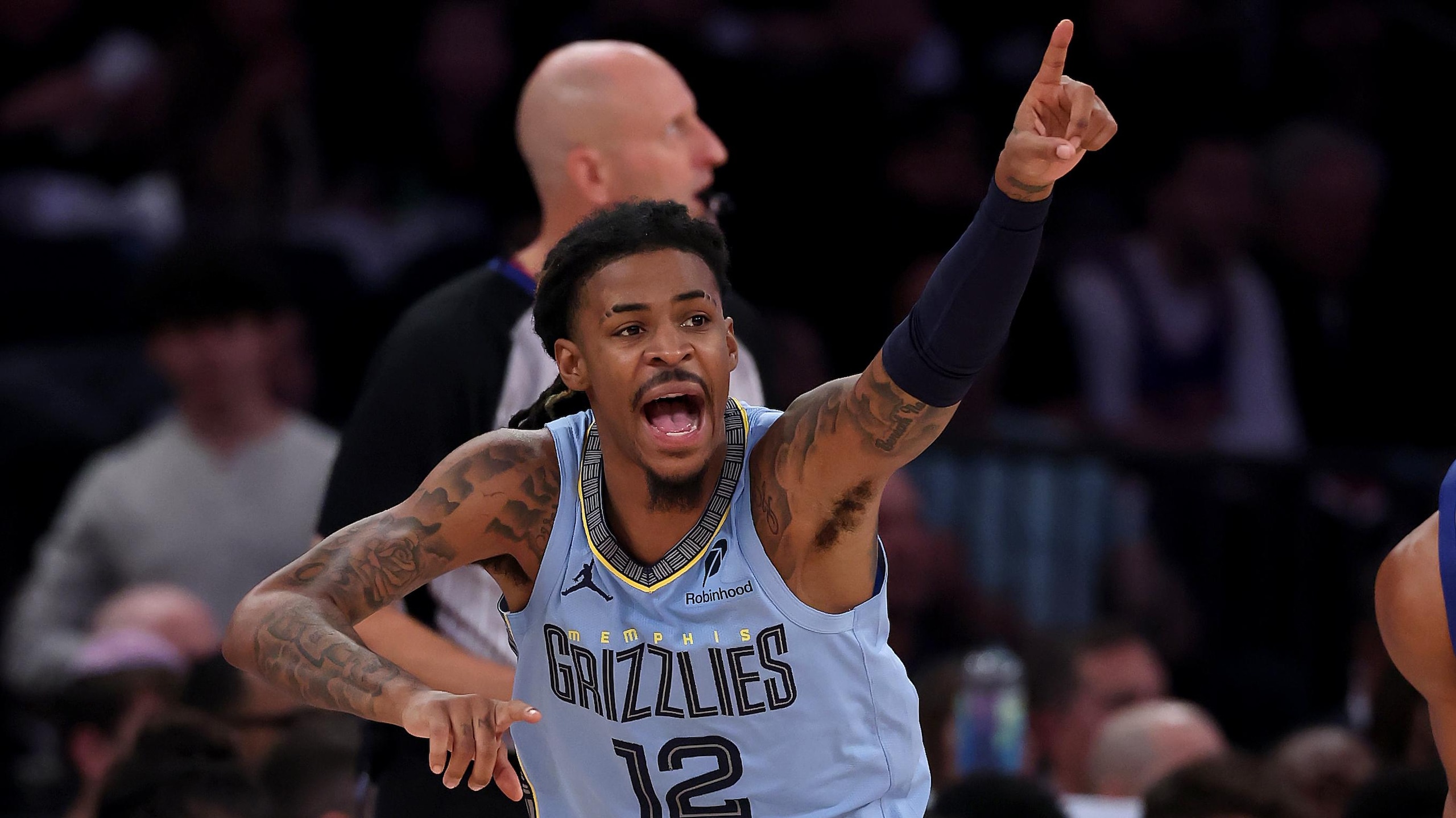
Per ESPN's Brian Windhorst, Ja Morant was viewed as a "negative value" at the last trade deadline. Considering Morant hasn't played an NBA game since that point, it's difficult to come up with a good argument that anything has changed.
If the Memphis Grizzlies have to attach picks or young players to sweeten deals involving Morant, it might just make sense to hold onto him and hope the passage of time (which will reduce the amount of money left on his contract by the day) eventually makes him moveable.
That'd be a rotten outcome for a Grizzlies squad that has already traded away the rest of its previous core and wants to turn the page. The No. 3 pick in this summer's draft could deliver a fresh cornerstone, but Morant's continued presence would make it impossible to fully start anew.
Miami Heat: Giannis Isn't the Answer
16 of 30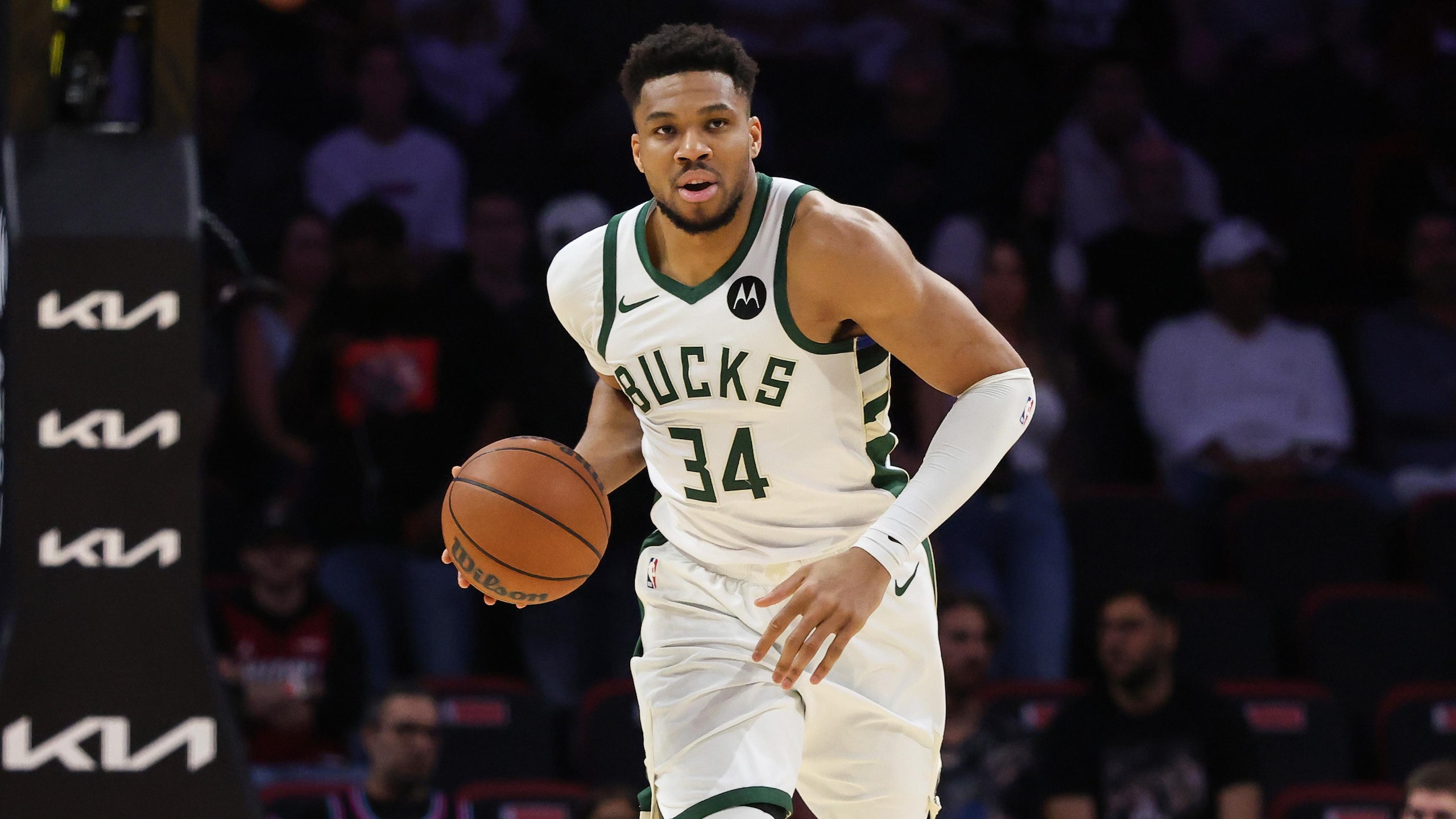
Giannis Antetokounmpo is the best player available in trade this offseason, so the most basic analysis is that the Miami Heat should acquire him if they can.
Think a little longer about that plan, which the Heat have been trying to execute for at least a year, and it gets more complicated.
For starters, Giannis isn't an ideal fit next to Bam Adebayo unless the Heat intend to turn their star center into a bystanding spacer. It's also no longer a guarantee that Antetokounmpo can anchor a contender. He's 31, older than anybody playing a starting role on either of the current Finals teams, and hasn't held up physically over the last couple of seasons.
Considering what it'll cost to get him, which is basically every pick and worthwhile asset the Heat have, Antetokounmpo may not deliver production that justifies the price.
And if chasing Antetokounmpo isn't the right move, where does that leave the Heat? Stuck in the middle and praying 2027 cap space delivers them a star or two? Neither option comes with much security.
Milwaukee Bucks: The Giannis Market Is A Little Chilly
17 of 30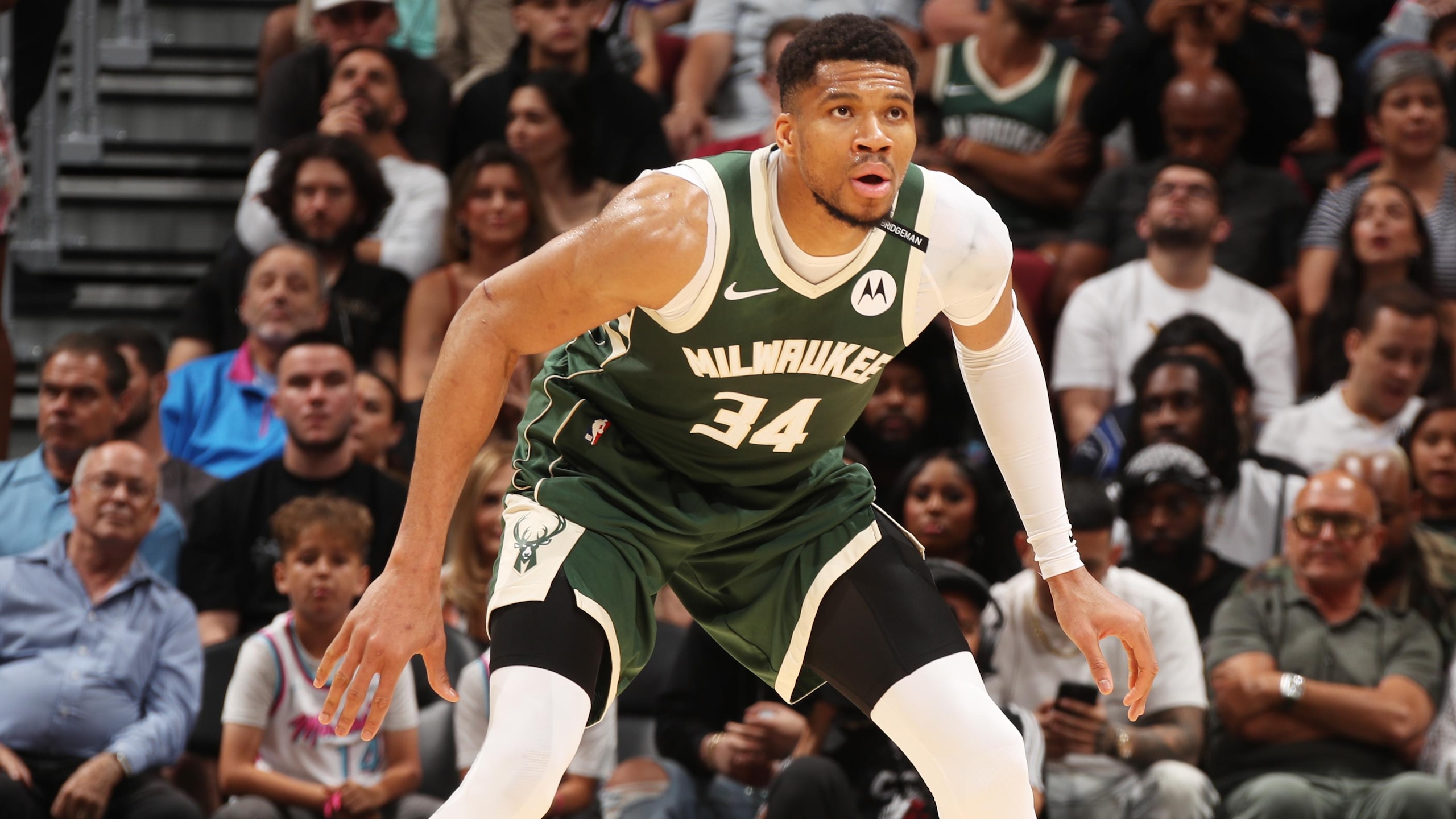
The Milwaukee Bucks are listening to offers on Giannis Antetokounmpo, but they've been doing that since at least last offseason. As this drawn-out divorce continues to unfold, the Bucks should be deeply concerned that the best time to swing a deal has already passed.
Though Milwaukee deemed offers at the most recent deadline insufficient, what's to guarantee the ones they'll field over the summer will be any better?
It may help that some disappointing postseason performers will join the bidding war, but that won't make a difference if they're not among Giannis' preferred landing spots. He can basically choose his destination by broadcasting where he's willing to re-sign.
In light of Antetokounmpo's injury issues after the deadline and the general messiness of his last few years with the Bucks, some teams might ultimately decide he's not worth acquiring at market rates. So while it's certainly possible the Bucks make out better on a Giannis deal this summer than they would have in February (or last offseason), that outcome seems less likely all the time.
Minnesota Timberwolves: Ayo Dosunmu Gets Expensive
18 of 30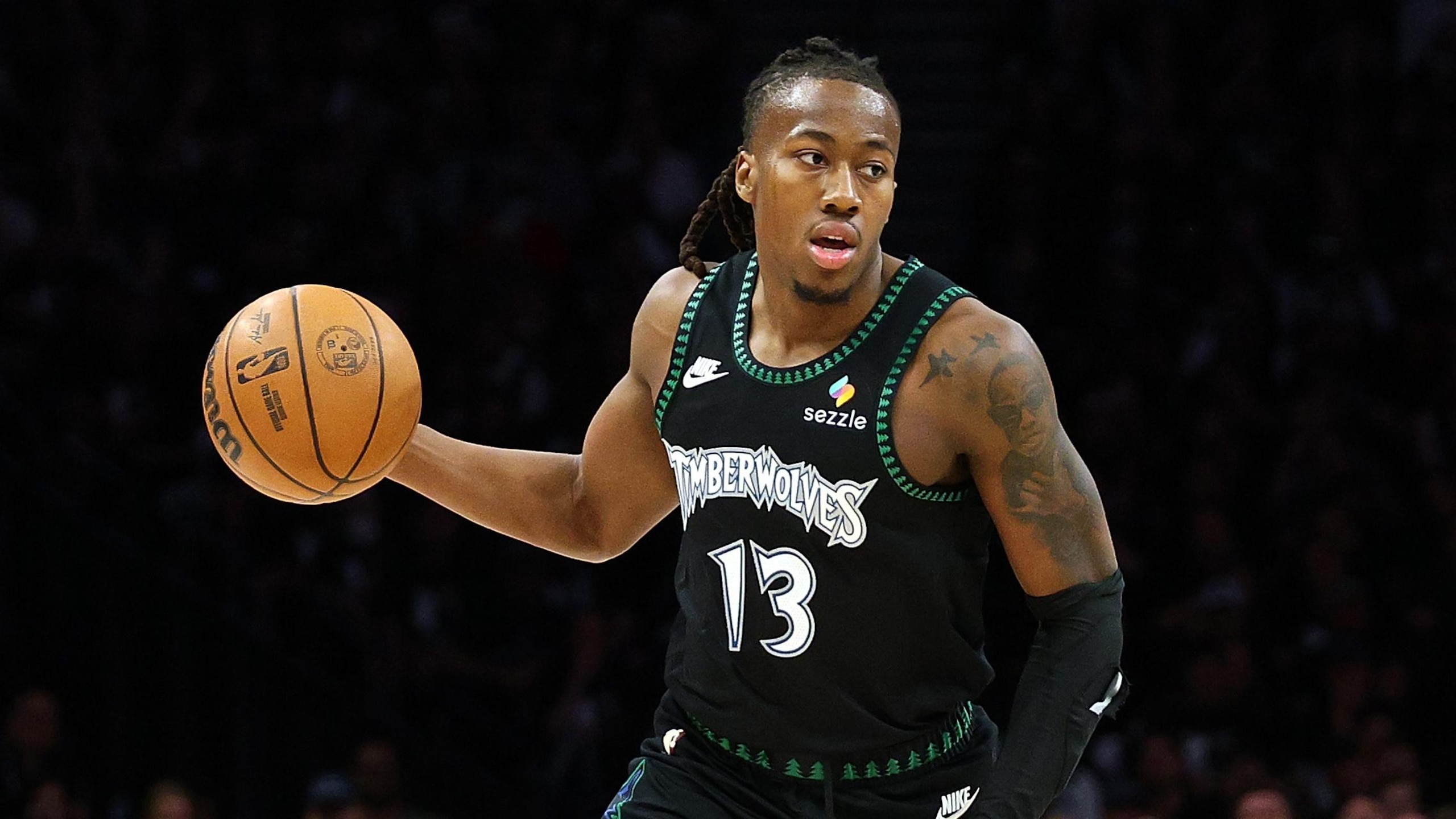
Donte DiVincenzo is going to miss most or all of next season while recovering from a torn Achilles, and Mike Conley is an unrestricted free agent. This is why the Minnesota Timberwolves basically cannot afford to let Ayo Dosunmu get away in free agency.
Dosunmu's 43 points against the Denver Nuggets in Game 4 of the first round will probably remain his high-water mark, but the energetic guard doesn't need scoring explosions to provide value in Minnesota. His ability to push the pace in transition, cause trouble on defense and occasionally score in bunches make him a strong backcourt option next to Anthony Edwards.
DiVincenzo's absence means Dosunmu will start and play the largest role of his career next season. Coming off a $7.5 million salary and a good bet to command midlevel money, Dosunmu will not be a cheap retention.
With Edwards, Rudy Gobert, Julius Randle, Jaden McDaniels and Naz Reid combining to make $167 million in 2026-27, a market-rate contract for Dosunmu will guarantee hefty tax payments in Minnesota.
New Orleans Pelicans: Coaching Wasn't the Problem
19 of 30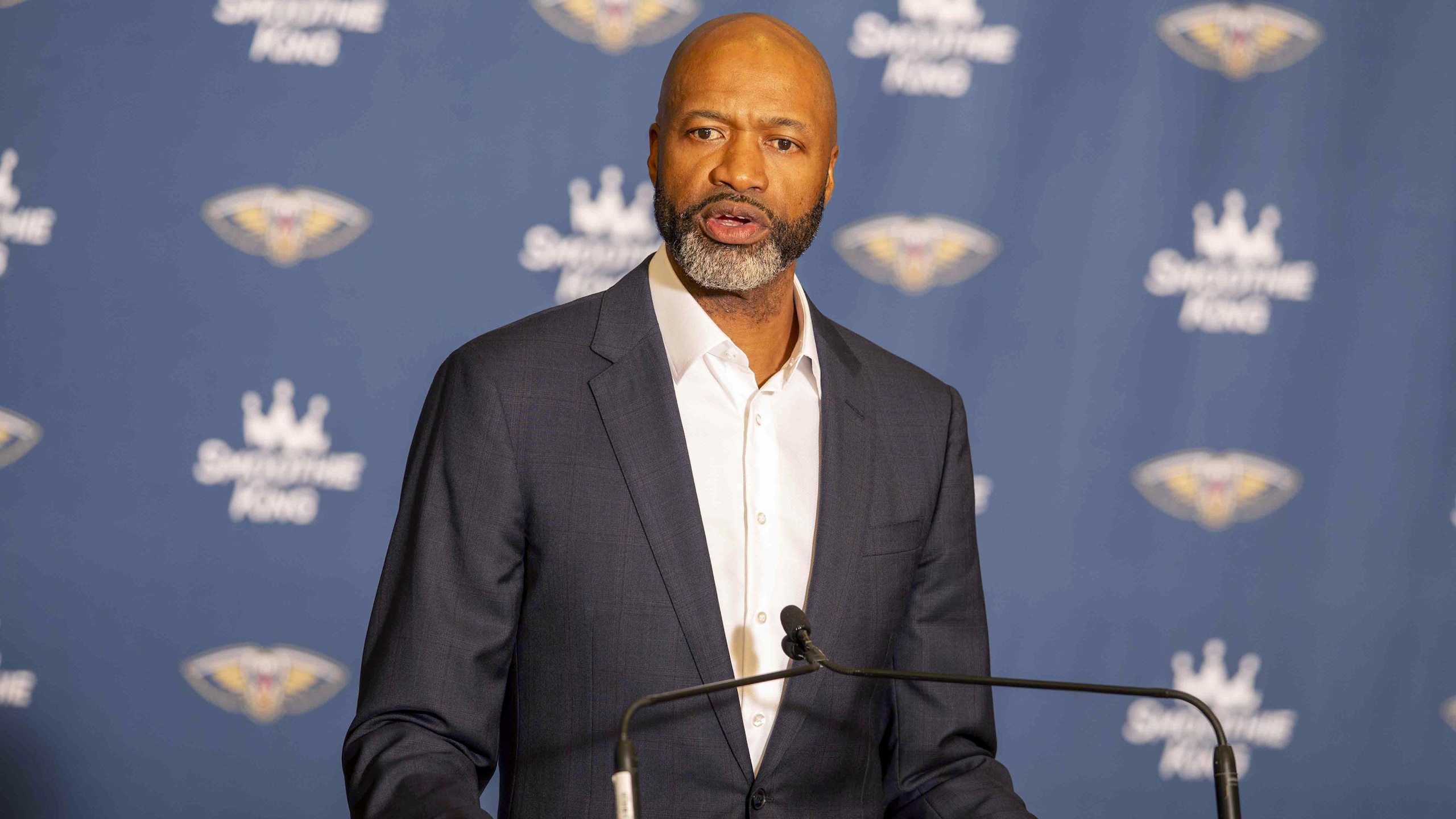
This isn't about defending Willie Green or James Borrego. It's also not necessarily a knock on new head coach Jamahl Mosley, who proved he could instill a defensive culture and take the Orlando Magic from bad to respectable.
The issue with the New Orleans Pelicans isn't about coaching at all. It's the roster, and it's hard to see how changing the person in charge of deploying it will make much of a difference.
Zion Williamson and Derik Queen don't make sense together as a pair of non-shooting, defensively shaky bigs who aren't really centers. There's not nearly enough shooting outside of Trey Murphy III. Jeremiah Fears has potential but makes tons of mistakes and isn't set up to get reps with Williamson and Queen needing the ball to deliver value.
Mosley might make some level of impact, but he won't address what really matters: New Orleans built an unwieldy roster that makes it tough for any coach to succeed.
New York Knicks: Mitchell Robinson Leaves
20 of 30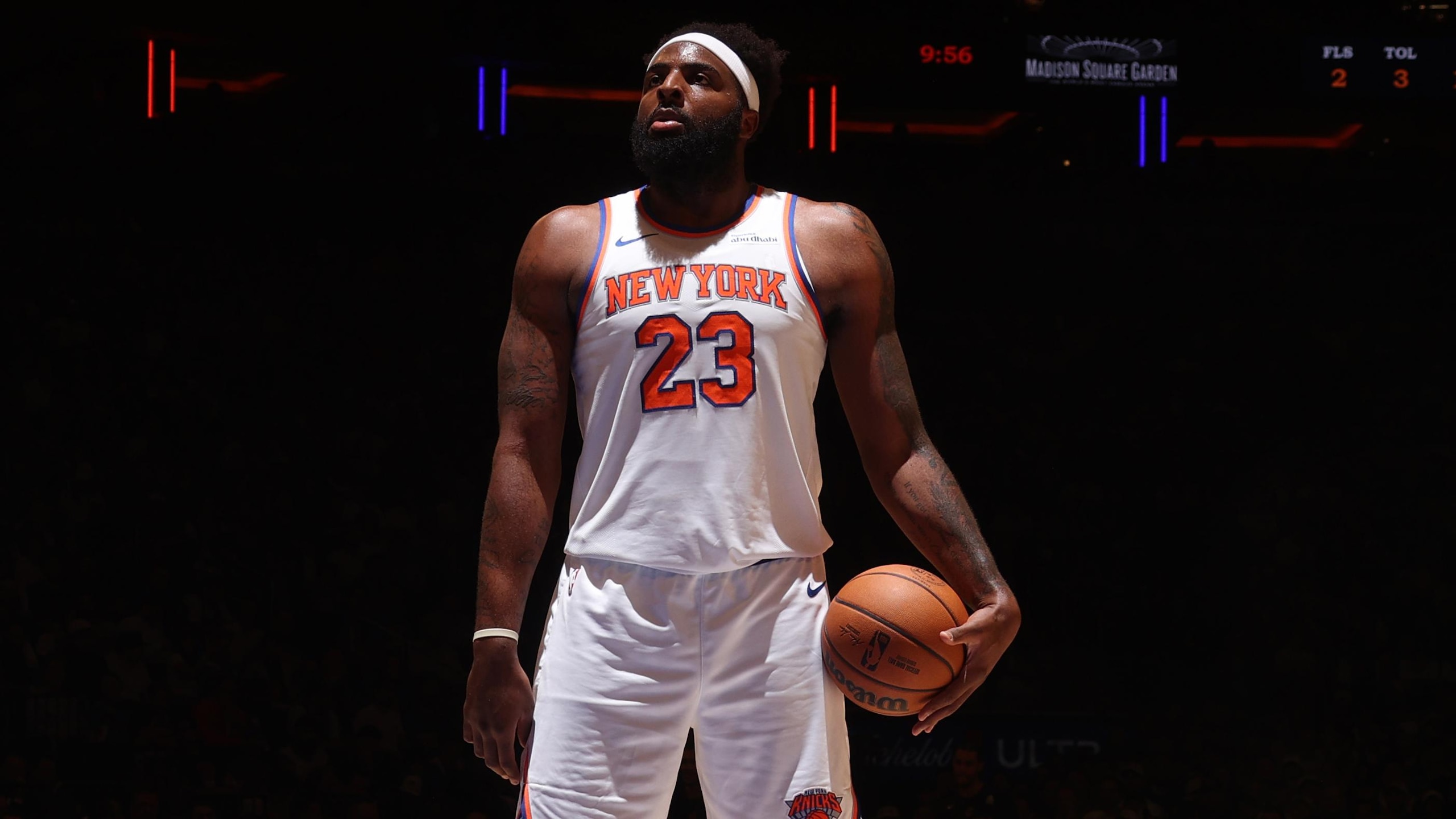
The New York Knicks are in the Finals for several reasons, most of which relate to a historically dominant offense that clicked into perfect precision at just the right time.
But let's not overlook Mitchell Robinson's impact—both this year and in previous seasons.
His offensive rebounding has long been among New York's defining characteristics, a skill that generated extra possessions and forced opponents to adjust their tactics. That's an impressive feat for a non-stretch center who can only play about 20 minutes per game on a good night.
The rest of the teams in the league know what Robinson can do because he's done it to them for years.
New York has Robinson's Bird rights and can spend above the cap to keep him. Of course, the Knicks also have huge financial commitments up and down the roster and can't just spend recklessly on a backup.
Oklahoma City Thunder: The Talent Drain Begins
21 of 30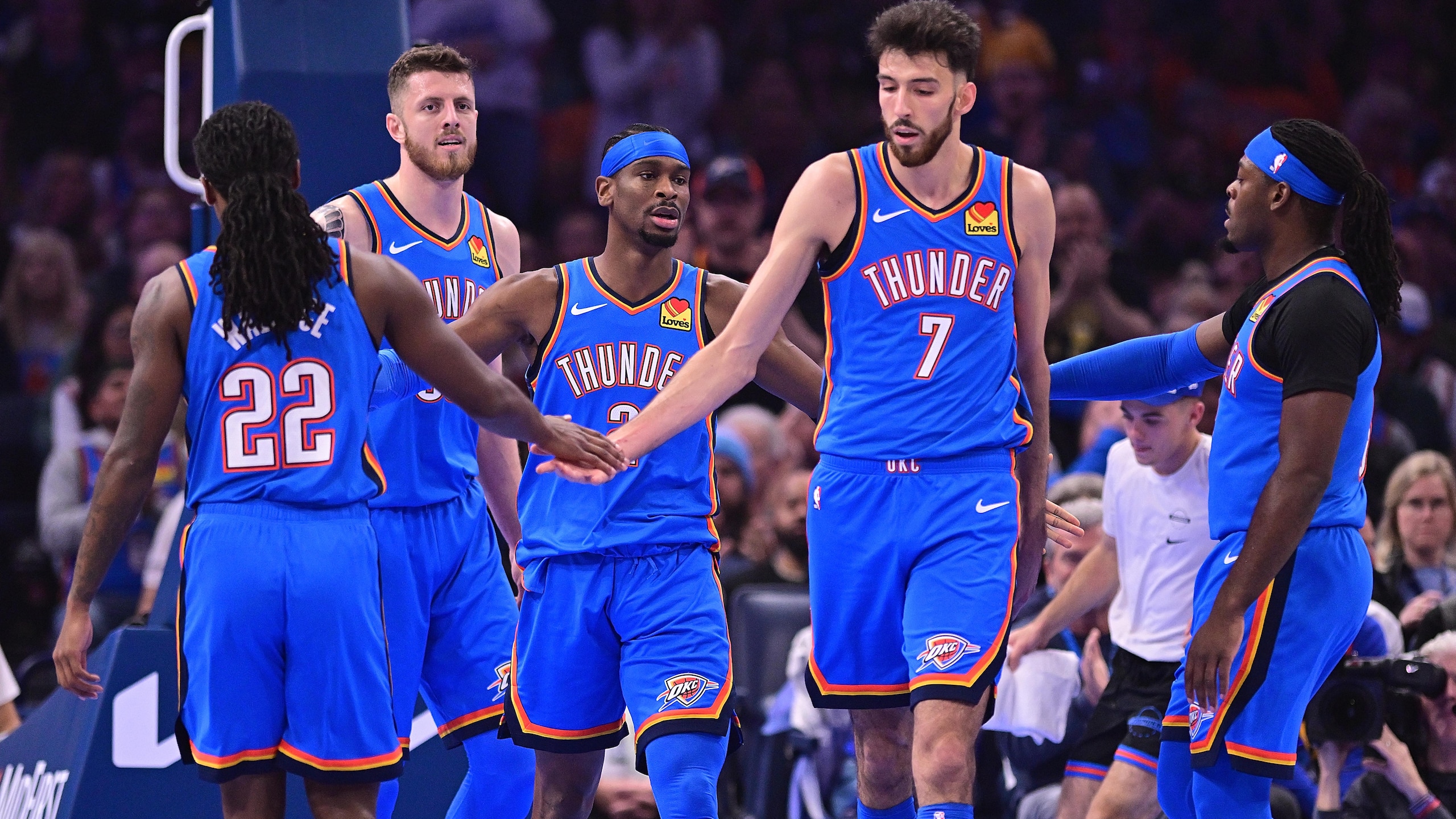
The real pain will come when Shai Gilgeous-Alexander's salary climbs to $62 million in 2027-28, but this summer brings the Oklahoma City Thunder into the first phase of their financial reckoning.
Both Jalen Williams and Chet Holmgren will get raises via their rookie-scale extensions, going from a combined $20.2 million this season to $82.5 million next season. If the Thunder pick up team options for Isaiah Hartenstein, Lu Dort and Kenrich Williams and pay both of their first-round picks, their payroll will climb to over $260 million. With tax penalties added on top of that, OKC is looking at a roster that will cost $554 million.
Obviously, there's no way the Thunder will field a half-billion-dollar team. To cut costs, they'll need to decline team options and replace them with cheaper agreements. Even then, somebody (or several somebodies) will leave for nothing or wind up being traded.
Oklahoma City's best hope is to keep the talent drain minimal. But the bill is coming due.
Orlando Magic: Sean Sweeney Is A Good Coach, but the Wrong One
22 of 30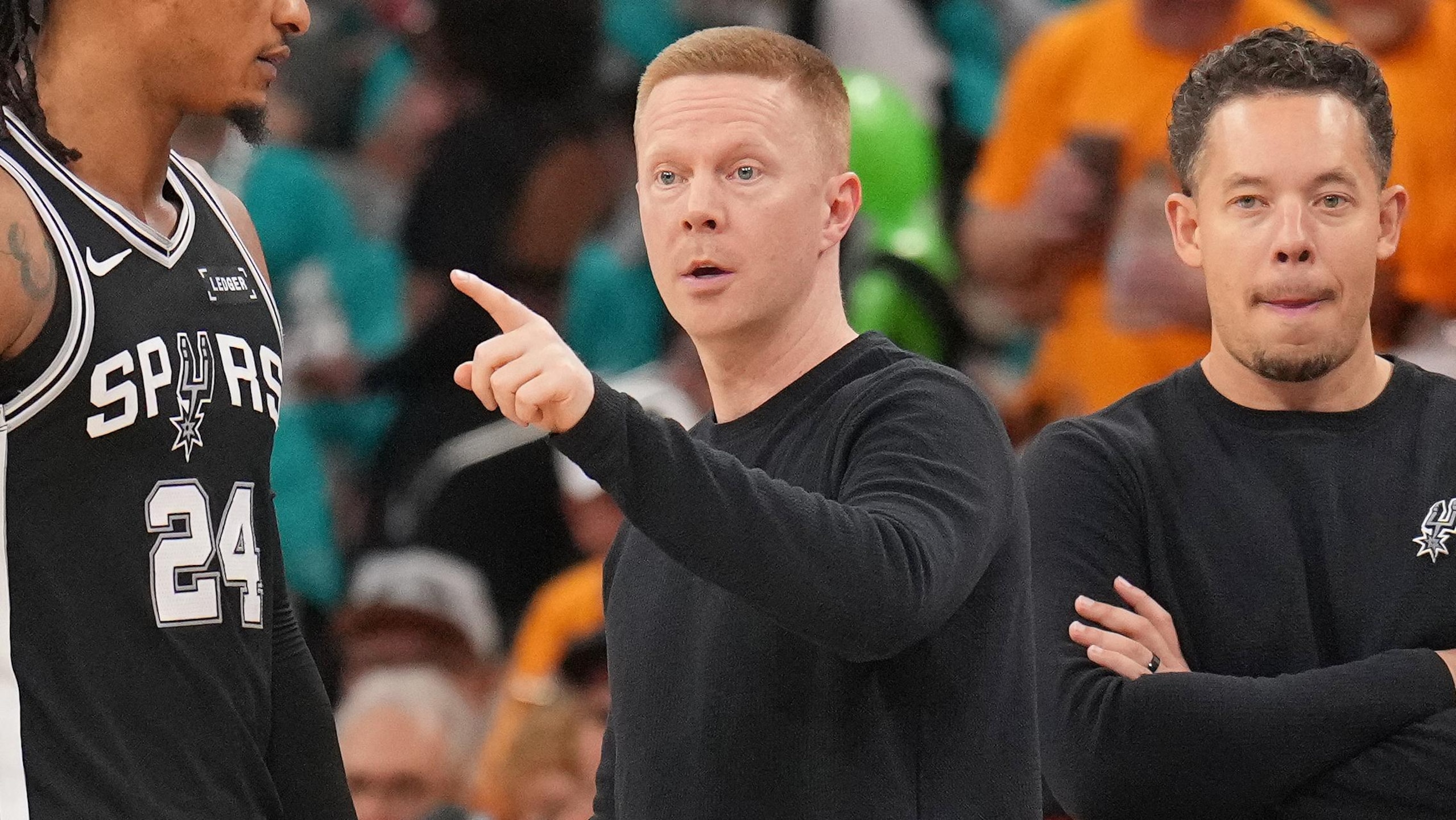
The Orlando Magic roster is expensive, inflexible and unlikely to change much, so the fear-based focus needs to be on the choice they made at head coach.
Sean Sweeney deserves this job. He'd been at the top of the list for a while, getting there on the strength of his energetic, blitzing defensive schemes. And that's kind of the problem. Everyone wants to be disruptive on D, but the Magic's strength was already on that end of the floor. What Orlando really needed was someone who could get more out of the offensive talent on hand.
Jamahl Mosley couldn't do that, and it's possible no one can. Endure enough years of lackluster offense, and it becomes obvious the personnel is the problem.
Sweeney, for all his gifts as a defensive mind and player-development guru, doesn't arrive billed as an offensive mastermind. Maybe he'll defy expectations.
Or maybe the Magic waited a year too long to fire Mosley and compounded the error by hiring someone with similar strengths and weaknesses.
Philadelphia 76ers: They Can't Replace Their Losses
23 of 30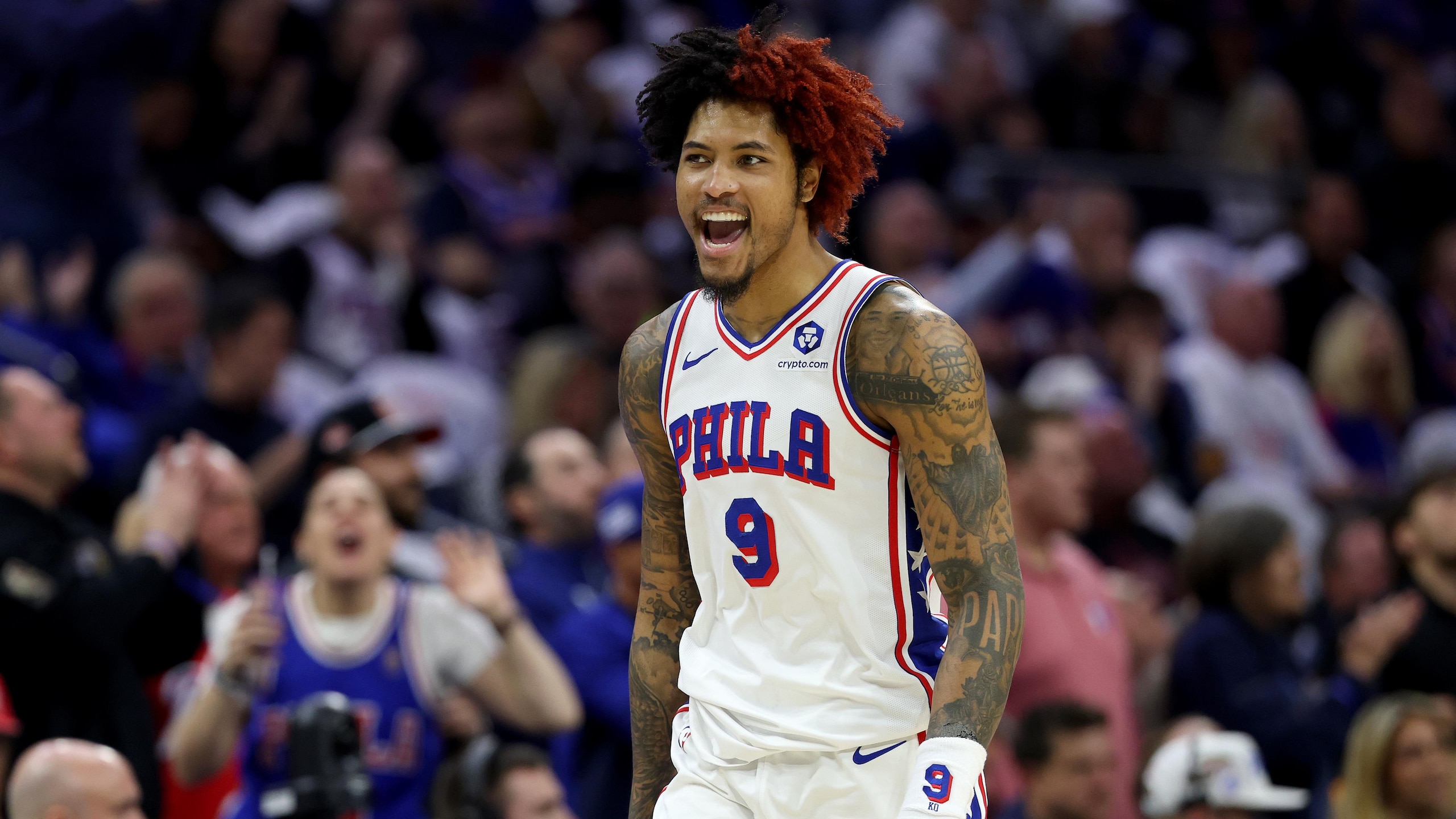
Nobody was particularly satisfied with last year's 45 wins, even if the Philadelphia 76ers managed to get out of the first round for the first time since 2023.
Unfortunately for the Sixers, the roster that hobbled its way to that modest success is more likely to lose talent than add it this summer.
Joel Embiid and Paul George might play more than they did in 2025-26, but you'd never bet on that outcome. And while the Tyrese Maxey-VJ Edgecombe duo is as exciting as it gets in the backcourt, steps forward from them will be offset by departures further down the rotation.
Philadelphia may not be able to afford more than one of Kelly Oubre Jr., Quentin Grimes and Andre Drummond without paying the luxury tax. The team's decision to trade Jared McCain at the deadline to duck penalties this past season is a good indicator of how likely it is to spend above that line on next year's roster. Which is to say: The Sixers will probably cheap out again.
If that's how this goes, Philly could return a roster worse than the one that secured those 45 wins.
Phoenix Suns: Impatience
24 of 30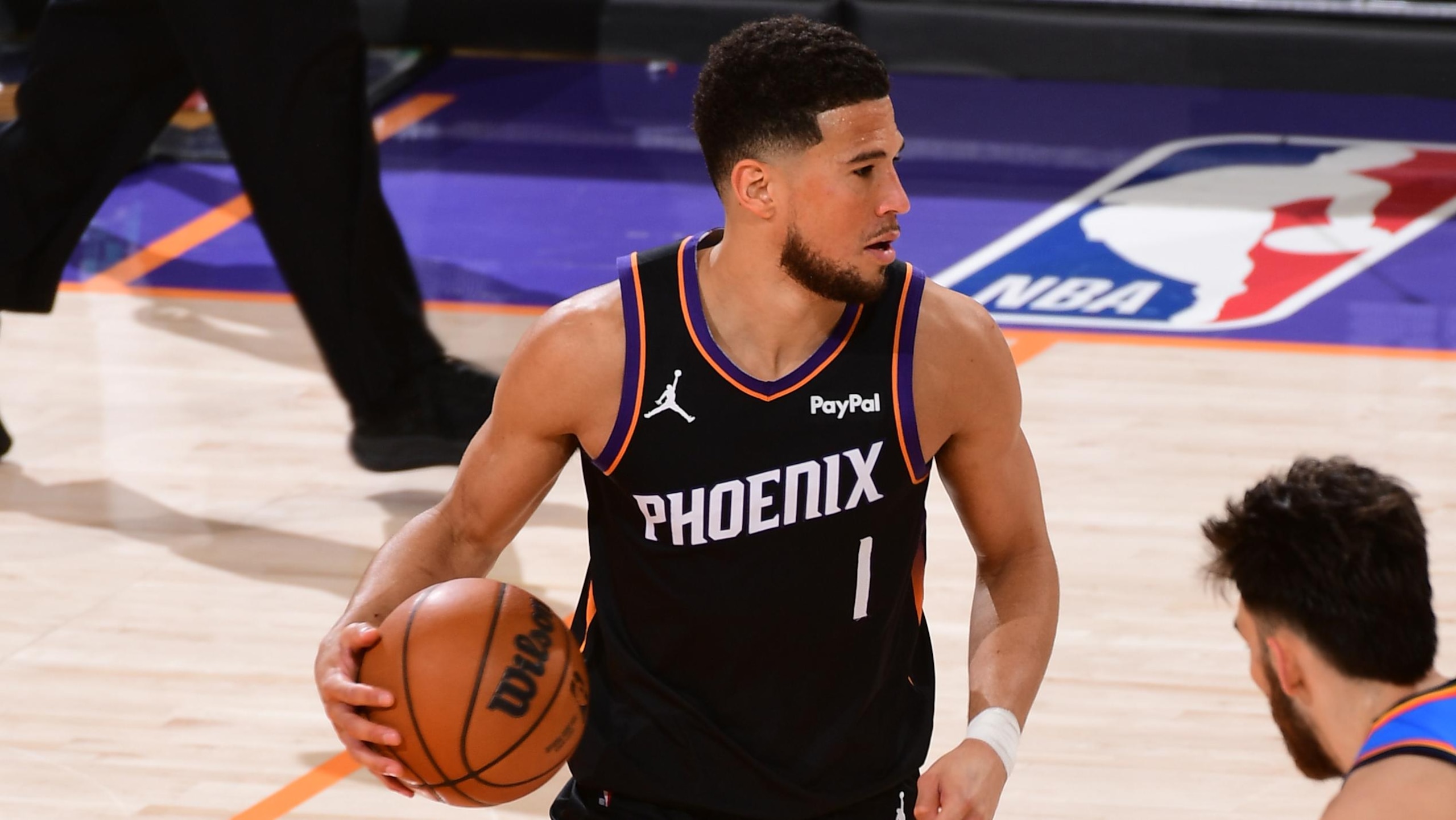
In one particular way, the Phoenix Suns have no choice but to be patient: They'll have to wait until 2032 for control of their own first-round pick. That reality is a result of reckless moves in the handful of seasons prior to 2025-26, and the concern now should be a return to form.
Phoenix was surprisingly competent last year, defending admirably and uncovering some hidden rotation gems along the way. It's still worth wondering whether owner Mat Ishbia's most impulsive star-hunting instincts will lay dormant forever.
The Suns' lack of assets means they can't get themselves into too much trouble, but this is a franchise that has specialized in taking ill-advised risks in the past. Maybe that means a Ja Morant pursuit, or perhaps some other distressed asset will hit the market and become irresistible to the Suns.
You just can't rule out shortsighted moves when the majority of Ishbia's tenure has been defined by them—even if this past season was relatively measured.
Portland Trail Blazers: Cheap Ownership Is Costly
25 of 30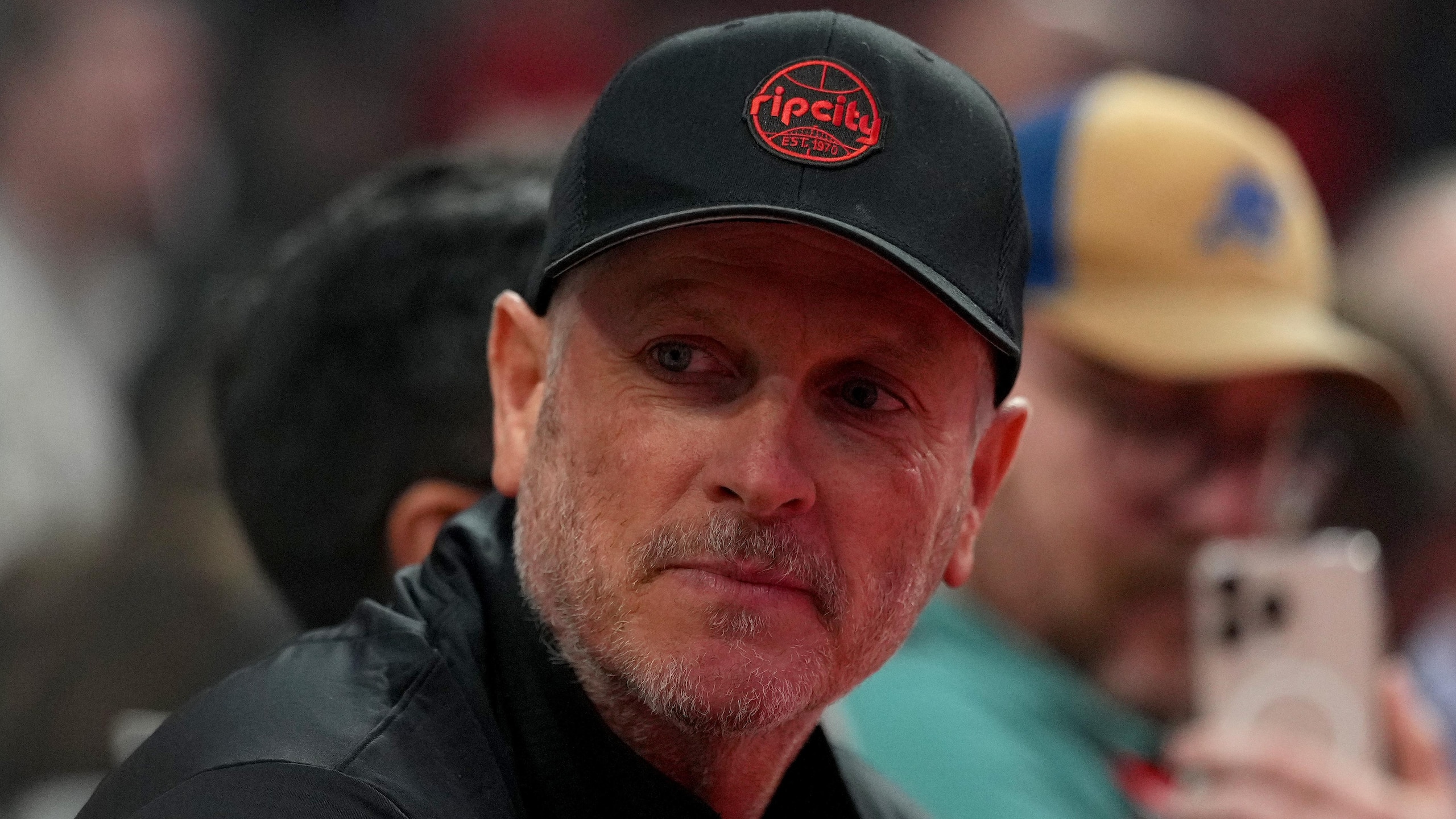
Every organization needs an identity, and new Portland Trail Blazers owner Tom Dundon has given his an undesirable one.
They're the biggest cheapskates in the league, and even the most efficiency-obsessed, bottom-line thinkers have to concede that his approach will come with costs that could outweigh the literal savings.
Interim head coach Tiago Splitter explained why Portland could be in trouble from a reputational standpoint. After Dundon required the Blazers' traveling party to check out of their hotel early during the Play-In round (to save money), the team masseuse had nowhere to do her job.
Per Jason Quick of The Athletic, Splitter told a confidant "...what if the masseuse decides that she doesn't want to do a good job because she's angry and then she doesn't do a good job on Deni (Avdija)? Then it affects me, too."
Top players, coaches and training staff are already aware of Dundon's reputation, and they'll steer themselves toward organizations that are willing to spend before they consider the Blazers. This is going to impact free agency, the draft and every other aspect of building a quality franchise.
Sacramento Kings: Reckless Ja Morant Pursuit
26 of 30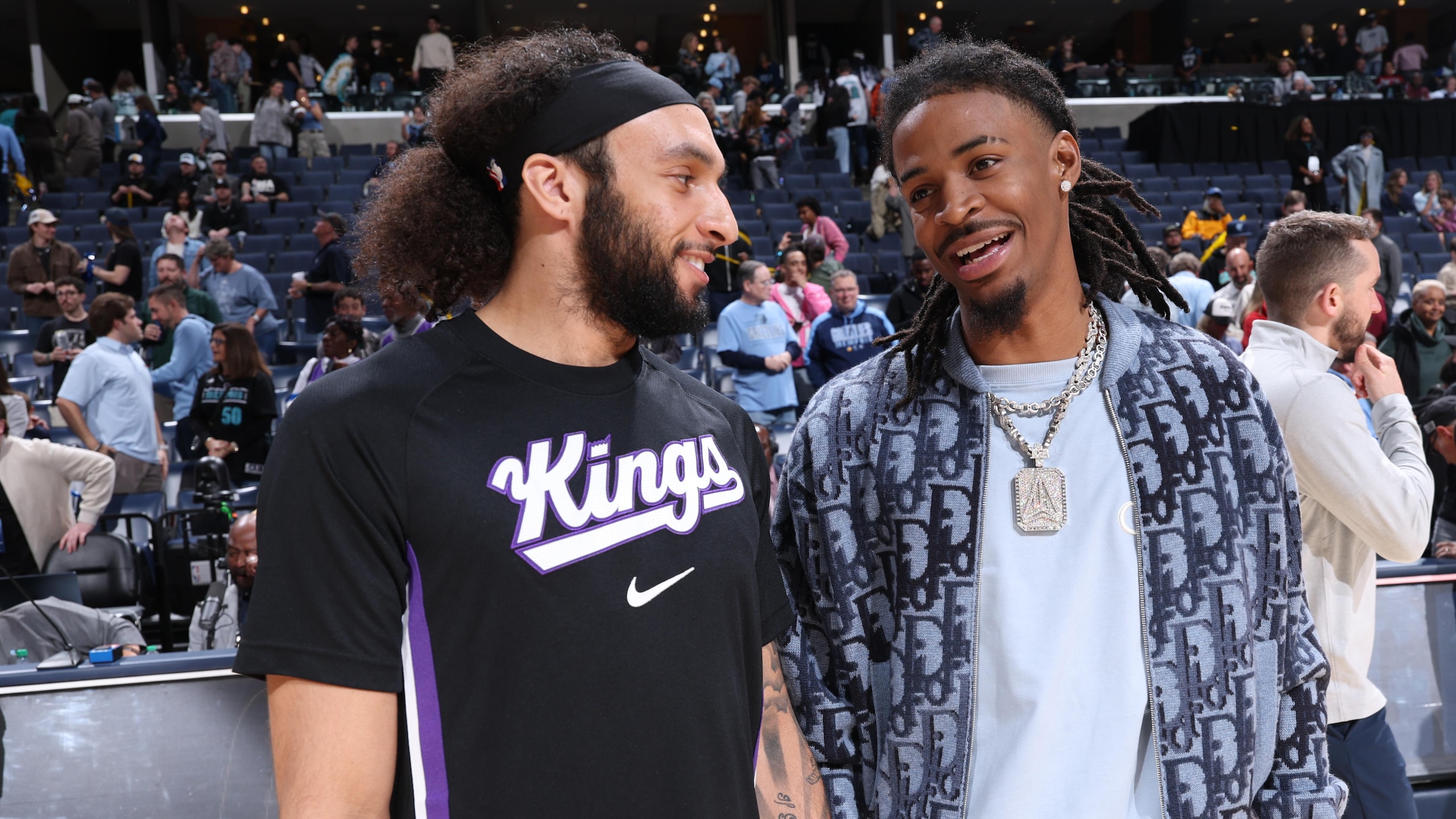
A 2025-26 roster that included a grossly overpaid Domantas Sabonis plus Zach LaVine, DeMar DeRozan and Russell Westbrook was proof positive that the Sacramento Kings tend to focus first on the name and worry about things like quality, fit and value later.
That's why a Ja Morant pursuit sometimes feels inevitable.
If the Grizzlies attach a bunch of assets in that hypothetical deal, maybe there's a way for a Morant acquisition to make sense. But even then, the Kings would be guilty of chasing the wrong kind of player at the wrong time.
Even though it blew its best shot at a cornerstone by winning a handful of meaningless games down the stretch, Sacramento should be able to grab a promising lead guard at No. 7. One or more of Darius Acuff, Keaton Wagler, Mikel Brown Jr. and Kingston Flemings should be available at that spot. Adding Morant would introduce a less than ideal role model while also taking developmental minutes away from the Kings' lottery pick.
Unless Sacramento somehow knows it'll be able to flip Morant for value by February, it has to avoid the familiar temptation to chase a big name.
San Antonio Spurs: De'Aaron Fox's Contract Already Hurts
27 of 30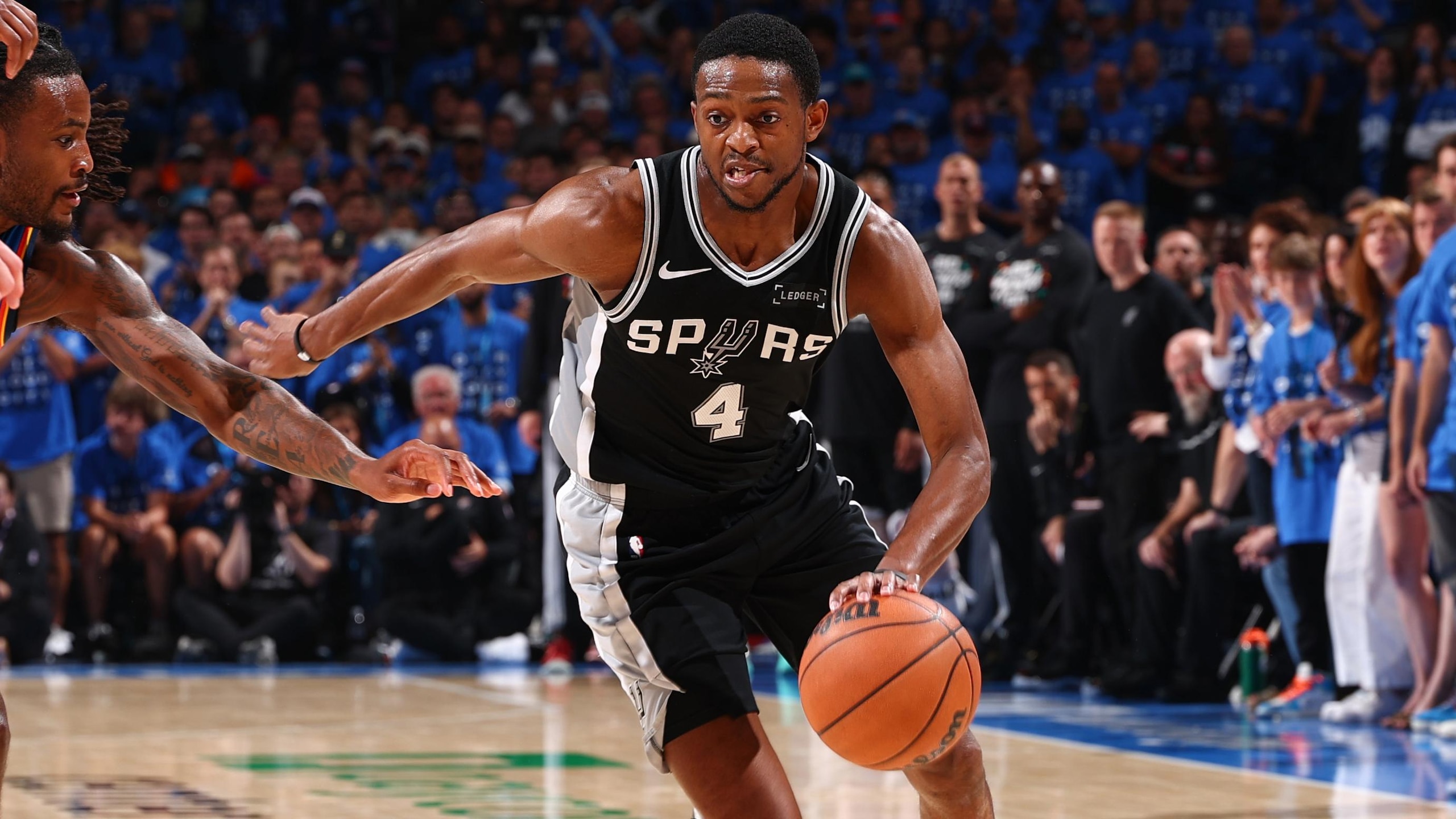
There's no such thing as a transactional mistake if it leads to a championship, and De'Aaron Fox's max extension might already be fully excusable given his role on a San Antonio Spurs team that made the Finals.
That said, there's a good argument he's currently the team's third-best guard. As the Spurs look to upgrade their forward spots this summer, ideally adding more size, Fox's $49.5 million salary for 2026-27 will loom large.
Strike that money from the books, and San Antonio would have over $50 million in projected cap space—enough to chase a max free agent or take on a superstar in an unbalanced trade.
It's hard to say the Spurs actually need upgrades anywhere, and a team with a core this good shouldn't really fear anything. But Fox's bloated deal is already looking like a hindrance.
Toronto Raptors: Mamu Gets Away
28 of 30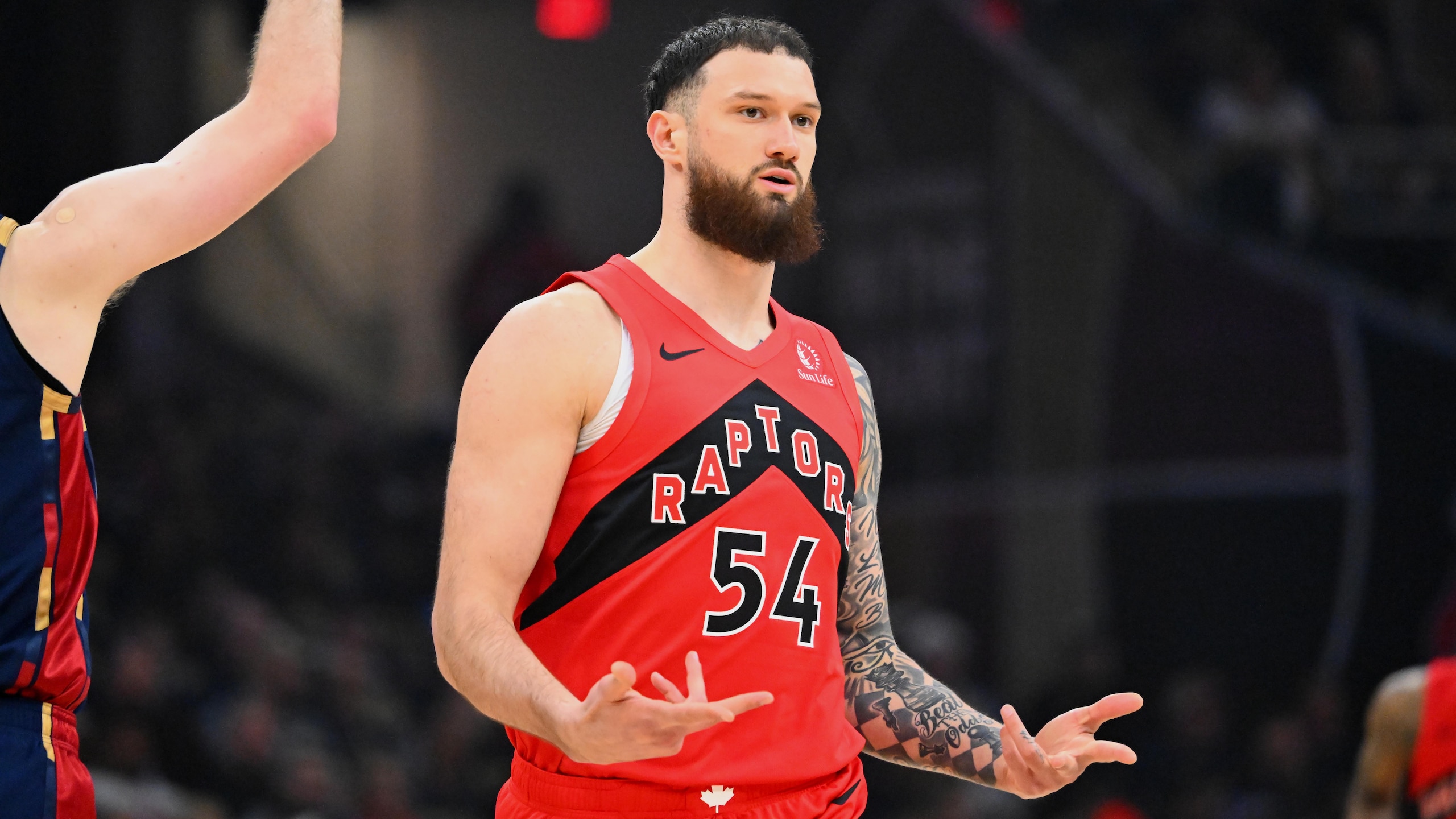
Sandro Mamukelashvili isn't the Toronto Raptors' starting center, but he was arguably its most effective this past season. Even if most of his minutes came against backups, it's still true that Mamu was part of Toronto's best high-usage lineups.
Someone is going to give the sweet-shooting lefty much more than his $2.8 million player option for 2026-27, which makes him one of the biggest opt-out locks in the league.
Can the Raptors justify beating the market to retain Mamukelashvili when they're already committed to Jakob Poeltl on a massive extension that takes him through 2029-30? Don't forget about Collin Murray-Boyles, who might wind up taking the starting and closing center spot from both of his veteran teammates.
Utah Jazz: Costly Kessler
29 of 30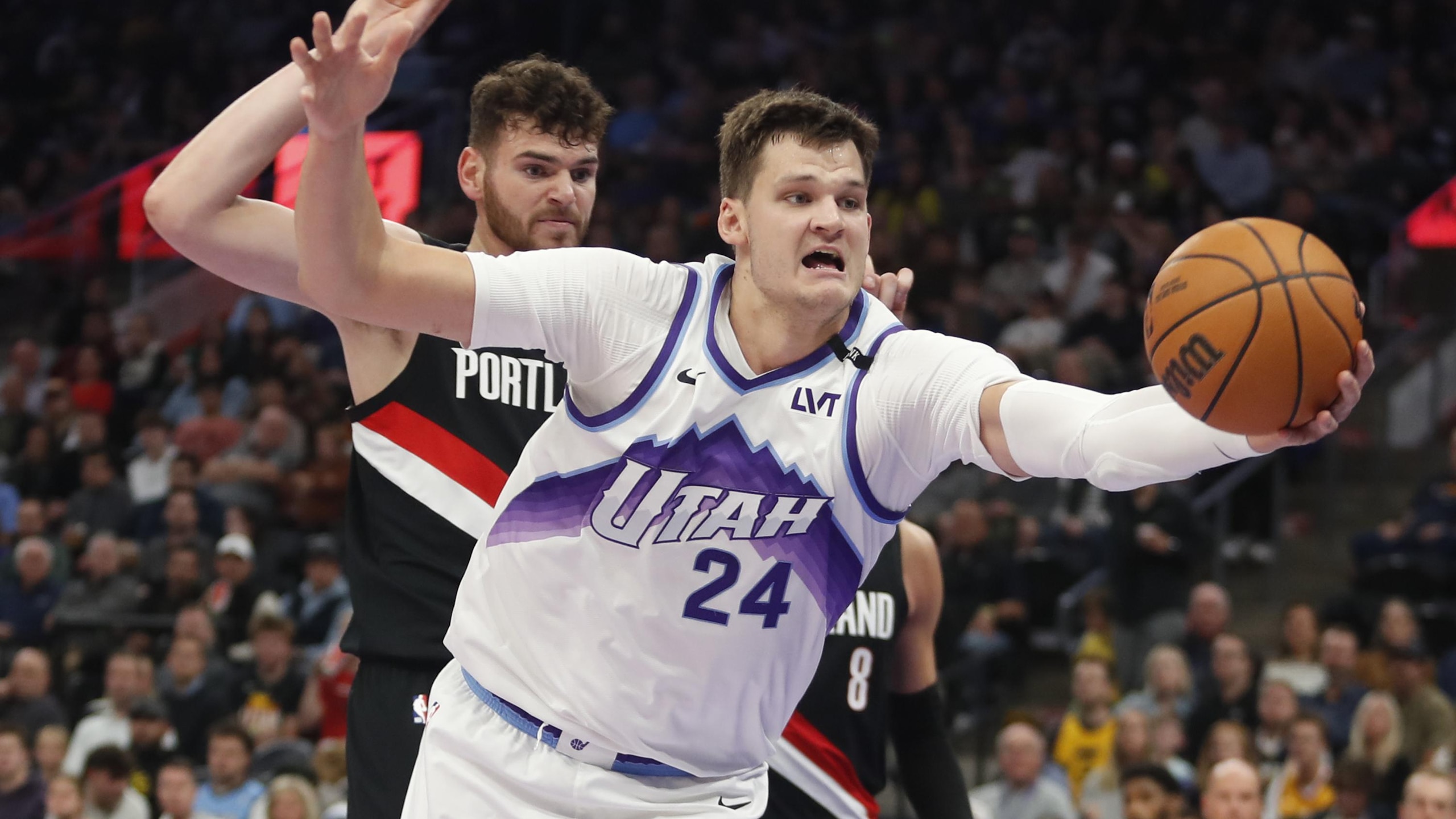
The Utah Jazz's decision not to extend Walker Kessler last offseason was all about preserving flexibility. Signing him in 2025 would have removed his cheap cap hold. Timing was the issue, not uncertainty about Kessler's future with the team.
The Jazz should be very interested in slotting Kessler alongside Jaren Jackson Jr. and Lauri Markkanen in an enormous frontcourt, but they won't be able to do so cheaply. Most teams in search of a center will target Jalen Duren first, which helps. But Utah might want to pay a small premium whether Kessler gets an offer sheet or not. He was pretty unhappy about not getting a deal a year ago, and mending fences would be a good idea.
The Jazz will need to spend well above $20 million per season regardless. Kessler missed almost all of 2025-26 with injury, but he's a proven rim-protector and offensive rebounder.
Markkanen and Jackson are both earning a combined $95 million next season, and Keyonte George isn't far from his own extension. Spend too much on Kessler, and flexibility will disappear.
Washington Wizards: Messy Extension Negotiations
30 of 30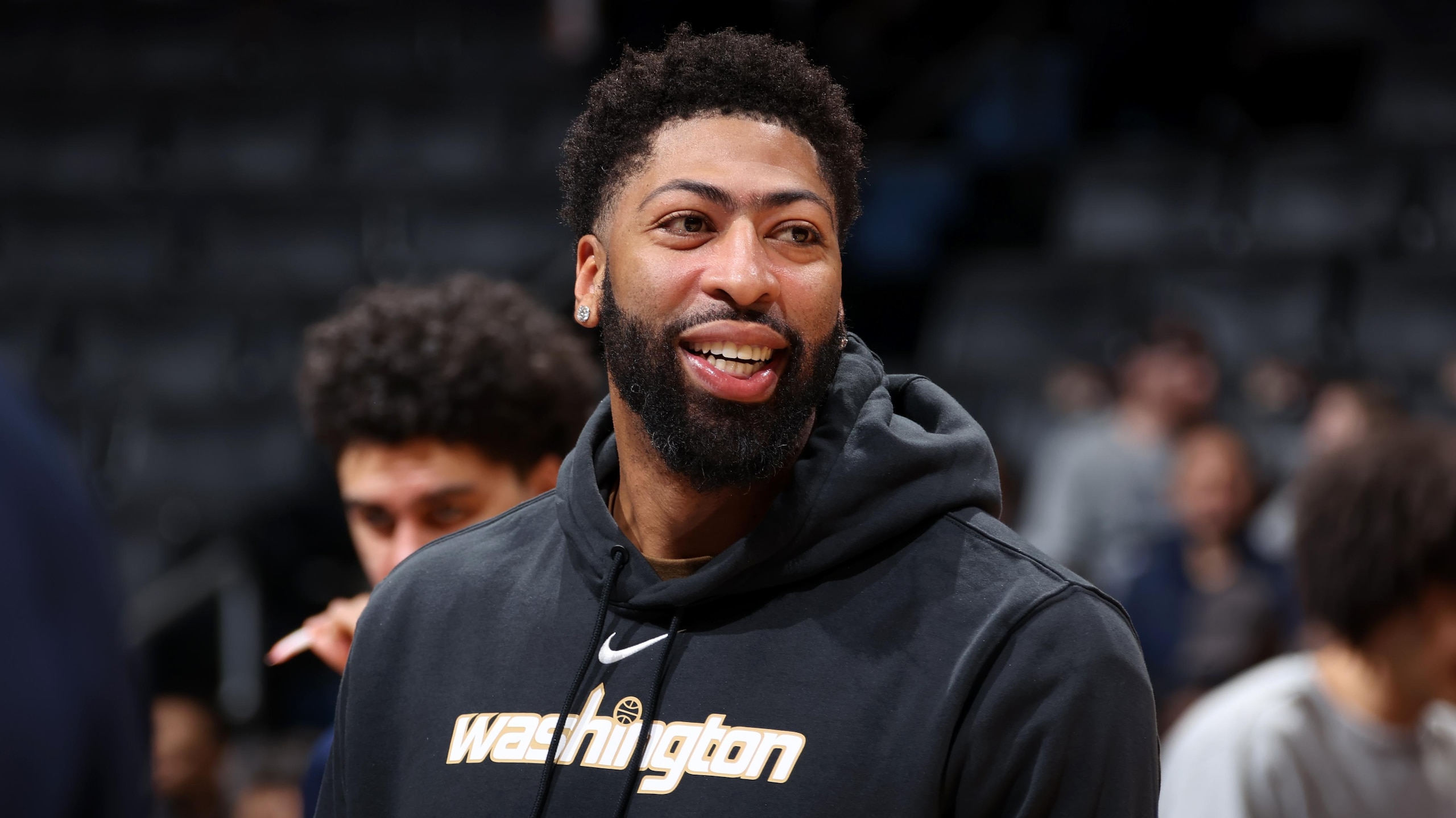
Trae Young is sure to get a new deal from the Washington Wizards this summer, but those details were probably worked out before the trade that brought him up from Atlanta. Anthony Davis comes with a few more variables.
First of all, Washington doesn't have to get anything done with AD. He's under guaranteed contract in 2026-27 and has a $63 million player option for the following year. That removes some urgency, but it may not stop Davis from seeking an extension and/or making things uncomfortable if he meets resistance.
The Wizards shouldn't go near Davis' max of four years and $275 million given his age and injury history, and they can always just look to trade him at the February deadline if any feelings get hurt. It seems as if Washington wants to play some relevant basketball over the next few years, though, and a happy (possibly extended) Davis is a big part of that.
Stats courtesy of NBA.com, Basketball Reference and Cleaning the Glass. Salary info via Spotrac.
Grant Hughes covers the NBA for Bleacher Report. Follow him on Bluesky and subscribe to the Hardwood Knocks podcast, where he appears with Bleacher Report's Dan Favale.