What Every NFL Team's Rookie Class Must Accomplish in 2018
The NFL's newest influx of rookies from the 2018 NFL draft will be asked to make an impact of varying degrees by those teams that walked to the podium and announced their names in Arlington, Texas.
Missions assigned to each rookie vary by circumstance. Some rookies only have to sit and learn for a year to the best of their ability before taking over. Others get thrown into the fray right away with the expectation being a unit-wide change, if not one reshaping an entire division and playoff outlook.
Look at last year, where No. 12 pick Deshaun Watson had the Houston Texans looking poised for a deep playoff run before going down with an injury. Patrick Mahomes, selected two spots before him by the Kansas City Chiefs, was fortunate enough to sit and soak it all in until the very end of the season.
Below, let's sketch out what each team's rookie class seems tasked with heading into their debut seasons.
Arizona Cardinals
1 of 32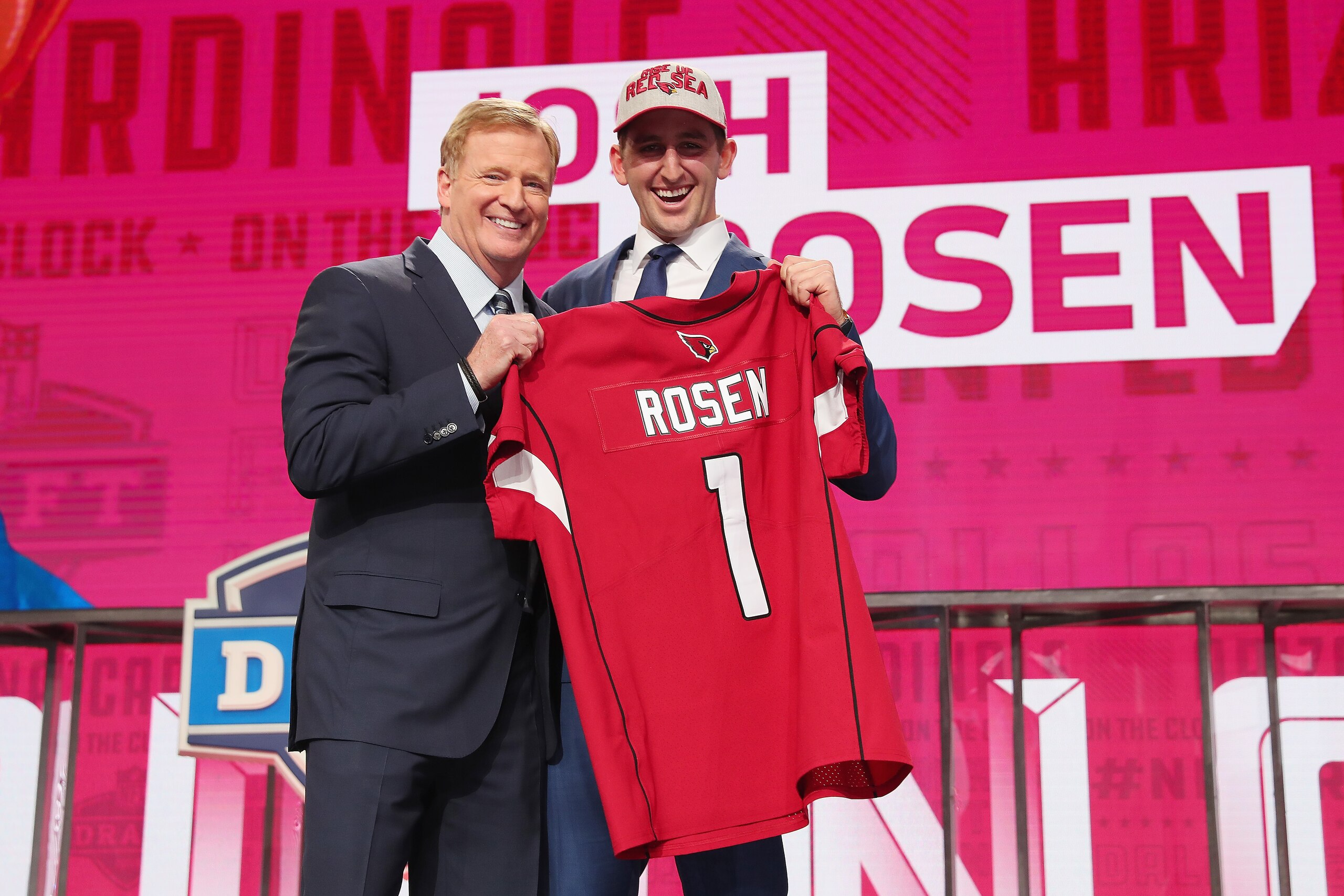
It's all about right now for the Arizona Cardinals.
UCLA's Josh Rosen was worth moving up for at No. 10, especially because head coach Steve Wilks will have to trust he'll be ready to play if Sam Bradford goes down with an injury in 2018.
Bradford, after all, missed 14 games a year ago and has a long injury history. The Cardinals knew this going into the deal, and Rosen has to be the pick over Mike Glennon to step into the fray if the injury bug returns.
The theme continues for the other notables in the class. Christian Kirk, the 5'11", 201-pound slot receiver out of Texas A&M, should come in and get some work in the passing game while he competes with guys like Brice Butler and J.J. Nelson.
Third-round pick Mason Cole could win a starting gig on the offensive line and fourth-round pick Chase Edmonds out of Fordham could spell David Johnson right away as well.
Atlanta Falcons
2 of 32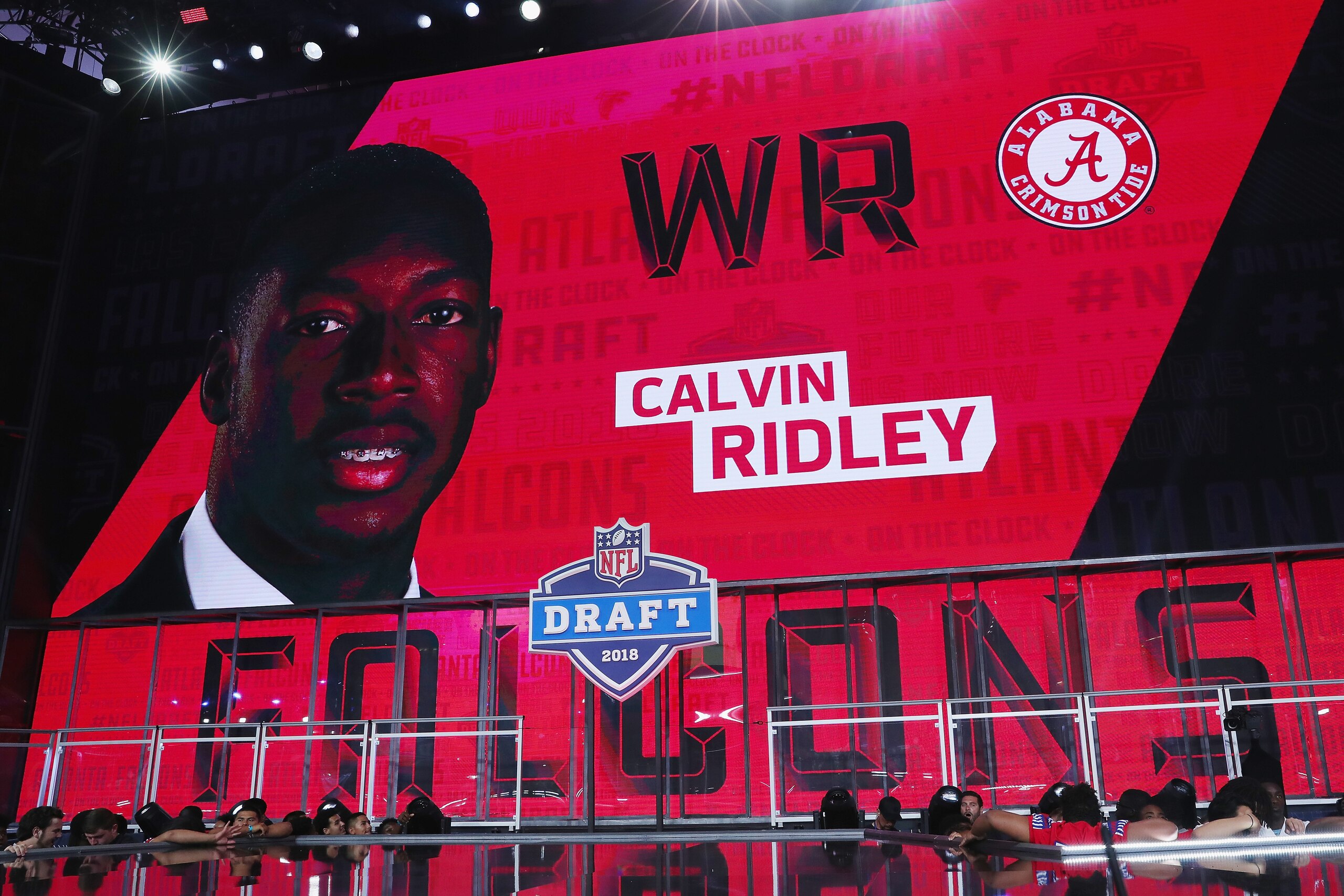
Count the Atlanta Falcons as having a similar approach.
General manager Thomas Dimitroff and the front office surprised most by taking Alabama wideout Calvin Ridley at No. 26, though in hindsight, it isn't hard to see why they grabbed him. The 6'1", 189-pound slot threat with sure hands and silky-smooth routes should help right away by giving Matt Ryan another option and spacing the defense for Julio Jones and Mohamed Sanu.
The early defensive rookies will need to help as well, at least on a rotational basis. Atlanta's going to love second-round cornerback Isaiah Oliver's size at 6'0" and 201 pounds, so he's likely to see some action. Third-round rookie Deadrin Senat can deepen a rotation in the trenches and will be asked to do so.
While there are only six Falcons rookies overall, the top three names will play key roles in deciding whether the team gets back to contention in the NFC South or winds up as a 10-win team in third place again.
Baltimore Ravens
3 of 32
It's all about patience for the Baltimore Ravens when it comes to their rookie class.
The selection of Hayden Hurst in the first round shocked more than a few people, but the tight end out of South Carolina, who stands at 6'5", should provide a solid target for Joe Flacco. He'll have to weather the pro transition well and fight up the depth chart, though.
Then there's quarterback Lamar Jackson out of Louisville, the smooth pocket passer with rare elusive ability in the open field. He's bound to sit behind Flacco and learn for a year or two, though it won't stop the fans from chanting for him if the fading veteran starts to struggle.
There's a similar theme for third-round pick Orlando Brown Jr. The 6'8", 345-pound offensive tackle careened down draft boards after posting one of the worst combine performances of all time. But the son of a former Ravens tackle has interesting upside and could eventually win a starting gig at right tackle if he outplays the numbers while he develops.
Let's throw the second third-round pick Mark Andrews in here as well. Another 6'5" option at tight end, the Oklahoma product struggles as a blocker and will need some time before he can show up in base packages.
The team made 12 picks over seven rounds and is bound to stress patience. There are plenty of intriguing upside guys, like DeShon Elliott and Greg Senat, who need to put their heads down and go to work with the goal of making the final roster.
.jpg?w=2560 "Chiefs Buccaneers Football")
.jpg?w=2560 "Giants Jets Football")
.jpg?w=2560 "Rams Panthers Football")
Buffalo Bills
4 of 32
Few rookies face the pressure—or opportunity—placed on the shoulders of new Buffalo Bills quarterback Josh Allen.
He was probably the most polarizing name in the draft, which is what happens when a quarterback who looks like Ben Roethlisberger (6'5", 237 pounds) with a rocket arm completes 56.3 percent of his passes against marginal competition.
But the arm and upside mean Allen is likely expected to compete for the starting job right away after the Bills made a lateral move in free agency by signing a backup-caliber player in AJ McCarron. If Allen can pull it off, he'll get to work with a somewhat interesting core of LeSean McCoy, Kelvin Benjamin and Charles Clay.
Seemingly lost in the shuffle is No. 16 pick Tremaine Edmunds, a linebacker who will have to not only come in and start right away but assume a leadership role in the middle of the defense.
Considered a great value in the third round, defensive tackle Harrison Phillips out of Stanford will join the rotation behind 34-year-old Kyle Williams to bolster the unit so Edmunds' and Co. can go to work.
So it goes when a middling team with a quarterback drought has a pair of first-round picks and three selections overall in the top 100. The new faces have to come in and make an impact right away.
Carolina Panthers
5 of 32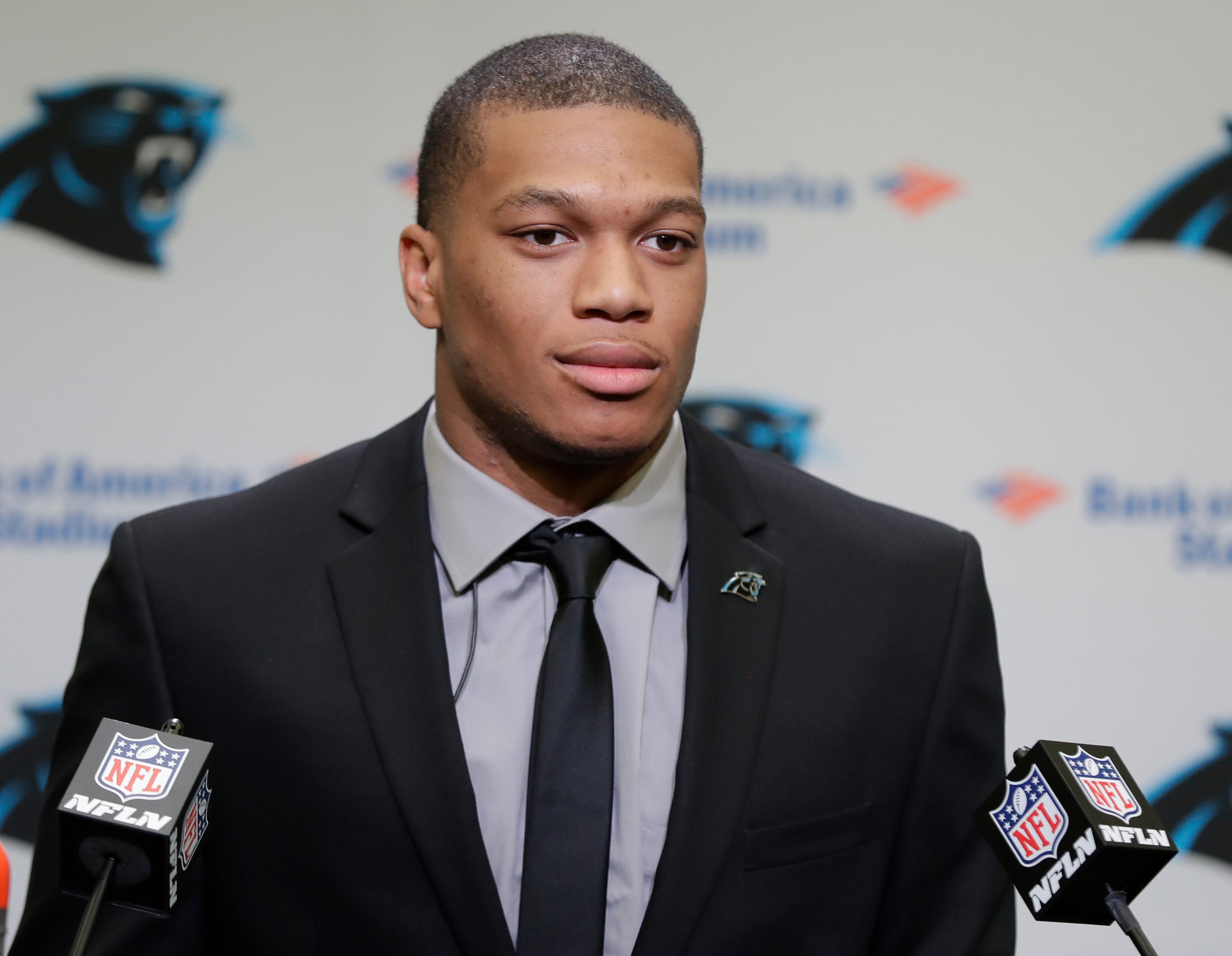
Joining the 11-win Carolina Panthers from a year ago, boasting an annual MVP contender under center like Cam Newton, means high expectations for rookies.
The task for No. 24 pick D.J. Moore is simple: Take that 6'0", 210-pound frame with 4.42 40-yard dash speed and a silly 132-inch broad jump and go out and win a starting gig.
The Maryland product will have to rip some playing time from somebody like Torrey Smith or 2017 second-round pick Curtis Samuel, but it shouldn't be hard for a three-year starter coming off an 80-catch, eight-touchdown season to do.
Donte Jackson, a second-round corner out of LSU, boasts 4.32 40-yard dash speed and needs to go out and push for a starting job in the slot. Third-round safety Rashaan Gaulden projects as a nice Daryl Worley replacement and No. 101 pick Ian Thomas is an h-back weapon coordinator Norv Turner should look to involve right away.
Moore's job is most important, as creating a more dynamic set of weapons for Newton is critical. But the guys after him have to create serious competition along a defense needing to stick with an offensive-minded NFC South, while Thomas needs to show the coaching staffing he can have an immediate impact.
Chicago Bears
6 of 32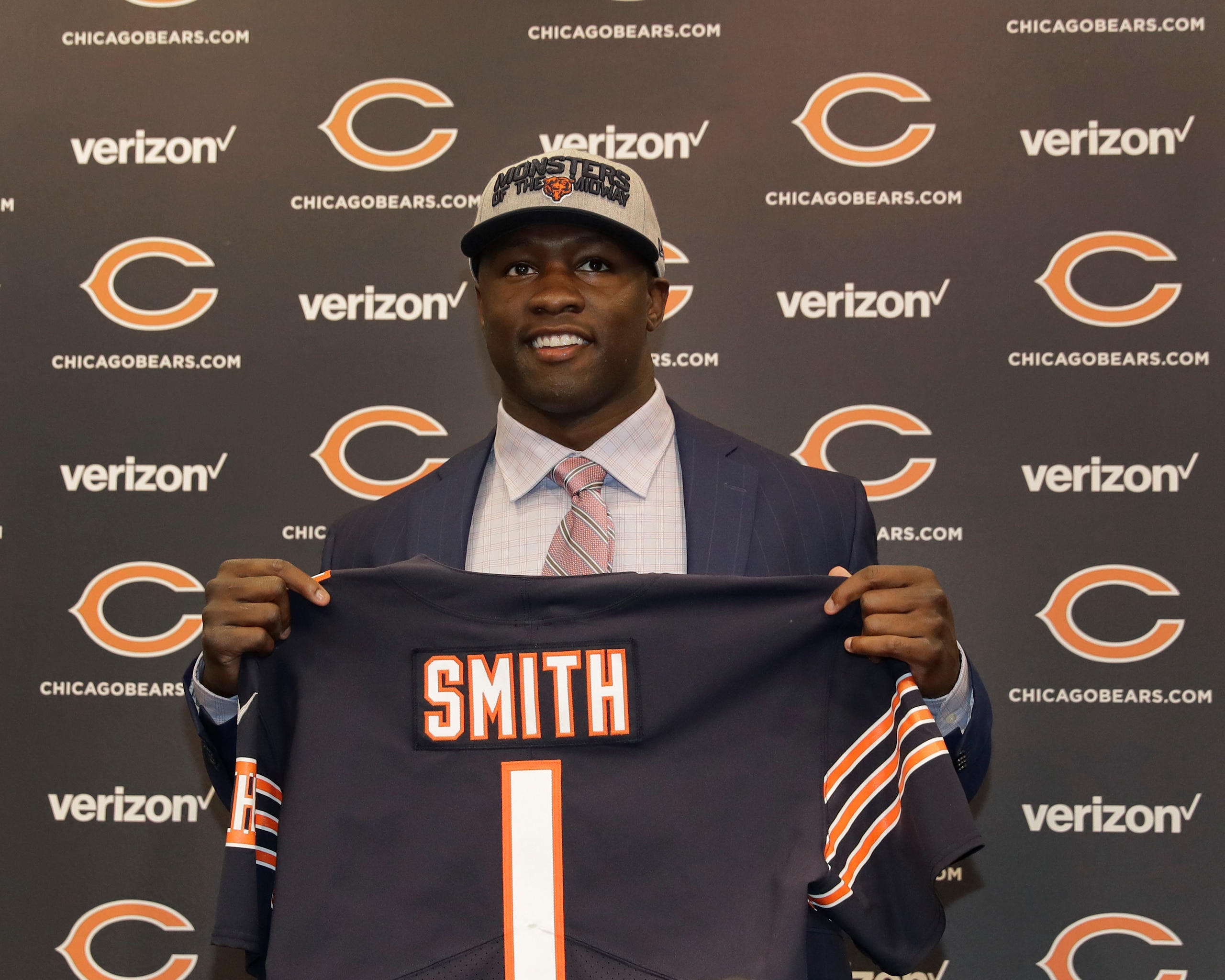
There is immense pressure on the Bears' first three selections in the 2018 draft to help transform the franchise right away.
Any high-profile linebacker playing at Soldier Field will do so underneath the shadow of Brian Urlacher, which is the task in front of No. 8 pick Roquan Smith. He's more than capable, though, as a modern linebacker at 6'1" and 236 pounds who can diagnose, roam and shut down, not to mention drop into coverage. Smith's in a position to succeed next to Danny Trevathan and with Leonard Floyd rushing the passer.
Speaking of being in good positions, Iowa lineman James Daniels couldn't have landed in a much better spot if he had to take a draft day fall. He dipped to No. 39, where he's tasked with protecting franchise quarterback Mitchell Trubisky, but he will do so next to solid presences Cody Whitehair and Kyle Long.
Wideout Anthony Miller has a huge weight on his shoulders after the Bears moved up to grab him in the second round. He defined the word productive in college last year by turning 96 catches into 1,462 yards and 18 touchdowns. Now the task is playing a strong complement to Allen Robinson and Taylor Gabriel.
For a team on the cusp of an upswing in a lengthy rebuild, the 2018 Bears rookies face more pressure than most classes to get it right—and fast.
Cincinnati Bengals
7 of 32
Prop up Andy Dalton at all costs is the theme for Cincinnati Bengals rookies.
Ohio State center Billy Price, the 21st pick in the draft, enters the fall as an immediate starter along a rebuilt line featuring Cordy Glenn at left tackle. He's tasked with keeping Dalton comfortable and paving the way for Joe Mixon on the ground.
It's by far the most important task for a rookie in Cincinnati a year removed from Dalton looking skittish while stumbling to a 59.9 completion percentage with 25 touchdowns and 12 picks.
The rest of Cincinnati's 11 picks have it much easier.
Second-round pick Jessie Bates III will rotate in with two starters. Third-round pick Sam Hubbard will rotate in along one of the league's deepest lines. Running back Mark Walton out of the fourth round sits third on the depth chart.
Also interesting is third-round linebacker Malik Jefferson, who will have to see some time right out of the gates as Vontaze Burfict serves a four-game ban. Darius Phillips, a fifth-round corner and superb FBS return man, could take over primary duties.
For the most part though, a roster as talented as Cincinnati's doesn't need major contributions from rookies, simply a strong showing from the first-rounder tasked with compensating for mistakes by the front office.
Cleveland Browns
8 of 32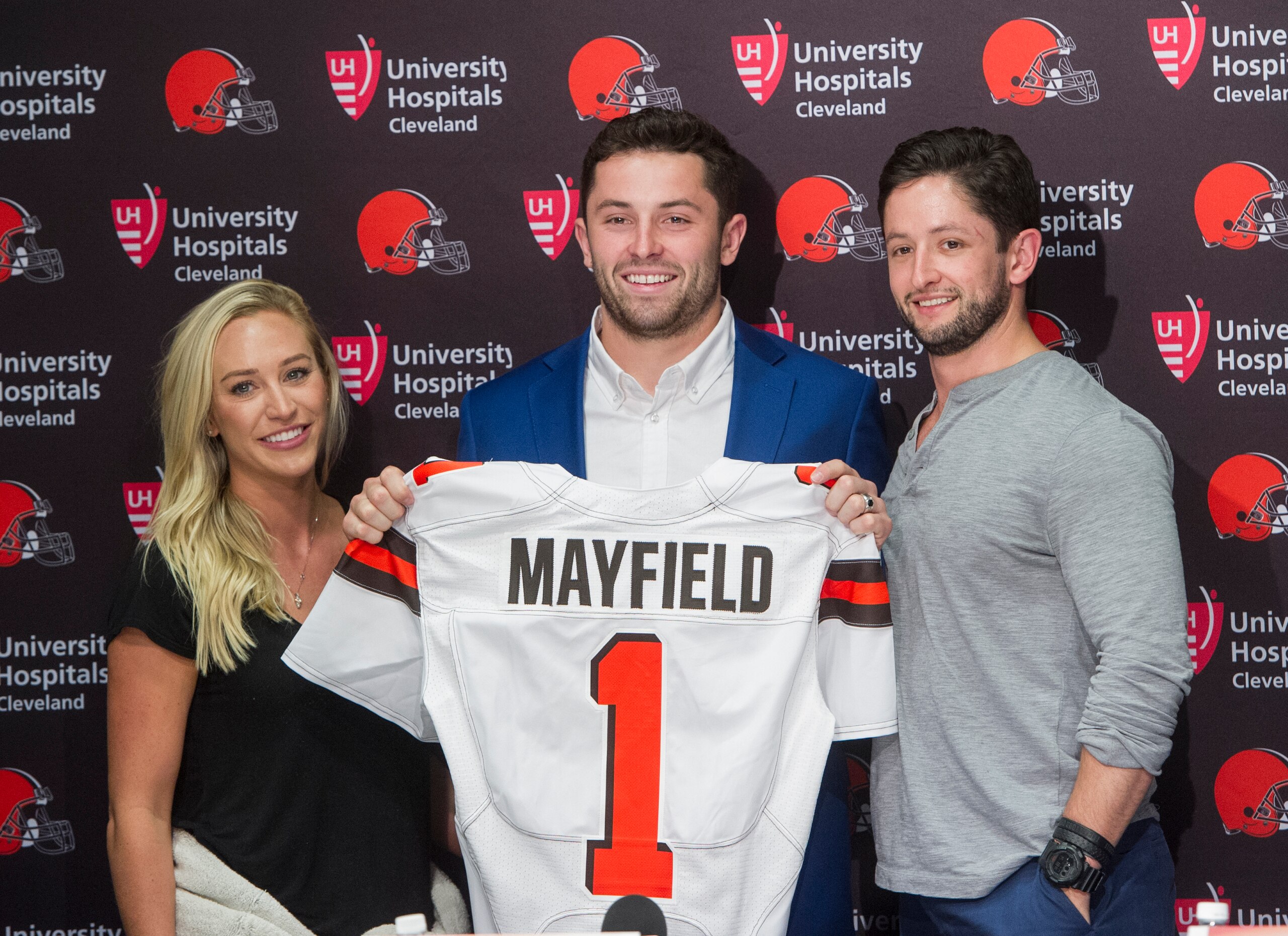
The Cleveland Browns' 2018 draft class is all over the place in terms of goals it must accomplish—just as general manager John Dorsey planned it.
Top pick Baker Mayfield will see plenty of jerseys in the stands at home games and hear chants for his name wherever the team travels. But the Browns seem ready to take a measured approach, install an offense around veteran Tyrod Taylor and let it run until the wheels fall off.
It isn't the same story for a handful of other rookies.
No. 4 pick Denzel Ward stays home coming out of Ohio State and will need to pair with Jamar Taylor at corner. He'll at least benefit from a pass rush boasting Myles Garrett.
Austin Corbett, an offensive lineman out of Nevada in Round 2, could end up at literally any position on the line. The Browns need him to be a starter right away. And running back Nick Chubb from the same round is a big (5'11", 227 pounds) back who should form a violent tandem with Carlos Hyde right away.
Let's not forget fourth-round wideout Antonio Callaway, considered a steal because character issues dropped him down the board. The Browns will want to cash in on the value right away and likely get him involved in a rotation, despite Jarvis Landry, Corey Coleman and Josh Gordon being on the depth chart in front of him.
If Mayfield is patient, that maturing group of weapons awaits. The focus has to be on proper development and taking it slowly, or as slowly as Hue Jackson will allow it.
Dallas Cowboys
9 of 32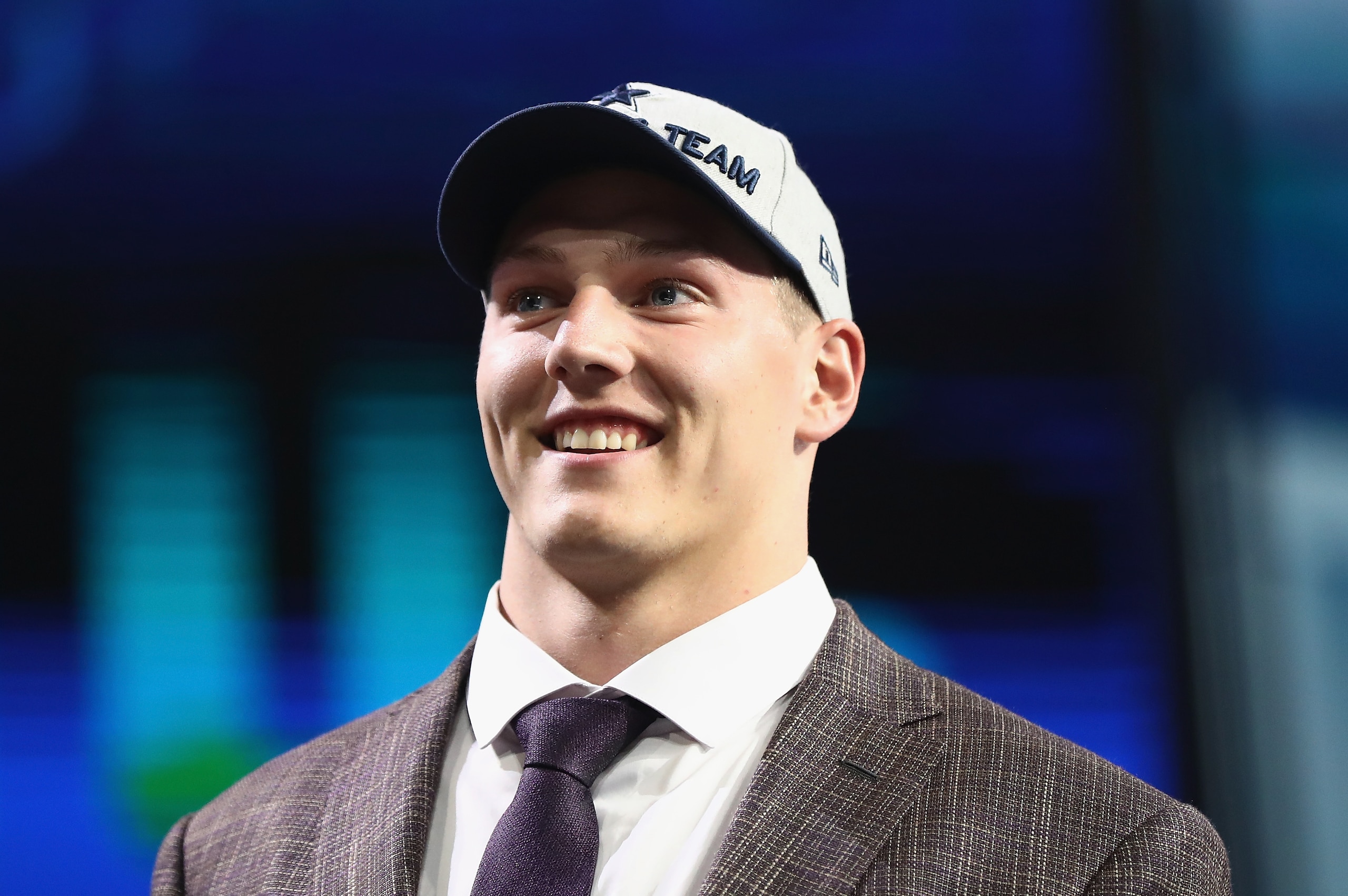
Being drafted by Jerry Jones' Cowboys means inflated expectations for rookies. This year is no different, especially with the top prospects filling huge needs.
Leighton Vander Esch at No. 19 wasn't hard to see coming. He's a 6'4", 256-pound roamer from sideline to sideline who needs to be an enforcer right away. He's certainly in a position to succeed starting next to talents like Sean Lee and Jaylon Smith.
Though the expectations aren't necessarily as big for second-round pick Connor Williams, the Texas guard could play a role even more critical by protecting Dak Prescott and paving the way for Ezekiel Elliott as an instant starter. He's in a good position as well flanked by elite names such as Tyron Smith and Travis Frederick.
Michael Gallup out of Colorado State in the third round might start opposite Terrance Williams, after the Cowboys cut Dez Bryant loose, leaving Allen Hurns for the slot. If he's winning one-on-one duels, he's making life easier on the entire unit.
Wanting to win now and keep pace with the Philadelphia Eagles in the NFC East, the Cowboys are entrusting a huge amount of production to young faces.
Denver Broncos
10 of 32
The goal for the notable Denver Broncos rookies is to make life easier on the quarterback.
Said quarterback is Case Keenum, currently a one-hit wonder thanks to a great system in Minnesota. He had to be all smiles when the Broncos walked to the podium at No. 5 and stole the free-falling Bradley Chubb out of N.C. State.
Chubb would have been in the conversation for No. 1 overall in most draft classes, and the Broncos will expect him to play like it in tandem with Von Miller. Denver only having 33 sacks a year ago goes a long way toward explaining its 5-11 disaster.
The Broncos kept benefiting from an odd class, too. Wideout Courtland Sutton out of SMU fell to them in the second round, and he'll get the nod opposite Demaryius Thomas, enabling Emmanuel Sanders to work out of the slot. It's a perfect schematic situation for Keenum, though it won't work if the 6'3", 218-pound rookie can't adapt quickly to win engagements on the outside.
Then there's third-round pick Royce Freeman.
Freeman, 6'0" and 229 pounds, rushing for 1,475 yards and 16 touchdowns last year. He scored 16 or more times in three of his four collegiate seasons. He needs to be ready to act as the every-down back after the Broncos parted ways with C.J. Anderson.
There are few teams relying more on rookies in key spots than the Broncos.
Detroit Lions
11 of 32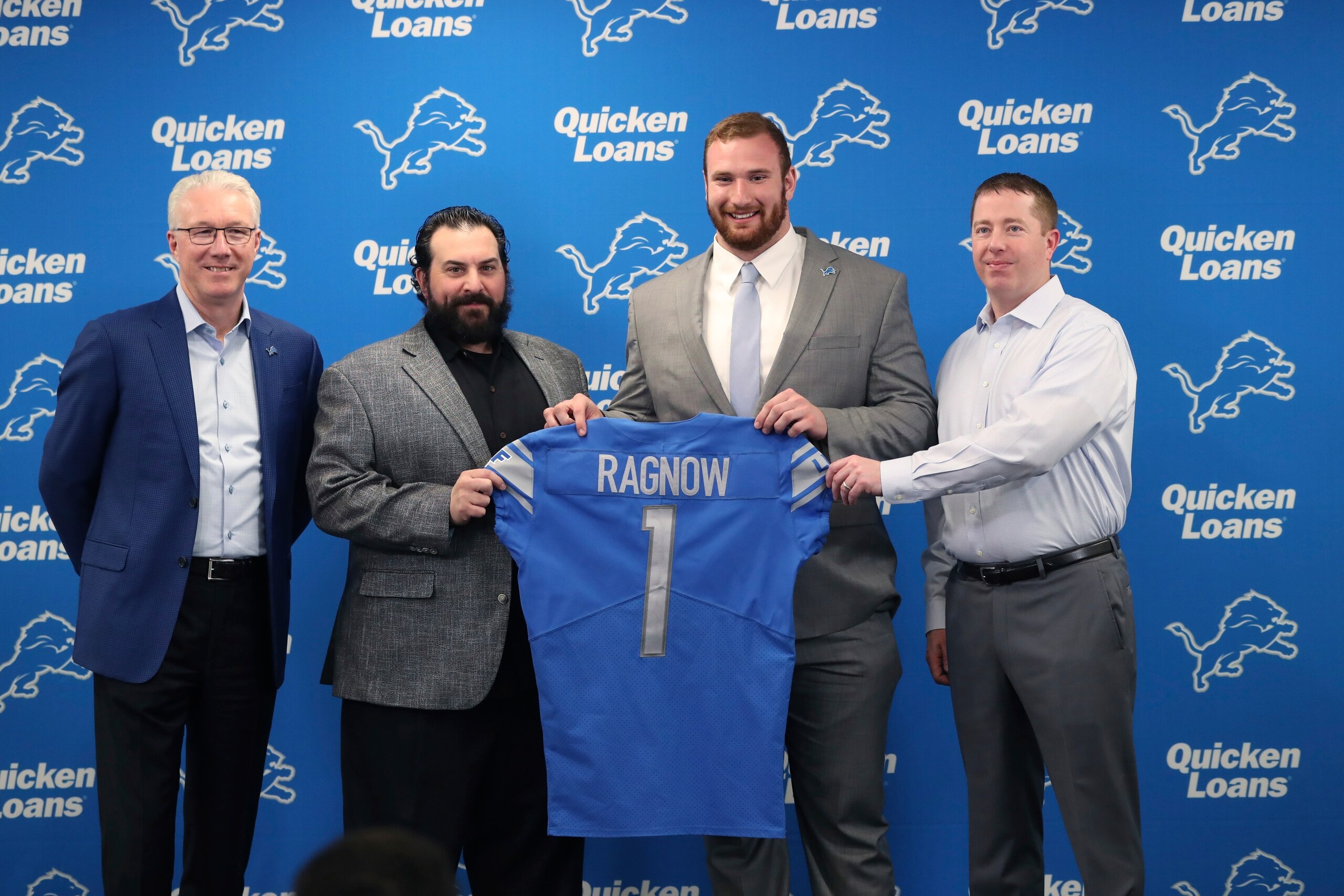
The Detroit Lions don't have as many key rookies in critical spots because the front office only made six selections.
Still, Frank Ragnow up front is a guy they felt strongly enough to take in the first round, which makes sense after Matthew Stafford suffering 47 sacks. He's versatile on the interior, so the job now is nailing down either a center or guard starting gig and letting Graham Glasgow take the other.
Part of Ragnow's arrival pertains to reviving a dead running game. Leading rusher Ameer Abdullah averaged 3.3 yards per carry last year, and the offense as a whole averaged 3.4. In comes second-round pick Kerryon Johnson, a back the Lions traded up to make sure they got.
The Auburn product has every-down traits after rushing for 1,320 yards and 17 scores in the SEC. While he didn't receive a ton of first-round hype on the path to the draft, it all goes out the window now as Johnson should have the keys to the entire backfield while fending off guys like Abdullah and LeGarrette Blount.
The primary goal here isn't hard to see: provide the offense balance while finally getting it going on the ground again.
Green Bay Packers
12 of 32
The Green Bay Packers primarily want defense from their rookies.
First-round cornerback Jaire Alexander can hop right into the starting lineup as a third corner if necessary, provided he makes the jump well. And second-round corner Josh Jackson, 6'0" to Alexander's 5'10", has long arms and a track record of being productive around the football. He gives the Packers more options on the boundary.
And while normally a third-round pick won't face a ton of pressure, the Packers traded up to secure Vanderbilt's Oren Burks, a 6'3", 233-pound tweener (isn't it great this isn't a negative word anymore in football analysis?) who can float between safety and linebacker based on the package, a necessity in the pass-happy NFL.
There's also some semblance of expectation placed on the trio of fourth-round-or-later wideouts (J'Mon Moore, Marquez Valdes-Scantling and Equanimeous St. Brown) who all come in at 6'3" or taller. The idea seems to be more size for Aaron Rodgers, and the task placed on those rookies is making the roster and contributing.
Houston Texans
13 of 32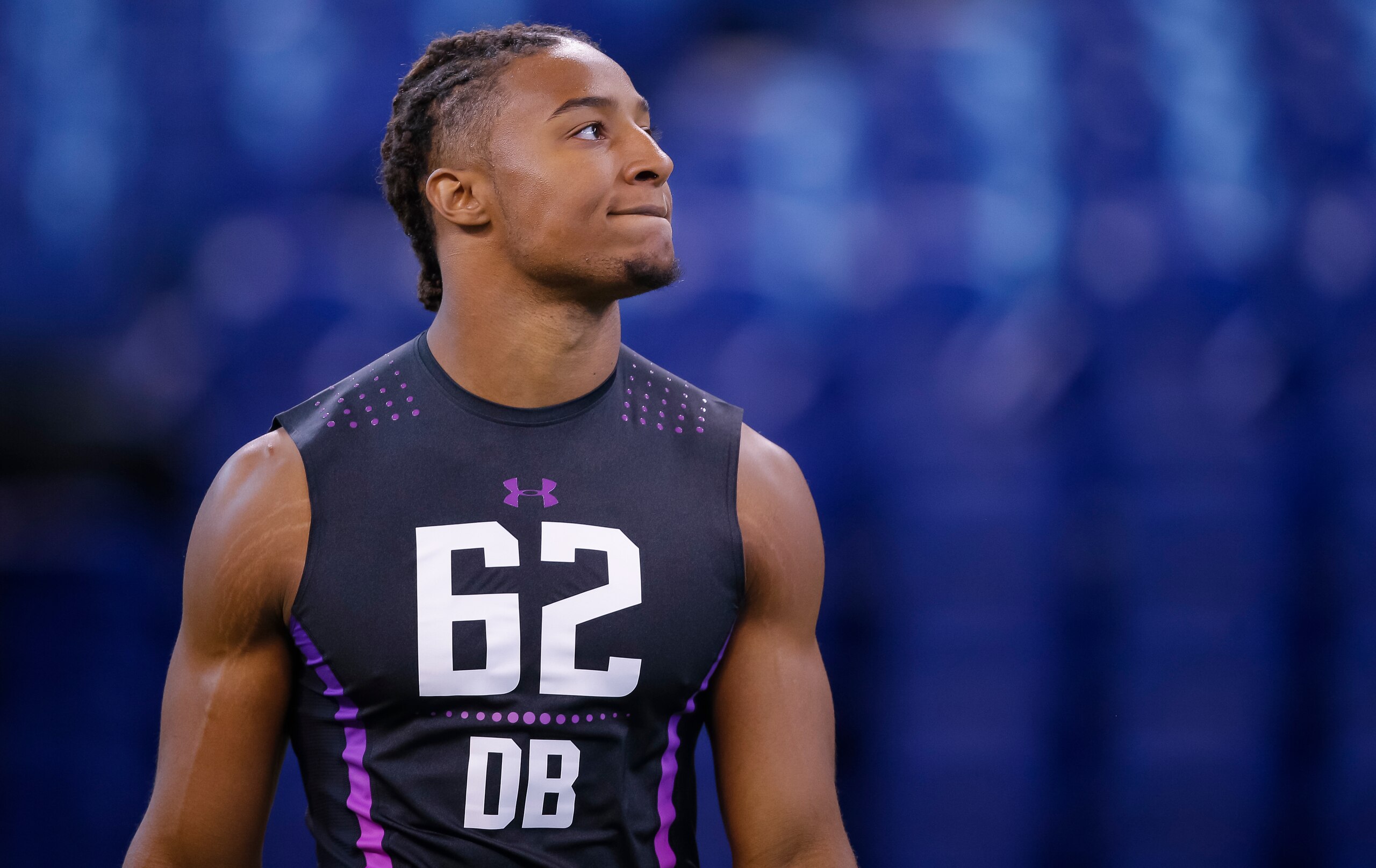
Without a pick until the third round, the goal for the Houston Texans was to find rookies to develop.
Stanford safety Justin Reid was one of the biggest steals of third round. He'll enter a comfortable secondary featuring a new face in Tyrann Mathieu and get to develop while likely rotating in when possible.
It's a similar story for another third-round pick, Martinas Rankin out of Mississippi State. He looks like more of an interior prospect at the pro level, but his job is to develop and break into one job or another if he can, and improve the line in front of Deshaun Watson.
Third-round rookie Jordan Akins out of UCF might be the sleeper to see the most playing time. A guy with experience at wideout and tight end, Akins could play himself into a large chunk of time at tight end in the wake of C.J. Fiedorowicz's retirement.
Clearly, though, Houston went into this knowing the draft wasn't going to offer a ton of instant impact. It's up to the players to carve out playing time, but focus on development while getting ready to take over at a later date is the likely scenario.
Indianapolis Colts
14 of 32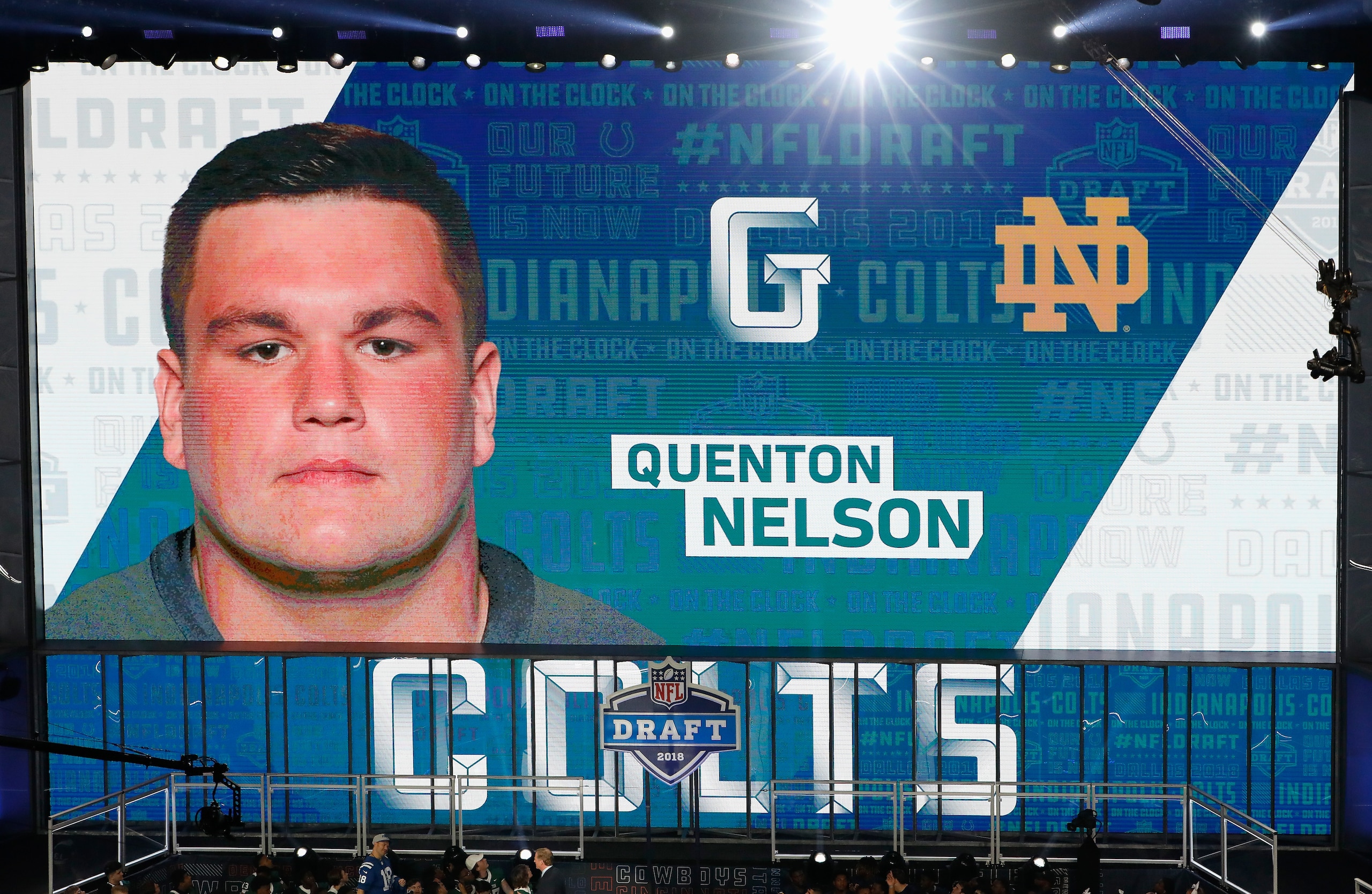
This one is obvious, right?
Quenton Nelson's job upon arrival is protecting Indianapolis Colts franchise quarterback Andrew Luck at all costs. It shouldn't be a difficult task for one of the best linemen to enter the draft over the past decade or more, as the 6'5", 325-pound force plays with unusual intelligence and a violent motor on every snap.
But he's not alone.
Joining Nelson is second-round pick Braden Smith out of Auburn, a plug-and-play option at right guard who shouldn't have problems seizing a starting role.
Flanking the two linemen are a trio of second-round defenders with Darius Leonard, Kemoko Turay and Tyquan Lewis. The goal for all three is instant impact. Leonard should fight for a starting job at linebacker right away, Turay is a pass-rushing specialist who can rotate in and Lewis can do the same with his hand in the dirt, the goal being to boost a unit that only tallied 25 sacks a year ago.
Let's go ahead and mention running back Nyheim Hines out of the fourth round as well. Nothing is guaranteed in the Colts' backfield going into the summer, and he's a versatile back who can line up behind the quarterback or go out wide, giving Luck an explosive option all over the field.
After joining a team that has done a poor job of rebuilding over the years, all those Colts rookies have huge expectations chasing them into the pros.
Jacksonville Jaguars
15 of 32
Taven Bryan is one of the luckier first-round picks this year because he joins a Jacksonville Jaguars team already stacked at his position.
Bryan will get to rotate in and have an impact right away, helping to keep the entire line fresh while opposing offensive lines don't have the same luxury. But he isn't going to find himself struggling with the same expectations as other rookies from the opening round.
D.J. Chark in the second round is a different conversation.
The 6'3", 199-pound LSU wideout with a 4.34 40-yard dash could play a key role in deciding how the Jaguars live life after Allen Robinson, regardless of an add like Donte Moncrief.
Otherwise, it's back to serve-as-depth mode, with third-round safety Ronnie Harrison sitting behind a pair of solid starters and fourth-round offensive tackle Will Richardson doing the same.
It's an odd thing to see the Jaguars taking luxury picks who don't need to contribute as soon as possible, though those rookies probably won't complain.
Kansas City Chiefs
16 of 32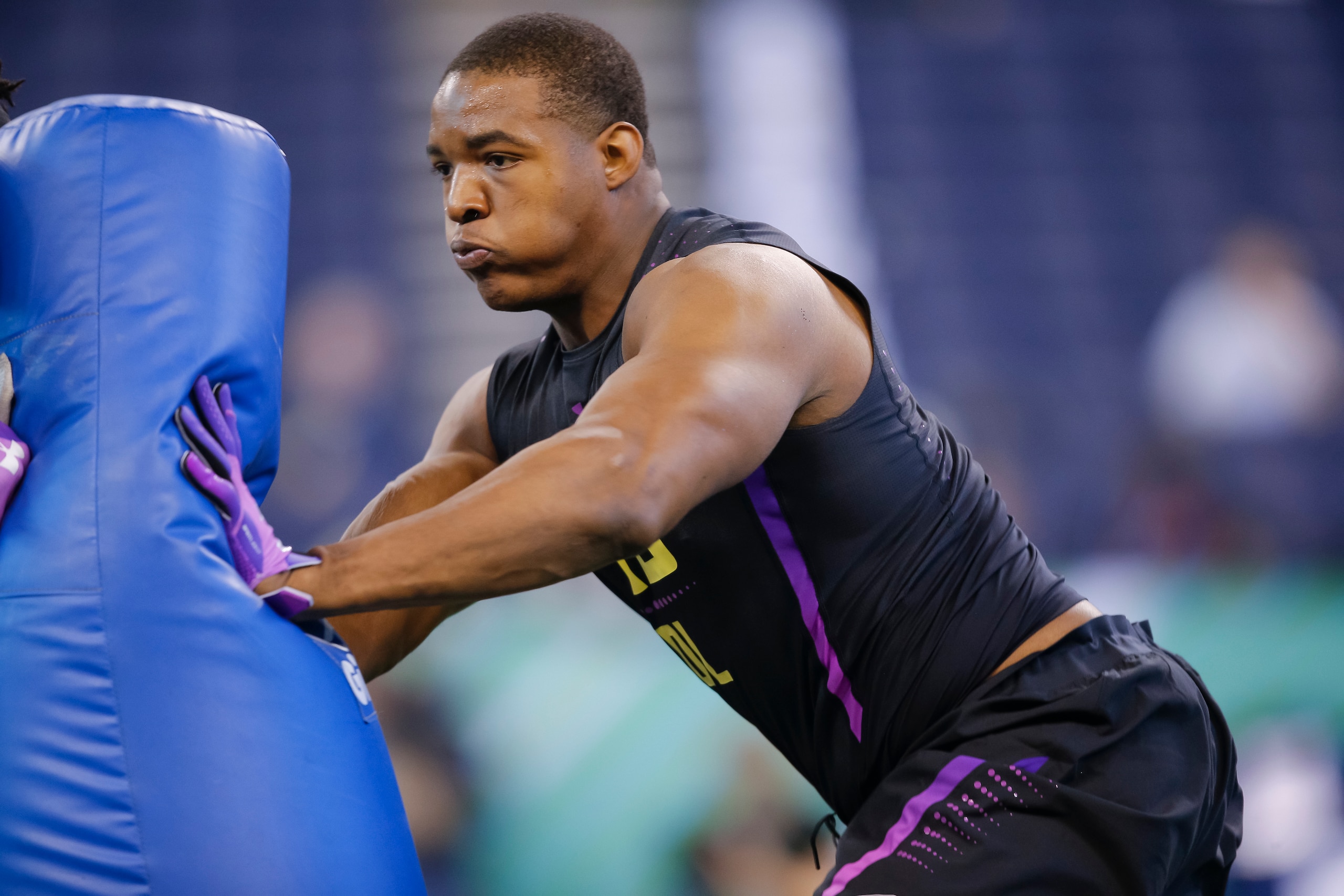
Breeland Speaks out of Ole Miss might as well be a first-round pick based on the expectations he's about to face.
Speaks, a second-round pick, was the first selection in the draft by the Kansas City Chiefs and will get a shot at immediate playing time at defensive end, where the roster happens to have a weak point.
A round later, the Chiefs grabbed Derrick Nnadi, a defensive tackle who could work his way into the rotation in the heart of the defense, at times even pairing with Speaks.
The rest of the class (all six picks were defensive, by the way, a year removed from landing Patrick Mahomes) falls under the "help on special teams for now" category, including third-round pick Dorian O'Daniel, who checks in at 6'1" and 223 pounds with good measureables but needs some development.
Kansas City wanted to get deeper up front on the defensive side of the ball. Its rotational rookies need to step up and take command regardless of when they were drafted.
Los Angeles Chargers
17 of 32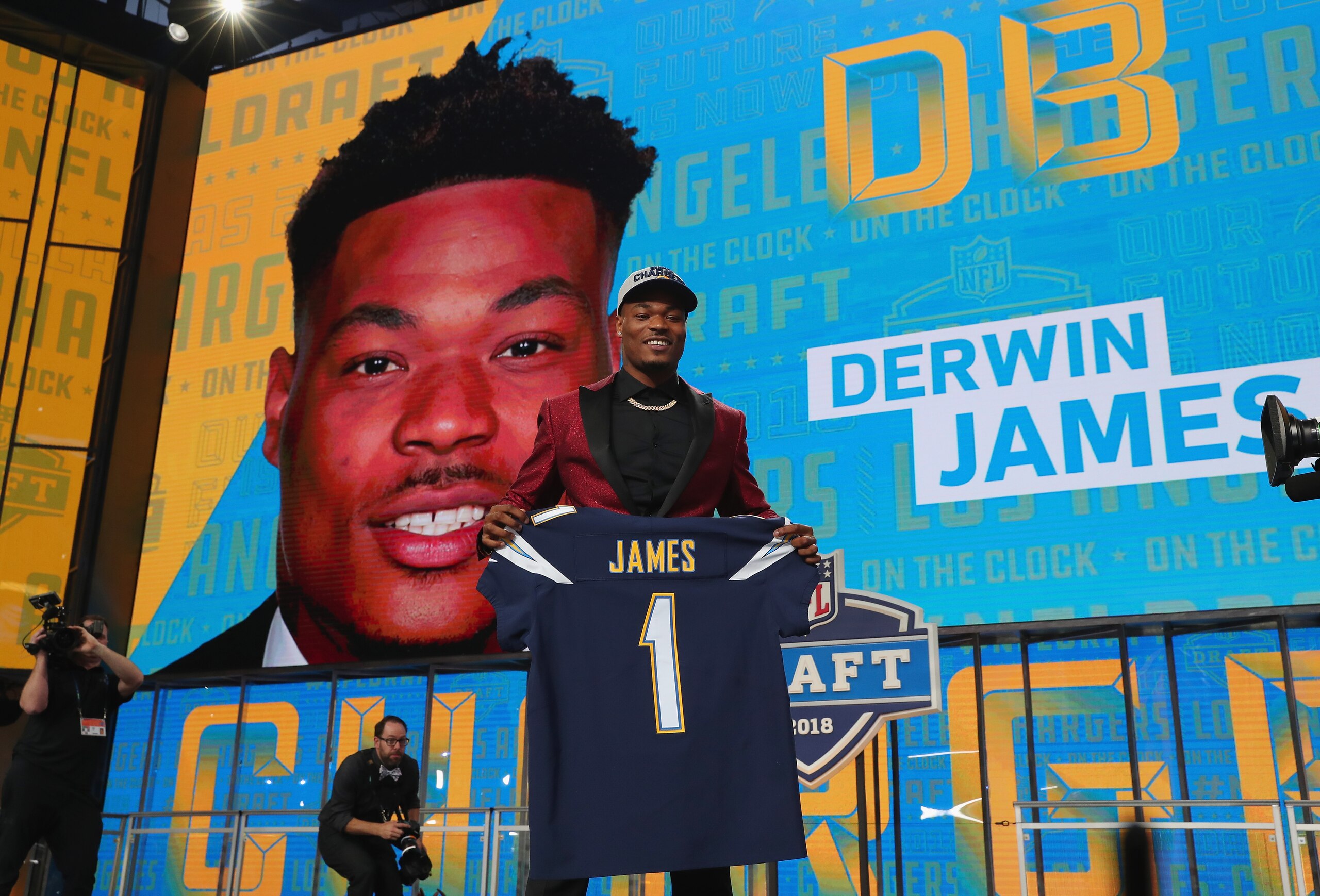
The Los Angeles Chargers weren't exactly hurting on defense last year while tallying 43 sacks and holding opponents to an average of 17 points per game, yet expectations surrounding No. 17 pick Derwin James are inevitably through the roof.
James, a surprise faller during the draft, arrives in Los Angeles as a starter and will need to give the unit a bump doing what he does best near the line of scrimmage, setting the tone and slamming around some receivers in coverage.
Which, as it turns out, should be somewhat simple on a roster full of pressure-creators like Joey Bosa and Melvin Ingram.
Elsewhere, the Chargers will hope second-round pick Uchenna Nwosu can earn some playing time as a rotational edge-rusher. Justin Jones, taken a round later, provides relief to the interior defensive line's depth chart. Keep an eye on fifth-round center Scott Quessenberry, too, as the front office likely hopes he can develop into a starter whenever it's time to move on from Mike Pouncey.
Overall, though, all eyes will be on James when the season kicks off.
Los Angeles Rams
18 of 32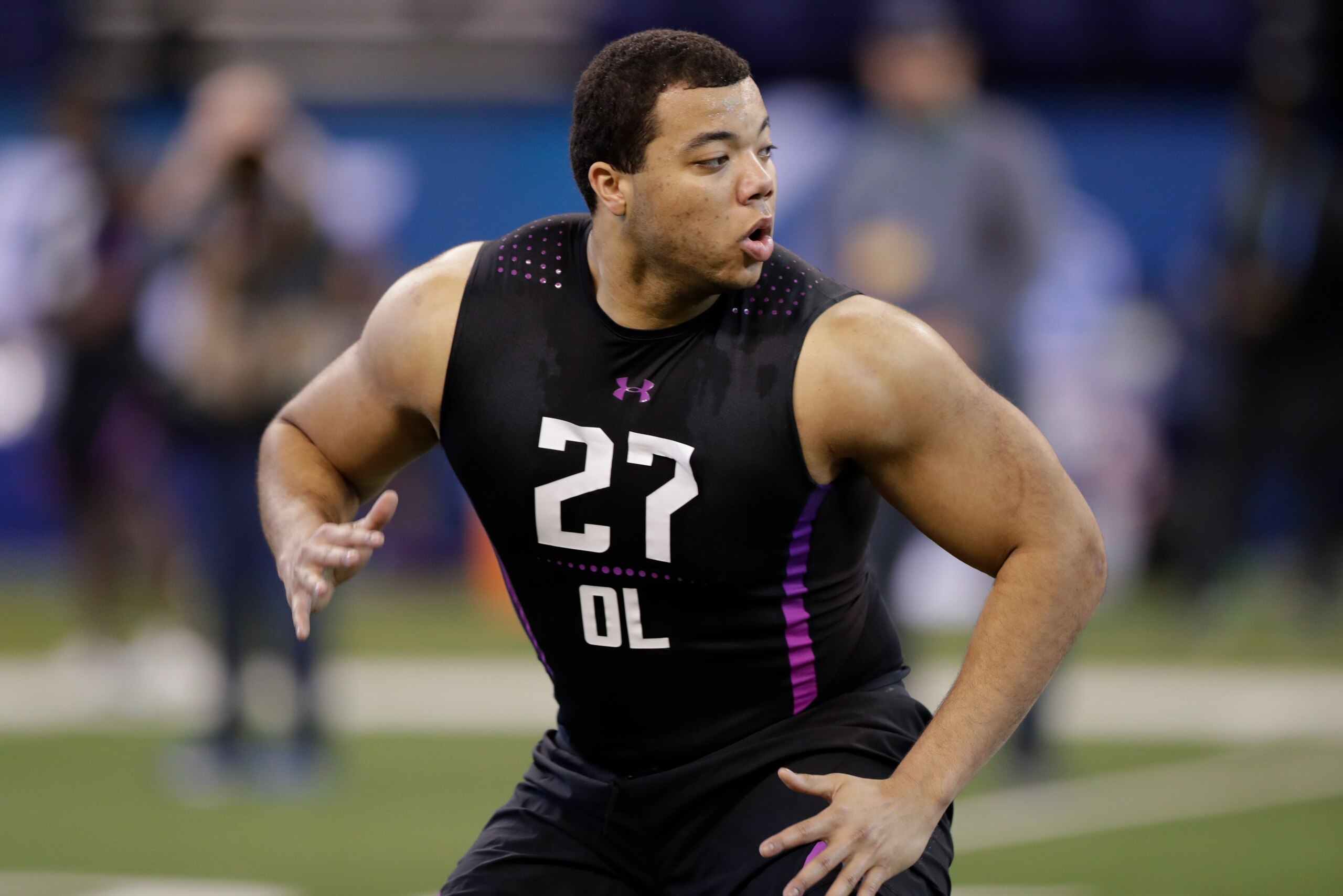
Being in win-now mode means the Los Angeles Rams went out and sacrificed assets in a move for Brandin Cooks, which in turn means rookies arriving in the third round don't face a ton of pressure.
Third-rounder Joseph Noteboom was the Rams' first pick of the draft, and his task is simple—provide depth behind Andrew Whitworth so he can eventually take over the job. Same story for center Brian Allen out of the fourth round behind John Sullivan.
The three defenders drafted in a row beginning with the fourth round, end John Franklin-Myers, linebacker Micah Kiser and edge Ogbonnia Okoronkwo, will also serve in depth roles while awaiting the chance to compete for a starting spot.
There's nothing wrong when a serious contender drafts like this, of course. It's how the rich get richer. For Noteboom and others, the task is to soak it all in and work hard to make sure the team's run of quality lineups continues.
Miami Dolphins
19 of 32
The Miami Dolphins are rightfully expecting big and immediate things from a pair of rookies.
No. 11 pick Minkah Fitzpatrick arrives as an instant starter at nickel corner, his 6'0", 204-pound frame with quick-twitch athleticism allowing him to spar with bigger slot receivers if necessary and do versatile things like rush the passer well.
Second-round tight end Mike Gesicki out of Penn State is one of the most athletic guys to ever hit the combine. While he's not a blocker, he'll be expected to put his 6'6" frame, huge catch radius and athleticism to use in the seam and create mismatches near the end zone as a starter right away.
Expectations may not be as dramatic for third-round linebacker Jerome Baker out of Ohio State, but he should make some serious headway while dropping into coverage on passing downs.
Also in the instant-impact department is seventh-round kicker Jason Sanders out of New Mexico. There isn't a ton of info on him, but the Dolphins clearly did their homework and he'll presumably at least compete for a starting gig.
This show belongs mostly to the Dolphins' first two picks, though, and whether they deliver will factor into how the team's season plays out.
Minnesota Vikings
20 of 32
It's hard to get a read on what the Minnesota Vikings are expecting from the 2018 rookie class.
Cornerback Mike Hughes has the upside worthy of a first-round pick, but the Vikings followed up the draft by revealing they're bringing back 39-year-old Terence Newman.
Similar story in the trenches, where offensive tackle Brian O'Neill out of the second round isn't a threat to steal a starting job from Riley Reiff.
This theme extends through the fifth round with guys like defensive end Jalyn Holmes and tight end Tyler Conklin. The notable exception should be fifth-round kicker Daniel Carlson, easily the best kicker in the class who should win the starting job almost no matter what.
Barring any unforeseen roster shakeups, Vikings rookies will need to be at the ready should injury occur but otherwise serve as depth while developing behind a playoff-ready starting lineup.
New England Patriots
21 of 32
It's somewhat weird to see a Super Bowl contender like the New England Patriots with a need for big performances from rookies, yet Bill Belichick and the front office strategically let certain free agents go and aim to have those rookies fill the void.
The Patriots took Isaiah Wynn at No. 23, and while a bit short for an offensive tackle at 6'3" and 313 pounds, he could effectively be the Nate Solder replacement right away.
A few picks later at No. 31, the Patriots scooped up Wynn's collegiate teammate at Georgia, running back Sony Michel. Wicked explosive at 5'11" and 214 pounds and having racked up 1,227 yards (7.9 yards per carry) and 16 touchdowns in his senior season, Michel is the new Dion Lewis in the rotational backfield.
Admittedly, the rest of the Patriots class is about depth, starting with second-round corner Duke Dawson, who could see some sub-package work.
This is a top-heavy class for the Patriots despite boasting nine selections, with two of the draft's top prospects at their respective positions suddenly thrust into a limelight where their success or failures could boost or derail a potential push for a Lombardi Trophy.
New Orleans Saints
22 of 32
The world is watching New Orleans Saints rookie Marcus Davenport.
When a team like the Saints coughs up a big haul to surprisingly move up and get a player, it's a big deal. The expectation is Davenport will come in right away and put the athleticism packed into his 6'6", 264-pound frame to work, boosting a pass rush that only had 42 sacks a year ago, 13 of them from Cameron Jordan.
Clearly, the Saints like Davenport's fit with Jordan, though the UTSA product will have to refine his technique in a hurry because he won't simply be able to win on athleticism at the next level, where everyone is an elite athlete.
After Davenport, UFC wideout Tre'quan Smith was the pick in the third round, a high-upside gamble who might be able to break into some early playing time, though the Saints recently went out of their way to swipe Cameron Meredith from the Bears in restricted free agency.
The rest of the Saints draft class came down to depth, only further increasing the pressure on Davenport as the team makes win-now moves in an effort to compete as Drew Brees' career winds down.
New York Giants
23 of 32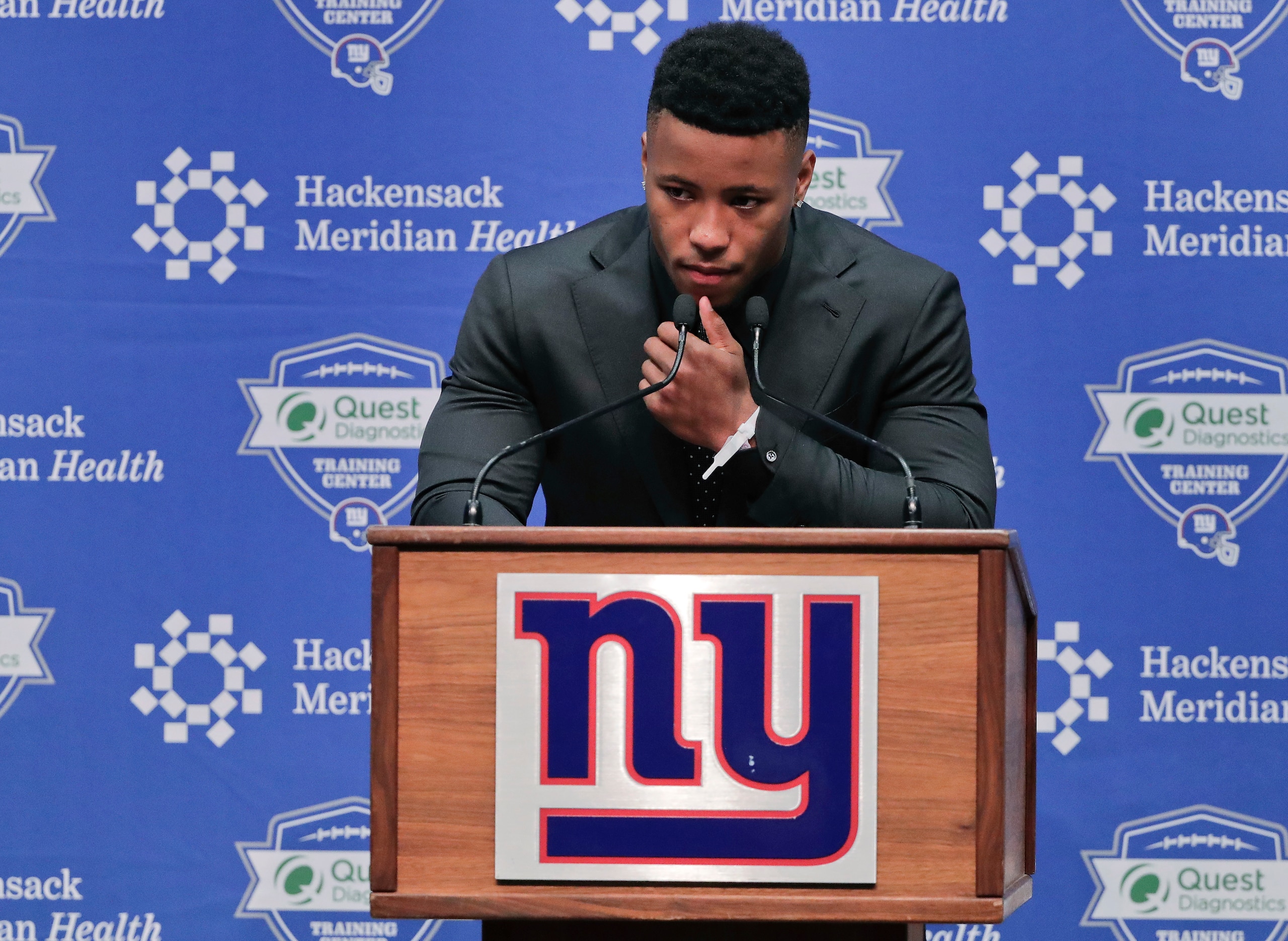
Saquon Barkley has one job upon arrival with the New York Giants—do what he did in college.
Barkley enters the NFL as the second pick in the draft after rushing for 43 touchdowns over three seasons while balancing out a Penn State offensive attack.
The Giants will ask Barkley to do the same, taking pressure off 37-year-old Eli Manning after his 19-touchdown, 13-interception season a year ago while getting yanked with a cane off the stage in favor of Geno Smith.
No rookie on the roster comes close to facing the same amount of pressure as Barkley, though Will Hernandez out of the second round will be under the microscope as he takes over as a starting guard at the pro level. Like he did in college, Hernandez will use his squatty 6'2", 327-pound frame to win leverage and bulldoze opponents.
It won't be a surprise to see Lorenzo Carter work his way into some pass-rushing snaps after getting the nod in the third round, either. Former Richmond quarterback Kyle Lauletta is another notable out of the fourth round, as he has a chance to develop behind Manning for what could be a few years.
Still, it's Barkley-or-bust for the Giants, who need the offensive balance so Odell Beckham Jr. and Sterling Shepard can face softer coverage.
New York Jets
24 of 32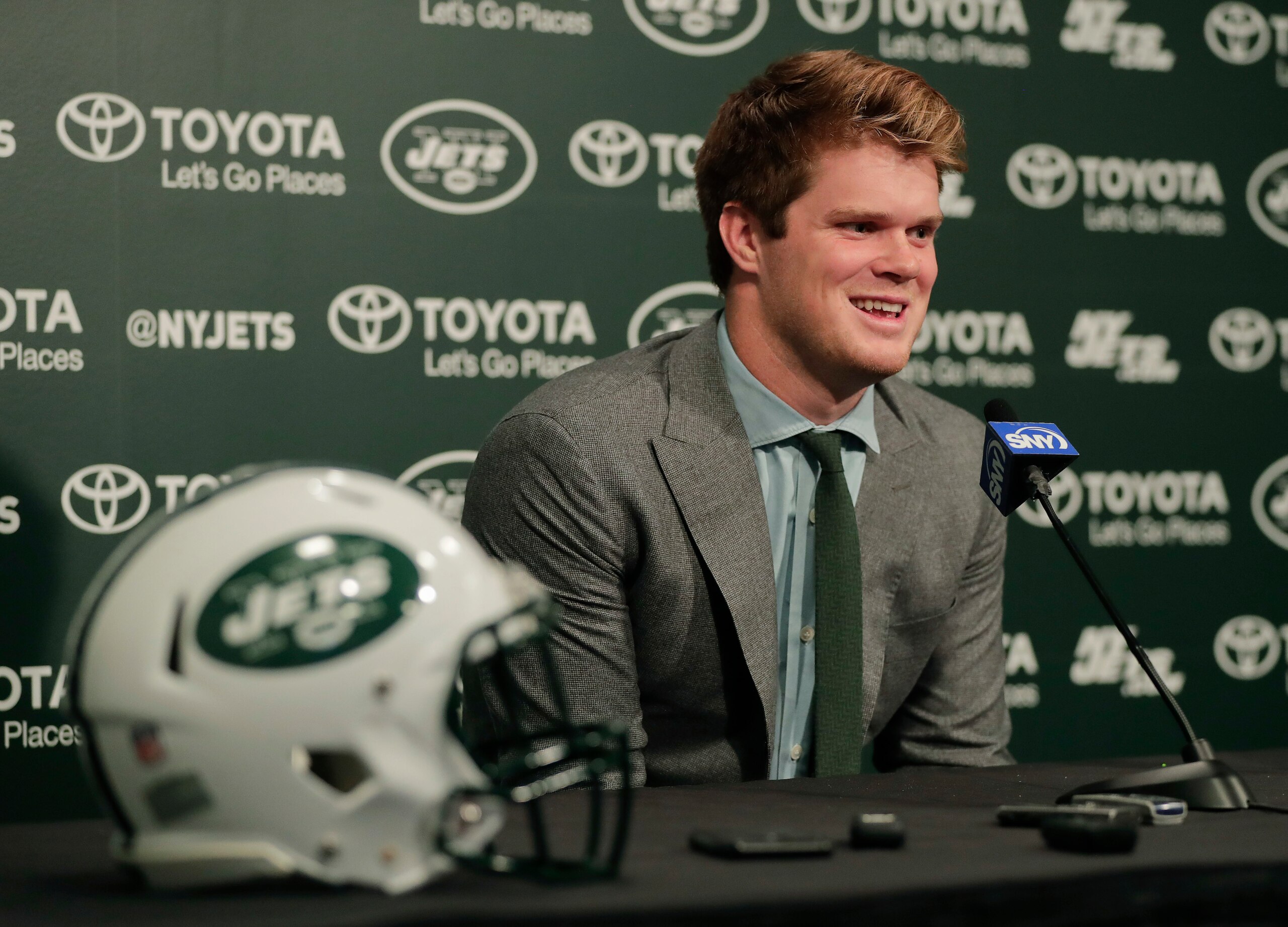
The Big Apple's other team went the other direction, moving up to secure a top-three pick and select what it hopes is the quarterback of the future in USC's Sam Darnold.
While the spotlight doesn't shine any brighter than in New York, Darnold should be a bit insulated as a rookie while the 38-year-old Josh McCown serves as the starter again one year removed from his resurgent campaign.
Of course, Darnold's feet could also be held to the fire if McCown's usual injury history pops up again and he's forced into a starting role. His job is to be prepared for the occurrence, regardless of timing.
Impressively enough, the Jets found extreme value in the third round with Nathan Shepherd out of Fort Hays State. He's a raw prospect, but at 6'4" and 315 pounds with his athletic ability, he could have a chance to play himself into some serious snaps as a rookie.
Like a few of the classes mentioned, though, this is a one-man show with Darnold facing an already-ticking clock before he has to take over.
Oakland Raiders
25 of 32
Oakland Raiders first-round pick Kolton Miller will get to answer questions about his viability as a starter right out of the gate on the right side of the line in front of Derek Carr.
To prove he's more than superb measureables (6'9", 309 pounds), Miller will have to show a mean streak as a run-blocker and newfound lateral agility to keep pace with edge-rushers inside his own division like Von Miller—because they'll be targeting him from the first snap of his career.
Similarly, the Raiders will want to see some instant flashes from P.J. Hall, a 6'1", 310-pound interior disruptor who blazed a 4.73 40-yard dash at his pro day. Arden Key out of LSU should start seeing some action as a sub-package rusher immediately as well, with his ability off the edge paired with Khalil Mack something offensive coordinators will have to worry about weekly.
We can't know the future for defensive tackle Maurice Hurst, who fell to the fifth round because of a heart condition. But he's worth a mention because he boasts first-round traits, so anything at all from him should register as a bonus.
The trend here for the rookies is simple—show they're more than numbers through production, reaffirming Jon Gruden's sometimes-criticized approach.
Philadelphia Eagles
26 of 32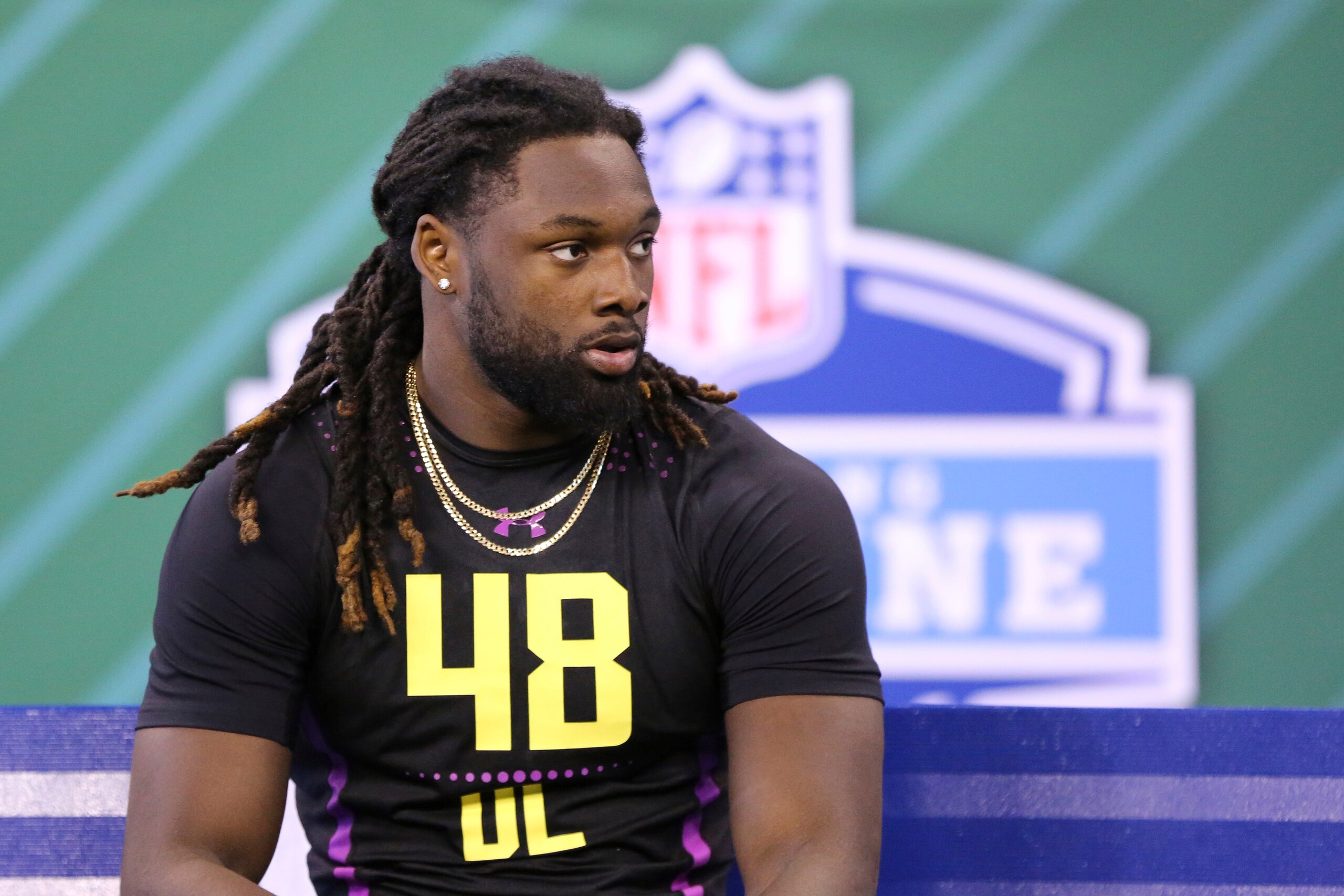
Thanks to landing on a team with the utmost luxury, there isn't much pressure on Philadelphia Eagles rookies to start their careers.
Second-round tight end Dallas Goedert is intriguing at 6'5" and 256 pounds because he can work all three levels of the field with a big catch radius. But with Zach Ertz in front of him on the depth chart, chances are going to be limited.
Avonte Maddox out of the fourth round can only play slot (he's 5'9", after all) but should have a huge role on special teams. Fellow fourth-round pick Josh Sweat might be more intriguing after an unexpected fall, but even then pass-rush opportunities while standing up are going to be limited because of the depth chart around him and the fact he likely won't be an instant starter.
The goal for rookies like the above is to work their way onto the field in any way possible and carve out successful roles in niche scenarios. The time to take over will come, but it simply isn't now, which is what often happens when joining a Super Bowl champion.
Pittsburgh Steelers
27 of 32
The Pittsburgh Steelers pulled off one of the biggest shocks of the draft's first round—now Terrell Edmunds will have to prove he was worth the gamble.
While Edmunds looks the part of a pro safety at 6'1" and 217 pounds, his film didn't match with first-round flashes, hence why NFL.com assigned him a third-or-fourth-round grade.
Either way, Edmunds is going to get his shot at playing time as a hybrid who can come in and make an impact in all phases. But he'll have to do so under the harsh microscope of what looks like the biggest reach of the draft process.
Second-round wideout James Washington arrives as the third receiver behind Antonio Brown and JuJu Smith-Schuster, the task being for the 2017 Biletnikoff Award winner to create room for those around him and give Ben Roethlisberger a security blanket.
Speaking of Big Ben, he now has third-round quarterback Mason Rudolph sitting behind him. It's interesting, as the Steelers traded up to get him yet would have taken him rounds earlier if they truly thought he was franchise-quarterback material when Big Ben calls it quits. Rudolph is a capable player, of course, but he'll have to convince the coaching staff he should get in games over Landry Jones if something happens to the starter.
This is a balanced class, really. The first two picks need to produce right away, while perhaps the biggest name of all has to learn from one of the best in the game.
San Francisco 49ers
28 of 32
The San Francisco 49ers are entrusting a critical job to No. 9 pick Mike McGlinchey—keep the upstart Jimmy Garoppolo upright.
The 6'8", 309-pound McGlinchey will do this from the right side of the line, putting his athleticism to use while countering edge-rushers and potentially driving up the field into the second level while paving the way for Jerick McKinnon.
McGlinchey isn't alone in the burden he shoulders, though. Second-round wideout Dante Pettis watched as the 49ers traded up to grab him, securing him as a potential starter in the slot and obtaining his punt return skills, his nine returned for touchdowns still standing as an NCAA record.
The 49ers went defense the rest of the way, with third-round linebacker Fred Warner and safety Tarvarius Moore at least expected to contribute in sub-packages.
Those tied closest to the success of Garoppolo will feel the most pressure, however, starting right up front with McGlinchey.
Seattle Seahawks
29 of 32
Rashaad Penny unexpectedly steps into the spotlight for the Seattle Seahawks after the team made him the 27th pick of the draft.
Penny, 5'11" and 220 pounds, faces the expectation of instant production as an every-down back. It's something he's capable of, or Pete Carroll and the Seahawks wouldn't have made him the pick, as elusiveness and strong cuts make him more than potent at the next level upon arrival.
But most know where the real pressure lies for this draft class. It isn't on projected rotational defensive end Rasheem Green out of the third round or inline blocking tight end Will Dissly out of the fourth.
It's on fifth-round linebacker Shaquem Griffin.
Griffin's tale is an incredible one, as the linebacker with one hand has seen his story sweep the globe since the Seahawks made the pick. Expectations will likely keep ballooning given the hype, but the Seahawks themselves simply expect a linebacker with superb speed to consistently be around the ball and offer some quality blitzing in sub-packages.
The guy with the biggest impact on the Seahawks this year is going to be Penny, even if he's seeing some of the spotlight shine elsewhere.
Tampa Bay Buccaneers
30 of 32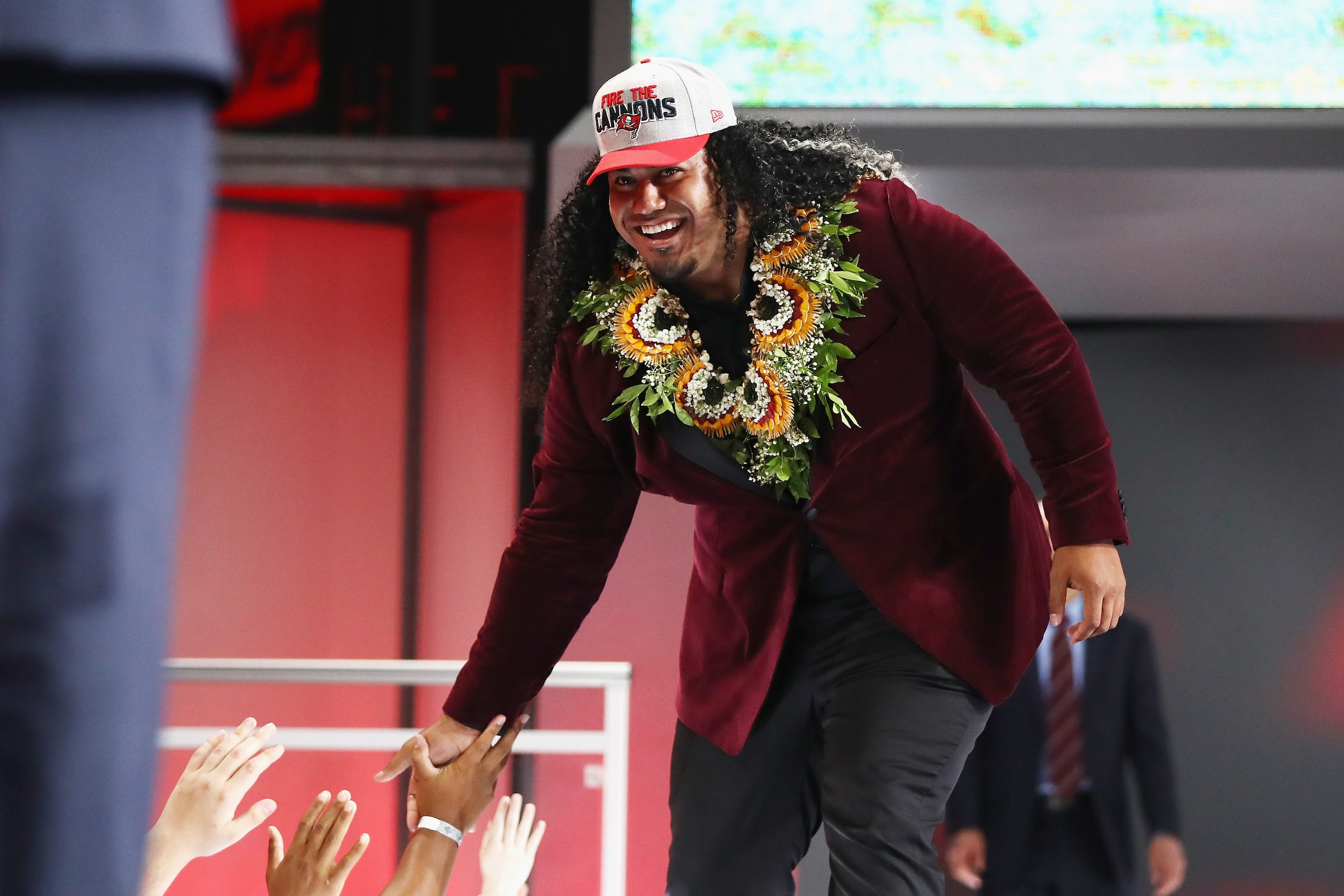
New Tampa Bay Buccaneers defensive tackle Vita Vea gets to keep doing what he does best after hearing his name called at No. 12—clog lanes.
Vea is fortunate enough to land right next to a guy as talented as Gerald McCoy in the lineup, meaning his 6'4", 347-pound frame with explosive burst and leverage will get to play off the strengths of one of the league's best interior pass-rushers.
Joining Vea in the expected instant-impact department is second-round pick Ronald Jones, the presumed starting running back out of USC. He's a slasher who can take some pressure off Jameis Winston and keep defenses honest, opening up a Mike Evans-DeSean Jackson combo through the air.
The Buccaneers quietly doubled up on cornerbacks with two more second-round picks, grabbing M.J. Stewart out of North Carolina and Carlton Davis from Auburn. The former looks like he could double as a safety if asked, and the latter is a lanky boundary guy with star potential, so the need here is for both to find their best assignment and make the most of it to enable Tampa Bay to start phasing out secondary members like Chris Conte.
Tampa Bay ranked dead last against the pass last year, so Vea will need to free up McCoy to apply pressure while a pair of rookies reinforces a suffering secondary in a division featuring Matt Ryan, Drew Brees and Cam Newton.
Tennessee Titans
31 of 32
The Tennessee Titans decided to go with a plug-and-play starter in the first round with one of their four draft picks, selecting Alabama linebacker Rashaan Evans.
Evans, a typical Nick Saban thumper, should hold down one of the two interior linebacker spots and put his solid sideline-to-sideline speed on display right away. He's going to need to arrive and make the Titans forget about the loss of free-agent Avery Williamson.
If healthy and used consistently, Harold Landry out of the second round could have a big impact as a rotational rusher. If he's good enough, he might be able to edge a veteran like Brian Orakpo or Derrick Morgan out of the way in the snaps department.
That's really it for Tennessee, though, as fifth-round defensive back Dane Cruikshank projects more as a special teams force and sixth-round quarterback Luke Falk isn't likely to beat out Blaine Gabbert as the primary backup for Marcus Mariota.
Meaning, Tennessee's top two rookies need to come in and bolster an already-strong defensive unit.
Washington Redskins
32 of 32
One glance at Washington's draft class says it all—it's top-heavy with a lot of depth.
No. 13 overall pick Da'ron Payne needs to arrive in the middle and pair with former Alabama running mate Jonathan Allen to better stop the run one year after Washington ranked dead last in the area.
Running back Derrius Guice out of LSU, a shocker of a second-round pick after a fall, needs to come in and provide the boom to Chris Thompson's lightning, using his 5'11", 224-pound frame and violence-seeking running style to create short third-down opportunities for the offense.
The rest of the rookies need to create quality depth, starting with third-round tackle Geron Christian, a swing backup for Alex Smith. Troy Apke, a safety out of the fourth round, needs to put his 4.34 40-yard-dash speed to use on special teams. Tim Settle, the 329-pound defensive tackle out of the fifth round, needs to do well as a rotational guy behind Payne.
In all, a balanced draft class is expected to provide stability for a franchise starting over under center, with the first two names possibly capable of making a run at individual hardware on their respective sides of the ball.
.jpg?w=2560 "Rams Chargers Football")
.jpg?w=2560 "NFL Owners Football")
.jpg?w=2560 "Grading SNME in Atlanta 🔠")