Is It Possible to Win a Super Bowl Without a Star Quarterback?
If you were to look at the Buffalo Bills as they exist right now and forget about one particular position—one isolated spot among 53 on the depth chart—you'd swear Buffalo was on the verge of contending for a Super Bowl.
The Bills are coming off a 9-7 season and a campaign that featured a 4-2 finish. They had the league's No. 4-ranked defense, led the NFL in sacks with 54 and were one of three teams to record 30 or more takeaways.
And this offseason, they added four former Pro Bowlers—LeSean McCoy, Percy Harvin, Richie Incognito and Matt Cassel—to a swiftly improving offense.
.jpg?w=2560 "Patriots Seahawks Football")
New stars. New ownership. A new head coach with a winning track record. Momentum from the previous regime. Life is good if you're a football fan in Western New York. No wonder the Bills have set a franchise record for most season tickets sold.
But you won't find anyone picking the Bills to win their first-ever Super Bowl, and that's mainly due to the major questions surrounding the one spot we neglected above: first-string quarterback.
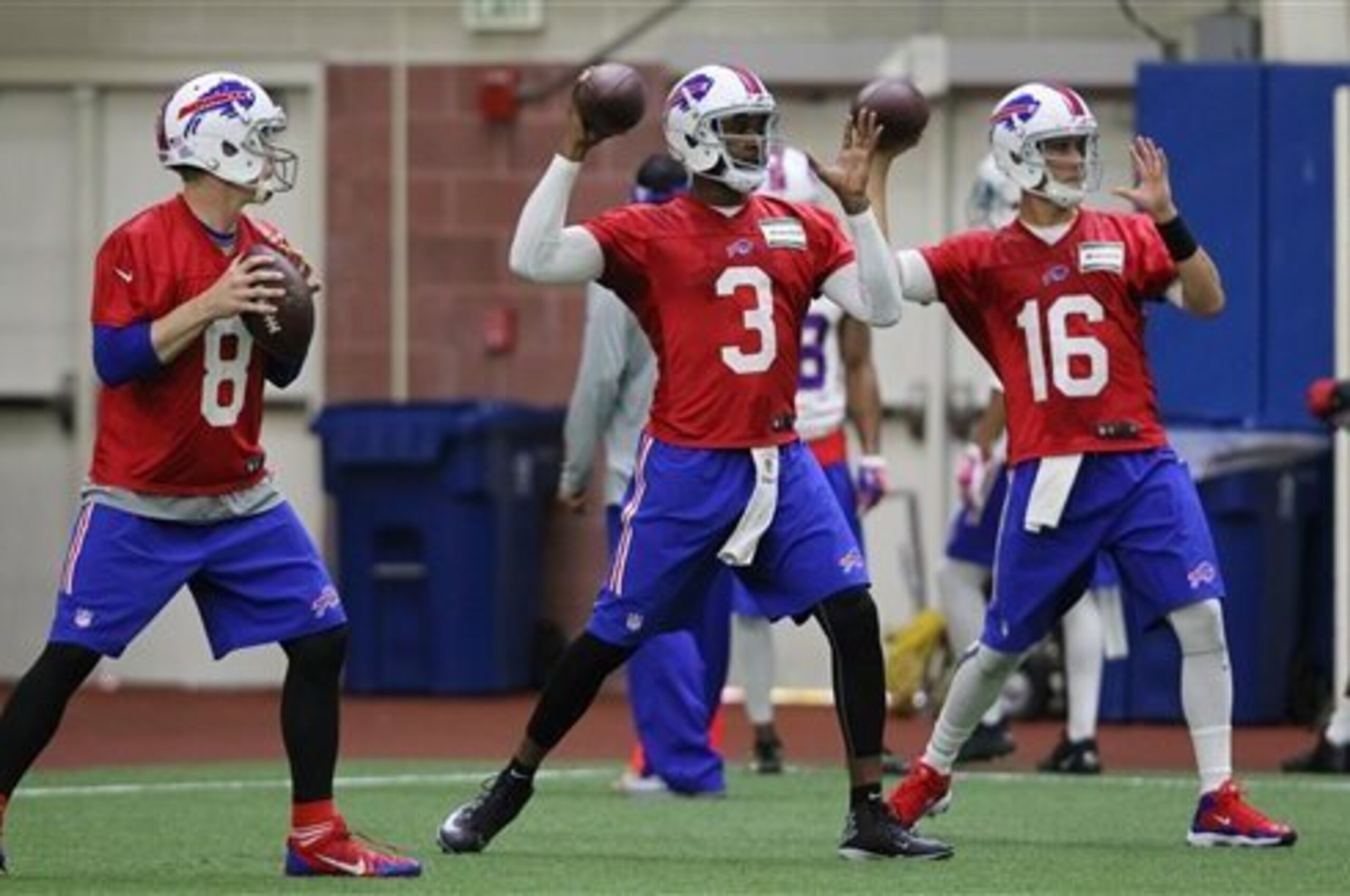
The Bills have Cassel, who was nothing more than a backup the last two years with the Minnesota Vikings and can't be considered a long-term franchise quarterback. Among 32 signal-callers who have started at least 25 games the last four years, the 33-year-old has the third-lowest passer rating (74.0).
Buffalo has Tyrod Taylor and Matt Simms, who have thrown a combined 74 passes in six NFL seasons. And it has EJ Manuel, who hasn't been able to hold down the starting job in each of his first two years. The 2013 first-round pick out of Florida State has completed just 58.6 percent of his passes since coming into the league, a rate that ranks 30th among 33 quarterbacks who have thrown at least 400 passes during that span.
"We don’t have a marquee quarterback," said general manager Doug Whaley in February. "Everybody knows that."
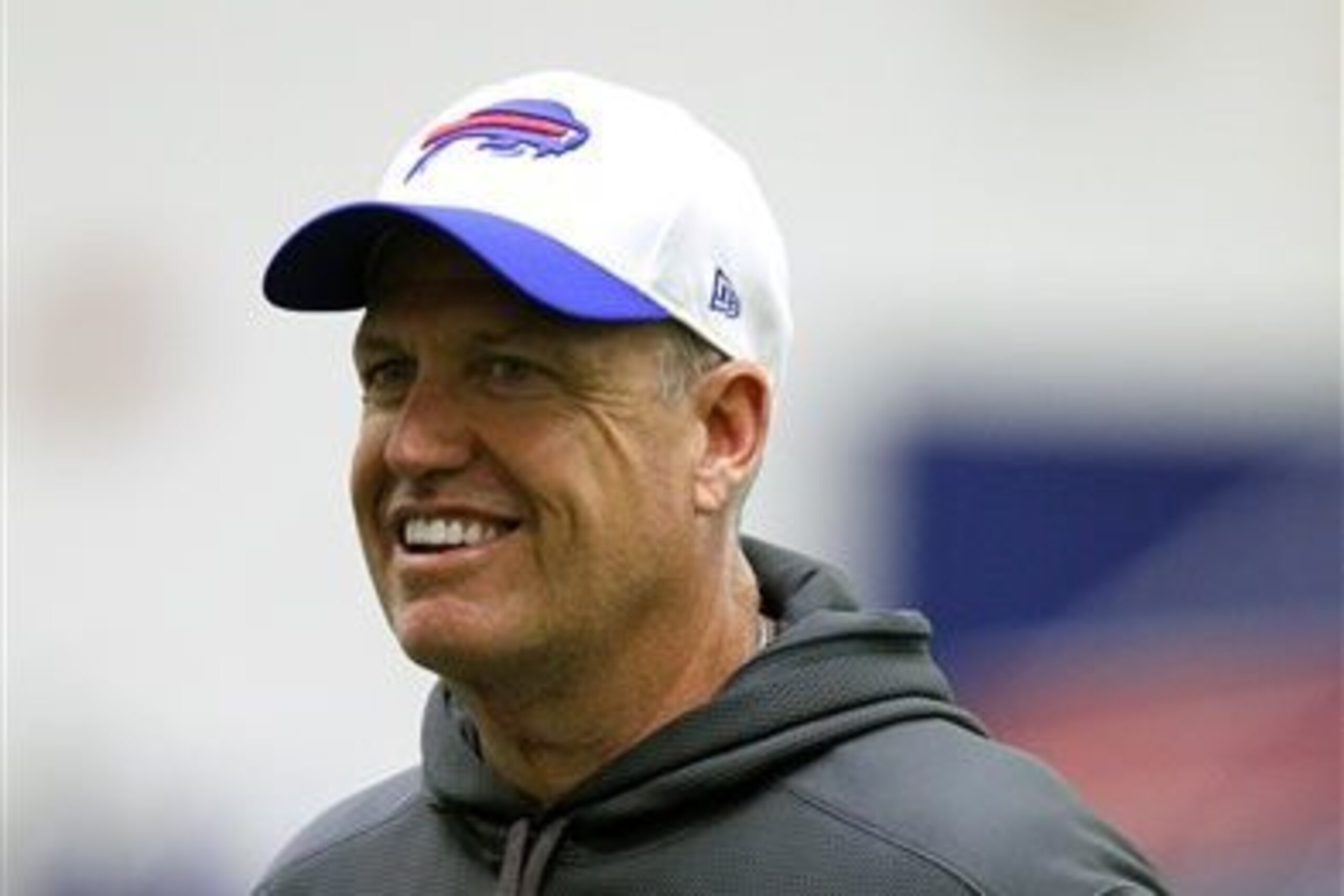
"It's safe to say we won't have LeBron [James] at quarterback," new head coach Rex Ryan told reporters on the heels of a discussion regarding the NBA playoffs last week. "We may have LeBron at defensive tackle and at defensive end, but we don't have him at quarterback."
The problem is that we're coming off the two most pass-heavy seasons in NFL history. And so it's become almost impossible to win without employing someone within reaching distance of being a star at that particular position.
Potential Hall of Fame quarterbacks named Tom Brady, Manning (Peyton or Eli), Ben Roethlisberger, Drew Brees and Aaron Rodgers led 10 of the last 12 Super Bowl-winning teams.
Joe Flacco and Russell Wilson led the other two—both of whom should also be considered franchise quarterbacks. Flacco is the only signal-caller from the last decade who has won a Super Bowl despite not having a Pro Bowl on his resume. But the former first-round pick threw 11 touchdown passes and zero interceptions and posted a 117.2 passer rating during his playoff run with the Baltimore Ravens in 2012.
Aside from that, you'd have to go back nearly 30 years to the 1987 Washington Redskins in order to find a Super Bowl-winning quarterback who never made a Pro Bowl (Doug Williams). Even Brad Johnson and Trent Dilfer, both of whom won titles early this century as caretakers on defensive juggernauts, were considered strong players for long stretches during their careers.
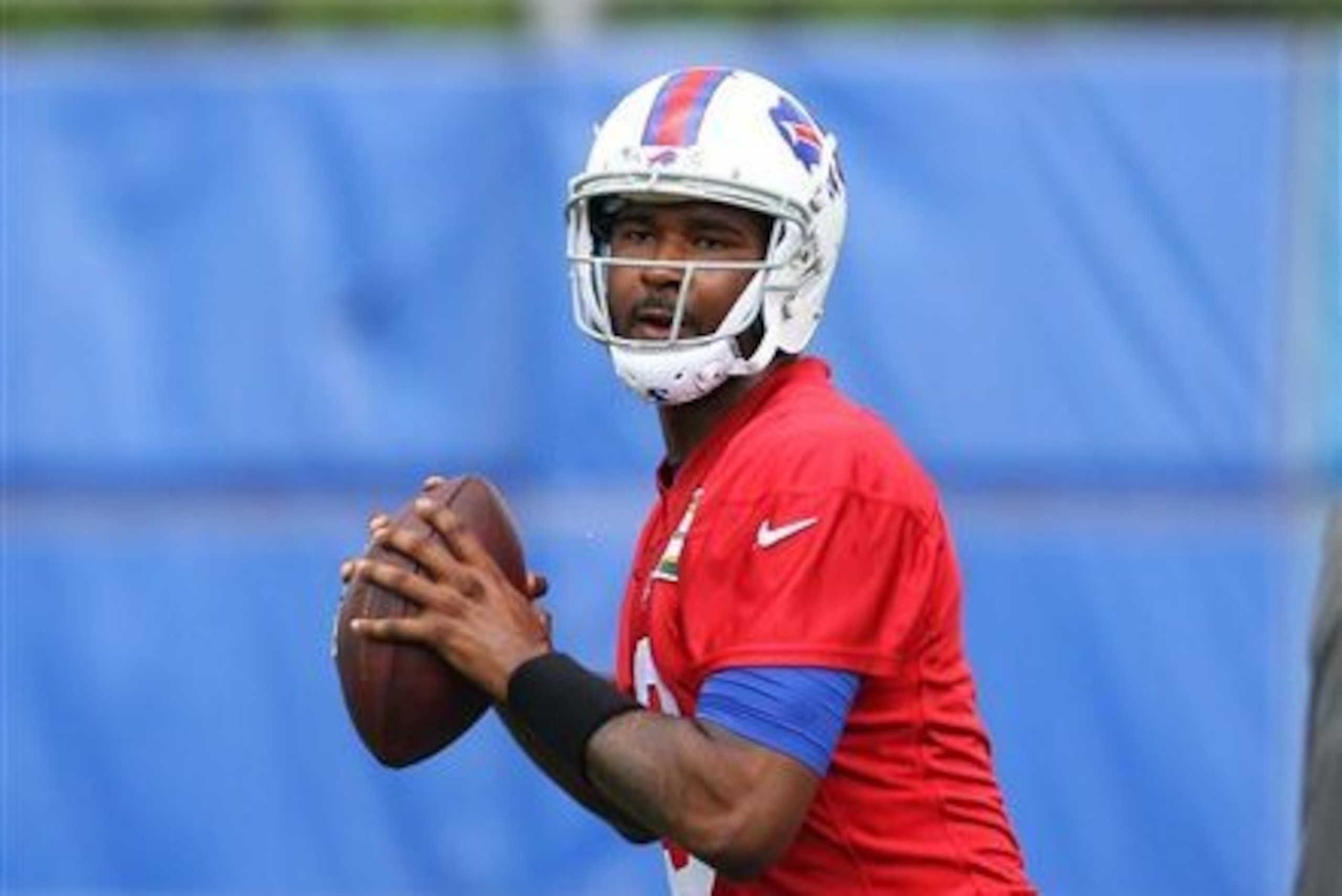
Cassel has been to a Pro Bowl, and there's always a chance Manuel could explode in his third season and become a franchise-caliber quarterback in 2015. But it's still probably fair to conclude, based on recent precedents and their current batch of pivots, that the odds are stacked quite heavily against the Bills right now.
And the same notion applies to anyone else in the league with major questions at quarterback, so don't expect the Jets, Browns, Texans, Jaguars, Titans, Raiders, Eagles, Redskins, Bears, Bucs or Rams to shock the world in 2015 unless things take a major turn under center.
What types of traits and/or chips must a team possess in order to make a run despite less-than-dazzling performances from its quarterback? Let's take a look at seven teams that have bucked that trend to various degrees since the turn of the century.
2011-2013 San Francisco 49ers
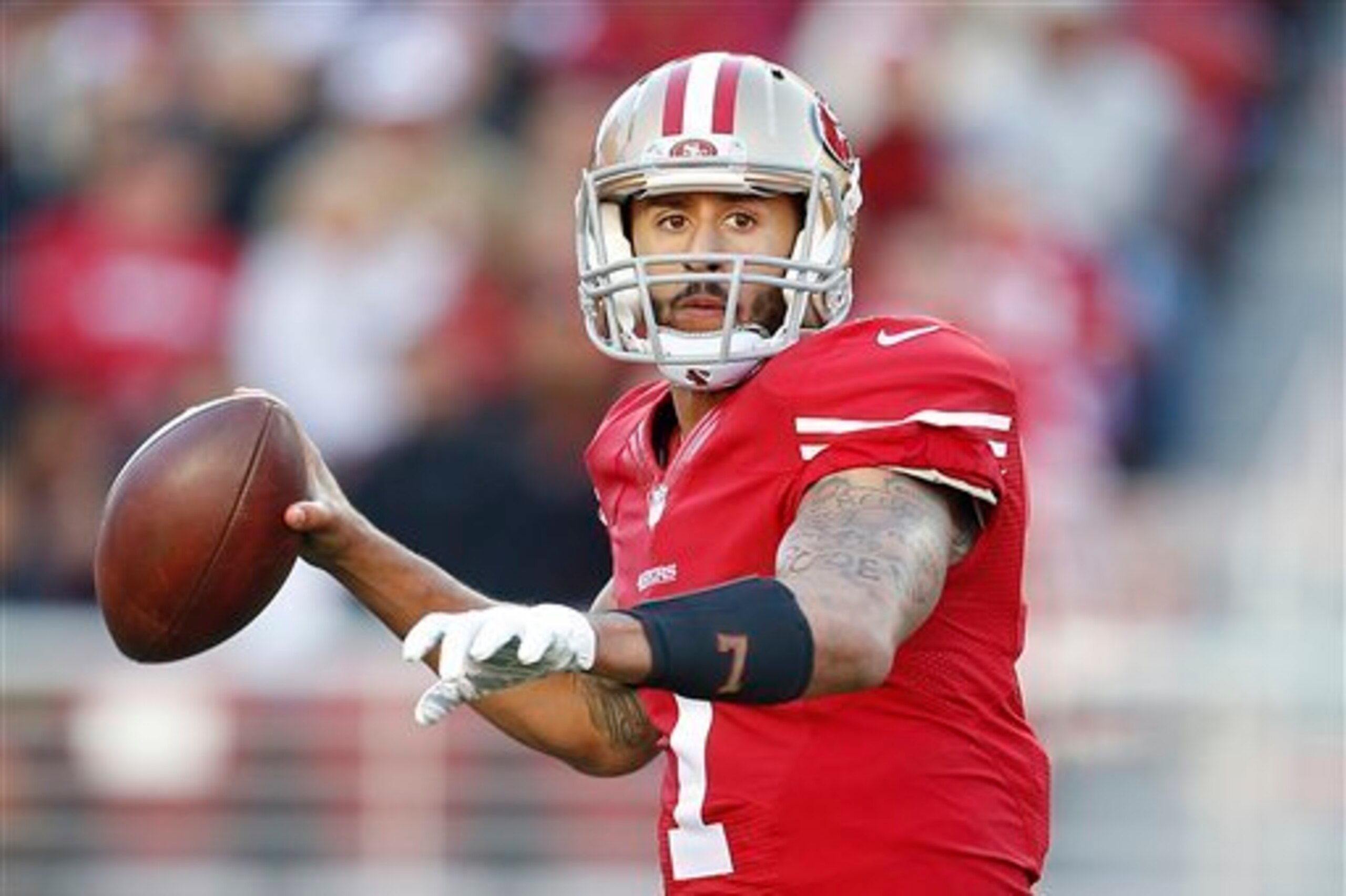
By no means did the 49ers get poor results from their quarterbacks during this stretch, but Alex Smith was never a Pro Bowler in San Francisco and Colin Kaepernick has yet to receive that honor.
Smith was the quarterback when they went to the NFC Championship Game in '11, and Kaepernick ran the show when they again reached that plateau in both '12 and '13. The team ranked ninth in football with a completion percentage of 62.1 during that three-year stretch, but those squads clearly made their money elsewhere.
Kaepernick's 2012-2013 passer rating of 93.9 ranked ninth among quarterbacks with at least 16 starts during that time frame, but he posted a 4-2 playoff record despite a postseason rating of just 87.3. He did a lot with his legs, and Smith actually posted a solid 101.0 rating during that '11 playoff run. But this was always a run-first team that relied on its defense.
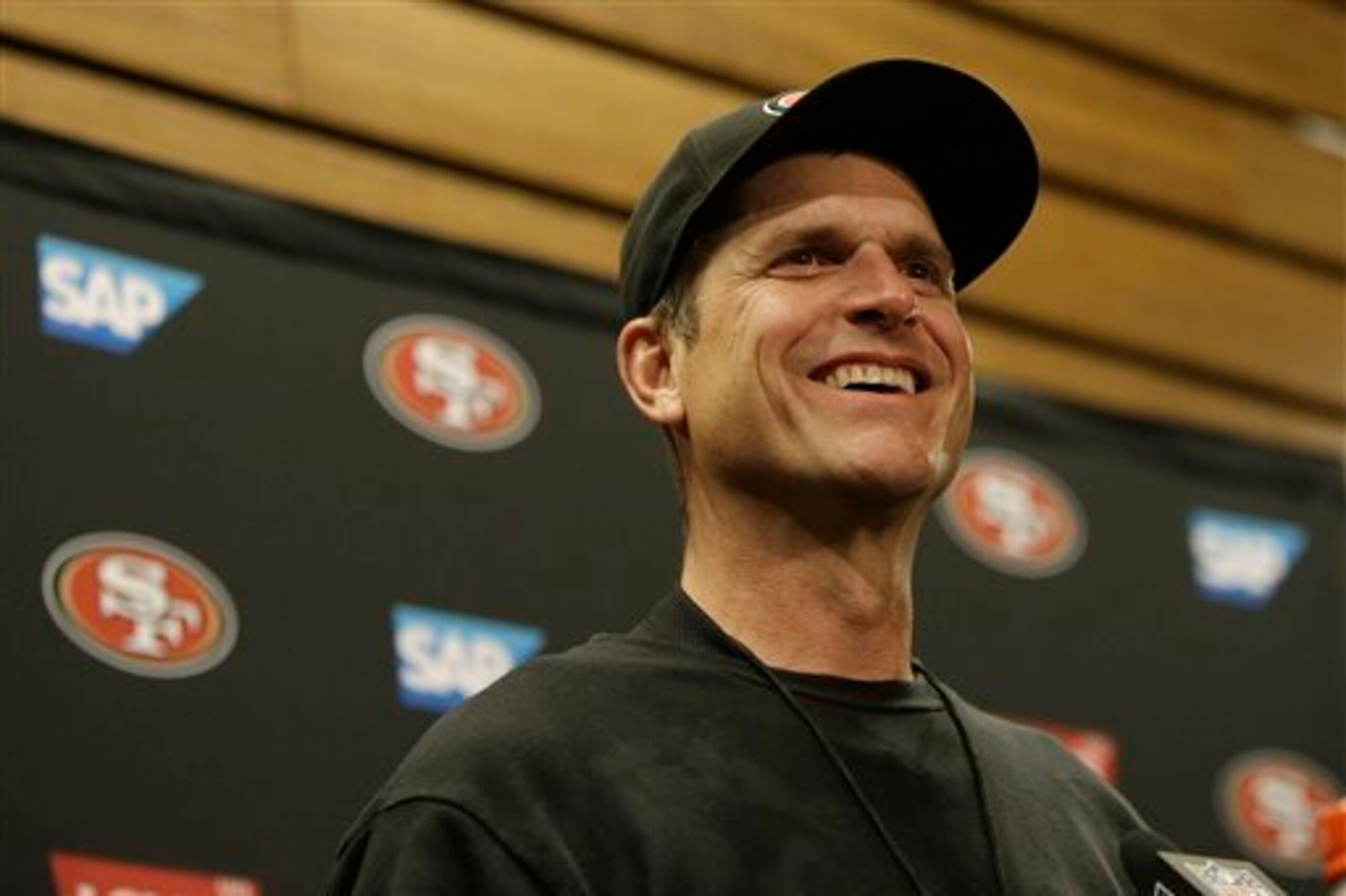
In 2011, the Niners ranked 29th in passing offense but were one of nine teams to run for at least 2,000 yards. They also gave up the second-lowest point total in football while ranking seventh with 42 sacks. They led the NFL with a turnover margin of plus-28 and ranked fifth in time of possession.
Plus, new head coach Jim Harbaugh was the league's Coach of the Year. According to Football Outsiders, they were the eighth-healthiest team in the NFL.
In 2012, they ranked 23rd in passing offense but finished fourth in football with 2,491 rushing yards. They again gave up the second-lowest point total in football while ranking above the league median with 38 sacks. They ranked eighth in the NFL with a plus-nine turnover margin and sixth in time of possession. According to Football Outsiders they were the healthiest team in the NFL.
In 2013, they ranked 30th in passing offense but finished third when it came to rushing yards. They gave up the third-lowest point total in football and once again put up 38 sacks (although this time that ranked slightly below average). They ranked third in football with a plus-12 turnover margin and 13th in time of possession.
For what it's worth, their injury luck ran out. According to Football Outsiders, they were the 10th-least healthy team in the NFL.
Overall during that stretch, here's where things landed:
| Wins | 36 | 2nd |
| Passing yards | 9207 | 28th |
| Rushing yards | 6736 | 2nd |
| Points for | 1183 | 7th |
| Points allowed | 774 | 1st |
| Sacks | 118 | 13th |
| Pass defense | 10434 | 7th |
| Run defense | 4278 | 1st |
| Turnovers | 44 | 1st |
| Takeaways | 93 | 5th |
| Turnover margin | +49 | 2nd |
| Time of possession | 25:11:32 | 5th |
| Adjusted games lost to injury | 138.8 | 5th |
We talk so much about sack totals and pass rushing, mainly because it's a passing league and thus a logical conclusion is that the goal on defense should be to crush opposing quarterbacks. But as you can see, San Francisco's success had little to do with its pass rush or pass defense.
Instead, the Niners were the best at stopping the run and one of the best at running. Despite not having stars under center, they hardly ever turned over the ball, which led to a stellar turnover margin and time of possession total. And they were generally healthy.
We can't overlook coaching here, either. Harbaugh might have a tarnished reputation now, but he got a lot out of a little and turned around this franchise immediately in 2011. That staff received a lot of positive attention from the start, and it definitely helped.
Another area we looked at was discipline, but the Niners actually had the fifth-highest penalty total in the league in 2011, the third-highest total in 2012 and the fifth-highest tally once again in 2013. So based on the key team in this study, there doesn't appear to be a correlation in that area.
However, as we analyze Ryan's Jets from half a decade ago as well as five other teams that shined despite their quarterbacks at earlier points this century, we now know which areas to keep an eye on.
2009-2010 New York Jets
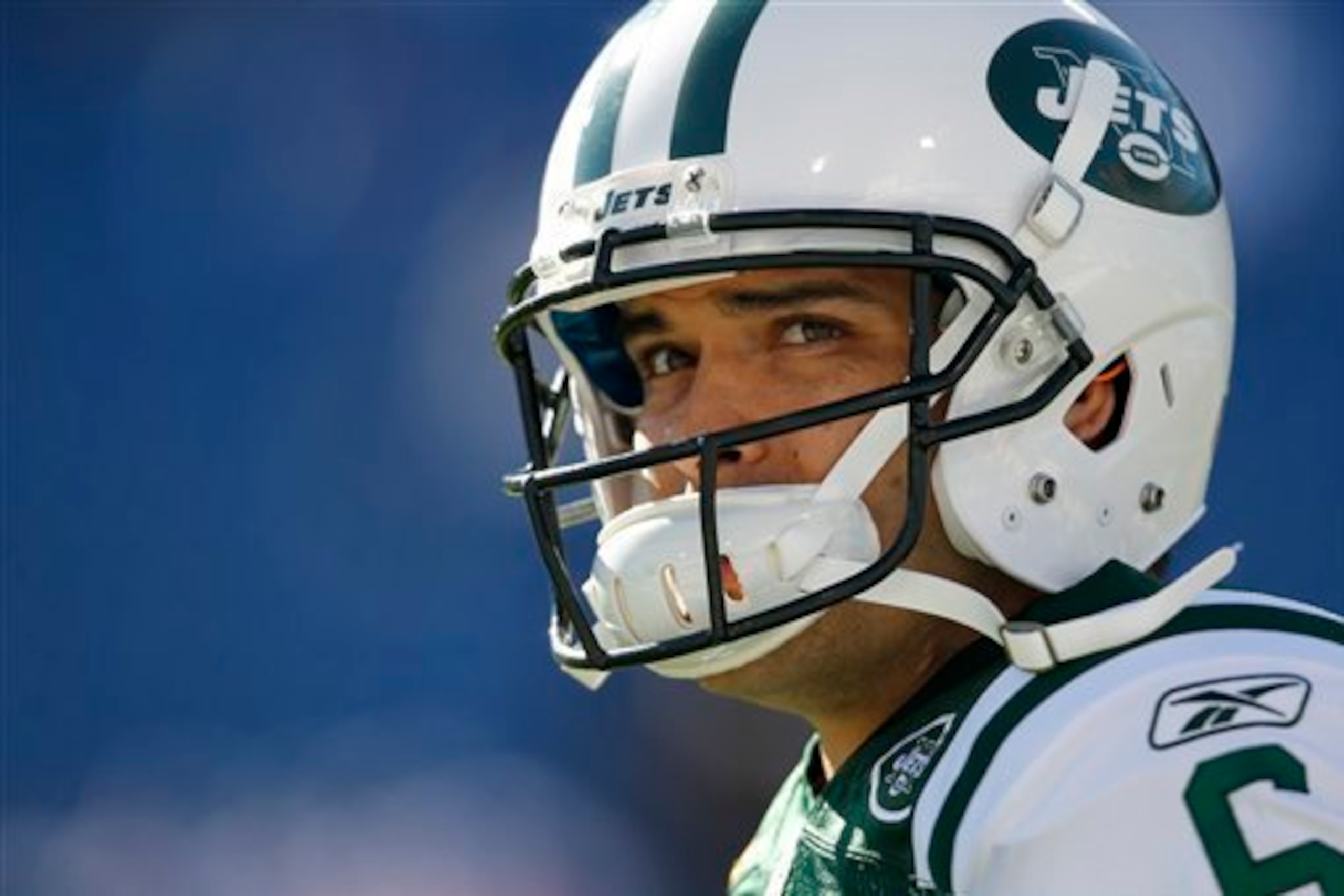
Among the 26 quarterbacks who started more than 16 games during this two-year stretch, Mark Sanchez ranked dead last with a passer rating of 70.2. With a completion percentage of just 54.4 and ratio of 29 touchdowns to 33 interceptions, he was quite clearly the worst regular starting pivot in the NFL during this period.
And yet the Jets went to the AFC Championship Game both years, falling just a score short of the Super Bowl in 2010.
Here's where their strengths were:
| Wins | 20 | 10th |
| Passing yards | 5622 | 30th |
| Rushing yards | 5130 | 1st |
| Points for | 715 | 14th |
| Points allowed | 540 | 3rd |
| Sacks | 72 | 12th |
| Pass defense | 5668 | 1st |
| Run defense | 3032 | 4th |
| Turnovers | 51 | 14th |
| Takeaways | 61 | 8th |
| Turnover margin | +10 | 7th |
| Time of possession | 17:15:52 | 3rd |
| Adjusted games lost to injury | 80.3 | 11th |
This was another all-around good defense, but you'll notice that the Jets weren't sack-crazy, either. Once again, they possessed a strong rushing attack with dominant time-of-possession numbers. Even with Sanchez, they won the turnover battle and remained quite healthy.
The good news for the Bills is that Ryan coached this Jets team. The defensive mastermind has spent the last 10 years as a defensive coordinator (four in Baltimore) or head coach (six in New York) and has led units that ranked in the top 10 in nine of those 10 seasons.
The only campaign not included? That would be 2013, when the Jets ranked 11th.
Ryan's Jets couldn't maintain that early pace and eventually fell victim to their quarterback woes. But it was clear in '09 and '10 that Ryan's touch as a defensive guru and motivator played a major role as the Jets surprised the football world. That reinforces the notion that coaching could be a key factor.
Oh, and the Jets were the ninth-most penalized team in the league in '09 and took the sixth-most penalties in the NFL the following season, so again there doesn't appear to be any correlation between discipline and success sans a franchise quarterback.
2008 Baltimore Ravens
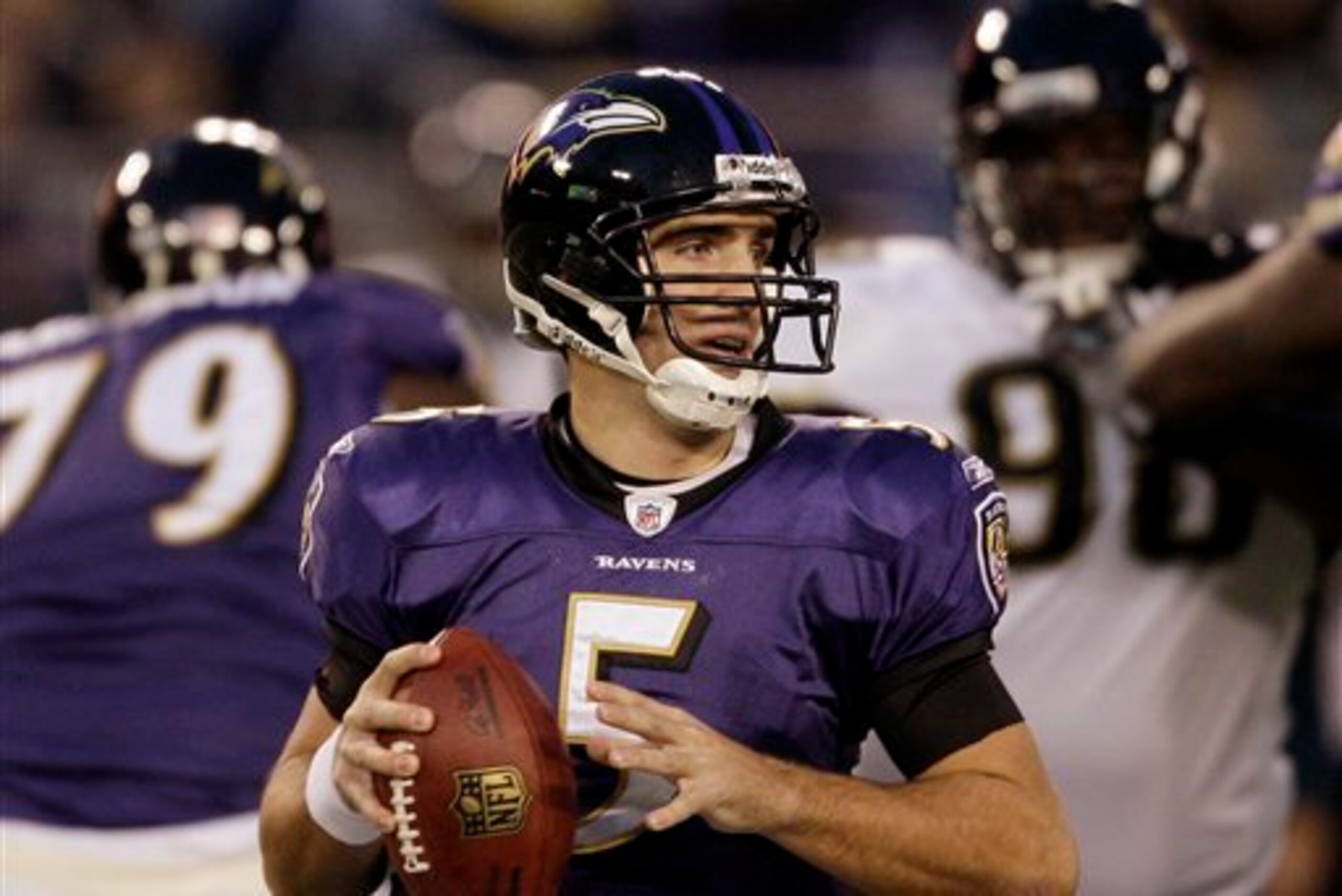
This was Flacco's so-so rookie season. He posted a passer rating of 80.3, which ranked 22nd among 32 qualified quarterbacks, and he threw nearly as many interceptions (12) as touchdowns (14). Yet Baltimore fell just a touchdown short of the Super Bowl.
Here's how it happened:
| Wins | 11 | 6th |
| Passing yards | 2808 | 28th |
| Rushing yards | 2381 | 4th |
| Points for | 385 | 11th |
| Points allowed | 244 | 3rd |
| Sacks | 34 | 12th |
| Pass defense | 2875 | 2nd |
| Run defense | 1302 | 3rd |
| Turnovers | 21 | 8th |
| Takeaways | 34 | 1st |
| Turnover margin | +13 | 3rd |
| Time of possession | 08:53:57 | 1st |
Run well, stop the run, control the clock, steal the ball, keep the ball. Plus, it was John Harbaugh's first year, and he has turned into a great coach.
Oh yeah, and Ryan was the defensive coordinator for this team. Just saying.
2006 Chicago Bears
With a 73.9 passer rating, Bears quarterback Rex Grossman ranked 24th among 32 qualified players at that position. He completed only 54.6 percent of his passes, but Chicago won 13 games and made the Super Bowl.
Here's how it happened:
| Wins | 13 | 2nd |
| Passing yards | 3281 | 14th |
| Rushing yards | 1918 | 15th |
| Points for | 427 | 2nd |
| Points allowed | 255 | 3rd |
| Sacks | 40 | 8th |
| Pass defense | 3116 | 11th |
| Run defense | 1590 | 6th |
| Turnovers | 36 | 28th |
| Takeaways | 44 | 1st |
| Turnover margin | +8 | 4th |
| Time of possession | 08:14:52 | 11th |
This team did things a little differently. Grossman was awful and turned the ball over too much (20 interceptions). But the Bears made up for it by registering a ridiculous 44 takeaways, which is the fifth-highest total this century.
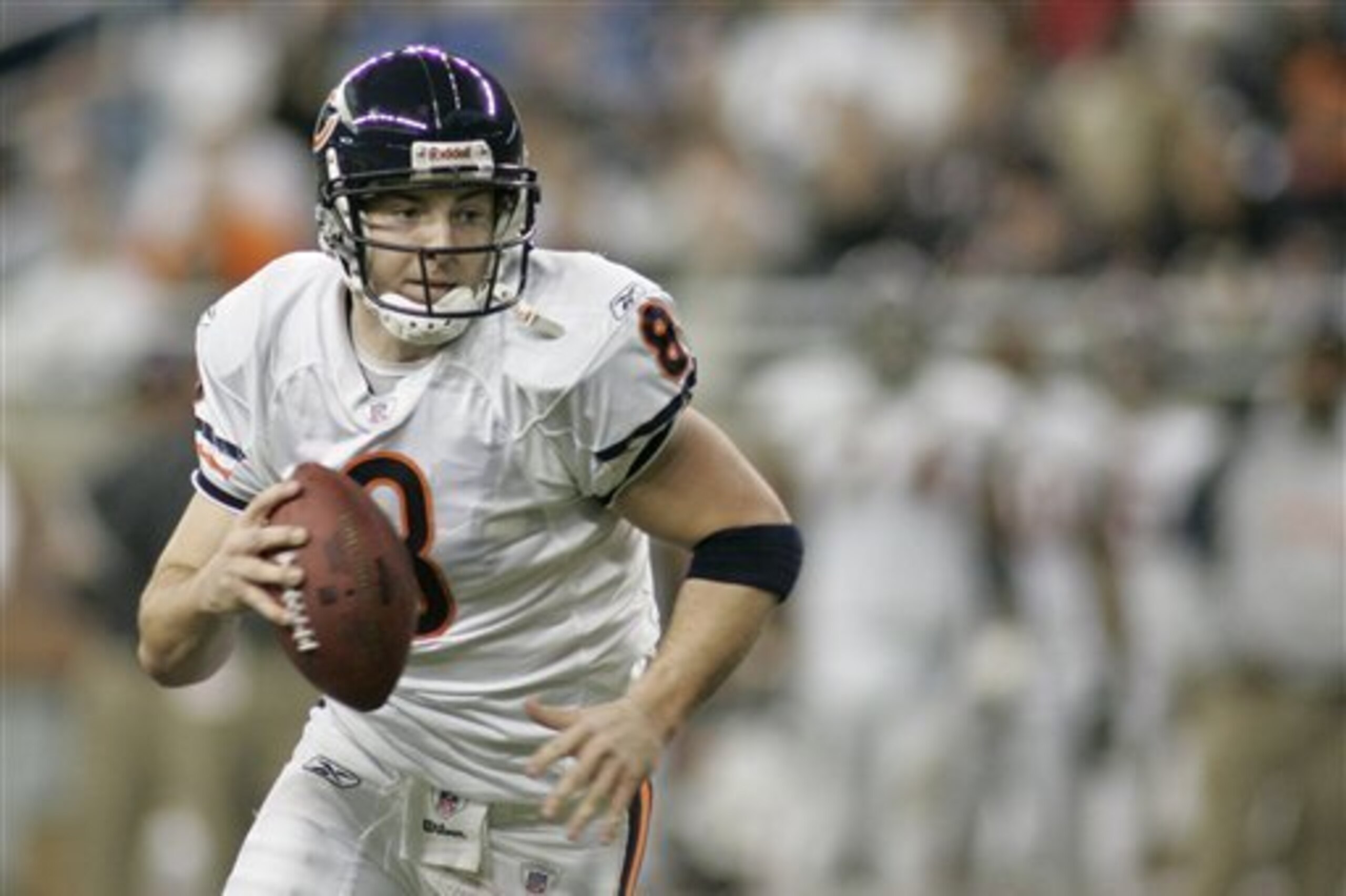
The running game also struggled a bit, but the run defense was their strength, and they still had positive time-of-possession numbers.
And Lovie Smith lasted nine years in Chicago for a reason. He was the reigning Coach of the Year that season and kept getting a lot out of his guys. Throw in defensive coordinator Ron Rivera and you begin to see how strong this staff was.
2003 Carolina Panthers
Jake Delhomme threw 16 interceptions and ranked 14th in the league with a passer rating of 80.6. And yet Carolina fell a field goal short of winning the Super Bowl.
Here's how it happened:
| Wins | 11 | 7th |
| Passing yards | 3050 | 18th |
| Rushing yards | 2091 | 7th |
| Points for | 325 | 15th |
| Points allowed | 304 | 10th |
| Sacks | 40 | 7th |
| Pass defense | 3003 | 9th |
| Run defense | 1722 | 11th |
| Turnovers | 31 | 20th |
| Takeaways | 26 | 18th |
| Turnover margin | -5 | 25th |
| Time of possession | 08:19:02 | 9th |
You'll notice the lack of highlights. The Panthers didn't do anything particularly well or poorly, which makes them the true aberration here. However, Carolina still had a strong running game and a formidable run defense and performed well when it came to points allowed and time of possession.
The Panthers also had a strong coach named John Fox early in his tenure.
2000 Baltimore Ravens
Tony Banks and Trent Dilfer posted a combined passer rating of 72.7, throwing nearly as many interceptions (19) as touchdowns (20) and completing only 56.9 percent of their passes. In the playoffs, Dilfer completed a measly 47.9 percent of his passes, and yet Baltimore won the Super Bowl.
Here's how it happened:
| Wins | 12 | 2nd |
| Passing yards | 2815 | 22nd |
| Rushing yards | 2199 | 5th |
| Points for | 333 | 14th |
| Points allowed | 165 | 1st |
| Sacks | 35 | 22nd |
| Pass defense | 2997 | 8th |
| Run defense | 970 | 1st |
| Turnovers | 26 | 9th |
| Takeaways | 49 | 1st |
| Turnover margin | +23 | 1st |
| Time of possession | 08:53:00 | 2nd |
In the second season under Brian Billick, this was really all about complete defensive domination for the Ravens. They kept the overall turnover total low enough, got plenty of support from the running game and shut down the run on D while also recording the highest takeaway total this century (49).
Unsurprisingly, they were at or near the top in terms of turnover margin and time of possession.
It should be noted that the jacked coaching staff included Marvin Lewis, Jack Del Rio, Mike Smith and—you guessed it—Ryan.
2000 New York Giants
This is a borderline case, but Kerry Collins completed only 58.8 percent of his passes and had a postseason passer rating of just 67.3. He threw more picks (six) than touchdowns (five) that January, but the Giants still met the Ravens in the Super Bowl.
| Wins | 12 | 2nd |
| Passing yards | 3367 | 13th |
| Rushing yards | 2009 | 11th |
| Points for | 328 | 15th |
| Points allowed | 246 | 5th |
| Sacks | 44 | 9th |
| Pass defense | 3390 | 16th |
| Run defense | 1156 | 2nd |
| Turnovers | 24 | 5th |
| Takeaways | 31 | 12th |
| Turnover margin | +7 | 9th |
| Time of possession | 08:26:20 | 7th |
Again, sacks don't seem to matter much, and run defense trumps pass defense. This team had low turnover totals, strong turnover margins, strong defensive performances and quality play in the running game on both sides of the ball. It all equates to strong time-of-possession numbers, which helps teams overcome deficiencies at quarterback.
This was also a strong staff that included head coach Jim Fassel and coordinators Sean Payton and Fox. The patterns are clear.
Pro Bowl Breakdown
| Quarterbacks | 0 |
| Running backs | 5 |
| Wide receivers | 0 |
| Tight ends | 1 |
| Offensive linemen | 13 |
| Defensive players | 32 |
| Special teamers | 6 |
The teams in this study produced as many special teams Pro Bowlers as they did Pro Bowlers at the offensive skill positions. But you'll notice that offensive linemen also played a major role on a lot of these squads. A good line can help a running game produce even if the attack has become one-dimensional and can make a bad quarterback look decent. That was a factor for several of these clubs.
The Golden Rules
Most of the teams we analyzed fell short of winning championships, but the 2000 Ravens—along with the 2002 Buccaneers and, to much smaller extents, the more recent 2012 Ravens and 2013 Seahawks (all three of which fell outside the exact parameters of this study)—have shown that winning a Super Bowl is possible despite the lack of a star quarterback.
| Wins | 5th |
| Passing yards | 24th |
| Rushing yards | 5th |
| Points for | 11th |
| Points allowed | 3rd |
| Sacks | 12th |
| Pass defense | 7th |
| Run defense | 3rd |
| Turnovers | 11th |
| Takeaways | 6th |
| Turnover margin | 6th |
| Time of possession | 5th |
To have a shot at a Super Bowl sans a star signal-caller, it seems these are the golden rules:
- You must run the ball well.
- You must stop the run, thus controlling the clock.
- You must limit turnovers. In other words, you can have a so-so quarterback, but he can't be an interception machine.
- You must remain relatively healthy.
- You must be well coached.
If they hit all of those points, the Bills might finally deliver, regardless of who's under center.
Brad Gagnon has covered the NFL for Bleacher Report since 2012.
.jpg?w=2560 "Packers Jacobs Plea Football")
.jpg?w=2560 "Grading WWE NXT 🔠")