Analyzing San Francisco 49ers' Best Trade Options with 15th Pick
The San Francisco 49ers do not have as much draft capital as they have had in years past. Unlike last season, where they started with 11 picks and ended up with 12, the 49ers only have seven normal draft picks this year, alongside a likely pair of compensatory picks. Compared to where they’ve been in years past, then, they should be somewhat restrained in draft-day moves.
On the other hand, because they finished with their worst record since 2010, the 49ers draft picks are more valuable than they ever were in the Jim Harbaugh-era. That means they could, in theory, shoot higher up the board than they could have possibly done over the past few seasons. Alternatively, they have more capital to trade back and accumulate multiple draft picks to restock the roster.
.jpg?w=2560 "Rams 49ers Football")
While February is a very early time to be projecting draft-day trades, it’s still a fun mental exercise to try to figure out what sorts of deals would even be tempting for the team. With that in mind, I’ve put together a number of trades to ponder. They range from insane deals to reach the top of the draft board to dedicated efforts to move out of the first-round entirely—a whole cornucopia of scenarios for your reading pleasure. Here are some of the trades it is conceivable Trent Baalke could make come draft day.
Trade #1: Hanging With Mr. Cooper
San Francisco trades their first-round (no. 15), second-round (no. 46), third-round (no. 79) and sixth-round picks.
Washington trades their first-round (no. 5) and seventh-round picks.
If you believe that the 49ers are just one talented receiver away from the Super Bowl, this is the trade for you. By giving up 90 to 95 percent of their total draft capital, the 49ers can walk away with the most talented receiver in the draft.
This trade would jump the 49ers over the New York Jets, so they could be the ones to grab Amari Cooper, the talented receiver from Alabama. Cooper is the best all-around receiver in this year’s draft, with no apparent holes in his game. His route-running, hands and acceleration are all already NFL-caliber, and he’d become the 49ers’ top receiver instantly. For this trade to work, of course, the Oakland Raiders would have to not take Cooper with the fourth pick, but assuming they go defense, Cooper is just within the 49ers’ reach.
New Washington general manager Scot McCloughan, meanwhile, would get the picks from his old team to start fully revamping Washington’s relatively depleted defense. Three picks in the first two rounds could net them Oregon’s Arik Armstead as an upgrade over Jarvis Jenkins, and then two defensive backs like Ronald Darby and P.J. Williams to bolster the secondary.
Obviously, this trade would be a huge gamble for the 49ers, and it would ignore needs on the defensive and offensive lines. This is what it would take, however, for the 49ers to have a chance at the best player at their biggest position of need.
Trade #2: Beating Cleveland to the Punch
San Francisco trades their first-round (no. 15) and third-round (no. 79) picks.
Minnesota trades their first-round pick (no. 11).
While the 49ers might be in the most pressing need for a receiver in this year’s draft, they’re not the only ones targeting players. Behind them, the likes of Kansas City and Seattle will be looking to bolster their receiving corps. Ahead of them, unless one of the key quarterbacks drops, the Cleveland Browns will be looking to replace the oft-troubled Josh Gordon.
I suggested in my mock draft that the 49ers could, conceivably, use two of their first three picks on receivers. Instead, they could package two of those picks to get first-dibs on all of the non-Amari Cooper receivers, beating the Browns to the punch.
The only way this trade makes sense is if the team significantly prefers one of Devante Parker, Kevin White or Devin Funchess more than the others. It’s fairly safe to assume Cleveland will be taking one of them, so moving one slot ahead of them helps protect San Francisco’s interests at the position. Personally, I’d take Parker—a 6’3”, 209-pound leaper is extraordinarily difficult to defend.
In return, the Vikings could slide down four slots and take Melvin Gordon to replace Adrian Peterson, or look for offensive line help like South Carolina’s A.J. Cann or LSU’s La’El Collins. There’s no player that jumps out as a must-have for the Vikings with the eleventh pick, so they could probably be persuaded to move back a few slots for value purposes.
This trade is a lot more realistic than dashing madly up the board for Amari Cooper, though it probably locks the 49ers into hoping a solid defensive end drops to their second-round pick.
Trade #3: After You
San Francisco trades their first-round (no. 15) and fourth-round picks.
Kansas City trades their first-round (no. 18) and third-round picks (no. 80).
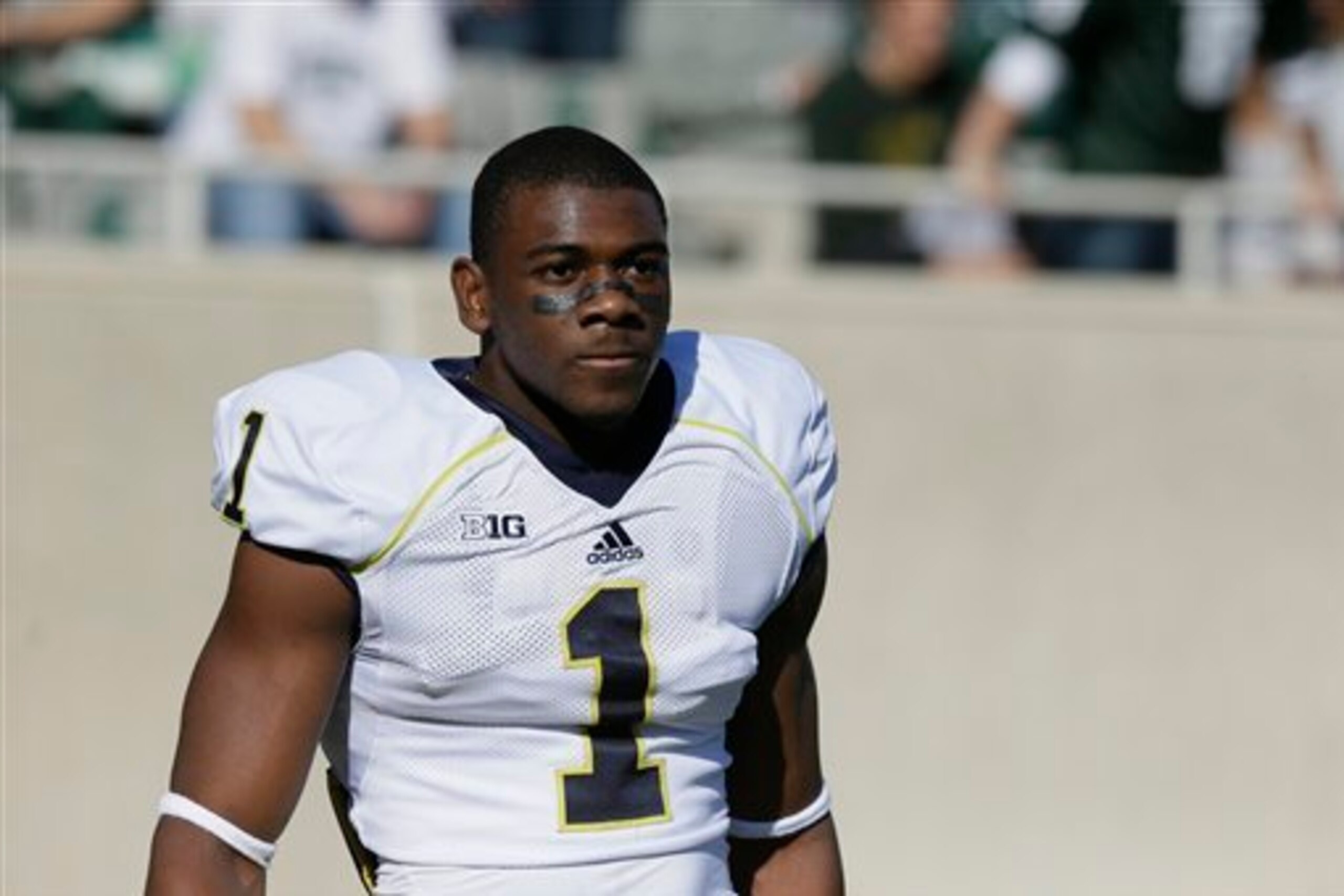
This is the inverse of the previous trade. If the 49ers decide they want one of those three mid-round receivers but don’t particularly care which one, they could slide back a few slots, take whichever one falls to them, and improve one of their mid-round picks by a round.
Kansas City definitely is one of the receiver-needy teams in this year’s draft, as they had zero touchdowns from wide receivers in 2014. If they fall in love with one of the three receivers in this second tier, they could try to move up to grab one before it’s too late. Cleveland will likely take one with the 12th pick, but Kansas City would get their choice of the other two if they swapped with San Francisco.
Between the 49ers and Chiefs are just two picks. Houston, at number 14, has more pressing needs than a receiver, and Miami, at number 15, is definitely set. This means there’s very few worries that the 49ers would miss out on a second-tier receiver with this trade, and instead be able to sit back and take one, likely Devin Funchess, at their leisure. In return, they get to turn their fourth-round pick, which should be at the end of the round thanks to the Stevie Johnson and Carlos Hyde trades, into a pick in the middle of the third round, giving them back-to-back picks to spend on someone like tight end Jeff Heuerman or cornerbacks Lorenzo Doss or Byron Jones—or even quarterback Brett Hundley, if they wanted to prepare for a Colin Kaepernick departure.
Trade #4: Moving Down to Value Town
San Francisco trades their first-round pick (no. 15).
Carolina trades their first-round (no. 25) and second-round picks (no. 57).
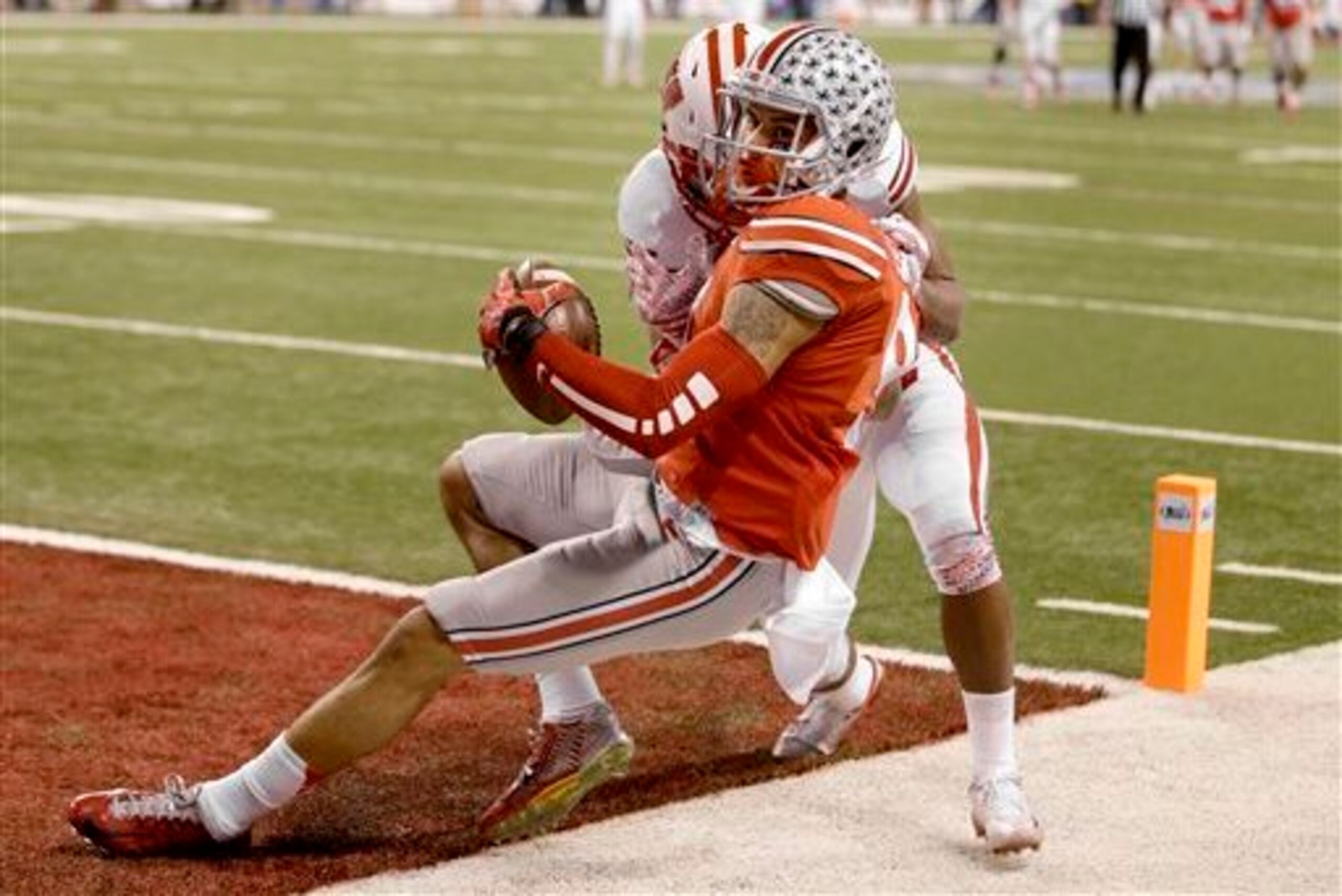
What San Francisco really needs is a deep-threat wide receiver, and the best pure deep-threat receiver in the draft might be Ohio State’s Devin Smith. Smith’s rumored to run a sub-4.4 40-yard dash according to NFL Draft Scout. He needs to improve his route-running skills, so he’s not quite in the same caliber as the previous bunch of receivers, but he fills a void that no one else on San Francisco’s roster fills.
What Carolina really needs is a big, sturdy offensive tackle to protect Cam Newton’s blind spot. Sitting all the way down at the 25th pick, their options are limited; both Miami’s Ereck Flowers and Pittsburgh’s T.J Clemmings should be off the board before they get to select. That would leave them picking between the likes of Cedric Ogbuehi and Daryl Williams for their tackle needs, and neither is as thrilling.
By giving up their top two picks, the Panthers could swap spots with the 49ers, getting the offensive tackle of their choice. The 49ers would miss out on the top four receivers but get a speed threat in return—a trade that seems more than fair.
With two picks in the second round, the 49ers wouldn’t be done, either. They could both double-up on a receiver in the second round with a player like Miami’s Phillip Dorsett or Auburn’s Sammie Coates and a defensive end like Arkansas’ Trey Flowers or Mississippi State’s Preston Smith. That would handle their biggest three needs in the top two rounds.
Trade #5: Finding Desperation
San Francisco trades their first-round (no. 15) and seventh-round picks.
Green Bay trades their first-round (no. 30), second-round (no. 62), third-round (no. 94) and fifth-round picks.
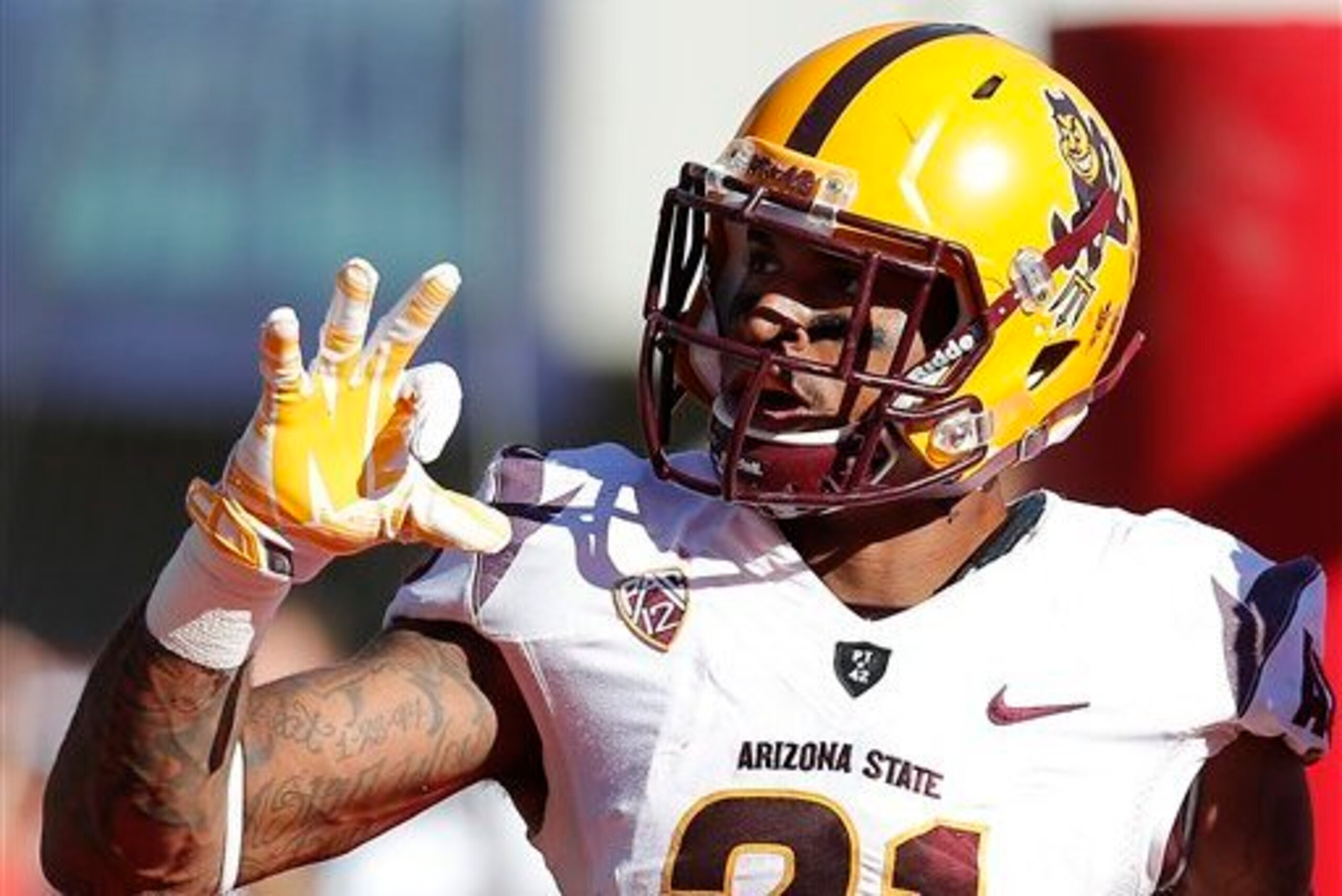
For the last trade, we’ll take a look at the inverse of the first trade—a team falling in love so much with one player at the very tip of their reach that they give up a king’s ransom in order to try and grab them.
In this case, presumably, it would be a player like Denzel Perryman, the only true first-round inside linebacker in the draft, that would tempt Green Bay to go shooting up the draft boards; they had to move Clay Matthews inside this last season out of desperation. Maybe rather than four picks, they’d give up some future selections, but it still has historically cost an arm and a leg to move up half a round in round one.
While it’s a stretch that Green Bay, specifically, would want to dash so far up the draft board, the idea that someone would isn’t so out there—there always seems to be one playoff team trying to get a better pick, like the 49ers did for Eric Reid a few years ago. Perhaps the 49ers can be on the other side of that deal for once.
Down at the bottom of the first round, the 49ers could decide to go for Arizona State wide receiver Jaelen Strong, who would add an unpolished physical outside presence to San Francisco’s passing attack. They could still get their choice of Dorsett and Coates with their original second-round pick, while Preston Smith would likely still be around at the end of round two to shore up the defensive line. The other bonus picks could be used on players like cornerback Byron Jones from Connecticut and running back Cameron Artis-Payne of Auburn to shore up depth at places where the 49ers might lose free agents.
Bryan Knowles is a featured columnist for Bleacher Report, covering the San Francisco 49ers. Follow him @BryKno on twitter.