
B/R MLB 500: Top 35 Second Basemen
Having last checked in with starting pitchers, the B/R MLB 500 will now resume its trip around the bases to visit the guys manning second base.
Second basemen will be scored like so: 30 points for Hitting, 25 points for Power, 20 points for Baserunning and 25 points for Defense for a total of 100 points.
The Hitting category involves not only looking at how good guys are at putting the bat on the ball and how they hit the ball but also things like patience and plate discipline.
The Power category is not so much about raw power. It's more of a look at how much power guys have in actual games, which involves looking into how they tap into their power for extra-base hits.
The Baserunning category is one that could be complicated, but we're going to keep it simple by focusing on how good guys are at stealing bases, taking extra bases and avoiding outs on the bases.
For Defense, various amounts of attention will be paid to the various things that make a good second baseman: range, sure-handedness, how well they turn double plays, etc.
One thing we're not doing this year is a category for health. Rather than handle them separately, any health concerns we have will be applied to a specific category that could be impacted.
Please note that a score in the middle (i.e., 15/30 or 12/25) denotes average, not failing. And while the discussion will be centered on 2014, we also have one eye on 2015. Part of that includes B/R prospect guru Mike Rosenbaum providing some scores and scouting reports for some MLB-ready second basemen.
Lastly, any ties will be resolved with the following question: "If we could pick only one, who would it be?"
When you're ready, you can read on.
A Note on Links and Sources
1 of 36
Before we begin, there are some things you should know about the links and stats that lie ahead.
First and foremost is that CLICKING ON THE LINKS IS NOT MANDATORY. The links are there in case you're curious where a given point (or points) is coming from.
They're not from the same place. The links will take you to Baseball-Reference.com, FanGraphs.com, BrooksBaseball.net, BaseballSavant.com and BaseballProspectus.com. All have different data to offer, the combination of which was the backbone for the researching of this project.
However, just because this project was heavily informed by stats doesn't mean you're about to be hit over the head with sabermetric jargon in this space. There are really only a couple of terms to know.
One is XBT%. That stands for "extra bases taken percentage," and it's Baseball-Reference.com's way of tracking how often players advance more than one base on singles and doubles. It's a crude way to get a picture of aggressiveness, and you'll have to pardon us for being a day behind on the percentages, but it'll have to do.
I'm also going to be repeatedly referring to "the defensive metrics." This means ultimate zone rating (UZR) and defensive runs saved (DRS), which are both tracked by FanGraphs. They go about it differently, but the idea behind both is to evaluate how good players are on defense.
35. Darwin Barney, Los Angeles Dodgers
2 of 36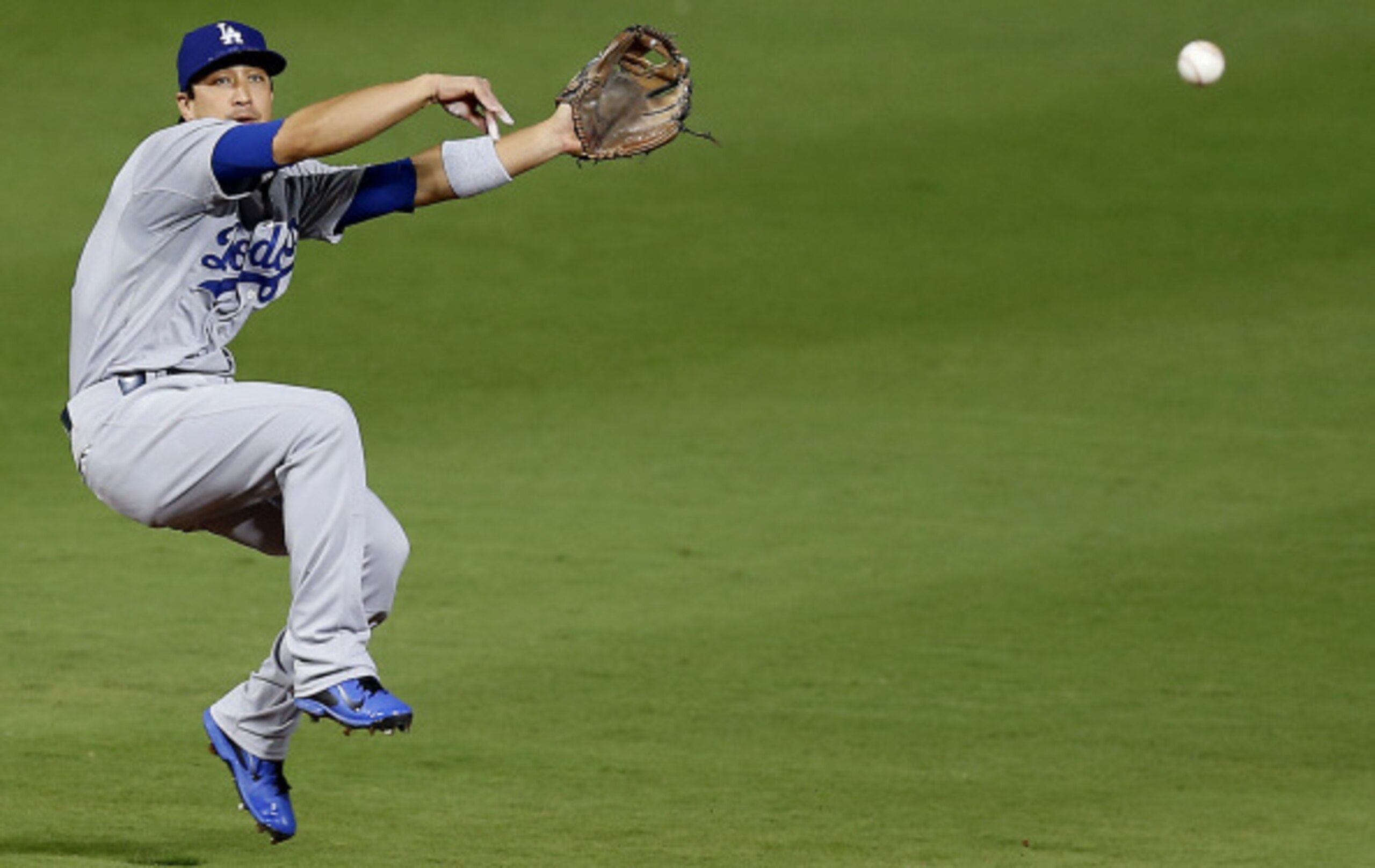
Hitting
Darwin Barney has gotten more aggressive and less disciplined, and is getting a higher swinging-strike rate for his troubles. But maybe most telling of all is the fact that over 50 percent of the pitches he sees are in the zone. That’s pitchers going right after him with fastballs like they always do, and he’s been powerless to make them stop. His average against fastballs in the zone has gone down every year. No joke.
Power
Barney’s escalating fly-ball rate means he gives himself plenty of chances to come up with extra-base hits, and he’s not bad at pulling his fly balls and line drives. His power does reduce the further away he gets from the left-field line, however, and is virtually non-existent beyond left-center. Then there’s the reality that, moving forward, he’s not likely to get many at-bats to pad his power production.
Baserunning
Starting with his nine-steal season back in 2011, Barney’s stolen-base production has gone down every year to a point where he’s basically shut it all down in 2014. Moreover, his XBT% has fallen from 51 percent to 27 percent. He’s better than that, but it's still not such a good look that his baserunning has fallen off so sharply with his age-29 season due up.
Defense
For all Barney's faults, he's still a plus defensive second baseman. That's apparent whether you consult the defensive metrics or your own eyes. His sure-handedness is undoubtedly his main attraction, and he makes covering ground look easy thanks to his quick first step and efficient paths to the ball. Really, the only thing to knock him for is that he hasn’t been, and likely won’t be, doing his thing on a daily basis.
Overall
Barney was barely a viable everyday player a couple years ago when he had a non-disastrous bat and could run the bases. Now that he can no longer claim either of those things, his days as a viable regular are done. But as long as he has that glove of his, he deserves to keep getting work in some capacity.
34. Rickie Weeks, Milwaukee Brewers
3 of 36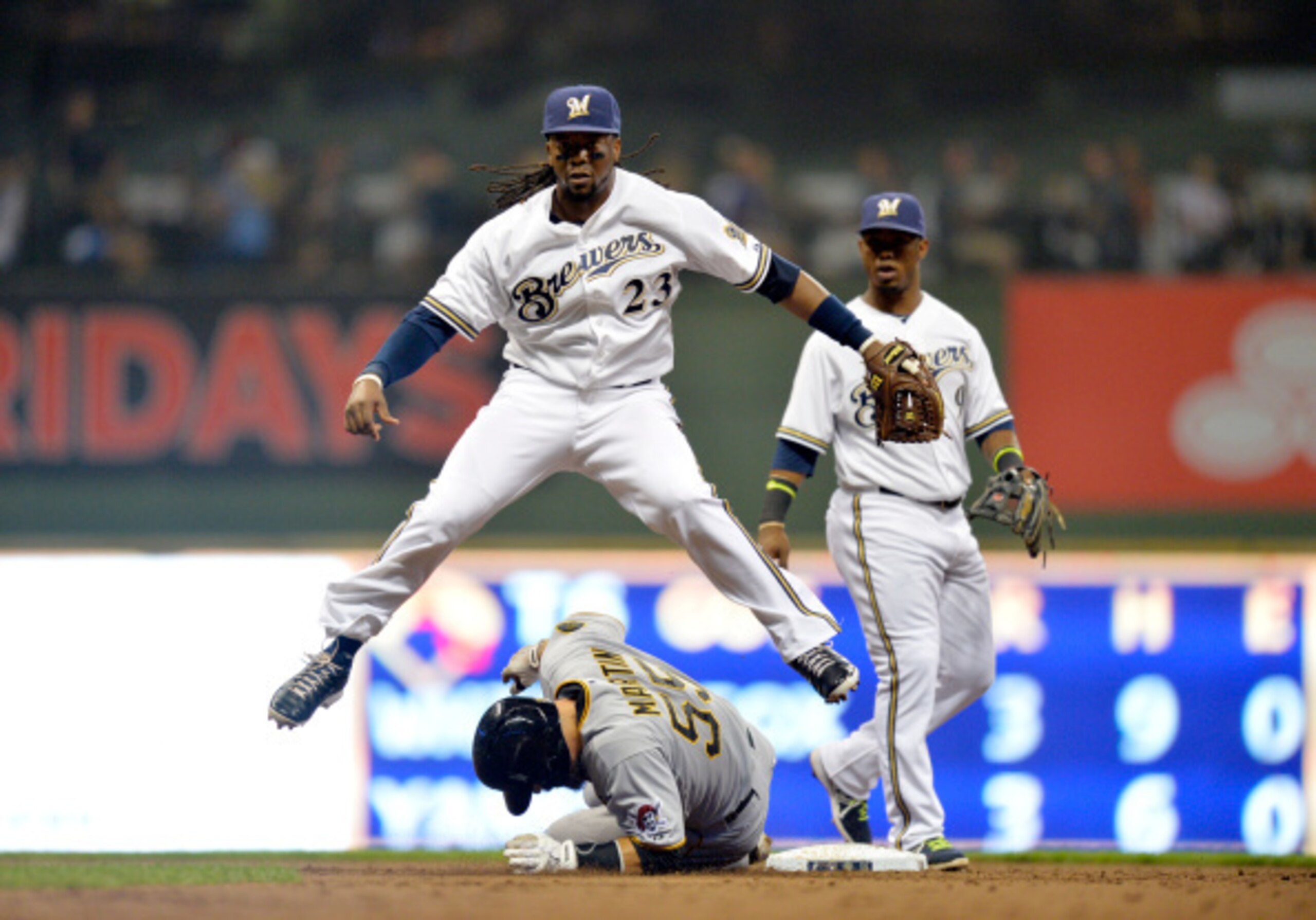
Hitting
Weeks owes much of his bounce-back season to regular action against lefties, but he also owes it to how an unsustainably high average on ground balls is allowing him to get away with a huge ground-ball rate. Take that away, and you’re looking at a hitter who’s been made more aggressive by sporadic playing time and who’s swinging and missing more than ever. This is not a turnaround to trust in.
Power
The weirdness of Weeks’ 2014 season in a nutshell: His high ground-ball rate is helping his average and not hurting his power. He’s showing he still has the pop to hit the ball a long way when he does get it to the outfield. As per usual, that power is still focused up the middle and is capable of clearing the wall. Even if it’s only available on a part-time basis, pop like that will do for an asset.
Baserunning
Weeks has long since peaked as a base stealer, having last made it to double digits in 2012 and devolving into essentially a base-stealing liability over the ensuing two years. One thing we can give him credit for this year, though, is his rock-solid 64 XBT%. That’s undoubtedly as good as it gets now that he’s 31-going-on-32, but it’s a testament that his legs aren’t useless just yet.
Defense
The defensive metrics have long viewed Weeks as a well-below-average defender, and that opinion is still going strong. He’s cleaned up his problem with errors but only because he doesn’t get too many balls because of diminished range that stems largely from a lack of burst after his first step. And at his age, that burst is probably gone forever.
Overall
If we take it for granted that Weeks has gotten too lucky on ground balls this season, we wipe out a pretty big chunk of his modest return to form. But we can at least grant that a platoon role against lefties agrees with him and that he still has some occasional power to offer.

33. Alberto Callaspo, Oakland A's
4 of 36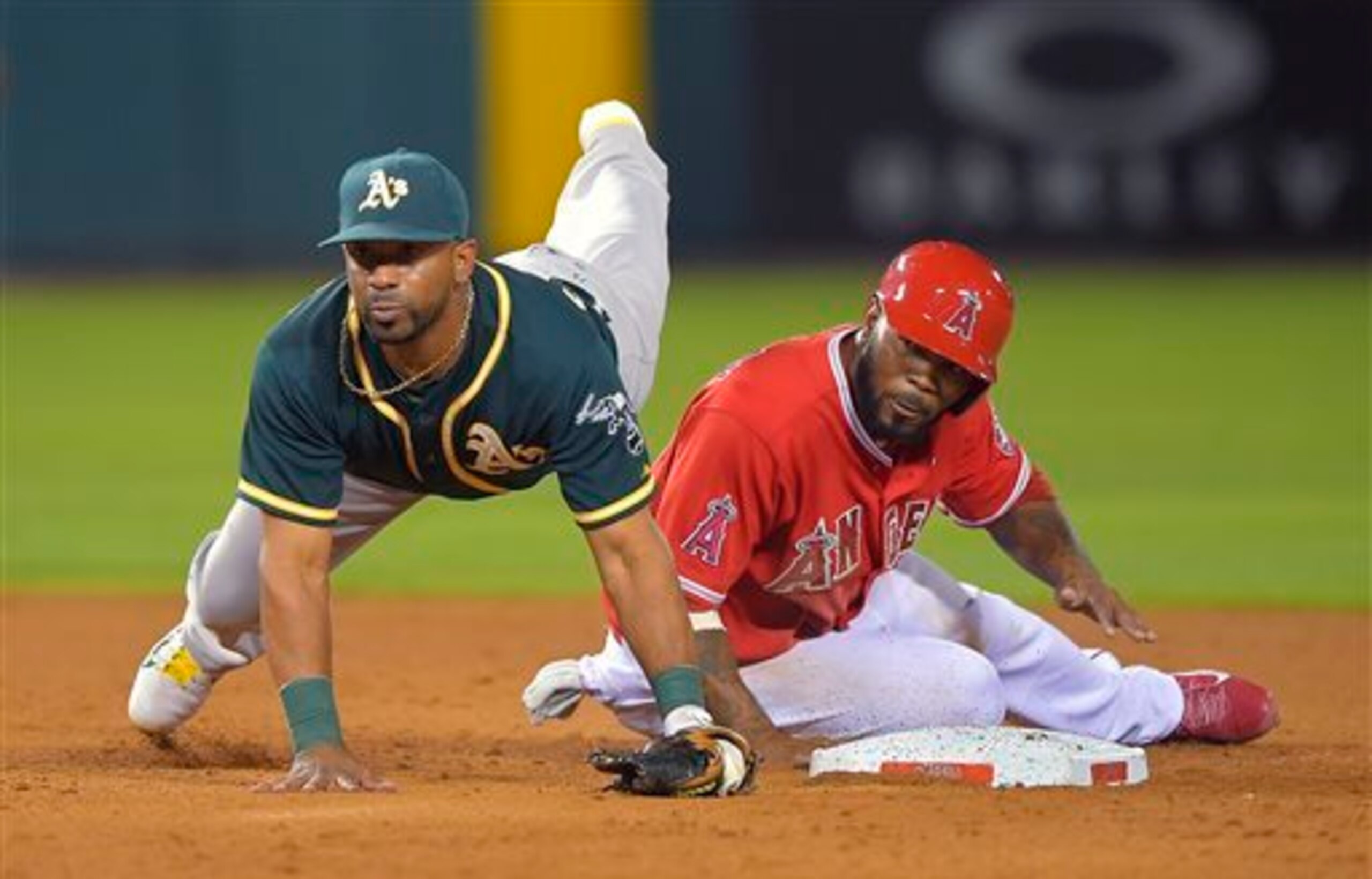
Hitting
Callaspo is still combining a patient and disciplined approach with an elite contact ability, and he’s doing OK at handling his primary directive of hitting right-handed pitching. However, righties have gotten the gist that Callaspo can’t hit their breaking stuff. He’s only a threat against their hard stuff, so they’ve dialed that back and thrown him more breaking stuff instead. Simple, but effective.
Power
Callaspo's fly-ball rate is par for the course, but more and more of his fly balls are pop-ups. Suffice it to say that limits his power potential. Another thing that limits it is how he can only hit the ball with authority to his pull side, whether you’re talking his righty hitting or his lefty hitting. That’s sort of always been the case, but it’s especially pronounced this year. A bad look for a guy on the wrong side of 30.
Baserunning
Callaspo’s baserunning peaked when he stole eight bases in nine tries in 2011 with a 56 XBT%. This older Callaspo isn’t the same guy. He’s shut down his running game and is only doing as good as a 36 XBT%. That doesn’t make the grade by second base standards and looks even worse on a part-time player.
Defense
The defensive metrics aren’t liking Callaspo’s defense at second base, and they have a legit gripe. He doesn’t have much spring in his legs, and you can see that both in his slow first step and general lack of quickness. His better defensive asset is his versatility. He’s shown he can still play a solid third base and has also played passable defense at first base despite his inexperience.
Overall
I’ll note that Callaspo was something of an underappreciated player back in 2011 and 2012 when he had about an average bat and a good glove to offer. Now he’s just a solid piece to bring off the bench, with a fantastic batting eye, ability to make contact and his defensive versatility being his top strengths.
32. Logan Forsythe, Tampa Bay Rays
5 of 36
Hitting
The best thing Forsythe has going for him is his approach. He’s a patient hitter who rarely expands the strike zone and makes plenty of contact. But alas, his previously strong line-drive habit is dead now, and he’s responded to an increased amount of hard pitches mainly by popping them to right field. So take away the good approach, and you’re not left with much.
Power
Though the majority of Forsythe’s (relatively many) fly balls this season have gone harmlessly to right field, there have been enough exceptions to keep his power from oblivion. Like in 2013, he's still able to surprise with the occasional blast to center field. Add in how he can poke line drives down both foul lines, and you have a couple solid avenues through which power can surface.
Baserunning
Forsythe arrived in Tampa Bay as a 17-for-21 career base stealer but hasn’t put that skill to use. On top of that, he’s continued an XBT% decline that started at 53 in 2012, went to 40 in 2013 and is now at 38 this year. A bad look for a second baseman and an even worse look for a part-time second baseman.
Defense
The defensive metrics are split on Forsythe’s defense this year, but the above-average opinion of his defense is probably the more accurate one. His range is limited by a modest first step and quickness, but he has a knack for tough plays anyway. There’s also value in how sure-handed he is, making him a good, if not quite great, package at second base.
Overall
There’s nothing in particular that Forsythe does really well. But when you take a really good batting eye and add it to occasional power and solid defense, you get a guy you can play at second base without too many regrets.
31. Danny Espinosa, Washington Nationals
6 of 36
Hitting
It’s to Espinosa’s credit that he’s tried to clean up his approach, swinging and expanding the zone less often. But he still hasn’t cleaned up his whiff problems against slow stuff, and any righty who can throw him a fastball above the knees has been able to get him out. Also, any righty or lefty with a good changeup holds an automatic out in his hand when he’s hitting. In short: His bat is still lost.
Power
One thing that’s still true is that anything Espinosa can get in the air stands a good chance of being trouble. His batted-ball map shows that his line drives and fly balls to the outfield have been very well hit (and from both sides, too). With his power still intact, the big stumbling block is playing time. Given what’s gone on the last two years, it’s more than likely going to be hard to come by going forward.
Baserunning
Espinosa was a 20-steal guy when he was playing regularly in 2011 and 2012. Those days have passed, but he’s still of base-stealing age at 27 and has shown that he can be a 10-steal guy even with limited playing time and on-base opportunities. What’s less good is his 29 XBT%, which is well below his career norm.
Defense
This is the first year the defensive metrics haven’t agreed that Espinosa’s defense is above average, but the eye test sides with the above-average ruling. Espinosa’s strong throwing arm helps make him one of the league’s better double-play-turners, and a good first step gives him solid, if less than spectacular, range. Even if it’s on a limited-time basis going forward, he has good defense to offer.
Overall
Because he has good power and a good glove to offer, Espinosa’s not as unplayable as his batting stats make him look. But those batting stats are definitely a drag on his value, and how to fix them is a good question. Espinosa’s hitting is weak from all sorts of different perspectives.
30. Aaron Hill, Arizona Diamondbacks
7 of 36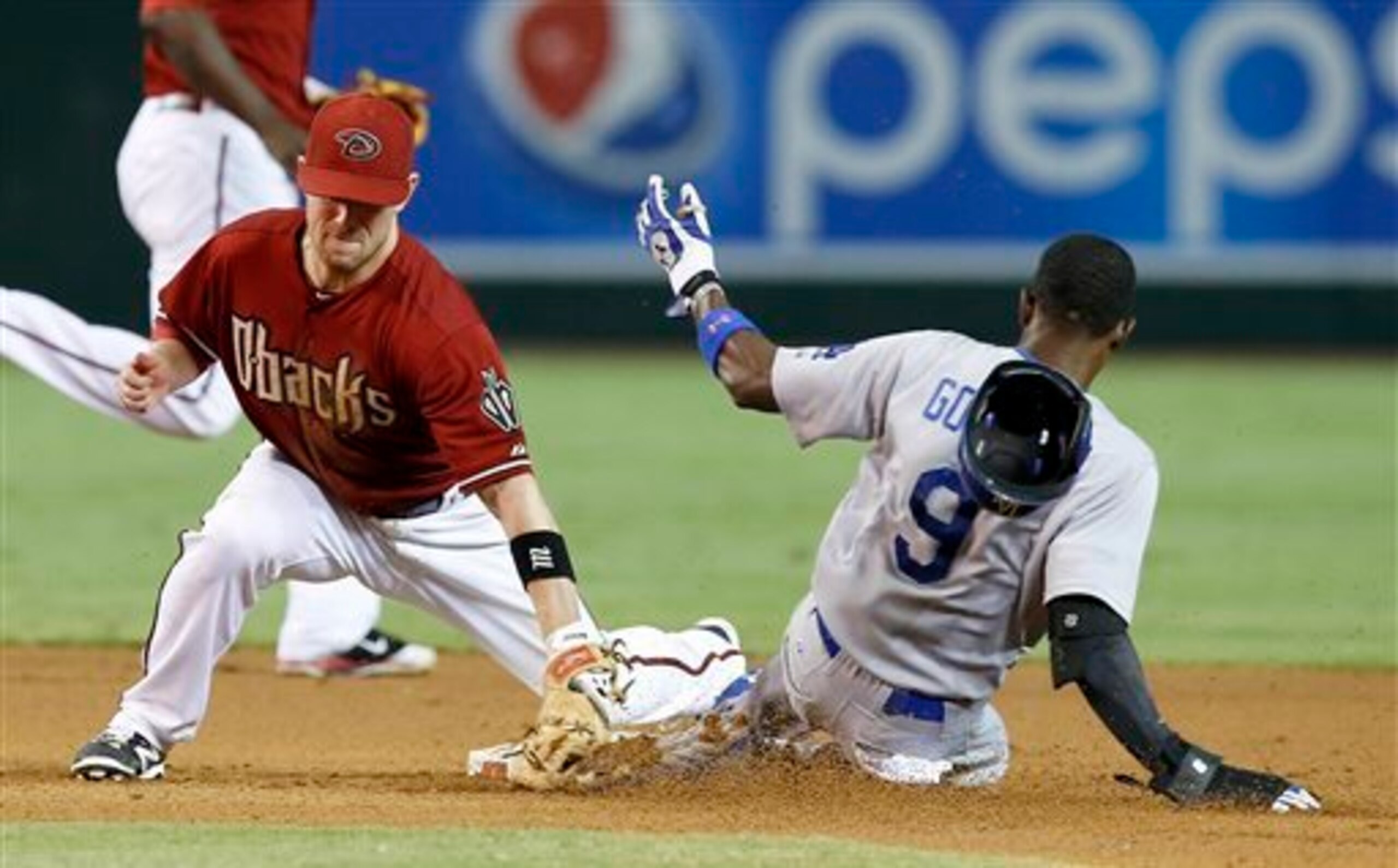
Hitting
One thing that’s gone right for Hill this year is that he’s hit more line drives than ever, and on all pitch types to boot. If he had an average on line drives in line with his career norm, he’d be doing better. However, he’s also gotten more aggressive and been swinging and missing more. This has cost him walks and added strikeouts. Not what you want to see when a guy is only getting further away from 30.
Power
It’s been all downhill for, uh, Hill’s power ever since 2012, but his power this year would actually seem to be fodder for the “Not As Bad As It Looks” file. He hasn’t completely lost his ability to pull line drives and fly balls, and he’s had plenty of well-hit balls in that direction that have found leather. He hasn’t bombarded left field like he did in 2012, granted, but we can give him a slight break.
Baserunning
After stealing 35 bases between 2011 and 2012, Hill will be lucky if he can make it to five between 2013 and 2014 combined by the end of the year. It’s a good thing he has a 43 XBT%, but it’s hard to buy that such a thing is built to last given his age and how much his speed has already declined.
Defense
The defensive metrics have been in agreement the last two years that Hill’s defense is a problem, and it’s believable. He doesn’t move well, getting slow jumps on ground balls and then struggling to gain momentum after the fact. With things not likely to get any better with another year on his age, the Diamondbacks have the right idea in pondering a move to third base for Hill.
Overall
Though it’s probably not as bad as it looks due to how many line drives he’s hit and how his power production doesn’t seem to mirror his actual power, it’s still not good. In just a couple of years, Hill has gone from a star-level second baseman to a guy who barely passes for a viable regular.
29. Devon Travis, Detroit Tigers (Prospect)
8 of 36
Hitting
Travis achieves a deep contact point that allows him to generate consistent hard contact to all fields. He’s also a patient hitter who sees his share of pitches, which is also why he’s equally adept at hitting fastballs and secondary offerings.
Power
He may be undersized at 5’9”, 195 pounds, but the right-handed hitting Travis has some pop. The 23-year-old may only hit 10-12 home runs at maturity, but there will also be plenty of doubles and triples. What I really like about Travis’ power is that it plays to all fields thanks to his ability to generate backspin carry.
Baserunning
Travis is an average-at-best runner down the line, but he has the speed and quickness to steal 10-15 bases in the major leagues, possibly more if he’s getting on base at a solid clip. More importantly, Travis has enough speed to help him turn singles into doubles and doubles into triples with relative ease, as he’s an above-average runner underway.
Defense
Travis’ defense has really improved over the last two years, especially in terms of his ability to turn the double play. While his range is only average, Travis still gets to a lot balls and makes all the plays thanks to his excellent footwork and soft, giving hands.
Overall
Travis’ wide range of tools and skills give him sneaky upside as an everyday player in The Show, and he’s now surpassed expectations during his time at each full-season level. However, with Ian Kinsler blocking his path in Detroit, it wouldn’t be surprising if Travis’ first crack at the major leagues came with another team.
28. Sean Rodriguez, Tampa Bay Rays
9 of 36
Hitting
Rodriguez has used his part-time job as license to swing and expand the zone like crazy. Pitchers have him pretty well figured out, though. He’s hit inside stuff, but the majority of pitches he’s seen have been away from him, and he’s obliged by turning a lot of them into outs. A lot of those have been breaking balls, which he hasn’t hit at all. But the reason he’s gotten away with this ugly hitting is because...
Power
Rodriguez’s part-time role hasn’t barred him from setting a new career high for homers. All it’s taken is him hitting more fly balls and line drives to left field than he ever has before. And no, those haven’t missed. His total neglect for right field and limited playing time mean his power potential only goes so high, but I’d say he’s succeeded in proving he can handle a role as a power specialist off the bench.
Baserunning
With a low on-base percentage and so many dingers, Rodriguez hasn’t had much time for stolen bases. But one thing he can still be counted on for is aggressiveness when the ball’s in play. He always has an XBT% over 50 and has another one this year at 53 percent. It’s too bad about the outs he’s made on the bases, which don’t look good even if we ignore the ones that can be blamed on the third base coach.
Defense
Granted, second base is simply the position Rodriguez has played the most. The defensive metrics think he’s been just OK there, but he can still flash the range that helped him rate as a superb defender in 2010, and his arm is more than good enough for second. Add in the solid defense he can play elsewhere, and you get a solid defender.
Overall
The kind of approach Rodriguez has trotted out in 2014 has no business being featured on a regular basis. But at least that approach has been effective in turning him into a legit power threat off the bench, and there’s value in how his glove can be put pretty much anywhere on the diamond.
27. Micah Johnson, Chicago White Sox (Prospect)
10 of 36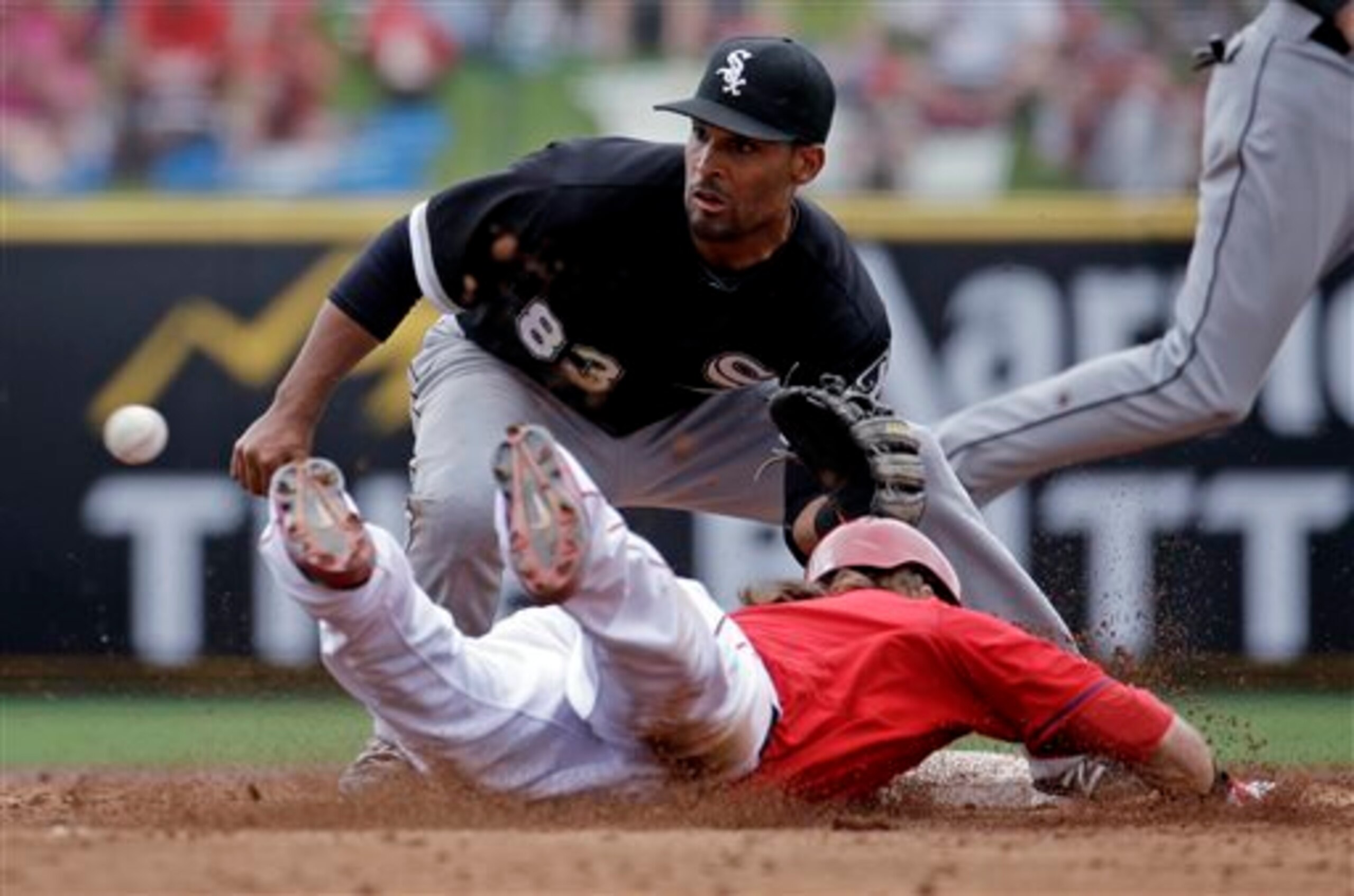
Hitting
Micah Johnson took a big step forward offensively in 2014, as the left-handed hitter tightened his approach and improved his contact rate against advanced pitching at the Double- and Triple-A levels. Specifically, the 23-year-old trimmed his strikeout rate considerably without sacrificing power or average.
Power
Johnson has some pop in his bat, but it usually translates in the form of doubles and triples rather than home runs. He’ll run into enough pitches to tally seven to 10 long balls in a season but is more likely to put up roughly 20 doubles and 10 triples.
Baserunning
Johnson stole a whopping 84 bases in his 2013 full-season debut but saw that total drop to 22 this year with an underwhelming 63 percent success rate (22-for-35). Unfortunately, the 23-year-old’s season ended ahead of schedule due to a hamstring injury.
Defense
Beyond his improvements at the plate, Johnson also made tremendous strides with his defense at second base, solidifying his long-term future at the position with the White Sox in the process. Specifically, he improved his footwork around the bag when turning double plays while showing smoother actions overall.
Overall
Johnson still has some holes offensively and defensively and will need to become a more efficient base stealer, but the improvements he’s made over the last two seasons speak to his promising future in the major leagues.
26. Rougned Odor, Texas Rangers
11 of 36
Hitting
Odor has swung at everything with only a strong (i.e. less than elite) contact habit, making him dependent on a high average on balls in play. He’s been limited in there because he hasn’t laid off slow stuff and has only been able to hit it on the ground. There’s potential in how he's teased an all-fields approach to hitting, but for the most part, he’s looked like what he is: a young player thrust into action by injuries.
Power
That Odor’s been pretty good at getting the ball in the air is misleading because of his high pop-up rate, which is fed mainly by how he can’t get wood on fastballs anywhere near his belt. Still, he does have solid pop for a guy his size, showing off an ability to plug the right-center gap and drive the ball to center. It’s hard to imagine him as a great power source, but the solid potential is definitely there.
Baserunning
Odor’s having a tough time making the speed that allowed him to steal 32 bases in the minors in 2013 translate to the majors, getting caught more often than he’s been successful. That he’s saved face with a solid 47 XBT% is the silver lining, and beyond that we can grant that he’s probably going to be a better base stealer than he’s shown so far.
Defense
Baseball America (subscription required) noted after 2013 that Odor was still working on becoming an average defender. That sounds prophetic now, as the defensive metrics have seen Odor as a disaster on defense, with errors and range being among his shortcomings. The physical tools are there, though, as Odor moves quickly and also hangs in there well on double plays. He should be better than he’s shown.
Overall
The Rangers have gotten a pretty good look at Odor, and it hasn’t been all bad. His power has played pretty well, and he’s shown flashes of potential on defense and on the basepaths. But his bat needs some serious tweaking to be ready for MLB pitching, and in general, he’s still more about potential than anything else.
25. Omar Infante, Kansas City Royals
12 of 36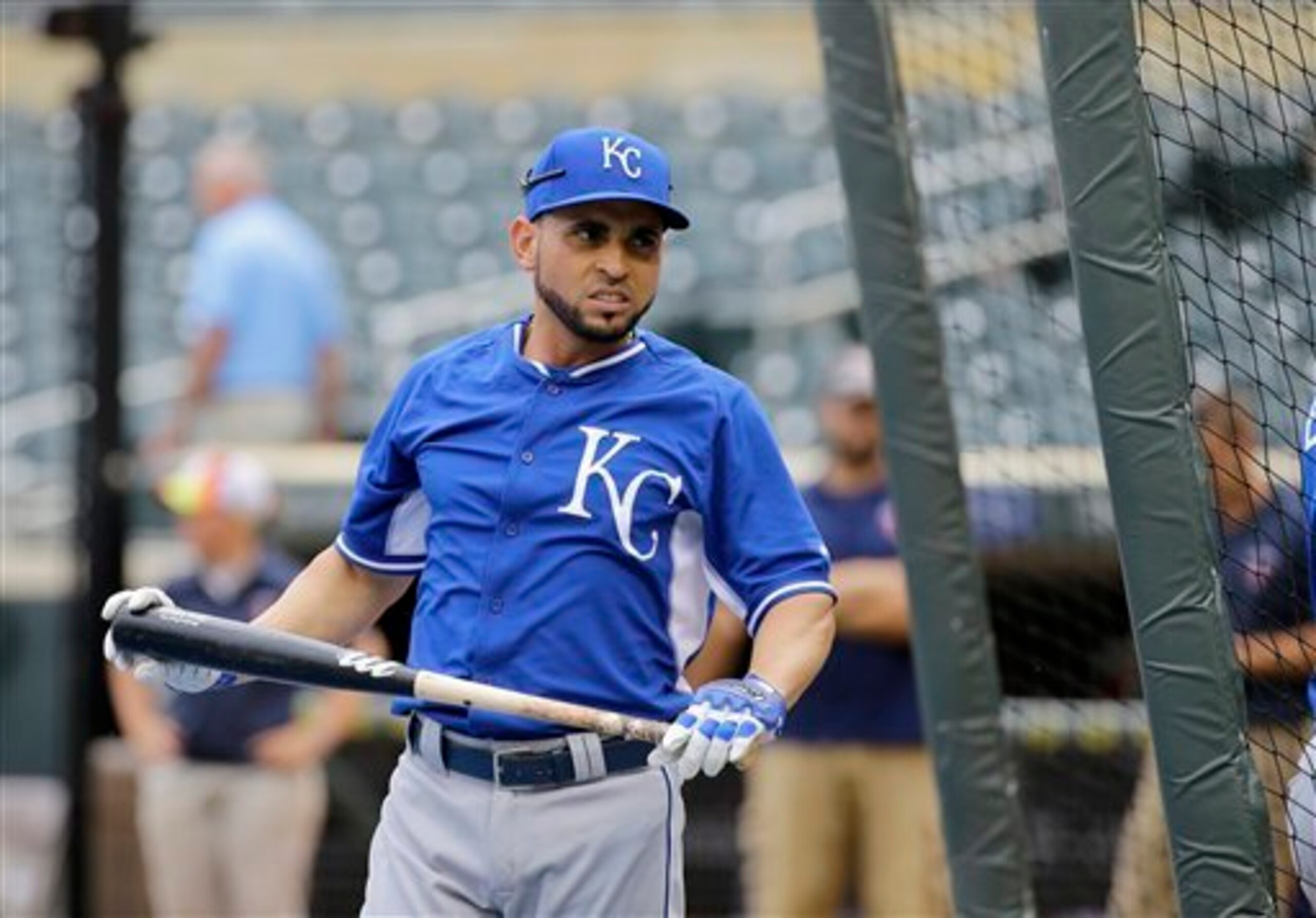
Hitting
Infante’s been more patient, more disciplined and more likely to make contact. And with his line-drive rate still steady, he hasn’t lost his ability to hit the ball squarely. But he may be losing his ability to hit fastballs. He’s popped up 90-plus pitches at a higher rate than ever and in general has watched his average against hard stuff plummet from last year's .321 mark. Not a good look for a 32-year-old.
Power
Infante’s tended to be a consistent fly-ball hitter, and that much hasn’t changed. But he hasn’t been able to drive the ball up the middle of the field like he did in 2013, restricting his power potential pretty much exclusively to left field. In light of that, it catches one’s eye that he hasn’t been productive in the left-center gap. If all he has left is straightaway left, there could be more rough days ahead for his power.
Baserunning
Infante stole 17 bases with a 58 XBT% back in 2012, making him a quietly outstanding baserunner. That looks like ancient history now. He’s settled into the 5-10 steal range and is following up a 46 XBT% in 2013 with a 49 XBT% this year. This is acceptable stuff for a second baseman but far from what Infante used to be able to do and likely the norm now as he heads deeper into his 30s.
Defense
Just like in 2013, the defensive metrics have different opinions about Infante’s defense. In reality, the one that says he’s roughly average has the right of it. Infante’s looked slow in the field this year, and that lack of range is likely the only thing keeping him from having the same problem with errors that he did in 2012 and 2013. All he can do at this juncture is play a passable second base.
Overall
Infante hasn’t hit, hit for power, run the bases or play defense as well as his track record suggested he would. But given the specific cracks that Infante has had in his game this year, that track record may no longer be relevant. He’s at the right age for a decline, and it seems to have begun.
24. Gordon Beckham, Los Angeles Angels
13 of 36
Hitting
Beckham is pretty disciplined as far as free swingers go, but he’s still too wild to draw walks and too uncoordinated to be an elite contact hitter. He's whiffing on breaking balls too often. He much prefers hitting fastballs, but his zone coverage is too thin for him to make an impact doing that. Short version: Whatever improvements he made to hit a solid .267 with a .322 OBP in 2013 are gone now.
Power
Beckham’s power is inconsistent, but he at least gives himself chances to tap into it with consistently high fly-ball rates. It’s not what I’d call one-note power, either. His home run power only goes to left, but he can put a good charge into the ball to both left- and right-center. It’s an iffy bet whether he’ll actually get it done, but he has the goods to be a 10-15 homer guy with solid doubles power.
Baserunning
Beckham’s limit is right around five steals, so he hardly makes the grade for a baserunning threat by second base standards. He’s not hopeless, though. His XBT% has been on the rise for a couple years and is peaking at 54 this year. With a couple of years still to go before he hits 30, he should be able to keep that up.
Defense
The defensive metrics have always been split on Beckham’s defense, and that tradition is continuing this year. He is a hard guy to get a handle on but does pass the eye test well. A good first step allows him to make up for non-elite quickness after the fact, and he’s in the discussion for the best second basemen in the business at turning double plays.
Overall
Beckham’s not the hitter he pretended to be in 2013, as he’s gone back to having all sorts of flaws in his approach and his ability to make good contact. But if you want a guy who can provide some occasional power and play a better second base than the metrics suggest, you could do worse than him.
23. Jedd Gyorko, San Diego Padres
14 of 36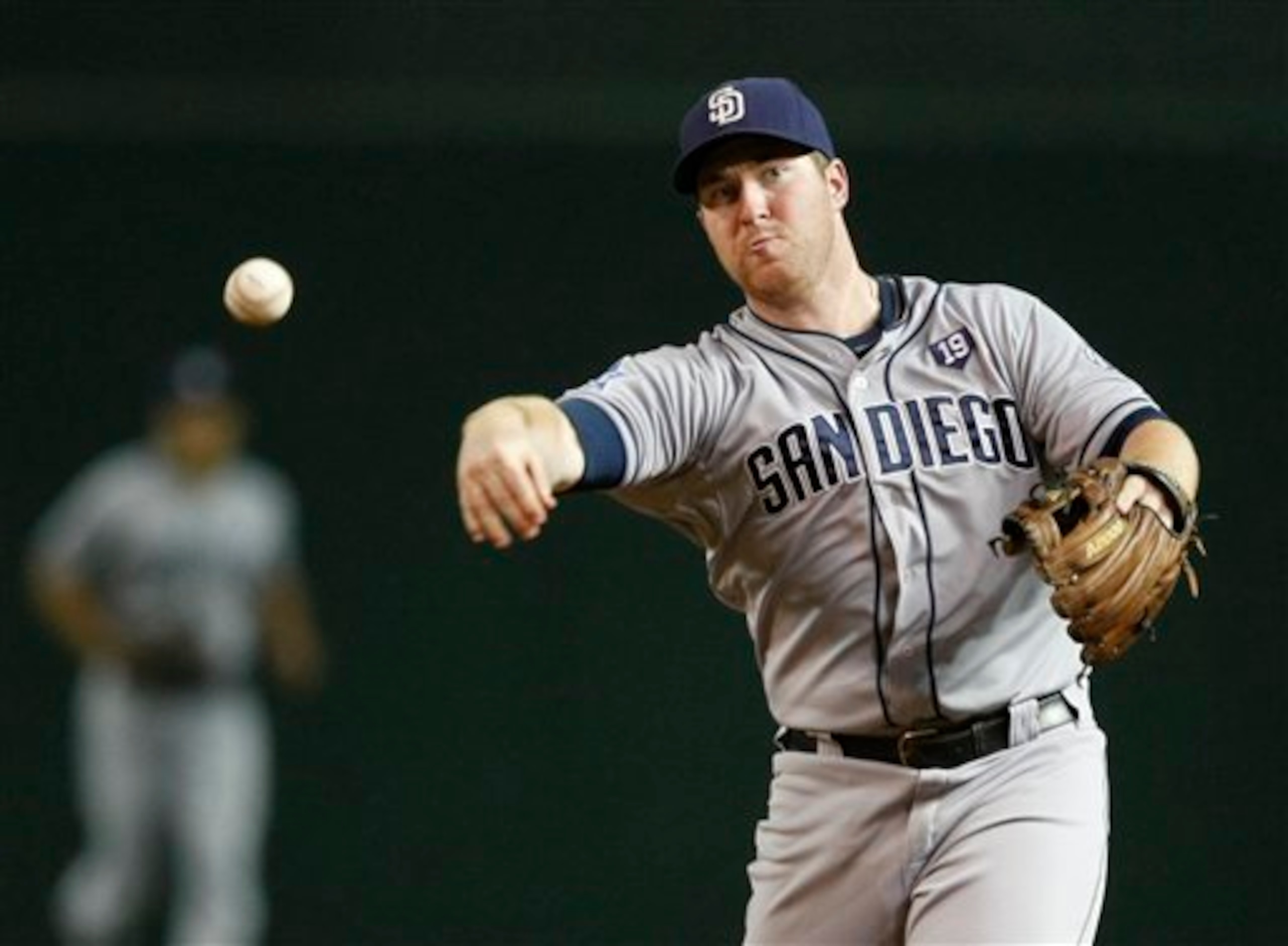
Hitting
It doesn’t show, but Gyorko’s made improvements to his hitting. They mainly involve his approach, as he’s toned down his aggressiveness and has made more contact than his strikeout rate indicates. That he’s chased slow stuff less and hit it more is a big factor in that. Now all he needs to do is keep this approach while resurrecting his 2013 line-drive rate, and he’ll stand a chance of passing for a solid hitter.
Power
Gyorko’s 23 homers in 2013 were no fluke, as he showed off impressive power to all fields. That same power hasn’t been as explosive in 2014—his health issues haven’t helped—but it hasn’t vanished, either. He’s shown he can still drive the ball to all fields, picking up extra-base hits all over for his troubles. So even though his power hasn’t been what it was in 2013, some optimism is warranted.
Baserunning
As a converted third baseman, it’s not athleticism that has Gyorko playing second. That shows in his baserunning. Iffy to begin with, his health issues have helped make it worse, rendering him as a strictly one-base-at-a-time guy with just a 22 XBT%. We’re not going to let this go unpunished, but we will grant that good health should allow Gyorko to get back to something like the 39 XBT% he had in 2013.
Defense
This is another area where Gyorko hasn’t been helped by his body, as the defensive metrics show that he’s been well below average defensively. But while we can grant that a healthier Gyorko will have a quicker first step and more range than this year’s injury-wrecked version, it’s harder to excuse the errors and the difficulties he has turning double plays due his slow exchange and release.
Overall
Because of how much Gyorko’s season has been wrecked by health troubles, it’s admittedly hard to nitpick the various flaws he’s shown. So let’s focus on the positives instead: It says a lot that even an injured Gyorko is still a powerful Gyorko, and he’s made some real improvements to his approach that could definitely serve him well in the future.
22. Jose Peraza, Atlanta Braves (Prospect)
15 of 36
Hitting
Peraza has made consistent contact throughout his young career, as he possesses a knack for putting the ball in play so as to utilize his top-flight speed. While his lack of strikeouts or walks could catch up to him against advanced pitching, the 20-year-old's bat-to-ball skills are legit and should translate at the highest level.
Power
Peraza’s speed will help him amass a high number of doubles and triples annually, but don’t expect the 6’0”, 165-pound right-handed hitter to hit many home runs in his career. To date, he’s yet to hit more than two in a full minor league season.
Baserunning
Peraza’s speed and baserunning go hand in hand with his excellent contact skills. He knows how to put the ball in play and utilize his plus-plus speed, which is why he’ll always pile up infield hits. As a base stealer, Peraza has stolen nearly 180 bases over the last four seasons and posted an 80-plus percent success rate.
Defense
Peraza was developed as a shortstop until this season, when he was promoted to Double-A Mississippi and shifted to second base. The 20-year-old was a strong defender at shortstop, and he’s even better at the keystone, with plus range, quick feet, smooth hands and arm strength that will play up at the position.
Overall
The Braves put Peraza on the fast track to the major leagues this season, and it’s easy to see why given the youngster’s tremendous speed, feel for the game and excellent makeup. He has the potential to be a first-division second baseman and should form one of the best double-play combos in the game with shortstop Andrelton Simmons, possibly as early as mid-2015.
21. Tommy La Stella, Atlanta Braves
16 of 36
Hitting
The big weakness La Stella has shown is that he’s not so great at hitting pitches around the outside corner. At the MLB level, that’s not a good thing to struggle at. Aside from that, though, he’s shown he can balance patience with discipline and a strong contact ability, as well as hit anything on a line with a consistent target in left field. Though he's cooled recently, La Stella's hitting skills look legit.
Power
Since La Stella forgoes fly balls in favor of line drives and ground balls, his power game is going to have to be all about gap power. It’s therefore a good thing that, while he mainly targets left field, he’s shown an ability to turn on pitches and line them into the right-center gap, too. That’s going to allow him to be a consistent source of doubles, which will help make up for some of his total lack of home run power.
Baserunning
Not that anyone was expecting La Stella to come up and steal bases—something he hasn’t done—but it’s not exactly a sight for sore eyes to see him working on a 16 XBT% and make a handful of outs on the basepaths. We can give La Stella some slack based on how Baseball America (subscription required) billed him as a solid baserunner, but he definitely has some improving to do on the bases.
Defense
Though certainly preferable to Dan Uggla, the defensive metrics haven’t been crazy about La Stella’s defense, rating him as a below-average fielder. That looks like an accurate assessment. La Stella reacts fine off the bat, but his movement lacks quickness and his arm strength is fringy even for second base. That’s going to make it tough to make rangy plays, so he’ll need to be sure-handed to make up for that.
Overall
La Stella definitely looks like he has the bat for the big leagues, as there’s plenty to like about the way he strings good at-bats together and the way in which he targets the opposite field. But without good power, baserunning or defense, a good bat is only so valuable.
20. Joe Panik, San Francisco Giants
17 of 36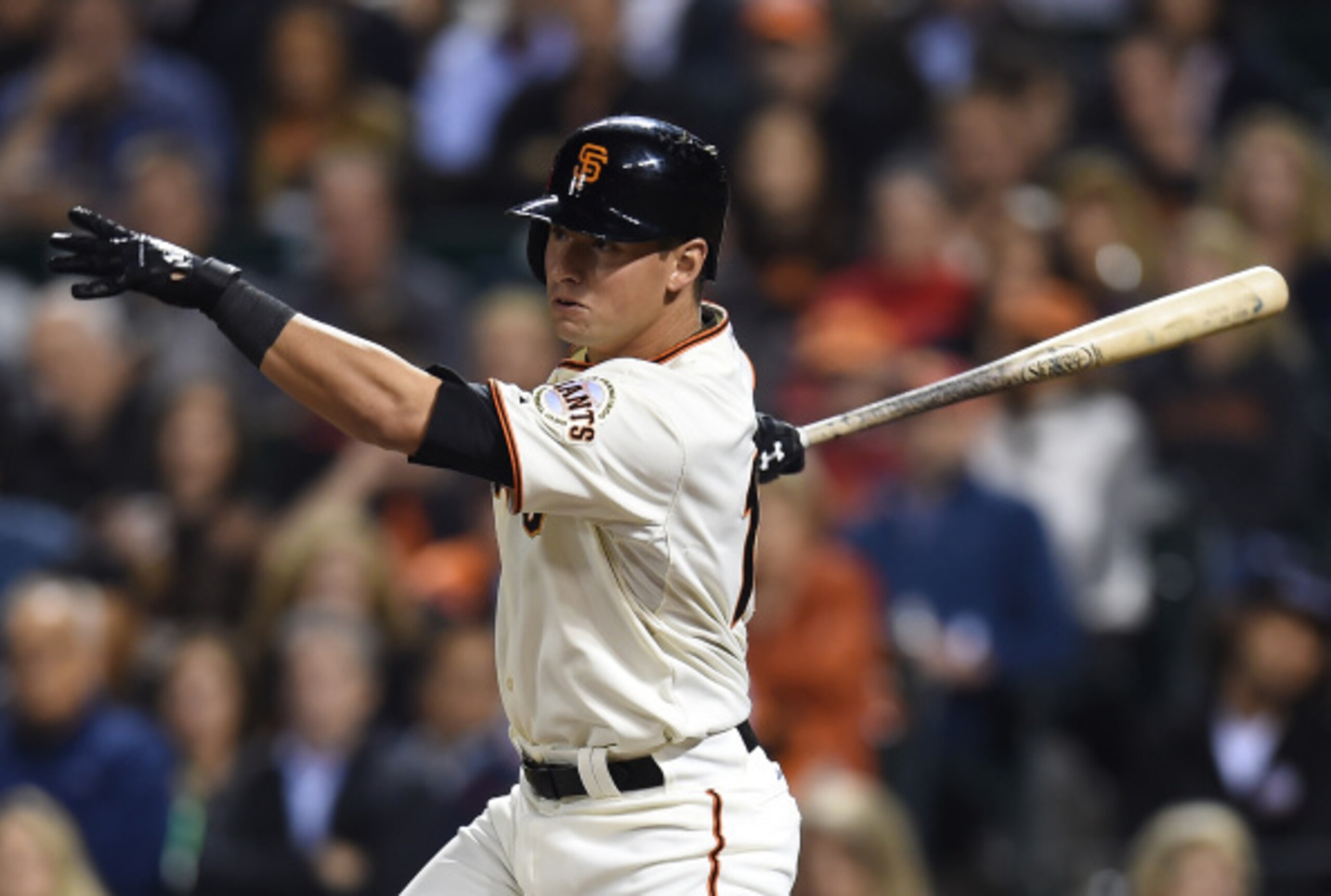
Hitting
We’ve seen Panik show off good patience and discipline and a very strong contact ability. His combination of line drives and ground balls is an average friendly combination, with the best ingredient being his ability to hit any in-zone fastball on a line. That he hasn’t gone to town on slow pitches is a reason to be cautious, with another being his pull-heavy ground-ball habit. All the same, Panik's hitting does invite some optimism.
Power
Panik wasn’t known for his power in the minors, and it doesn’t look like he’ll be known for it in the majors either. Power’s hard to come by when you’re hitting mainly ground balls, and Panik’s line-drive habit doesn’t look meant for the gaps. At the same time, it’s hard not to notice the couple booming hits he’s gotten to straightaway center. He may not tap into it much, but there’s clearly some power in his bat.
Baserunning
We’re even more in the “getting to know you” phase with Panik’s baserunning than we are with his hitting. But we know he showed off double-digit steal potential in the minors and that he has a solid 46 XBT% with seven first-to-thirds in 22 chances. Call it a blind guess (seriously, that’s fair), but there’s enough that says Panik should hold his own as a baserunner.
Defense
The defensive metrics don’t have much to go off of, but so far they’re viewing Panik as an above-average defender. The eye test says that’s accurate enough. The converted shortstop sometimes looks like he’s still raw—I’ll be darned if he doesn’t have an awkward approach to balls he has to backhand—but the athleticism and arm strength he displayed at short are very much welcome at second.
Overall
I’ve done my best to acknowledge the ability Panik has shown without getting too excited about it because of the small sample size. But if he at least holds onto his solid approach, hits fastballs on the nose and plays a solid second base, he’ll be the answer the Giants need at second base.
19. Brandon Phillips, Cincinnati Reds
18 of 36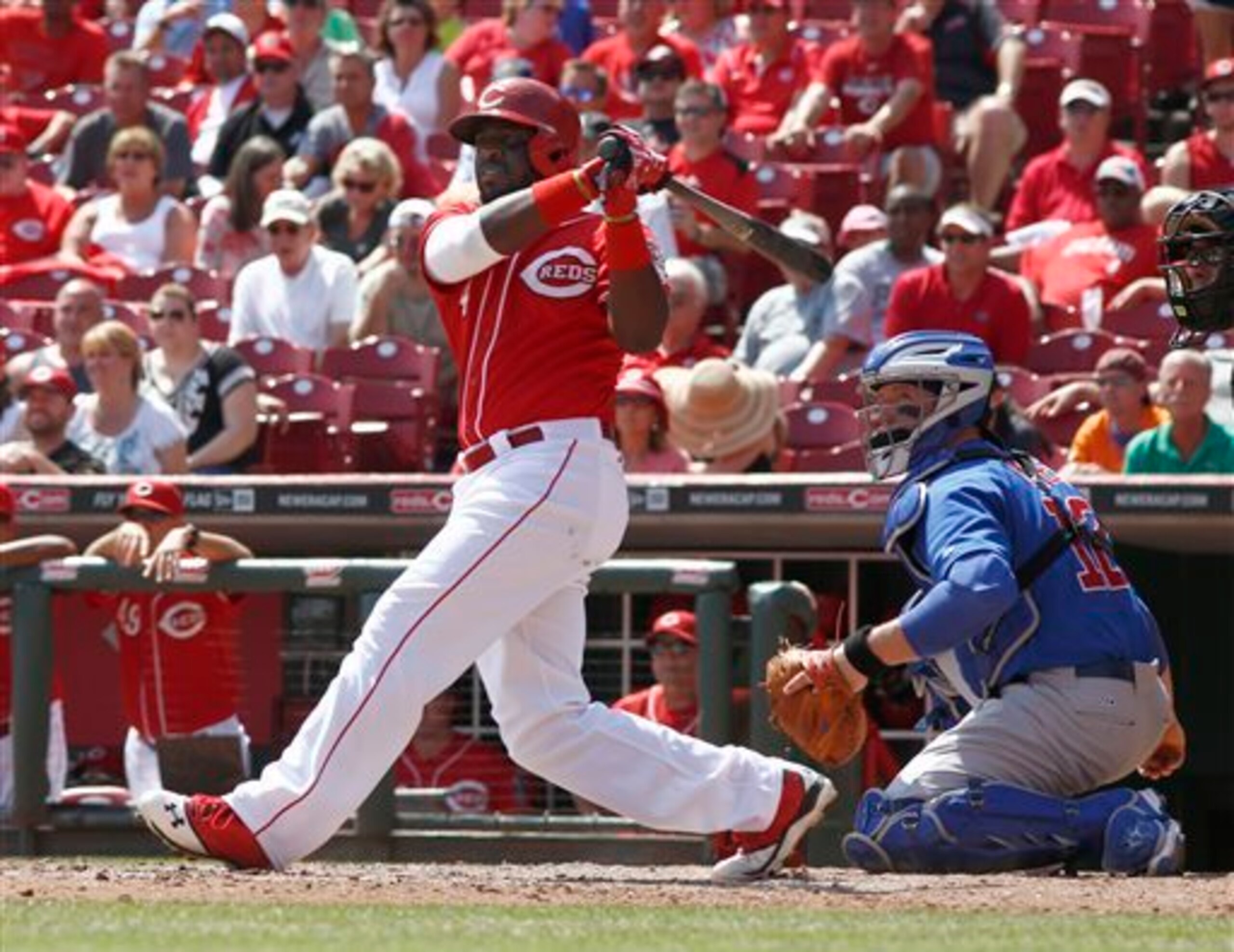
Hitting
Phillips’ long-standing tendency to hack away worked better when he didn’t have a rising whiff habit. He especially can’t catch up to good heat anymore, so no wonder pitchers have been attacking him more with hard stuff. In Phillips' defense, he doesn’t appear to be cheating on heat. If he was, he wouldn’t be staying back well enough to send his line-drive rates on slow stuff soaring. He’s not out of tricks just yet.
Power
This is where Phillips is declining the most clearly, with the big symptom being how much his opposite-field power has dried up. It’s staggering how much his power and rate of well-hit balls to right has dropped off from 2012 to 2013 to 2014. He can still put a charge into the ball to left, but a power rebound at age 34 shouldn’t be expected. Especially not after a thumb injury this year.
Baserunning
In addition to power, Phillips is leaking speed. He’s all but finished as a base stealer, and it’s alarming how his XBT% has dropped from 49 in 2012 to 41 this year. He’s a subpar baserunning second baseman now, and it’s once again not a good idea to count on a turnaround in his age-34 season.
Defense
Finally, an area where Phillips is still quite good. The defensive metrics still view him as a safely above-average defender, and the eye test still agrees. Though there are times when Phillips looks his age when he’s on the move, he still reacts quickly and makes plays with smooth actions while also rarely making mistakes. His defense may not be in peak form anymore, but it’s now clearly the best part of his game.
Overall
The notion that Phillips may be declining was controversial last year. It shouldn’t be this year. There are good reasons why his hitting hasn’t gotten any better, and he’s lost both power and speed. That makes defense his final standing strength, so it’s a good thing that part of his game is still fine.
18. Jonathan Schoop, Baltimore Orioles
19 of 36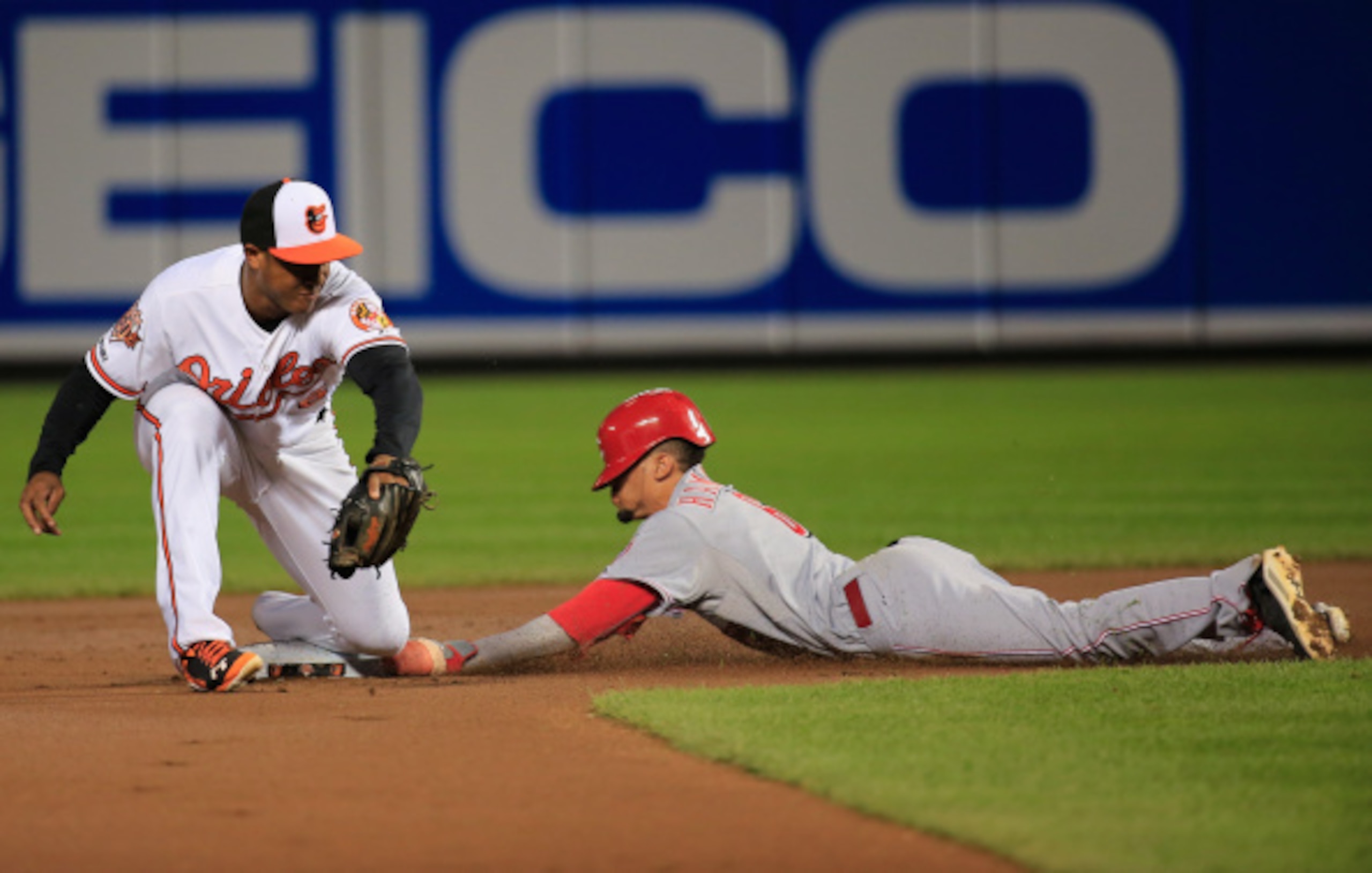
Hitting
Do you want to start with the hilariously overaggressive and undisciplined approach? How about the swing-and-miss problem? Or the inability to hit breaking balls? Or the way in which he hits mainly ground balls and pop-ups? Or his extremely high likeliness to pull all his ground balls? Ah, whatever. You get the point.
Power
OK, in Schoop’s defense, at least he has a lot of this. He’s not consistent about hitting balls to the outfield, but he puts a charge into the ones that he does. Though his home run power has mainly been concentrated to left field, he’s driven enough balls deep to center to convince one that he’s not just a pull-power guy. Hitting difficulties aside, he has the goods to challenge the 20-homer threshold in 2015.
Baserunning
Schoop could be worse here, too. He’s not and likely never will be a base stealer, but he’s balancing a solid 42 XBT% with exactly zero non-pickoff outs on the basepaths. That doesn’t make him a good baserunner by second base standards, but it’ll do for solid.
Defense
Like in the power department, Schoop more than holds his own defensively. The defensive metrics agree that he’s an above-average defender, and rightfully so. He’s somewhat mistake-prone, but he turns double plays really well and combines quick feet with quick throws to make tough plays look easy. For all his offensive issues, he does look like a rising star on defense.
Overall
Schoop has a lot of problems to iron out before he can even be passable as a hitter, and his potential is going to be very much limited until he does. But because he can hit for some power and play some very strong defense at second base, he’s a much more viable regular than his poor hitting indicates.
17. Javier Baez, Chicago Cubs
20 of 36
Hitting
It’s a pretty small sample, but so far Baez has been hugely aggressive, hugely undisciplined and hugely likely to swing and miss. Breaking balls in particular have been his kryptonite, and pitchers have naturally keyed in on that by feeding him a lot of them. Baez is also constantly looking to elevate, leading to many fly balls and ground balls and few line drives. All told...yeah, dude has a lot to clean up.
Power
Baez’s wild plate approach is one area where he’s lived up to his legend. Fortunately, this is the other. His high fly-ball rate is a power friendly habit, and man, have they tended to go far. And true to his legend, he doesn’t just have explosive power to left field. It’s hard to imagine him settling for many gap doubles, but his kind of home run power is unparalleled in the realm of second basemen.
Baserunning
Because of his wild approach and how often he’s merely had to trot around the bases, we haven’t gotten many chances to see Baez actually run the bases. As such, you can consider this score to basically be an “incomplete” with a little optimism on the side. Though he’s not especially fleet of foot, Baez is a good athlete who flashed 20-steal potential in the minors. He should at least be solid.
Defense
Baez is a shortstop by trade but should be locked in at second base as long as Starlin Castro is in town. To this end, the defensive metrics are still forming an opinion of him. One thing we know beyond a shadow of a doubt for now is that his arm is absurdly strong by second base standards, and he also has pretty good range for the position. Now he just needs to work on his problem with errors.
Overall
Baez hasn’t exactly burst onto the scene looking like a finished product. His swing-and-miss problem has managed to be worse than advertised, and all around, he still looks like a bucket of tools rather than a ballplayer. But that power, man...that power...
16. DJ LeMahieu, Colorado Rockies
21 of 36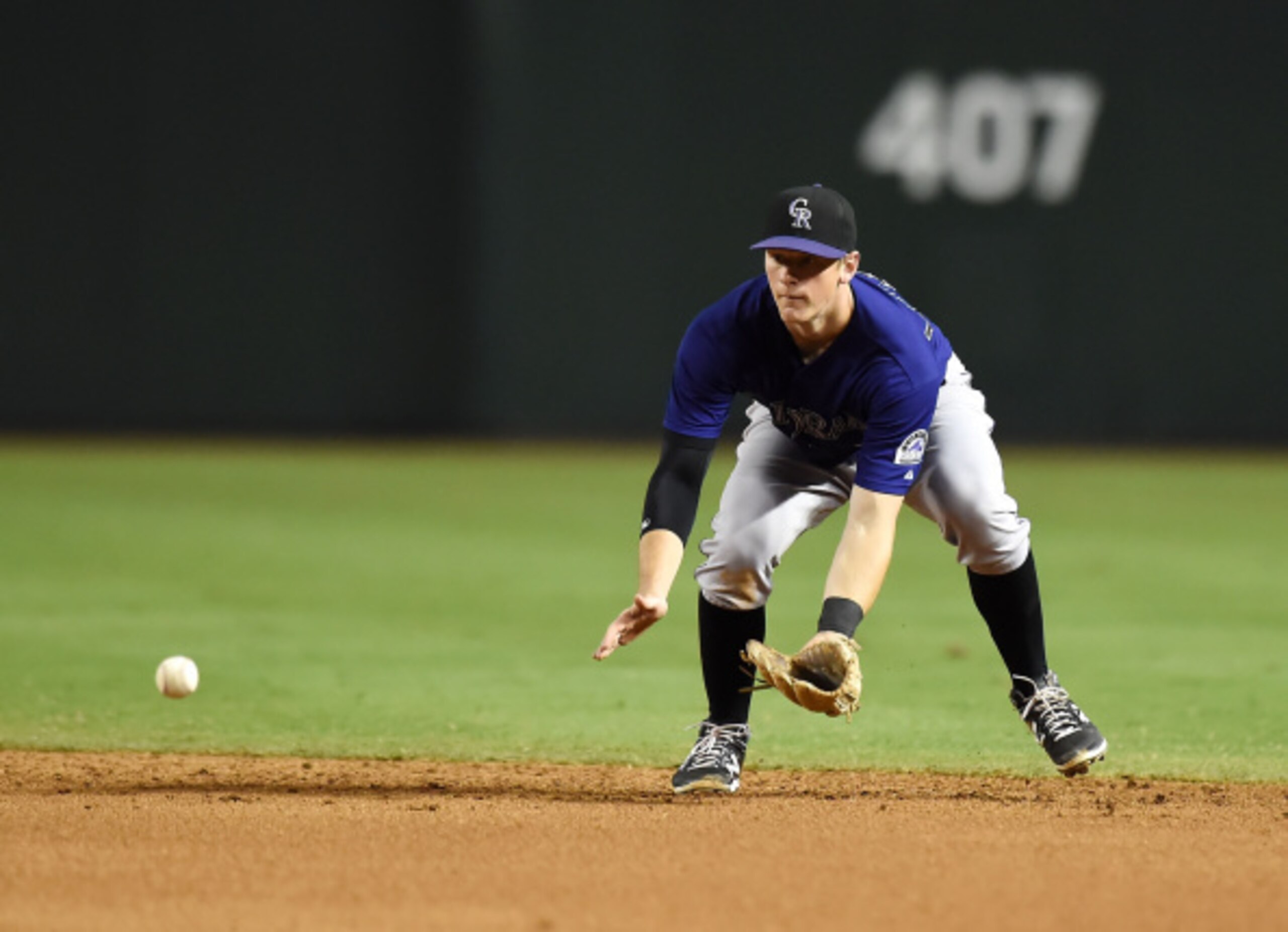
Hitting
After being largely a free swinger in 2013, LeMahieu has toned it down by seeing more pitches and dialing back his aggressiveness outside the zone. That’s allowed him to walk more. But he’s also turned into a fastball-only hitter and has abandoned his pull side in favor of trying to hit the ball to right. As such, he’s still a hitter with promising individual talents but is also still searching for the right mix.
Power
Another thing about LeMahieu: He’s an extreme ground-ball hitter. That limits his power potential. Then there’s how his heavy opposite-field tendencies don't work with how his home run power is all to left field. He’s fortunately not without power to drive the ball over the right fielder’s head, though, so he has enough doubles potential to keep his power from being a total lost cause.
Baserunning
After stealing 18 bases with a modest 72 percent success rate in 2013, LeMahieu’s done almost as much harm as good stealing bases in 2014. His XBT% has also dropped to 42, and he's doubled up the number of outs he made on the bases in 2013. He’s a good athlete, but his baserunning needs to be cleaned up.
Defense
LeMahieu’s offensive game may be limited, but his defense is top-notch. The defensive metrics have him down as an elite defender, and they’re not wrong. He plays a smooth second base with good instincts, good hands and deceptively good range because of how he moves and can make some really tough throws. His only shortcoming on defense, really, is that he’s not quite Dustin Pedroia.
Overall
Until LeMahieu settles on an approach he likes and sticks with it, his hitting is going to be suspect. That he’s gone backward as a baserunner in 2014 makes that reality even tougher to swallow. But because he can play a mean second base, he can hold his own as at least a decent regular.
15. Asdrubal Cabrera, Washington Nationals
22 of 36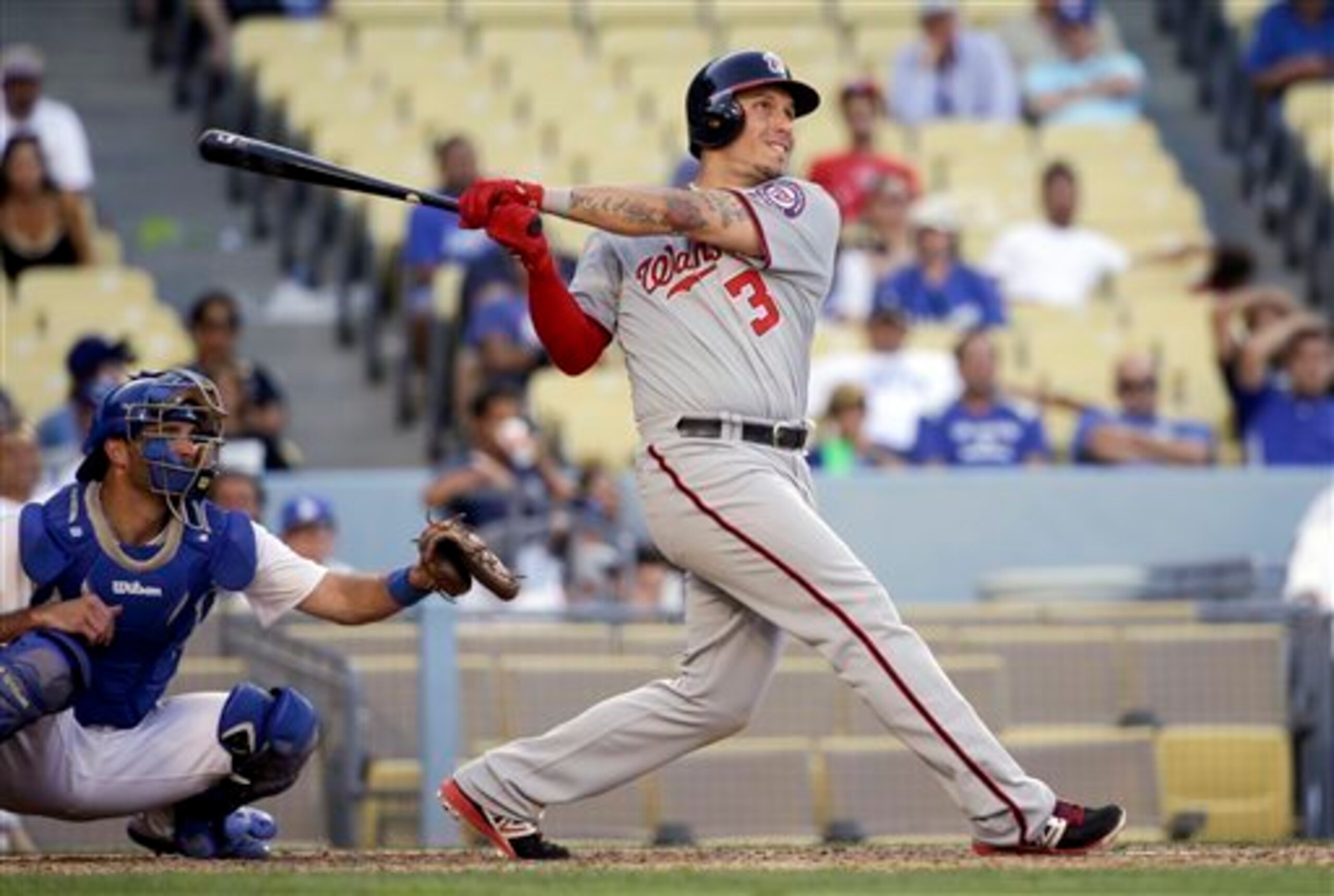
Hitting
Cabrera has never been more aggressive, hasn’t corrected his problem with whiffs on breaking balls and is now overpowered by fastballs. Any hard pitch above the knees when he’s batting lefty is a challenge, and he’s hit a low against fastballs over 90. Add in a high fly-ball rate that makes it tough to hit for average, and you’re not left with much that says his turnaround with the Nationals can continue.
Power
One thing was clear before Cabrera arrived in Washington: He still had good power. That he hits the ball in the air a lot helps, but you also have to admire how he drives the ball up the middle of the field from both sides of the plate. The only thing to gripe about is how his lesser line-drive habit has robbed him of his gap power, but it’s a minor gripe given that his raw power clearly isn’t in bad shape.
Baserunning
At his peak, Cabrera could steal between 15 and 20 bags per season. He’s since settled into the five-to-10 range, choosing efficiency over volume. Factor in how he’s improved on a 39 XBT% by pushing it to a 53 percent rate that’s more like him, and he’s not finished as a baserunner. And with another year between him and age 30, this should continue to be the case.
Defense
Cabrera made the switch from shortstop to second when he arrived in Washington, and it’s easy to imagine him staying there. The defensive metrics are split on how good he’s been, but the eye test says he’s definitely better at second than he was at short. He plays second with more energy, and what was fringy range and arm strength at short are more than good enough for second.
Overall
The holes in Cabrera’s bat are pretty real, and he can only be so good as long as they exist. But with his power and baserunning still going reasonably strong and his defensive value reinvigorated by a move to second base, he’s a better player than he was than when he left Cleveland.
14. Jason Kipnis, Cleveland Indians
23 of 36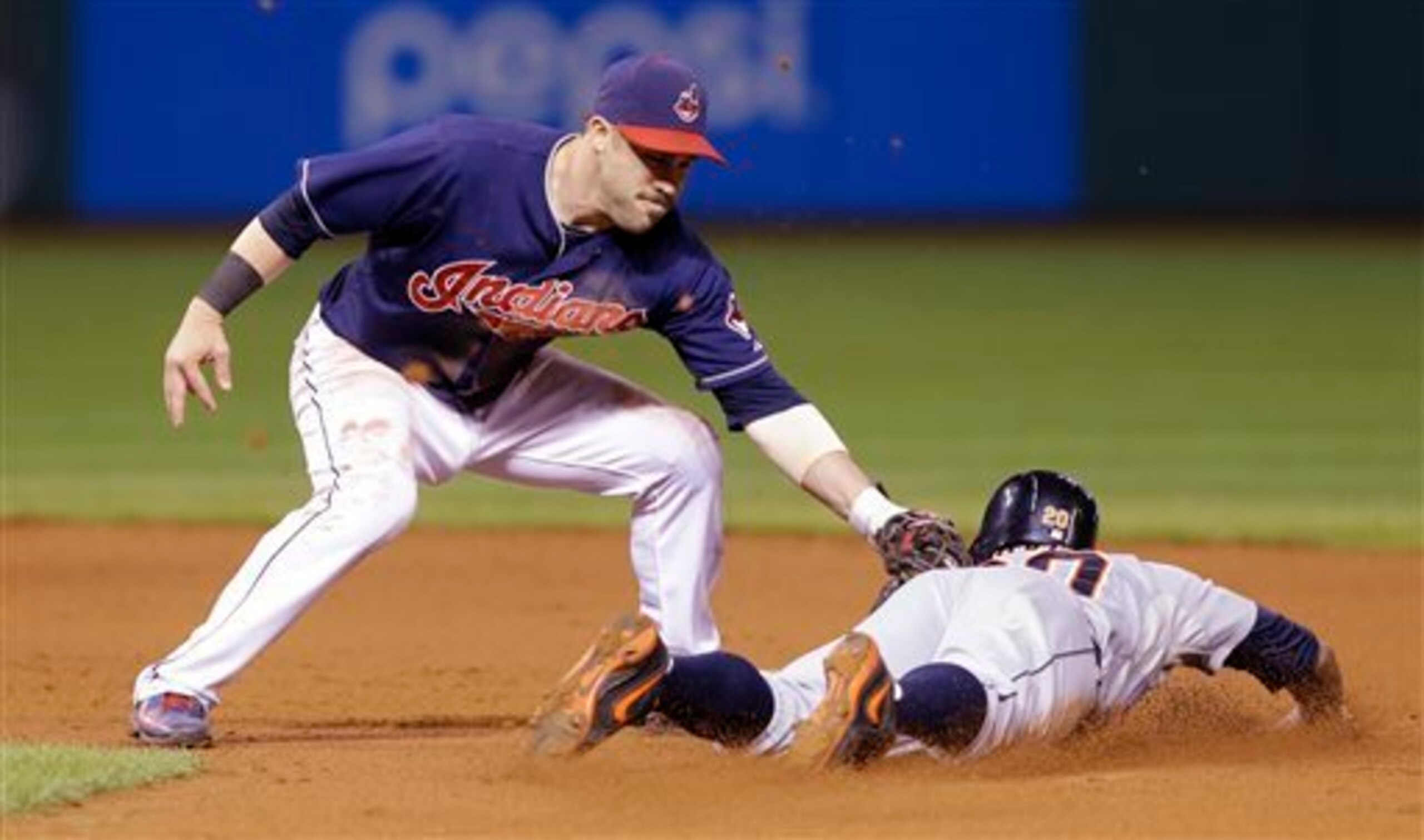
Hitting
The extremely patient and disciplined approach Kipnis had in 2013 has become less so, and the slight increase in off-speed stuff he’s seen is a case of pitchers attacking a clear weakness. He hasn’t been able to hit off-speed, with both whiffs and ground balls contributing to the problem. And on the whole, he’s really only been dangerous against mistake pitches across the middle. In short: He's very much human.
Power
The power Kipnis had in 2013 has also dried up, mainly because his opposite-field power has gone back to normal. Whereas he had no problem driving the ball to left in 2013, he hasn’t been able to do it in 2014. The bright side is that Kipnis’ gap power has remained intact, and it still applies to both gaps. But without that awesome power to left field, Kipnis’ power in general can only be so awesome.
Baserunning
This is where things get more positive. Kipnis will be hard-pressed to make it to 30 steals for a third straight year, but he should at least hit 25 while also establishing a new career best for efficiency. As if that wasn’t enough of a bonus, he’s also blowing away last year’s 36 XBT% with a 56 XBT% this year. So though his hitting has taken a turn for the worse, Kipnis’ baserunning has hit a new level.
Defense
After not liking Kipnis’ defense in 2013, the defensive metrics really don’t like it in 2014. A perceived lack of range is a factor there. And while that perception is probably overstated, Kipnis really doesn’t explode out of his stance as well as you’d expect a guy with his athleticism to be able to. His first-step quickness is fine, but the burst after the fact isn’t anything special.
Overall
It’s been a rough season for Kipnis. He’s followed up a season in which he was good at everything by being only good at one thing (running the bases). And as much as you want to believe in his talent, the cracks in his bat and defense look pretty real.
13. Howie Kendrick, Los Angeles Angels
24 of 36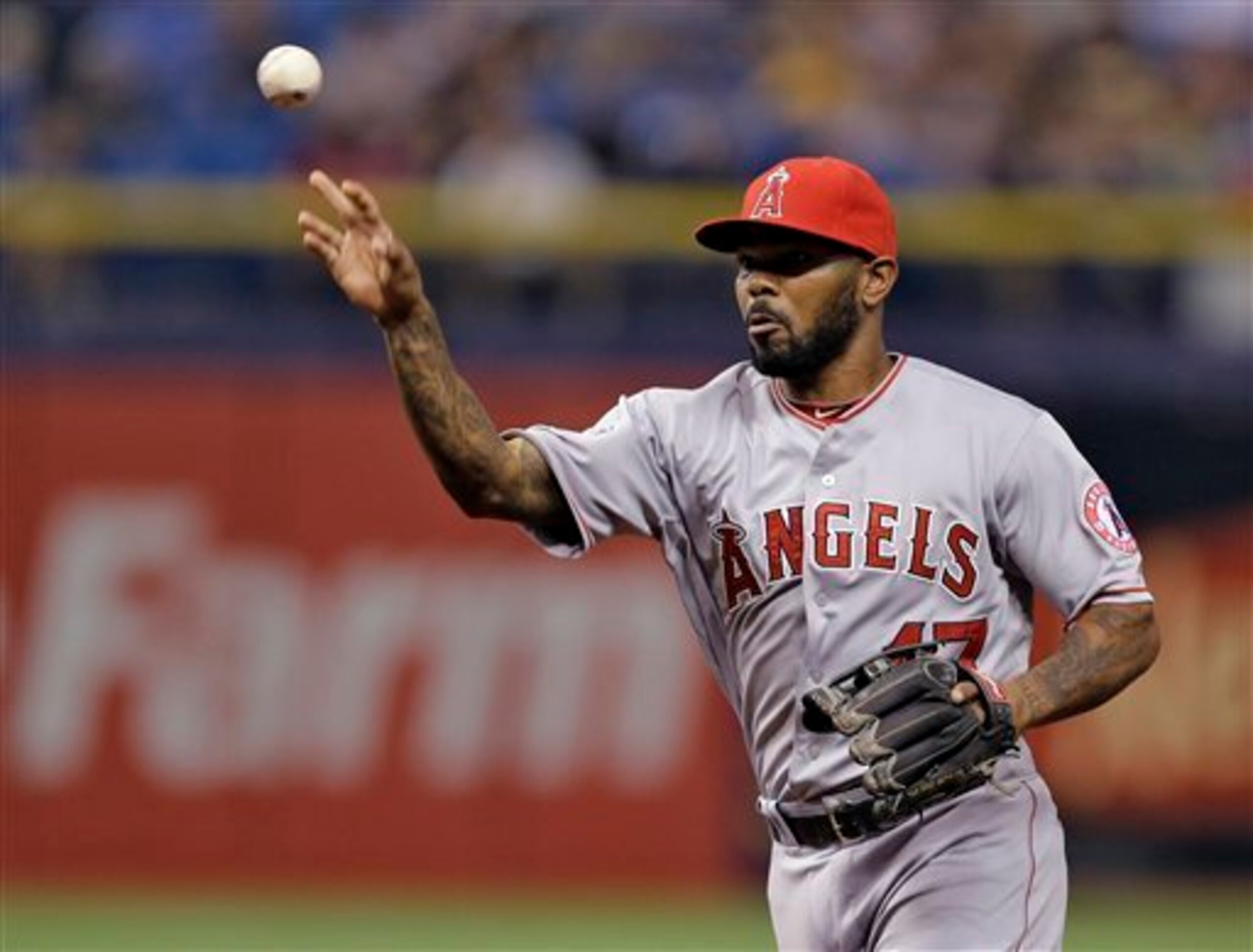
Hitting
Kendrick has toned down last year’s aggressive approach, allowing him to make more contact while enjoying his usual fortune on batted balls. That he’s done it with a high ground-ball rate suggests he’s gotten lucky, but he has the bat control to put ground balls where he wants. It’s just a bummer that his line-drive rate has fallen off so dramatically and that he’s still largely neglecting left field.
Power
Kendrick’s power has always been limited by his ground-ball tendency and his disregard for his pull side. To these ends, nothing’s changed. He can still give the ball a wallop to right, but he doesn’t have the Stanton-esque power he needs to keep his production afloat hitting exclusively in that direction. And now that he’s on the wrong side of 30, more power likely isn’t forthcoming.
Baserunning
After a down year on the basepaths in 2013, Kendrick has gone back to being a double-digit base stealer. And once again, his XBT% is right near his career norm of 50 percent at 47 percent. But one thing that’s always hindered Kendrick’s baserunning is a tendency to run into outs. While that problem hasn’t been as horrid as it was in 2013, it still hasn’t been fixed.
Defense
The defensive metrics agree that Kendrick is only a slightly above-average defender, and that’s been the case for a while now. He takes good paths to ground balls, but he’s slow in getting after them, and you tend to see him resort to dives that other second basemen wouldn’t have to make. This would be fine if he was more sure-handed, but he’s been good for double-digit errors three years in a row.
Overall
Kendrick’s best talent is his ability to handle the bat, particularly in how he so easily hits the ball the other way. He can also run the bases and play a solid, if not spectacular, second base. But his approach to right field doesn’t help his power, and in general, there’s still a gap between where his ability says his production should be and where his production actually is.
12. Scooter Gennett, Milwaukee Brewers
25 of 36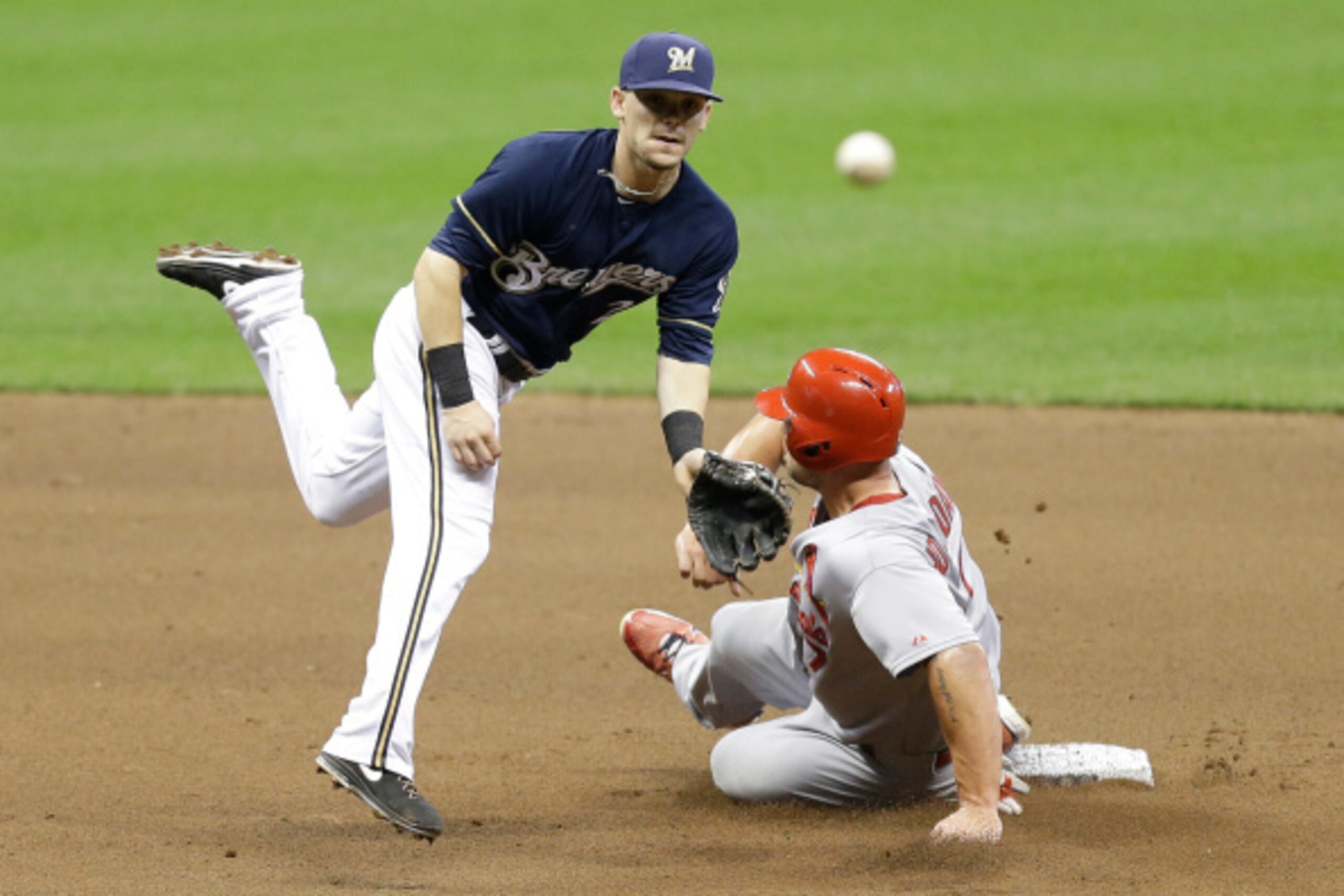
Hitting
For a guy who hacks and expands the zone so much, Gennett is pretty good at making contact. And it’s usually good contact, as he hits hard, breaking and off-speed pitches on a line while making good use of the whole field. The catch? His platoon role makes his job that much easier. And with this presumably being Rickie Weeks’ last season in Milwaukee, Gennett may not have that luxury in 2015.
Power
Gennett’s strong all-fields line-drive habit is a power-booster, as he has the pop to collect doubles down the lines and in the gaps. But his real power is to his pull side, so it’s unfortunate that he goes that way relatively seldom. That’s one limit on his power, but another is the platoon thing. If he platoons again in 2015, he’ll only get so many chances to hit for power. If he doesn’t, lefties will keep it in check.
Baserunning
The solid base-stealing prowess Gennett showed in the minors has translated pretty well to the majors, as this year he’s showing that he can be a five-to-10 steal guy even with limited playing time. Add in a solid 50 XBT%, and you get a pretty good baserunning second basemen.
Defense
The defensive metrics are split on Gennett’s defense, with one rating him as slightly below average and the other rating him as clearly below average. He’s more likely in the realm of slightly below average, though barely so due to range limited by what looks like iffy first-step quickness and some occasional slowness turning double plays. But at the least, we can say that he’s miles better than Rickie Weeks.
Overall
Our big knock on Gennett is that his success has come exclusively in a platoon role this year. But when you look past that, you see an aggressive swinger who knows how to get his line drives and who can also put in some good baserunning and play some decent defense.
11. Kolten Wong, St. Louis Cardinals
26 of 36
Hitting
Though it’s hardly the most advanced under the sun, there’s potential in Wong’s approach. He shows decent patience and discipline and has displayed a good ability to make contact. But he’s also shown that he can be beat by breaking balls and that he’s weak against hard stuff on the inner third of the zone. As such, his bat isn’t as advanced as his eye.
Power
Though Wong has somewhat modest power numbers, he went on a power surge at the beginning of July that did a good job of displaying the raw power he has to right field. It has to be taken for what it’s worth given that it didn’t last that long, and Wong’s ground ball habit and limited power to other fields are legit restrictions on his power potential. All we can say with confidence is that said power potential is very real.
Baserunning
While Wong’s power is mainly about potential, his baserunning is about reality. He’s shown that he not only has 20-to-30 steal speed, but that he’s not going to get caught very often too. As a bonus, his 52 XBT% is a sign that he’s going to be a source of baserunning value even when he’s not stealing bags. Somewhat quietly, he’s budding as one of the game’s better baserunners.
Defense
The defensive metrics are split on Wong’s defense, but the general indication is that he’s no worse than average. The more likely reality is that he’s above average, as he can make up for mistakes (Wong has made a few) with rangy plays made possible by good first-step quickness. Also, I’ll be darned if it doesn’t seem like he’s gotten more confident on double plays as the year has gone along.
Overall
Wong isn’t a finished product yet, and that shows most in his various shortcomings as a hitter. But we know he’s a good baserunner, and he’s also shown above-average power and good defense at second base. Even if he doesn’t improve as a hitter, that’s a good player.
10. Neil Walker, Pittsburgh Pirates
27 of 36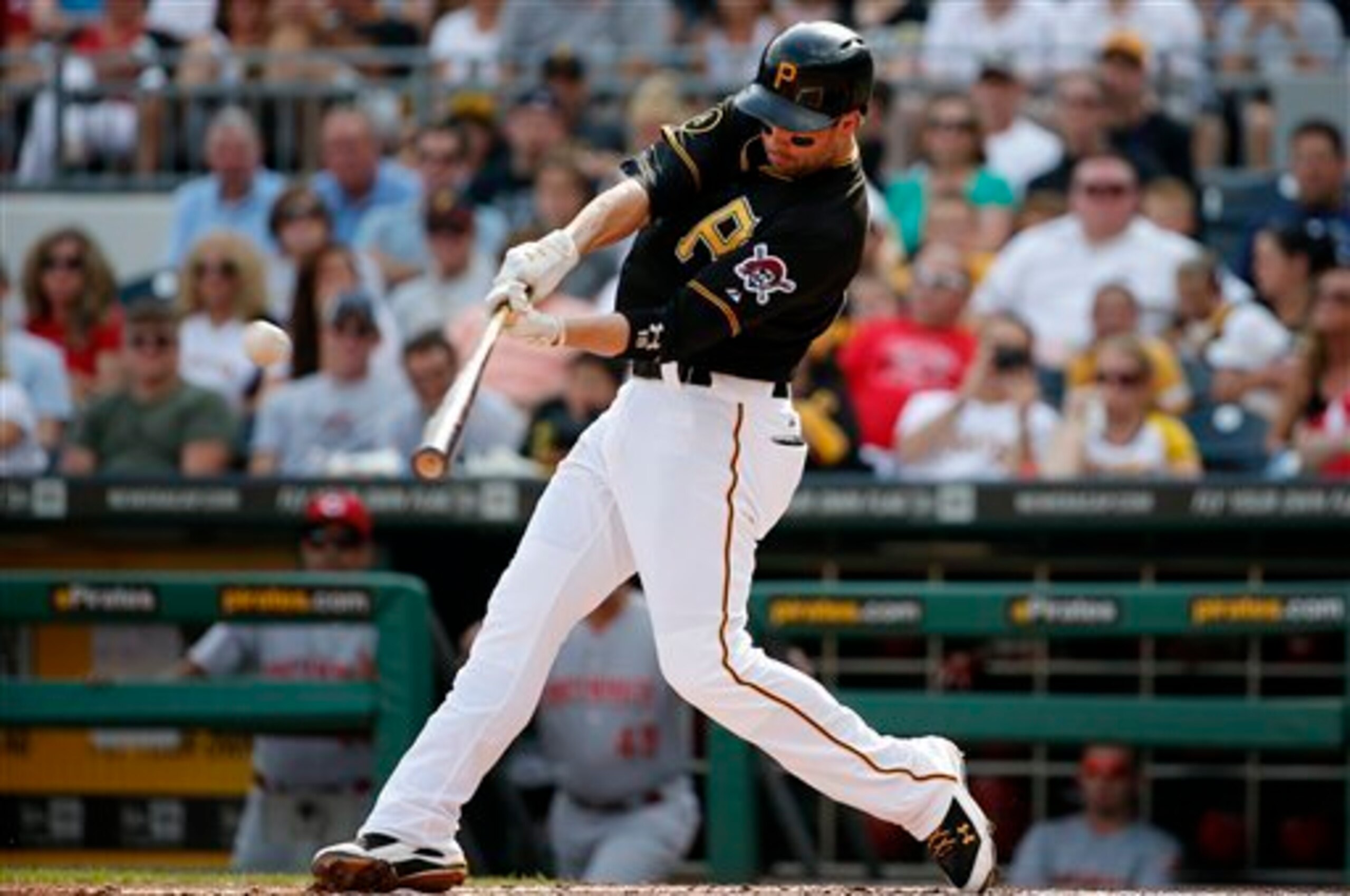
Hitting
Walker’s turned into a slightly more aggressive hitter, but his increased aggressiveness has taken place mainly within the strike zone and has seen him target and destroy fastballs. Also, his whiff rates against slow stuff are acceptable and his line-drive rates are better than acceptable. It’s too bad his escalating fly-ball habit is making it harder to hit for average, and he’s still not nearly as strong when he bats righty.
Power
Walker’s new fly-ball habit hasn’t been for naught, as it’s helped him set new career highs for homers two years in a row. Almost all of this year’s homers have come from the left side, and not just to straightaway right. He’s been able to poke a few out to center, too. The catch is that left and center are Walker’s main fly-ball alley as a lefty hitter. That’s a tough task at PNC Park.
Baserunning
Walker’s baserunning potential peaked back when he stole nine bases in 2011. He’s since toned things down to a point where stolen bases aren’t really part of his game anymore, and he doesn’t quite make up for it by taking many extra bases. His 44 XBT% is solid, but not spectacular. And given his lack of activity on the basepaths at age 28, it likely won’t be better at age 29.
Defense
The defensive metrics have tended to view Walker’s defense at second base as below average, and this year they view it as way below average. He plays largely mistake-free defense, but it’s easy to do that when you don’t have much range. His is limited by a slow first step and a lack of a burst to make up for it.
Overall
Walker packs a terrific bat for second base, and he’s made it better than ever with his adjustments this year. The trouble is he’s pretty much a bat-only second baseman, as he doesn’t run the bases well and doesn’t have much to offer on defense.
9. Daniel Murphy, New York Mets
28 of 36
Hitting
Murphy has been slightly more aggressive in 2014—but in the right way, by swinging at more pitches in the zone. It’s working like a dream, as he’s been knocking the crud out of pitches there. There’s little luck involved, too, as it’s his in-zone swings that are feeding his insanely high line-drive rate. If he fixes his whiff rate against breaking balls, he’s going to be scary.
Power
Because Murphy only has home run power to straightaway right field, he needs his line-drive habit to do the heavy lifting with his power. Fortunately, it's up to the task most of the time, and that much hasn’t changed. The best thing he has going for him is his power in both gaps, but he can also make good use of both foul lines. It may be mostly doubles power, but he does doubles power right.
Baserunning
Murphy’s not going to make it to 20 stolen bases like he did in 2013, but his status as a good bet for double digits hasn’t been compromised. And though he’s not repeating last year’s 61 XBT%, his 49 XBT% this year will do fine. Given that he’ll hit 30 in 2015, I’d expect a continuation of what he’s done in 2014 rather than a return to what he did in 2013.
Defense
The defensive metrics are once again sour on Murphy’s defense, and they once again have a justifiable gripe. He’s notched his third straight season with at least 15 errors and doesn’t have the kind of range that makes a habit like that excusable. He doesn’t have a good first step or quickness after the fact and can also take some tricky paths to ground balls.
Overall
Murphy’s bat was good before 2014, but he’s made it that much better by launching an all-out assault on pitches in the zone. He also offers solid power and baserunning, leaving his defense as the only real problem. And it’s too bad it really is a problem, as it takes away from his overall value.
8. Dee Gordon, Los Angeles Dodgers
29 of 36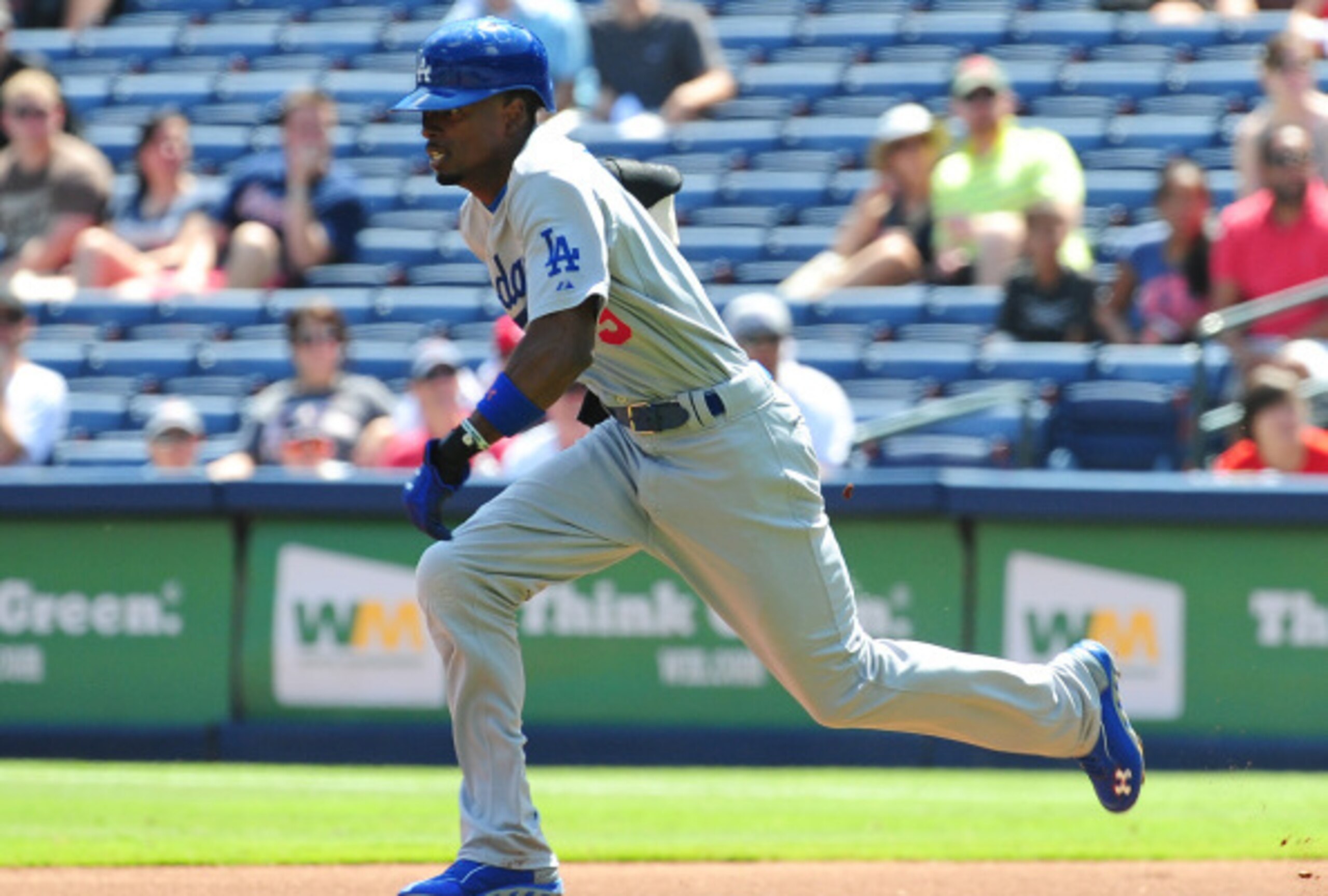
Hitting
We’ve seen a more disciplined Gordon, and a big reason for that is how he’s toned down his aggressiveness against slow pitches. And though he depends largely on average on balls in play, he’ll continue to do well if he keeps the ball out of the air. Where he’s still weak, however, is in his ability to hit inside fastballs. He also still hasn’t learned to walk, giving his on-base ability two major handicaps.
Power
Gordon’s power potential is limited by how seldom he hits the ball in the air, and there’s also the reality that his contact approach is based on slapping the ball to left field. Anything he can turn on and hit in the right-center gap, however, is an easy triple. Also, any ground ball that sneaks past the third baseman is an easy double. So though his raw power is lacking, his ability to be a decent power producer is solid.
Baserunning
Nobody ever said Gordon couldn’t run, and he’s finally showing what he can do with a strong on-base habit this season. Though he’s not the most efficient base stealer, he’s still your league leader in stolen bases and has a 60 XBT% on the side. Even if he doesn’t become a more efficient base stealer, he’s fast enough to be a huge source of baserunning value anyway.
Defense
Since Gordon is still new to second base, it’s not surprising to see the defensive metrics rating him as, at best, an average defender. The bright side is that he definitely looks like a shortstop playing second base, using his speed and shortstop’s arm to make some tough plays look easy. With more experience, his defense should start rating more highly.
Overall
If we’re being honest, this scoring system isn’t very friendly to Gordon because of how it has a cap on how many points he can get for his baserunning. Even with what, there’s no denying he’s turned himself into a well-rounded player. In addition to playing a solid second base, he’s turned himself into a capable hitter by tightening up his approach and catering to his strengths.
7. Dustin Pedroia, Boston Red Sox
30 of 36
Hitting
We’ve seen a slightly more aggressive Pedroia in 2014, but he hasn’t been less disciplined or significantly worse at making contact. And given how he’s gotten better at hitting everything on a line, he deserves better results. One word of concern, though: It’s not a good look that he’s never been worse at hitting fastballs away. If he doesn’t get that squared away, it’s a weakness pitchers can easily exploit.
Power
It’s sort of an open secret that Pedroia’s power is declining, and it’s hard not to notice how his power decline mirrors the steady decline of his fly-ball rate. Still, his line-drive power does help pick up some of the slack. He still has some power in the right-center gap, left-center gap and to straightaway left. As long as that line-drive power doesn’t dry up, his power won’t get too bad.
Baserunning
This is the area where Pedroia looks 30 more than any other. He’s done just as much harm as good stealing bases, and it does look to the naked eye like he’s lost a step. As such, 2013 could end up being his last double-digit-steal season. And while he’s still good at rounding the bases with a 46 XBT%, that’s only worth so much without steals and with a high number of outs at second for a third time in four years.
Defense
According to the defensive metrics, Pedroia is still an elite defensive second baseman. According to the eye test, this is absolutely true. He may be losing foot speed, but he’s not losing any reaction speed or first-step quickness. Factor in terrific hands and plenty of willingness to get dirty, and you get the best defensive second baseman in baseball today.
Overall
Since he can still put together good at-bats with a very strong contact ability on offense and play a terrific second base on defense, Pedroia hasn't stopped being a very good two-way player. But with his power and baserunning on thin ice, it's noteworthy that "very good" is a step down from "great."
6. Ian Kinsler, Detroit Tigers
31 of 36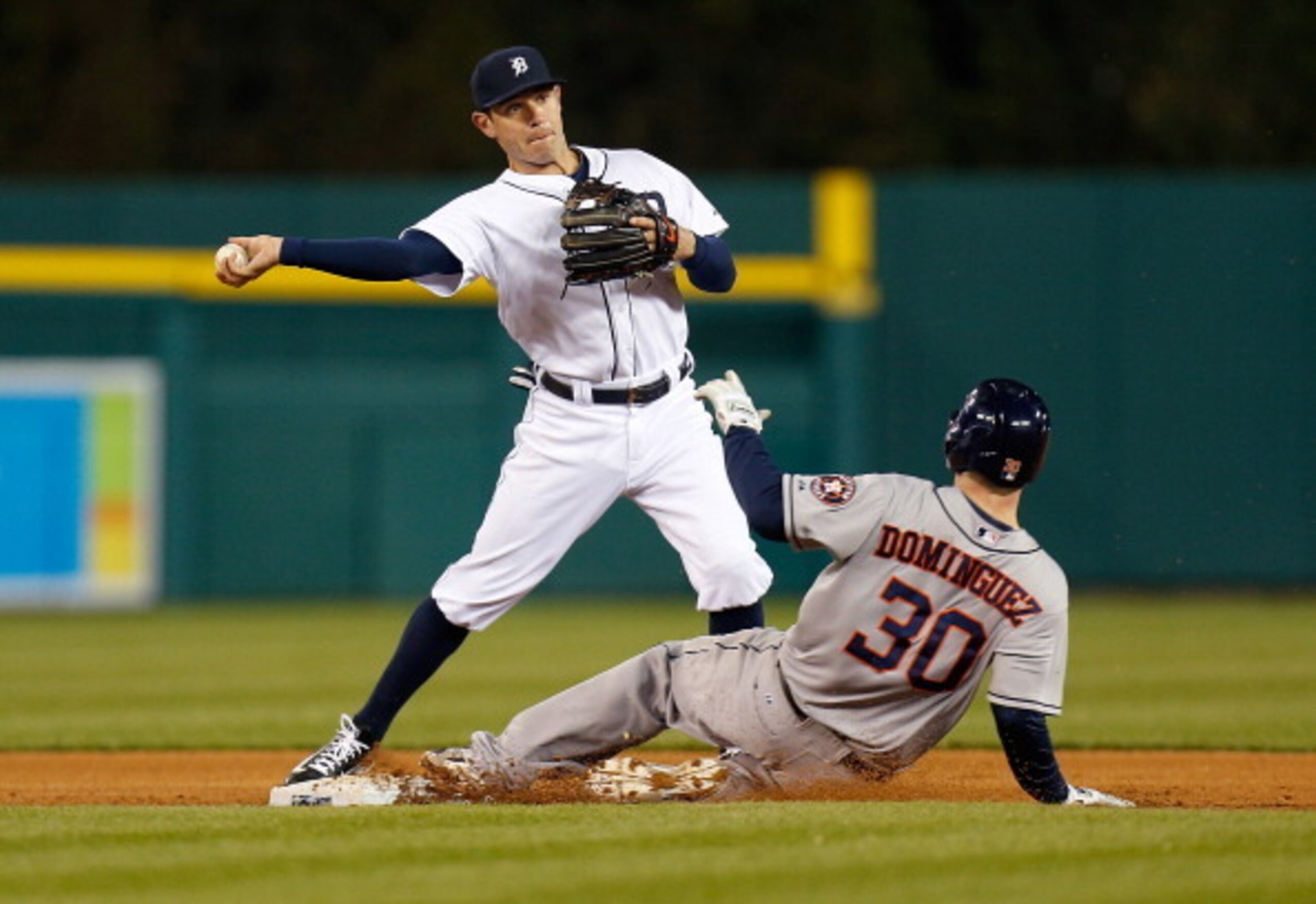
Hitting
Kinsler’s transformation into an aggressive hitter could be going worse. He’s still an elite contact hitter, and swinging more often hasn’t given him any clear weaknesses against any specific pitch types. But while that’s all good, he’s also traded in his budding line-drive habit for his old fly-ball habit and has been pulling the ball more than ever. Basically, he’s not proving that different is better.
Power
The usual refrain about high fly-ball rates is that they tend to make good power hitters. But the return of Kinsler’s fly-ball habit hasn’t meant a return of his old power. It doesn't help that his power production is almost all on his pull side, and the deep drives in that direction are far outweighed by shallow fly balls all over the outfield. If he’s already having issues like that at age 32, age 33 likely won’t be any more kind.
Baserunning
Kinsler’s days of being a volume base stealer look like they’re over. But he’s showing this year that double-digit steals with good efficiency is in play. And there’s more, as last year’s rock-solid 61 XBT% has become a 64 XBT%. So even if he slows down on the basepaths in his age-33 season, he should still be really good.
Defense
The defensive metrics have been up and down on Kinsler’s defense, but they’re up on it this year. Some of that has to do with how he’s cleaned up the problem with errors he had in 2013, with still another part being that he’s showed off good range. That’s something that I’m only half on board with, though. His range is definitely good, but by his old standards, he’s not as quick at getting after the ball.
Overall
Kinsler can hit, hit for power, run the bases and play some really good defense. But it sort of feels like he’s having a better season than he really is. His power and approach at the plate haven’t improved, and you wonder if either will given where he is on the age spectrum.
5. Chase Utley, Philadelphia Phillies
32 of 36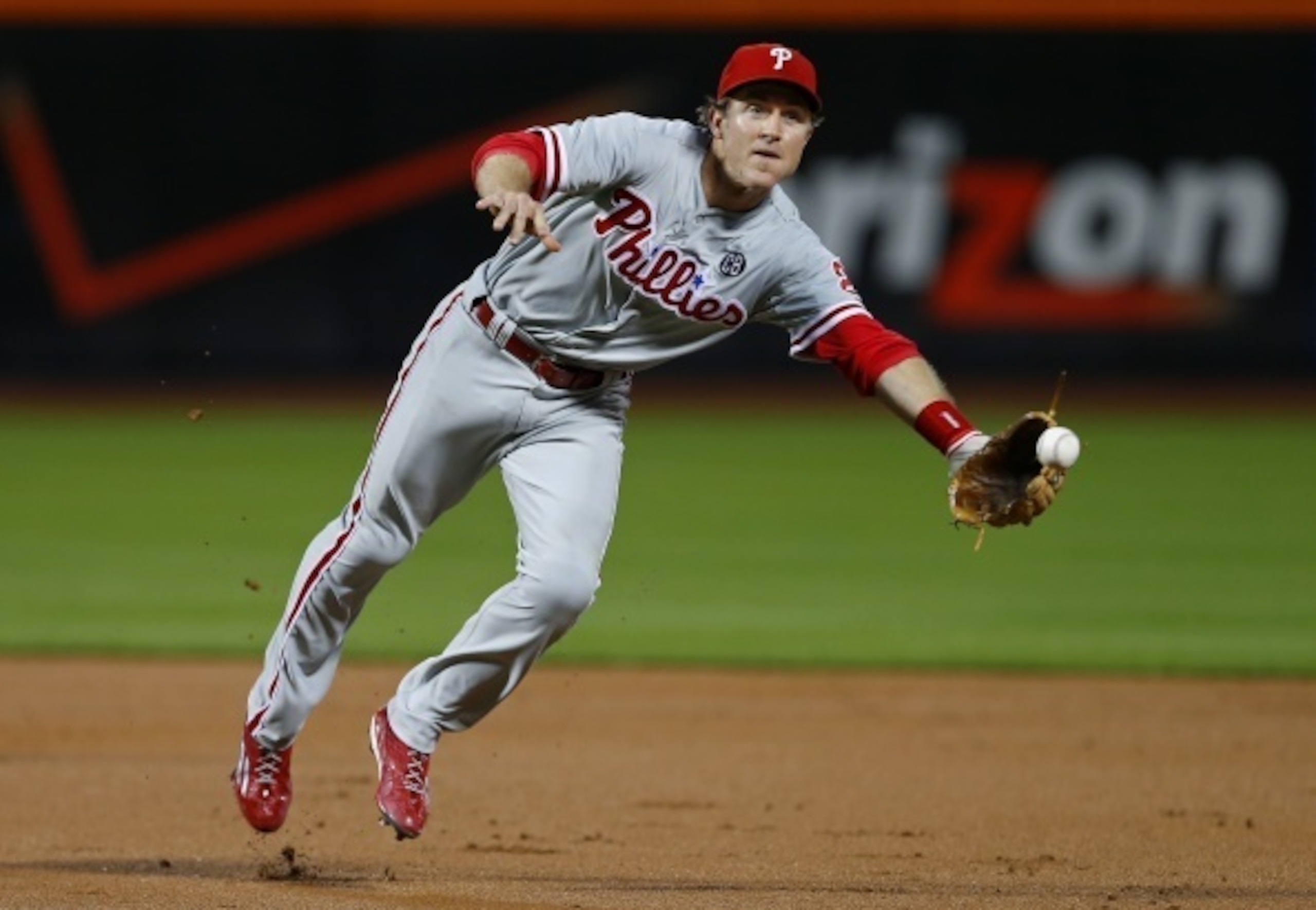
Hitting
With his patience and discipline intact, Utley has become more aggressive against hard stuff without also compromising his ability to hit off-speed stuff. To boot, his line-drive rates against all pitches are up. The catch is that he’s needed those, as this late-career version of him is still prone to roll pitches over to the right side of the infield and can still be beaten by good breaking balls.
Power
Utley’s power has fallen off this year in part because he simply hasn’t been hitting the ball in the air as often. Beyond that, a quick comparison of batted-ball maps will reveal that his power has become geared much more toward right field in 2014 than it was in 2013. And at his age, I wouldn’t expect him to get better at driving the ball to left and center. That will limit his power to being good rather than great.
Baserunning
Utley’s historic efficiency (seriously) at stealing bases is still intact, but he’s too old to go anywhere beyond the five-to-10 steal range. It’s a good thing he hasn’t gotten shy about taking the extra base, as he’s working on a 53 XBT% that’s not far off his career norm of 57 percent. As such, one of the most underappreciated parts of his game is still working.
Defense
Though Utley is up there in age and far from the brilliant defender he once was, the defensive metrics still fancy him as above average. That should make sense to anyone who’s seen him play. The burst he used to have isn’t there anymore, but he still has a very good first step and is very willing to hit the deck to make tough plays. This more than makes up for his errors, which aren’t exactly infrequent.
Overall
It was easy to get the sense that Utley’s career was in peril when he had problems with his knees in 2012, but not now. He doesn’t do anything as well as he used to, but he’s still a hitter with a keen eye and good approach and who can hit for power, run the bases and play defense well.
4. Brian Dozier, Minnesota Twins
33 of 36
Hitting
Dozier’s best skill is keeping his bat on his shoulder. He’s one of baseball’s most infrequent swingers and combines that with good discipline to collect walks. But since his passiveness also applies to the strike zone, he gives pitchers a lot of strikes and is easily put away by non-fastballs. Add in a growing fly-ball rate, and it’s clear Dozier has some work to do if he wants to draw walks and hit for average.
Power
The bright side of Dozier’s fly-ball habit is that it gives him plenty of home run power, mainly because he’s pretty good about pulling fly balls to left field consistently. And when he does, he doesn’t miss. Though the downside is that Dozier’s power is basically nonexistent in directions other than straightaway left, the honor of being baseball’s best home run-hitting second baseman is currently his.
Baserunning
Though it’s easy to get lost in the power, don’t overlook how Dozier is a threat on the basepaths, too. Though not the most efficient base stealer, he’s improved on a 14-steal season by cracking the 20-steal barrier. Then you can add in a 61 XBT% for a picture of a guy who does a darn good job of running around the bases when he’s not jogging around them.
Defense
The defensive metrics are split on whether Dozier’s defense is slightly above average or slightly below average. That’s actually a good summary of his defense. He’s a live wire on tough plays, showing off a good burst and quick hands. Then there are times when he wants to make plays look tougher than they are, resulting in miscues. Still, I’ll take the tough plays and side with the positive opinion of his defense.
Overall
Dozier’s hitting potential is limited by how his approach suppresses swings and too often wastes swings that are taken. But his power is outstanding for a second baseman, and he adds in good baserunning and (I think) good defense to go with it. These things make him one of the best there is at second base.
3. Jose Altuve, Houston Astros
34 of 36
Hitting
Altuve has become the hitter he needed to become. He’s gotten more aggressive in the strike zone—mainly by attacking fastballs—and has become one of the best contact hitters in the business. He’s been hitting everything well in 2014, and he’s kept his average high by favoring line drives and ground balls and using the whole field. His one weakness: He doesn’t walk.
Power
One look at Altuve would lead you to believe he’s not a power hitter. And he’s not. What home run power he has is held down by a low fly-ball rate, and the line-drive power he has is pretty much all to his pull side. He can hit ‘em in the right-center gap, but they have a tough time getting through. As such, it’s a good thing he has the bat speed to regularly whip doubles into the left field corner.
Baserunning
Altuve was a good base stealer before 2014, but this year has seen him become great with 50-plus steals. Simply being on base more consistently has given him more opportunities to go, but he’s also been more efficient when he has decided to steal. The result is the American League’s top stolen-base total. Not that Altuve is a one-trick pony, mind you, as he’s also working on a solid, if not great, 44 XBT%.
Defense
The defensive metrics have tended to agree that Altuve is a below-average defender, and this year is no different. His quickness plays better on the basepaths than it does on defense, where his modest first step and short strides limit his range. He does have the hands for the position, though, and you have to give him credit for hanging in there on double plays better than other, bigger second basemen.
Overall
It’s easy to look at Altuve’s batting average and stolen bases and see an elite player. But power and defense do count for a lot, and he doesn’t provide much of either. Still, his rise as one of the league’s top hitters is no joke, and it should allow him to continue as one of the best at second base.
2. Ben Zobrist, Tampa Bay Rays
35 of 36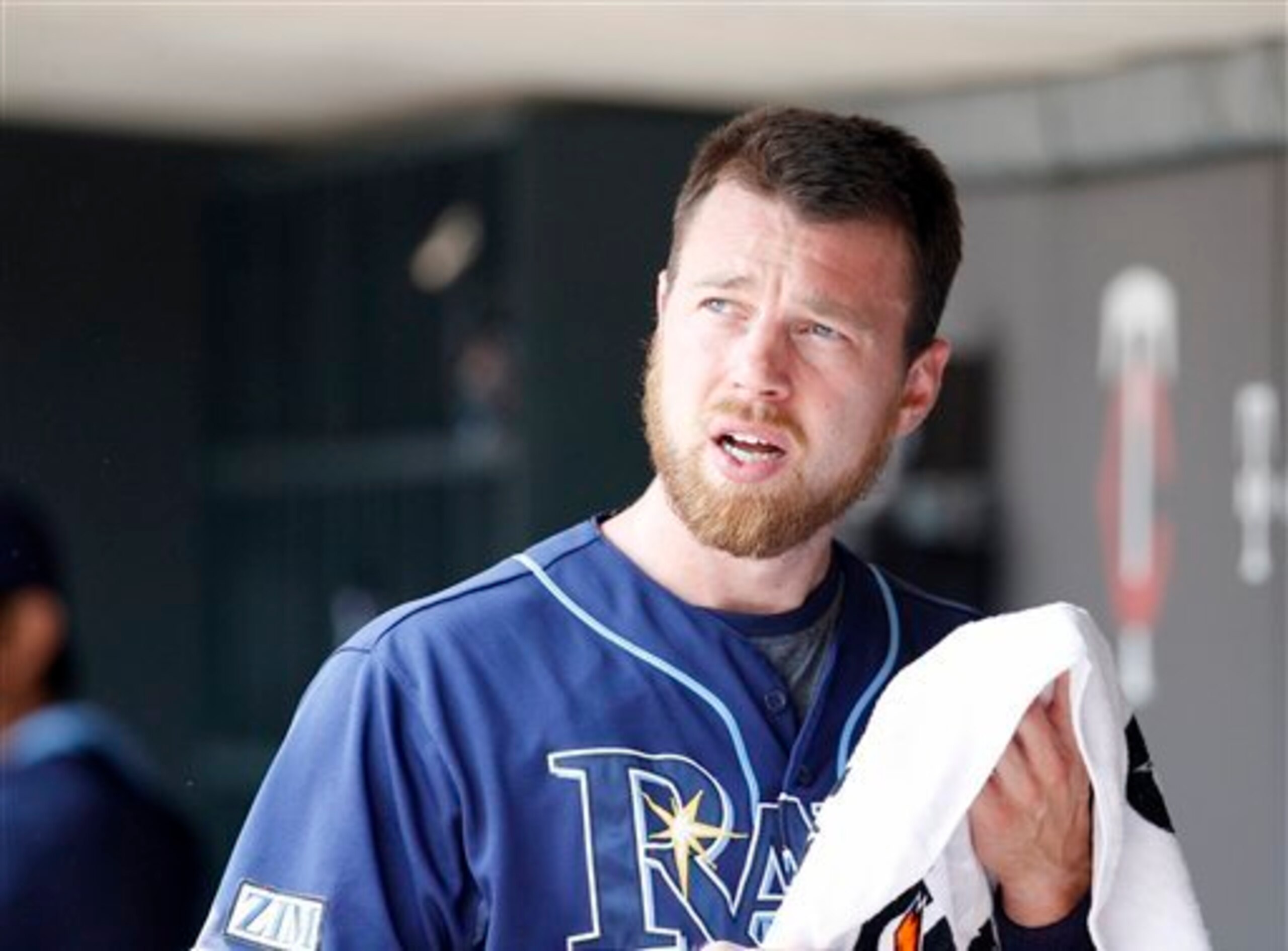
Hitting
Zobrist is extremely selective, and he rarely misses what he swings at. As a result, he’s able to balance a high walk rate with a low strikeout rate. What’s not so great is that he can’t be counted on an average on balls in play much higher than .300. He hits mostly ground balls and fly balls and is a pull-heavy hitter from the left side. His ability to get on base thus comes with a high floor but also a low ceiling.
Power
It looks like Zobrist’s days as a 20-home run hitter are over. It doesn’t help that he’s more of a ground-ball hitter than a fly-ball hitter now, and he’s really only had pull power from both the left and right side of the plate. He still has good power to offer by second base standards, but I wouldn’t expect what power he has to get any better in his age-34 season next year.
Baserunning
Zobrist’s days as a reliable base stealer also seem to be coming to an end. He’s about to make it three straight years with fewer than 15 steals, and with modest success rates to boot. However, the 53 XBT% rate he has this year is a reminder that he’s still one of the more instinctual baserunners out there. It will be tough for him to repeat that, but I still wouldn’t expect him to turn into a base-clogger.
Defense
The defensive metrics see Zobrist as only a slightly above-average defender at second base, but it’s not because of his range. His first step doesn’t look as quick as it used to be, but his 6’3” frame still allows him to cover a deceptive amount of ground and his arm is more than good enough for the position. Then you can factor in how he still plays quality defense at several other positions, which is worth extra.
Overall
Zobrist isn’t the same hitter he was between 2009 and 2012, and you can see the age-related cracks forming on his power and speed. But he still has one of the most disciplined approaches you’re going to find, and he brings enviable defensive versatility to the table. He's probably not as good as his WAR says he is, but he’s still darn good.
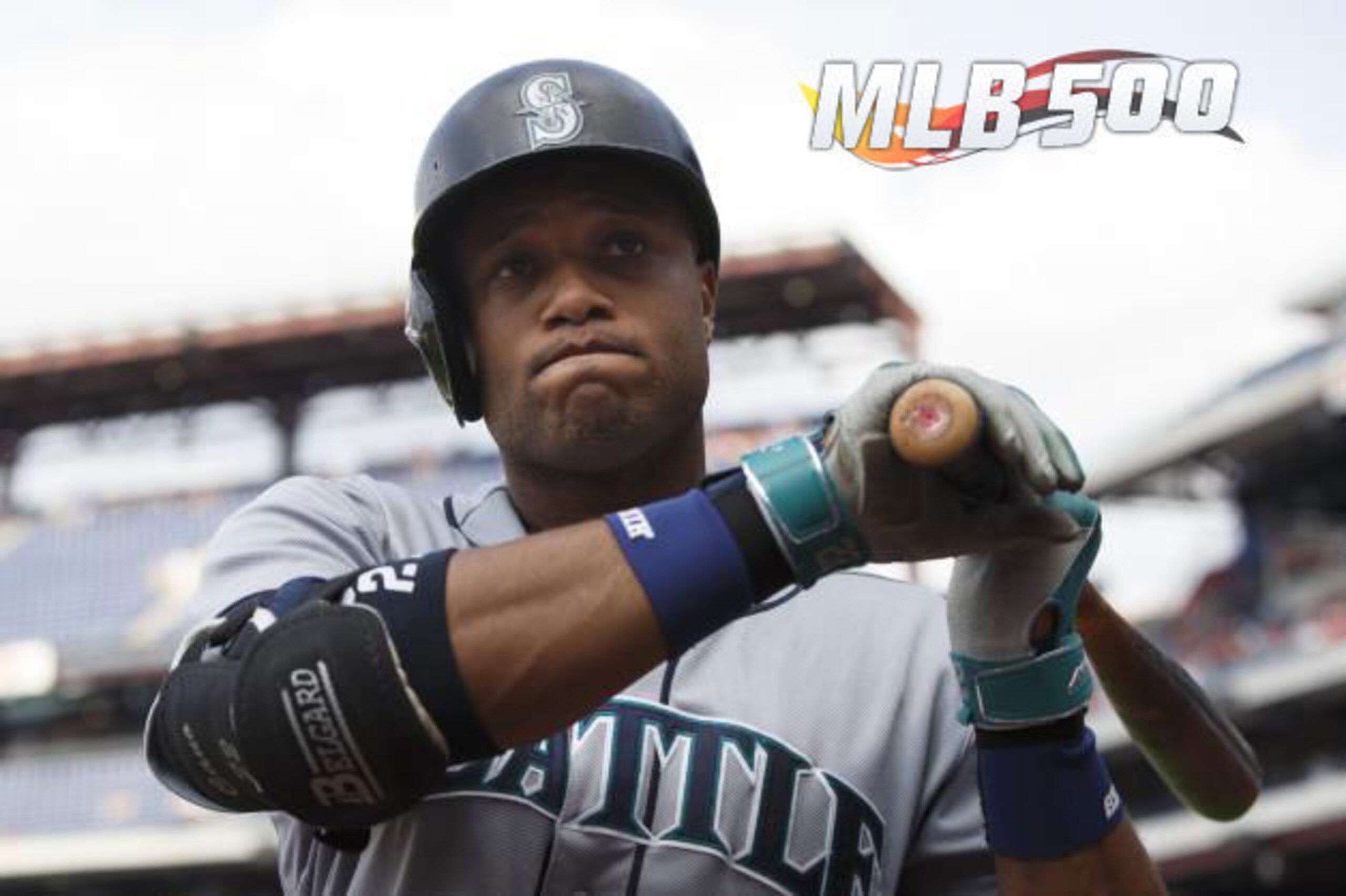
1. Robinson Cano, Seattle Mariners
36 of 36
Hitting
If there’s one thing not to like about Cano’s hitting, it’s how he’s become such an extreme ground-ball hitter. But seeing how much he’s used left field for ground balls makes you feel better about that, and then you can look at how he basically doesn’t swing and miss, covers a huge amount of the hitting zone and isn’t weak against any particular pitch type. And you realize that, yup, the guy can hit.
Power
After a slow start, Cano’s power has come roaring to life since June. Best of all is how he’s been driving the ball the other way, something he wasn't doing before. However, it is going to be harder for him to hit for power if he keeps hitting so many grounders. And with his 32nd birthday fast approaching, it is more than likely that Cano’s best power days are behind him.
Baserunning
Where there was once power, there is now speed. Beyond notching his first career double-digit-steal season, Cano has also increased last year’s 38 XBT% to 50 percent. Through it all, he’s been arguably Seattle’s best baserunner. There is the worry about this all happening with him on the wrong side of 30, however, so we probably shouldn’t expect him to be quite as prolific in 2015.
Defense
This is where things get tricky. After being split on Cano in 2013, the defensive metrics agree that he’s close to an average defender now. The eye test says there’s some truth to that, as his first-step quickness and subsequent burst just don’t look the same. But since he can still make accurate off-balance throws and get rid of the ball quickly on double plays, I’m inclined to give him a break.
Overall
Because Cano’s power and defense appear to be slipping, there are very real threats to his status as one of the game’s elite players. But if he keeps running the bases like he has in 2014 while also hitting like, well, he always has, the Mariners should keep getting their money’s worth from their $240 million man.

.jpg?w=2560 "Insiders: Cowboys Overpaid for Porter")
.jpg?w=2560 "Every Trade's Best Trade Asset 🔁")
.jpg?w=2560 "Top NFL Trade Targets")
.jpg?w=2560 "Daniels Eyeing Week 5 Return")
.jpg?w=2560 "No Rift Between Maye, Vrabel")