
NBA Power Rankings: The Brightest Player from Each Team in the League
To be great in this league, you need to be have some sort of specialty on the court.
Some players can shoot, others can drive, and others can pass, but to be a truly great player you must also have a high basketball IQ. Players who have the proper court awareness achieve an advantage over those who don't. Whereas any player in the league can shoot and dunk, it takes plenty of practice to distinguish yourself and your teammates from a mental standpoint.
All the great players in league history had basketball IQ's higher than those of their peers, and this is why they are recognized as legends of the hardwood today. Players like Magic Johnson and Isiah Thomas led their teams to multiple championships because of just how smart they played with and without the ball. They dictated the way their games were played just by using their heads.
While there aren't many Magic Johnson's or Isiah Thomas's playing in the league today, there are still a number of players who are just as smart and could have a bright future if they continue to play as such. To be a quality mental player, you must find ways to make your teammates better in order to help lead your team to victory whether the ball is in your hands or not.
It takes a good player to physically play the game, but it takes a great player to play the game with their head.
Atlanta Hawks: Kirk Hinrich
1 of 30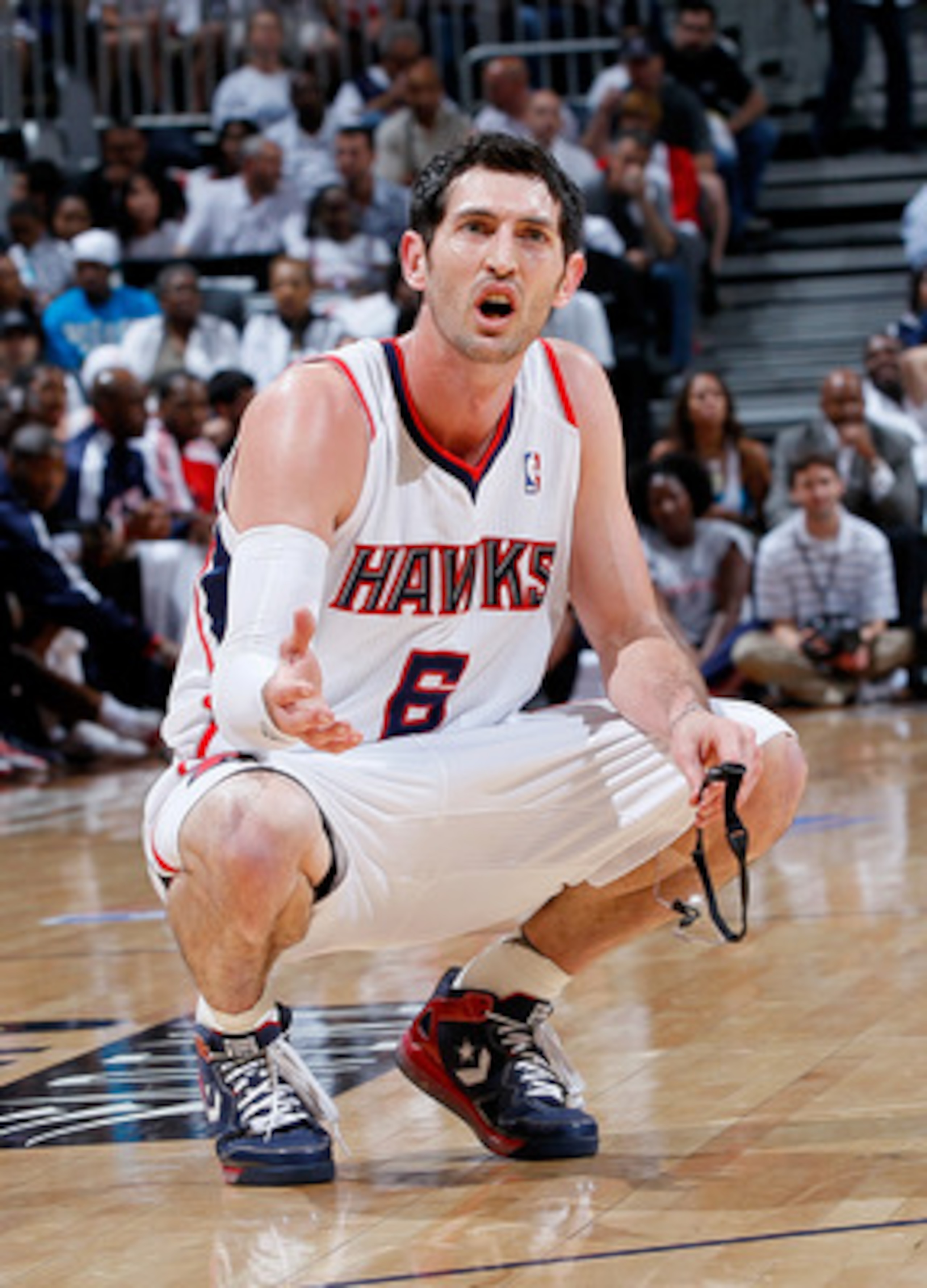
He's not the type of player who would lead his team to victory, but Kirk Hinrich is the type of player that will consistently give you quality offense and defense.
Hinrich has been in the league since 2003 and is now on his third team in three years. He spent his first five years with the Chicago Bulls and was the team's leader when it came to knocking down three-pointers and playing hard-nosed defense. In fact, he is known for his defense and his ability to keep some of the league's best guards in check.
Kirk doesn't have the body of most stand-out defensive shooting guards, but he does have the mind to defend the elite guards. Throughout my Miami Heat fan hood, I clearly remember Hinrich being the best defender on Wade when he was a member of the Bulls. He was able to chase him over screens, quick enough to keep up with him, and physical enough to frustrate Wade.
He doesn't have the look of a usual starting guard, but he's smart enough to know how to hold his own against the league's top shooting guards thanks to his ability to identify players' weaknesses.
Boston Celtics: Ray Allen
2 of 30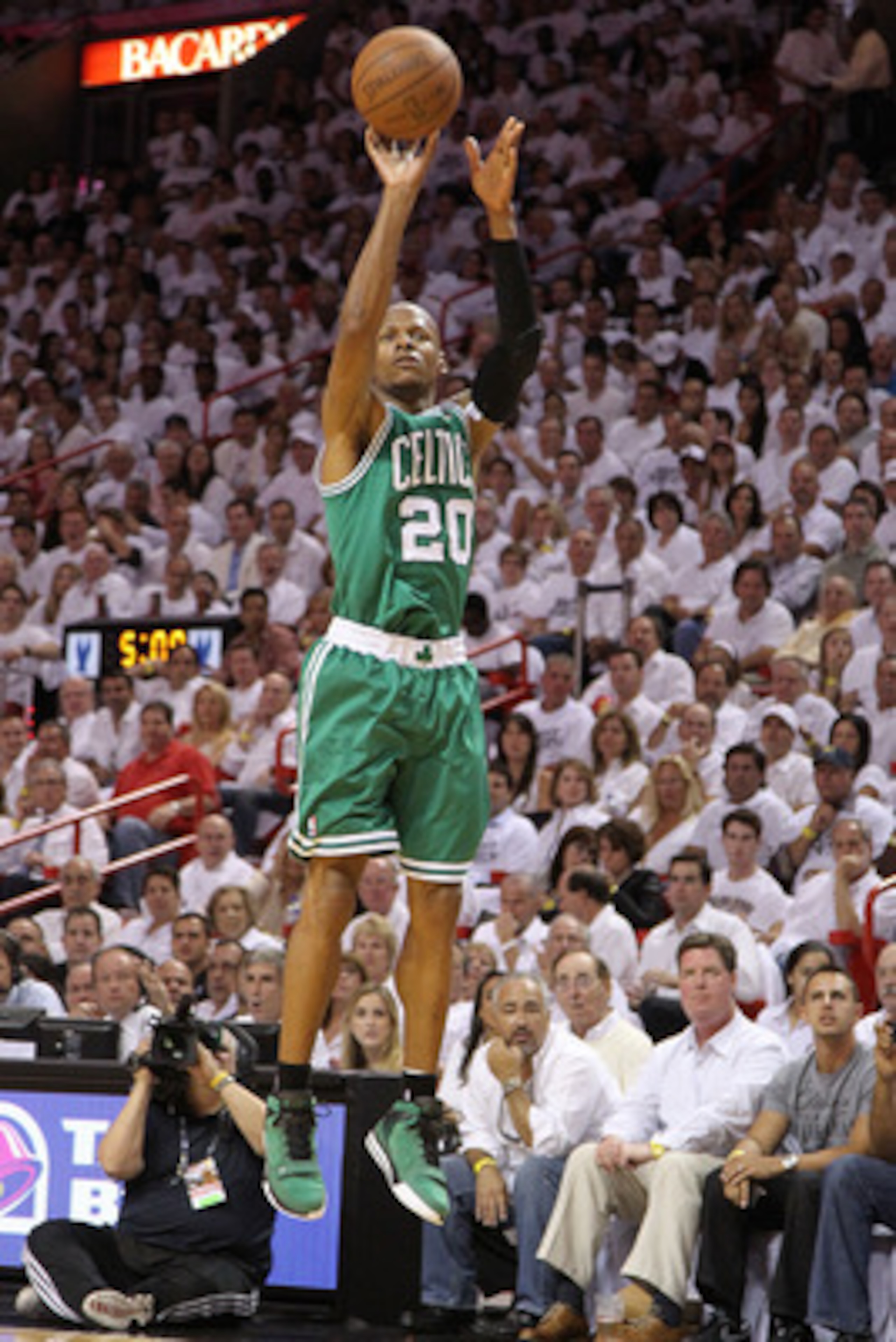
Since 1996, Ray Allen has been one of the league's most lethal three-point shooters. His ability to get open at any given opportunity is what makes him so dangerous and so volatile, and it's also what has allowed him to break Reggie Miller's former three-point record in a lesser amount of time.
Allen has averaged over two three-pointers per game for his career and has shot nearly 40% because of his quick release and his ability to get open. These days, Allen isn't the type of player that you'll find attacking and driving to the rim. Instead, you'll find him constantly on the run, observing and using screen after screen as means to free himself up.
For 15 years, opposing teams have attempted to find a way to limit his three-point shooting and have failed. Allen has been quick enough and smart enough to avoid being shut down by even the greatest of defenders.
Charlotte Bobcats: Boris Diaw
3 of 30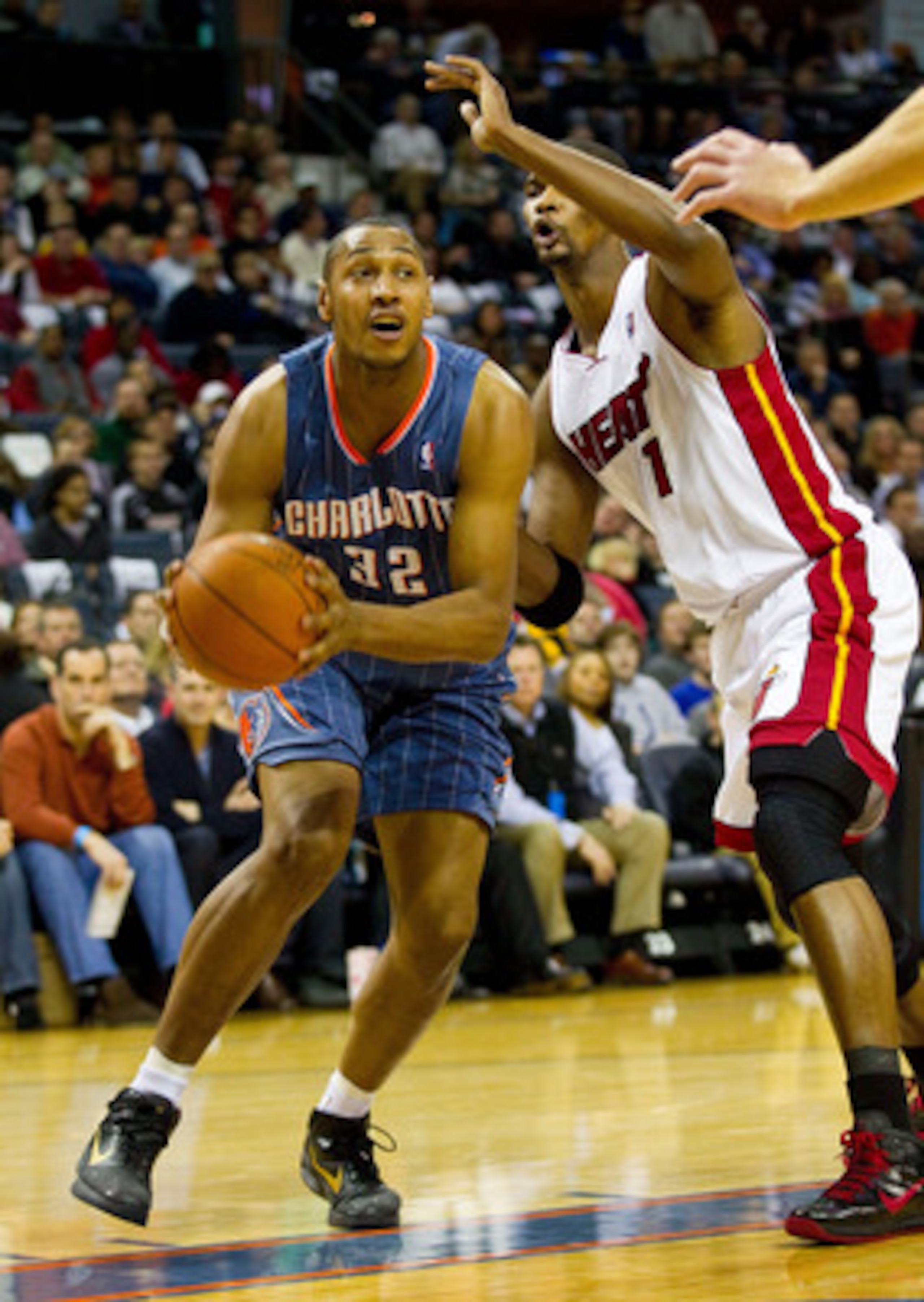
An import from France in 2003, Boris Diaw has made a career out of being everywhere and doing everything on the court.
Diaw won't make the highlight reels; instead he does the little things that eventually add up to victory for his team. Diaw has only averaged 10 points, five rebounds, and four assists for his career, but has also averaged as many as 13 points, seven rebounds, and six assists during the 2005-'06 season.
Diaw is a fundamental player that can score from inside and out, rebound, and pass well for a person of his size.


Chicago Bulls: Luol Deng
4 of 30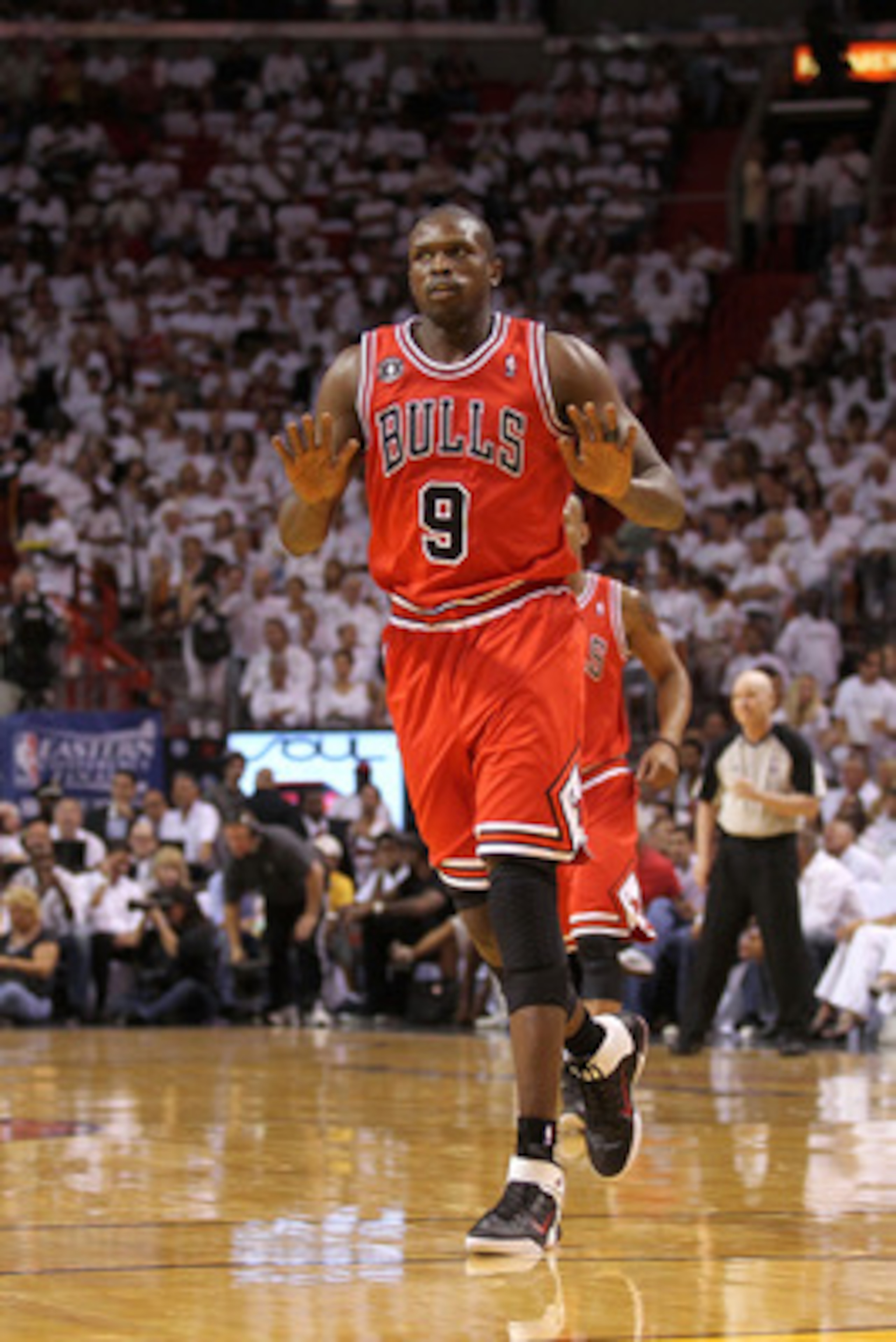
For years, Luol Deng has quietly been among the Chicago Bulls' most consistent players.
He has averaged as many as 39 minutes per game, but has not once averaged more than two turnovers per contest. Deng has been the glue to this Bulls team since he was traded prior to the 2004 season, and has consistently given his team solid work on both sides of the ball. He's smart enough to pick and choose the correct time to shoot or pass and has never been greedy by attempting to take control of the game on his own.
Luol has the capability to take over the game, but he would rather let superior offensive players perform the job. He's a fundamental player with a high enough basketball IQ to be regarded as one of the league's top role players.
Cleveland Cavaliers: Anderson Varejao
5 of 30
Anderson Varejao has never averaged more than ten points per game and this season recorded over a block per game for the first time in his career.
Yet, Varejao is the Cleveland Cavaliers brightest player for the consistent effort that he gives and the fundamentals that he provides. The Brazilian product uses his defensive prowess to stymie his match-ups, but uses his ability to get inside his opponents' heads as his strong suit. By flopping and drawing offensive fouls, Varejao frustrates his opponents and makes players who thrive on driving more hesitant to do so.
Is Varejao an annoying player? Yes, and that's exactly what he's trying to accomplish every time he steps on the floor.
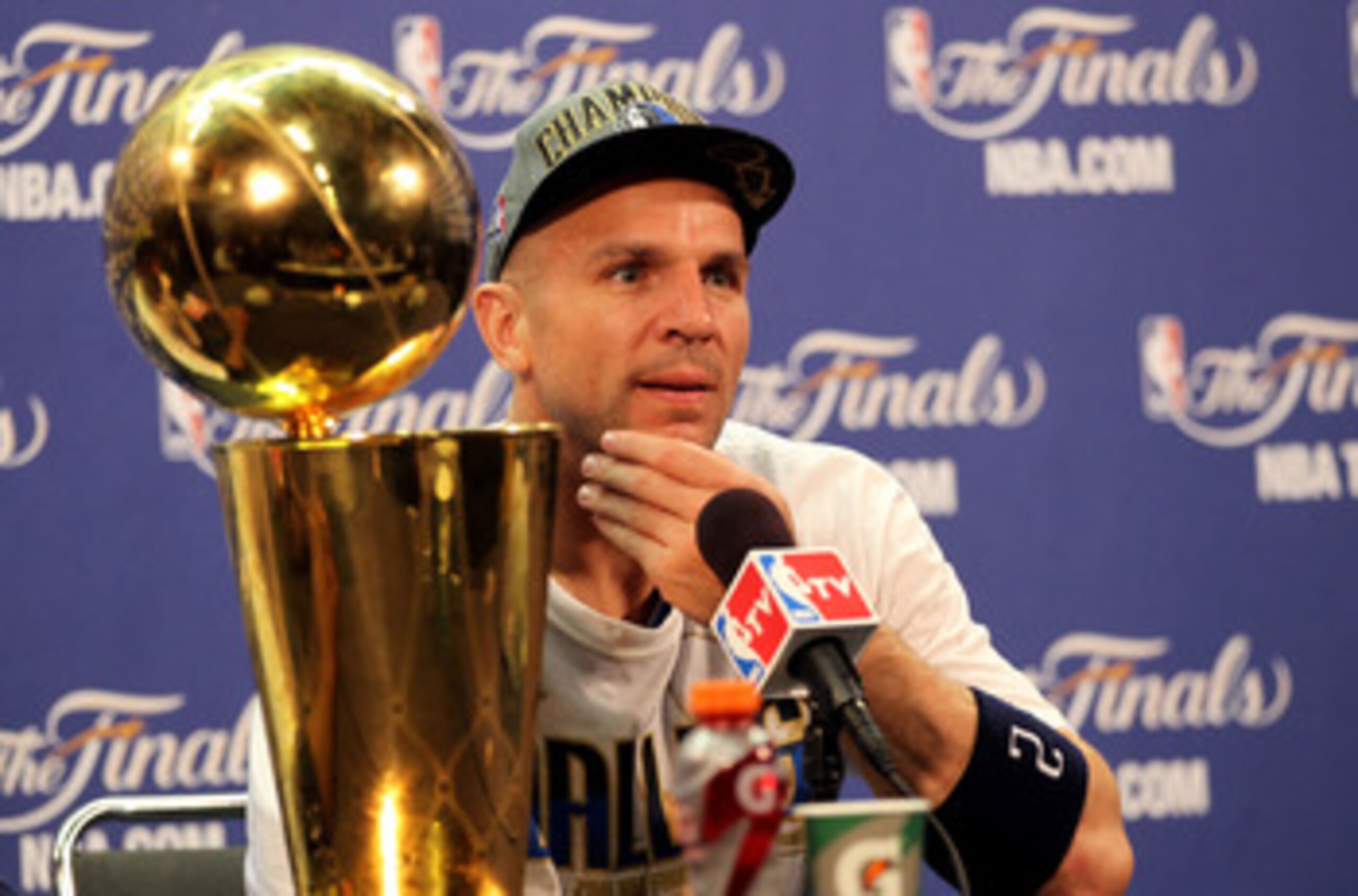
Dallas Mavericks: Jason Kidd
6 of 30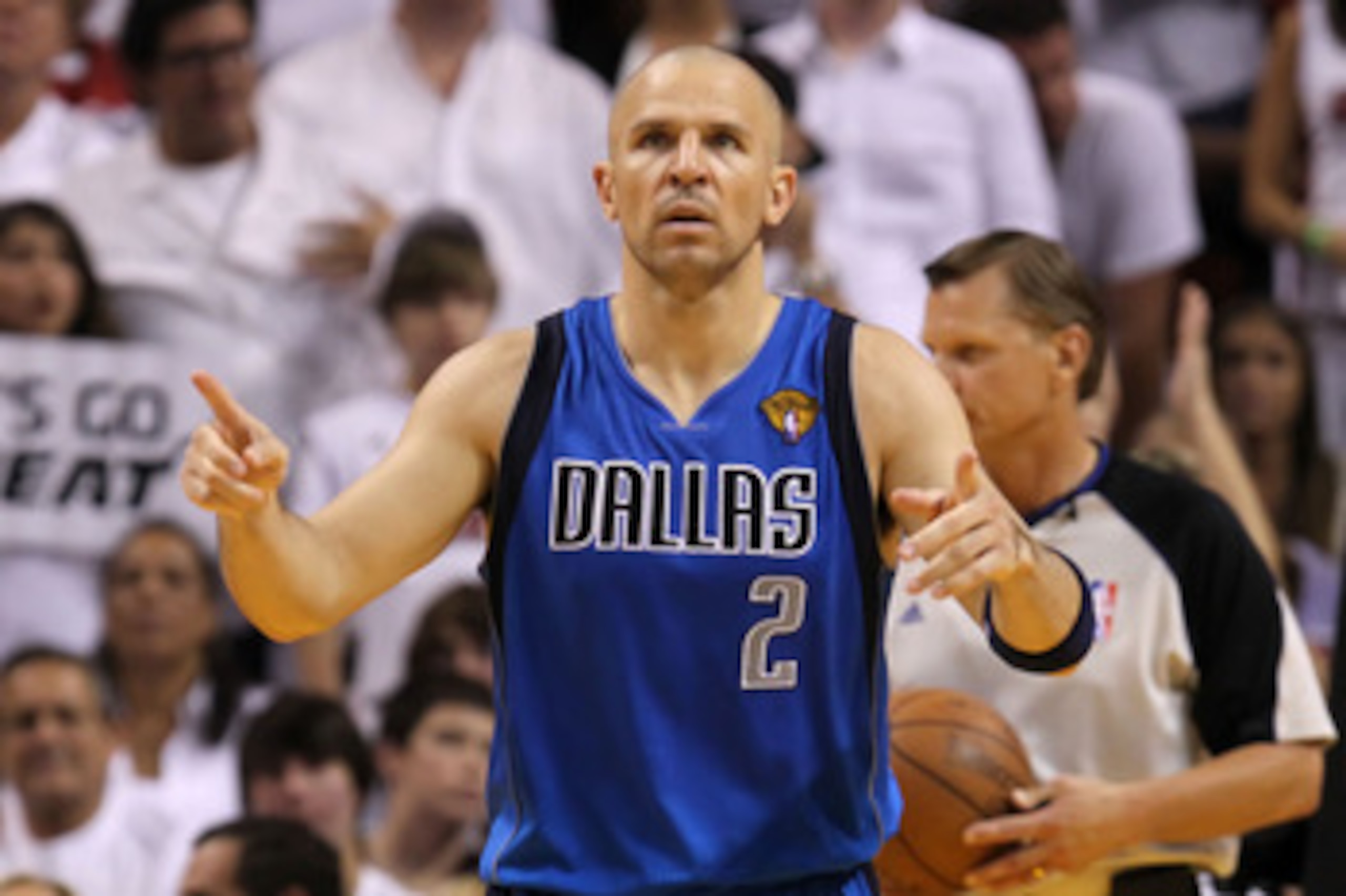
After over 15 years worth of hard work and determination, Jason Kidd has finally won his first championship with the Dallas Mavericks.
As one of the smartest people to ever step onto a basketball court, Kidd based his career solely on his fundamentals when running the point. He did average over three turnovers per game for the first decade of his career, but he also turned the New Jersey Nets into perennial championship contenders in the early 2000's and led them to two title games in the process.
Kidd is a stat stuffer who is one of the NBA's greatest leaders when it comes to triple-doubles. Despite being only 6'4", he has been one of the league's top rebounders as well as one of its top passers. Lately, he has emerged as a quality three-point shooter thanks in part to the tutelage of teammate Dirk Nowitzki.
Turns out that old dogs can learn new tricks.
Denver Nuggets: Nene Hilario
7 of 30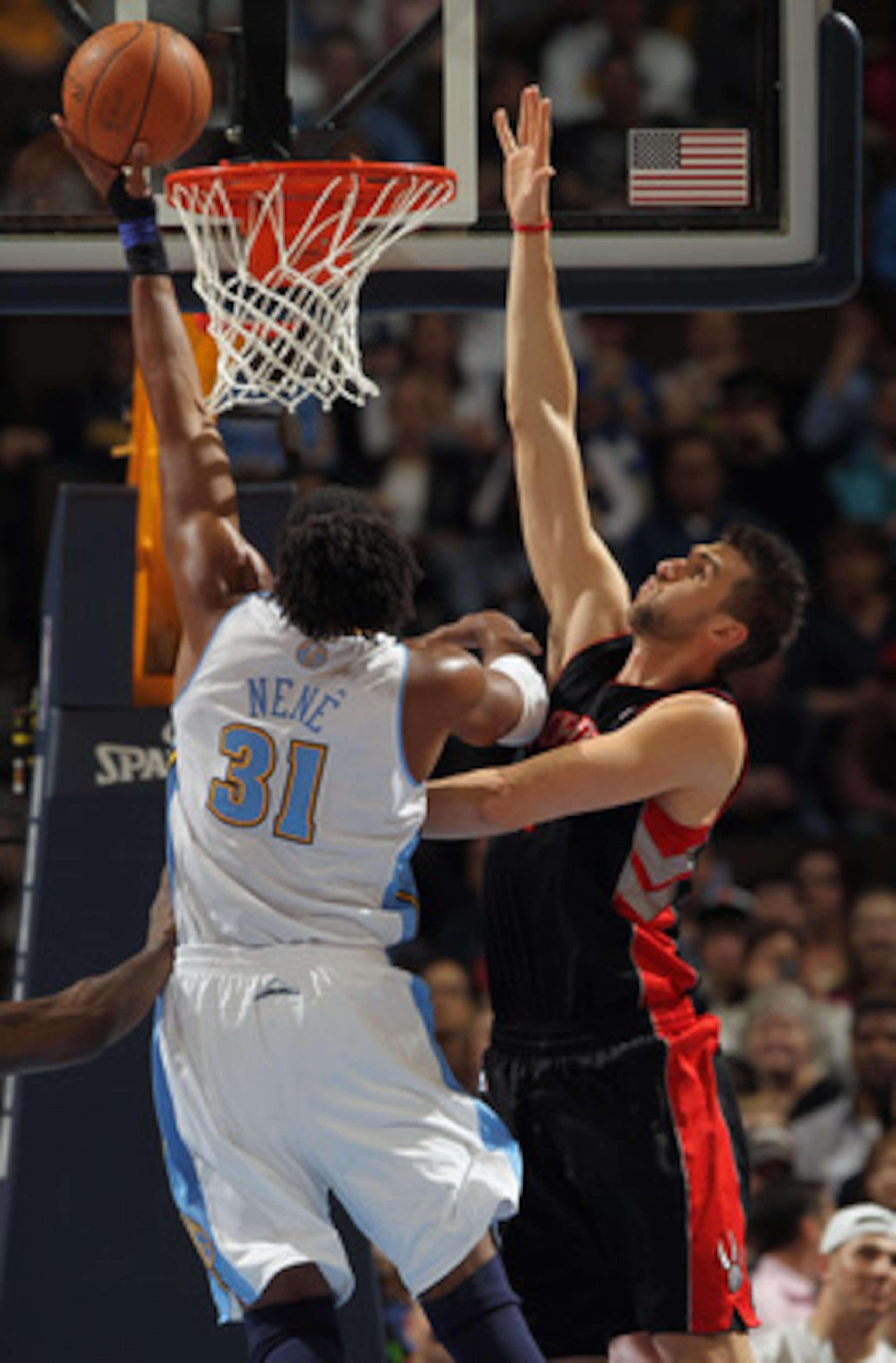
If the Denver Nuggets don't acquire a true team leader this off-season, then we'll witness just how good a team leader Nene Hilario can be. With no Carmelo Anthony over the second half of the season, Hilario became the offensive leader of the Nuggets and willed them to a 50-win season that eventually placed them in the fifth seed.
Hilario is a terrific defender as well as one of the league's better scoring centers, and has the post moves that allow him to become an actual threat under the rim as a big man. The greatest part of Hilario's game would have to be his resilience. Only five years ago, Hilario underwent surgery in the midst of a cancer scare that caused him to miss all but one game in the 2005-'06 season.
Since those tough times, Hilario has emerged as a leader for the Nuggets and could see his role expand next season if the team does not acquire another scoring presence.
Detroit Pistons: Richard Hamilton
8 of 30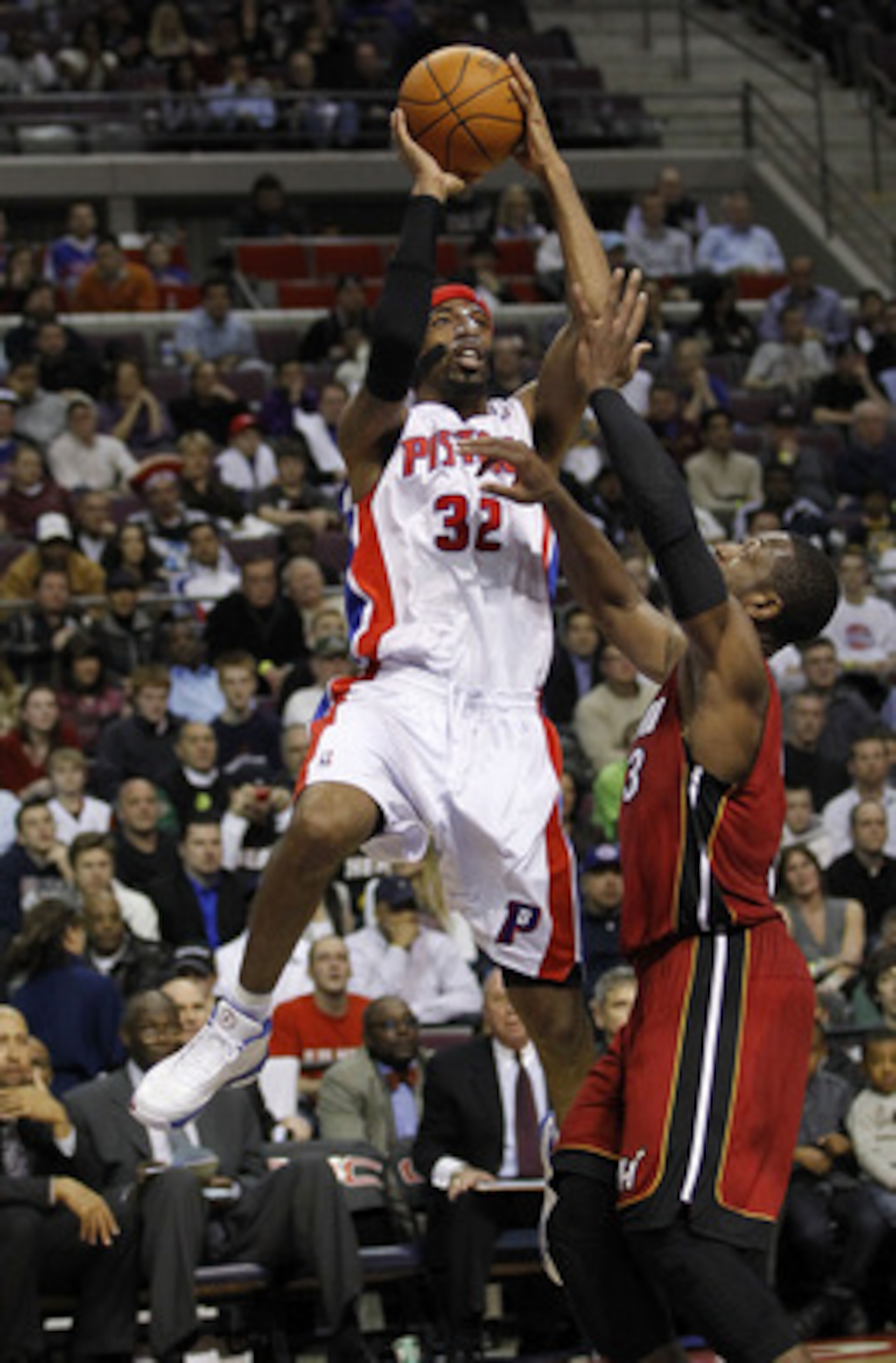
Much like Ray Allen, Pistons guard Richard Hamilton has also made a career by using court awareness and vision to free himself up for easy scores.
Consistently on the move, Hamilton has led a number of Piston teams to the Conference Finals as well as to a 2004 championship, and has been offensive leader for nearly the past decade. "Rip" uses his speed and agility to find picks and free himself for easier scores. It's a tiring process, but it prevents injuries and wear and tear, as he finds most of his scores coming off open jumpers.
By running and gunning, it becomes nearly impossible for defenders to stop him for an entire game. Regardless of the defender, Hamilton is a smart enough player to find ways to get open by using picks and fighting his way through screens.
Golden State Warriors: Monta Ellis
9 of 30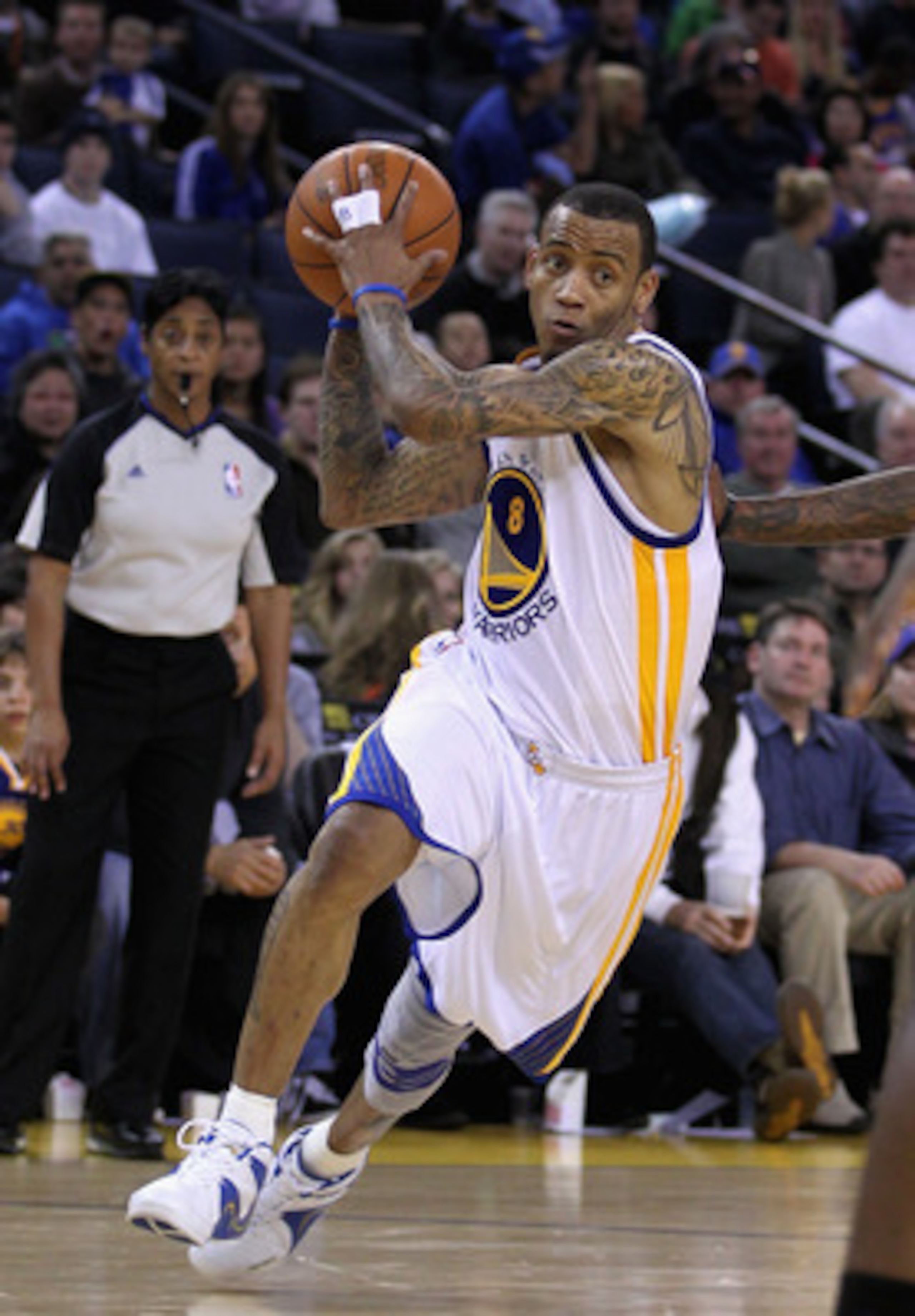
In a short time, Monta Ellis has emerged as one of the league's top-scoring guards. He averaged 24 points per game one year after he averaged a career-high 26 points.
Since his 2008-'09 season was cut short due to a moped accident, Ellis has shown no signs of regression, and in fact, has only shown improvement. For a player as young as Ellis, his resilience after such a devastating injury is phenomenal, and he could make a serious bid for a scoring championship in the near future. His play on the court has greatly improved over time and he even looks to become a viable three-point shooter.
He recently made a career-high 36 percent from deep and is proving to be a much more multi-dimensional scorer than we envisioned.
Houston Rockets: Luis Scola
10 of 30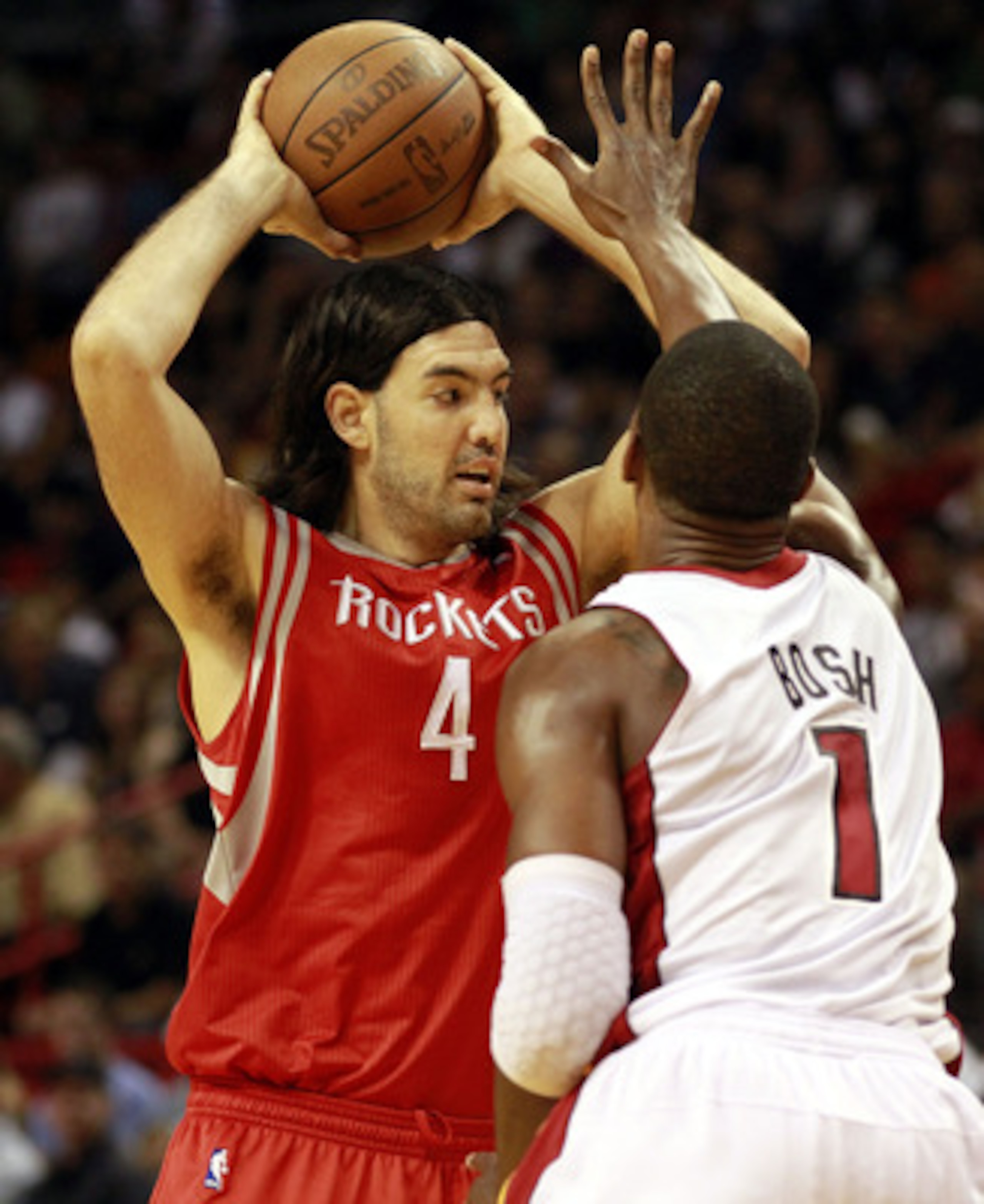
It is disappointing to think that although Luis Scola has been in the league for only four seasons, he is already 31 years old.
The Argentinean import has statistically improved each season and recently topped off at 18 points per game this year due to the absence of Yao Ming that forced him to pick up the offensive production. When given the opportunity, Scola has proven that he is an offensive leader. He stands at only 6'9", but he is also one of the league's top post players and has an array of post moves to throw his defenders off.
In picking up post moves, Scola proves just how high his basketball IQ is. One of the strongest suits you can have when posting up is being able to fool your opponent. Scola realizes that when the ball is in his hands, he has the upper hand over his defender, and he uses that to his advantage with an array of post moves that throw off the defender.
Indiana Pacers: Roy Hibbert
11 of 30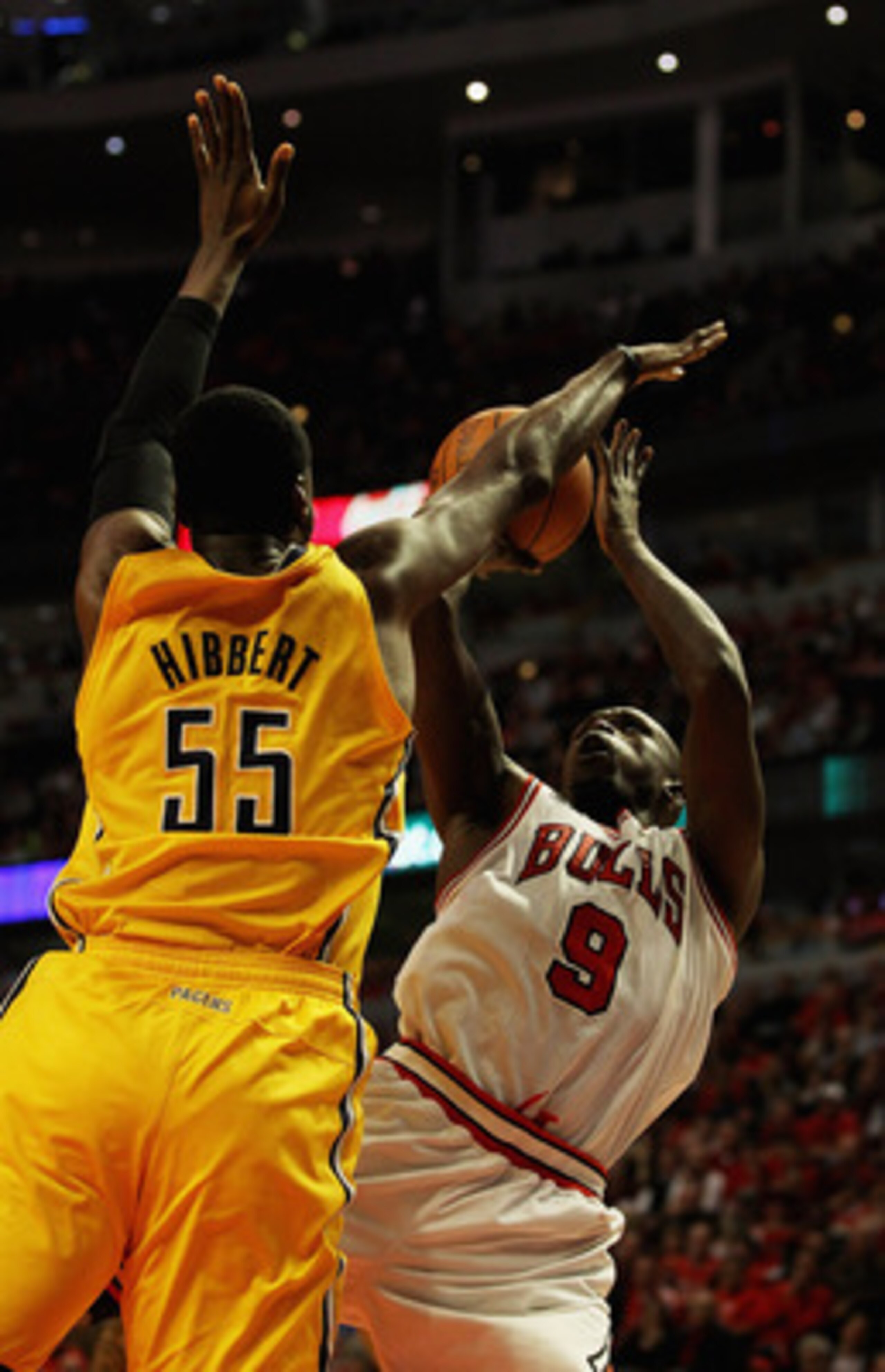
The NBA world should be put on notice because Indiana Pacers center Roy Hibbert is set to become one of the most dangerous combo centers in the league.
After averaging only seven points and three rebounds per game in his rookie season, Hibbert learned to develop a mid-range game as well a post game around the basket. At 7'2" and 278 pounds, the Georgetown alumni has a wide array of post moves and could average as many as 20 points per game if he continues to improve and work on his offensive prowess.
Hibbert has also learned to combat his foul trouble. He was averaging as many as four fouls per game in his sophomore season, but lowered this to three in his third season. Hibbert spent most of his time on the bench last year as he found himself getting into early foul trouble. Since then, he has improved and has learned to avoid contact rather than welcome it.
Los Angeles Clippers: Blake Griffin
12 of 30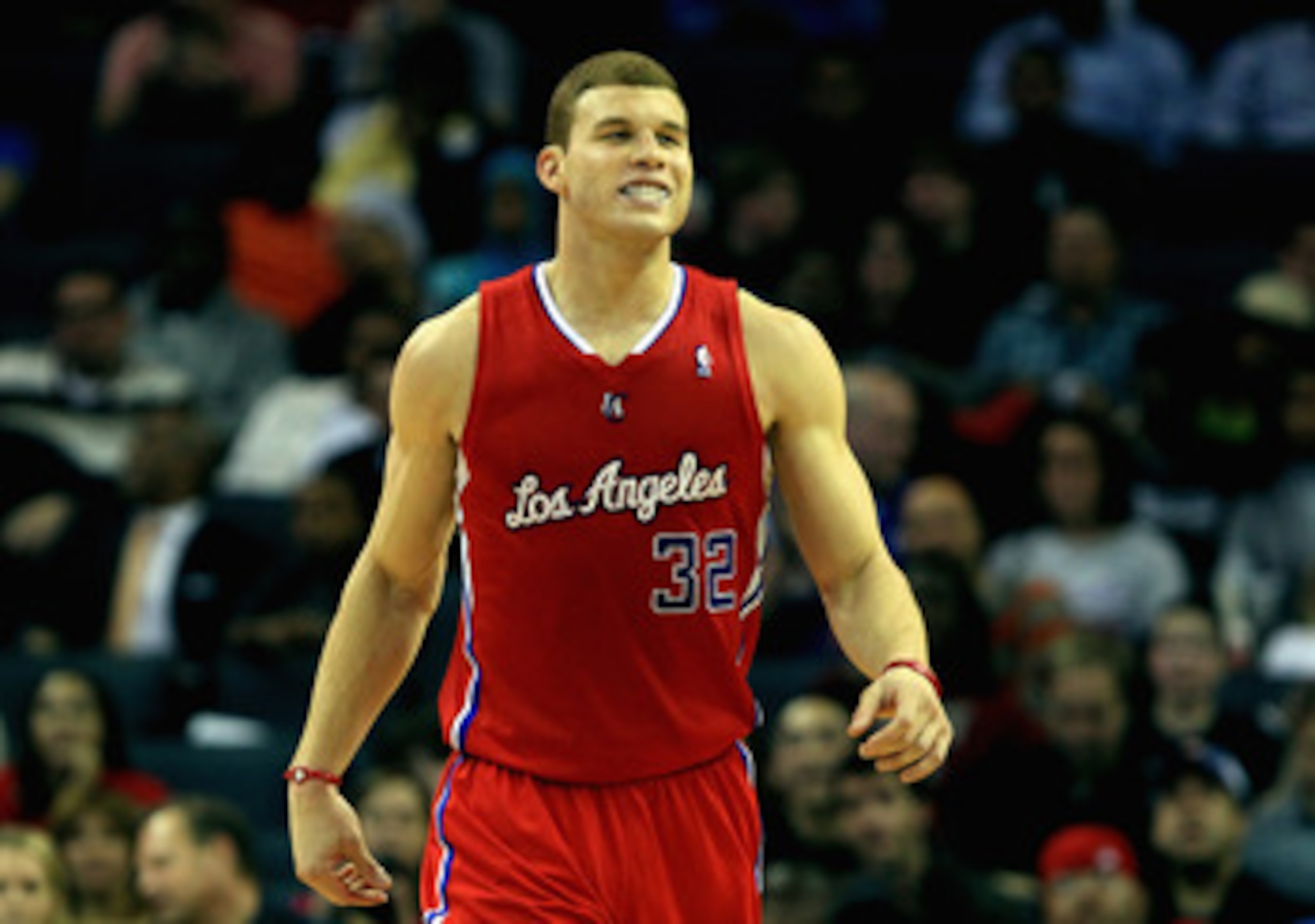
He's only played one season, but Blake Griffin has already proven that he is the future of not only the Los Angeles Clippers franchise, but of the NBA as well.
In his rookie season, Griffin averaged 23 points and 12 rebounds per game while establishing himself among the league's most exciting and entertaining players. He was restricted offensively by his lack of a jumper, but he still finds ways to score with his unbelievable athleticism. He plays the pick and rolls better than anyone in the league, which has allowed him to be free for countless alley-oops.
He also has unmatched resilience as he shows no signs of fear when going up for his dunks despite having torn a ligament in his knee coming down from a dunk in a preseason game last year. It takes a strong mindset to avoid being fearful of a similar injury, and Griffin doesn't appear to worry at all about his past setbacks.
Los Angeles Lakers: Kobe Bryant
13 of 30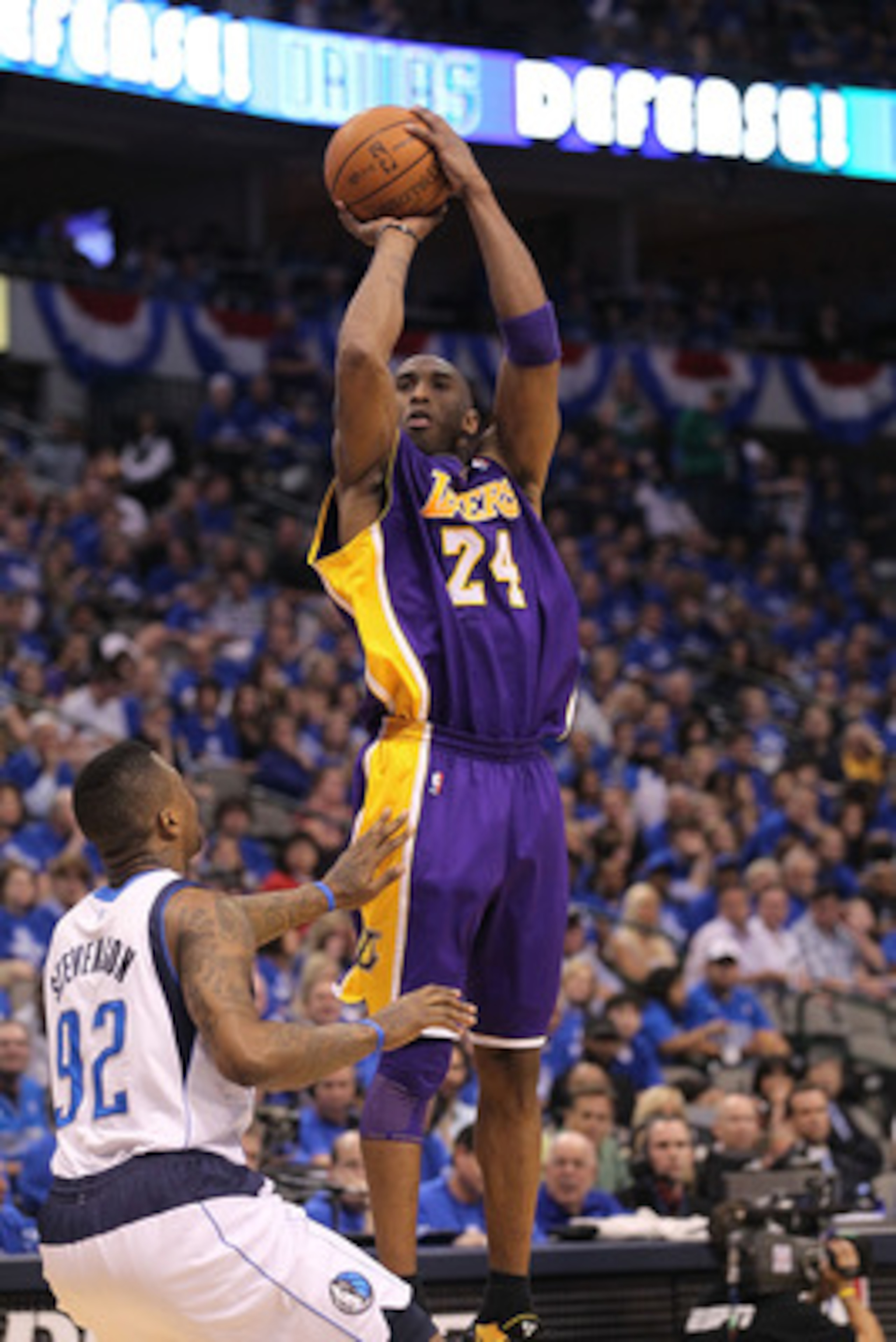
Kobe Bryant may be hesitant to pass when the game is on the line, but he still possesses one of the highest basketball IQ's in the league today.
Bryant's play on both sides of the ball has been phenomenal for over a decade as he finds new ways to score. One of Kobe's strongest suits is his ability to make adjustments during games. When he has a hard-nosed defender guarding him, he'll locate their few weaknesses and abuse them at every given opportunity.
This is also the reason that players like Raja Bell and Matt Barnes have nearly come to blows with Bryant. He has an uncanny ability to frustrate players by turning seemingly quality defenders into average role players.
Bryant also taught himself a post game and how to shoot with his left hand following an injury to the finger of his shooting hand.
Memphis Grizzlies: Zach Randolph
14 of 30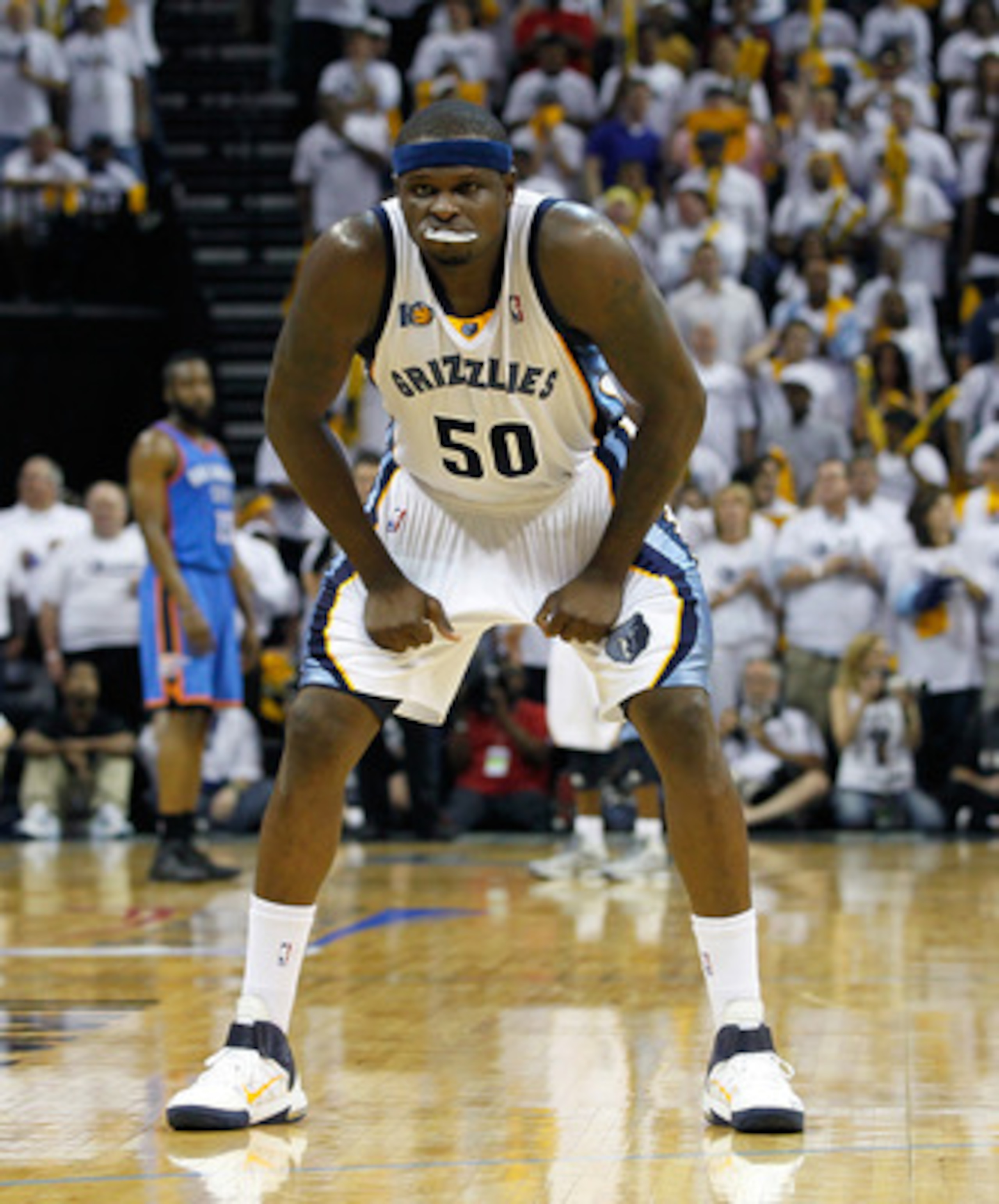
If this postseason didn't reveal the high basketball IQ Zach Randolph, then nothing will.
Randolph has averaged a double-double in six of his 11 seasons in the league and made his presence truly felt in this year's postseason when he led his Memphis Grizzlies to the Semifinals for the first time in franchise history. Zach's play under the basket allows him to be a threat on both sides of the court, and it has shown in the Grizzlies' improvement since he joined them.
Zach isn't the most athletic player in the NBA, but he knows how to throw his weight around, and that's what allows him to be such a quality rebounder. Randolph can barely jump high enough to dunk, yet he's probably the best player in the league when it comes to rebounding and scoring on the ensuing put-back. He's smart enough to know how to throw his weight around, which is important for a player without the athleticism to out-jump most opposing forwards and centers.
Miami Heat: Dwyane Wade
15 of 30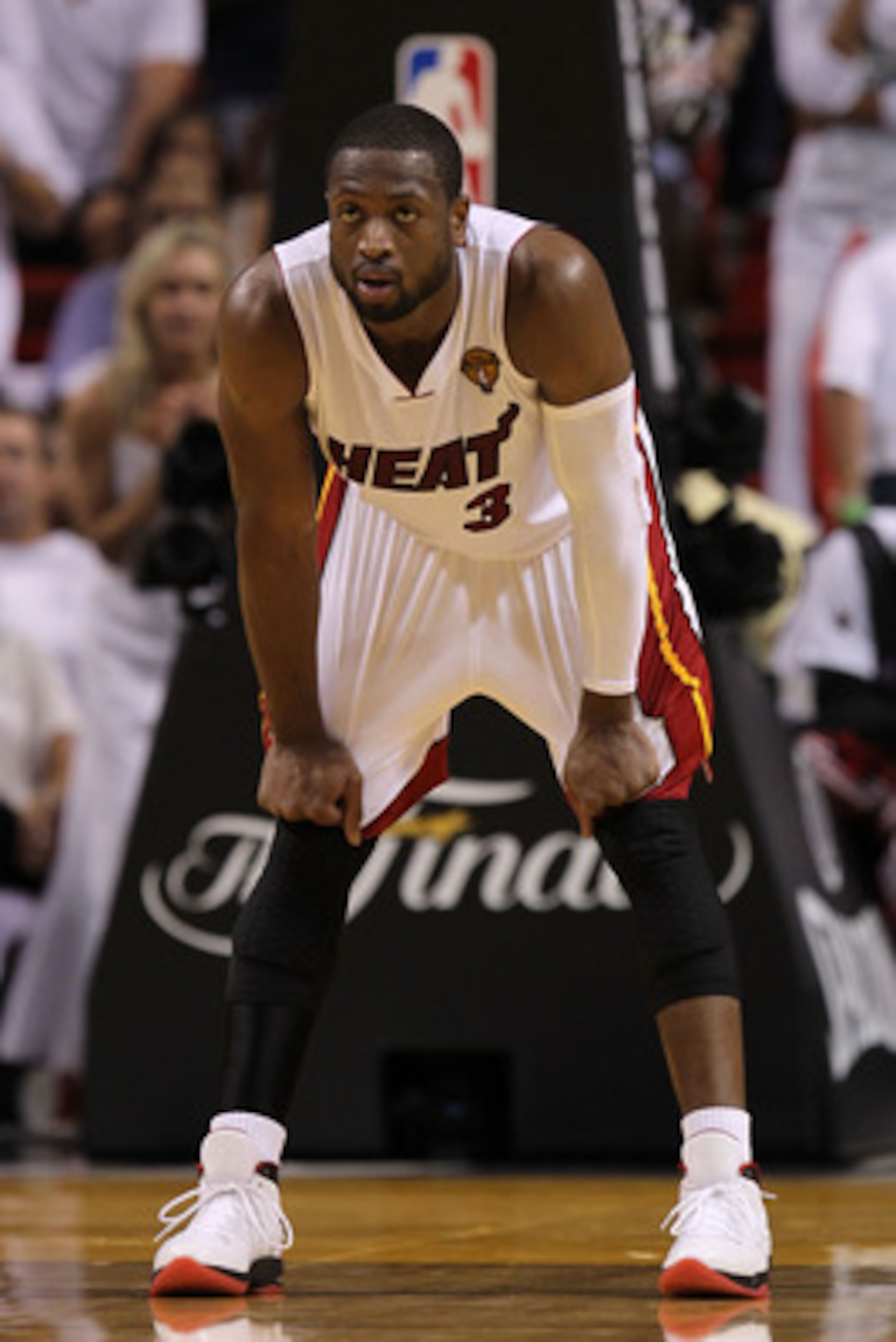
All you need to do to observe Dwyane Wade's incredibly high basketball IQ is watch his play during the 2006 NBA Finals.
His ambition and tenacity led the Heat to avoid a potential 3-0 series deficit and take the series 4-2 instead. Whether facing Dallas or any team, very few players in the league are better at finding ways to score than Wade. Against any defense, Dwyane will usually find ways to penetrate and score by doing what he does best. Wade plays a lot bigger than his 6'4" frame indicates.
Wade is also excellent at anticipating as well as intercepting passes in the passing lane. He is a keen defender and understands most players' tendencies, which makes him a stand-out defender.
Milwaukee Bucks: Andrew Bogut
16 of 30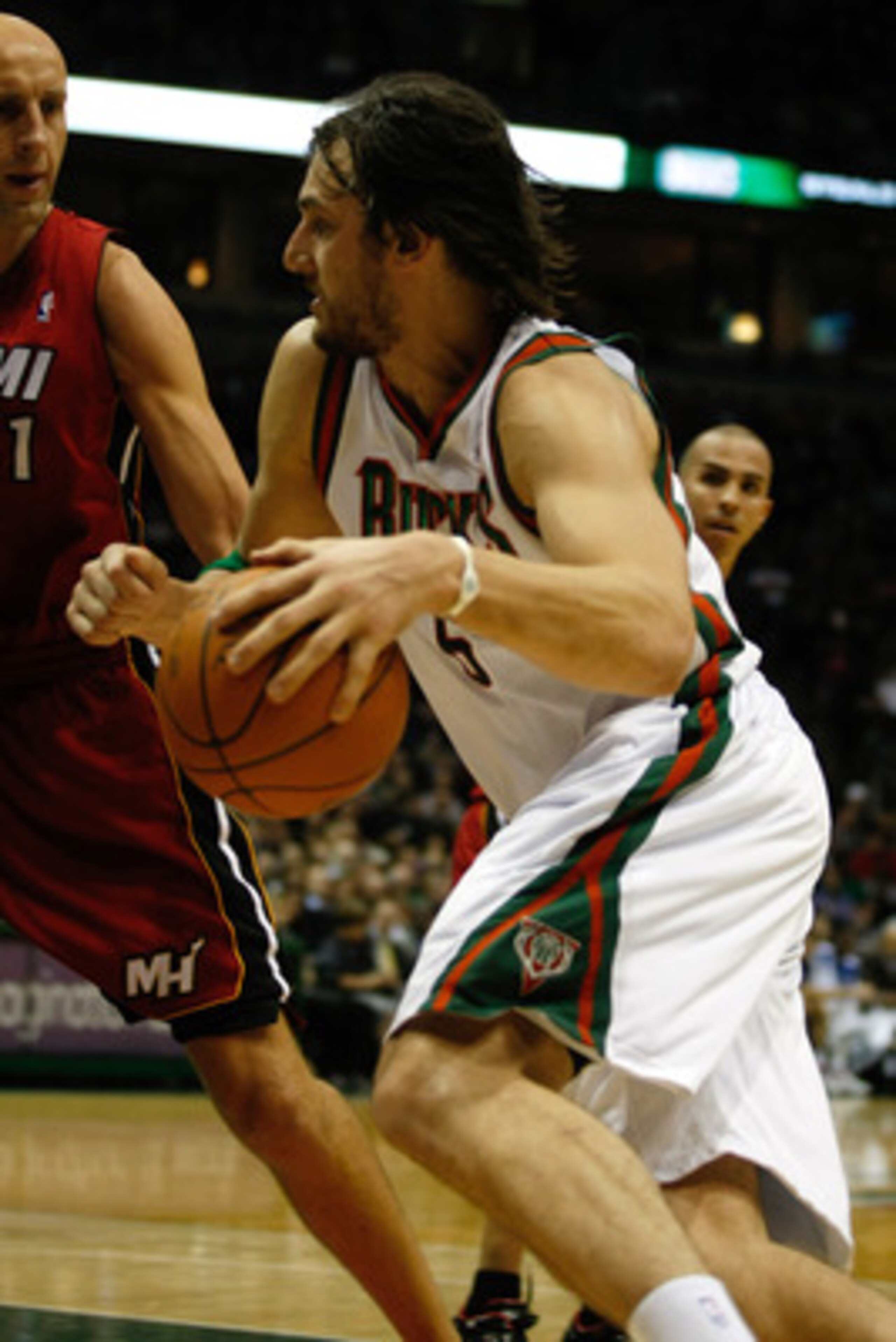
A big body who can play defense as well as rebound, Milwaukee Bucks center Andrew Bogut remains one of the NBA's top centers despite not being well recognized as a scorer.
Bogut has been taught well since joining the league as the No. 1 pick in 2005 and has statistically improved on the offensive end with every season. He started out averaging nine points in his rookie season and averaged as many as 16 per game at times last year before finishing with 13 points per game. Bogut uses his size to his advantage on the offensive end and can score over nearly any other center.
He's a terrific defender as well and has averaged nearly three blocks per game over the past two seasons. With his role on the team growing, he has seen his stats and his entire game change for the better.
Minnesota Timberwolves: Kevin Love
17 of 30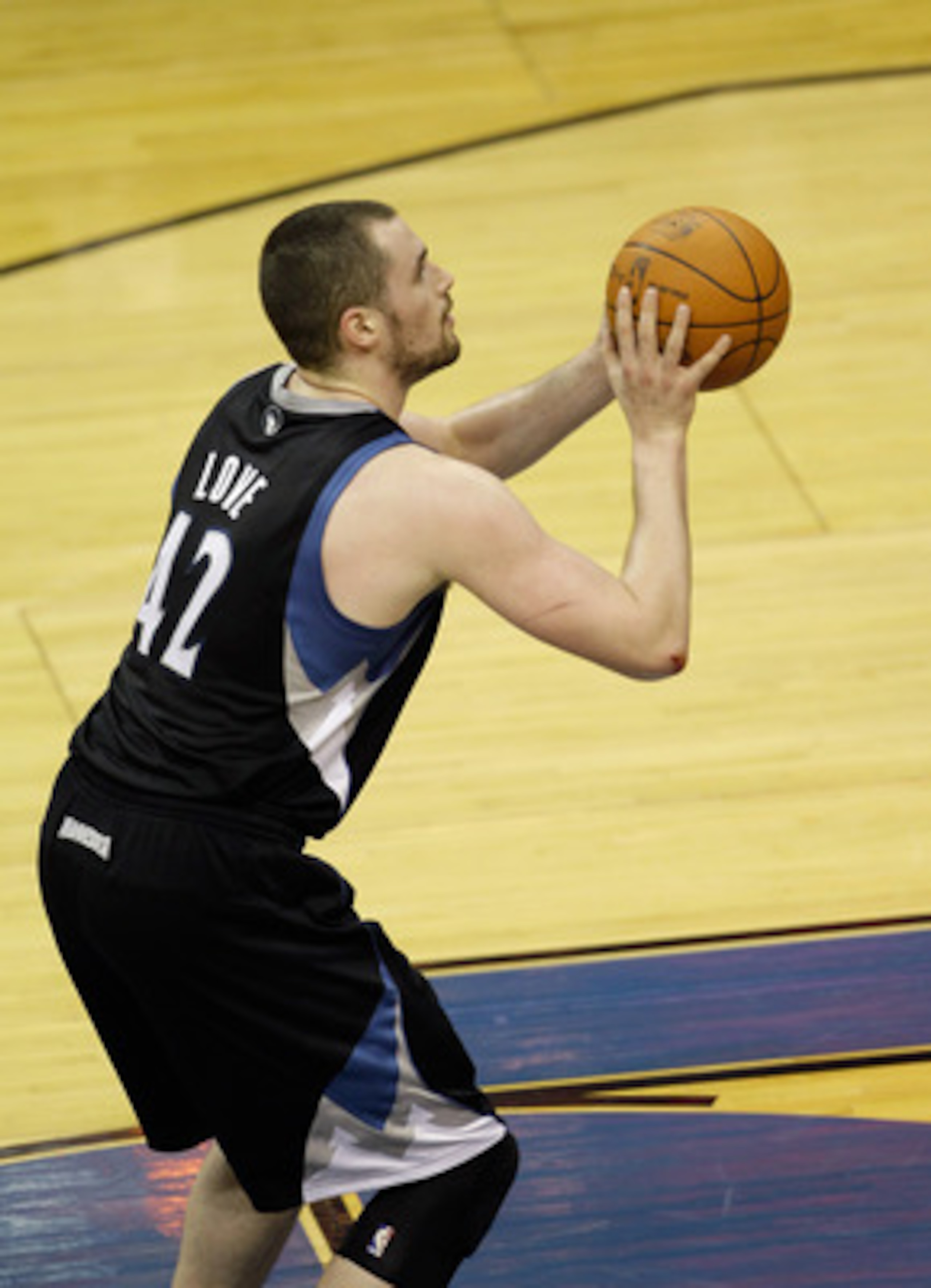
Much like Memphis Grizzlies big man Zach Randolph, Minnesota Timberwolves forward/center Kevin Love also bases his career off using his body rather than his athleticism to out-rebound and score over opposing forwards and centers.
After averaging 14 points and 11 rebounds in his sophomore season, Love led the league in rebounding with 15 per game to go along with a career-high 20 points per contest. Kevin taught himself to become a volatile three-point shooter while also making sure not to become too reliant on the jump shot. His game was mostly in the paint, where he dominated on the boards and on offense.
Love uses his wide frame to his advantage in keeping out opposing rebounders. He also knows how to find a player and box out and is also among the top outlet passers that the league has seen since Wes Unseld.
New Jersey Nets: Deron Williams
18 of 30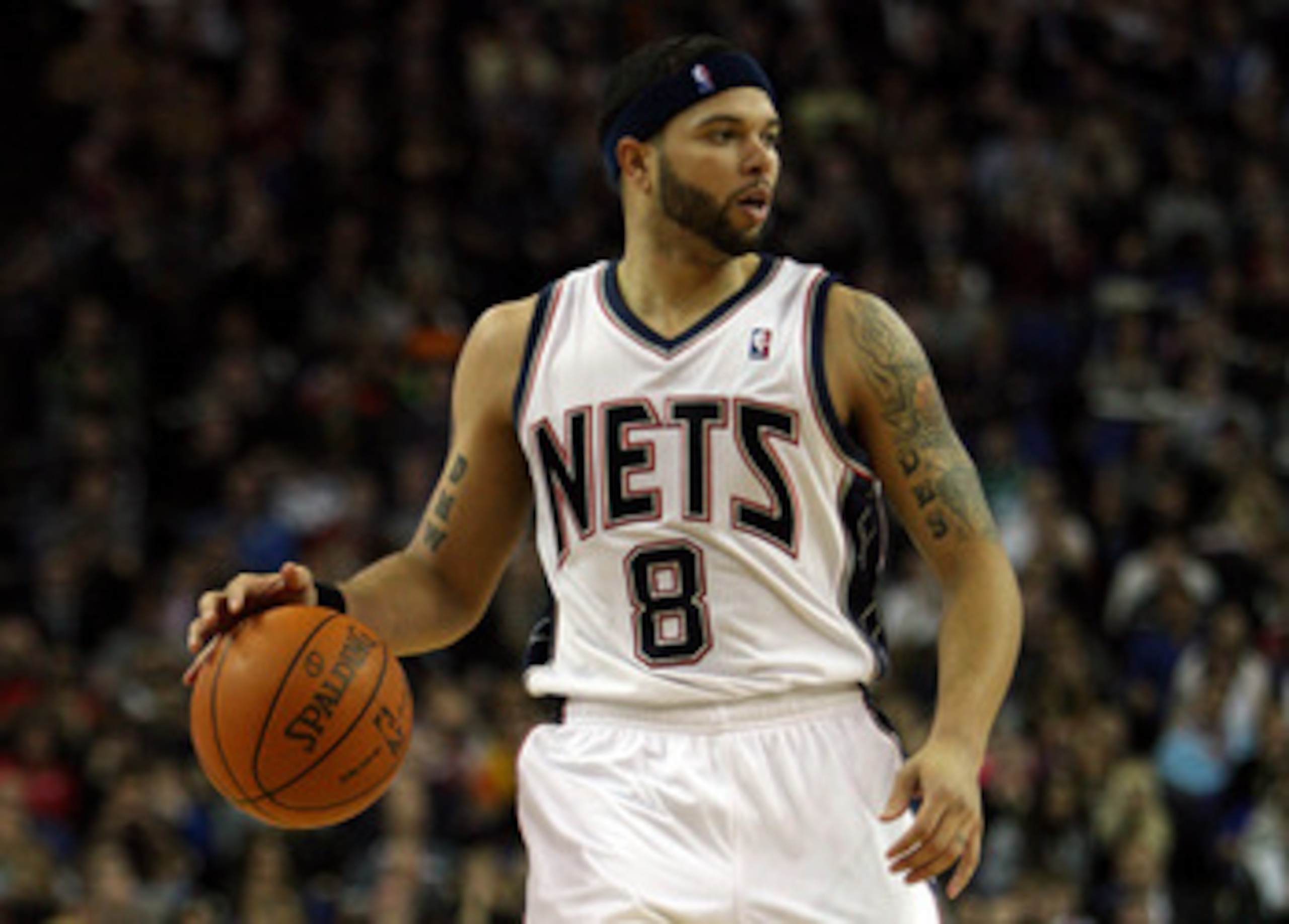
In time, Deron Williams will learn to become adjusted to the New Jersey Nets system. That's what great players do—they learn to adjust.
For the first six years of his career, Williams was a perennial All-Star with the Utah Jazz, during which time he averaged a double-double in points and assists for three consecutive seasons. He has terrific court awareness and is very intelligent when it comes to using his athleticism to his advantage over opposing point guards. Williams is only 6'3", but he's also listed at 207 pounds and this is key whenever he drives on his match-up or keeps them out of the lane himself.
In only 12 games with the Nets, Williams shot 35 percent but also nearly turned the team around in a short time. He's going to use his influence over the team not only to bring players in from outside the organization, but to put them into contention for a run at the postseason.
New Orleans Hornets: Chris Paul
19 of 30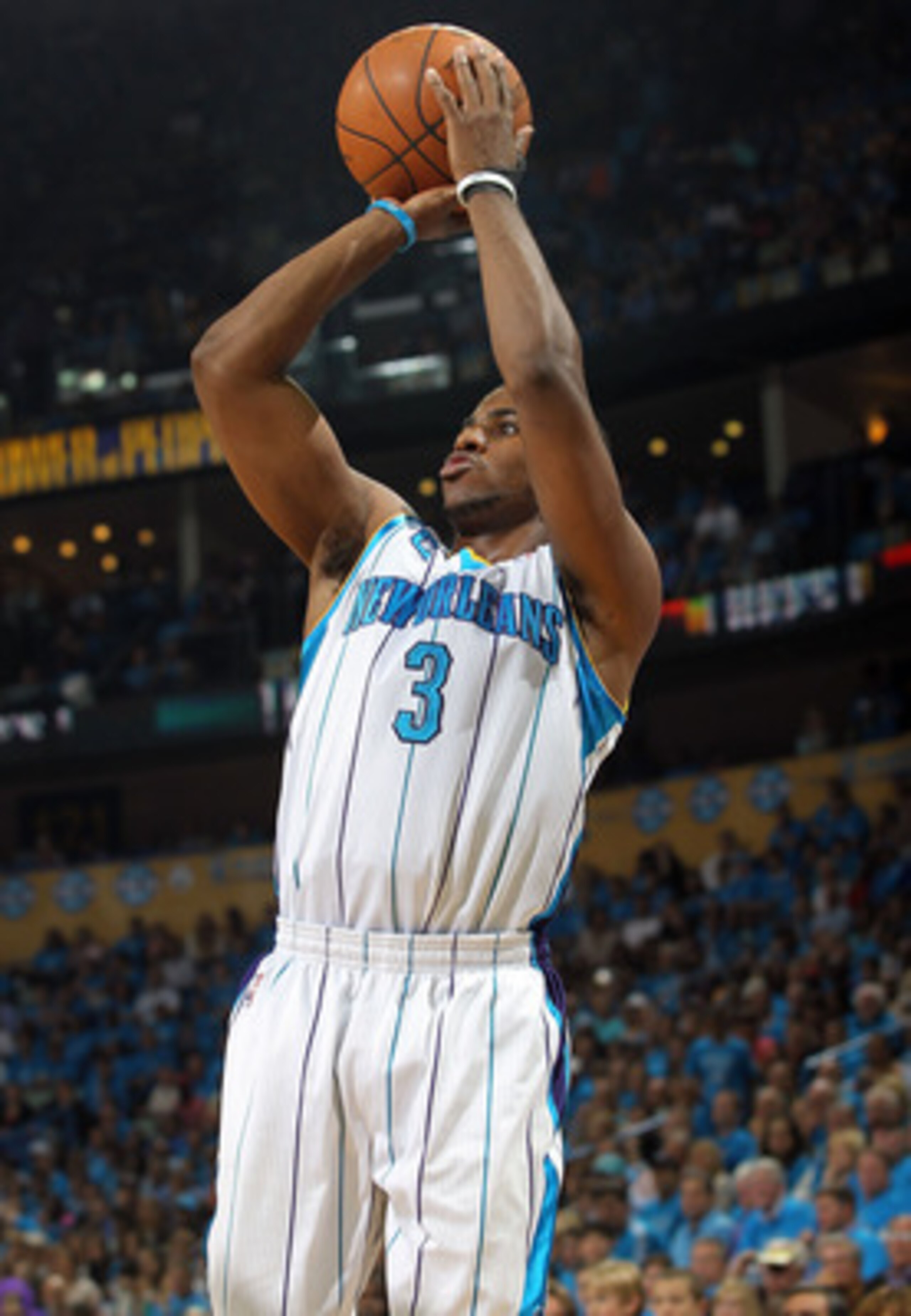
Arguably the best point guard in the league today, Chris Paul has earned the prestigious honor for too many reasons to be named.
Although he stands at only 6'0" and 175 pounds, Paul uses his small stature and speed to his advantage in either losing his defenders on cross overs or in guiding his way among the taller players that would have trouble keeping up. He plays as if the ball is an extension of his hand and has averaged a double-double in assists over the past four seasons despite missing half of the 2009-'10 season.
He shows off his high basketball IQ by using trickery to throw off opposing defenses or by using his court awareness and vision to see plays that most others players would not see.
New York Knicks: Chauncey Billups
20 of 30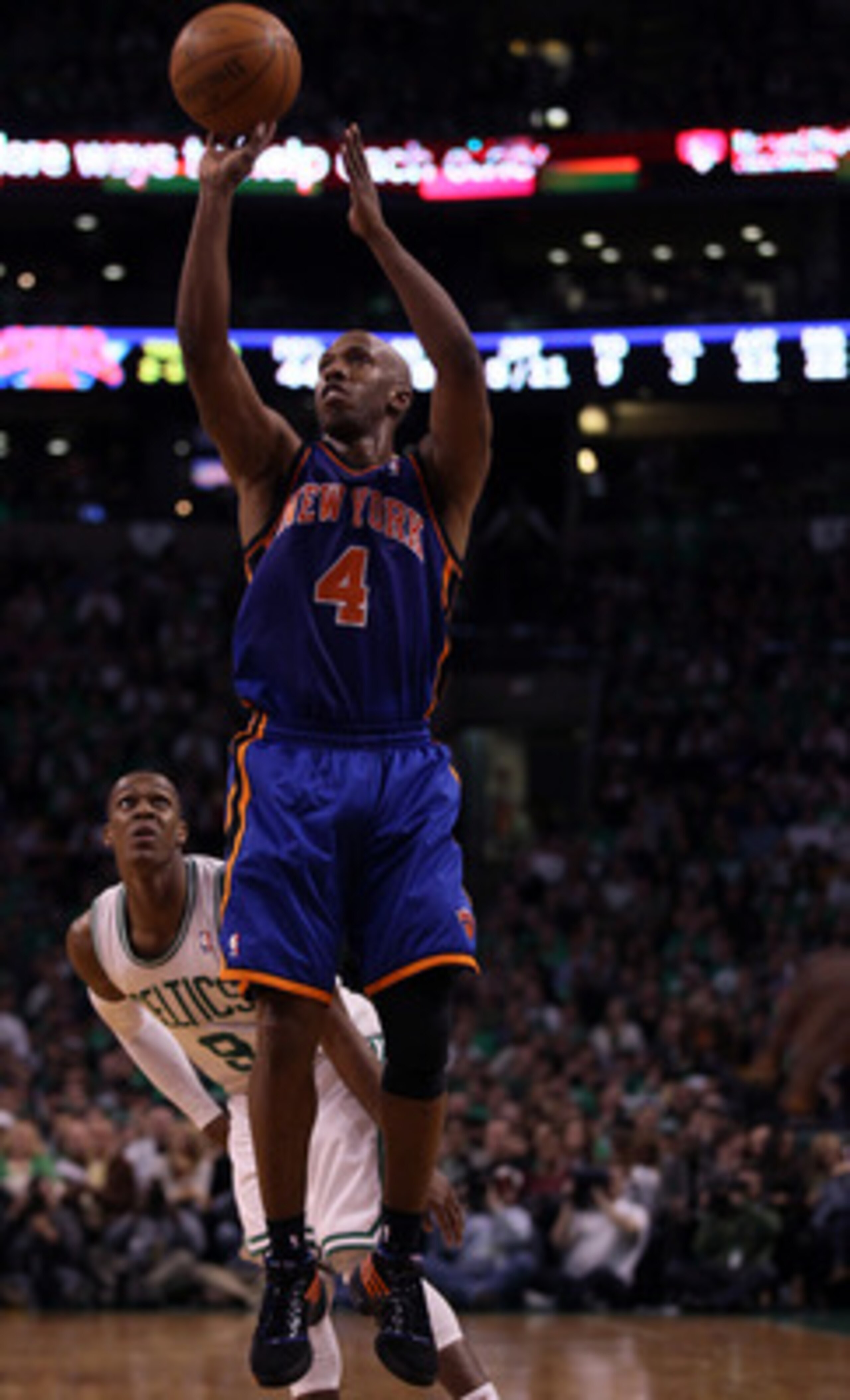
After a lengthy career in which he spent time with five different teams, Chauncey Billups may have come to his final stop with the New York Knicks.
Billups has never averaged more than nine assists per game, yet he is considered to be one of the league's top point guards. He is one of the great leaders of our time and he proves it with his ability to hit his shots when they matter most. He led a number of Detroit Piston teams to the Conference Finals and also led the 2004 Pistons to their first title since 1990. His stats alone do not demonstrate the kind of impact he makes in every game.
Chauncey is a terrific defender who has learned the art of defense over his past 14 years in basketball. He is also very well aware of when he needs to hit the big shot to give his team momentum in hopes of a victory.
Oklahoma City Thunder: Nick Collison
21 of 30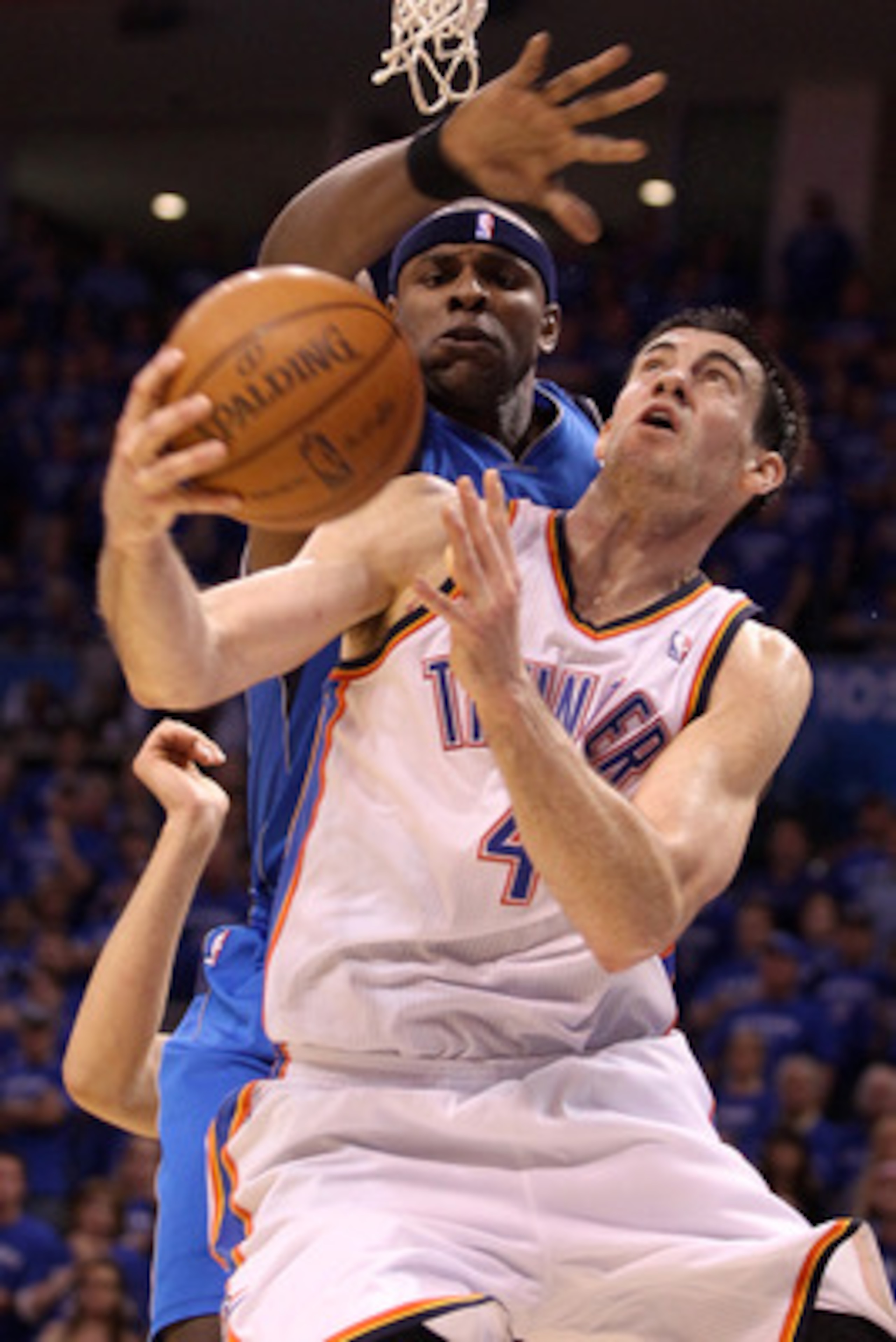
Nick Collison might not be a terrific scorer, but he's an extremely hard worker and hustler and prides himself on his work ethic.
One of the best defenders in the NBA today, Collison uses a physical style of play to throw opposing power forwards off their games. He's smart enough to recognize the opposition's weaknesses and he knows how to exploit them by using that physical brand of defense. He's also one of the best in the league at drawing offensive fouls—a feat that isn't always respected, but which is extremely helpful to his own squad and detrimental to the other.
Additionally, by drawing offensive fouls, Collison forces the opposition to think twice before driving.
Orlando Magic: Dwight Howard
22 of 30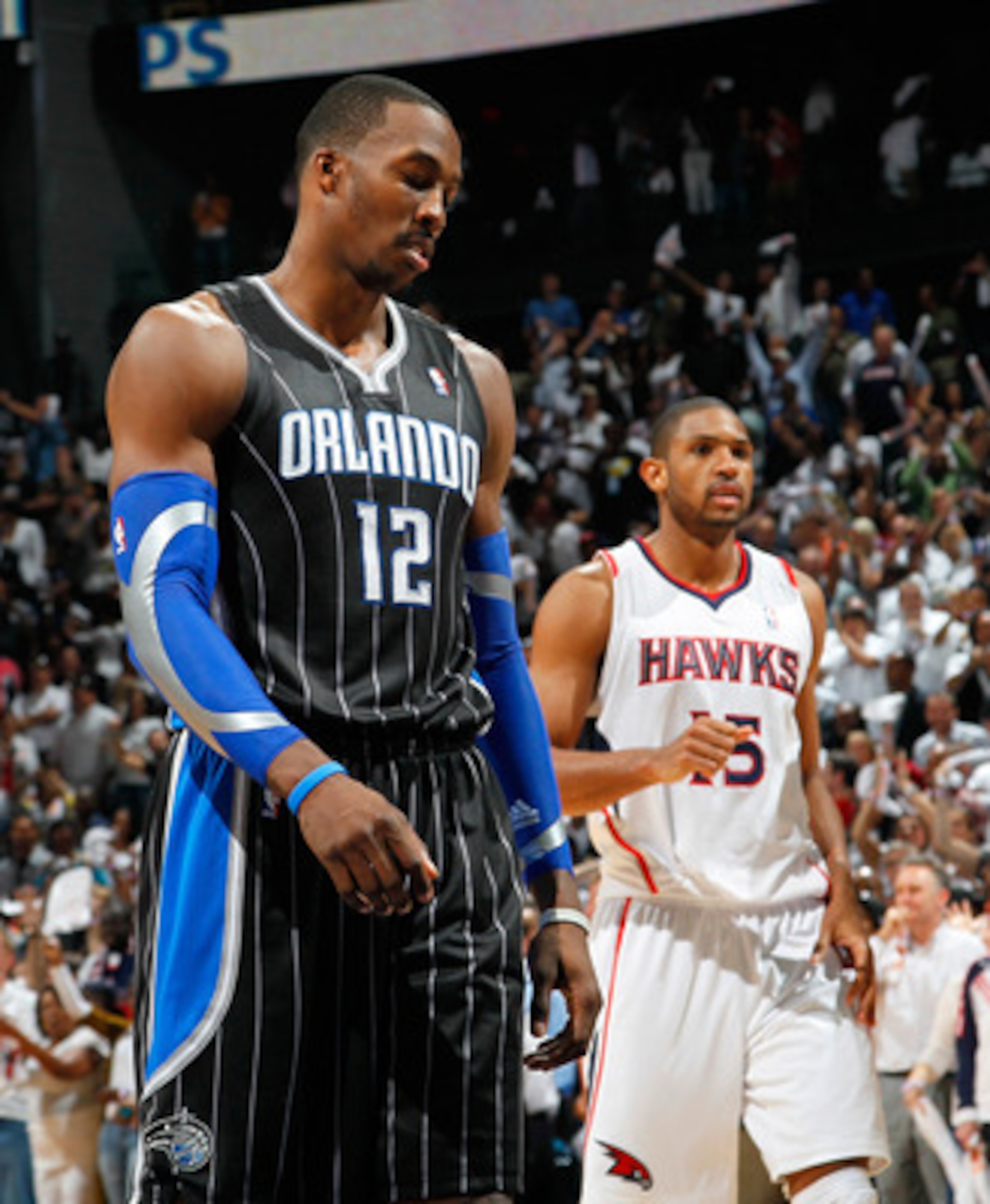
After six seasons of never averaging more than 21 points per game, Dwight Howard finished with a career-high 23 points per game on 59 percent shooting. He displayed an offensive game that was similar to that of Hakeem Olajuwon's after learning from him during the offseason. Howard became more aware of how to use his mind to trick defenders rather than using his body to over-power them.
Dwight is a highly intelligent player on both sides of the ball, with defense the key to his dangerous game. There aren't many players in the league with better shot-blocking timing. Even for a player of Howard's size and athleticism, blocking shots still requires precise timing and accuracy as well as plenty of practice in order to avoid fouling the opposition with every possession.
With his offensive game improving, Howard is proving that he is more than just a brute in the paint. By adding finesse to his game, Dwight has become a multi-dimensional threat. This benefits not only his own play and his statistics, but those of the Magic.
Philadelphia 76ers: Elton Brand
23 of 30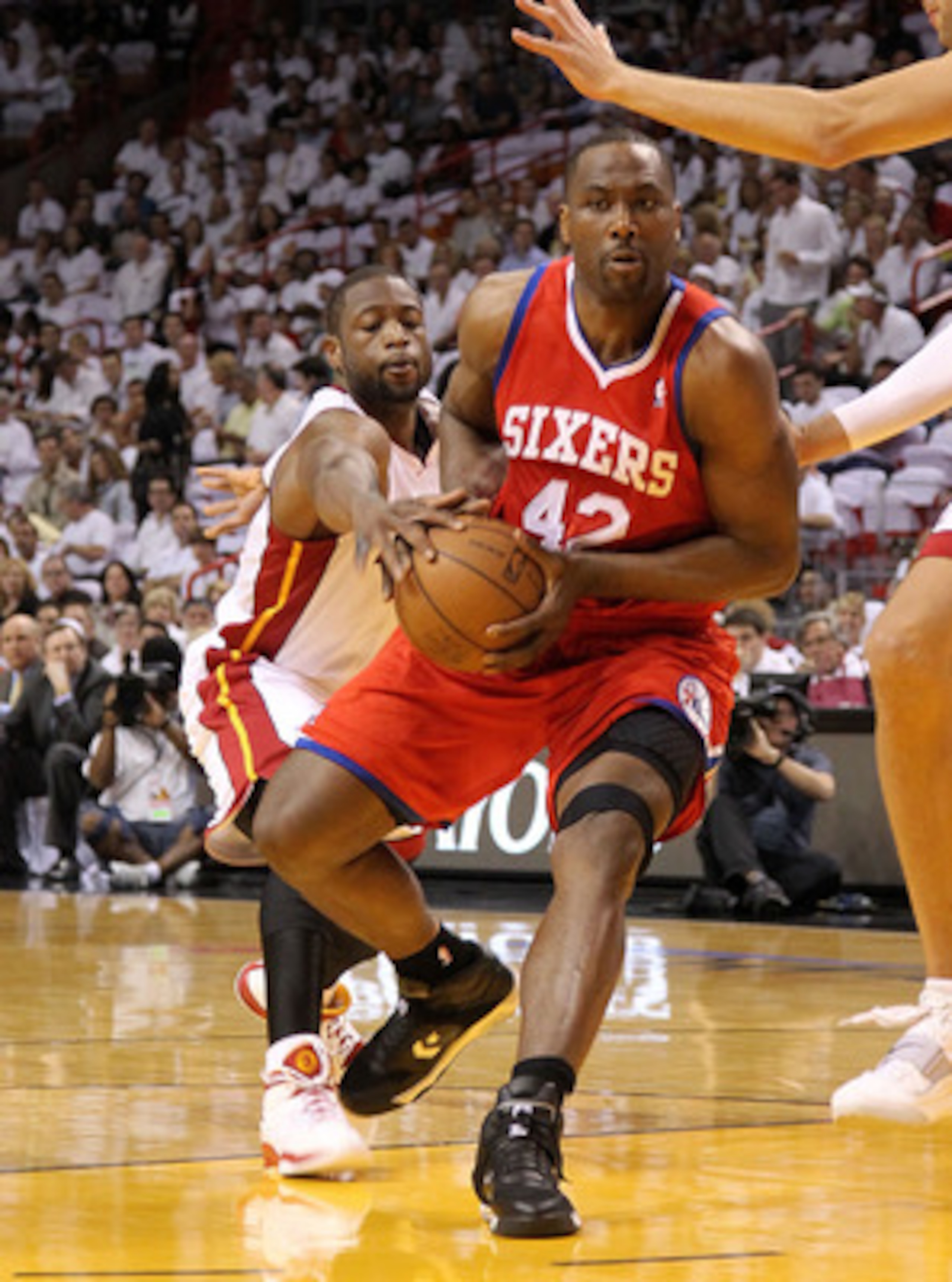
Not too long ago, Elton Brand was averaging 25 points and 11 rebounds per game with the Los Angeles Clippers.
Due to a myriad of injuries, the Philadelphia 76ers have yet to find that player. However, Brand recently had his best season with his new team, averaging 15 points and eight rebounds per game while showing off a jump shot and post moves that were reminiscent of a player who used to dominate in Los Angeles. Brand is a fundamental player who doesn't look towards flash, but a methodical game in which he quietly out-scores and out-plays his opponents.
Brand showed a terrific sense of resiliency this season after suffering through so many injuries over the past five years. He is playing the game without fear, and exactly the way he wants to play it.
Phoenix Suns: Steve Nash
24 of 30
Possibly the smartest player in the game today, Steve Nash has based his entire career on his high basketball intelligence.
Nash hasn't always played this well and wasn't accepted in his first stint with Phoenix due to his high turnover rate. However, when he joined Dallas in his third season, he began to change up his game and learned to pick and choose his targets rather than force the issue. Nash has earned two MVP awards for his work, and deservedly so, thanks to his ability to find teammates that no other player in the league would be able to find.
Nash's ability to find players is unmatched and has also allowed a number of Phoenix Suns teams to contend for titles over the past decade.
Portland Trail Blazers: Andre Miller
25 of 30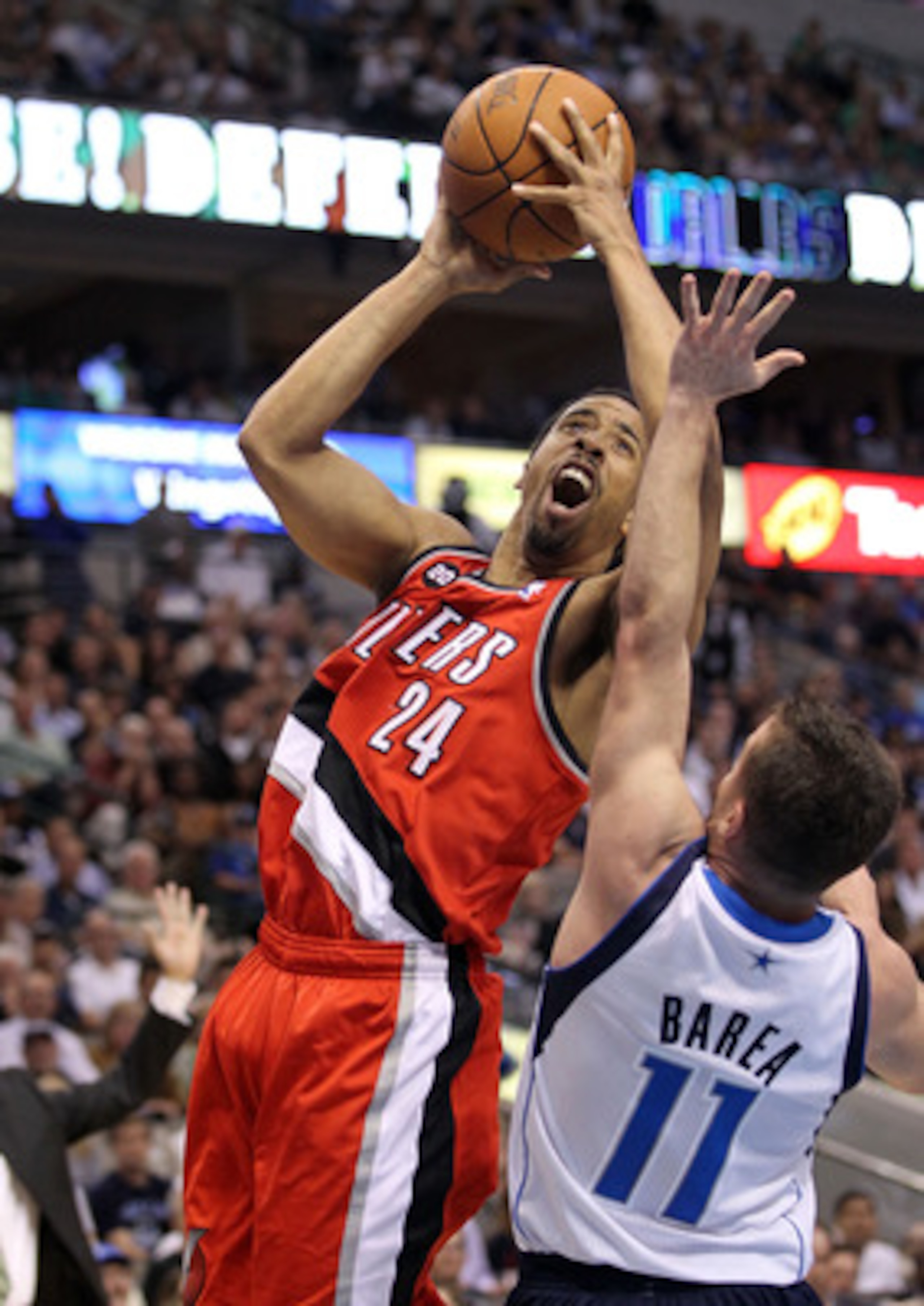
Andre Miller hasn't always been the type of point guard that uses towards flash as his strong point.
Instead, Miller will methodically wear you down over time with his underrated court vision and his ability to knock down shots when they matter most. At 35 years old, Miller averaged seven assists per game, his highest rate since the 2007-'08 season. He has played on five different teams and has made his impact felt on each squad by fitting in quickly.
Miller is a crafty veteran who can beat just about any other point guard in the league when it comes to scoring from inside and out.
Sacramento Kings: Tyreke Evans
26 of 30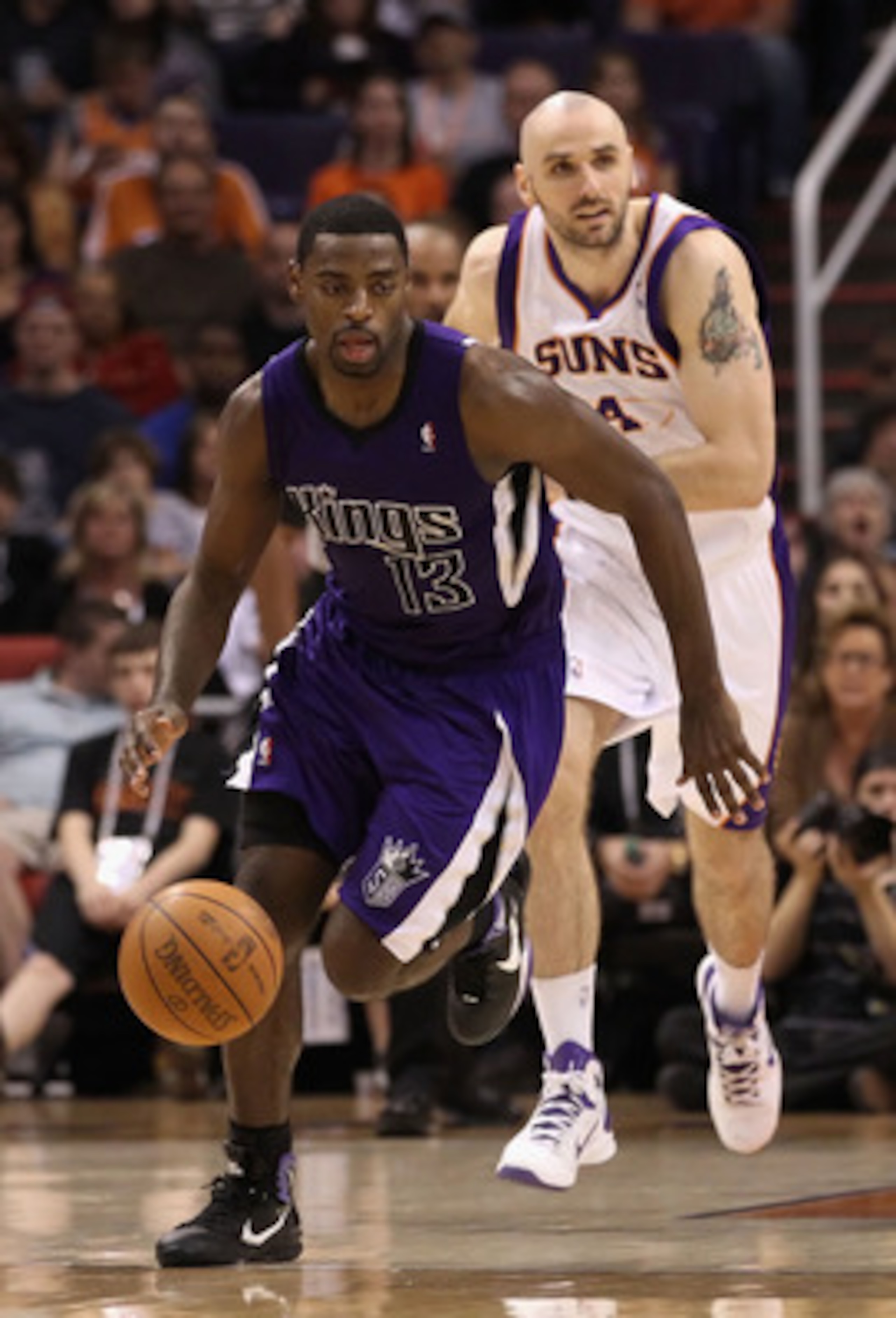
In the upcoming 2011-'12 season, we will see just how resilient Tyreke Evans can be.
After an impressive rookie season in which he took home Rookie of the Year award and averaged 20 points, six rebounds, and five assists per game, Evans suffered several injuries in his sophomore year and missed 25 games. Evans displays terrific court awareness and plays very well at the point for a 6'5" player. He uses his height to his advantage by being able to see over opposing point guards and seeing the court like most other point guards could see.
If Evans can continue to develop a strong mindset, he will easily become one of the league's top point guards.
San Antonio Spurs: Tim Duncan
27 of 30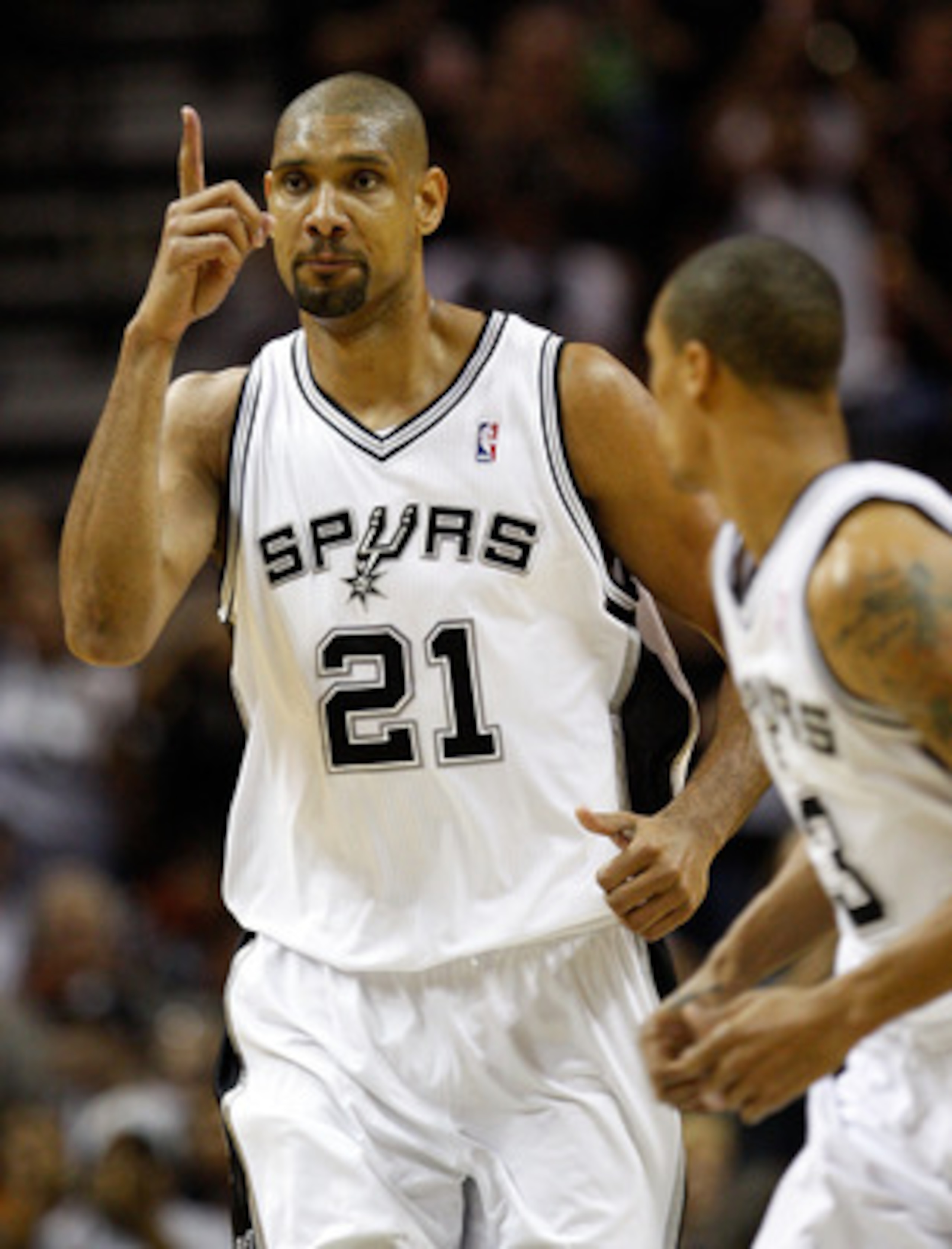
"The big fundamental" isn't called that because he doesn't know how to play the game. In fact, there might not be a player in the NBA who plays more efficient basketball than Tim Duncan.
Duncan is one of the league's smartest big men, and he uses that to his advantage against his opponents. Ever since he entered the NBA in 1997, opposing teams have failed to combat Duncan and his myriad of post moves. His strong suit comes from being able to work in the post, while also keeping defenders on their toes by breaking out a quality 15-foot bank shots that were unstoppable for a time.
Timmy is a terrific defender and rebounder and studies each opponent's tendencies. By doing so, Duncan makes the process of playing defense a lot easier than most players make it.
Toronto Raptors: Jose Calderon
28 of 30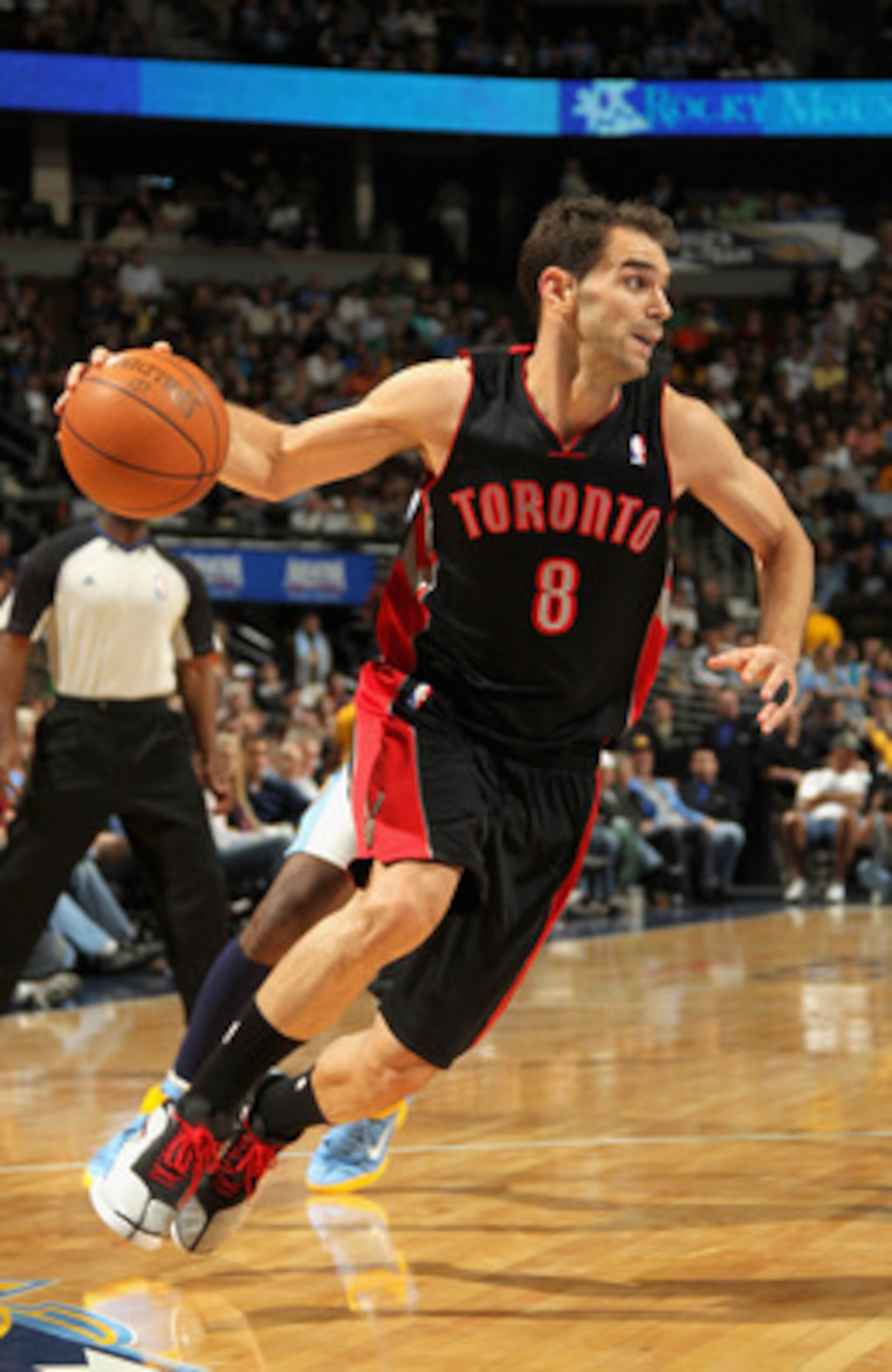
You won't always hear of the exploits of Jose Calderon, but that doesn't mean you shouldn't know that he is by and far the Toronto Raptors' most intelligent player.
Calderon has court vision that most point guards can't match and has averaged as many as nine assists per game for two seasons because of it. With so many young players beside him on the Raptors, Calderon plays to their standards and makes them better players with his tendency to find them in spaces most other point guards could not.
Jose isn't much of a scorer, but he shows off his strong suit when it comes to passing, and it shows just how intelligent a player he is.
Utah Jazz: Al Jefferson
29 of 30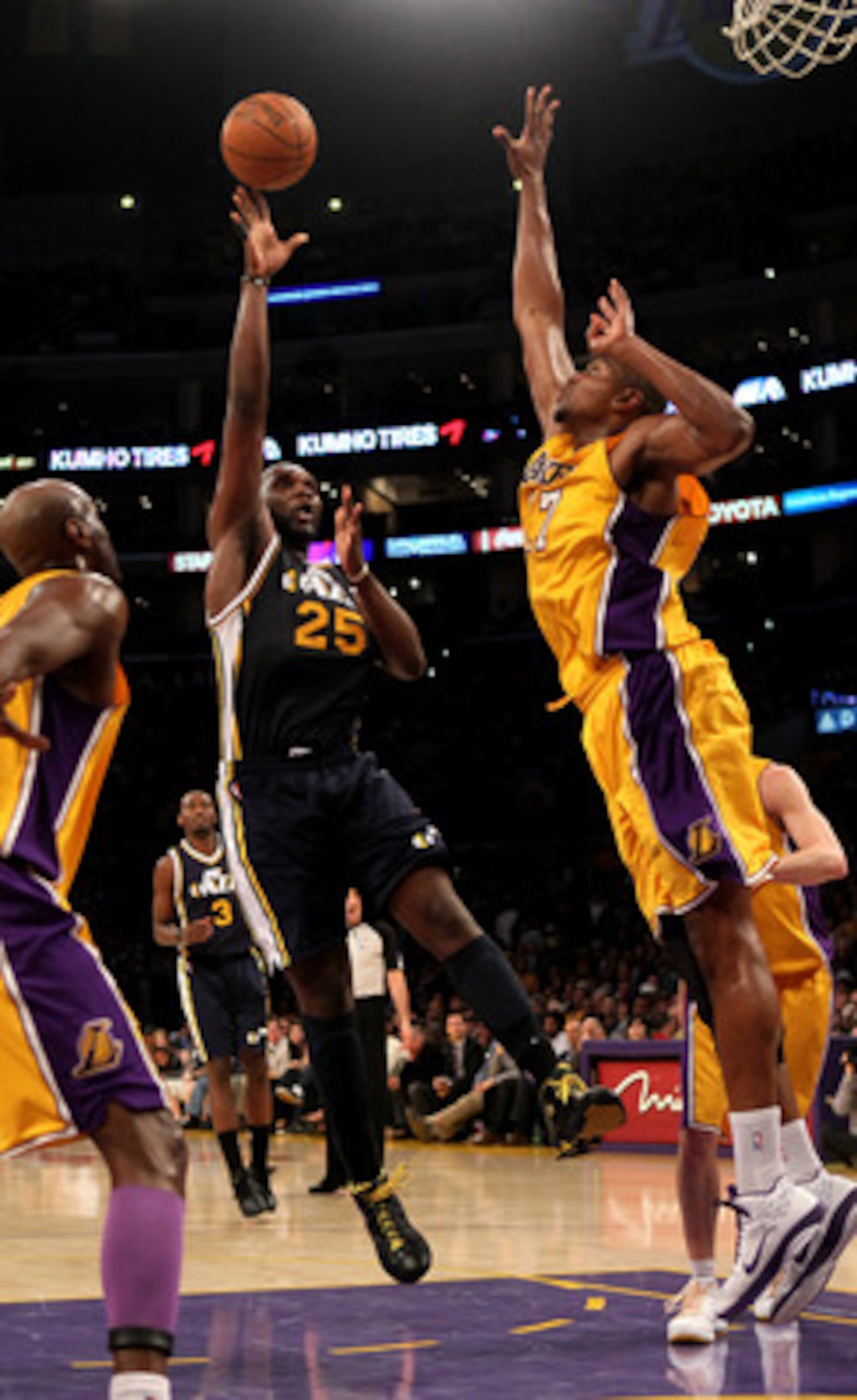
Despite only being 26 years old, Al Jefferson has just as many post moves as the bigs that have been working on their games for over a decade.
After being the No. 1 option with the Minnesota Timberwolves, Jefferson has taken his talents to Utah and has already made his impression felt in the post with his wide array of moves that could throw off the best post defenders. He also has a wide frame that he uses to power himself through and over opposing forwards and centers. Jefferson also averaged a career-high two blocks per game as he learns how to time shots correctly.
For a player of his size and stature, Jefferson is one of the better scorers in the league. He knows how to score and he knows how to frustrate his defenders by tricking them and scoring over them on most offensive possessions.
Washington Wizards: Maurice Evans
30 of 30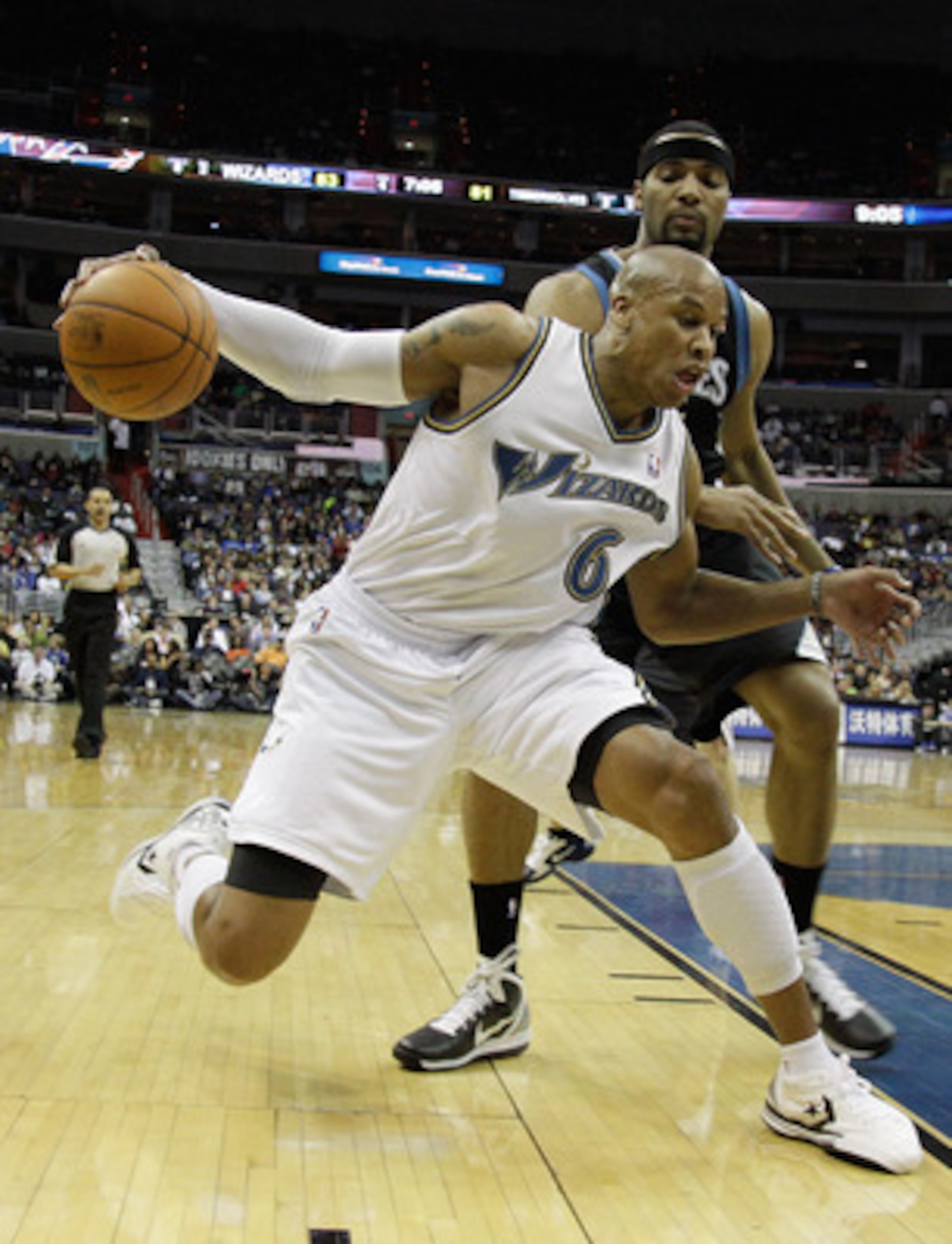
Recently averaging 10 points per game, Maurice Evans has made a name for himself in this league not for statistical reasons, but due to his intelligence while defending.
At only 6'5", Evans has the task of not only guarding shooting guards, but small forwards as well. He's a physical defender and uses this to his advantage by frustrating opposing players and getting inside their heads. Evans' tendency to throw players off their offensive games also causes his match-ups to pass up shots they might otherwise take.
Despite only being a role player for the majority of his career, Evans still prides himself on his intelligence when playing defense.

.jpg?w=2560 "Grading WWE Raw 🔠")


.jpg?w=2560 "Viral Rams Coach Vid 🖕")
.jpg?w=2560 "Injury-stricken Seahawks signing veteran RB")