
10 Greatest San Francisco 49ers Stars on New Teams
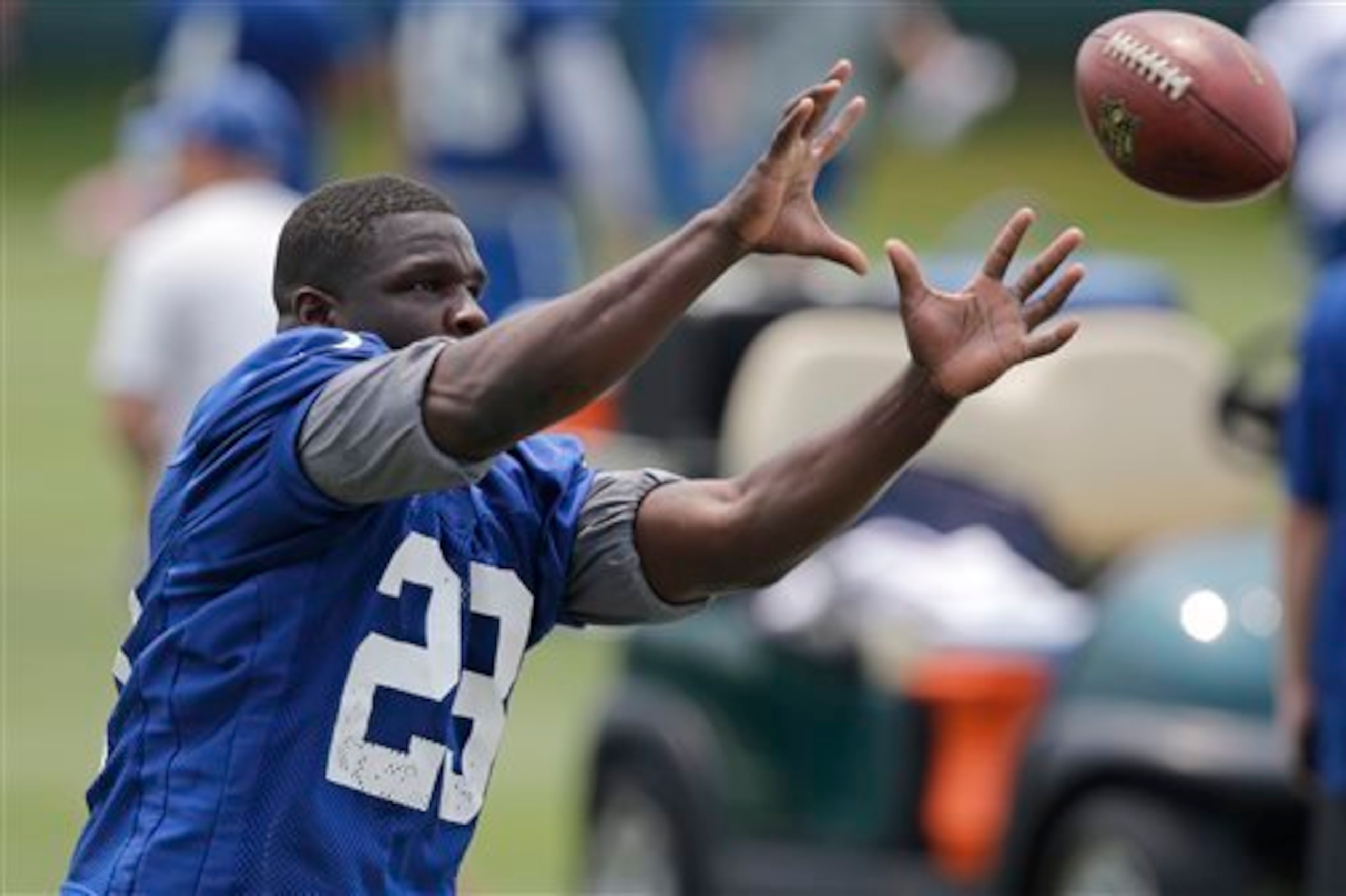
For San Francisco 49er fans, one of the hardest things about the 2015 season might be seeing Frank Gore in Indianapolis Colt blue.
It made sense for the team to move on from Gore. Gore is 32 years old with a lot of mileage on his tires, and the 49ers drafted his replacement the year before in Carlos Hyde. Hyde’s remaining production is almost guaranteed to be higher than the rest of Gore’s career.
Still, Gore is a 49ers legend, and his tank isn’t empty yet. Seeing him succeed for Andrew Luck and the Colts would be bittersweet, especially if he out-performs the 49ers’ running attack this season.
Seeing legends and stars succeed in other places is always painful. There’s something that just triggers an inherent feeling of wrongness to see, say, Brett Favre in a Vikings uniform or Johnny Unitas as a Charger.
With Gore in mind, let’s take a look at the 10 greatest post-49er careers for 49er greats.
This isn’t just the best careers by players after they were 49ers; they had to establish themselves as a great player on San Francisco for an extended period of time. Therefore, Deion Sanders’ career in Dallas, for example, doesn’t count, because he was only with the 49ers for one season, even if it was a fantastic season.
It’s also a ranking of how successful they were, as opposed to how painful it was to see them in another jersey. While Joe Montana was more beloved by most 49ers fans than Terrell Owens, Montana only played two seasons away from San Francisco while Owens played for years after succeeding in the Bay Area. Longevity counts for something.
With those caveats, here are the top 10 ex-49er greats:
10. Dana Stubblefield, Washington Redskins and Oakland Raiders
1 of 10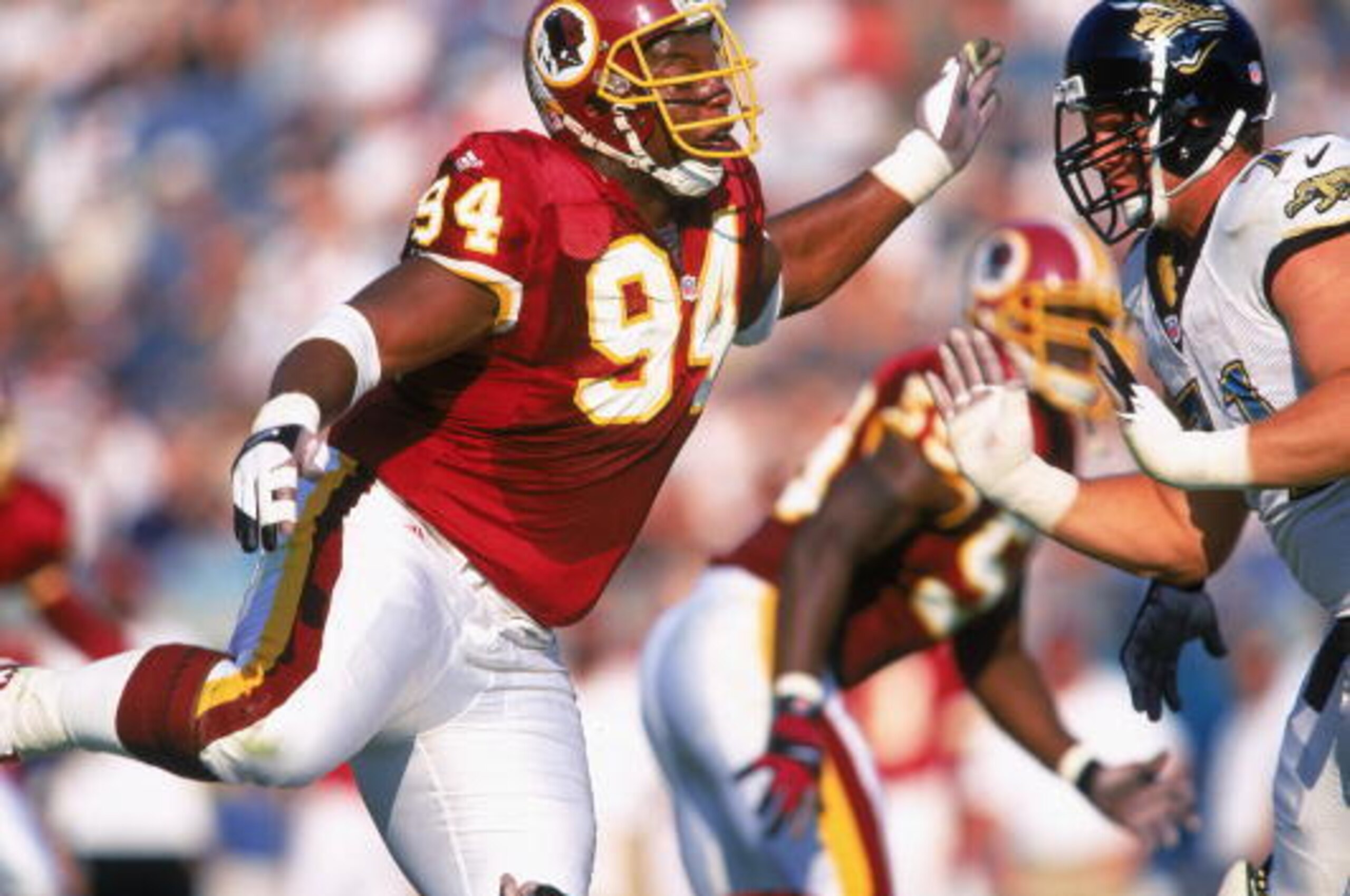
Post-San Francisco Career: 46 games played, 43 games started, seven sacks, 99 tackles, 35 assists
Dana Stubblefield’s All-Pro performance in 1997 was enough to get him a huge contract on the free agent market. It was definitely a great season, earning Defensive Player of the Year honors with a 15-sack season, but he wasn’t a one-year wonder, either. He had won Defensive Rookie of the Year honors in 1993 and had been a key player on the Super Bowl XXIX-winning team the year after.
Stubblefield’s production was boosted by playing next to Bryant Young, and he never again lived up to his highs after leaving San Francisco for the first time. Stubblefield had some above-average starting seasons for Washington, but certainly didn’t live up to the $36 million contract he signed in free agency, labeling him as a disappointment with one of the worst contracts of all time.
Take away the financial terms, however, and you’re left with a player who played solidly enough for three seasons. He never came close to duplicating his sack total, but he was an interior defensive lineman—it’s hard to put up those sack numbers from that position. When he was healthy in 1999 and 2000, he boosted Washington’s run defense from 28th in the league to 19th and 15th—a significant boost. Had he been paid like a normal defensive tackle and not a sack guru, I think he would have been remembered more fondly in Washington.
9. Hugh McElhenny, Minnesota Vikings, New York Giants and Detroit Lions
2 of 10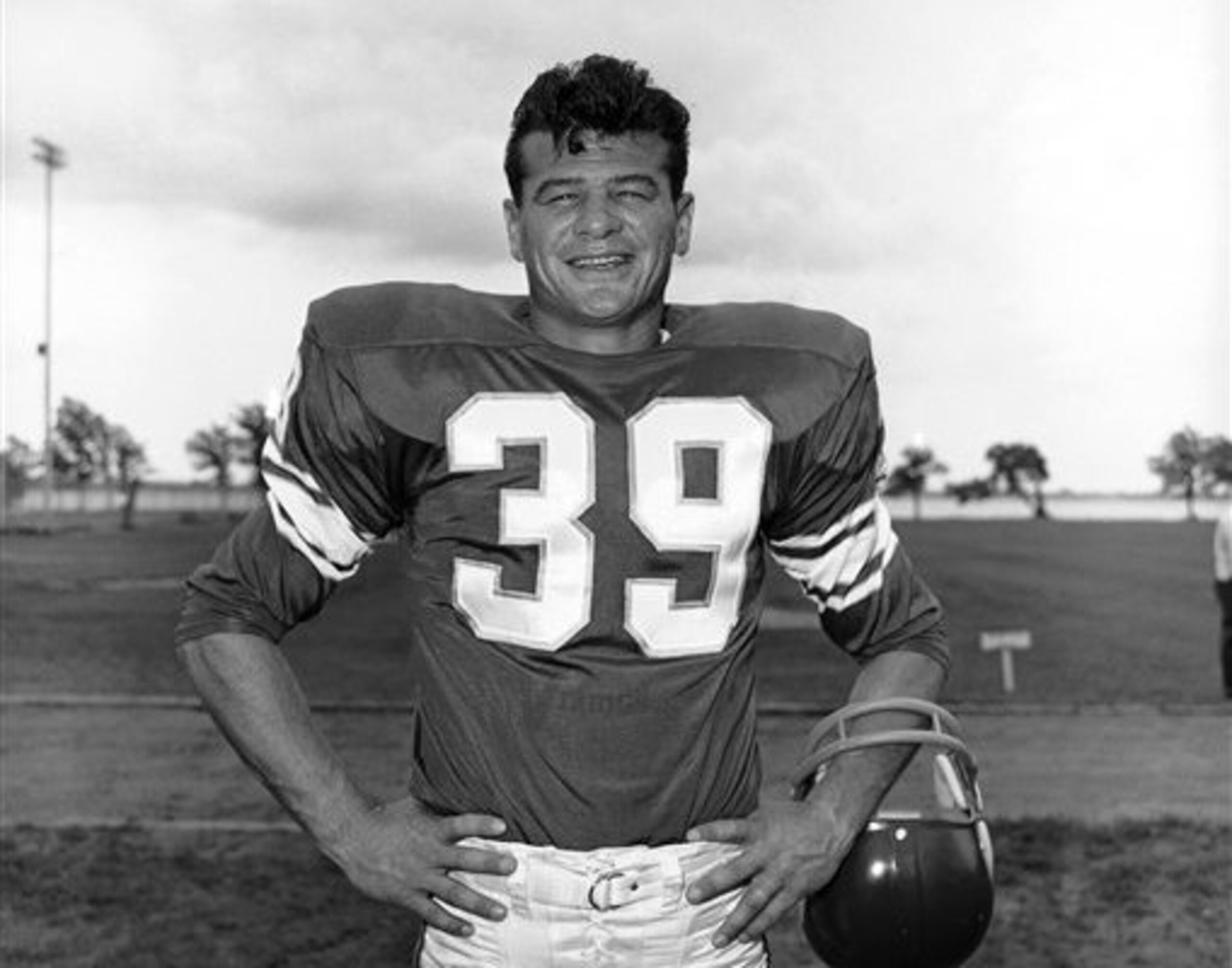
Post-San Francisco stats: 247 carries, 993 yards, 3 touchdowns; 69 receptions, 581 yards, five touchdowns
McElhenny made the Hall of Fame for his great career with the 49ers. As part of the 49ers’ Million Dollar Backfield, McElhenny was the Barry Sanders of his day; an elusive, direction-changing dynamo who was a big-play threat every time he touched the football. When he retired, he was one of only three players in NFL history to have over 10,000 all-purpose yards, thanks to his skills as in the return game, as well.
In 1961, McElhenny was sent to the expansion Minnesota Vikings, where he had his last truly productive season. McElhenny made the Pro Bowl that season, gaining 1,069 all-purpose yards and averaging 4.8 yards per carry. It would be the last time he received more than 100 carries in a season, as by this point his knees were getting shot.
He finally made a championship game after his 49ers career, too, reaching the NFL Championship with the 1963 New York Giants. He wasn’t a major contributor on the field for that team, with only 476 all-purpose yards, but he was a leader on and off the field. Sadly, the Giants came up short in that game, and McElhenny retired without ever winning a championship.
8. Woody Peoples, Philadelphia Eagles
3 of 10
Post-San Francisco stats: 47 games, 46 games started
A staple in San Francisco’s offensive line for a decade, Peoples played 121 games at right guard between 1968 and 1979. A two-time Pro Bowler, Peoples was one of the top pulling guards in the game during his time with the 49ers. Had the 49ers been more successful in the late ‘70s, Peoples would probably be better-remembered today.
Peoples moved to the Philadelphia Eagles in the 1978 season and immediately won their starting right guard job. He kept that job for three seasons, including starting Super Bowl XV, which the Eagles lost to the Oakland Raiders. A strong run-blocker, Peoples helped pave the way for Wilbert Montgomery on three consecutive playoff seasons for Philadelphia, though they never quite got over the hump.
Peoples retired after 1980, still near the top of his game.
.jpg?w=2560 "49ers Giants Football")
.jpg?w=2560 "Commanders Vikings Football")
7. Jeff Garcia, Cleveland, Detroit, Tampa Bay and Houston
4 of 10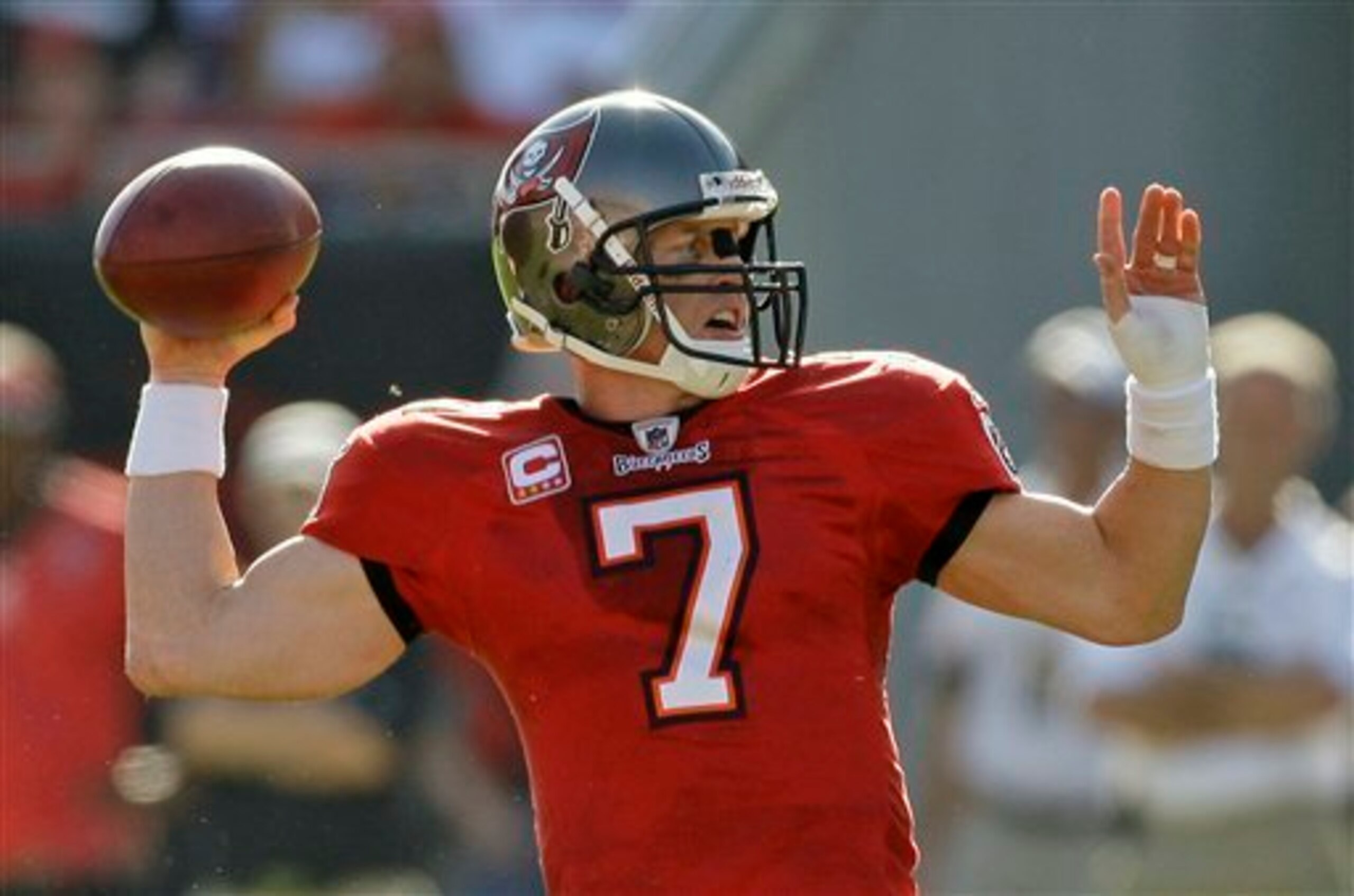
Post-San Francisco Stats: 815-for-1,316 passing; 9,129 yards; 48 touchdowns; 27 interceptions
The former CFL star Garcia had some big shoes to fill when he took over as the 49ers’ starting quarterback in 1999, having to follow in the footsteps of Joe Montana and Steve Young. While obviously Garcia isn’t in the same caliber as those two players, he did make the Pro Bowl in three consecutive seasons and led the 49ers to multiple winning seasons, including a couple playoff appearances.
Garcia was released after the 2003 season and spent most of the rest of his career bouncing from team to team. He normally was the guy teams brought in while they were developing a young player or to cover for injuries to other players. He never spent more than two seasons on any one team after his San Francisco career.
He made the Pro Bowl one more time as a Tampa Bay Buccaneer, leading the 2007 team to a 8-5 record as a starter and taking them back to the playoffs the year after a 4-12 disaster. He kept plugging away even after that point, carving a successful career as a backup quarterback and as a starter in the UFL. He was effective enough that the Houston Texans even brought him in at age 41 after Matt Schaub was injured.
6. Joe Montana, Kansas City Chiefs
5 of 10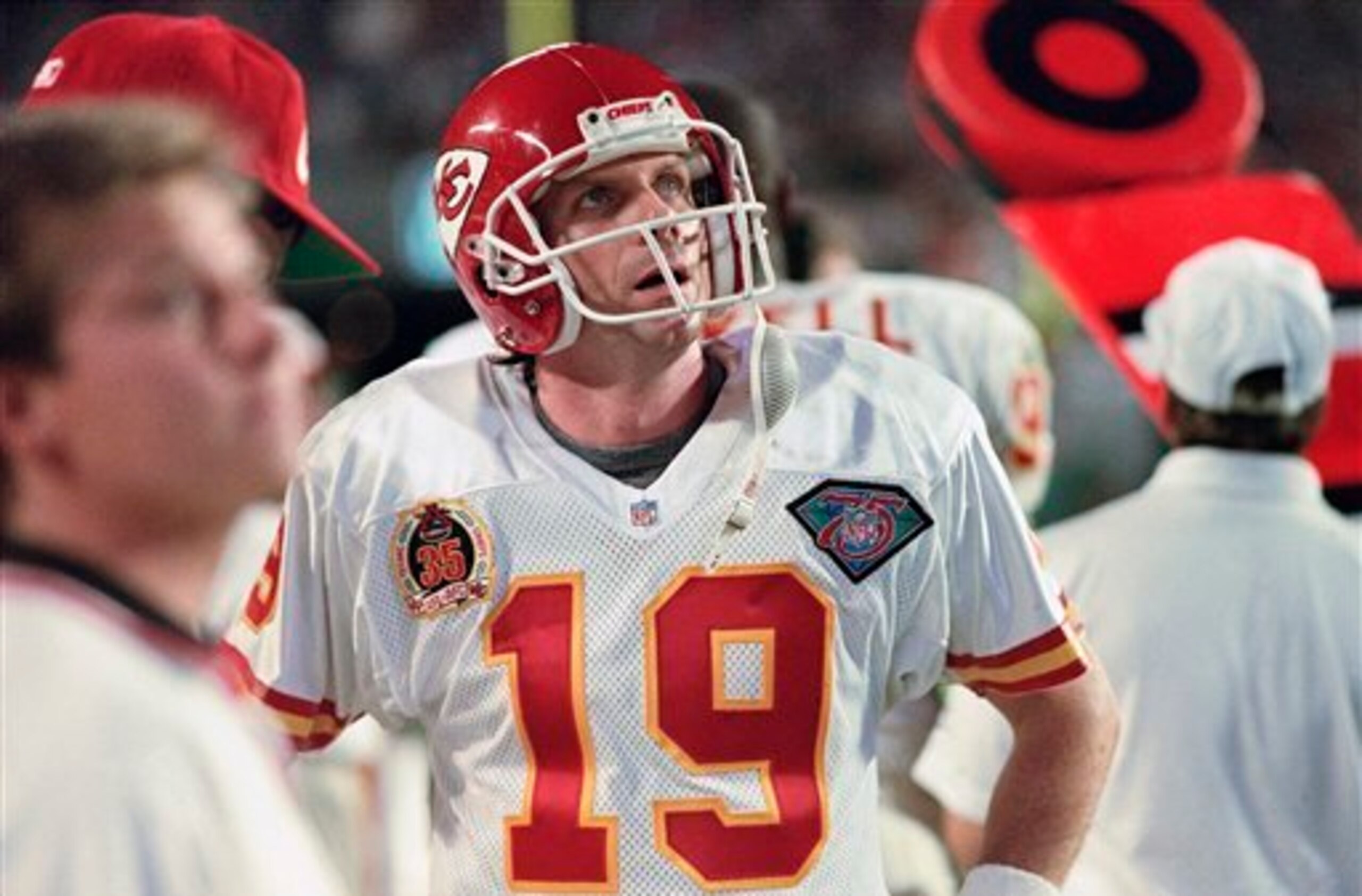
Post-San Francisco Stats: 480-for-791 passing; 5,427 yards; 29 touchdowns; 16 interceptions
Joe Montana needs no introduction. It took years for the fanbase to fully embrace Steve Young, who replaced Montana when he was traded to the Kansas City Chiefs after the 1992 season.
We were one week away from what would have been the most dramatic game in franchise history. In 1993, Young and the 49ers were taking on the Dallas Cowboys in the NFC Championship Game, while Montana and the Chiefs were matched up with the Buffalo Bills in the AFC Championship Game. Imagining the potential of a Young versus Montana matchup in the Super Bowl of all things is enticing; the story lines would have been epic.
Sadly, both teams lost that year so we had to settle for a regular-season showdown the next season (which, for the record, Montana won).
As a Chief, Montana wasn’t the same player as he was in his prime; injuries had slowed him down significantly. Still, 75 percent of Joe Montana is still a great player. Montana made the Pro Bowl in 1993 and led the Chiefs to back-to-back postseason appearances. Had he played for longer than two seasons, or had he gone back to the Super Bowl, he would have been higher on this list.
5. Jerry Rice, Oakland Raiders and Seattle Seahawks
6 of 10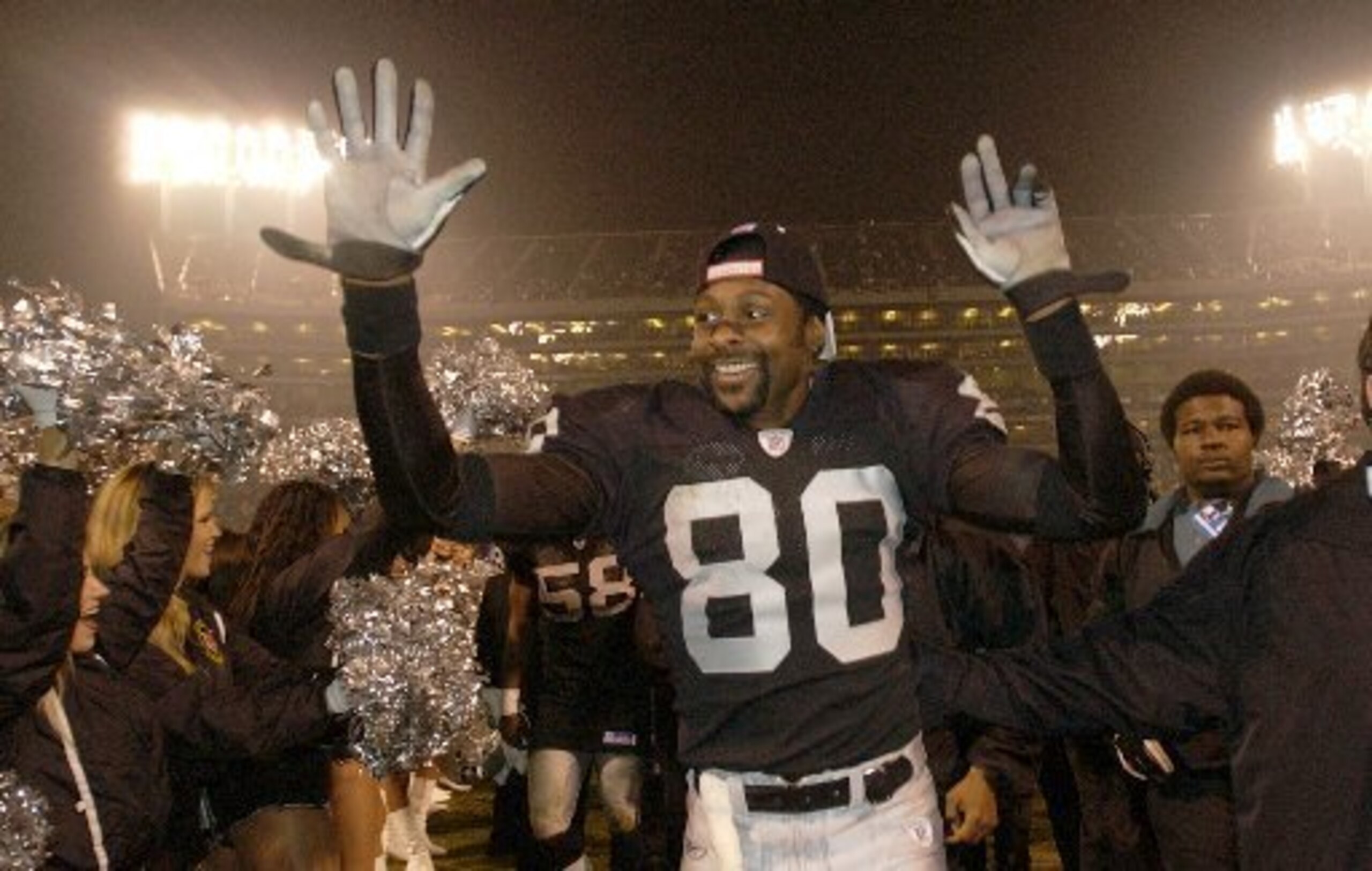
Post-San Francisco Stats: 268 receptions; 3,648 yards, 21 touchdowns
The NFL’s all-time leader in essentially every receiving category, Rice is justifiably often listed as the greatest player in NFL history, including by the NFL Network’s own ranking. His high level of play over two decades has never been matched.
The 49ers felt he was beginning to slow down after the 2000 season, however—he suffered a knee injury in 1997 and wasn’t quite the same player afterwards. Couple that with the emergence of Terrell Owens as a top receiving threat and the salary cap trouble the 49ers were finding themselves in, and the franchise made the difficult decision to part from the legendary receiver.
Rice didn’t go far, traveling just across the bay. Grouped with Tim Brown and Rich Gannon, Rice was part of one of the oldest passing offenses in NFL history, but also a highly successful one. Rice went over 1,100 yards receiving in both of his first two seasons in Oakland, including a Super Bowl trip in 2002 and his final Pro Bowl appearance. He may not have been the best receiver in football anymore, but Rice proved he could still perform at a high level even at 40 years old, as he became the NFL’s all-time leader in total yardage.
4. Ronnie Lott, Los Angeles Raiders and New York Jets
7 of 10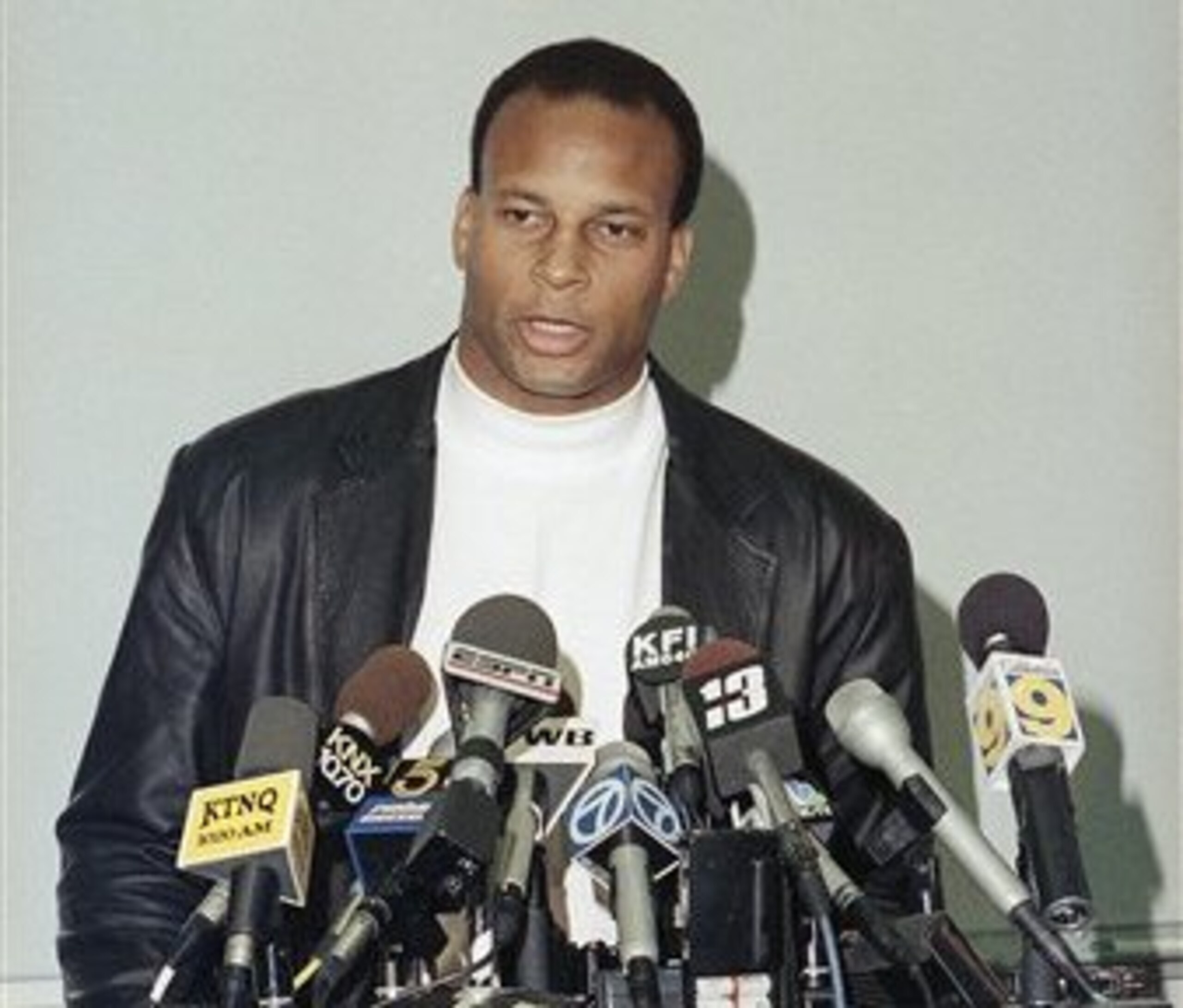
Post-San Francisco Stats: 12 interceptions, three sacks, 392 tackles, 33 assists.
When Jerry Rice left the 49ers, he was still a top wide receiver. When Ronnie Lott left the 49ers, he was still the top safety in the league.
Lott was the defensive heart and soul for the 49ers from 1981 through 1990, playing first cornerback and then free safety. He made the Pro Bowl in nine out of those 10 seasons and was named first-team All-Pro in five of them. He’s one of only five players who were on all four 49ers Super Bowl teams in the ‘80s, along with Joe Montana, Keena Turner, Eric Wright and Mike Wilson.
Lott left in free agency after the 1990 season and made a move to strong safety, which was perhaps a more natural fit considering Lott’s reputation as one of the toughest tacklers in the league. It paid off, as Lott led the NFL with eight interceptions and had 93 tackles, his highest total in six years. He also earned his sixth and final All-Pro nod.
He had over 100 tackles in each of the next two seasons as well, though he never again made the Pro Bowl. He actually came back to the 49ers before the 1995 season, but the injuries he had suffered piled up, and he was forced to retire.
3. Terrell Owens, Philadelphia, Dallas, Buffalo and Cincinnati
8 of 10
Post-San Francisco Stats: 486 receptions; 7,362 yards; 72 touchdowns
Everyone before this point on the list had long, successful careers in San Francisco and then left and had a handful of decent seasons elsewhere. To hit the top three, however, a player would have had to establish themselves as a great quickly in San Francisco and then left while still in or near their prime to have a second great career outside the franchise.
The second-greatest receiver in franchise history, Owens took the torch from Jerry Rice following the 2000 season. I was at Rice’s last home game as a 49er, and on that day Owens set a then-NFL record with 20 receptions, which always felt like a passing of the torch moment to me. Owens is second in essentially ever 49er franchise record, and he made the Pro Bowl in each of his last four seasons in the red and gold.
Owens constantly fought with players and management, however, and managed to leave the team following the 2003 season. Teaming up with Donovan McNabb, he helped bring the Eagles to Super Bowl XXXIX, which they lost to the Patriots. He also earned another All-Pro nod in 2004, with exactly 1,200 yards receiving.
After wearing out his welcome in Philadelphia, Owens moved on to Dallas, where he had three more 1,000 yard seasons, including another All-Pro nod, and led the league in touchdowns in 2006.
2. Charles Haley
9 of 10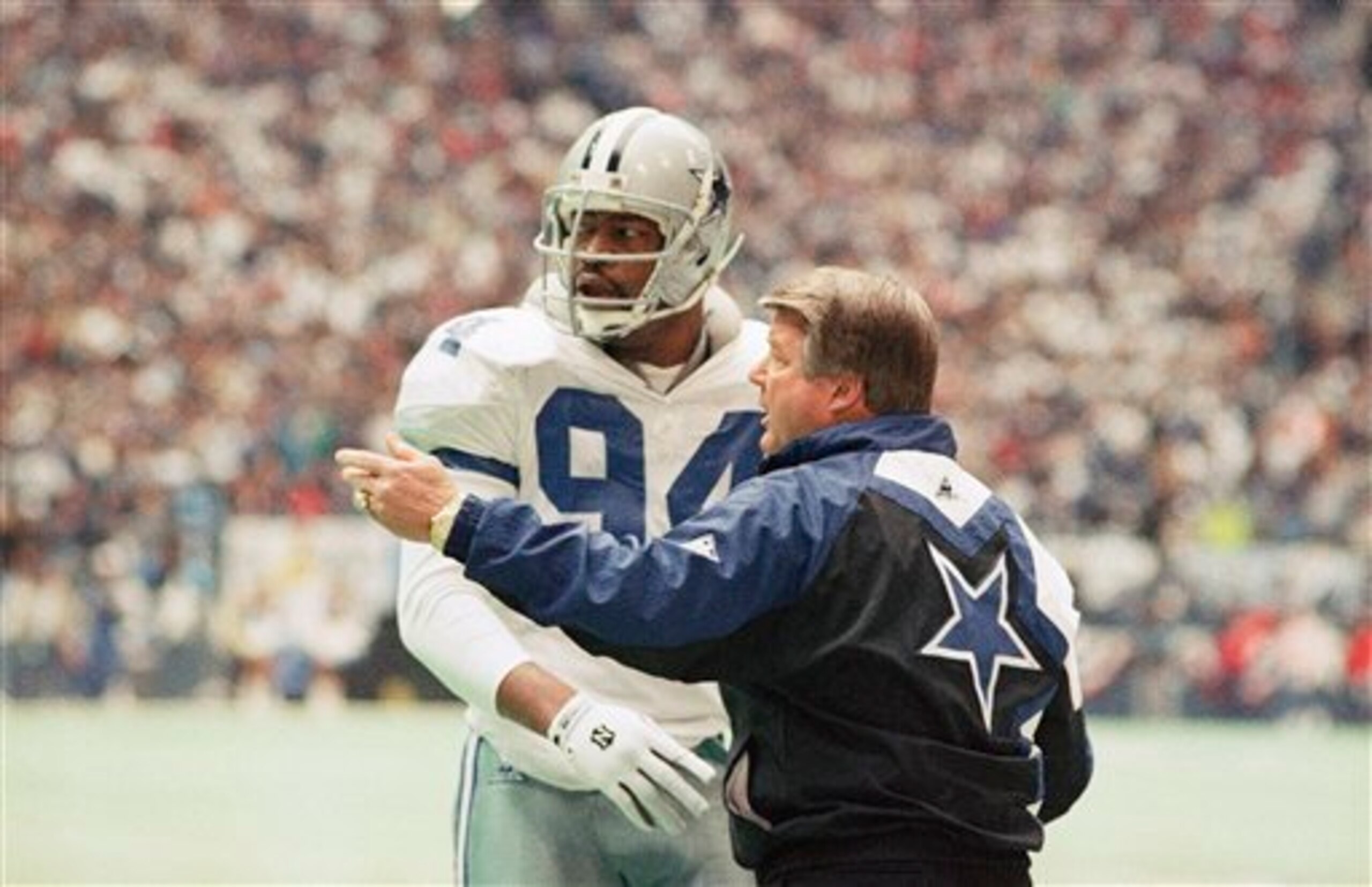
Post-San Francisco Stats: 34 sacks, 159 tackles, 13 assists
After proving to be a pass-rushing menace in San Francisco, racking up 66.5 sacks, three Pro Bowl appearances, an All-Pro nod and two Super Bowl rings, Haley wore out his welcome in San Francisco. He fought with both head coach George Seifert and quarterback Steve Young and was traded to the Dallas Cowboys following the 1991 season.
In retrospect, any other team would have been better for the 49ers, because Haley joined the Cowboys just in time for their dynasty to take off, providing them with an elite pass-rushing threat and providing the 49ers’ top rival with a stud player at the worst possible time. Haley won three more championships with Dallas, becoming the only player in NFL history to win five Super Bowl rings.
For the record, in five games against the 49ers, Haley recorded four sacks. Three of those games were in the NFC Championship, and while he didn’t always make a huge statistical impact in those games, he was a difference maker. Having to account for Haley made the rest of the Cowboys’ defense that much better, and it gave them the dynamic they needed to take that final step to get to the Super Bowl.
1. Y.A. Tittle, New York Giants
10 of 10
Post-San Francisco stats: 731-for-1,308 passing; 10,439 yards; 96 touchdowns; 68 interceptions
The 49ers’ history of great quarterbacks predates the era of Joe Montana and Steve Young. Before the 49ers ever won their first Super Bowl, players like Frankie Albert, John Brodie and yes, Y.A. Tittle manned the position.
Despite being named to the Pro Bowl three times and being a first-team All-Pro in 1957, Tittle fought for starting time throughout his 10 year San Francisco career. Only in 1955 did he start every game for the team. He ended up trading starts in the beginning of his career with Frankie Albert before bouncing back and forth with John Brodie in the late ‘50s. Tittle put together an impressive 45-31-2 record as San Francisco’s starter in those seasons and was named MVP by the UPI in ’57.
Thus, it came as something of a shock when the then 34-year-old quarterback was traded to the New York Giants for guard Lou Cordileone, who lasted with the 49ers for just one season.
Tittle did slightly better in New York.
Tittle was named to the Pro Bowl in each of the next three seasons and was the first-team All-Pro in 1962 and 1963. He led the Giants to three-straight NFL Championship games in those years, though they lost in all three. In that sense, he was a pre-modern Jim Kelly.
When he retired, Tittle was the all-time leader in passing touchdowns and passing yards. That’s a legacy that was passed through some of the greatest quarterbacks in NFL history, going from Tittle to Johnny Unitas to Fran Tarkenton to Dan Marino to Brett Favre and likely to Peyton Manning. A lot of that—nearly a third of his career yards and almost half of his touchdowns—came in that four-year period in New York. Even Charles Haley’s Super Bowl rings can’t match up to Tittle’s MVP-caliber play after his 49ers career.
Bryan Knowles is a featured columnist for Bleacher Report, covering the Carolina Panthers. Follow him @BryKno on twitter.
.jpg?w=2560 "Commanders Cowboys Football")

.jpg?w=2560 "WWE Raw Live Grades 🔠")

.jpg?w=2560 "🚨 Puka Out for MNF")